Newsletter "Beyond the Postcards" Subscribe
Plan Your Cyprus Trip: Hotels: Expedia, Villas & Apartments: Vrbo, Car Rentals: DiscoverCars, Tours: GetYourGuide, Airport Transfers: WelcomePickups
- Home
- Things To Do in Cyprus
- Cultural & Historic Experiences in Cyprus
Cultural & Historic Experiences in Cyprus
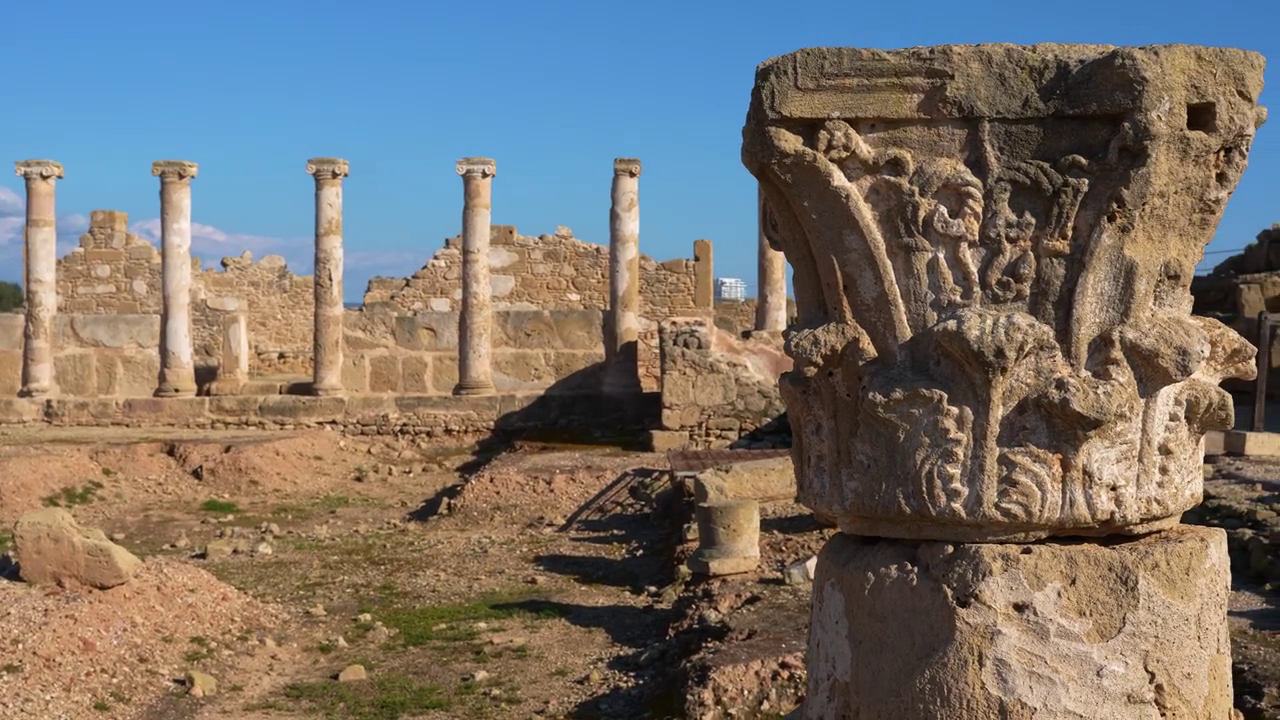 Kato Paphos Archaeological Park (UNESCO)
At Choirokoitia, the remains of circular houses provide evidence of how people organized their lives thousands of years ago. In Paphos, monumental burial chambers reveal a very different society, one in which status and wealth could be expressed through architecture even after death.
Elsewhere, the evidence takes other forms. Medieval fortifications recall periods of military control, while churches and monasteries preserve religious traditions that continue to have a place in Cypriot life.
These are not simply different chapters of the same sightseeing itinerary. Each offers a way of understanding how people lived, what they valued and what they chose to preserve.
You can spend a rewarding morning at one archaeological site without becoming an expert on ancient Cyprus. Equally, travelers with a serious interest in history can build several days around the island's ancient settlements, museums, religious art and medieval architecture.
The important distinction is what you want to understand. That determines which experiences are worth your time.
Choosing The Right Cultural Experience
Archaeological sites, museums, castles and monasteries require different kinds of attention. At an archaeological site, much of the original settlement or monument may have disappeared. What survives can be remarkable, but you often need to interpret foundations, ruined walls and architectural fragments to understand how a place once functioned.
Museums work differently. Objects are presented with historical context, allowing you to examine details that may be difficult to recognize among ruins. They can be especially rewarding for travelers who enjoy understanding the connections between historical periods.
A castle raises questions about military power, defense and the control of land. A monastery may contain important historical artworks, but its religious function can be just as significant as its architecture.
These distinctions matter more than the number of famous sites you visit. Someone interested in ancient civilizations may prefer an archaeological morning in Paphos, while a traveler drawn to Byzantine art might find greater satisfaction in the churches of the Troodos Mountains.
The following six guides approach Cyprus's cultural heritage from different perspectives. Each serves a particular interest, with enough distinction between them to help you choose rather than simply add more places to your itinerary.
Best Archaeological Sites in Cyprus
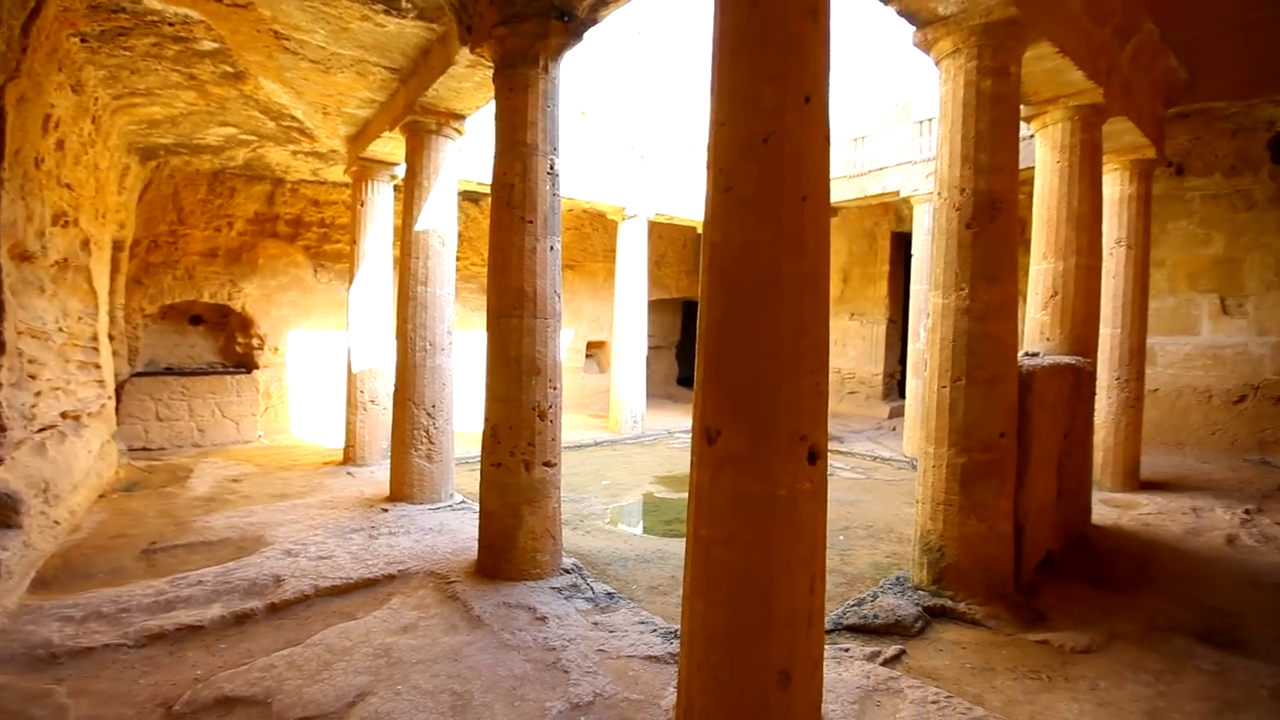 Tombs of the Kings (UNESCO), Paphos
Archaeology in Cyprus ranges from prehistoric settlements to the substantial remains of Greek and Roman cities. The surviving structures vary considerably, and so does the experience of visiting them.
Kourion, west of Limassol, is particularly compelling for its combination of architecture and coastal setting. The ancient theater, residential remains and mosaics occupy an elevated position overlooking the Mediterranean. The landscape contributes to the experience, making it easier to appreciate the scale and location of the ancient city.
Paphos offers another kind of archaeological encounter. Its Roman mosaics reward close examination, while the nearby Tombs of the Kings reveal how elaborate funerary architecture could express wealth and social status.
We found the Tombs of the Kings particularly rewarding. Despite their name, the necropolis is chiefly associated with high-ranking officials and members of the elite rather than kings. Its monumental rock-cut tombs, some incorporating Doric columns, explain why the site acquired such a grand name.
The burial ground dates from the Hellenistic and Roman periods and forms part of the UNESCO-listed Paphos property. Its architecture is impressive, but we also enjoyed the views from the necropolis, which contributed to a visit that lasted considerably longer than we had anticipated.
For history enthusiasts, this is a place where the size and arrangement of the tombs deserve careful attention. There is considerable ground to cover, however, and in summer we recommend arriving early, before the temperature rises.
We also like the way this visit can fit into a wider Paphos outing. After finishing at the necropolis, we continued to Kato Paphos harbor and enjoyed a coffee. It was a satisfying conclusion to a morning spent among the tombs, and a reminder that a substantial cultural visit need not occupy the entire day.
For travelers more interested in ancient architecture within an expansive landscape, Kourion may be the stronger choice. Those fascinated by burial practices, monumental tombs and the social history of ancient Paphos should give the necropolis serious consideration. For a fuller comparison of the island's principal sites, their individual strengths and the experiences that justify a visit, see Best Archaeological Sites in Cyprus.
Best Museums in Cyprus
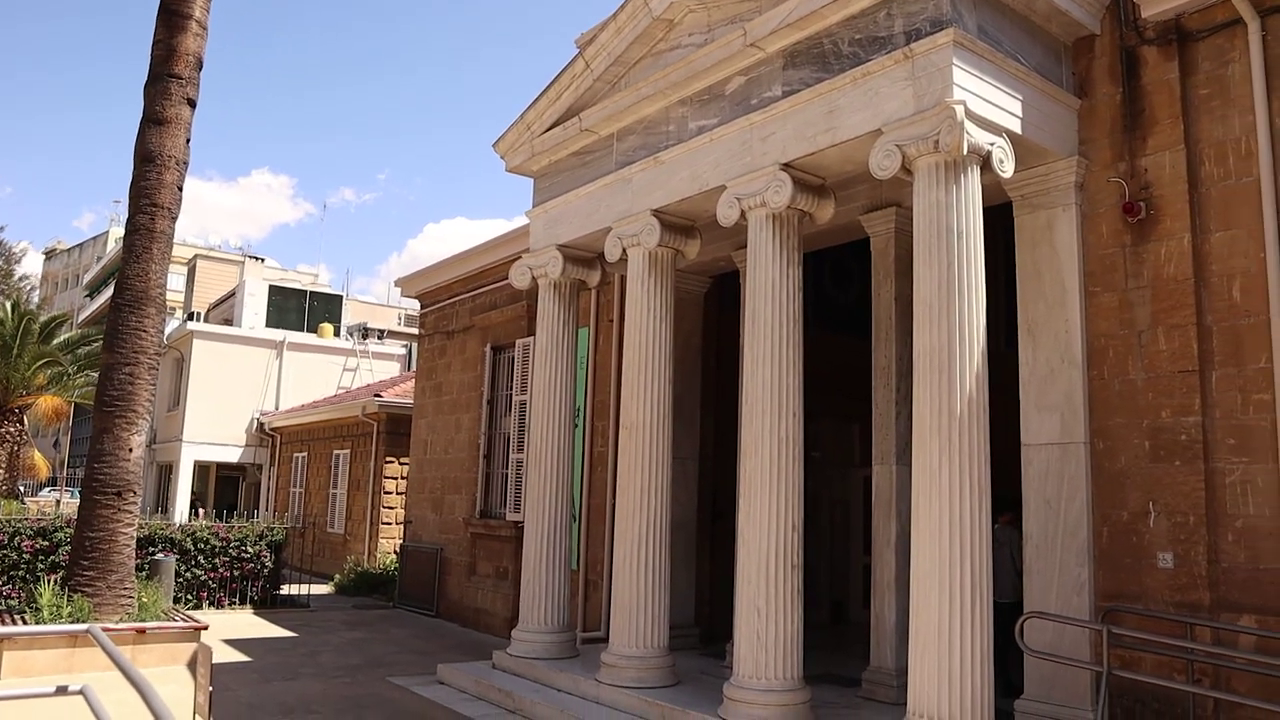 Cyprus Museum, Nicosia
Museums can provide the historical understanding that an archaeological site sometimes leaves to the visitor's imagination. The Cyprus Museum in Nicosia is an important starting point for anyone interested in the island's archaeology. Its collections bring together objects from different periods, revealing changes in craftsmanship, beliefs, trade and everyday life.
Smaller regional museums serve another purpose. The Archaeological Museum of the Paphos District, for example, offers an opportunity to understand finds from the surrounding region and place them within a wider historical sequence.
A substantial museum visit can deserve its own place in the itinerary for travelers who want to study the broader development of Cyprus. For others, a smaller collection concentrating on the history of a particular area, especially one connected to a nearby archaeological site, may offer a more manageable introduction.
Museums also provide a practical alternative to large outdoor archaeological areas during periods of strong heat or unsettled weather. Individual facilities and accessibility arrangements still need to be checked.
We would not automatically fill a day with several museums simply because they are nearby. Collections become more meaningful when the subject genuinely interests you, rather than when you are trying to cover as many institutions as possible. Best Museums in Cyprus distinguishes museums worth a dedicated visit from those that work particularly well alongside archaeological sites, historic neighborhoods and other cultural experiences.
Castles & Forts in Cyprus
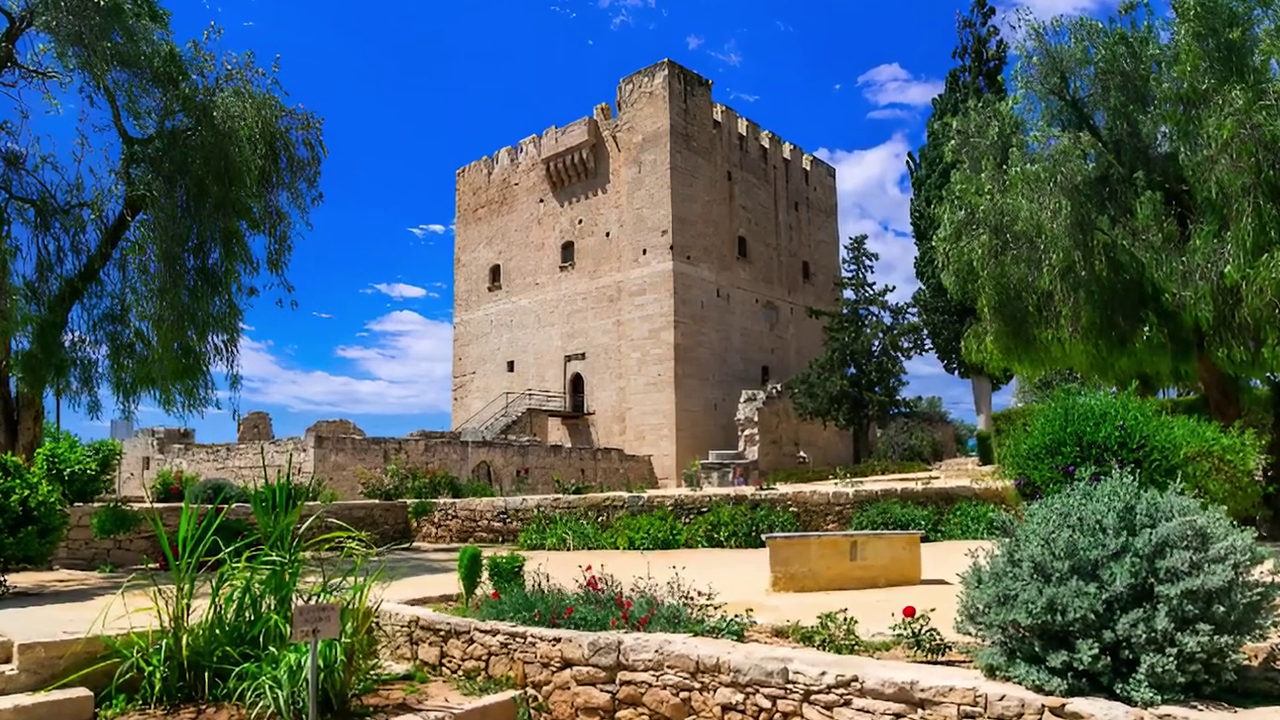 Kolossi Castle, Limassol
The castles and forts of Cyprus tell stories of military authority, maritime defense and the powers that governed the island over different periods. Their architecture varies, as does the amount of time worth allocating to a visit. Some are substantial historic structures, while others make more sense as shorter stops within a wider day.
Kolossi Medieval Castle, in the Limassol District, is a good example of why historical significance should not be judged by a building's size. We arrived early in the morning because we wanted enough time to look around without rushing. In practice, Kolossi is a relatively compact castle, and you do not need a particularly long visit to appreciate its principal features.
What makes Kolossi interesting is the history associated with it. Originally established in the medieval period and later rebuilt, the castle was connected with the Knights of the Order of St. John of Jerusalem. It is one of the important surviving examples of Frankish military architecture in Cyprus.
Kolossi's history also extends beyond military affairs. The castle is closely associated with Commandaria, the traditional Cypriot sweet wine whose name has survived for approximately eight centuries. The wine took its name from the medieval commandery associated with the area, where agricultural production and trade were important economic activities. The remains of a medieval sugar mill beside the castle add another dimension to this history.
While walking through the castle, make time to reach the roof if visitor access permits. The elevated views provide a different perspective on the surrounding area and are a rewarding part of the visit.
For us, Kolossi demonstrates how a relatively small monument can have a history extending well beyond its walls. It is a strong choice for travelers interested in medieval Cyprus, particularly when combined with other places in the Limassol region.
Paphos Castle offers a contrasting experience. Located beside the harbor, it is closely associated with the waterfront and can be incorporated into a visit to Kato Paphos without making the fortress the principal purpose of the day. The differences between these fortifications are examined further in Castles & Forts in Cyprus, including which deserve a dedicated visit, which work better as shorter stops and what their histories reveal about the island.
Monasteries & Churches in Cyprus
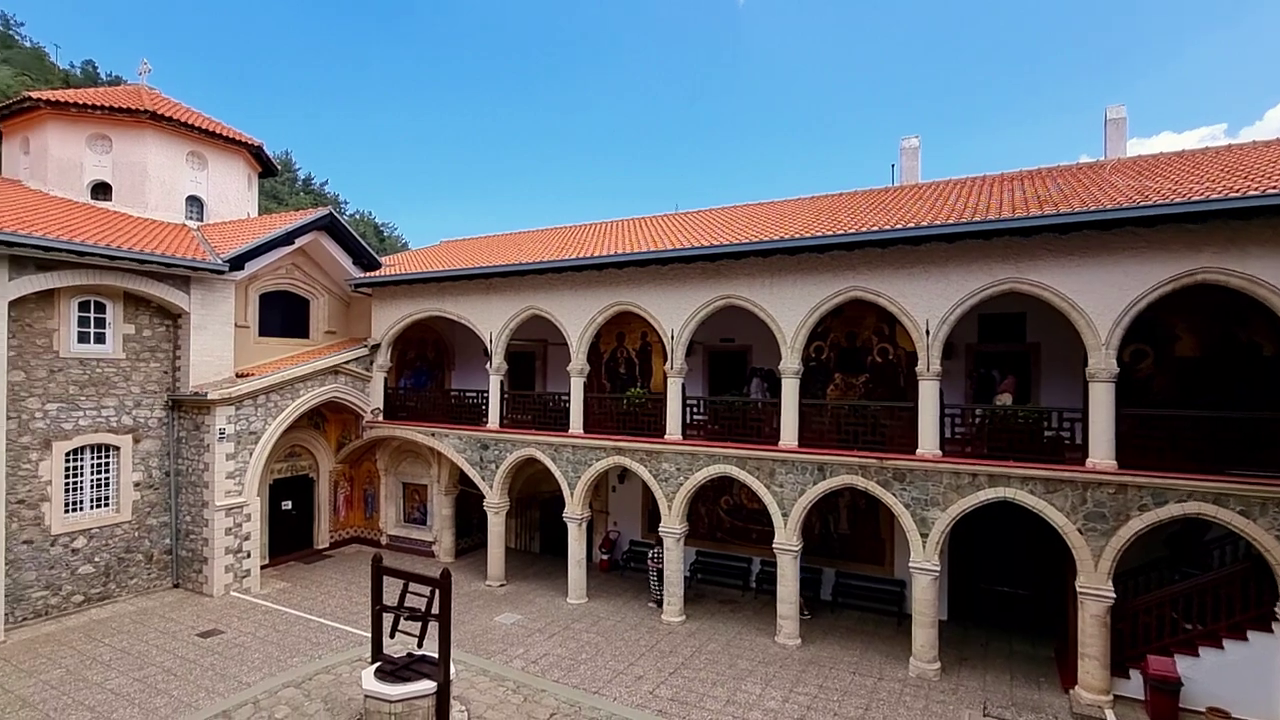 Kykkos Monastery
Religious heritage occupies a distinctive position in Cyprus because many historic churches and monasteries remain active places of worship. Their importance extends beyond their architecture. They preserve traditions, religious artwork and connections with communities that have developed over generations.
The Painted Churches in the Troodos Region are especially significant for their wall paintings and architectural heritage. Some have comparatively modest exteriors, making the richness of their interior decoration all the more striking.
Larger monasteries offer a different experience, particularly when their religious history is combined with substantial buildings, collections and mountain settings. One monastery we particularly love is Kykkos, located in the Troodos Mountains. Dedicated to Panagia, the Virgin Mary, it is among the island's most prominent monasteries. Its foundation dates to the Byzantine period, although the complex has been rebuilt over the centuries.
We have visited Kykkos many times, and the experience continues to impress us. Whenever we go, we enjoy walking through its corridors, looking at the mosaics and painted religious images depicting Christ, the Virgin Mary, saints and other religious subjects.
The richness of the decoration gives the monastery a character quite different from the smaller painted churches scattered across Troodos. We have also found the monks welcoming, although visitors should remember that Kykkos is first and foremost a religious institution.
The journey is part of what we enjoy. Reaching the monastery involves driving through forested mountain scenery, and the setting is rewarding for travelers who appreciate combining culture with time in the mountains.
In summer, we prefer to visit earlier in the day, within the monastery's visiting hours. Mountain temperatures are generally more comfortable than those on the coast, but walking through the complex still feels more pleasant before the warmer part of the day.
Another part of our visits has become a small tradition. After leaving the monastery, we often stop at the kiosks outside to buy nuts and pastellaki, the traditional Cypriot sweet made with sesame seeds and syrup. Depending on the stalls, visitors may also find local products such as zivania and Commandaria. These stops are not the reason to visit Kykkos, but they give the outing a familiar Cypriot character beyond the monastery itself.
Visitors should arrive appropriately dressed, respect any areas reserved for religious use and follow the monastery's photography rules. Religious services and other activities can affect access, so visiting arrangements should be checked beforehand. For a closer comparison of historic religious sites by architecture, artworks, religious significance, setting and suitability for a cultural visit, continue to Monasteries & Churches in Cyprus.
UNESCO World Heritage Sites in Cyprus
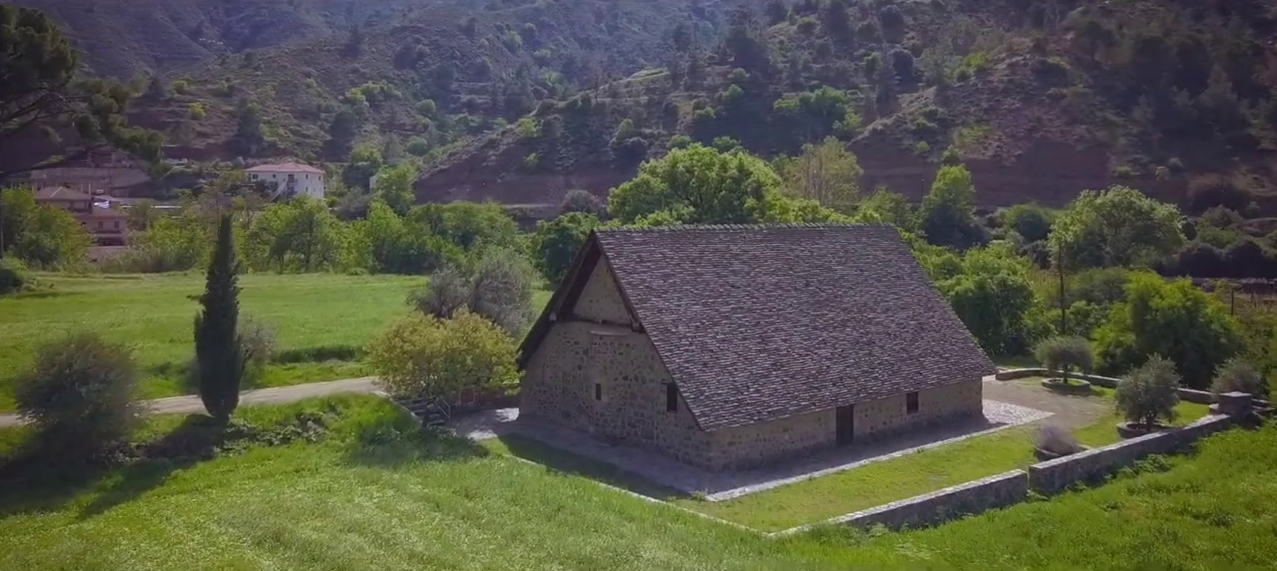 Panayia Podithou Church (UNESCO), Galata
UNESCO World Heritage recognition identifies places considered to possess outstanding universal value. It is an important distinction, but it should not be confused with a guarantee that every listed property will provide the same kind of visitor experience. Cyprus has three UNESCO World Heritage properties: Paphos, Choirokoitia and the Painted Churches in the Troodos Region.
The Paphos inscription brings together important archaeological remains associated with ancient Nea Paphos and Palaepaphos, including the Tombs of the Kings and the Sanctuary of Aphrodite at Kouklia. These places represent different aspects of the area's ancient history and are not all concentrated within one visitor site.
Choirokoitia belongs to a much earlier period. Its Neolithic remains provide evidence of permanent settlement, communal organization and the architecture of people who lived on the island thousands of years before the great ancient cities developed.
The Painted Churches in the Troodos Region form a group of ten religious monuments recognized particularly for their architecture and remarkable wall paintings. Visiting them requires a different approach from touring a large archaeological complex, especially because they are distributed across mountain communities.
An important distinction concerns Kykkos Monastery. Despite its considerable religious and cultural significance, Kykkos is not one of the ten churches included in this UNESCO inscription. Travelers should not confuse the wider religious heritage of Troodos with the specific monuments on the World Heritage List.
UNESCO status helps establish the international significance of these places, but their character and setting ultimately shape the visit. For a closer look at what each inscription includes and how the experiences differ, see UNESCO World Heritage Sites in Cyprus.
Ancient Cyprus: The Essential Sites
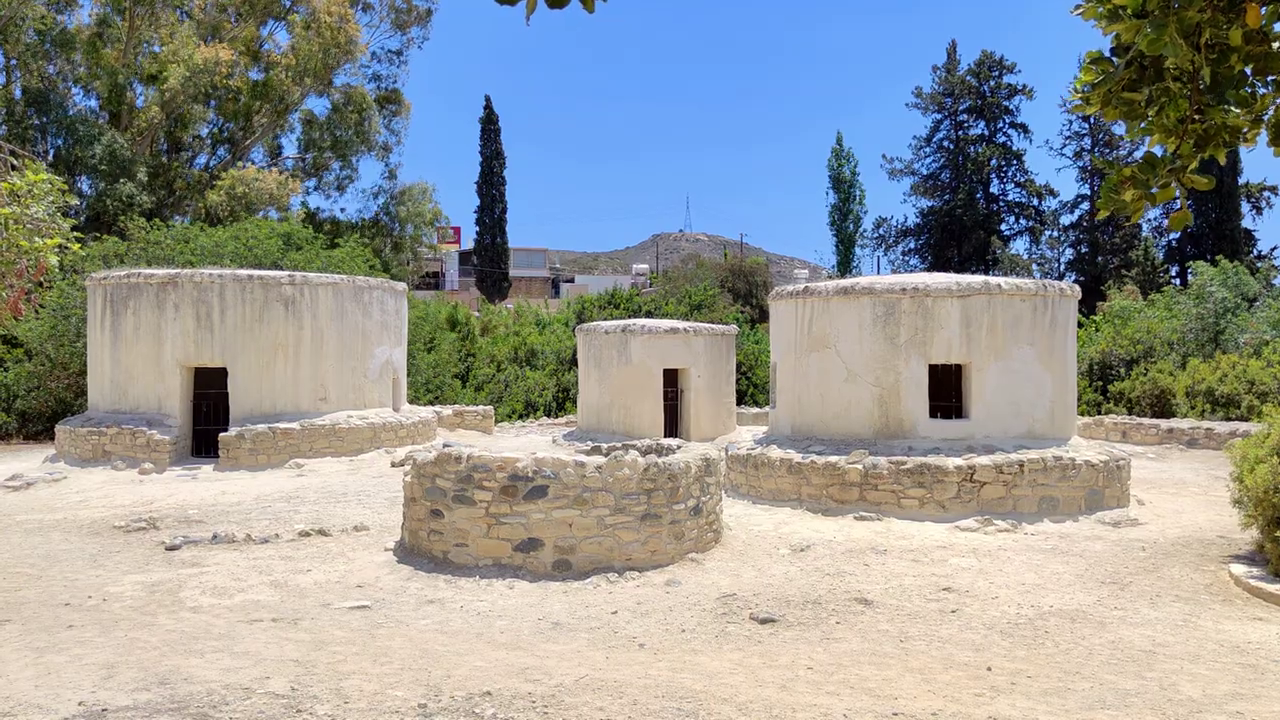 Choirokoitia Neolithic Settlement (UNESCO), Larnaca
Ancient Cyprus becomes easier to understand when archaeological places are connected through the periods and civilizations they represent. The island's history stretches from prehistoric settlements through the emergence of ancient city-kingdoms and into the Hellenistic and Roman periods. Each stage contributed to the development of communities, religious practices, commercial relationships and political institutions.
Choirokoitia introduces the world of early settled communities. Sites associated with ancient Kition and Amathous provide opportunities to consider the city-kingdoms and their relationships with the wider Mediterranean. Paphos and Kourion reveal other aspects of ancient life, from religious traditions and monumental architecture to the development of substantial urban centers during later periods.
The value of connecting these places lies in understanding change. An ancient sanctuary, a Roman house and a prehistoric dwelling do not simply represent different building styles. They reflect societies with different beliefs, resources and ways of organizing daily life.
Our two archaeological guides approach this history from different directions. Best Archaeological Sites in Cyprus helps travelers compare individual places according to what they offer during a visit. Ancient Cyprus: The Essential Sites takes a more historical approach, identifying the places that best explain the development of ancient civilization on the island.
For travelers with a serious interest in antiquity, the second approach provides a coherent foundation for a more substantial cultural itinerary. It is less suitable for visitors who simply want one enjoyable archaeological outing during a predominantly beach-focused holiday.
Where To Base Your Cultural Visits
The distribution of Cyprus's cultural sites makes geography an important part of planning. Paphos is particularly well suited to travelers interested in archaeology. The Tombs of the Kings, the Archaeological Park of Kato Paphos and other historic places in the wider district provide opportunities to engage with several aspects of the island's ancient history.
Limassol offers a useful combination of archaeological and medieval heritage. Kourion and Kolossi belong to very different historical periods, making them complementary visits for travelers interested in how the region developed over time.
Nicosia presents another perspective through its museums and historic urban fabric. Here, history exists within the daily life of a working capital rather than being confined to a separate archaeological landscape.
The Troodos Mountains are particularly rewarding for travelers interested in monasteries, painted churches and the connection between religious heritage and rural communities. Mountain roads, however, mean that distances can take longer to cover than they appear on a map.
For a cultural day, we generally favor concentrating on one region rather than driving across the island between unrelated attractions. This gives the places themselves more attention and makes it easier to combine sightseeing with a leisurely meal, a village visit or time in a historic neighborhood.
Practical Considerations Before Visiting
Historic places in Cyprus vary considerably in their accessibility, physical demands and visiting arrangements. Archaeological sites often involve uneven ground, steps, exposed surfaces and walking distances that are not obvious from photographs. In summer, an early start, suitable footwear and sufficient drinking water can make a substantial difference to the experience.
Castles may contain steep staircases and confined areas, while historic churches and monasteries can have their own access limitations. Travelers with reduced mobility should check the facilities and restrictions of individual sites rather than assume that every monument can be visited in the same way.
Religious places require particular consideration. Dress expectations, areas reserved for worship and photography restrictions should be respected, and visitors should avoid interrupting services or private religious activities.
Opening hours, conservation work, admission arrangements and temporary access restrictions can change. The Cyprus Department of Antiquities is the appropriate official reference for many archaeological sites, museums and ancient monuments, while churches and monasteries should be checked with their respective authorities or management.
Photography rules also vary. Visitors should follow any restrictions communicated at the site.
A knowledgeable guide may substantially improve a visit when the surviving remains are difficult to interpret. At other places, museum displays, written interpretation and independent reading may provide the context you need without organizing a guided tour. What matters is how much understanding the experience provides, rather than the number of monuments you manage to visit.
What Remains After The Visit
History survives in Cyprus in different ways. At the Tombs of the Kings, the people and the society responsible for the monumental burial chambers are long gone, leaving architecture and archaeological evidence to tell their story. Kolossi Castle belongs to another historical period, yet the Commandaria wine associated with its medieval past remains part of the island's wine tradition.
At Kykkos, the connection between past and present is more immediate. The monastery's history reaches back centuries, but its religious purpose continues. Visitors encounter more than a preserved building; they enter a place that still has meaning for the people who worship there.
This distinction changes how we understand the island's heritage. Some places preserve evidence of lives that have disappeared, while others reveal traditions that have adapted and continued. Together, they show how the past remains present in Cyprus, sometimes through ancient stonework, sometimes through art, and sometimes through customs that are still practiced.
The value of a cultural visit does not necessarily end when you leave the monument. It can change the way you understand a village church, a traditional product or an old building encountered later in your travels. Places that once seemed ordinary begin to carry a history you can recognize.
For a broader perspective on how cultural experiences fit alongside beaches, hiking, boat trips and other activities, return to Things To Do in Cyprus.