Newsletter "Beyond the Postcards" Subscribe
Plan Your Cyprus Trip: Hotels: Expedia, Villas & Apartments: Vrbo, Car Rentals: DiscoverCars, Tours: GetYourGuide, Airport Transfers: WelcomePickups
- Home
- Things To Do in Cyprus
- Diving in Cyprus
Diving in Cyprus
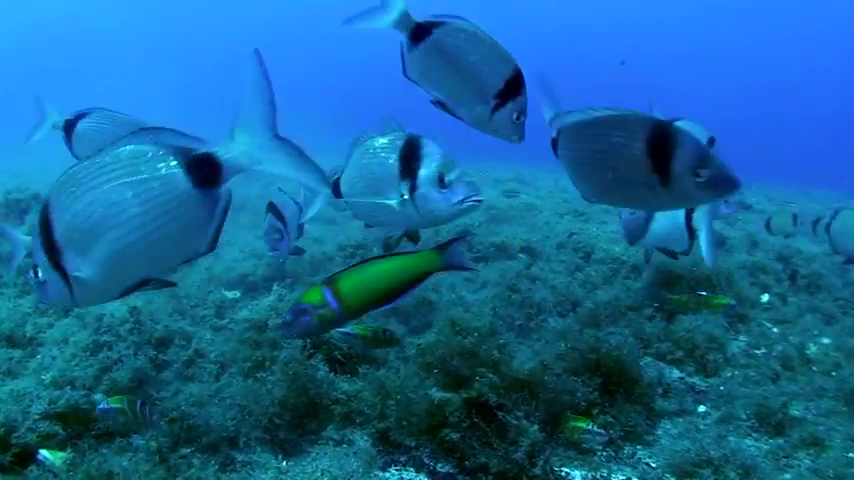 The Underwater World in Cyprus
Off Larnaca, a passenger ferry rests on its side beneath the Mediterranean. At Green Bay in Protaras, divers can enter the water from shore without needing a boat. Farther west, the seabed changes again, with rocky reefs, underwater walls and formations that offer a different experience from the island's famous wrecks.
These are not interchangeable ways to spend a morning underwater. Each asks something different of the diver, and each gives something different in return.
Our interest in diving grew through our cousin, who took lessons because he was curious about what was happening beneath the surface. We do not dive ourselves, but his account of that first experience stayed with us. What began as curiosity became genuine enthusiasm for a sport he found exciting. He described being underwater as "like being in a whole different world."
As he talked about Cyprus's dive sites, shipwrecks and the underwater environment, his fascination was unmistakable. It reminded us that there is another side of the island that even people familiar with its coastline may know very little about. His experience helped shape this guide, alongside our research into the different diving opportunities available.
Cyprus has enough variety to satisfy travelers who organize holidays around diving, but its appeal extends beyond experienced divers. Someone taking a first supervised dive may find more pleasure in the shallows than a certified diver finds on an ambitious wreck excursion. Equally, a traveler with years of experience may come specifically for the Zenobia and feel little need to spend time at introductory sites.
The distinction matters because a good dive is not necessarily the deepest, most famous or technically demanding one. It is the one that makes sense for the person entering the water.
Start With The Diver, Not The Dive Site
Before choosing where to dive, consider what you want from the experience and how comfortable you are underwater.
For a first-time diver, breathing through scuba equipment, practicing basic skills and becoming accustomed to moving beneath the surface are substantial experiences in themselves. A relatively shallow, sheltered location with attentive professional supervision is more appropriate than an ambitious excursion chosen for its reputation.
Certified recreational divers have a wider choice, but certification alone does not tell the whole story. Someone who dives regularly may be comfortable with boat entries, changing conditions and longer underwater excursions. Someone returning after several years may benefit from a refresher and an easier first dive before considering more demanding sites.
Experienced wreck and technical divers bring another set of priorities. Depth, penetration, equipment configuration, overhead environments and dive planning can all influence which opportunities are appropriate. Those decisions require the relevant training, experience and professional assessment, not simply an attractive photograph of a submerged ship.
There is also the traveler who is interested in marine life but uncertain about scuba diving itself. For that person, snorkeling may be the more enjoyable choice. It offers time in the sea without the same training requirements, equipment or commitment.
We would not encourage someone to dive merely because Cyprus is well known for it. The interest should come first; the destination can then provide the right setting.
Best Dive Sites in Cyprus
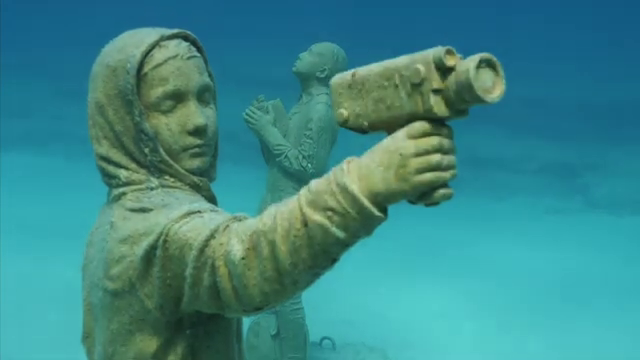 MUSAN - Museum of Underwater Sculpture Ayia Napa
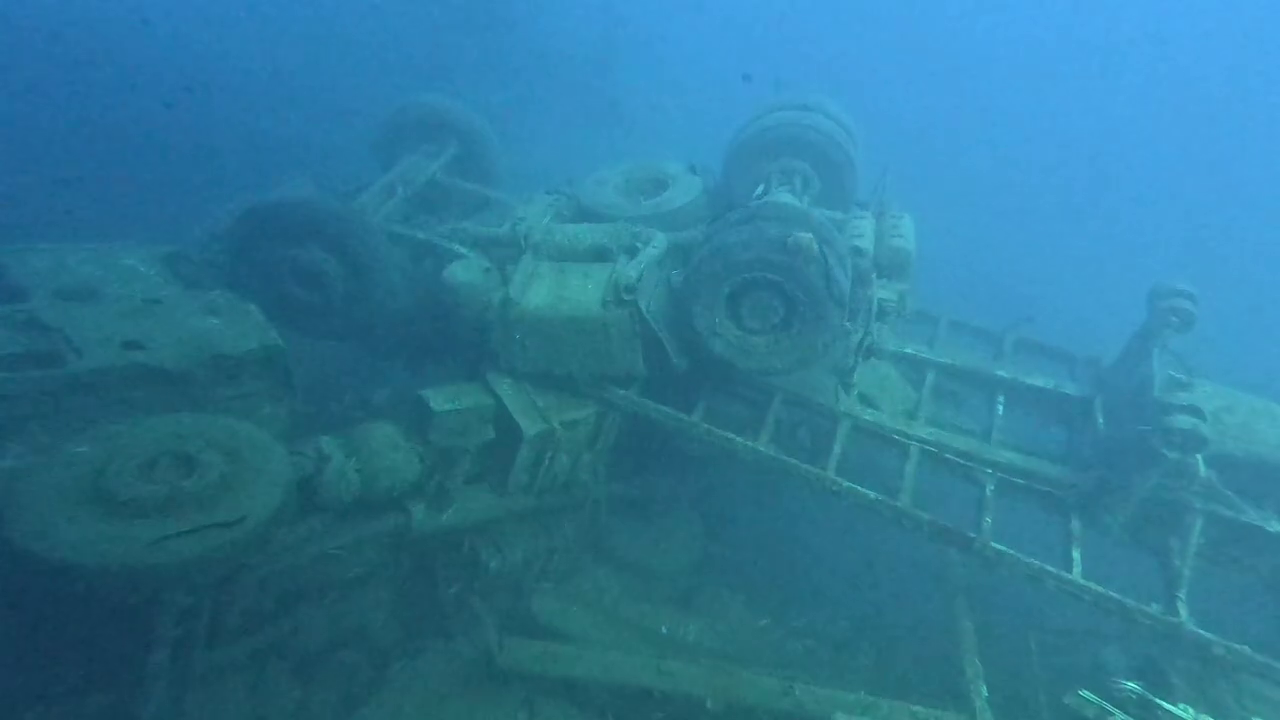 Zenobia Wreck, Larnaca
Cyprus does not have a single diving coastline. The underwater experiences around Larnaca, Protaras, Ayia Napa, Limassol, Paphos and Latchi differ enough to influence where divers should spend their time.
Larnaca is the obvious starting point for travelers interested in substantial wreck diving. The Zenobia dominates the area's reputation, but other submerged vessels and reefs provide alternatives for divers with different qualifications and interests.
The eastern coastline around Protaras and Cape Greco offers a wider contrast between accessible shore entries, rocky underwater formations and deeper sites. Green Bay is particularly relevant for introductory experiences and relatively straightforward recreational diving. Elsewhere around Cape Greco, entries and underwater topography can be considerably more demanding. Ayia Napa also adds an unusual attraction through MUSAN, its underwater sculpture museum.
Around Limassol, purpose-sunk vessels such as Lady Thetis and Costandis provide wreck-diving opportunities associated with artificial reefs. Farther west, Jubilee Shoals off the Pissouri coastline offers a very different proposition, with underwater walls, substantial depth and more demanding terrain.
Paphos and the Latchi area bring rocky formations, reef landscapes and boat-access diving into the picture. Sites such as Amphora Cave near Paphos illustrate why the island's natural underwater features deserve attention alongside shipwrecks. The western coastline can be particularly appealing to divers who want their underwater activities to coexist with a slower holiday rather than determine the entire itinerary.
Choose the underwater landscape that interests you, then consider the sites appropriate for your training, experience and current conditions. A famous name alone is not enough to make the choice.
Continue to Best Dive Sites in Cyprus for a closer comparison of the principal sites, their distinguishing features and the divers they are likely to suit.
Zenobia Wreck Diving
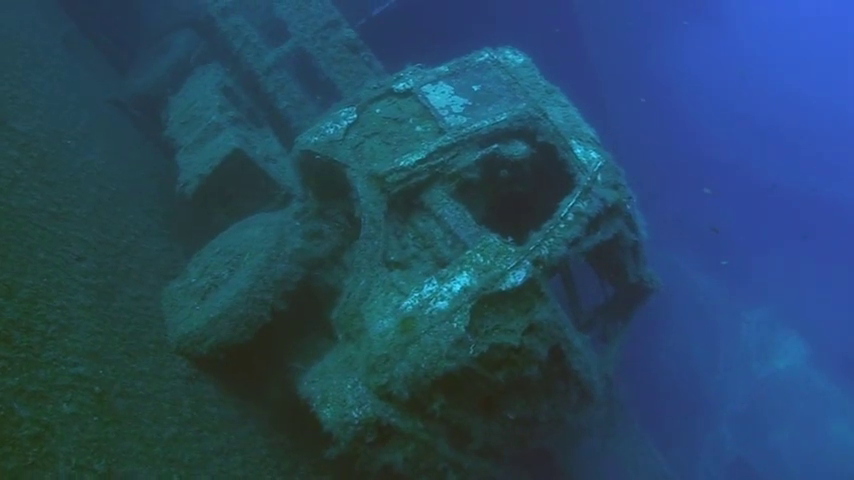 Zenobia Wreck, Larnaca
The Zenobia is the principal reason Cyprus holds such a strong position in Mediterranean wreck diving.
The Swedish roll-on/roll-off ferry sank off Larnaca in 1980 and now rests on its port side. At approximately 172 meters long, with an official site depth range of 16 to 42 meters, it offers an underwater environment of unusual scale. The vessel's exterior, cargo areas, trucks and structural features make it considerably more complex than a small wreck resting upright on the seabed.
What makes the Zenobia compelling is not simply that it is a ship underwater. Its size and orientation create a different sense of space, while the history of its sinking gives the dive a context that an ordinary reef cannot provide.
But its reputation must not be confused with universal accessibility. A guided exterior dive and a penetration dive inside a wreck are fundamentally different undertakings. Entering enclosed sections introduces serious additional hazards, including restricted exits, disorientation, entanglement and overhead environments. Such diving requires specific training, equipment, experience and planning.
Even outside the wreck, depth, the chosen route, sea conditions and the diver's recent experience matter. Operators should assess suitability rather than relying on a certification card alone.
For qualified divers with a genuine interest in large shipwrecks, Zenobia can justify organizing part of a Cyprus holiday around Larnaca. For someone unfamiliar with wreck diving, the better decision may be to gain experience elsewhere before considering it.
The dedicated Zenobia Wreck Diving guide examines the wreck, the differences between dive profiles, qualification considerations and how to approach an excursion responsibly.
Wreck Diving in Cyprus
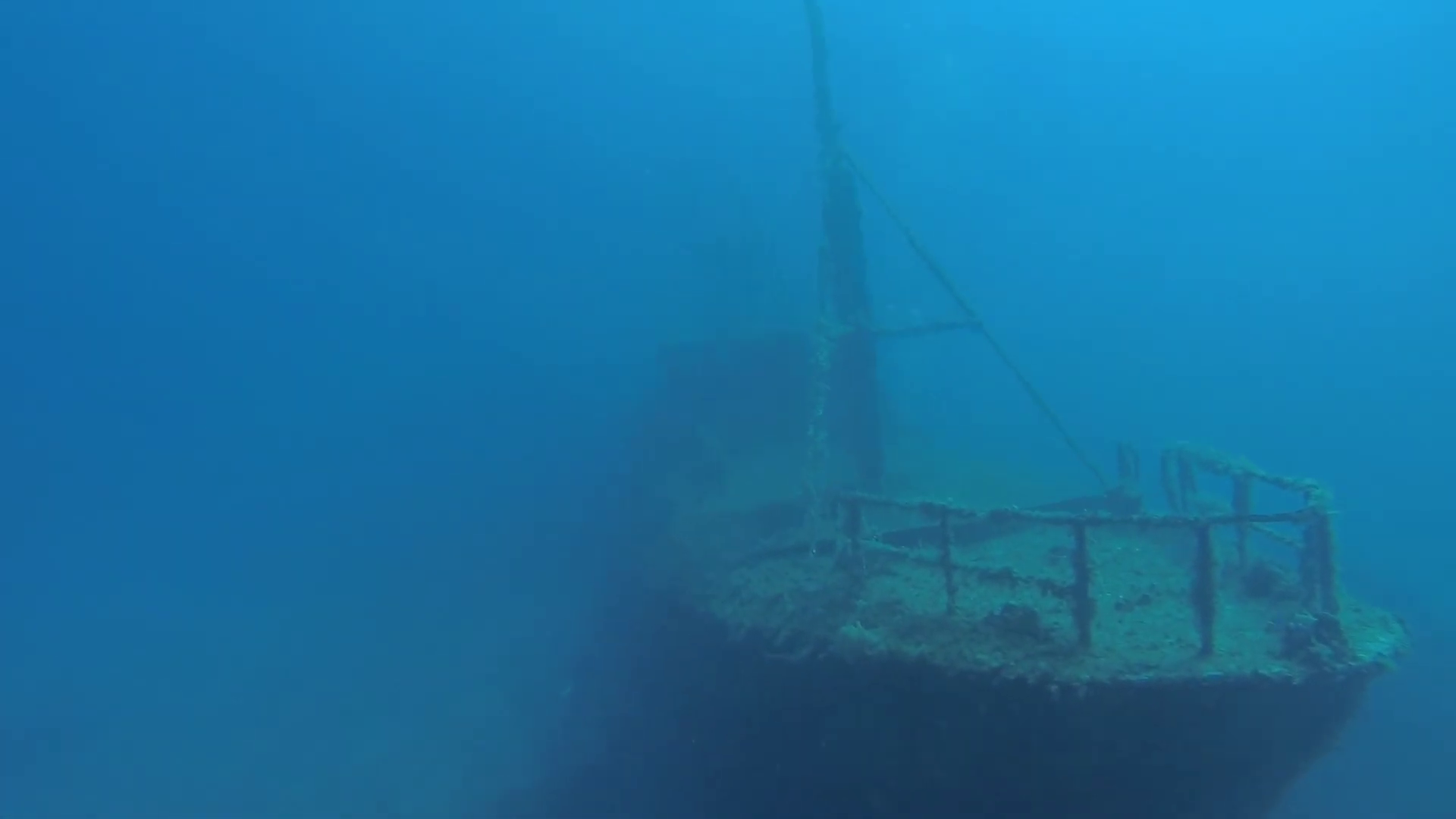 Nemesis III Wreck
Zenobia may dominate the conversation, but it represents only one part of Cyprus's wreck-diving landscape.
An important distinction is the difference between vessels lost at sea and vessels deliberately submerged to create diving attractions and marine habitats.
Off Protaras, the Liberty and Nemesis III wrecks form part of a marine protected area. Near Limassol, Lady Thetis and Costandis were sunk in 2014 to establish artificial reefs. These sites offer alternatives to Zenobia, with different vessel sizes, depths, layouts and underwater surroundings.
Their appeal is not that they reproduce the Zenobia experience on a smaller scale. A purpose-sunk vessel can provide an interesting introduction to wreck environments, while a large, historically significant shipwreck offers an entirely different sense of scale and complexity.
Neither category should be treated as automatically easy. A smaller vessel may still lie beyond a diver's depth limit, and a wreck deliberately prepared for diving does not make every internal space appropriate for recreational entry.
For divers principally interested in marine habitats, some artificial reefs may be as rewarding as the vessels themselves. For those drawn to maritime history, Zenobia and other historically submerged wrecks may hold greater appeal.
See Wreck Diving in Cyprus for the island's principal wrecks, their differences and the reasons to choose one over another.
Scuba Diving For Beginners in Cyprus
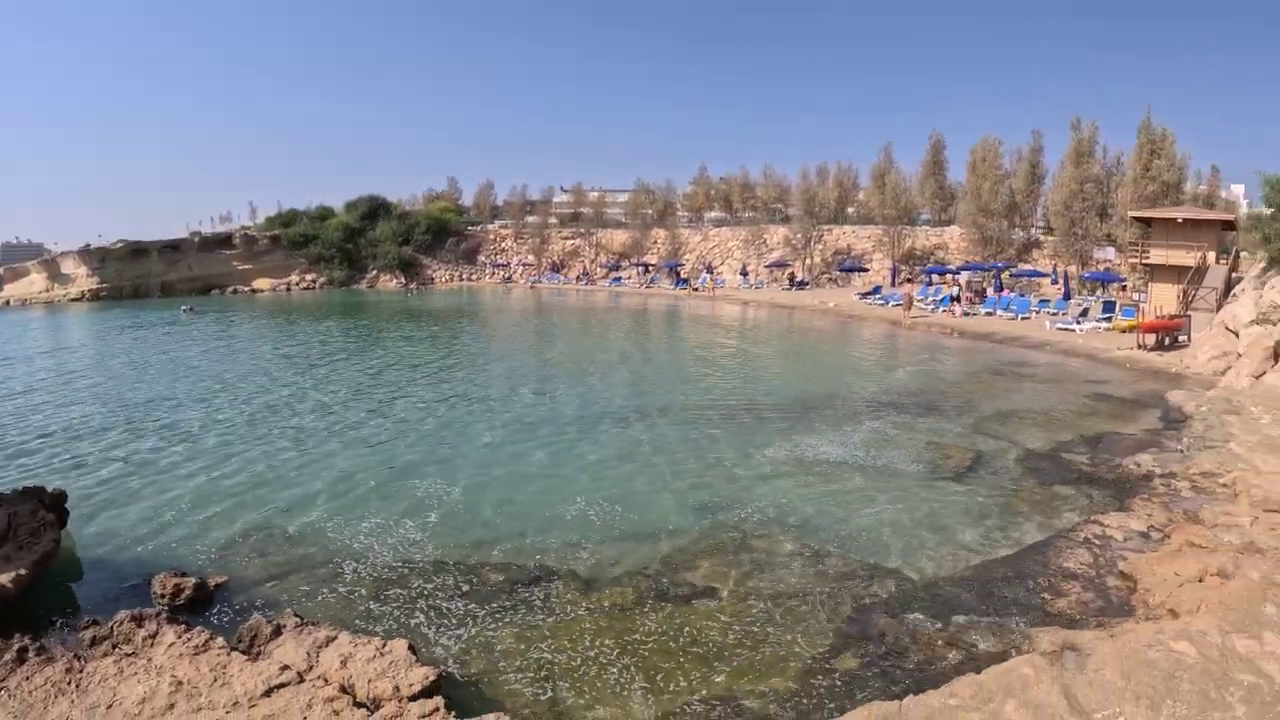 Green Bay, Protaras
An introductory dive should begin with a reassuring experience of the water, not with pressure to reach a particular depth or complete an ambitious route.
Cyprus has several locations suited to supervised introductory diving. Green Bay in Protaras is particularly relevant because of its accessible shore entry and relatively gentle underwater terrain in suitable conditions. The emphasis here can remain on learning to breathe comfortably, communicate with an instructor and become accustomed to the equipment.
Our cousin took lessons because he wanted to understand what lay beneath the surface. It was only after diving that he realized how much he enjoyed the sport. His experience illustrates something worth remembering: curiosity is a sufficient reason to investigate scuba diving, without needing to know beforehand whether it will become a lasting interest.
For travelers approaching diving with that uncertainty, a supervised introductory program offers a way to try the activity without immediately committing to a full certification course.
It is important to distinguish that experience from becoming a certified diver.
Programs such as PADI Discover Scuba Diving introduce participants to scuba equipment and basic skills without awarding a full independent-diver certification. An Open Water Diver course involves more extensive instruction, practical training and assessment, preparing successful students to dive within the limits of their qualification.
The distinction affects how much holiday time to allocate. A supervised introduction can occupy part of a day, while a certification course requires a substantially greater commitment. The latter makes more sense for someone who already knows they want scuba diving to become a recurring activity.
Instructor attention, manageable conditions and an unhurried learning environment matter more here than the number of attractions included in the excursion. Any participant must also complete the required medical screening and meet the program's eligibility criteria.
Our Scuba Diving For Beginners in Cyprus guide separates introductory experiences, certification courses, suitable locations and the practical decisions facing first-time divers.
Shore Diving in Cyprus
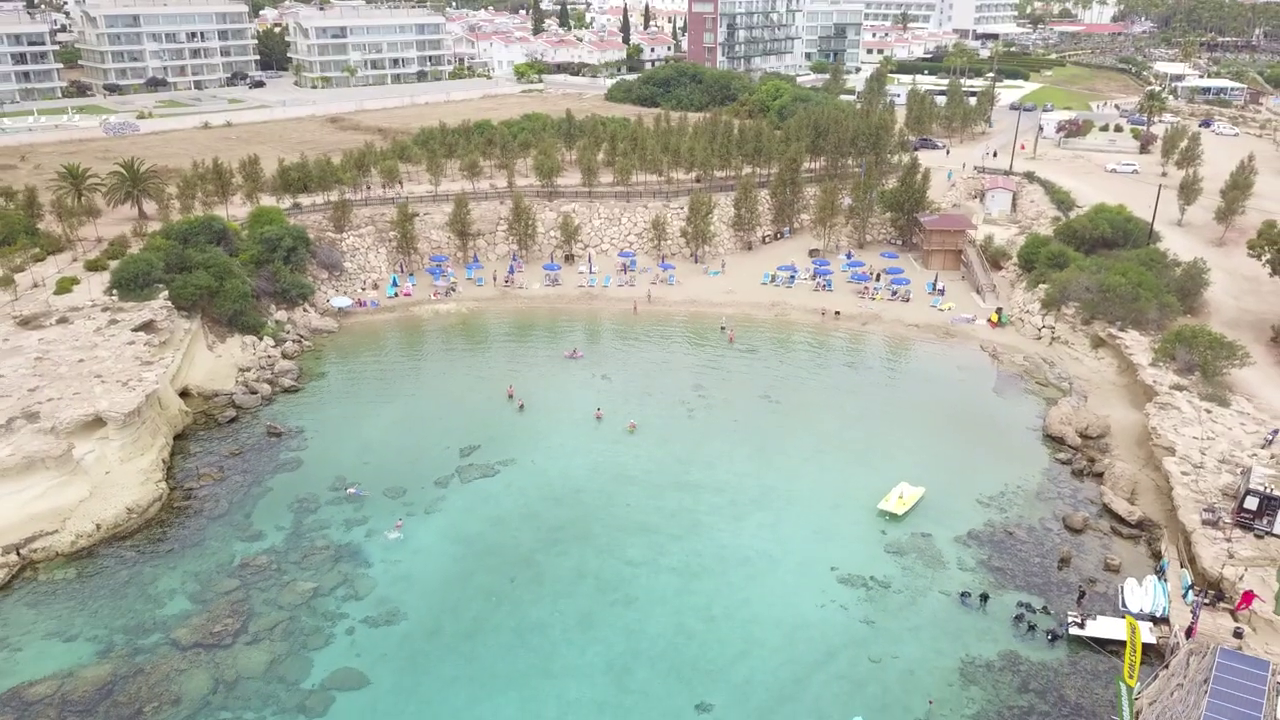 Green Bay, Protaras
Shore diving has a practical attraction: it removes the need to travel to every dive site by boat.
For certain divers, that can make the experience more flexible. A straightforward shore entry may also suit someone who wants to return to diving gradually, although the suitability of any particular site depends on conditions and professional assessment.
Green Bay in Protaras demonstrates the appeal. Its walk-in access makes it a useful setting for training and recreational diving, and the underwater landscape can provide interest without requiring an advanced route.
Other shore-access sites around Cape Greco present a different experience altogether. The Agioi Anargyroi chapel area has a rocky entry and underwater drop-off, while the Cyclops site near Konnos Bay has more challenging access and substantial depth potential.
These distinctions are important because shore access does not automatically mean beginner suitability.
Steps, uneven rocks, swell, underwater gradients, boat traffic and the difficulty of leaving the water can change the character of an otherwise appealing dive. A site may have an accessible entry on one day and become inappropriate when conditions change.
The absence of a boat also does not remove the need for proper dive planning, a suitable buddy arrangement, surface support where required or emergency procedures.
We would choose shore diving when the entry, underwater terrain and planned route genuinely suit the participants, rather than simply because reaching the site appears convenient.
Shore Diving in Cyprus examines the principal shore-access locations, the practical differences between them and the importance of evaluating both entry and exit before diving.
Best Dive Centers in Cyprus
The dive center may have a greater influence on the quality of the experience than the site itself.
That is particularly true for introductory divers, people returning after a long break and those planning dives that involve greater depth or complexity.
A responsible operator should be interested in your actual diving background. Certification level matters, but so do recent experience, comfort in the water, relevant specialist training and any medical considerations requiring clearance.
We would pay attention to how a center responds when discussing those details. Does it explain why a particular dive is suitable? Will it recommend an easier alternative if necessary? Are the supervision arrangements appropriate for the participants? Is it willing to change or cancel a dive when conditions do not justify proceeding?
Those conversations reveal more than a promotional description of the day's itinerary.
Equipment condition and fit are equally important. Travelers should also establish who will supervise the activity, what training and professional qualifications those individuals hold, what emergency oxygen and communications arrangements are available, and how the operator manages an incident requiring medical assistance.
Boat diving introduces further questions about the vessel, crew, surface supervision and emergency arrangements. Specialized wreck or technical diving requires a separate assessment of the operator's relevant competence and equipment.
For travelers who value personal attention, a private instructor or smaller group may justify a higher price. But a premium rate is not evidence of better standards, and neither is a recognizable training-agency logo on its own.
The most useful sign of professionalism may be an operator who explains what it will not do.
We would avoid choosing a dive center purely because it is the cheapest, offers the greatest number of activities or promises access to a famous site regardless of experience.
Best Dive Centers in Cyprus will examine operator suitability, professional standards, training options and the considerations that matter before making a booking.
Where Should You Base Yourself For Diving?
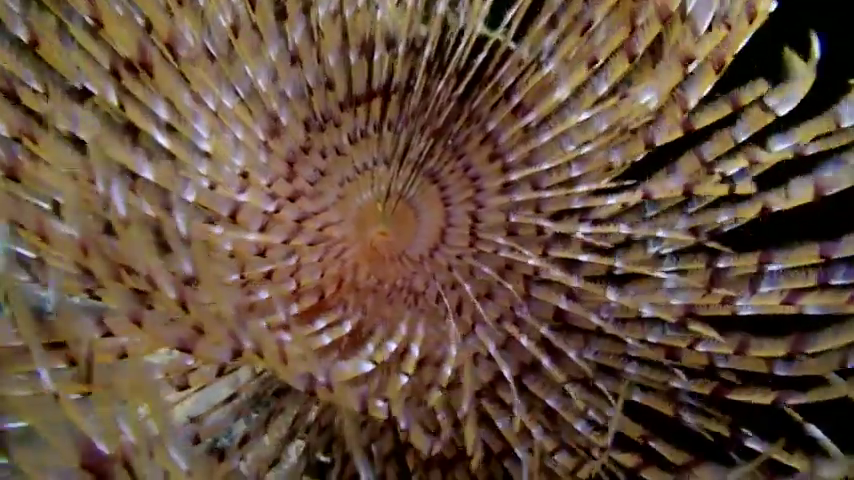 The Underwater World in Cyprus
The answer depends partly on whether diving is the reason for visiting Cyprus or an occasional activity during a wider holiday.
If Zenobia is a priority, Larnaca offers a logical base because of its proximity to the wreck and established diving infrastructure. This becomes particularly valuable when planning several excursions rather than a single dive.
Protaras and Ayia Napa make sense for travelers interested in the southeastern coastline, including accessible recreational sites, introductory diving and the area's marine environments. They also allow diving to sit alongside beach days without repeatedly crossing the island.
Limassol is a reasonable choice when the artificial reefs and wrecks along its coastline are of particular interest, while Paphos and Latchi appeal to travelers who want to combine diving with the character of western Cyprus.
However, one planned dive rarely justifies moving hotels.
If diving will occupy only a morning of a weeklong holiday, we would generally keep the accommodation decision tied to the wider trip and choose a suitable operator and site within a manageable journey. Changing bases becomes more worthwhile when repeated diving, early departures or specialist plans make proximity genuinely important.
When To Dive And What To Plan Beforehand
Cyprus offers diving opportunities across much of the year, but calendar availability should never be mistaken for consistently suitable sea conditions.
Summer generally brings warmer water, while cooler months can require more substantial thermal protection. Visibility, wind, swell and currents vary with location and conditions, and a calm-looking sea from the shore does not establish whether a particular underwater route is suitable.
For a dedicated diving trip, it is sensible to allow some flexibility. An operator may need to change the site, departure arrangements or dive plan, and a day that does not support the intended activity should not become an obligation to proceed regardless.
There are also practical considerations beyond the water. Divers must disclose relevant health information, follow medical screening requirements and obtain appropriate medical clearance where necessary. Certification, training and recent experience should match the proposed activity, and any dive involving overhead environments or other specialist hazards requires the relevant additional preparation.
The timing of flights matters as well. Diving organizations publish minimum surface intervals before flying, but the appropriate interval depends on the dive profile, the number of dives and other individual factors. Traveling to higher elevations after diving can also increase decompression risk, which matters if a trip combines coastal diving with the Troodos Mountains. These arrangements should be checked with a qualified diving professional before finalizing the itinerary.
Travelers should confirm that their insurance covers their intended diving activities, including any applicable depth, training or technical-diving restrictions. Diving also requires respect for marine protected areas, wildlife and submerged heritage. Nothing should be removed or disturbed, and site-specific access rules must be followed.
Finally, a description of a dive site is not an assessment of conditions on the day. Local operators and qualified professionals must make that judgment using current information. If a dive cannot be conducted within appropriate limits, changing the plan is the responsible choice.
Our Verdict on Diving in Cyprus
Diving deserves a place in a Cyprus holiday when the underwater experience is something the traveler genuinely wants, rather than another activity added because it is available.
For an interested beginner, that may mean a calm, supervised introduction at an appropriate site. For a regularly active diver, it may mean several carefully chosen dives along one coastline. For someone with the necessary experience and a serious interest in wrecks, the Zenobia may be enough reason to make Larnaca a central part of the trip.
And for someone who simply enjoys being in the sea, snorkeling may still be the better morning.
Our cousin took diving lessons because he was curious about what was happening underwater. His first dive made him excited about the sport, and he shared that enthusiasm with us.
That experience is worth listening to, but it does not have to become everyone's experience. The value of diving in Cyprus lies in what it can offer the person who is ready and interested, not in persuading every visitor to follow the same path.
His enthusiasm brought diving to our attention. Whether it deserves a place in your Cyprus holiday depends on your own curiosity, preparation and comfort in the water.