Newsletter "Beyond the Postcards" Subscribe
Plan Your Cyprus Trip: Hotels: Expedia, Villas & Apartments: Vrbo, Car Rentals: DiscoverCars, Tours: GetYourGuide, Airport Transfers: WelcomePickups
- Home
- Things To Do in Cyprus
Things To Do in Cyprus: What's Worth Your Time
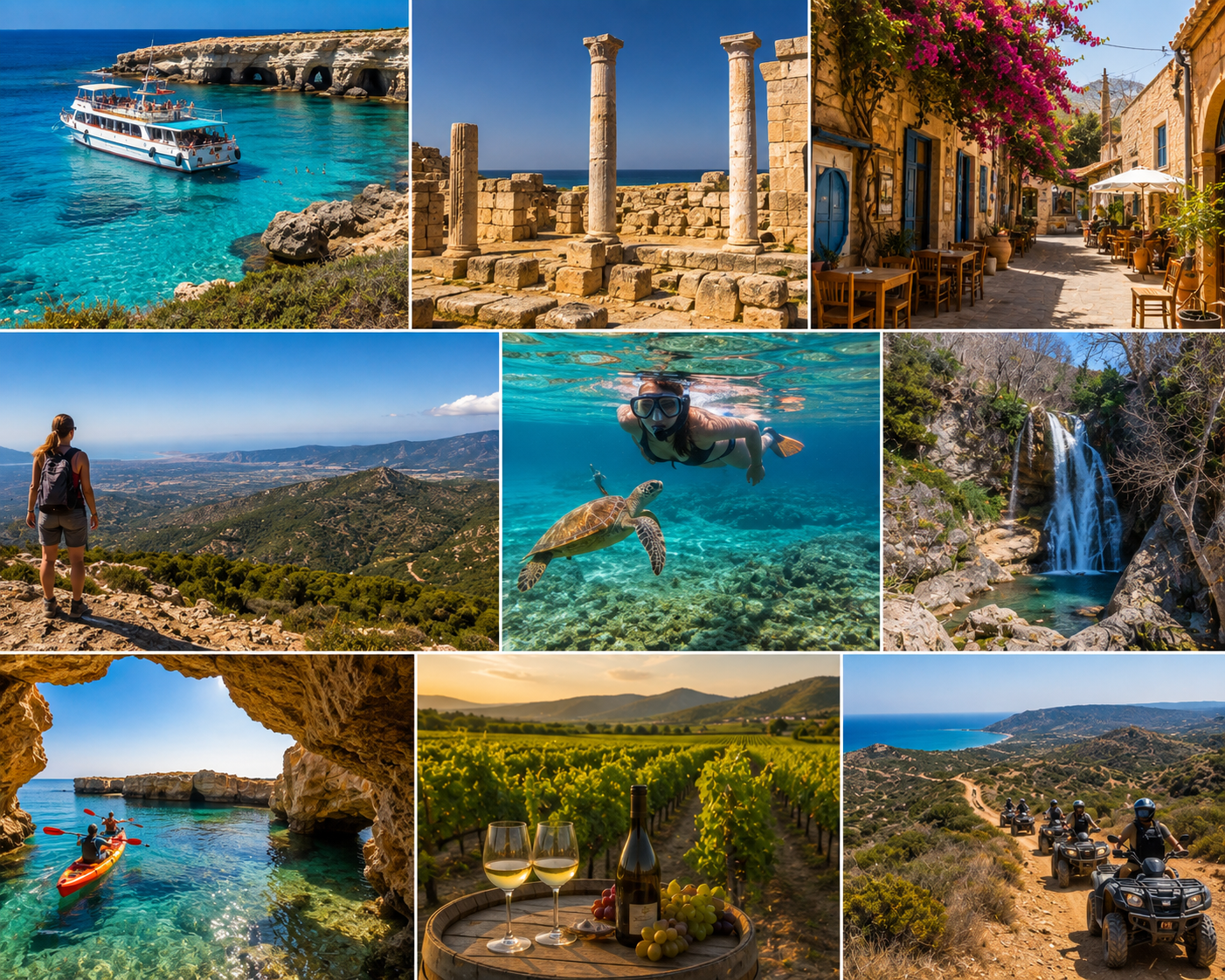
Cyprus is small enough to tempt travelers into overplanning and large enough to make them regret it. On a map, another beach, archaeological site, mountain trail or boat trip can look easy to add. In practice, every extra experience takes time away from something else.
That is where planning often goes wrong. The question is not how many things you can fit into Cyprus, but which experiences will actually change the character of your trip.
For one traveler, that might mean spending several days around the sea: swimming in the morning, taking a boat along the coast and leaving enough time for lunch rather than treating the beach as another stop. For another, Cyprus works better inland, moving between archaeological sites, old neighborhoods, monasteries, mountain landscapes and villages. Someone else may build the trip around diving, hiking or golf and treat everything else as secondary.
All of those versions work. Trying to do all of them usually does not.
Cyprus rewards travelers who decide what matters before filling their days. These are the experiences we would consider first.
Start With The Experience, Not The Attraction
A long list of attractions tells you what exists. It does not tell you what your holiday should feel like.
Think instead about how you want to spend your time. Do you want the day organized around the sea? Do you want to walk? Are you interested enough in history to give an archaeological site two hours rather than twenty minutes? Would you rather spend a day independently exploring mountain roads, or have someone else handle the route and logistics? Is diving one of the reasons you are coming to Cyprus, or simply something that sounds appealing once you arrive?
Those distinctions matter more than collecting famous names.
A strong week in Cyprus can be remarkably simple: a few beach days, one meaningful cultural day, a boat trip and one excursion inland. Another traveler could spend the same week hiking, exploring archaeological sites and barely sit on a beach. Neither has missed Cyprus; they have simply chosen different versions of it.
That is the useful way to approach things to do here. Decide what deserves your time first. Find the individual attractions afterward.
Best Beaches in Cyprus
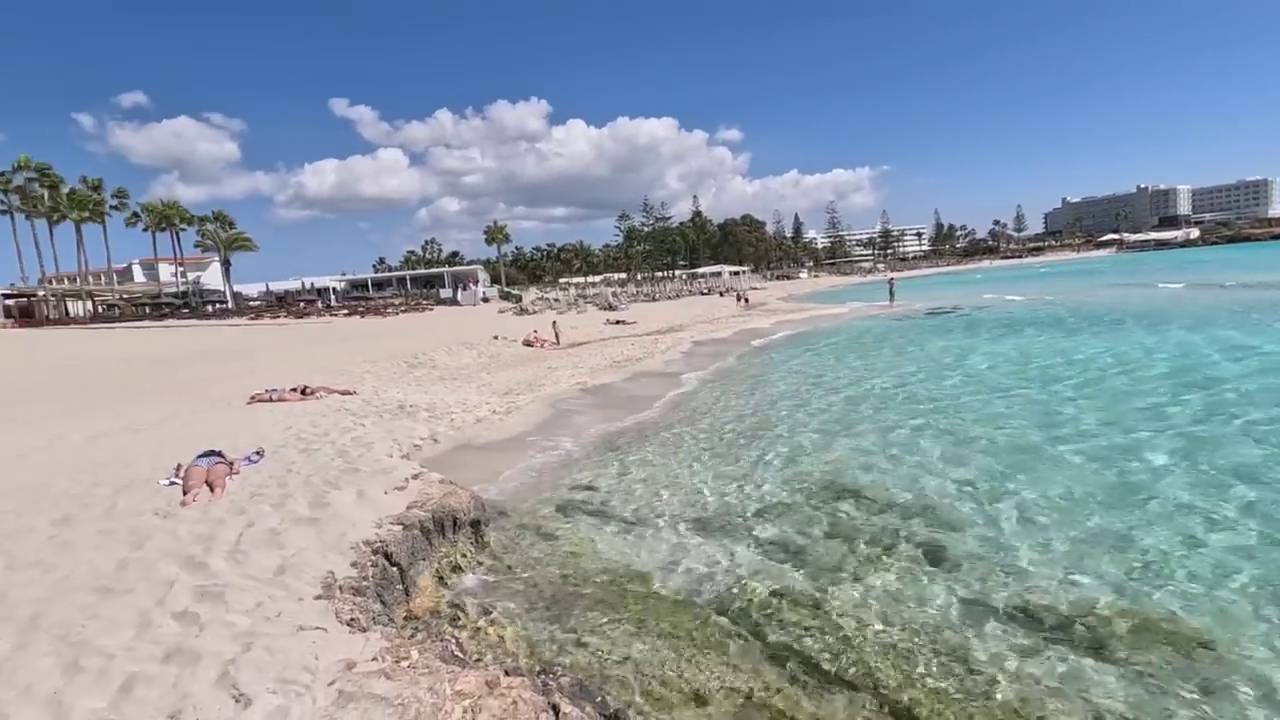 Nissi Beach, Ayia Napa
For many visitors, the sea is not one part of the Cyprus trip. It is the organizing principle.
That distinction should shape where you stay as much as what you do. A traveler who wants to swim every morning before breakfast needs a different base from someone who wants to visit two or three good beaches during a wider island trip.
Cyprus also does not have one uniform type of coastline. The shallow, pale-water beaches of the east feel very different from the more open western coastline, while Akamas offers another relationship with the sea again. Some beaches work particularly well for straightforward swimming and long, easy days. Others are more compelling because of the landscape around the water, the sense of space or what can be combined with them nearby.
The beach that looks most dramatic in a photograph is not automatically the one where we would choose to spend six hours. In Cyprus, that distinction matters because a famous stretch of sand can be excellent for a swim or a photograph without necessarily being the place that best suits the rhythm of your day.
Families often need easy access, manageable water conditions and practical facilities. Couples may care more about atmosphere and space. Strong swimmers and snorkelers have another set of priorities entirely. Travelers who dislike busy resort beaches should not simply visit the same places at an earlier hour and pretend that solves the problem; choosing another stretch of coast is usually the better decision.
Continue to Best Beaches in Cyprus when the sea will be a significant part of your trip. The guide separates beaches worth building time around from those that make more sense only if you are already nearby.
Best Boat Trips in Cyprus
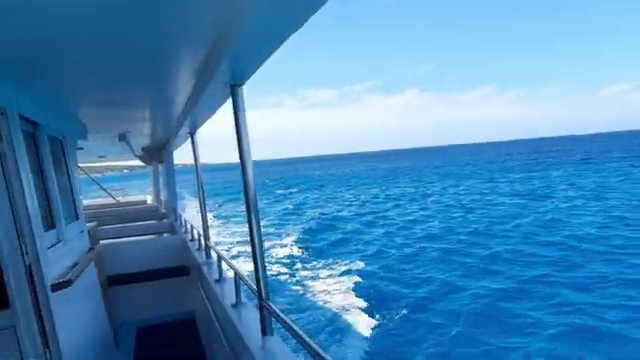 Boat Trip, Blue Lagoon, Akamas, Paphos
Cyprus changes when you see part of it from the water, but the mistake is assuming that all boat trips deliver essentially the same day with different departure points.
They do not.
A larger cruise can work well for travelers who want an easy, social day at sea with most of the logistics handled. A smaller boat changes the atmosphere completely. Private charters buy flexibility and privacy, but at a considerably higher cost. Sailing has a different rhythm again. Some routes are primarily about swimming; others earn their place because of the coastline they pass.
Geography matters too. A trip around Cape Greco belongs naturally in an eastern Cyprus stay. Boat days around Akamas make far more sense when you are already in the west. Starting before breakfast with a long cross-island drive in order to spend a relaxing day at sea rather defeats the point.
We would rarely allocate several days of a short trip to similar cruises. Choose the coastal experience that adds something your time on land cannot provide, and make that one count.
Best Boat Trips in Cyprus goes further into the main routes, different styles of boat day and the trade-offs between larger cruises, smaller trips and private options.
Hiking in Cyprus
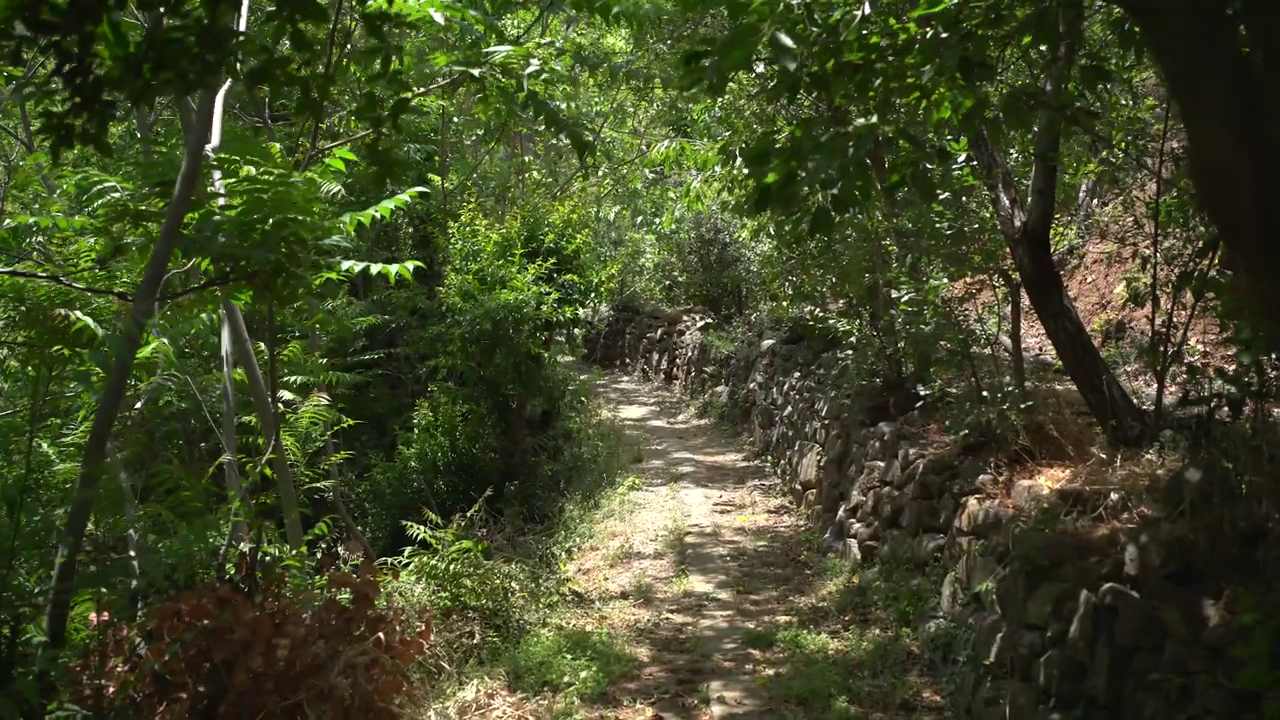 Nature Trail, Kalopanayiotis Village
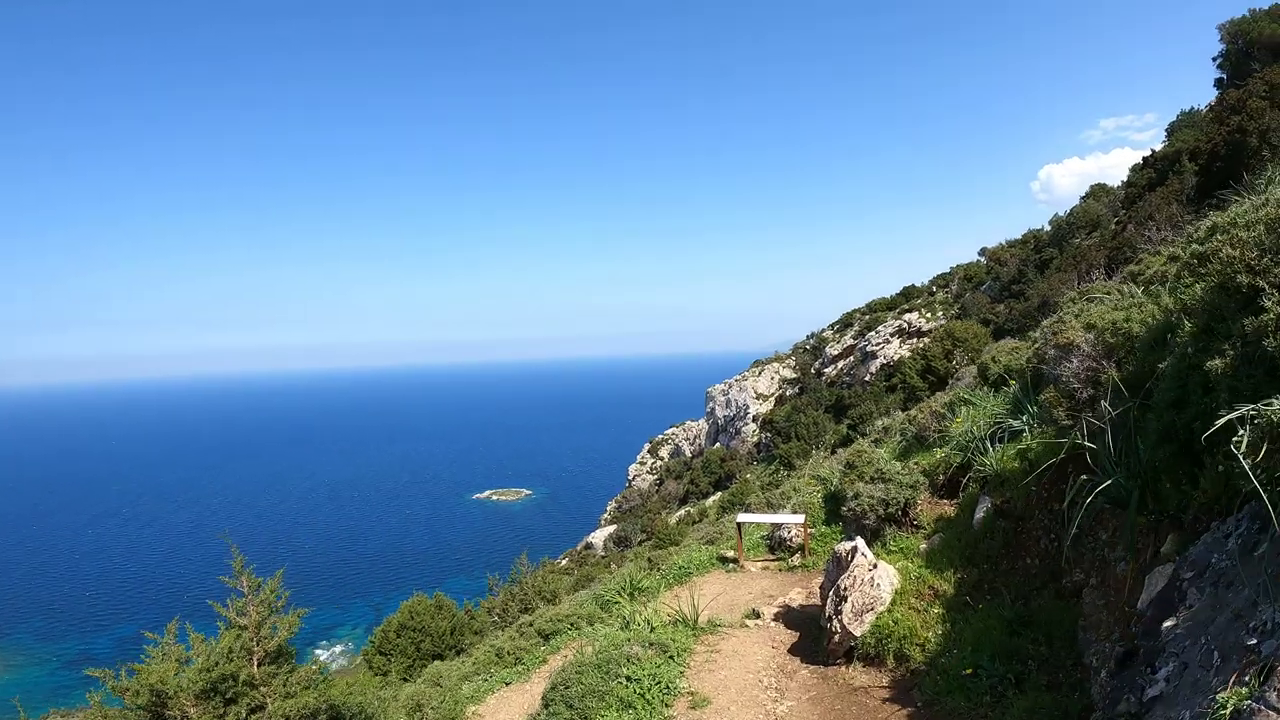 Hiking, Akamas Peninsula, Paphos
Walking reveals a Cyprus that many resort-based trips barely touch.
In the Troodos Mountains, the island becomes cooler, greener and quieter, with pine forest replacing the exposed feel of the coast. In Akamas, walking is different: more open, more rugged and often defined by views of the sea rather than mountain villages and forest. Waterfall walks offer another experience altogether.
Hiking in Cyprus is also particularly sensitive to timing and conditions. A route that feels generous in mild weather can become an entirely different proposition in strong heat. The same temperature can feel very different on an exposed coastal trail and beneath the trees in Troodos, while trail surfaces, shade, elevation and water availability can matter as much as distance.
That is why kilometers alone tell you surprisingly little about how demanding a walk will feel.
There is no prize for choosing the longest route. A shorter trail that fits the conditions, your ability and the rest of your day can be the better experience. Equally, travelers who genuinely enjoy hiking should give it proper time rather than squeezing a mountain trail between breakfast and another attraction.
Use Hiking in Cyprus to choose between mountain trails, coastal walks, waterfall routes and easier walks according to the experience you actually want, rather than simply the trail with the strongest reputation.
Cultural & Historic Experiences in Cyprus
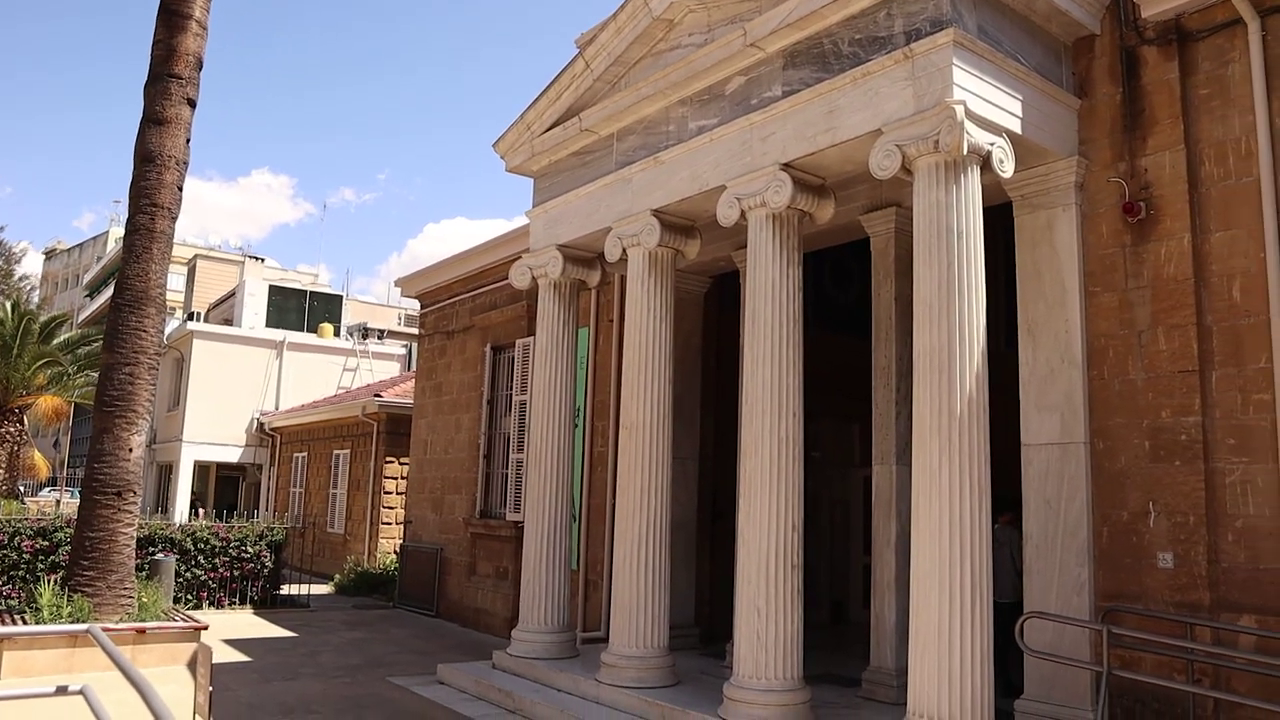
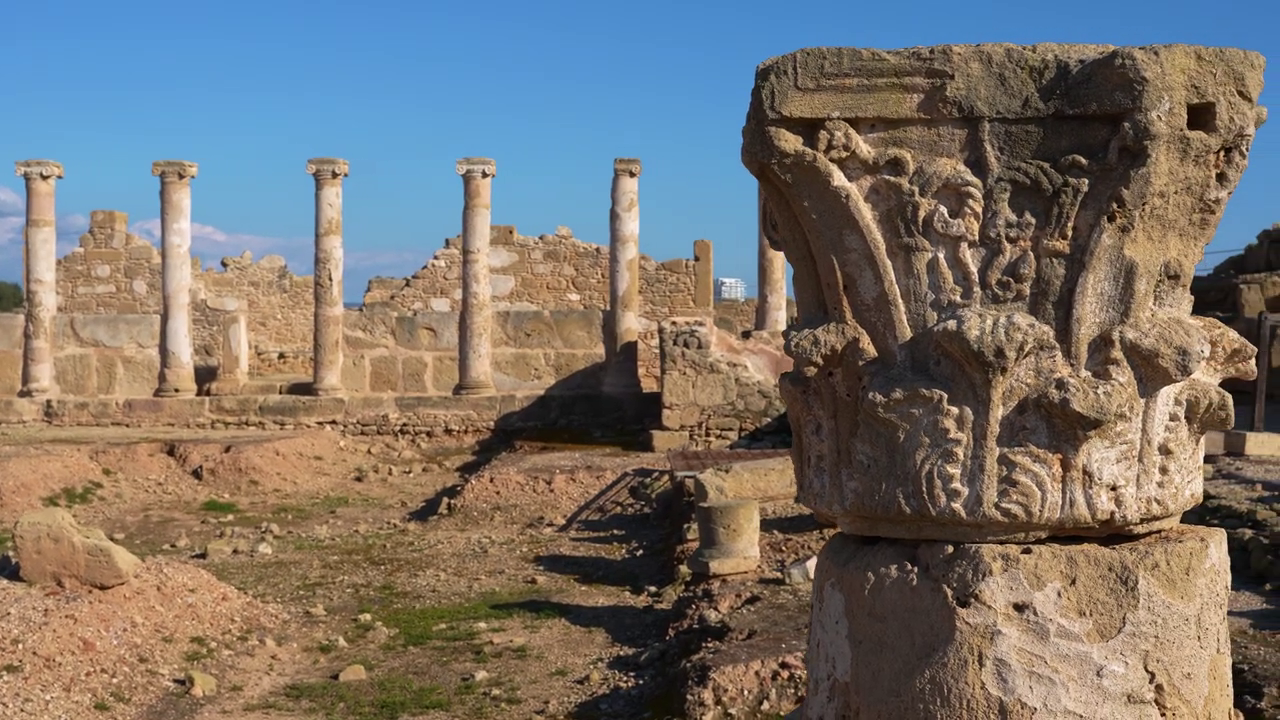
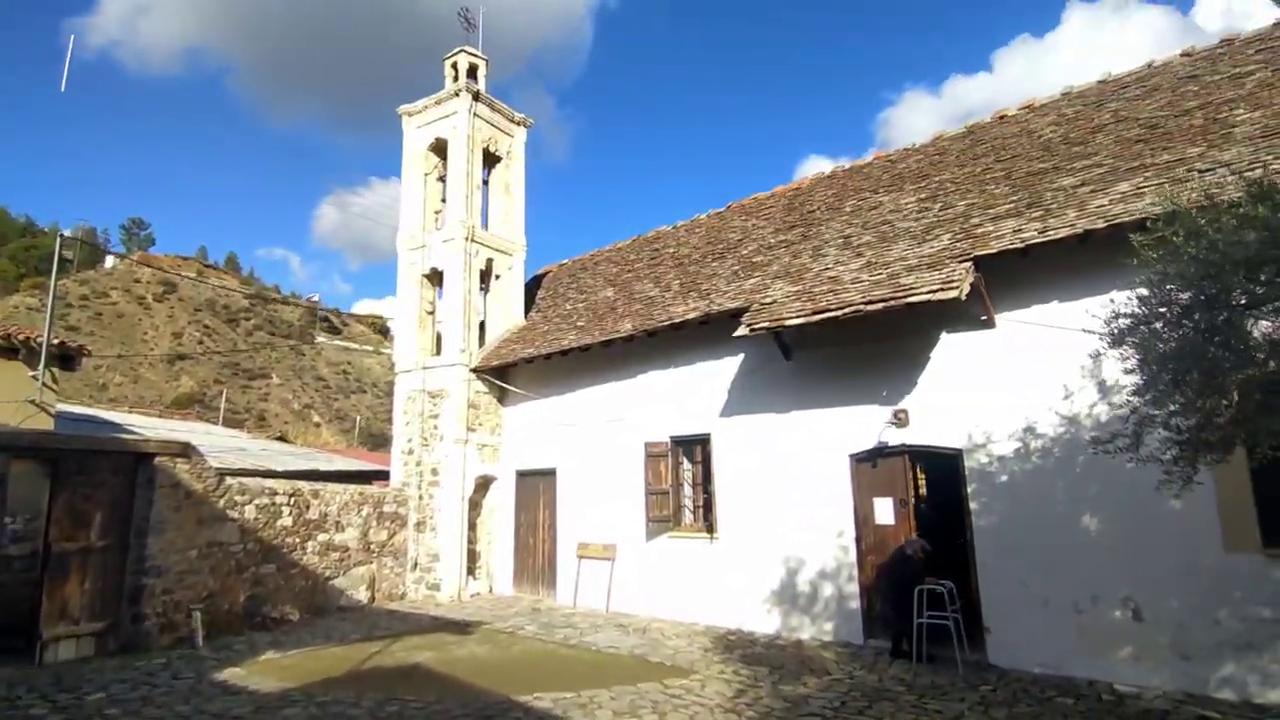
Cyprus makes more sense once you stop treating its history as a collection of ruins.
Archaeological sites, museums, churches, monasteries, old city streets and fortifications reveal different periods of an island that has repeatedly sat between cultures, empires and trade routes. Around Paphos, Roman mosaics and ancient tombs tell one part of the story. Kourion presents history on a completely different scale, with the landscape around the site becoming part of the experience. Nicosia adds another layer because history is encountered within a living capital rather than a self-contained archaeological landscape.
The value is not in checking each one off. It is in allowing enough time for the layers to connect.
That is why we would usually choose fewer historical stops and spend longer at them. If archaeology genuinely interests you, make room for it. If it does not, forcing several major sites into the itinerary because they appear on conventional sightseeing lists will not make your trip more serious.
The same applies to museums. A focused museum that explains what you have already seen outside can be more valuable than another hour spent driving between monuments. In Cyprus, context often improves what comes next: a museum can make an archaeological site clearer, while a historic neighborhood can make the story feel less remote than another room of objects.
Religious sites require another kind of attention. Many churches and monasteries remain places of worship rather than attractions created for visitors, so dress, photography, access and behavior should reflect that.
Cultural & Historic Experiences in Cyprus helps distinguish archaeology, museums, historic sites, castles, monasteries and churches so culture becomes part of the trip rather than a sightseeing obligation.
Outdoor & Nature Experiences in Cyprus
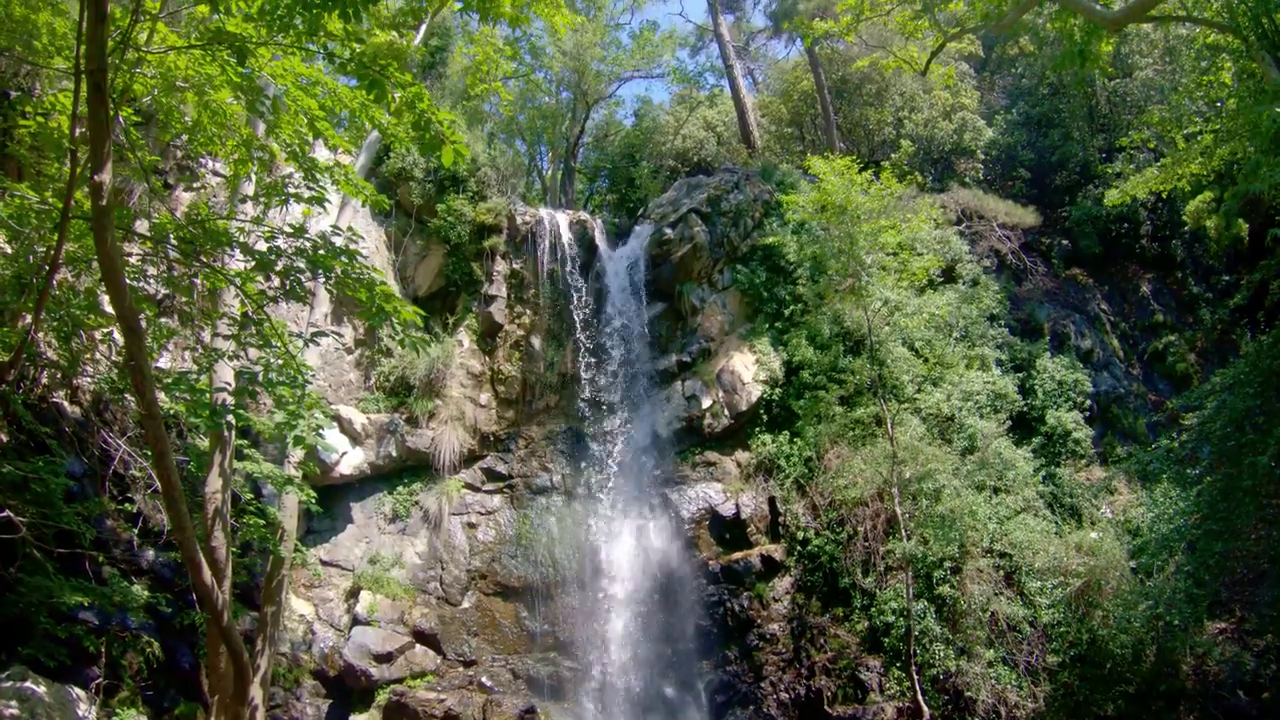 Caledonia Falls, Platres
Not every good day outdoors needs to become a hike.
Cyprus has landscapes that reward slower exploration: waterfalls, forest areas, coastal formations, viewpoints, protected landscapes and stretches of countryside where the pleasure comes from being outside rather than completing a particular route.
The contrast can be striking. One day may involve the dry, exposed limestone landscape around the southeastern coast; another can begin under Troodos pines with a noticeable change in temperature and atmosphere. The transition itself is part of the experience. Cyprus can feel like a beach island at breakfast and something quite different by lunch.
Cycling, kayaking and paddleboarding can add more active days without requiring the commitment of a major hike or dive, although their suitability depends heavily on location, weather, sea conditions, equipment and experience.
This category also demands restraint. A viewpoint is not automatically worth a significant detour because someone photographed it at sunset. A waterfall can be much less impressive at one time than another. A famous natural landmark may still be a poor use of half a day if reaching it disrupts everything else you wanted to do.
Nature works best in a Cyprus itinerary when geography does some of the planning for you. Combine experiences that belong together rather than collecting isolated pins across the island.
Go deeper with Outdoor & Nature Experiences in Cyprus, where the emphasis is on which natural experiences justify the time and effort involved and which travelers are most likely to appreciate them.
Diving in Cyprus
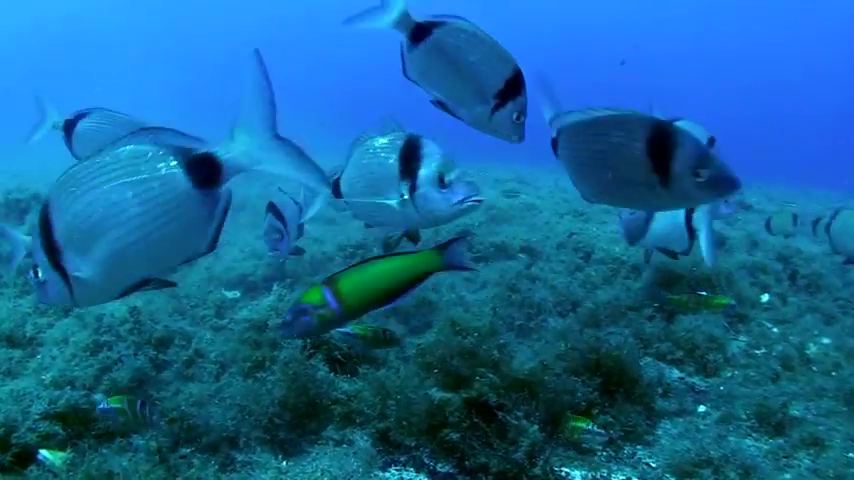 The Underwater World, Cyprus
For divers, Cyprus can be a reason to travel rather than simply somewhere to dive while on vacation. For everyone else, the decision is more complicated.
An introductory dive may be a memorable first experience for someone genuinely curious about being underwater. For another traveler, snorkeling or a day on a boat will provide more enjoyment with less preparation. Certified divers will approach the island differently again, particularly those interested in wrecks or planning several dives rather than one.
The Zenobia wreck has given Cyprus an international diving reputation, but that does not mean every visitor interested in the sea should automatically organize a dive. Experience level, certification, confidence underwater and the amount of holiday time you are willing to give to diving matter just as much as the site itself.
This is not a category where we would choose purely on price. Operator standards, equipment, supervision, dive planning, qualifications and current conditions matter, as does honesty about your own experience. Travelers returning to diving after a long break may have different needs from someone who dives regularly, even if both technically hold the same certification.
The useful question is not simply, “Where can I dive in Cyprus?” It is what kind of diving you are ready for and whether that experience deserves the time it will take from the rest of your trip.
Diving in Cyprus covers the island's principal diving experiences, including wreck diving, shore diving, options for beginners and what to consider when choosing a dive center.
Golf in Cyprus
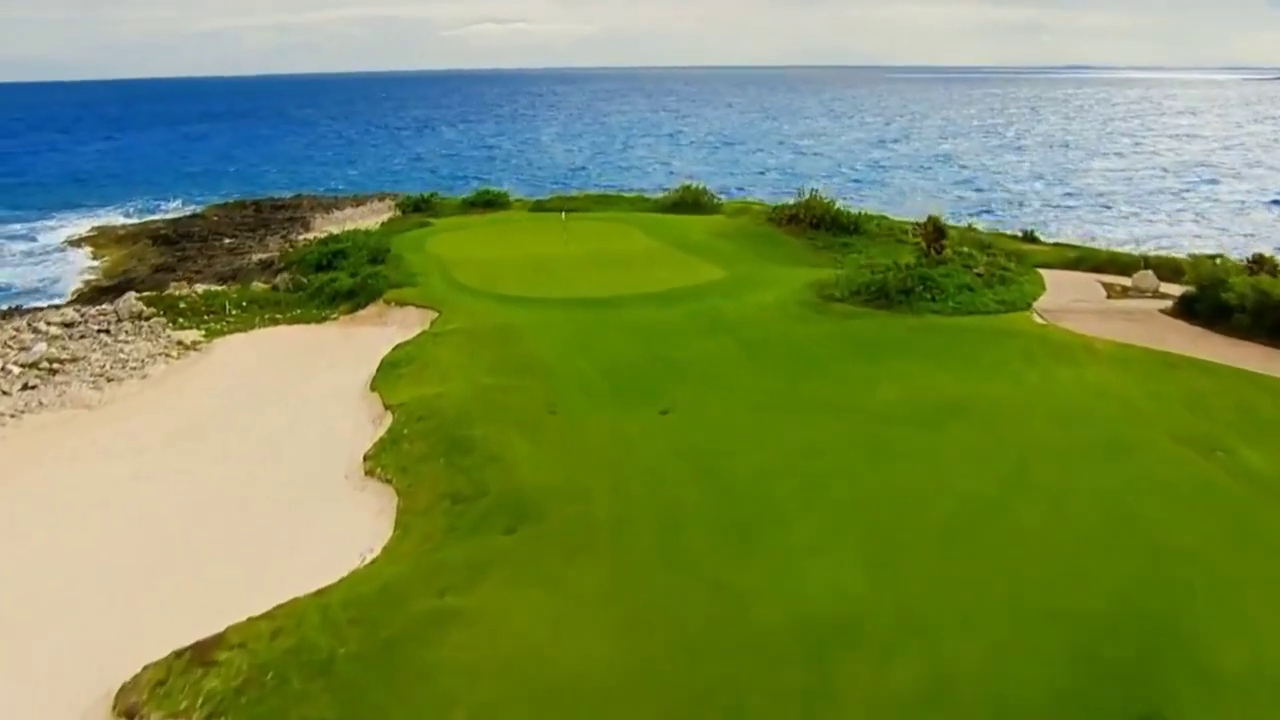 Golf in Cyprus
Golf works differently from most activities on this page because, for the travelers who care about it, it can influence where part of the trip is based.
A round is not a quick diversion. Once travel time, preparation, the round itself and lunch are considered, golf can take possession of much of the day. That is exactly why it deserves to be planned rather than inserted into an already crowded itinerary.
The main golf courses are concentrated in western Cyprus, so golf integrates far more naturally with a Paphos-area stay than with a holiday based entirely in the east. That geographic reality matters more than trying to squeeze a course into the trip simply because it appears on a list of things to do.
Cyprus also suits travelers who want golf to coexist with the rest of a holiday rather than dominate it completely. One person can play while a partner uses the same time for a spa, lunch or a slower morning; alternatively, golf can become one of several anchors in a western Cyprus itinerary.
If golf matters, choose the course deliberately. If it does not, Cyprus has better uses for four or five hours.
See Golf in Cyprus for the principal courses, their settings and practical differences, and the type of trip into which each one fits most naturally.
Day Trips & Organized Tours in Cyprus
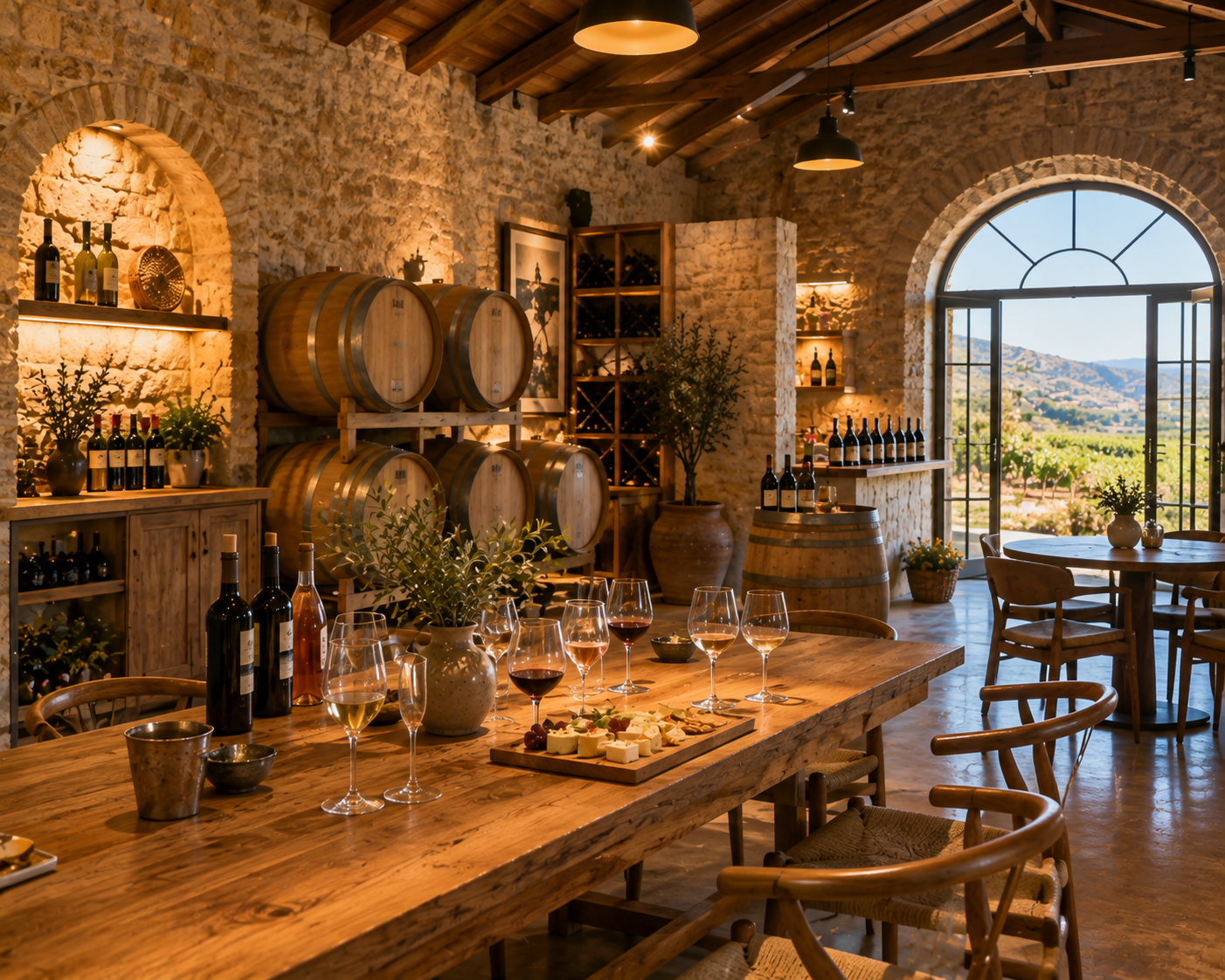
Independent travelers sometimes dismiss organized tours too quickly.
There are days when independence is exactly what makes Cyprus enjoyable: stopping when you want, changing the route over lunch and taking a road simply because it looks interesting. There are other days when driving, parking, route planning and coordinating several stops add nothing to the experience. That is where a good tour earns its place.
A wine-focused day is an obvious example if nobody wants responsibility for driving afterward. A guided archaeological visit can add context that wandering alone will not. Mountain and village routes can work for travelers who do not want to rent a car, while a private guide can be particularly useful when time is limited and interests are specific.
The trade-off is control. Group tours run to somebody else's clock, stops may be shorter than you would choose independently, and some itineraries try to cover too much. Private tours solve part of that problem but at a higher cost.
We would choose a tour because the guide, logistics or access materially improves the day, not simply because transportation is included. A good guide should give you more than a route between stops; otherwise, you have effectively paid someone else to drive your itinerary.
Day Trips & Organized Tours in Cyprus looks at the types of tours that can genuinely add value, including cultural and village routes, food and wine days, private guiding and 4x4 experiences.
How Much Should You Actually Plan?
Less than the internet will encourage you to. Experiences need space around them.
A morning swim feels different when lunch does not come with a departure deadline. A mountain village is easier to enjoy when it is not the fourth stop before sunset. A cultural site becomes more interesting when you have time to understand what you are looking at. Even a good boat trip can feel like work if you have scheduled dinner at the opposite end of the island two hours after returning.
For a shorter Cyprus trip, choose a few experiences that define the holiday and allow everything else to support them.
Sea-first travelers may combine beaches with one boat trip and, if it genuinely interests them, diving or snorkeling. Nature-first travelers might give the mountains or Akamas a full day rather than collecting several minor outdoor stops. Culture-first travelers should protect time for archaeology, museums and old neighborhoods instead of treating them as interruptions between beaches.
Longer trips create room to change rhythm. That is where Cyprus becomes more interesting: coast one day, mountains another, culture the next, followed by a day when almost nothing has been planned. The empty spaces are not wasted time; they are what prevent a holiday from becoming an itinerary-management exercise.
The Experience Should Fit Where You Are Staying
One of the easiest ways to make a Cyprus trip tiring is to choose activities without looking properly at the map.
The island's size creates a particular temptation: almost everywhere can look reachable, so travelers begin treating “possible in a day” as “sensible in a day.” They are not the same thing.
A good experience that requires an unnecessarily long cross-island journey can become a poor decision. Start with your base, then ask what is genuinely accessible from it. Not everything worth doing in Cyprus is worth crossing Cyprus to do.
If one experience matters enough to justify the journey, give it the day rather than attaching several unrelated stops simply to make the drive feel efficient. Better still, consider whether that experience is telling you something about where you should spend part of the trip.
This is particularly relevant for travelers dividing their stay between two bases. A second base is not only about seeing another city or coast; it changes the radius of what can comfortably become part of an ordinary day.
Plan accommodation and experiences together and Cyprus becomes much easier to enjoy without continually watching the clock.
Season Changes What Is Worth Doing
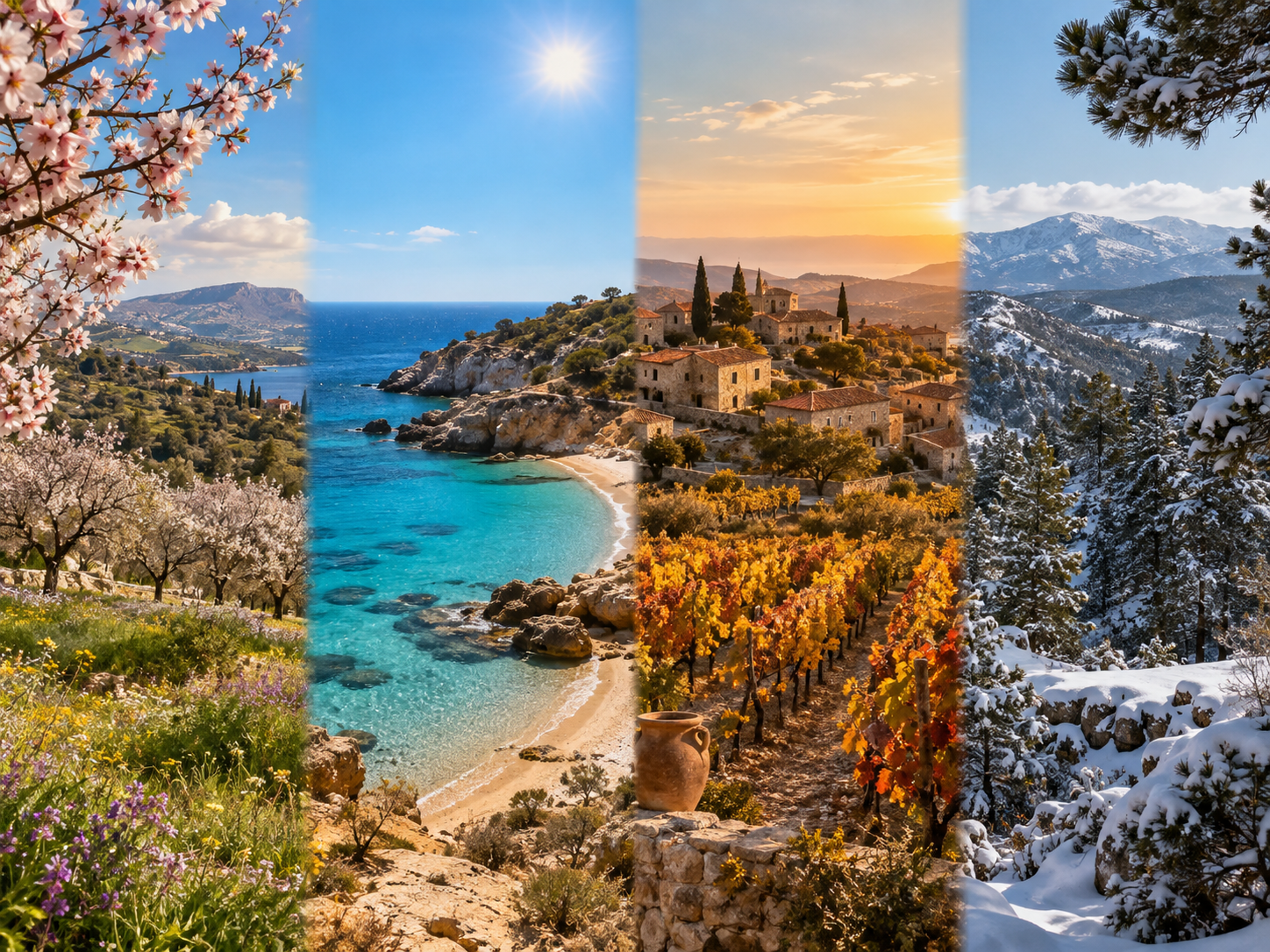
Cyprus does not offer the same experience twelve months of the year, and that is one of the reasons returning at a different time can produce a remarkably different trip.
Hot weather naturally shifts attention toward swimming, the coast and experiences that can be timed around the strongest part of the day. Milder conditions open more possibilities for walking, archaeology, cycling, inland exploration and longer days away from the water. Mountain conditions have their own rhythm again.
The important distinction is between an activity being possible and it being enjoyable. A trail may still be open, an archaeological site may still admit visitors and a boat may still operate, but those facts alone do not tell you whether that is how we would choose to spend that particular day.
Do not build an itinerary around what technically operates. Build it around what suits the conditions you are likely to encounter.
For month-by-month planning, use Best Time To Visit Cyprus alongside the experience guides before committing to a tightly scheduled trip.
A Practical Note Before You Book or Set Out
Outdoor and water-based activities involve variables that no travel article can control.
Sea and weather conditions, trail access, road access, operating schedules, equipment, restrictions and provider arrangements can change. Activities including swimming, boating, diving, hiking, cycling, kayaking and other outdoor pursuits may involve inherent risks and may require appropriate experience, fitness, equipment, qualifications or supervision.
Before taking part, confirm current conditions and requirements with the relevant operator, site manager or responsible authority. Check what is included, any age or fitness restrictions, cancellation terms and insurance requirements where applicable, and follow posted restrictions, lifeguard instructions, qualified guides and local safety information.
If an activity is beyond your experience, qualification or physical ability, choose an alternative that fits you better. That is not settling for less; it is choosing well.
What We Would Prioritize
The strongest Cyprus trips are rarely the ones with the longest activity lists. They are the ones where the experiences belong together.
A beach becomes part of the day rather than somewhere visited for forty minutes. A boat trip shows you a coast you would otherwise never properly see. A walk takes you into a landscape instead of simply delivering another photograph. An archaeological site changes how you understand what comes afterward. A tour earns the hours you give it because the person leading it knows something you would not have found alone.
That is the standard we use across these guides. An experience should earn its place through what it adds to the trip, not through how often it appears on somebody else's list.
The question is not: What can you do in Cyprus? Cyprus can fill that list very quickly.
The better question is: What deserves part of your trip?
Start there.