Newsletter "Beyond the Postcards" Subscribe
Plan Your Cyprus Trip: Hotels: Expedia, Villas & Apartments: Vrbo, Car Rentals: DiscoverCars, Tours: GetYourGuide, Airport Transfers: WelcomePickups
- Home
- Find Your Cyprus
- Cyprus for Adventure Travelers
Cyprus For Adventure Travelers: Into The Island's Wilder Side
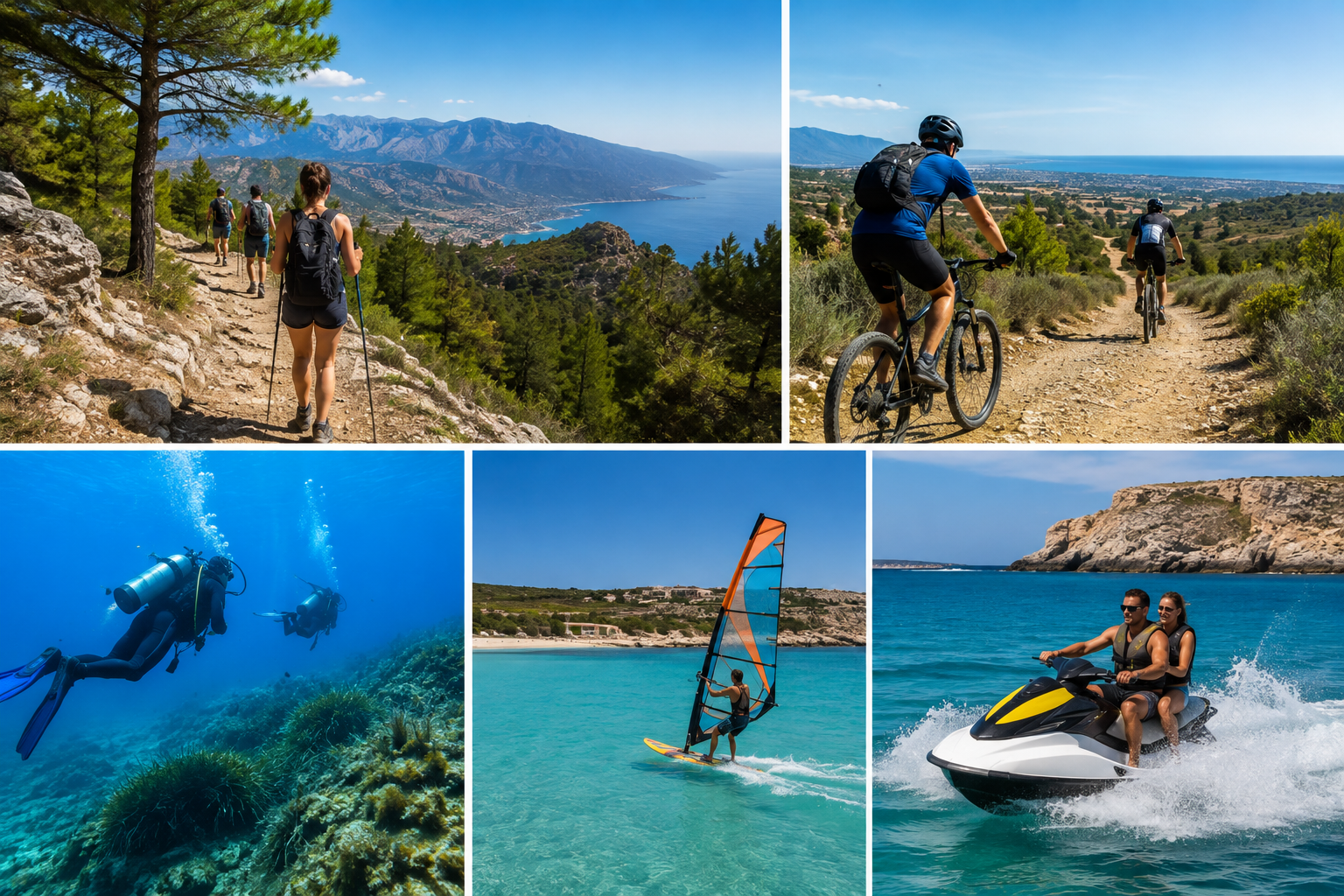
There is a moment, somewhere in Cyprus, when the surface beneath you changes.
Asphalt becomes a forest track. A coastal road becomes a footpath. Pine needles replace pavement. The sea that looked decorative from a hotel terrace suddenly becomes something you have to read — wind, swell, current, depth. A mountain that seemed distant at breakfast is beneath your boots by late morning.
That change is where the more adventurous version of Cyprus begins.
This is not an island that overwhelms you with scale. There are no Alps, no vast wildernesses, no multi-day expeditions into country without roads. Anyone selling Cyprus that way is selling fantasy.
Its strength is different.
Cyprus compresses an unusual variety of terrain into a relatively small island. You can hike above the Mediterranean in the morning, descend through mountain villages for lunch, and be back beside the sea by evening. You can spend one day on the limestone landscape of the Akamas Peninsula and another among black pines high in the Troodos Mountains. You can dive a major shipwreck off Larnaca, paddle below the cliffs of Cape Greco, ride through vineyards, or follow a mountain road simply because you want to know where it goes.
Adventure here is less about conquest than curiosity.
And that suits Cyprus remarkably well.
The Version of Cyprus That Starts Where The Easy Day Ends
The beach is often the beginning of the Cyprus story. For adventure travelers, it should not be the end of it.
Drive inland and the island changes quickly. Roads narrow. Elevation rises. Villages appear on hillsides. Pine forest replaces the dry coastal landscape. Turn west toward Akamas and Cyprus becomes rougher, emptier and less manicured. Head east toward Cape Greco and the land breaks into pale limestone above startlingly clear water.
The distances are deceptive. On a map, nothing looks particularly far away. In reality, terrain matters more than mileage.
That is one of the island's defining adventure pleasures: you do not need a heroic expedition to feel that the day has changed direction. Sometimes a sign for a nature trail, a road climbing above a village, a bicycle disappearing around a bend or a path through pine forest is enough.
The travelers who enjoy Cyprus most in this way are rarely those trying to accumulate the maximum number of activities. They are the ones willing to follow one landscape properly.
Akamas: Cyprus With Its Rough Edges Left On
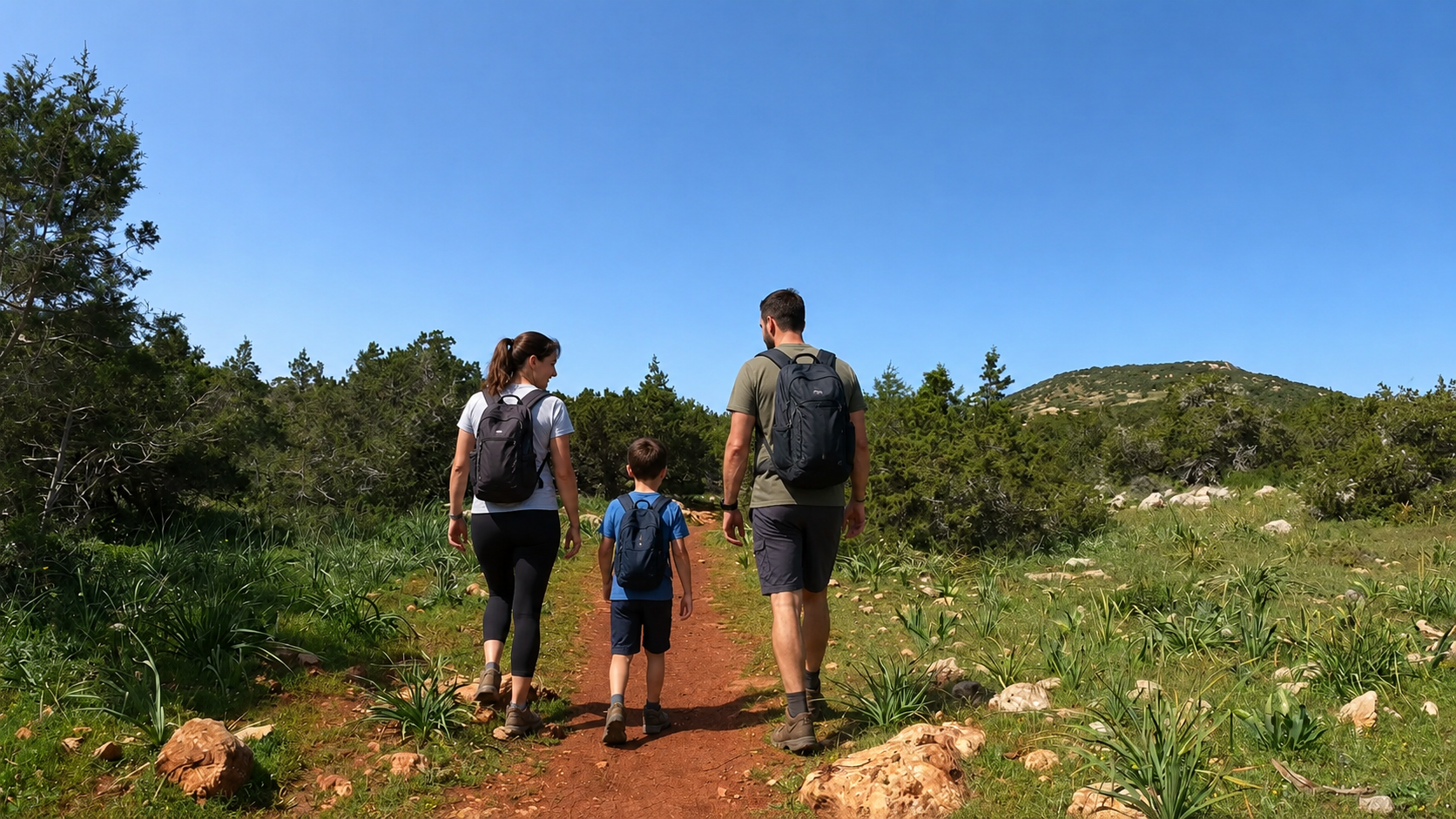 Akamas Peninsula, Paphos
If we had to choose one part of Cyprus for travelers who want the island to feel less controlled, we would start with Akamas.
The peninsula occupies the northwest of Cyprus beyond the more developed Paphos coast, and its appeal is immediate: limestone, low vegetation, exposed ridges, forest, coves and long views toward the sea. It feels physically different from the resort coast nearby.
The classic walks around the Baths of Aphrodite remain among the strongest ways into the landscape. The Aphrodite and Adonis trails climb away from the coast and reward the effort with expansive views across the peninsula and Chrysochou Bay. Smigies and Pissouromoutti offer alternatives when you want something shorter or less demanding.
But Akamas should not be reduced to a collection of trail names.
Its real appeal comes from the relationship between terrain and sea. You climb with the Mediterranean below you. The vegetation opens and closes around the path. The coastline keeps disappearing, then returning from a different angle. What looked like a simple peninsula from a boat begins to reveal ridges, gullies and elevations that were invisible from the water.
This is also where restraint matters.
Not every track is an invitation to drive farther. Not every coastline needs to be reached by vehicle. Roads and access conditions can change, particularly within protected areas, and some routes are rough enough that poor planning can turn an enjoyable day into an expensive one.
Avakas Gorge is a good example of somewhere we would never assume to be accessible simply because it appears in older guidebooks or online itineraries. Conditions and closures can change. Check current official access information before building a day around it.
For a traveler who prefers walking, mountain biking and time in relatively open country, Akamas is one of the strongest reasons to base part of a Cyprus trip in the northwest rather than treating Paphos as the automatic western choice.
Our Akamas guide goes much deeper into the peninsula itself.
Troodos: The Island Changes With Altitude
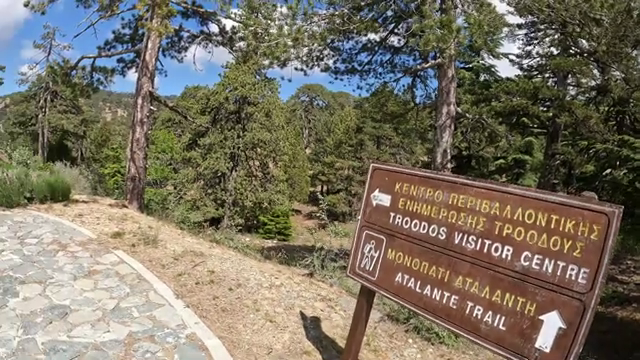 Atalanti Trail, Troodos Square
The most dramatic distance in Cyprus is sometimes vertical.
Leave the coast on a hot morning and drive upward toward Troodos. The air changes first. Then the vegetation. Roads begin to curve through forest. Villages sit differently in the landscape. By the time you reach the higher slopes around Mount Olympus, the Cyprus of beaches and palms can feel remarkably far away.
This is the island's strongest hiking territory.
The Artemis Trail circles the upper slopes of Mount Olympus through black-pine country and gives you the pleasure of being high without requiring an extreme day. Atalanti is longer and more committing. Around Platres, Kalidonia takes you into a cooler, greener environment beside the Kryos Potamos, while the more demanding Psilo Dentro–Pouziaris route is for walkers who actually want the climbing rather than merely the waterfall photograph.
Then there is Madari, where mountain Cyprus becomes particularly interesting for experienced walkers. The landscape is broader, the slopes more serious and the sense of being away from the coastal version of the island much stronger. It is not where we would send somebody whose idea of hiking is a comfortable ninety-minute walk before lunch. That is precisely why it belongs here.
Troodos also works well for cyclists. There are mountain roads, dirt routes and substantial elevation changes, with options ranging from pleasurable descents to climbs that will expose optimistic fitness assumptions very quickly.
Do not mistake compact geography for easy riding. Cyprus roads can climb hard.
The reward is that a cycling day can move through forest, old mining landscapes, villages, vineyards and high mountain roads without feeling engineered solely for visitors. The best active days in Troodos still feel connected to the life of the mountains rather than separated from it.
Read our full Troodos guide before choosing your mountain base.
Cape Greco: Where Land And Water Meet
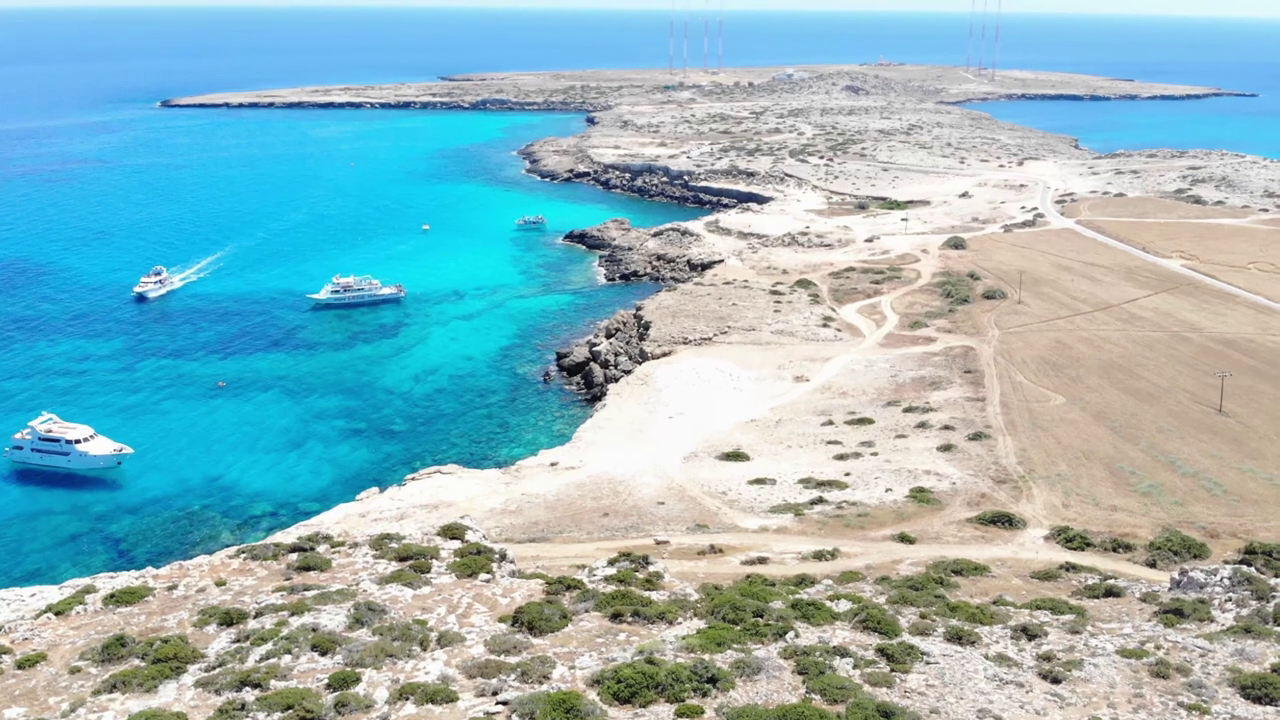 Cape Greco
Cape Greco is easier to reach than Akamas, more compact than Troodos and one of the best places in Cyprus for combining several forms of outdoor activity without spending half the day driving between them.
The landscape is limestone, low vegetation and sea.
Walk the coastal trails and the scale remains intimate. Kayak beneath the cliffs when conditions allow and the same coastline changes completely. Snorkel or dive and it changes again.
The coastal trail network between Cape Greco, the Sea Caves, Agioi Anargyroi and Konnos makes it possible to build a day that moves naturally between walking and water. There are also climbing opportunities in the wider area for those with the appropriate experience, equipment and local knowledge.
We would be considerably more cautious about the social-media version of Cape Greco. Cliff jumping is not something we recommend. Neither is treating sea caves as an amusement park or assuming calm-looking water is automatically safe for independent paddling. Limestone edges, swell, wind and access points require judgment.
If you want a physically active east-coast stay, Cape Greco is a major reason to choose Protaras or the quieter edges of Ayia Napa rather than spending the entire trip farther west.
Larnaca: The Adventure Is Sometimes Under The Water
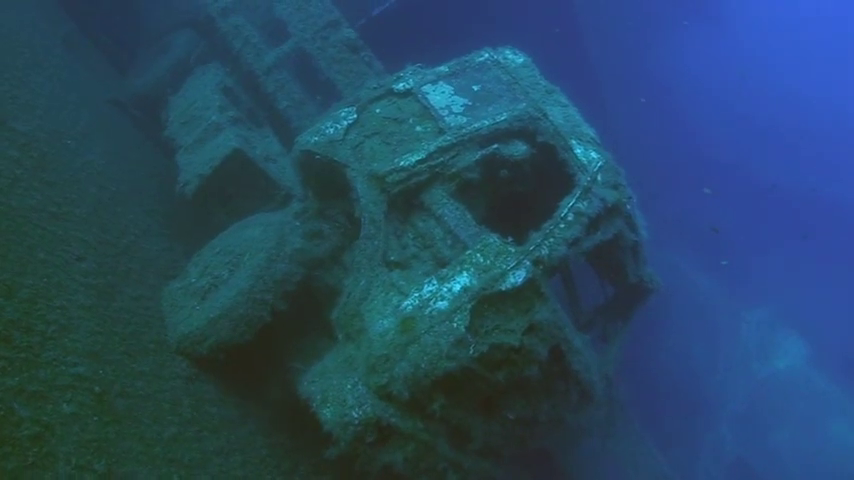 Zenobia Wreck
Larnaca makes little effort to look like an adventure base.
That is part of what makes it interesting.
The city is flat, relaxed and easy to live in. The seafront is civilized. Cafes, restaurants and city hotels make the logistics unusually comfortable.
Then, offshore, lies the Zenobia.
For qualified divers, the wreck changes the case for staying in Larnaca completely. The Swedish ferry sank off the coast in 1980 and now rests on its side, with sections extending from recreational to technical diving depths. Its scale means this is not a site you simply tick off in twenty minutes underwater.
If wreck diving matters to you, Larnaca deserves to be treated as a destination rather than an airport stop.
Less experienced divers have other sites around Cyprus that may be more suitable for their qualification and comfort level. The important decision is not to choose the most famous dive because it is famous. Choose the dive that fits your training.
The Larnaca district also has another active identity farther along the coast around Kiti and Mazotos, where wind conditions support kitesurfing. For experienced riders, or travelers planning professional instruction, this gives the area an entirely different character from the city break many people associate with Larnaca.
One day can be about a wreck. Another about wind. Then you can come back to town, shower properly, eat extremely well and sleep in a good hotel. Adventure travelers do not have to suffer for credibility.
Cycling Reveals The Cyprus Between Destinations
A car teaches you where Cyprus's places are.
A bicycle teaches you what lies between them.
Some of the island's most rewarding cycling territory is not attached to a famous attraction at all. It lies on the roads connecting mountain villages, through the Pitsylia region, across the foothills, around Akamas or between vineyards and smaller rural communities.
On a bicycle, the gradient tells you things a rental car hides. You notice how suddenly the coast rises, why villages developed where they did, and how different exposed lowland heat feels from mountain shade.
Road cyclists can build substantial climbing days in and around Troodos. Mountain bikers have access to rougher routes and forest terrain. Leisure riders are better served by choosing carefully rather than assuming any scenic route will be gentle.
For serious cyclists, plan the accommodation around the riding rather than attempt to ride seriously from whichever beach resort happened to look nicest online.
The Sea Is Not Only For Swimming
Cyprus's relationship with the Mediterranean changes considerably once you stop viewing the water from a sunbed.
Kayaking works particularly well around rocky coastal sections where the landscape makes more sense from water level. Cape Greco is the obvious example. Akamas can offer equally strong experiences, although remoteness and conditions raise the logistical stakes.
Stand-up paddleboarding works better as a gentler addition than as the defining reason to visit Cyprus. Windsurfing and kitesurfing are more specialized and condition-dependent. Snorkeling sits at the accessible end of the spectrum, while scuba diving can become the foundation of an entire trip.
For activities where professional support materially improves safety, access or equipment quality, spend money there. A strong guide, reputable dive center or qualified instructor is a better luxury for an adventure traveler than an unnecessarily elaborate transfer or a hotel suite you barely use.
Adventure Does Not Have To Mean Extreme
One of the weakest ways to plan an adventure trip is to assume every day has to be harder than the last.
Cyprus is better with contrast.
A demanding morning on a mountain trail can end over lunch in a village. A serious dive can be followed by an easy evening along the Larnaca seafront. A long ride through Troodos is more satisfying when the following day begins slowly rather than with another alarm at dawn.
The island is particularly good for couples or groups whose appetite for activity is unequal. One person can take on a longer hike while another spends the morning in Platres. A diver can head offshore from Larnaca while a non-diver has an enjoyable city day. Someone interested in cycling can ride while the rest of the party drives a parallel mountain route and meets later for lunch.
That flexibility means you can build a genuinely active trip without forcing everybody traveling with you to become an endurance athlete.
When We Would Come
For land-based adventure, spring and autumn are the periods we find easiest to recommend.
The temperatures are generally more forgiving, the landscape can be at its most expressive and long days outside require less negotiation with extreme heat. Spring has particular appeal for walking. Autumn combines warm sea conditions with increasingly comfortable days on land.
July and August require different judgment. On the coast, a morning can already feel punishingly hot while the higher Troodos villages are moving to a completely different rhythm under pine shade and cooler air. That is a very Cypriot summer contrast, and one worth planning around.
We would not choose exposed low-altitude hiking simply because the calendar says you are on vacation. Start early, move higher, shorten the route or choose water instead.
Winter is more interesting than many adventure travelers expect. Coastal walking, cycling and other outdoor activities can be excellent between periods of unsettled weather, while the highest Troodos slopes occasionally shift into an entirely different winter landscape.
Cyprus is not a destination where one activity has one permanent season. Elevation, exposure, wind and the sea all matter.
Choose the day you actually have, not the day your itinerary assumed you would have three months earlier.
Where To Stay in Cyprus For An Adventure Trip
There is no single best adventure base on the island. The right base depends on what you actually intend to do.
Polis, Latchi and Neo Chorio: Best for Akamas
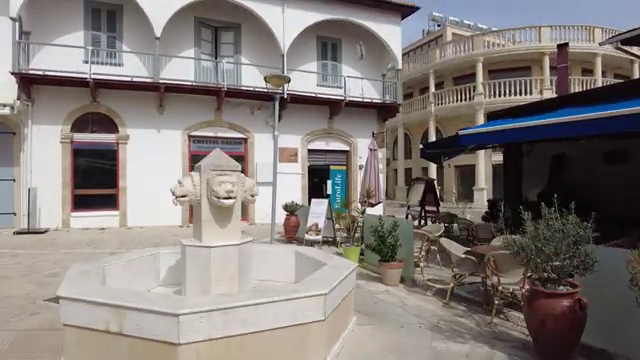 Polis Chrysochous
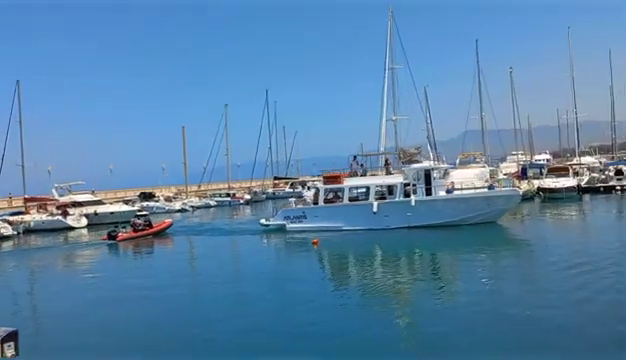 Latchi Harbor
For hiking, mountain biking and access to the northwestern side of Akamas, this is our preferred part of Cyprus to sleep in.
Polis gives you more everyday infrastructure. Latchi puts the harbor and water-based activities close at hand. Neo Chorio moves you closer to the peninsula and works particularly well for travelers who value quiet surroundings over nightlife.
This part of Cyprus also suits villas extremely well. If your ideal active day ends with a private pool, a terrace and dinner somewhere around Polis or Latchi, the combination is difficult to beat.
The trade-off is obvious: you are far from the east of the island and some journeys are slow. Do not stay here while pretending you will casually fit Cape Greco, Larnaca and Troodos into consecutive day trips.
Platres and the Troodos villages: Best for hiking and mountain cycling
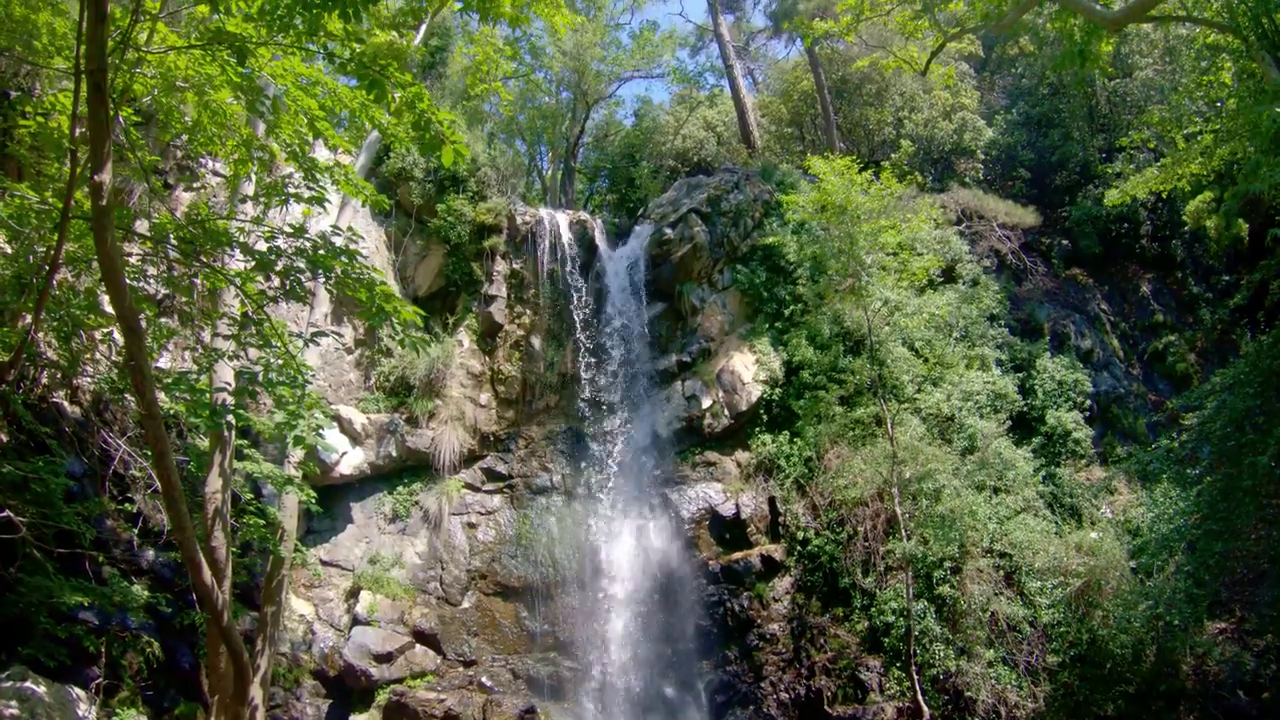 Caledonia Falls, Platres
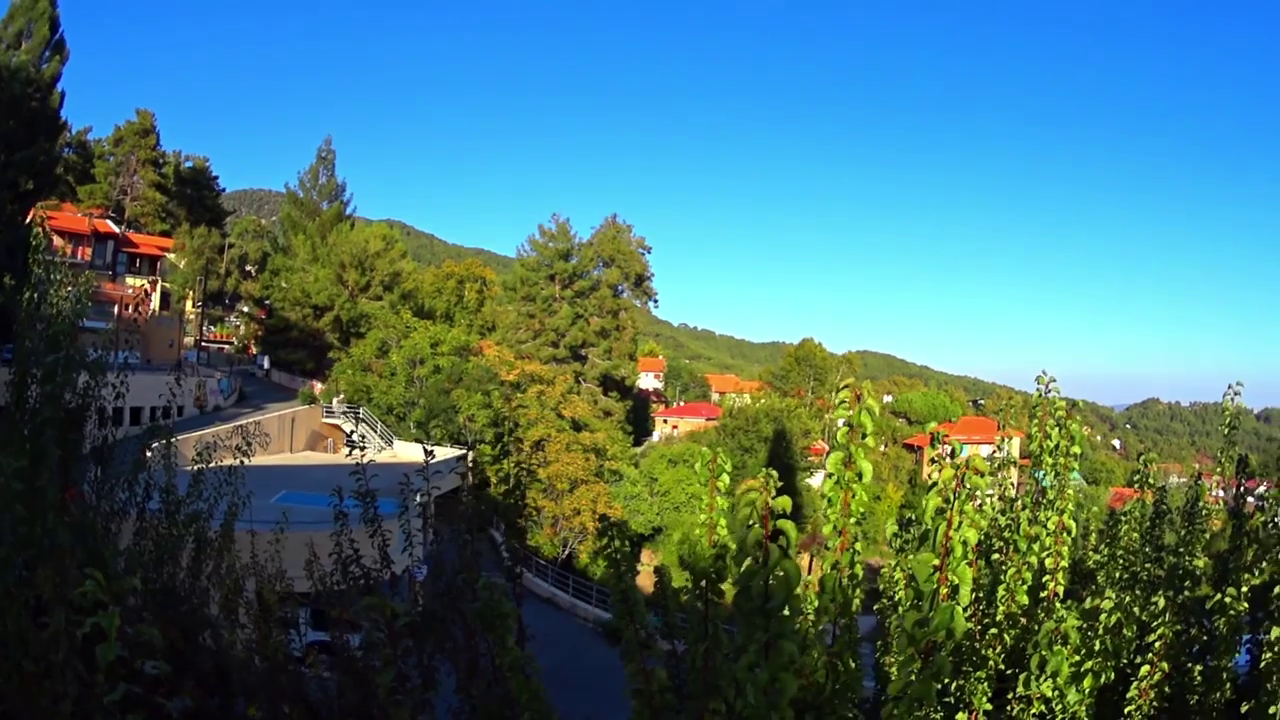 Platres Village
If the mountains are the priority, stay in them.
Pano Platres is the most practical choice for many travelers because it combines trail access with enough restaurants and accommodation to make several nights comfortable. Elsewhere in Troodos, smaller villages give you more atmosphere but potentially less convenience.
For serious hikers and cyclists, sleeping at altitude also changes the rhythm of the trip. You can begin before day-trippers arrive, return without a long drive to the coast and respond more easily to conditions.
The compromise is that mountain evenings are quieter and the hotel choice is narrower than on the coast.
For us, that is usually a good trade.
Larnaca: Best for diving and kitesurfing
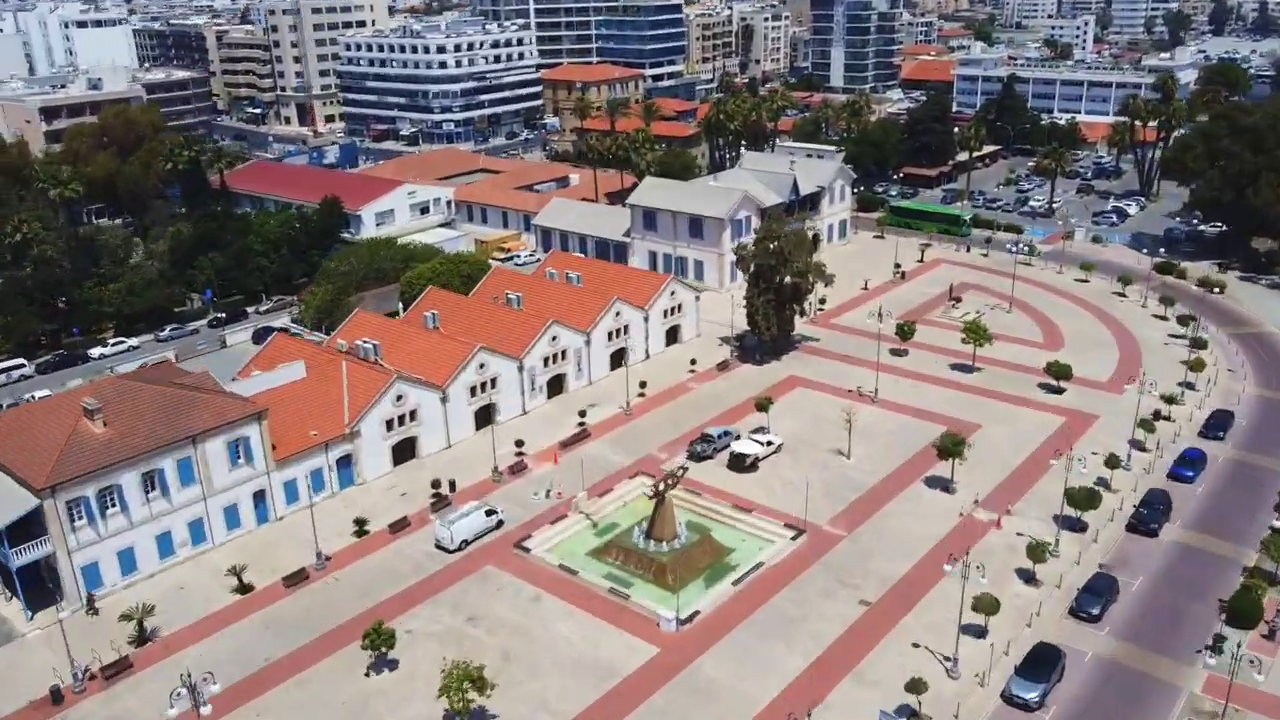 Europe Square, Finikoudes, Larnaca
If Zenobia is one of the main reasons you are coming to Cyprus, choose Larnaca.
The city gives you the easiest combination of dive logistics, airport access, restaurants and quality accommodation. It also places you well for the wind-sports areas south of the city.
This is the strongest base for travelers who want their adventure to be serious but their evenings easy.
You can do something demanding in the morning and still walk to dinner.
Protaras or the Cape Greco side of Ayia Napa: Best for coastal activity
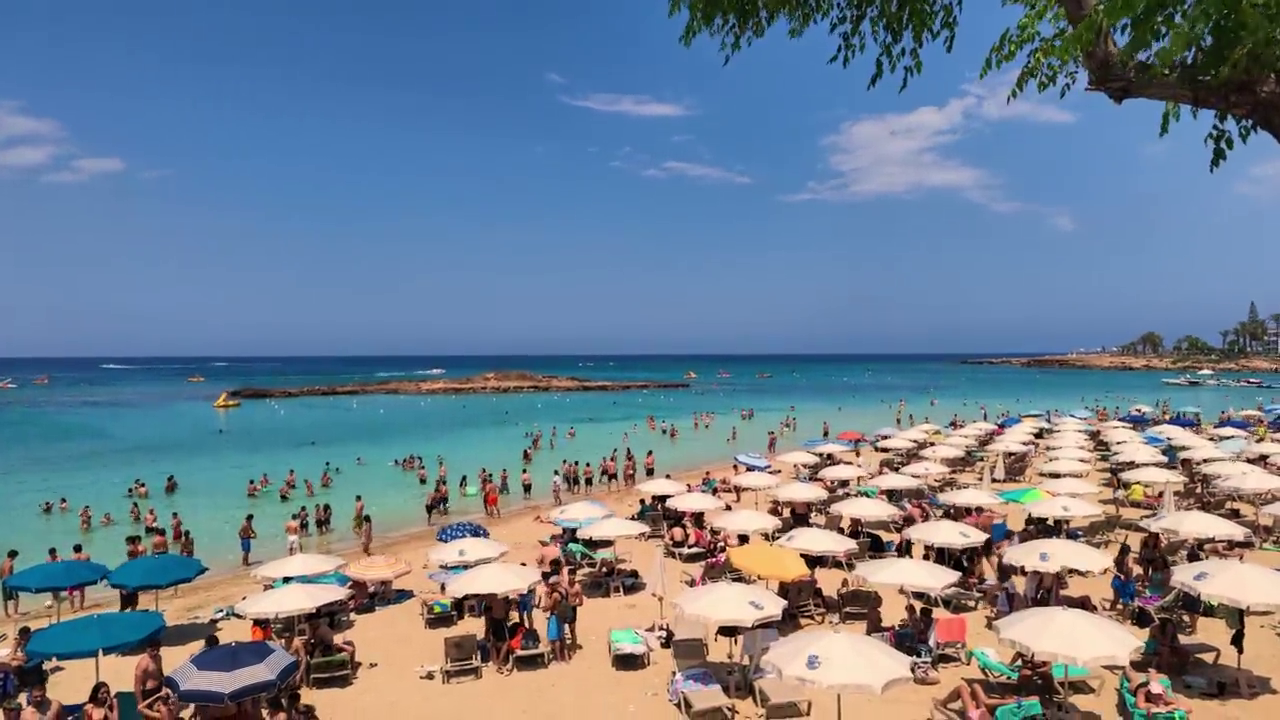 Fig Tree Bay, Protaras
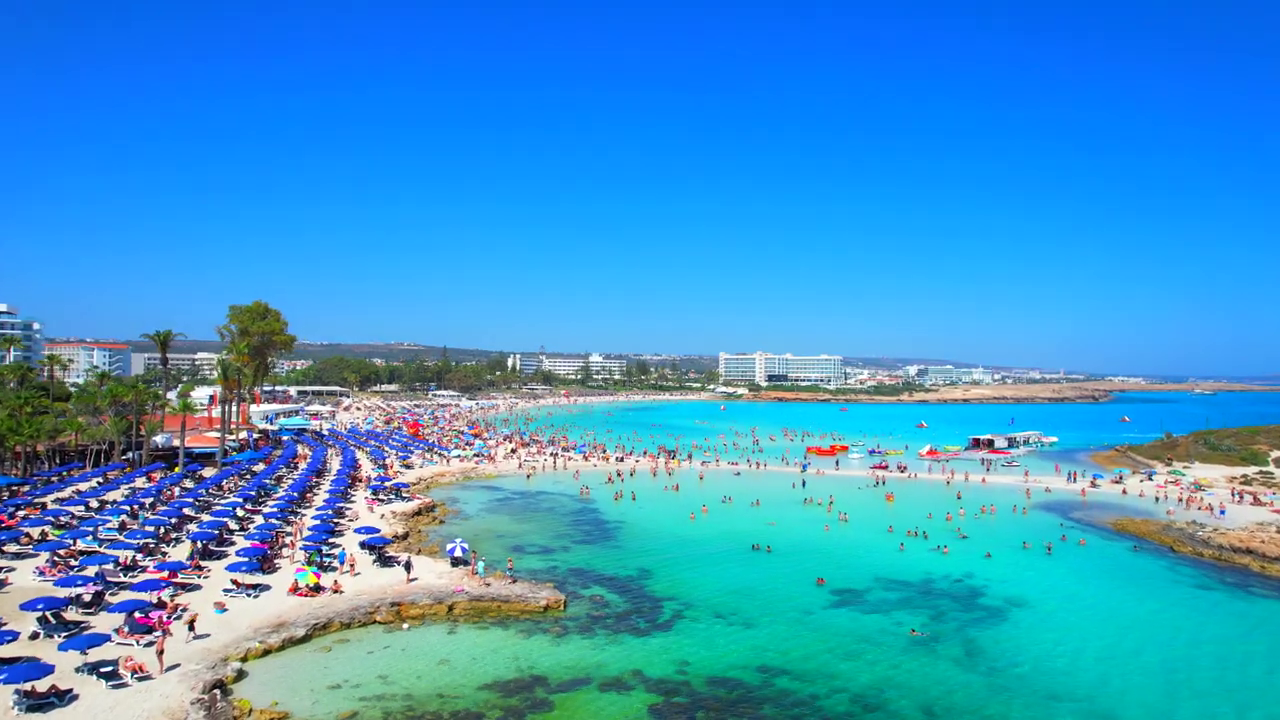 Nissi Beach, Ayia Napa
For kayaking, snorkeling, coastal walking and easy access to Cape Greco, stay close rather than driving across the island every morning.
Protaras is our stronger all-round choice for travelers who want active mornings and relatively relaxed nights. Ayia Napa makes more sense if nightlife is part of the trip as well.
Choose carefully within both areas. A large resort in the wrong location can put you farther from the landscapes you came to experience than a smaller property chosen intelligently.
For the wider accommodation decision, use our Where to Stay in Cyprus and Best Areas to Stay in Cyprus guides.
The Two-Base Trip We Would Choose
For a first adventure-focused week in Cyprus, we would resist the temptation to circle the entire island.
Our strongest combination is the northwest plus the mountains.
Spend several nights around Polis, Latchi or Neo Chorio for Akamas, then move into Troodos for hiking, cycling and mountain villages. You gain two completely different landscapes without turning the vacation into a sequence of check-ins.
If diving matters more than Akamas, change the equation: Larnaca plus Troodos is stronger.
If kayaking, snorkeling and east-coast activity are priorities, combine Protaras with Troodos.
Three bases can work on a longer trip. On a week, they often begin to consume the freedom you came for.
What We Would Not Build An Adventure Trip Around
The least interesting version of adventure in Cyprus is the one manufactured entirely around speed, noise and escalation.
You can ride fast vehicles, chase increasingly elaborate water sports and buy packages that keep the schedule permanently full. We are particularly unconvinced by the idea that protected landscapes are improved by driving through them as aggressively as possible.
Nor do we recommend cliff jumping, entering closed routes, ignoring sea conditions, hiking exposed terrain in extreme heat to preserve an itinerary, or attempting technical diving, climbing, riding or paddling beyond your ability.
There is nothing impressive about turning poor judgment into an adventure story afterward. Sometimes the intelligent decision is to turn around.
A Practical Word About Risk
Outdoor conditions in Cyprus change. Heat, wildfire risk, sea state, wind, rainfall, trail maintenance and temporary access restrictions can all affect what is sensible or permitted on a particular day.
Check current conditions and official notices before setting out, especially in forests, protected areas and remote parts of Akamas. Follow closures and local signs. Carry appropriate navigation, water, sun protection and footwear rather than relying on a general travel article — including this one — as route or safety information.
Technical and higher-risk activities require a different level of preparation. Diving qualifications matter. Climbing competence matters. Wind and sea conditions matter. Where professional instruction, guiding or specialist equipment is appropriate, use a suitably qualified and reputable provider.
Travel insurance should also cover the activities you actually intend to undertake, rather than simply the destination printed on your flight ticket.
None of this makes an adventurous trip less spontaneous.
It makes the good parts more likely to remain good.
Who Cyprus Works For — And Who It Doesn't
Cyprus is an excellent adventure destination for travelers who like variety more than extremity.
It works especially well if you want hiking combined with good food, cycling combined with villages, diving combined with a comfortable city base, or sea activity combined with a quality hotel or villa at the end of the day.
It is also unusually useful for mixed-interest couples and groups because active and less-active days can coexist without splitting the trip entirely.
It is weaker for travelers seeking enormous wilderness, technical high-altitude mountaineering, major whitewater, or the kind of multi-day backcountry isolation available in much larger countries.
That is not a deficiency.
It is simply the wrong Cyprus for that traveler.
Follow The Question
Adventure changes the way you look at an island.
From the road, a mountain is scenery. On foot, it becomes gradient, shade, stone and distance. From a beach, the Mediterranean is a view. From a kayak, it becomes movement. From the surface above Zenobia, the sea looks almost ordinary. Descend beneath it and an entirely different Cyprus appears.
That is why the best adventure trips here rarely begin with the question, What is the most extreme thing I can do?
A better question is much simpler.
What is over there?
Follow it up a mountain road. Follow it along a limestone coast. Follow it underwater. Follow it around the next bend when the village disappears behind you and the forest takes over.
Cyprus rewards that kind of curiosity.
And once you start traveling through the island that way, the distance between the Cyprus you booked and the Cyprus you found becomes surprisingly large.