Newsletter "Beyond the Postcards" Subscribe
Plan Your Cyprus Trip: Hotels: Expedia, Villas & Apartments: Vrbo, Car Rentals: DiscoverCars, Tours: GetYourGuide, Airport Transfers: WelcomePickups
- Home
- Find Your Cyprus
- Cyprus for Culture & History Lovers
Cyprus For Culture & History Lovers: Ancient Sites, Living Heritage & Historic Villages
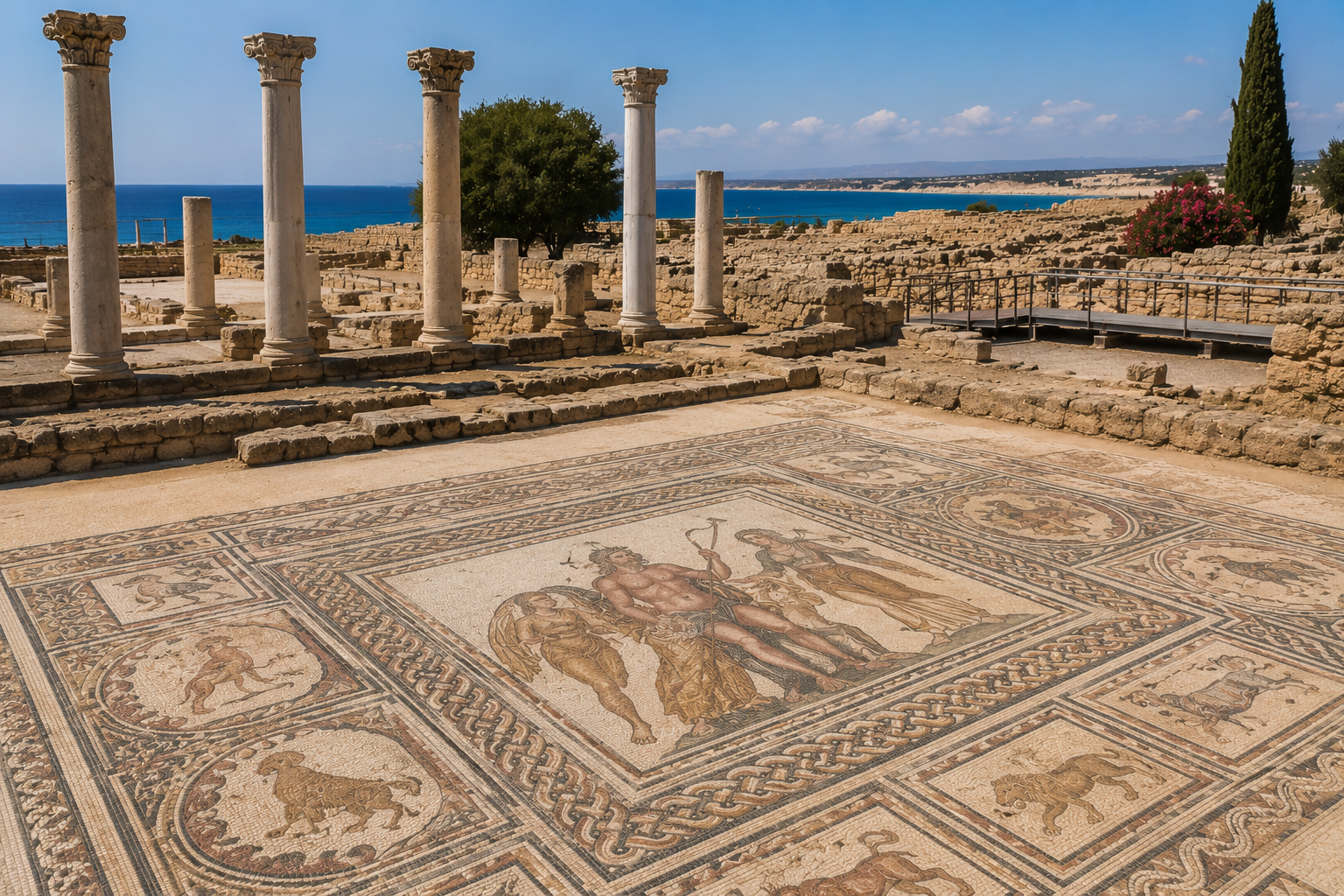
On Cyprus, history rarely stays behind glass.
A Roman mosaic sits a few minutes from an ordinary waterfront lunch. In the Troodos Mountains, a low stone church can look almost austere until the door opens onto walls dense with painted saints. In Nicosia, a Venetian bastion, an Ottoman-era doorway, a British-era facade and a contemporary cafe can occupy the same walk without announcing precisely where one century ended and another began.
That is the cultural proposition of Cyprus. Not one monumental civilization. Not one architectural language. Not one period that explains everything.
Cyprus makes more sense when you see it as an island repeatedly written over — prehistoric settlement, ancient kingdoms, Greek and Roman worlds, Byzantine Christianity, Lusignan rule, Venetian fortification, Ottoman rule, British administration and the complicated modern country that emerged afterward.
The layers are not equally visible, and they are not arranged neatly for visitors. That is precisely why Cyprus can be so rewarding for travelers who care about culture and history.
You have to read it.
The Short Version
If culture and history are central to your trip, we would not spend a week moving from archaeological site to archaeological site. The better cultural trip combines different kinds of evidence: an ancient city, a museum, a mountain church, an old neighborhood, a village, a craft tradition, a meal and enough unscheduled time to notice how historical Cyprus relates to contemporary Cyprus.
For a first culture-focused journey, Paphos, Nicosia and the Troodos Mountains form the strongest cultural triangle.
Add Choirokoitia, Kourion, Lefkara or Larnaca according to your route and interests.
And choose your accommodation carefully.
Cyprus Rewards Context More Than Spectacle
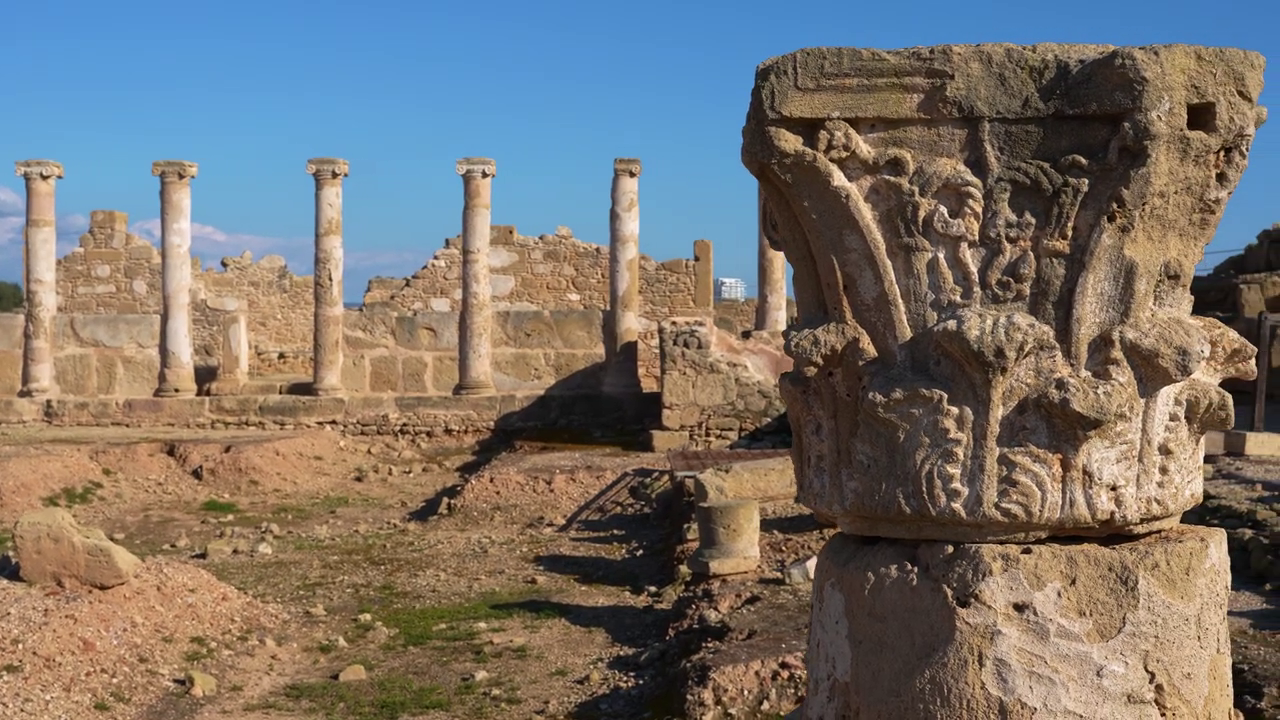
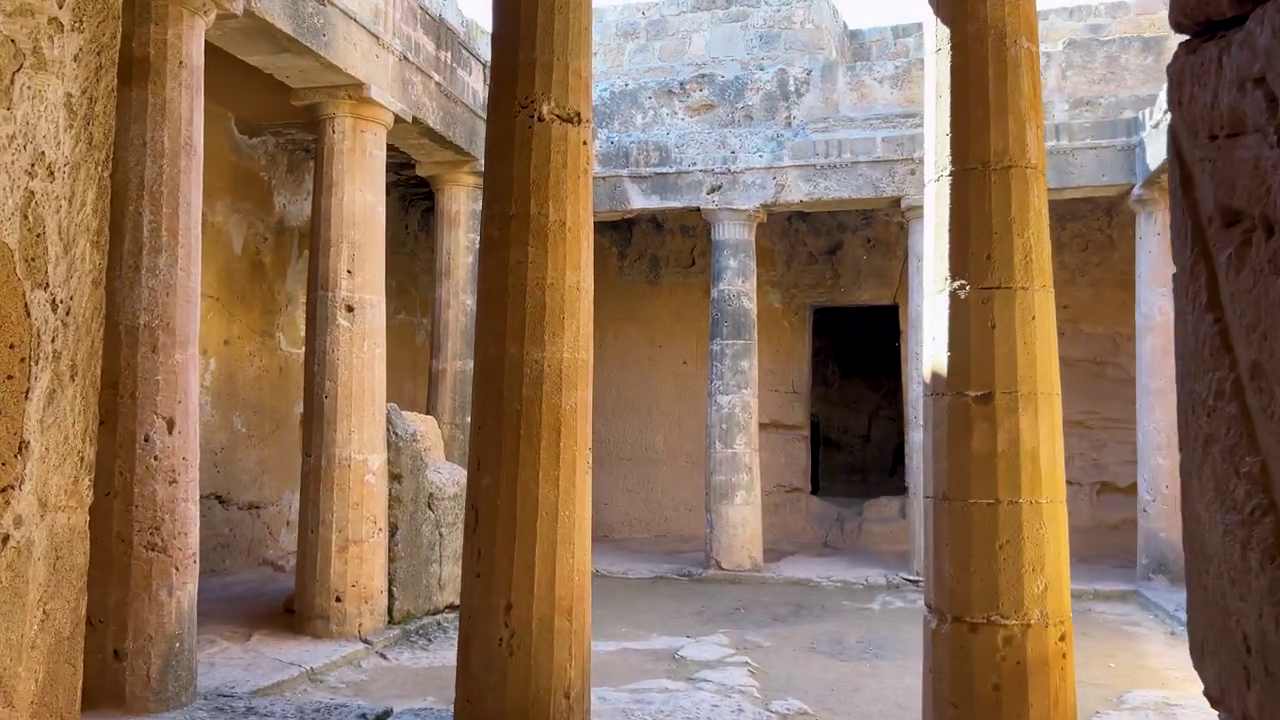
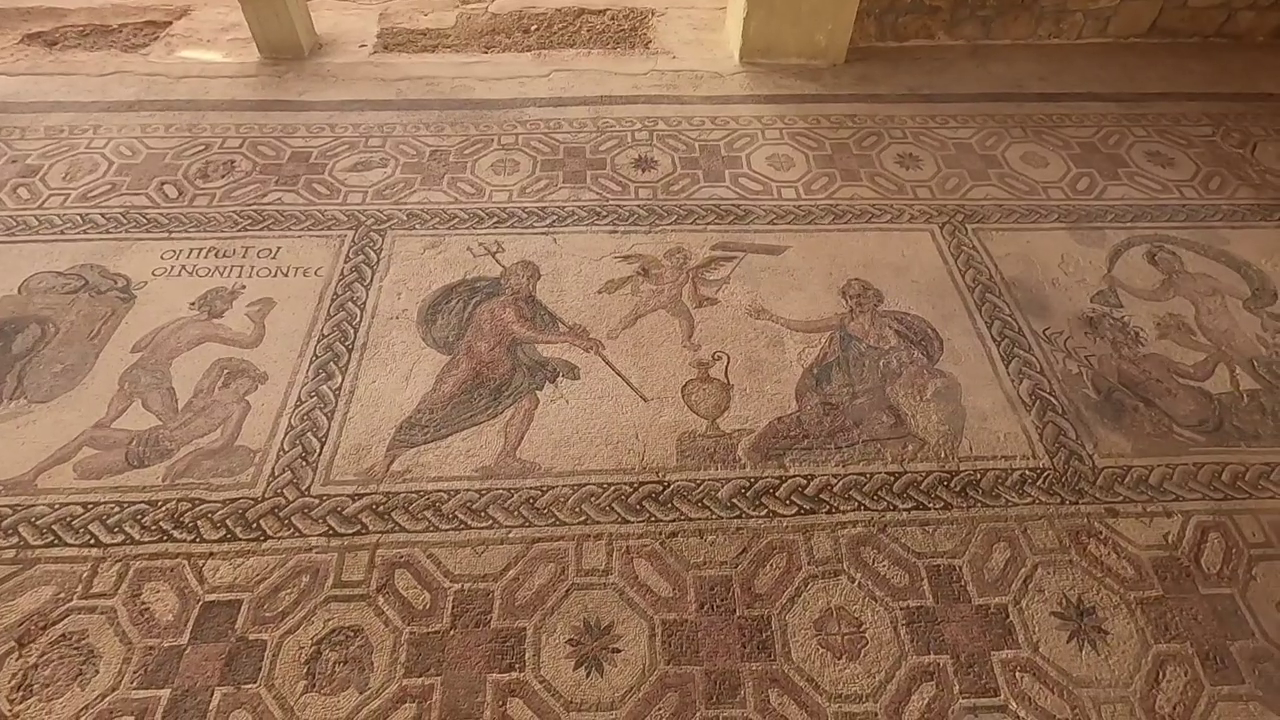
There are Mediterranean destinations where history announces itself immediately. Rome overwhelms you with scale. Athens has an ancient monument that dominates the modern city. Cyprus works differently.
Its greatest strength is accumulation.
A visitor expecting colossal temples on every horizon may initially underestimate it. Much of the island's cultural importance survives through fragments, excavated foundations, floor mosaics, churches, monasteries, village streets, tombs, fortifications and objects whose significance becomes clearer once you understand what came before and after them.
For the right traveler, apparently unrelated places begin connecting. Choirokoitia changes the way you look at later settlement. Paphos changes the way you understand Roman Cyprus. Troodos shifts the story toward Christianity and Byzantine artistic life. Nicosia brings medieval, Ottoman, British and modern Cyprus into the same frame.
The island stops feeling like a collection of ruins. It starts becoming a biography.
Start Earlier Than You Think: Choirokoitia
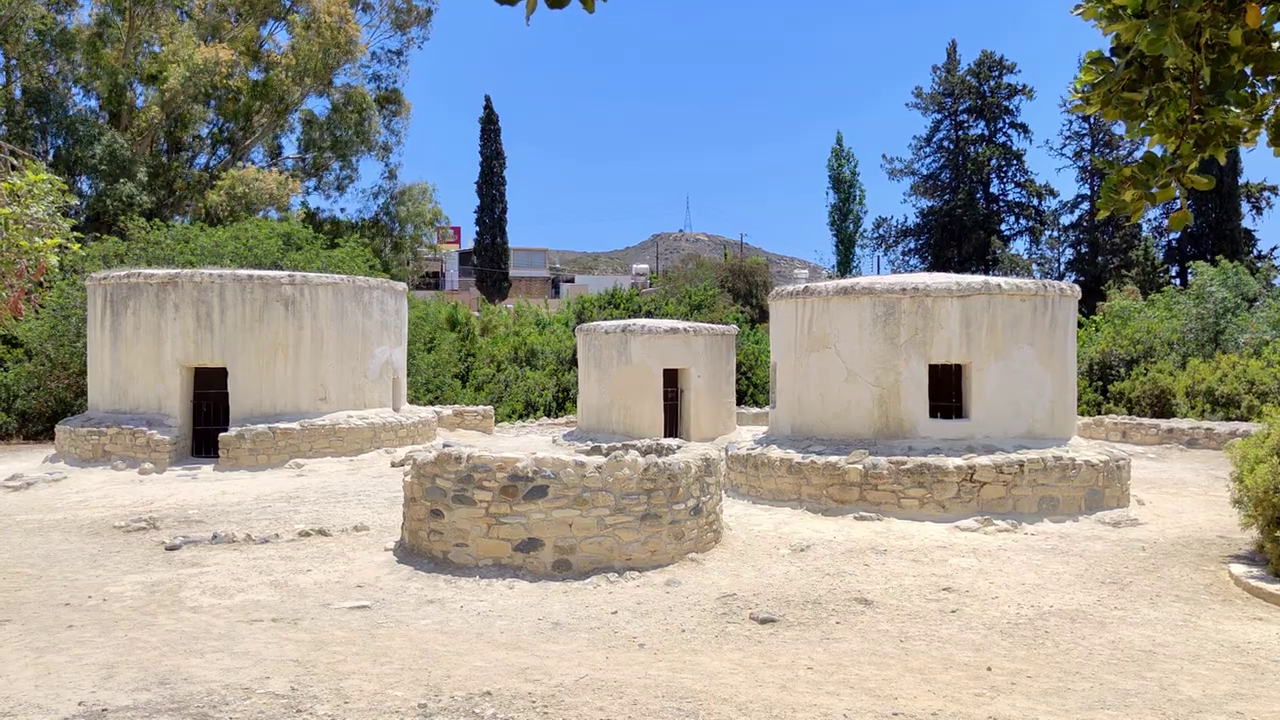 Choirokoitia Neolithic Settlement, Larnaca
One of the easiest mistakes culture lovers make in Cyprus is beginning with the classical world.
Start earlier.
The Neolithic settlement of Choirokoitia, between Larnaca and Limassol, reaches back thousands of years before the monumental Cyprus most travelers imagine. Its circular dwellings and settlement remains pull the story away from kings and armies and toward the difficult transition to permanent community.
It is not grand. That is part of its value.
Give the site enough time to understand what makes it important, then move on. Choirokoitia works particularly well with Lefkara, Larnaca or a transfer between Larnaca and Limassol. Prehistoric settlement followed by a living village produces a more revealing day than two archaeological sites back-to-back.
Paphos: Where Archaeology Becomes Part of the Trip
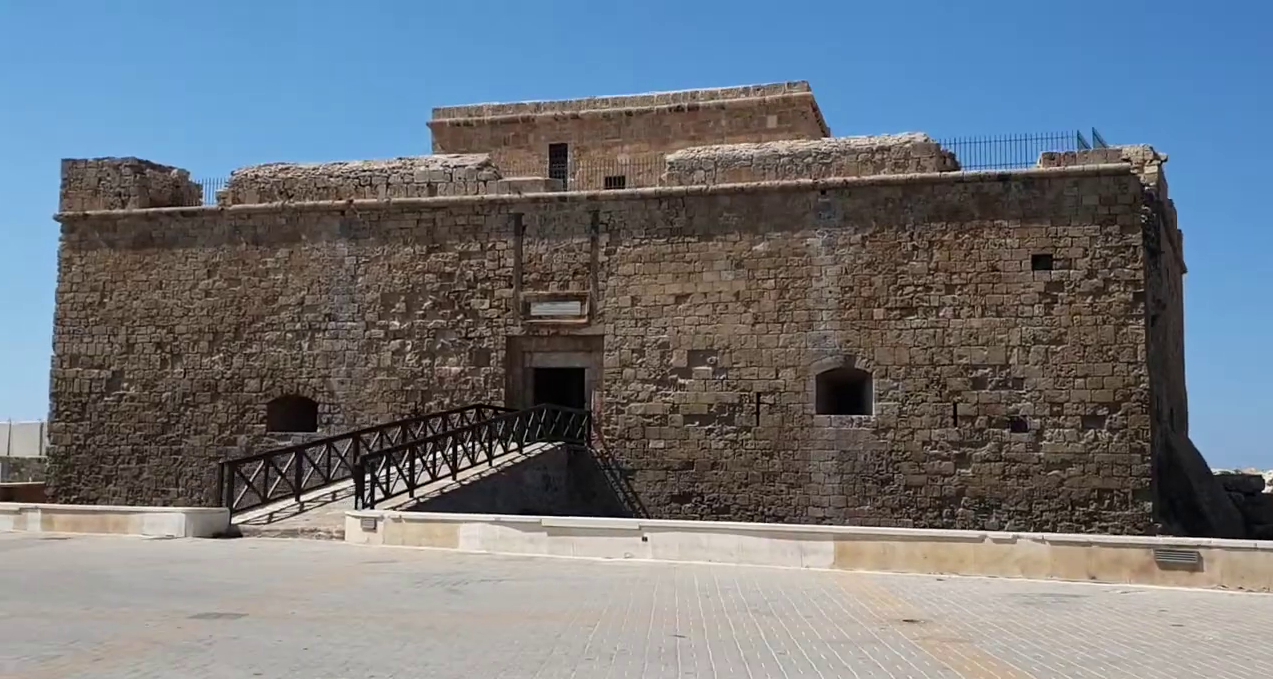 Paphos Castle
If we had to choose one coastal base for a traveler whose primary interest is archaeology, we would choose Paphos.
Not because every corner of modern Paphos feels historical. It does not. The strength is concentration.
The archaeological landscape around Kato Paphos brings together ancient urban remains, villas, mosaics, theater, fortifications and funerary architecture. The wider historical story extends toward Palaepaphos at Kouklia and the long association of the area with Aphrodite.
The mosaics are usually the revelation. They make the ancient world feel less abstract because they belonged to lived spaces, not simply monumental ones. Mythology appears on floors over which people once moved through domestic life.
The Tombs of the Kings offer a different mood. Despite the name, they were not necessarily royal tombs. What matters is the architecture, the rock-cut spaces and the shift from prosperous city to place of burial and remembrance.
Then leave archaeology for a while. Paphos allows that rhythm unusually well because archaeology and ordinary holiday life sit so close together. You can spend the morning looking at a Roman mosaic and the afternoon swimming in the Mediterranean.
Kourion: History With a Horizon
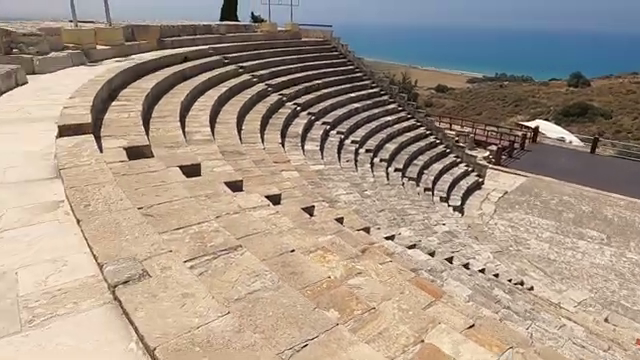 Kourion Archaeological Site
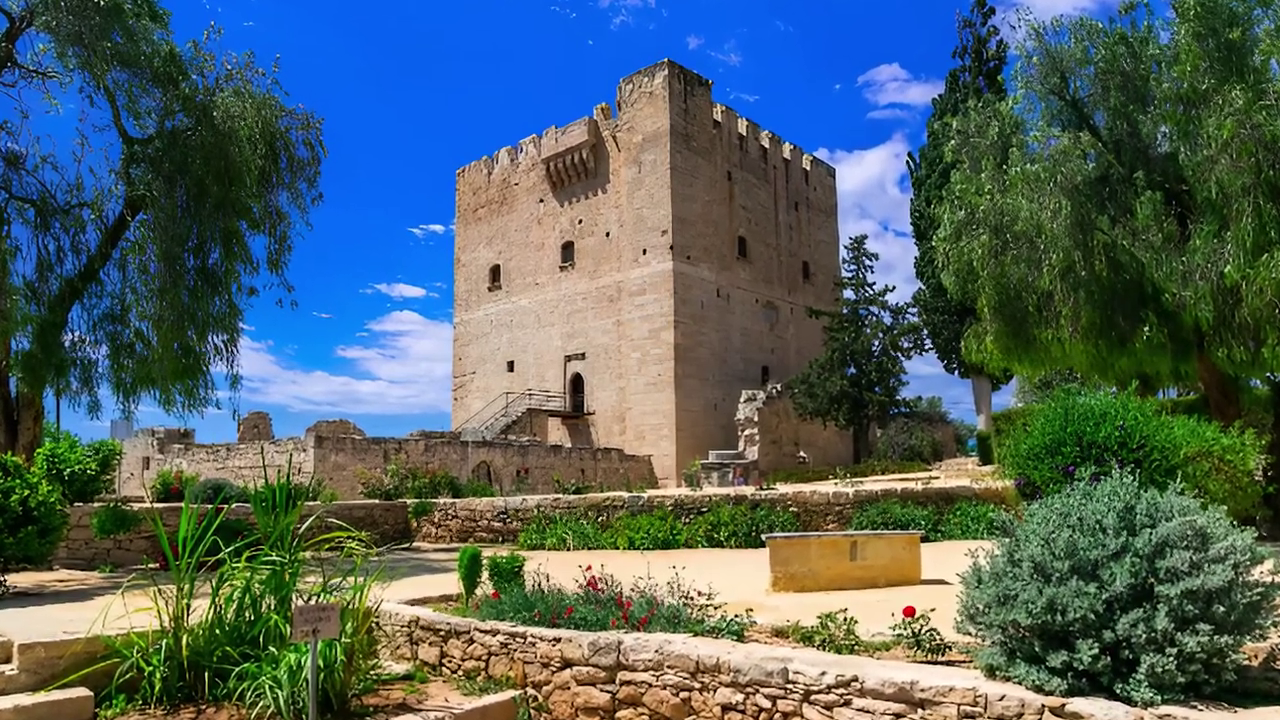 Kolossi Castle
Kourion, west of Limassol, gives you something Paphos does not quite give in the same way: the relationship between ancient settlement and landscape.
The elevated site looks toward the sea, and the setting immediately explains why geography mattered. The theater gets much of the attention, but residential remains, mosaics, early Christian elements and the wider archaeological landscape make Kourion more rewarding when experienced as a city rather than a single photogenic structure.
Nearby Kolossi Castle belongs to a different historical chapter and works well in the same broader day. Ancient urban life at Kourion followed by medieval military and agricultural history around Kolossi gives the day useful contrast.
Troodos: The Plain Doorway Principle
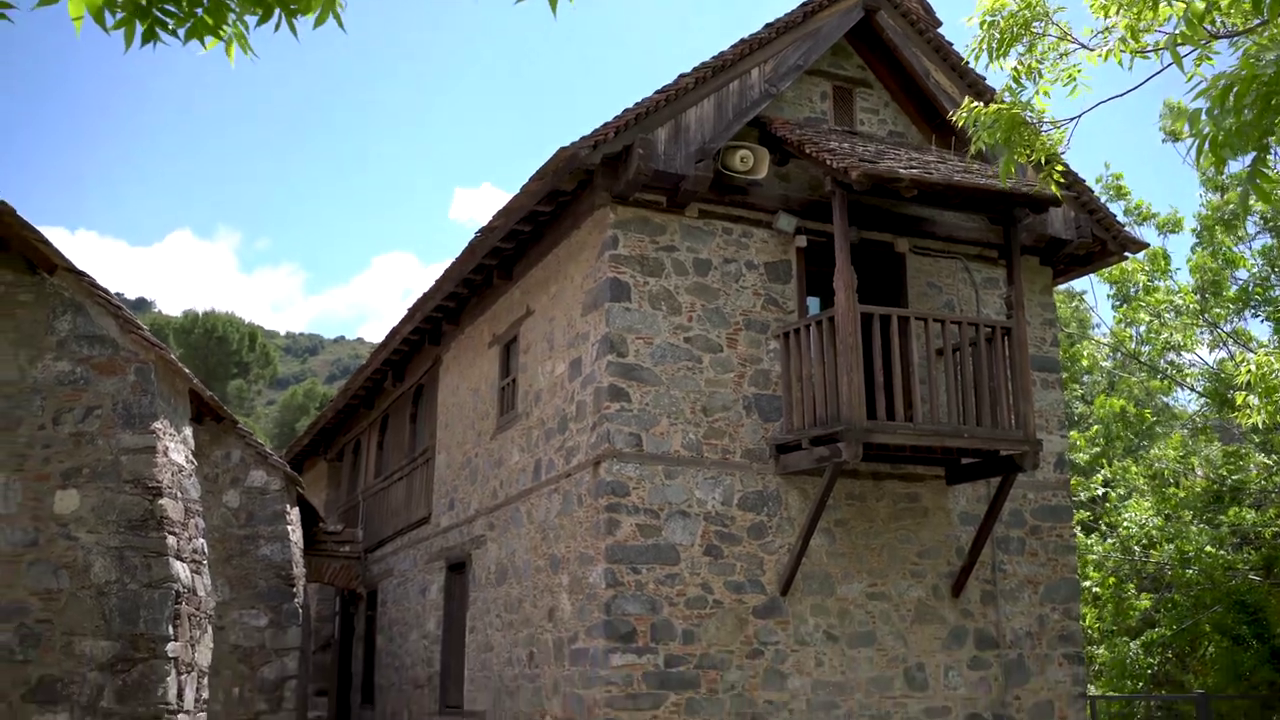
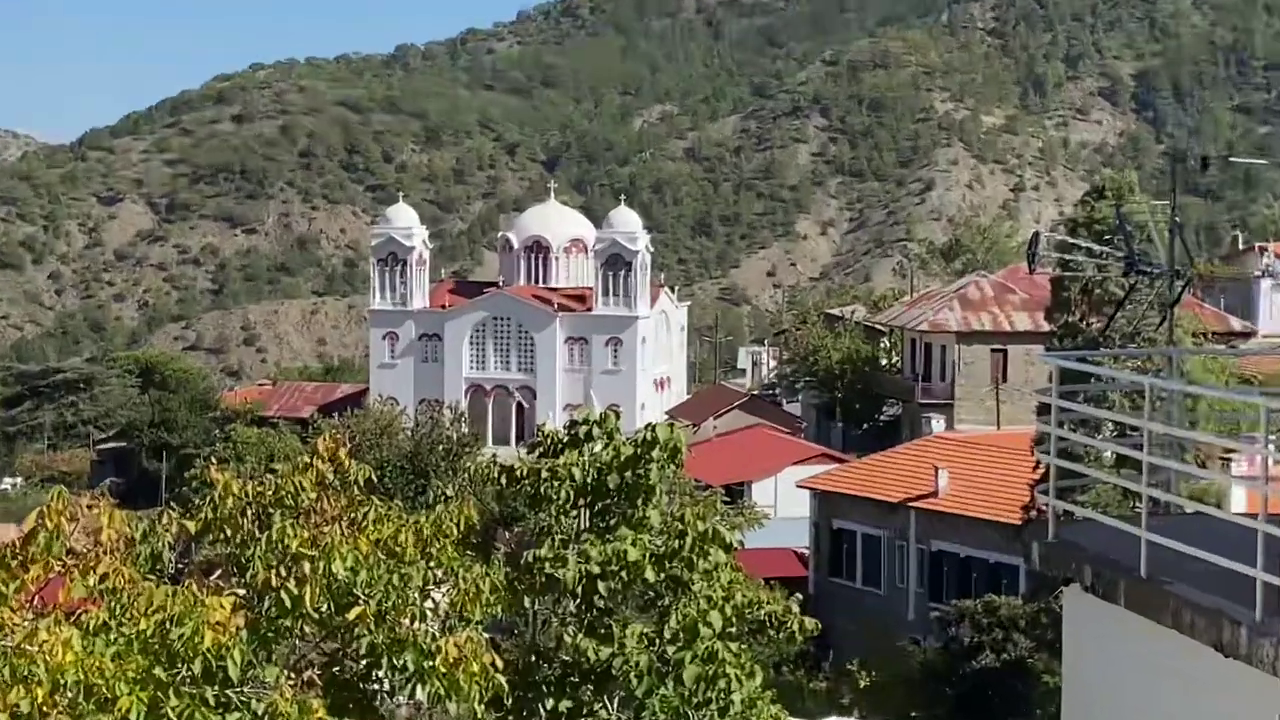
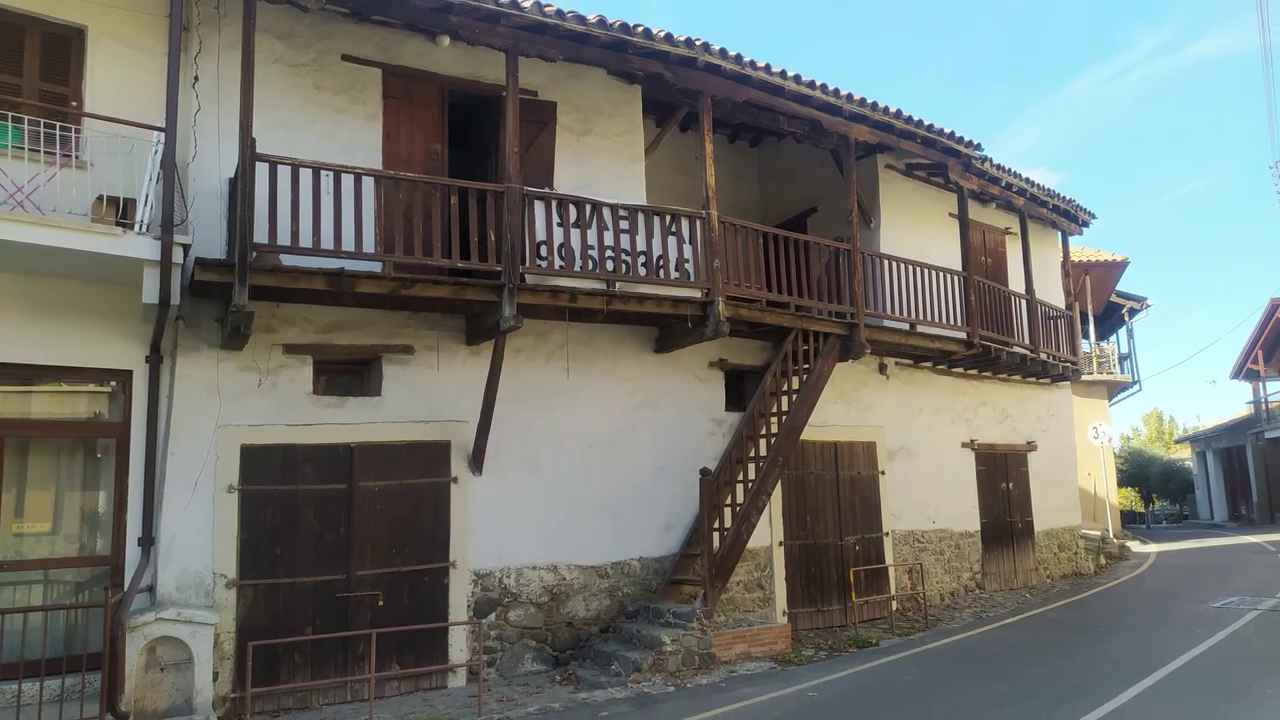
Some of the most important cultural experiences in Cyprus are hidden behind some of its least theatrical exteriors.
That is particularly true in the Troodos Mountains.
The Painted Churches of the Troodos Region preserve centuries of Byzantine and post-Byzantine religious art. Their simple rural architecture often contrasts dramatically with the sophistication of the painting inside.
That contrast is one of the cultural signatures of Cyprus. You arrive in a mountain village, pass stone houses and ordinary daily life, then a church door opens and the visual world changes completely.
For us, that transition says something about cultural value surviving through continuity and use rather than monumental scale.
Kakopetria, Kalopanayiotis, Pedoulas, Galata and the wider Troodos region can all play a role in this kind of trip. You do not need to collect every painted church. Choose two or three that fit your route and leave space between them.
These churches remain religious places, not merely cultural exhibits. Their importance comes partly from the fact that heritage and worship have not always been separated into different buildings.
Treat them accordingly.
Nicosia: The Island Explained as a City
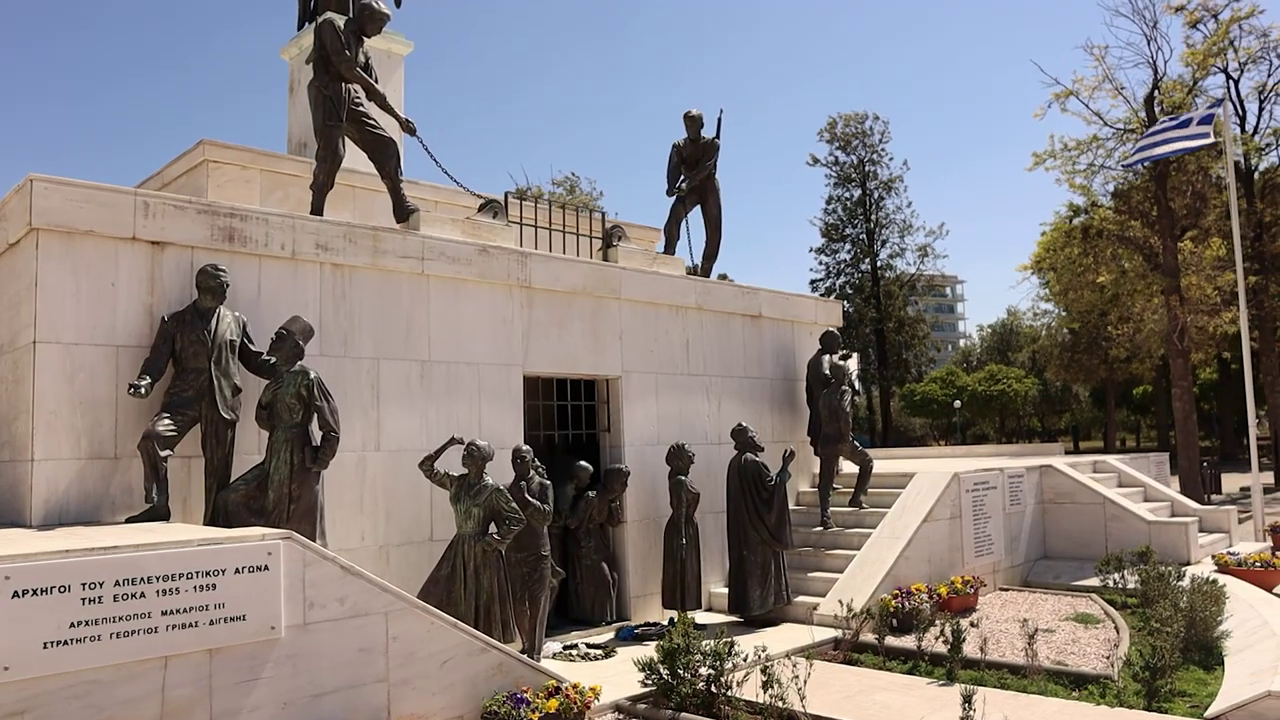
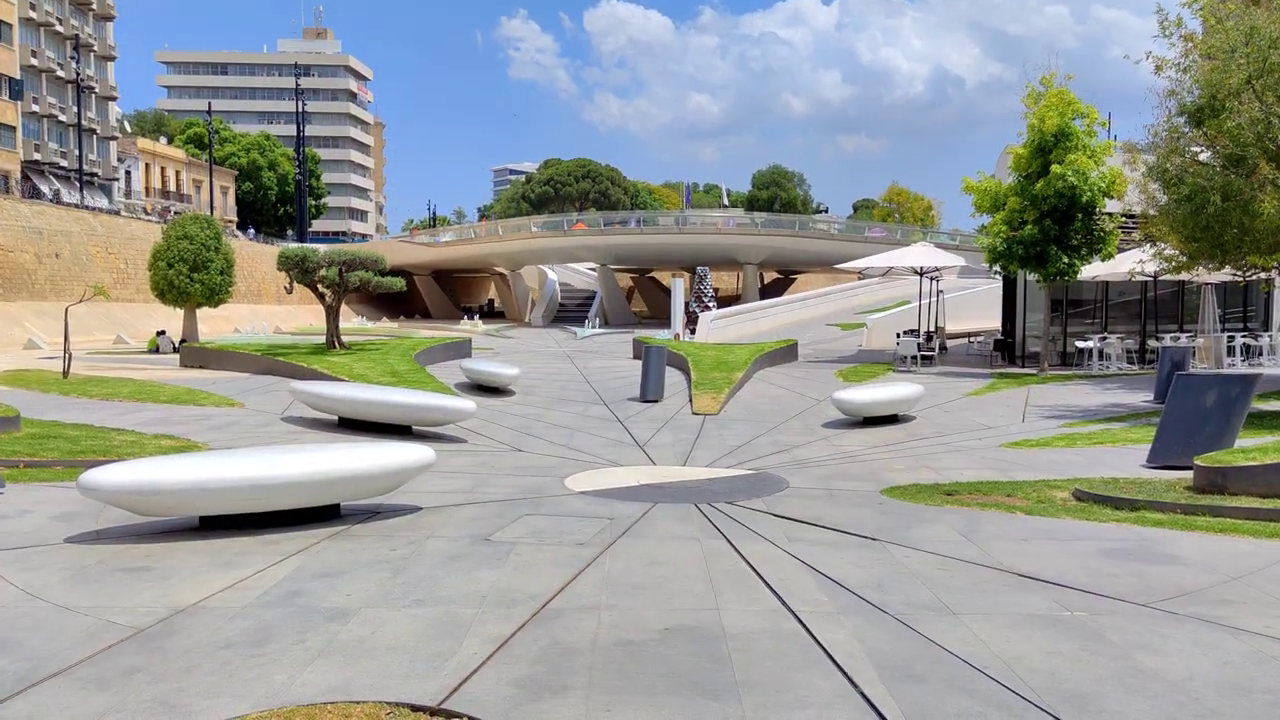
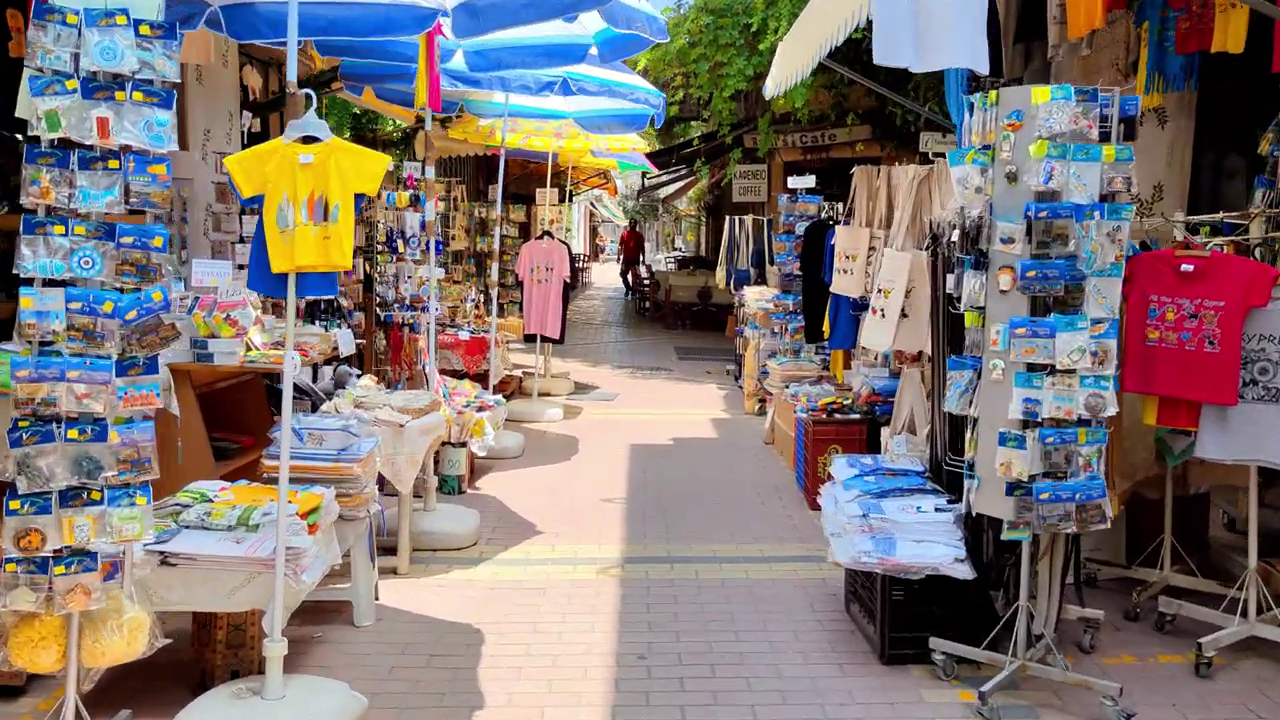
Paphos may have stronger archaeology. Troodos may deliver the more surprising single cultural moments.
But Nicosia is where we would go to think about Cyprus.
This is the island's strongest urban base for travelers interested in layers rather than ruins alone. Inside and around the old city, fortifications, churches, old houses, religious buildings, civic architecture, workshops, museums and newer cultural spaces overlap within a functioning capital.
You are not walking through a perfectly preserved historical center. That distinction matters.
Parts are beautiful. Parts are worn. Some streets have been carefully restored; others feel ordinary. A contemporary storefront may sit beneath a facade that deserves more attention than it receives.
We consider that a strength. Nicosia does not allow history to become too decorative.
Some of the most revealing details sit between the named sights: patched stonework, deep courtyards, shaded balconies, altered facades and buildings that have accumulated rather than erased their previous lives. Look above street level, then use the museums to give those observations context.
For culture lovers, Nicosia rewards curiosity at street level more than aggressive sightseeing.
Larnaca: History Without the Performance
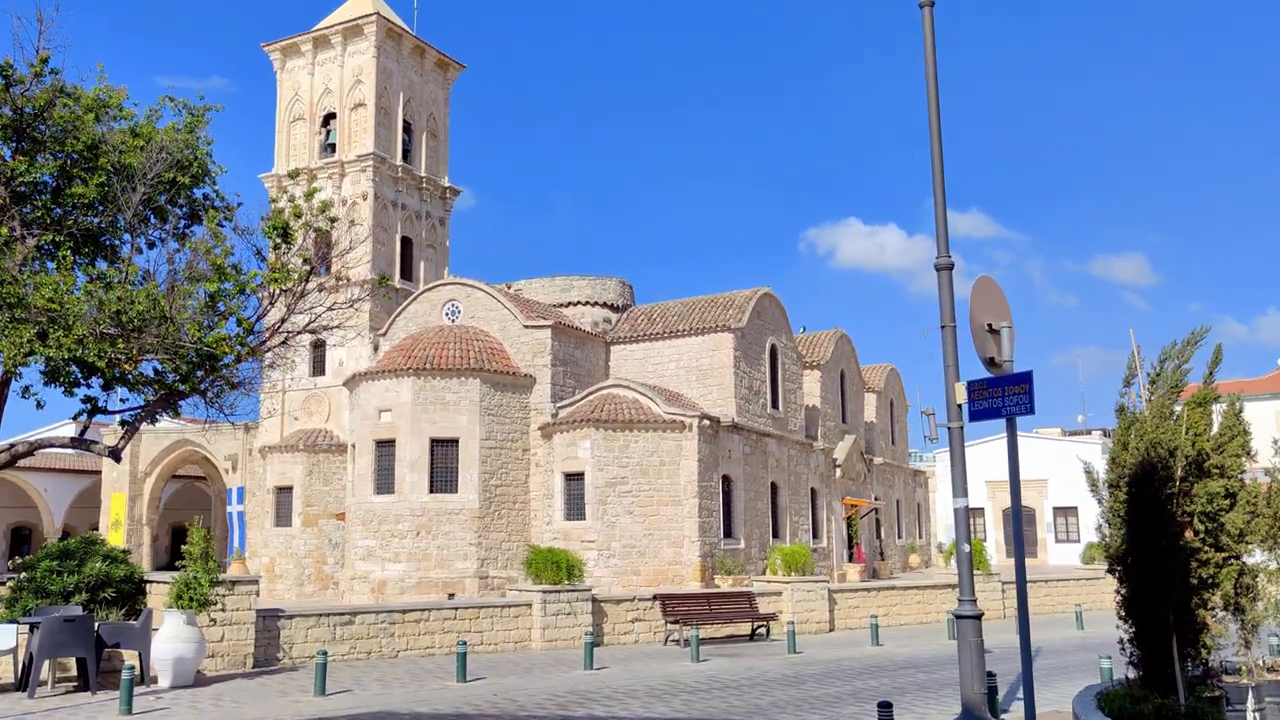
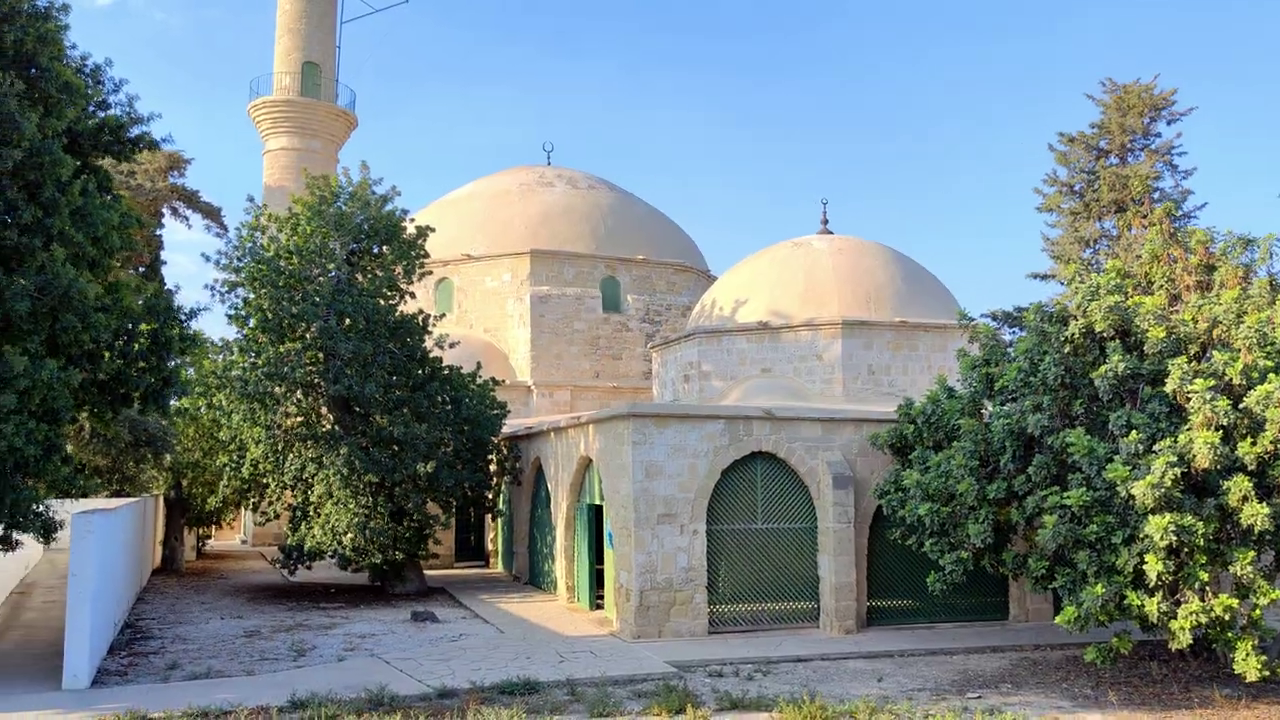
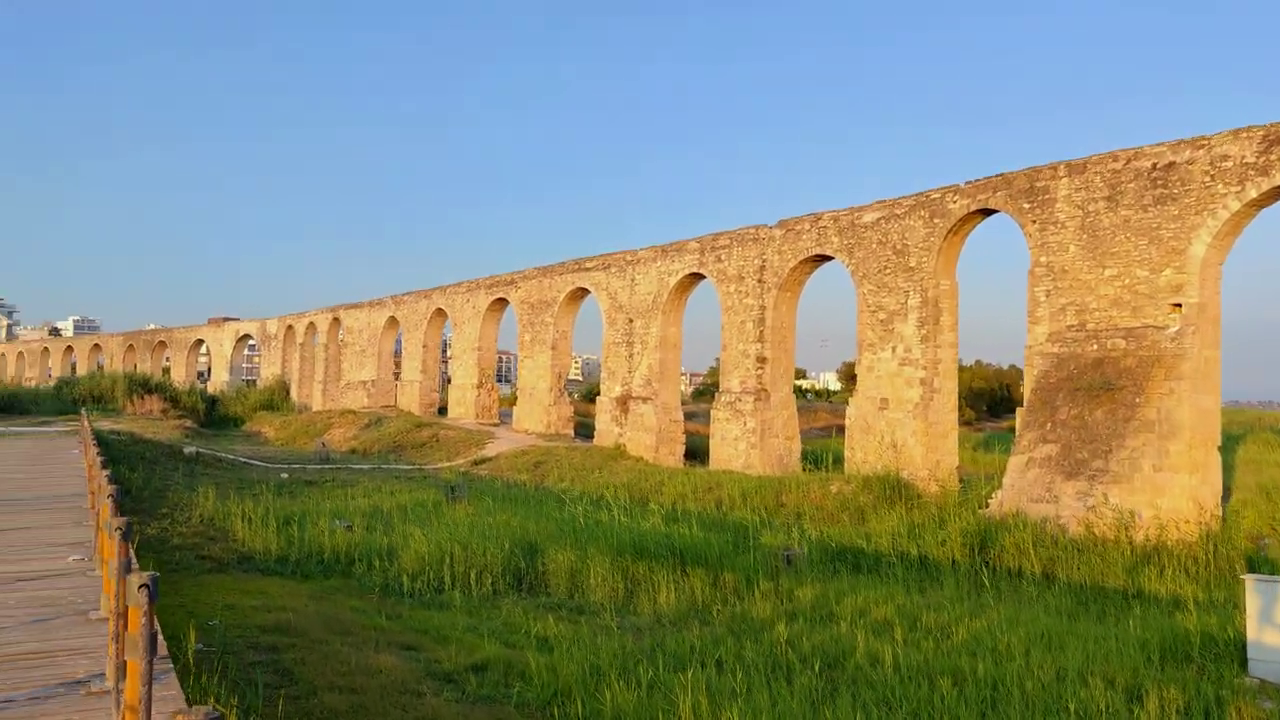
Larnaca is easier to underestimate.
It does not have the archaeological concentration of Paphos or the institutional weight of Nicosia, but its historical layers are unusually accessible.
Ancient Kition, the area around Agios Lazaros, the older streets behind the seafront and Hala Sultan Tekke near the Salt Lake belong to very different parts of the island's story.
The result is not a grand historical city in the conventional sense. It is quieter than that.
You can walk from a busy modern waterfront into streets where the scale changes almost immediately. Religious history, urban history and contemporary Larnaca overlap within a relatively compact area.
Larnaca is also geographically useful. Choirokoitia and Lefkara fit naturally into a wider stay, making the city a credible base for culture lovers who want less intensity than Nicosia and easier access to the sea.
Lefkara and the Importance of Living Culture
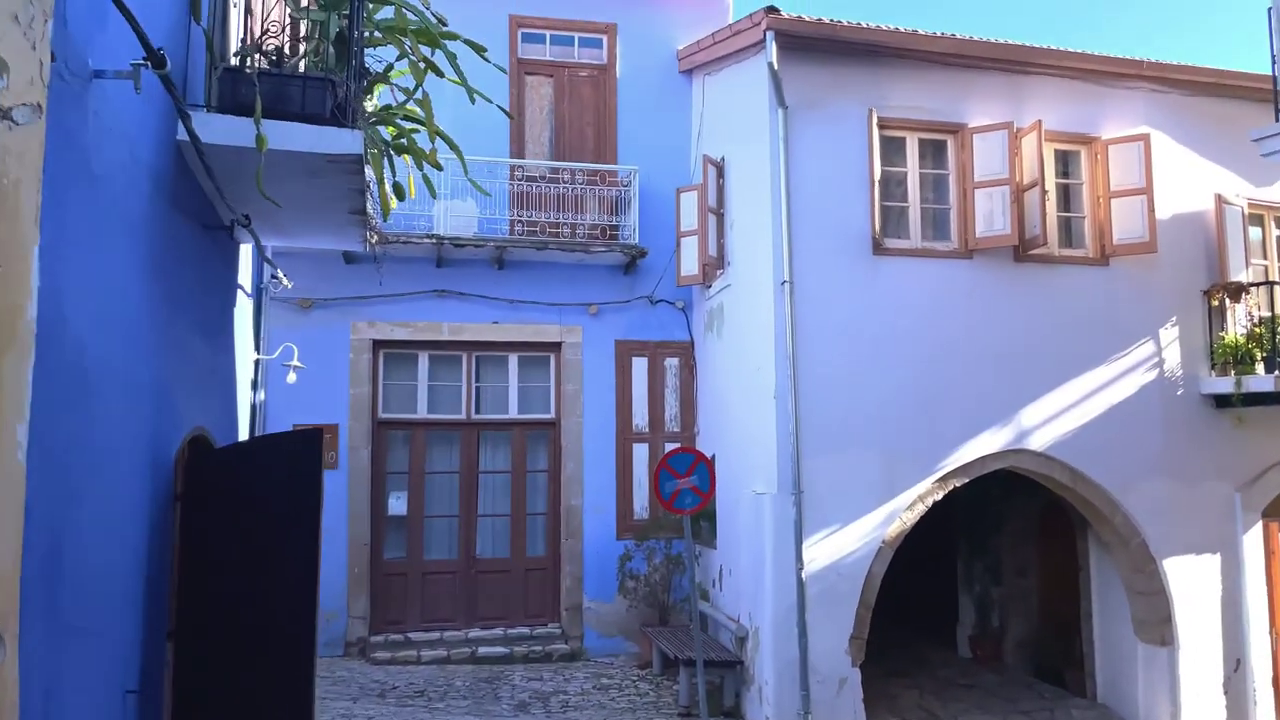 Lefkara Village
History lovers can become so focused on antiquity that they miss culture happening in the present tense.
Lefkara changes the lens.
The village is associated particularly with lace-making and silversmithing, but the real pleasure is understanding how architecture, craft, household life, trade and local identity once reinforced one another.
Do not arrive expecting an untouched historical stage set. People live here. Buildings change. Businesses respond to visitors. Some experiences will feel more commercial than others.
The question is whether enough remains — in workmanship, street pattern, building form, family practice and local memory — to help you understand how place and culture have shaped each other.
Similar thinking applies throughout the Cyprus Villages. A village deserves your time because it adds something to your understanding, not simply because its streets photograph well.
Do Not Turn Culture Into a Checklist
Culture-heavy trips often fail through enthusiasm.
Three archaeological sites, two churches and a museum can look impressive on an itinerary. By late afternoon, everything becomes stone. The villa you would have studied in the morning becomes another floor plan; the fresco you might have remembered becomes the fifth church interior of the day.
Our preferred rhythm is simpler:
One serious historical anchor. One contrasting cultural experience. Then ordinary Cyprus.
A morning at Kourion can lead to lunch in a village. A Nicosia museum can lead into two hours wandering the old city. Paphos archaeology can end with the sea.
That space is often where the trip becomes memorable.
Museums: Use Them To Unlock The Island
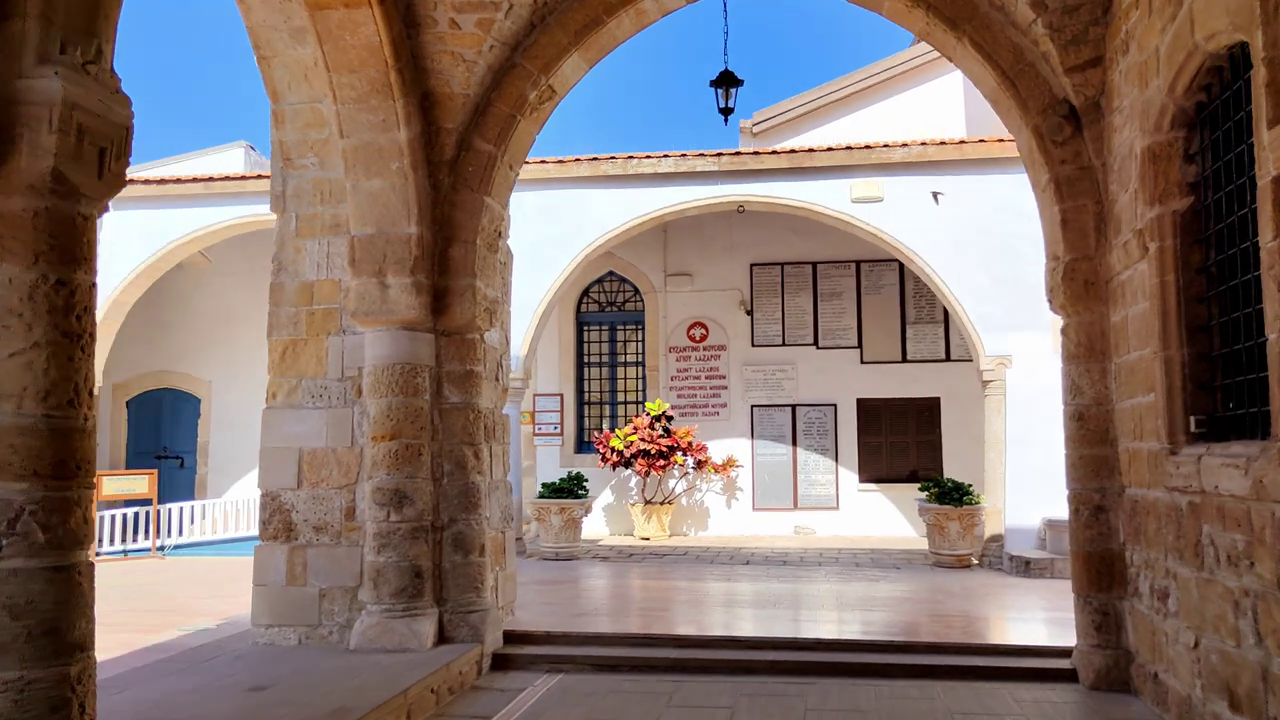 St Lazarus Byzantine Museum, Larnaca
Cyprus has enough archaeological and cultural material that museums can either clarify your trip or bury it under information.
Nicosia offers the strongest museum context for understanding the island across long periods. Regional archaeological museums can then deepen what you see elsewhere.
Sequencing matters. A museum before a site can teach you what to look for; a museum afterward can explain what you failed to understand while standing there.
What rarely works for us is scheduling several museums consecutively simply because they are important. If you leave one good museum understanding why an object, burial practice, icon or trade relationship matters, the visit has done its job.
Where To Stay in Cyprus For Culture & History Lovers
Nicosia — Best Overall for Living Culture and Historical Context
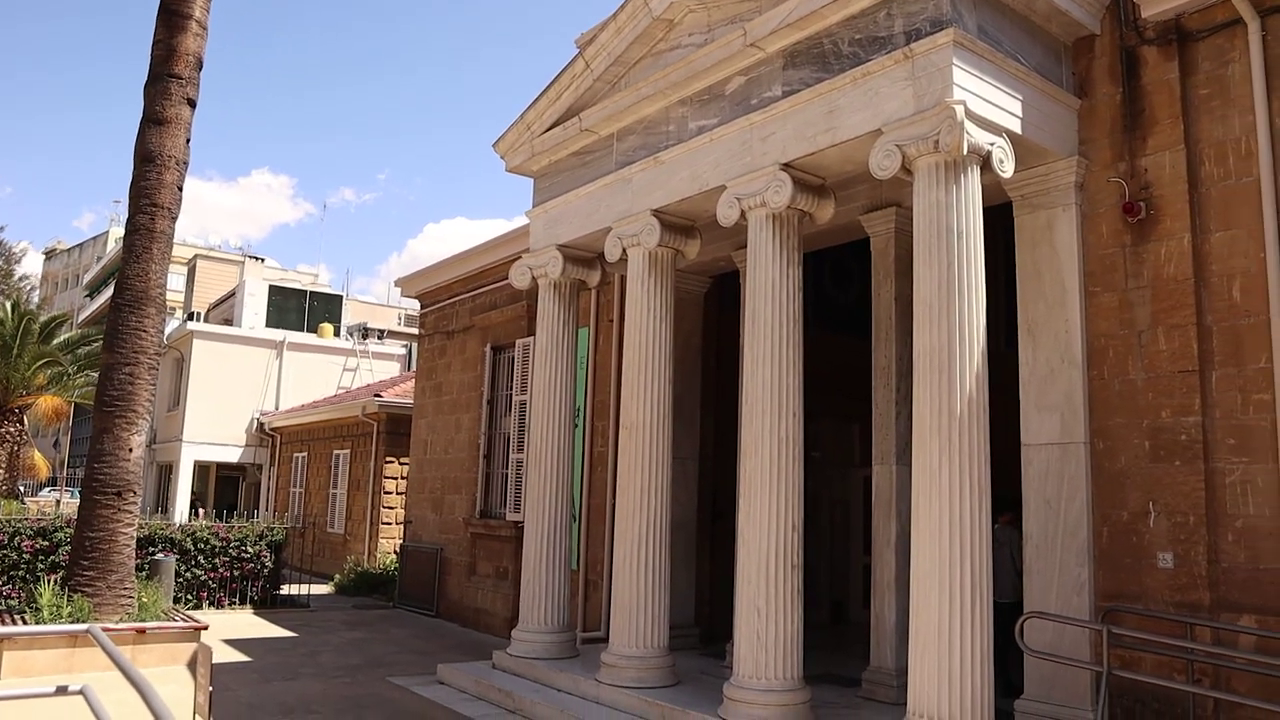 Cyprus Museum, Nicosia
If culture is the dominant purpose of your trip, Nicosia is our strongest city base.
Stay within easy walking reach of the old city or central Nicosia rather than choosing accommodation purely for luxury credentials.
The advantage is immersion. You can begin walking before the day-trip crowds arrive, return to museums or neighborhoods without turning every visit into a logistical exercise, and experience the capital in the evening after many daytime visitors have left.
The trade-off is obvious: no beach.
Nicosia is also not the best base for western archaeological sites. Trying to commute repeatedly between Nicosia and Paphos would waste too much of the trip.
Choose Nicosia when urban history, museums, architecture and contemporary Cypriot life matter more than waking beside the Mediterranean.
Paphos — Best for Archaeology With a Coastal Holiday
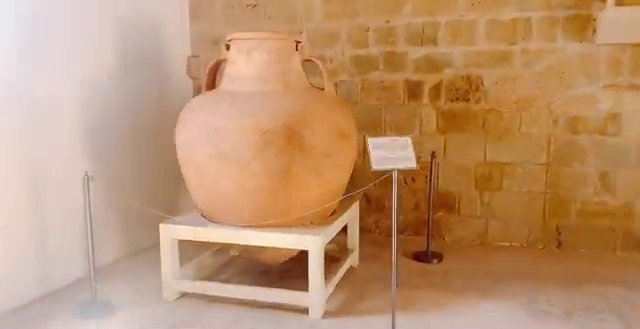 Palaepaphos (Palaipafos) Archaeological Site
For travelers who want serious historical content without giving up the sea, Paphos is the easiest answer.
Kato Paphos places you close to major archaeological sites and gives you a walkable holiday environment, but it is also the more visitor-oriented part of the city.
The Paphos Old Town offers a more urban, local atmosphere but is less immediately convenient for the archaeological park and waterfront.
Neither is universally better.
Choose Kato Paphos when archaeological access and the coast come first. Choose the upper town when restaurants, streets and contemporary local life matter more and you are comfortable using transport.
For many culture lovers, Paphos makes an excellent first base in a two-base trip.
Troodos — Best for Byzantine Heritage and Village Atmosphere
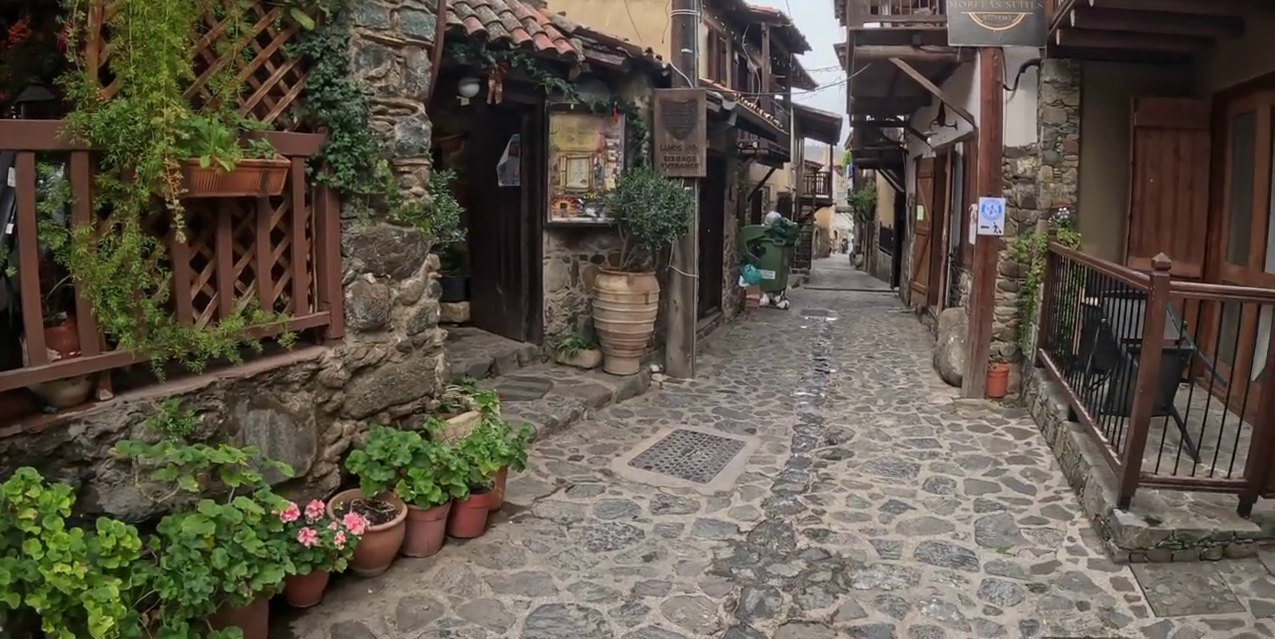 Old Kakopetria
If the painted churches and mountain villages are a major reason for traveling, spend at least one or two nights in Troodos rather than treating the mountains entirely as a day trip.
Kakopetria offers one of the easier introductions. Kalopanayiotis brings together mountain atmosphere and religious heritage particularly well. Pedoulas is useful for exploring the Marathasa Valley.
The gain is time.
Once day-trippers leave, village life changes pace and you can build a route around two or three cultural stops rather than spending half the day driving up and down from the coast.
The compromise is that mountain accommodation is generally about setting, character and access rather than the resort infrastructure found along the coast.
For this traveler, that is often a good exchange.
Larnaca — Best Understated Cultural Base
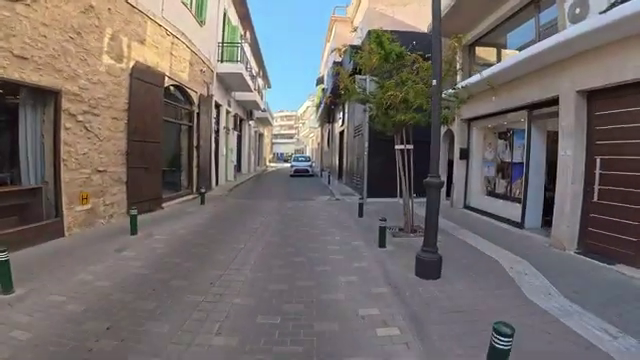 Old Larnaca
Larnaca is the choice we would make for someone who wants history but does not want the trip to feel relentlessly historical.
It combines a compact older center, important religious sites, the sea and excellent positioning for Lefkara and Choirokoitia.
It is weaker than Paphos for archaeology and weaker than Nicosia for museums. But as a balanced base, especially at the beginning or end of a trip, it works exceptionally well.
Limassol — Best When Culture Is Part of a Broader Trip
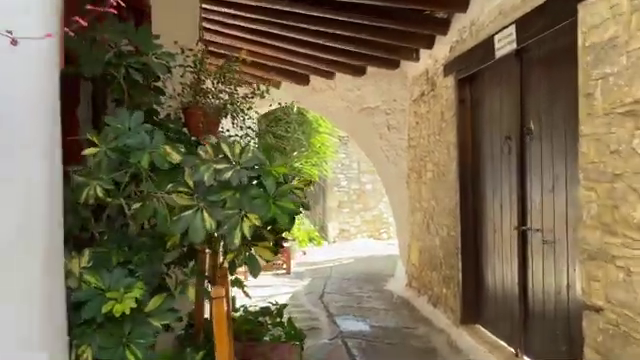 Omodos Village
We would not choose modern central Limassol as our first base for a dedicated historical journey. We would choose it when the trip also involves restaurants, wine, contemporary city life and the coast.
Its cultural strength lies partly outside the urban core: Kourion, Kolossi and the wine villages give Limassol excellent day-trip territory.
So the decision is about priorities.
If culture accounts for half your trip rather than almost all of it, Limassol becomes much more compelling.
Ayia Napa and Protaras — Not Our First Choice for This Trip
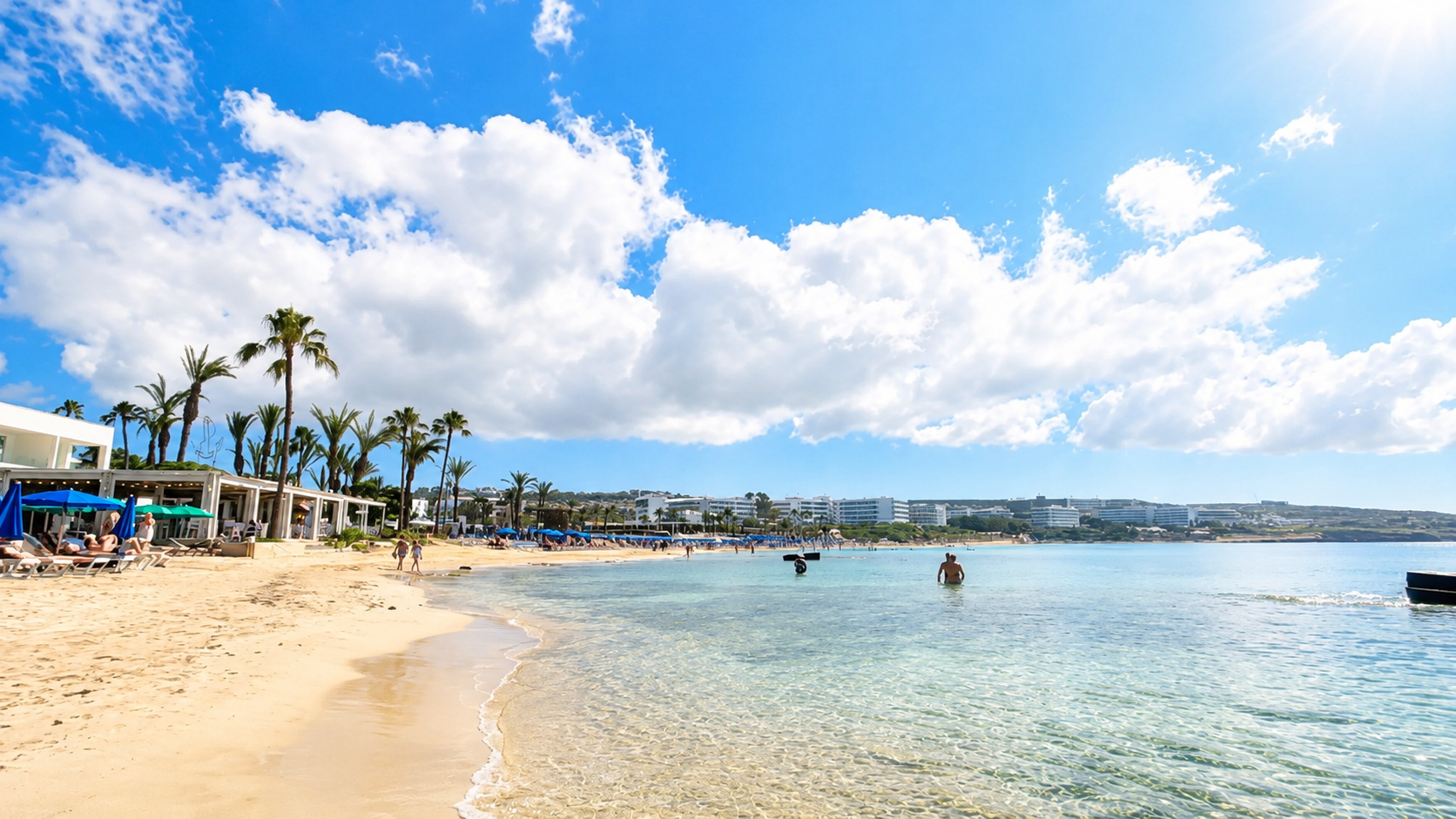 Pantachou Beach, Ayia Napa
Both can work if beaches are equally important.
Neither would be our first recommendation for a traveler arriving primarily for Cypriot culture and history.
You can make worthwhile cultural excursions from the east, but you will spend more time traveling toward the strongest historical concentrations elsewhere.
Choosing a base because it is famous and then commuting to the experiences you actually came for is exactly the kind of travel decision we try to prevent.
For more detail on the accommodation trade-offs across the island, continue to our Best Areas to Stay in Cyprus guide.
The Best Two-Base Trip for Culture Lovers
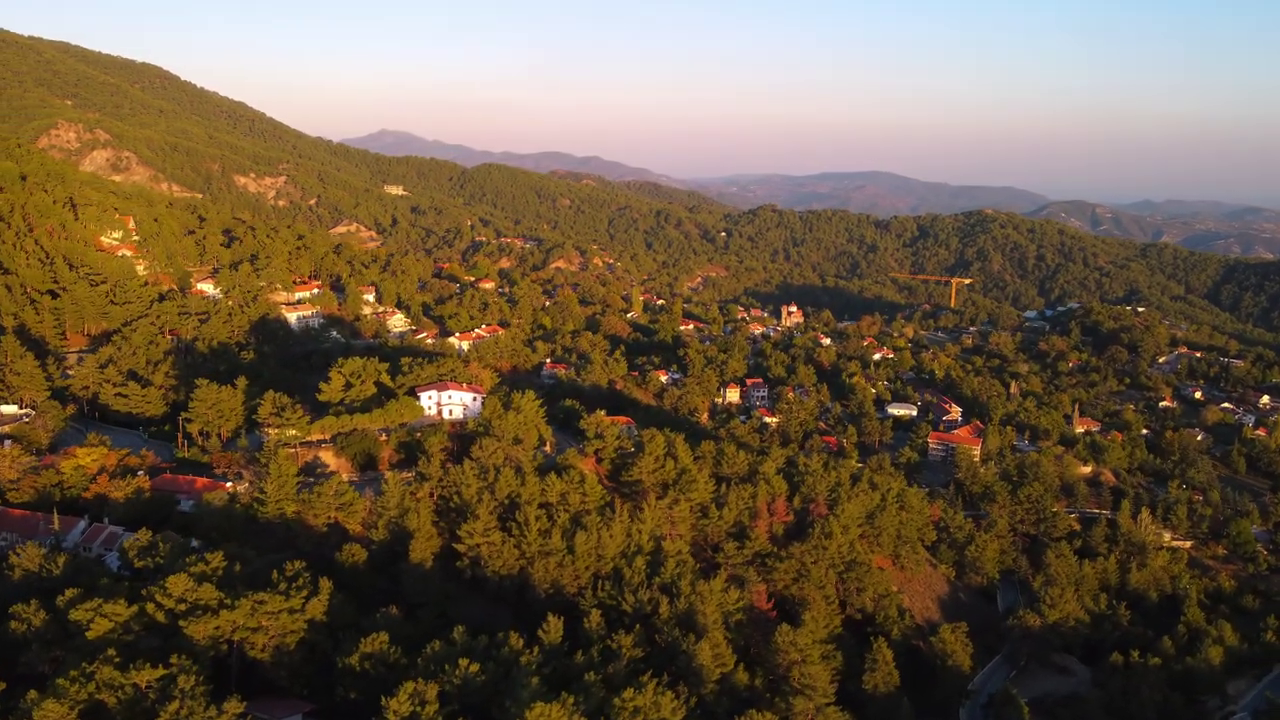 Troodos Mountains
If you have about a week, we would usually choose:
Paphos + Nicosia.
That combination gives you the strongest contrast with the least conceptual repetition.
Paphos handles archaeology, ancient mythology, Roman domestic life and the coast.
Nicosia handles urban history, museums, architecture and the living complexity of the island.
From Nicosia, add a Troodos day — or preferably an overnight in the mountains if you have enough time.
If Byzantine heritage and village life matter more to you than coastal archaeology, the stronger pairing becomes:
For travelers who want culture woven into a gentler seaside trip:
Larnaca + Troodos is an underrated combination.
Two bases are normally enough for a seven-night trip. Three can work over ten nights or more.
Constant hotel changes do not make a cultural trip deeper. They usually make it more fragmented.
How Long Do Culture Lovers Need?
Four or five days can give you a strong introduction, but you will need to choose a region rather than sampling the whole island.
Seven days is where the trip becomes significantly better. You can combine two bases, move between historical periods and avoid rushing every visit.
Ten days gives culture lovers the most satisfying rhythm. Paphos, Nicosia and Troodos can all receive proper attention, with room for Larnaca, Lefkara, Choirokoitia or the Limassol hinterland.
Longer trips allow repetition of place: returning to the same Nicosia street in the evening or revisiting an archaeological landscape after learning more about it can deepen a trip more than adding another attraction.
When to Go
For culture-focused travel, spring and fall are the easiest seasons.
Walking archaeological sites is generally more comfortable, village routes are pleasant and long days allow you to combine indoor and outdoor experiences without forcing the schedule.
Winter can be excellent, particularly for Nicosia, Larnaca, Paphos archaeology and slower village travel. Some travelers who associate Cyprus entirely with summer are surprised by how naturally the island works as a cooler-season cultural destination.
Summer is entirely possible, but planning becomes more important. Large exposed archaeological sites can be demanding during the hottest part of the day. Earlier starts, longer lunches and late-afternoon walks produce a much better rhythm than treating July like October.
Opening hours, religious access, conservation work, ticketing, road conditions and photography rules can change. Confirm current practical details with the relevant site, venue or official source before setting out, particularly when a specific church, museum or archaeological site is essential to your day.
Respect Changes the Experience
Some of the places that matter most culturally in Cyprus are not attractions in the ordinary sense. They are churches, monasteries, mosques and other religious spaces that continue to serve communities as well as visitors.
That distinction should shape how you enter them.
Follow locally posted requirements, respect photography restrictions, keep voices low where appropriate and dress in a way that recognizes the setting. At archaeological sites, stay within marked areas and observe barriers even when stepping beyond them would improve the photograph.
The point is not ceremonial correctness. It is recognizing that access to a place does not turn the place into a stage.
That small shift in behavior usually makes the experience better, not more restrictive.
Who Cyprus Is Especially Good For
Cyprus works extremely well for culture and history lovers who enjoy layers, connections and interpretation.
It suits travelers interested in archaeology, Byzantine art, religious architecture, village settlement, craft traditions and the relationship between landscape and history.
It is particularly rewarding if you enjoy making connections independently rather than moving only from headline monument to headline monument.
It is less suitable for travelers who want every historical experience to be monumental, perfectly preserved and immediately legible.
A wall may need explanation. A village church may require a detour. An archaeological site may initially look like foundations until context turns those foundations into streets, rooms and lives.
That is the trade-off.
What We Would Not Do
We would not attempt every major archaeological site in one trip. We would not spend an entire week based at a beach resort if history is the primary reason for coming. We would not visit five painted churches in a single day simply because they are on a list. We would not treat villages as scenery between attractions. We would not photograph religious interiors before understanding whether photography is appropriate.
And we would not measure the success of the trip by the number of monuments completed.
The Cyprus That Remains After the Ruins
Eventually, one of the historical periods will interest you more than the others.
For some people it will be prehistoric Cyprus. For others, classical archaeology, Byzantine art, medieval architecture or the complicated development of the modern island.
But the deeper pleasure is seeing those periods stop behaving like separate chapters.
A mountain church begins to explain a village. A museum object begins to explain a site. A Venetian wall changes the way you read a city street. A Roman mosaic turns mythology back into domestic life. And Choirokoitia reminds you that the human story here began long before most of the names we now use to organize it.
That is why Cyprus works so well for culture and history lovers.
The island does not hand you one immaculate version of its past. It lets you see what survived each version. And, if you give it enough time, how those layers still shape the Cyprus people live in today.