Newsletter "Beyond the Postcards" Subscribe
Plan Your Cyprus Trip: Hotels: Expedia, Villas & Apartments: Vrbo, Car Rentals: DiscoverCars, Tours: GetYourGuide, Airport Transfers: WelcomePickups
- Home
- Find Your Cyprus
- Cyprus for Families
Cyprus For Families: Beaches, Villages and Shared Adventures
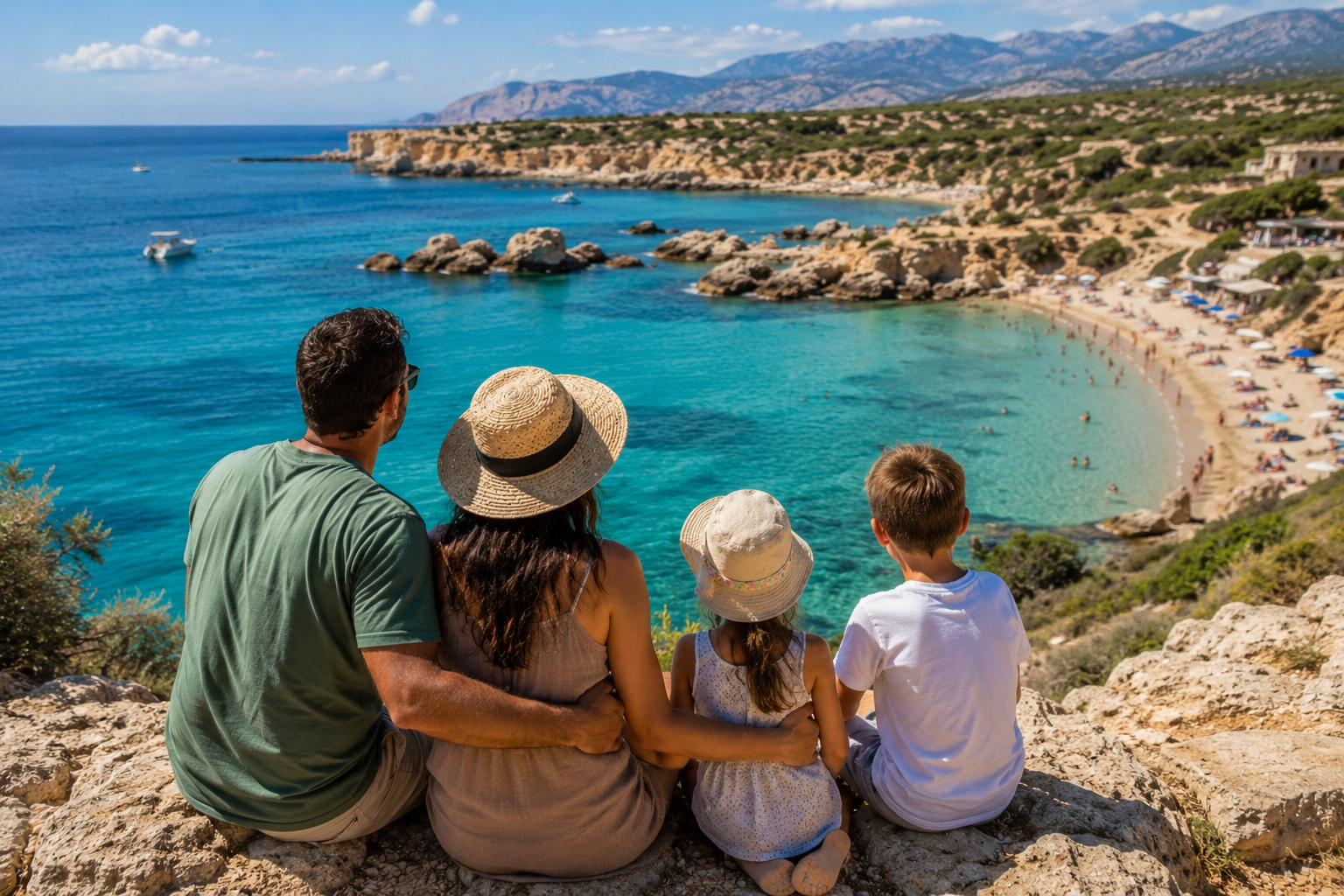
Watch children on a Cyprus beach for long enough and something familiar happens.
Two children arrive separately. They may not speak the same language. Neither seems particularly bothered by this. A ball appears. Or a bucket. Somebody starts digging. Rules are invented without discussion. Half an hour later, they are playing together as if introductions were unnecessary.
Their parents may still be deciding where to have dinner. The children have already solved the more important problem.
That small scene says quite a lot about experiencing Cyprus as a family.
The island has all the obvious ingredients: beaches, swimming, hotels, villas, boat trips, archaeological sites, forests, villages and plenty of places specifically designed to entertain children.
But those things alone are not why we think Cyprus works particularly well for families.
Its real strength is that adults and children do not always need separate versions of the island. You can swim together. Explore together. Share food from the same table. Walk through an ancient site without turning the afternoon into a history lesson. Drive into the mountains because everyone wants a change from the coast. Spend an evening beside the Mediterranean with absolutely nothing organized.
The best family vacation in Cyprus is not the one that keeps children entertained every minute. It is the one in which everyone comes home remembering some of the same things.
The Cyprus We Would Show Our Own Family
There is a temptation when traveling with children to build the entire vacation around them.
We would resist it.
Age matters. So do heat, tiredness, swimming ability, appetite, attention span and how happily a particular child travels.
But turning Cyprus into seven consecutive days of child-centered attractions undersells both the island and, frequently, the children.
Families can experience much more.
An archaeological site can work if the history becomes something children can imagine rather than something they are expected to study. A mountain village becomes interesting when exploring the lanes is part of the experience. A taverna can work when dinner is informal and nobody expects perfect behavior through a three-hour meal. A forest walk can reset a family that has spent several days beside a swimming pool. Sometimes nothing more complicated than an evening promenade, an ice cream and the freedom to wander is exactly what everybody needs.
That is the version of family Cyprus we would choose.
Not children's Cyprus.
Cyprus, experienced together.
Give Each Day One Important Thing
Family vacations become difficult when every day has to justify itself.
Breakfast. Drive. Attraction. Lunch. Another attraction. Beach. Dinner reservation. Repeat.
It looks efficient on an itinerary. By Wednesday, it may feel like work.
We prefer a simpler rule in Cyprus: Give the day one important thing to do.
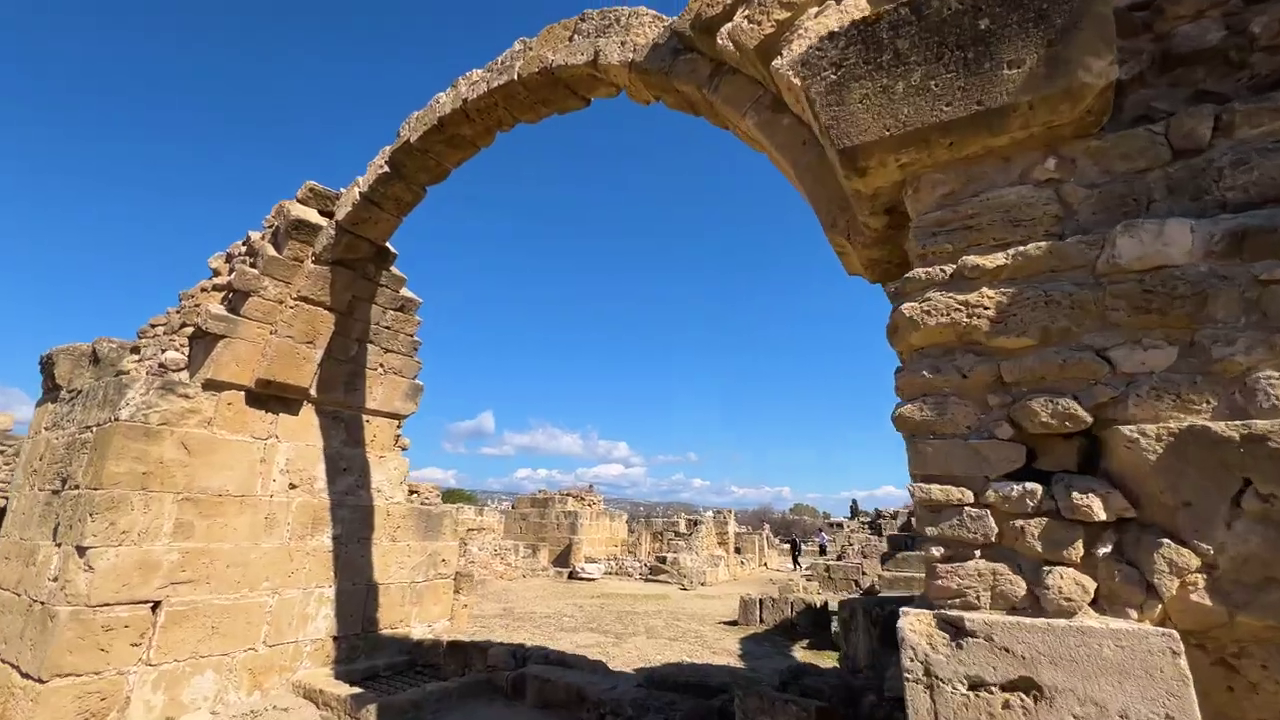
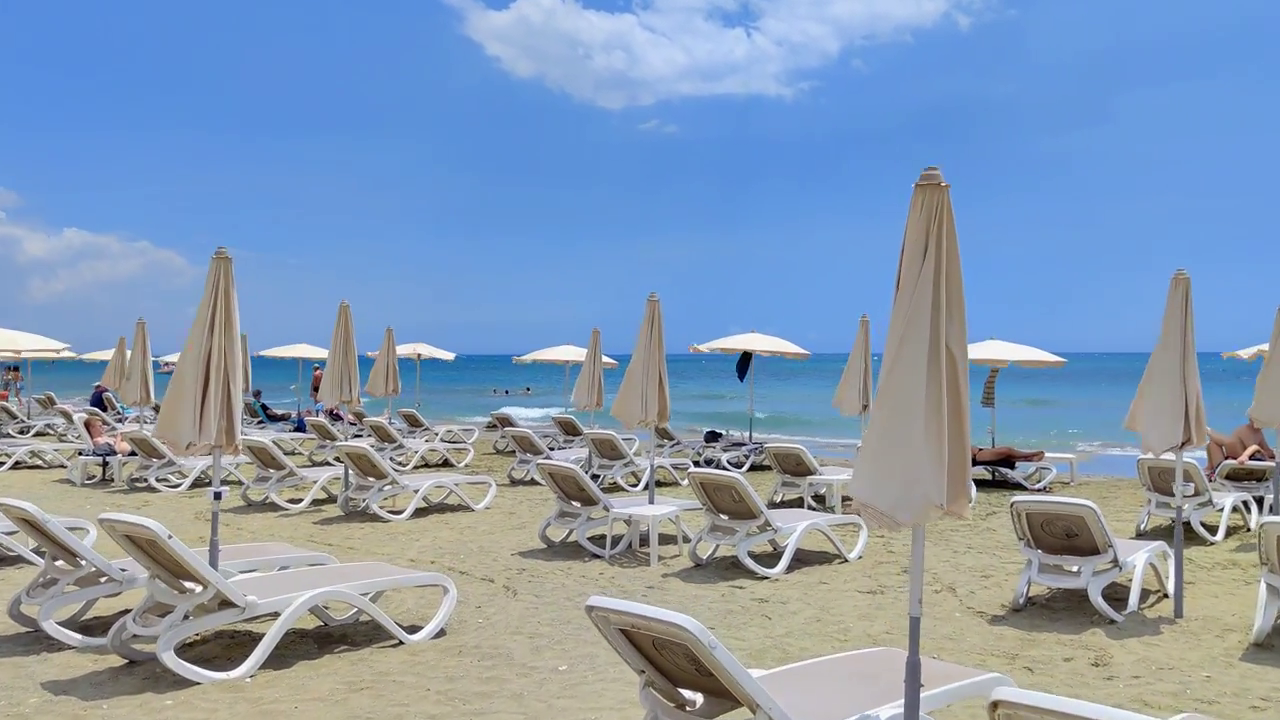
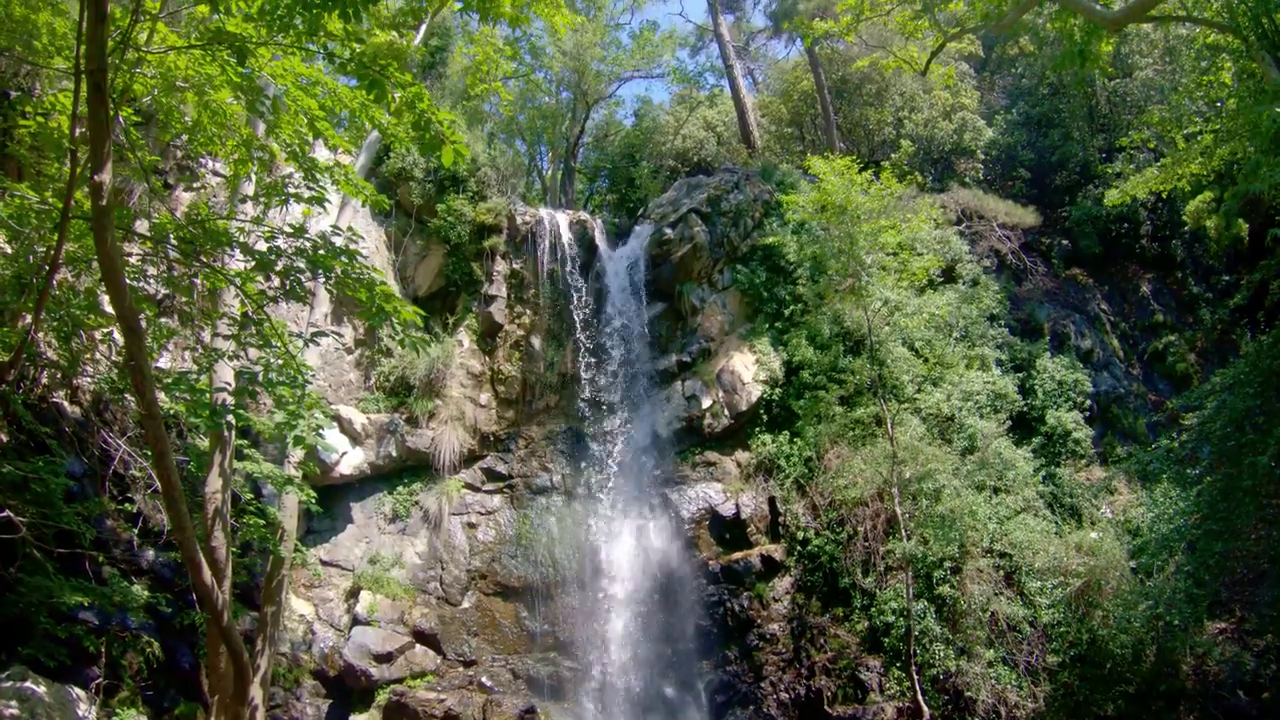
If the important thing is the beach, let that be the day. If you are heading into Troodos, allow the mountains to be the purpose rather than squeezing several villages, a monastery, lunch and a waterfall into the same outing. If you are visiting an archaeological site, give it proper attention and then stop demanding cultural achievement from everybody.
This leaves room for the parts nobody planned.
A bakery you notice on the road. Another swim because the children ask for one. A longer lunch beneath the shade. A village lane that turns out to be more interesting than expected. Returning to the same beach because everyone liked it yesterday.
Families do not need to extract maximum productivity from Cyprus.
A little unused time is one of the most useful things you can put into the vacation.
Let The Sea Do Some of The Work
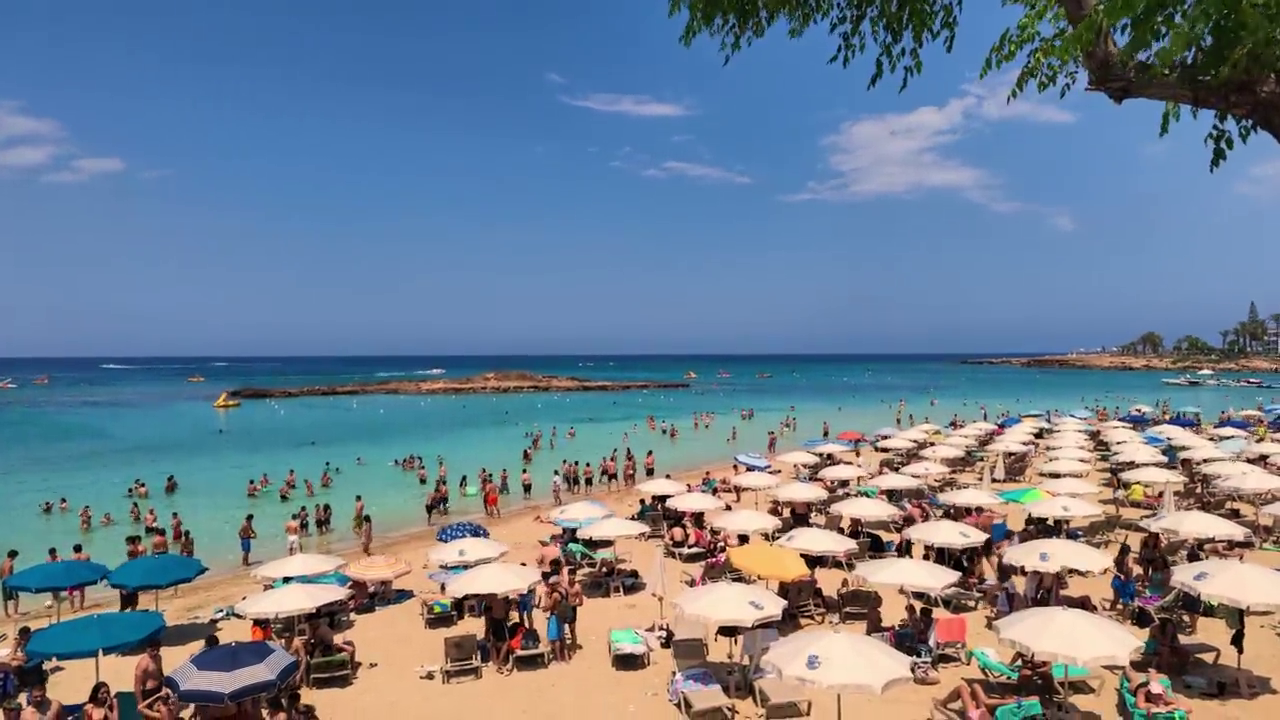
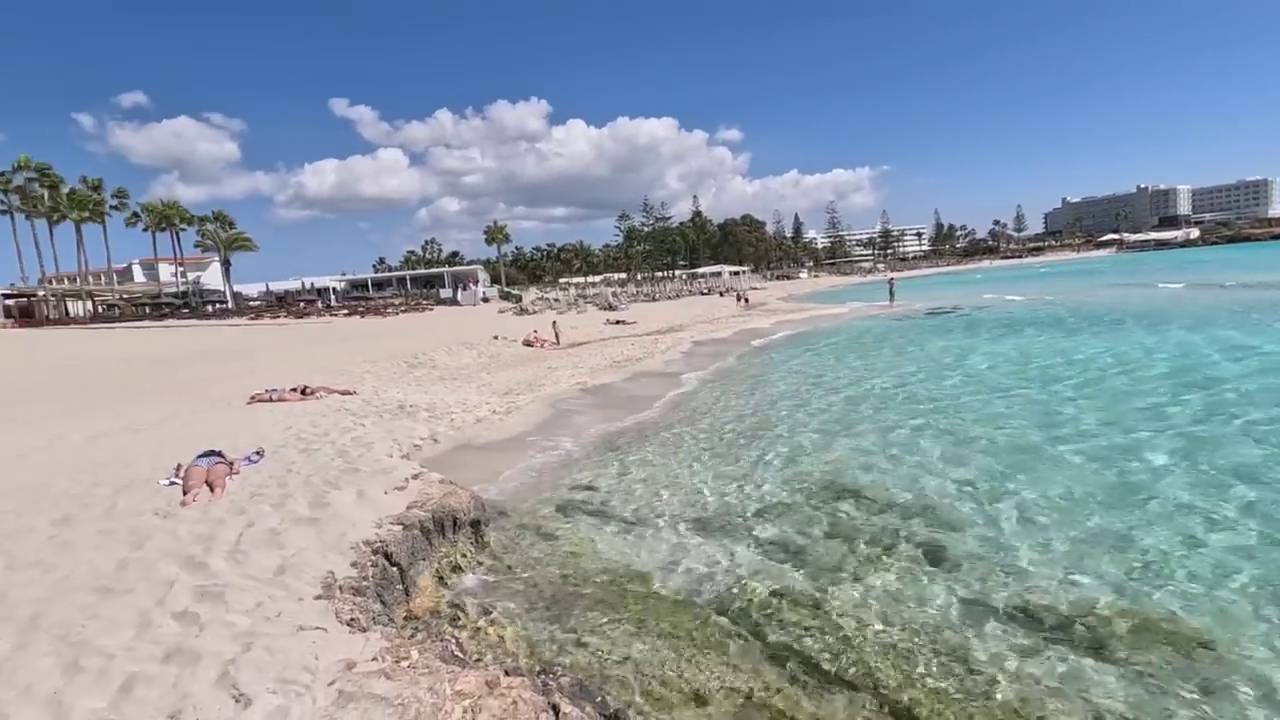
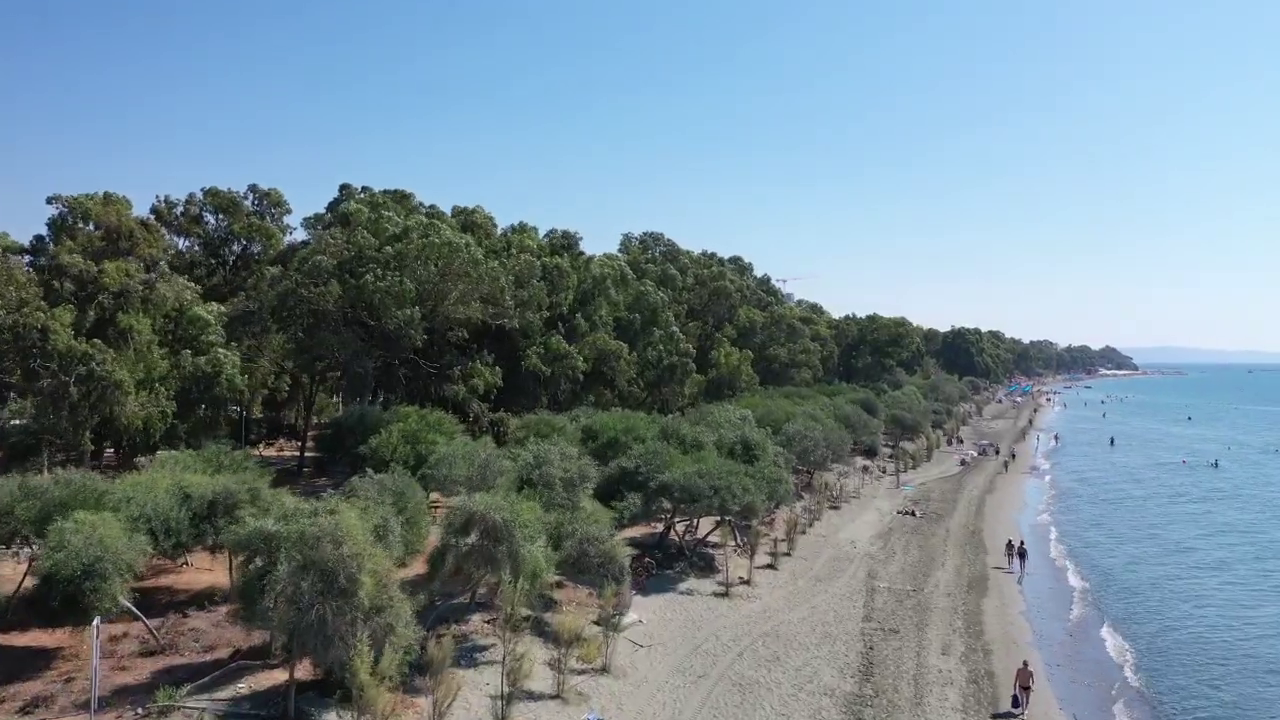
For many families, the Mediterranean will become part of the daily rhythm.
That does not mean every beach day needs water sports, equipment and an entertainment program.
Sometimes the successful version is simpler.
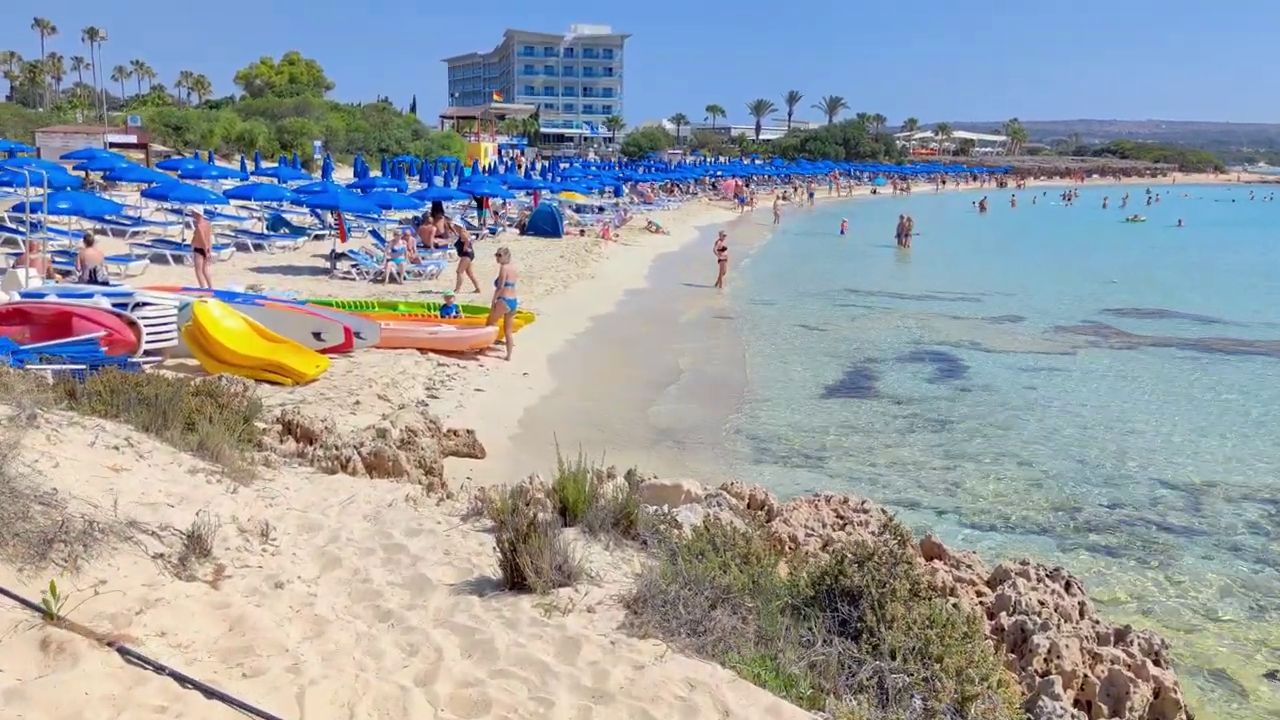
Arrive. Swim. Build something in the sand. Have lunch. Decide whether anybody actually wants to do anything else.
Cyprus has very different coastal environments, from organized beaches with facilities close at hand to quieter stretches where the experience is less structured. Access, sea conditions and facilities vary, so choose according to the family you are actually traveling with rather than according to photographs.
With younger children especially, practical details matter.
Shade matters. The walking distance back to the accommodation matters. Nearby food and toilets matter. Being able to leave easily when somebody has had enough matters.
That may sound unromantic.
It is not.
Removing unnecessary friction is one of the quiet luxuries of traveling well with children.
The beach itself should also remain the beach.
Not every swim requires a photograph. Not every afternoon needs an activity.
Children are good at becoming absorbed in things adults barely notice.
A stone. A shell. A tiny crab. A strangely shaped piece of driftwood. A construction in the sand that will disappear by evening.
Adults often travel to accumulate significant experiences.
Children are rather good at reminding us that significance does not always announce itself.
Show Them Old Cyprus — Without Turning It Into School
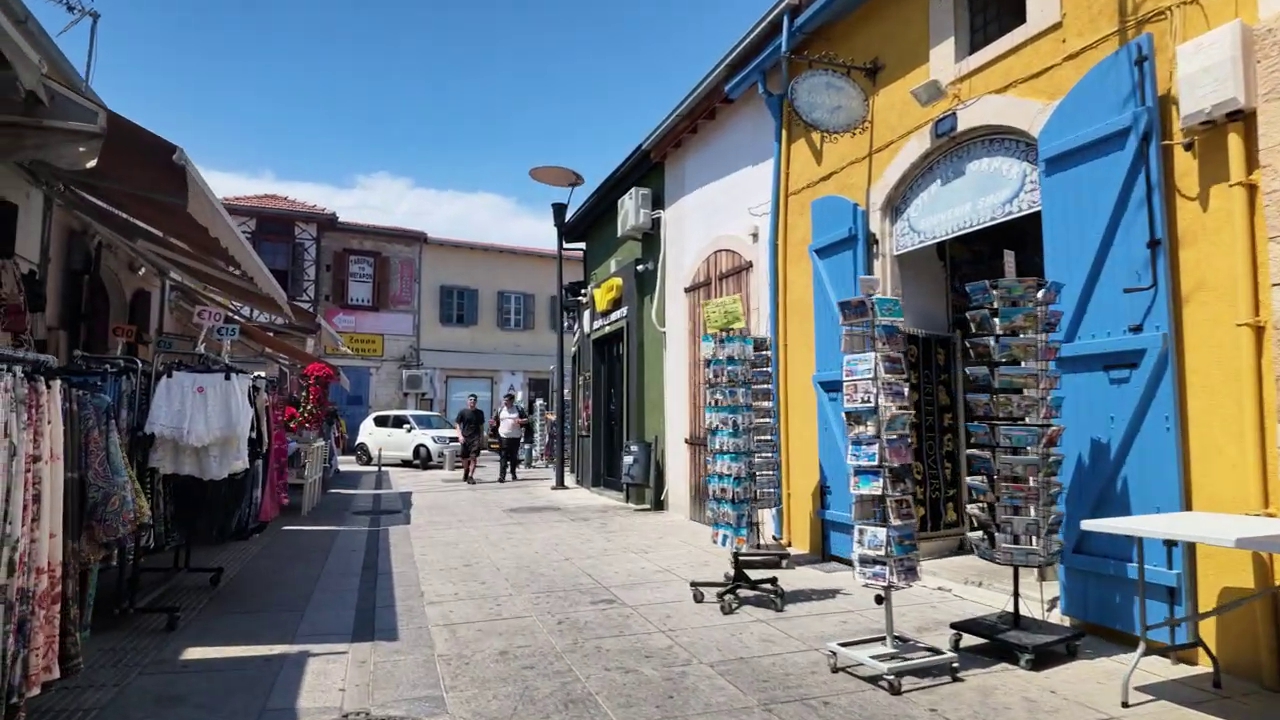
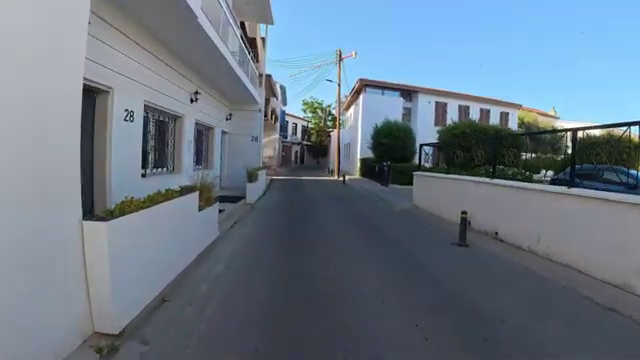
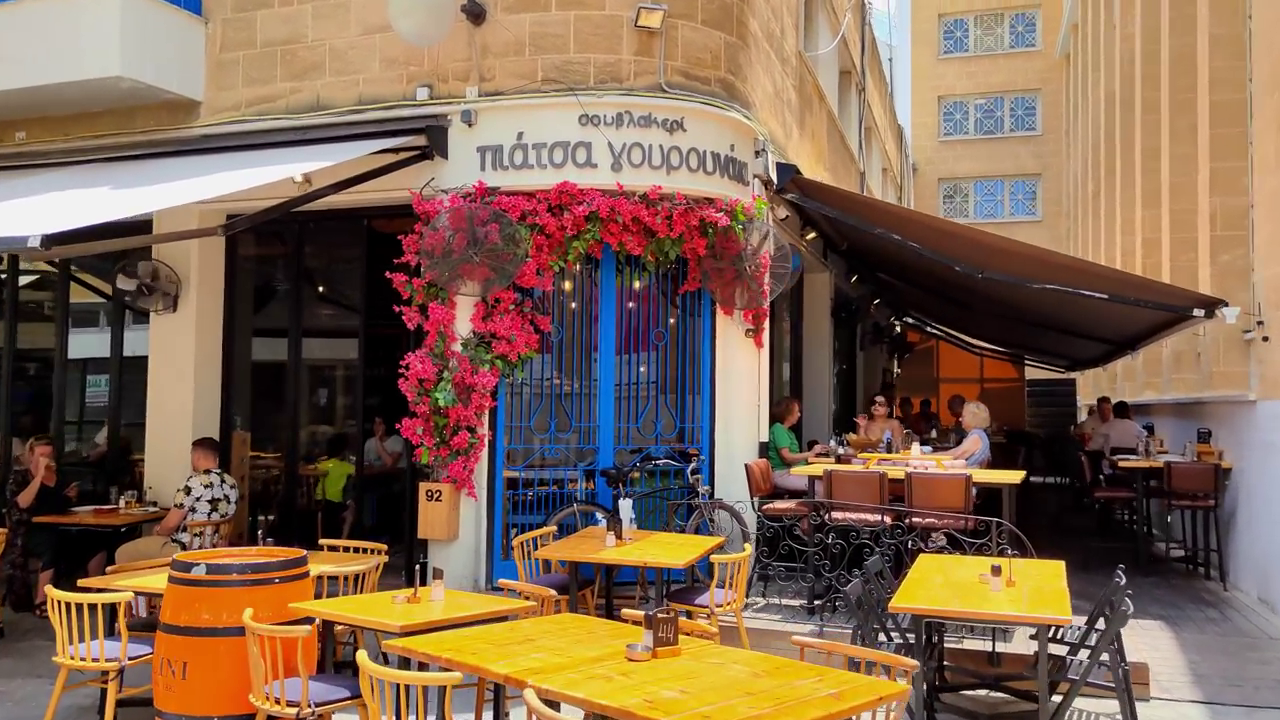
Cyprus has thousands of years of visible history.
That is an extraordinary advantage for families, provided adults resist the urge to turn archaeological sites into compulsory education.
Children rarely need every date.
Give them something to imagine.
Who lived here? What happened inside this building? Why are these stones still here? What would this place have looked like when it was full of people?
Ruins become more interesting once they stop being ruins and become evidence that somebody once lived an ordinary life there.
Older children may engage with the larger story: ancient cities, mythology, castles, trade and the civilizations that passed through Cyprus.
Younger children may remember something completely different.
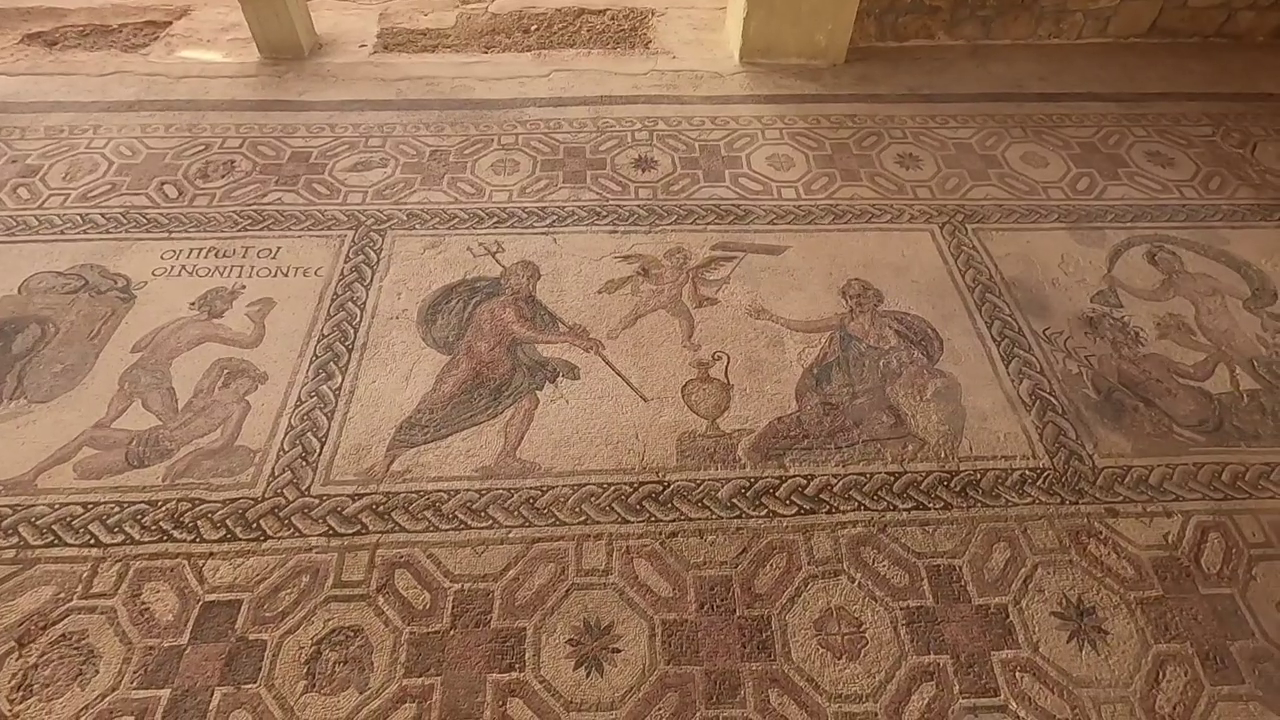
A lizard disappearing between two stones. A mosaic. A dark chamber. A wall they cannot believe is so old.
That is enough.
You do not need the child and adult to remember the same detail. You need them to have experienced the same place.
And there is a point at which enough history is enough.
Particularly in hot weather, we would rather leave while everybody is still interested than stay until the entire family develops a personal grievance against antiquity.
Go Into The Mountains
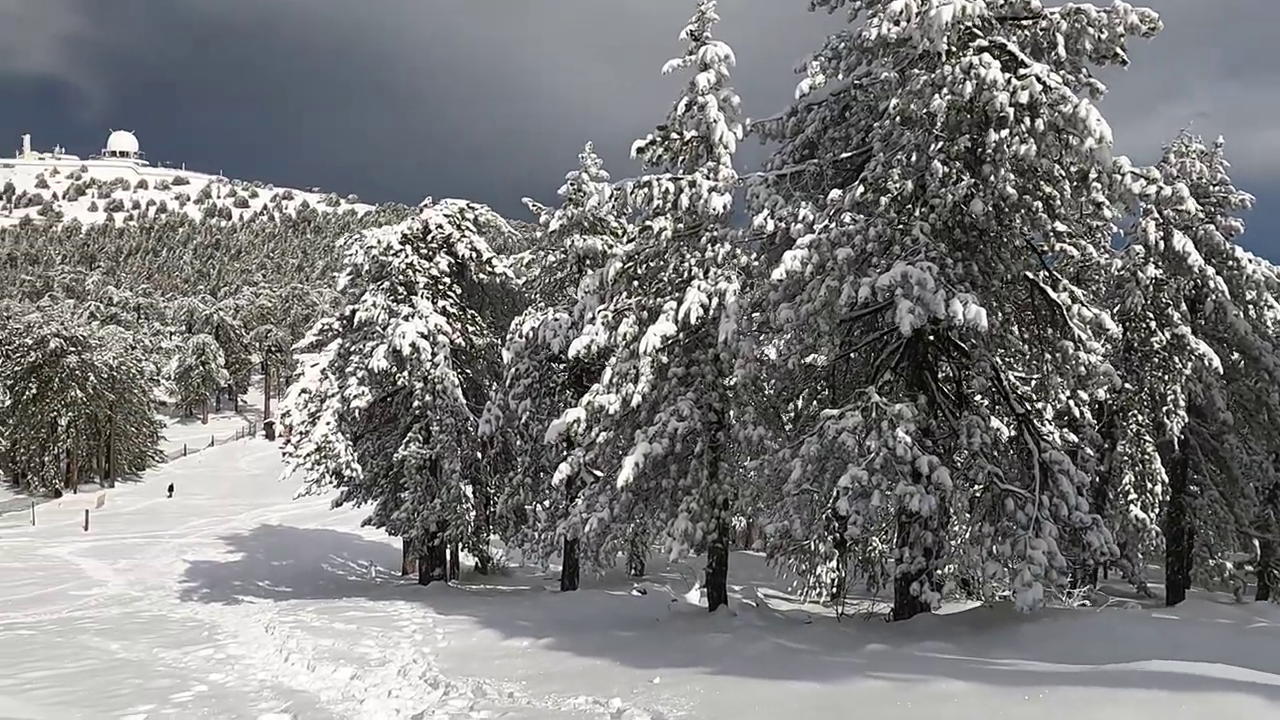 Troodos Mountains in Winter
Families who see only the coastline miss one of the easiest ways to change the mood of the vacation.
Drive upward.
The sea begins to disappear. Roads bend into the mountains. Pine forest replaces the open coastal landscape. Stone villages interrupt the journey.
Troodos does not feel like an extension of the beach vacation.
That is precisely why it works.
Children who have spent several days swimming suddenly have somewhere different to explore. Families can walk, stop in villages, eat somewhere in the mountains and see a Cyprus that has little relationship with resort life.
For Cypriot families, escaping toward the mountains has long been part of the island's rhythm, particularly when the coast is deep into summer.
That contrast is worth giving visiting children.
One day beside the Mediterranean. Another among pine trees.
Same island.
Completely different memory.
Do not turn Troodos into an endurance exercise. Choose walks and outdoor activities according to the ages, abilities and enthusiasm of the people traveling with you, and check current weather, access and trail conditions before setting out.
You are not trying to conquer the mountains.
You are letting the family see that Cyprus is larger than its postcard.
Let Villages Be Villages
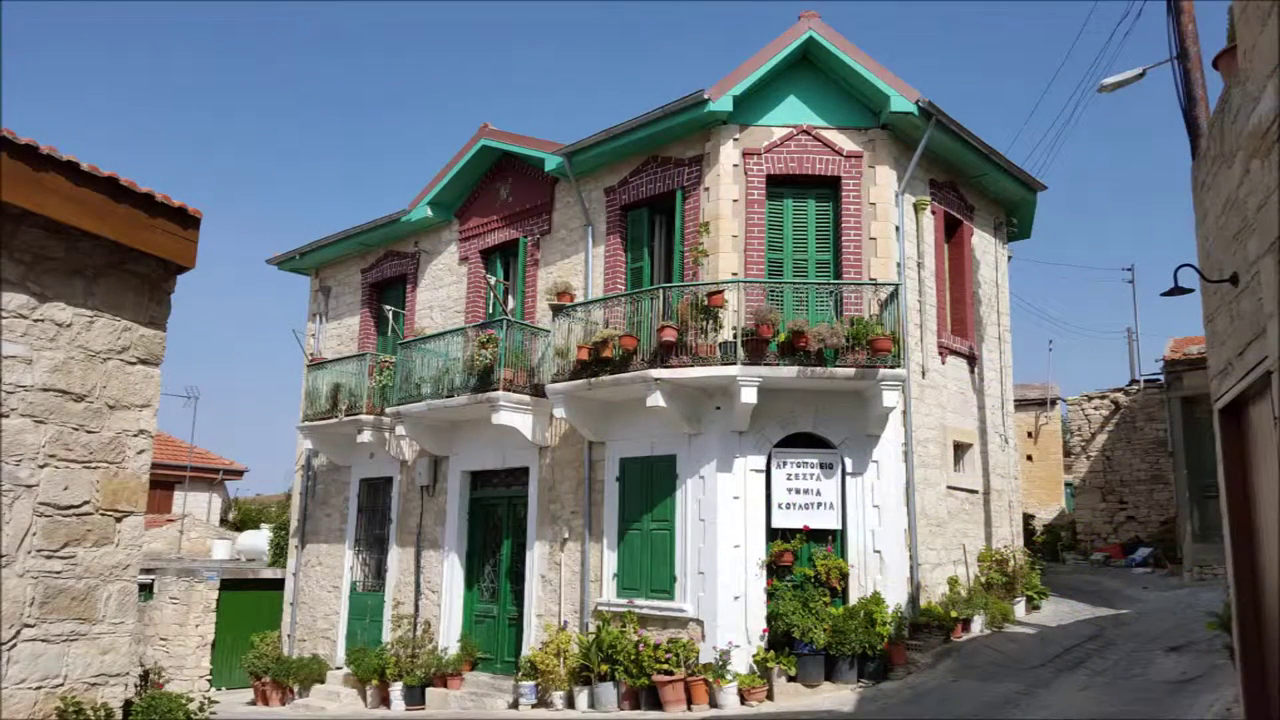
Adults sometimes approach villages incorrectly with children.
They expect everybody to appreciate architecture.
Children have other priorities.
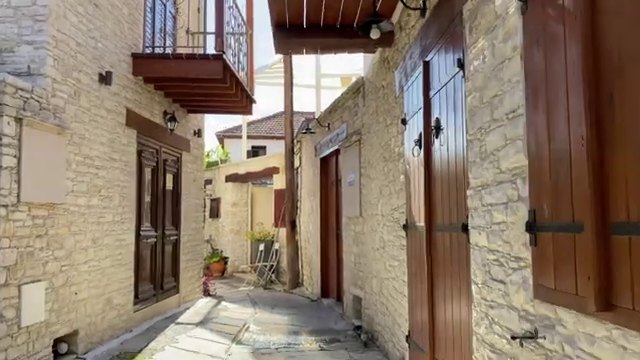
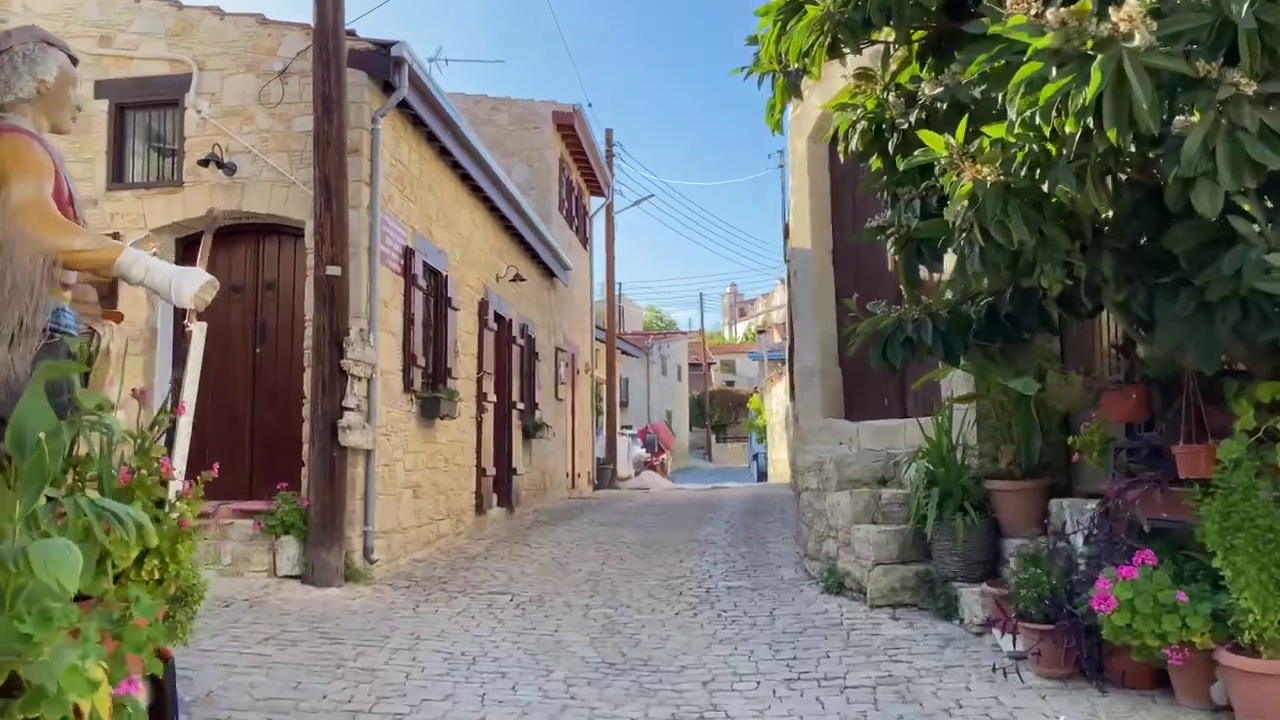
A narrow alley is somewhere to investigate. A fountain is interesting because water comes out of it. A bakery smells good. A church courtyard echoes. Cats appear from beneath parked cars. Steps lead somewhere.
A village becomes much more successful once children are allowed to experience it rather than being repeatedly told why they should find it interesting.
We would not attempt an ambitious procession of villages in a single day.
Choose one or two. Walk. Stop for something to eat. Look into a bakery. Sit in the square. Let the place become more than a photograph.
The adults may remember the stone houses. The children may remember the cat that followed them halfway down the street.
Both were in the same village.
That is the point.
Eat Like A Cypriot Family
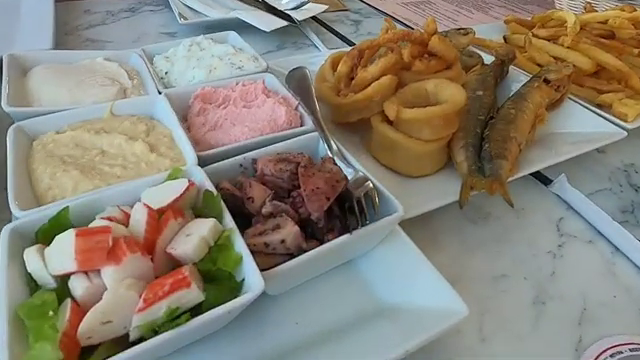 Fish Meze
Food is one of the easiest ways for different generations to share Cyprus. Not because every child is going to develop an immediate passion for traditional Cypriot cooking.
Some will.
Some will want potatoes.
That is hardly a crisis.
The more important part is how food is eaten.
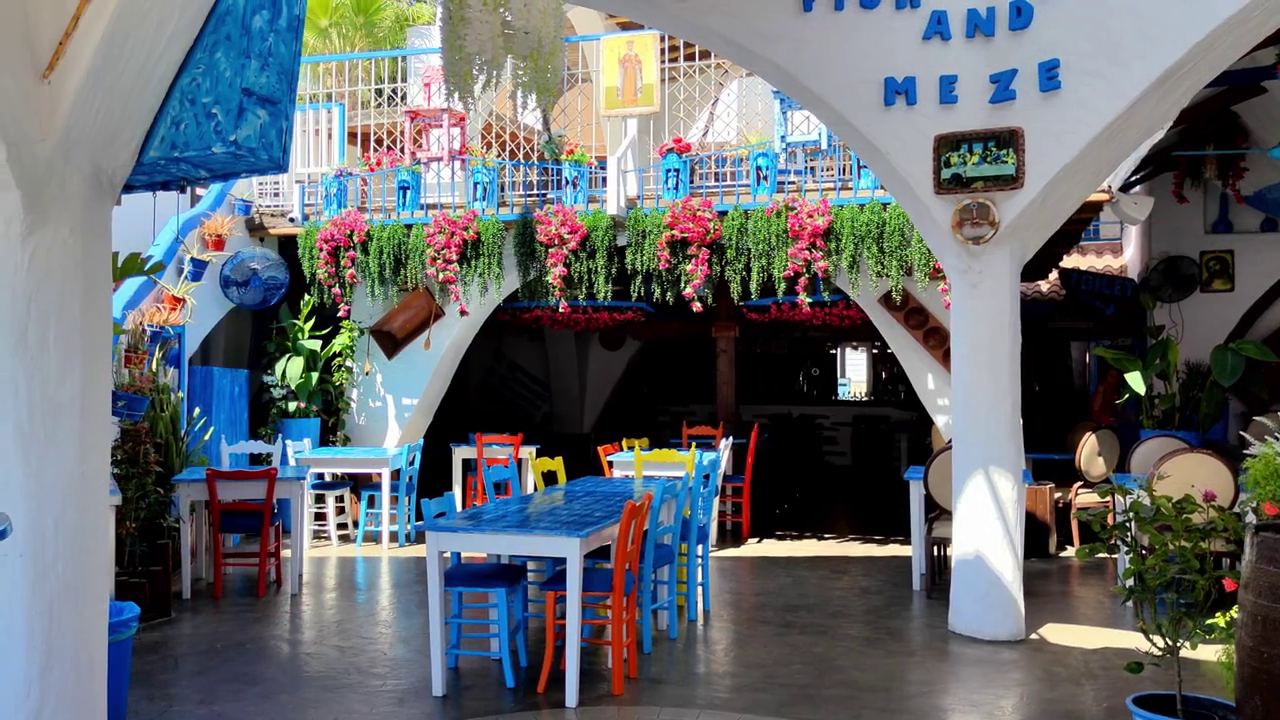
Cypriot meals naturally lend themselves to sharing. Plates arrive in the middle of the table. Bread disappears. Somebody reaches for more halloumi. Another person tries something from somebody else's plate.
A family meal becomes communal almost without trying.
That can be particularly enjoyable when several generations are traveling together. Grandparents do not need to order the same thing as grandchildren for everyone to share the experience.
Let children taste. Let them decline. Let them return to something familiar.
There is little value in converting dinner into a negotiation over how much local culture must be consumed before dessert.
And vary the rhythm.
One leisurely village lunch can be memorable. Seven compulsory leisurely lunches may become a test of character.
Some days call for a proper taverna meal.
Others call for something easy after the beach, when salt is still drying on everyone's skin and nobody particularly wants to dress for dinner.
The family has already spent the day together.
Dinner does not always need to become an event.
Different Ages, Different Cyprus
The island does not change when children's ages change.
The way you use it does.
Babies and Toddlers
With very young children, ambition should shrink.
That is intelligent travel, not surrender.
Naps, meals, heat and walking distances will shape the day. Shorter outings and an easy route back to the accommodation are usually more useful than an impressive itinerary.
Do not rely on labels such as "family-friendly." If a cot, high chair, child seat, connecting room or another specific facility matters, confirm it directly with the relevant provider.
At this age, the smartest vacation may look surprisingly uneventful.
That is often why it works.
Primary-School Children
This is an excellent age for mixing the beach with more of Cyprus.
A boat is exciting because it is a boat. A castle is a castle. Ancient stones can become another world. A forest path is somewhere to explore. The sea can occupy half a day without explanation.
Alternate familiarity with discovery.
Beach today. Mountains tomorrow. Then back to the pool.
At this age, changing from a sandy coast to a stone village or pine forest can make the island feel much larger than the distances on the map suggest.
Teenagers
Teenagers need a different kind of respect.
Give them some influence over the day. Let them choose where to eat occasionally. Accept that a late afternoon beside the sea may outrank the archaeological site you hoped would transform their understanding of Mediterranean civilization.
Cyprus works well at this age because the vacation does not have to feel childish. Swimming, boat trips, mountain roads, old cities, cafés, long summer evenings and dinners outdoors can belong just as comfortably to an adult trip.
A teenager who would reject a "family activity" may be perfectly happy walking a seafront after dark with everyone else.
Teenagers rarely want a children's holiday.
Do not give them one.
Grandparents and Multigenerational Families
Travel across generations exposes differences in pace very quickly.
One person wants to walk. Another wants shade. Somebody wants lunch. A child announces hunger despite having eaten twenty minutes ago.
The answer is not finding the mythical attraction everybody loves equally.
Cyprus works better when the day allows people to experience the same place differently.
At the beach, some swim while others remain beneath the umbrella. In a village, part of the family can wander while someone else sits over a Cypriot coffee. At lunch, everybody eventually returns to the same table.
The reward of multigenerational travel is not everybody experiencing Cyprus identically.
It is everybody sharing enough of it to remember the same journey.
What About Water Parks, Boat Trips and Family Attractions?
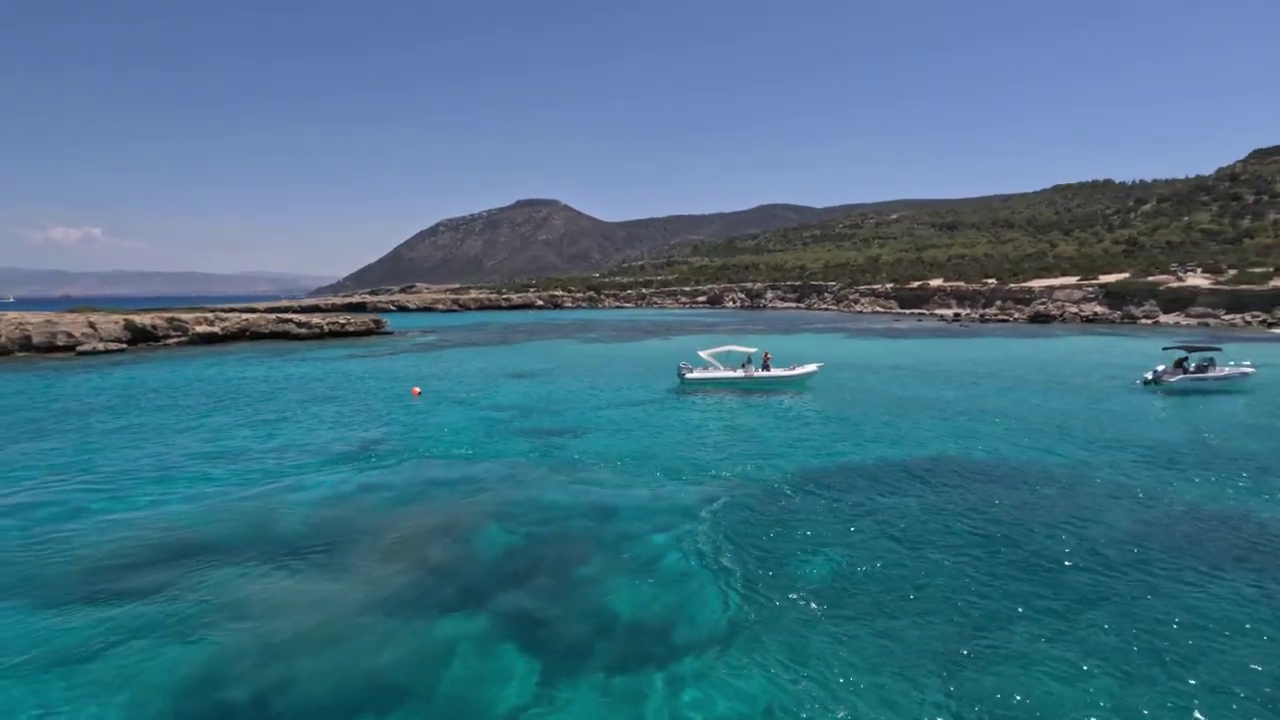 Blue Lagoon, Akamas
Use them.
Just do not let them become the definition of the vacation.
A water park may be one of the children's favorite days. A boat trip may become the outing everybody remembers. Other family-oriented attractions and activities can provide a welcome change of pace.
But children do not need professional entertainment from breakfast until bedtime.
Nor did you come all the way to Cyprus simply to recreate experiences available in dozens of other destinations.
Mix the purpose-built activities with the island itself.
Swim in the Mediterranean. Walk somewhere ancient. Drive into the mountains. Eat somewhere local. Let children see an old village. Spend an evening outside.
That balance is more interesting for everyone.
Boat trips require a little more attention because duration, vessel type, routes, shade, swimming stops, onboard facilities and age policies vary considerably. Check the practical details before booking, particularly with younger children.
The longest cruise is not automatically the best family day.
The Moments You Cannot Book
The travel industry is very good at selling family experiences.
The memories families actually keep are less predictable.
The first time a child swims a little farther than yesterday. Everyone laughing because the inflatable escaped down the beach. A teenager unexpectedly enjoying somewhere they insisted they did not want to visit. A grandparent passing food to a child across the table. Children who met ten minutes ago playing together despite not sharing a language. Falling asleep in the car on the road back from Troodos. Returning to the same café and being recognized. The ice cream that melted faster than anybody could eat it.
These moments have no ticket office.
You cannot reliably plan them.
You can only leave enough space for them to happen.
Build A Rhythm, Not A Checklist
If we were spending a week in Cyprus with children, we would not allocate seven major experiences to seven days.
We would think in rhythms.
A beach day. Something different. Back to the sea. Mountains or countryside. An easier day. Something everybody has been looking forward to.
With a longer trip, add more. Another coast. A village. Some history. A boat trip. And return to somewhere you liked. That last part is underrated.
Adults often feel compelled to keep finding somewhere new because they have traveled a long way. Children understand the pleasure of repetition better.
The same beach again. The same breakfast. The same ice cream place. The same pool.
Returning somewhere is not wasted travel.
Sometimes it is the moment a destination stops feeling like somewhere you are visiting and begins, briefly, to feel familiar.
What We Would Not Do
We would not build the vacation around online lists of "things to do with kids."
We would not drag tired children through another attraction simply because tickets had been booked.
We would not assume every famous Cyprus experience works equally well at every age.
We would not attempt to cover the entire island in one week.
We would not schedule long exposed outdoor visits in unsuitable conditions simply to preserve the itinerary.
We would not dismiss villages, archaeology or the mountains because children are traveling.
And we would not judge the quality of the vacation by the number of places the family managed to visit.
Children rarely return home impressed by destination coverage.
They remember moments.
So do adults.
Where Should Your Family Stay?
That is an important question.
It is also a different question.
Choosing between the main family bases in Cyprus; deciding whether a hotel, villa or holiday apartment suits you better; working out whether you need a car; and deciding whether one base or two makes sense all deserve more detailed treatment than they should receive here.
We cover those decisions separately in Where to Stay in Cyprus for Families.
Choose the right base there.
Then come back to this question:
What do you actually want your family to remember about Cyprus?
Our Verdict
Cyprus is easy to market to families.
Beaches. Sunshine. Pools. Resorts. Activities.
That is the obvious version.
It is not the version we find most interesting.
The deeper strength of Cyprus is that parents do not have to spend the vacation watching children experience an island designed only for them.
The family can share it.
A child can walk through the same ancient place as a grandparent and notice something completely different. Everyone can sit around the same table without eating the same food. Somebody can swim while somebody else stays beneath the umbrella. Parents can enjoy the road into Troodos even if the children remember only the pine trees, the stream or the village ice cream. Teenagers can complain before an outing and later concede that it was actually quite good. And children who cannot speak to one another can meet beside the Mediterranean and begin playing anyway.
That is family travel at its best.
Not everybody doing the same thing. Not every hour filled. Not childhood packaged into a sequence of attractions.
Just different generations sharing enough of the same Cyprus that, years later, the stories still belong to one journey.
Practical Information
Family suitability varies according to children's ages, abilities, individual needs and the circumstances of each trip. Sea and weather conditions, attraction and trail access, opening arrangements, transport services, activity restrictions, lifeguard provision, facilities and provider policies can change.
Confirm any detail that is important to your family directly with the relevant accommodation provider, attraction, activity operator, transport operator or appropriate authority before traveling or booking. For swimming, boating, hiking and other activities, consider current conditions and suitability for your own family rather than relying solely on general descriptions.