Newsletter "Beyond the Postcards" Subscribe
Plan Your Cyprus Trip: Hotels: Expedia, Villas & Apartments: Vrbo, Car Rentals: DiscoverCars, Tours: GetYourGuide, Airport Transfers: WelcomePickups
- Home
- Find Your Cyprus
- Cyprus for Food & Wine Lovers
Cyprus For Food & Wine Lovers: A Taste of The Island Beyond The Table
The first plate is almost never the point.
Bread arrives. Olives. Tahini. A village salad shining with olive oil. Halloumi still warm from the grill. Perhaps zucchini with eggs, greens dressed with lemon, or something from the kitchen that was not quite what you thought you had ordered.
Then another plate appears. And another.
This is where eating in Cyprus begins to make sense.
Food here is not simply one more attraction between the beach and the archaeological site. It is one of the clearest ways into the island itself: its villages, seasons, family habits, farming landscape, religious traditions, migration, hospitality and long relationship with the eastern Mediterranean.
For travelers who organize trips around restaurants, markets, wineries and meals worth remembering, Cyprus can be exceptionally rewarding. But it rewards a particular kind of food lover.
Come expecting a vast fine-dining ecosystem, sommelier-led restaurants on every corner or wine tourism as polished as Tuscany, Bordeaux or Napa, and parts of the experience may feel uneven. Come because you want to understand why a mountain village produces a certain wine, why halloumi tastes different when it reaches the table hot, or why Cypriots argue passionately about where to eat souvla, and the island becomes much more interesting.
The best food trip through Cyprus is not a restaurant crawl. It is a journey through the culture that produced the food.
Cypriot Food Makes More Sense When You Stop Looking For A National "Signature Dish"
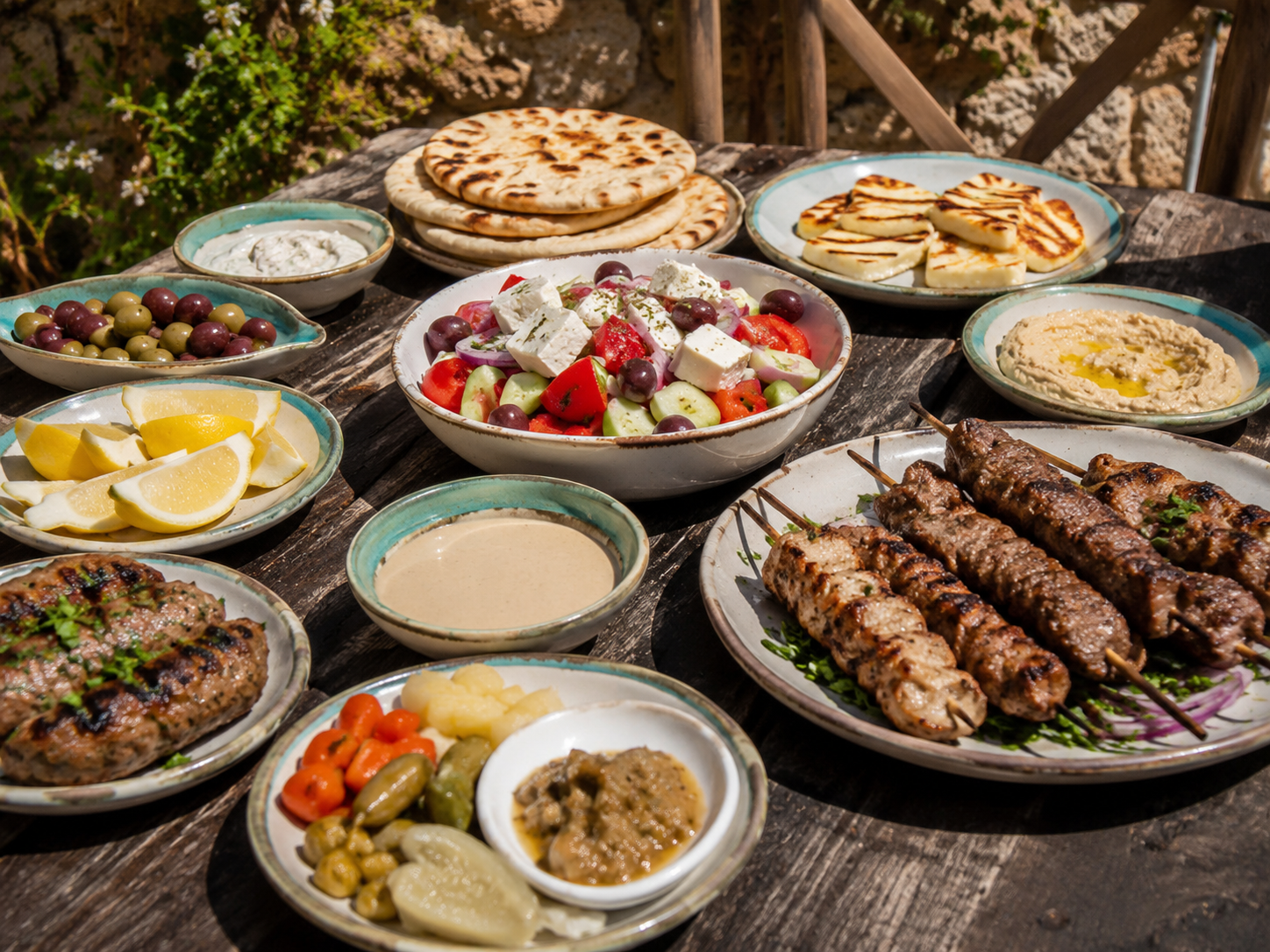
Halloumi is the obvious place to begin, but it is a terrible place to stop.
The cheese is so closely associated with Cyprus that it can obscure the breadth of the cooking around it. More interesting than treating halloumi as a culinary attraction in isolation is seeing how naturally it sits within everyday meals.
Cypriot cooking is strongest when viewed as a collection of habits rather than a checklist of famous dishes.
There are charcoal-grilled meats: souvlaki, sheftalia and, at larger gatherings, souvla. There are slow-cooked dishes such as kleftiko; koupepia filled with minced meat and rice; stuffed vegetables; pulses; potatoes; wild and cultivated greens; village salads; soups; and dishes whose appeal lies less in presentation than in the fact that generations have continued making them.
There are cured meats from the mountains, preserved fruits, carob products, grape-based sweets and spoon sweets offered in quantities that make the word “spoon” seem misleadingly restrained.
Vegetarians can also find more depth than the stereotype of a meat-heavy taverna suggests. Traditional Cypriot cooking includes beans, lentils, vegetables, greens, potatoes and dishes connected with Orthodox fasting traditions.
One of the easiest ways to eat badly in Cyprus is to decide in advance what “Cypriot food” is supposed to look like and order only the dishes that confirm it.
Meze Is A Way of Eating, Not A Competitive Sport
Visitors can become obsessed with the number of plates in a meze.
We would not.
Twenty-three dishes are not necessarily better than sixteen, and neither figure tells you whether the kitchen is cooking carefully.
A good meze has pacing. Smaller dishes establish the meal before the heavier ones arrive. Bread gets torn apart. Salads are shared. Somebody reaches across the table for the last piece of halloumi. Meat should not appear so quickly that half the previous course is abandoned.
The strongest version feels less like receiving a tasting menu and more like allowing the kitchen to determine the rhythm of lunch.
In restaurants serving large visitor numbers, meze can sometimes become mechanical: plate after plate arriving because quantity itself has become the product. It may still be enjoyable, but we would rather eat a smaller meal in a kitchen that cares about each dish than photograph an avalanche of plates.
And we certainly would not order a full meze every night.
After two or three enormous meals, you stop tasting Cyprus and start surviving it.
The Quieter Dishes Often Tell You More
There is a tendency among food travelers to hunt immediately for exceptional dishes.
Cyprus can be just as revealing through ordinary ones.
A plate of tomatoes in summer. Potatoes roasted beside meat. Fresh bread. Yogurt. Olives. Wild greens. Beans with lemon. Watermelon with halloumi. Fruit after a long lunch.
These foods are easy to underestimate because they lack ceremony.
Yet they reveal something fundamental about Cypriot cooking: good ingredients do not always need dramatic transformation before reaching the table.
Seasonality still matters. That does not mean every restaurant cooks seasonally or every tomato came from a field around the corner. It means travelers who pay attention to what is genuinely good at that moment — citrus, figs, grapes, stone fruit, greens, artichokes, vegetables, herbs — often understand more than those ordering from the same mental checklist throughout the year.
Tavernas Deserve Their Own Place in Your Trip
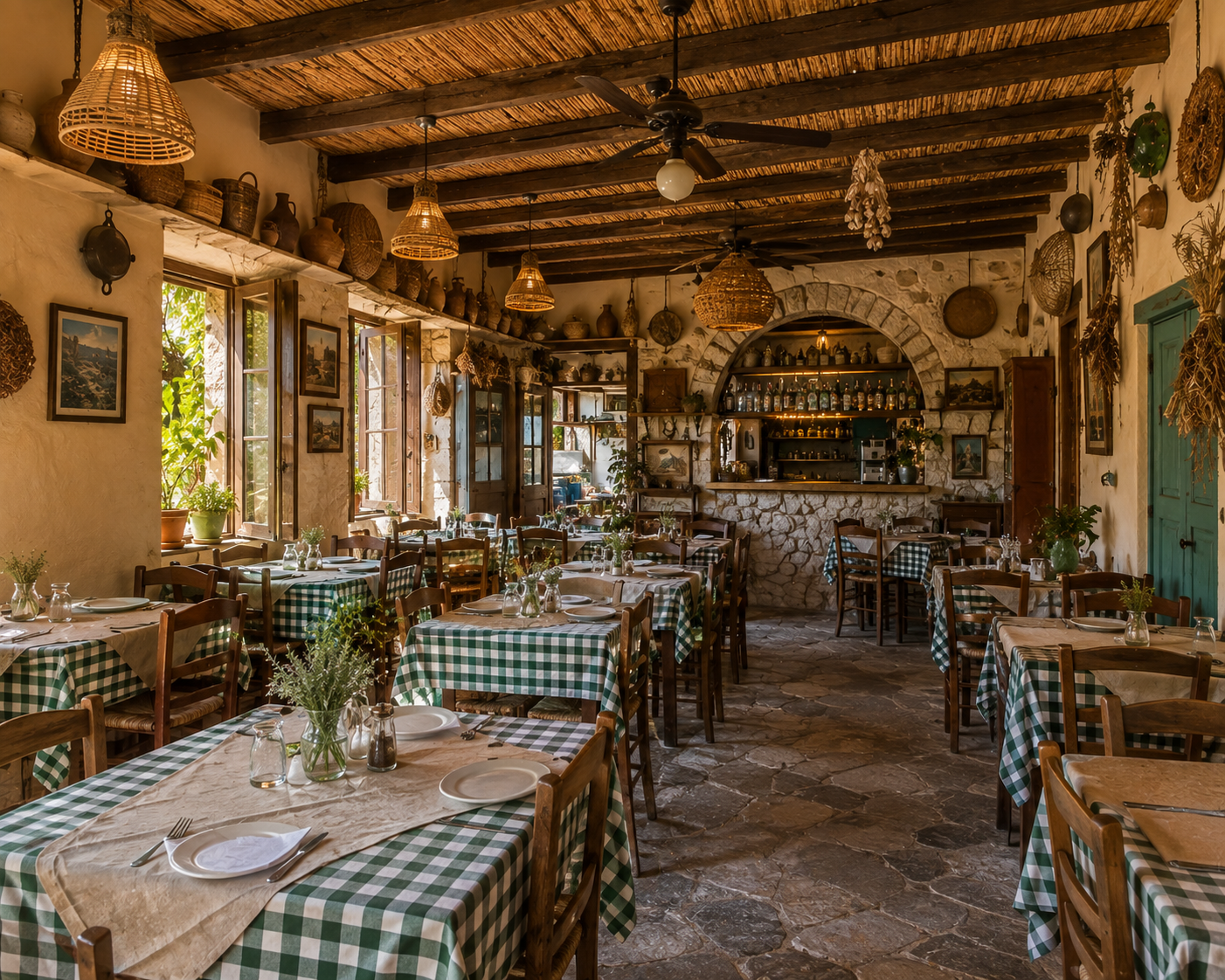
A taverna is not simply a cheaper alternative to a restaurant. At its best, it represents a different kind of meal.
The cooking may be simpler. The menu may be shorter. Presentation may matter less. But a good taverna can bring together grilled meats, vegetables, village recipes, local wine and the social character of Cypriot eating in a way that a more formal restaurant cannot imitate merely by putting traditional dishes on expensive plates.
This is why our Tavernas in Cyprus coverage matters separately from Restaurants in Cyprus.
You need both.
Cyprus also has ambitious contemporary restaurants, strong hotel dining rooms, seafood restaurants, modern Mediterranean kitchens and smaller chef-driven places whose cooking reflects a younger version of the island.
Spend every night chasing traditional tavernas and the trip becomes one-dimensional. Spend every night at polished contemporary restaurants and you can leave having eaten extremely well without understanding much about Cyprus.
For a serious food trip, alternate.
One night should make you think about technique. Another should make you understand why people have been eating the same dish for decades.
Do Not Confuse A Sea View With A Good Seafood Restaurant
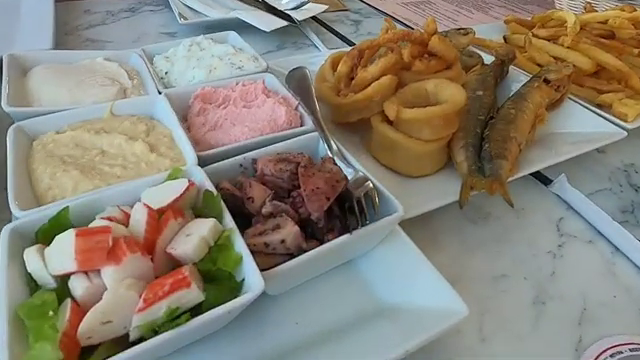
Cyprus gives restaurants an unfair advantage: the Mediterranean can make an average lunch look considerably better.
That makes waterfront dining one of the categories where judgment matters most.
There are excellent seafood meals to be had around the island, but harbor position, blue chairs and fishing-net decoration prove nothing about the kitchen.
If seafood origin matters to you, ask. Menus can contain both locally sourced and imported fish and seafood, and availability changes.
The strongest seafood experience is usually not about ordering the most expensive fish available. It is about freshness, handling, sensible cooking and a table where the sea enhances the meal rather than compensates for it.
Food travelers should bring the same skepticism to a picturesque mountain taverna.
Stone walls are not seasoning.
Cypriot Wine Deserves Far More Attention Than It Usually Gets
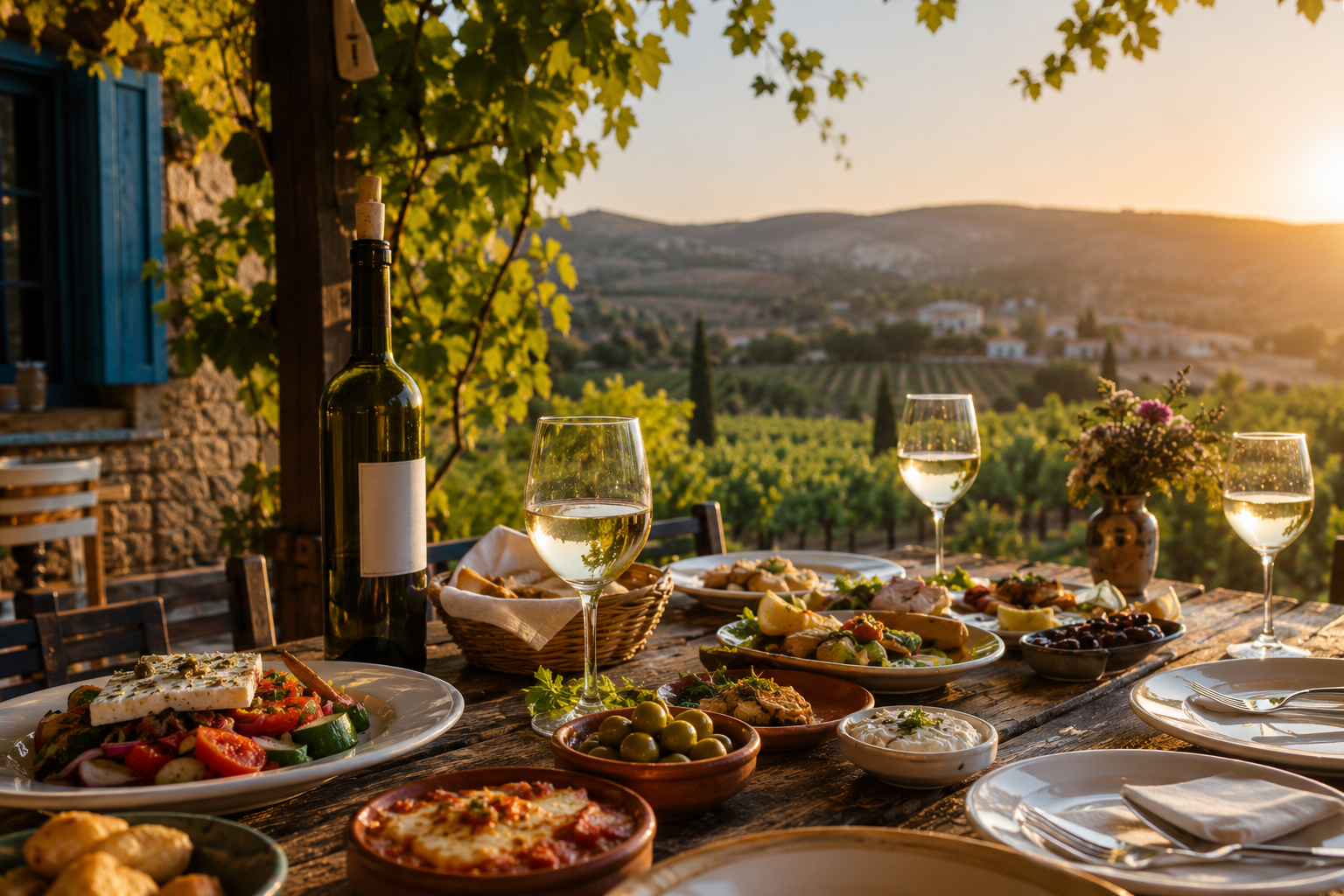
Wine gives food travelers access to an entirely different geography of Cyprus — away from the large resorts and into the southern slopes of Troodos, the Paphos uplands, Pitsilia and mountain communities farther inland.
The island has several established wine regions and routes, but there is no reason to approach them as a collection to be completed.
Choose one region and understand it.
The indigenous grapes are where the subject becomes particularly interesting. Xynisteri is the principal local white variety, Mavro remains historically important, and Maratheftiko gives travelers interested in indigenous reds something very specifically Cypriot to explore.
You do not need to arrive knowing any of this. By the second or third winery, patterns begin to appear. Then the landscape starts explaining the glass.
The Vineyards Change The Way You See The Mountains
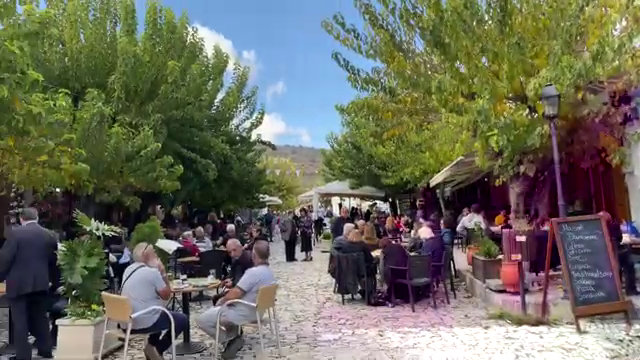 Omodos Square
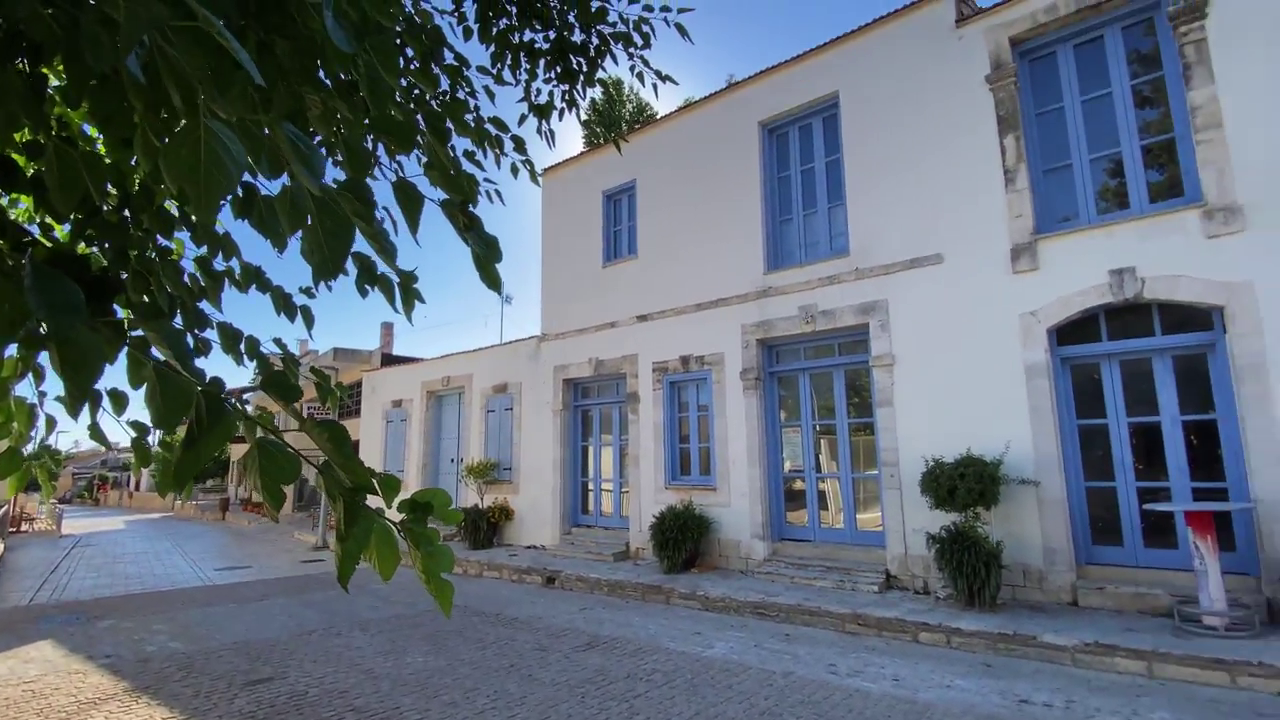 Kathikas Village
The first time you drive through Cypriot wine country, vineyards can look like part of the scenery.
Spend a day there and they stop being scenery.
You begin noticing terraces cut into slopes, old presses, vines beside houses, grapes growing above courtyards and villages whose relationship with wine existed long before anyone thought of creating a tasting room.
Around Limassol, villages such as Omodos and Koilani place you within one of the island’s most important historic wine landscapes.
In western Cyprus, Kathikas and Panagia provide another perspective, with vineyards and wineries spread through the higher ground beyond coastal Paphos.
Farther east, Pelendri and Kyperounta put you into the Pitsilia landscape, where wine can be combined with mountain food traditions and a very different atmosphere from the coast.
You do not need all three regions. For most trips, choosing one well is better than trying to collect them.
Commandaria Is Not A Historical Footnote
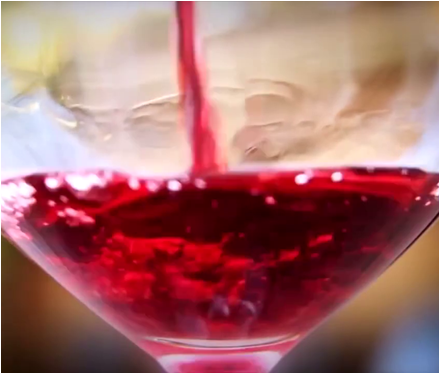
Even travelers who rarely drink sweet wine should taste Commandaria at least once with some context.
Made from the indigenous Mavro and Xynisteri grapes and historically associated with a defined group of villages on the southern slopes of Troodos, Commandaria belongs to a wine tradition stretching back centuries.
Do not taste it simply because somebody tells you it is old. Taste it alongside the place that created it.
It makes more sense after you have driven through the dry mountain landscape, seen vineyards working on difficult slopes and understood that Cypriot wine history did not begin when modern tasting rooms opened.
The same principle applies to zivania, the island’s traditional grape spirit. Taste for context, not quantity.
Where To Stay in Cyprus For Food & Wine Lovers
Your base will determine what kind of food trip you actually have.
Limassol: our strongest single-base choice
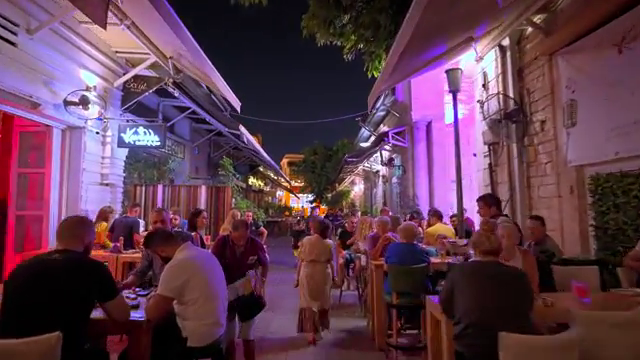
If food and wine are among the main reasons you are coming to Cyprus and you want one base, we would start with Limassol.
The reason is range.
You have one of the island’s deepest restaurant scenes, good contemporary dining, tavernas within reach, a sizable local population that supports restaurants beyond the main holiday season, and practical access to the Limassol wine villages and Commandaria country.
That combination is difficult to beat.
Limassol’s trade-off is equally clear. It is a working, expanding city. Traffic is real, development is extensive and anyone imagining a small romantic Mediterranean town may find the scale and urban character jarring.
Choose it because you want dining choice and wine-country access, not because you expect village Cyprus outside your hotel door.
For most independent travelers taking food seriously, central Limassol or the established coastal urban area makes more sense than isolating yourself in a resort far from the restaurants you actually want to use.
Paphos: strongest for western wine country and a slower food trip
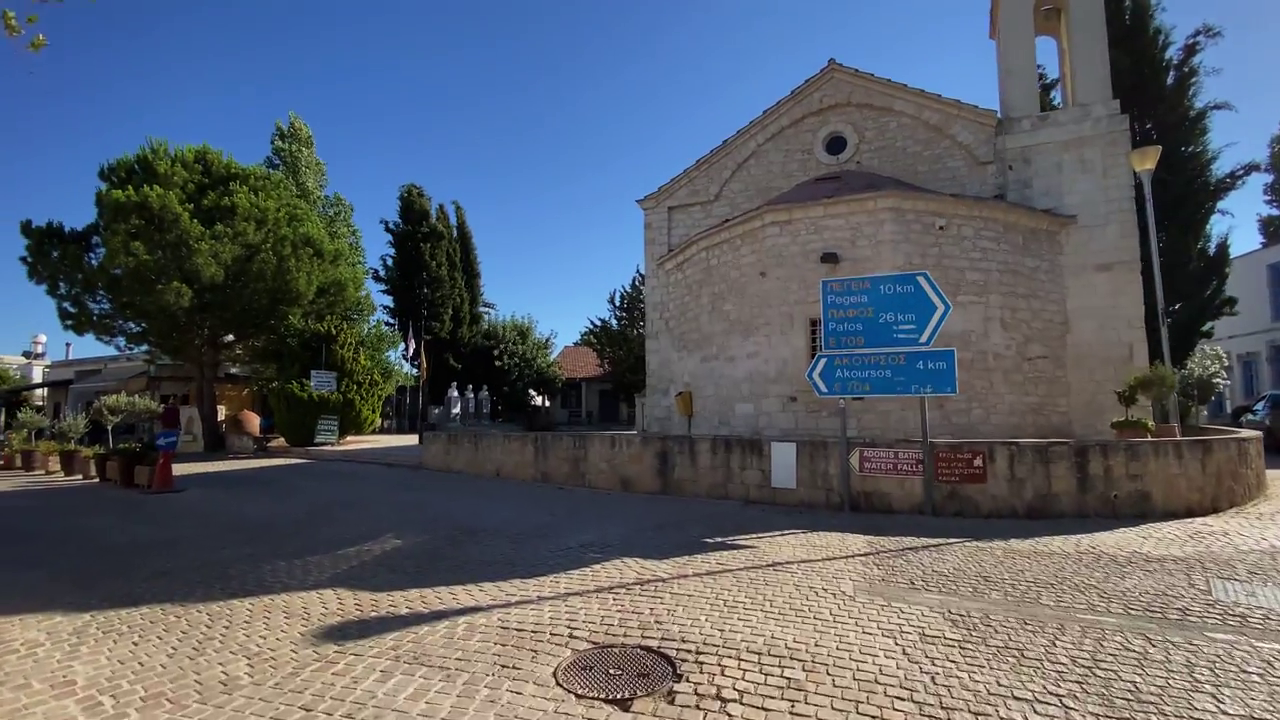 Kathikas Village
Paphos is the more natural choice if you want your food trip to combine tavernas, western Cyprus, rural drives and wineries around the Paphos uplands.
It has enough restaurant variety for a longer stay while placing you well for wine country around Kathikas, Panagia and the wider western hills.
The atmosphere is generally easier than Limassol.
The trade-off is that the restaurant scene has more obvious tourist concentration in certain coastal areas, so location and restaurant selection matter. Choosing a table simply because it faces the harbor is not an editorial strategy.
Paphos is particularly good for travelers who want food and wine to share the trip with archaeology, countryside and the western coast rather than dominate every day.
Nicosia: strongest for understanding how Cyprus eats now
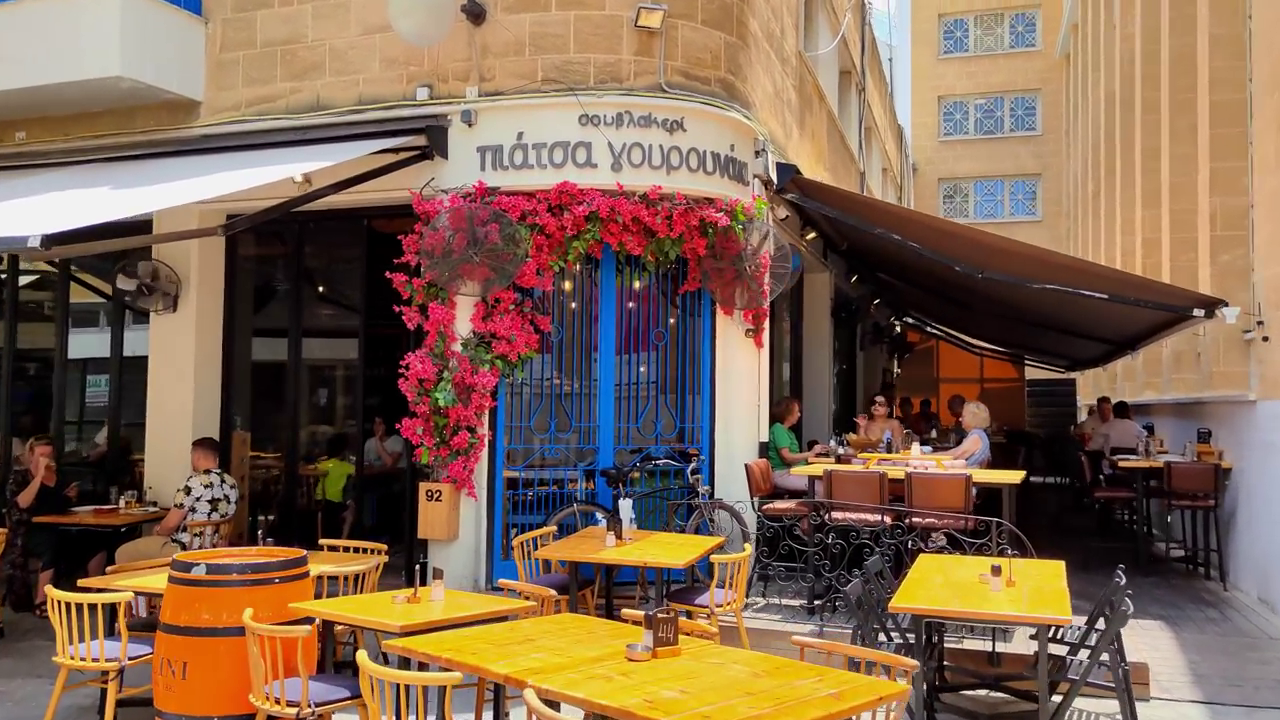
Nicosia is underrated by visitors who equate Cypriot food with seaside tavernas.
It should not be.
The capital gives you something the resort areas cannot: restaurants depending heavily on residents rather than a predominantly holiday audience.
That changes the dining ecology.
You can move between traditional cooking, neighborhood restaurants, bakeries, contemporary kitchens, coffee culture and a city whose relationship with food is part of everyday life rather than a visitor experience.
For travelers interested primarily in restaurants and modern Cypriot food culture, Nicosia deserves serious consideration.
The obvious trade-off is geography. You lose the Mediterranean setting, and dedicated wine-country days require more planning.
If your ideal food trip ends with a walk beside the sea every night, stay elsewhere.
Larnaca: relaxed, local and easy to enjoy
 Finikoudes, Larnaca
Larnaca works for travelers who want good food without building their entire trip around culinary ambition.
Its scale is manageable, dining feels relatively relaxed and the city combines seafood, tavernas, contemporary restaurants and a strong sense of normal local life.
Mountain communities inland also give you access to another side of Cyprus without relocating.
But if wine is the central purpose of the trip, we would choose Limassol or Paphos before Larnaca.
Larnaca is strongest when food is important but not the only reason you traveled.
Troodos and the wine villages: the immersive choice
Staying inland changes the trip completely.
A mountain or wine-village base puts you closer to vineyards, tavernas, village mornings and the agricultural landscape behind much of what you are eating and drinking.
For two or three nights, this can be excellent. For an entire week, it suits a narrower traveler.
Restaurant variety falls. Evening choices become limited. Driving becomes part of daily life. Smaller businesses may keep irregular or seasonal schedules.
And there is a practical contradiction nobody should ignore: staying rurally makes wine country easier to reach but can make drinking wine less convenient if you need to drive back afterward.
For travelers prioritizing wine, one of the smartest solutions is therefore two bases rather than one.
The two-base combination we would choose
Our strongest combination for a dedicated food-and-wine trip is Limassol + Troodos.
Limassol provides restaurant depth and an urban evening life. Troodos gives you the landscape behind the produce, wine and mountain cooking. The contrast improves both halves of the trip.
Our existing Limassol + Troodos guide can handle the practical base decision in greater detail, while Where To Stay in Cyprus provides the broader accommodation framework.
For a western-focused trip, Paphos + Troodos is another credible combination.
We would not add a third base unless the trip is long enough to justify it. Packing luggage is not a culinary experience.
Ayia Napa And Protaras Are Not Our First Choice For A Food-First Trip
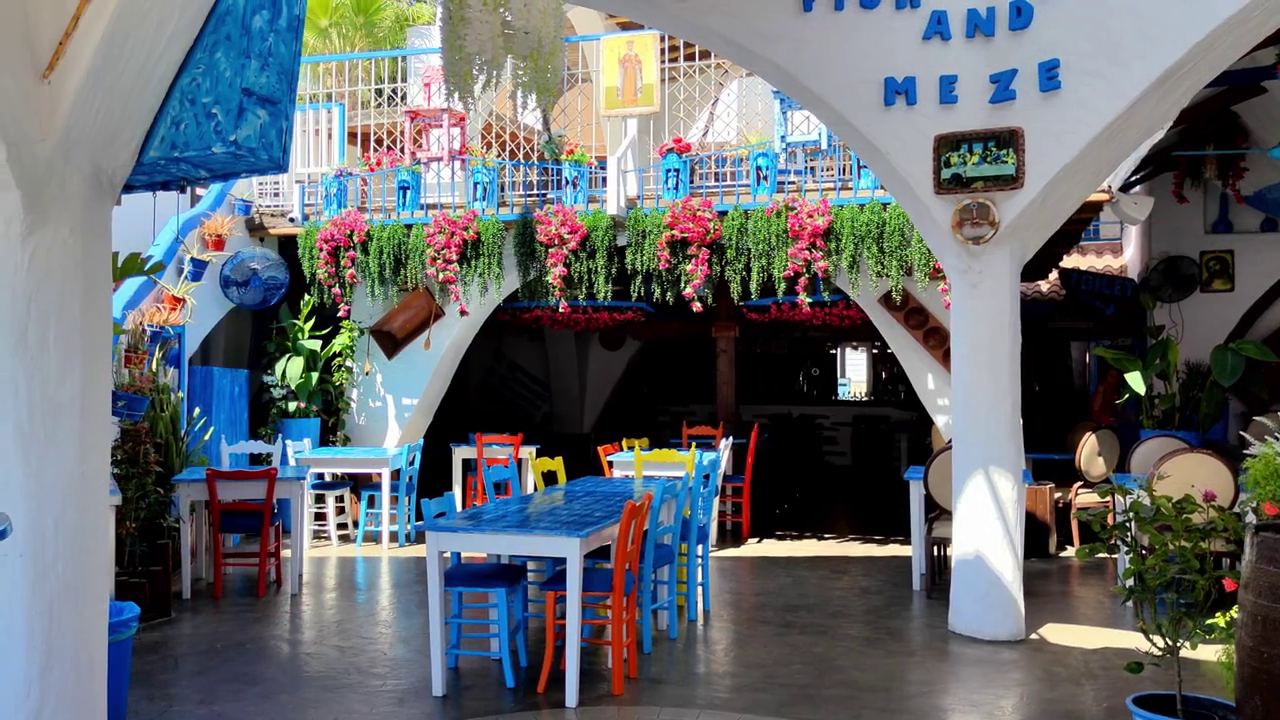
This requires some nuance.
There are restaurants worth eating at in the east, and you can certainly have excellent meals while staying in Ayia Napa or Protaras.
But we would choose these areas primarily when beaches and the sea are at least as important as food.
For somebody planning an entire Cyprus trip around wineries, tavernas, regional cooking and restaurant variety, Limassol, Paphos or a city-and-mountain combination gives the trip more depth.
This is traveler fit, not a verdict on restaurant quality.
If you wake up thinking about the beach and decide where to eat afterward, the east can work extremely well. If you wake up thinking about where lunch will take you, stay farther west or inland.
A Car Changes The Food Trip — But Wine Changes The Car Question
Food-and-wine travelers benefit enormously from having access to rural Cyprus.
Many worthwhile villages, vineyards and tavernas sit outside the cities. But once winery tastings become part of the day, the solution cannot simply be “rent a car.”
If someone is driving, that person should not drink. Otherwise arrange appropriate transportation, a driver or an organized wine experience.
This is also one reason not to overload a wine day.
Two properly chosen wineries, lunch and one or two villages can produce a much better day than racing through five tasting rooms.
Winery opening days, reservation requirements, tasting formats and seasonal operating hours can change. Contact wineries directly before making the journey.
Food allergies and serious intolerances require the same direct approach. Meze involves shared dishes and kitchens handling many ingredients simultaneously. Tell the restaurant clearly about the allergy before ordering and confirm what can be prepared appropriately rather than assuming from a menu description.
When To Come For Food And Wine
There is no single culinary season. There are different versions of the trip.
Spring is excellent for travelers interested in the countryside, greens, vegetables, herbs and eating outdoors before the strongest summer heat takes over.
Summer gives you tomatoes, fruit, long coastal dinners and the easiest combination of food with beaches. The trade-off is obvious: midday exploration inland can become tiring in high temperatures, and popular coastal restaurants may be operating at maximum volume.
Late summer into autumn brings wine country into greater focus as vineyards move through harvest periods. Exact timing varies according to grape, altitude, region and year, so do not plan around a single assumed harvest date.
Winter is a different proposition altogether. Mountain cooking, city restaurants, fireplaces and long lunches become more appealing; some seasonal coastal or rural businesses operate reduced schedules or close for periods.
For us, spring and autumn offer the best overall balance for a dedicated food-and-wine journey, while summer wins when food shares the trip with the sea.
What Food Lovers Often Get Wrong in Cyprus
The first mistake is over-ordering.
Cypriot hospitality and large menus can produce absurd quantities of food. You do not need meze plus starters plus mains because each category exists.
The second is chasing famous dishes instead of good kitchens.
Bad halloumi remains bad halloumi.
The third is assuming rustic means traditional and expensive means excellent.
Neither is a useful measure.
The fourth is treating every meal as a research project.
Leave room for a bakery breakfast, a simple souvlaki, fruit bought during a drive, coffee in a village and an unplanned taverna lunch. A food trip becomes exhausting when every reservation is expected to become a story.
And the fifth is trying to visit too many wineries.
Wine begins to lose meaning when every glass is followed immediately by another cellar.
Who Cyprus Is Particularly Good For
Cyprus is a strong match for travelers who enjoy meals that feel social rather than ceremonial; travelers interested in indigenous grape varieties; people who like alternating serious restaurants with traditional tavernas; travelers willing to drive inland; and anyone interested in the relationship between agriculture, villages and cuisine.
It is also well suited to couples or small groups who see lunch as part of the day rather than an interruption to sightseeing.
You do not need encyclopedic wine knowledge. Curiosity matters more.
Where Cyprus is less convincing is for travelers wanting a dense circuit of internationally famous fine-dining restaurants, heavily structured luxury wine tourism or effortless public transportation between vineyards.
The infrastructure is more fragmented. That can make a food-and-wine trip more personal. It can also make it less convenient. Both statements are true.
How We Would Build The Trip
We would not start with restaurant reservations. We would start with geography.
Choose Limassol if you want the strongest all-around base.
Choose Paphos if western wine country and a quieter rhythm appeal more.
Choose Nicosia if restaurants and contemporary local life matter more than the coast.
Add a short stay in Troodos if you want wine, villages and mountain cooking to become part of the trip rather than a day excursion.
Then leave gaps.
One serious restaurant reservation. One taverna lunch. One winery day. One seafood meal. One meal you did not plan. And enough time between them to become hungry again.
Use our Restaurants in Cyprus guide when the restaurant itself matters, Tavernas in Cyprus when you want traditional cooking and atmosphere, and Wineries in Cyprus when you are ready to choose producers rather than simply wine regions.
Those pages should answer where.
This page answers the more important question first:
What kind of food-and-wine Cyprus should you build?
The Cyprus You Understand At The Table
It is easy to reduce a destination’s food to souvenirs.
Halloumi. Commandaria. A bottle of wine. A photograph of a meze. But those are only the visible objects. The real food culture sits behind them.
It is in vineyard terraces cut into dry hillsides. In vegetables arriving without fanfare beside grilled meat. In a taverna where the simple dish is better than the elaborate one. In the difference between eating fish beside the sea and assuming every restaurant beside the sea serves good fish. In realizing that a wine you barely knew existed makes considerably more sense after seeing where its grapes grow.
That is when food stops being one category of a Cyprus vacation.
It becomes a way of reading the island.
For serious food and wine lovers, that is the Cyprus worth traveling for.