Newsletter "Beyond the Postcards" Subscribe
Plan Your Cyprus Trip: Hotels: Expedia, Villas & Apartments: Vrbo, Car Rentals: DiscoverCars, Tours: GetYourGuide, Airport Transfers: WelcomePickups
- Home
- Where to Stay in Cyprus
- Best Areas To Stay in Cyprus
- Larnaca + Ayia Napa or Protaras
Larnaca + Ayia Napa or Protaras: Which Pairing Is Right For You?
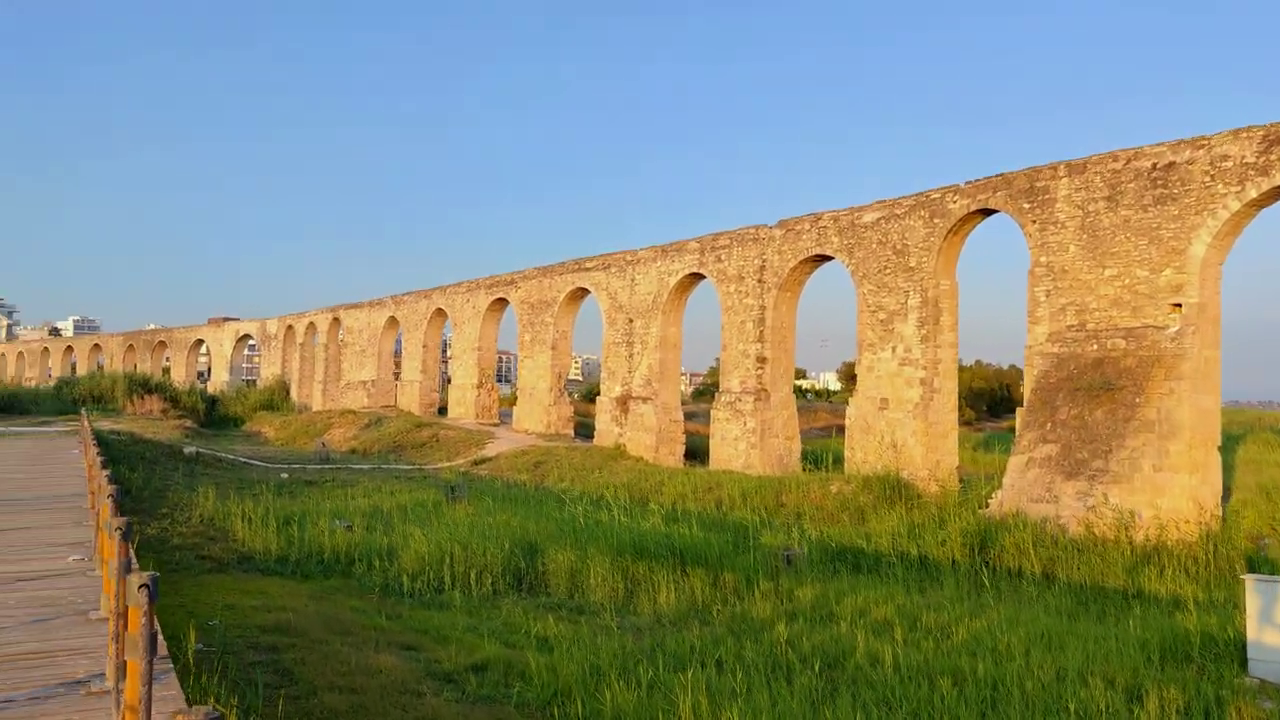
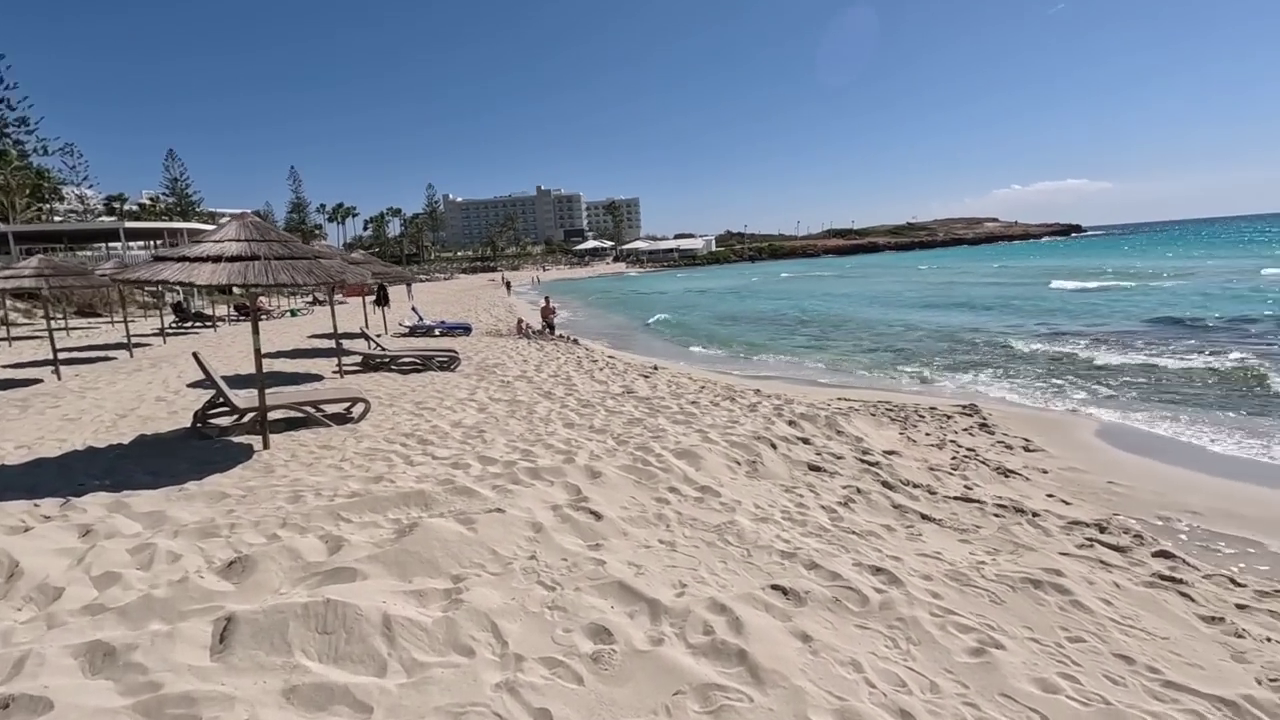
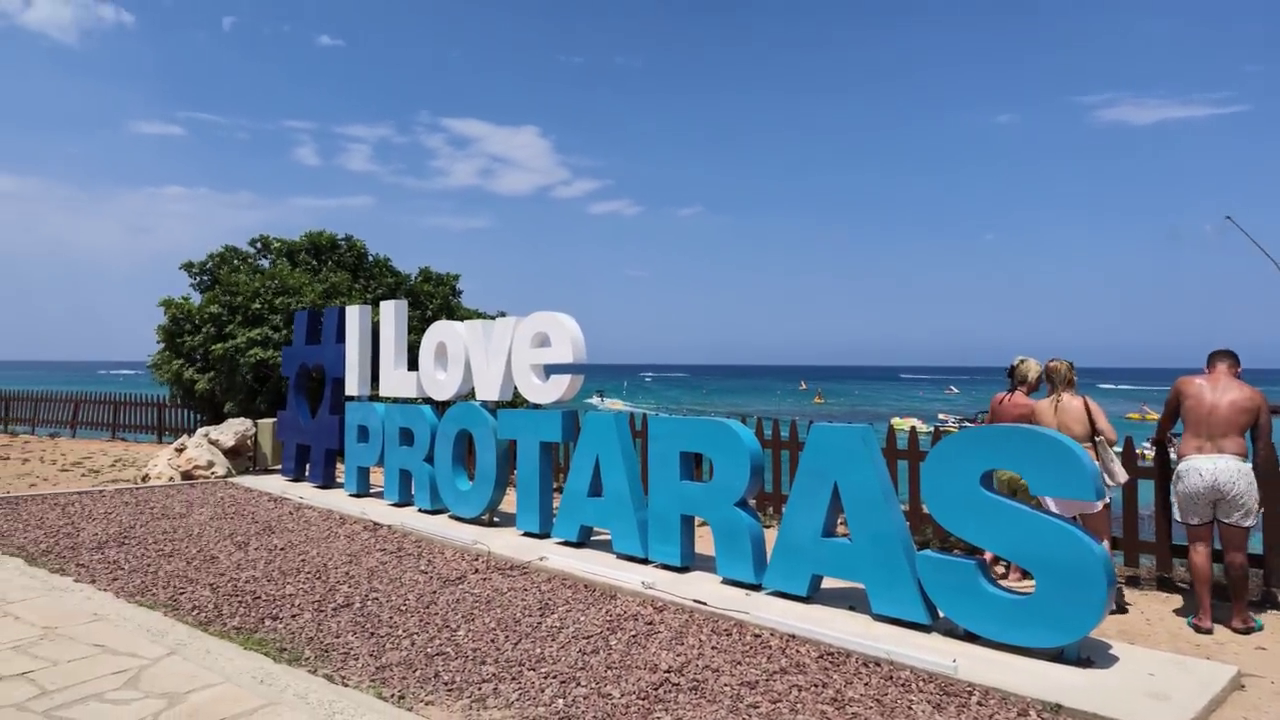
There is a simple reason this two-base combination works: Larnaca and Cyprus’s southeast coast do different jobs.
Larnaca gives you a real city by the sea — compact, lived-in and easy to settle into, with the old center, Finikoudes, Mackenzie, the Salt Lake and a daily rhythm that does not depend entirely on tourism. Ayia Napa and Protaras then shift the emphasis decisively toward the water: lighter sand, clearer blues, longer beach days and the concentrated holiday atmosphere for which the island’s eastern coast is known.
The question is not whether Larnaca combines well with the southeast. It does.
The more important question is which second base suits you better: Ayia Napa or Protaras?
For travelers who choose correctly, this can be one of the most satisfying short two-base stays in Cyprus. Choose the eastern base by reputation rather than temperament, however, and the second half can feel strangely mismatched.
The Quick Answer
Choose Larnaca + Ayia Napa if you want the stronger contrast: an urban coastal first stop followed by striking beaches, more energy, more nightlife and a second base that still has something happening after the beach day ends.
Choose Larnaca + Protaras if the second half of the trip is primarily about swimming, slower days, attractive coastal walking and evenings that feel easier rather than louder.
And unless your trip is long, do not turn this into Larnaca + Ayia Napa + Protaras.
Ayia Napa and Protaras are close enough to explore from one another. Moving accommodation again usually adds packing, check-in and logistical friction without creating a genuinely different third chapter.
Pick one eastern base. Visit the other from there.
That restraint makes the trip better.
Why Larnaca Works So Well As The First Base
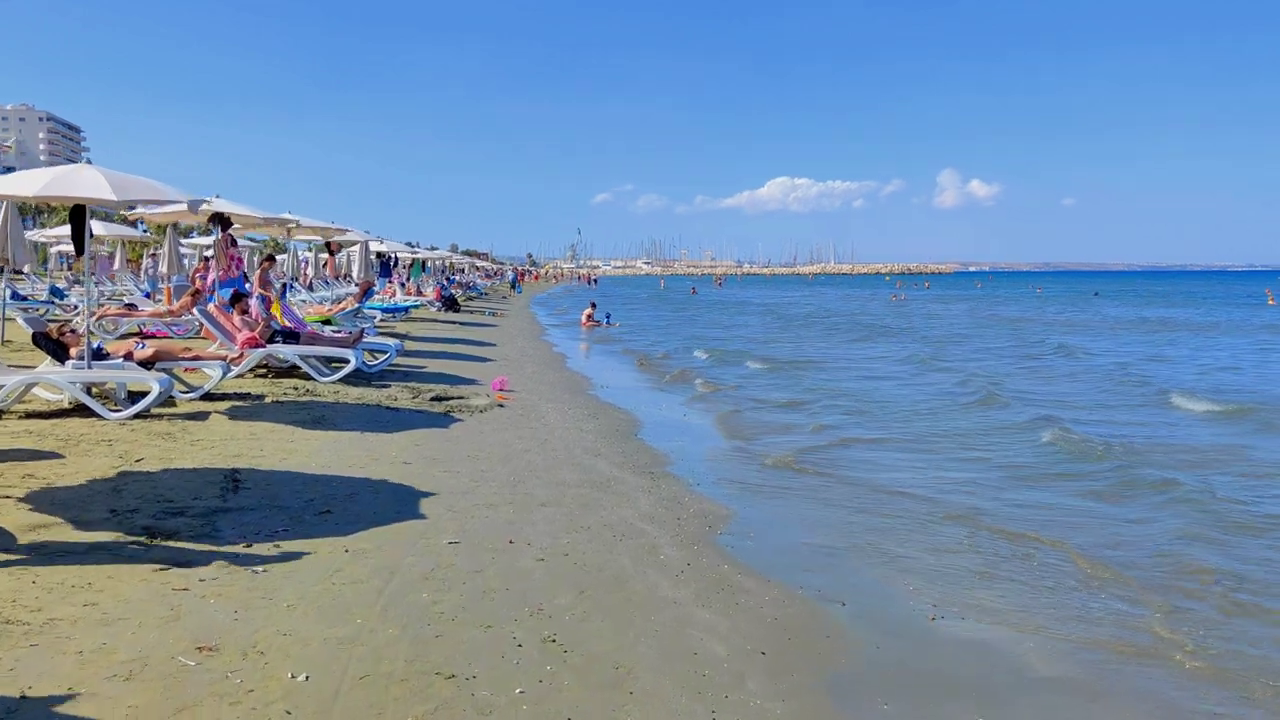 Finikoudes Beach, Larnaca
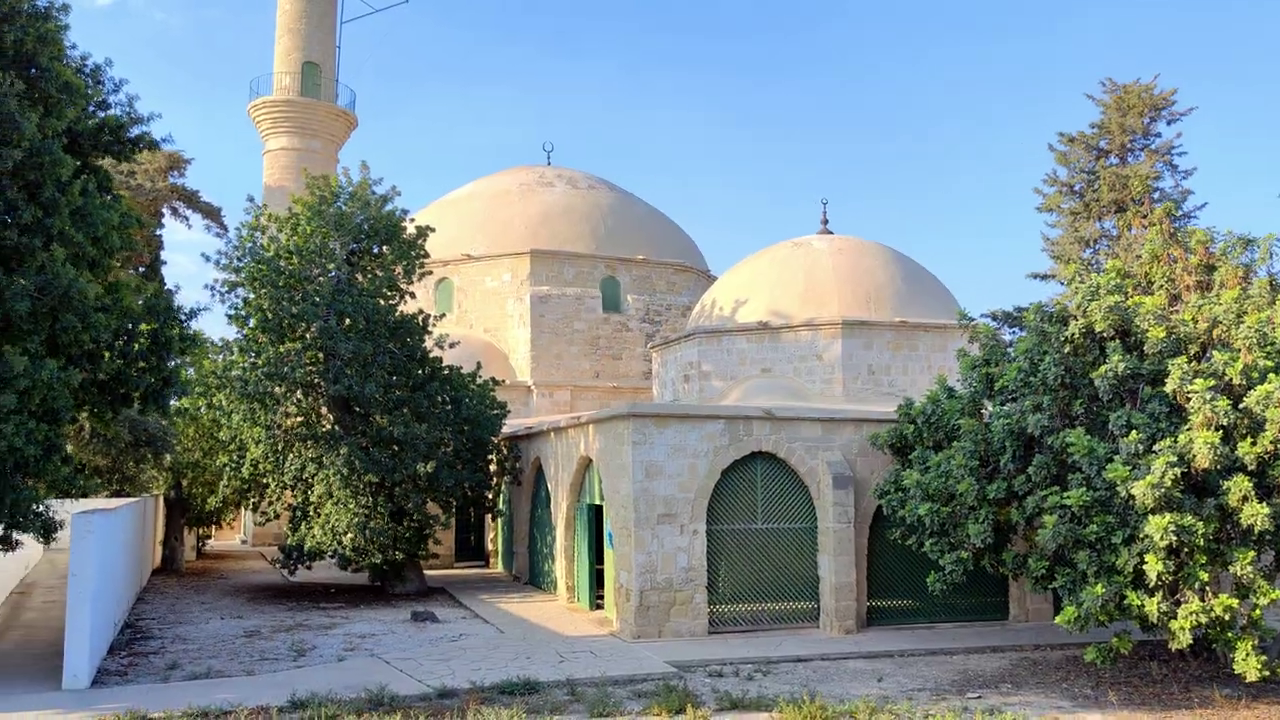 Hala Sultan Tekke, Larnaca
Larnaca is easy to underestimate because it rarely performs for attention. That is part of its value.
Finikoudes puts the sea directly against the center of town. Behind it are streets you can actually use rather than merely visit: bakeries, cafés, small shops, churches, apartments, offices and restaurants serving residents as well as travelers. Farther south, the coastline continues toward Mackenzie, while inland the Salt Lake creates a completely different landscape within the same compact city.
The result is a useful first rhythm.
You can arrive, walk, eat well, sleep, have coffee somewhere that does not feel designed around an itinerary and gradually enter the trip rather than immediately attacking a list of sights.
For independent travelers, that distinction matters. Luxury is not always the most elaborate room or the longest lunch. Sometimes it is simply not wasting the first day of a holiday rushing.
Larnaca is particularly good at removing that pressure.
It also gives the eventual move east more impact. Begin with several days of pale sand and turquoise water and another beautiful beach can become less remarkable than it deserves. Arrive after Larnaca and the change in coastline is much more obvious.
That contrast is the logic of the pairing.
Larnaca Is Not Just The Practical Part
Treating Larnaca merely as an airport stop would be a mistake.
The city is worth staying in because its appeal is cumulative rather than spectacular. A morning around the old center. A slow walk toward the seafront. Lunch away from the obvious strip. An evening at Mackenzie. The changing light around the Salt Lake. The way the city remains recognizably itself after visitors have finished photographing it.
Finikoudes may be the public face, but Larnaca becomes more interesting when you stop expecting a resort.
Its beach is convenient rather than transformative. Its skyline is not dramatic. There is no single view that explains the city in one photograph.
Instead, Larnaca gives you texture.
That is precisely what the eastern resorts are less interested in providing.
And that is why the combination works.
Then Go East
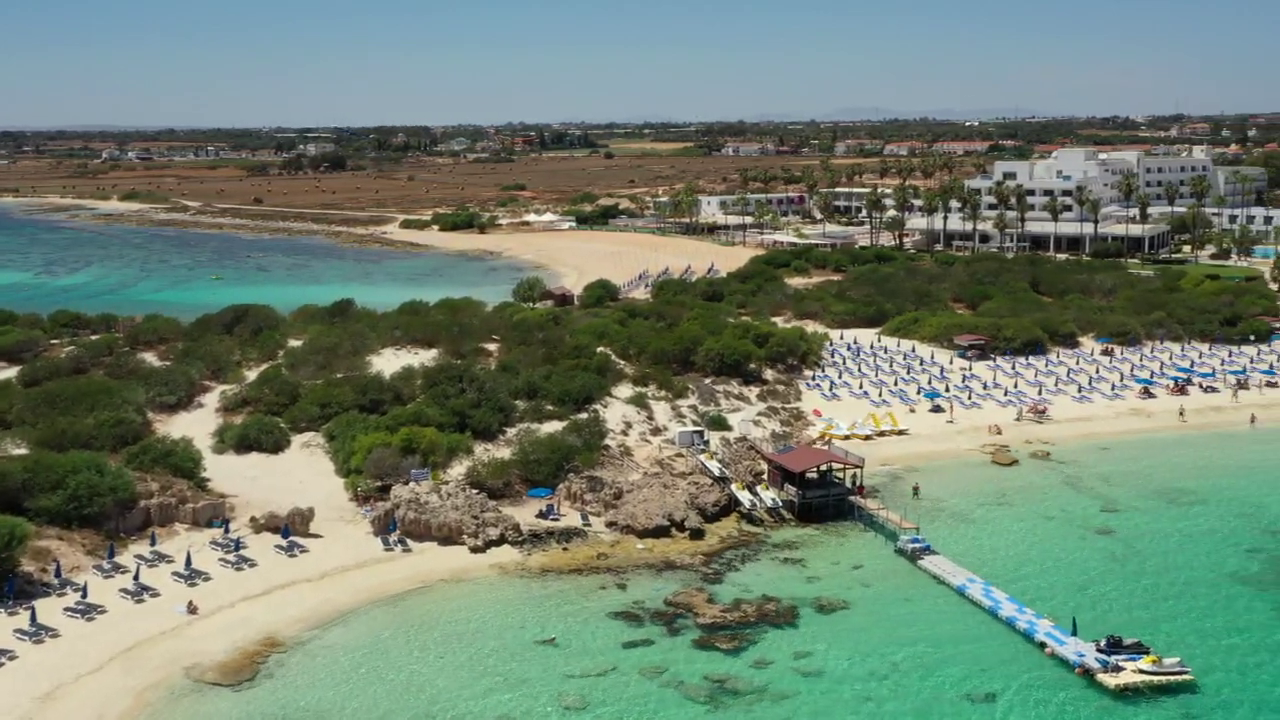 Makronissos Beach, Ayia Napa
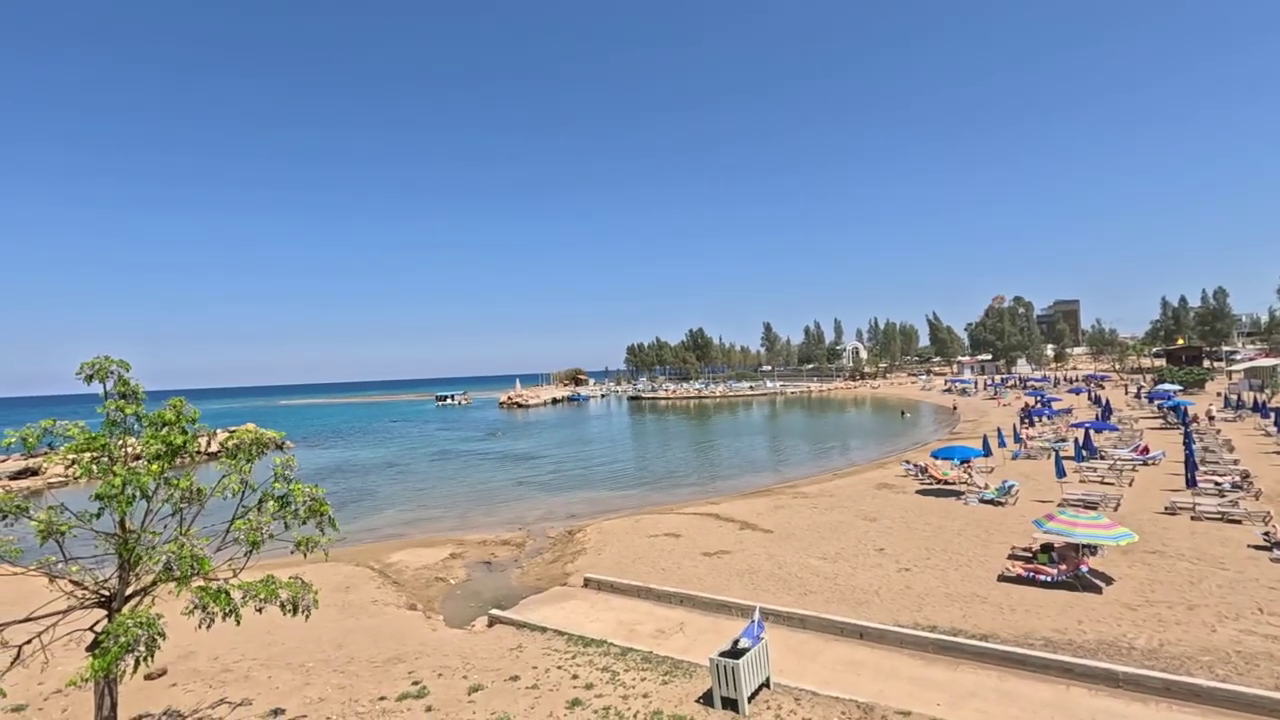 Agia Triada Beach
The southeast changes the visual language of the trip.
The coast around Ayia Napa and Protaras brings fine sand, clear water, coves and some of Cyprus’s best-known swimming beaches. Nissi Beach lies west of central Ayia Napa; Fig Tree Bay is in Protaras; between the two resort areas, Cape Greco adds limestone cliffs, coves and walking trails.
This is where you stop trying to experience another city.
You swim. You take longer lunches. You stay by the water later. You allow an afternoon to disappear without needing to justify where it went. That is not wasted time.
On this combination, it is the point.
Should Your Second Base Be Ayia Napa?
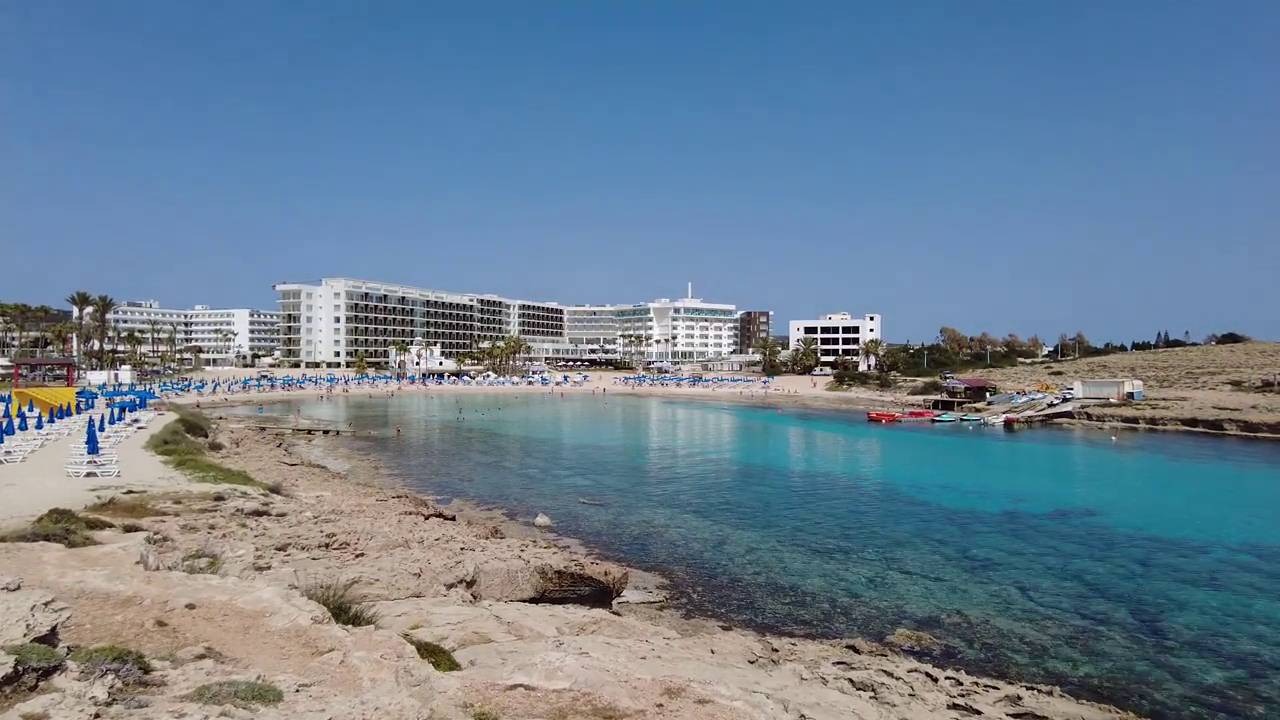 Vathia Gonia Beach, Ayia Napa
Ayia Napa is the better choice when you want more range in the second half of the trip.
Its nightlife reputation is real, but reducing the entire area to clubs is lazy. Ayia Napa also gives you a harbor, the medieval monastery in the center, coastal viewpoints, beaches with different personalities and straightforward access toward Cape Greco.
The wider area includes Nissi, Makronissos and the coastline east of town toward the sea caves and national forest park.
That makes Ayia Napa the stronger fit for travelers who become restless when a beach resort offers only beach-resort pleasures.
You can have a slow morning, a long swim, an afternoon away from the sand and a lively evening without needing to go elsewhere simply to find energy.
It also gives the Larnaca pairing a cleaner narrative.
Larnaca is measured. Ayia Napa is more extroverted. Larnaca asks you to notice it. Ayia Napa makes itself obvious. Put together, they do not blur into each other.
Who Should Choose Ayia Napa?
Choose it if you like beaches but do not want your entire second stay defined by lying beside one. Choose it if evenings matter. Choose it if you enjoy some animation around you even when you are not participating in it. Choose it if you want celebrated beaches but still prefer having a recognizable center to return to. And choose it if you are curious about Ayia Napa but have avoided it because you assume the entire place behaves like a nightclub.
It does not.
What you should not ignore is location.
The experience changes considerably between staying near the center, toward the western beaches or farther east toward Cape Greco. The loudest version of Ayia Napa is not the only one.
For an independent traveler, that distinction matters.
You do not have to reject Ayia Napa. You have to choose your Ayia Napa.
When Ayia Napa Is The Wrong Choice
If your ideal evening is dinner, a walk and somewhere quiet enough that nothing else demands your attention, Protaras will probably fit better.
The same is true if your main ambition after leaving Larnaca is to stay close to excellent swimming water and reduce the number of decisions you make each day.
Ayia Napa gives you more options. More options are not automatically better.
Some travelers need the eastern half of the trip to remove stimulation rather than add another version of it. For them, Protaras is the stronger base.
Should Your Second Base Be Protaras?
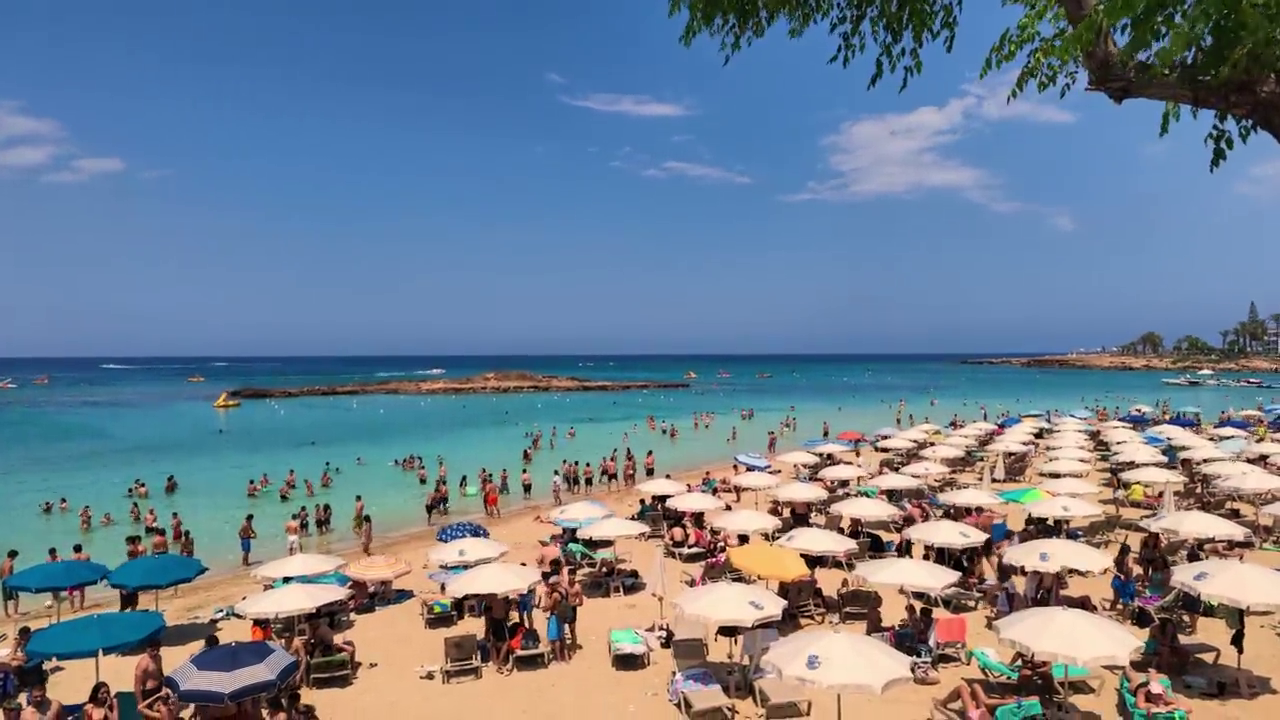 Fig Tree Beach, Protaras
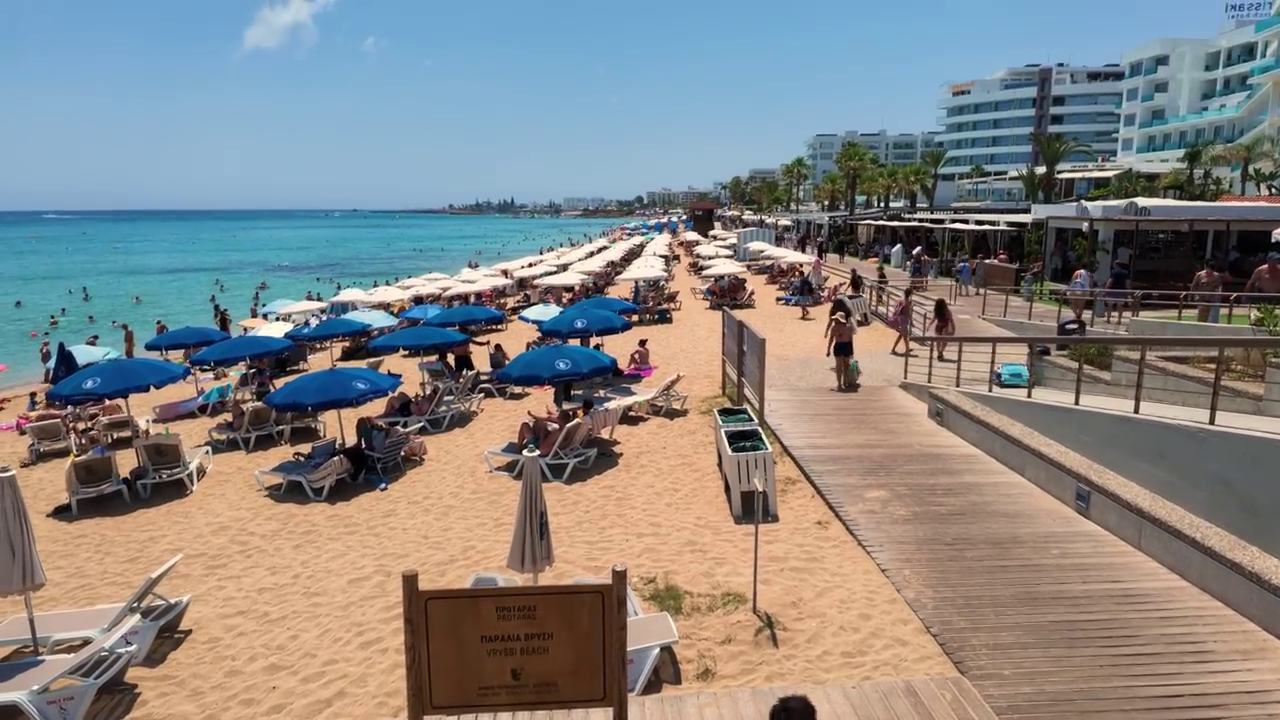
Protaras is the more beach-first choice.
Fig Tree Bay is its headline, but the wider Protaras coast runs through a succession of beaches and small bays, with coastal walking connecting much of the resort area. Cape Greco lies to the south, while Pernera and the coast toward Agia Triada extend northward.
The pleasure here is not complexity. It is proximity.
Wake up. Walk to the sea. Swim before breakfast if that is your thing. Return later. Walk the coast in the evening. Find dinner without turning dinner into an expedition.
Protaras works particularly well for travelers who used their Larnaca days for urban wandering, longer meals and some spontaneity and now want the trip to become simpler.
That is why we would not describe Larnaca + Protaras as the less interesting pairing.
It is the more deliberately edited one.
You are removing choices in exchange for a cleaner final few days. For the right traveler, that is a luxury.
Who Should Choose Protaras?
Protaras makes more sense for couples who prioritize swimming and quiet time together over nightlife.
It works well for travelers who want an excellent beach to be walkable rather than somewhere they repeatedly drive to.
It is also the easier fit for many families, particularly when the objective is uncomplicated beach time rather than late evenings.
And it suits travelers who would rather wake up beside the part of the trip they came for than commute to it every morning.
Fig Tree Bay may be the name everyone knows, but Protaras should not be reduced to a single beach. The surrounding coastline and its relationship with nearby Cape Greco are part of the appeal.
When Protaras Is The Wrong Choice
Do not choose Protaras simply because someone told you it is “nicer.” That word is useless without knowing what you want.
If you enjoy walking out after dinner and having several different ways the night might unfold, Ayia Napa has the advantage.
If resort environments bore you after two days, Protaras may test you.
And if you want the second base to feel dramatically different in mood as well as coastline, Ayia Napa produces the sharper break from Larnaca.
Protaras is not the more sophisticated choice. Ayia Napa is not the less sophisticated choice. Those are stereotypes masquerading as discernment.
The better base is the one that matches how you actually travel.
What About Cape Greco?
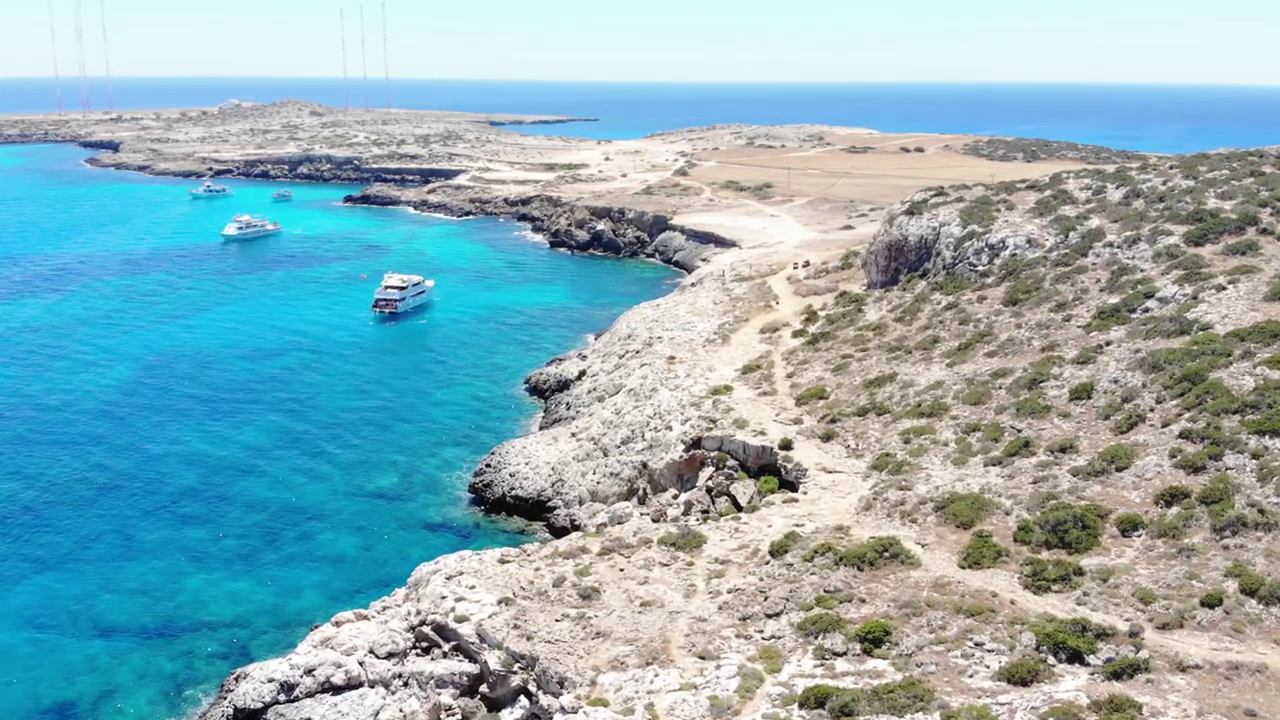 Cape Greco
Cape Greco is one reason the Ayia Napa-versus-Protaras decision does not need to become stressful.
The national forest park lies between the two resort areas, with trails, limestone cliffs, coves and access toward Konnos Bay. It can be reached from either side, so neither Ayia Napa nor Protaras owns the nature part of the trip.
Travelers sometimes choose Protaras for “nature” and Ayia Napa for “nightlife,” as though a line has been drawn through the landscape.
It has not.
Stay toward eastern Ayia Napa and Cape Greco is close. Stay toward southern Protaras and the same is true from the opposite direction.
For us, Cape Greco is therefore not the deciding factor. The deciding factor is what you want after you return from Cape Greco.
Do you want Ayia Napa?
Or do you want Protaras?
That is the more useful question.
How Many Nights Should You Give Each Base?
The combination becomes worthwhile once you have enough time to stop treating Larnaca as a transit stop.
For a five-night trip, two nights in Larnaca followed by three nights in Ayia Napa or Protaras can work, but that is the minimum we would consider. Any shorter and the hotel change starts to look unnecessary.
With six or seven nights, the pairing becomes much more convincing. Two or three nights in Larnaca and the remainder on the eastern coast gives both places room to establish themselves.
With eight to ten nights, three nights in Larnaca followed by five to seven nights in Ayia Napa or Protaras creates a comfortable rhythm if beaches are one of the main reasons for the trip.
For longer stays, the split depends on your priorities. Beach-focused travelers may still give the southeast most of the time. Travelers who want to explore more of the Larnaca region can justify longer in the first base.
The mistake is dividing the nights equally merely because there are two bases. This is not an accounting exercise.
The southeast is usually the slower part of the holiday. Give it enough time to become slow.
Which Base Should Come First?
For most travelers, Larnaca first and Ayia Napa or Protaras second is the stronger order.
The progression feels natural.
City to resort. Streets to sand. More movement to less movement.
A trip that gradually becomes easier rather than one that asks you to abandon the beach and resume sightseeing.
Starting in the southeast can still make sense because of flight timings, accommodation availability or the wider shape of an itinerary, but editorially we prefer finishing beside the eastern water.
There is something psychologically satisfying about leaving the least structured days until last.
By then, you no longer feel compelled to earn them.
Do You Need A Car?
No — but the trip becomes more flexible with one.
Public transport links Larnaca with the southeast, while local services operate within the respective areas. Routes, frequencies and seasonal schedules can change, so current transport information should always be checked before travel.
If you plan to stay centrally, spend most of the second half near your chosen beach and take only occasional excursions, the combination can work without driving.
A car becomes more valuable when you want to move between smaller beaches, visit Cape Greco on your own timing, stop somewhere simply because it looks interesting or explore beyond the main resort corridors.
Our broader view is simple: do not rent a car merely because you think a Cyprus trip requires one. Rent it when the freedom will materially improve the trip you intend to take.
For some travelers, hiring one for only part of the stay will make more sense than keeping it throughout.
What Changes With The Season?
This pairing is at its most intuitive when swimming and long coastal days are central to the trip.
July and August bring the full summer version of the southeast — long beach days, warm evenings and the demand and heat that come with peak season.
Late spring and early autumn can create a more balanced itinerary for travelers who want the sea but also expect to walk, explore and spend meaningful time away from the beach.
Outside the main beach season, the logic changes.
Larnaca remains a functioning city throughout the year. The southeastern resort areas can feel considerably quieter outside their busiest months, and individual restaurants, leisure businesses and visitor-focused services may operate seasonally or on reduced schedules.
If you are traveling well outside summer, check the particular places and services that matter to you rather than assuming the August version of either resort exists unchanged throughout the year.
That is not a reason to avoid the east. It is a reason to know which version of it you are booking.
Who Is This Two-Base Combination Best For?
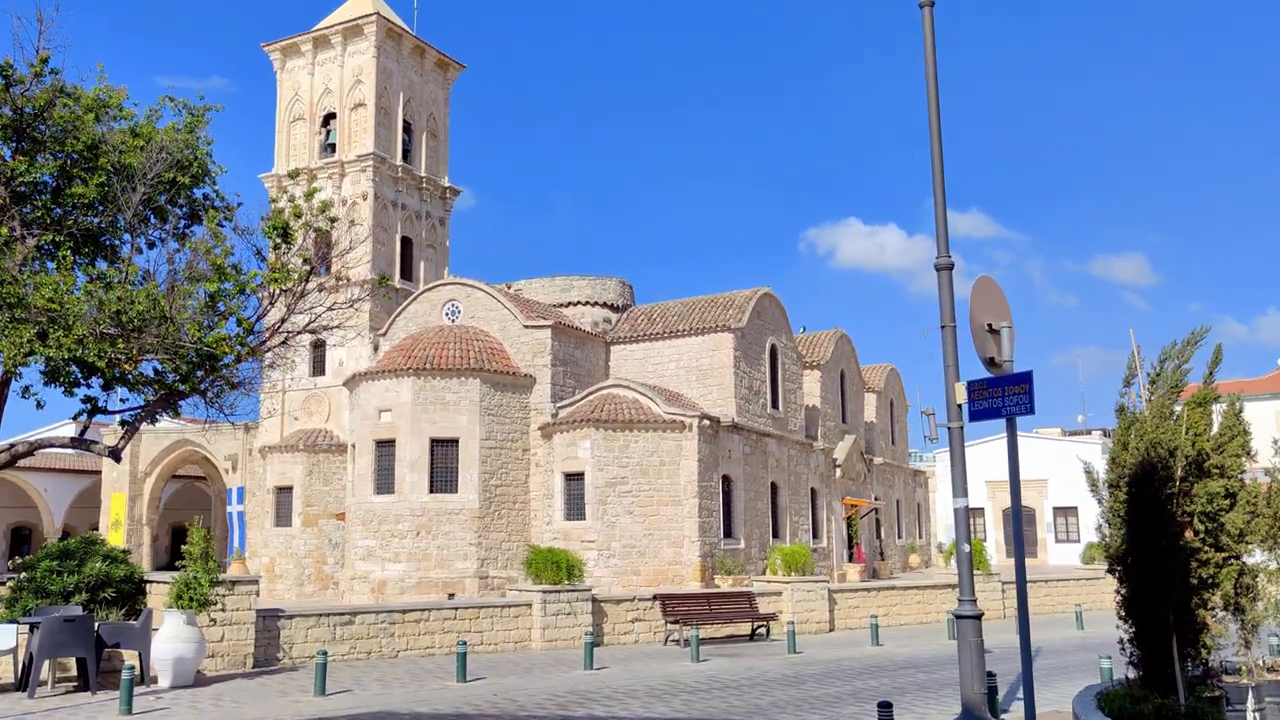
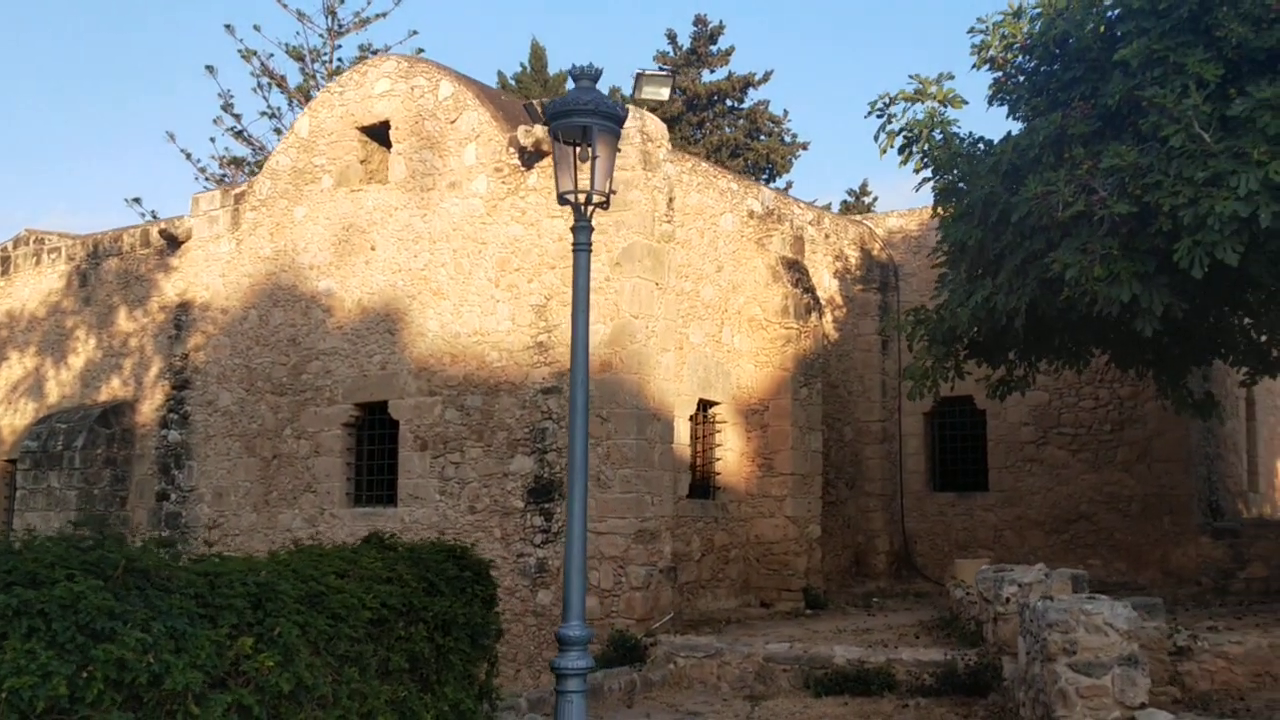
This is a particularly strong pairing for first-time visitors who want some Cyprus beyond the resort without sacrificing the beach holiday they actually came for.
It works for couples who want a few evenings of city life followed by several slower days.
It works for families when Larnaca provides a manageable first stop and Protaras — or the quieter side of Ayia Napa — becomes the beach base.
It works for travelers arriving through Larnaca who do not want to treat the city outside the airport as somewhere to get through.
And it works for experienced independent travelers who understand that a good itinerary is not measured by how many places it contains.
Who Should Skip It?
Skip the combination if you have only three or four nights. Pick one base and enjoy it properly.
Skip it if you are looking for mountains, vineyards, substantial archaeological touring or the broader geographic variety of western Cyprus. Larnaca plus the southeast is a coast-heavy itinerary. That is a strength only when that is what you want.
And skip the split if changing accommodation will irritate you more than the change of scenery will reward you.
You can explore the southeast from Larnaca. You can visit Larnaca from the southeast.
The purpose of using two bases is not to prove that two bases are possible. It is to improve the way the trip feels.
Ayia Napa or Protaras: Our Verdict
If we wanted the more interesting two-base journey, we would choose Larnaca + Ayia Napa.
The contrast is stronger. Larnaca is understated and urban; Ayia Napa is brighter, brasher and more immediately holiday-like. You gain excellent beaches without giving up evening energy, and the second half still has enough variety to prevent the resort from becoming repetitive.
If we wanted the more relaxing two-base journey, we would choose Larnaca + Protaras.
Larnaca supplies the texture. Protaras supplies the exhale. There is less pressure to fill the day, and that is precisely why the combination works.
Neither is universally better.
Ayia Napa is better when you want contrast. Protaras is better when you want calm.
What we would not do, on a normal one-week trip, is stay in all three. The strongest itineraries know when to stop adding places.
For most travelers considering this part of Cyprus, Larnaca plus one carefully chosen eastern base is enough — and choosing only one is what gives each half of the trip room to feel different.