Newsletter "Beyond the Postcards" Subscribe
Plan Your Cyprus Trip: Hotels: Expedia, Villas & Apartments: Vrbo, Car Rentals: DiscoverCars, Tours: GetYourGuide, Airport Transfers: WelcomePickups
- Home
- Where to Stay in Cyprus
- Best Areas To Stay in Cyprus
- Limassol + Larnaca
Limassol + Larnaca: Where To Stay in Cyprus
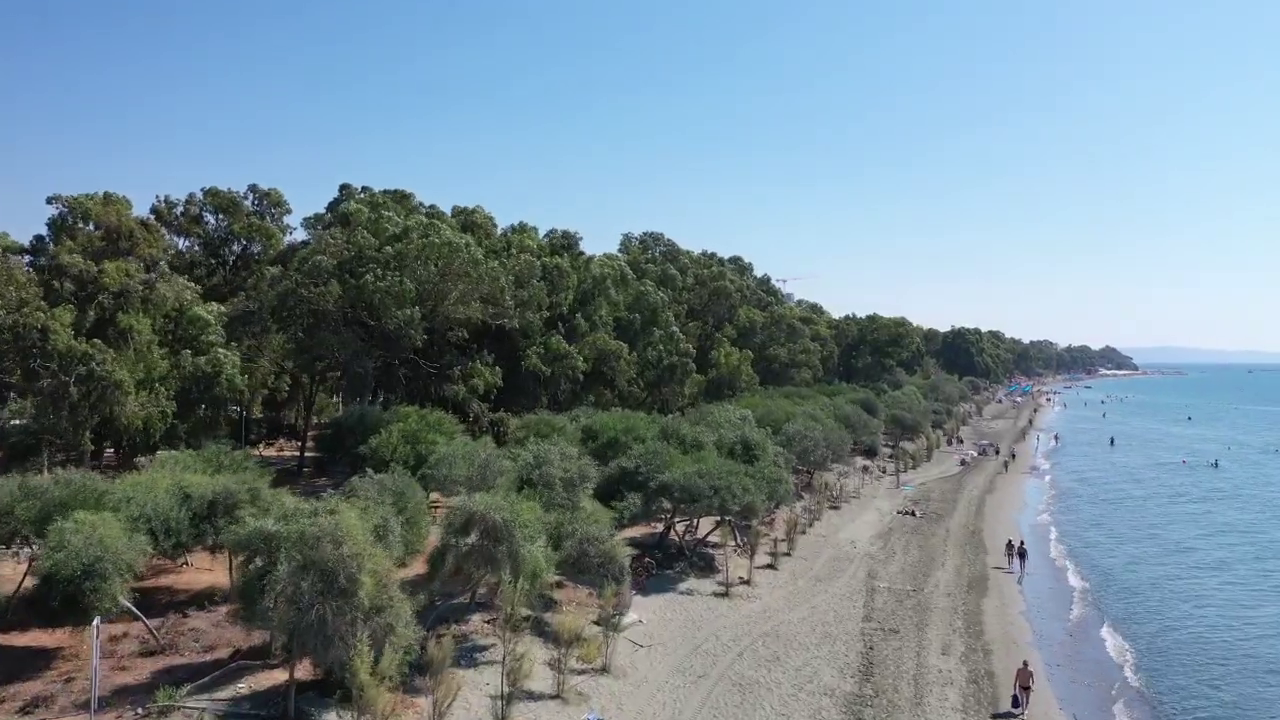 Dasoudi Beach, Germasogeia, Limassol
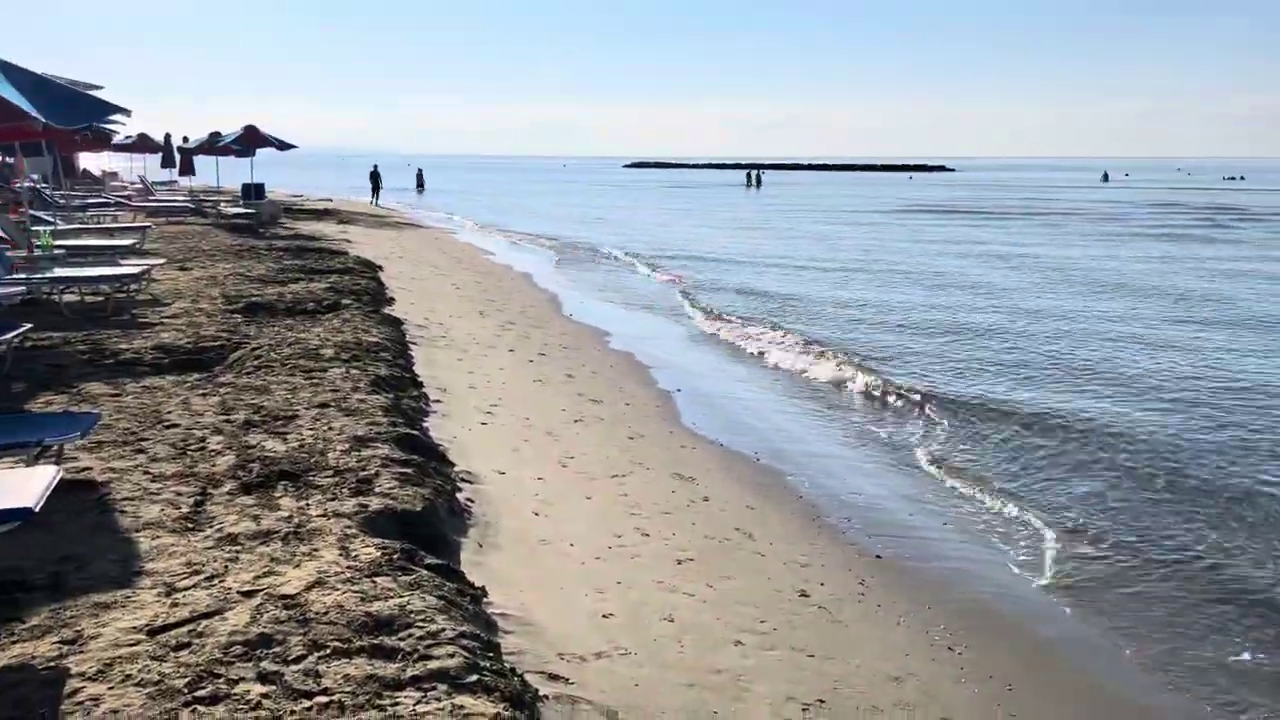 CTO (Pyla) Beach, Larnaca
Early evening exposes the difference between these two cities rather well.
In Limassol, you may find yourself deciding where the evening should happen: the old center, the marina and old port, somewhere along the seafront, or farther east. In central Larnaca, the decision can be simpler. Walk toward the sea and allow the evening to develop from there.
That difference matters more than the distance between them.
Limassol and Larnaca are both south-coast cities. Both have long relationships with the Mediterranean, substantial local populations and enough restaurants, cafes and everyday life to function as more than holiday resorts. They are also close enough that changing accommodation is not necessary purely for geographical convenience.
A two-base stay works only when you want the change in rhythm.
Limassol gives you scale, choice and a more outward-looking urban energy. Larnaca feels smaller, more compressed and easier to inhabit without much planning. Put them together and the holiday changes gear without becoming an entirely different trip.
For the right traveler, that is precisely the appeal. For everyone else, choose one and stay put.
The Quick Answer
We recommend Limassol + Larnaca for travelers who want two different versions of urban coastal Cyprus: several days of restaurants, city energy and broader choice in Limassol, followed by a smaller, more walkable coastal city in Larnaca.
For a seven-night trip, we would usually give four nights to Limassol and three to Larnaca. Three and three can work over six nights. Anything shorter begins to make the hotel change harder to justify.
Our preferred order is generally Limassol first, Larnaca second, particularly when the journey home is through Larnaca Airport. It creates a natural progression from the larger, busier city to the more compact one.
But this is not an automatic two-base recommendation.
The cities are close enough for day trips between them. If you dislike changing accommodation, have only four or five nights, or simply want a relaxed holiday rather than two distinct city experiences, choose whichever city suits you better and use it as your only base.
That is the trade-off at the center of this pairing.
Why Pair Limassol And Larnaca?
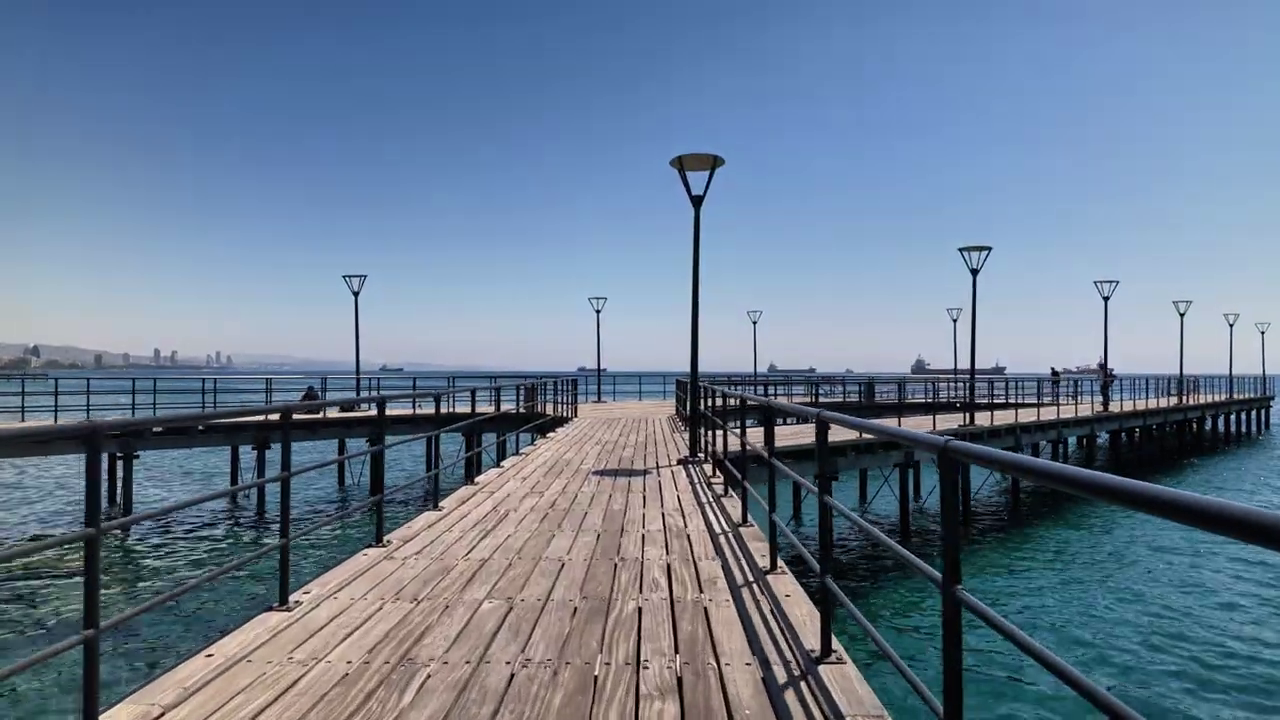 Limassol Pier
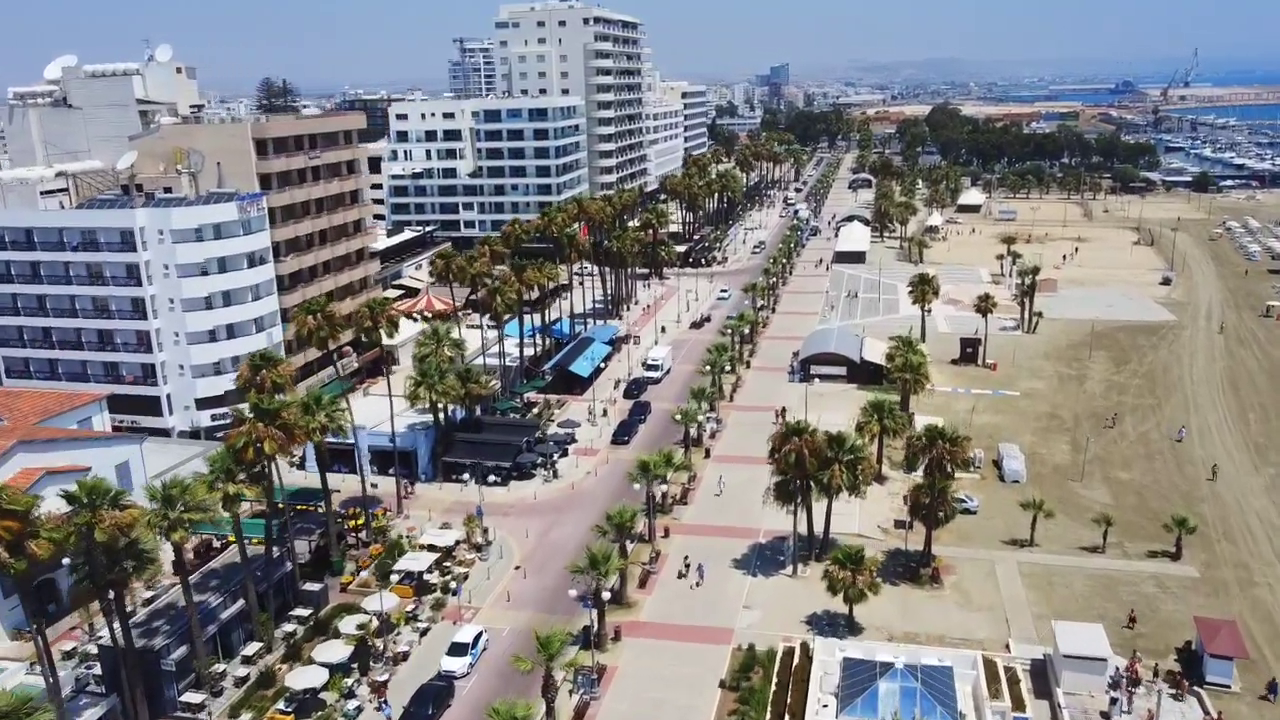 Finikoudes, Larnaca
Not to reduce driving.
The value is in experiencing how two cities on the same coast can produce noticeably different holidays.
Limassol has expanded into a substantial, international city whose coastline stretches far beyond its historic center. Its restaurant scene, nightlife, marina, old town and long eastern seafront give travelers considerable choice. The advantage is variety. The consequence is that the city can feel spread out.
Larnaca compresses much more of its identity into a smaller area. Around Foinikoudes, Agios Lazaros and the surrounding streets, the beach, old city, cafes and everyday urban life overlap rather than occupying separate zones. Continue south along the coast and the mood changes again toward Kastella and Mackenzie.
The contrast is not dramatic in the way that coast and mountains are dramatic.
It is more subtle than that.
Limassol often asks you to decide what you want from the city. Larnaca is better at letting you wander into it.
That is why the combination works.
Limassol: The More Expansive First Act
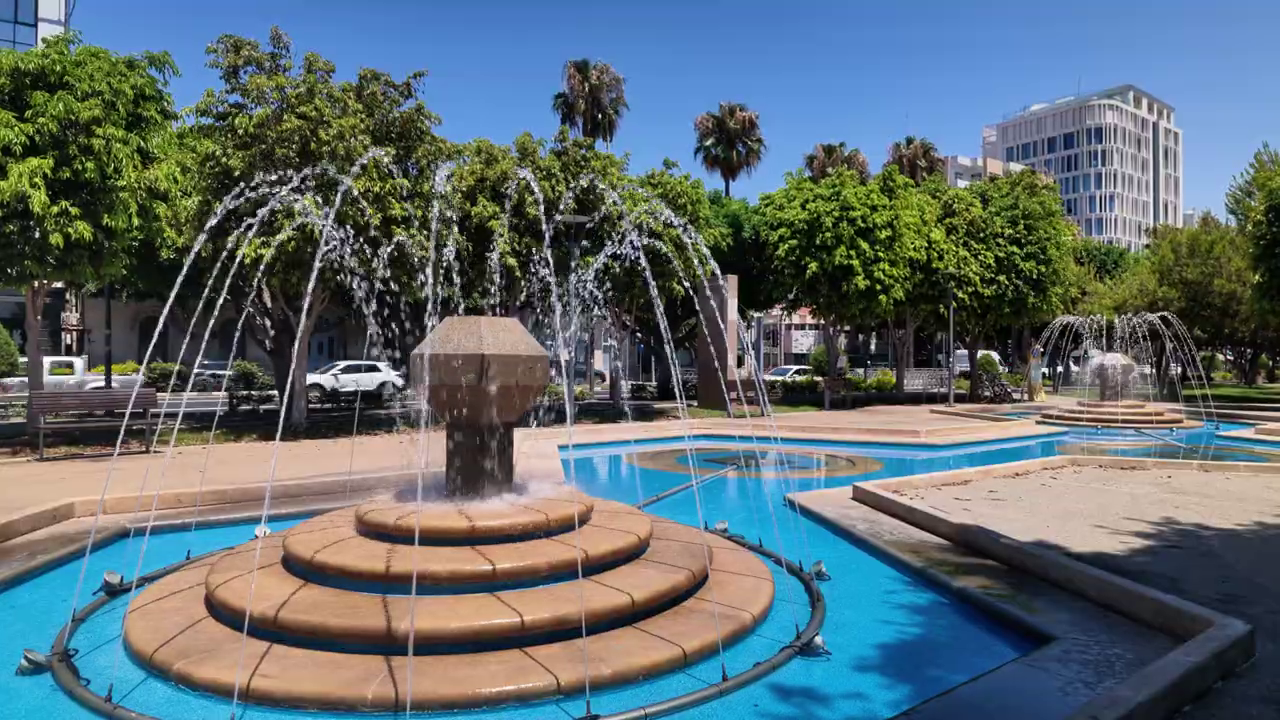 Limassol (Molos)
Give Limassol enough time to settle into it rather than treating it as a collection of places to visit.
A natural introduction begins around the historic center and seafront. The streets around the castle lead toward the old port, marina and Molos, where different versions of the city sit close together: older buildings, contemporary waterfront development, restaurants, public spaces and the sea.
But Limassol extends well beyond this central zone.
Its coastal life continues east for kilometers, through residential and visitor districts toward Germasogeia, Agios Tychonas and beyond. That geographical spread is part of its personality. An afternoon by the sea, dinner and a late drink do not necessarily need to happen in the same neighborhood.
Travelers who enjoy choice tend to appreciate that freedom.
Those who prefer to leave their accommodation and find most of the evening within a few streets may find it less convenient.
The distinction is worth understanding before choosing where to stay.
What Limassol Adds To The Trip
Limassol contributes energy and range.
It is not simply resort energy. The city continues moving independently of visitors. People are working, meeting friends, exercising along the seafront, shopping, eating late and taking children out in the evening.
There is also a visible tension between older Limassol and the newer city that has grown around it. Contemporary development sits beside established neighborhoods. International wealth and local habits occupy the same place. At times the combination feels polished; elsewhere, less so.
Both belong to present-day Limassol.
Affluent independent travelers often respond well to the city because it offers enough choice to construct very different days without leaving the urban area. But travelers coming primarily for quiet villages, hidden coves or a small-scale Mediterranean atmosphere may find it too substantial.
Pairing Limassol with Larnaca softens the pace.
It does not turn the trip into rural Cyprus.
How Long Should You Stay in Limassol?
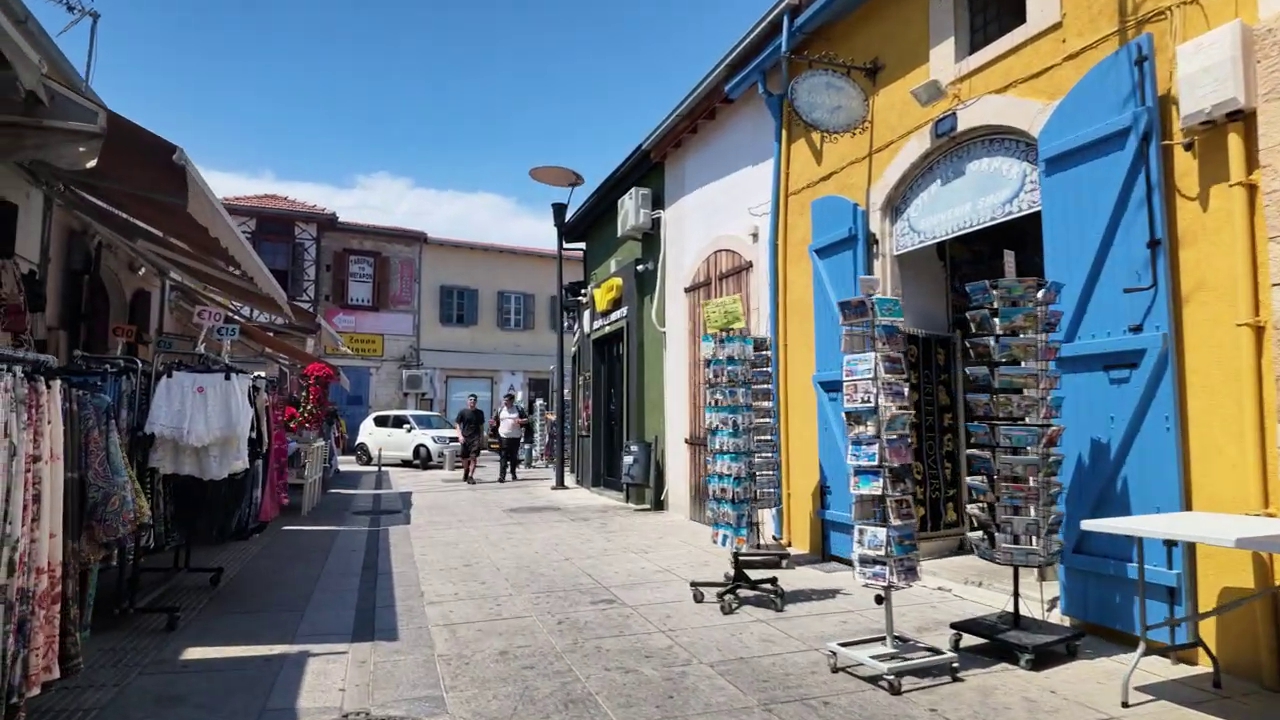 Old Limassol (Lemesos)
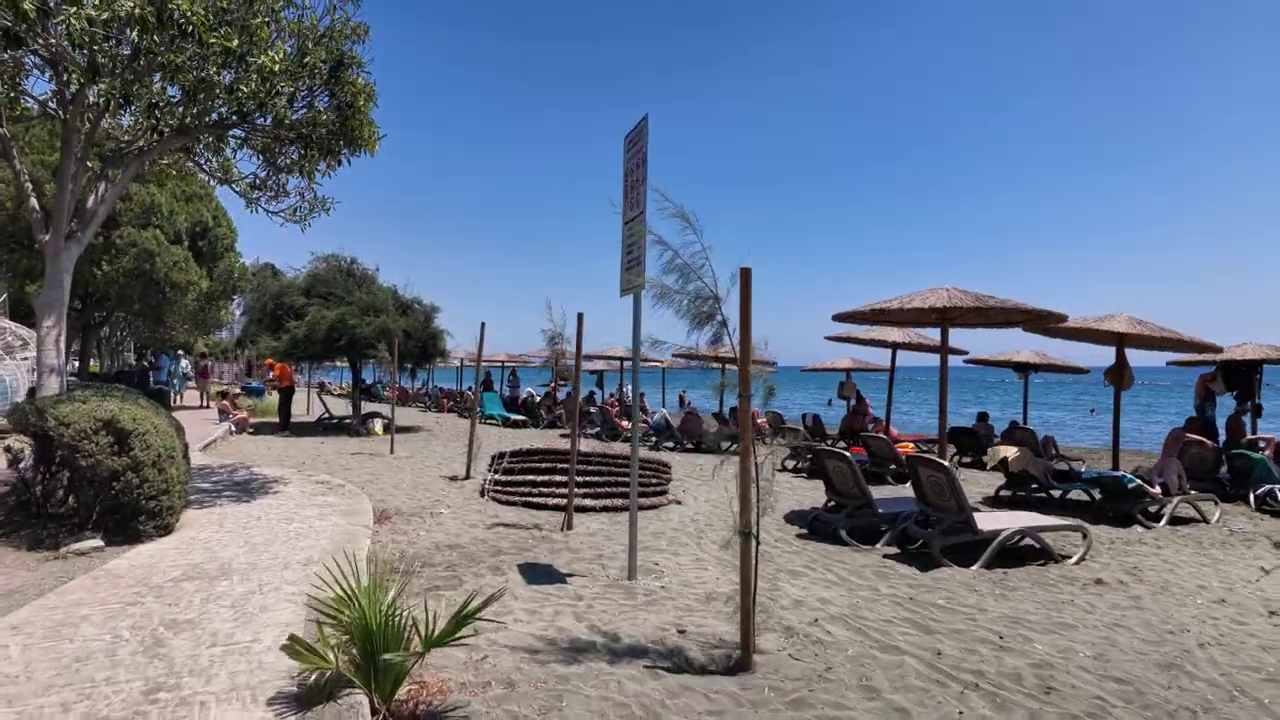 Limassol Beachfront
For this pairing, three to four nights usually works well.
Four nights gives you time to experience Limassol rather than merely inspect it. You can spend time around the historic center and seafront, explore farther along the coast, eat properly rather than constantly moving, and still leave space for a lightly planned day.
Three nights works when the overall trip is shorter or when Larnaca matters equally.
For seven nights, we would not divide the stay evenly simply for symmetry. Limassol has more geographical spread and generally benefits from the additional night.
Two nights in each city is the weak version of this itinerary.
You would technically have stayed in both without giving either much room to become familiar.
Moving From Limassol To Larnaca
The transfer between the two cities is straightforward by Cyprus standards, which is one reason the combination is easy to organize.
It also means moving day does not need to consume the trip.
Travelers with a car can leave Limassol in the morning and reach Larnaca without turning the day into a major relocation exercise. If you want to add a stop on the way, Choirokoitia can give the transfer some substance without requiring a substantial detour.
But there is no prize for filling every hour.
One worthwhile stop is enough.
If the point of moving to Larnaca is to slow the holiday down, an over-engineered transfer day rather defeats it.
Larnaca: Smaller, Calmer, Closer To The Ground
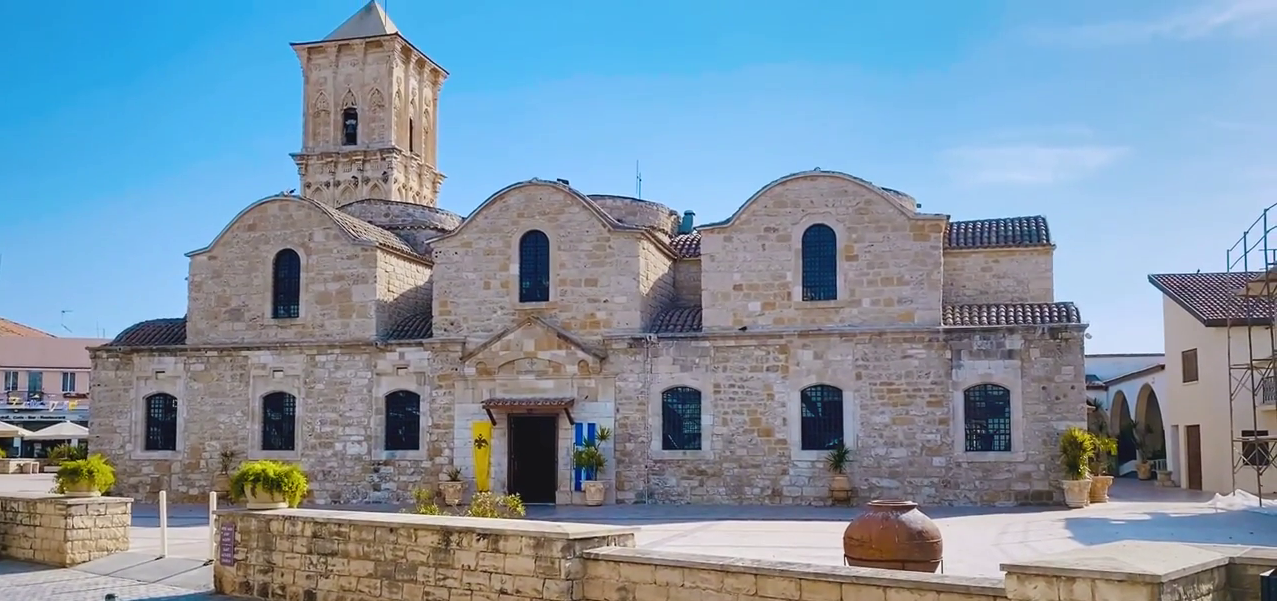 Saint Lazarus Church, Larnaca
Larnaca often reveals its strength gradually.
It does not have Limassol's scale, and judging the two cities by the same criteria misses what makes the pairing useful.
The central city is compact enough that the relationship between neighborhood, church, beach and seafront remains visible. Foinikoudes is its most obvious public face, but step behind it toward Agios Lazaros (Saint Lazarus) and the surrounding streets and Larnaca quickly becomes more intimate.
This is where the city earns its place as the second half of the trip.
After several days in Limassol, having fewer decisions can feel surprisingly good.
Morning coffee does not require an itinerary. Neither does an evening walk. From a well-chosen central base, much of the city can be experienced on foot without repeatedly thinking about transport or which district you ought to be in.
Mackenzie changes the mood, particularly later in the day, with a more social beach-and-dining atmosphere. The Salt Lake and Hala Sultan Tekke introduce another side of the area, although the appearance of the landscape and birdlife varies with season and conditions.
Larnaca has enough contrast to occupy several days without making those days feel crowded.
That is one of its greatest advantages.
Do Not Choose Larnaca Only For The Airport
Its airport is exceptionally convenient.
That is useful, but it is not enough reason to give the city three nights.
Larnaca belongs in this itinerary only if you actually want Larnaca.
Stay because you like the idea of a compact Mediterranean city where urban life, older streets and the sea sit unusually close together. Stay because you want evenings that can be navigated largely on foot. Stay because its lower-key quality appeals to you.
If you are only sleeping here before a flight, that is a practical overnight stay rather than a genuine two-base itinerary.
There is another misconception worth removing.
Larnaca has beaches, but travelers seeking Cyprus primarily for its most visually striking beach holiday should not choose this pairing because of them. The eastern coast around Protaras and Ayia Napa answers that brief more convincingly.
Larnaca's strength is the relationship between city and sea, not beach spectacle.
How Long Should You Stay in Larnaca?
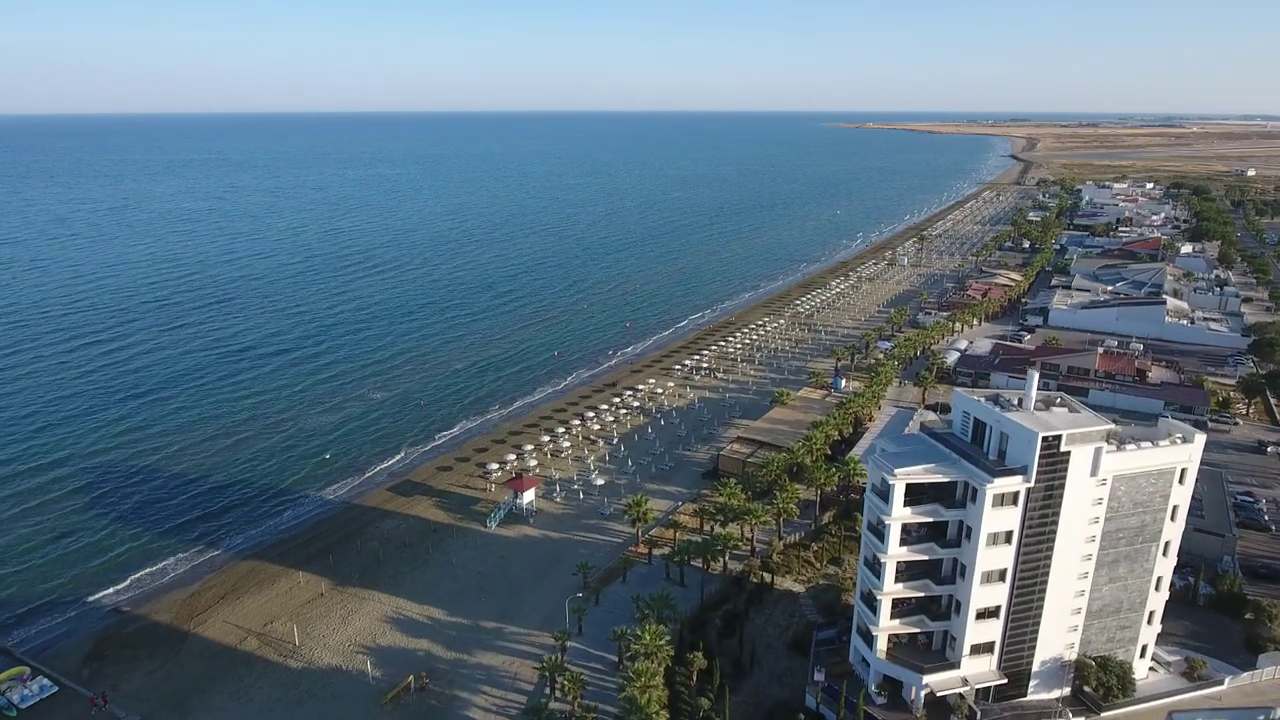 Mackenzie Beach, Larnaca
We would normally allocate two to three nights, with three being the stronger fit in a seven-night Limassol + Larnaca trip.
Two nights gives you an introduction.
Three allows the city to work on its own terms.
You can explore the center without turning it into a sightseeing exercise, spend time along the coast, venture slightly beyond the immediate core and still leave space for an afternoon where very little is scheduled.
That is important in a two-base trip.
Changing hotels should change the experience, not double the amount of planning.
Limassol First Or Larnaca First?
For most travelers, we prefer:
Limassol → Larnaca.
The progression feels better.
Begin with the city that asks more of you: explore, choose restaurants, move between different parts of the coast and make use of the range.
Then reduce the radius.
By the time you reach Larnaca, much of what you need can happen within a more compact area. The final part of the holiday becomes easier without feeling empty.
There is also obvious practical value when departure is from Larnaca Airport.
Reverse the order when flight logistics favor it, or when you consciously want the holiday to build in energy rather than unwind. There is nothing inherently wrong with Larnaca followed by Limassol.
We simply think Limassol followed by Larnaca produces the more satisfying rhythm.
Do You Need A Car?
Not necessarily.
This is one of the more manageable two-base combinations in our Best Areas to Stay in Cyprus collection for travelers who do not want to drive throughout the trip.
Intercity transport connects Limassol and Larnaca, and both cities have local transport. Central Larnaca is particularly well suited to walking when accommodation is chosen carefully.
Limassol requires more planning because of its length. If most of your time will be concentrated around the historic center, Molos and nearby districts, having a car may add little. If you want to explore the wider Limassol region, inland villages or more distant stretches of coast, one becomes considerably more useful.
A sensible approach is to rent a car only for the days when it materially improves the trip.
Transport routes, schedules, fares and operating arrangements can change, so check current information with the relevant operators before traveling.
Who Should Choose Limassol + Larnaca?
This pairing is strongest for independent travelers who enjoy cities but do not want the entire holiday to feel urban in exactly the same way.
It particularly suits couples and friends who care about restaurants, evening atmosphere and being able to walk after dinner; repeat visitors who have already experienced the island's more obvious resort areas; travelers visiting outside the height of the summer beach season; and people interested in seeing how contemporary Cyprus changes from one city to the next.
It can also work well for first-time visitors when the objective is not to cover the entire island.
That distinction matters.
There can be a temptation to cross large sections of Cyprus simply because the distances appear manageable. The result is sometimes a holiday spent repeatedly leaving places just as they begin to make sense.
Limassol + Larnaca is better when you accept its narrower scope.
You are not trying to understand all of Cyprus. You are exploring two interpretations of its southern urban coast.
Who Should Not Choose This Pairing?
Skip it if your priorities are dramatic beaches, deep countryside, mountain villages or a trip built heavily around archaeological sites across western Cyprus.
There are stronger combinations for those holidays.
We would also skip the two-base format if you have fewer than six nights unless there is a specific reason to sleep in both cities. The journey between them is too easy to justify moving luggage simply for logistical convenience.
Families wanting one uncomplicated base may prefer to settle in a single area, particularly if daily swimming, resort facilities or minimizing transfers matter more than restaurants and city atmosphere.
Most importantly, if one city genuinely excites you while the other merely feels like somewhere you ought to include because it is nearby, do not force the pairing.
A two-base holiday is not automatically more sophisticated than a one-base holiday.
Sometimes it is simply more packing.
The Biggest Trade-Off
Limassol and Larnaca are different, but not radically different.
That is what makes this pairing either very good or slightly unnecessary.
Combinations such as coast and mountains deliver an obvious geographical shift. Limassol and Larnaca remain south-coast cities with many shared characteristics.
The contrast lies elsewhere: in scale, pace, density, walkability and the way each city occupies its relationship with the sea.
That makes the combination particularly rewarding for travelers who notice atmosphere and urban character.
It is less compelling for anyone who expects the second base to deliver a dramatic change of scenery.
Neither approach is more sophisticated. They are simply different holidays.
Our Verdict
Limassol + Larnaca is a good two-base combination, but not an essential one.
We would choose it for a six- to eight-night trip when the traveler genuinely wants both cities and understands what each contributes.
Limassol should provide the larger, more energetic chapter: greater choice, more geographical spread and a city that rewards deliberate exploration.
Larnaca should then narrow the radius: easier walking, a more compact relationship between city and sea, and a final few days that require less planning.
For seven nights, our preferred split is four nights in Limassol and three in Larnaca.
We would not choose the pairing simply because the cities sit conveniently on the same coast.
Their proximity is actually the reason to be more selective.
When two places are easy to visit from one another, the second hotel has to earn the inconvenience of moving.
Limassol and Larnaca can do that—but only when what you want from the second half of the trip is not more Cyprus, but a different pace of it.
In Limassol, the pleasure often comes from having more choices. In Larnaca, it can come from needing fewer of them.
That is when the second base earns its suitcase.
Back to: Best Areas To Stay in Cyprus