Newsletter "Beyond the Postcards" Subscribe
Plan Your Cyprus Trip: Hotels: Expedia, Villas & Apartments: Vrbo, Car Rentals: DiscoverCars, Tours: GetYourGuide, Airport Transfers: WelcomePickups
- Home
- Things To Do in Cyprus
- Diving in Cyprus
- Scuba Diving for Beginners in Cyprus
Scuba Diving For Beginners in Cyprus
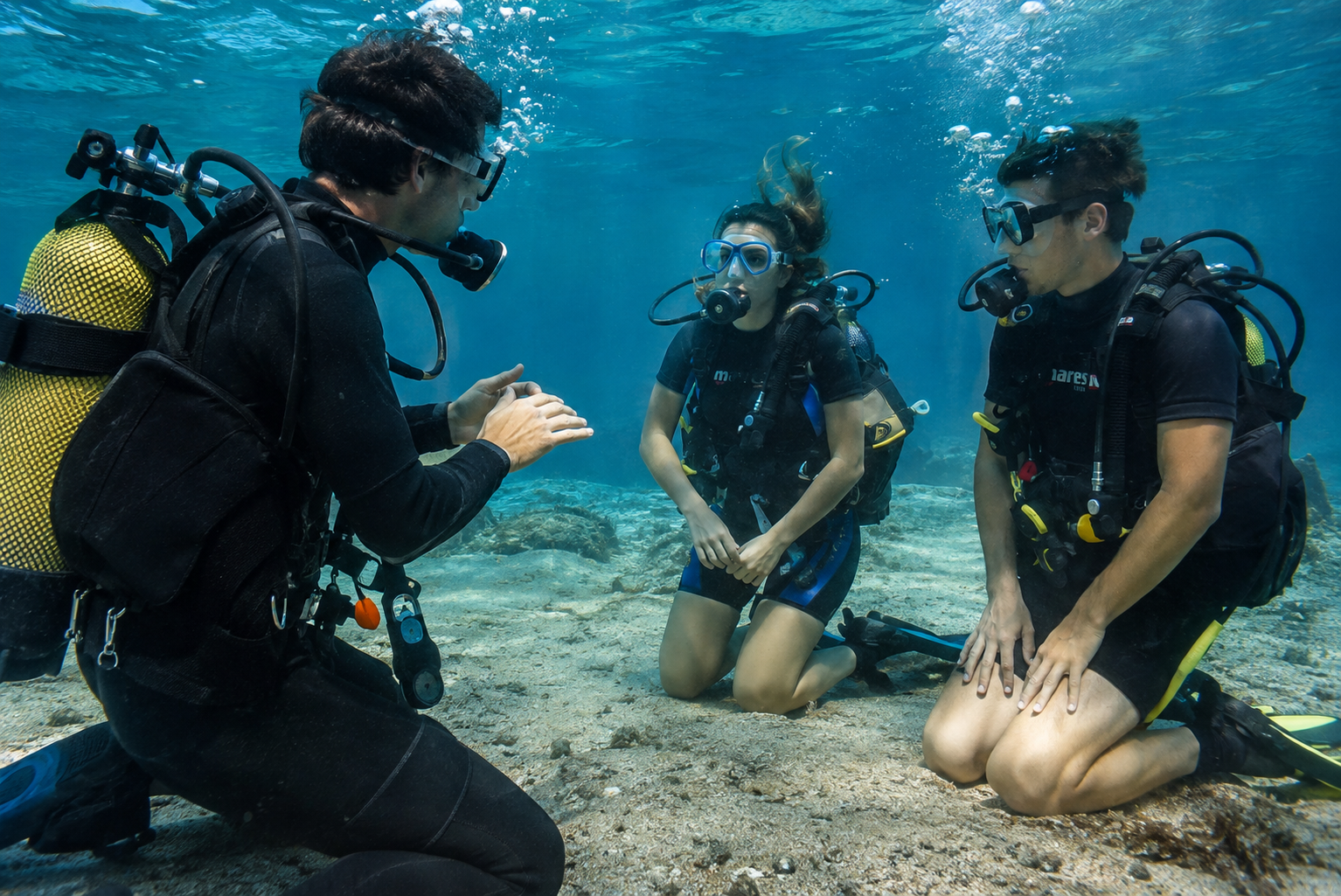
A first scuba dive has a modest objective that photographs rarely capture: finding out whether you enjoy breathing and moving underwater.
At Green Bay in Protaras, for example, beginners can enter the water from shore and learn basic skills in a setting used for introductory training. There is no need to reach a famous shipwreck or venture into demanding underwater terrain. Becoming comfortable with the equipment is already a substantial experience.
Cyprus offers supervised introductory programs alongside certification courses for those who want to continue diving. The distinction matters because one can fit into a holiday morning, while the other requires several days of structured learning.
Choosing the right program, location and instructor will determine whether that commitment makes sense for you.
Should You Try Scuba Diving or Take A Certification Course?
An introductory experience allows you to try scuba diving under professional supervision without committing immediately to a full qualification. A certification course prepares successful students for further recreational diving.
Supervised Introductory Diving
Programs such as PADI Discover Scuba Diving introduce beginners to equipment, underwater communication and essential skills. Training begins in a pool or suitable confined-water environment, with an optional open-water dive where offered and appropriate.
Under PADI standards, the maximum depth is 6 meters during confined-water training and 12 meters for the optional open-water dive under the required professional supervision. These limits are not targets; the instructor must determine what is appropriate for each participant.
SSI offers alternatives, including Try Scuba and Basic Diver. These introductory recognition programs differ in their requirements and do not provide full independent recreational-diver certification.
For someone curious about scuba diving but uncertain whether it will become a lasting interest, a supervised introduction is the more proportionate choice.
Open Water Diver Certification
A full Open Water Diver course combines theoretical learning, confined-water exercises, open-water training dives and practical assessment.
Successful adult graduates generally qualify to dive with an appropriately qualified buddy, without direct professional supervision, within their training limits. The standard Open Water depth limit is 18 meters, although junior qualifications and other restrictions differ.
Allow approximately three to five days for training, potentially with less classroom time if theoretical study is completed before arrival. Certification depends on demonstrating the required skills and cannot be guaranteed within a fixed schedule.
Shorter qualifications, including PADI Scuba Diver and SSI Scuba Diver, provide another option. Both require professional supervision. PADI Scuba Diver permits dives to a maximum of 12 meters, while SSI Scuba Diver specifies depths shallower than 12 meters.
We would favor full certification when diving is already a serious interest. Otherwise, an introductory program avoids devoting several holiday days to an activity you have not yet tried.
Where Should Beginners Dive in Cyprus?
The most suitable introductory location is not necessarily the most impressive underwater attraction. Manageable entry conditions, appropriate terrain and professional supervision matter considerably more.
Green Bay, Protaras
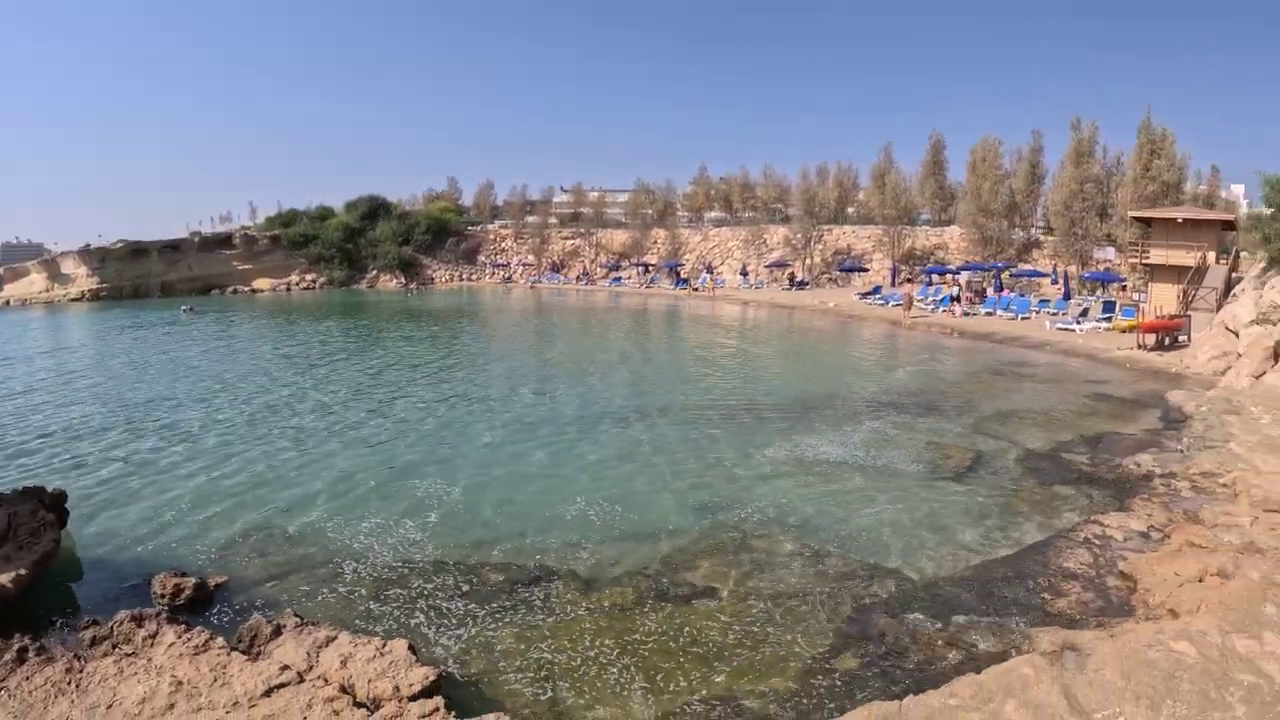 Green Bay, Protaras
Green Bay is our first location to consider for introductory scuba diving on Cyprus's southeastern coast. Its accessible shore entry and relatively gentle underwater terrain make it an established training location when conditions permit.
The bay also contains rocky areas and marine life, offering underwater interest without requiring a demanding excursion. For travelers staying in Protaras or nearby Ayia Napa, it provides a sensible starting point.
The official Cyprus tourism listing identifies Green Bay as a confined-water training area but specifies an Open Water qualification for ordinary recreational diving. An uncertified visitor must therefore participate within the requirements of a properly supervised introductory program, rather than treat shore access as permission to dive independently.
Its reputation does not make every part of the bay suitable for beginners. The instructor must assess the proposed training area and conditions on the day.
Ayia Napa
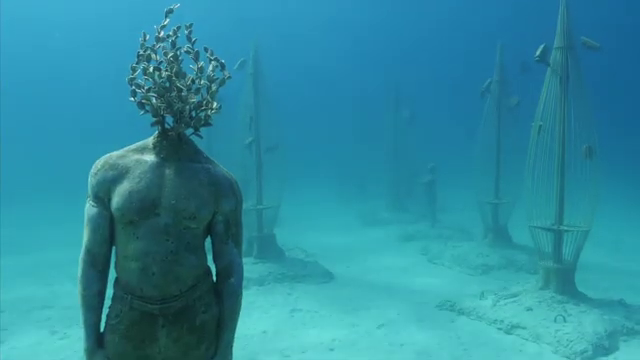 MUSAN
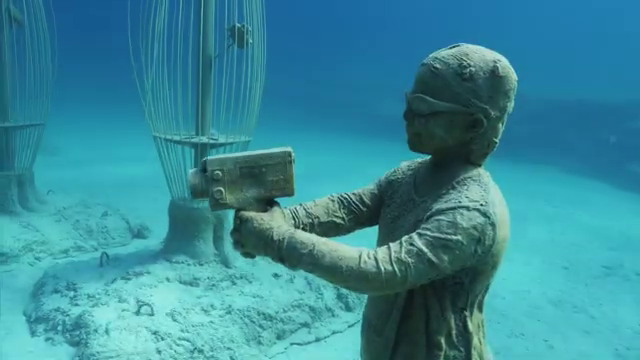 MUSAN
Ayia Napa offers diving operators and access to varied underwater environments, although sea caves and more demanding rocky sites should not be confused with introductory training locations.
Visitors interested in MUSAN, the underwater sculpture museum, should confirm its specific access and diving requirements rather than assume it forms part of a beginner program.
The neighboring Protaras coastline expands the choice of training locations without requiring travelers to change their holiday base.
Paphos
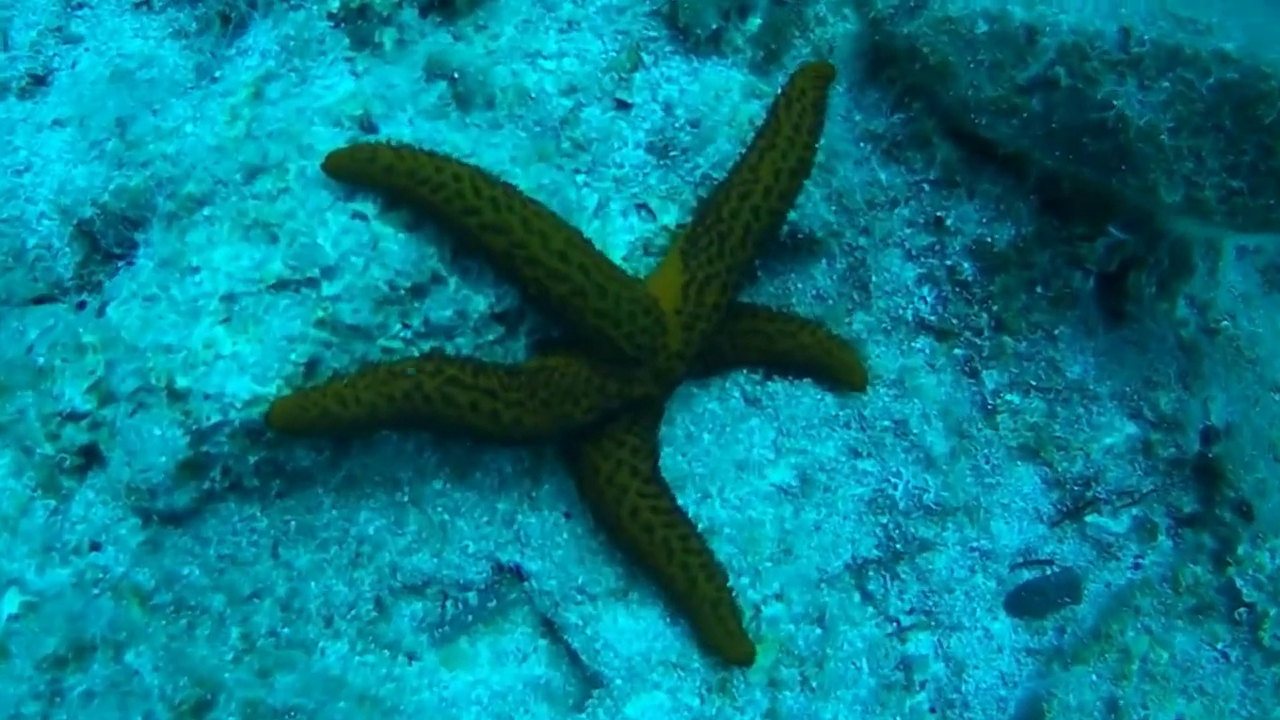 The Underwater World, Cyprus
Paphos has established diving operators and access to rocky underwater landscapes and reefs. Some routes are intended for more experienced divers, but introductory programs are also available.
For travelers staying in western Cyprus, the principal advantage is convenience. A supervised lesson can fit into a holiday centered on archaeology, restaurants and coastal excursions without requiring a journey across the island.
Paphos is therefore a practical option when diving is an occasional holiday activity rather than the principal purpose of the trip.
Larnaca
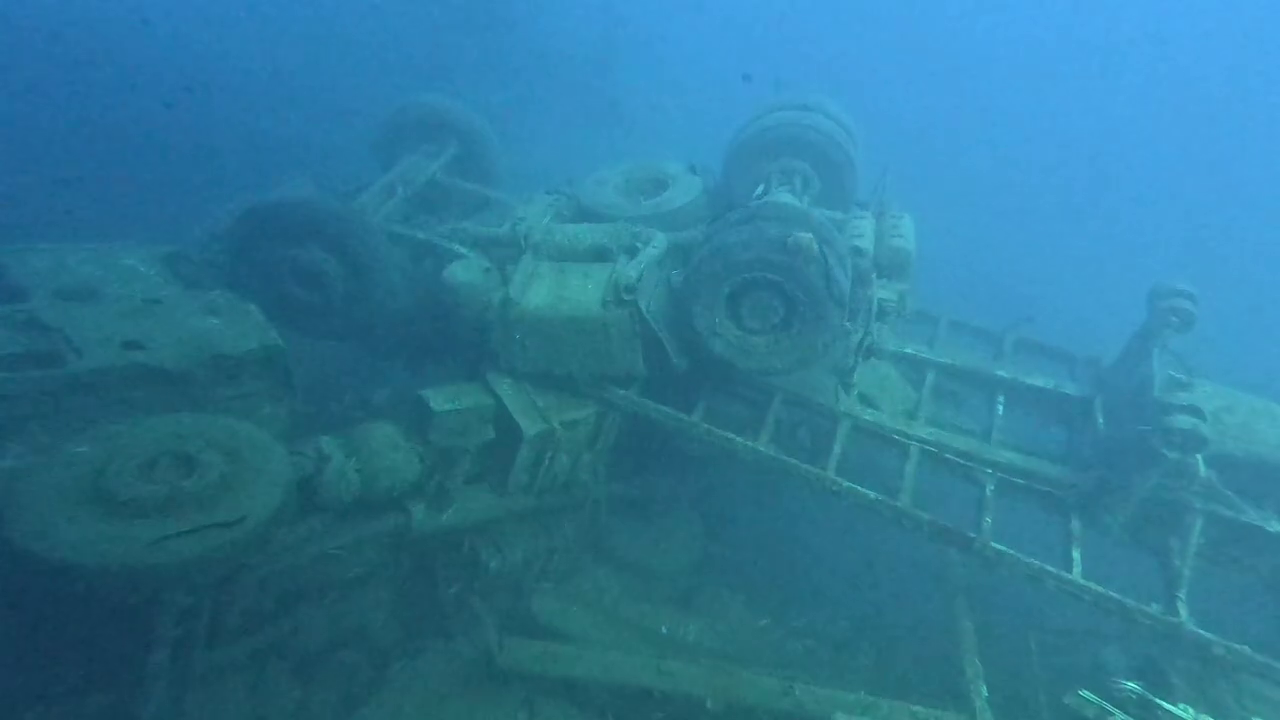 Zenobia, Larnaca
Larnaca is strongly associated with the Zenobia wreck, but the vessel's depth and complexity make it a separate proposition from beginner training.
The city also offers introductory instruction and certification courses. Its established diving infrastructure is particularly relevant for travelers intending to complete several days of training.
There is no reason for an uncertified beginner to include the Zenobia in the itinerary simply because it dominates Larnaca's diving reputation.
Limassol
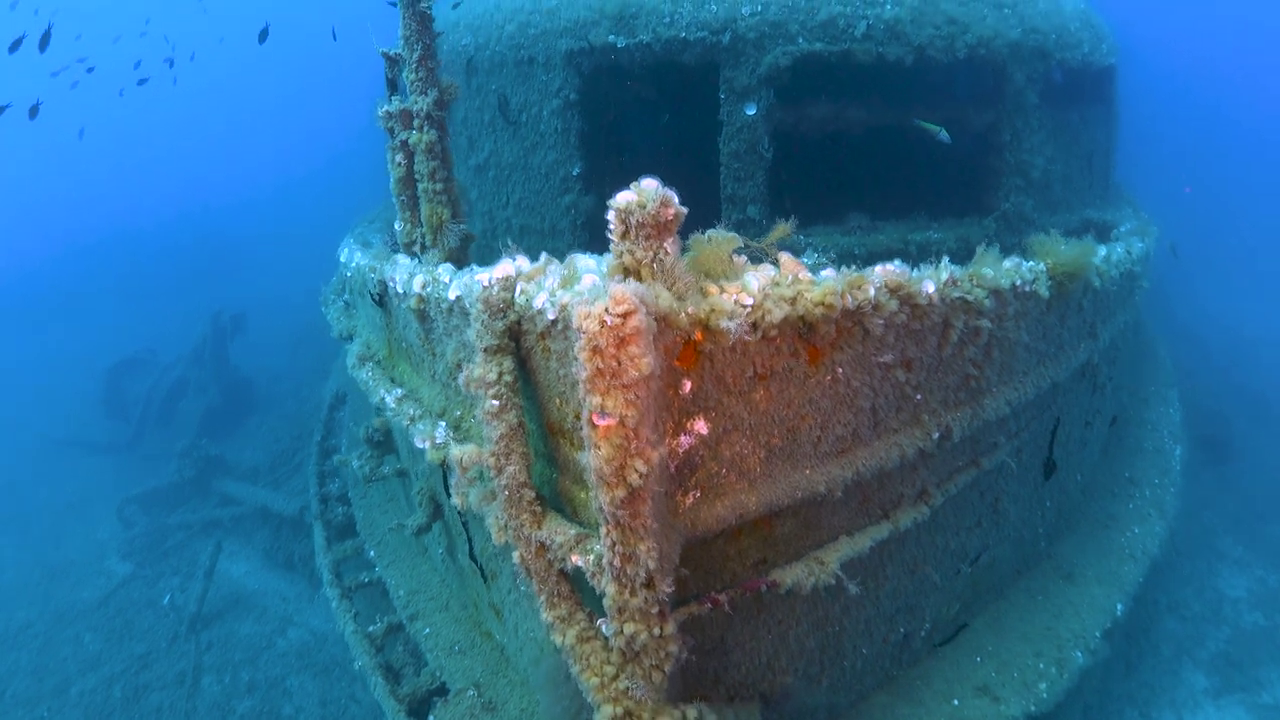 Lady Thetis, Limassol
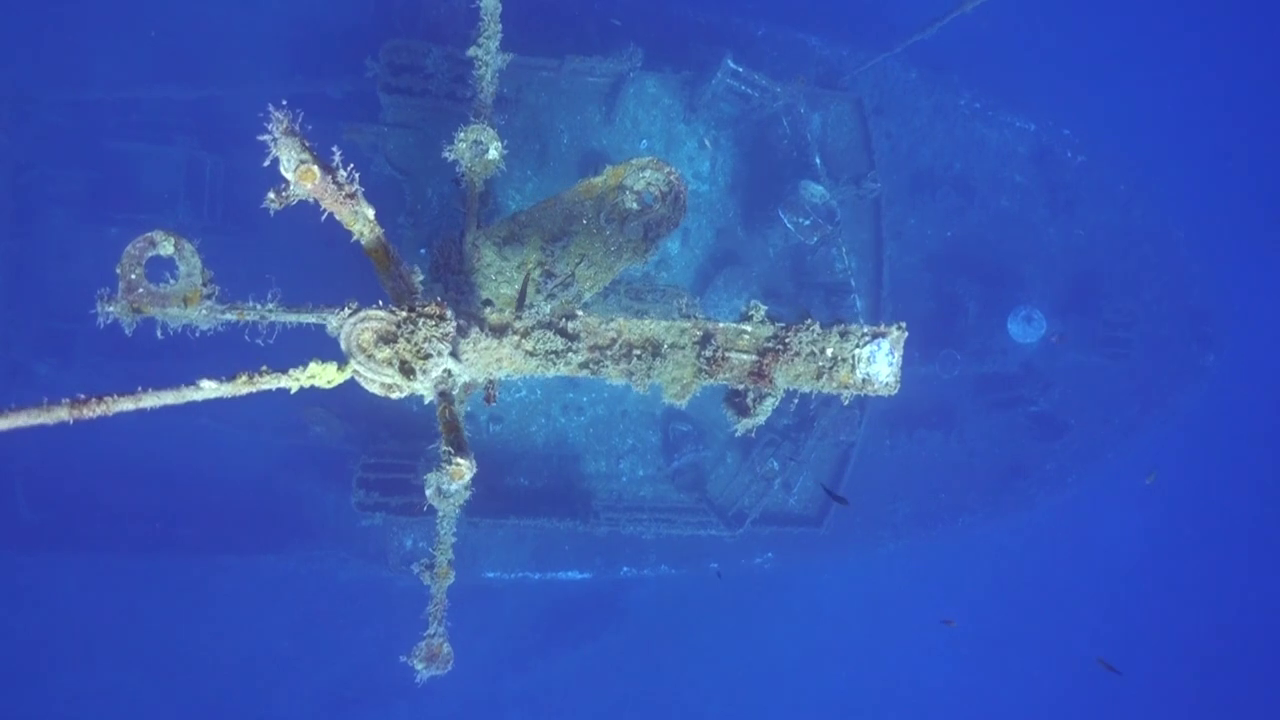 Costandis, Limassol
Limassol's underwater attractions include the purpose-sunk Lady Thetis and Costandis wrecks. Their presence does not make them appropriate for introductory divers.
Local operators also offer entry-level programs, allowing visitors to combine diving with a city-based holiday.
For a single lesson, this flexibility is useful. Travelers pursuing certification should examine the training schedule and teaching locations before deciding whether Limassol is the right base.
Latchi
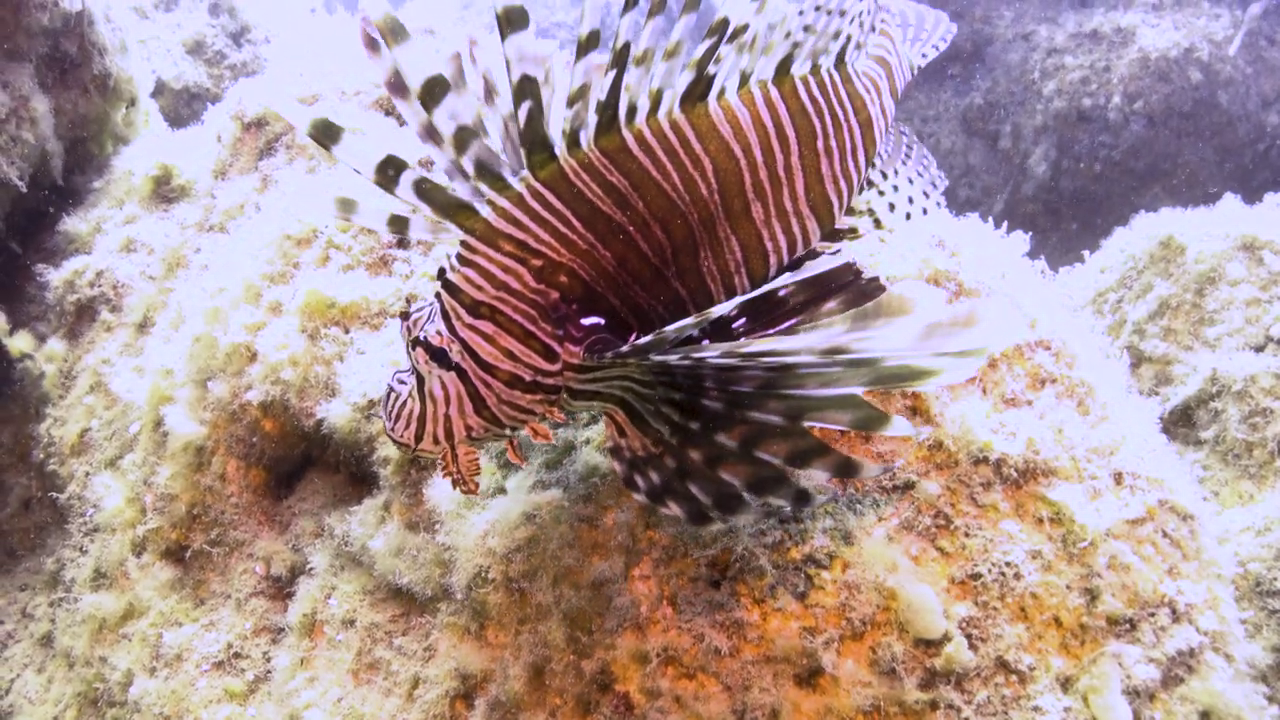 The Underwater World, Cyprus
Latchi offers access to reef diving along the northwestern coastline, including areas associated with Akamas. Some excursions involve boats, while individual routes can present challenges beyond the abilities of first-time participants.
Travelers staying around Latchi or Polis should distinguish introductory instruction from excursions advertised for newly certified divers.
A dedicated beginner program can complement a quieter western Cyprus holiday, but the location and content of the lesson should be confirmed before booking.
What Happens During Your First Scuba Dive?
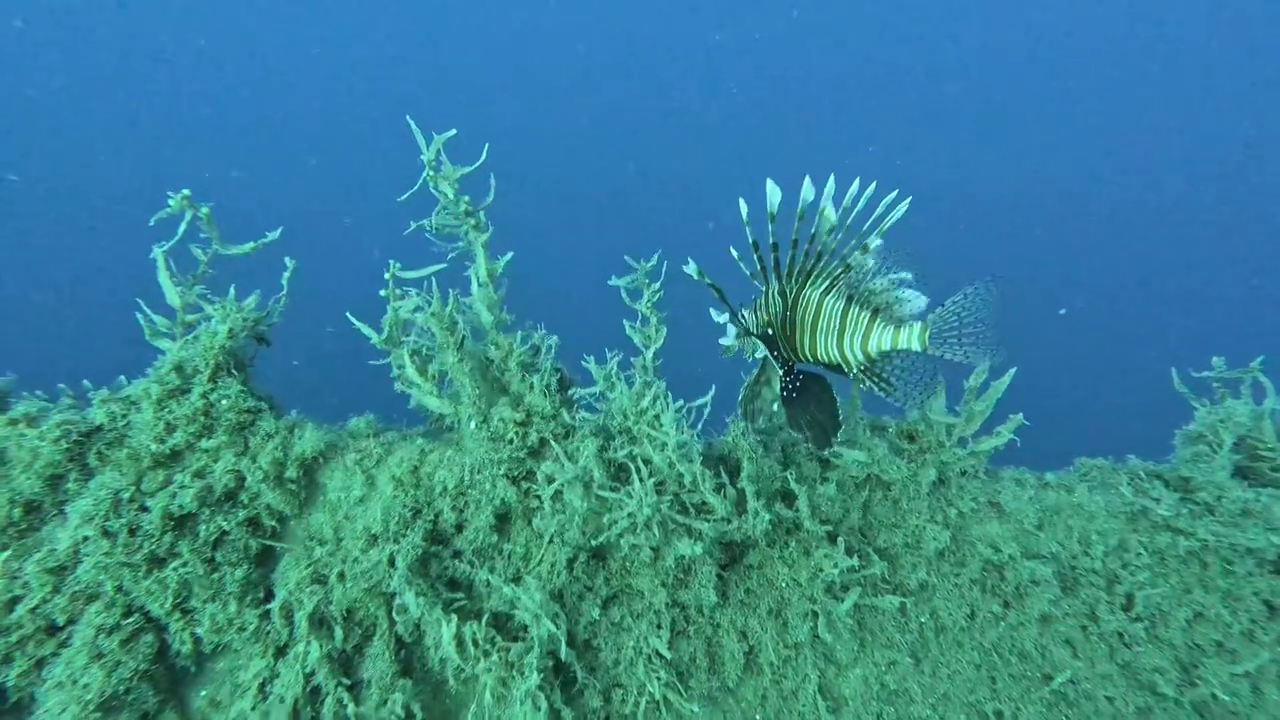
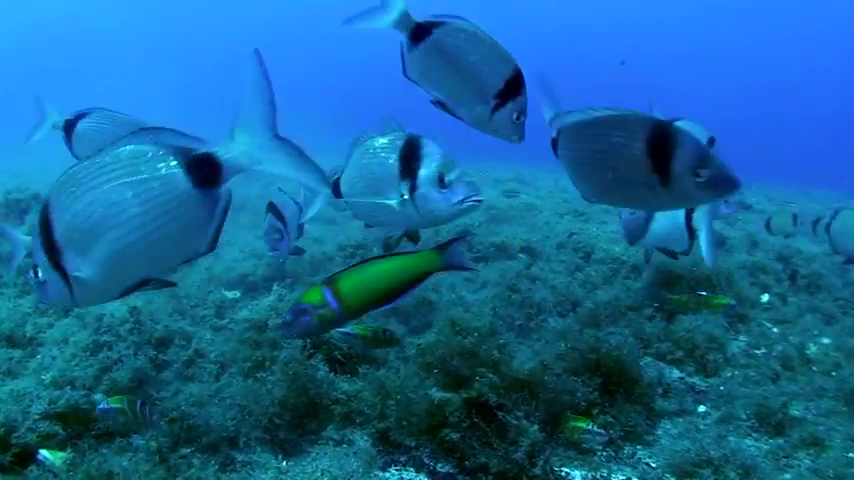
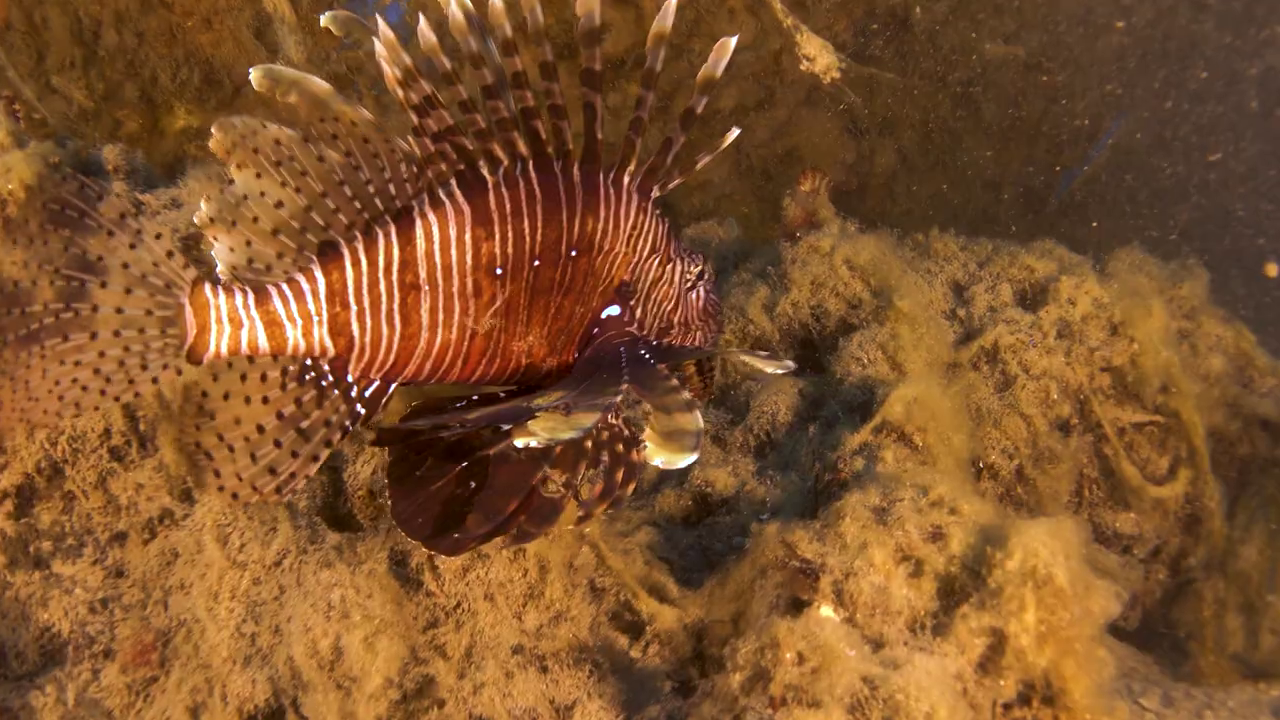
An introductory session normally begins with registration, medical screening, an equipment briefing and an explanation of underwater communication and essential procedures.
The instructor introduces basic skills in a controlled training environment. Participants become accustomed to breathing through a regulator and using the equipment before progressing to an optional open-water dive, where included.
Not everyone becomes comfortable at the same pace. The instructor must assess whether the required skills have been completed satisfactorily and whether the participant is ready to continue.
Before booking, establish whether the program includes confined-water training only or an additional open-water experience. Two packages described as introductory scuba diving can offer substantially different activities.
How To Choose A Dive Center
For beginners, the instructor and the organization of the lesson can have a greater influence on the experience than the dive site itself.
Before booking, we would establish:
- Qualifications and supervision: Who will teach the session, and what relevant professional qualifications do they hold?
- Group size: How many participants will share an instructor, and is private instruction available?
- Training location: Where will skills be practiced, and what happens if conditions are unsuitable?
- Safety arrangements: How are equipment condition, emergency oxygen, communications and emergency procedures managed?
- Cancellation policies: What happens if weather prevents the session or a participant cannot continue?
For travelers who value personal attention, a private instructor or smaller group may justify additional expense. However, a premium price or recognizable training-agency affiliation does not, by itself, establish the quality of an operator's procedures.
We would favor a center that explains its program's limitations clearly and is prepared to change the activity when necessary.
Essential Health And Safety Considerations
Scuba diving carries physiological risks even during shallow, supervised introductory sessions.
Participants must complete the required medical screening honestly and obtain clearance from an appropriately qualified physician when indicated. Relevant medical conditions, medications or previous health problems can affect eligibility.
Ear and sinus pressure also matter. Difficulty equalizing can cause injury, and participants should not continue through pain or discomfort. Illness or congestion may also make diving inappropriate.
Water confidence and age requirements vary by program. PADI Discover Scuba Diving generally begins at age 10, but children's activities and certification courses have different requirements. Families should confirm eligibility, supervision and parental-consent arrangements before booking.
Sea conditions remain important regardless of location. Wind, swell, visibility and water temperature can make a training site unsuitable, including locations normally used for beginners.
Participants must communicate discomfort immediately and should never be pressured to continue when they cannot complete the required skills. The instructor is responsible for conducting training within the applicable standards and modifying or ending the activity when necessary.
When Should You Plan Your First Dive?
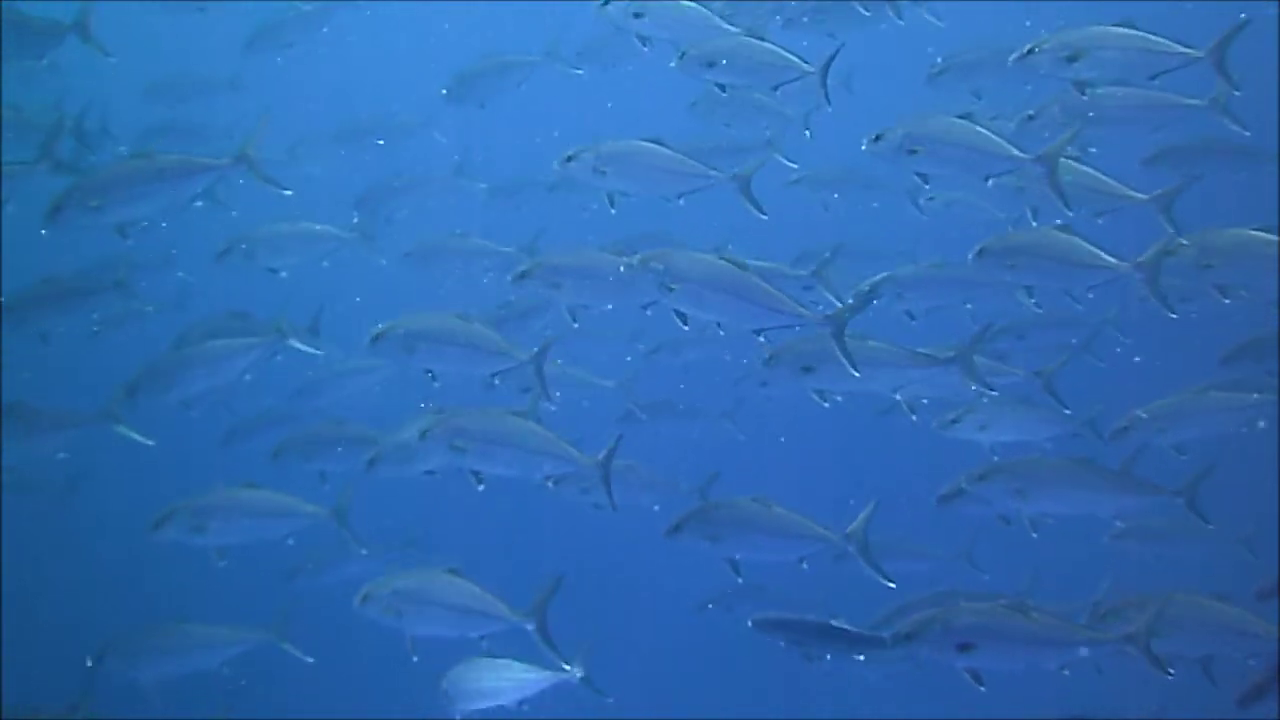 The Underwater World, Cyprus
Cyprus offers diving opportunities across much of the year. Warmer months generally provide more comfortable water temperatures, while cooler periods may require additional thermal protection.
Allow time for instruction, equipment preparation and possible changes to the schedule. Certification courses require additional flexibility because completion depends on both conditions and demonstrated competence.
Flying and Visiting the Troodos Mountains After Diving
Diving also affects subsequent travel arrangements.
Divers Alert Network recommends general minimum preflight intervals of at least 12 hours after a single recreational no-decompression dive and at least 18 hours after multiple dives or multiple days of diving.
These are minimum recommendations, not guarantees against decompression sickness. Longer intervals or more conservative arrangements may be appropriate depending on the dive profile and individual circumstances.
Traveling to higher elevations after diving can also increase decompression risk, which matters when combining coastal diving with a visit to the Troodos Mountains.
Confirm the appropriate interval with a qualified diving professional, and ensure your travel insurance covers the intended activity, relevant restrictions and diving-related medical emergencies.
What Is Worth Paying Extra For?
A beginner program should be evaluated according to what it includes, not simply its advertised price.
Confirm whether equipment, instruction, an optional open-water dive, transportation and photographs are included. For certification courses, establish whether learning materials, assessments and certification charges are covered.
The additional expense of a smaller group or private instruction may be worthwhile for travelers who appreciate individualized teaching and a less hurried introduction.
We would not pay more merely to reach a greater depth or add a famous attraction. For a first dive, attentive instruction offers greater value than an ambitious itinerary.
Is Scuba Diving Right For You?
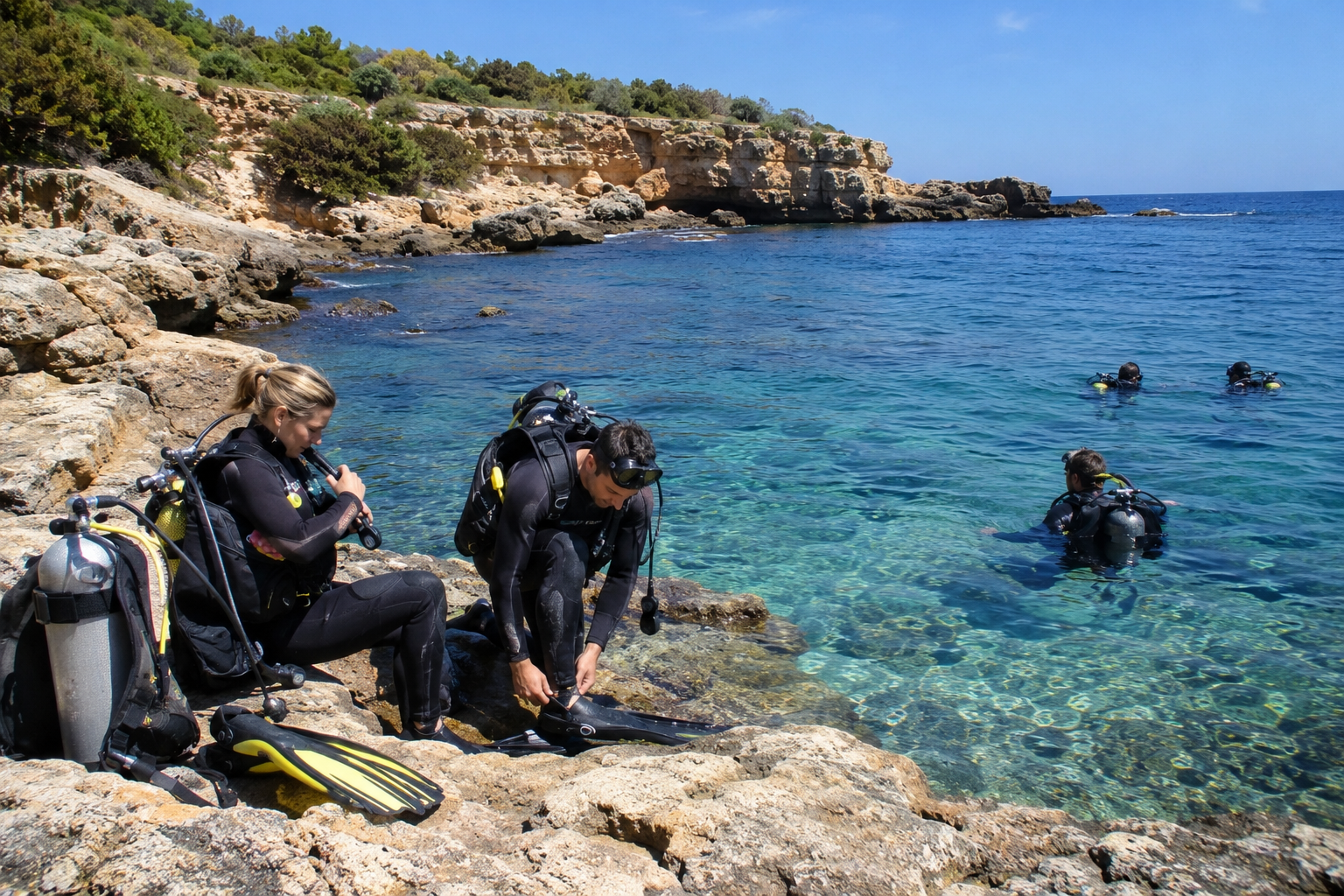
A supervised introductory dive is worth considering for travelers genuinely curious about the underwater environment who meet the relevant eligibility requirements.
It can appeal to couples, independent travelers and families with eligible children, but nobody should feel obliged to participate because a companion has booked the experience.
For those uncomfortable with underwater breathing equipment, snorkeling is a worthwhile alternative. It offers opportunities to observe marine life from the surface without the same training commitment. A boat excursion may be more enjoyable for travelers who prefer to remain out of the water.
Interest alone is not sufficient if medical or other participation requirements cannot be met.
Our Verdict On Scuba Diving For Beginners in Cyprus
Green Bay is a strong starting point to investigate for introductory diving on the southeastern coast. Elsewhere in Cyprus, an appropriate local program will often be more convenient than traveling across the island for a single lesson.
The more important decision is how much you want to commit. A supervised introduction allows you to experience scuba diving without undertaking full certification, while structured training is better suited to those who already intend to continue.
Cyprus's deeper wrecks and more demanding underwater environments can remain possibilities for another time, when the relevant qualifications and experience are in place.
For a beginner, success is not measured by depth, distance or the number of underwater attractions visited. It is being able to make an informed decision about whether diving belongs in your future travels.
One properly supervised experience may be enough to answer that question.