Newsletter "Beyond the Postcards" Subscribe
Plan Your Cyprus Trip: Hotels: Expedia, Villas & Apartments: Vrbo, Car Rentals: DiscoverCars, Tours: GetYourGuide, Airport Transfers: WelcomePickups
- Home
- Things To Do in Cyprus
- Diving in Cyprus
- Shore Diving in Cyprus
Shore Diving in Cyprus
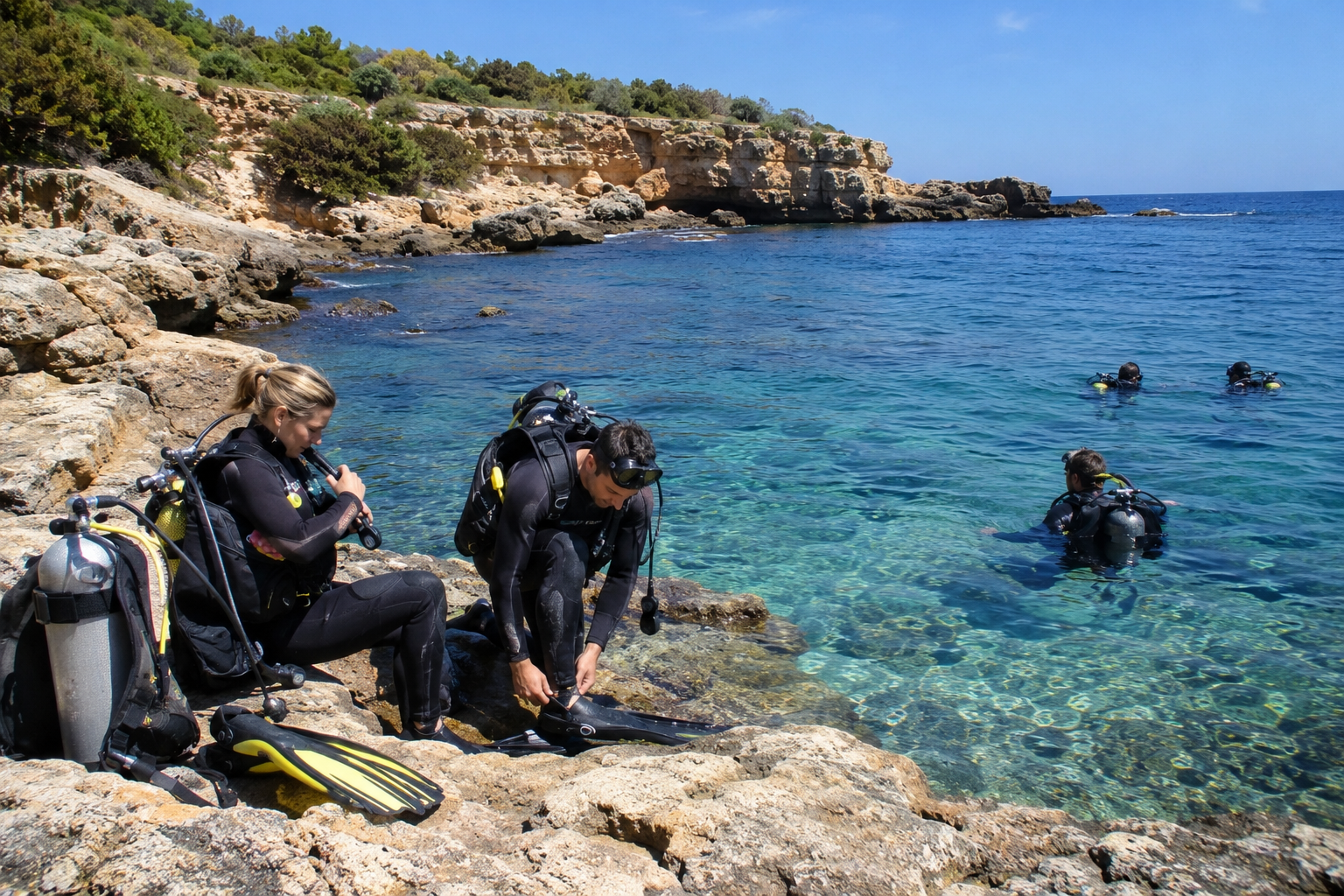
At Cape Greco, stone steps descend from the small whitewashed Agioi Anargyroi chapel toward the Mediterranean. They provide access to a dive site with rocky formations and considerable underwater depth. Getting back out of the water, particularly when conditions change, can be more demanding than the approach suggests.
A short distance along the southeastern coast, Green Bay in Protaras offers something quite different. Divers can walk into the sea from a sheltered bay, making it a practical location for supervised introductions, training and less complicated recreational dives.
Both are shore-diving sites, yet they ask very different things of the people using them. That contrast explains much of shore diving in Cyprus. The absence of a boat can simplify the arrangements, but it tells you surprisingly little about the physical demands of the experience.
Why Choose Shore Diving in Cyprus?
Shore diving appeals to travelers who would rather reach the water directly than organize every underwater excursion around a boat departure. Depending on the site and operator, it can allow a more flexible schedule and a shorter outing, particularly for someone combining diving with a wider Cyprus holiday.
Experienced divers can enjoy rocky formations and marine habitats without making a boat excursion the center of the day, while certain sheltered locations provide a setting for supervised instruction.
There are compromises. Equipment may have to be carried over uneven ground, and entry points can be exposed. A dive that saves time on a boat transfer may demand considerably more physical effort at the coastline.
Green Bay, Protaras — The Straightforward Starting Point
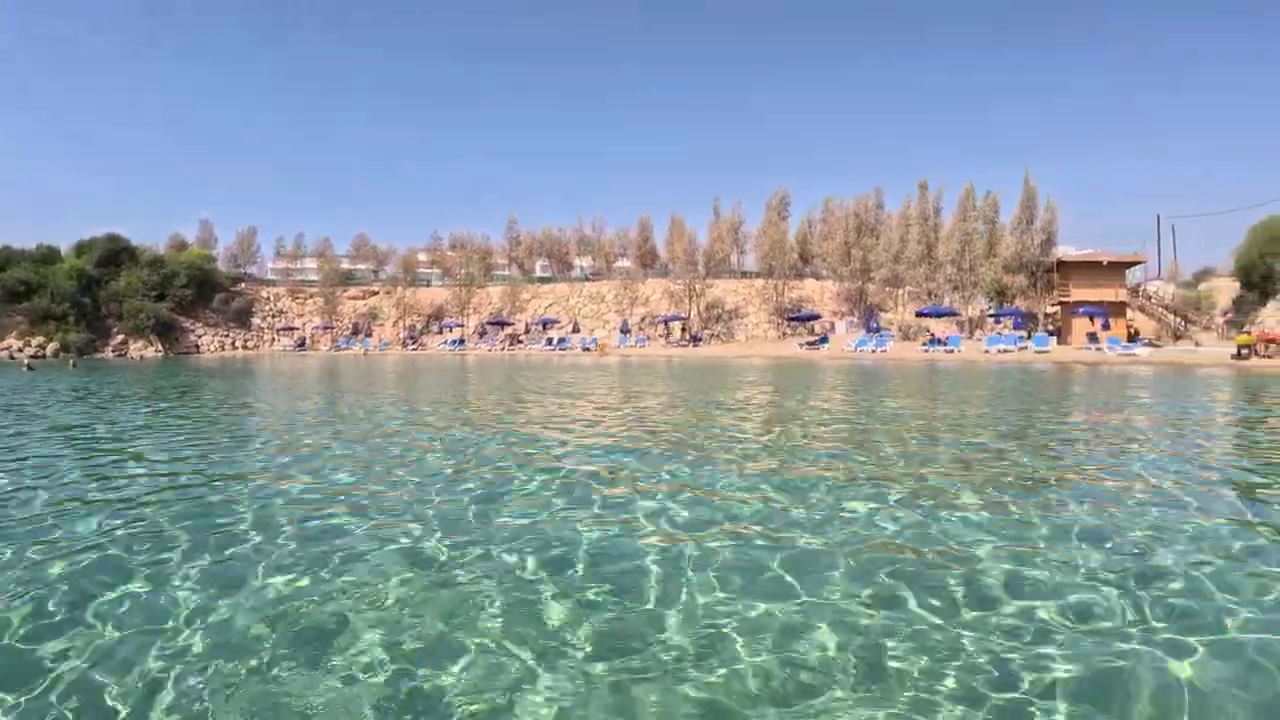 Green Bay, Protaras
Green Bay is the clearest example of why shore diving appeals to beginners and recreational divers in Cyprus. Its walk-in entry and relatively gradual underwater terrain make it a familiar location for diving instruction and introductory experiences when conditions are suitable.
The seabed combines sandy areas with rocks, and submerged replicas of ancient sculptures add an unusual feature to the underwater landscape. Fish are commonly found around the site, while encounters with turtles remain a matter of chance rather than something an operator can promise.
For a first-time participant, the advantage is being able to concentrate on breathing through the equipment, communication and basic underwater skills without simultaneously negotiating a difficult entry. A certified diver returning after a long absence may also find Green Bay appropriate for a professionally supervised refresher.
The nearby Green Bay Cave site involves a different underwater environment. Entering caves or other overhead spaces requires the relevant specialist training, equipment and planning, regardless of how accessible the surrounding coastline appears.
For travelers staying in Protaras or Ayia Napa, Green Bay allows diving to occupy part of the holiday rather than dictate the entire itinerary.
Agioi Anargyroi, Cape Greco — A More Demanding Coastal Entry
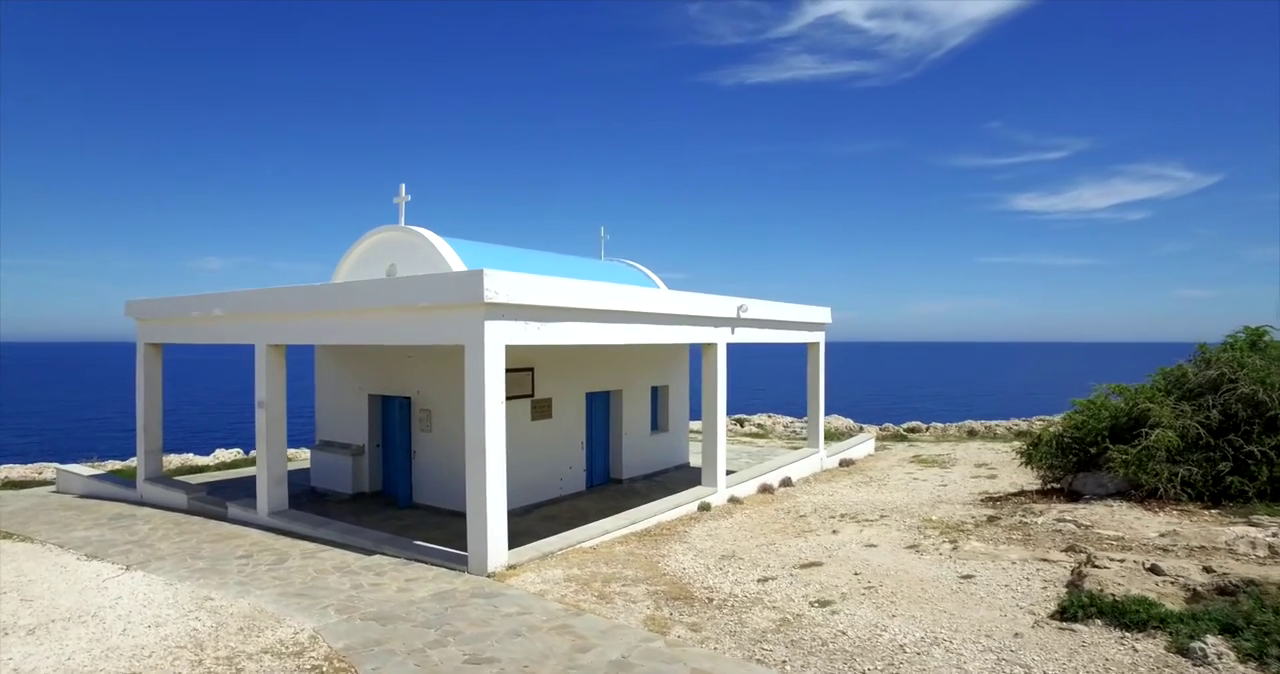 Agioi Anargyroi Chapel
The Agioi Anargyroi dive site, also known as Chapel, has a markedly different underwater character. Cyprus's official diving information classifies the entry and exit as difficult. Beneath the surface, the seabed drops steeply, revealing rocky ledges, overhangs and cliff formations.
These features are the principal attraction for appropriately qualified divers. Rather than following the gentler contours associated with Green Bay, a dive here can take in more pronounced changes in depth and extensive rock formations.
The range of possible dive profiles gives qualified divers options, but the physical access makes Chapel a poor choice for anyone seeking an uncomplicated introduction. Managing equipment at the water's edge and returning to the exit require an assessment of both sea conditions and the capabilities of the participants.
Cyclops, Near Konnos Bay — More Variety, Greater Commitment
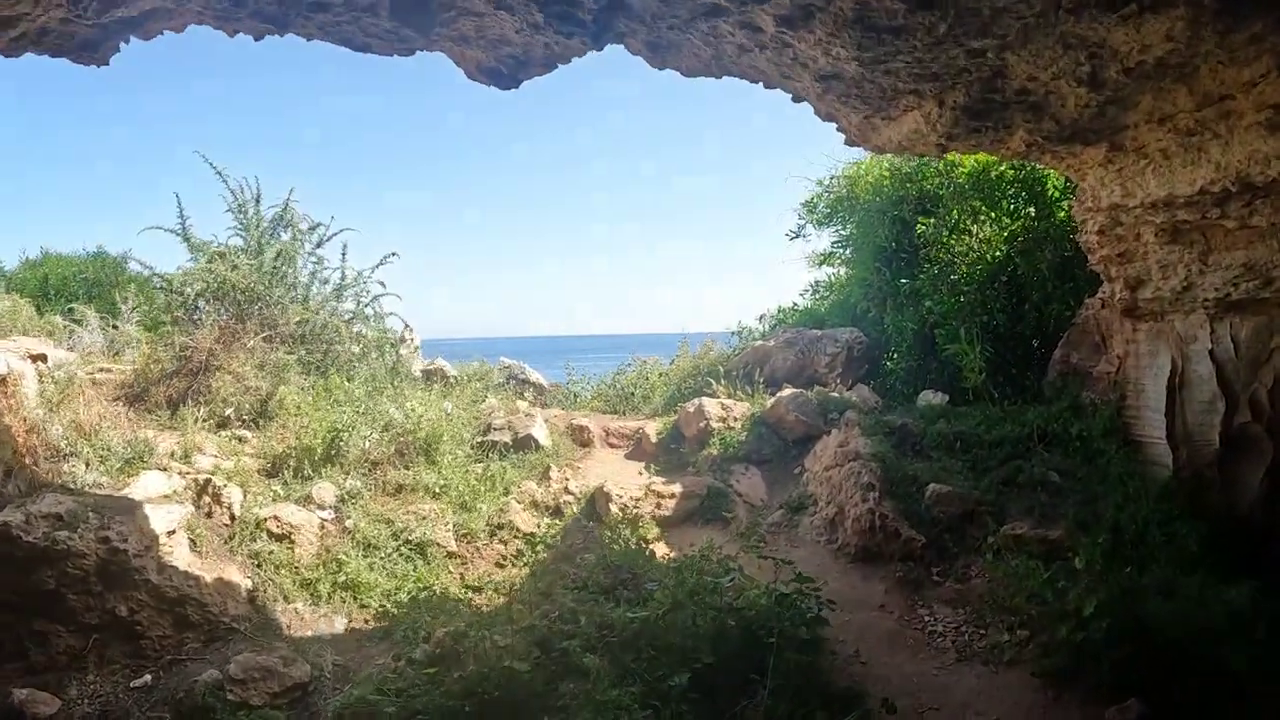 Cyclops Cave
Near Konnos Bay, the Cyclops dive site takes its name from the nearby cave associated with the legendary one-eyed giant. Beneath the surrounding coastline, substantial boulders give way to sandy sections, rocky formations and Posidonia seagrass meadows.
The variety of terrain allows for different dive profiles, including considerably deeper excursions requiring the appropriate qualifications, experience and equipment.
Cyclops offers a choice that distinguishes it from many shore-diving locations: official tourism information identifies both a difficult shore entry and access by boat. For confident, regularly active divers, the shore approach may be manageable under suitable conditions. Those returning after several years away from diving may prefer to begin elsewhere.
Even experienced divers need not insist on entering from land. Where available, a boat excursion may offer a less physically demanding way to experience the underwater landscape that makes Cyclops interesting in the first place.
Shore Diving Around Paphos — An Alternative To The Southeast
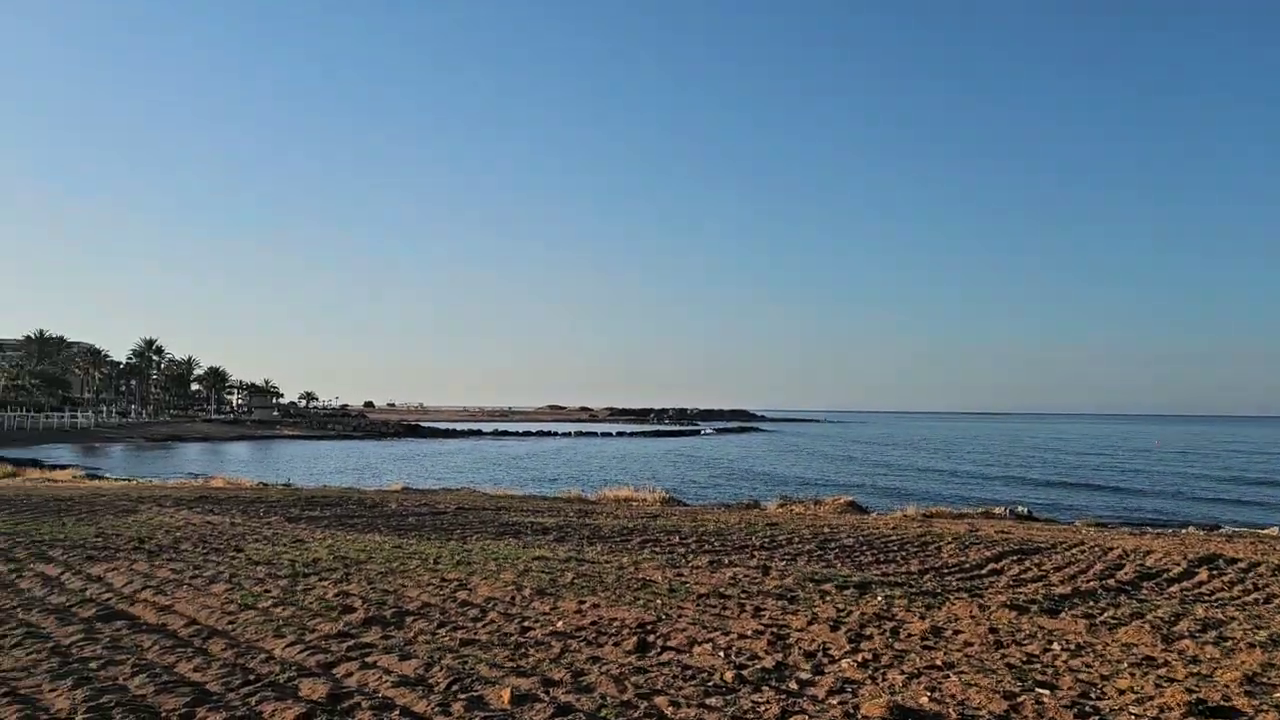 The Bay
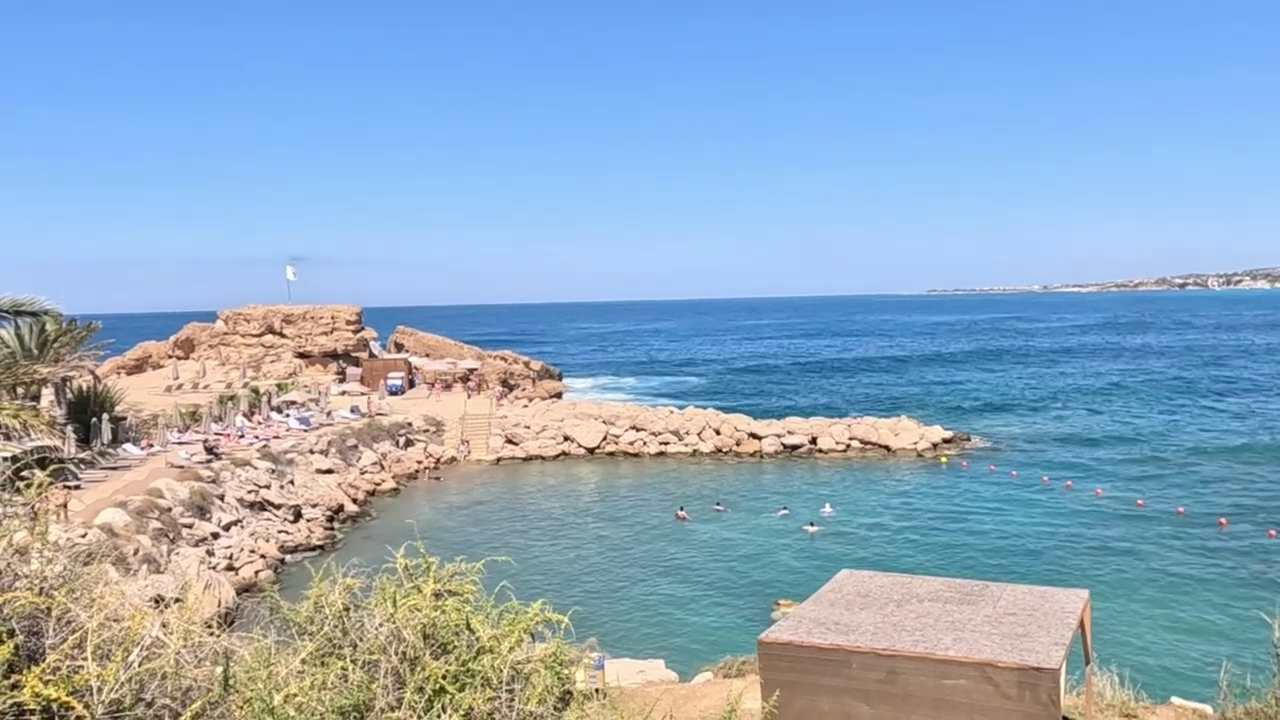 Queen's Bay
The eastern coastline is not the only part of Cyprus where divers can enter the water from land. Around Paphos, several shore-access locations offer different combinations of sandy seabed, rocky reefs and gentler underwater terrain.
One of the more approachable examples is The Bay, near Geroskipou, in front of the Leonardo Cypria Bay Hotel. The Paphos regional tourism organization identifies it as a shallow, walk-in location used for training, introductory experiences and refresher dives. Its appeal lies in allowing participants to concentrate on their diving skills.
Queens Bay, farther along the Paphos coastline, offers another possibility. Its sandy shallows provide a relatively gentle introduction to the site, although routes extending into deeper water require separate assessment.
For travelers staying in western Cyprus, these locations are worth discussing with a local dive center before organizing a journey to Green Bay. Access arrangements near hotels and developed coastal properties should be confirmed in advance rather than assumed.
Church Bay, Coral Bay — When The Seabed Is Easier Than The Approach
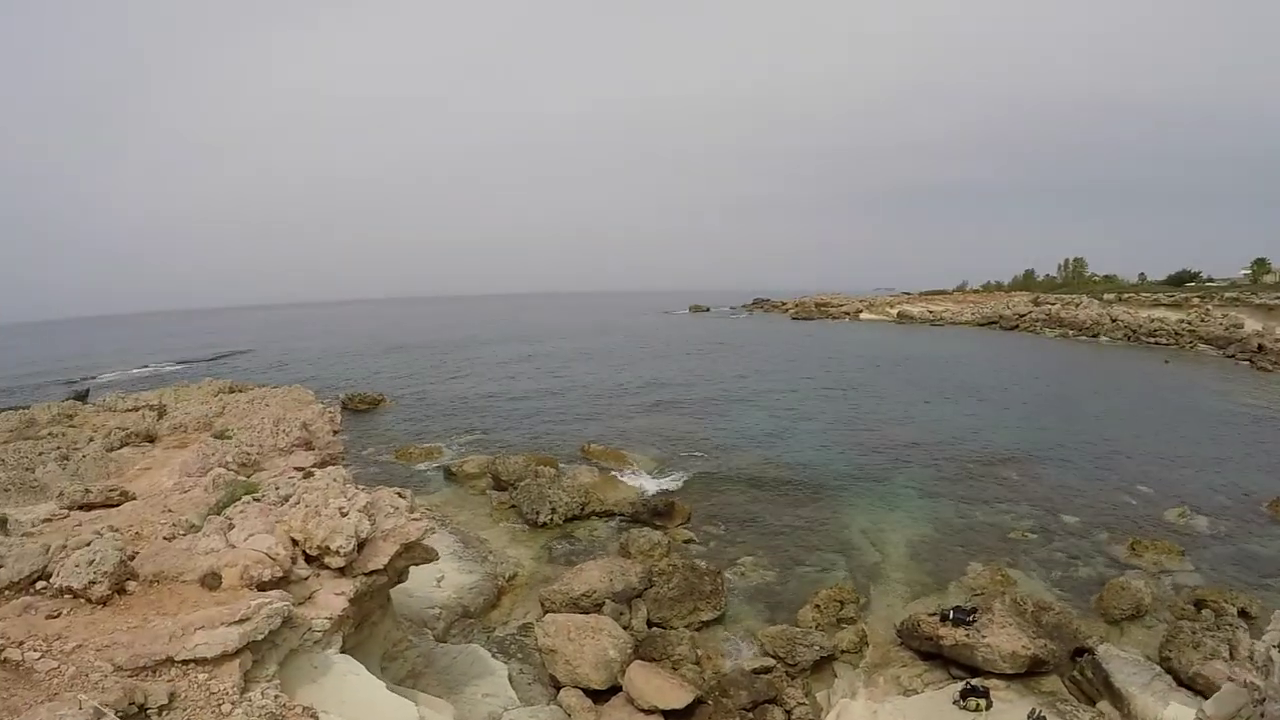 Church Bay (also known as Pistol Bay)
At Church Bay, near Coral Bay in the Paphos district, sandy sections with a gradual increase in depth coexist with rocky formations, gullies and overhangs. Parts of the underwater area may suit less experienced certified divers under appropriate supervision.
The complication lies above the water. The official site description identifies a route down the side of a cliff, assisted by a rope rail, to reach the sea. A diver may be comfortable with the proposed underwater route yet find the descent and subsequent climb beyond their capabilities.
For capable divers who appreciate unusual rock formations and have suitable professional support, Church Bay offers an interesting alternative to the gentler Paphos sites. Travelers prioritizing ease of access would be better served at The Bay.
What Matters Most Before Entering The Water
The planned exit deserves particular attention. Wind, swell, slippery surfaces, steep gradients and breaking waves can affect the shoreline differently from the underwater area. An entry that was manageable at the beginning of a dive may become more difficult by the time the group returns. Before committing to an outing, participants should establish how entry and exit will be managed, whether an alternative exit exists and what circumstances would require the activity to be changed or canceled.
The distance between the equipment preparation area and the water also matters. Carrying scuba equipment over exposed rocks or down steps can make a considerable difference to the experience, particularly for travelers with mobility limitations or those returning to diving after a break.
The underwater plan requires separate consideration. Depth, navigation, breathing-gas reserves, currents, possible overhead environments and boat traffic must all be assessed in relation to the participants' training and experience. Appropriate buddy arrangements, surface marking where required, communications, emergency procedures and surface support where necessary remain essential, even when no dive boat is involved.
Should You Arrange A Guided Shore Dive?
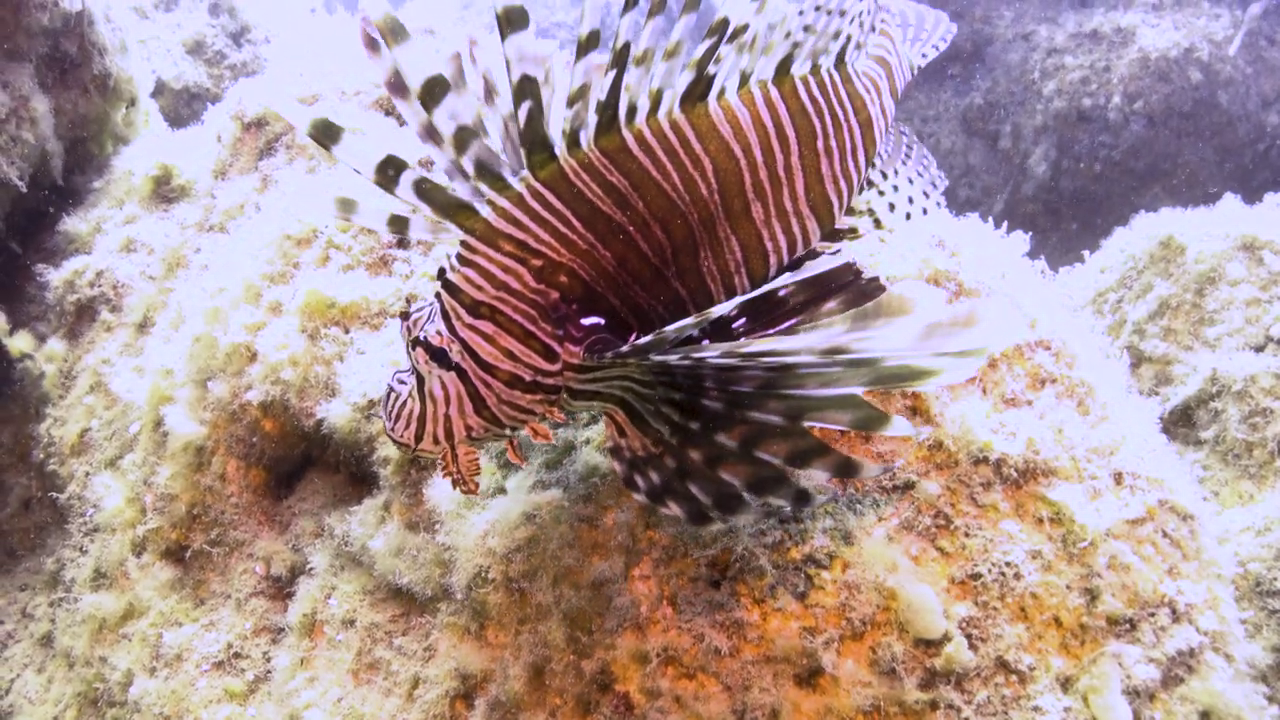 The Underwater World, Cyprus
Travelers unfamiliar with Cyprus's underwater terrain are generally better served by discussing their plans with an established local dive center, particularly when considering rocky entries or sites with substantial depth variation.
A responsible operator should assess certification, recent diving activity, physical capability, medical screening requirements and comfort in the water before selecting a location. It should also explain the supervision arrangements and how the group will enter and leave the sea.
For travelers who value personal attention, a private guide or smaller group may be worth the additional expense. This can allow for a more considered pace and closer attention to individual experience levels, although paying more is not evidence of better safety standards.
Confirm what the arrangement includes, since equipment, transportation to the entry point, guiding and the number of planned dives can differ between operators. The willingness to change locations when conditions are unsuitable matters more than a promise to visit a particular site.
Our Best Dive Centers in Cyprus guide examines the professional standards and booking considerations that deserve attention when choosing an operator.
When Does Shore Diving Make Sense During Your Holiday?
For travelers staying in Protaras or Ayia Napa, Green Bay and the Cape Greco coastline offer several diving possibilities within the same wider area. A guided morning dive can fit alongside a beach holiday, while experienced divers may prefer to organize several outings.
Paphos offers a similar opportunity to incorporate diving into a broader stay in western Cyprus. There is little reason to change accommodation for a single shore dive if an appropriate experience can be arranged within a reasonable journey of your existing base.
Seasonal conditions deserve more consideration than the calendar alone. Warmer weather does not guarantee calm water, while cooler months may require additional thermal protection. Leaving some flexibility in the itinerary allows an operator to select a different location or postpone the dive when necessary.
Safety, Access And Responsible Diving
Shore diving is a specialist water activity, not an ordinary beach excursion. Participants must meet the applicable training, medical and supervision requirements, obtain medical clearance where necessary and remain within their qualifications and capabilities.
Operators and participants should verify current access permissions, local regulations and restrictions in marine protected areas. Scuba diving in Cyprus during the period from one hour before sunset until one hour after sunrise requires prior approval from the Department of Fisheries and Marine Research. Confirm that the necessary authorization covers the intended activity.
Marine habitats and underwater heritage must also be respected. Avoid disturbing seagrass, touching or feeding wildlife, damaging rock formations or removing archaeological material. Encounters with turtles and other marine species should be observed without interference.
Flying or traveling to higher elevations after scuba diving can increase decompression risk. Appropriate surface intervals should be established with a qualified diving professional, particularly if your itinerary includes a visit to the Troodos Mountains. Insurance should cover the intended activities and depths, subject to any applicable restrictions or exclusions.
In an emergency, Cyprus's general emergency number is 112. Dive operators should have site-specific emergency arrangements, including suitable communications, first aid, emergency oxygen and procedures for obtaining medical assistance.
This guide provides travel information rather than technical diving instruction or an assessment of current site conditions. Suitability must be determined by appropriately qualified diving professionals. If an activity cannot be conducted within appropriate limits, it should be postponed, changed or canceled.
Our Verdict On Shore Diving in Cyprus
One of the pleasures of shore diving in Cyprus is that it can bring an entirely different dimension to a coastline already familiar from beach holidays. Around Protaras and Paphos, that experience need not involve an offshore excursion, while the rocky formations around Cape Greco give experienced divers reasons to look beyond the more accessible bays.
We would choose the underwater landscape that interests us and leave the question of access to a qualified professional. There is no reason for the method of reaching the seabed to become an ambition in itself. A good shore dive should leave you remembering what you encountered beneath the surface, rather than the difficulty of getting back onto land.