Newsletter "Beyond the Postcards" Subscribe
Plan Your Cyprus Trip: Hotels: Expedia, Villas & Apartments: Vrbo, Car Rentals: DiscoverCars, Tours: GetYourGuide, Airport Transfers: WelcomePickups
- Home
- Find Your Cyprus
- Winter Sun in Cyprus
Winter Sun in Cyprus: Where To Stay And Why Winter Changes The Island
A January morning in Cyprus can begin with coffee outside beside the sea and end with headlights cutting through mist on a road into the Troodos Mountains.
That contrast is the point.
Winter Cyprus is not a diluted version of summer Cyprus. The beaches are quieter, the days are shorter, the mountains can be cold, rain is part of the season and some coastal resorts partially close. But the island also becomes easier to explore. Archaeological sites become places to linger rather than endure, walking replaces hiding from the midday heat, and cities belong more visibly to the people who live in them.
Come expecting reliable swimming weather, busy resort streets and long evenings in beach bars, and winter can disappoint. Come for light, space, food, walking, history, road trips and a Mediterranean break from a darker northern winter, and Cyprus becomes a very different proposition.
The important question is not simply whether Cyprus is warm in winter. It is whether the Cyprus that exists in winter is the Cyprus you actually want.
What Winter Sun Really Means in Cyprus
“Winter sun” is an easy phrase to misunderstand.
Cyprus has a mild Mediterranean winter, but it still has winter. December, January and February can bring beautifully clear days, cloudy periods, wind and rain. Temperatures can fall noticeably once the sun disappears, and conditions in the mountains may be completely different from those on the coast.
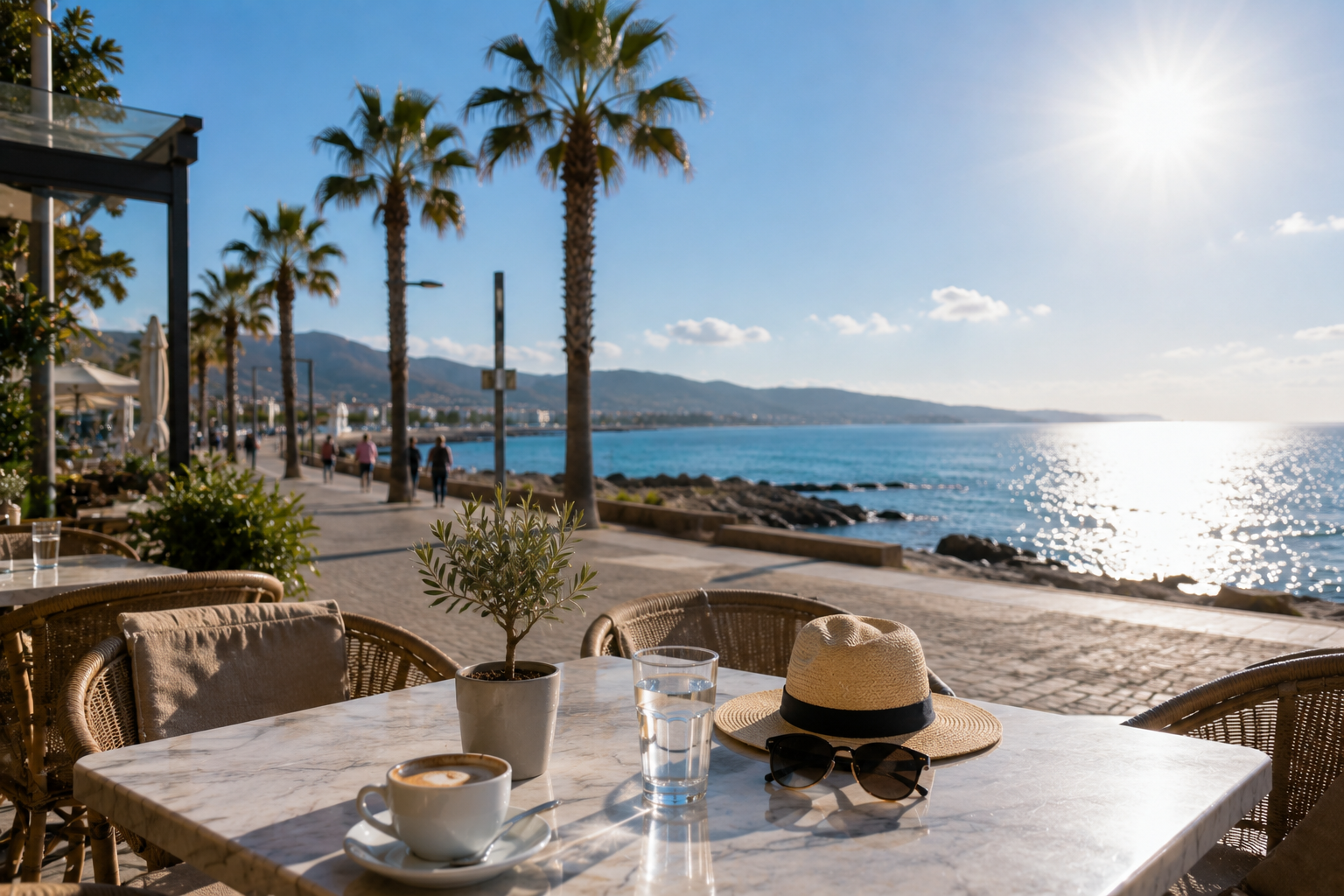
There is a particularly Cypriot winter habit that explains the season better than a temperature chart: people move their chairs.
A café terrace can feel glorious in direct sunshine and surprisingly cool several feet away in the shade. By late afternoon, the warmest table is often not the prettiest one but the one still catching the sun.
That is winter sun in Cyprus.
It may give you lunch outdoors, a coastal walk without a heavy coat, or several comfortable hours exploring an archaeological site. It should not be interpreted as guaranteed beach weather.
Swimming is possible for people comfortable with cooler water, and you will occasionally see locals and visitors doing exactly that. For most travelers, however, the sea is better treated as scenery than as the centerpiece of the trip during the heart of winter.
If swimming matters, a hotel with a properly heated indoor or outdoor pool can make a significant difference. Confirm heating arrangements directly before booking; “pool available” and “pool comfortable in January” are not the same thing.
December, January, February — or March?
Not every winter month feels the same.
December can be an appealing compromise. The coast is quieter than in autumn, cities remain active, Christmas brings some seasonal atmosphere, and the island has usually settled into its slower winter rhythm. Rain is possible and evenings are cool, but it can be an excellent month for combining city, coast and countryside.
January feels most clearly like winter. Choose Cyprus for walking, food, culture and daylight rather than for a conventional resort holiday. On a fine day, the difference between northern European January and Cypriot January can feel considerable. On a wet evening, you will still be pleased you packed proper layers.
February begins to show signs of the season turning. The countryside can be green, almond blossom may appear, and longer days make road trips easier. Weather remains changeable, however, and warm sunshine one day says little about the next.
March sits beyond the core winter period, but for many travelers it is the sweet spot. The island is greener, there is more usable daylight and outdoor travel becomes increasingly rewarding.
November works in the other direction: warmer, closer to autumn and often better for travelers who still hope to spend meaningful time beside the sea.
Where To Stay in Cyprus in Winter
Where you stay matters more in winter than it does in summer.
In July, a beautiful beach can compensate for an otherwise isolated location. In January, restaurants within walking distance, year-round local life, good heating and somewhere appealing to spend an evening become considerably more important.
Because we do not treat winter accommodation as a separate planning subject elsewhere, this is the section to get right.
Paphos: Our Strongest All-Round Winter Holiday Base
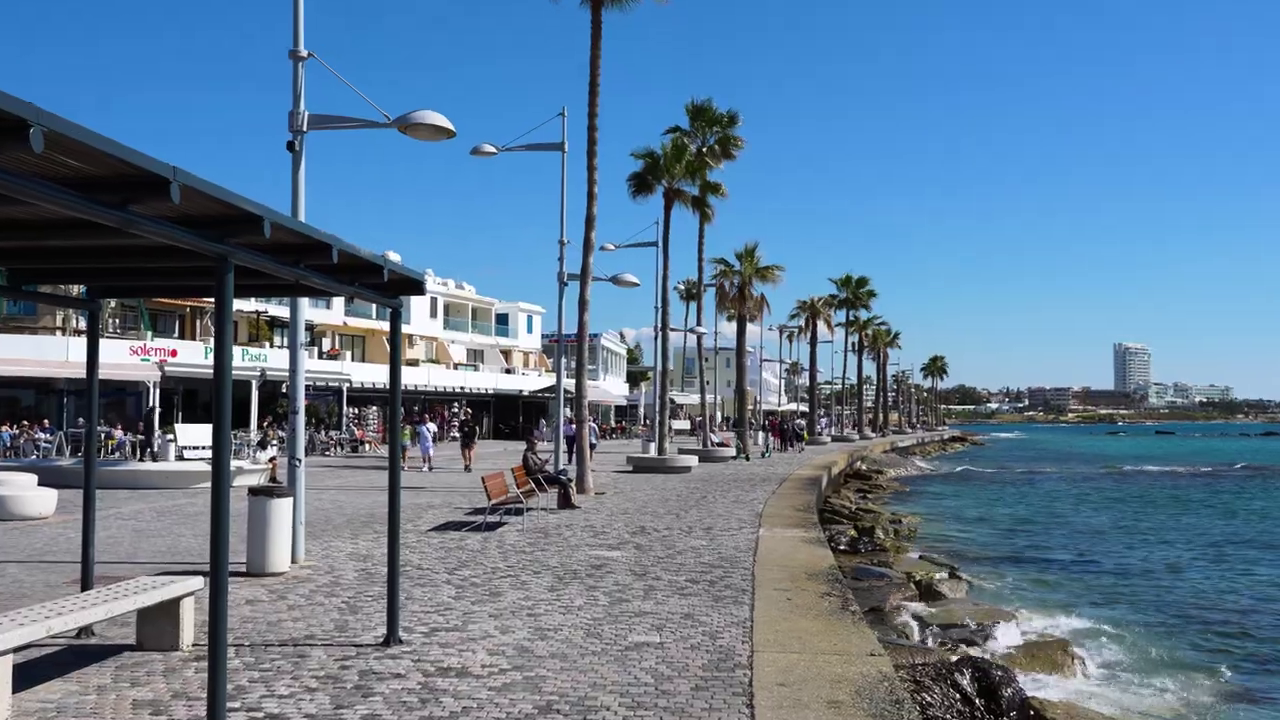 Paphos Promenade
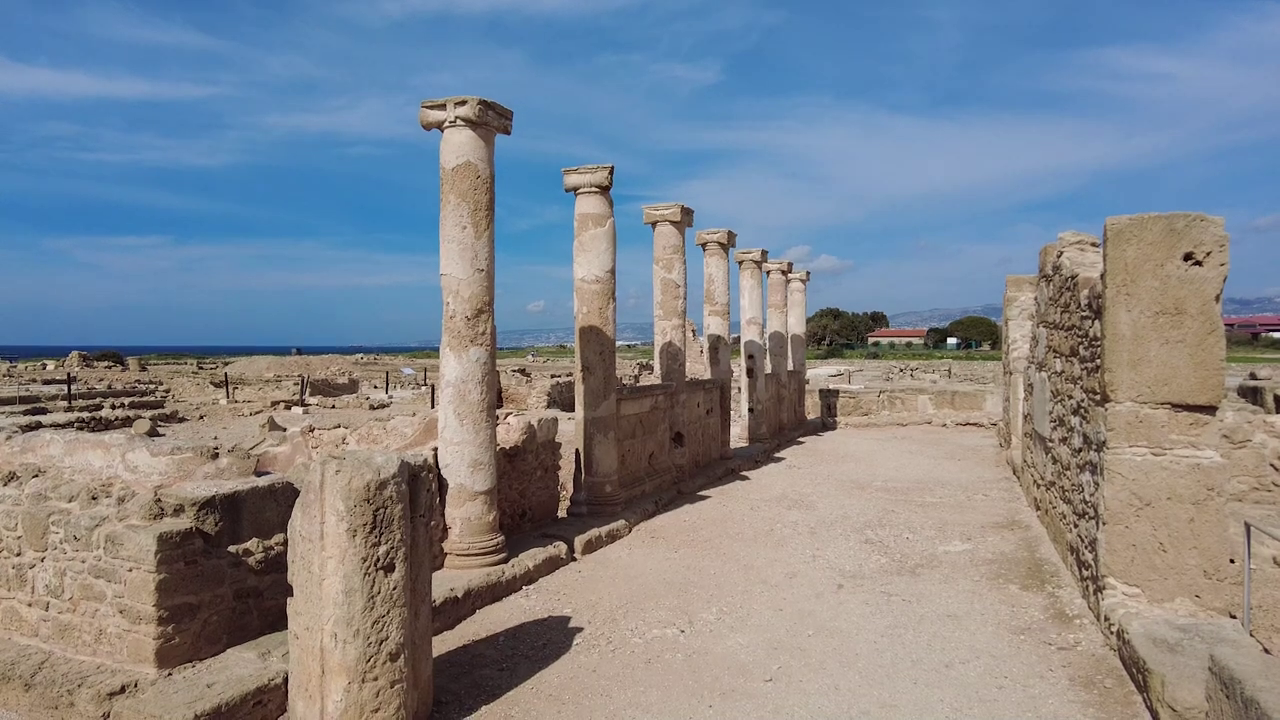 Kato Paphos Archaeological Park
For most independent travelers wanting a winter holiday rather than simply a city break, Paphos is our strongest starting point.
Its advantage is balance. You can walk beside the sea, explore major archaeological sites, eat well, drive into surrounding villages and wine country, and still return to somewhere that feels recognizably coastal. Winter temperatures also make exposed historical sites considerably more comfortable than during the hottest months.
Paphos works particularly well for couples, first-time winter visitors and travelers who want several different versions of Cyprus without repeatedly changing accommodation.
The trade-off is that not every corner of the wider Paphos tourism area operates with summer intensity. Choose the exact location of your accommodation carefully rather than assuming every coastal resort zone will feel equally active.
For a winter trip, we would generally prioritize access to functioning year-round life over proximity to a beach you are unlikely to use for swimming.
Limassol: Best for Restaurants, Energy and Year-Round City Life
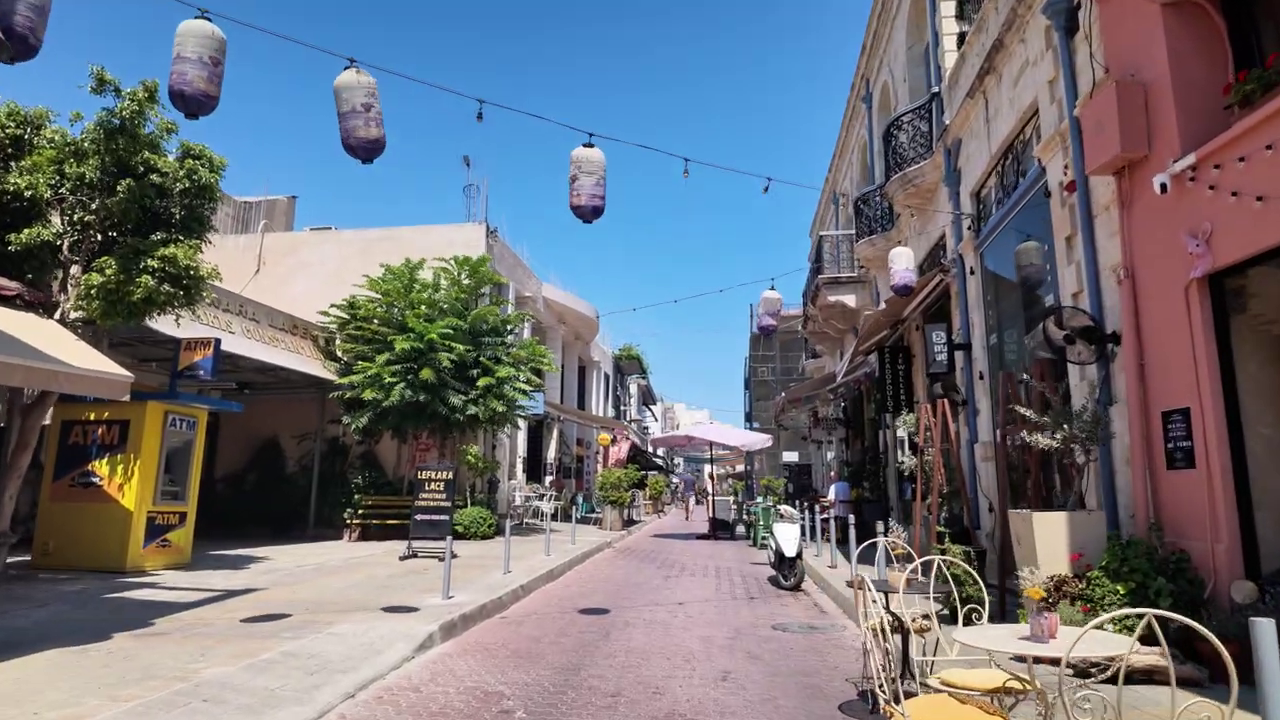
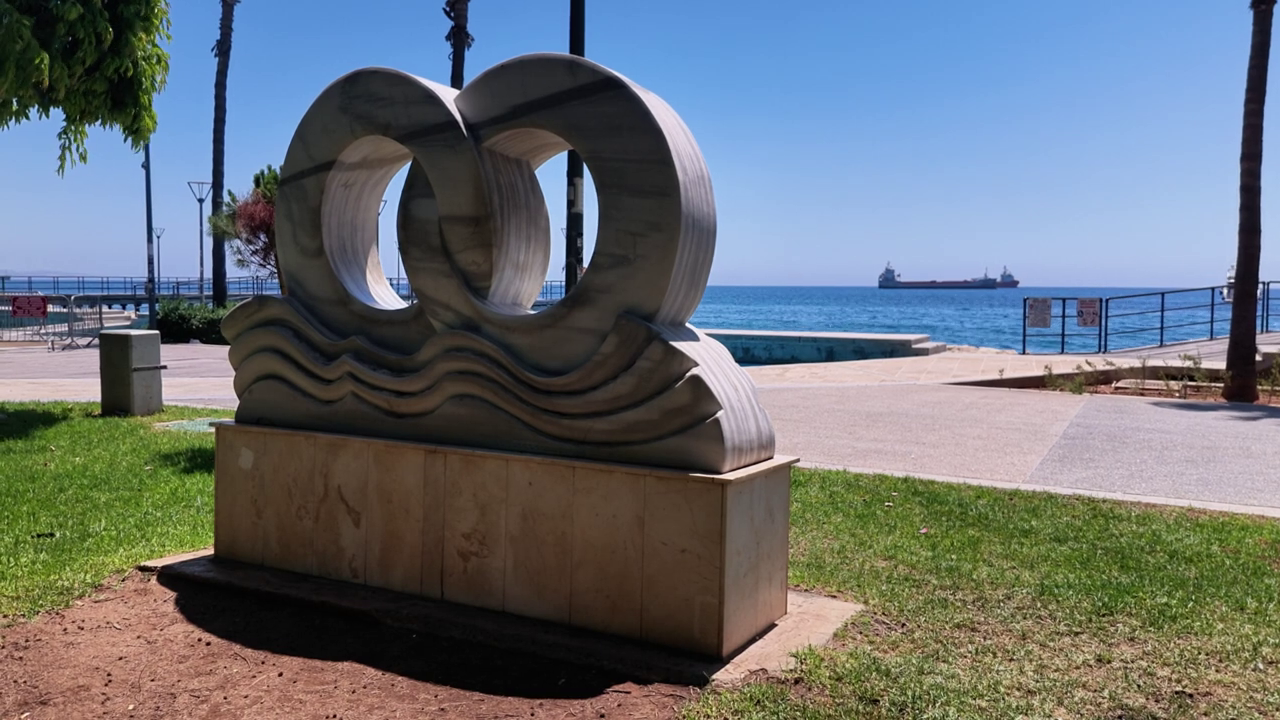
If your idea of a winter escape includes good restaurants, contemporary hotels, long waterfront walks and somewhere to go after dark, Limassol is arguably the safest choice.
It behaves like a city because it is one.
That distinction matters in January. While some dedicated resorts elsewhere on the island become noticeably seasonal, Limassol continues with work, dinners, shopping, coffee, traffic and ordinary urban life.
It also has excellent strategic value. The Troodos foothills and wine villages are accessible for day trips, making it possible to combine the coast with mountain Cyprus without moving hotels.
Its weakness is equally clear: travelers imagining a small, tranquil Mediterranean winter retreat may find Limassol too developed and too urban. You gain year-round energy and convenience; you surrender some intimacy.
Larnaca: Best for a Simple, Low-Friction Winter Break
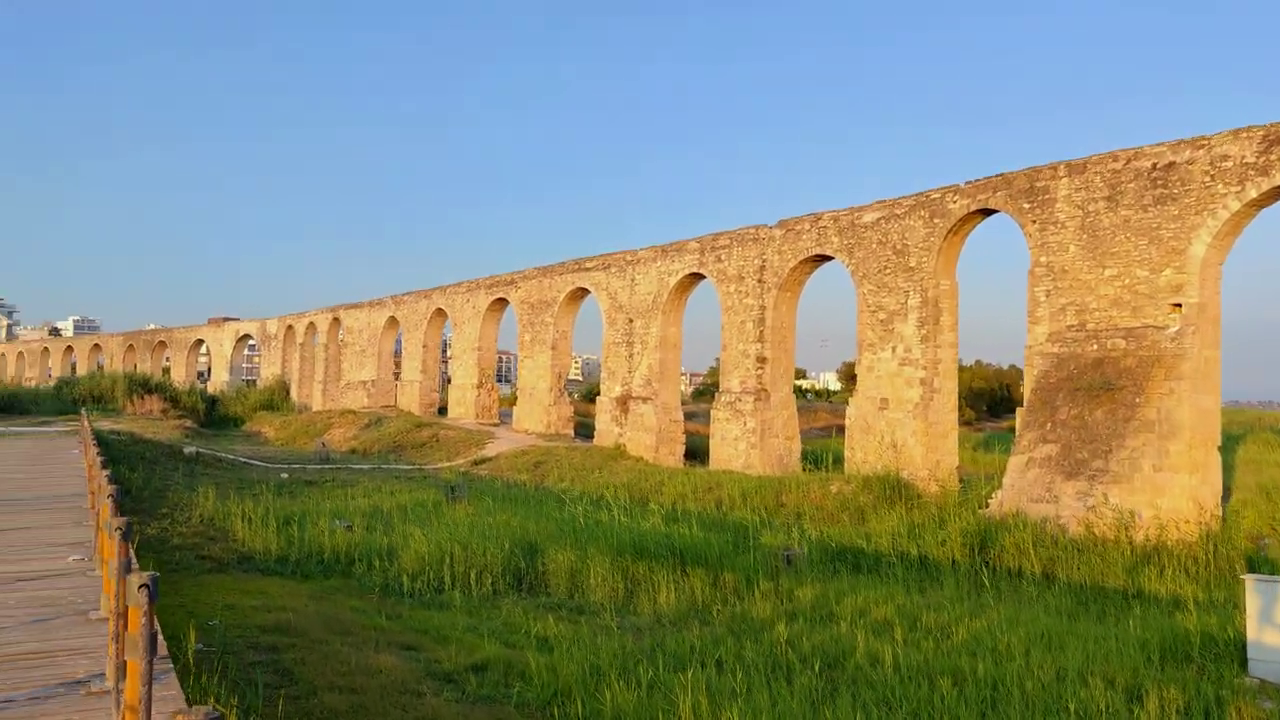
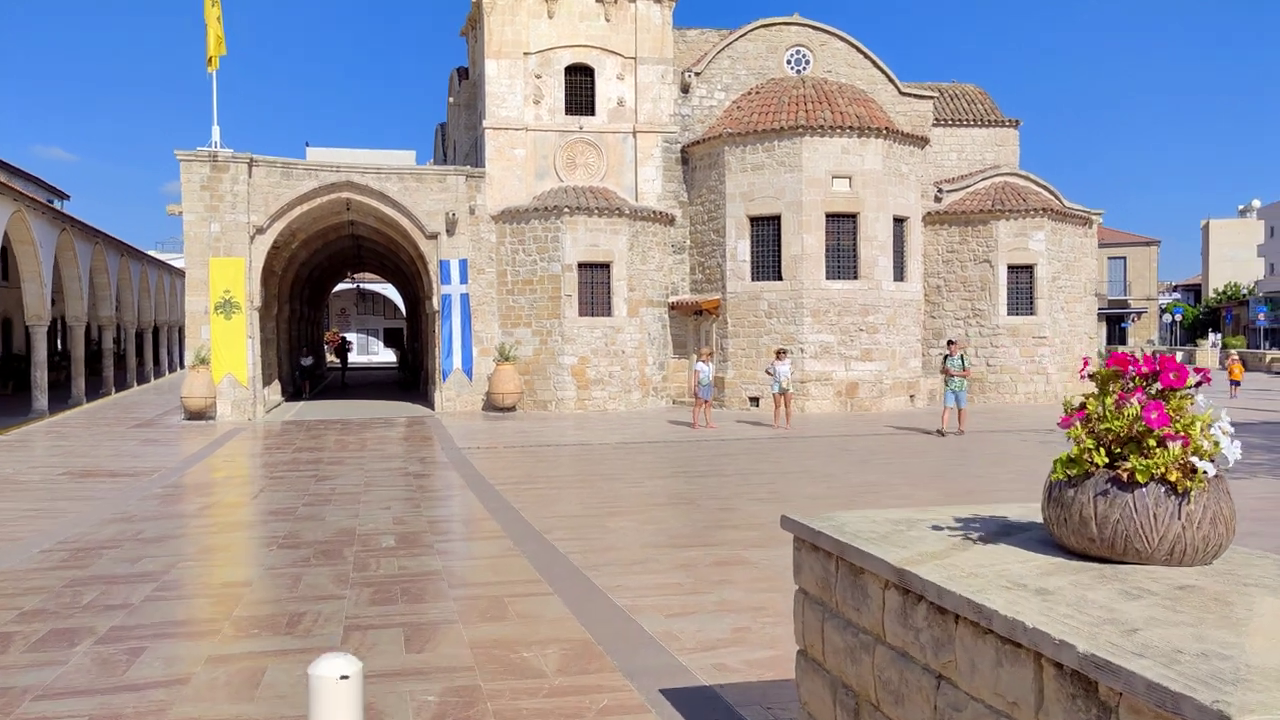
Larnaca deserves more attention in winter than many travelers give it.
The airport is close, the center is compact, the seafront remains part of daily city life and you can build an enjoyable short trip without turning every day into an excursion. The nearby salt lake also takes on its seasonal identity during the cooler months, when flamingos are commonly associated with the wetland.
Larnaca is particularly strong for three- or four-night stays, travelers who dislike overplanning and anyone who values ease more than a long list of headline sights.
The trade-off is scale. If you want enough major experiences to occupy a full week without driving frequently, Paphos or Limassol may give you more range.
Nicosia: Choose It for Cyprus, Not for Winter Sun
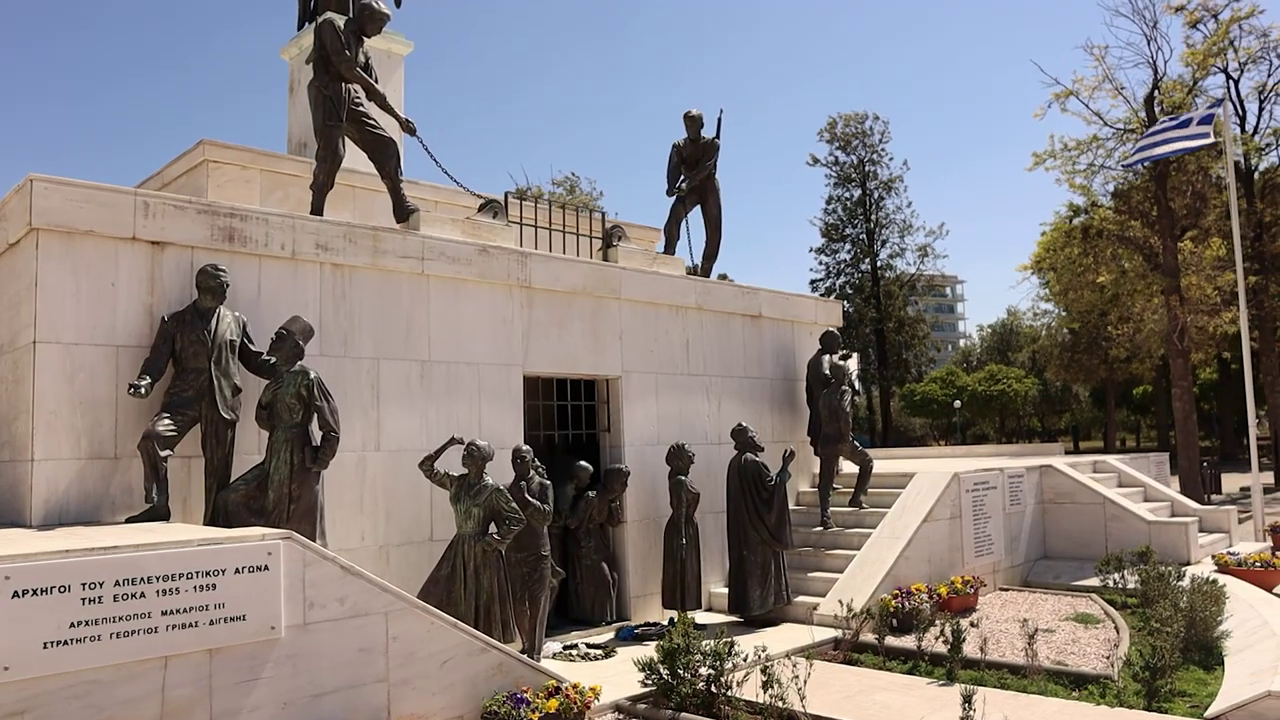 Liberty Monument, Nicosia
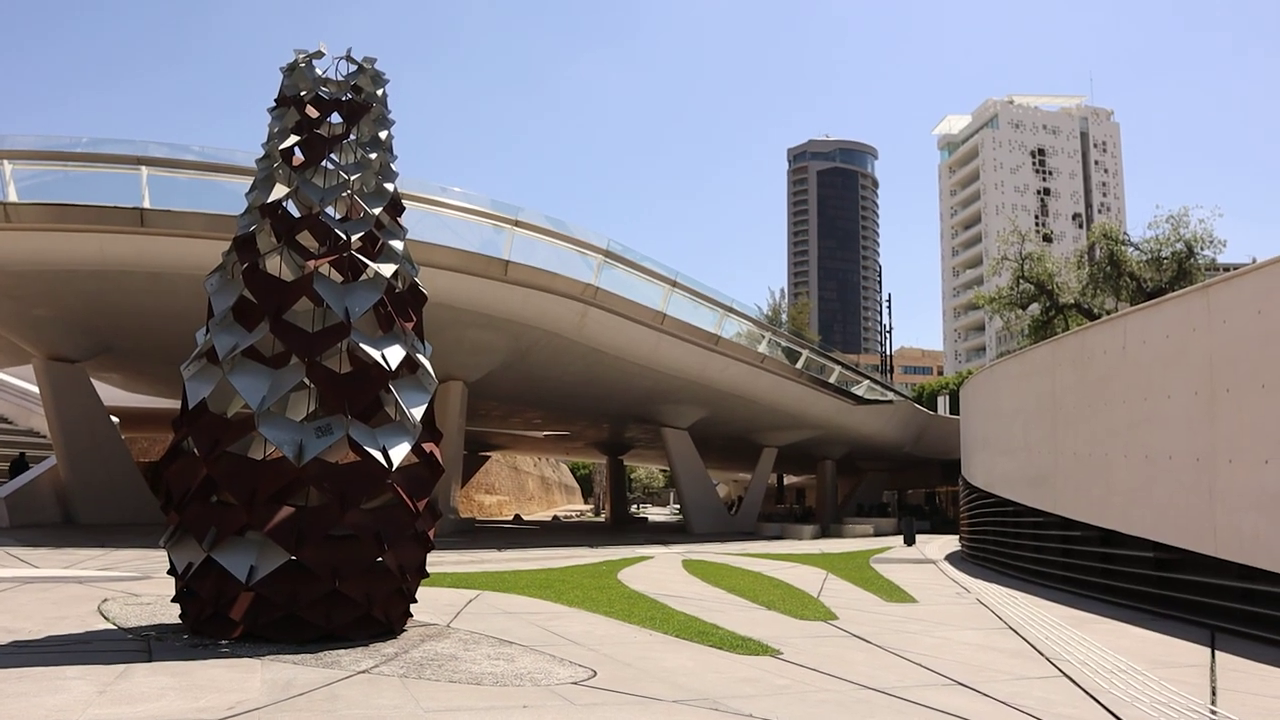 Eleftheria Square, Nicosia
Nicosia is the wrong choice if the words “winter sun” make you picture breakfast facing the Mediterranean.
It can nevertheless be one of the most interesting places on the island in winter.
Cooler weather suits the old city, museums, galleries, shops, restaurants and long urban walks. Nicosia also lets you see Cyprus without the coastal holiday filter. People are going to work, meeting friends, shopping and having lunch; the visitor economy is present without dominating the city.
We would usually combine it with a coastal base rather than make it the default choice for an entire winter vacation.
Two nights can completely change your understanding of the island.
Troodos: The Counterpoint, Not Necessarily the Base
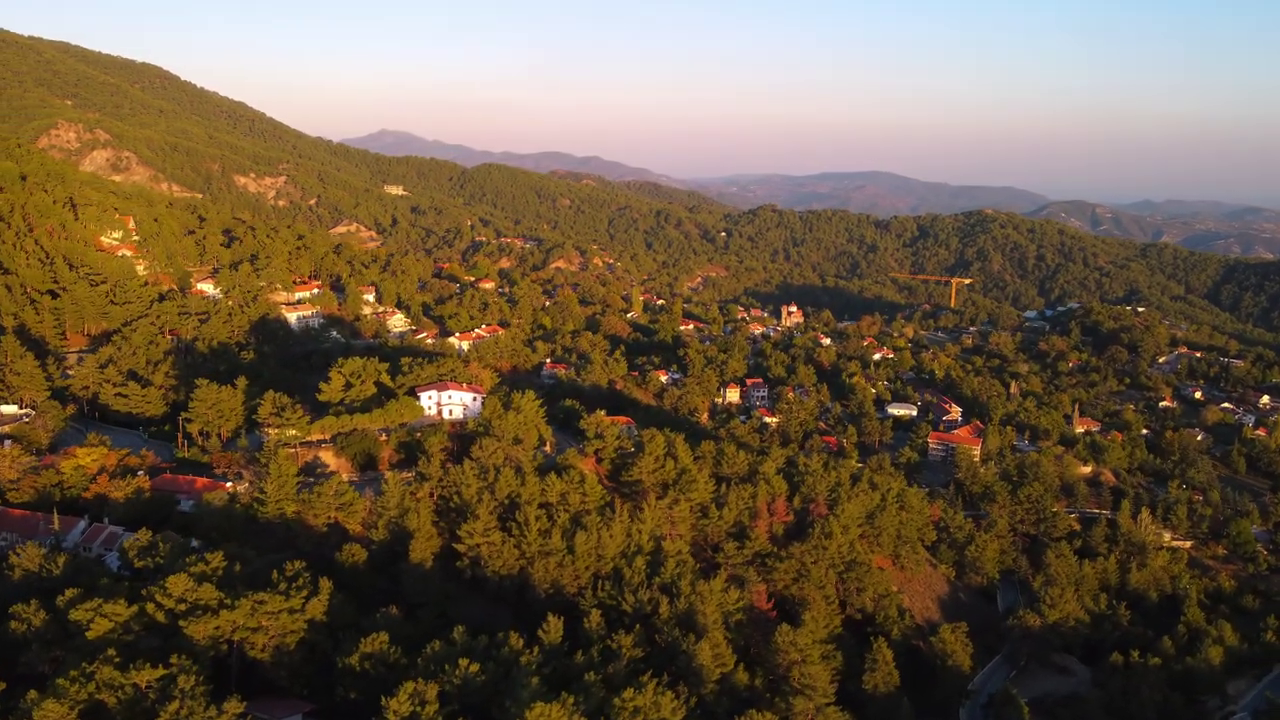 Troodos Mountains
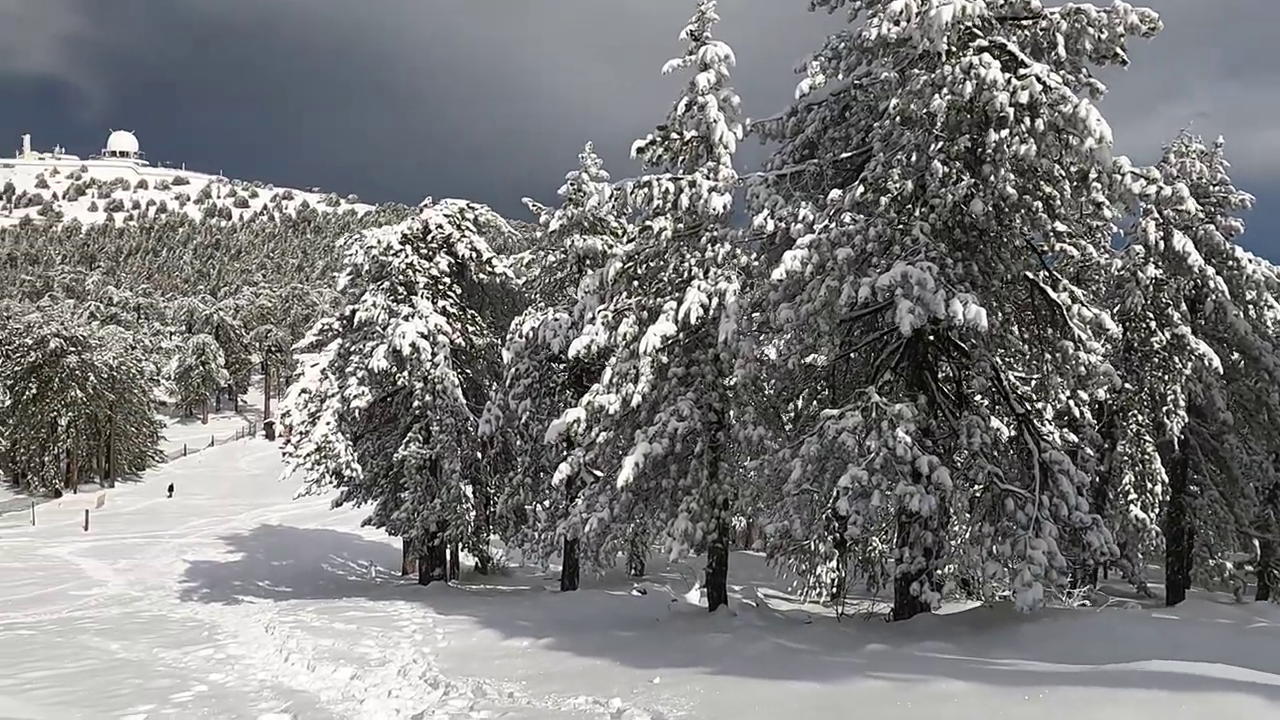 Troodos Mountains in Winter
Winter advertisements sometimes make Cyprus look as though you can choose between beach chairs and skiing boots before breakfast.
Reality is less theatrical and more interesting.
The Troodos Mountains can bring cold, rain, fog, ice and, when conditions cooperate, snow. That makes them an extraordinary counterpoint to the coast, but mountain travel should be treated as weather-dependent rather than guaranteed.
For many travelers, one or two nights in Troodos works better than basing an entire winter-sun trip there. You experience stone villages, forest, fireplaces and a completely different temperature, then return to the coast.
If mountain quiet is the purpose of the trip, reverse that logic and stay longer.
Road and trail conditions can change quickly during winter weather. Check current forecasts, road information and trail status before setting out, particularly after snow or heavy rain.
Ayia Napa and Protaras: Beautiful, but Understand the Off-Season
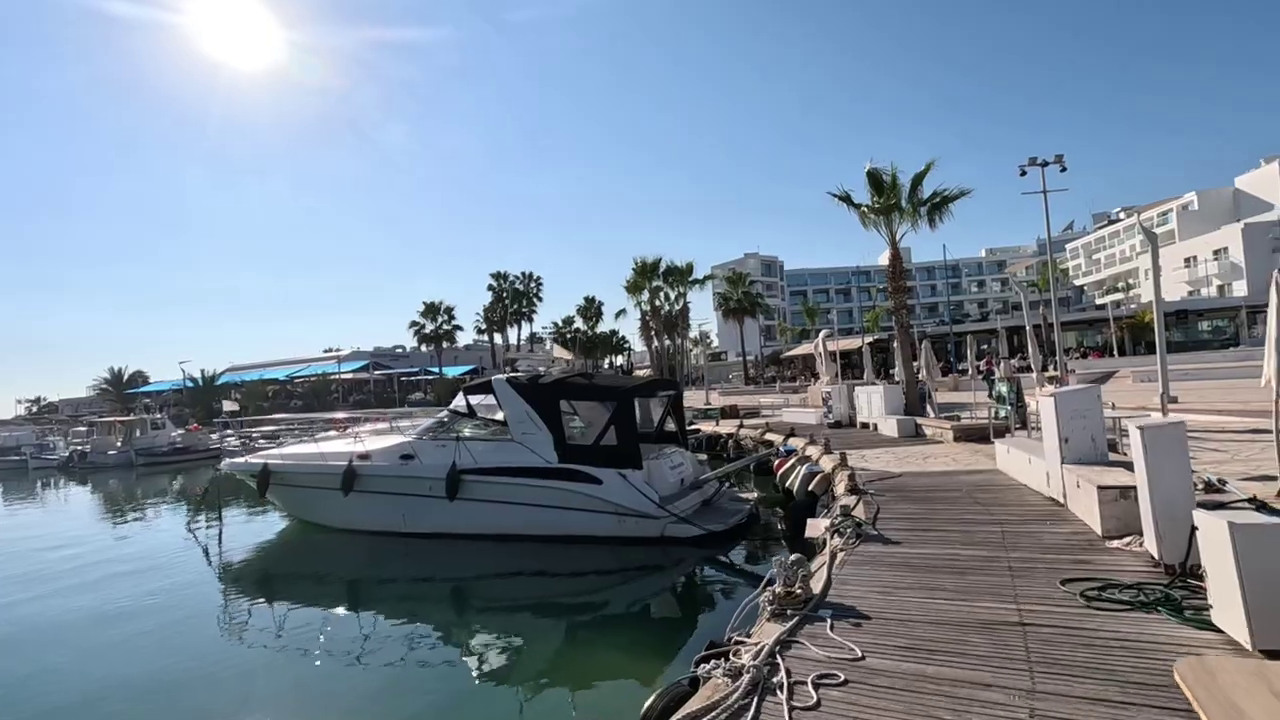 Ayia Napa Harbor
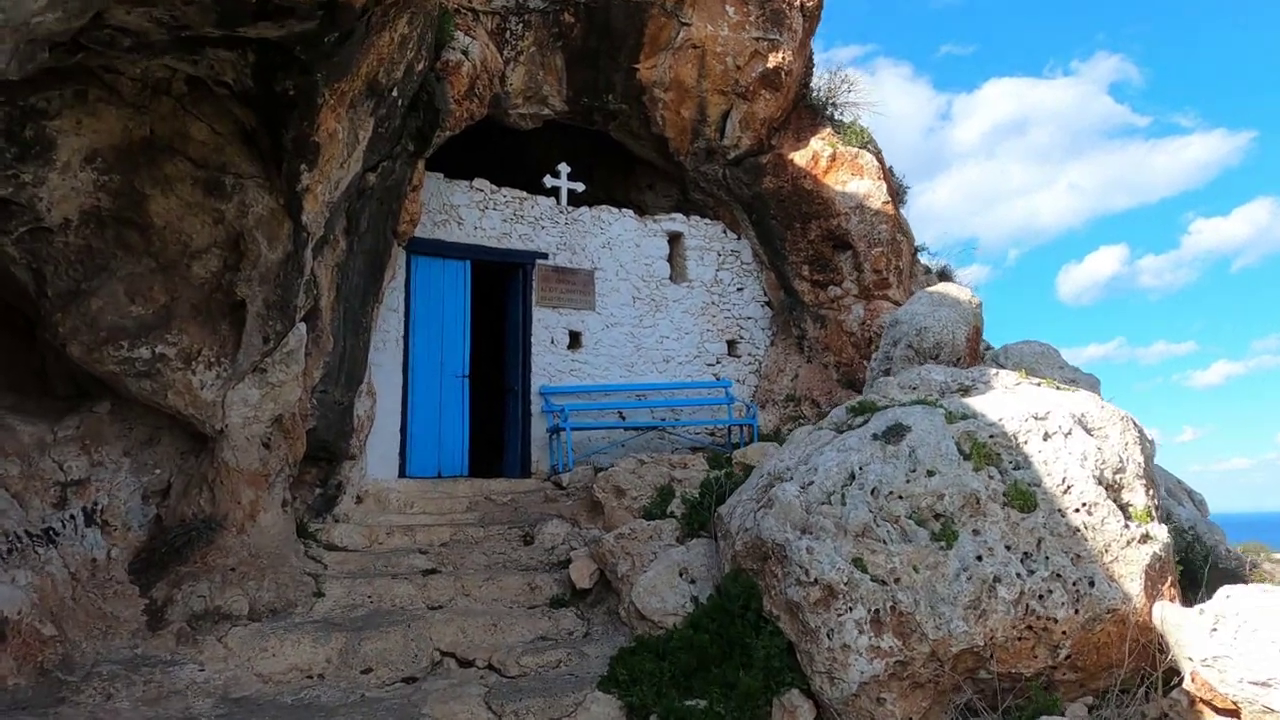 Ayioi Saranta Church, Protaras
This is where we would be most careful.
The coastline around Ayia Napa and Protaras does not stop being beautiful because it is January. In some respects, empty bays and coastal paths become more striking once summer crowds disappear.
But these are strongly seasonal tourism areas.
Some hotels, restaurants, bars, visitor services and entertainment businesses reduce their operations or close during the deeper off-season. The exact picture changes from year to year, which is why a hotel appearing online is not enough evidence that the surrounding resort will provide the winter atmosphere you want.
Choose the east coast in winter because you actively want quietness, coastal scenery and a very different version of these resorts.
Do not choose it expecting the summer product without the crowds.
For a first winter visit, we would generally choose Paphos, Limassol or Larnaca instead.
Hotels, Apartments or Villas in Winter?
Winter changes the accommodation hierarchy too.
Hotels
For most winter visitors, a hotel is the easiest choice.
Heating, staffed reception, breakfast, housekeeping and indoor communal spaces become more valuable when weather limits an afternoon outdoors. A good hotel can turn a rainy day from an inconvenience into part of the holiday.
Look beyond star rating. In winter we care more about location, heating, year-round operation, comfortable indoor areas and whether the surrounding neighborhood is alive.
If a spa or swimming pool matters, verify exactly what operates during your dates.
Apartments
A holiday apartment can work extremely well for longer winter stays, especially in Paphos, Limassol, Larnaca or Nicosia.
You gain space, a kitchen and the ability to live at a more local rhythm. Location remains critical: a large apartment in an inactive resort zone may look like excellent value until every dinner requires a drive.
Villas
Villas require the most scrutiny.
The summer fantasy—private pool, outdoor dining, large terrace—loses some of its value when the water is cold and evenings are spent indoors. A villa can still be wonderful for privacy, families or longer stays, but winter suitability depends on details photographs rarely emphasize.
Ask about effective heating, insulation, hot water, pool heating if required, indoor living space and what remains open nearby.
A beautiful but poorly heated villa is not luxury in January. It is an expensive cold house with a swimming pool nobody wants to enter.
What Cyprus Becomes Better At in Winter
Winter takes some things away. It gives others back.
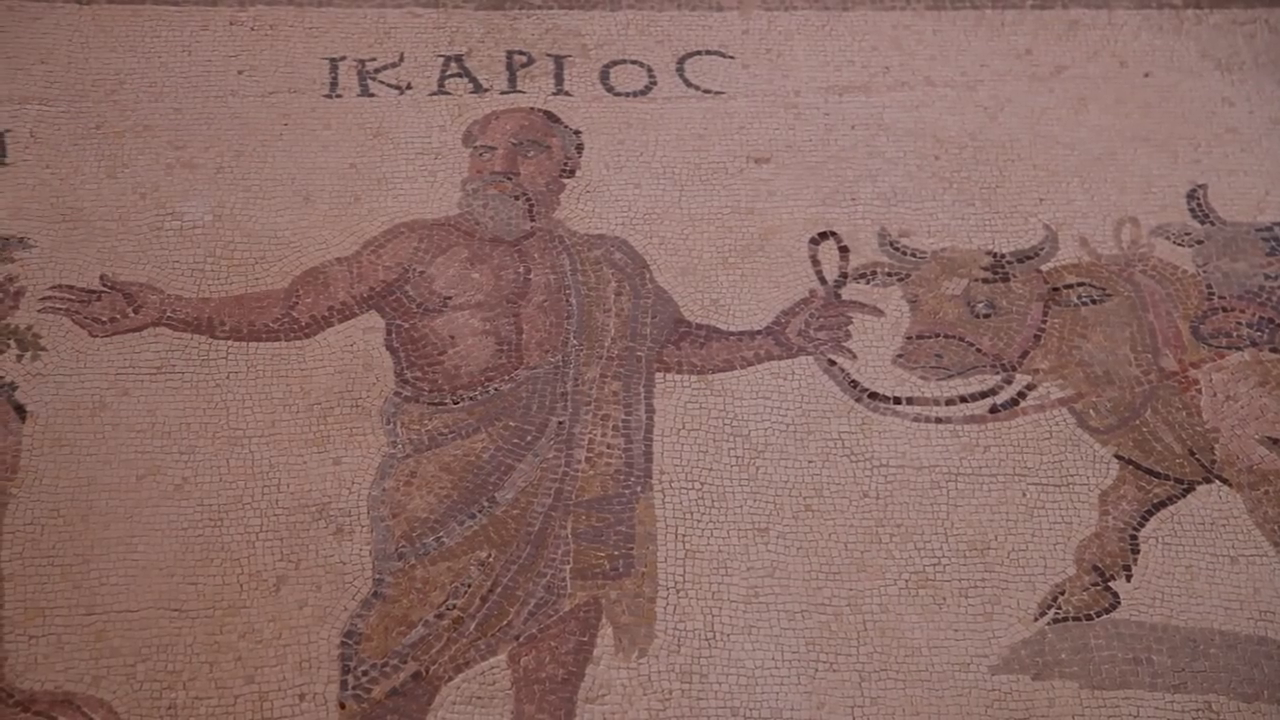
Archaeology Without the Heat
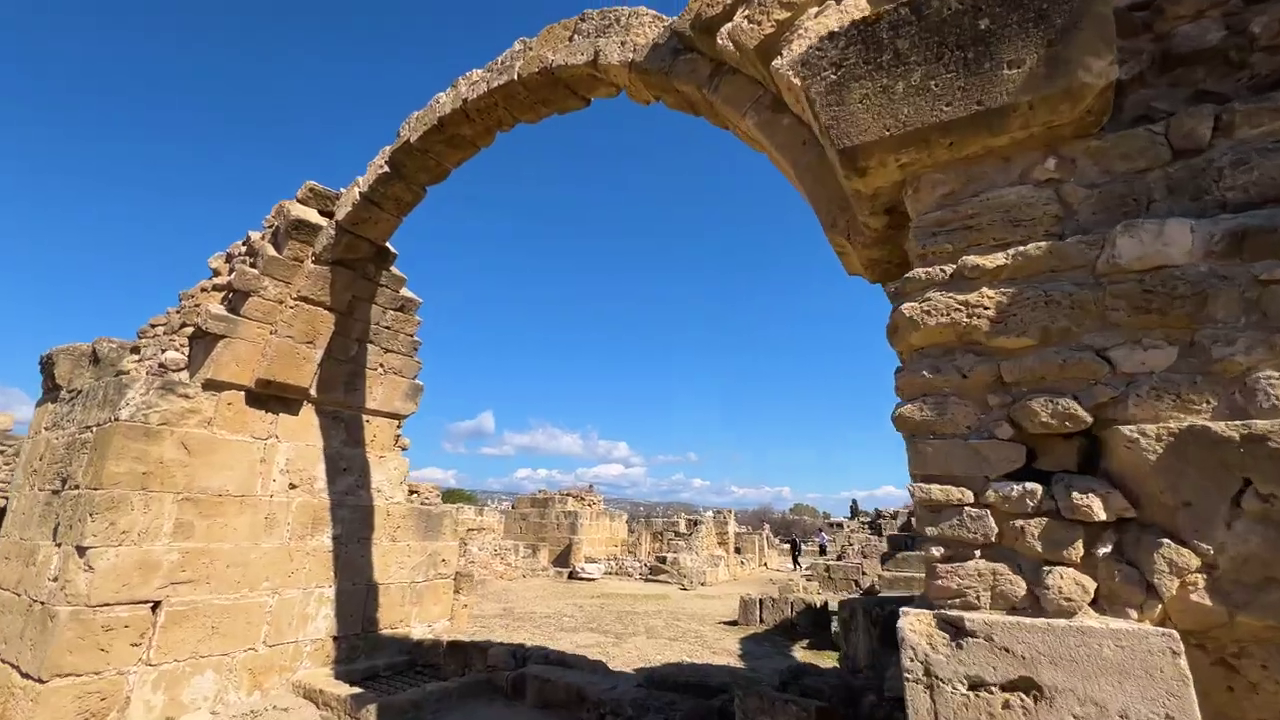 Kato Paphos Archaeological Park
 Paphos Mosaics
Few parts of Cyprus improve more dramatically than its open archaeological landscapes.
In summer, there comes a point when curiosity starts negotiating with the temperature. In winter, you can walk farther, stop more often and notice the relationship between ruins, land and sea rather than calculating the distance to the next patch of shade.
Paphos is particularly strong for this, but historical sites across the island become easier to experience at a slower pace.
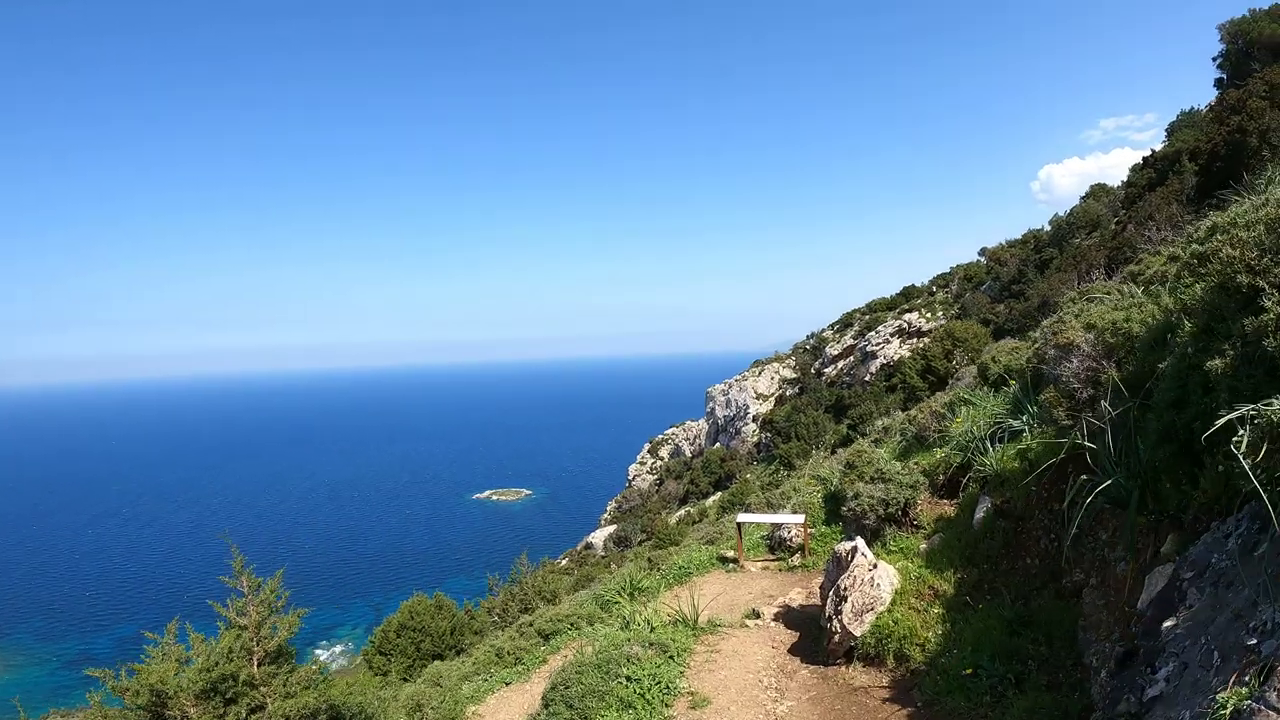
Walking
 Akamas Peninsula, Paphos
Winter is one of the periods when walking becomes part of the day rather than an activity scheduled around the heat.
Coastal promenades in Paphos, Limassol and Larnaca work beautifully on clear days. Lower-altitude countryside can also be rewarding as vegetation returns after the dry summer.
Mountain and gorge walking requires more judgment. Rain can make surfaces slippery, water levels can alter routes and individual trails may close temporarily. Treat trail status as current information, not something a guidebook can guarantee months ahead.
Villages and Wine Country
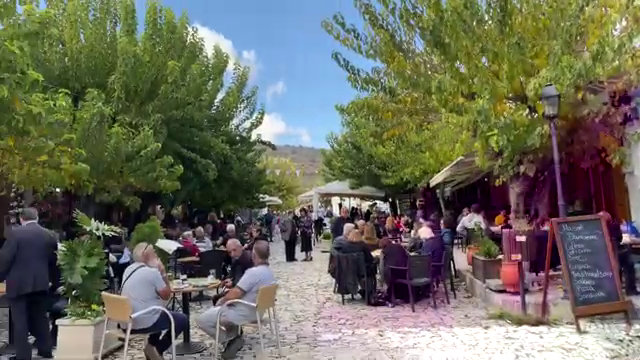
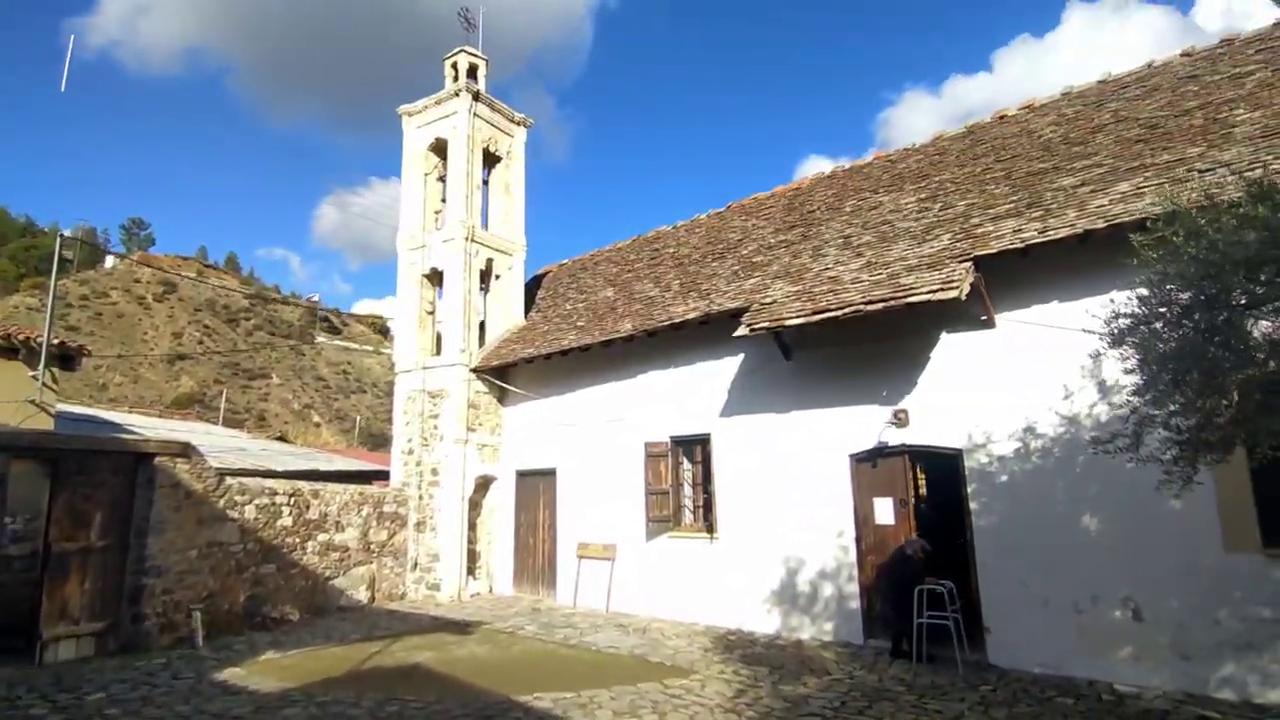
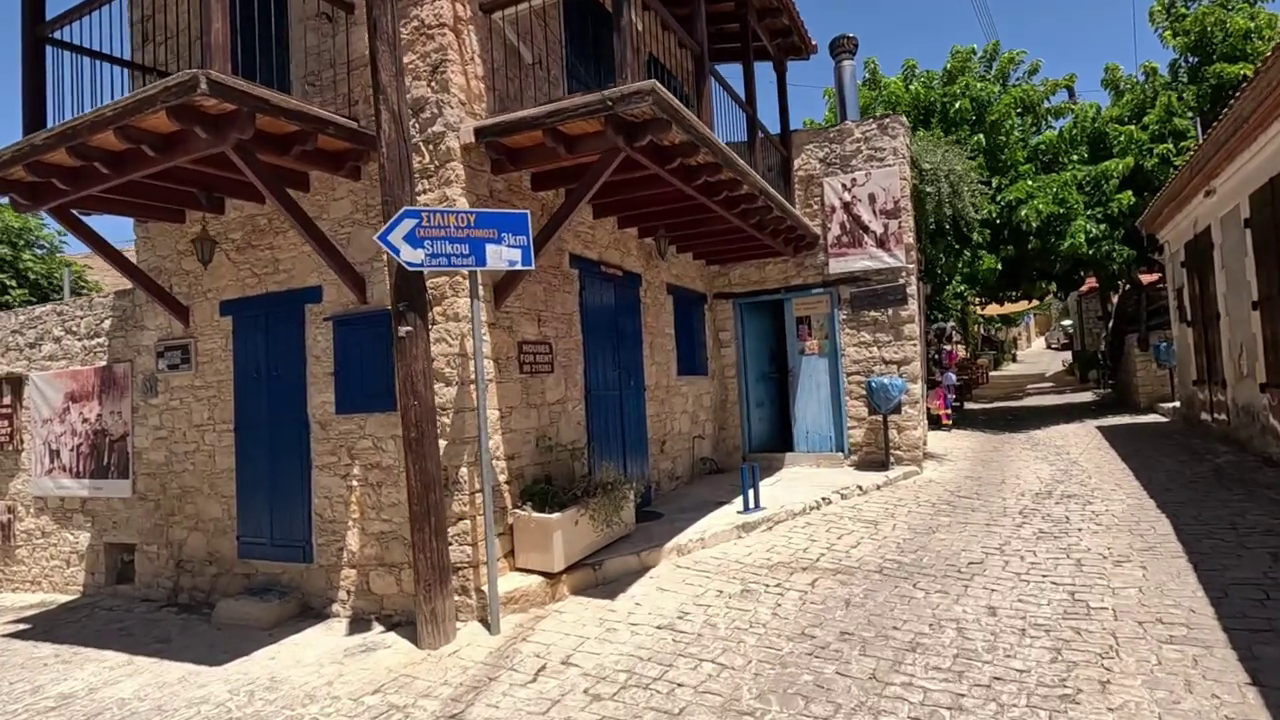
Winter changes the tempo of the villages.
Some businesses shorten their hours, but that is part of the season rather than a defect in it. The villages are not staged attractions operating permanently for visitors.
Drive through the wine villages above Limassol or into the foothills and the landscape feels less bleached, meals become a larger part of the outing, and indoor tavernas regain their importance.
The experience becomes less about collecting villages and more about choosing one or two well.
Food Becomes Part of the Weather
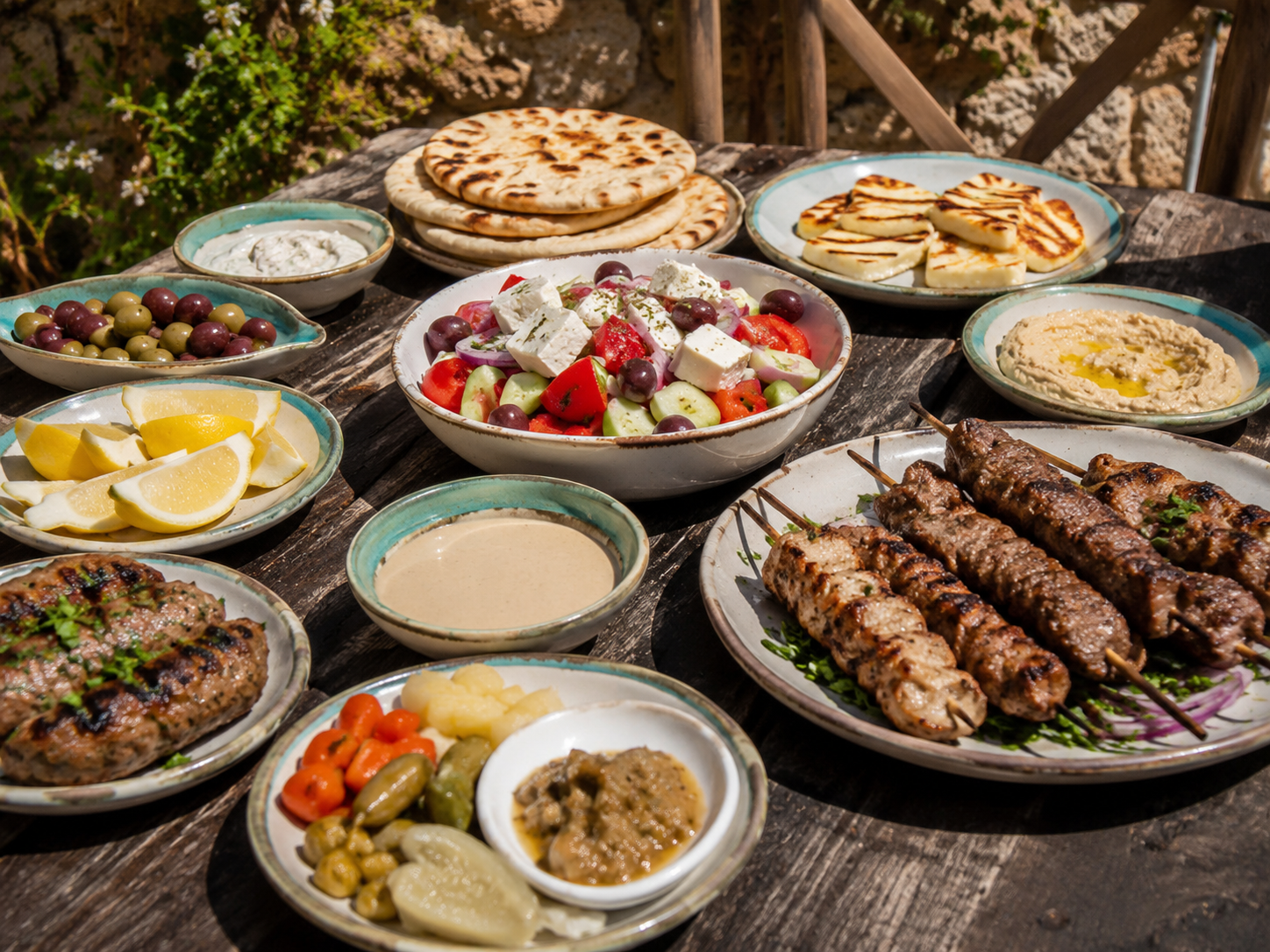 Meat Meze
Winter changes the way you eat in Cyprus.
A table in full midday sun may be the most desirable one at lunch. By evening, you may be looking for somewhere warm indoors rather than a sea-view terrace.
Long lunches work particularly well at this time of year, as do city restaurants used by locals throughout the year. Instead of constructing each day around beach time, food becomes one of the anchors between excursions.
For travelers who care seriously about Cypriot cooking, wineries and local produce, winter can be more interesting than its reputation implies.
The Coast And The Mountains Belong in The Same Trip
One of winter Cyprus's strongest qualities is the contrast between landscapes.
The coast may be bright and mild while the higher Troodos slopes are cold. Snow may appear in the mountains while the coastal cities continue with ordinary Mediterranean life.
Use that contrast rather than trying to build the same type of day repeatedly.
Give yourself a coastal day, a city day, a village day and—when conditions suit—a mountain day. Keep enough space in the itinerary to match outdoor plans to the weather rather than fixing every excursion months in advance.
Winter rewards flexibility.
You Will Probably Want a Car
A car makes winter Cyprus substantially more rewarding.
It allows you to move between coast, villages, archaeological sites, countryside and the foothills without structuring the entire trip around transport availability.
Winter driving, however, requires more respect than a summer coastal transfer. Daylight is shorter. Mountain roads can be wet, foggy or occasionally affected by snow and ice. Rural roads may feel very dark after sunset.
We would also avoid turning a winter holiday into an endurance test of cross-island driving. Cyprus looks compact on a map, but repeatedly spending two hours in a car is still repeatedly spending two hours in a car.
Choose a good base and travel outward from it.
What You Give Up by Coming in Winter
Cyprus is not at full summer capacity in January.
Some seasonal hotels close. Some restaurants and bars in resort areas shorten their schedules or shut for part of the winter. Boat excursions and watersports may be limited. Outdoor pools may be too cold unless heated. Summer resort evenings can become extremely quiet.
Weather can also change an outdoor plan.
If your perfect holiday requires warm sea, dependable beach days, a wide choice of resort restaurants and long evenings outdoors, winter is the wrong season.
Come later.
There is no prize for forcing Cyprus to fit a holiday it cannot reliably provide in January.
Who Winter Cyprus Suits Best
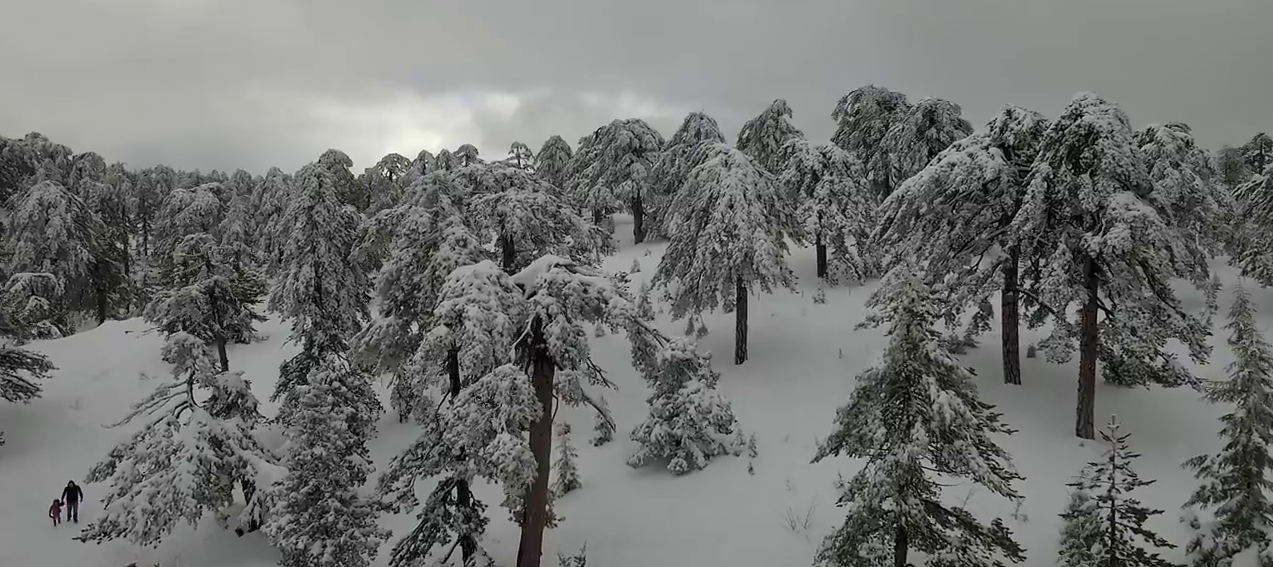 Troodos Mountains in Winter
Winter Cyprus is strongest for travelers who enjoy combining rather than specializing.
It suits couples who want restaurants, walks and day trips; repeat visitors ready to see the island outside its summer identity; culturally curious travelers who would rather spend two hours at an archaeological site than twenty minutes; hikers who can adapt plans to conditions; longer-stay travelers; and people who simply want Mediterranean light in the middle of a darker winter.
It can also work beautifully for first-time visitors, provided they understand that their first impression of Cyprus will be unusually quiet and green.
For travelers whose priorities are primarily beaches, swimming, nightlife or the full resort experience, we would wait.
How Long Should You Stay?
For a pure winter escape, four nights can work well if you choose one year-round base and resist trying to see the whole island.
A week is better. It gives you enough flexibility to respond to weather and enough time to combine coast, city, villages and mountains without turning the trip into a driving schedule.
With ten days or more, consider two bases. A coastal stay combined with a shorter period in Nicosia or Troodos can reveal how dramatically Cyprus changes over relatively short distances.
The extra days are not there so you can add more attractions. They give you the freedom not to care if Tuesday rains.
What We Would Do
For a first winter trip of around a week, we would keep it simple.
We would base ourselves in Paphos if we wanted the strongest balance of holiday atmosphere, coast, archaeology and day trips.
We would choose Limassol if restaurants, hotels and year-round urban energy mattered more.
We would choose Larnaca for a shorter, easier break.
Then we would use the clearest day for the countryside or Troodos instead of locking the mountain excursion into the itinerary before seeing the weather.
We would spend some time in Nicosia if culture and city life mattered to us. And we would not change hotels repeatedly just because Cyprus looks small. Most importantly, we would not judge the trip by how many hours we spent in swimwear.
The Cyprus You Meet After Summer Leaves
Summer Cyprus is easy to understand.
The beaches are full. Hotel terraces stay busy. Music carries across resort streets. The sea dictates the day.
Winter asks you to look elsewhere.
You begin noticing which neighborhoods still have people at café tables in January. Which towns function without visitors. Which villages feel different once the coaches disappear. How green the countryside can become after the first rains. How quickly the temperature changes when a road begins climbing toward Troodos.
And perhaps most unexpectedly, you notice the light.
Not the relentless light of August, when shade becomes something to search for, but winter light—the kind that makes people turn their chairs toward the sun.
That is the version of Cyprus worth coming for. Not summer at a discount. Cyprus in another season.