Newsletter "Beyond the Postcards" Subscribe
Plan Your Cyprus Trip: Hotels: Expedia, Villas & Apartments: Vrbo, Car Rentals: DiscoverCars, Tours: GetYourGuide, Airport Transfers: WelcomePickups
- Home
- Things To Do in Cyprus
- Diving in Cyprus
- Zenobia Wreck Diving
Zenobia Wreck Diving
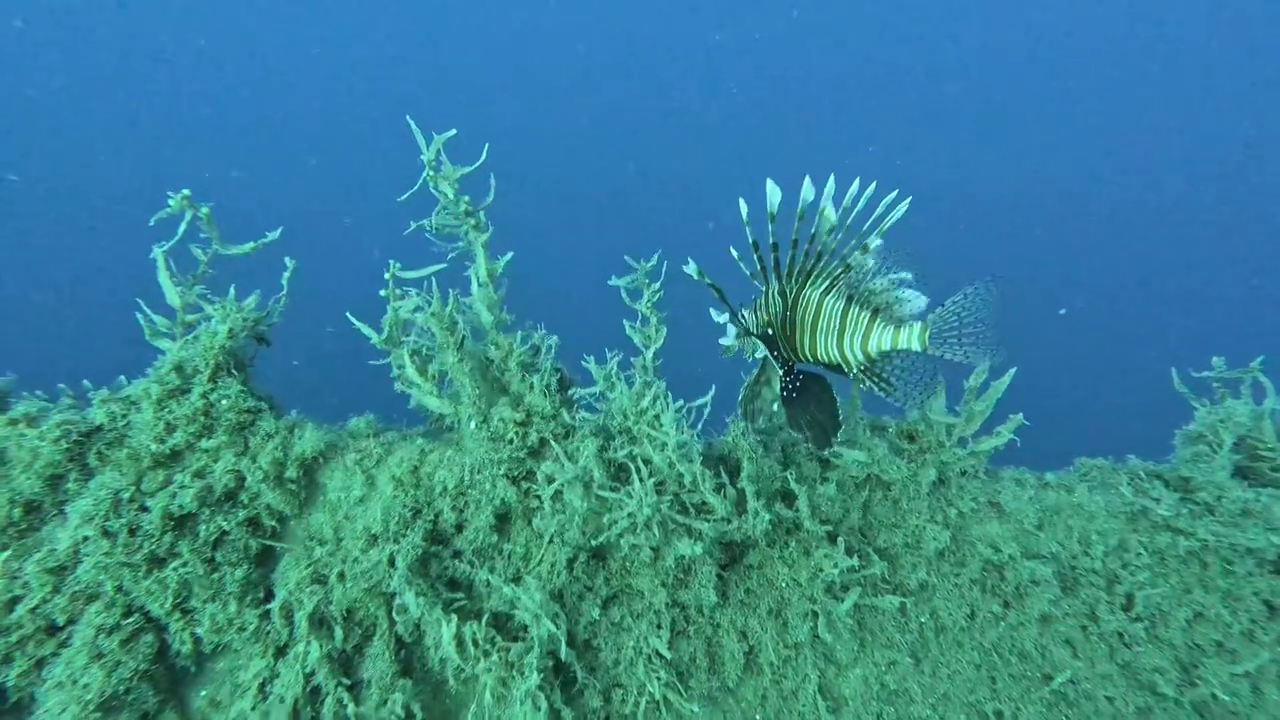
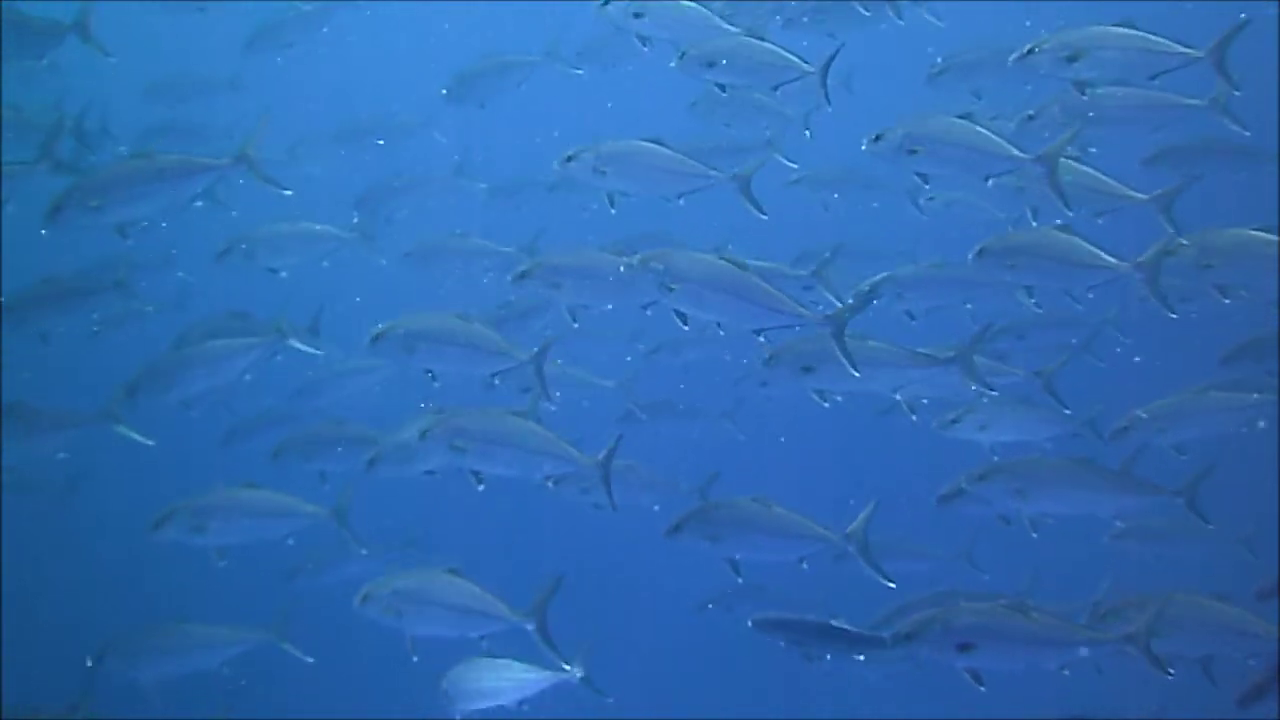
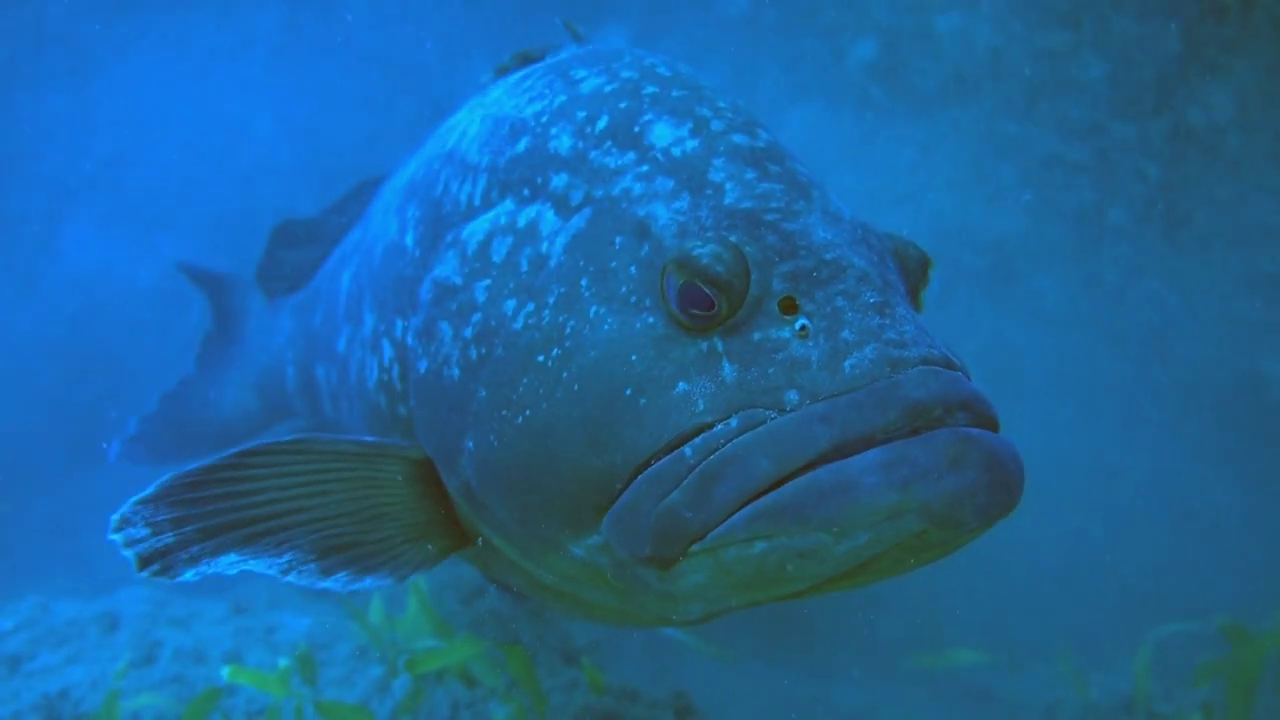
Off Larnaca, an entire ferry lies on its side. Its decks have become walls, its trucks remain part of the underwater landscape, and marine life has settled around a vessel built to carry passengers and freight between ports. At 172 meters long, the Zenobia is not a shipwreck that can be understood in one glance—or necessarily in one dive.
There is a difference between visiting the Zenobia and attempting to see all of it. A route along the exterior, a deeper excursion around the vessel's cargo and machinery, and a dive into its enclosed spaces offer substantially different experiences. The distinction matters more than any ranking of the wreck among the world's famous diving sites.
For experienced divers interested in maritime history, underwater structures and the scale of a large shipwreck, Zenobia can be a compelling reason to spend time in Larnaca. The question is not simply whether the wreck is worth seeing, but which part of it offers the most rewarding experience within the diver's capabilities.
The Ferry That Never Completed Its First Voyage
 Zenobia Wreck, Larnaca
The MS Zenobia was a Swedish-built roll-on/roll-off ferry that sank off Larnaca on June 7, 1980, during its maiden voyage. A malfunction in its computerized ballast system caused the vessel to list increasingly to one side. It eventually capsized and sank, taking its cargo with it.
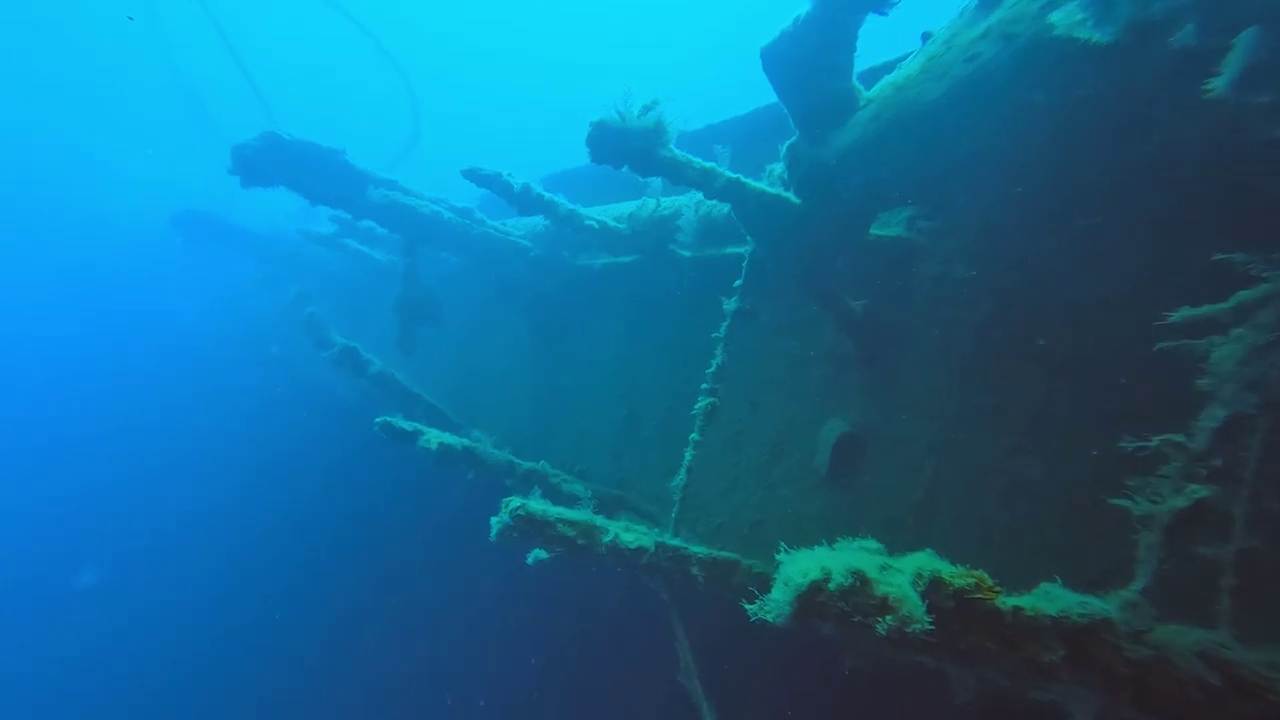
The ship now rests on its port side on the seabed approximately 1.5 kilometers offshore. Cyprus's official tourism information gives its length as 172 meters, with the dive site extending from approximately 16 to 42 meters below the surface.
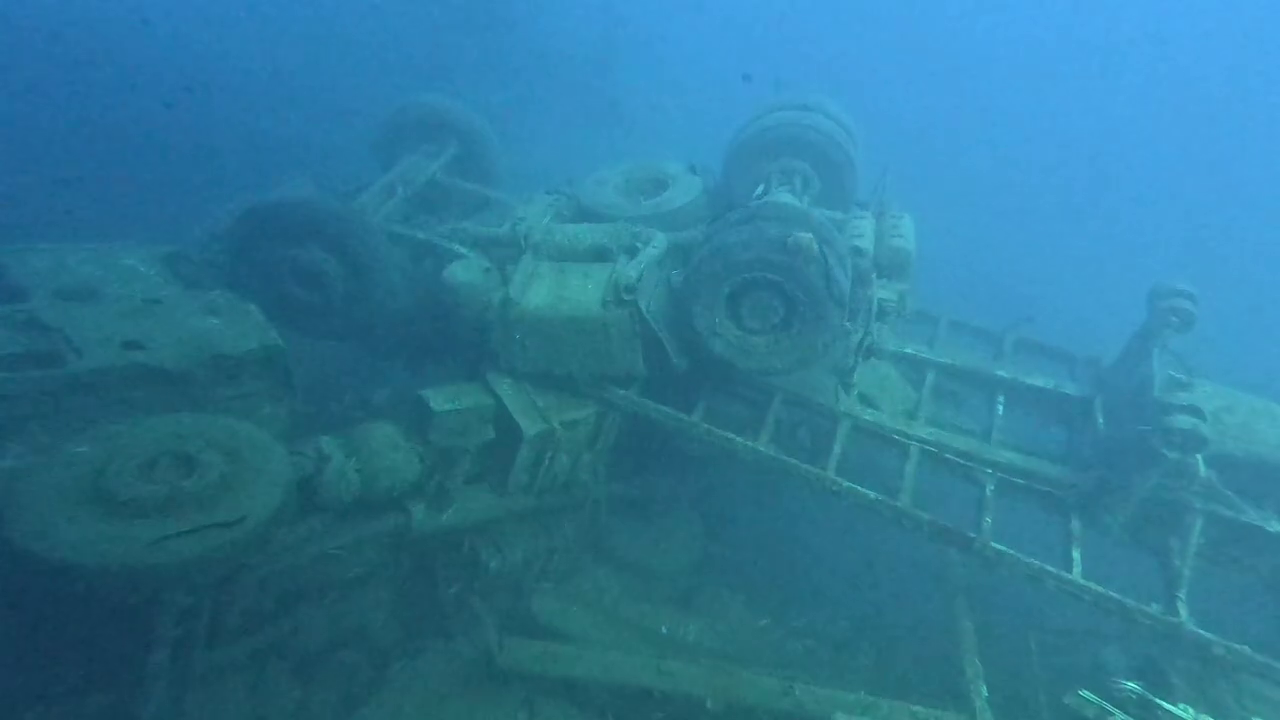
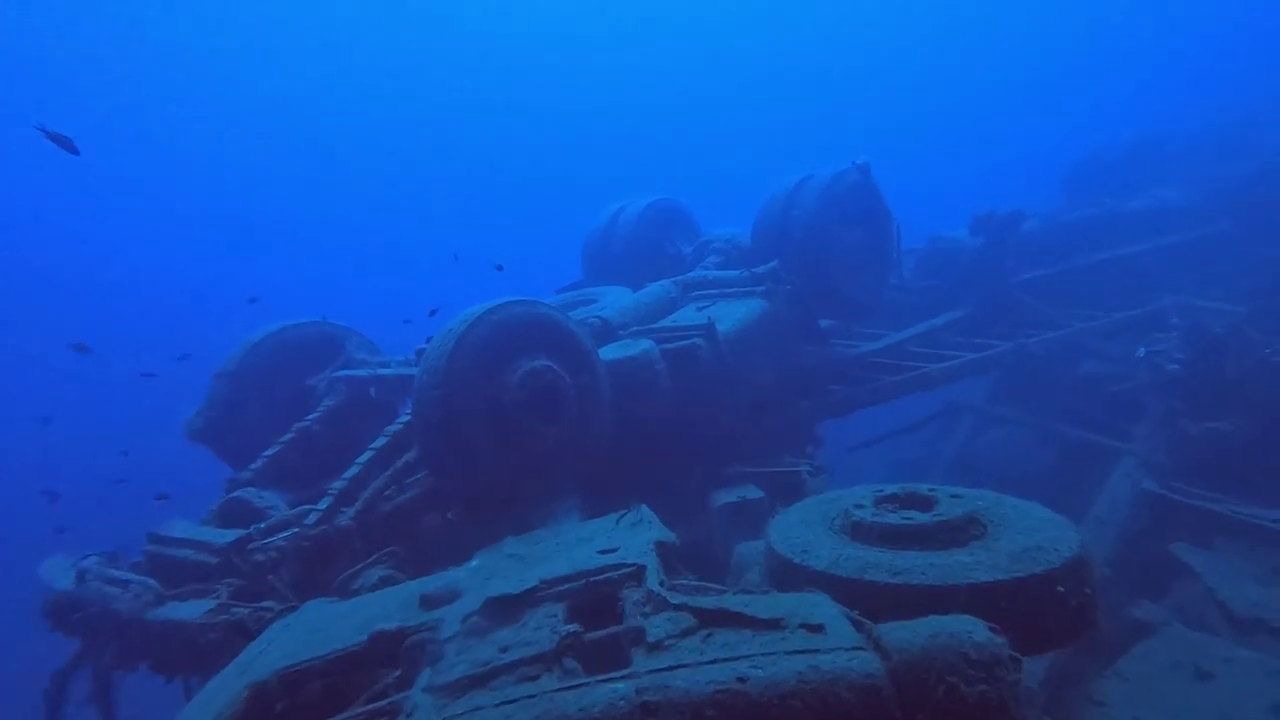
Among the cargo were more than 100 articulated trucks, along with goods being transported across the Mediterranean. Much of this material remains associated with the wreck, giving divers an unusual view of a working commercial vessel interrupted in the middle of its first journey.
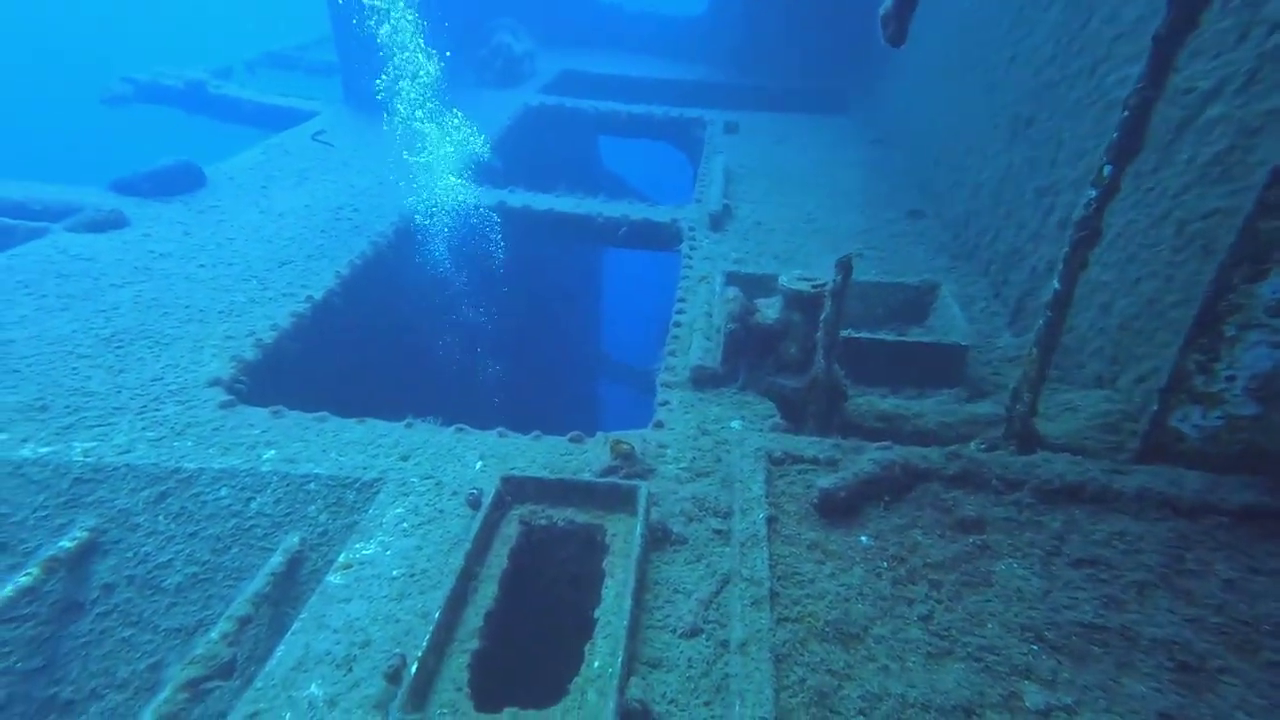
Its orientation is as important as its history. A ferry's decks, corridors and vehicle spaces are designed around an upright ship. On the Zenobia, that familiar arrangement has been turned sideways. Deck surfaces rise almost vertically, while doorways, railings and other structural features appear at angles that challenge the usual sense of orientation.
The wreck is also an established marine habitat. Fish gather around the hull and cargo, while larger marine animals may occasionally be encountered. Sightings vary, however, and the attraction should not be sold as a guaranteed wildlife experience.
What Makes Diving The Zenobia Different?
 Zenobia Wreck, Larnaca
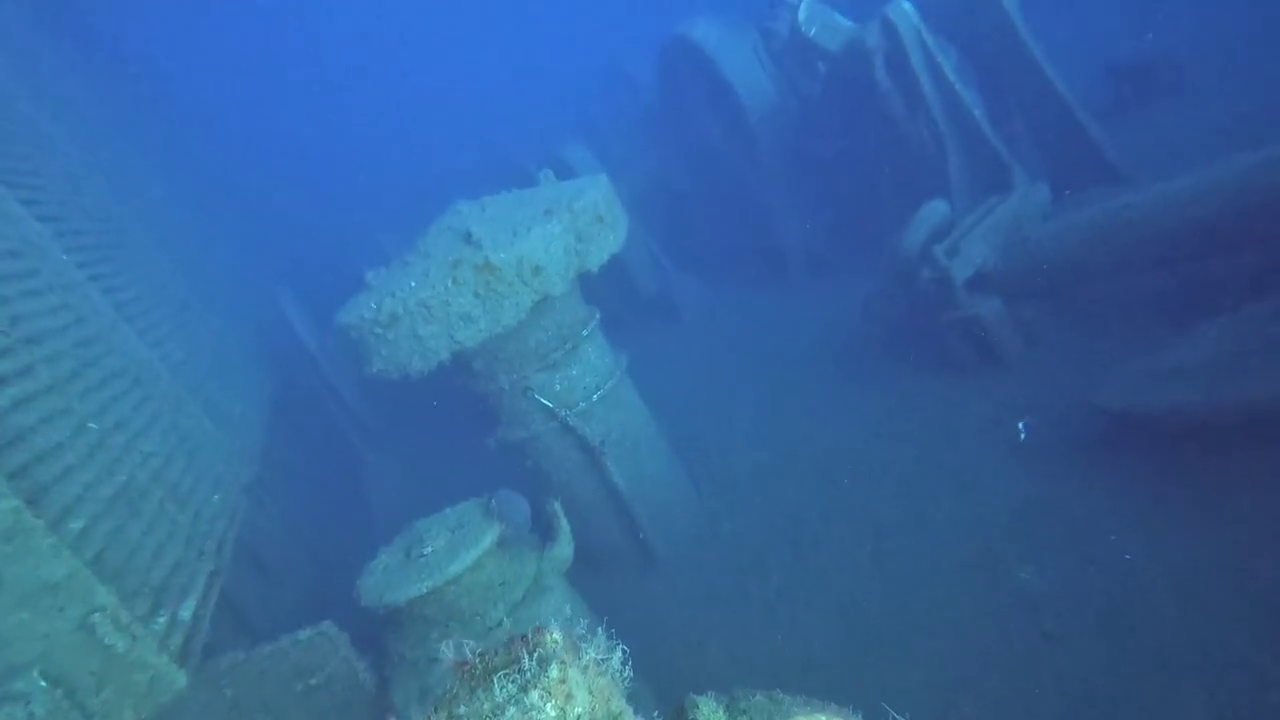
The Zenobia is unusually substantial for a dive site accessible by a relatively short boat journey from shore. Its exterior presents the proportions of a full passenger and freight ferry, while the cargo, machinery and enclosed sections offer further possibilities for appropriately trained divers.
The unusual perspective is part of its appeal. What once formed the horizontal working spaces of a ferry now extends across the underwater landscape in an unfamiliar orientation. A section of railing or an opening in the hull may seem ordinary in isolation, but the surrounding structure reveals the ship's extraordinary scale.
That scale also creates a practical limitation. Even an experienced diver cannot reasonably treat the whole vessel as a single recreational sightseeing route. Depth, breathing-gas requirements, the chosen route and decompression considerations determine what can be attempted within an appropriate dive plan.
A diver who remains outside the vessel has not experienced an inferior version of Zenobia. Views along the hull, superstructure and external cargo can provide a substantial encounter with the wreck without entering an overhead environment. Deeper or more technically demanding routes offer different rewards, not automatically better ones.
Three Different Ways To Experience The Wreck
An Exterior Dive: The Scale of the Ship
 Zenobia Wreck, Larnaca
For suitably qualified recreational divers, an exterior route may be the most appealing introduction to Zenobia.
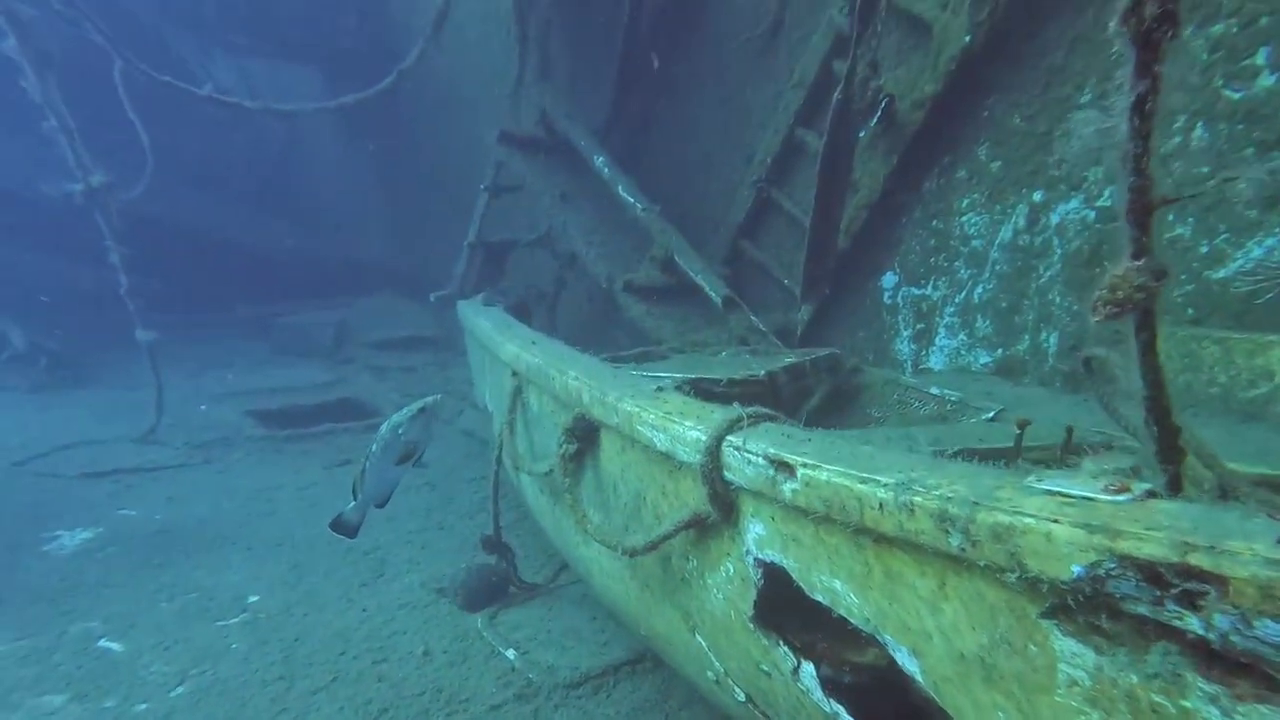
The shallower portions of the wreck begin at approximately 16 meters, although that figure describes the site rather than establishing a suitable depth for an individual diver. A professionally selected exterior route can introduce the vessel's immense proportions, its sideways orientation and some of its most recognizable structural features.
Depending on the route and conditions, divers may observe sections of the hull, superstructure, bridge area or externally visible cargo. Marine life adds another dimension without requiring entry into the ship.
The appeal lies partly in seeing how these different elements relate to one another. The ferry's size changes the experience of moving alongside it, with individual structures becoming part of a much larger vessel whose original purpose remains recognizable beneath the water.
This approach is particularly attractive to divers interested in the wreck's maritime character without pursuing interior exploration. It may also suit a qualified diver encountering a large shipwreck for the first time, provided the operator considers the planned route appropriate.
Exterior diving still involves risks. Depth, currents, visibility, entanglement hazards and proximity to the vessel must all be considered, alongside buoyancy control and the requirements of the planned dive.
Deeper Exterior Routes: Cargo, Machinery and Greater Depth
 Zenobia Wreck, Larnaca
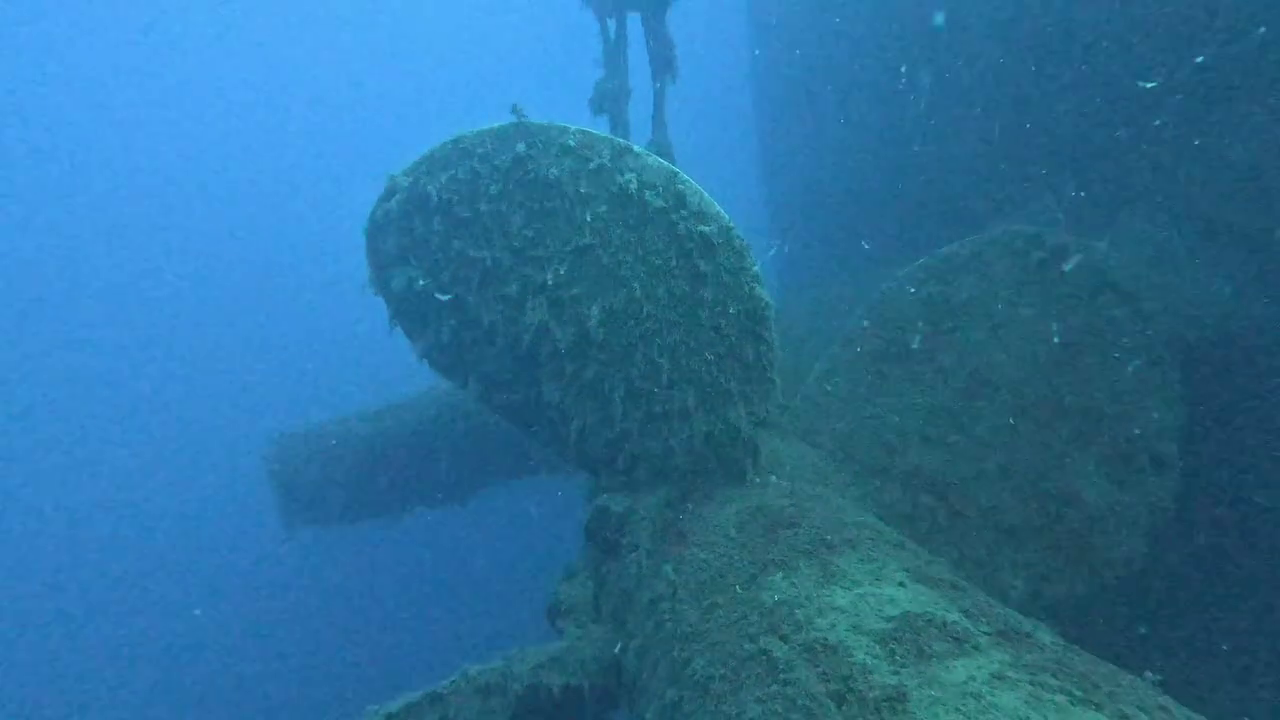
Some of Zenobia's most recognizable features can be encountered on deeper routes around the wreck.
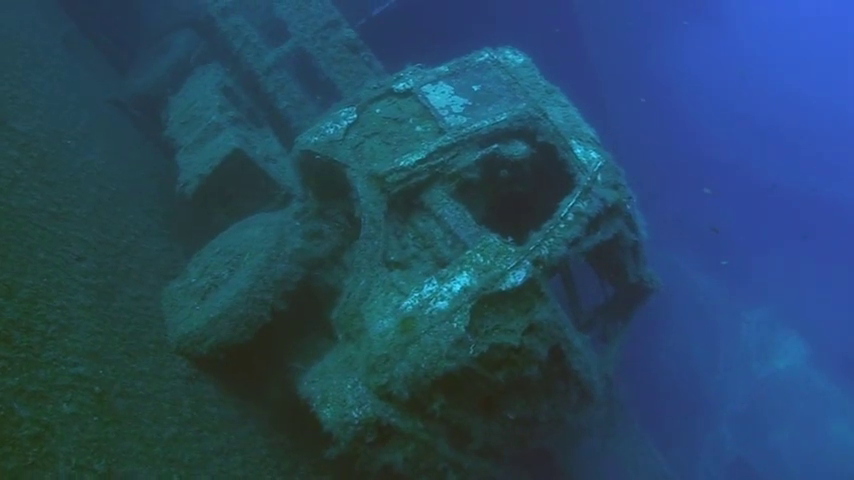
The vessel's enormous propellers, vehicle cargo and lower structural areas offer perspectives different from those available on a shallower excursion. Trucks resting at unusual angles, substantial machinery and the ship's larger openings convey something of the industrial scale of the original ferry.
These features should not be treated as a checklist that every visitor must complete. The seabed reaches approximately 42 meters, beyond the normal depth limit of PADI Advanced Open Water Diver qualifications and even the 40-meter recreational limit associated with PADI Deep Diver training.
A deeper excursion therefore requires qualifications, recent experience, equipment and professional planning appropriate to the intended depth and conditions. Routes extending beyond recreational limits, or involving decompression obligations, require the relevant technical-diving preparation.
For divers specifically interested in the machinery or lower reaches of the ship, the added demands may be justified. Others may find that the shallower sections already provide a sufficiently complete impression of Zenobia's scale and history.
Wreck Penetration: An Entirely Different Undertaking
 Zenobia Wreck, Larnaca
Entering the Zenobia changes the nature of the dive.
The ferry contains large vehicle spaces and enclosed compartments, but their apparent size should not be confused with safe or straightforward access. Once a diver enters an overhead environment, a direct ascent to the surface may no longer be possible.
Disorientation is a particular concern in a ship resting on its side. Corridors, doors, deck levels and other familiar reference points no longer occupy their original positions. Reduced visibility, entanglement, restricted passages and deterioration of the structure introduce further hazards.
A guided dive is not a substitute for the specialist training, equipment, experience and planning required for wreck penetration. Nor does a general recreational or introductory wreck qualification automatically authorize every internal route.
Interior exploration can offer a closer encounter with the ferry's original working spaces, but it comes with responsibilities fundamentally different from those of an exterior dive. It should remain a specialist activity rather than an expected progression for everyone visiting the wreck.
Who Should Consider Diving The Zenobia?
 Zenobia Wreck, Larnaca
Zenobia is particularly relevant to certified divers who enjoy substantial underwater structures, maritime history and boat-based diving.
A recreational diver with suitable training, recent experience and comfort at the proposed depth may find an exterior excursion rewarding. Someone with specialist wreck or technical qualifications may have additional possibilities, subject to the route and professional assessment.
The wreck is less appropriate for travelers seeking their first scuba experience. There are better environments in Cyprus for learning basic skills and becoming comfortable underwater without the complications of a large shipwreck.
Green Bay in Protaras, for example, is more relevant to supervised introductory diving and straightforward recreational experiences in suitable conditions. Travelers interested in other submerged vessels can also consider Cyprus's purpose-sunk wrecks, although their individual depths and access requirements still need assessment.
A diver returning after several years away from the sport may benefit from a refresher or a less demanding excursion before considering Zenobia. For someone who dives regularly and already enjoys comparable underwater environments, the wreck may be a natural priority.
The distinction is between being attracted by the ship's reputation and being prepared to appreciate the experience it offers.
What Qualifications Do You Need?
 Zenobia Wreck, Larnaca
Cyprus's official tourism listing identifies Advanced Open Water / Boat Diver qualifications for the Zenobia site. This is a general indication of the expected experience level, not authorization to undertake every available route.
Under PADI standards, an Open Water Diver is generally trained to a maximum of 18 meters, while an Advanced Open Water Diver is trained to a maximum of 30 meters, or the maximum depth reached during the relevant training if shallower. The PADI Deep Diver Specialty extends training to the recreational limit of 40 meters.
Other recognized training agencies have their own qualification structures. The appropriate certification depends on the proposed excursion, and a depth qualification does not independently establish suitability for wreck penetration.
Recent diving history matters alongside formal training. A diver who qualified several years ago but has not entered the water since may need a different introduction from someone who regularly completes comparable boat and wreck dives.
We would expect a responsible operator to examine certification, logged dives, recent experience, specialist training and any medical considerations requiring clearance. Those details should influence the excursion offered, rather than being treated as a formality before taking payment.
Choosing The Right Zenobia Dive Operator
The most useful conversation with a dive center begins before you book.
Ask which part of Zenobia the operator intends to visit, whether the route remains outside the vessel, and what maximum depth is planned. If an itinerary mentions swim-throughs or interior spaces, establish precisely what is involved and what qualifications are required.
The description should distinguish an exterior recreational dive from a deeper or penetration-focused experience. Terms such as "full wreck tour" are too vague to establish what participants are being asked to undertake.
Supervision is equally important. Confirm the qualifications and relevant experience of the dive leader, the expected group size, equipment arrangements, buddy procedures and surface support. Ask about emergency oxygen, communications, evacuation arrangements and the operator's response to changing conditions.
For an experienced diver who values individual attention, a private guide or smaller group may be worth the additional expense. The advantage is a more personal discussion of interests and the intended route—not permission to exceed training limits.
We would pay particular attention to an operator's willingness to decline a booking, adjust an itinerary or recommend further preparation. That judgment reveals more about professional standards than a promotional description of the wreck.
For a broader evaluation of operator standards and booking considerations, see our Best Dive Centers in Cyprus guide.
Planning A Zenobia Diving Excursion From Larnaca
 Zenobia Wreck, Larnaca
Larnaca is the natural base for diving Zenobia. The wreck lies a short distance offshore, and established dive operators organize boat excursions to the site.
For a traveler intending to make several dives, proximity can be worthwhile. Staying in Larnaca reduces repeated journeys across the island and makes it easier to organize departures around suitable conditions.
A single excursion is different. Someone already staying in Protaras, Ayia Napa or another part of Cyprus may find it more practical to arrange transport to an appropriate departure point than to change hotels for one dive.
The duration of an excursion also deserves attention. Some operators offer two-dive outings, which may allow suitably qualified participants to experience different areas of the wreck. The number of dives, surface intervals and overall schedule must follow the operator's professional planning and the diver's individual requirements.
Before booking, clarify the departure point, meeting arrangements, included equipment, guide services, transportation where relevant and cancellation terms. A premium price is worth considering when it provides genuinely better organization and individual attention, but cost alone tells you nothing about operational standards.
We would allow flexibility in a diving-focused itinerary rather than arrange Zenobia on the only morning available. Sea conditions or other safety considerations can make a planned departure unsuitable, even when the weather appears agreeable on land.
Larnaca itself works well as a base for a more relaxed holiday. The harbor and seafront provide opportunities for an unhurried meal or walk after the day's activities, without needing to make every hour revolve around diving.
When To Dive And What Conditions To Expect
Zenobia attracts divers across much of the year, but the season does not provide a guarantee of suitable conditions.
Water temperatures change, and cooler periods may require more substantial thermal protection. Visibility can also vary, while wind, swell and currents may affect boat operations and the suitability of particular routes.
Good visibility does not eliminate the hazards associated with depth or enclosed structures. The operator must assess actual conditions and determine whether the proposed dive can proceed appropriately, including whether a planned route needs to be changed or canceled.
There are additional considerations outside the water. Medical screening must be completed honestly, and relevant medical clearance obtained where required. Travelers should confirm that their insurance covers the intended activity, including applicable depth limits or exclusions for wreck penetration and technical diving.
Flights and journeys to higher elevations also need to be considered. Diving organizations publish minimum intervals before flying, but the appropriate timing depends on actual dive profiles and individual circumstances. Visiting the Troodos Mountains after diving can also increase decompression risk because of the change in altitude.
These arrangements should be discussed with qualified diving professionals before finalizing the itinerary, particularly when planning multiple dives or more demanding profiles.
Respecting The Wreck And Its Marine Environment
 Zenobia Wreck, Larnaca
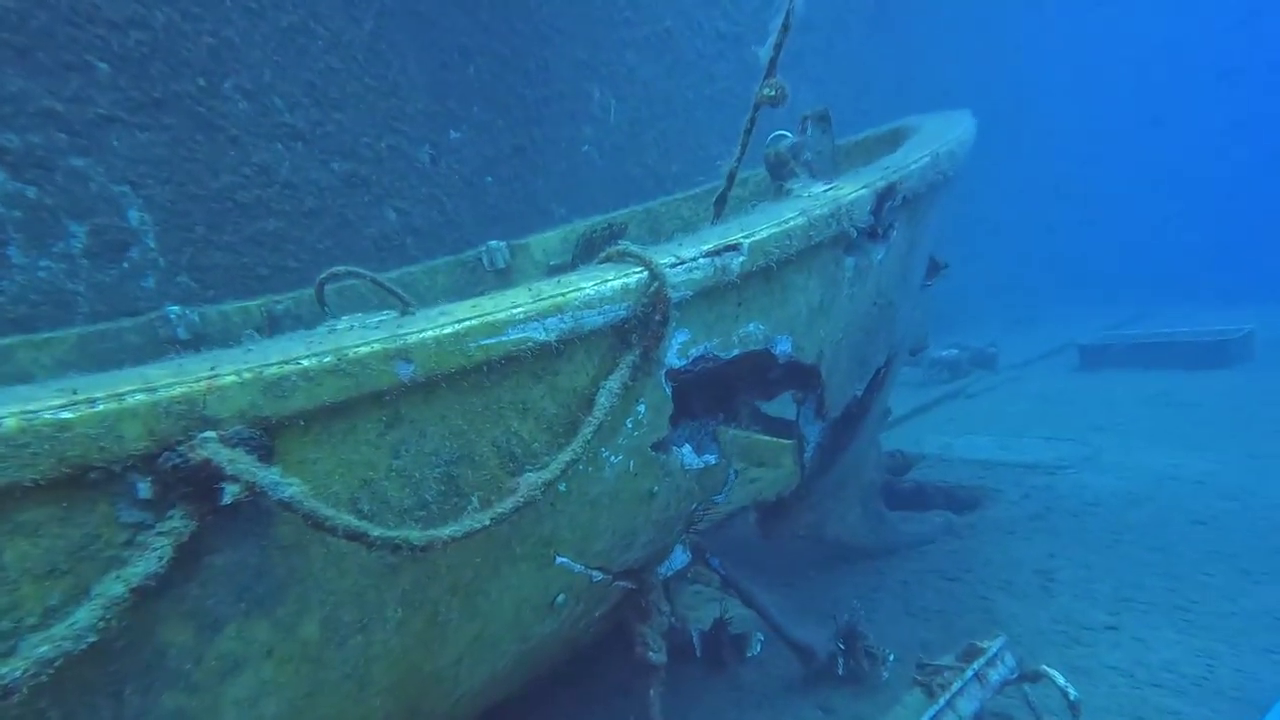
Zenobia is more than a diving attraction. The vessel has become part of the marine environment off Larnaca, with fish and other organisms using the structure as habitat.
Cyprus's Department of Fisheries and Marine Research identifies a marine protected area associated with the Zenobia wreck and Larnaca desalination facilities. Fishing restrictions apply within 500 meters of the wreck, while applicable requirements for vessel activities must also be respected. Operators should check the current regulations with the responsible authorities.
Marine life and the wreck itself should be left undisturbed. Objects should not be taken as souvenirs, and divers should avoid touching, moving or damaging structural remains, cargo or marine organisms.
The vessel has been underwater for decades, and its condition cannot be assumed to remain unchanged. Familiarity with an old route is not evidence that the route remains appropriate today. Operators must evaluate the wreck as it exists now, rather than relying solely on descriptions or photographs from previous years.
Our Verdict On Zenobia Wreck Diving
The Zenobia deserves its reputation because of what it is: a remarkably large commercial ferry, resting on its side with substantial elements of its cargo and structure still present. Few underwater experiences around Cyprus offer the same combination of scale, maritime history and the contrast between an industrial vessel and the marine environment that now surrounds it.
We have not personally dived the wreck, so our assessment is grounded in its documented characteristics, established diving standards and the practical distinctions between the available experiences. It is not a firsthand evaluation of an underwater route.
For suitably qualified divers with a genuine interest in large shipwrecks, Zenobia can justify making Larnaca an important part of a Cyprus holiday. Those without the necessary preparation have worthwhile alternatives elsewhere along the island's coastline.
What makes Zenobia remarkable is not how far someone can venture into it. It is the sight of an entire commercial world—vehicle decks, cargo, machinery and working spaces—turned sideways beneath the Mediterranean. A diver who appreciates that from outside the vessel has already encountered something extraordinary. Entering the ship is a separate undertaking, not a requirement for understanding its significance.