Newsletter "Beyond the Postcards" Subscribe
Plan Your Cyprus Trip: Hotels: Expedia, Villas & Apartments: Vrbo, Car Rentals: DiscoverCars, Tours: GetYourGuide, Airport Transfers: WelcomePickups
- Home
- Things To Do in Cyprus
- Best Beaches in Cyprus
- Best Beaches in Cyprus For Snorkeling
Best Beaches in Cyprus For Snorkeling
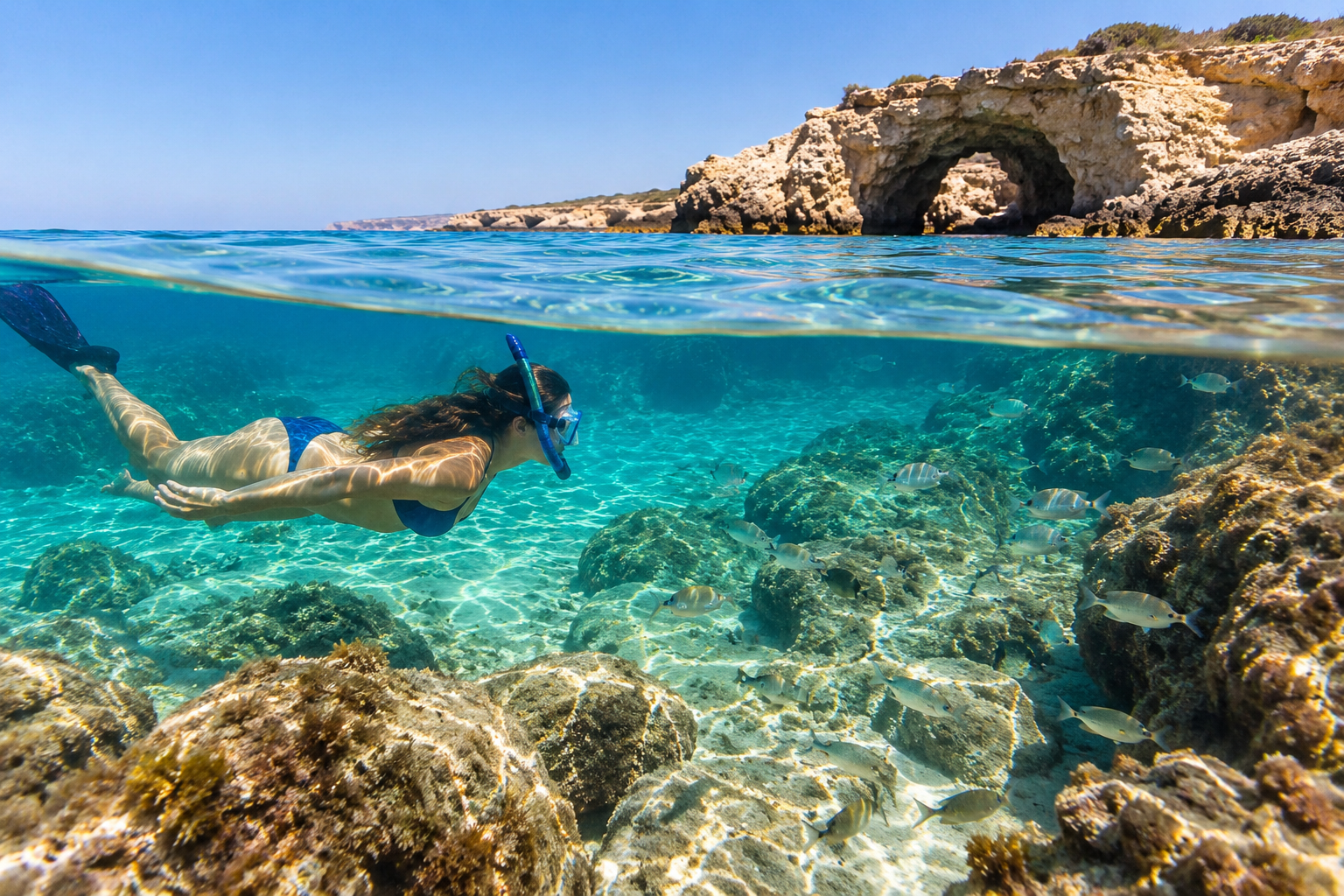
Watching the sea from the shore and exploring it through a mask are two very different experiences. From the beach, your attention is on the coastline, the people around you and the surface of the water. Once your face is in the sea, much of that disappears. What replaces it is the seabed, the movement of marine life and an underwater landscape that was there all along but could not properly be seen from shore.
On a calm day, that transition can be particularly striking in Cyprus. In shallow water, the seabed may already be visible before you even put on your mask. Once underwater, crystal-clear water allows you to notice far more: the change from sand to rock, patches of seagrass, fish moving across the bottom and the small details that are almost invisible from above.
That is what makes snorkeling different from simply swimming in clear water. A beautiful beach may still offer relatively little to explore below the surface, while a less dramatic-looking cove can become considerably more interesting once you look underwater.
The qualities people normally use to judge a beach therefore change when snorkeling becomes part of the day. Long stretches of immaculate sand can be wonderful for swimming, but varied seabed, rock, seagrass, manageable entry points and suitable conditions often matter more when the purpose is to explore rather than simply float or swim.
Cyprus should not be approached as a tropical reef destination. The pleasure is subtler: Mediterranean fish moving around rock, light changing across the seabed, seagrass, occasional octopus or cuttlefish, and, if you are lucky, perhaps even a turtle. Wildlife is never guaranteed, and that uncertainty is part of the experience rather than something a beach guide should disguise.
For snorkeling, we find the southeast to be the best base in Cyprus. Protaras, Cape Greco and the wider Ayia Napa coast put several useful coves and different stretches of coastline within a comparatively small area. There are worthwhile options elsewhere, including around Paphos and Pissouri, but the concentration in the southeast gives you more flexibility when conditions or the character of the beach are not quite what you want on a particular day.
What Makes A Beach Good For Snorkeling in Cyprus?
Clear water certainly helps, but it is only one part of the experience. On calm days, Cyprus can be exceptionally transparent in shallow areas, and sometimes you can see the seabed before you even enter properly. That first glimpse can be inviting, but clarity alone does not tell you whether the snorkeling will be interesting.
Soft sand, an uninterrupted seabed and shallow water are attractive for families and relaxed swimming. For snorkeling, they can mean there is simply less to look at. Rock, seagrass, variation in depth and the meeting point between different types of seabed give the eye somewhere to go and create more opportunities to observe marine life.
These transitions often matter more than the center of the bay. The best casual snorkeling in Cyprus is therefore frequently found around the margins, where sand gives way to rock or where the underwater landscape begins to change.
Conditions matter just as much as geography. A beach can have all the right physical ingredients and still be disappointing when wind, waves or stirred sediment reduce visibility; another day at exactly the same place can feel completely different. No fixed ranking can override what the sea is doing when you arrive, which is why this guide is about beaches with strong snorkeling potential rather than promises about what you will see.
Green Bay, Protaras
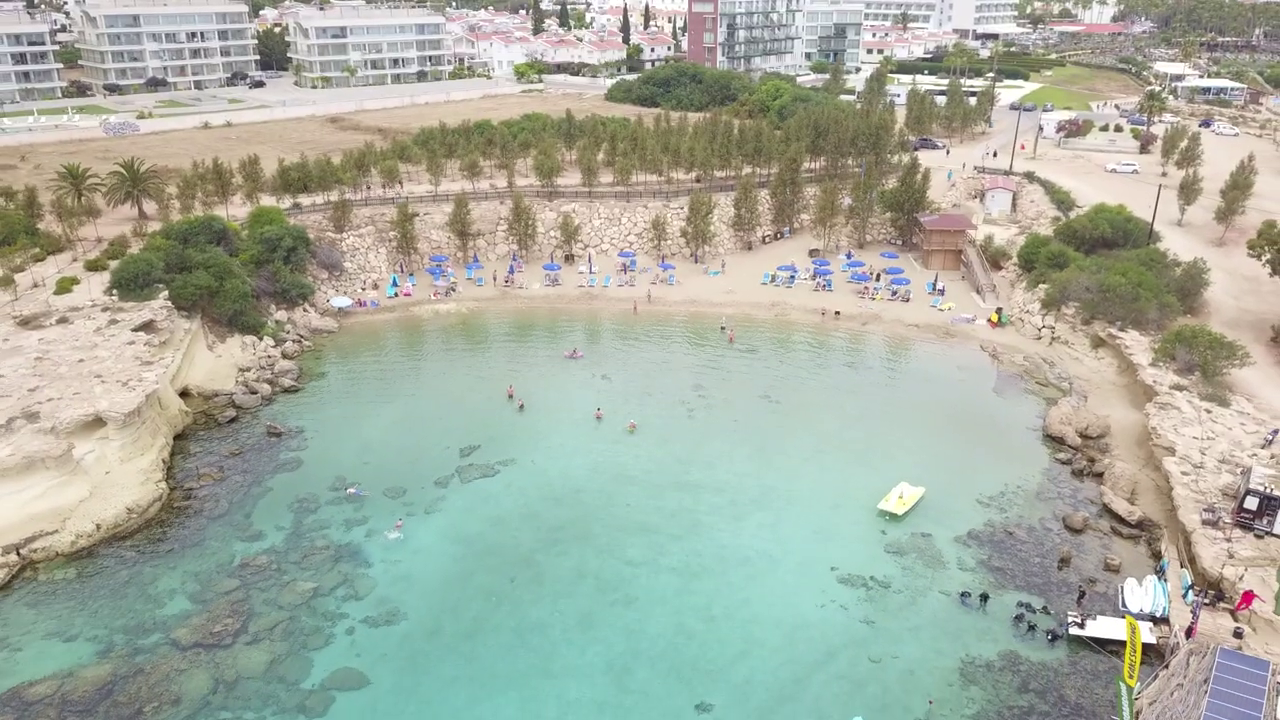 Green Bay, Protaras
Green Bay is the beach we prefer for snorkeling in Cyprus.
There is more rock beneath the surface and, in our experience, more marine life to watch. It is not the sort of beach that necessarily dominates photographs of the Cyprus coast, but that is almost the point. What matters here becomes much clearer once you put on a mask.
The attraction is the relationship between the small bay and what happens once you move away from the simplest sandy entry. Rock, seagrass and changes in the seabed give the underwater landscape more variety than you find at many larger, sandier beaches, while the relatively straightforward shore access makes the area approachable for recreational snorkelers when conditions are suitable.
The bay is also associated with diving, and there are underwater features farther from the immediate bathing area. That does not mean casual snorkelers should treat the wider dive site as their playground. There is an important distinction between enjoying the shallower coastal environment and pursuing deeper features simply because you know they are there.
The marine life is one of the reasons we prefer Green Bay. There is simply more to watch beneath the surface, particularly around the rockier areas. And who knows — if you are lucky, you might even see a turtle. We would never choose the beach on the assumption that a turtle sighting is part of the deal, however. It should remain a possibility rather than an expectation.
Green Bay also captures one of the most important things about snorkeling in Cyprus: the parts of the coast that look least important from a towel can become the parts that matter most through a mask.
It is a strong fit for travelers who are happy with a modest beach if the underwater experience matters more. Travelers primarily looking for a long sandy beach, a polished resort atmosphere or an elaborate full-day beach setup may prefer somewhere else.
Konnos Bay
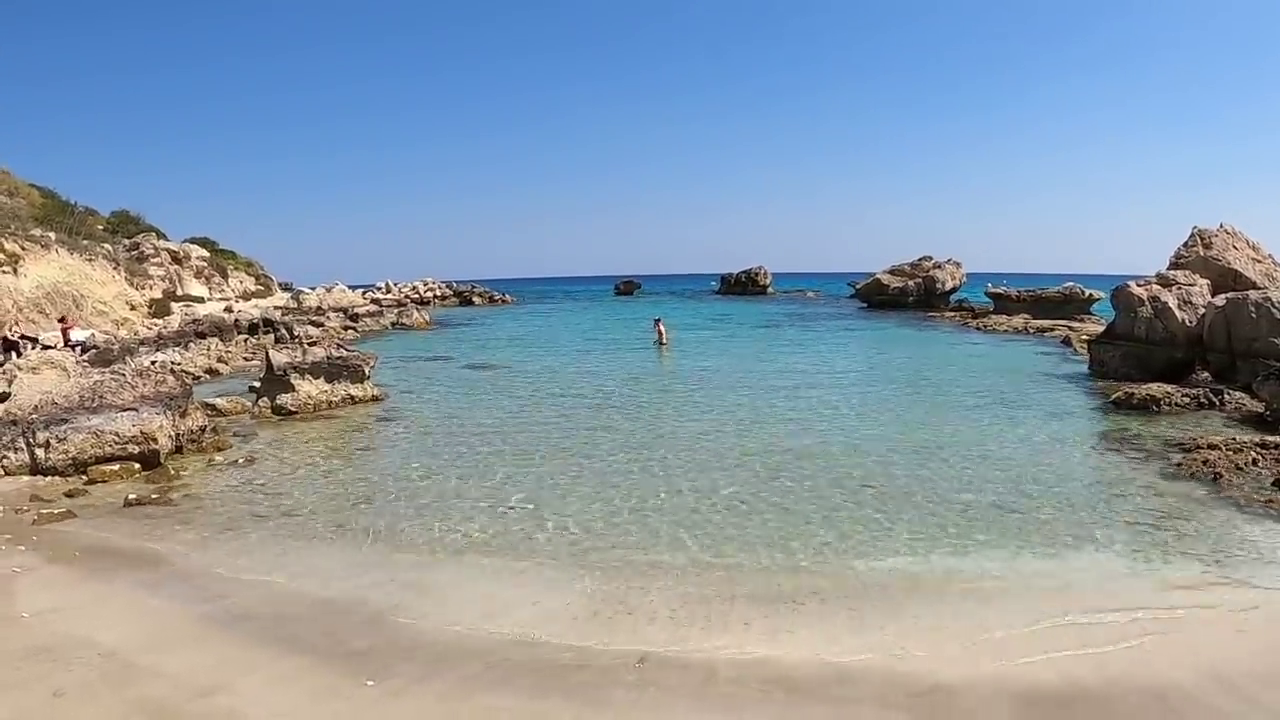 Konnos Bay
Konnos Bay solves a different problem: here, you do not have to choose quite so decisively between spending the day at an attractive beach and going into the water with a snorkel.
The bay sits beneath the Cape Greco landscape, with a sandy central area and more structured edges around it. On suitable days, that combination allows different people in the same group to use the beach differently. One person can swim or remain on the sand while another explores closer to the rocky margins. For couples, families with older children or mixed-interest groups, that flexibility can matter more than having the most snorkeling-focused location.
Konnos is also an established beach rather than a stripped-back cove. That makes the day logistically easier, but it brings the obvious trade-off: the beach's appeal is widely recognized, and at busy periods the experience can feel much less secluded than the surrounding landscape initially implies.
For snorkeling, we would not treat the sandy middle of the bay as the main event. The more interesting relationship is between the beach and its rocky sides, always subject to sea conditions and the swimmer's ability. That distinction is easy to miss if you judge Konnos only by the part of it occupied by sunbeds.
If snorkeling itself is the main reason for choosing the beach, we prefer Green Bay. If you want an attractive bay, swimming, facilities and the opportunity to snorkel without organizing the entire day around it, Konnos has the more rounded character.
Fig Tree Bay, Protaras
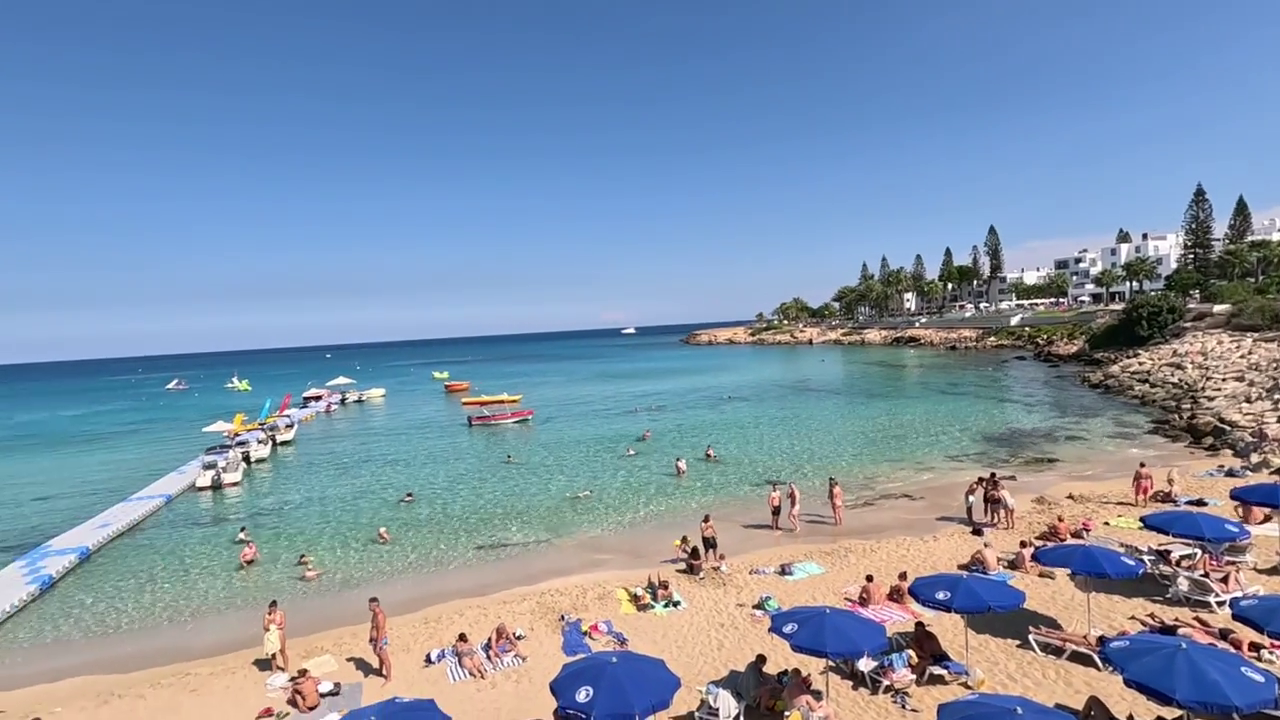 Fig Tree Bay, Protaras
At Fig Tree Bay, convenience is the reason to bring a mask. This is one of the best-known beaches in Protaras, with fine sand, clear water and the infrastructure expected of a major resort beach, but none of that automatically makes it a snorkeling beach.
In fact, the broad sandy areas reinforce one of the central points of this guide: water can be wonderfully transparent and still not contain very much to hold your attention. The more interesting snorkeling is associated with the areas where the seabed becomes less uniform, particularly around rock and toward the small offshore islet.
Its real advantage is how little compromise it requires from the rest of the day. A couple can come here even if only one person wants to snorkel. A family can combine swimming, sand and short exploratory sessions in the water. Travelers staying in central Protaras can also incorporate snorkeling without making a separate coastal excursion out of it.
The trade-off is equally clear. If you are choosing a beach specifically because snorkeling is the priority, Green Bay is where we would go first. Fig Tree Bay makes more sense when snorkeling is one part of a very easy beach day, which is a different reason for earning a place in this guide.
Malama Beach (Skoutarospilioi), Kapparis
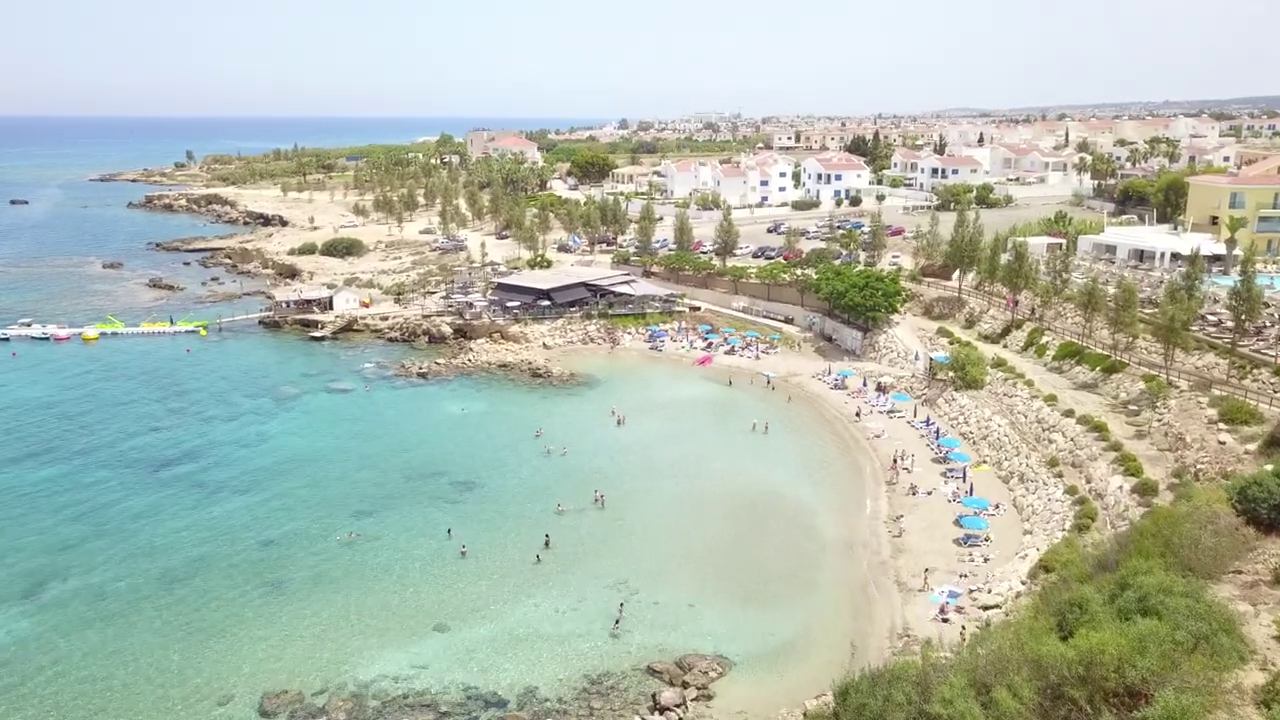 Malama (Skoutarospilioi) Beach, Kapparis
Malama Beach, officially known as Skoutarospilioi, is a smaller cove in the Kapparis area. The dual name is worth knowing because travelers are likely to encounter both.
Its appeal for snorkeling comes from the combination of clear water, sand and rock within a relatively compact setting. Unlike a broad beach where you may swim for some distance before the underwater character changes, the scale of the cove brings those different elements closer together.
This is not a place we would oversell with promises of abundant marine life. The attraction is more modest and, in some ways, more useful: the seabed has enough variation to make looking beneath the surface worthwhile when conditions cooperate.
Malama also suits a different temperament from the large resort beaches farther south. Its smaller scale gives the snorkeling experience a more contained feeling. You are not setting out across an expansive bay; you are examining the edges and transitions of a cove.
For travelers staying around Kapparis or northern Protaras, that makes it a practical option rather than a beach that needs to be treated as a major expedition. It is best approached with proportionate expectations: a pleasant cove where taking a mask adds something meaningful to the beach day, not an underwater spectacle that demands a journey across the island.
Ammos Tou Kambouri, Ayia Napa
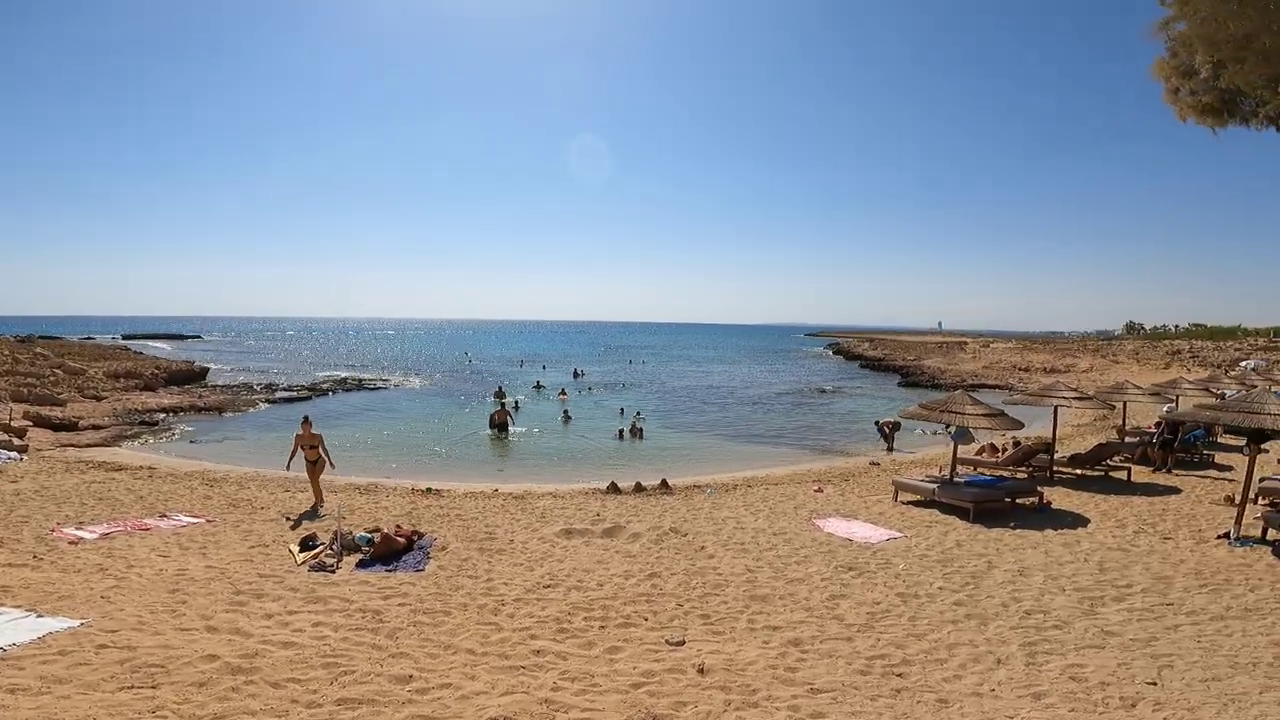 Ammos tou Kambouri Beach, Ayia Napa
Ammos tou Kambouri earns its place because it offers a different version of the Ayia Napa coast. The beach is small, with a sandy central section and rock around its edges, giving snorkeling more potential than an uninterrupted expanse of sand.
When the water is calm and visibility is good, moving from the easy entry toward the more structured margins can make the beach feel larger underwater than it does from shore. Its scale is part of the appeal, but also the limitation. Travelers expecting the facilities, energy and broad sweep of Ayia Napa's larger beaches may find it comparatively understated; for snorkelers, that is not necessarily a disadvantage.
The important restraint here is not to turn a simple beach snorkel into an unnecessary coastal adventure. This section of Cyprus is famous for its rocky coastline, caves and dramatic formations, but being nearby does not make every rocky feature suitable for casual exploration from the water. Sea state, access, currents, boat movement and individual ability matter.
Ammos tou Kambouri works best when treated for what it is: a small beach where rock adds interest to an otherwise straightforward swim. Travelers based in Ayia Napa who want to take a mask to the beach without making snorkeling the entire day's project should find that combination particularly useful.
Laourou Beach (Corallia), Pegeia
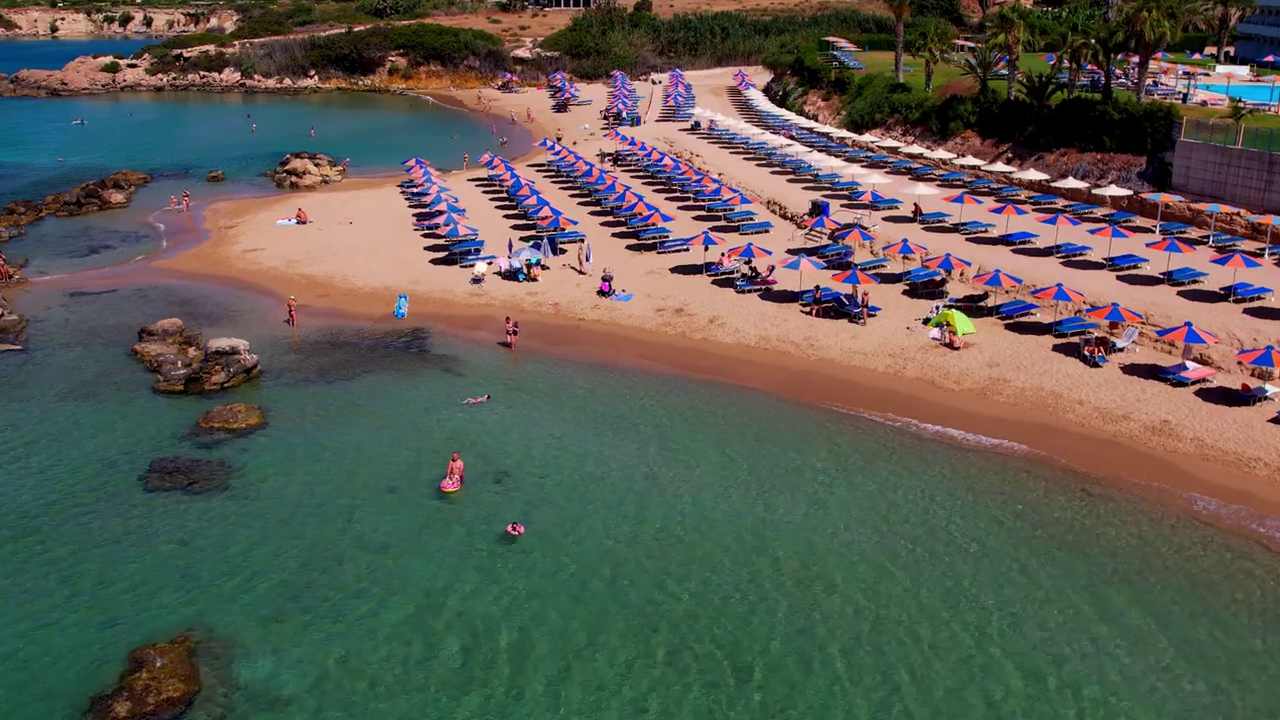 Laourou (Corallia) Beach, Pegeia
On the western side of the island, Laourou Beach — also widely known as Corallia Beach — is one of the more useful places to consider around Pegeia.
The distinction between east and west matters. The Paphos coast can behave differently from the more protected coves of the southeast, and the quality of a snorkeling session can depend heavily on conditions on the day. This is not somewhere we would describe as reliably calm simply because it looked that way in a photograph.
Laourou combines an accessible beach environment with rocky sections that can give snorkelers more to examine than a purely sandy bay. The experience is not about covering large distances; as elsewhere in Cyprus, the boundaries between sand, rock and seagrass are often more interesting than the open center.
Its location also makes it useful for travelers staying around Coral Bay and Pegeia who do not want to cross the island in search of snorkeling. That matters because a guide becomes less useful when every recommendation assumes the reader should drive an hour or two for a theoretically superior version of something available close to where they are staying.
Coral Bay itself remains the more obvious choice when the priority is a broad, popular sandy beach. Laourou becomes more interesting when taking a mask into the water is part of the decision. The trade-off is that west-coast conditions deserve more attention, and the answer to "Is this good for snorkeling?" can genuinely be different from one day to another.
Pissouri Bay
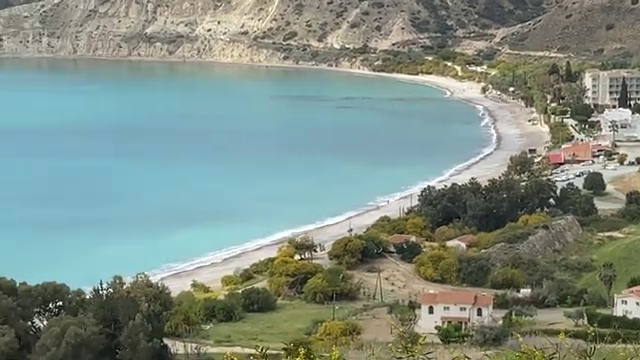 Pissouri Bay
Pissouri Bay is the geographical outlier in this shortlist, sitting between the main resort areas of Paphos and Limassol. Its character is different too.
This is a broad bay rather than an intimate cove, with a mixture of sand and small pebbles and a coastline that becomes rockier toward its ends. For swimmers, the central beach may be the natural focus; for someone carrying a mask, the edges are potentially more relevant.
That makes Pissouri a useful example of how snorkeling changes the way you read a beach. From land, the center seems to be the obvious destination because that is where the beach is broadest and easiest to understand. Underwater, the balance can reverse, and the margins that appear less convenient from a towel may provide greater visual variety.
Pissouri is not included because we think travelers should cross Cyprus purely to snorkel here. Its value is stronger for those already staying between Limassol and Paphos, combining the beach with another part of their trip, or simply wanting to know whether packing a mask is worthwhile.
A good snorkeling beach does not have to be a snorkeling destination. Sometimes the right judgment is simply that a beach becomes more rewarding if you bring the right equipment and explore the right part of it.
Why We Prefer The Southeast For Snorkeling
For snorkeling, we find the southeast to be the best base in Cyprus.
Part of the reason is the concentration of options. Within a relatively short stretch of coastline around Protaras, Cape Greco and Ayia Napa, you have sandy bays, rocky margins, smaller coves and clear-water swimming. That gives you more freedom to match the beach to the kind of snorkeling day you want.
It also matters because snorkeling is condition-dependent. If one beach does not look right when you arrive, another type of coastline is often relatively close. A famous snorkeling spot on a disturbed day may offer less than a calmer nearby cove, so having several realistic options within the same part of the island is valuable.
Green Bay is the beach we prefer when snorkeling is the main purpose, but the wider southeast works because you do not have to depend on one beach alone. Konnos gives you a more complete beach day, Fig Tree Bay is exceptionally easy if you are staying in central Protaras, Malama adds a smaller cove farther north, and the Ayia Napa coast provides further alternatives.
That combination is why, for travelers who want snorkeling to be a recurring part of their Cyprus holiday rather than one isolated outing, the southeast is where we would base ourselves.
Beaches We Would Not Choose Specifically For Snorkeling
Some famous Cyprus beaches are conspicuously absent from the main shortlist, and that is deliberate.
Nissi Beach is one of the island's defining sandy beaches, with shallow water and a character that makes sense for reasons other than snorkeling. If we were choosing specifically for time beneath the surface, it would not be our first priority. The qualities that make Nissi so appealing above water do not automatically translate into underwater variety.
The same principle applies to Coral Bay. It is an important Paphos beach and an easy choice for swimming and a conventional beach day, but Laourou gives the snorkeling-focused traveler a different set of possibilities nearby.
We have also resisted turning the Blue Lagoon in Akamas into a "beach snorkeling" recommendation simply because its water is celebrated. The experience is much more naturally associated with coastal exploration and boat trips than with choosing a conventional beach, laying down a towel and entering the water from shore.
Nor would we send casual snorkelers toward dramatic sea caves merely because photographs make them look adventurous. A good travel publication should know when not to convert scenery into an activity recommendation. The point is not to build the longest list possible, but to distinguish between a beach where snorkeling genuinely adds to the experience and a beach that happens to have clear water.
What Can You See While Snorkeling in Cyprus?
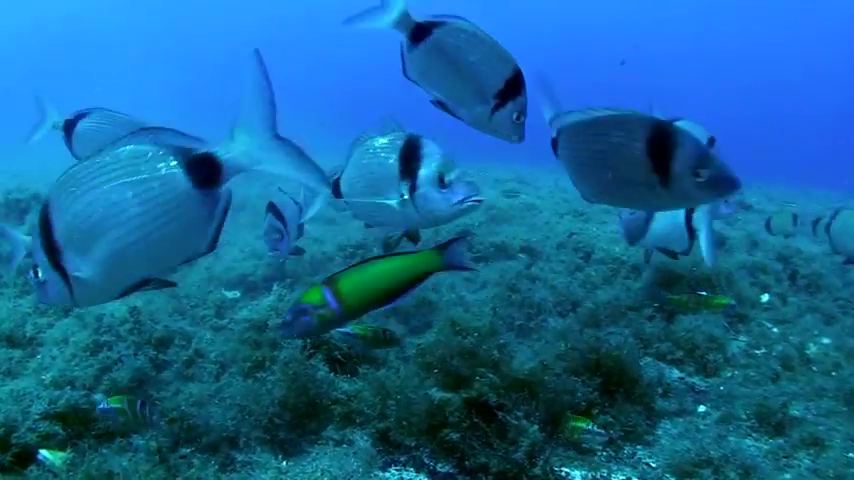 The Underwater World in Cyprus
Expectations make a significant difference to whether snorkeling in Cyprus feels rewarding. This is the Mediterranean, not a coral reef, and the experience is quieter and less saturated with color than destinations built around tropical marine ecosystems.
Around suitable rock and seagrass habitat, you may encounter different Mediterranean fish, while cuttlefish and octopus are among the more interesting possibilities for an attentive snorkeler. Turtles receive disproportionate attention because they are memorable, and sightings do occur around Cyprus, but they should always be treated as chance encounters.
That is certainly how we think about Green Bay. We enjoy it partly because of the amount of rock and the marine life we have experienced there. If a turtle appears as well, consider yourself lucky rather than treating the sighting as something the beach owes you.
If you are fortunate enough to see one, give it space. Do not chase it for a photograph, touch it or feed it. The same principle applies more broadly underwater: snorkeling becomes more interesting when you slow down enough to watch rather than turning every animal into something to approach.
There is also value in noticing the apparently ordinary. A shoal moving around rock, light crossing a seagrass bed or a fish disappearing into a crevice may not produce the holiday photograph people imagine beforehand, but these small observations are often what make snorkeling feel like a different way of experiencing the Cyprus coast.
When Is The Best Time To Snorkel?
The best snorkeling conditions do not fit neatly into a calendar. Warm weather and warm sea temperatures make the main beach season the obvious period for recreational snorkeling, but visibility on any particular day depends on much more than the month.
Wind, waves and stirred sediment can change the water quickly, while a calm spell can improve a beach that looked unpromising the previous day. On particularly calm days, shallow water can become so clear that you can see the seabed before you have even put on your mask. We find that kind of clarity makes the experience noticeably better once you are underwater.
Earlier hours can sometimes bring quieter beach conditions and less disturbance, particularly in busy resort areas, but "go early" should not be treated as a universal safety or visibility rule. What matters is the sea in front of you when you arrive.
Before entering, look at the water rather than the itinerary. Check beach flags and any posted information, pay attention to lifeguard instructions where lifeguards are operating, and notice whether boats or other watercraft are using the area. If visibility is poor or the sea is uncomfortable for your ability, there is little value in forcing the snorkeling session because a travel guide told you that the beach was good.
That flexibility is part of understanding the sea rather than a compromise in the experience.
Snorkeling Safely in Cyprus
This guide is for trip planning, not a real-time assessment of sea conditions. Conditions can change, lifeguard coverage varies by beach and season, and even a normally manageable bay can be unsuitable on a particular day.
Follow posted beach flags and local instructions, stay within designated swimming areas where these are provided, and do not enter water that exceeds your swimming ability. Rocky coastlines require particular judgment because wet rock can be slippery, underwater rock may be sharp or difficult to judge through moving water, and an entry point that looks straightforward from above can be awkward when you try to leave the sea. The easiest route into the water is often the better one.
Do not pursue caves, offshore features or deeper dive attractions simply because they are visible or appear close. Snorkeling from a beach and undertaking an open-water coastal exploration are not the same activity. Boat traffic also deserves attention, particularly outside clearly defined swimming areas.
Children require close adult supervision regardless of how shallow or clear the water appears. Less confident swimmers should stay comfortably within their limits rather than treating snorkeling equipment as a substitute for swimming ability. The reputation of the beach never overrides the conditions you find when you get there.
Which Cyprus Snorkeling Beach Should You Choose?
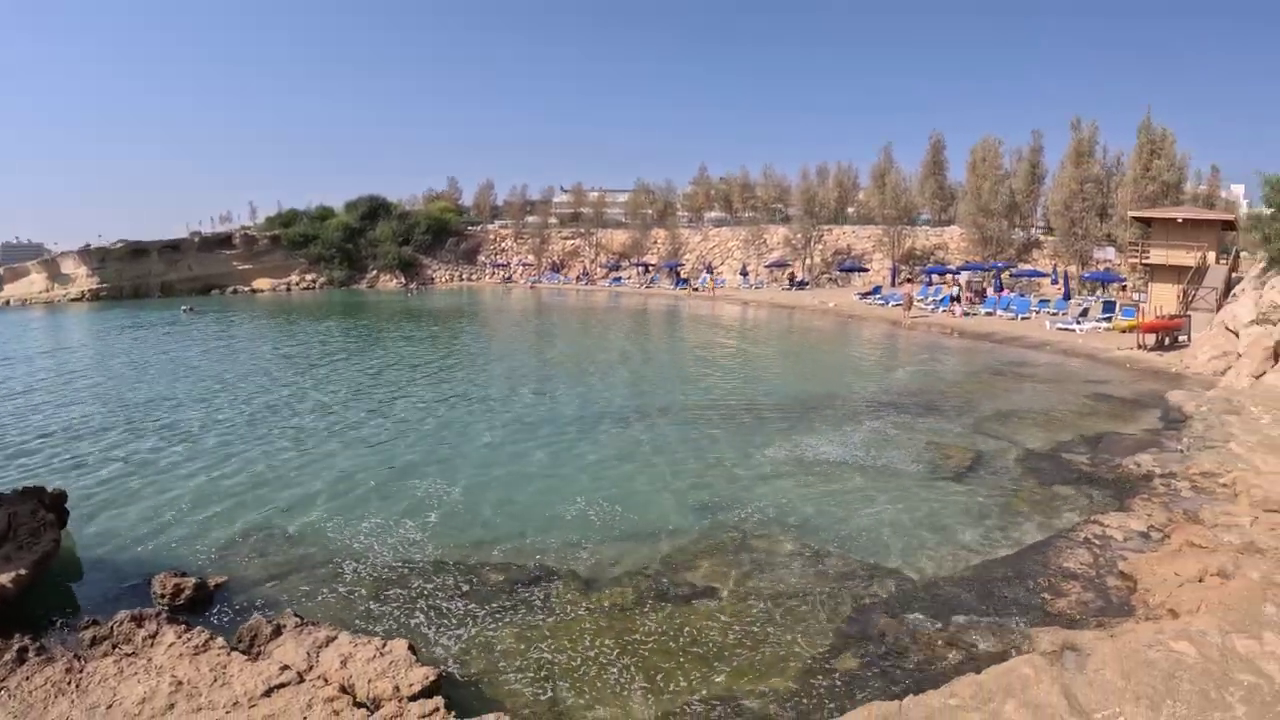 Green Bay, Protaras
If snorkeling is one of the main reasons you are choosing the beach, Green Bay is our first choice. The greater presence of rock and the marine life we have experienced there make it the beach we prefer when the purpose of the day is to spend meaningful time looking beneath the surface.
For the strongest combination of attractive beach setting, swimming and the opportunity to snorkel, Konnos Bay is the more rounded choice. Fig Tree Bay is easier still if snorkeling is only one part of a classic Protaras beach day.
Malama Beach (Skoutarospilioi) works particularly well for travelers staying around Kapparis who prefer a smaller cove, while Ammos tou Kambouri gives Ayia Napa visitors an alternative to the area's much larger sandy beaches.
In the west, Laourou Beach (Corallia) is the more useful option around Pegeia when snorkeling is part of the decision, although conditions deserve closer attention. Pissouri Bay makes most sense for travelers already based between Limassol and Paphos rather than as a cross-island snorkeling pilgrimage.
There is no need to collect all seven. The right beach depends on where you are staying, what the sea is doing and how important snorkeling is relative to the rest of the beach day. If snorkeling will be a recurring part of your trip, however, we would choose the southeast as the base.
The Cyprus By Locals Verdict
Snorkeling changes the way you experience a Cyprus beach because the moment you put on a mask, your attention moves away from what is happening around you on shore. The beach becomes background. What begins to matter is the seabed, the movement beneath the surface and the details you could not properly see from above.
For us, Green Bay captures that experience best. There is more rock beneath the surface, we find more marine life to watch, and there is always the possibility that luck may add something unexpected — perhaps even a turtle. We go there for the snorkeling rather than for the promise of any particular sighting.
Konnos Bay makes a stronger case when the whole beach day matters just as much, while Fig Tree Bay remains the easiest compromise in central Protaras. Malama makes sense from Kapparis, Ammos tou Kambouri from Ayia Napa, Laourou from the Coral Bay and Pegeia area, and Pissouri when your trip already brings you to the south coast between Limassol and Paphos.
Taken together, those options are why we prefer the southeast as a snorkeling base. You are not relying on a single celebrated beach. You have different coves and different types of coastline relatively close to one another, with the freedom to see what the sea is doing before deciding where to get into it.
On the right day, Cyprus's clear water can begin revealing the seabed before you have even put on your mask. Once you do, the experience changes completely. What looked like a stretch of sea from the beach becomes rock, sand, seagrass, movement and marine life, and for a while the world above the surface recedes.
There are two ways of knowing a Cyprus beach: one from the shore, and another that begins when you look beneath the surface.