Newsletter "Beyond the Postcards" Subscribe
Plan Your Cyprus Trip: Hotels: Expedia, Villas & Apartments: Vrbo, Car Rentals: DiscoverCars, Tours: GetYourGuide, Airport Transfers: WelcomePickups
- Home
- Things To Do in Cyprus
- Best Beaches in Cyprus
Best Beaches in Cyprus: Which Beach Experience Fits You?
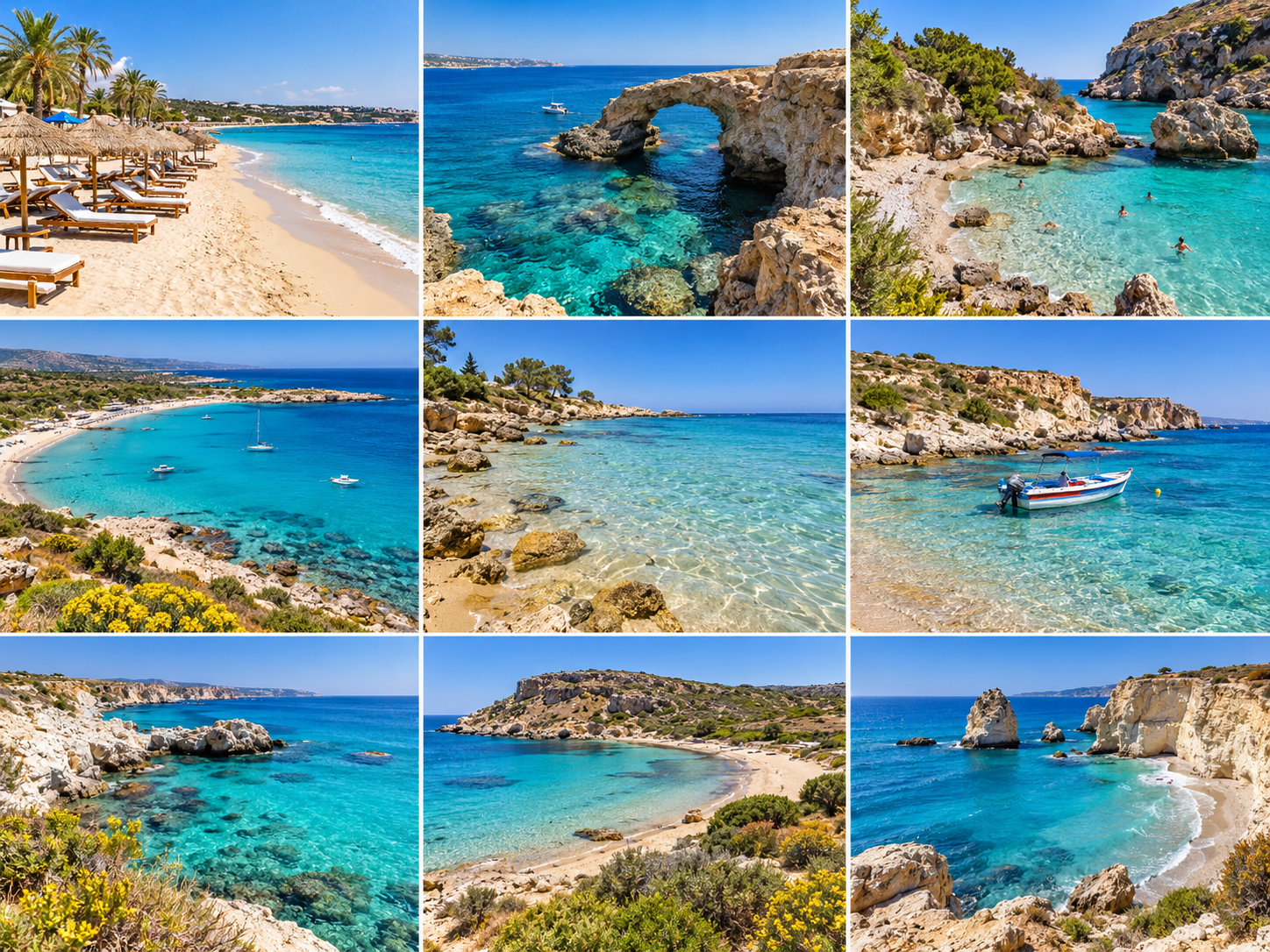
By mid-morning, a Cyprus beach has usually told you what kind of day it is going to create.
At one bay, children are still walking through shallow water while their parents have barely left their sunbeds. Somewhere else, music is carrying across the sand and the first rows beside the water are already busy. On another stretch of coast, there may be little more than scrubland behind you, rock beneath your feet and open sea ahead.
All three can be excellent beaches, simply for different reasons. That distinction matters when choosing among the best beaches in Cyprus. The island does not offer one definitive beach experience. It has sheltered sandy bays, resort beaches built around easy days by the water, quieter stretches of coast, rocky coves that reward snorkeling and exposed beaches where landscape matters more than facilities.
The useful question is therefore not simply, “Which is the best beach in Cyprus?” It is what do you want the sea to do for your trip?
Do you expect to spend most of the day swimming? Does fine sand matter? Are you traveling with younger children? Would you exchange facilities for more space? Are you looking for somewhere to snorkel rather than simply float? Or do you want a coastline that feels largely undeveloped, even if reaching it takes more effort?
Once that is clear, Cyprus becomes much easier to choose.
The Cyprus Beach Map Is Really A Map of Different Experiences
For travelers coming primarily for beaches, the east coast deserves serious attention. Ayia Napa and Protaras contain many of the island's strongest combinations of fine sand, sheltered bays and water that encourages long swimming days. Nissi Beach, Fig Tree Bay and Konnos are very different in atmosphere, but each demonstrates why this part of Cyprus has such a strong beach reputation.
The trade-off becomes obvious in summer. The qualities that make the southeast easy to enjoy are exactly the qualities that attract other people. A traveler imagining an empty Mediterranean cove may discover that a famous resort beach at a busy time of year delivers something quite different from the photograph that inspired the trip.
Western Cyprus creates another relationship with the sea. Around Paphos, Polis and the Akamas Peninsula, the coastline becomes less uniform and, in places, considerably more rugged. Coral Bay gives travelers around Paphos a straightforward sandy bay with relatively shallow water, while Akamas moves in the opposite direction toward remoteness, landscape and a much less serviced coastline.
Limassol and Larnaca work differently again. Here, a swim can become part of a wider day rather than the entire purpose of it. The ability to move between sea, restaurants, promenades and city life can matter more than having the island's most photogenic stretch of sand.
One of the easiest beach-planning mistakes in Cyprus is to underestimate that difference. The beach you happily return to on the fourth morning may contribute more to the trip than the beach you crossed the island to photograph on the first.
If Beaches Are The Main Reason You Are Coming To Cyprus
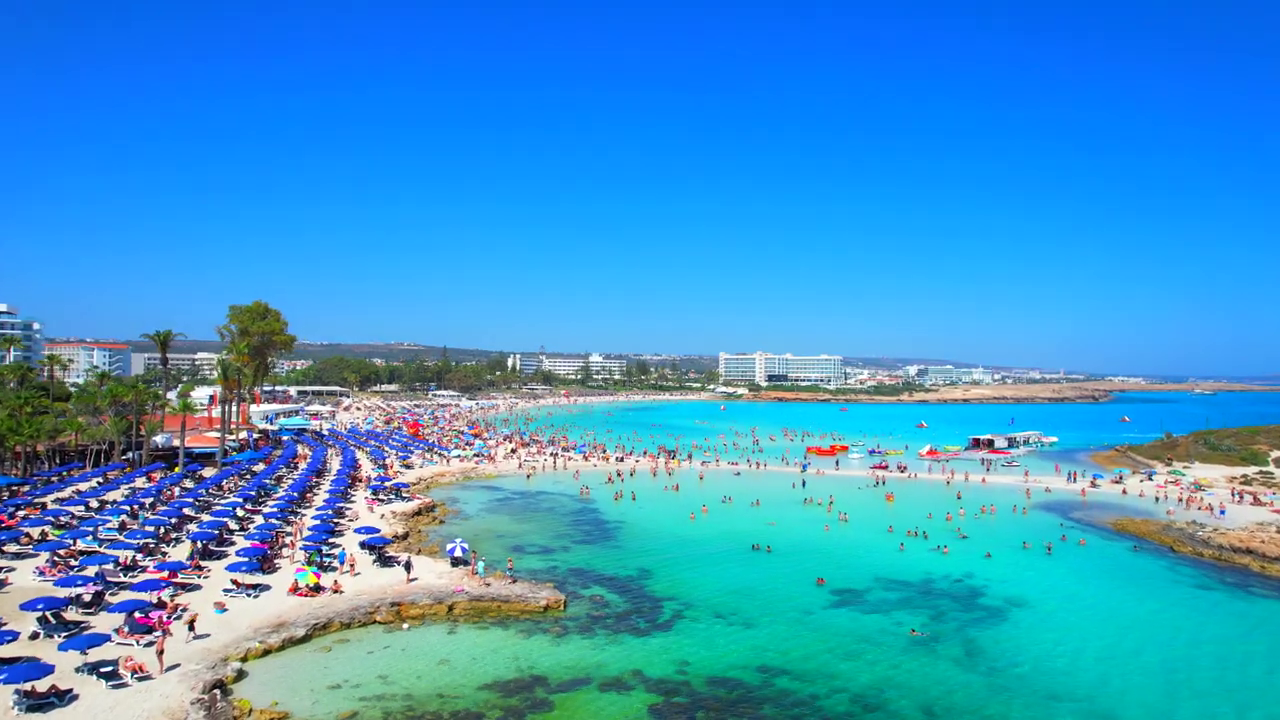 Nissi Beach, Ayia Napa
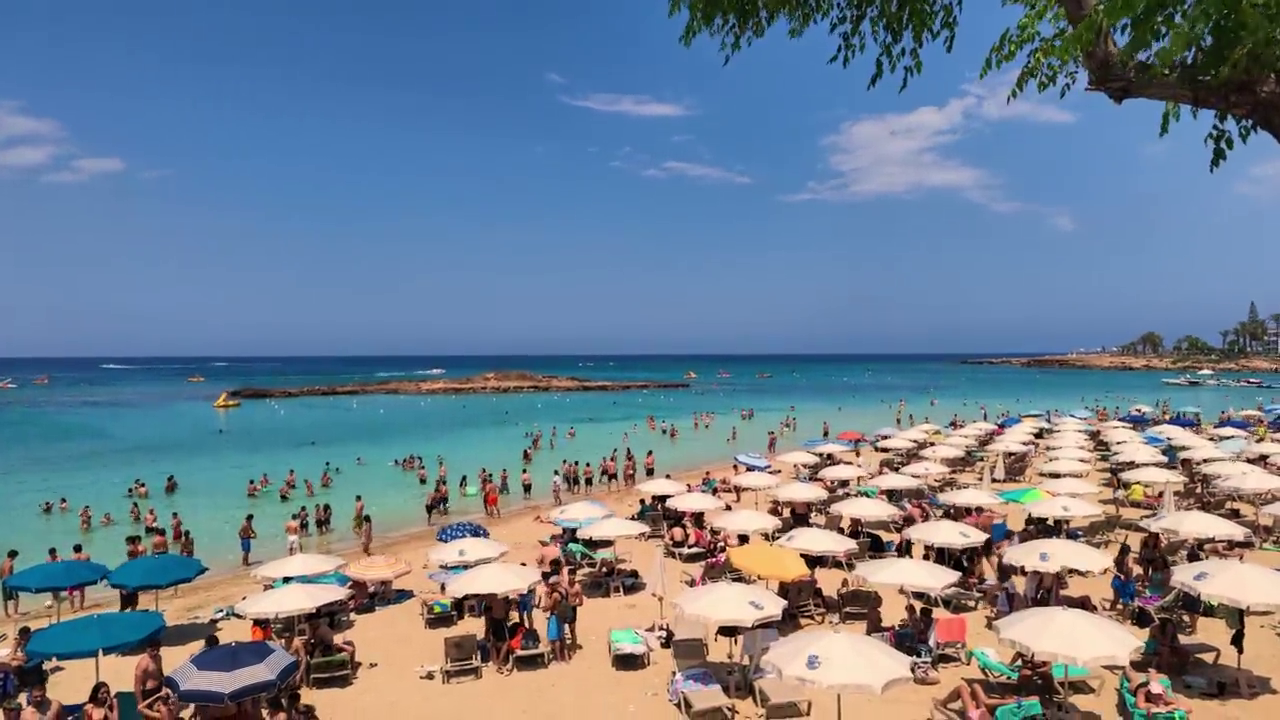 Fig Tree Bay, Protaras
Start by looking closely at Ayia Napa and Protaras. That does not mean every traveler should stay there, or that every eastern beach is stronger than every beach elsewhere. It means that when good sand, frequent swimming and a concentration of appealing bays carry most of the weight in the decision, the southeast gives you the strongest overall starting point.
Protaras generally works well when the desired rhythm is beach-first and relatively easygoing. Fig Tree Bay may be the name most visitors recognize, but the area's real strength is larger than one beach: the sea can become part of the everyday rhythm of the holiday rather than an excursion that needs planning.
Ayia Napa offers greater variation in atmosphere. Nissi Beach sits toward the lively, highly organized end of the spectrum, with music, bars, beach activity and large crowds alongside its fine sand and shallow bay. Konnos changes the mood: it is smaller, framed by the Cape Greco landscape and relatively sheltered, but its limited scale also means that popularity is felt quickly.
The real decision is not simply Ayia Napa versus Protaras. It is whether the beach day you imagine is energetic, easy, family-oriented, quiet, visually dramatic or exploratory.
The Best Sandy Beach Is Not Automatically The Best Beach For You
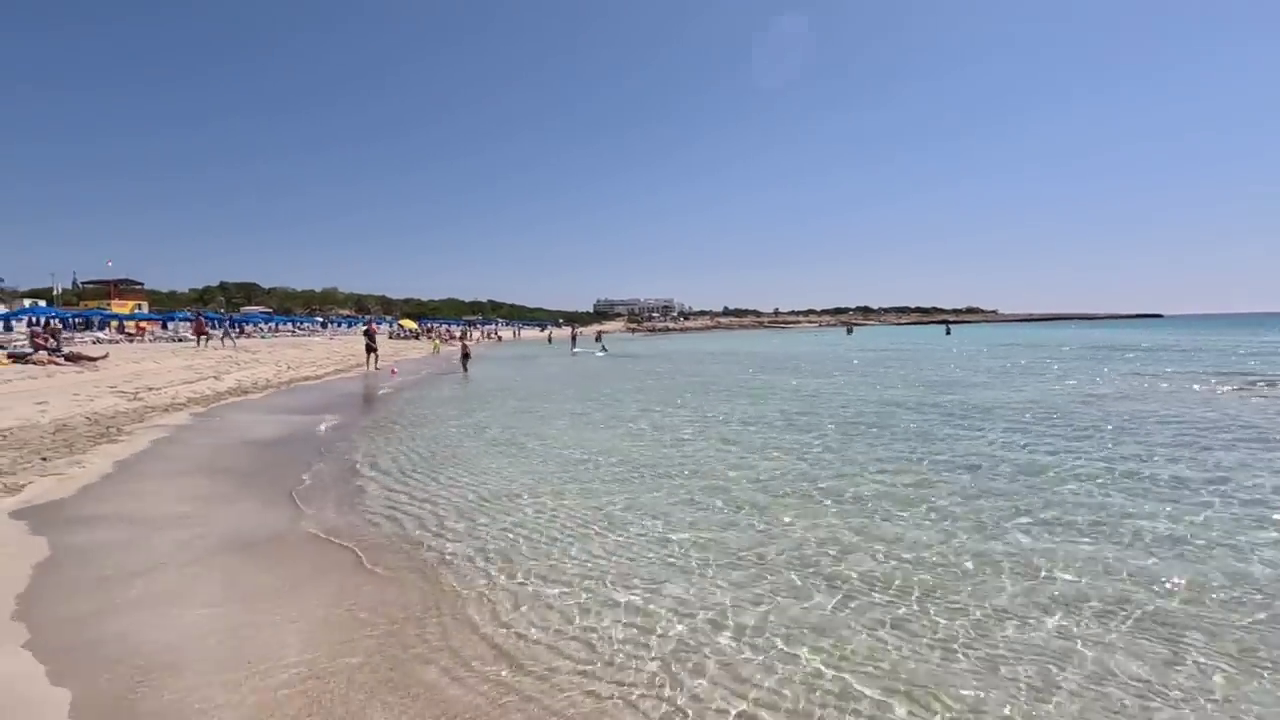 Landa Beach, Ayia Napa
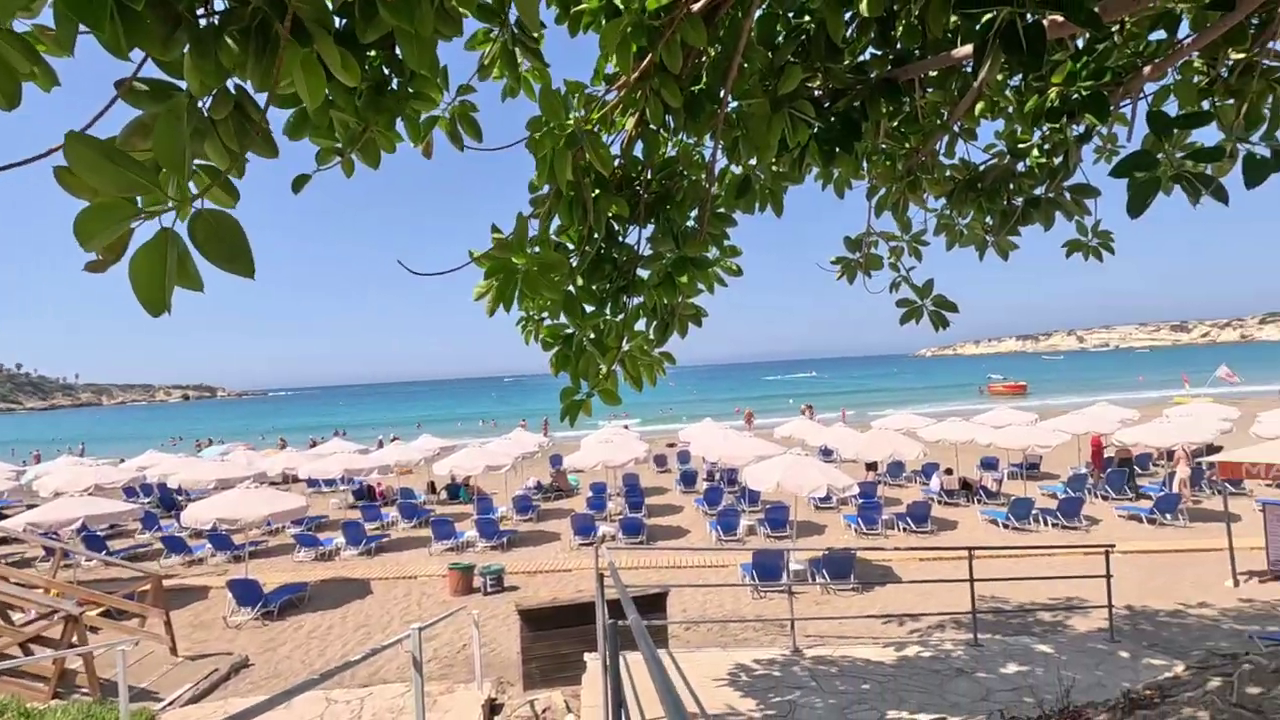 Coral Bay Beach, Paphos
Sand receives disproportionate attention when beaches are compared. It matters, particularly if you want long barefoot days, easy movement between towel and water or children who will spend half the afternoon digging in it, but sand tells you surprisingly little about how the rest of the day will feel.
A sandy beach can be crowded. A small cove can feel compressed once most of its usable space is occupied. A visually exceptional beach may involve awkward access. A quieter stretch may have fewer facilities. A more natural beach may give you exactly the space you wanted while removing several conveniences you assumed would be there.
Our Best Sandy Beaches in Cyprus guide therefore treats sand as the starting criterion, not the final verdict. It is where to continue if the physical quality and feel of the beach itself matter more than snorkeling, solitude or wild landscape.
For a classic sand-first holiday, the southeast remains the natural place to begin. The guide does the finer sorting from there.
The Best Beaches For Swimming Require A Different Test
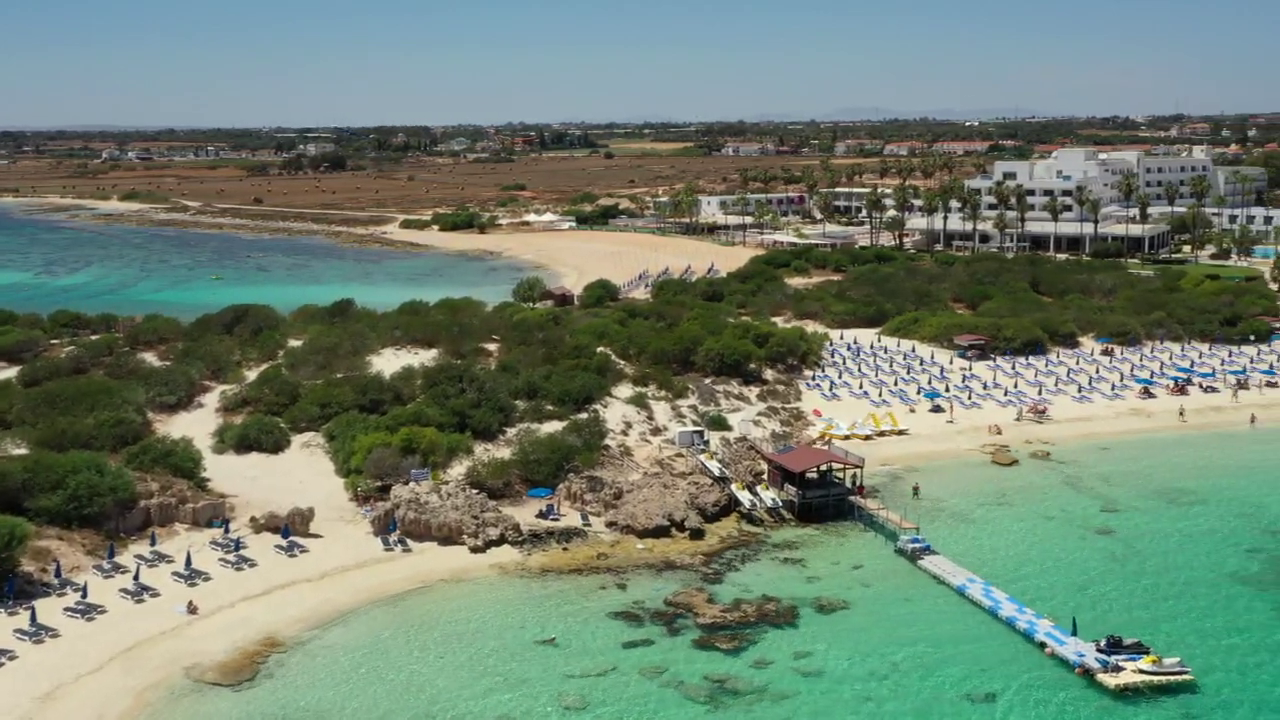 Makronissos Beach, Ayia Napa
A beach can look superb from above and still not be the beach where you most enjoy being in the water.
For swimmers, the character of the entry, exposure, seabed and conditions on the day matter more than the aerial photograph. Sheltered bays around Ayia Napa and Protaras help explain why the southeast works so well for travelers who expect to swim repeatedly. Coral Bay performs a similar practical role for many people staying around Paphos.
The important distinction is between the general character of a beach and the conditions when you arrive. Wind, waves and other marine conditions change, so no permanent description should be treated as a real-time judgment that entering the water is appropriate.
Our Best Beaches in Cyprus For Swimming guide is built around that different test. If being in the sea is more important than what the beach looks like from the road, start there.
Families Need A Beach That Still Works At 4p.m.
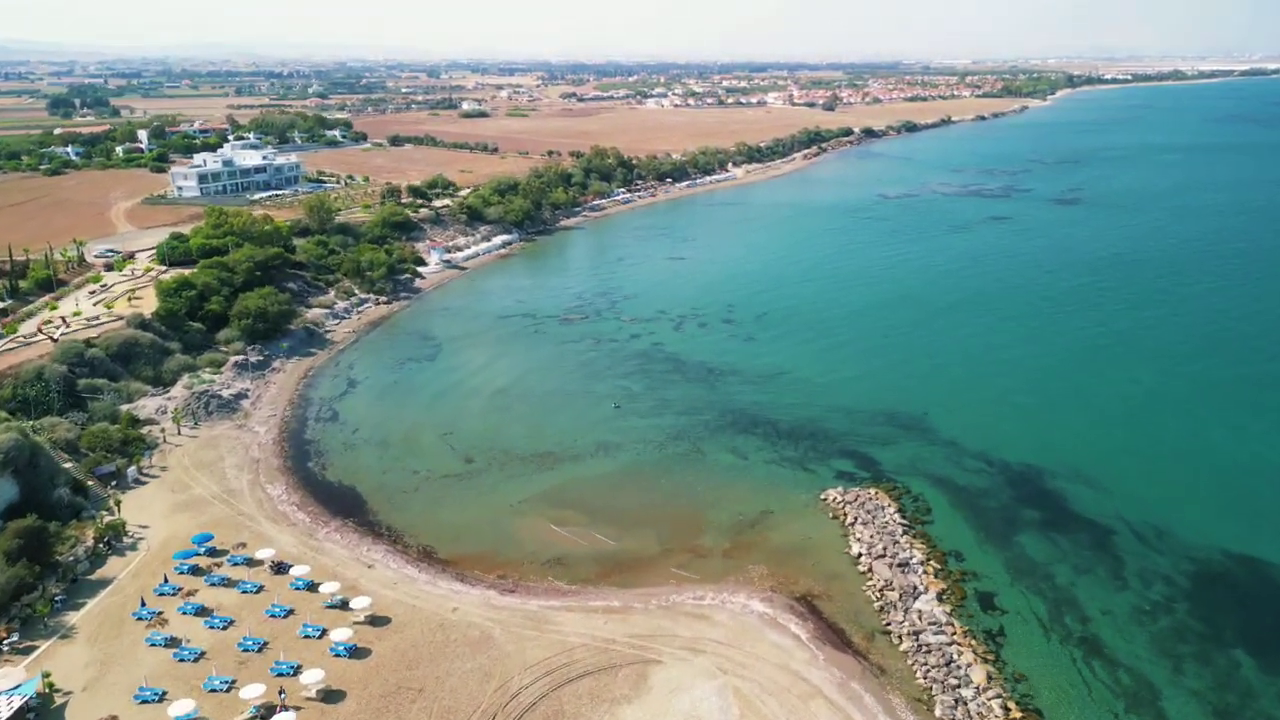 Faros Beach, Pervolia
Parents rarely judge a beach exactly as couples or solo travelers do, even when everyone begins with the same photograph.
The beach still needs to be appealing, but small practical details accumulate through the day. The walk from the car matters. Getting children and belongings to the sand matters. Toilets, places to eat, shade arrangements and the ease of leaving after several hours can matter as much as the first view of the water.
That is one reason organized beaches earn their popularity. Convenience is not the enemy of a good beach experience when you are carrying towels, water, beach toys and everything else a family has somehow acquired before reaching the shoreline.
The important qualification is that “good for families” is not another way of saying “safe.” Sea conditions vary, supervision remains the responsibility of accompanying adults, and lifeguard operation or facilities should never be assumed from a general guide.
Our Best Beaches in Cyprus For Families guide looks at the beach as a complete family day rather than judging it from the waterline alone.
Quiet Beaches Require A Compromise
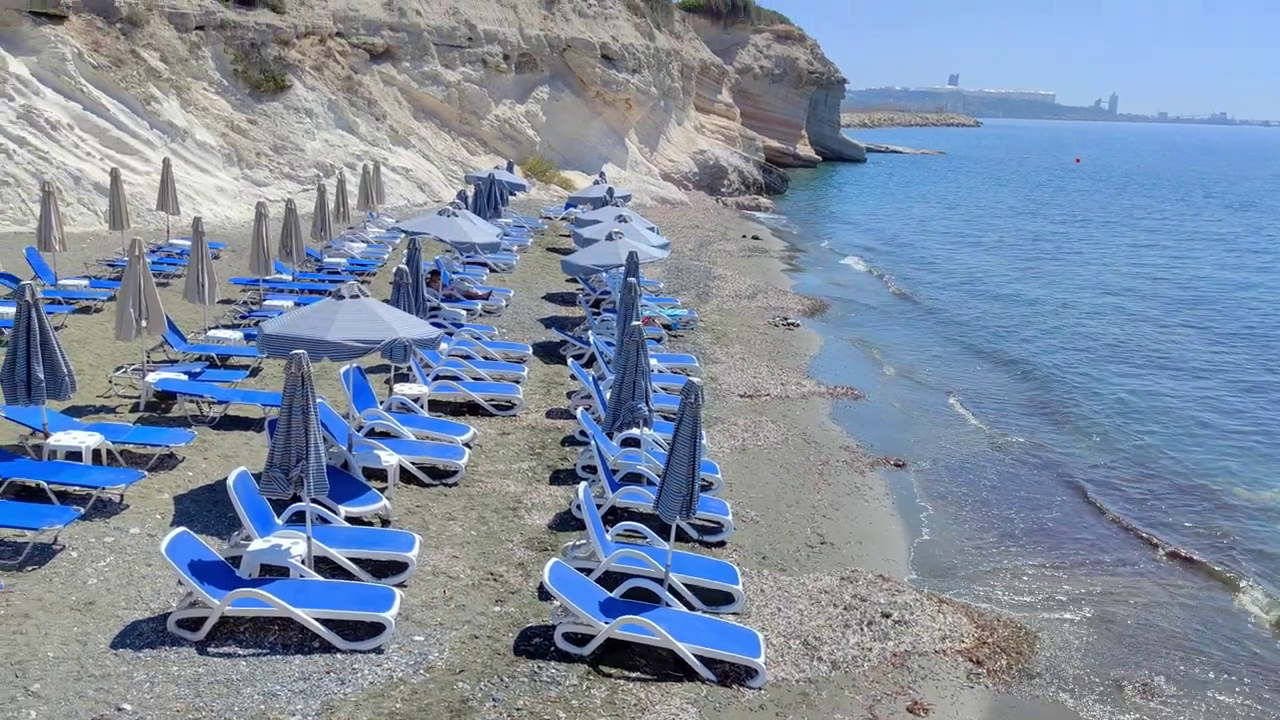 Kalymnos Beach
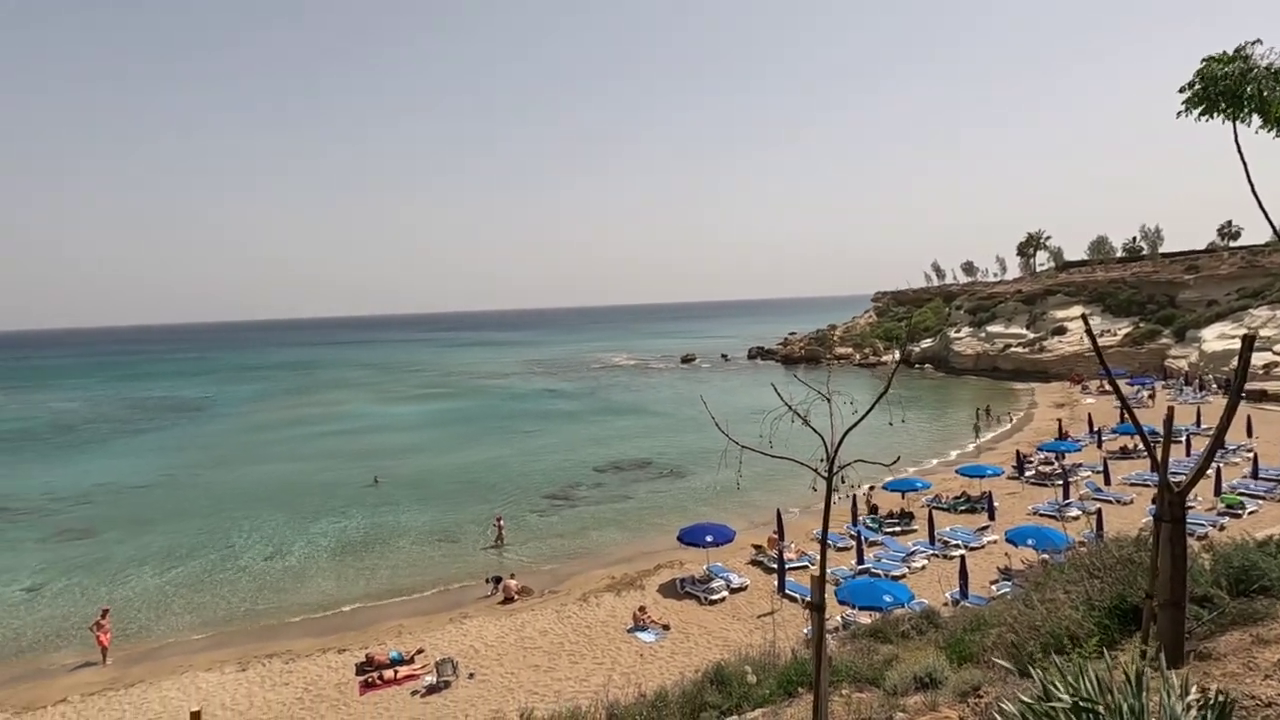 Kapparis (MMAD) Beach
Travelers often ask for a quiet beach as though quietness were an amenity alongside showers and sunbeds. In Cyprus, it is often the opposite.
A beach may be quieter because there are fewer restaurants, little shade, a less convenient approach or no reason for large numbers of visitors to stop there. The sand may be coarser, the shoreline less manicured or the sea more exposed. Those are not necessarily weaknesses; they are often the price of the space being sought.
There is also a timing issue. A well-known beach outside its busiest hours can sometimes give you more of what you wanted than an obscure beach reached after a long drive. Conversely, no guide should pretend that a famous southeast bay is reliably tranquil during the height of a busy summer day.
Our Best Quiet Beaches in Cyprus guide is for travelers prepared to exchange some convenience for more room and a slower relationship with the coast.
One local truth sits underneath that entire category: on Cyprus, quiet beaches often reveal themselves first through what is missing. Fewer cars, fewer rows of sunbeds, fewer places to buy lunch and fewer reasons for everyone else to be there are frequently part of the same equation.
Snorkelers Should Stop Judging Beaches By Their Sand
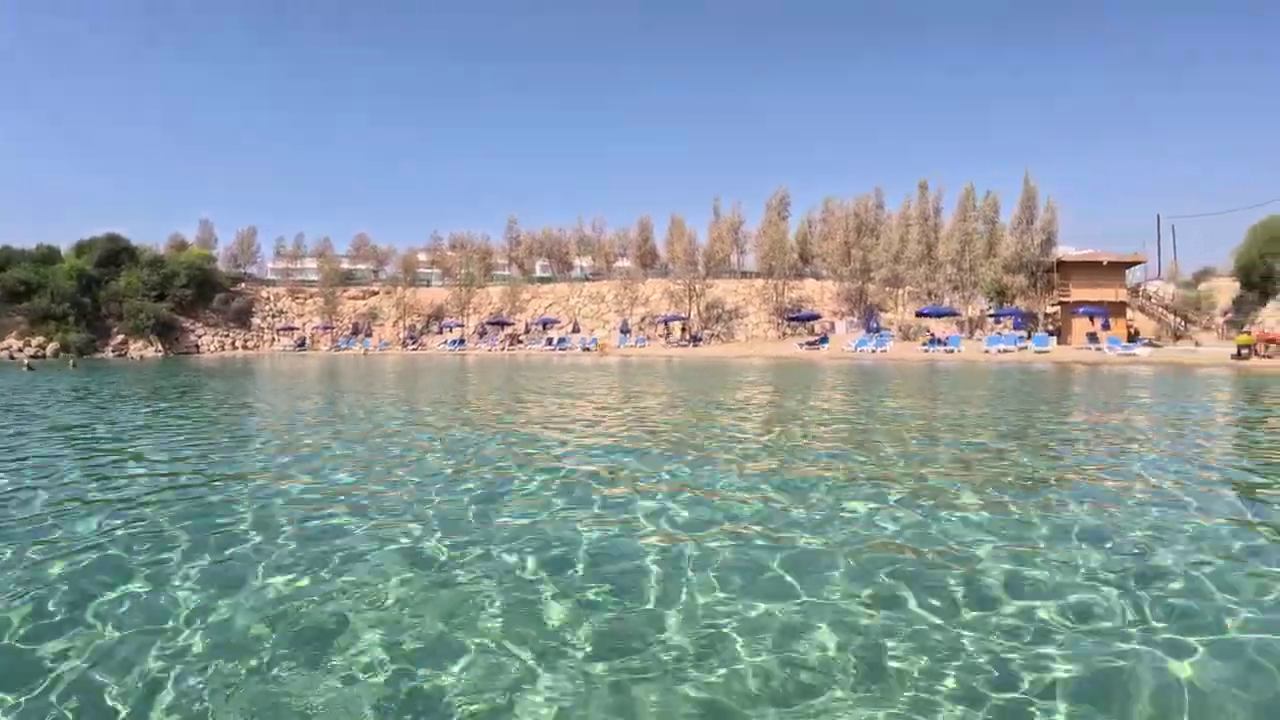 Green Bay, Protaras
Snorkeling changes the criteria again.
A broad sandy bay may be excellent for swimming and relatively uninteresting beneath the surface. A smaller cove with rock around its edges may offer a more varied underwater environment while being a weaker choice for someone who wants nothing more than soft sand and easy floating.
This is why the southeast around Cape Greco enters the conversation differently for snorkelers than it does for sunbathers. The interest is not simply the beach but the meeting point between coves, rock and sea.
Western Cyprus can also reward travelers who are more interested in exploring the water than spending the entire day on the sand, but conditions matter particularly strongly here. Visibility, waves, wind, entry points and marine traffic can all change the experience.
Best Beaches in Cyprus For Snorkeling therefore has a separate job from this page. It is where to continue if what lies beyond the shoreline matters more than the shoreline itself.
Wild Cyprus Begins Where Convenience Ends
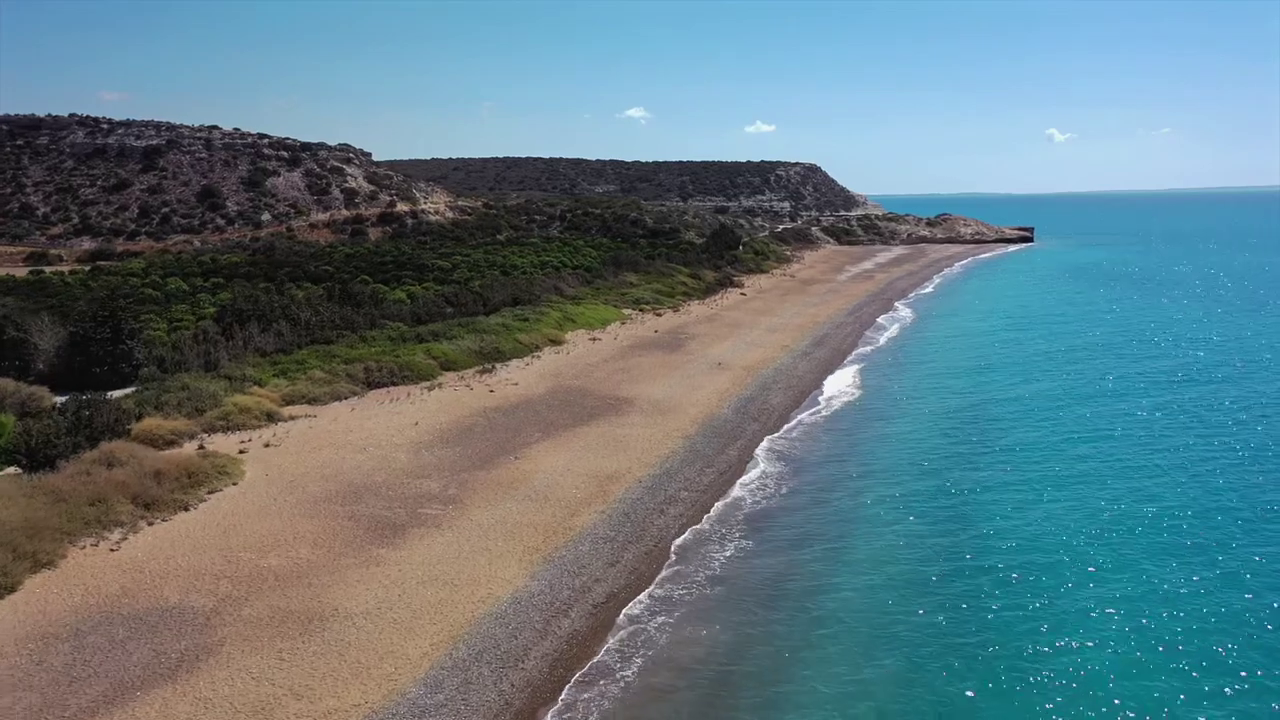 Paramali Beach
There is another version of the Cyprus coast that has very little to do with organized rows of sunbeds.
Akamas is its clearest expression within our coverage. The appeal lies in space, landscape and the feeling that the coast has not been arranged primarily around the visitor. Lara and Toxeftra add another layer because they form part of a coastline associated with protected turtle nesting areas.
That changes the relationship the traveler should have with the place. “Wild” does not mean an undeveloped resort beach waiting to be used in exactly the same way as Nissi or Fig Tree Bay. Access can require more effort, facilities may be absent, road conditions can matter, and conservation signage or restrictions must be respected.
The reward is not greater convenience. It is the opposite: a stretch of Cyprus where the landscape, rather than the visitor infrastructure, still controls the experience.
Our Best Wild & Unspoiled Beaches in Cyprus guide goes deeper into that version of the coast. It is for travelers who understand that wanting less infrastructure around them also requires greater self-sufficiency and restraint.
The Beaches Around Paphos: Choose Them For The Right Reason
Paphos deserves clarification because a large coastal destination can easily create the assumption that it must also contain the island's strongest concentration of classic sandy swimming beaches. That is not really its advantage; Paphos works because the sea sits alongside archaeology, restaurants, countryside, villages and access toward Akamas.
The coast belongs inside a more varied trip. Coral Bay gives the region a clear answer when a conventional sandy beach day matters, but travelers wanting to move between one fine-sand resort bay and another throughout the holiday will generally find the southeast stronger.
This distinction prevents a genuine mismatch. Choose Paphos because you want Paphos plus the sea, not because you expect every section of the Paphos coastline to behave like Protaras.
For some travelers, that makes Paphos more interesting. For others, it makes the east coast the more natural base. Neither decision needs to be defended as the universally better one.
Limassol And Larnaca: When The Beach Is Part of City Life
Limassol and Larnaca require almost the opposite correction.
Their beaches can be dismissed too quickly when they are compared only with the pale-sand bays of the southeast. That comparison misses what these cities do well. Here, a swim can fit naturally between breakfast, lunch, a walk, work, dinner or an evening out without the beach becoming the entire day's project.
That integration matters because when the sea is close enough to use without planning around it, people often swim more frequently, even if the beach itself would never win a beauty contest against Konnos or Nissi.
Larnaca is particularly straightforward for travelers who like the coast integrated with an accessible city stay. Limassol gives the Mediterranean a more urban rhythm, while moving beyond the central coastline introduces very different beach environments.
If the beach itself is the central purpose of the holiday, we would still look east first. If you want the Mediterranean beside city life rather than instead of it, Larnaca and Limassol make a different case.
Do Not Plan A Cyprus Beach Holiday By Chasing Famous Names
It is perfectly reasonable to cross the island once for a beach you particularly want to experience. Building the whole holiday around doing that repeatedly is usually a poor use of the trip.
Cyprus looks compact on a map, but that does not mean every celebrated beach belongs conveniently inside every itinerary. Someone based around Paphos should not plan on Nissi becoming the casual local beach. Someone staying around Protaras should not treat Akamas as an ordinary morning swim.
The better decision happens before arrival: if beaches are your first priority, choose the coast around the type of beaches you actually want. If beaches are one part of a broader Cyprus trip, choose the destination that fits the trip and make the strongest nearby beaches part of it.
That distinction looks small on an itinerary. Over a week, it changes the amount of time spent driving, how often you actually get into the sea and whether the coastline feels like part of the holiday or another item to complete.
When The Famous Beach Is Still The Right Beach
Popularity is not evidence that a beach is overrated.
Nissi Beach attracts crowds precisely because it combines a sheltered sandy bay with an energetic beach scene. Fig Tree Bay combines a recognized stretch of sand with the convenience of Protaras. Konnos puts a small beach inside a more dramatic coastal setting. Coral Bay gives many Paphos-based travelers a practical sandy-beach day without asking them to relocate their holiday.
The mistake is not choosing a famous beach. It is choosing one while wanting the opposite of what made it famous.
If you dislike busy organized beaches, reputation will not manufacture solitude. If you want easy access, facilities and somewhere nearby to eat, remoteness does not automatically become romantic once you are hungry, carrying wet towels and still have a difficult journey back.
Fit matters more than fame in both directions.
Beach Conditions, Access And Safety
No permanent beach guide can tell you what the sea will be doing when you arrive.
Wind, waves, currents, visibility, marine activity and other conditions can change, while facilities, access arrangements and lifeguard provision can vary by beach and season. Follow the conditions in front of you, posted notices, warning flags and lifeguard instructions rather than relying on a general description written before your visit.
Descriptions such as “good for swimming,” “family-friendly” or “sheltered” on Cyprus By Locals therefore describe the usual character and traveler fit of a beach. They are not real-time assessments of whether the sea is appropriate for a particular swimmer on a particular day.
The same principle becomes even more important on remote coastline. Check current access conditions before setting out, respect protected areas and local signage, and never assume that a wild beach will provide supervision, services or straightforward road access.
Good beach judgment includes being prepared to change the plan when the conditions require it.
Which Cyprus Beach Guide Should You Read Next?
The simplest way to choose is to stop asking one beach to do everything.
If fine sand is the priority, continue to Best Sandy Beaches in Cyprus. If most of the beach day will be spent in the water, use Best Beaches in Cyprus For Swimming. Families should continue to Best Beaches in Cyprus For Families, where the whole practical day matters alongside the beach itself.
Travelers who would rather give up some facilities than give up space should use Best Quiet Beaches in Cyprus. Those more interested in what lies beneath the surface should continue to Best Beaches in Cyprus For Snorkeling. If the appeal of the coastline is precisely that it does not feel organized around tourism, move instead to Best Wild & Unspoiled Beaches in Cyprus.
These are not six different attempts to rank the same coastline. They are six different definitions of a successful day by the sea.
The Cyprus By Locals Verdict
Cyprus makes more sense as a beach destination once you stop treating its coastline as interchangeable.
The southeast is our strongest starting point when the trip is fundamentally about sandy beaches and frequent swimming. Paphos and the west become stronger when the sea belongs inside a broader holiday of landscape, history and exploration. Limassol and Larnaca make more sense when the beach should coexist naturally with city life, while Akamas asks more from the traveler in exchange for a coastline where nature still has the stronger voice.
Those are broad regional judgments rather than promises about conditions on any particular day. Sea, road and facility conditions can change, and the reality in front of you should always take precedence over a permanent guide.
None of these relationships with the sea is inherently better. One will simply fit your trip better than the others.
That is the beach decision worth getting right.