Newsletter "Beyond the Postcards" Subscribe
Plan Your Cyprus Trip: Hotels: Expedia, Villas & Apartments: Vrbo, Car Rentals: DiscoverCars, Tours: GetYourGuide, Airport Transfers: WelcomePickups
- Home
- Things To Do in Cyprus
- Cultural & Historic Experiences in Cyprus
- Best Museums in Cyprus
Best Museums in Cyprus
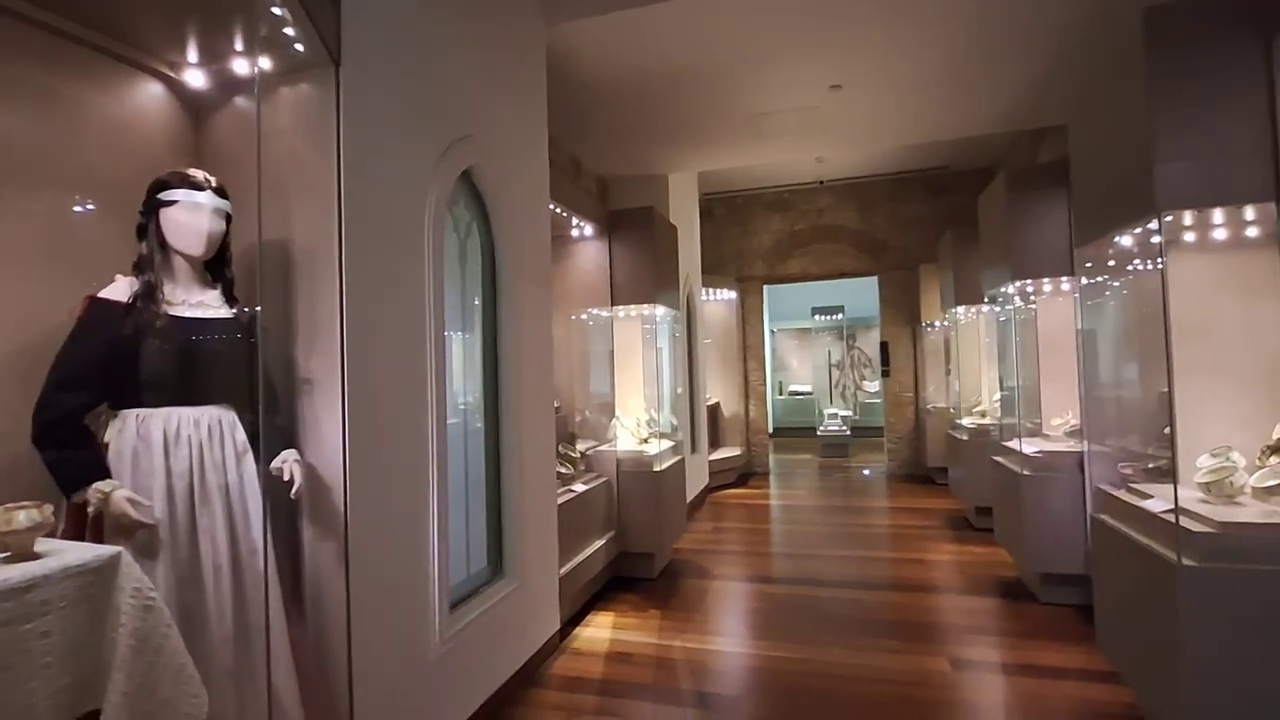
A terracotta figure from an ancient sanctuary, a centuries-old map of Nicosia and a piece of traditional Lefkara embroidery may have little in common at first glance. Yet each reveals something about the people who lived on this island: what they believed, how they understood their surroundings and how they expressed their identity.
Cyprus has museums devoted to archaeology, religious art, urban history, maritime heritage and traditional craftsmanship. Some contain collections substantial enough to justify making them the principal cultural experience of a morning or afternoon. Others are more rewarding when connected to the places and communities whose history they preserve.
The difference matters. A traveler interested in ancient civilizations will gain more from the Cyprus Museum in Nicosia than from a collection devoted to traditional village crafts. Someone fascinated by the historical development of a city may find the Leventis Municipal Museum more rewarding than another archaeological exhibition.
Our selection concentrates on museums that offer a distinct understanding of Cyprus. We also consider their location, the attention their collections deserve and whether they justify a dedicated outing or work better as part of a wider cultural visit.
The Museums Worth Planning A Visit Around
Nicosia has the strongest concentration of major museums in Cyprus. The capital offers opportunities to examine the island's archaeological development, religious heritage and urban history without traveling between different districts.
That does not mean visiting every institution in one day. The following museums serve different interests, and choosing the right one is more rewarding than moving quickly between collections.
Cyprus Museum — Nicosia
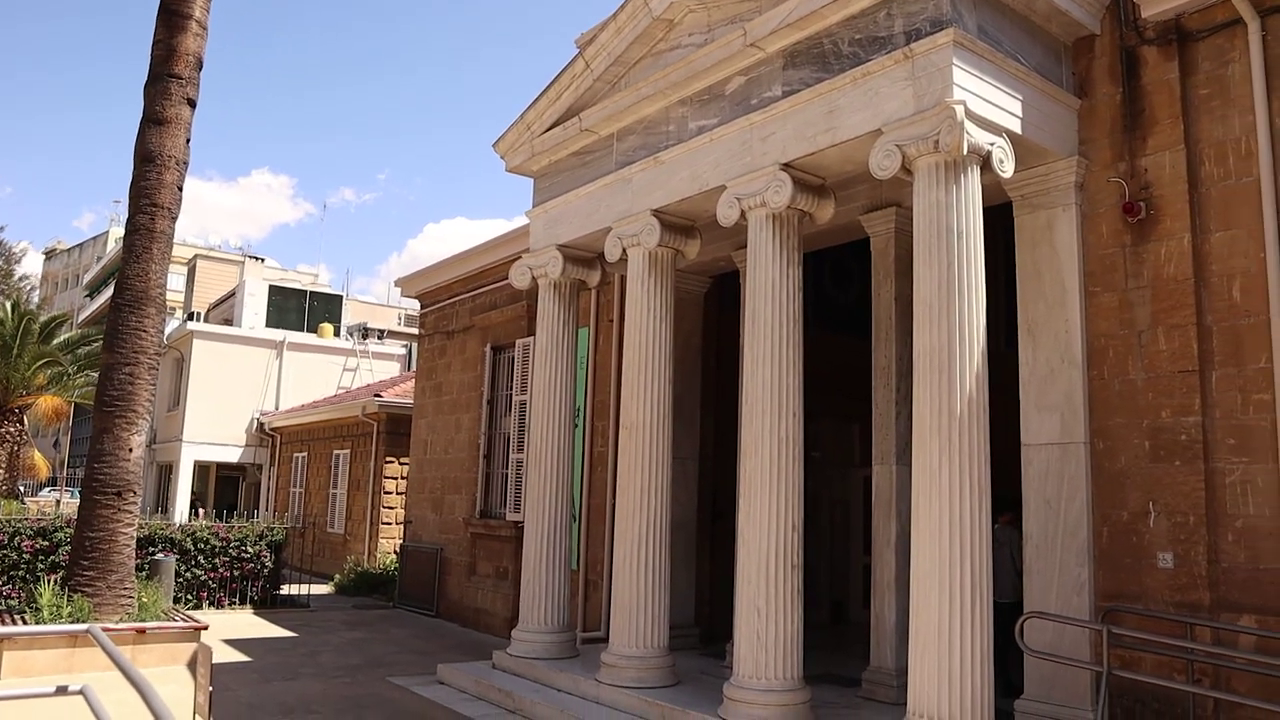 Cyprus Museum, Nicosia
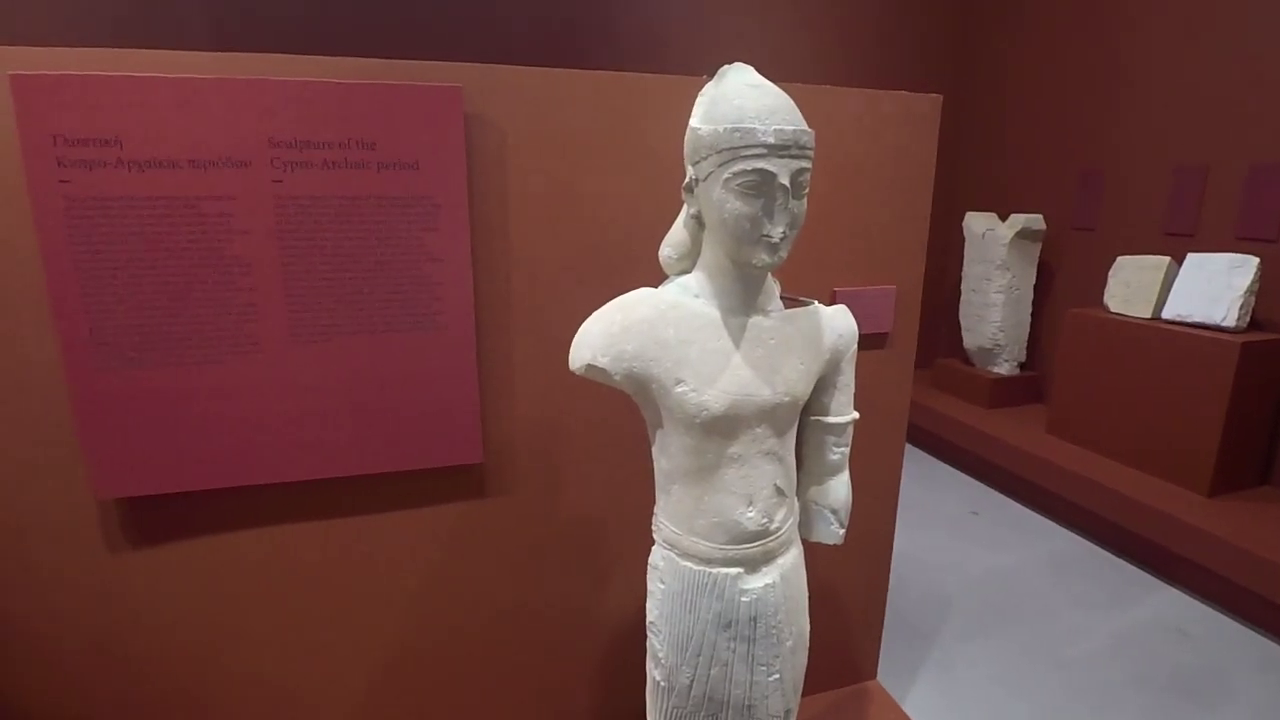
For travelers who want to understand the ancient history of Cyprus, the Cyprus Museum is our first recommendation. It is the island's principal archaeological museum, bringing together discoveries from different regions and historical periods. Its collections span from prehistoric Cyprus to the early Byzantine period, allowing visitors to follow changes in material culture, artistic expression, religious practices and daily life.
Among its important exhibits are prehistoric figurines, Bronze Age pottery, jewelry, sculpture and objects associated with ancient sanctuaries and burial sites. The collection includes the celebrated statue of Aphrodite of Soloi, alongside material illustrating Cyprus's relationships with other Mediterranean civilizations.
What distinguishes the museum from a regional collection is its geographical and chronological breadth. Rather than concentrating on one city or excavation, it provides a wider understanding of how communities across Cyprus developed and changed.
This makes it particularly valuable before visiting several archaeological sites around the island. Objects encountered in the museum can provide a historical framework for understanding the surviving architecture, sanctuaries and settlements elsewhere.
The museum is less compelling for travelers who have little interest in antiquity or prefer experiencing history through buildings and landscapes. For them, an archaeological site such as Kourion or the Archaeological Park of Kato Paphos may provide a more immediate connection with the past.
For serious archaeology enthusiasts, however, the Cyprus Museum deserves unhurried attention. Its historical breadth makes it a stronger choice for a dedicated museum visit than a regional collection focused on a narrower geographical area.
Byzantine Museum — Nicosia
The Byzantine Museum, part of the Archbishop Makarios III Foundation, offers one of the most important opportunities to study Cyprus's religious artistic heritage. Its collections include icons, mosaics, wall paintings and other ecclesiastical artworks associated with the Byzantine and later periods. The displays allow visitors to examine changes in religious artistic expression, techniques and traditions across different centuries.
For visitors unfamiliar with Orthodox Christian art, the museum provides an opportunity to understand the significance of religious images beyond their decorative appearance. Icons followed established theological and artistic traditions, and their subjects, compositions and techniques developed over centuries.
The collection also raises questions about the preservation of cultural heritage. Some important works were removed from their original religious settings, and the museum's presentation helps explain the significance of their recovery and conservation.
This is a different experience from visiting a painted church in the Troodos Mountains. In a church, the architecture, wall paintings and religious setting form a connected whole. In the museum, individual artworks can be examined within a broader historical and artistic sequence.
We would prioritize the Byzantine Museum for travelers interested in religious history, iconography and conservation. Visitors mainly interested in architecture or the atmosphere of an active monastery may prefer our guide to Monasteries & Churches in Cyprus.
The Leventis Municipal Museum of Nicosia — Laiki Geitonia
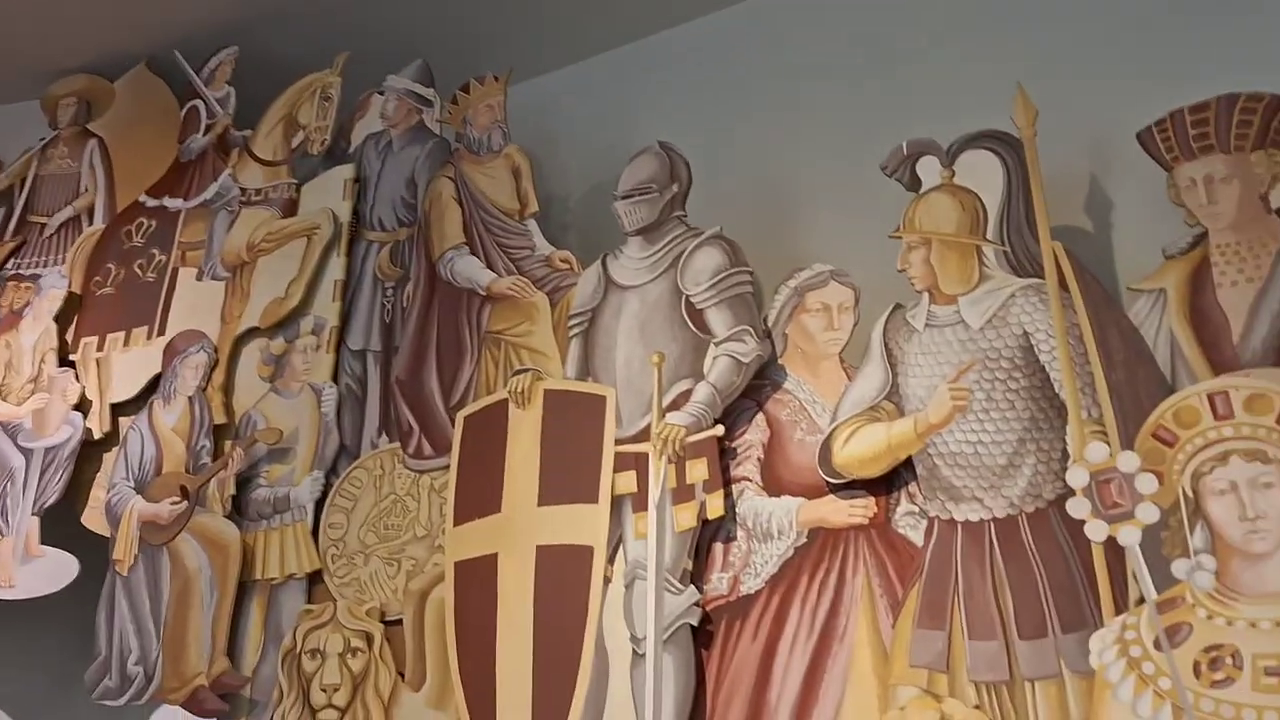
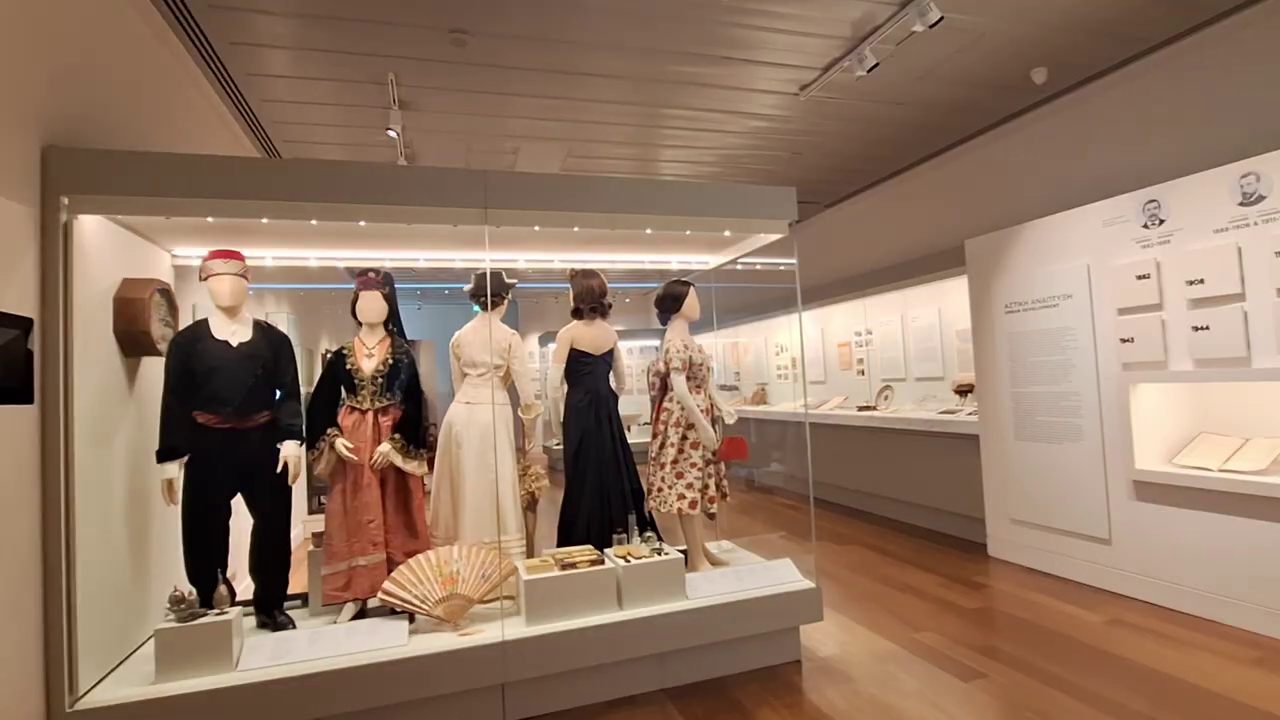
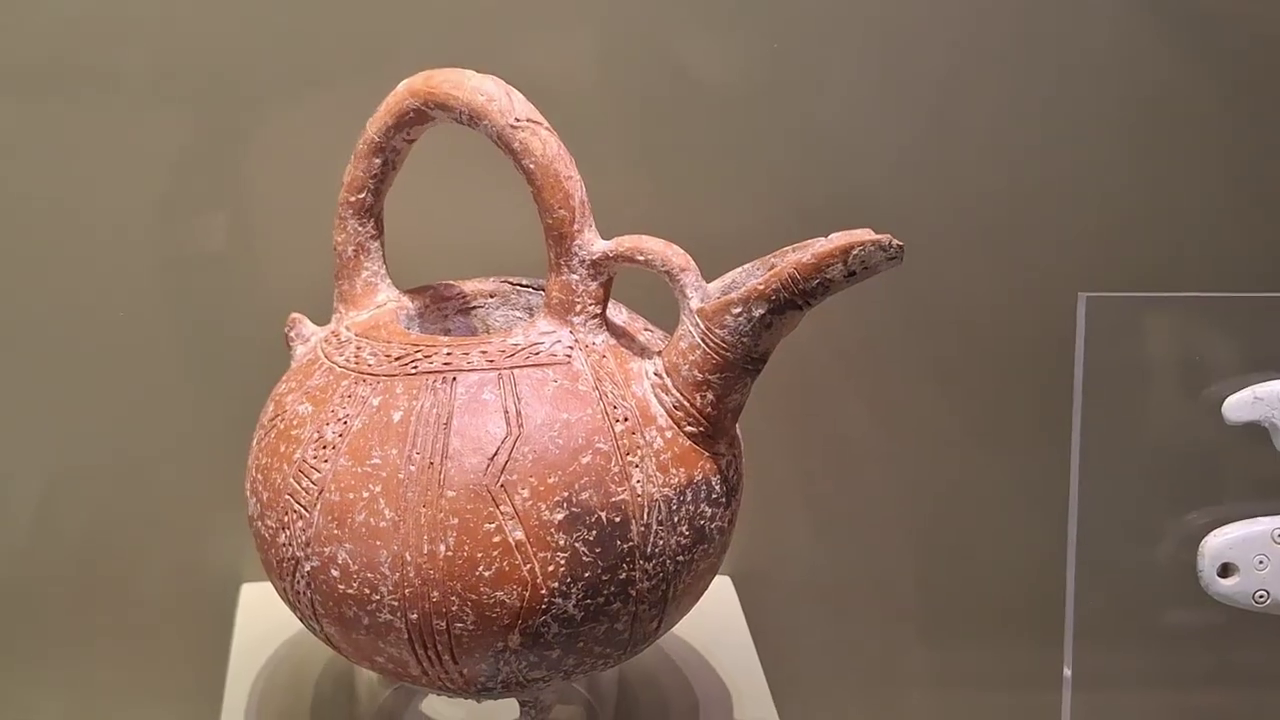
If you want to understand the historical development of Nicosia, the Leventis Municipal Museum deserves serious consideration. Located in Laiki Geitonia, within the historic center of the capital, the museum traces Nicosia's history from prehistoric times to the present day. Its collections contain more than 10,000 objects, including maps, documents, paintings, engravings, costumes and other material connected with the city's past.
The exhibitions follow successive historical periods, beginning with ancient Nicosia and continuing through the Byzantine, Frankish, Venetian, Ottoman and British periods. They also address the development of the capital following Cyprus's independence in 1960.
The museum's particular strength is its focus on the city as a whole. Changes in government, architecture, trade and everyday life become part of a connected history rather than a series of unrelated events.
We have visited the museum ourselves, and it left a lasting impression. We were strolling through the streets of Laiki Geitonia when we decided to enter, hoping to learn more about the historical development of our own city. The museum did not disappoint.
As we moved through the collections, we found ourselves drawn into the different chapters of Nicosia's history. The exhibits took us from the city's ancient beginnings through successive periods of political and cultural change, revealing how its identity had evolved.
What surprised us was how difficult it became to choose a favorite historical period. Each had made an important contribution, and we found something of interest in every part of the exhibition.
We spent considerably more time in the museum than we had anticipated. When we eventually left, we felt a sense of awe at the city's long history and a stronger appreciation of why understanding its past is essential to understanding its present.
Afterward, we stopped at a café in Laiki Geitonia. Even while enjoying our coffee, our conversation kept returning to the collections we had seen and the different historical periods they represented. The visit had given us plenty to discuss long after we had left the exhibition rooms.
That experience is one reason we regard the Leventis Municipal Museum as an important cultural stop in Nicosia. For travelers visiting the capital, we recommend combining the museum with a walk through Laiki Geitonia and the surrounding historic center. The streets, traditional buildings and urban setting provide an opportunity to consider the city's history beyond the museum's collections.
The museum is particularly rewarding for visitors interested in urban development, social history and the changing identity of Nicosia. Those whose principal interest is the broader archaeology of Cyprus, rather than the capital itself, may prefer the Cyprus Museum. For anyone who genuinely wants to understand Nicosia, however, we would place the Leventis Municipal Museum high on the cultural itinerary.
Regional Museums That Add More To A Cultural Day
Outside Nicosia, several museums provide a more concentrated encounter with the history of a particular district, settlement or tradition. Their value often comes from their relationship with the surrounding area. A collection of local archaeological finds can explain what visitors have seen at a nearby ancient site, while a museum of traditional craftsmanship may introduce the economic and social history of a village.
These museums should not automatically be treated as destinations requiring a separate day. Their strongest role is often to deepen an experience that already fits the traveler's itinerary.
Archaeological Museum of the Paphos District — Paphos
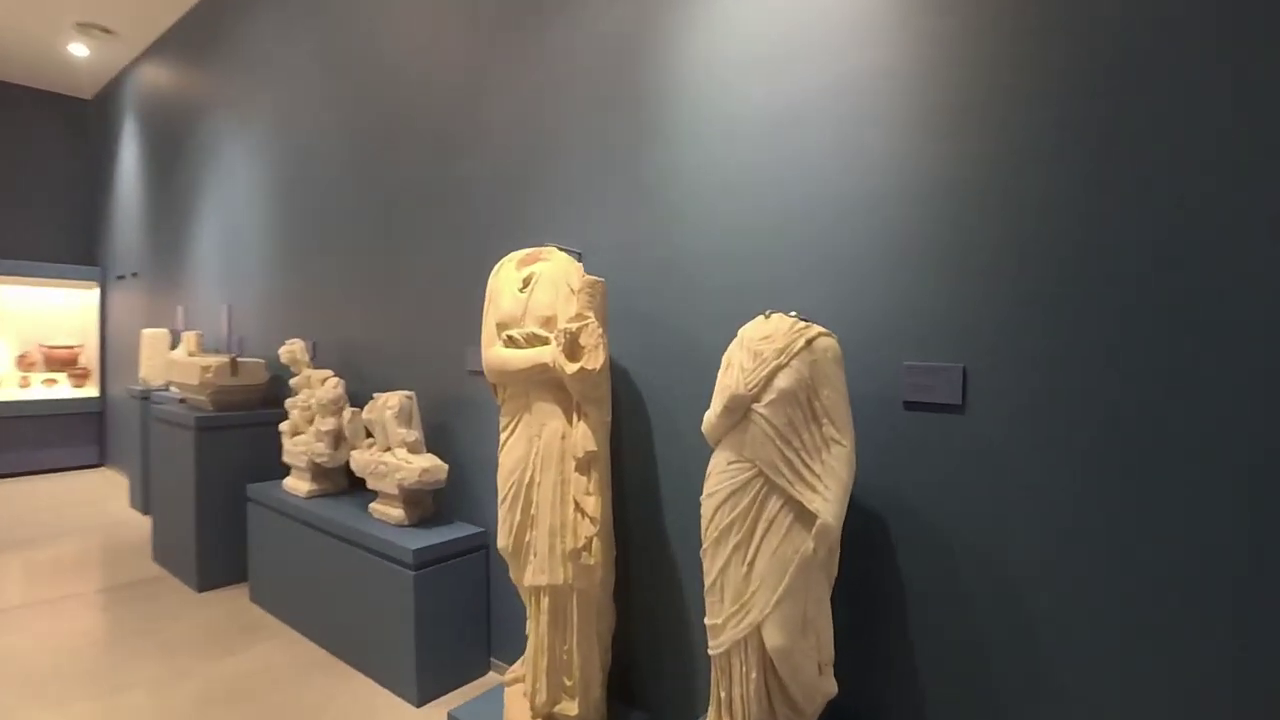 Archaeological Museum of the Paphos District
Paphos has some of Cyprus's most important archaeological sites, but the district museum provides a different way to understand the region's history. Its collections bring together discoveries from across the district, including material associated with Palaepaphos, Nea Paphos and the ancient region of Marion-Arsinoe. The exhibits cover a long historical sequence, with pottery, sculpture, inscriptions, burial objects and other archaeological finds.
One of the museum's strengths is that it moves beyond the best-known monuments of Kato Paphos. Visitors can examine objects representing settlements and communities across western Cyprus, including places that may receive less attention on a conventional sightseeing itinerary.
This broader regional perspective is valuable for travelers interested in how different settlements developed and how their histories relate to one another. The museum provides a useful complement to archaeological visits at Paphos, Kouklia and other sites associated with different periods of the island's past.
There is a practical consideration. The museum is located in Paphos town rather than immediately beside the Kato Paphos Archaeological Park, so combining the two requires planning rather than simply walking between neighboring attractions.
We would prioritize the district museum for visitors who have already developed an interest in the archaeology of western Cyprus and want to examine the evidence more closely. For first-time visitors with limited sightseeing time, the mosaics of Kato Paphos or the monumental architecture of the Tombs of the Kings may provide a stronger introduction to the region's ancient history.
Archaeological Museum of the Limassol District — Limassol
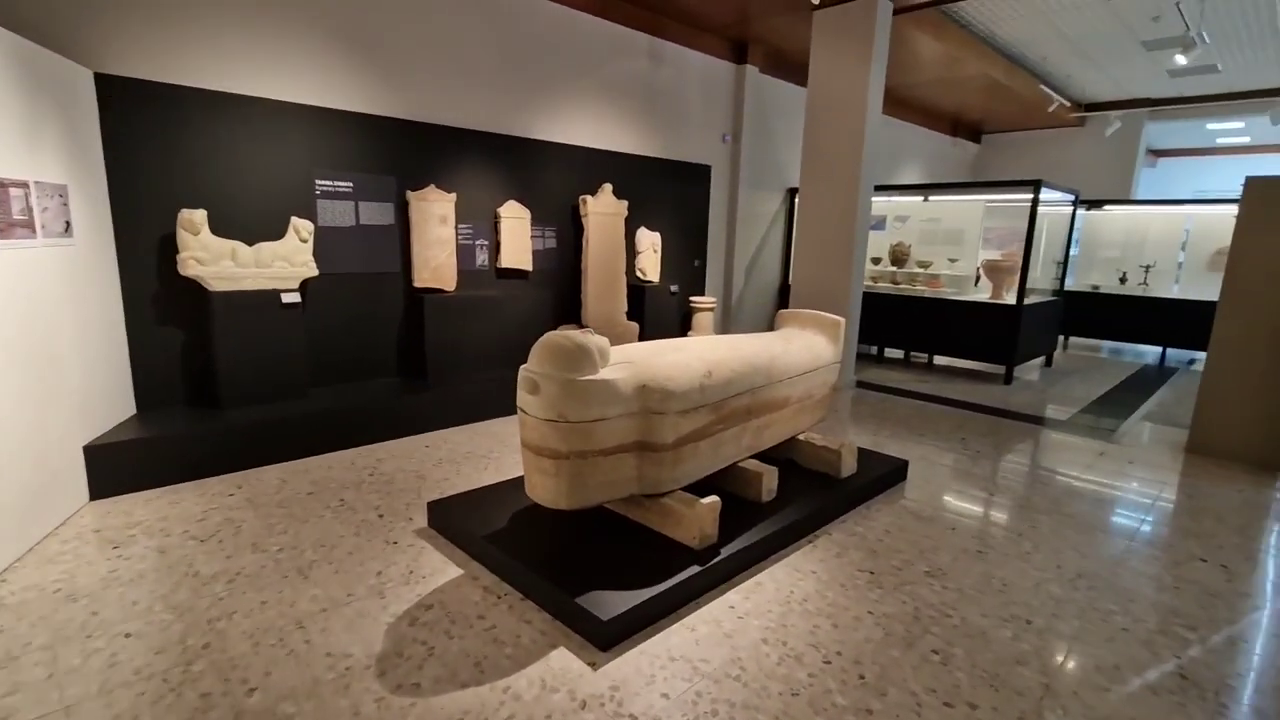 Archaeological Museum of the Limassol District
The Archaeological Museum of the Limassol District deserves consideration from travelers interested in the ancient communities that developed around Limassol. Its collections include pottery, sculpture, coins, jewelry, inscriptions and other objects recovered from sites in the district. Material from Amathous and its surrounding settlements and sanctuaries provides an important part of the museum's archaeological character.
The collection helps explain the different cultural influences that reached the region through trade, religious practices and relationships with the wider Mediterranean. Objects associated with the worship of Aphrodite, alongside evidence of artistic influences from the eastern Mediterranean, offer insight into the religious and commercial life of ancient communities.
An important distinction concerns Kourion. Travelers should not assume that the Limassol museum is principally a collection of discoveries from that ancient city. Finds from Kourion have traditionally been represented in the separate local archaeological museum at Episkopi, while the Limassol collection is particularly important for Amathous and other regional sites.
This distinction should influence your choice. Travelers planning to visit Amathous may find the Limassol museum especially worthwhile because the objects provide context for the ancient settlement. Those whose principal interest lies in Kourion's theater, mosaics and elevated coastal setting should give the archaeological site itself priority.
We would therefore treat the Limassol museum as a valuable addition to an itinerary focused on the district's ancient history, rather than an automatic stop for every visitor to the city.
Pierides Museum — Larnaca
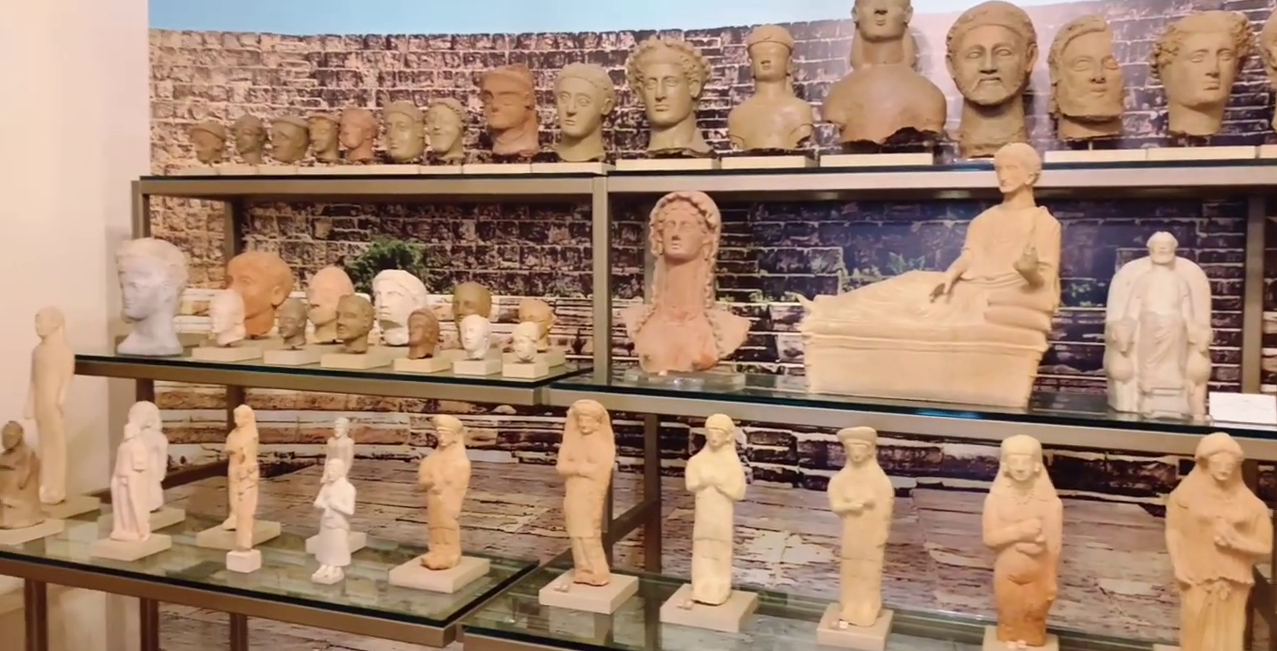 Pierides Museum, Larnaca
The Pierides Museum offers a more intimate encounter with Cypriot archaeology than the island's larger public institutions. Located in the historic Pierides family residence in central Larnaca, the museum houses a collection assembled through generations of private collecting. Its exhibits represent thousands of years of Cypriot history, from prehistoric objects to material associated with the medieval period.
Particularly interesting are examples of Bronze Age pottery, Roman glass and medieval ceramics. The museum also holds historical maps of Cyprus and the eastern Mediterranean, broadening its scope beyond archaeological objects.
The building contributes to the character of the visit. Unlike a purpose-built national museum, the collection is presented within a historic family property, giving the experience a more intimate scale and connecting it with a longstanding tradition of collecting and preserving Cypriot antiquities.
That character is the principal reason to choose Pierides over a larger archaeological institution when visiting Larnaca. It is well suited to travelers who appreciate historic houses, private collections and the opportunity to examine a concentrated selection of objects without committing to an extensive museum itinerary.
The museum can be combined with time in Larnaca's historic center and along the Finikoudes waterfront. We would not ordinarily recommend traveling across Cyprus solely for this collection unless private collecting or ancient Cypriot artifacts are particular interests. For visitors already spending time in the city, however, it offers a worthwhile cultural stop.
Thalassa Municipal Museum — Ayia Napa
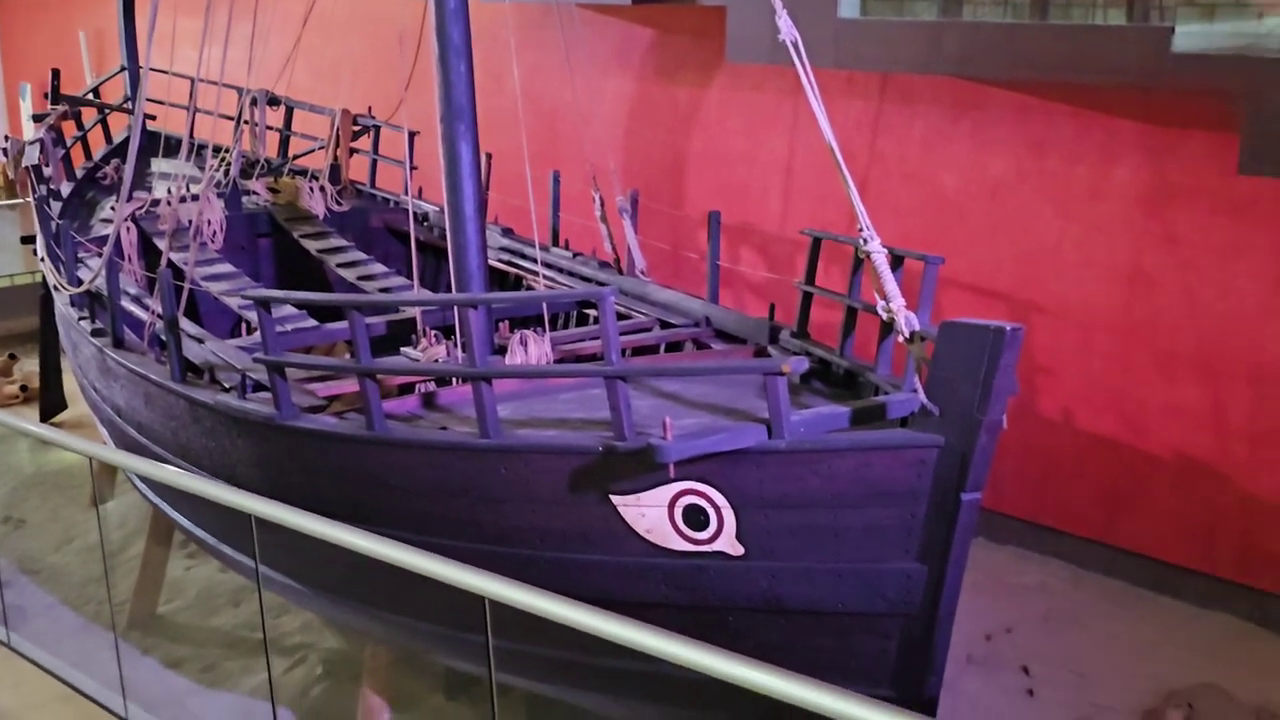
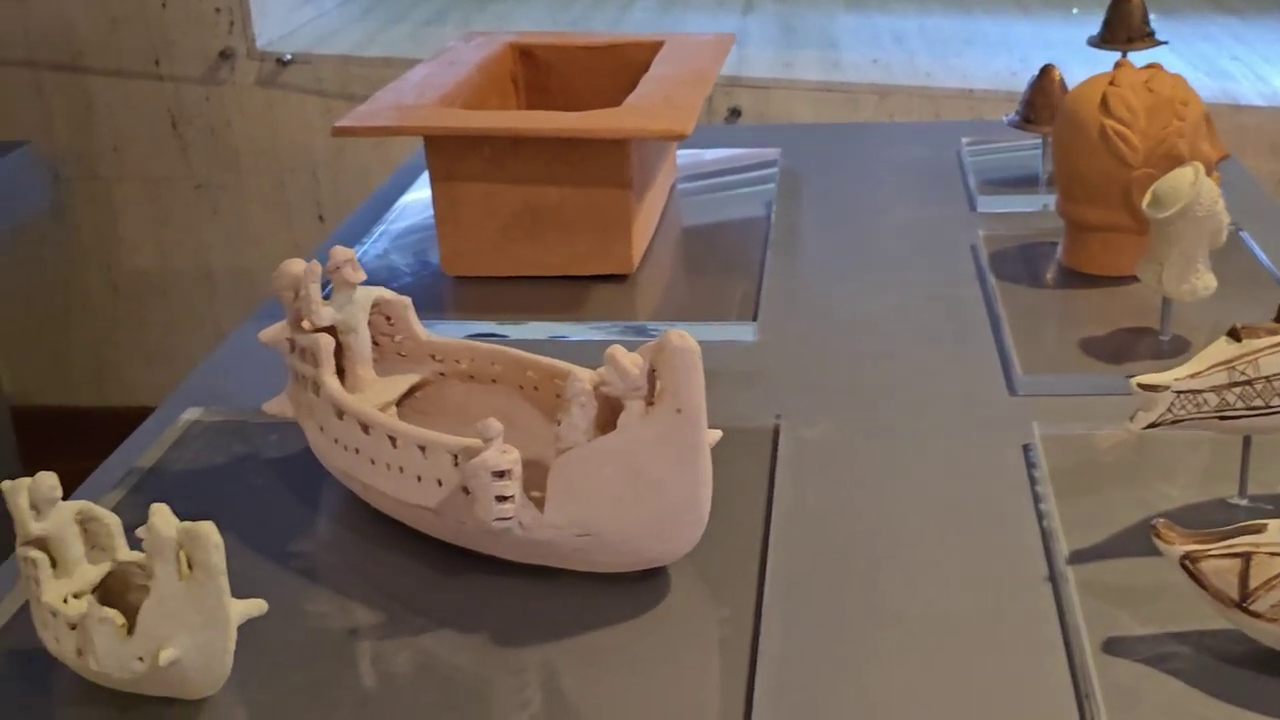
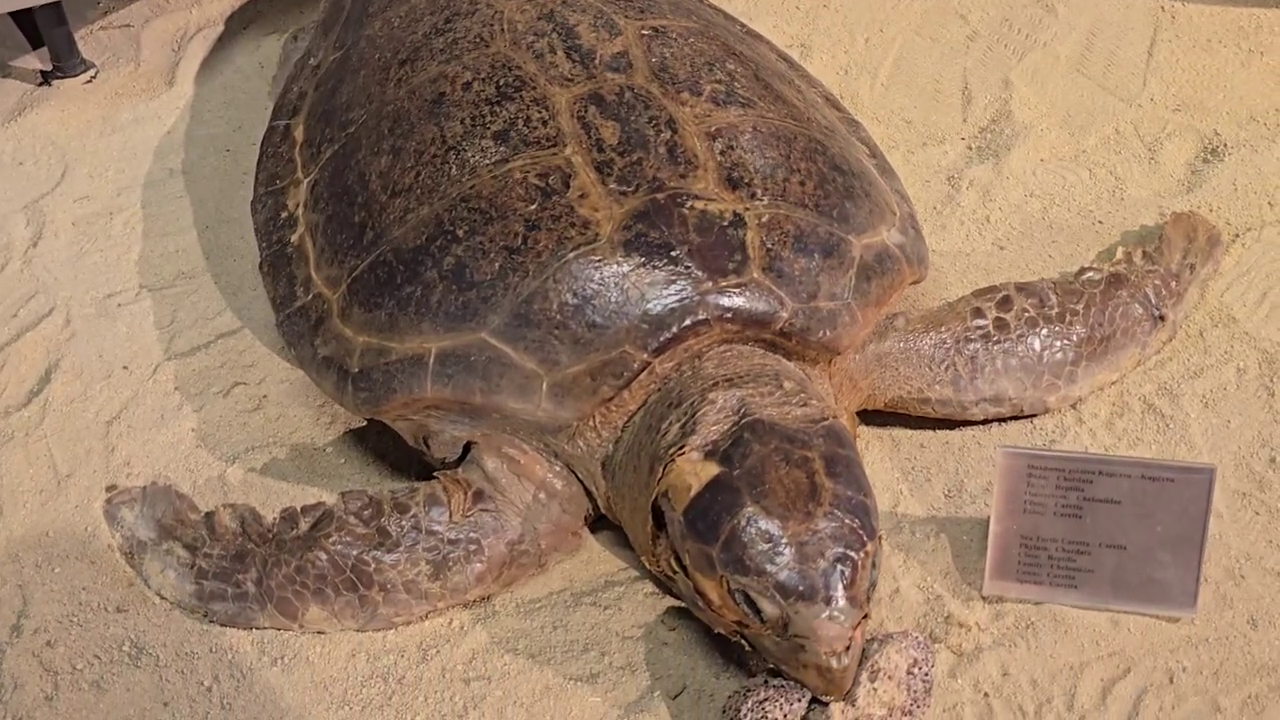
Ayia Napa is more commonly associated with beaches and boat trips than with museums. The Thalassa Municipal Museum provides an opportunity to understand the sea from a different perspective.
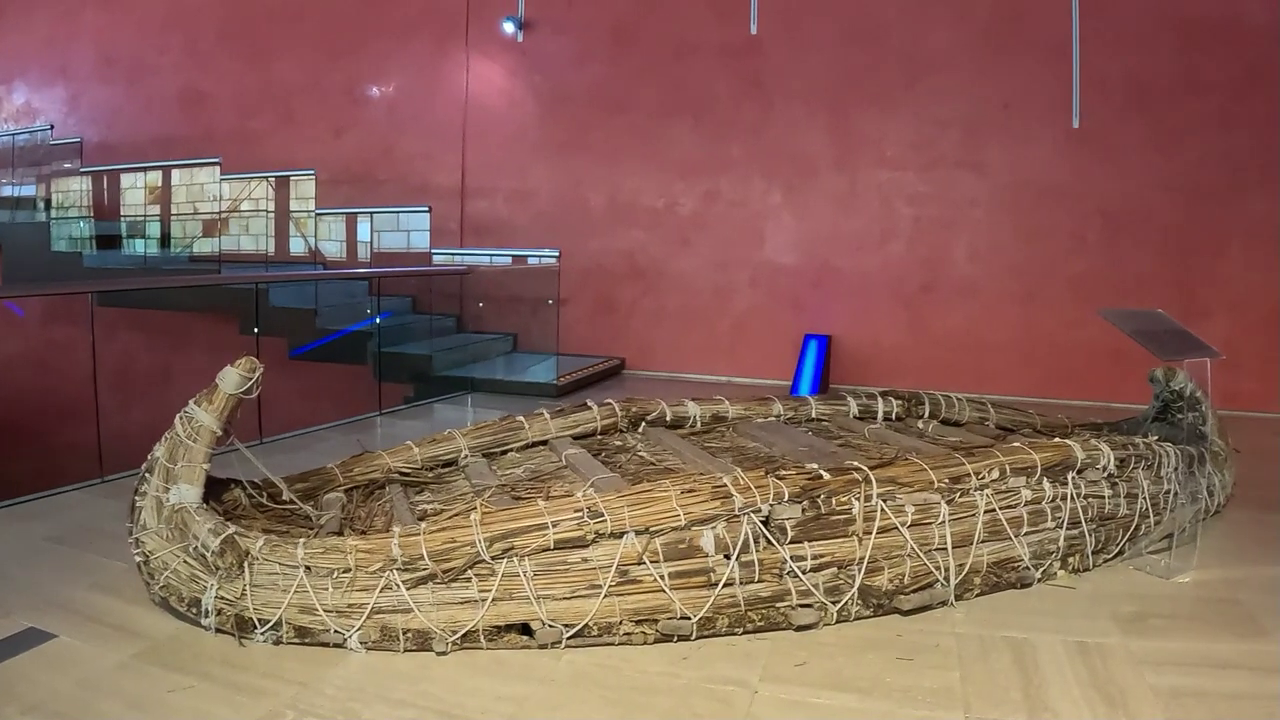
Its collections concern the relationship between Cyprus and the Mediterranean, bringing together maritime history, archaeological objects, fossils and material connected with marine life. A prominent exhibit is a life-size replica of an ancient trading vessel. Its presentation provides an introduction to the importance of seafaring, trade and the movement of people and goods across the Mediterranean.
The museum's wider displays also consider the natural environment of the sea, distinguishing it from institutions devoted exclusively to archaeological history. Travelers interested in maritime activity can consider the sea as a historical route for commerce and cultural exchange, while families may appreciate the variety of subjects represented in the collection.
For visitors staying in Ayia Napa, the museum offers a cultural alternative to another beach-focused outing without requiring a journey to a different region. It is less likely to justify a special trip for those seeking substantial collections of ancient sculpture or Byzantine religious objects, which are better represented in Nicosia.
Local Museum of Traditional Embroidery and Silversmith-Work — Lefkara
 Lefkara Embroidery
Lefkara's cultural identity is closely associated with its embroidery and silversmithing traditions. The village museum provides the historical background to crafts that visitors may otherwise encounter mainly through workshops and shops.
The museum occupies the House of Patsalos, a traditional stone residence containing rooms furnished to reflect domestic life in earlier periods. Its collections include historic Lefkara embroidery, traditional clothing, jewelry, silverwork and household objects. The arrangement of the rooms helps visitors understand the relationship between craftsmanship, family life and the domestic spaces of a prosperous village household.
The museum's particular strength is its connection to Lefkara itself. Historic examples of embroidery and silverwork can be considered alongside the village's architecture and continuing association with traditional craftsmanship. This relationship makes the collection more meaningful than it might be during an isolated museum visit.
There is, however, an important distinction between viewing historic examples of embroidery and watching someone create a new piece. Visitors specifically interested in observing craftsmanship should investigate whether local workshops or demonstrations are available rather than assume that the museum provides a live demonstration.
We would make the village the principal experience and include the museum as part of a wider visit. Travelers interested mainly in archaeology may find a district museum more relevant, but those curious about traditional Cypriot craftsmanship have a clear reason to spend time here.
Choosing Between Archaeology, Religious Art and Local History
The most useful way to select a museum is to decide what you want to understand and how deeply you want to pursue that interest. For an introduction to ancient Cyprus across different historical periods, the Cyprus Museum offers the broadest perspective. The archaeological museums of Paphos and Limassol become more relevant when the objective is to examine the history of a particular region and connect its discoveries with nearby ancient sites.
Religious art requires a different approach. The Byzantine Museum concentrates on ecclesiastical works, their historical significance and preservation, while the Leventis Municipal Museum follows the changing social and political identity of Nicosia.
Other collections reward more specialized interests. Pierides offers the character of a historic private collection, Thalassa concentrates on the Mediterranean and its relationship with Cyprus, and Lefkara introduces the traditions of embroidery, silverwork and domestic life.
These distinctions should determine your choice more than the reputation or size of an institution. A smaller collection addressing a subject that genuinely interests you can be more rewarding than spending several hours in a major museum whose exhibits hold little personal appeal.
Building A Museum Visit Into Your Cyprus Itinerary
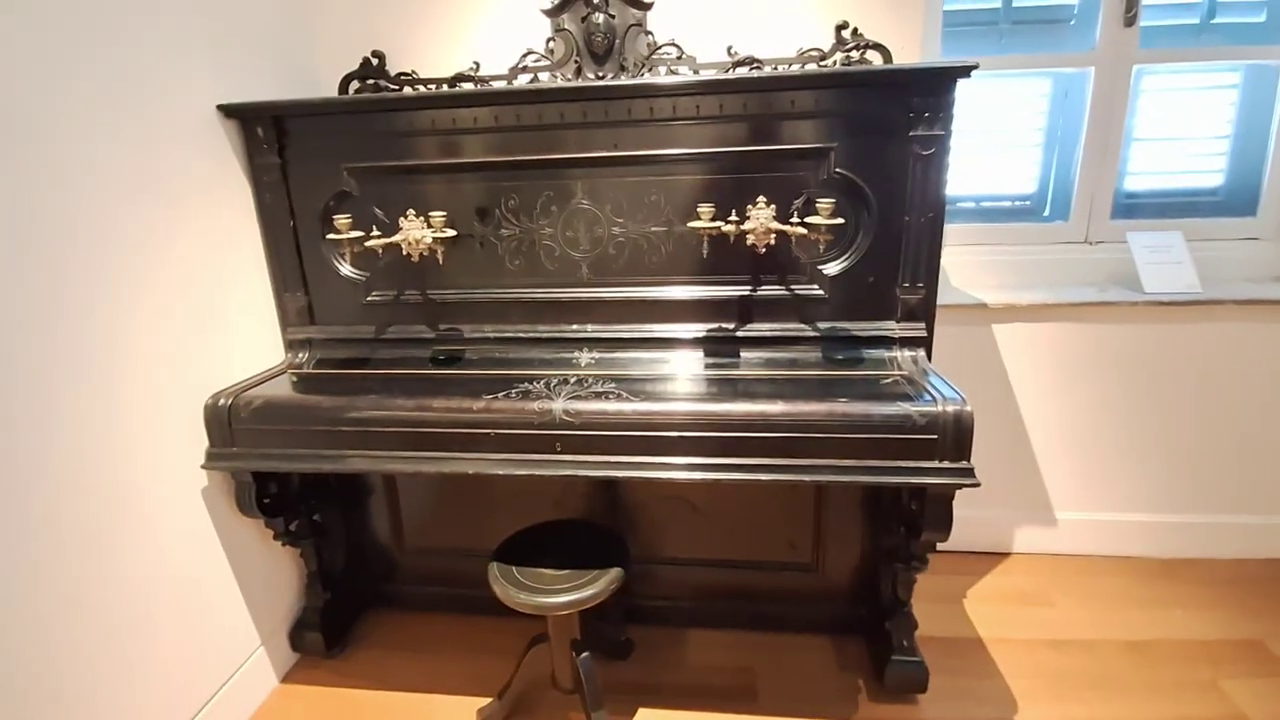
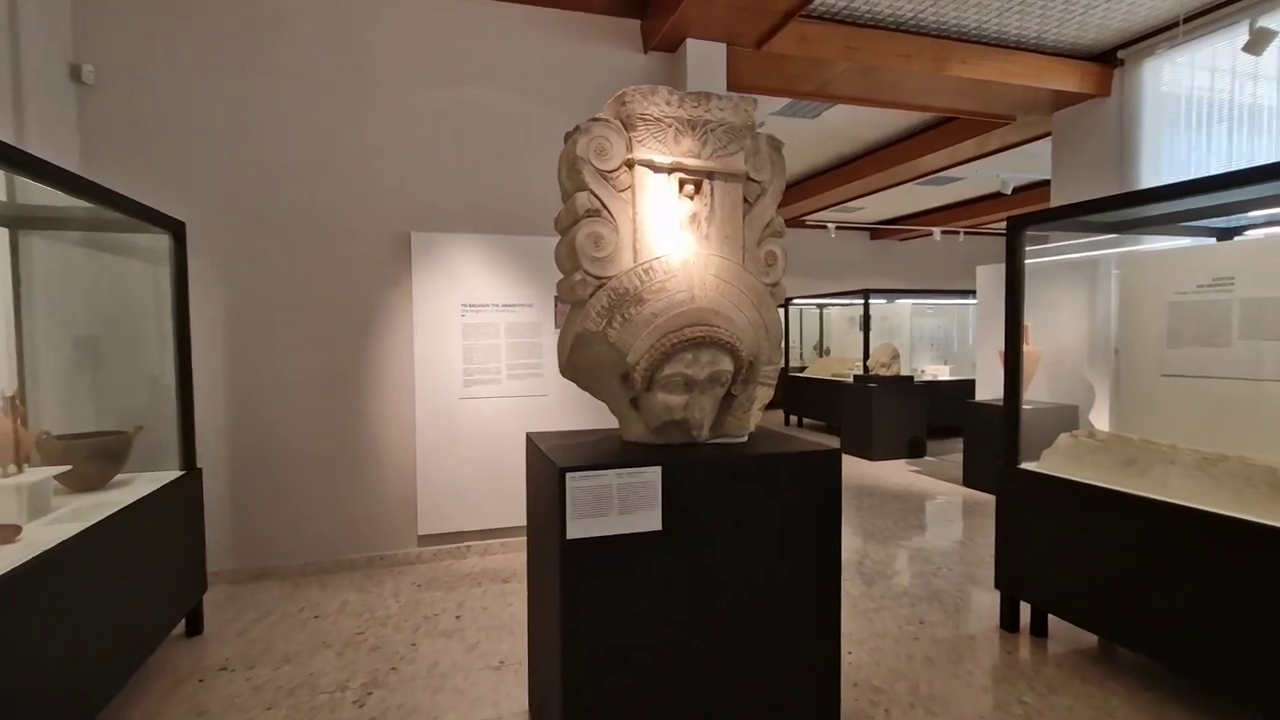
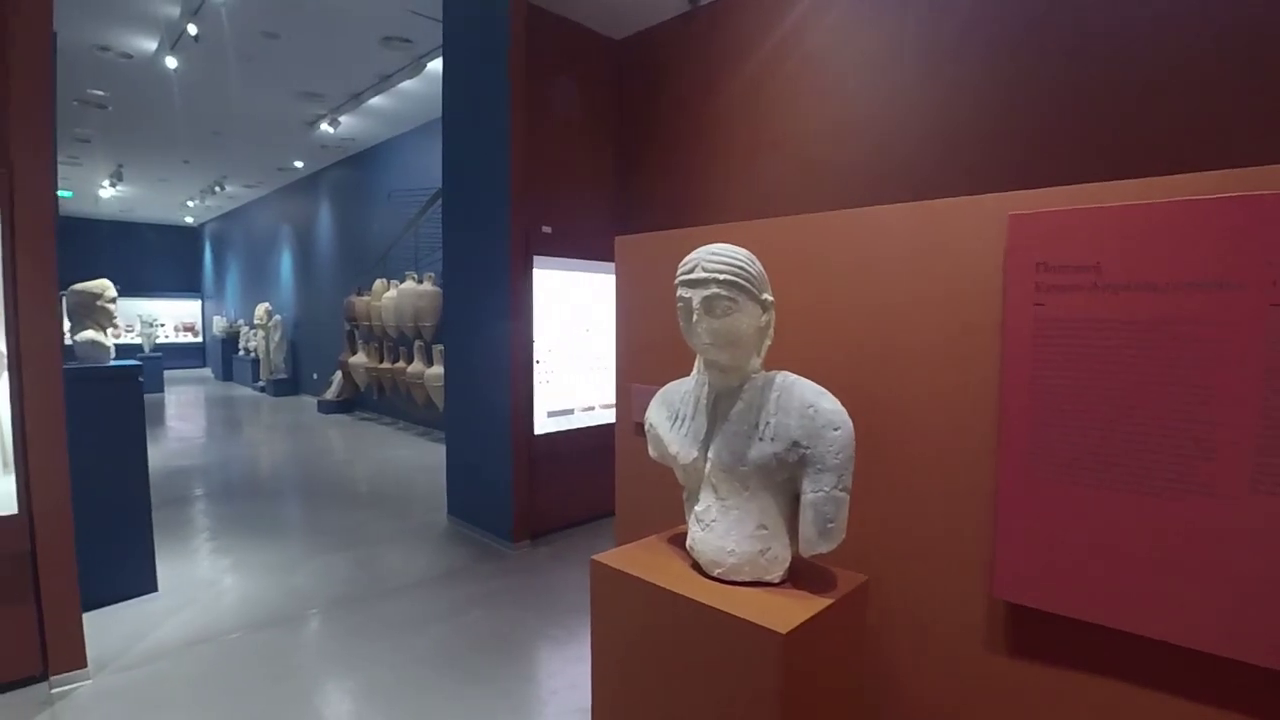
Nicosia is the strongest base for travelers who want to devote substantial time to museums. The concentration of institutions makes it possible to choose a principal museum and, if your interests justify it, add another covering a different historical or artistic subject.
We would avoid attempting the Cyprus Museum, Byzantine Museum and Leventis Municipal Museum in one hurried session. Their collections cover different periods and themes, and each deserves enough time for visitors to engage with the material rather than move continuously from one display to another.
For travelers based outside the capital, geography becomes more important. The Paphos District Museum is a separate stop from the main archaeological attractions of Kato Paphos, while the Limassol District Museum can be considered alongside an outing concerned with ancient Amathous.
Larnaca and Ayia Napa offer more straightforward opportunities to incorporate a museum into an existing city or resort stay. The Pierides Museum fits naturally into time spent in central Larnaca, while Thalassa provides a cultural activity within Ayia Napa itself.
Lefkara deserves a different approach. Rather than traveling to the village, visiting the museum and immediately leaving, allow time for its streets and traditional craftsmanship to form part of the same outing.
A practical cultural itinerary does not need to contain several museums. One carefully chosen collection, combined with a place that adds meaning to what you have seen, can make a satisfying morning or afternoon.
Practical Considerations Before Visiting Cyprus Museums
Museum visits generally involve less exposure to the weather than archaeological sites, making them useful alternatives during periods of intense summer heat or unsettled weather. Indoor conditions and visitor facilities vary, however, and should not be assumed to be identical across institutions.
Opening hours are particularly important. Some museums operate different schedules according to the day of the week or the season, while smaller institutions may have limited visiting periods. Public holidays, conservation work, exhibitions and operational changes can also affect access.
Before traveling, check the relevant museum's official website or contact its management to confirm opening arrangements, admission requirements and any restrictions affecting the collections you want to see.
Accessibility deserves individual consideration. Purpose-built museums and historic houses can have very different arrangements for wheelchair access, stairs, lifts, seating and accessible facilities. Travelers with specific mobility requirements should confirm the suitability of each institution beforehand.
Photography rules also vary. Certain objects, temporary exhibitions or religious artworks may be subject to restrictions, and visitors should follow the instructions displayed by the museum or communicated by its staff.
For travelers interested in detailed historical interpretation, a guided visit may add value, particularly when examining specialist collections. Others may prefer to follow the museum's displays independently, allowing more time for the objects that attract their attention.
Leave some flexibility in your itinerary, particularly if you are visiting a substantial collection for the first time. It is better to give an exhibition the attention it deserves than to shorten a rewarding visit simply because another museum appears on your schedule.
Our Editorial Verdict
If you have time for only one museum and want a broad understanding of ancient Cyprus, we would choose the Cyprus Museum in Nicosia. For travelers whose primary interest is the historical development of the capital, however, the Leventis Municipal Museum is the more relevant choice.
The remaining museums deserve consideration according to their particular strengths. None needs to be included merely to increase the number of cultural attractions on your itinerary, and a respected institution is not automatically the right one for every visitor.
Our preference is for a museum visit with a clear purpose. We want to know what the collection can teach us, how it relates to the places we intend to visit and whether its subject genuinely deserves our time.
That is also the standard we apply to recommending museums to our readers. An impressive collection is a reason to take an interest, but the strongest reason to visit is having something you genuinely want to understand.