Newsletter "Beyond the Postcards" Subscribe
Plan Your Cyprus Trip: Hotels: Expedia, Villas & Apartments: Vrbo, Car Rentals: DiscoverCars, Tours: GetYourGuide, Airport Transfers: WelcomePickups
- Home
- Things To Do in Cyprus
- Best Beaches in Cyprus
- Best Quiet Beaches in Cyprus
Best Quiet Beaches in Cyprus: Where The Coast Feels Calmer
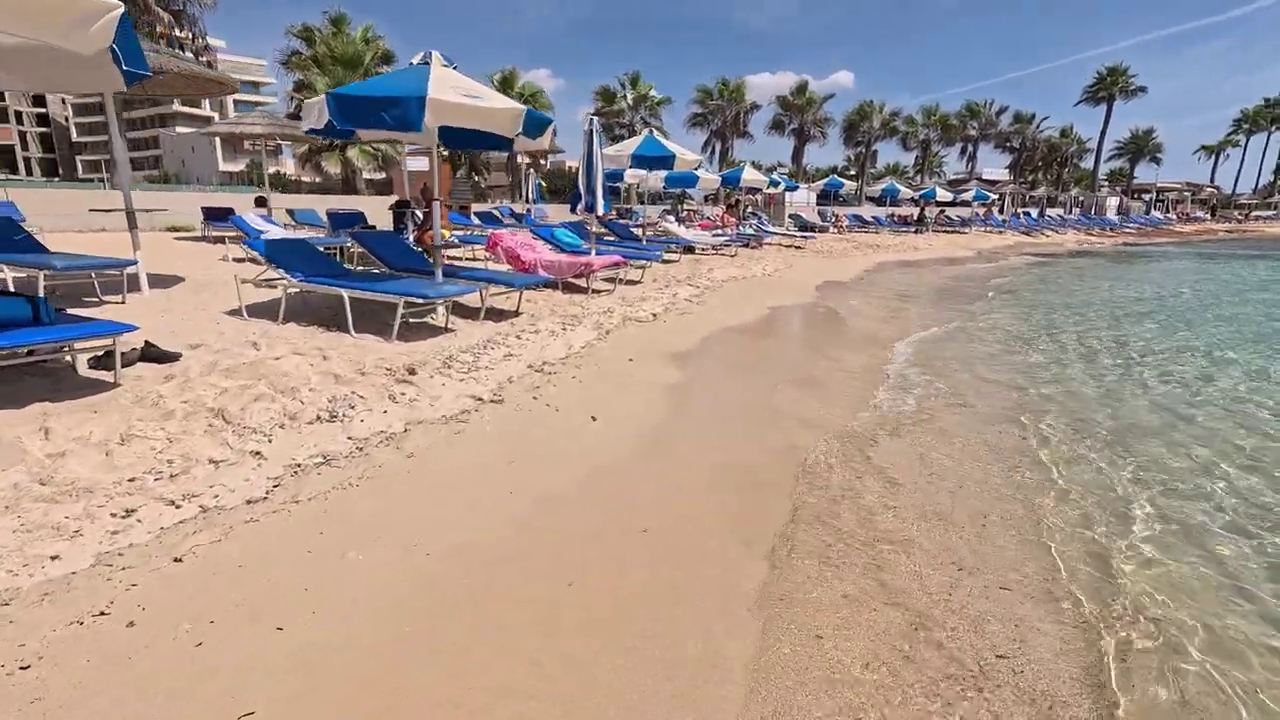
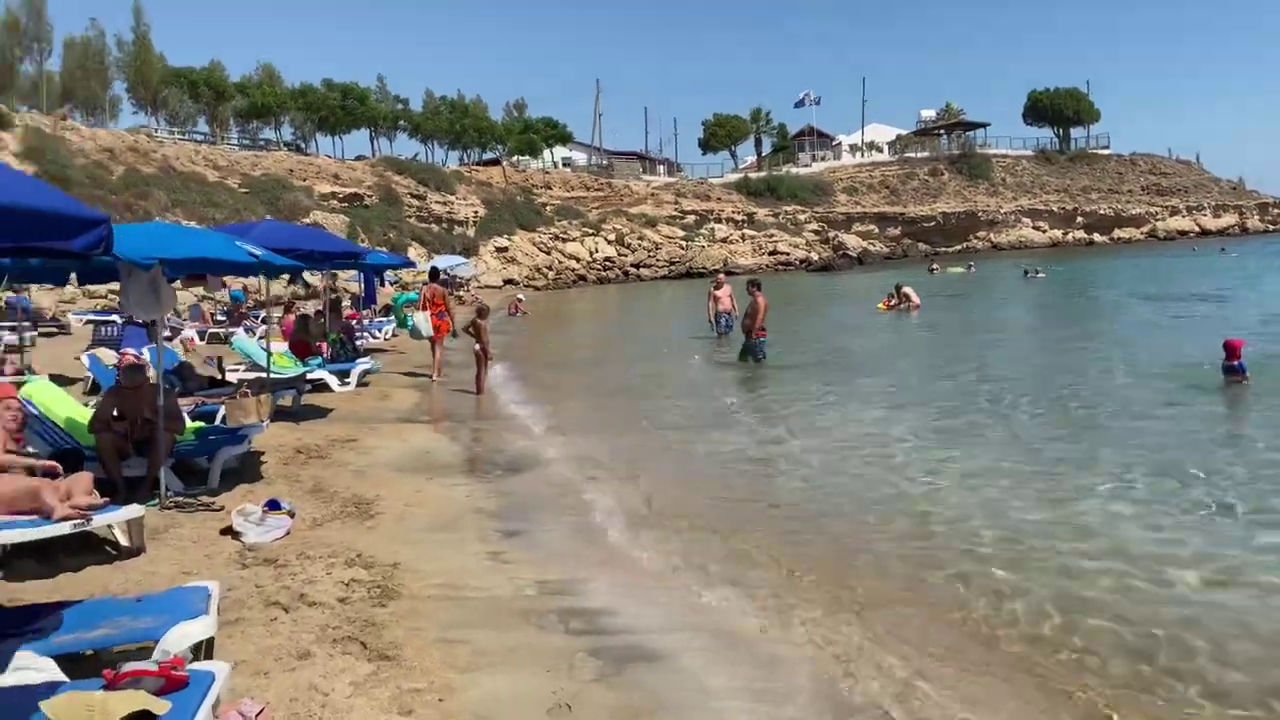
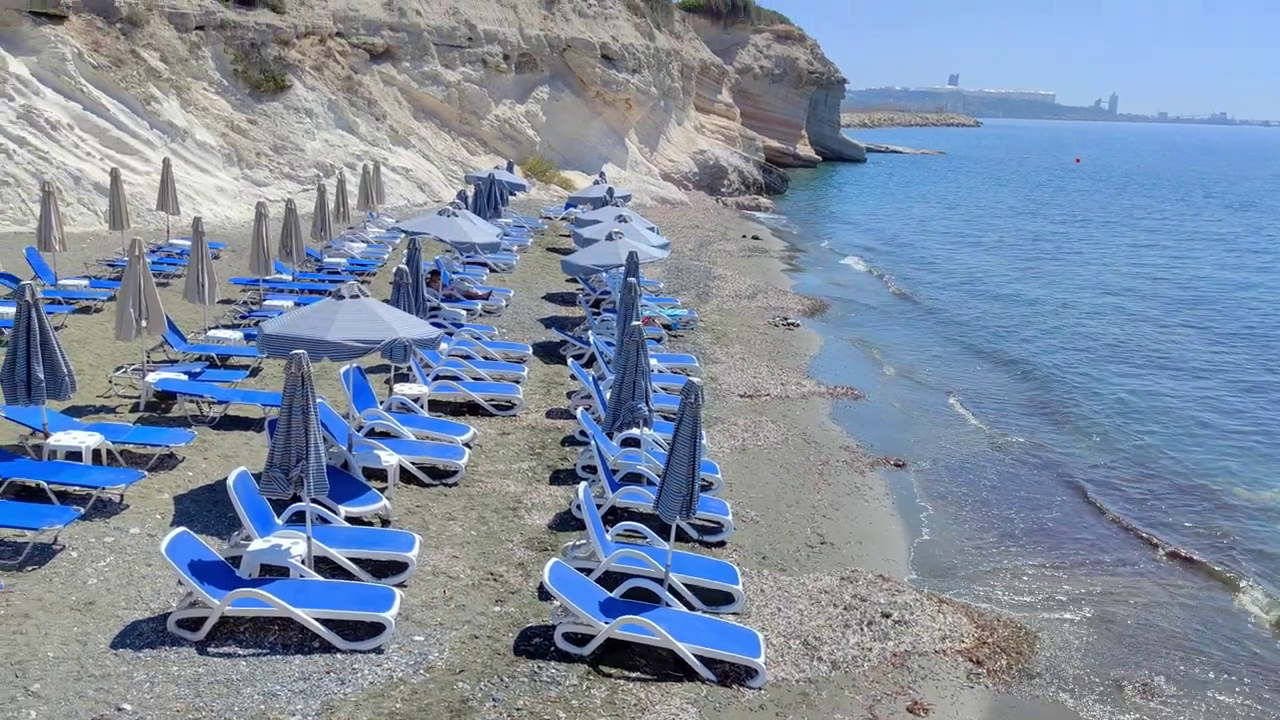
Quiet beaches in Cyprus are easy to misunderstand. A beach does not become quiet simply because it is small, difficult to find or missing from the most obvious holiday photographs, and some genuinely peaceful stretches of coast are not the beaches we would choose for the easiest swimming or the softest sand.
There is another complication. Quiet in Cyprus is rarely permanent, because a beach that feels wonderfully unhurried at 9:00 in the morning can feel completely different by lunchtime. July and August weekends bring Cypriots to the coast as well as overseas visitors, while smaller beaches can sometimes feel more crowded than famous ones simply because there is less room.
Conversely, an early morning on a well-known coast can be remarkably peaceful before the beach day properly begins. That changes how we choose.
For us, the best quiet beaches in Cyprus are not necessarily empty beaches. They are places where the sea still controls the mood of the day, where there is usually enough physical and psychological space to settle in, and where music, traffic and constant movement do not overwhelm the experience.
The distinction matters because quiet does not always mean remote. Sometimes the better choice is a beach with sunbeds, somewhere to eat and straightforward access, but without the intensity of Cyprus's busiest resort beaches.
What "Quiet" Really Means On A Cyprus Beach
There are several different versions of a quiet beach day. Some travelers want genuine solitude, while others simply want enough space to read, swim and talk without spending the day surrounded by music and constant movement.
Families may want calm surroundings but still value facilities. Couples may care less about convenience and more about an uninterrupted coastline, while older travelers may place more importance on parking, easy access and somewhere nearby for lunch.
These are not the same requirement. A beach can be excellent for one version of quiet and completely wrong for another, which is why judging beaches only by how empty they look in photographs is a poor way to choose.
One of the most useful things we have learned from living with Cyprus rather than simply visiting it is that quiet often exists one layer away from the obvious. It may be one bay beyond the resort, one village farther along the coast, or one hour earlier in the day.
That is why this guide does not chase isolation for its own sake. If complete remoteness is the priority, our Best Wild & Unspoiled Beaches in Cyprus guide is the better place to continue; here, the focus is beaches where quiet and usability still coexist.
Agia Thekla Beach
The strongest quiet alternative to central Ayia Napa
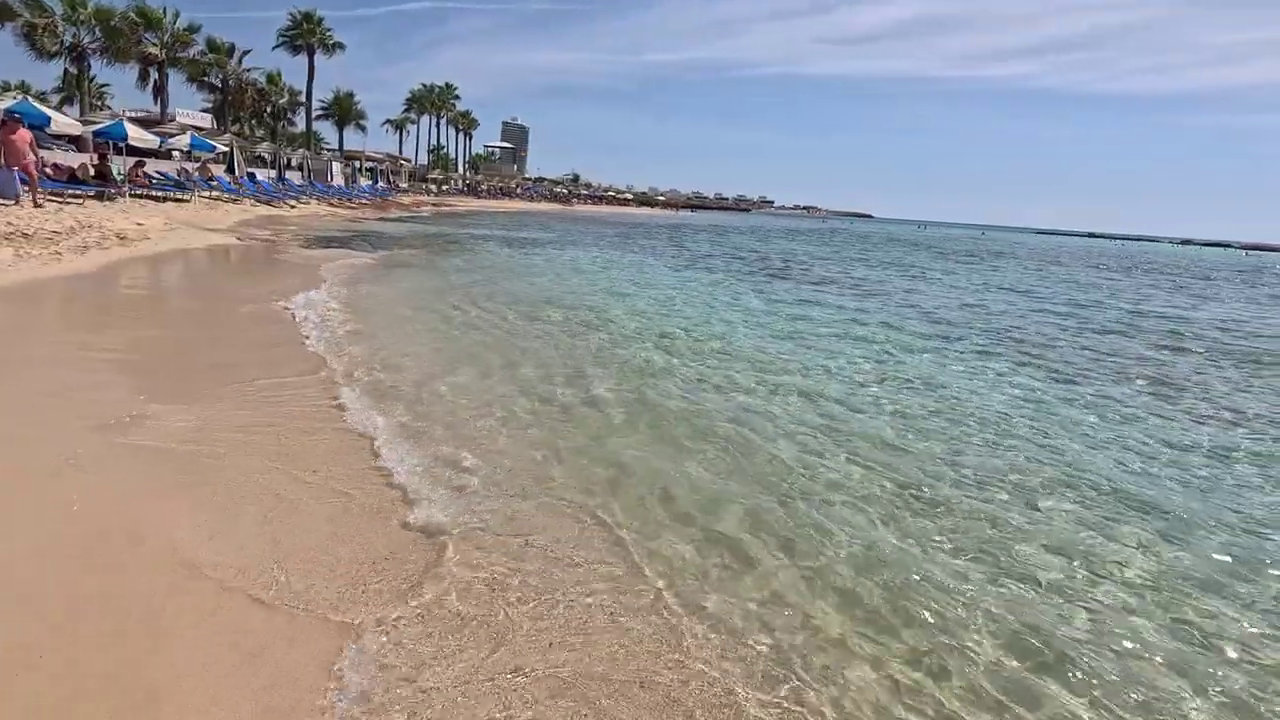 Agia Thekla Beach, Ayia Napa
Agia Thekla is one of the most useful beaches on the east coast for travelers who like the sea around Ayia Napa but do not necessarily want the atmosphere of its busiest beaches. Move west from the center of the resort and the rhythm changes: development becomes less intense, the coastline feels more residential, and the beach day becomes easier to treat as an entire day rather than something happening inside a resort scene.
Agia Thekla still has enough infrastructure to make it practical. It is not a deserted strip of coast, nor should anyone arrive expecting solitude in the middle of August, but the atmosphere is normally more subdued than at Ayia Napa's headline beaches.
Its real strength is balance. You can choose a quieter environment without abandoning the conveniences that make a full beach day comfortable, which is why we rate it more highly for this particular brief than some more dramatic but less practical stretches of coast.
The trade-off is that this is not the east coast's most visually dramatic beach. Travelers whose priority is the most intensely turquoise water, the broadest sandy bay or the strongest postcard effect may prefer one of the better-known beaches nearby.
Agia Thekla earns its place because the experience is easier to live with for several hours. It works particularly well for couples, families and independent travelers staying around Ayia Napa who want less intensity without driving to a remote coastline, but it is a weaker fit for anyone expecting true isolation.
Aoratoi Beach
One of the better low-key choices near Limassol
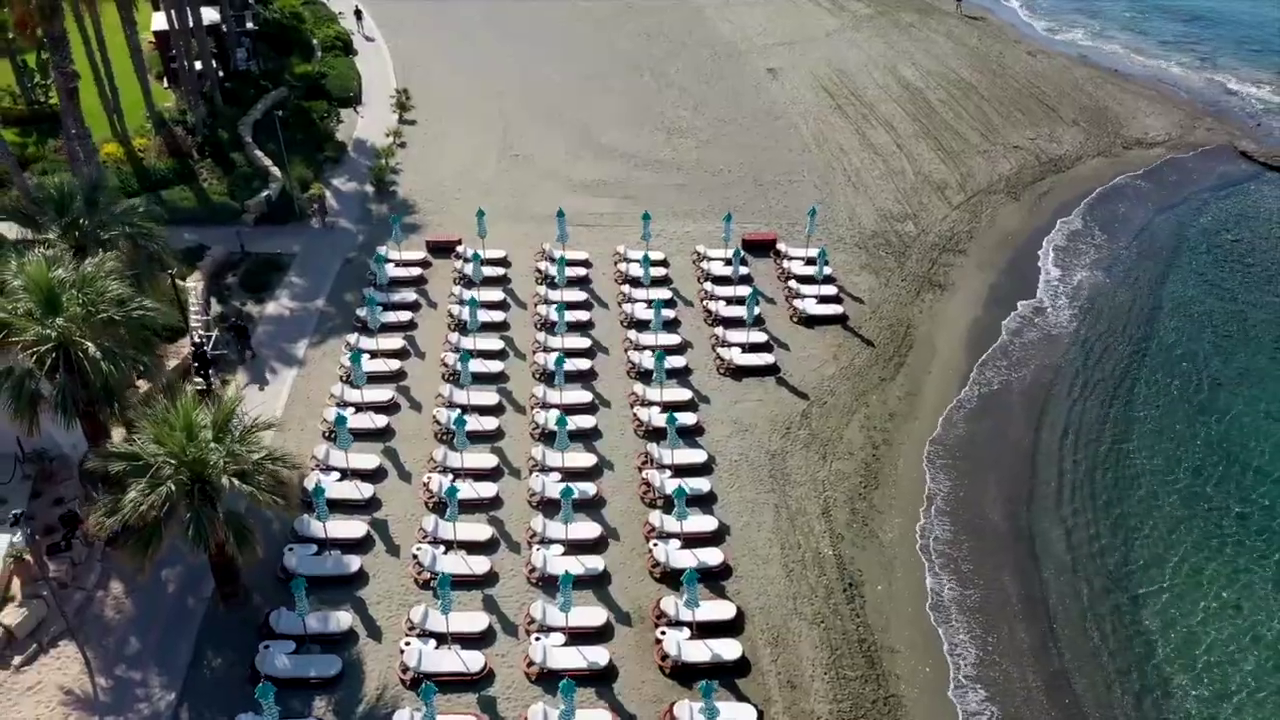 Aoratoi Beach, Limassol
Aoratoi is the kind of beach that explains why quiet and remote should not be confused. It sits on the Limassol coast, yet its character is noticeably softer than the city's more social stretches of beachfront.
The beach is broken into smaller coastal forms rather than presenting itself as one large resort beach, and trees contribute to an atmosphere that feels less exposed and less relentlessly commercial. This is somewhere we would choose for reading, talking, swimming when conditions suit and allowing several hours to pass without looking for the next activity.
It works particularly well for travelers based east of Limassol who want a beach day without committing to a longer journey west. The appeal is not spectacle but the absence of pressure to keep moving.
The trade-off is practical. The coastline is not as straightforward as a broad sandy bay, and travelers expecting a classic uninterrupted sandy beach may find other choices more immediately appealing.
There is also an important distinction between atmosphere and swimming conditions. A quiet beach is not automatically a calm beach, and sea conditions can change through the day, especially when wind increases later on.
Aoratoi is best for travelers who want tranquillity close to Limassol and care more about atmosphere than a textbook sandy-beach appearance. It is less suitable for anyone who wants the easiest possible sandy entry or a large choice of beachfront restaurants immediately beside their sunbed.
Latchi Beach And The Polis Coast
For the slowest overall beach rhythm
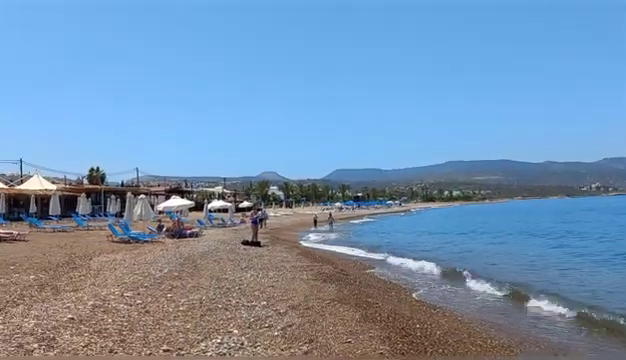 Latchi Beach
There are beaches where you go specifically for the beach, and there are coastal areas where the entire day seems to adopt the pace of the sea. Polis and Latchi belong to the second category.
We have repeatedly found this part of Cyprus unusually unhurried. Fishing boats, the harbor, the mountains behind Chrysochous Bay and the lower intensity of development create a coastal rhythm that feels quite different from the island's larger resorts.
You can swim, stop for lunch around Latchi Harbor and return to the water without feeling that the day needs another attraction added to it. Doing less becomes part of the point, and that is precisely why the area belongs in a quiet-beach guide even though not every stretch of shoreline is deserted.
The trade-off is geography. If you are staying in Ayia Napa, Protaras, Larnaca or Limassol, this is not a beach we would cross the island merely to collect; it makes much more sense when you are already staying in western Cyprus or when Polis, Latchi and Akamas form part of a wider day.
For travelers who choose this part of the island deliberately, however, quiet becomes more than a beach characteristic. It becomes the rhythm of the destination, which is why Latchi works especially well for slow travelers, couples and repeat visitors but less well for anyone looking for resort energy or extensive beach entertainment.
Faros Beach, Pervolia
The better choice when Larnaca feels too urban
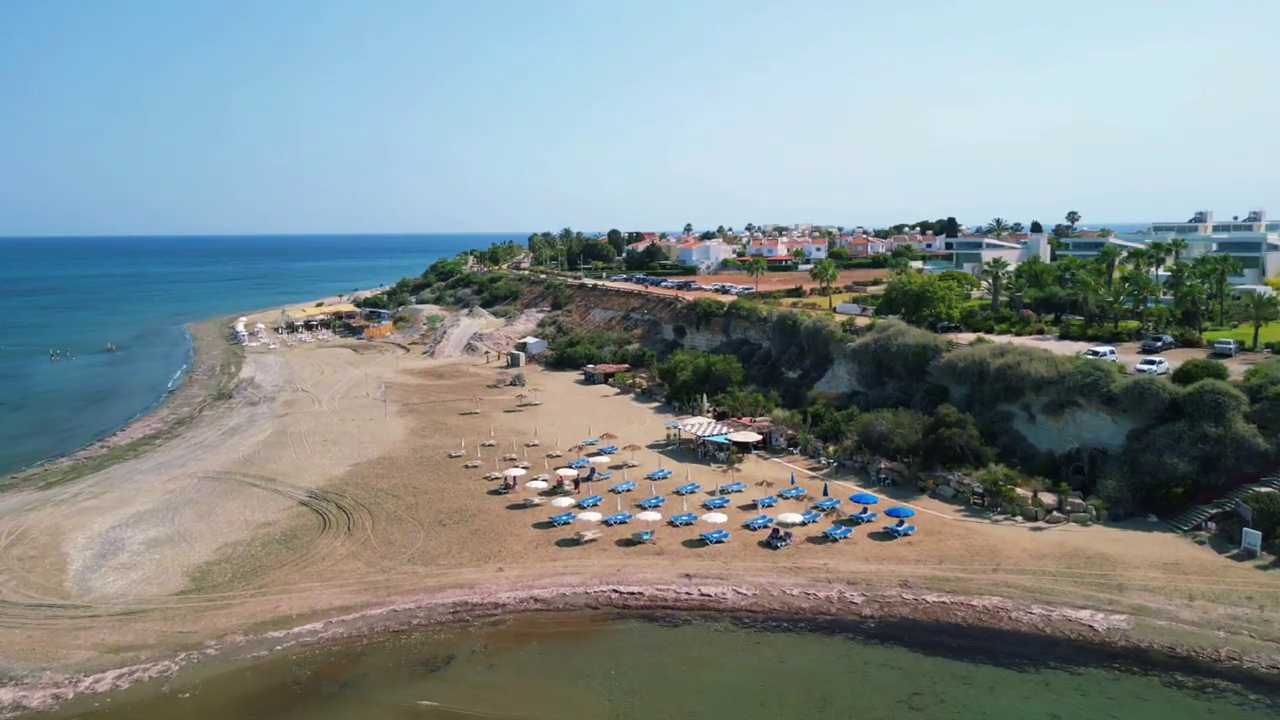 Faros Beach, Pervolia
Larnaca presents an interesting problem for travelers looking for quiet. Finikoudes is urban, while Mackenzie combines beach life with restaurants, bars and evening energy; both have legitimate reasons to choose them, but neither is where we would start when the objective is a low-key day beside the sea.
Pervolia changes the equation. Faros Beach sits on a village coast rather than inside Larnaca's principal beachfront scene, allowing you to retain a sense of separation from the city while staying within reasonable reach of it.
What makes Faros particularly useful is not that it is empty. It is that it gives Larnaca-based travelers somewhere to reduce the tempo of the day without turning the decision into an expedition.
You can leave the city, swim, spend a few unhurried hours by the sea and still return easily for dinner or an evening in Larnaca. That practical relationship with the city is what makes Faros more valuable than its appearance alone might suggest.
The weakness is that it can lose its quiet quickly. Local families know the area, summer weekends bring more people, and the atmosphere is noticeably different once the beach fills.
There is also less of the restaurant-and-promenade convenience that makes Mackenzie so easy. That is the trade you make: less energy, less choice and a more understated coastline in return for a calmer day.
Faros is strongest for travelers who want to stay close to Larnaca without spending every beach day inside the city. It is less suitable for visitors who want either a polished resort experience or genuine seclusion.
Kalymnos Beach
A local-feeling alternative east of Limassol
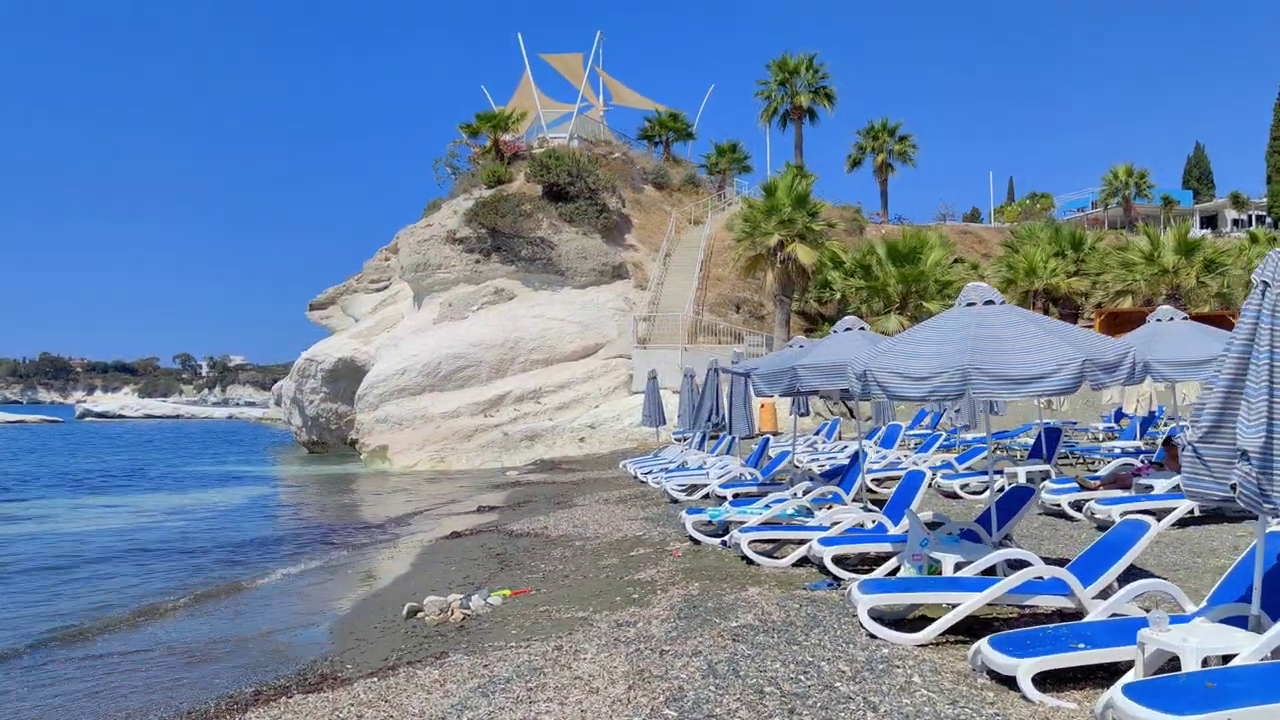 Kalymnos Beach
Kalymnos is not unknown, and that works in its favor. Too many quiet-beach lists send travelers toward places that sound appealing precisely because almost nothing is there, whereas Kalymnos offers a more useful proposition: a beach where you can slow the day down without feeling stranded.
It sits around the Governor's Beach coastline east of Limassol and supports the kind of day in which swimming is followed by reading, conversation or a long pause rather than by constant movement between activities. The attraction is not that nobody else has found it; the attraction is that the atmosphere can remain relaxed even when the beach is being used.
We have seen couples stay around this part of the coast until sunset simply because there was no particular reason to leave. That is the kind of quiet worth distinguishing from emptiness, because the value lies in the rhythm rather than in proving that you have found somewhere obscure.
The complication is that Kalymnos is well known locally. Weekends and peak summer periods can be significantly livelier, so anyone expecting permanent silence will be disappointed.
Kalymnos is strongest for travelers based around Limassol who want a relaxed, usable beach with a less urban mood. It is weaker for visitors whose definition of quiet is an almost empty coastline and who are prepared to sacrifice convenience to achieve it.
Pissouri Bay
Peaceful rather than secluded
 Pissouri Bay
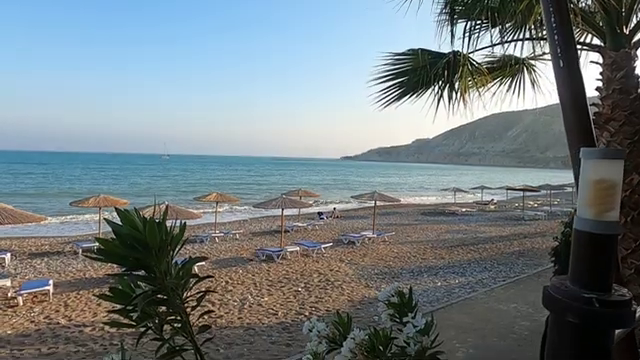
Pissouri deserves careful wording because it is easy to oversell its quietness. The bay has accommodation, restaurants and a recognizable summer resort scene, and during the high season it attracts Cypriots as well as overseas visitors.
Yet the atmosphere is still different from the island's larger resorts. Part of that comes from geography: the bay sits below a traditional hilltop village and is framed by a coastline that feels more contained than urban.
Pissouri works especially well when the beach is only half of the experience. A morning or afternoon beside the sea can be followed by the village, dinner or an evening around the square, giving the day a different rhythm from staying entirely inside a coastal resort.
The trade-off is simple. If you arrive on a busy August weekend looking for an empty beach, Pissouri can fail the test; if what you want instead is a peaceful setting with enough life around it to remain convenient, it becomes a much stronger choice.
That makes Pissouri particularly good for couples, returning visitors and travelers who like combining beach time with a village atmosphere. It is less suitable for anyone whose definition of quiet means genuine isolation during the busiest weeks of summer.
Vathia Gonia
The quieter compromise when you still want central Ayia Napa nearby
 Vathia Gonia Beach, Ayia Napa
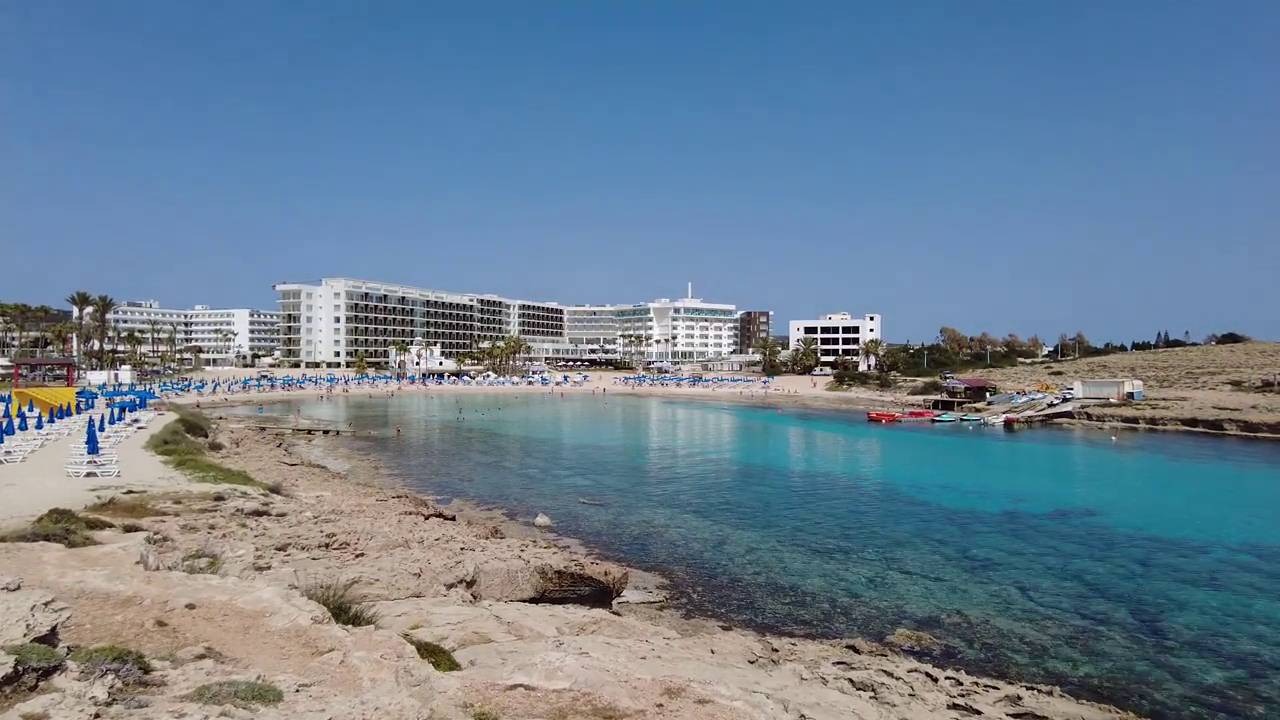
Vathia Gonia is useful because it solves a very specific problem. You may have chosen Ayia Napa precisely because you want its restaurants, hotels and evening life, while still preferring a beach that feels less intense than Nissi at its busiest.
This is where Vathia Gonia makes sense.
The bay feels more enclosed and contained than some of Ayia Napa's larger beaches, which can make the atmosphere easier to settle into. You are still very much in resort Cyprus, but the beach does not always carry the same sense of spectacle or social performance that attracts people to the most famous stretches of coast.
That distinction is important. Vathia Gonia is not one of Cyprus's quietest beaches in absolute terms, and including it in a list of secluded beaches would be misleading.
Its value is relative. It gives travelers staying in central Ayia Napa a realistic way to reduce the intensity of the beach day without spending an hour in the car looking for somewhere theoretically quieter.
The trade-off is obvious: convenience keeps you close to people. If you want proper separation from the resort, continue west toward Agia Thekla rather than pretending Vathia Gonia is something it is not.
Kapparis
A smaller-scale alternative around Protaras
 Kapparis (MMAD) Beach
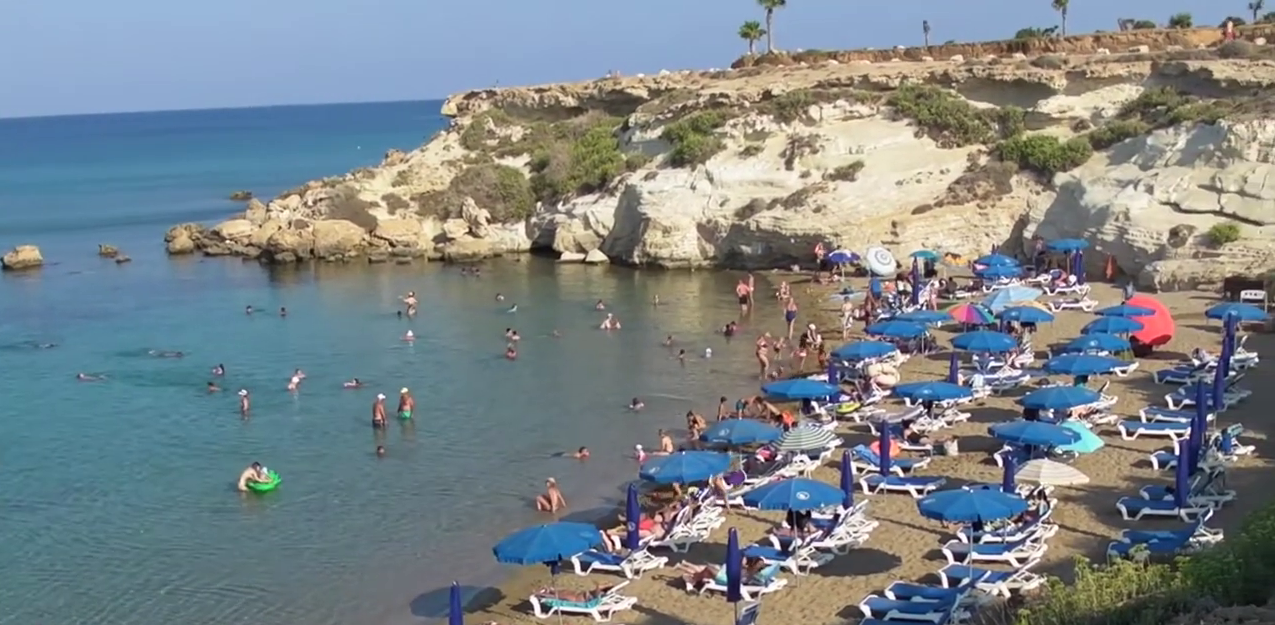
Kapparis performs a similar role on the Protaras side of the east coast. It is useful for travelers who want to remain within the eastern holiday region but prefer a beach environment that feels smaller and more residential than the main Protaras strip.
The atmosphere can be noticeably more local, particularly outside the busiest weeks. You are still within easy reach of restaurants, accommodation and the rest of the Paralimni-Protaras area, but the beach day can feel less like a major resort outing.
Its weakness comes from the same thing that gives it character: scale. Kapparis beaches are smaller, and a small beach does not need a huge crowd before it stops feeling quiet.
That means timing matters here more than it does on a broader coastline. An early visit can feel relaxed and intimate, while the same beach later in the day may feel much more compressed.
Kapparis is therefore best for travelers already staying nearby who want a smaller beach atmosphere, not for someone prepared to drive across Cyprus in search of the island's quietest stretch of sand.
The Beach That Is Quiet At 8:00 A.M. And Busy At Noon
 Nissi Beach, Ayia Napa
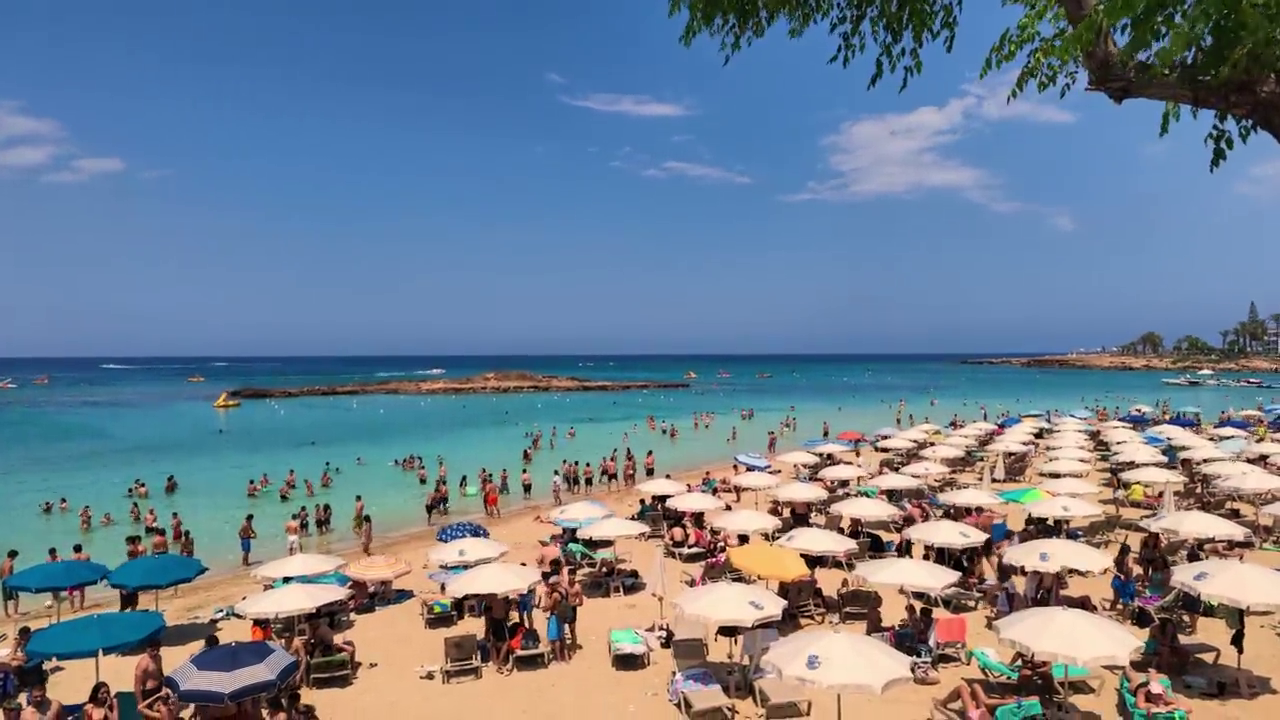 Fig Tree Bay, Protaras
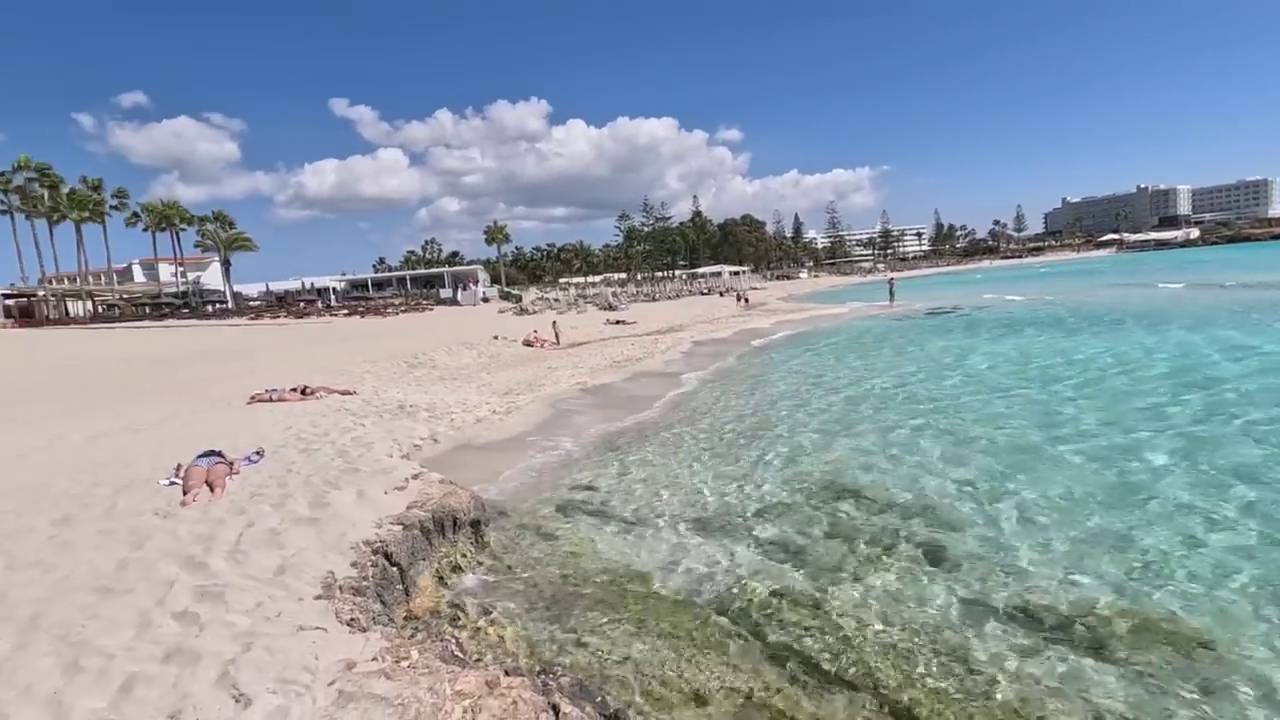
Time of day is one of the most underestimated parts of choosing a Cyprus beach. On the east coast in particular, early mornings can be completely different from afternoons.
Swimmers and walkers often arrive first, the heat is softer, parking is easier and even well-known beaches can feel remarkably calm before the main beach day begins. Then Cyprus wakes up: sunbeds fill, families arrive, water sports start, lunch approaches and music becomes more noticeable.
By afternoon, you may be looking at the same water from the same patch of sand and experiencing a completely different beach. This matters because travelers sometimes reject a famous beach when what they really dislike is its busiest time of day.
If you want Nissi, Fig Tree Bay or another popular beach for its water and sand, an early swim may be a better decision than abandoning it entirely. If you want six uninterrupted hours of quiet, choose somewhere whose geography and atmosphere give you more space across the whole day.
Those are two different solutions to the same problem. Knowing which one you actually need prevents a lot of unnecessary driving around the island.
July And August Change The Definition of Quiet
No responsible guide should promise an uncrowded Cyprus beach in peak summer. August matters particularly because many Cypriots also take their island holidays then, so beaches, beach bars, restaurants and tavernas can become busy with local visitors at exactly the same time that overseas tourism is near its seasonal peak.
That means a beach can deserve inclusion in this guide and still feel busy on an August weekend. A label such as “quiet” should describe the usual character of the place, not pretend that crowd levels are fixed.
May, June, September and October often make the quiet-beach equation easier because warm-weather beach life remains possible while the most intense holiday pressure is reduced. Outside the main season, the atmosphere can become quieter still, although some facilities and services may operate differently or close.
Quiet is therefore partly geographical, but it is also seasonal. Travelers who care deeply about space should think about when they travel at least as carefully as they think about which beach they choose.
Quiet Beach or Wild Beach?
A quiet beach and a wild beach solve different problems.
A quiet beach can still have sunbeds, a restaurant nearby, a paved approach and other people around you. What matters is whether the overall rhythm remains calm enough for the day you want.
A wild beach asks for more compromise. Access may be less straightforward, services fewer and the coastline more exposed, but the reward can be a much stronger sense of separation from developed Cyprus.
Akamas is the clearest example. Fewer organized facilities and lower development can produce exactly the experience some travelers want, but the extra freedom comes with more responsibility for planning, supplies, shade and changing conditions.
Those beaches belong in Best Wild & Unspoiled Beaches in Cyprus, where remoteness and landscape are part of the reason for choosing them. A traveler looking for quiet may not want that level of effort at all.
Which Quiet Beach Would We Choose?
If you are staying around Ayia Napa, Agia Thekla is the most useful all-round answer when you want to reduce intensity without giving up convenience. Vathia Gonia becomes the closer compromise when staying near central Ayia Napa matters more than achieving genuine quiet.
Around Limassol, Aoratoi is the stronger choice when atmosphere comes first, while Kalymnos works well when you want the beach day to remain easy and informal. Pissouri is the better fit when you want the beach to become part of a wider day involving the village rather than the entire purpose of the journey.
Around Larnaca, we would move beyond the city's main beaches toward Pervolia when quiet matters more than bars, restaurants and evening energy. Around Paphos, the biggest change comes from continuing northwest toward Polis and Latchi, where the character of the whole coast becomes slower.
Around Protaras, Kapparis is useful when you want to remain within the eastern holiday region but reduce the scale of the beach scene. None of these is the universal answer, because the right choice depends on how much inconvenience you are prepared to accept in exchange for tranquility.
Practical Reality: Quiet Does Not Mean Safer
A beach's atmosphere tells you nothing reliable about swimming safety. Sea state, wind, waves, currents, visibility and entry conditions can change, sometimes within the same day, while lifeguard coverage and operating hours are seasonal and can change.
Some quieter beaches also have rocky sections or fewer services than major resort beaches. Follow local signs, warning flags and lifeguard instructions where present, and assess the conditions you encounter rather than relying on how a beach is described in a travel guide.
Children and weaker swimmers require appropriate supervision regardless of how calm the water appears. If you are uncertain about conditions, staying out of the water is the sensible decision.
Facilities, access arrangements, beach concessions and seasonal services can also change. Where any of those details are important to your trip, verify them locally before making a journey specifically for them.
The Real Value of A Quiet Beach
A quiet beach gives you something that is increasingly difficult to find in popular coastal destinations: control over the pace of your own day.
That does not necessarily require an empty horizon. It may simply mean hearing the water more than the beach bar, being able to read without constant interruption, or finishing lunch without feeling that the afternoon needs another activity added to it.
This is why some of the best choices in this guide are not spectacular in the conventional sense. Agia Thekla does not need to outperform Nissi visually. Faros does not need to compete with Mackenzie for restaurants. Latchi does not need the energy of Protaras.
They work because they leave more room for the traveler.
And that may be the most useful way to understand quiet Cyprus. It is not an absence of people, facilities or life. It is the point at which those things stop dictating the day.