Newsletter "Beyond the Postcards" Subscribe
Plan Your Cyprus Trip: Hotels: Expedia, Villas & Apartments: Vrbo, Car Rentals: DiscoverCars, Tours: GetYourGuide, Airport Transfers: WelcomePickups
- Home
- Things To Do in Cyprus
- Best Boat Trips in Cyprus
- Cape Greco and Sea Caves Boat Trips
Cape Greco & Sea Caves Boat Trips: What To Expect
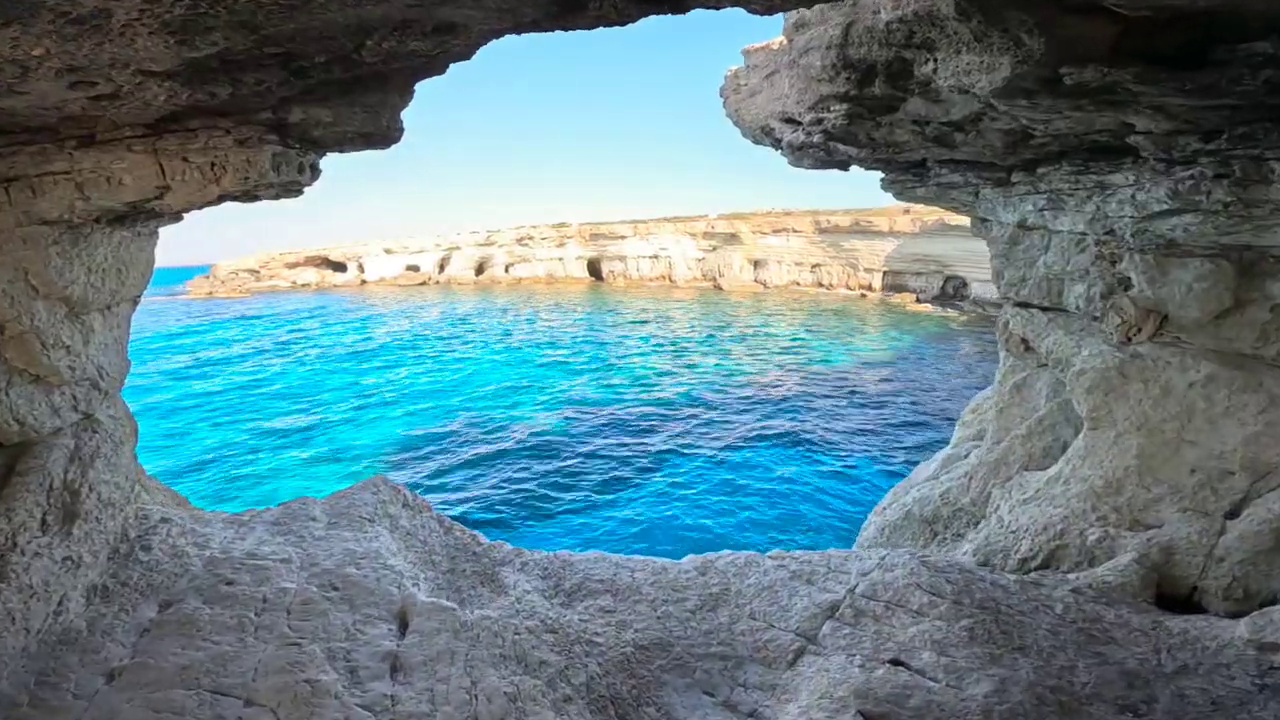 Sea Caves
The limestone coastline of Cape Greco reveals a different character when approached from the sea. Openings appear beneath rocky ledges, darker recesses interrupt the pale cliffs, and formations that are difficult to appreciate from above become more prominent at water level.
Between Ayia Napa and Protaras, Cape Greco offers one of the most distinctive coastal boat trips in Cyprus. Its sea caves, natural arches, and rocky headland provide an appealing setting for sightseeing, with some excursions also including swimming in the surrounding Mediterranean waters.
There is another consideration, however, that can make a considerable difference to your afternoon. The same coastline can be experienced aboard a lively shared cruise or a quieter private boat, and choosing between them is as much about the atmosphere you want as the places you intend to see.
Seeing Cape Greco From the Sea
From the land, your attention is drawn across the Mediterranean and down toward the coastline. From a boat, the cliffs rise above you, bringing their openings, overhangs, and formations into clearer view.
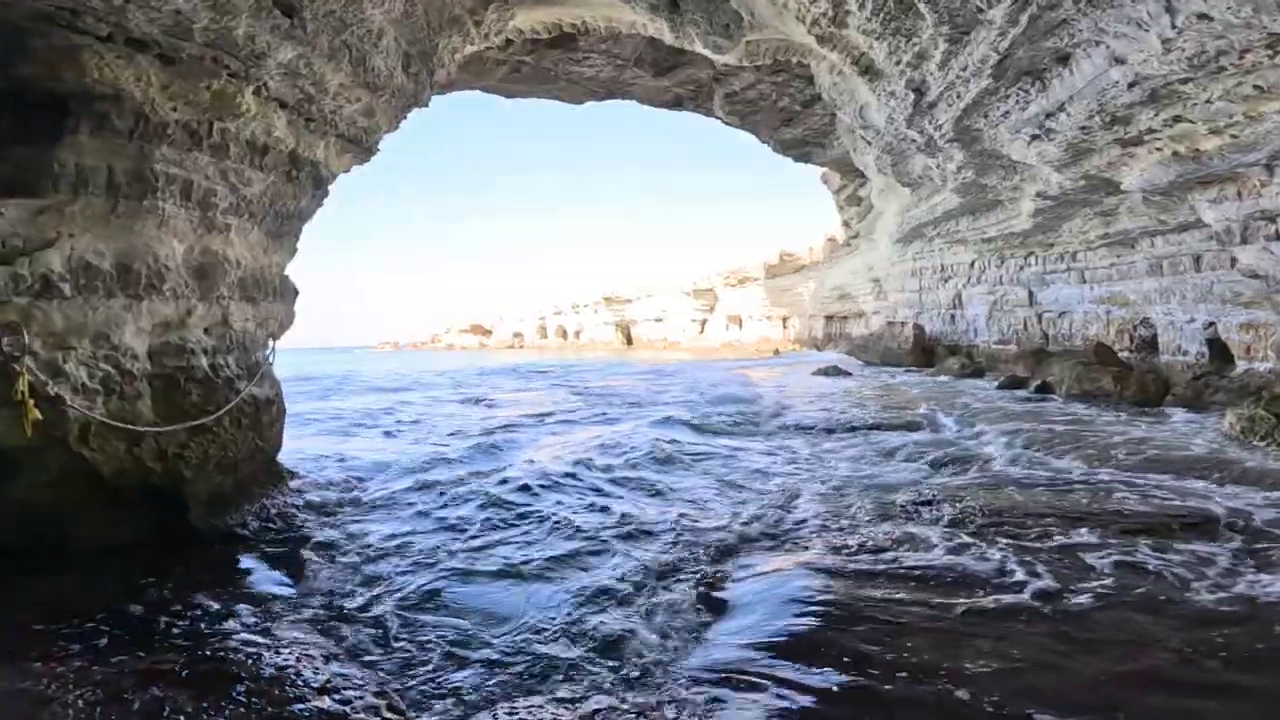
This difference is particularly noticeable around the sea caves, where erosion has shaped the limestone into arches, recesses, and irregular openings. The pale rock contrasts with the blue water, while shadows inside the caves reveal shapes that are not always easy to distinguish from a distance.
Cape Greco also forms part of a protected natural landscape. Around the headland, exposed limestone, rocky slopes, and coastal vegetation create scenery quite different from the developed resort areas of Ayia Napa and Protaras.
Even if you have already explored Cape Greco by car or on foot, a boat trip can still be worthwhile. The land offers wider views of the coastline, while the sea reveals details along the cliffs that deserve attention in their own right.
The Cape Greco Sea Caves
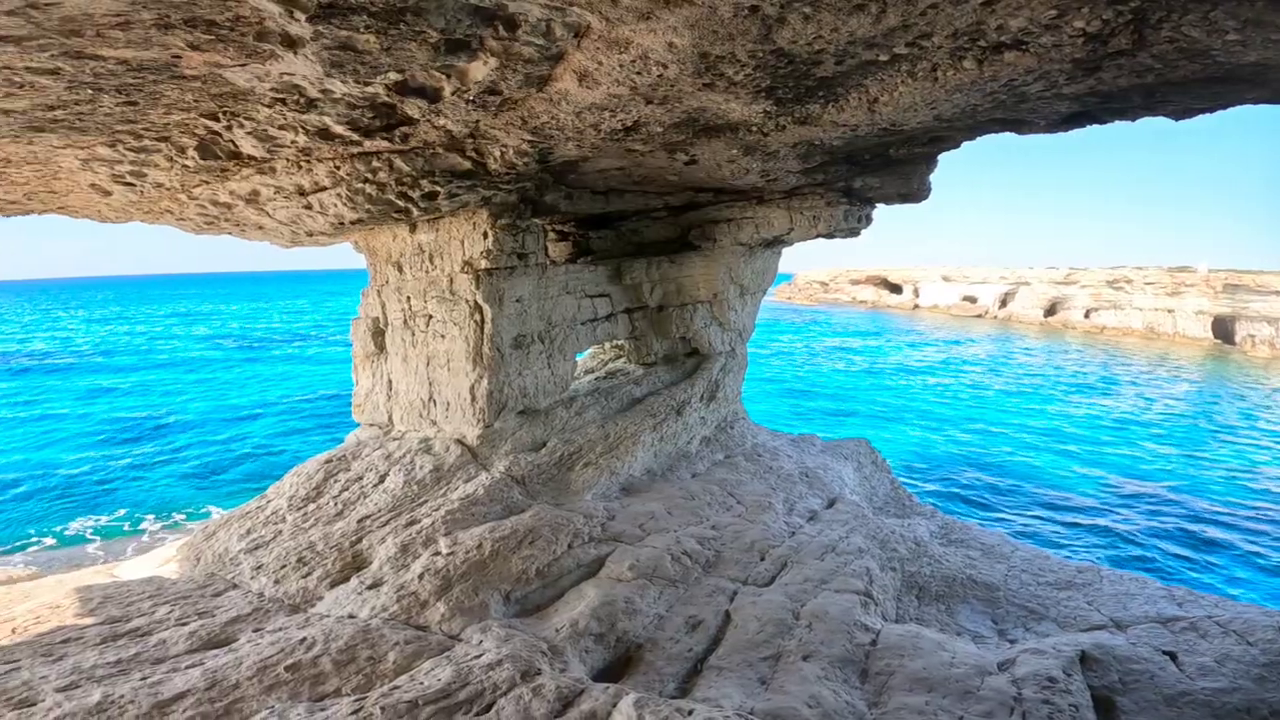 Sea Caves
The sea caves are among the principal reasons travelers choose this section of coastline. Formed through the gradual action of the sea against the limestone, they create openings and recesses of different sizes along the rocky shore. Among the formations are those known as Palatia, or "The Palaces," a name you may encounter when exploring this part of Cape Greco.
Some formations have broad entrances close to the water, while others appear as smaller cavities within the cliffs. As a boat changes position, the viewing angle changes too, revealing different parts of the rock and the openings beneath it.
The light contributes to the experience. Sunlit sections emphasize the pale limestone, while shaded recesses appear darker against the surrounding water. For photography enthusiasts, these contrasts can be particularly appealing.
The sea caves attract many visitors each year, and excursion boats may be present during busy periods. Their popularity is understandable, although travelers hoping for complete seclusion should recognize that this is a well-known part of the Cyprus coastline.
One consideration deserves attention when selecting a cruise: how the boat approaches the caves. Some excursions make a sightseeing passage along the formations, while others include them as one attraction on a longer coastal itinerary.
If the sea caves are your main interest, we would favor a trip that gives them sufficient attention rather than one that includes numerous stops but spends little time around the formations.
It is also important to distinguish between seeing the caves and entering them. A sightseeing cruise does not necessarily enter any openings, and access depends on the vessel, navigation requirements, sea conditions, and applicable restrictions.
What Else Can You See Along the Coast?
The sea caves may be the main attraction, but some excursions include other recognizable features between Ayia Napa and Protaras. The route varies according to the departure point and the type of cruise.
Love Bridge
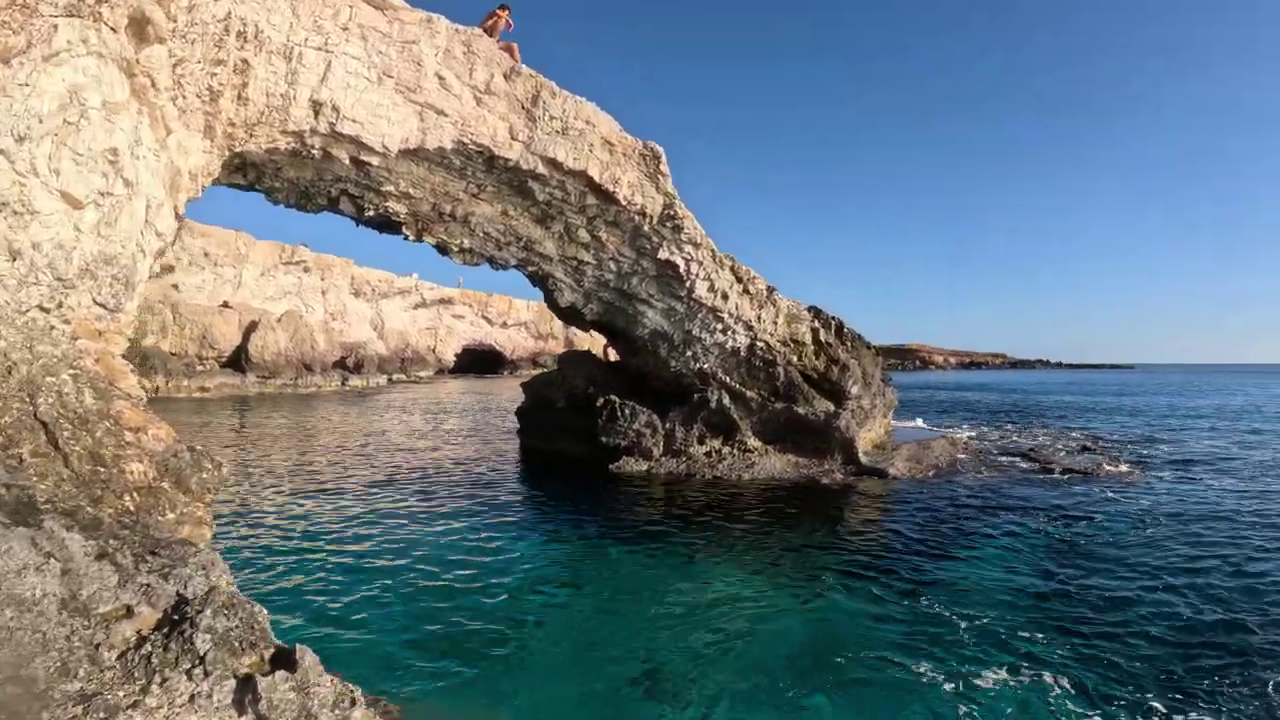 Love Bridge
Near Ayia Napa, Love Bridge is a natural limestone arch extending toward the Mediterranean. Its curved formation makes it a recognizable coastal landmark, particularly for travelers interested in photography.
Love Bridge is especially popular with young couples, drawn by its romantic associations and the opportunity to take photographs together against the Mediterranean. Other visitors also appreciate its unusual shape and attractive coastal setting.
Some excursions pass Love Bridge before continuing toward the sea caves and Cape Greco headland. From the water, the formation can be appreciated in relation to the surrounding rocky coastline, rather than solely from viewpoints on the land. Love Bridge is not included on every itinerary, so confirm the route if seeing the formation is important to you.
Cape Greco Headland
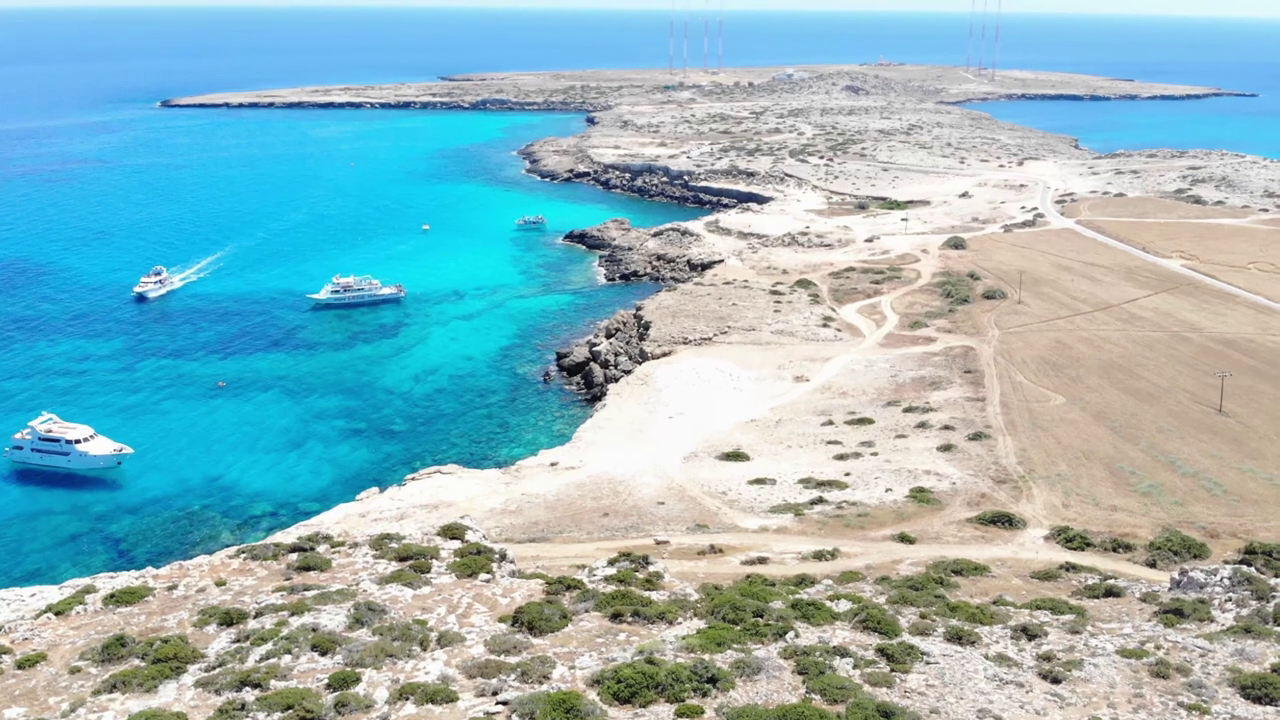 Cape Greco
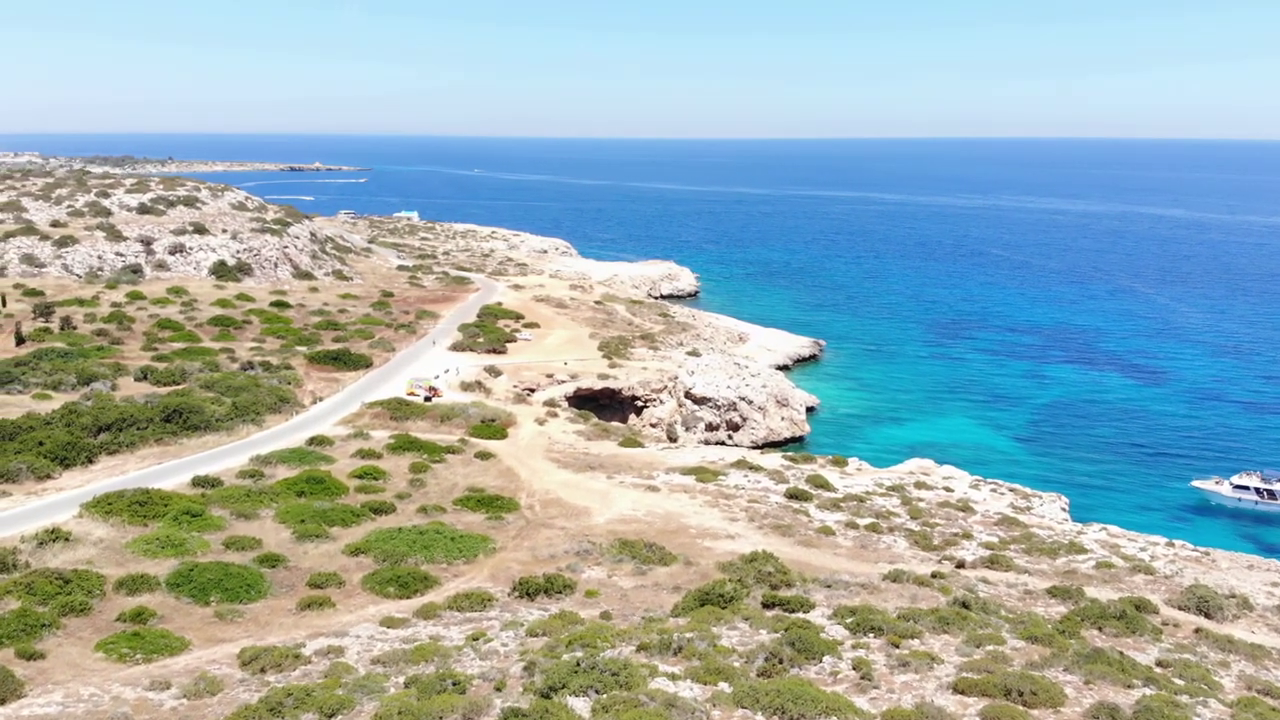
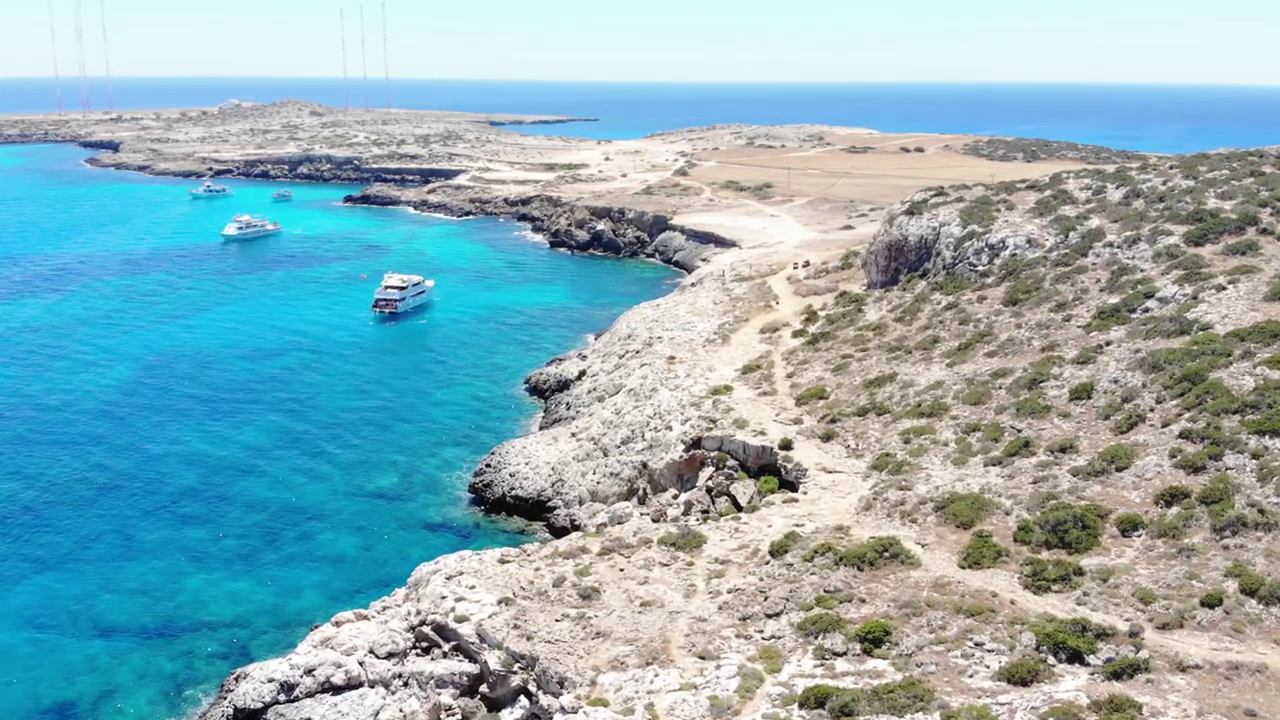
Beyond the caves, the Cape Greco headland offers attractive stretches of open coastline. Limestone cliffs, exposed rocky slopes, and irregular formations give this part of southeastern Cyprus its distinctive character.
The attraction here is not necessarily a single landmark. The coastline itself becomes the focus, with the changing shapes of the cliffs and the contrast between the rock and the Mediterranean providing a continuous series of views.
Travelers who appreciate natural landscapes may find this passage just as rewarding as reaching a well-known swimming location.
Konnos Bay and Nearby Swimming Areas
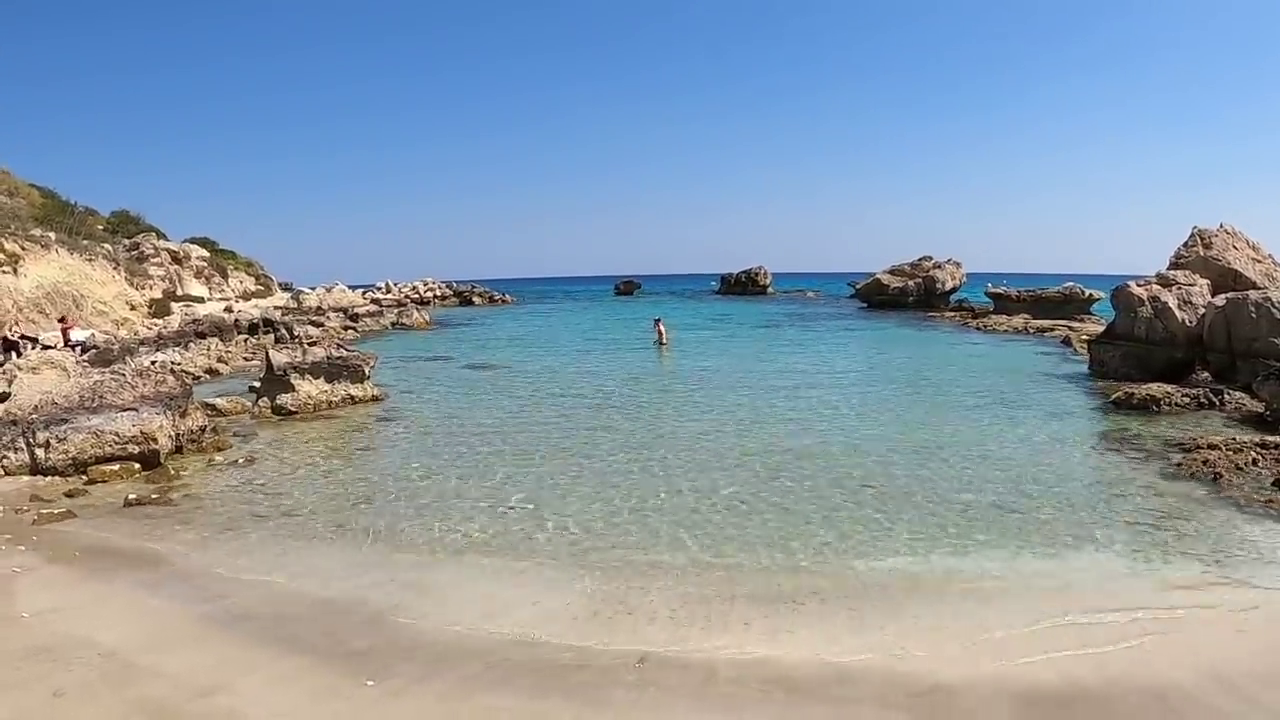 Konnos Bay
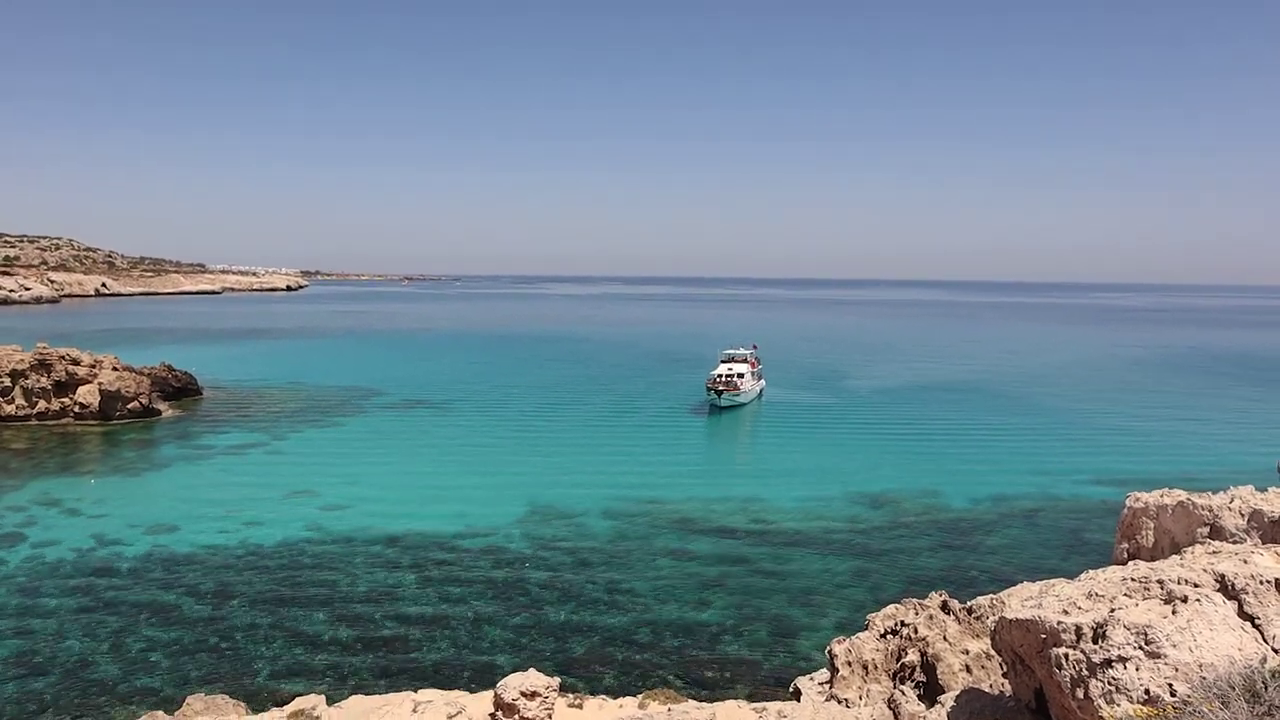 Blue Lagoon, Cape Greco
Some excursions continue toward Konnos Bay, where a sandy beach lies beneath wooded and rocky slopes. The bay offers a different coastal setting from the exposed limestone formations around Cape Greco.
Depending on the itinerary, boats may also include a swimming stop in nearby waters, sometimes at a location described as the Blue Lagoon. In favorable conditions, the clear water and its blue and turquoise shades make these areas attractive for swimming.
This Blue Lagoon is in southeastern Cyprus and should not be confused with the Blue Lagoon near Akamas, which is generally visited on boat trips departing from Latchi.
Neither Konnos Bay nor a particular swimming location should be assumed to be part of every Cape Greco excursion. Check the advertised route to establish which places are included.
Shared Cruises: A More Social Experience
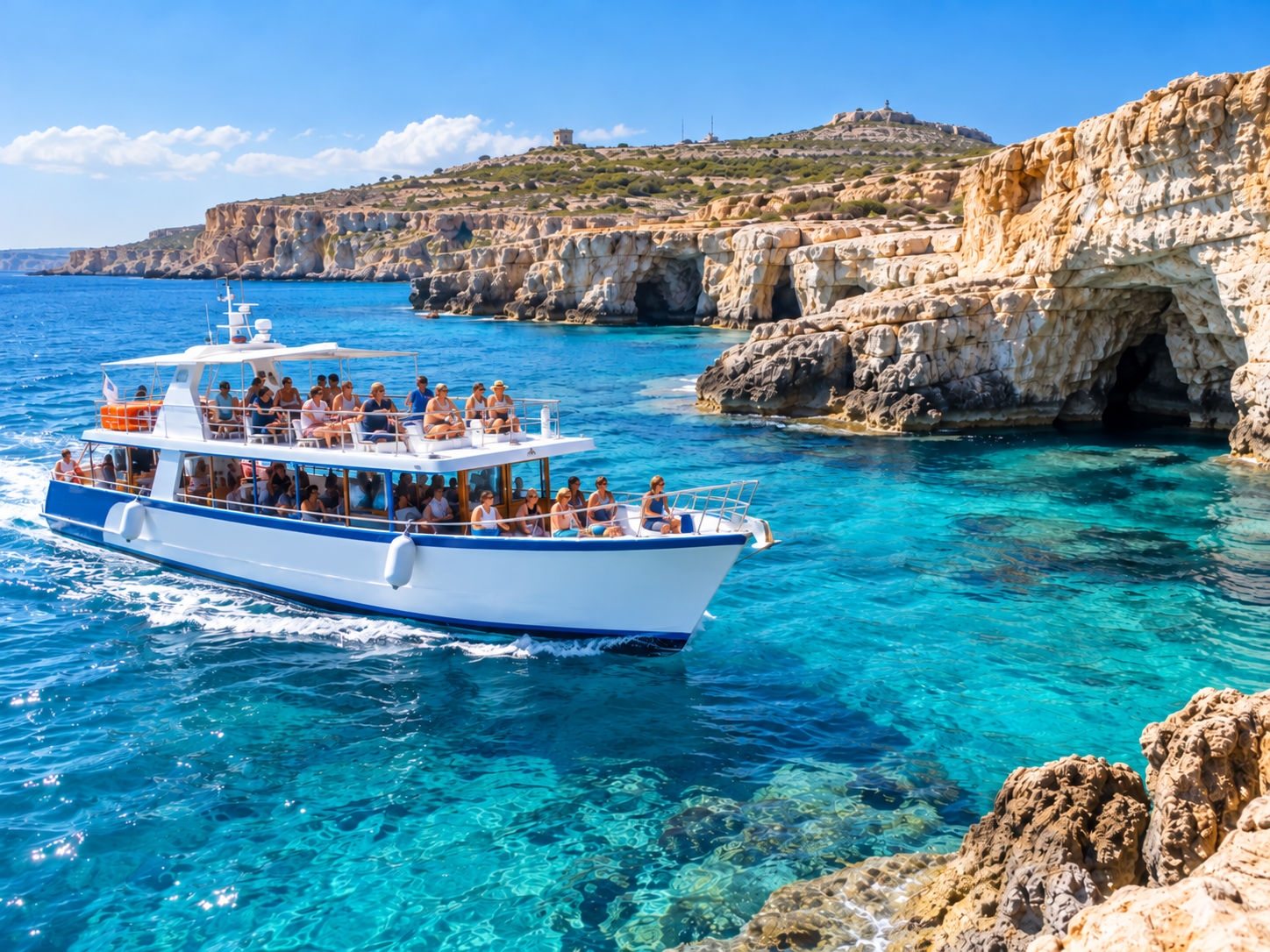
A shared cruise is a straightforward way to explore Cape Greco without arranging a private boat. You join other visitors on a scheduled excursion, with the route, departure time, and planned stops generally established by the operator.
One aspect worth considering is the atmosphere aboard. Sharing a boat means spending time alongside other travelers, with opportunities to meet people, exchange conversation, and socialize during the journey. For those who enjoy company, this can become part of the pleasure of being at sea.
Some shared cruises also include music, drinks, and entertainment. This can create an enjoyable atmosphere for visitors who want to combine sightseeing with a lively outing, particularly during the summer months.
However, the same atmosphere may be less appealing to someone who wants to concentrate on the coastal scenery, take photographs, or enjoy a peaceful afternoon with their companions.
Before booking, consider whether the character of the cruise matches the experience you have in mind. If music and entertainment are not what you want, look for a quieter shared excursion or consider a private boat instead.
Not every shared cruise is lively. Some concentrate more closely on sightseeing and offer a relatively relaxed atmosphere, making them attractive to travelers who prefer a quieter outing without the expense of a private charter.
The itinerary is another consideration. Shared cruises normally follow a predetermined route, with passengers joining the scheduled sightseeing and swimming stops. Changes may be necessary when weather, sea conditions, or other operational circumstances affect the planned journey.
For travelers who enjoy a social atmosphere and are comfortable with an established itinerary, a shared cruise can be a rewarding way to see Cape Greco.
Private Boat Trips: More Freedom Along the Coast
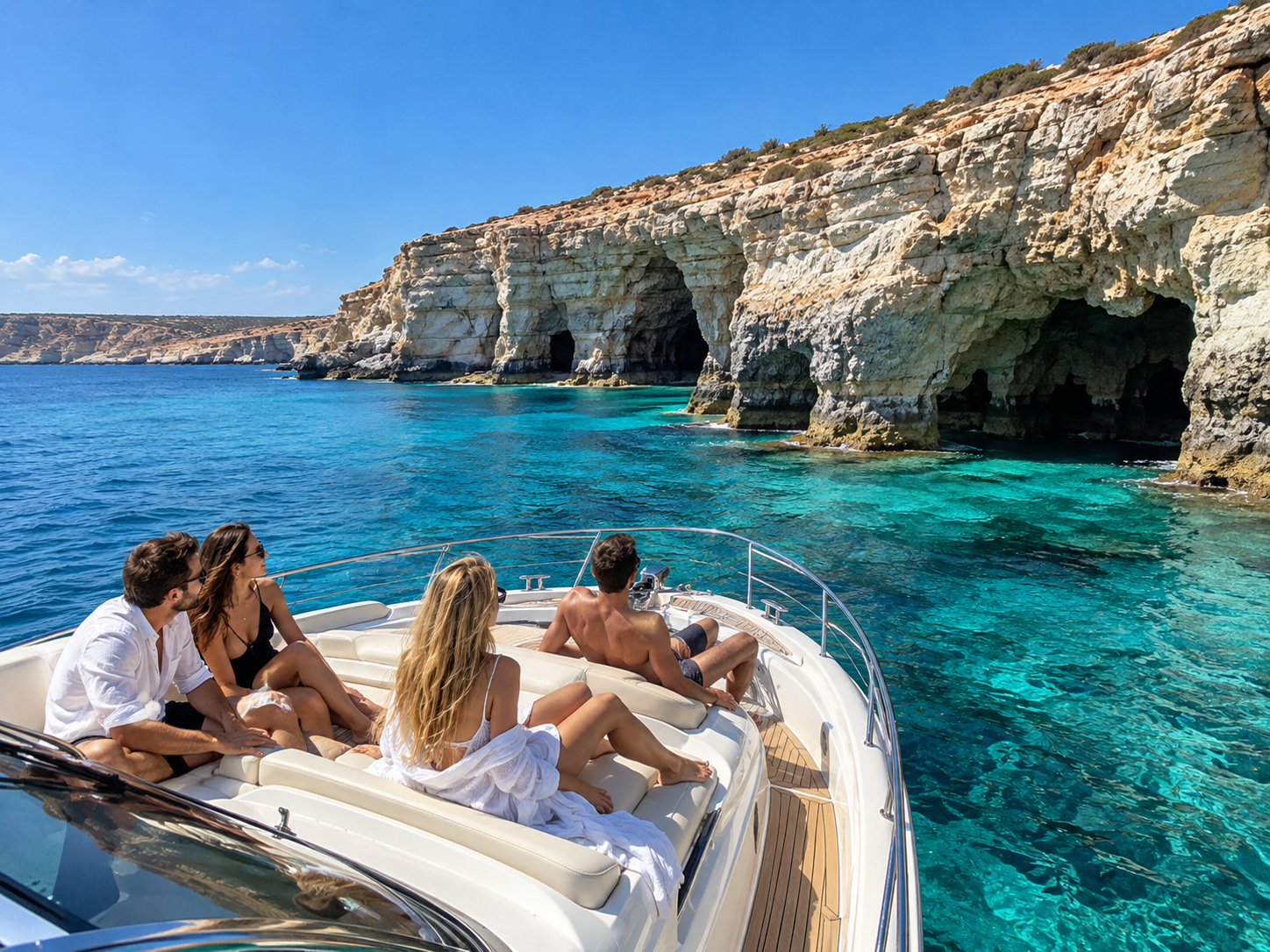
A private boat offers a different experience. Rather than joining other passengers, you spend the excursion with your chosen companions, whether that means your partner, family, or a small group of friends.
Privacy is one attraction, but the greater advantage may be the opportunity to shape the itinerary around your interests. Depending on the charter arrangement, you may be able to spend additional time along particular sections of coastline, concentrate on the sea caves, or arrange several swimming stops during the hours you have booked.
This flexibility requires some planning. Before confirming a private charter, discuss your preferred itinerary with the captain, including the places you want to see and how much time you would like to spend swimming.
For example, if you want to explore the coastline and include more than one swimming stop, the captain can explain what is practical within the duration of your booking. The distance between locations, available time, and prevailing conditions will influence the final arrangement.
A private charter offers more freedom, but it does not mean that every requested location or activity will be possible. The captain remains responsible for navigation and must consider the weather, sea conditions, and any restrictions affecting the route.
Private boats can be particularly appealing to couples seeking a quieter outing, families who prefer spending time together, and travelers who want greater flexibility without joining a larger group.
That freedom can justify the additional expense when it genuinely matters to you. If your main interest is simply viewing the coastline, however, a suitable shared cruise may provide better value.
Swimming on a Cape Greco Boat Trip
Swimming can add considerably to the enjoyment of a Cape Greco excursion, particularly during the warmer months. Some cruises include designated stops in suitable coastal areas, allowing passengers to spend time in the Mediterranean rather than remaining on board throughout the journey.
On calm, clear days, the transparency of the water can make swimming especially appealing, sometimes allowing you to see the rocky seabed beneath the surface.
Travelers who enjoy snorkeling may also appreciate locations with underwater rock formations and marine life. Visibility varies according to conditions, however, and particular wildlife sightings should never be expected.
On shared cruises, swimming stops are generally established in advance, with the amount of time in the water determined by the scheduled itinerary.
Private charters may allow greater flexibility, particularly if swimming is one of your priorities. You can discuss preferred locations and the possibility of additional stops with the captain, although any arrangement remains subject to suitable conditions and available time.
The sea caves themselves should not automatically be treated as swimming locations. Swimming should take place only in suitable areas, with the captain's or crew's permission and in accordance with their instructions.
For travelers who prefer to remain on board, Cape Greco is still worth considering. The coastal formations provide plenty to appreciate without entering the water.
Where Do Cape Greco Boat Trips Depart From?
Ayia Napa and Protaras are the principal resort areas to consider when arranging a Cape Greco boat trip. Both provide access to the southeastern coastline, although departure points and itineraries vary between operators.
Boat Trips From Ayia Napa
Ayia Napa is a convenient starting point for travelers staying in the resort or nearby accommodation. Cruises traveling eastward may pass Love Bridge and the sea caves before continuing toward Cape Greco and other coastal locations.
An excursion concentrating on the sea caves can be particularly appealing when sightseeing is your main interest. A longer route may include additional locations, but it is worth checking whether those stops are places you actually want to visit.
Boat Trips From Protaras
Protaras is another practical departure area, especially for travelers staying in Protaras, Pernera, or nearby accommodation. Cruises may follow the coastline toward Konnos Bay and Cape Greco, sometimes combining sightseeing with swimming.
There is no automatic advantage to departing from Ayia Napa rather than Protaras. Convenience matters, particularly when you are staying nearby, but the individual route and character of the excursion should determine your choice.
How Long Should You Spend at Sea?
Cape Greco can be enjoyed without committing an entire day to a boat excursion. Shorter cruises lasting a few hours may be sufficient for travelers who want to see the principal coastal formations and spend some time on the Mediterranean.
Longer excursions can provide additional swimming opportunities, refreshments, and time to relax on board. They may be attractive when the journey itself is intended to occupy a substantial part of the day.
For private charters, the number of hours booked influences what can realistically be included. A combination of several locations and swimming stops requires more time than a straightforward coastal sightseeing trip.
We would choose the duration according to how we wanted to spend the day. A focused excursion can be satisfying when the sea caves are the main attraction, while a longer cruise makes more sense when swimming and relaxation are equally important.
When Is the Best Time for a Cape Greco Boat Trip?
 Cape Greco
The warmer months are generally the main period for recreational boat excursions around Cape Greco. Summer is particularly attractive for travelers who want to combine coastal sightseeing with swimming, although popular departures can attract more passengers.
Late spring and early autumn can also be appealing when excursions are operating and conditions are suitable. The coastline remains attractive outside the busiest summer period, even when swimming is not the principal reason for going.
The time of day influences the experience. Morning departures may suit travelers who prefer being at sea before the strongest afternoon heat, while later cruises can offer attractive light for coastal photography.
Weather and sea conditions deserve particular attention regardless of the season. Calm conditions can make the journey more comfortable and the coastal formations easier to appreciate, but no departure time guarantees favorable seas.
Captains cannot control the weather, and travelers should recognize that it is an important part of planning any boat excursion. Changes to the route, swimming stops, or departure arrangements may be necessary when conditions make the original itinerary unsuitable.
Who Will Enjoy Cape Greco Boat Trips Most?
Cape Greco is particularly appealing to travelers who appreciate natural coastal scenery, photography, and the opportunity to experience the coastline from the water.
Couples may enjoy a quieter small-group excursion or a private charter, especially when they value personal space. Families can appreciate the combination of sightseeing and swimming, provided the vessel and onboard arrangements are appropriate for the ages and needs of those traveling.
Visitors who enjoy socializing may prefer a shared cruise, particularly one with a lively atmosphere. Those who want a more peaceful experience should pay closer attention to the number of passengers and the type of entertainment offered.
Photography enthusiasts have a strong reason to consider this route. The limestone formations, sea caves, and changing light provide subjects quite different from the sandy beaches associated with Ayia Napa and Protaras.
Cape Greco may be less suitable for travelers seeking an extended sailing adventure, a secluded stretch of coastline, or an excursion devoted primarily to snorkeling. For visitors staying in Ayia Napa or Protaras, however, a boat trip fits naturally into a vacation. Travelers based in western Cyprus would need to consider whether the additional journey is worthwhile compared with excursions closer to their accommodation.
What to Check Before Booking
Before booking, establish what the cruise actually includes. Confirm the departure point, duration, route, and whether the sea caves are a principal part of the journey or one of several attractions.
For shared cruises, pay attention to the atmosphere on board. Passenger numbers, music, drinks, entertainment, and the number of swimming stops can influence whether the excursion suits your preferences.
For private charters, discuss the itinerary with the captain before confirming the arrangement. Explain your priorities, agree on the proposed duration, and establish which stops may be possible within the booked hours.
The type and size of vessel, availability of shade, onboard facilities, and ease of entering and leaving the water also deserve consideration. Families with young children, travelers with limited mobility, and anyone requiring assistance should confirm suitable arrangements directly with the operator.
Check what is included in the price, particularly for private charters, where fuel, refreshments, equipment, and additional services may be treated separately. Finally, review the cancellation policy and arrangements for changes caused by weather or sea conditions. Routes and swimming stops should not be considered guaranteed, regardless of the type of excursion booked.
What to Bring on a Cape Greco Boat Trip
For a warm-weather excursion, bring a swimsuit, towel, sun protection, and drinking water. Sunglasses and a hat can make time on deck more comfortable, while a waterproof pouch is useful for protecting phones and other valuables from sea spray.
If your cruise includes snorkeling, confirm whether equipment is available on board or whether you should bring your own. A light extra layer may also be useful for late-afternoon or early-evening departures, when the breeze can feel cooler over the water.
Choose comfortable footwear suitable for moving around the vessel, and follow the crew's instructions during boarding, sightseeing, and swimming stops. Avoid entering caves or approaching unstable rock formations independently, and swim only where the crew permits and conditions are suitable.
Is a Cape Greco & Sea Caves Boat Trip Worth It?
 Cape Greco
 Sea Caves
Cape Greco earns its place among Cyprus boat excursions through its distinctive coastline rather than the length of the journey. For travelers staying in Ayia Napa or Protaras who appreciate natural scenery, the opportunity to see the limestone cliffs and sea caves from water level is a compelling reason to go.
As the boat moves along the shore, different features of the limestone come into view. An opening becomes visible, a rocky ledge conceals another, and the changing light reveals details that might otherwise go unnoticed. It is a chance to appreciate how the sea has shaped this particular corner of Cyprus.
The pleasure lies in the coastline itself, rather than the number of landmarks visited. For other experiences around the island, explore our Best Boat Trips in Cyprus guide.