Newsletter "Beyond the Postcards" Subscribe
Plan Your Cyprus Trip: Hotels: Expedia, Villas & Apartments: Vrbo, Car Rentals: DiscoverCars, Tours: GetYourGuide, Airport Transfers: WelcomePickups
- Home
- Things To Do in Cyprus
- Outdoor & Nature Experiences in Cyprus
- Cycling in Cyprus
Cycling in Cyprus
Ten kilometers sounds like a modest morning on a bicycle. Between Limassol's old port and ancient Amathous, however, that distance follows an urban coastal corridor, with junctions near Germasogeia and a return journey that may double the ride. The archaeological site at the far end provides an appealing destination, but it tells you little about how manageable the journey will feel.
Across Cyprus, the character of a cycling route changes considerably with the landscape. A ride through a managed forest park, a climb between hillside villages and an off-road excursion into Akamas are not simply variations in scenery. Each asks something different of the cyclist, and the distinction matters more than the number of kilometers on a map.
For occasional riders, a shorter outing can offer plenty of enjoyment without dominating the day. Experienced cyclists may welcome the physical demands of the mountains. The important decision is whether you want cycling to complement your time in Cyprus or become one of the main reasons for organizing your trip around a particular area.
What Kind of Cycling Experience Do You Want?
For occasional cyclists, the sensible starting point is a manageable ride near their accommodation, preferably using designated cycling infrastructure or established recreational routes. This leaves room for coffee, a sightseeing stop or an unhurried return to the hotel.
Road cyclists have a different proposition. Cyprus has substantial climbing country, particularly around Troodos and the foothill villages. Routes that pass vineyards, monasteries and traditional settlements can be rewarding, but narrow roads, sustained ascents and winding descents demand confidence in traffic and good control of the bicycle.
Off-road cycling changes the calculation again. Permitted forest roads and mountain-bike routes may involve loose stones, steep gradients, uneven surfaces and isolated sections where assistance is not immediately available. The scenery may justify the effort for an experienced mountain biker while offering little pleasure to somebody accustomed to riding on paved paths.
An electric bike can make climbing less physically demanding, but it does not resolve technical difficulties, traffic exposure or the consequences of losing control on a descent. Choosing an e-bike should follow the route assessment, not replace it.
Athalassa National Forest Park: An Easier Place To Begin
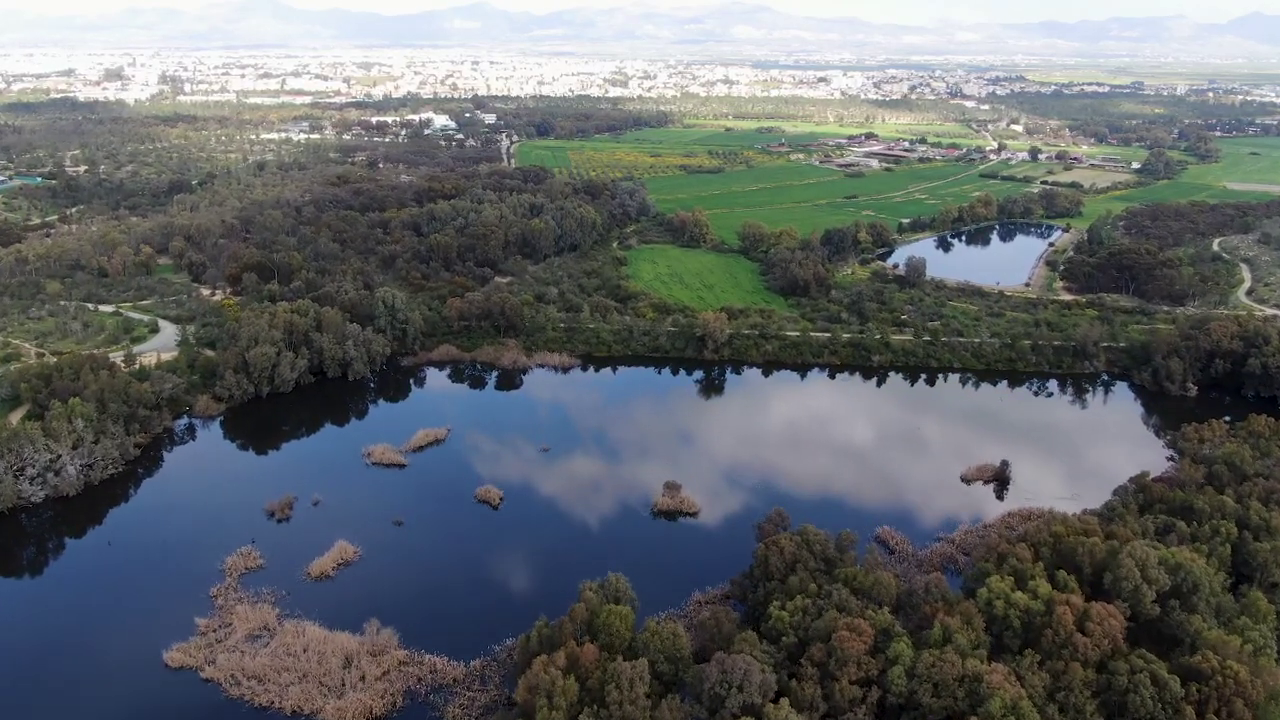
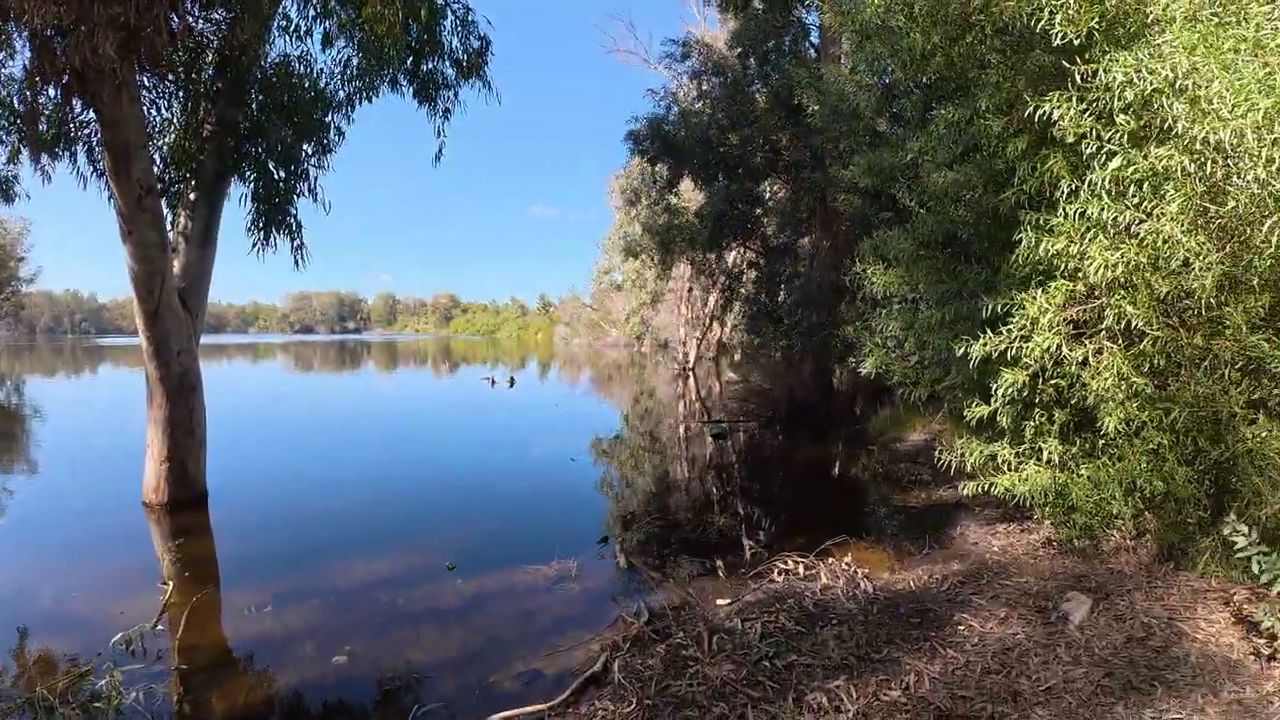 Athalassa National Forest Park
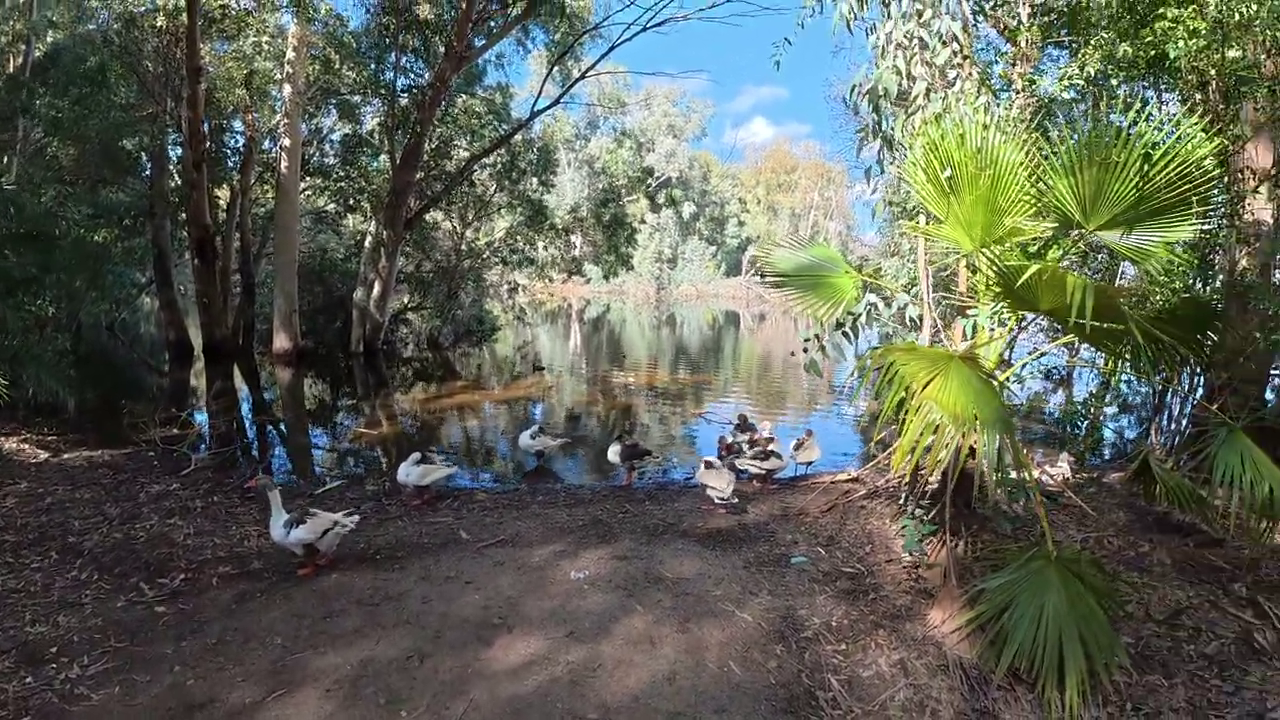 Athalassa National Forest Park
On the southeastern side of Nicosia, Athalassa National Forest Park offers a cycling experience that does not depend on a long journey into the countryside. The park contains an established cycling network, including a published route of approximately 16 kilometers, in a setting of woodland, open spaces and recreational areas.
Its principal advantage is flexibility. Riders can plan an outing around their available time and ability rather than commit to a remote point-to-point journey. The managed setting makes it a more approachable starting point for recreational cyclists than a mountain road chosen primarily for its views.
We have experienced cycling in Athalassa ourselves, although we are certainly not avid cyclists. On one of our visits, we brought our mountain bikes and spent time riding through the park. Following the routes was thoroughly enjoyable, and we encountered other mountain bikers making the most of the surroundings. There is a particular thrill to moving through a natural landscape on a bicycle, and we can understand why enthusiastic cyclists find the activity so absorbing.
But our experience also revealed something about our own limits. Despite enjoying ourselves, we became tired relatively quickly and decided to return to our car rather than continue. We have no regrets about the outing, although we are not sure we would repeat it. We generally prefer walking through Athalassa, when we can enjoy the surroundings at a gentler pace without the physical demands of cycling.
That distinction matters. A cycling route described as easy may have relatively gentle terrain, but that does not mean every occasional rider will find it effortless. Stamina, fitness, familiarity with the bicycle and the distance attempted all influence the experience. Pushing beyond your normal level of activity can turn an enjoyable outing into one dominated by fatigue or physical discomfort.
For families with children, suitability also depends on the age and cycling ability of each rider, the specific section being used and the presence of other park visitors. Athalassa has designated cycling routes, and these should not be confused with nature-study trails intended for walking. Cyclists must follow the park's rules, remain on permitted routes and travel at speeds appropriate for shared recreational areas.
Athalassa offers recreational cyclists something valuable near the capital: the opportunity to enjoy a woodland ride without committing to an isolated mountain itinerary. The experience can be worthwhile even if you decide, as we did, that a shorter ride is enough.
The Limassol Coast: Cycling With A Sightseeing Stop
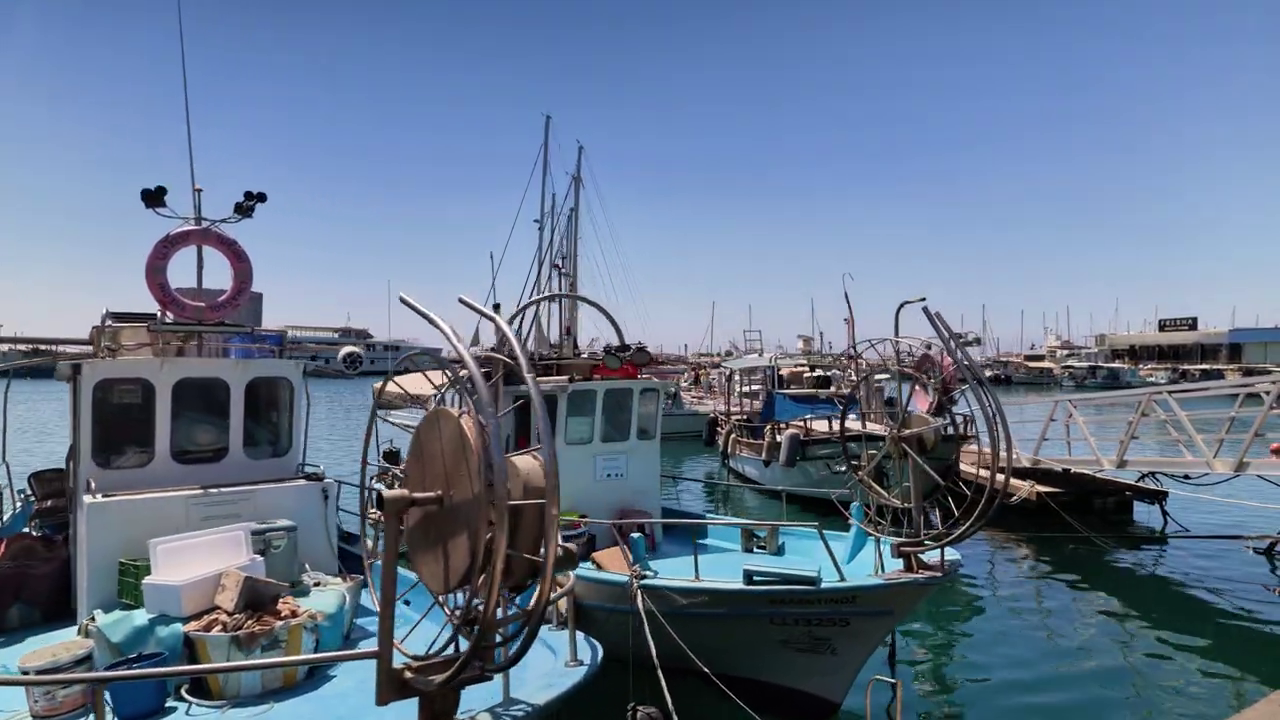 Limassol's Old Port
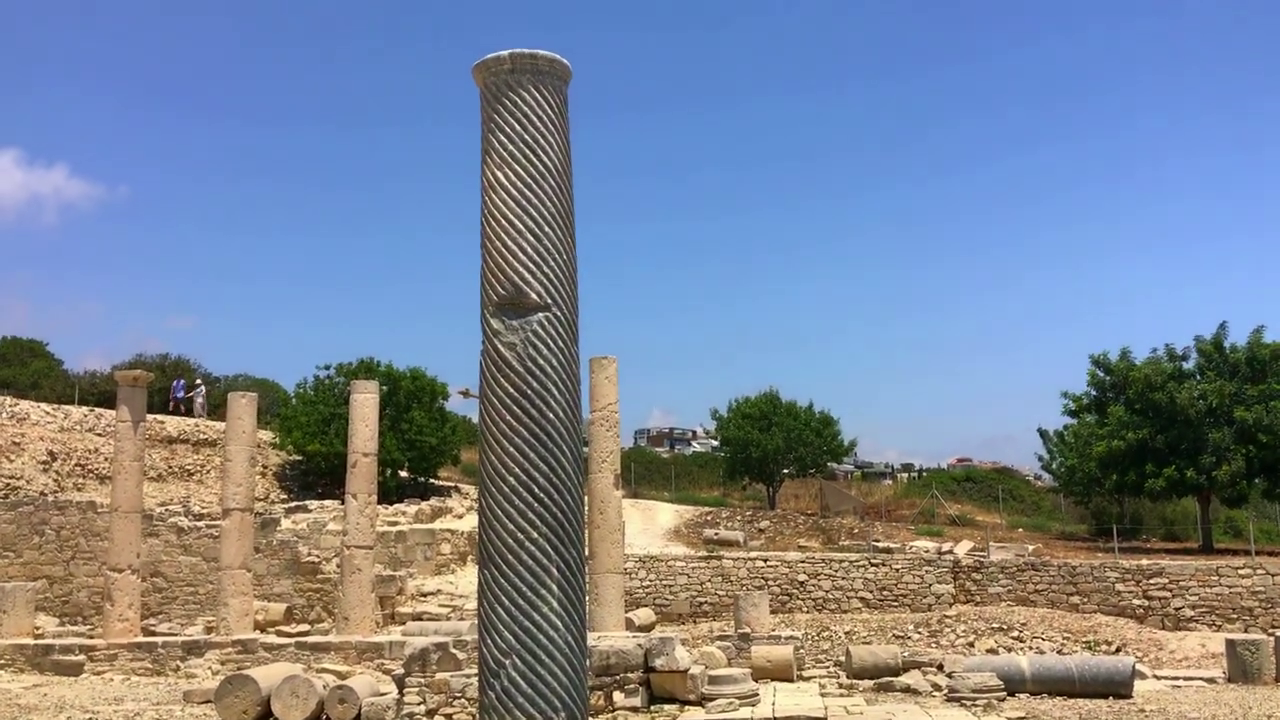 Amathous Archaeological Site
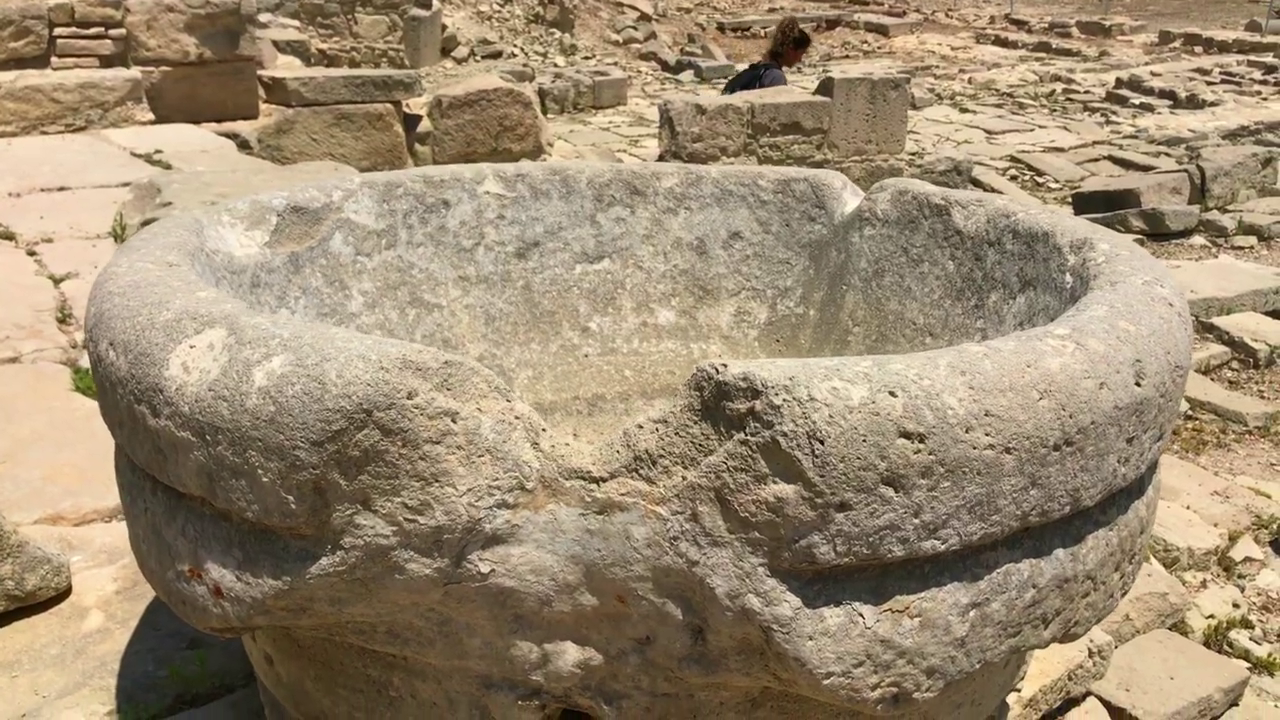
The established cycling route between Limassol's old port and ancient Amathous is one of the more approachable coastal propositions for visitors already staying in the city. It follows an approximately ten-kilometer, largely level corridor through the eastern coastal area, passing urban neighborhoods, hotels and the Germasogeia district before reaching the archaeological surroundings of Amathous.
There is a pleasant contrast between the modern seafront and the remains of the ancient city-kingdom. For travelers interested in both physical activity and history, the ride can give the morning a purpose beyond covering a particular distance. Amathous also makes a natural point at which to stop and reconsider the remainder of the outing.
The compromise is that an urban coastal route is not automatically a traffic-free cycling path. Cycle infrastructure, road sections, crossings and pedestrian areas must be assessed individually. Where a route uses public roads, riders need to be comfortable sharing them with vehicles and following local traffic rules.
The return deserves just as much attention as the outward journey. A ride of approximately ten kilometers to Amathous becomes considerably longer if you intend to cycle back, particularly in warm weather or an afternoon coastal wind.
This route earns its place for travelers who want a coastal ride with a worthwhile cultural destination. Its urban-road sections are the deciding consideration: if uninterrupted, traffic-free cycling matters more than reaching Amathous, a different setting will make for a more satisfying morning.
Larnaca: A Coastal Ride With More Urban Character
 Finikoudes
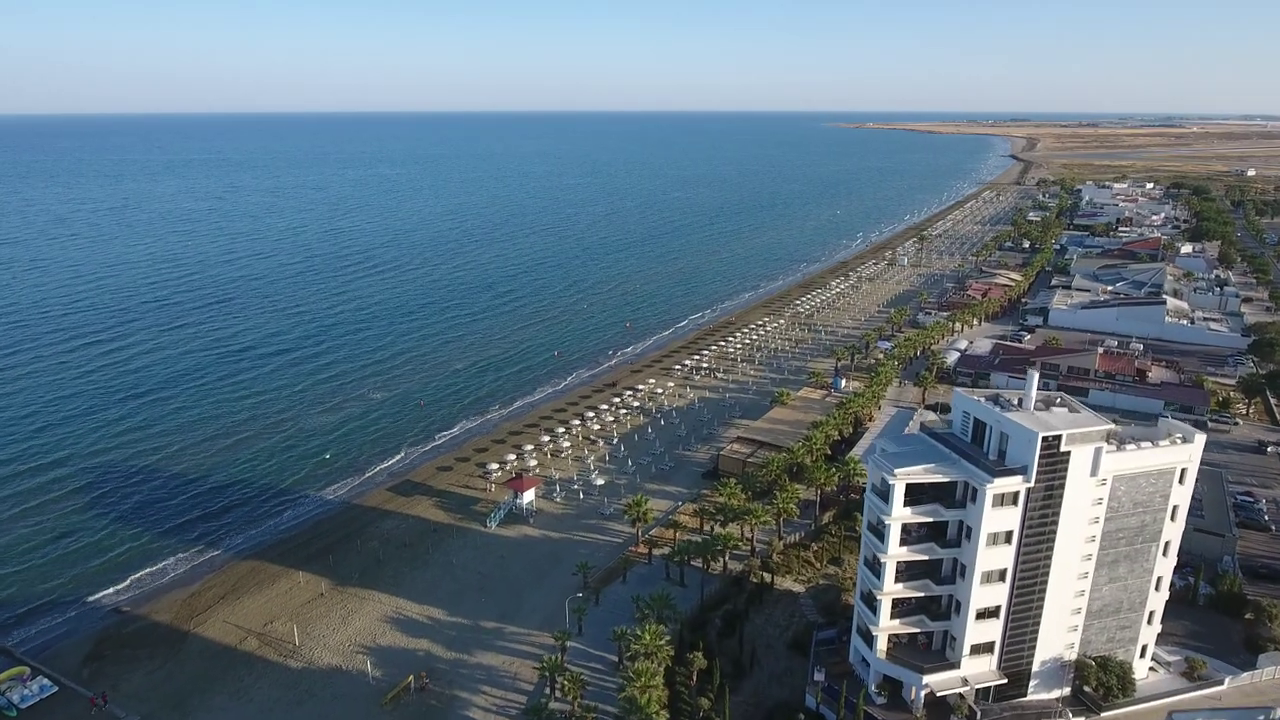 Mackenzie
Larnaca offers another possibility for visitors who would rather remain close to their accommodation. The published cycling corridor from the northern tourist-beach area toward Meneou passes through the city's coastal districts, including Finikoudes and Mackenzie, before continuing toward the airport-side landscape and the Salt Lake surroundings.
The appeal here is different from Limassol. Rather than organizing the morning around an archaeological destination, riders can encounter several contrasting parts of Larnaca within one geographical area: the central seafront, the busier beach district and the more open landscape farther south.
However, the complete published itinerary should not be mistaken for a continuously separated recreational path. Road crossings, urban traffic and sections near airport approaches make route selection important. A short ride along an appropriate coastal section may be a better choice for a casual cyclist than attempting the longer itinerary.
Cycling around protected landscapes also requires respecting designated access and avoiding unauthorized tracks through environmentally sensitive areas. Larnaca is best approached as a place where you can select an appropriate section of coastline for a ride, rather than assume that the entire shoreline provides one continuous cycling experience.
The Lefkara Hills: When The Ride Becomes The Journey
 Tochni
 Lefkara
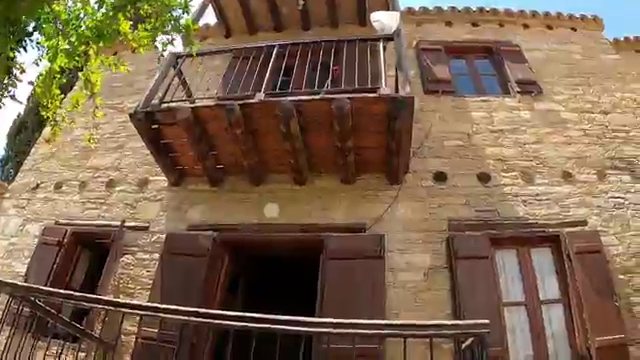
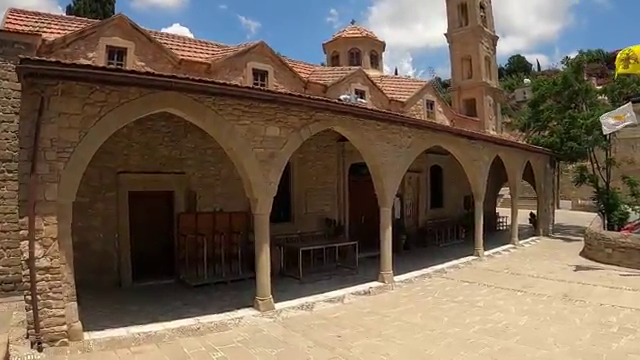
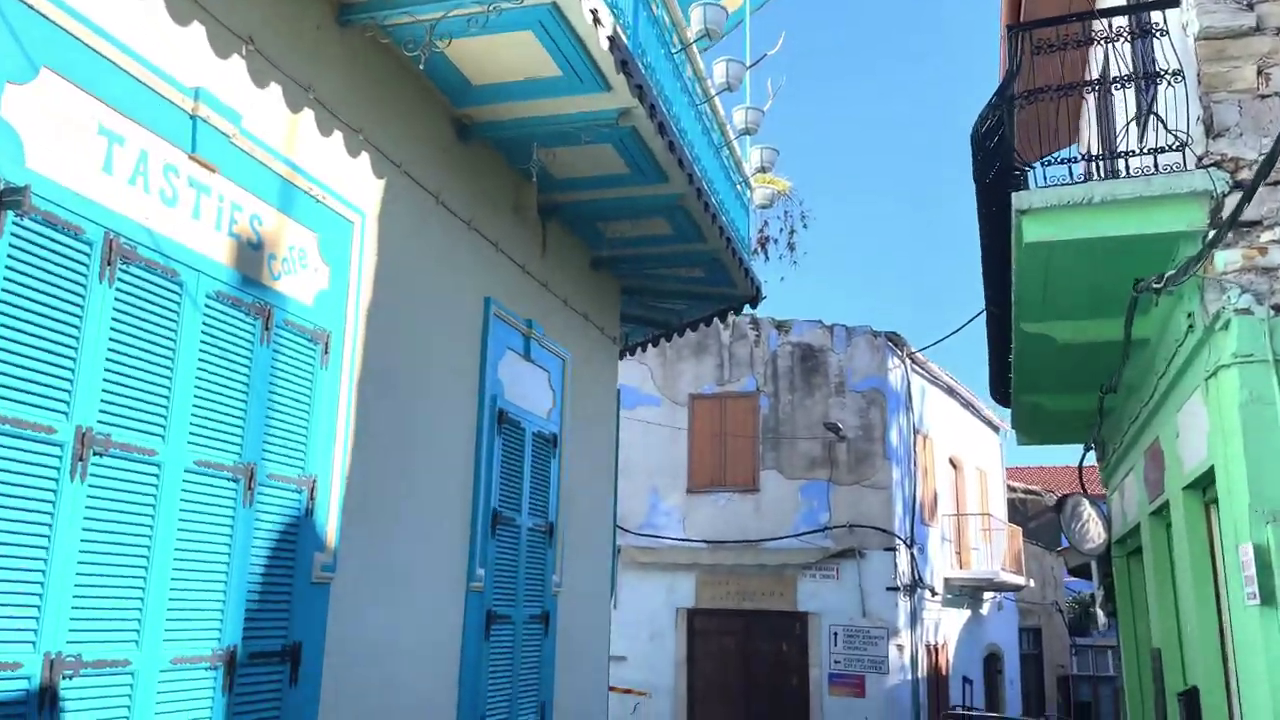
Beyond the coast, cycling begins to reveal a different Cyprus. The countryside between Tochni, Kornos and Lefkara offers an established road-cycling itinerary through villages, agricultural landscapes and rising terrain.
One published circuit, approximately 66 kilometers long, connects Tochni with the Kornos and Lefkara hills and the countryside around Kato Drys, Vavla and Choirokoitia. It involves substantial cumulative climbing despite its relatively modest highest elevation. This is not a leisurely village-to-village outing for someone who cycles only occasionally.
What makes the area interesting is the relationship between the settlements and the landscape. A village is no longer simply somewhere to arrive by car, park and walk around. On a bicycle, the gradient leading toward it, the change in surrounding vegetation and the descent afterward become part of the experience.
That physical connection will appeal to committed road cyclists who enjoy arranging a journey around terrain rather than individual attractions. The quieter village atmosphere can also make a planned coffee stop or meal more satisfying after a demanding section, provided the route and available facilities have been checked in advance.
Travelers primarily interested in Lefkara's traditional crafts, architecture and village life should not feel obliged to cycle there. A drive followed by time on foot allows greater freedom to appreciate the village without managing fatigue or worrying about the next climb. The cycling circuit is most rewarding when the journey between the villages matters as much as the villages themselves.
Troodos: For Cyclists Who Want A Serious Challenge
 Troodos Square
 Agios Nikolaos tis Stegis
Troodos presents a more demanding proposition. The mountain landscape includes forest roads, steep gradients and winding paved routes that can attract experienced road cyclists and mountain bikers, but the choice of bicycle and route matters considerably.
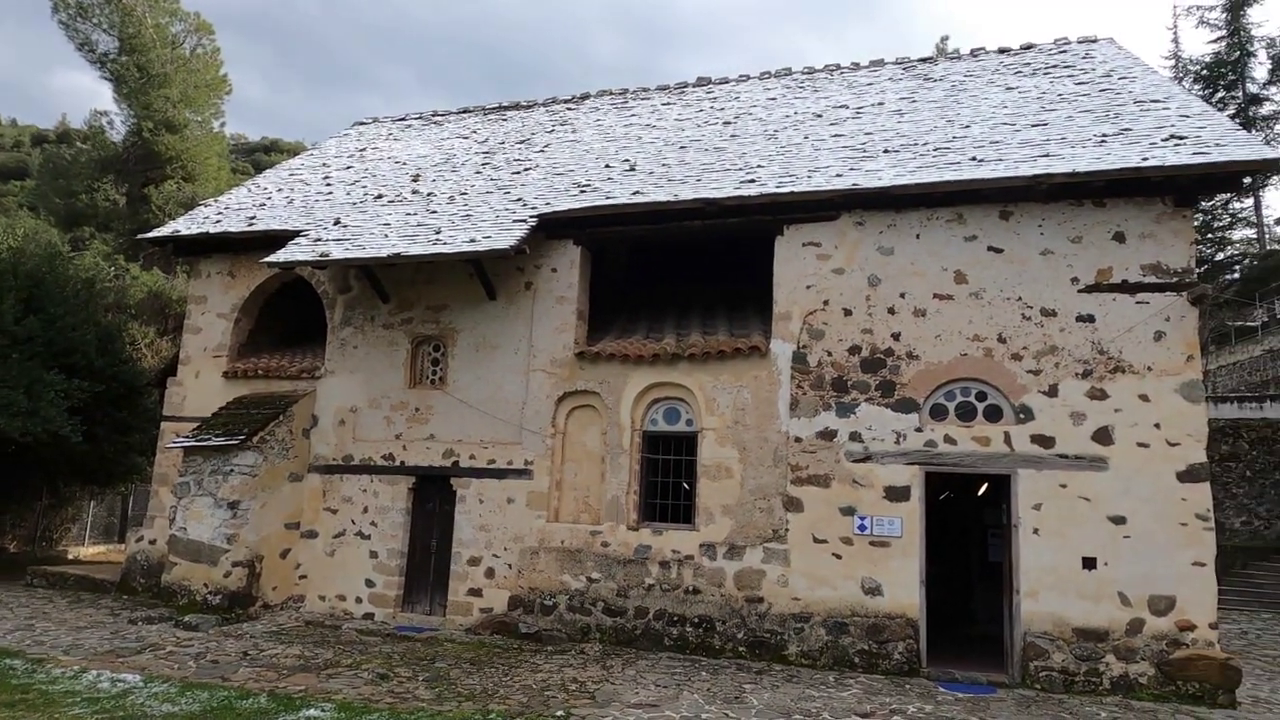
An established paved circuit from Troodos Square toward Agios Nikolaos tis Stegis and back is approximately 38 kilometers long. Its published difficulty is very high, reflecting substantial changes in elevation and a demanding return climb. The distance might appear manageable to an otherwise fit visitor, yet fitness alone does not establish readiness for mountain cycling.
Descending requires as much judgment as climbing. Long downhill sections can increase braking demands, while bends, uneven surfaces and changing visibility leave little margin for carelessness. Cyclists unfamiliar with the mountains should consider an experienced local cycling guide, especially when choosing routes that involve technical terrain or unfamiliar road conditions.
The rewards are equally distinctive. Troodos places riders in a landscape of pine forests, high mountain settlements and changing views across the island's interior. A cycling day here is about sustained engagement with the mountains rather than reaching one particular viewpoint.
The strongest reason to choose Troodos by bicycle is the challenge of riding through its mountainous terrain. If the climbs and descents are inconveniences rather than pleasures, the forests and villages are no less rewarding when reached by car and experienced on foot.
Akamas: Off-Road Cycling Requires A Different Mindset
 Akamas Lighthouse
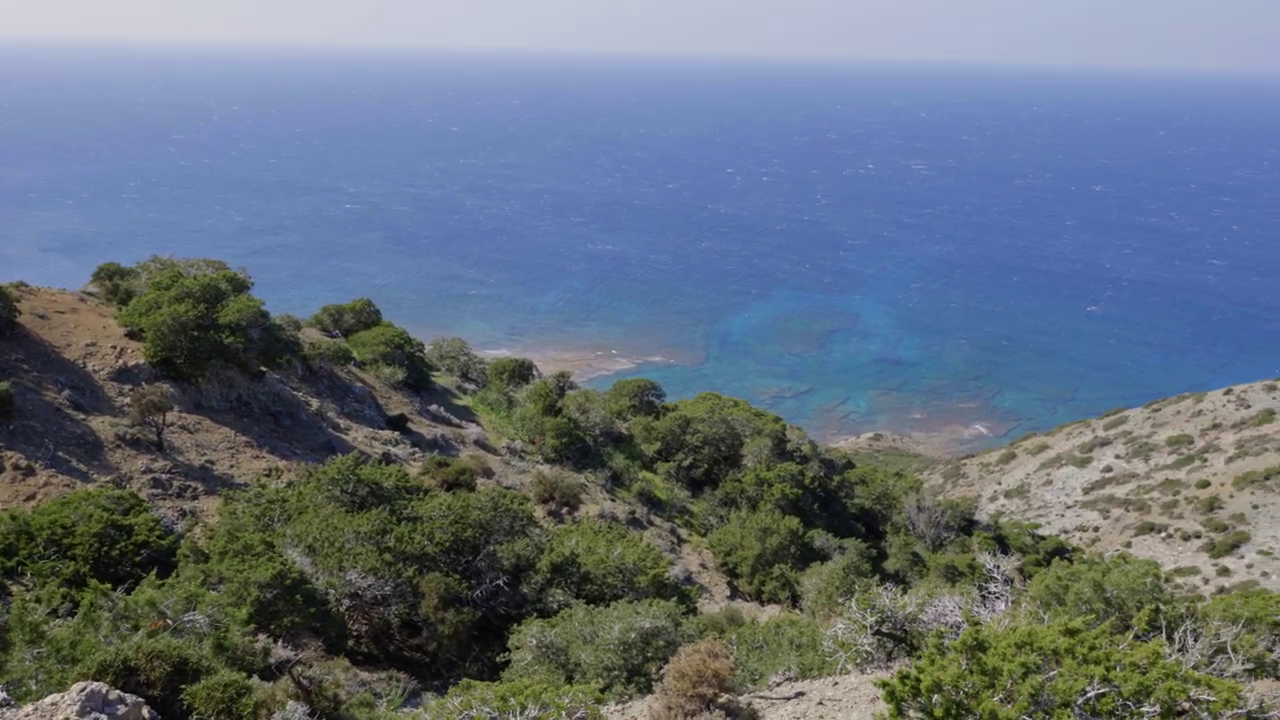 Akamas: View from the Lighthouse
Akamas attracts mountain bikers because its landscape offers a combination of exposed hills, forested sections, rugged tracks and extensive coastal views. Around Polis, Latchi and Neo Chorio, published cycling itineraries describe routes toward parts of the peninsula that demand considerably more preparation than an ordinary coastal ride.
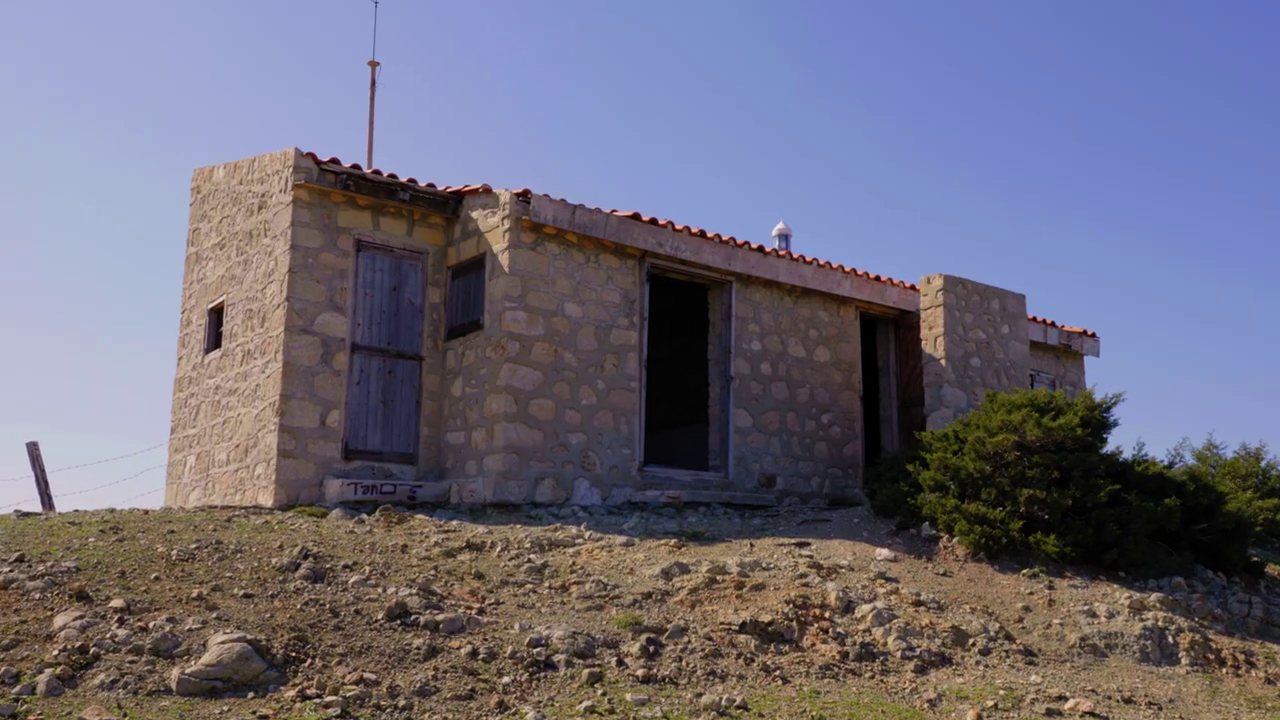
One established itinerary from Polis toward Akamas Lighthouse is listed at approximately 22 kilometers and classified as difficult, with varied surfaces and climbing. Its published distance does not necessarily represent the total undertaking, particularly if the rider needs to arrange a return journey. The itinerary should be treated as a planning reference rather than confirmation that its entire course is currently accessible.
This is terrain where the right equipment and experience become essential. Loose stones, steep sections, exposed tracks and limited opportunities to obtain supplies can make an apparently manageable journey far more demanding than expected. A mountain bike appropriate to the route, sufficient provisions and a reliable navigation and return plan are basic requirements.
Akamas also needs to be understood as a protected landscape, not an unrestricted outdoor playground. Cycling must remain on routes where the activity is permitted, and visitors should distinguish authorized cycling tracks from nature-study trails intended for walkers. Current access restrictions must be checked with the relevant authorities before departure.
We would reserve a demanding Akamas mountain-bike excursion for experienced riders with suitable equipment and a route confirmed as permitted. The peninsula is worth appreciating, but there is no reason to make its most difficult terrain the price of experiencing its landscape.
When Is The Best Time To Cycle in Cyprus?
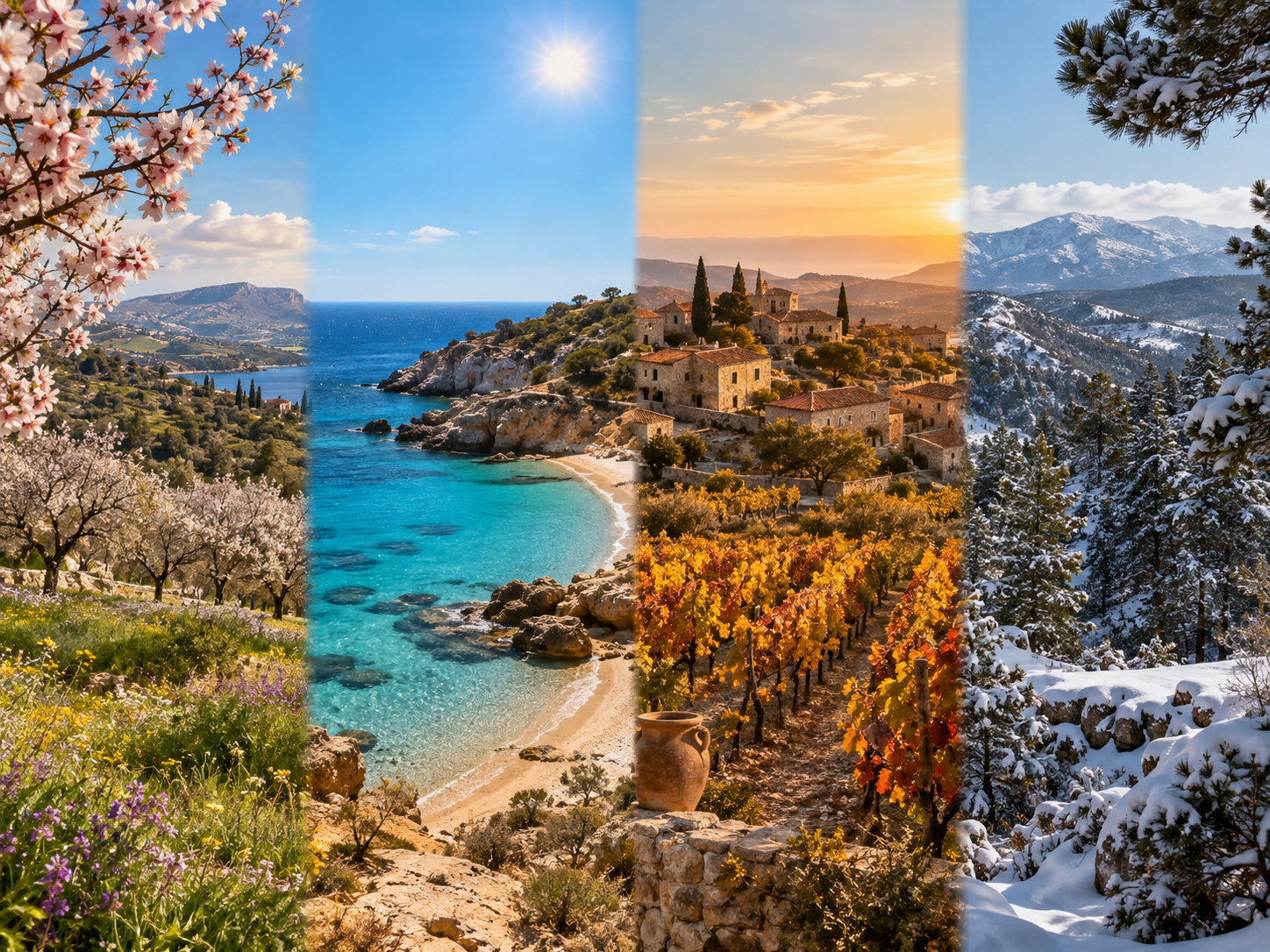
Spring and autumn generally provide the strongest conditions for cycling across much of Cyprus. Temperatures are often more comfortable for sustained effort, particularly on exposed roads and lower-elevation routes. These seasons also allow cyclists to spend more of the day outdoors without organizing every ride around avoiding the strongest heat.
Winter can suit some lower-elevation routes, but rain, wind, shorter daylight hours and wet road surfaces require attention. Higher parts of Troodos present a different seasonal picture, where cold weather, ice or snow can make cycling unsuitable.
Summer requires greater selectivity. An early morning outing in a suitable coastal area may be reasonable when conditions permit, while a demanding inland climb in intense heat is another matter entirely. Higher elevation does not guarantee comfortable cycling conditions, especially during prolonged exertion or when thunderstorms develop.
A route worth considering in April may be a poor choice during a hot July afternoon. The terrain, season and time of day need to be considered together.
Choosing A Bicycle, Rental Service or Guide
For recreational outings on suitable paved routes, a well-maintained city, hybrid or touring bicycle may be sufficient. Road cycling through the foothills calls for appropriate gearing, reliable brakes and equipment suited to extended climbing and descending. Rougher, permitted off-road routes require a mountain bike designed for the expected surfaces and technical demands.
Before accepting a rental, check the bicycle's condition, brakes, tires, gearing and fit. Ask whether the rental includes an approved helmet, suitable safety equipment, roadside assistance and clear arrangements if the bicycle develops a fault. Electric-bike riders should also establish the expected battery range under the planned climbing conditions and whether charging or a replacement bicycle is available.
For a specialist cycling holiday, it can be worth selecting accommodation and a provider around the riding rather than choosing a hotel first and hoping that suitable routes are nearby. Secure bicycle storage, access to maintenance, flexible meal arrangements and organized transport to a route's starting point may be more valuable than conventional leisure facilities.
A knowledgeable guide can also improve the experience when local roads, access rules or technical terrain are unfamiliar. The value is not merely having somebody lead the way; it is having informed support in deciding which route is appropriate and when changing the plan is necessary.
Plan The Return Before The Departure
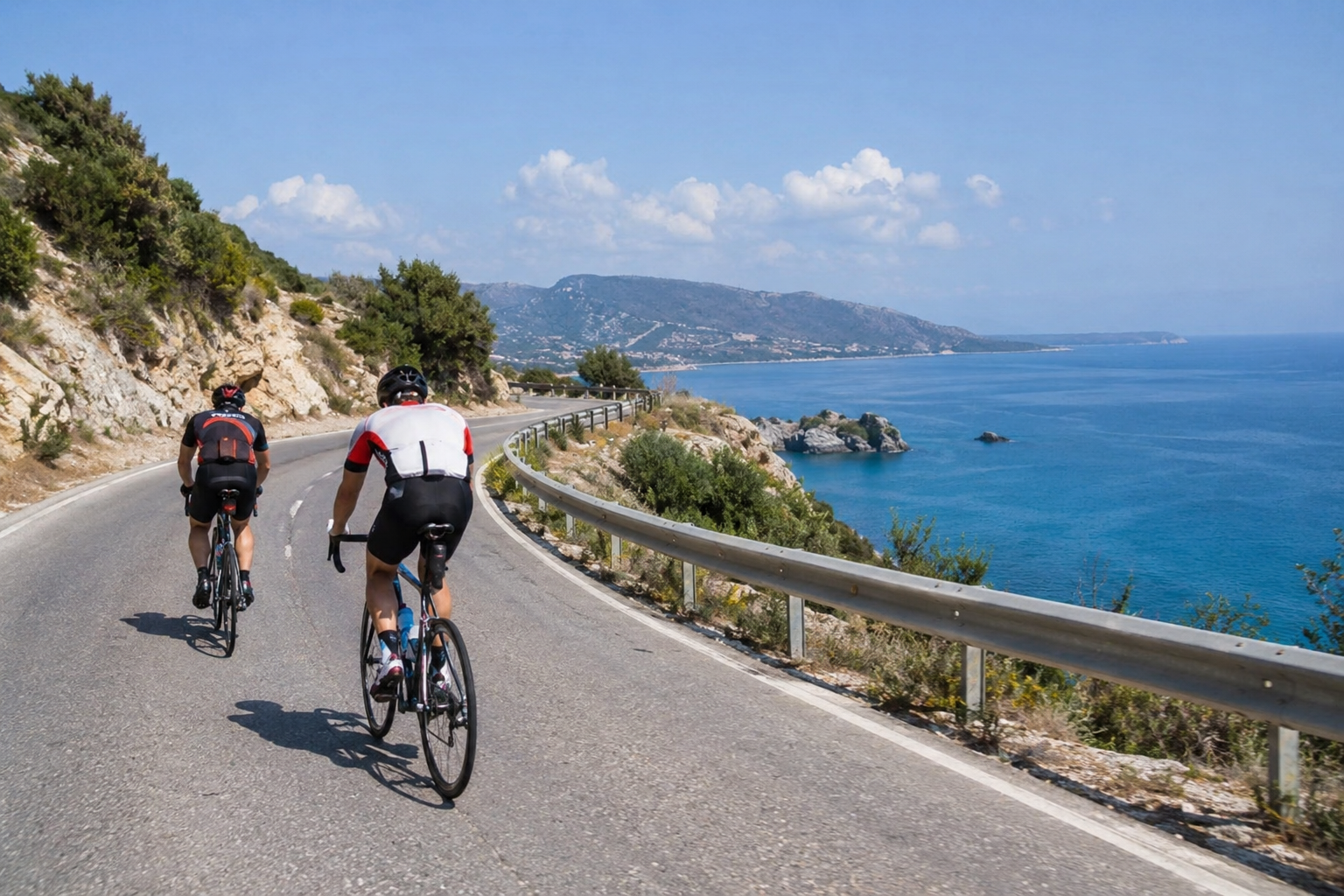
One of the easiest mistakes is to consider only the outward route. A cycling itinerary can finish far from the starting point, end after a substantial descent or require an unexpectedly long return through exposed terrain.
Before choosing a route, establish whether it is circular or point-to-point, the total distance you intend to ride, the cumulative elevation change and how you will return. Check whether you can obtain water along the way, whether your accommodation or rental provider can arrange transport and whether a shorter alternative exists if conditions deteriorate.
This matters particularly in the mountains and around Akamas, where isolated sections are less forgiving of mechanical problems, navigation errors or fatigue. A downloaded GPS track can assist with orientation, but it is not confirmation that every section remains accessible, legal or suitable.
For independent travelers, a planned stopping point and the flexibility to shorten an outing can be more valuable than completing the maximum possible distance. That freedom allows the destination to remain part of the pleasure rather than become merely somewhere to recover.
Cycling Safety And Access in Cyprus
Cyprus follows left-hand traffic rules, which can require adjustment for visitors accustomed to riding on the right. Cyclists must comply with applicable road signs and traffic laws, wear an approved protective helmet and must not ride on motorways. Visitors should check current equipment and road-use requirements before setting out.
Traffic conditions can change significantly between urban seafronts, village roads and mountain routes. Narrow sections, bends, limited visibility, loose gravel and vehicles traveling at different speeds can all create hazards. A route described as easy in an official publication may refer mainly to its physical gradient rather than provide a guarantee of low traffic exposure or present-day safety.
Wear appropriate clothing and footwear, carry adequate water and sun protection, and use suitable lighting and visibility equipment. Make sure your route can be followed without relying entirely on mobile reception, and do not begin a remote ride without informing somebody of your plan. If you become unusually fatigued or experience physical discomfort, stop rather than pushing beyond your abilities. In an emergency in Cyprus, call 112.
Forest roads, protected landscapes and nature trails are subject to access rules that may differ from ordinary public roads. In national forest parks, cycling is permitted only on designated routes, while riding away from authorized routes is prohibited. Nature-study trails are not cycling routes. Before a forest or mountain excursion, consult the Cyprus Department of Forests and other relevant authorities for current access information, alongside local weather forecasts and notices.
Published cycling information is intended to support planning, not serve as a guarantee of route safety, lawful access, equipment suitability or individual fitness. Conditions can change, and the final decision to ride should reflect current information, personal ability and professional guidance where appropriate.
Choosing The Right Cycling Day
A bicycle changes the relationship between places in Cyprus. The ascent toward a hillside village becomes part of its character, just as the wind along the coast can shape an otherwise straightforward journey. In the mountains, distance is measured not only in kilometers but in the effort needed to gain elevation. These are experiences that driving through the same landscape cannot fully reproduce.
That closeness comes with responsibilities. You cannot separate the pleasure of riding from the road beneath you, the conditions ahead or the energy required to complete the journey. For cyclists who welcome those demands, the island offers opportunities to experience its changing terrain in a particularly engaging way.
The real distinction is between wanting to see a landscape and wanting to travel through it by bicycle. Both are worthwhile ambitions, but they are not interchangeable. Choose cycling when the journey itself is part of what you have come to Cyprus to enjoy.