Newsletter "Beyond the Postcards" Subscribe
Plan Your Cyprus Trip: Hotels: Expedia, Villas & Apartments: Vrbo, Car Rentals: DiscoverCars, Tours: GetYourGuide, Airport Transfers: WelcomePickups
- Home
- Things To Do in Cyprus
- Outdoor & Nature Experiences in Cyprus
Outdoor & Nature Experiences in Cyprus


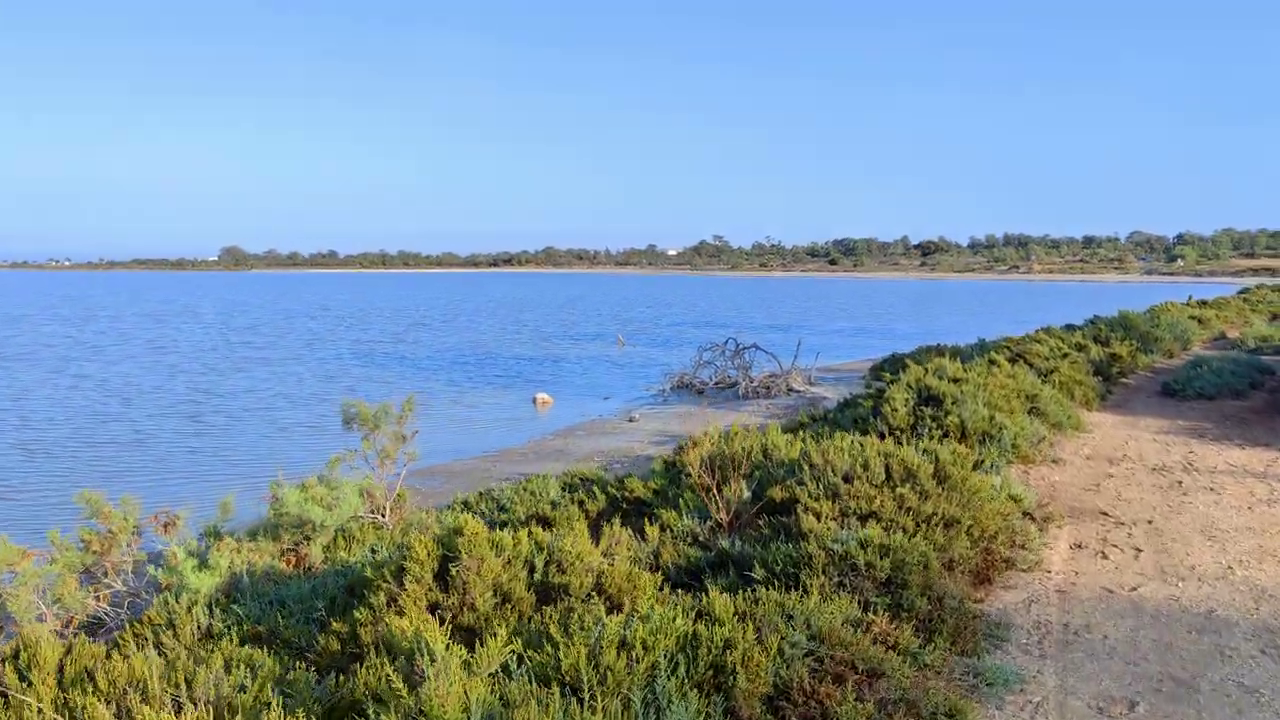
In winter, Larnaca Salt Lake may hold water and migrating birds. In the dry season, the same basin can become a pale, open expanse, barely resembling the photographs that made you want to visit. Both are Cyprus. They are simply different encounters with the same place.
That variability runs through much of the island's natural landscape. A waterfall depends partly on recent weather, a mountain outlook can vanish into cloud, and a stretch of coast that appears peaceful from a distance may be exposed to strong wind. There is no single outdoor experience to recommend to everyone, and a famous name tells you surprisingly little about the day you will have.
The attraction might take fifteen minutes. The journey to reach it, the ground underfoot and the conditions when you arrive are what determine whether it earns a place in your trip.
What Does The Landscape Ask of You?
Some natural places are easy additions to a day already being spent nearby. Others require an early start, sure footing, a suitable vehicle or enough experience to handle open water. The important distinction is not between adventurous and unadventurous travelers; it is between what a place offers and what you are prepared to give it.
A couple enjoying a slower coastal stay may want one good outlook and lunch nearby. A family might prefer a managed forest park with straightforward access to a remote gorge, while a committed cyclist may happily organize an entire morning around a route. All are legitimate ways to spend time outdoors in Cyprus, but they call for different choices.
Best Natural Attractions in Cyprus
 Baths of Aphrodite
 Larnaca Salt Lake
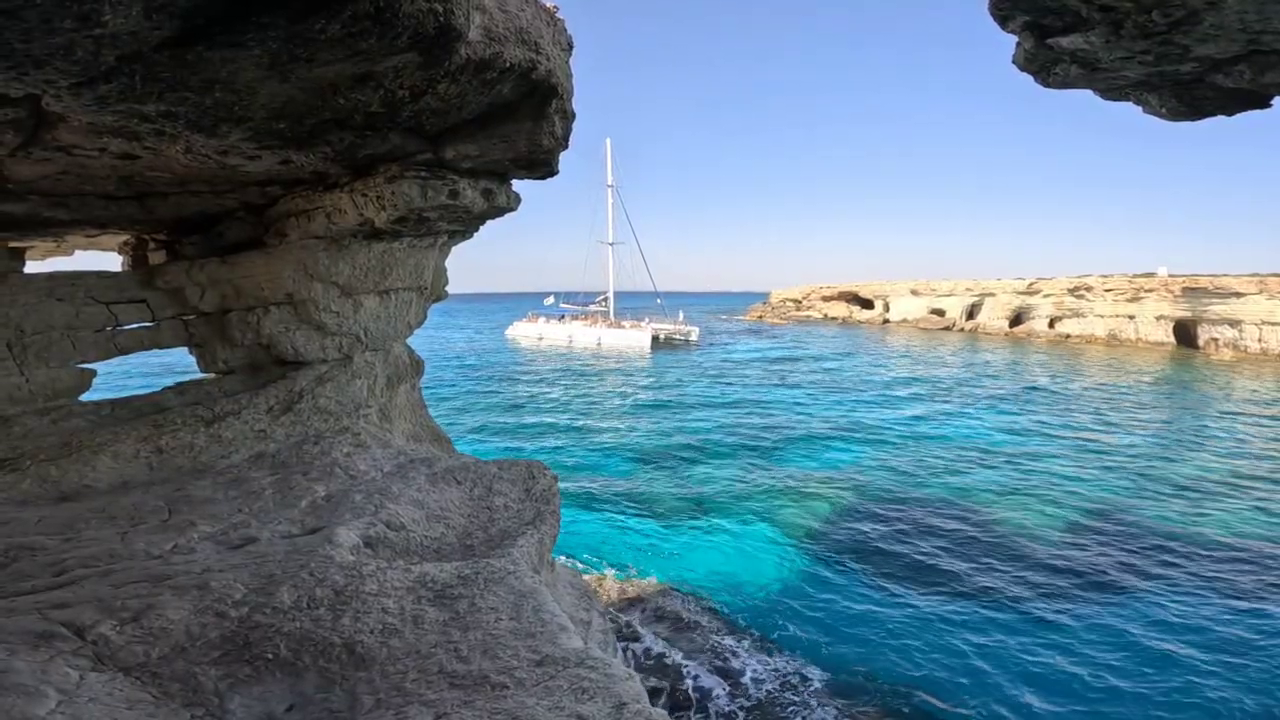
The strongest natural landmarks are not necessarily the ones with the grandest names. A stop at the Baths of Aphrodite near Polis, a seasonal visit to Larnaca Salt Lake and time among the formations of Cape Greco are very different propositions. One belongs naturally within an Akamas outing, another depends heavily on the season, and the third can be experienced as part of a wider day along the southeastern coast.
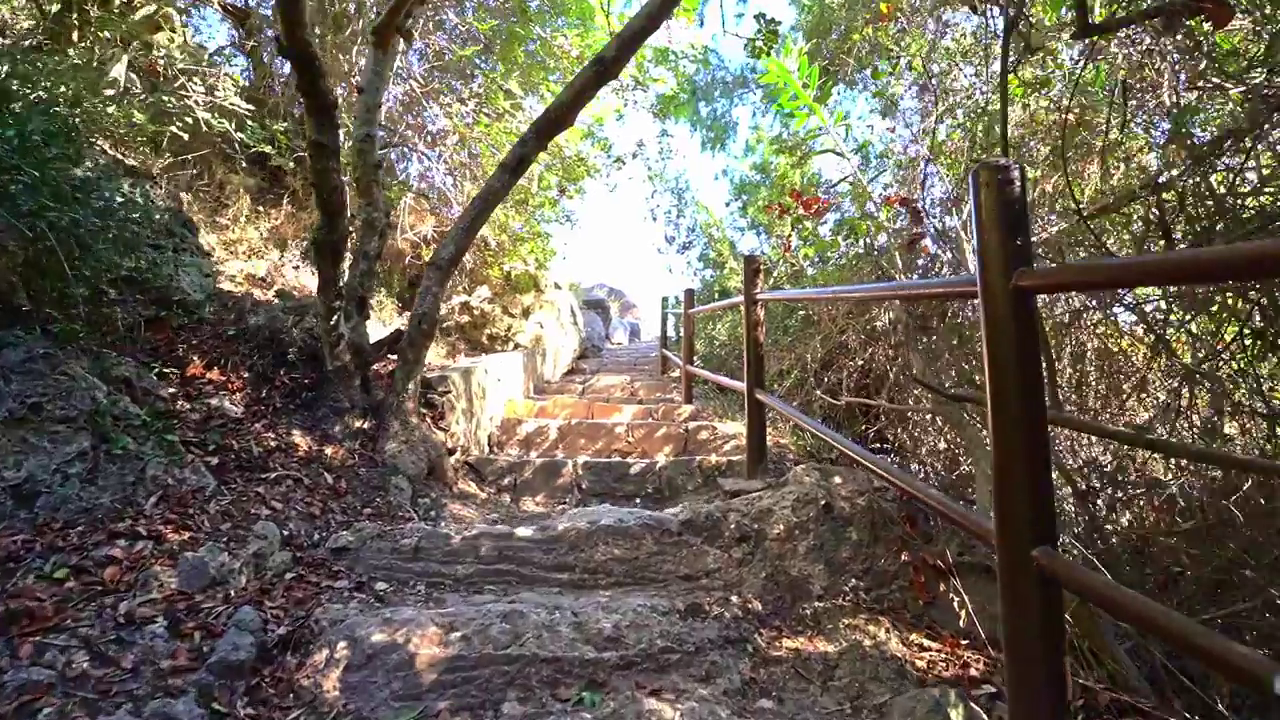
We have been visiting the Baths of Aphrodite since childhood, and we still make a point of returning whenever we spend time around Latchi. According to Greek mythology, this is where Aphrodite, the goddess of love and beauty, used to bathe. The small, shaded grotto is closely associated with that legend, although visitors expecting a large natural pool or a place to swim may be disappointed.
What makes the location particularly worthwhile is its relationship with the wider Akamas landscape. Nature trails beginning in the area lead into parts of the peninsula that cannot be appreciated from a car. For travelers who enjoy walking, the Baths can therefore become the starting point for a more substantial encounter with Akamas, while those seeking a shorter visit can appreciate the grotto and its immediate surroundings.
The wider natural-attractions guide is the starting point for travelers who want a selective introduction to the island's landscapes without committing to an activity. Best Natural Attractions in Cyprus will help separate places that justify planning around from those best appreciated when you are already in the area. If the pleasure of your trip comes mainly from doing something physical, the cycling, paddling or hiking guides will serve you better.
Waterfalls in Cyprus
 Caledonia Falls, Platres
 Millomeris Nature Trail
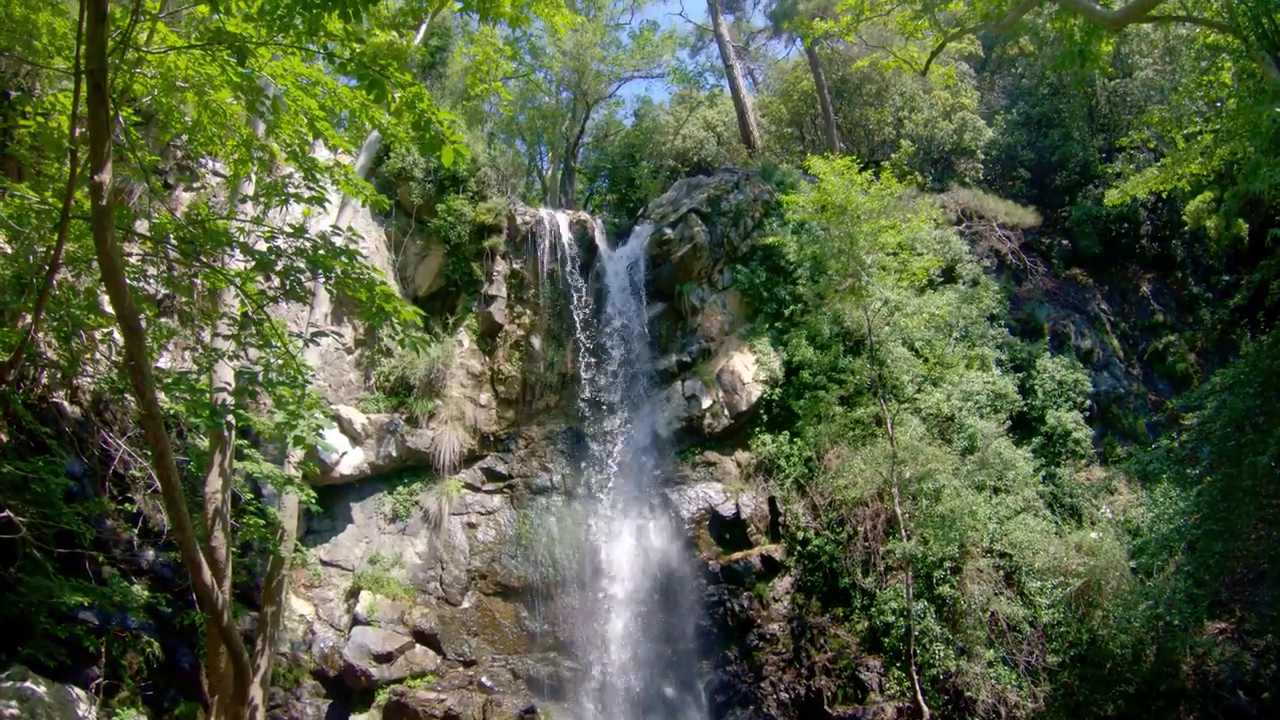
The Troodos waterfalls offer a different kind of outdoor visit from the exposed coast. Forest cover, streams and the cooler mountain setting can be as important to the experience as the fall itself, although the amount of water and the condition of the approaches vary. Caledonia and Millomeris illustrate why it is unwise to treat every waterfall as an effortless roadside stop.
Waterfalls are rewarding for travelers who enjoy a wooded setting and do not mind spending some effort getting close enough to appreciate it. They are a less dependable choice for someone expecting a consistently powerful cascade, especially after dry weather. Waterfalls in Cyprus focuses on which falls merit a visit and what to expect from their settings; Waterfalls Walks in Cyprus, under Hiking, deals more specifically with walking routes.
Sea Caves & Coastal Landscapes in Cyprus
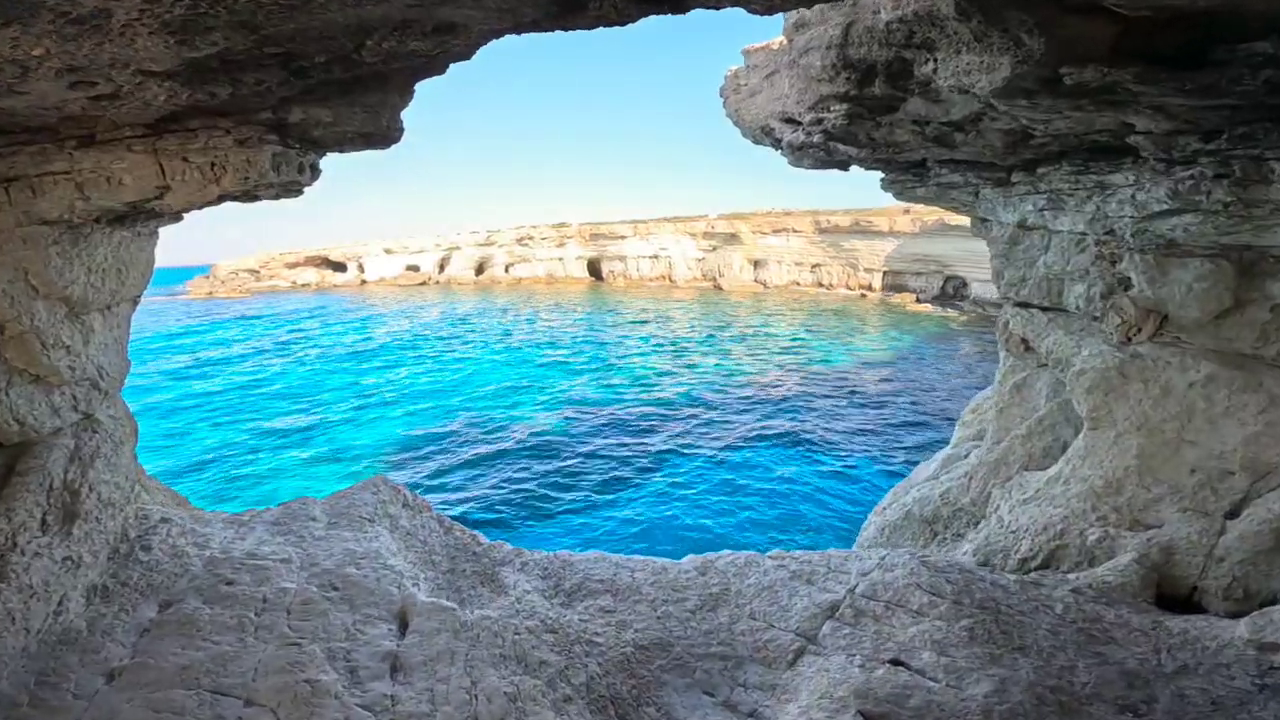 Ayia Napa Sea Caves, also known as The Palaces
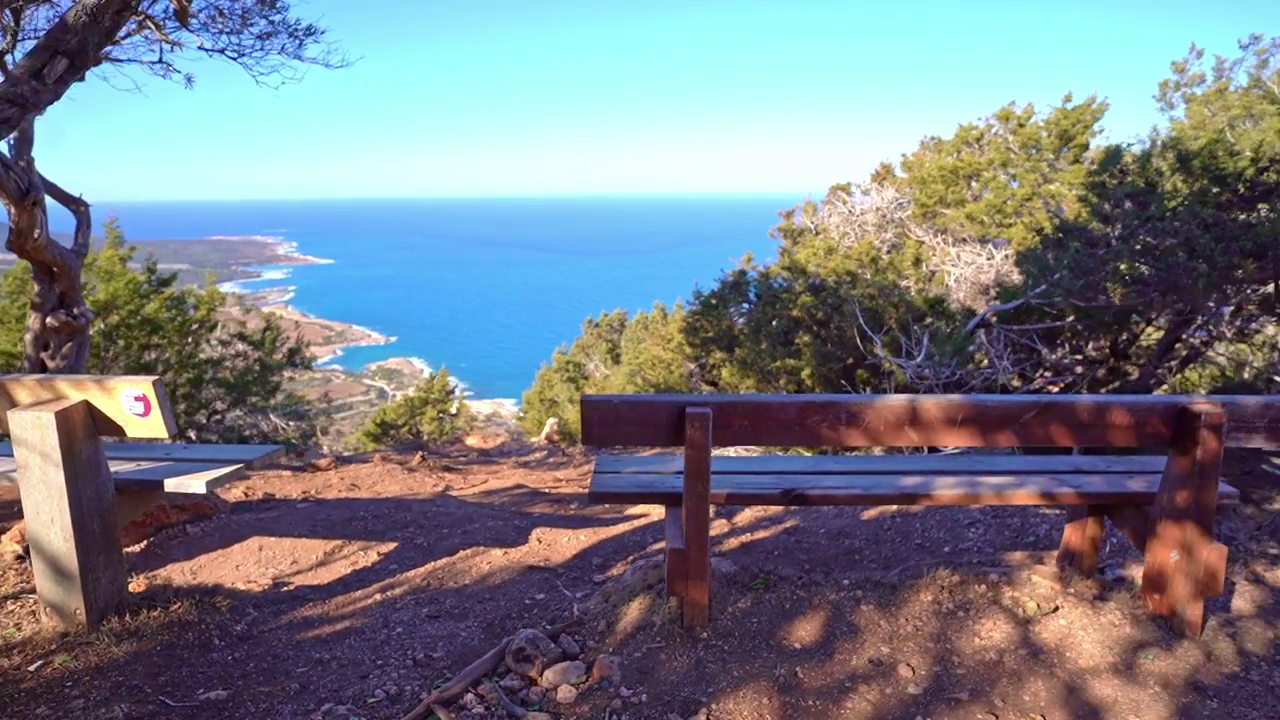 Akamas Coastline
Around Ayia Napa and Cape Greco, pale limestone forms cliffs, arches and caves that make the coastline interesting even when nobody intends to swim. Akamas presents a rougher, less developed coastal character in the west. The two areas should not be approached as interchangeable sightseeing stops: their geography, access and atmosphere are different.
For some travelers, the satisfying experience is standing back and seeing how the rock meets the water. Others will prefer the perspective from a properly operated boat, while some coastal sections are better left alone when waves, wind or access restrictions make them unsuitable. A dramatic cliff is not an invitation to approach its edge, climb down to a cave or jump into the sea. Sea Caves & Coastal Landscapes in Cyprus considers the landforms themselves and the sensible ways to appreciate them, rather than duplicating the boat-trip guides.
Gorges in Cyprus
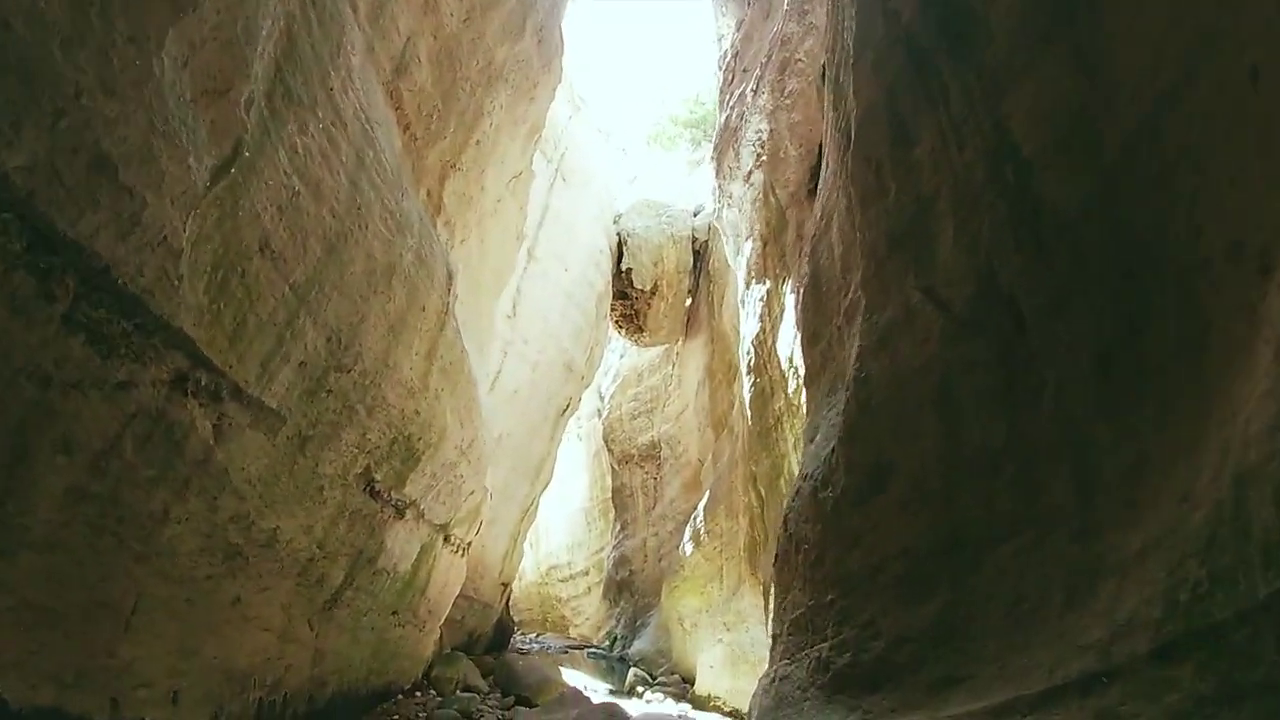 Avakas Gorge
A gorge changes the scale of a landscape. Instead of a distant panorama, attention moves to the rock around you and the conditions along the floor. Avakas Gorge, on the western side of the island, is a compelling example, but it should never be mistaken for a casual stop simply because a mapped route looks short.
Wet stones, flowing water, unstable rock and the possibility of rapid changes after rain make gorge visits more demanding than photographs suggest. They suit people who are comfortable with uncertain footing, respect posted restrictions and are prepared to abandon the visit when conditions are unsuitable. Travelers wanting scenery without that uncertainty should choose an accessible viewpoint or managed natural attraction instead. Gorges in Cyprus explains the geological experiences worth considering and how their practical demands differ from ordinary sightseeing.
Nature Reserves & Protected Areas in Cyprus
 Larnaca Salt Lake, Flamingos and Hala Sultan Tekke
A protected landscape has not necessarily been set aside for recreation. At Larnaca Salt Lake, the interests of birdlife and the wetland come first; along parts of the Akamas coast, turtle nesting gives the shoreline a significance that has nothing to do with beach facilities. Cape Greco's protected landscape has yet another character, with designated places for visitors to experience its natural surroundings.
We have visited Larnaca Salt Lake countless times, in every season. Our winter visits are particularly enjoyable with children, who find it fascinating to watch flamingos and other migrating birds when they are present. For us, the lake has become a familiar part of Larnaca, and visiting it often provides an opportunity to spend time at other nearby places.
There is another reason we enjoy visiting this part of Larnaca. Hala Sultan Tekke, an important Islamic place of worship and pilgrimage, stands beside the lake. When we have enough time, we combine our visit to the Salt Lake with a stop at the Tekke, appreciating the contrast between the natural surroundings and the historical and religious significance of the monument.
The area also works well alongside a visit to nearby Mackenzie Beach. During summer, when we regularly spend time at the beach, we often combine the outing with a visit to the Salt Lake and, when possible, Hala Sultan Tekke. This is a good example of how several different sides of Cyprus can be experienced within one part of the island without turning the day into a long sightseeing expedition.
These are places for travelers who want to understand what they are looking at, not simply occupy the space. Protected status does not mean that driving, walking, swimming, camping or boating is permitted everywhere. Rules can differ sharply between areas and can change, so visitors should follow official notices, remain in permitted areas and avoid disturbing wildlife or nesting sites. At religious monuments such as Hala Sultan Tekke, opening arrangements, dress and behavior should also be respected. Nature Reserves & Protected Areas in Cyprus gives conservation and appropriate access the attention they deserve.
Best Viewpoints in Cyprus
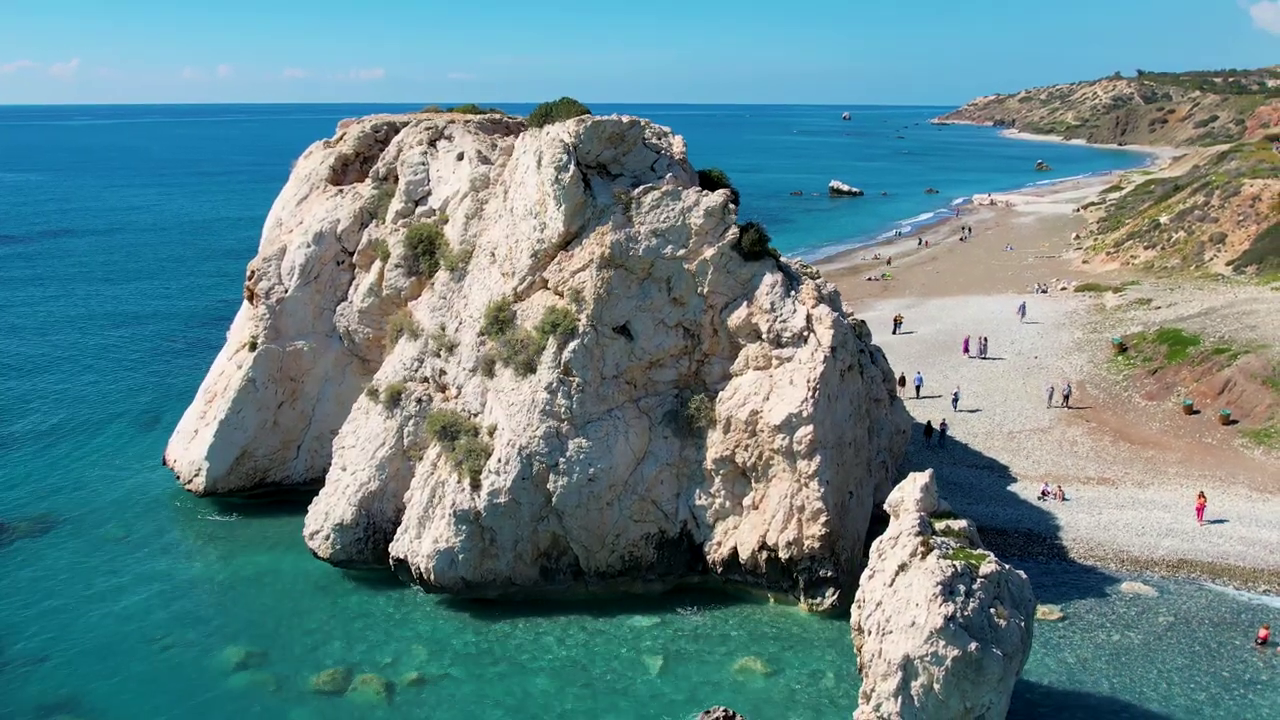 Petra tou Romiou (Aphrodite's Rock)
A viewpoint succeeds when it reveals something about the country that is difficult to understand at ground level. Above Akamas, the relationship between hills and coastline becomes clearer; in Troodos, the view is about altitude, valleys and the spread of the mountains. A coastal overlook offers something different again: rock, open water and the changing direction of the light.
One of our favorite examples is Petra tou Romiou, also known as Aphrodite's Rock, on the coast between Limassol and Paphos. According to Greek mythology, this is where Aphrodite emerged from the sea. The rock formations and the surrounding coastline make the location appealing even without its mythological associations.
On many of our journeys to Paphos, rather than remaining on the highway, we take the designated exit toward Petra tou Romiou. The coastal scenery makes the detour worthwhile, and we often stop to appreciate the views and spend some time at the beach before continuing our journey. The shoreline is pebbly and can be exposed to waves and currents, so enjoying the scenery should not be confused with assuming the sea is suitable for swimming.
For travelers driving between Limassol and Paphos, this can be a rewarding addition without requiring a separate excursion later in the holiday. It also illustrates why we judge viewpoints by the experience they add to a journey, not simply by their reputation.
That does not make every marked lookout worth a long detour. Haze, cloud, wind or poor visibility may take away the very thing you came for, and some viewpoints require more walking than their position on a map suggests. For travelers who want scenery without making it a strenuous outing, a well-chosen outlook can be the right answer. Best Viewpoints in Cyprus puts the quality of the experience, access and the surrounding day ahead of photograph-driven rankings.
Cycling in Cyprus
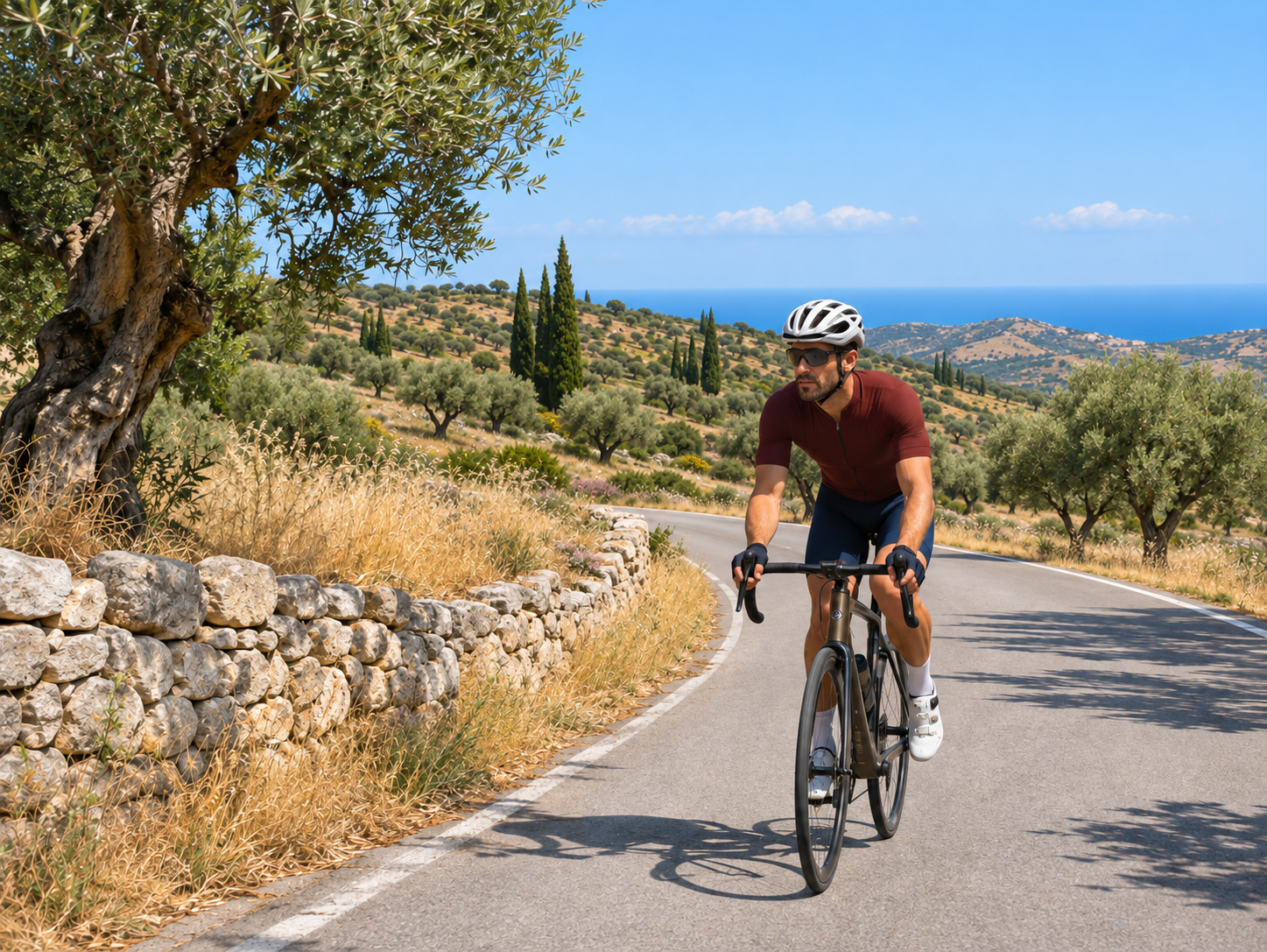
Cycling can make the countryside feel much closer than it does from a car, but it is not one uniform activity here. A short, relatively level ride near a coastal base is a different undertaking from climbing into the foothills or following an unpaved mountain route. Traffic exposure, elevation, surface quality and heat are not minor details; they define the ride.
The distinction becomes particularly important when choosing between coastal Cyprus and the Troodos countryside. Inland routes can involve sustained climbs and winding roads, while a coastal route that looks manageable on a map may still expose riders to traffic, wind and strong sunshine. The scenery is only one part of the decision; the demands of reaching and riding through it deserve equal consideration.
Experienced cyclists may find that a demanding route is worth organizing part of the trip around. Occasional riders will usually enjoy a carefully selected shorter route, with suitable equipment and a realistic return plan, more than an ambitious loop chosen for its scenery. An electric bike can reduce pedaling effort, but it does not remove road hazards or the need to control the bike. Cycling in Cyprus separates road riding, off-road routes and easier outings so readers can match the terrain to their experience rather than rely on distance alone.
Kayaking & Paddleboarding in Cyprus
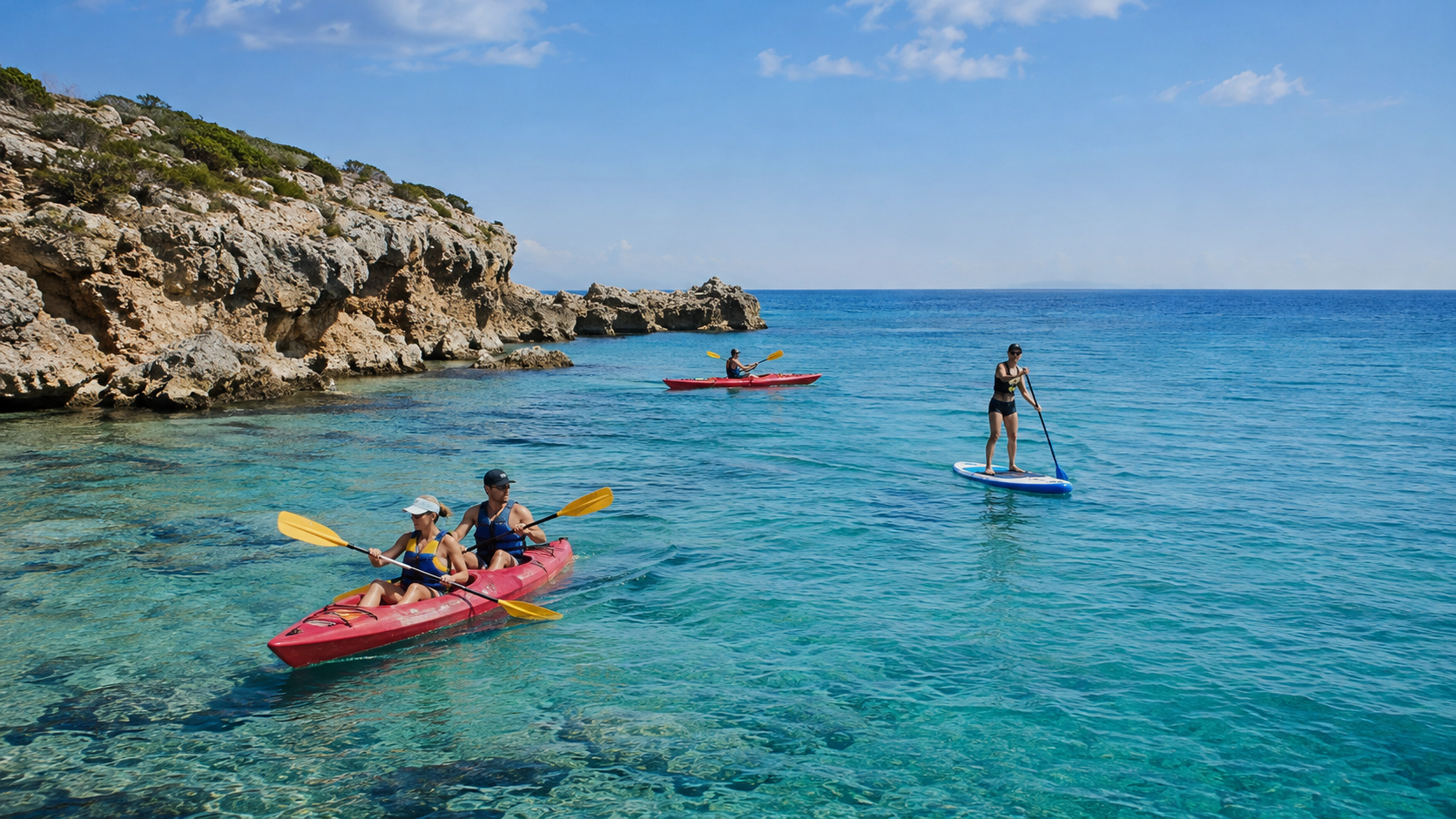
From a kayak or paddleboard, the coastline is encountered at water level, without the scale or pace of a cruise. That closeness is the appeal, particularly in a suitable sheltered bay. It is also what makes the choice of location and conditions more important than how calm the sea appeared in an advertisement.
Cyprus's southeastern coastline illustrates an important distinction. The limestone cliffs and sea caves around Cape Greco can be impressive from the shore, but that does not make every section suitable for a kayak or paddleboard. An exposed headland or rocky shoreline may be close to a sheltered bay, yet present very different conditions on the water. Travelers attracted by dramatic coastal scenery should therefore distinguish between what they want to see and where it is appropriate to paddle.
A short, supervised session can work well for a curious beginner, while a longer route may interest someone already confident on the water. Wind can complicate the return even when the outward journey feels manageable. Choose a qualified operator where appropriate, use the recommended safety equipment and stay within your abilities; poor conditions are a reason to change the plan, not push farther out. Kayaking & Paddleboarding in Cyprus examines those differences without treating every bay as equally suitable.
Put The Experience in The Right Part of Cyprus
Where you stay should narrow the options before any particular attraction does. From an eastern base, Cape Greco's coastline makes sense as a local outing, with paddling considered separately when the sea permits. From Paphos or the Polis area, Akamas landscapes and western gorges are more natural candidates, though the roads and approach to each site still need individual attention.
A Troodos or Platres stay allows more time for forests, waterfalls and mountain outlooks without a long journey back to the coast. Larnaca Salt Lake, meanwhile, is an especially logical choice for travelers already spending time around Larnaca and interested in its seasonal character. None of this requires filling a day with neighboring attractions just because they share a map; it means giving the best part of the day to the place that matters.
If you are traveling without a car, be more selective still. Some natural places are not reliably served by public transportation, and getting dropped at a trailhead does not solve the return journey. A guided experience or a site close to your base can be a more satisfying choice than a complicated independent outing.
Let Conditions Have The Final Say
Cyprus has good outdoor possibilities in different seasons, but they do not remain the same experiences throughout the year. After rain, waterfalls may have more water while riverbeds and gorge approaches become hazardous; in strong summer heat, exposed coastal stops and cycling routes can be uncomfortable or unsafe. Wind and sea state can change a paddling plan even on an otherwise sunny day, and wildlife sightings are never guaranteed.
Before entering forest routes or gorges, check notices from the Cyprus Department of Forests and any restrictions posted locally. In protected coastal and wetland areas, follow the relevant conservation rules; for cycling and water activities, assess conditions with an experienced local provider when needed. Published route descriptions cannot guarantee that access, weather or equipment will be suitable on the day of your visit.
The landscapes of Cyprus do more than provide places to visit. They help explain why different parts of the island have such distinct characters: the exposed limestone coastline of the southeast, the wetlands around Larnaca, the forests of Troodos and the rugged terrain of Akamas each reveal a different relationship between land and sea.
Understanding those differences changes how you see Cyprus beyond its beaches, towns and villages. The natural landscape is not simply the scenery between destinations; it is part of what gives each destination its identity. For the wider choice of activities across the island, return to Things To Do in Cyprus.