Newsletter "Beyond the Postcards" Subscribe
Plan Your Cyprus Trip: Hotels: Expedia, Villas & Apartments: Vrbo, Car Rentals: DiscoverCars, Tours: GetYourGuide, Airport Transfers: WelcomePickups
- Home
- Find Your Cyprus
- Cyprus for Luxury Travelers
Cyprus For Luxury Travelers
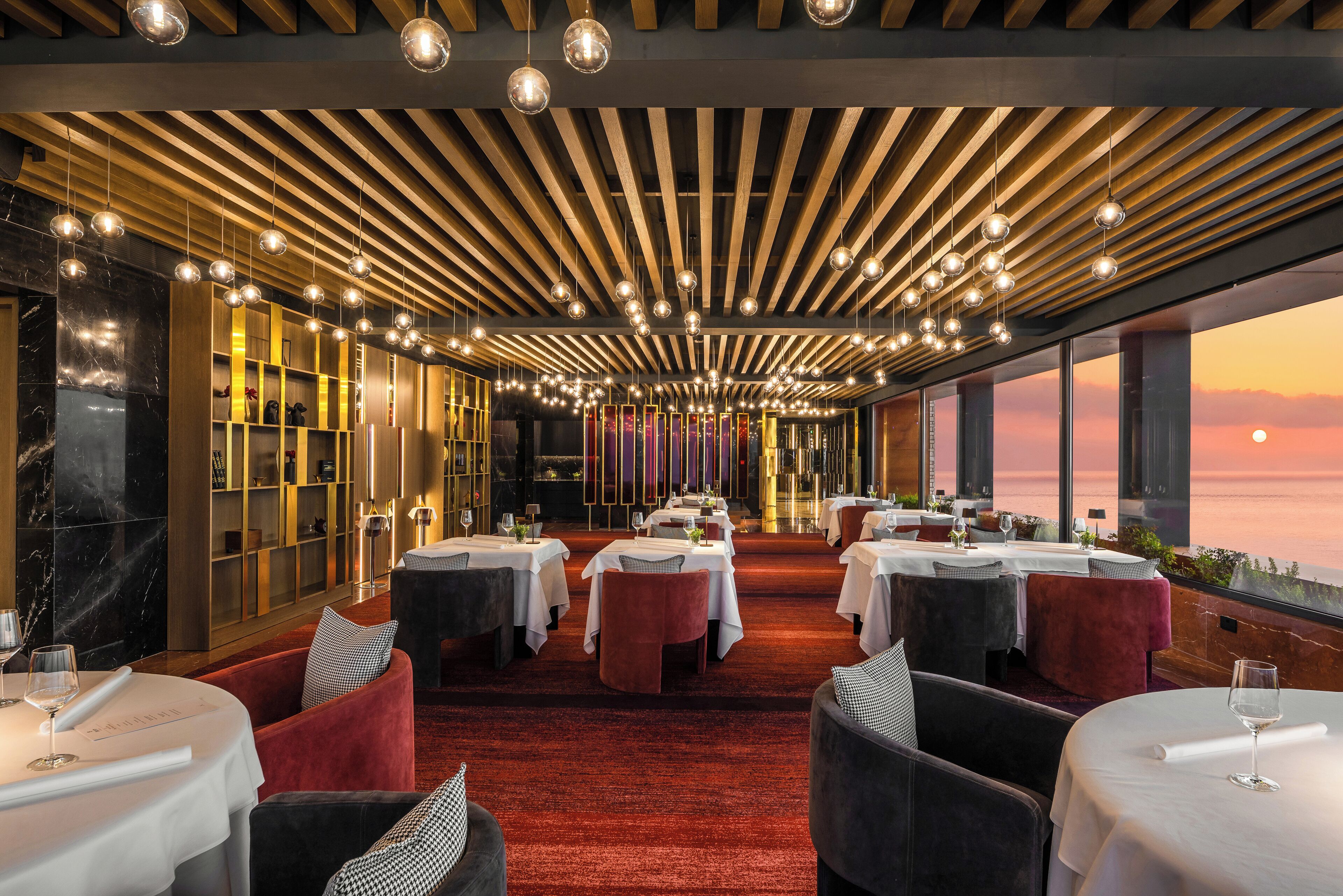
Luxury has a habit of becoming predictable.
The larger suite. The private pool. The tasting menu. The spa treatment. The car waiting outside. Add enough expensive things together and, somewhere along the way, the holiday is supposed to become exceptional.
Cyprus is more interesting than that.
The island can certainly deliver polished resorts, private villas, serious restaurants, spas, golf, yacht days and rooms designed around the Mediterranean outside the window. But the better luxury trips here are rarely defined by how many premium experiences can be fitted into a week.
They are defined by how little gets in the way: a morning when nobody is watching the clock, enough privacy to hear the sea rather than the people beside you, lunch that is allowed to become the afternoon, or a drive into the mountains because the coast suddenly feels too hot and too busy.
That is where Cyprus becomes compelling for luxury travelers.
Not as a stage for displaying luxury, but as a place for enjoying it.
Is Cyprus Good For Luxury Travel?
Yes — for the right luxury traveler.
Cyprus is particularly strong if your idea of luxury involves space, warm weather, good accommodation, Mediterranean food, privacy, sea, countryside and freedom over your own time.
It also works unusually well for travelers who dislike being trapped inside a single version of an expensive holiday. A beach morning can give way to a mountain afternoon. A polished resort can coexist with a village lunch. Archaeology, vineyards, swimming, spa time and long dinners can belong to the same trip without requiring an elaborate itinerary.
But Cyprus is not trying to be Monaco, London, Paris or Dubai.
If luxury means a dense concentration of designer shopping, formal fine dining every evening, highly choreographed nightlife and constant displays of status, other destinations do that better.
That distinction matters.
Cyprus becomes much more rewarding when you stop asking, “How luxurious is it?” and start asking, “What kind of luxury does it do well?”
The Best Luxury in Cyprus Does Not Always Look Expensive
There is conventional luxury in Cyprus, and plenty of it. But some of the island’s most convincing luxuries are less obvious: space, privacy and the ability to change the mood of the day without turning travel into logistics.
There is a particular pleasure in leaving a hot coastline and noticing the temperature soften as the road climbs toward the Troodos foothills. Resort architecture gives way to stone houses, vineyards begin appearing, and a shaded village terrace can feel more indulgent than another afternoon beside a hotel pool.
No marble lobby can manufacture that contrast.
The same is true beside the sea. The difference between merely having access to a beach and having enough time to enjoy it properly is larger than it sounds. Luxury sometimes means another swim because dinner can wait.
Spend on quality.
But leave enough emptiness around the quality to enjoy it.
Five Ways To Do Luxury Well in Cyprus
1. Make The Sea Part of The Holiday, Not Just The View
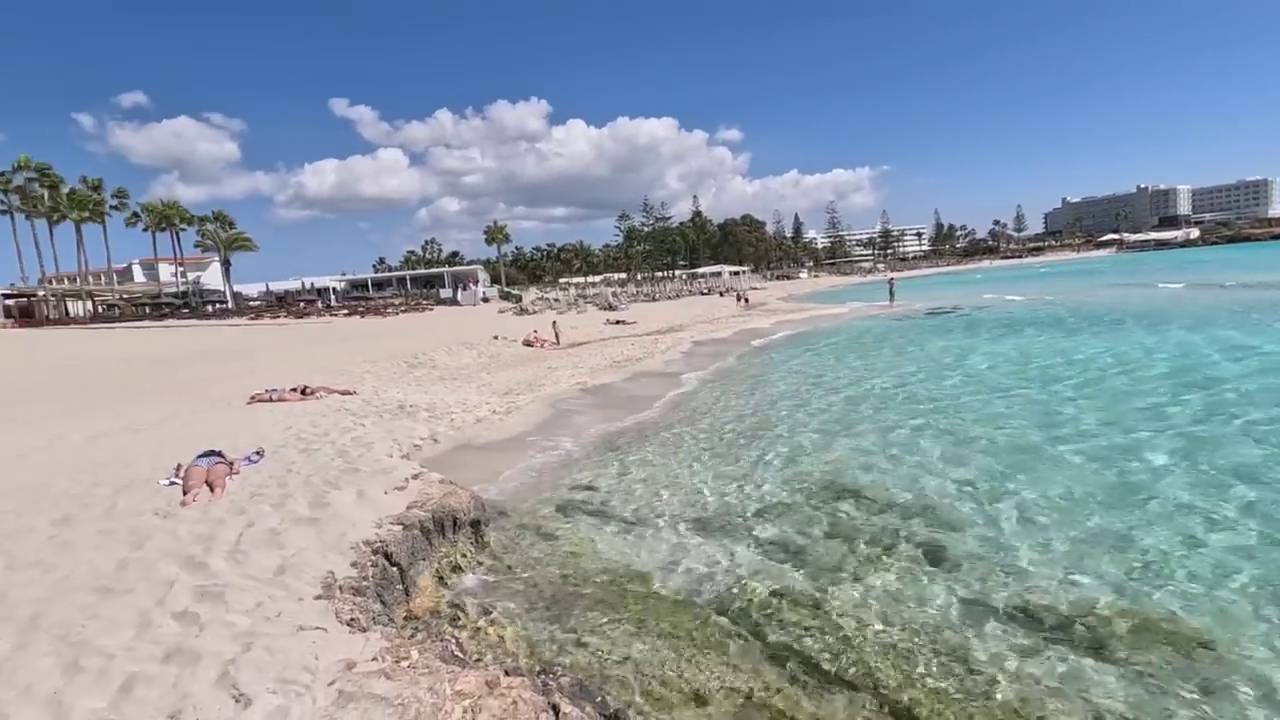
A sea view from a beautiful room is pleasant.
Actually structuring part of the holiday around the Mediterranean is better.
That may mean swimming before breakfast, spending a deliberately empty afternoon beside the water, taking a boat out for several hours or choosing one beach you genuinely like instead of trying to collect five of them.
The mistake is assuming that every premium coastal property offers the same relationship with the sea.
It does not.
Some parts of Cyprus give you broad sandy beaches and easy swimming. Others are defined by rocky shorelines, small coves, resort platforms or urban seafronts. None is automatically superior.
Decide whether you want to look at the Mediterranean or live beside it.
Then plan accordingly.
2. Use Privacy Intelligently
Cyprus is excellent for travelers who consider privacy a luxury.
A villa can give couples, families and groups something even excellent hotels cannot completely reproduce: their own rhythm. Breakfast when they want it. Nobody beside the pool. Children able to spread out. Dinner outside without needing to turn the evening into an occasion.
But privacy has a trade-off.
The more secluded the property, the more important location becomes. A spectacular villa can feel wonderfully removed from everything at midday and inconveniently removed from restaurants, beaches and villages later in the evening.
Do not confuse isolation with exclusivity.
Good privacy removes intrusion.
Bad privacy removes access.
3. Let Food Lead You Away From The Resort

One of the weakest ways to experience luxury Cyprus is to eat every meal inside an expensive hotel simply because you can.
Stay in when the restaurant deserves the evening. Leave when Cyprus deserves it more.
The island’s food culture becomes much more interesting once you stop expecting every memorable meal to look like formal fine dining. In Limassol or Paphos, a polished restaurant may be exactly right one evening. The next day, the meal you remember may arrive more slowly in a wine village, with grilled meat, seasonal dishes, local wine and a table that nobody appears eager to turn.
This is not about moving deliberately from “luxury” to “local,” as though the two are opposites.
They are not.
A strong luxury trip should leave room for both refinement and the sort of meal that feels inseparable from being in Cyprus.
4. Go Into The Mountains Even If You Came For The Coast

Luxury travelers sometimes make the same mistake as everyone else: they allow a beautiful hotel to shrink the island around them.
Cyprus becomes richer when the coast is not the entire story.
The Troodos Mountains, foothills and wine villages add a second texture to the trip — stone houses, vineyards, forest roads, cooler air, village squares and a pace markedly different from the resort coastline.
You do not need to turn this into an exhausting excursion. Choose fewer stops and stay longer.
A morning might take you through vineyards and old village streets, followed by lunch under shade rather than another hurried list of “must-see” stops.
The luxury is not having somebody rush you through six villages.
It is having enough time to enjoy two.
5. Pay For Access When Access Changes The Experience
Not every private experience is worth its premium. Some are.
A knowledgeable private guide can make the archaeological landscapes of Paphos or ancient Kourion far more intelligible than walking through them with only a passing understanding of what you are seeing.
A well-chosen private or small-group boat experience may give you more space to enjoy the coastline rather than treating the sea as another attraction to complete.
A private transfer can be worthwhile when it removes an awkward arrival, a late-night journey or unnecessary friction.
What matters is whether the upgrade changes the experience itself.
Luxury spending works best when it buys time, access, privacy, expertise or comfort.
If it merely changes the label attached to something ordinary, think twice.
What Is Actually Worth Paying More For?
Spend heavily on the parts of the trip you will repeatedly experience.
A better terrace is valuable if you will use it every morning and evening. More outdoor space matters if you are traveling with children or friends. A properly positioned room matters if the Mediterranean view is part of why you came. An excellent transfer matters after a long journey. A better guide matters when understanding a place is the point of the day.
By contrast, expensive facilities you never use are still just expensive facilities.
Do not pay substantially more for a spa if nobody intends to visit it. Do not upgrade to an enormous villa because the photographs look impressive if half the rooms will remain closed. Do not choose a remote property merely because privacy sounds luxurious if you intend to eat out every night.
The best luxury travelers are not the ones who spend without thinking.
They are the ones who know exactly what they are paying for.
Leave Something Unplanned
Cyprus is not a destination that improves when every hour is booked.
Part of its appeal is that good days can expand.
Lunch does not need to end because another reservation is waiting. A beach afternoon can continue if the water is particularly good. A village stop can become coffee, then a walk, then dinner somewhere you had not intended to stay.
Overplanning removes precisely the thing many people have paid to travel for: freedom.
This becomes even more important on a luxury trip because almost anything can be arranged.
That does not mean everything should be.
Luxury For Couples
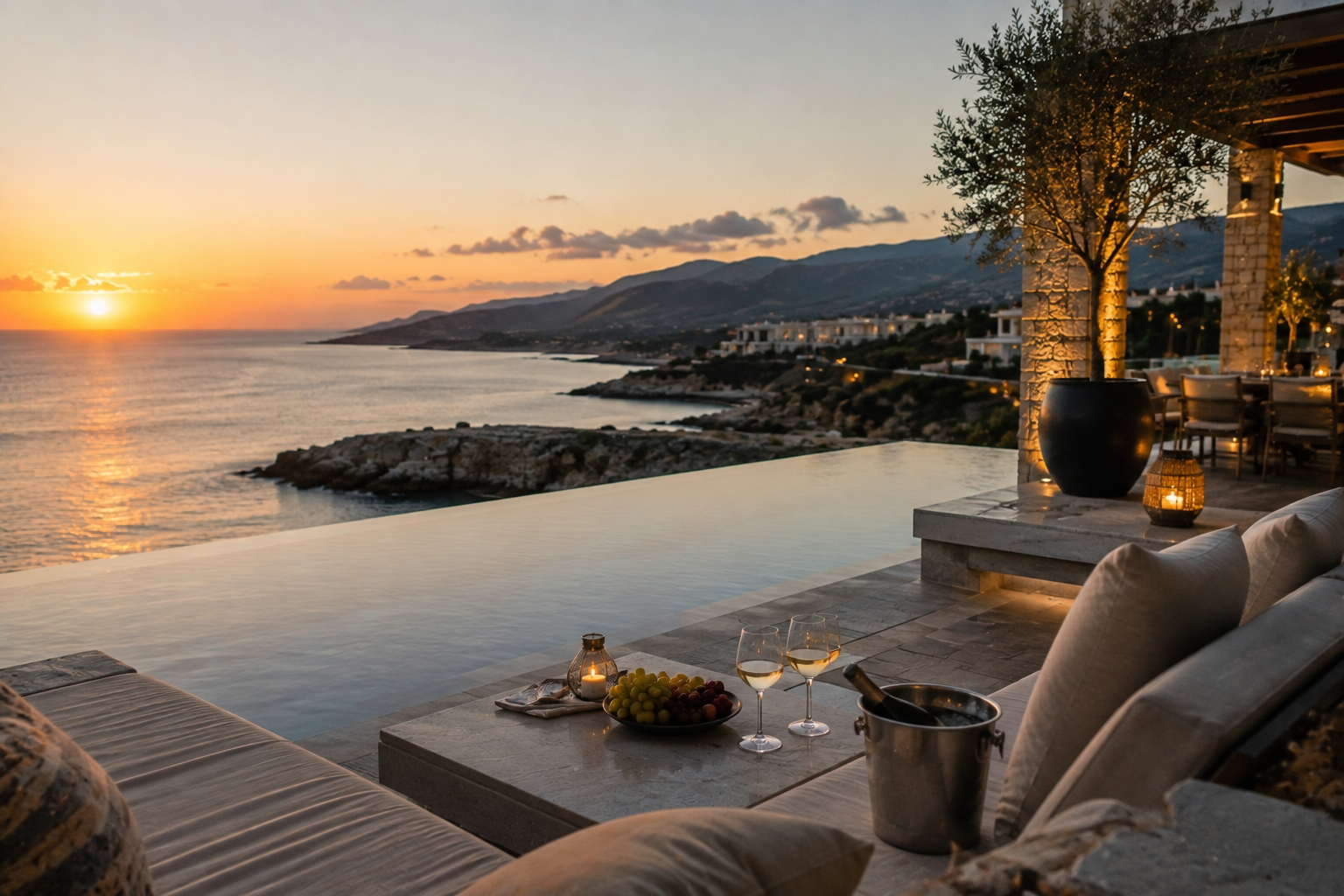
Cyprus works particularly well for couples who want privacy without disappearing completely from the world.
The strongest trips usually combine something restorative with enough life beyond the hotel to prevent the holiday becoming monotonous. That may mean beach and restaurants, spa time and a village day, a private villa and evenings out, or several quiet days interrupted by one more ambitious experience.
Romance here does not need constant orchestration.
Sometimes the better evening is simply the one with nowhere else to be.
For a broader couples-focused trip rather than a specifically luxury one, see Cyprus for Couples.
Luxury For Families
Luxury changes once children are involved.
Privacy, space, logistics and simplicity become more valuable.
A family may get considerably more from adjoining rooms, a villa pool, easy beach access and a relaxed lunch than from formal service designed primarily around adults.
The strongest family luxury is often invisible: nobody is rushing, nobody is negotiating where to sit, and the day does not collapse because one person wants to leave the pool while somebody else wants to stay.
That makes resorts and villas particularly useful when chosen around the family’s actual habits rather than prestige.
For the wider family decision, see Cyprus for Families.
Luxury For Repeat Visitors
The second luxury trip to Cyprus should not be the first one with a more expensive hotel.
Go deeper instead.
Spend more time in the mountains. Build part of the trip around wine country. Take the quieter road. Revisit a coast you liked without feeling obliged to repeat every attraction around it.
Repeat visitors have an advantage: they no longer need Cyprus to prove itself to them.
They can stop collecting highlights.
That is often when the island becomes more interesting.
When Should Luxury Travelers Come?
There is no universally superior month because luxury changes with the season.
High summer suits travelers who want strong heat, warm sea conditions and the full rhythm of a Mediterranean beach holiday. It also brings the realities of peak season: greater demand, more people in the principal resort areas and daytime heat that can shape how much you want to explore.
Spring and autumn can create a more balanced trip for travelers who want the coast but also expect to spend significant time exploring the island.
Winter is different again. It is less about conventional resort life and more about quieter cities, countryside, food, walking, golf, longer lunches and a slower version of Cyprus.
Always check the current operation of any particular hotel, restaurant, attraction, beach service or seasonal experience that is essential to your trip before traveling. Opening periods, facilities and services can change.
Where Should Luxury Travelers Stay?
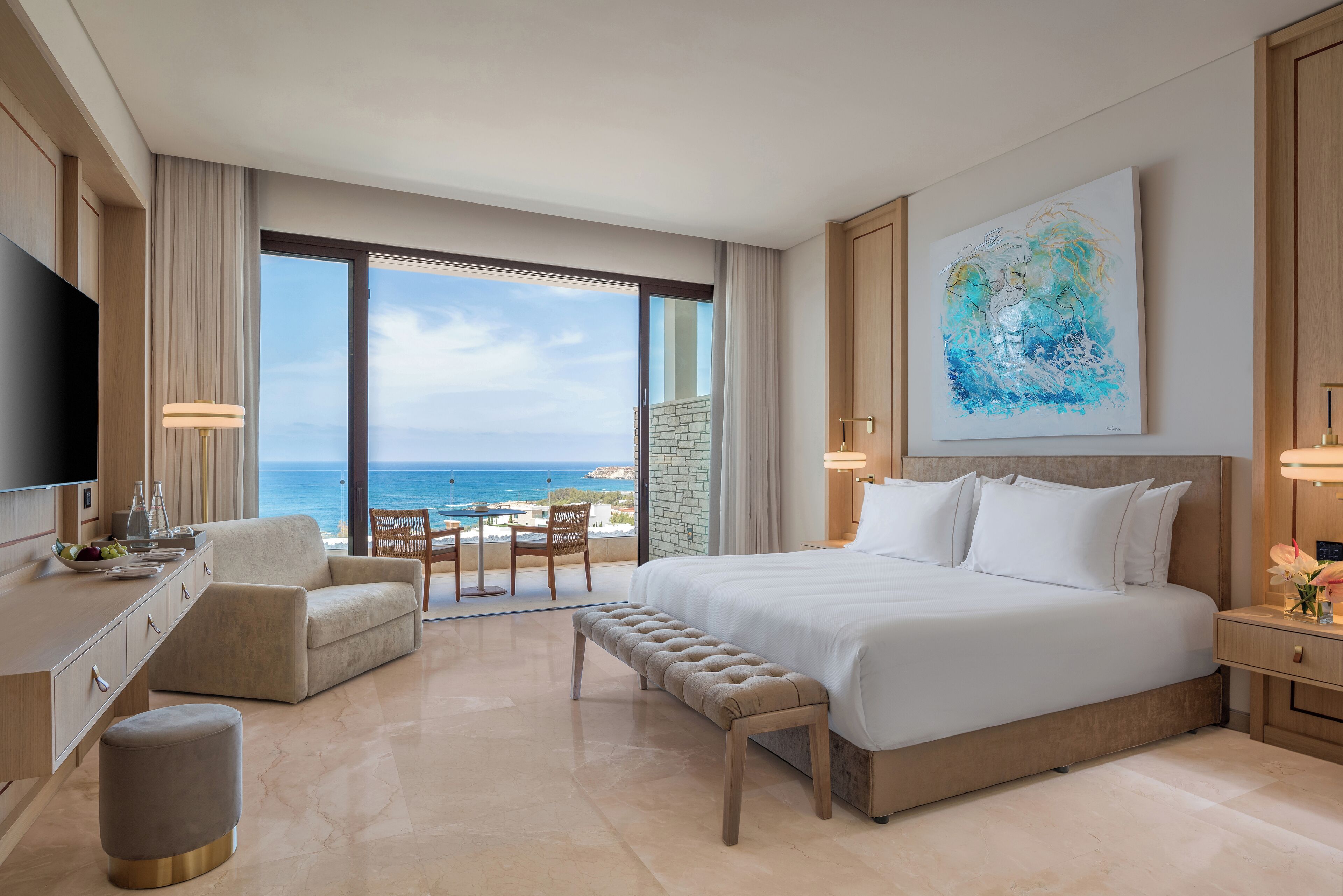
This is the one decision we deliberately do not duplicate here.
The right area changes the entire luxury experience. Paphos, Limassol, Ayia Napa, Pissouri, the Troodos foothills and wine villages, and Akamas and the northwest each produce distinctly different trips.
We have compared them separately — including who each area suits and the trade-offs involved — in Where to Stay in Cyprus for Luxury.
Choose your version of luxury first.
Then choose where to sleep.
Common Luxury Mistakes in Cyprus
The first is confusing expense with fit.
The most expensive choice can still be the wrong choice.
The second is never leaving the hotel.
Some resorts are good enough to make this tempting. But if you spend seven days moving between the room, pool, restaurant and spa, you may return having experienced an excellent property rather than Cyprus.
The third is trying to turn every day into an event.
Private cruise. Winery. Tasting menu. Spa. Archaeology. Mountain tour. Beach club. Eventually, the holiday starts behaving like work.
The fourth is underestimating geography.
Cyprus is straightforward to explore by car, but that does not mean every combination is convenient. Look at actual locations and realistic journey requirements before building days around places that appear close on a map.
The fifth is expecting one definition of luxury everywhere.
Limassol does not feel like a wine village. A private villa does not behave like a full-service resort. A mountain stay does not offer the same infrastructure as the coast.
That is not inconsistency.
It is the point.
Who Is Cyprus For?
Choose Cyprus if you want a luxury trip that can combine sea, privacy, good accommodation, food, history, countryside and a high degree of independence.
It is particularly convincing for couples, families, villa travelers, food and wine travelers, resort travelers who still want to explore, and repeat visitors who value atmosphere more than display.
Think more carefully if your primary definition of luxury depends on intensive shopping, nonstop nightlife, extreme formality or spending an entire holiday inside a highly concentrated luxury district.
Cyprus does not need to win every category.
It needs to fit the traveler choosing it.
Our Verdict
The mistake is trying to make Cyprus more luxurious than it needs to be.
The island is at its best when the expensive parts of the trip make the simple parts easier to enjoy.
A good room gives you somewhere you genuinely want to wake up. Privacy gives you control over the day. Good service removes friction. A car or driver gives you freedom to leave the coast. An excellent guide helps an ancient place make sense.
And then Cyprus does the rest.
The sea is still the sea whether you arrived beside it from a five-star suite or a village road.
The mountain air does not know what you paid for lunch.
A quiet table is no more memorable because somebody called it exclusive.
That is the version of luxury we would choose here: comfort without confinement, quality without performance, and enough room in the holiday for Cyprus itself to remain the main event.