Newsletter "Beyond the Postcards" Subscribe
Plan Your Cyprus Trip: Hotels: Expedia, Villas & Apartments: Vrbo, Car Rentals: DiscoverCars, Tours: GetYourGuide, Airport Transfers: WelcomePickups
- Home
- Find Your Cyprus
- Cyprus for Nature Lovers
Cyprus For Nature Lovers: Where Mountains, Forests & Wild Coast Meet
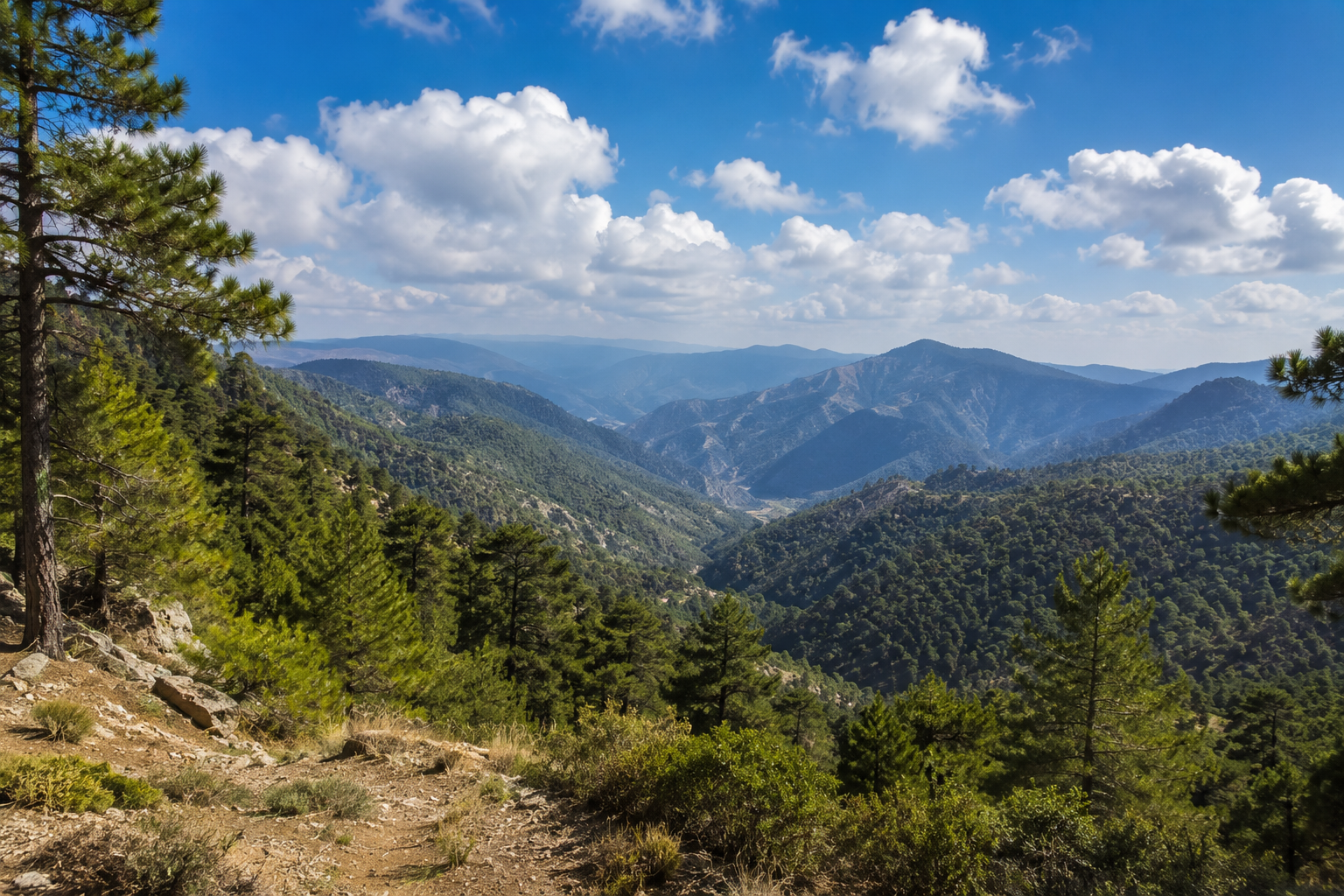
There is a point on the road into the Troodos Mountains when Cyprus changes smell.
The dry warmth of the lowlands begins to disappear. The air cools. Pine replaces dust and sun-baked scrub. Roadside vines give way to forest, and somewhere above 1,500 meters the island you thought you understood from the coast feels suddenly very different.
That transition tells you more about nature in Cyprus than any list of its prettiest places.
This is not an island with one enormous wilderness that dominates the journey. Its natural character is fragmented and surprisingly varied: high forest, volcanic geology, deep valleys, dry Mediterranean scrub, wetlands, exposed limestone headlands and a western peninsula where the coast becomes noticeably less developed.
The distances between them are relatively short. The experiences are not.
A morning beneath black pines in Troodos has almost nothing in common with walking above the blue water of Akamas. Cape Greco feels different again. So does a winter morning beside Larnaca Salt Lake, when landscape that appeared almost empty in summer can become a stopping point for migratory birds.
For nature lovers, the real pleasure of Cyprus lies in noticing these changes.
Landscape stops being background and becomes part of the journey.
The Cyprus Nature Lovers Should Look For
A nature-focused vacation here works best when you resist the temptation to treat the entire island as one easy outdoor playground.
Cyprus is small enough to encourage overconfidence. A mountain trail may look close to your beach hotel on a map. Akamas may appear to be an uncomplicated drive from Paphos. A summer hike may seem reasonable because the distance is modest.
The map does not show the full story.
Elevation matters. Exposure matters. Heat matters. Road surface matters. Season matters. And a nature trip built around two well-chosen landscapes is usually more satisfying than one spent driving between six.
For us, the strongest nature itinerary has two dimensions: the high country of Troodos and the western landscapes around Akamas and Paphos Forest.
Everything else can be added according to season and interest.
If you want birds and wetlands, look toward Larnaca and Akrotiri. If you want coastal walking without making wilderness the entire trip, Cape Greco is easier to combine with a comfortable eastern-coast stay.
If you want physically demanding days rather than nature itself being the focus, our Cyprus for Adventure Travelers guide is the better companion page.
There is overlap, naturally. But the distinction matters.
Nature travel is not measured by how exhausted you are at dinner.
Troodos: Where Cyprus Changes With Altitude
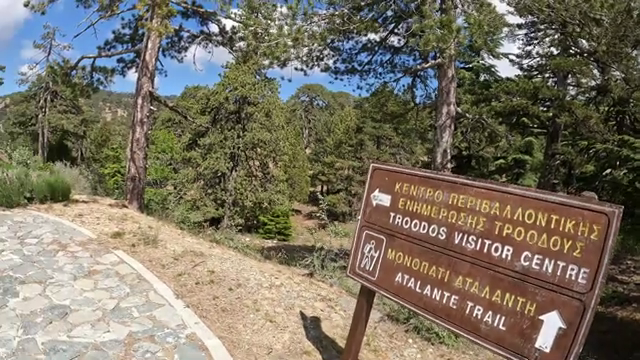 Atalanti Trail, Troodos Square
If nature is one of the principal reasons you are coming to Cyprus, we would put Troodos near the top of the itinerary.
Not merely for hiking, but for contrast.
The higher you climb, the more the Mediterranean stereotype starts to fall apart. Black pine, juniper, golden oak, exposed rock and cooler air replace the landscapes of the coast. Villages sit inside valleys rather than along beaches. Weather becomes more noticeable. Seasons become more distinct.
Around the highest reaches of Troodos, trails such as Artemis and Atalanti move through forest around Mount Olympus rather than climbing dramatically toward a single summit.
Artemis is particularly useful for travelers who want the high-mountain environment without turning the day into an endurance exercise. The pleasure is in walking through mature forest, noticing the geology beneath your feet and occasionally emerging into broad views across the island.
Atalanti demands more time and distance.
Neither needs to be approached as a box to tick. Walk slowly enough and the forest begins to separate into details: twisted trunks, exposed stone, shifts in vegetation and the strange realization that you are still on an island many visitors imagine almost entirely through beaches.
Platres and the Waterfall Country
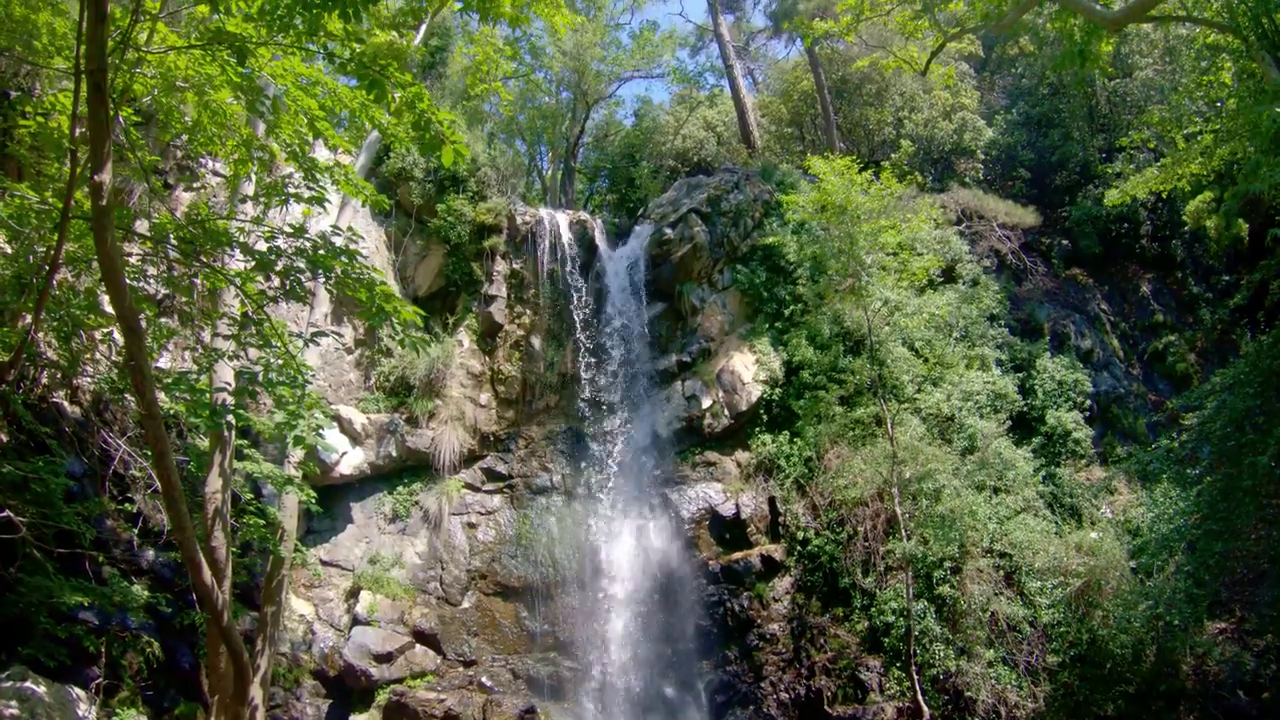 Caledonia Falls
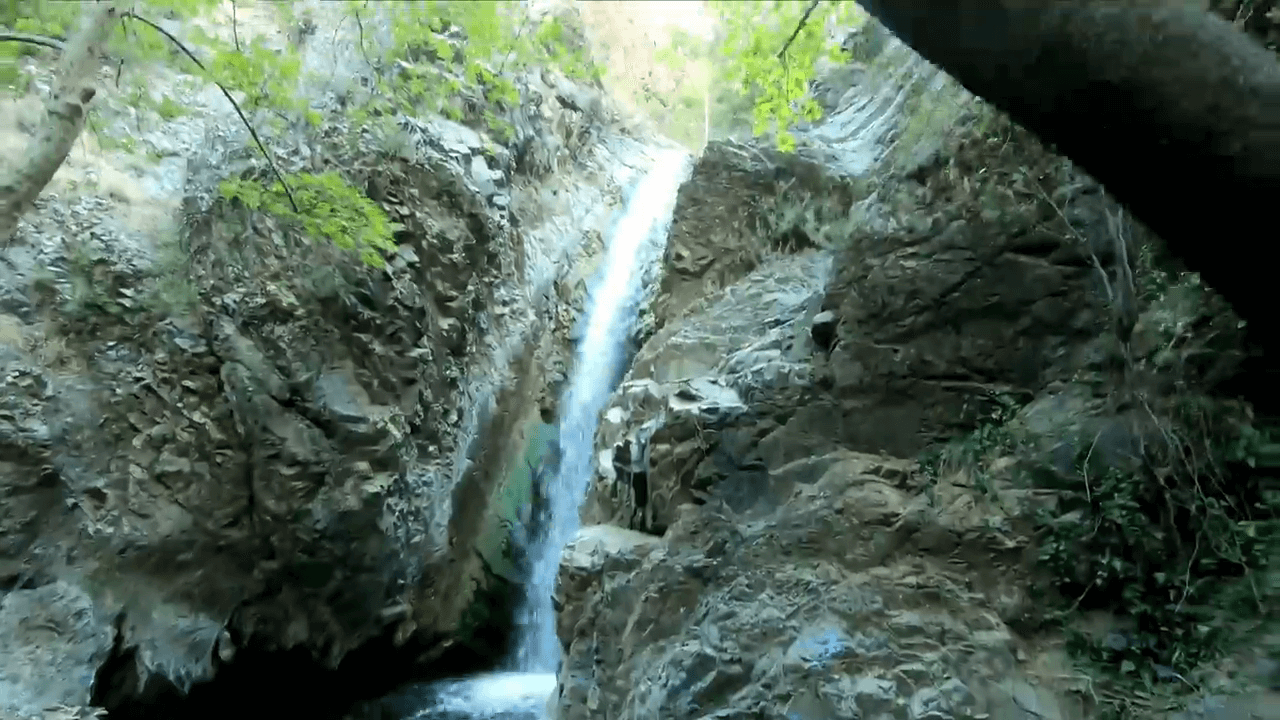 Millomeris Waterfall
Around Platres, the landscape becomes greener and more enclosed.
The Caledonia and Millomeris waterfall areas are among the better-known natural attractions in Cyprus, and that popularity comes with a trade-off.
They can be lovely. They are not secret.
Go at a busy time expecting solitude and you may spend more time navigating other visitors than listening to water moving through the trees.
We would therefore treat the waterfalls as part of a broader mountain day rather than the sole reason for driving into Troodos. Stay nearby, walk early, have lunch in a mountain village and allow the forest rather than the waterfall photograph to become the point.
Madari and the Pitsilia Side
Travelers prepared to move beyond the obvious Troodos stops should also look toward Madari and the Pitsilia region.
The landscape feels less packaged here. Trails around Madari move through higher, rougher country, with rock faces, forest and broad mountain views. Some routes are substantially more demanding than the easier paths around central Troodos, which makes checking the particular trail rather than relying on the word “hiking” important.
That is a recurring Cyprus lesson.
Two walks can both appear under the same pleasant green nature-trail sign and require very different levels of effort.
Paphos Forest: The Quieter Mountain Story
 Cedar Valley
 Cedar Valley
Troodos receives most of the attention.
Paphos Forest feels different.
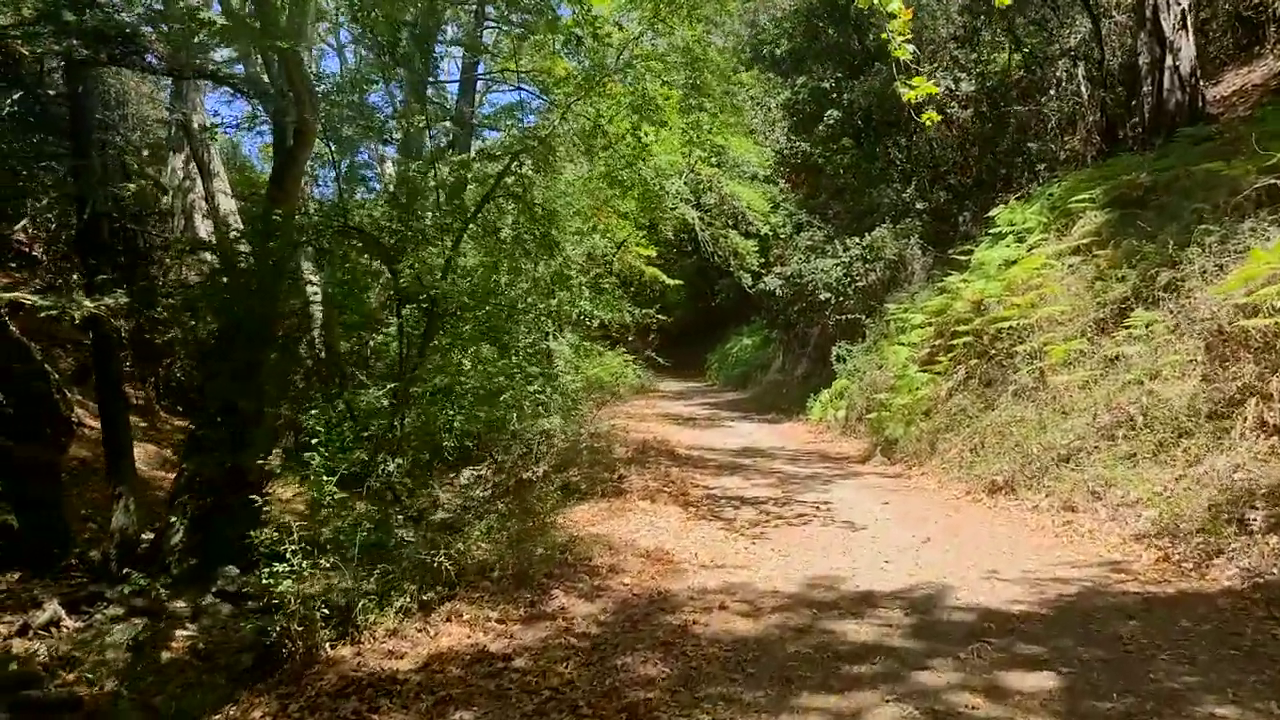
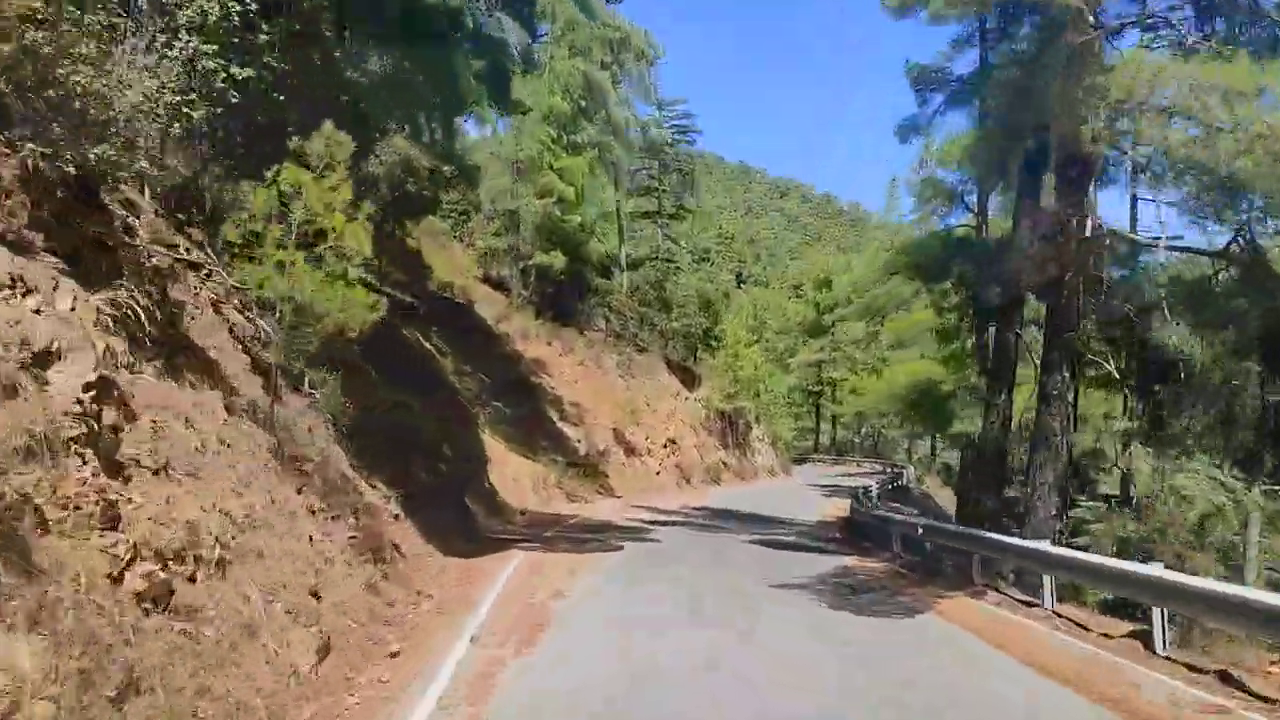
The roads become quieter. Villages become less frequent. Development recedes. Cedar Valley is the best-known name, partly because of the endemic Cyprus cedar growing within this landscape, while areas deeper toward Stavros tis Psokas provide a stronger sense of remoteness.
This is also mouflon country.
But build a day around seeing one and you may be disappointed. Cyprus mouflon are wild animals, not performers with an appointment book. A fleeting sighting is fortunate; seeing none at all does not make the forest less worthwhile.
Paphos Forest also illustrates one of the practical weaknesses of nature travel on the island: remote does not necessarily mean technically difficult, but it can mean slow roads, limited services and considerable time behind the wheel.
Do not casually add Cedar Valley to an already crowded Paphos sightseeing day. Give it space or leave it for another trip.
Akamas: The Western Edge
Akamas is the part of Cyprus most likely to satisfy travelers who want the natural landscape to feel larger than the tourism infrastructure around it.
The peninsula extends beyond the more developed western coast into a combination of limestone, scrub, hills, exposed coastline and sea.
It is not pristine in some fantasy sense. People visit it. Boats arrive offshore. Vehicles use permitted roads. Popular points can become busy.
But compared with Cyprus’s major resort corridors, the balance between development and landscape changes noticeably.
That is what makes Akamas important.
Walk Above the Coast
 Aphrodite Nature Trail, Akamas
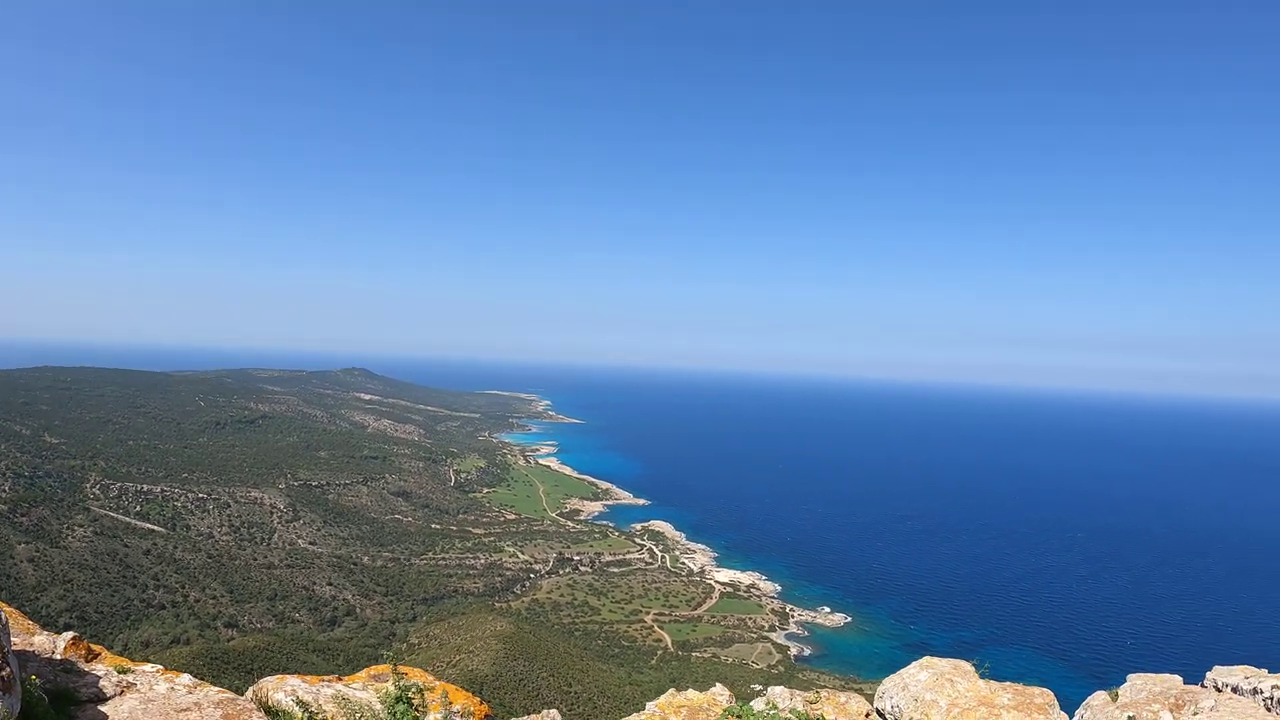
The Aphrodite and Adonis trail country above the Baths of Aphrodite gives you one of the most rewarding combinations of elevation and sea views in western Cyprus.
This is not a manicured seaside promenade. Sections are exposed. Shade can be limited. Conditions change considerably with temperature and season.
In spring, the surrounding landscape can feel surprisingly green and alive. Later in the year, the same hills become dry, bright and uncompromising.
Neither version is more “real.” Cyprus has both.
Do Not Turn Akamas Into an Off-Road Trophy
There is a strange temptation in Akamas to measure access by how far a vehicle can be pushed down an unpaved road.
We would resist it. You do not understand a wild landscape better because you have driven deeper into it.
Use established and permitted access, respect barriers and restrictions, and do not assume a route is suitable—or open—because somebody else has driven through.
Certain places are better experienced on foot or from an appropriate legal access point. Others are better left alone.
That restraint is part of traveling through a protected landscape properly.
Cape Greco: Nature Without Leaving The East Coast Behind
 Cape Greco
Cape Greco occupies a different position in a Cyprus nature itinerary. It is not remote like Paphos Forest and does not have the scale of Troodos or Akamas.
What it has is accessibility.
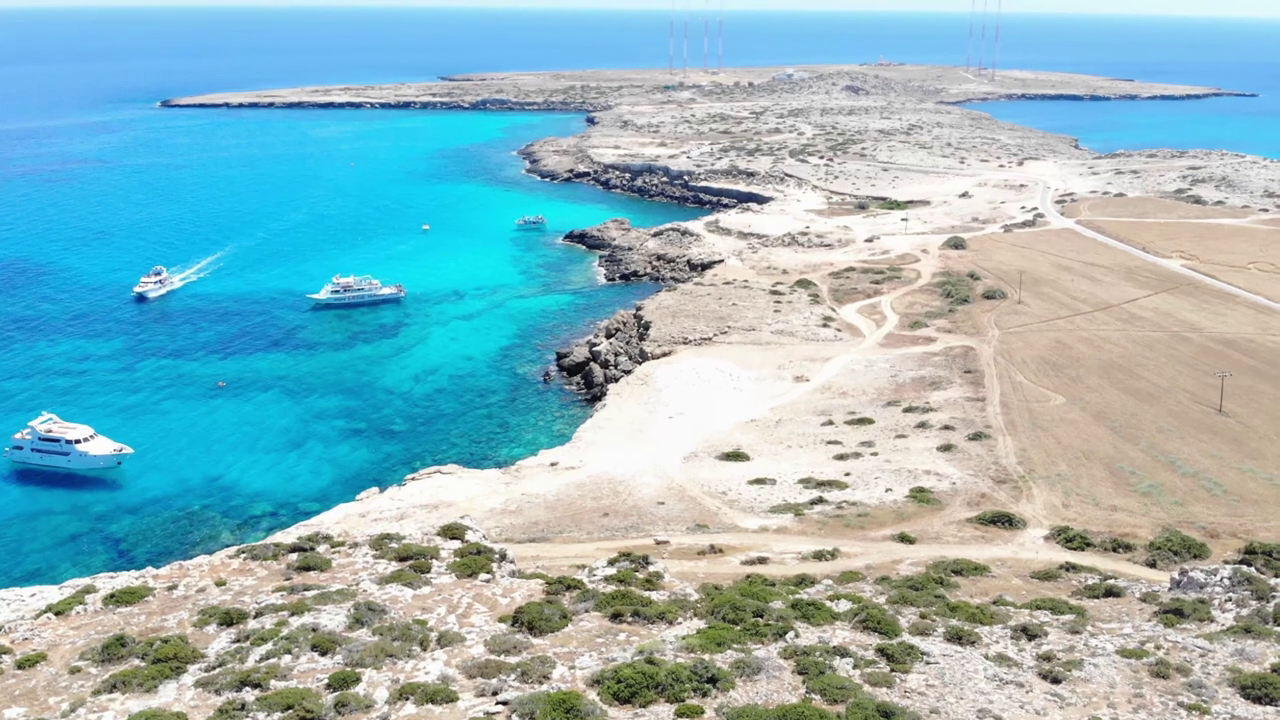
Between Ayia Napa and Protaras, the land pushes into the Mediterranean through limestone cliffs, low vegetation, pine and open coastal paths. On the right day, the contrast between pale rock and intensely blue water is exceptional.
The area works especially well for travelers who want a polished beach vacation but do not want every day to revolve around a resort.
Walk early, explore the headland, then return to the coast for lunch or a swim.
Spring is particularly appealing because flowers and greener vegetation soften what can later become a much drier, more exposed landscape.
Cape Greco demonstrates something worth remembering: wilderness and beauty are not the same thing.
A place can be accessible, popular and still worth experiencing.
The Wetland Cyprus That Summer Visitors Miss
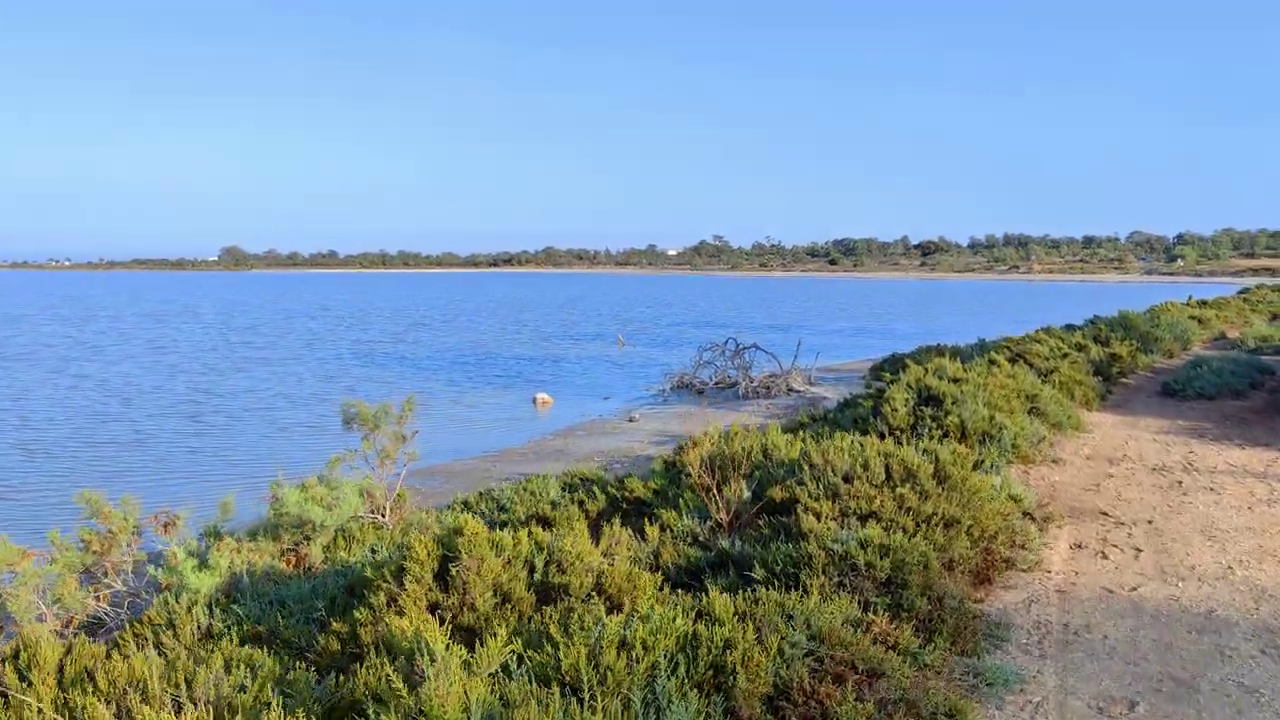 Salt Lake, Larnaca
Someone who has only seen Cyprus in August could reasonably wonder what we mean by wetlands.
Return in winter and the answer becomes much clearer.
Larnaca Salt Lake and Akrotiri Salt Lake change with water levels and migratory activity, making this one of the most seasonal natural experiences on the island.
Flamingos receive most of the attention. Understandably.
But birdlife is broader than the pink photograph everyone wants.
Cyprus sits on important migration routes, and spring and autumn can bring considerable movement through the island. Winter changes the salt lakes again.
The important word is can.
Birds are not guaranteed. Water levels vary. Flamingos move according to conditions and food.
Think of the wetlands as seasonal landscapes whose value increases when you know what you are looking at. For travelers particularly interested in birding, Larnaca becomes far more interesting than its reputation as an airport gateway suggests.
Wildlife: Look, Do Not Chase
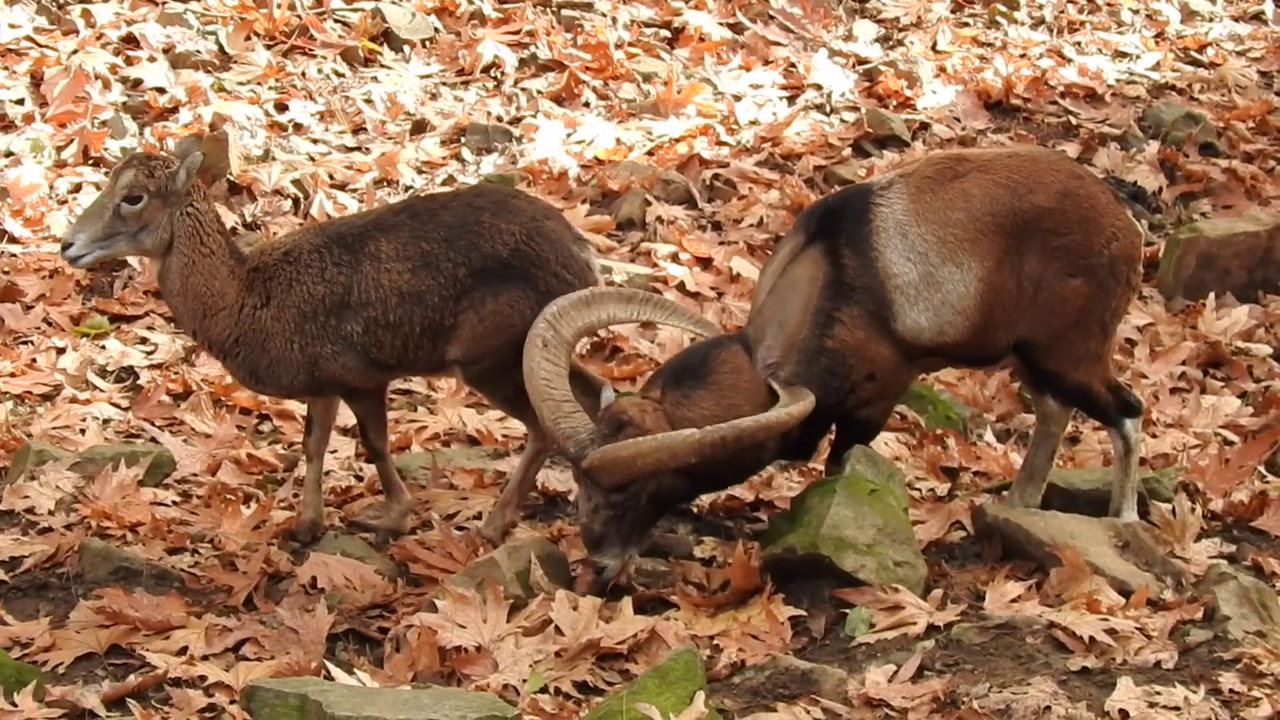 Stavros tis Psokas: Mouflon
Cyprus is home to endemic and migratory species, from the mouflon of the forest to birds moving through the island during migration. Sea turtles also nest on parts of the coastline.
That does not turn Cyprus into a safari destination. Nor should it.
The best wildlife experiences here often happen because you stopped trying to manufacture one.
A bird appears above a mountain trail. A lizard crosses warm stone. You hear movement in the forest and never see what caused it.
Responsible nature travel also means accepting limits. Protected areas, nesting zones and temporary restrictions exist for reasons that matter more than anybody’s photograph.
Observe from appropriate distances. Follow local restrictions and marked access. Never interfere with wildlife, nests or protected vegetation.
When To Come For Nature
There is no single best nature season because Cyprus changes too much across the year. There is, however, a best season for what you want to experience.
Spring: Our Strongest All-Round Choice
For a trip centered primarily on landscape, walking and plant life, spring is difficult to beat.
The countryside is greener. Wildflowers appear. Temperatures are generally better suited to exposed walking than in high summer, and migration adds another layer for birders.
March and April are particularly interesting because the island has not yet entered its long dry-season appearance.
Weather can still vary, especially in the mountains.
Summer: Go Higher, Earlier and More Selectively
A nature-focused Cyprus trip in July or August requires different judgment.
The high Troodos elevations become much more valuable, offering a contrast to the heat of the coast. Long, exposed lower-elevation walks are a different proposition.
We would structure summer nature days around altitude, early starts and shorter outdoor periods rather than attempting to reproduce a spring hiking itinerary in much hotter conditions.
Summer is also serious fire season. Forest restrictions should never be treated casually.
Autumn: Better Than It First Appears
Autumn works well for travelers who want to combine nature with warm sea temperatures and a more conventional coastal vacation.
As temperatures begin easing, walking becomes more comfortable again.
Do not expect the intense green of early spring. Much of the landscape still carries the dry palette of summer until rainfall changes it.
That dryness has its own character.
Winter: Wetlands, Mountains and Uncertainty
Winter reveals another Cyprus.
Birdlife around the salt lakes becomes more interesting. Lower-level walking can be comfortable on suitable days. Mountain conditions may be cold, wet, icy or occasionally snowy.
Snow in Troodos can transform the landscape. It can also transform access.
Do not plan an entire winter trip around a postcard expectation of snow. Treat it as weather, not an attraction with opening hours.
Where To Stay in Cyprus For Nature Lovers
For a nature-centered trip, your base matters enormously.
The wrong hotel can quietly turn every good day into a commute.
Platres: Best for Easy Access to Classic Troodos Nature
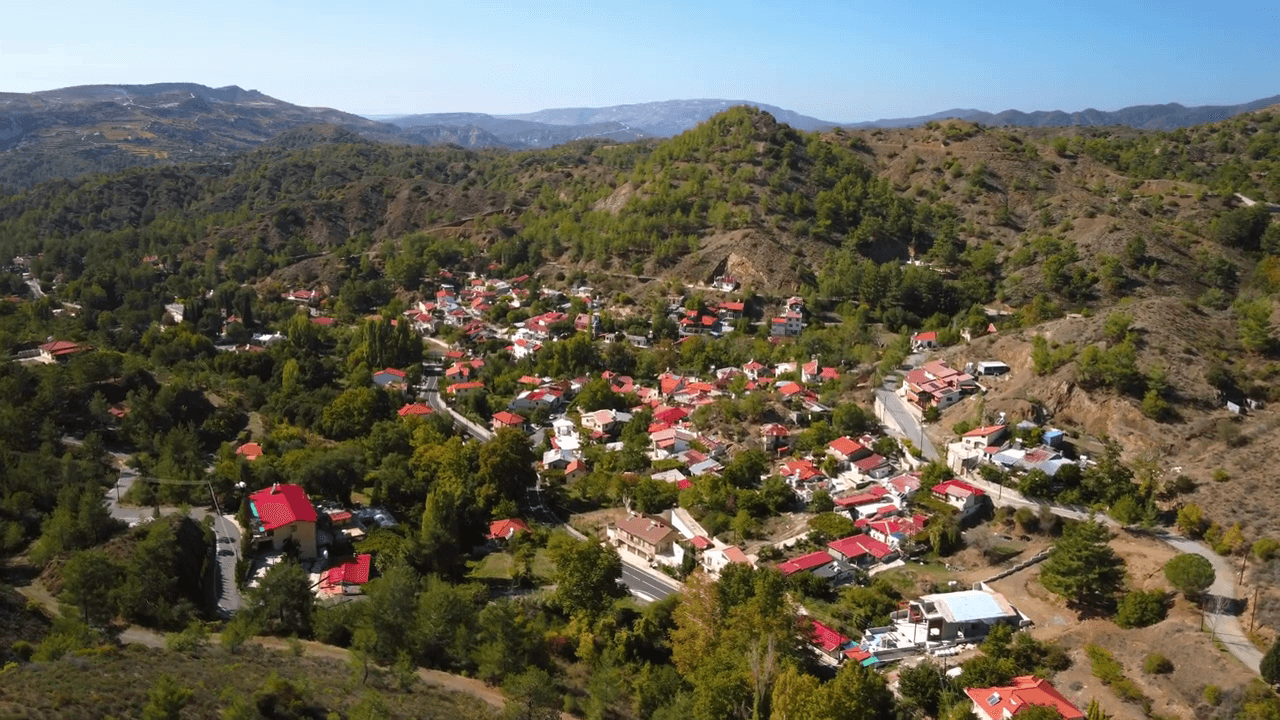 Platres Village
If you want forest, walking and mountain air while retaining restaurants and reasonably straightforward access, Platres is one of the most practical bases.
Its location works well for the waterfall country and central Troodos.
The trade-off is that Platres is well known and can feel busier than smaller mountain communities, especially during popular weekends and holiday periods.
Choose it for access rather than isolation.
Kalopanayiotis: Best for Nature With a More Refined Village Stay
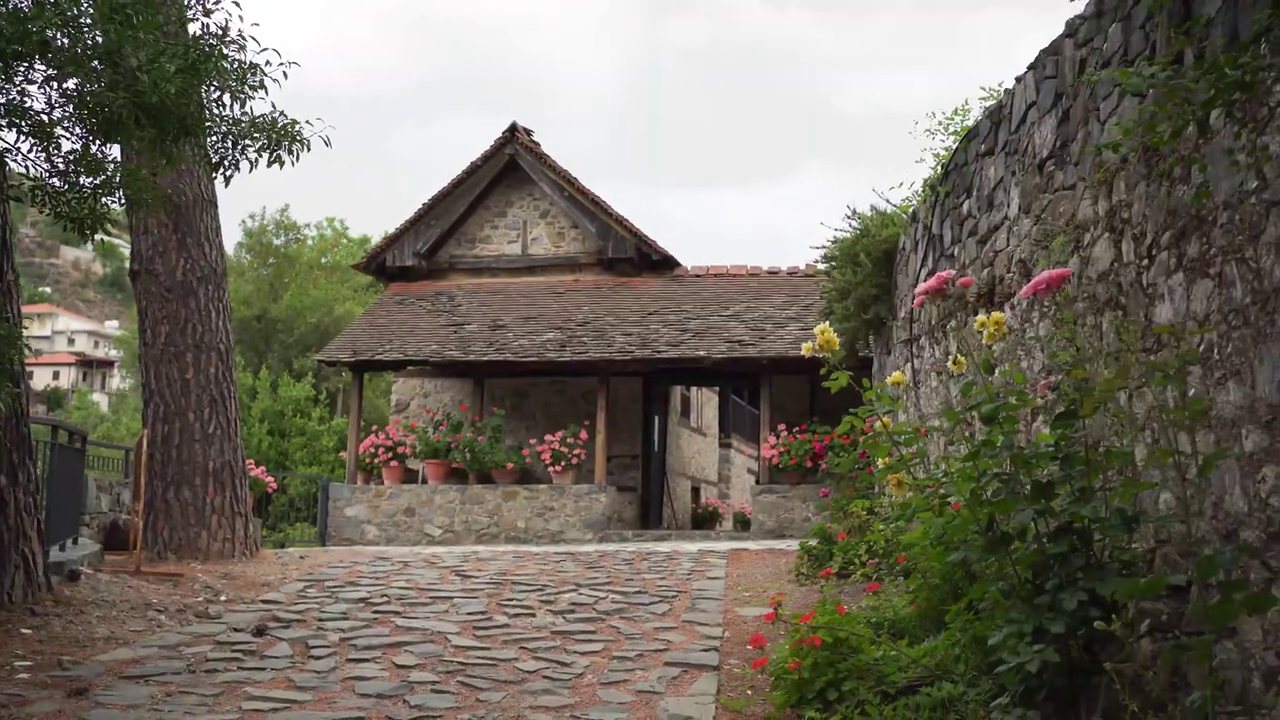 Saint John Lambadistis (UNESCO), Kalopanayiotis
For independent travelers who want the mountains without giving up a strong accommodation experience, Kalopanayiotis is particularly compelling.
The village sits deep within the Marathasa Valley, where steep slopes and greenery make the setting part of the stay itself.
It is less convenient for some of the high Troodos trailheads than Platres, but stronger if your ideal nature trip includes good accommodation, a village atmosphere, slower mornings and scenic drives rather than hiking from dawn until dusk.
That trade-off is worth understanding.
Kakopetria: Best for Convenience and Village Life
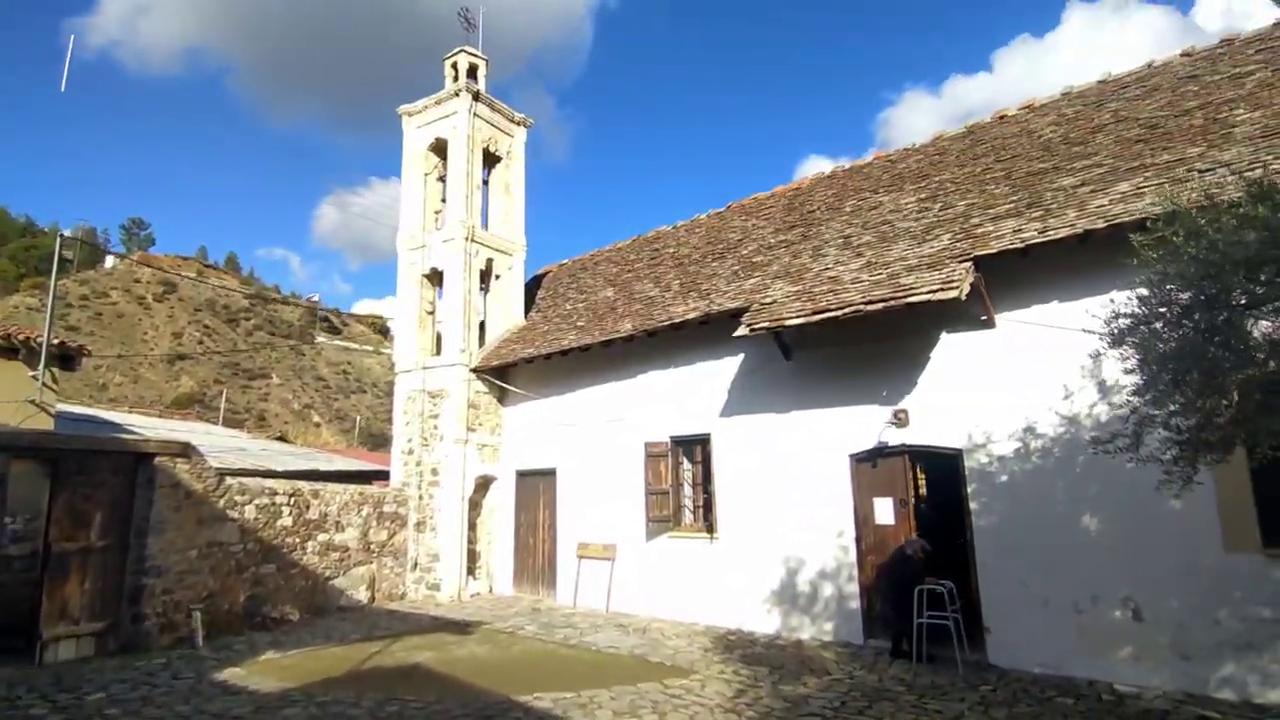 Kakopetria Village
Kakopetria works well for travelers who want a substantial mountain village with restaurants, services and access into the Solea Valley.
Its old quarter and river setting add atmosphere.
Nature purists may find it less immersive than staying somewhere smaller or higher, but for a first mountain stay it offers a comfortable compromise.
Kyperounta and Pitsilia: Best for Travelers Going Deeper
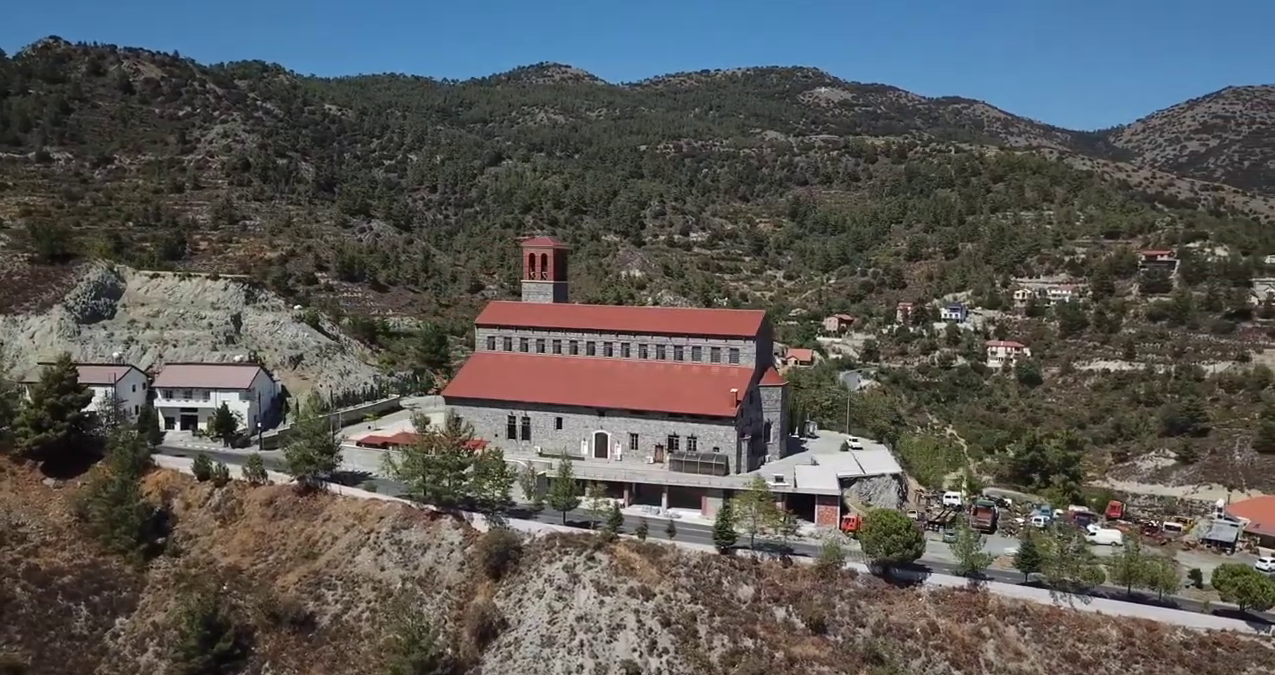 Ayios Arsenios Church, Kyperounta Village
If Madari and the Pitsilia landscape are central to your plans, Kyperounta and nearby mountain communities put you closer to a different side of Troodos.
Accommodation choice is generally more limited than in the island’s main resort areas.
That is part of the decision. You are choosing geography over hotel inventory.
Polis and Latchi: Best for Akamas With Comfort Nearby
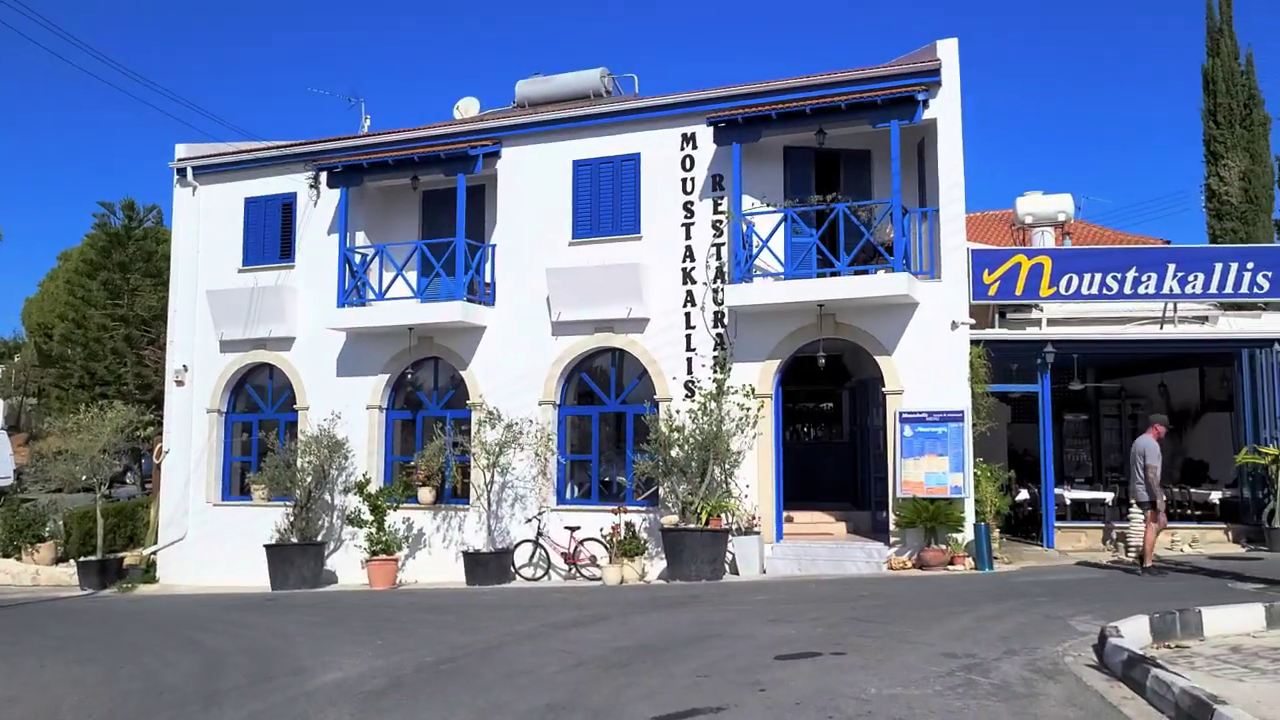 Polis Chrysochous
For Akamas, we would generally favor Polis and Latchi over commuting repeatedly from central Paphos.
Polis gives you a small-town base with restaurants and practical services.
Latchi puts the harbor and western coastline close at hand and works particularly well if your trip also includes time on the water.
Neither places you inside wilderness. They place you sensibly beside it.
Neo Chorio: Best for Privacy Near Akamas
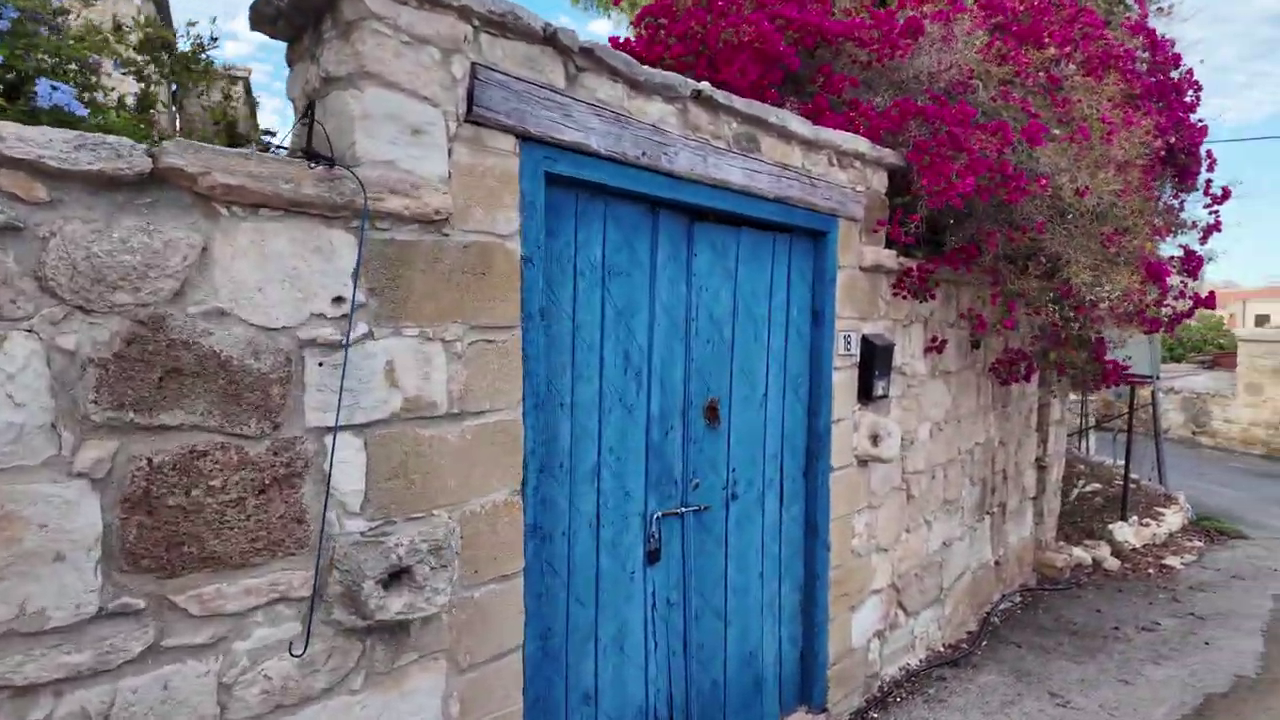 Neo Chorio Village
Travelers who value space, quiet and private accommodation should also look around Neo Chorio and the hills above the Polis–Latchi area.
This is where a well-chosen villa can make more sense than a large resort.
You gain privacy, views and proximity to the western landscape. You give up some walkability and easy access to a wide choice of restaurants.
For the right traveler, that is an excellent trade.
Paphos: Best for Nature as Part of a Broader Trip
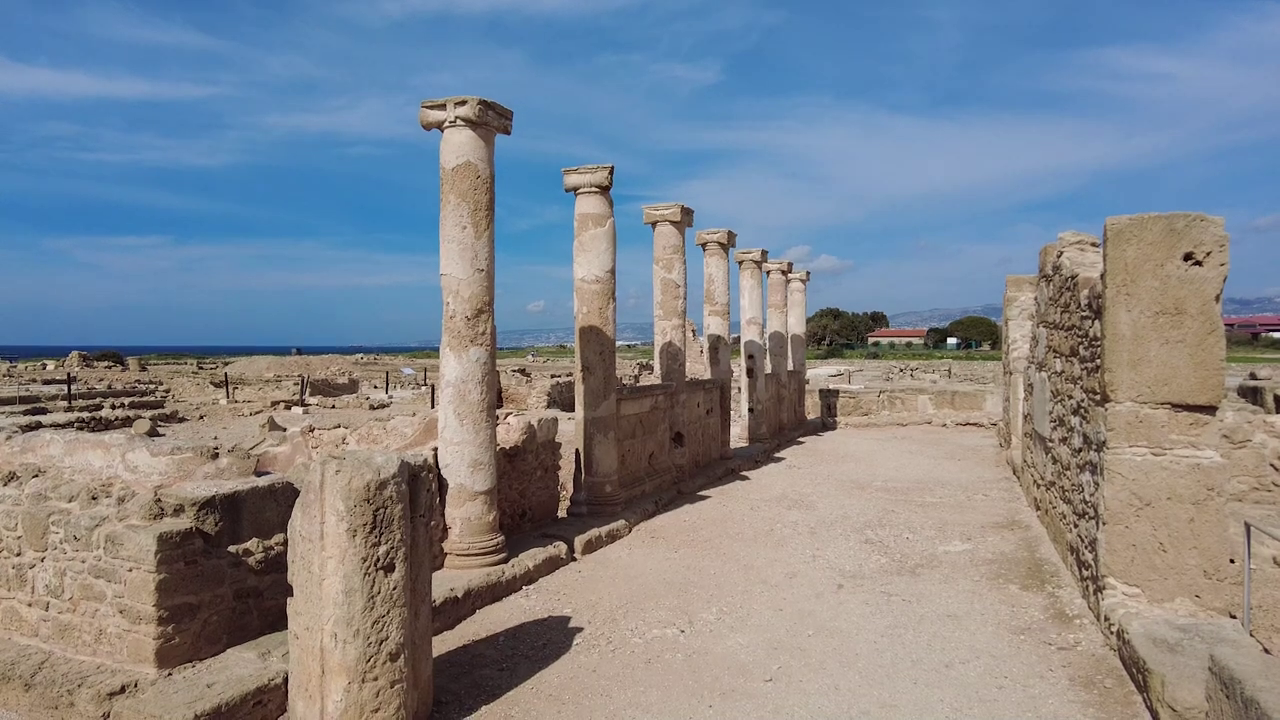 Kato Paphos Archaeological Park
Paphos is the easier choice if you also want archaeology, restaurants, established hotels and a broader vacation.
It is not the base we would choose for somebody whose main objective is waking up close to Akamas every morning.
There is a difference between having access to nature and living beside it.
Paphos gives you the first. Polis, Latchi and Neo Chorio do the second better.
Protaras: Best for Cape Greco Plus a Beach Vacation
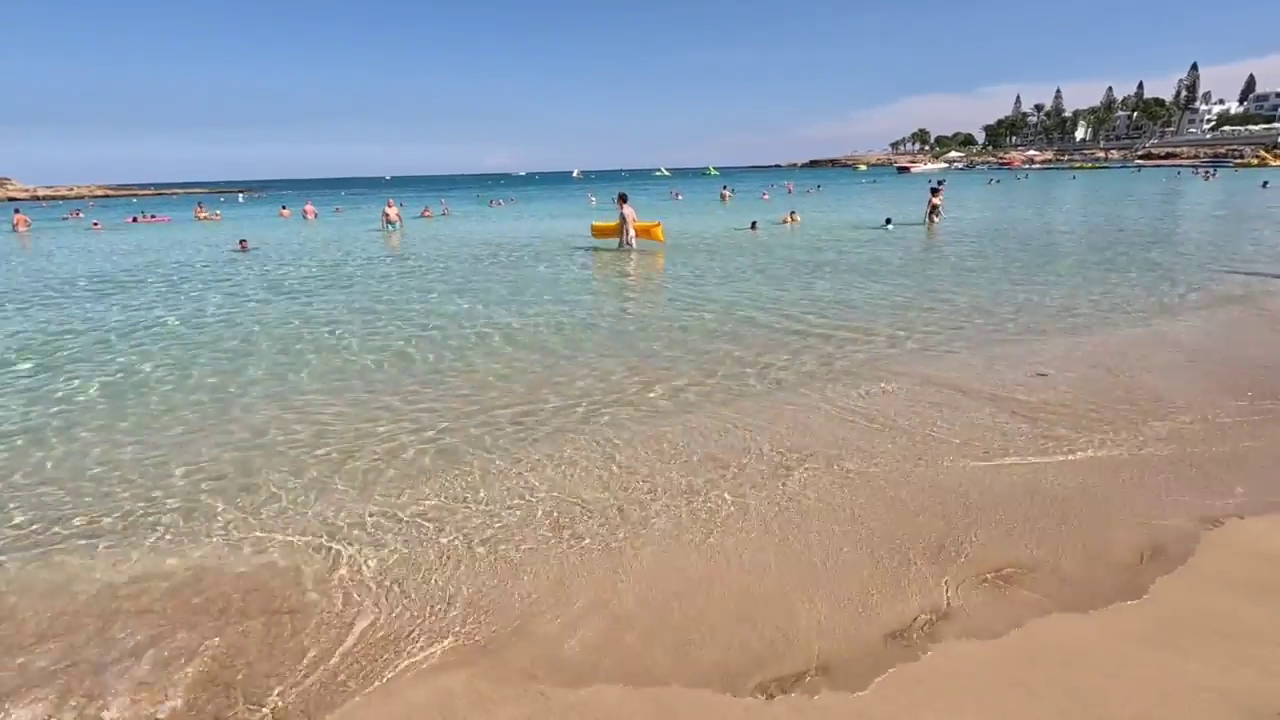 Fig Tree Bay, Protaras
If Cape Greco is the natural component of an east-coast vacation rather than the whole point of coming to Cyprus, Protaras makes sense.
You retain strong beach access, accommodation choice and restaurants while being close enough to use Cape Greco for early walks and quieter periods outdoors.
Nature-first travelers should look west or toward Troodos instead.
Larnaca: Best for Winter Wetlands and Easy Logistics
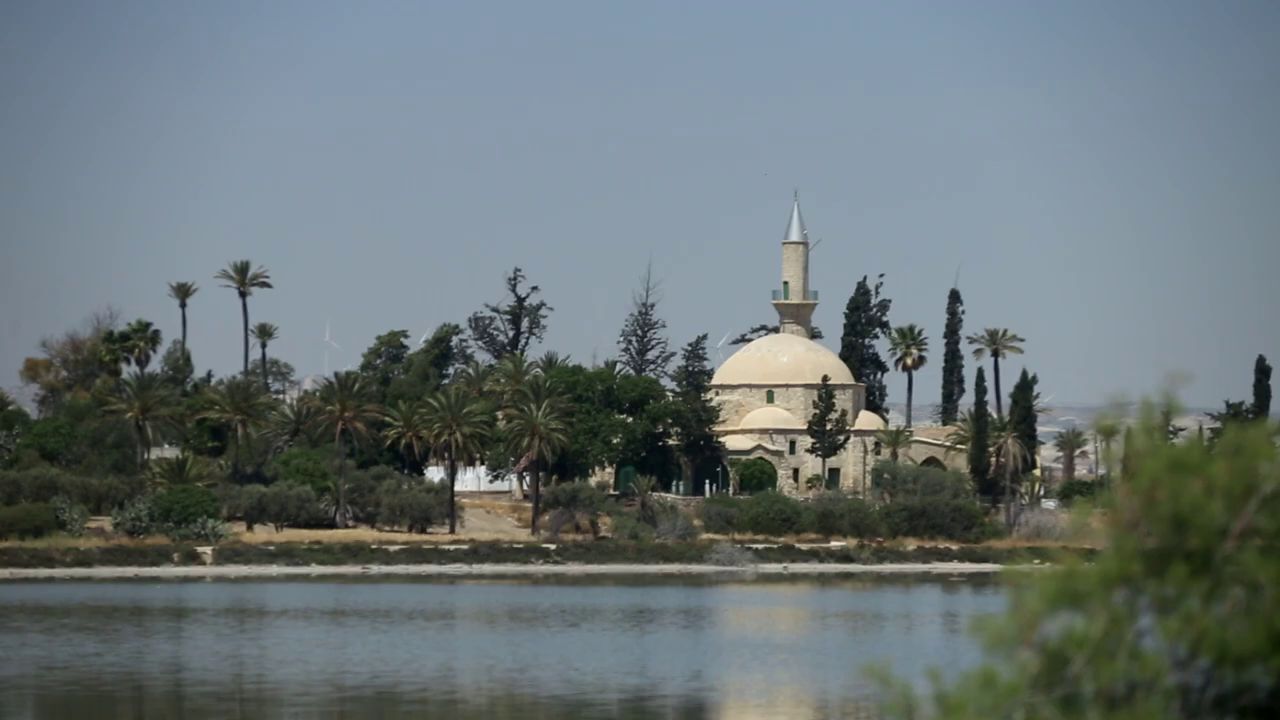 Hala Sultan Tekke & Salt Lake, Larnaca
Larnaca becomes more interesting for nature travelers in the cooler months because of its salt lake and birdlife.
It is not our first choice for a full nature vacation. It is an excellent seasonal component of one.
For a wider look at regional trade-offs, use our Where to Stay in Cyprus and Best Areas to Stay in Cyprus guides before choosing accommodation.
The Two-Base Nature Trip We Would Choose
If nature were the principal reason for visiting Cyprus and we had enough time for two bases, our first choice would be simple:
Troodos + Polis/Latchi or Neo Chorio.
The combination works because the landscapes genuinely contrast.
In Troodos, your days revolve around elevation, forest, valleys and mountain villages.
In the west, the horizon opens. Akamas introduces dry hills, limestone, coastal walking and the Mediterranean.
The transfer between them is not wasted time. It is part of the experience because you watch the island change.
For travelers wanting higher-end hotels, archaeology and more restaurant choice, Paphos + Troodos is the easier alternative.
It sacrifices some proximity to Akamas in exchange for greater convenience.
We would not add a third base automatically.
Three landscapes do not necessarily create a better nature trip than two landscapes properly experienced.
Do You Need A Car?
For the nature-focused version of Cyprus described here, we would plan on having one.
The strongest landscapes are dispersed, trailheads are not all served conveniently by public transportation, and village-to-village travel is much easier with independent transport.
That does not mean driving everywhere. A car should get you to the landscape. Then get out of it.
Choose the vehicle according to the roads you actually intend to use, stay on permitted routes and never interpret the existence of a rough track as proof that an ordinary rental car—or any vehicle—is supposed to be there.
What We Would Not Do
We would not stay on the coast for a week, drive into Troodos once for lunch and conclude that we had experienced mountain Cyprus. We would not attempt a long exposed hike in extreme heat simply because an itinerary said Tuesday was “hiking day.” We would not chase mouflon, turtles, flamingos or any other wildlife for a photograph. We would not drive through a barrier, restriction or questionable track because another vehicle appeared to have done it. We would not build an entire nature itinerary around one famous gorge, waterfall or viewpoint.
And we would not try to see Troodos, Akamas, Cape Greco, Paphos Forest and both salt lakes in three days.
That itinerary would look impressive on paper. In reality, you would mostly experience the inside of a car.
Before Heading Into The Landscape
Natural areas are not static attractions.
Weather, fire risk, rain, erosion, maintenance, road conditions and conservation requirements can alter access. Trails and gorges may close temporarily, and conditions on the ground may differ from what a guide, map or photograph led you to expect.
Check current official trail, forest, weather and access information before setting out. Respect closures and signs. Carry sufficient water for the conditions, use footwear appropriate to the route and do not assume that a published walking time predicts how long a particular traveler will take.
This guide provides editorial travel information. It does not replace current information from the relevant authorities, emergency services, land managers or trail operators.
In the forest, fire restrictions deserve particular attention because they protect the landscape you came to see.
Who Will Love Nature-Focused Cyprus?
Cyprus makes particular sense for travelers who enjoy variety rather than vastness.
You can wake in a mountain village, walk beneath black pines, descend through wine country and reach the Mediterranean later the same day.
You can combine serious landscapes with excellent accommodation and good food without organizing an expedition.
You can be outdoors without making hardship the organizing principle of the vacation.
It also suits travelers whose interest in nature overlaps with villages, photography, geology, birding, food or slow road trips.
Where Cyprus is weaker is scale.
If your definition of nature requires enormous alpine ranges, multi-day wilderness trekking or landscapes completely untouched by roads and settlement, there are destinations better suited to that particular ambition.
Cyprus should not pretend otherwise.
Its strength is compression.
Mountain forest, Mediterranean coast, wetlands, vineyards, valleys and dry scrub sit unusually close together.
The island changes before the journey becomes exhausting.
Nature Changes The Way You Read Cyprus
At the coast, it is easy to think of the mountains as the interior.
From Troodos, the perspective reverses.
You look outward toward a coastline that suddenly seems very far below.
In Akamas, development retreats and the shape of the land becomes more obvious. At a winter salt lake, season turns what looked like empty ground into habitat. In Paphos Forest, seeing nothing more dramatic than cedar, shadow and an empty road can be the reason the day works.
Nature does something useful to Cyprus. It removes some of the distractions.
You start noticing altitude, exposure, water, geology, migration, and the difference between a valley that holds moisture and a headland that takes the full force of the sun.
You notice that green Cyprus and dry Cyprus are the same island at different moments. And that may be the most important distinction for nature lovers.
Do not come looking for one spectacular wilderness. Come prepared to pay attention. Cyprus gets more interesting the moment you do.