Newsletter "Beyond the Postcards" Subscribe
Plan Your Cyprus Trip: Hotels: Expedia, Villas & Apartments: Vrbo, Car Rentals: DiscoverCars, Tours: GetYourGuide, Airport Transfers: WelcomePickups
- Home
- Plan Your Cyprus Trip
- Best Time To Visit Cyprus
- Cyprus in December
Cyprus in December: Weather, Things To Do & Who It Suits Best
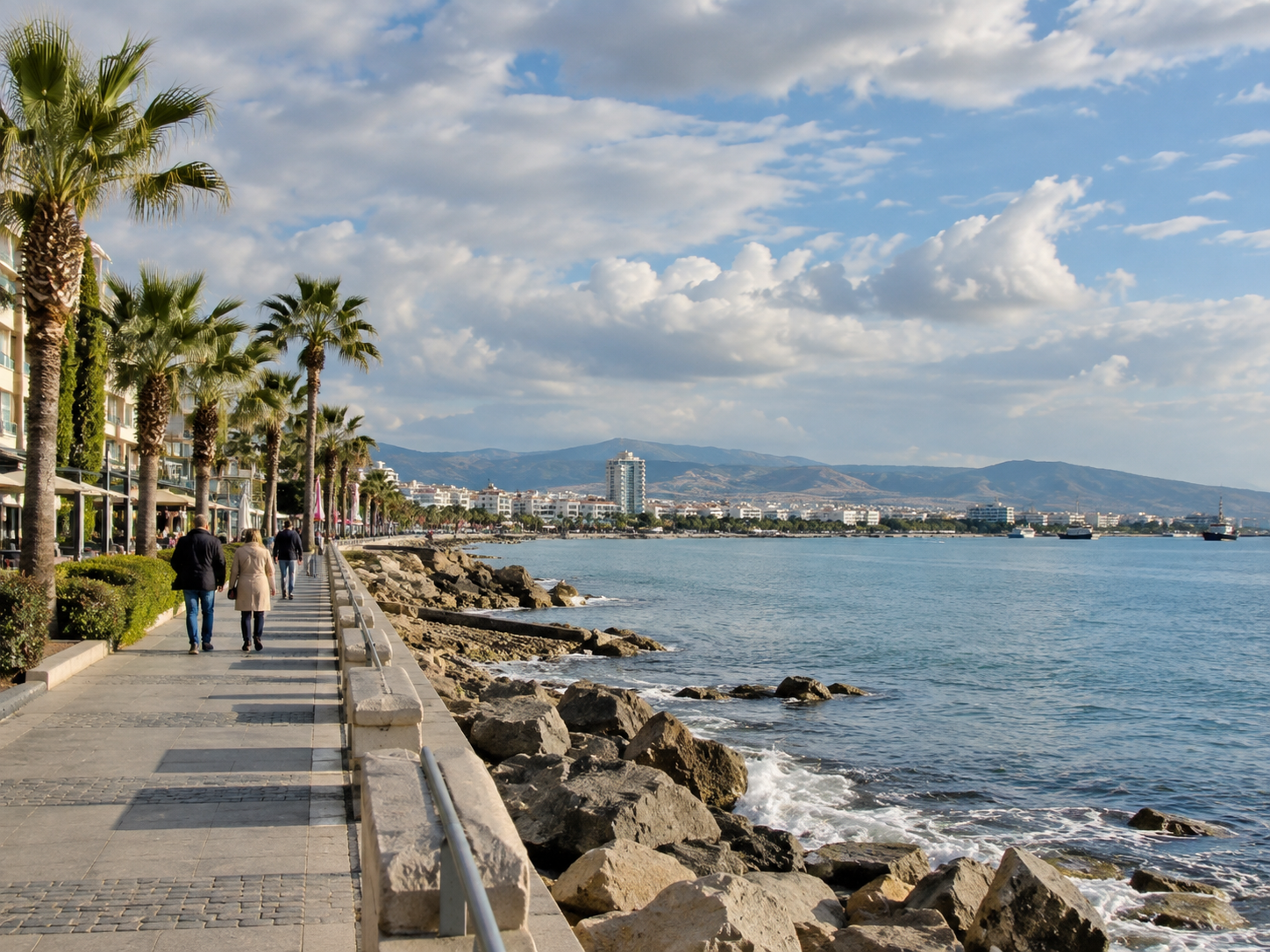
A December day in Cyprus can begin with coffee outside in coastal sunshine, move through a village lunch in cooler air and end with a jacket zipped up after dark. None of those moments contradicts the others.
December is when the calendar becomes part of the trip. The coast still has light and occasional warmth, but the island has moved decisively into winter. Rain matters, daylight is shorter, Troodos can feel genuinely cold and the festive period changes the rhythm of towns, villages, restaurants and family life.
The sea remains visible, sometimes inviting and occasionally swimmable for travelers comfortable with cooler water, but December works best when you allow Cyprus to become broader than its coastline. Nicosia gains importance. Archaeology becomes easier to explore slowly. Mountain villages suit long lunches. The countryside begins responding to winter rain, and the island feels increasingly lived in rather than organized around summer.
For independent travelers who want winter light without demanding a beach holiday, December can reveal a particularly human version of Cyprus.
The Quick Answer
Is December a good time to visit Cyprus?
Yes, if you understand what December is.
It is a strong month for archaeology, Nicosia, villages, road trips, food, coastal walks, Troodos and travelers who prefer mild winter conditions to high-summer heat. It can also work beautifully for Christmas or New Year trips when the festive atmosphere matters more than swimming.
December is weaker for travelers who need dependable beach weather, warm-water swimming, full resort activity or long daylight hours for ambitious itineraries.
Weather requires flexibility. A bright coastal day can feel remarkably mild, while rain, wind or mountain conditions may change plans quickly. Snow is possible in the higher Troodos Mountains during winter, but it should never be assumed for a particular December visit.
Come for Cyprus in winter rather than summer at a discount. That distinction changes the trip completely.
What Cyprus Feels Like in December
December feels more local than the summer months.
The coast is still present, but it has stopped dominating the island’s identity. Beaches become places to walk, sit or watch the weather move across the Mediterranean rather than places that automatically consume half the day.
Cities gain weight. Nicosia becomes an obvious destination rather than an inland detour. Limassol and Larnaca work as lived-in coastal cities, while Paphos becomes increasingly attractive for travelers who want archaeology, restaurants and the sea without needing conventional beach conditions.
Village life changes too. Cooler weather makes long lunches more natural, mountain air has sharper edges and indoor spaces matter more than they did a few months earlier.
The festive season adds another layer. Lights appear in towns, bakeries fill with seasonal sweets, families begin gathering and individual communities may hold Christmas events or seasonal programs. These vary from year to year, so anything specific should be checked before building an itinerary around it.
December is not Cyprus retreating from tourism. It is the island returning to a different rhythm.
December Weather in Cyprus
December is generally mild on the coast compared with much of Europe, but it is firmly a winter month.
Coastal daytime conditions can be pleasant during settled weather, particularly in the sun, while evenings are noticeably cooler. Inland areas such as Nicosia can feel mild by day and considerably colder once the sun disappears. Higher parts of Troodos may be cold, with winter weather possible.
Rain is an important part of the month. Some December stays may include several settled days; others may encounter showers, storms or longer unsettled periods. Monthly averages cannot tell you what will happen during a specific week.
The useful approach is to treat weather as part of the itinerary rather than something you expect Cyprus to override. A sunny day may belong to archaeology or the coast, a cooler one to Nicosia or villages, and mountain plans should follow current conditions rather than assumptions made before arrival.
The Coast
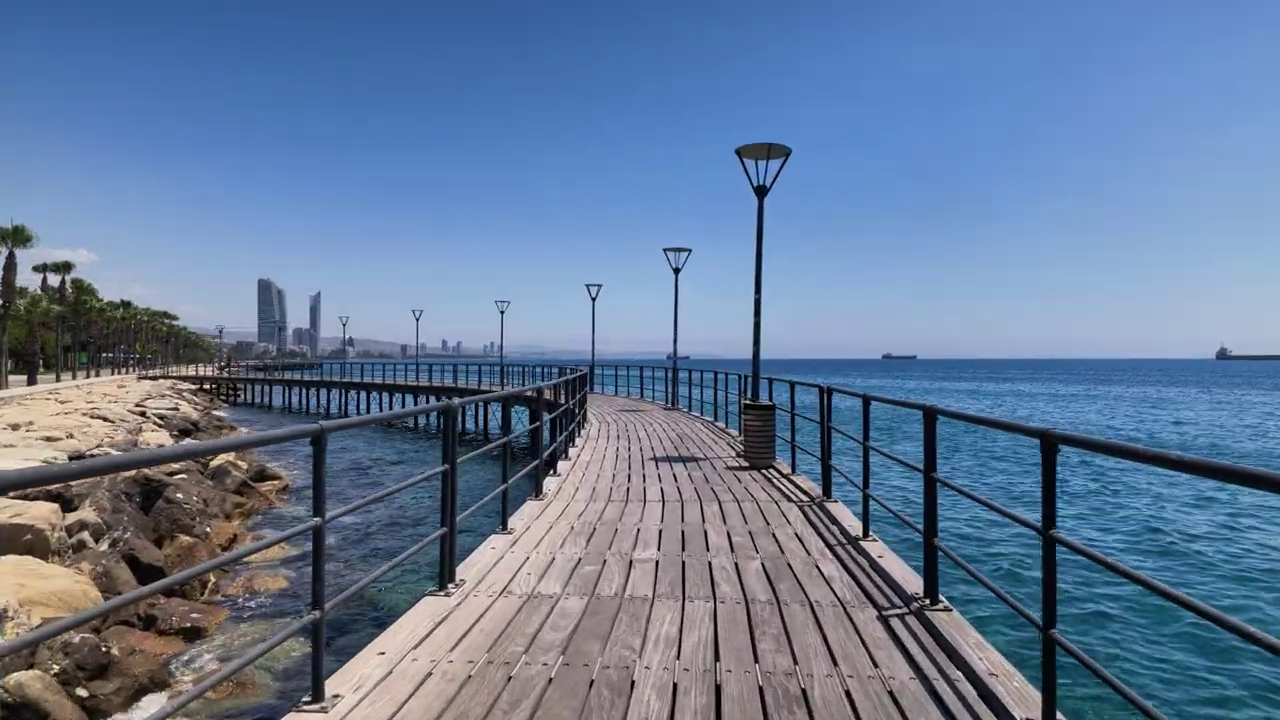 Limassol Pier
The coast remains valuable in December because it provides light, walks, restaurants and generally milder conditions than higher elevations.
Paphos is particularly effective because its appeal does not depend on swimming. Archaeology, the harbor area, restaurants and access to western Cyprus give it depth in mixed weather.
Limassol works well for travelers who want an urban base, restaurants and straightforward access toward Troodos and the wine villages.
Larnaca remains easy to use, with a walkable waterfront and convenient access toward Nicosia and other parts of the island.
Ayia Napa and Protaras are more specific choices. The coastline remains beautiful outside summer, but the atmosphere is very different and some seasonal businesses may operate reduced hours or close. We would choose the southeast in December because we specifically wanted its coast out of season, not because we expected resort life.
Nicosia and the Interior
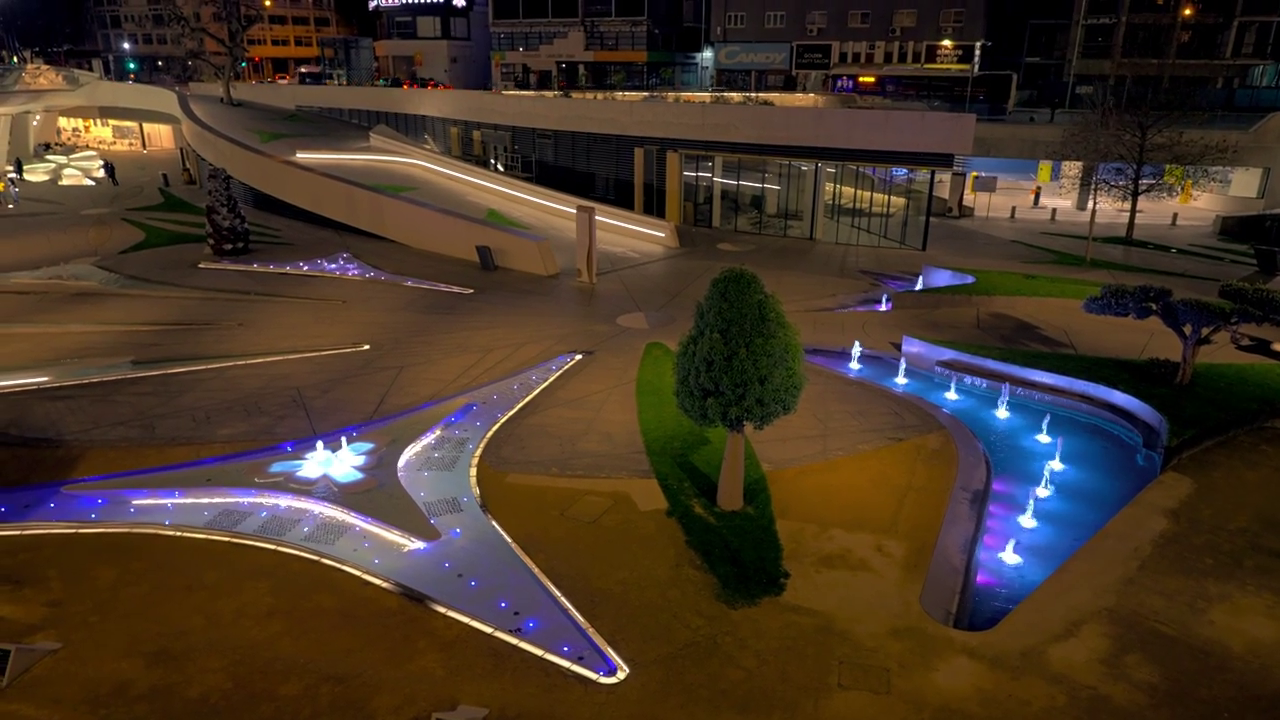 Eleftheria Square, Nicosia
December is one of the months when Nicosia becomes especially persuasive.
Walking is easier than in summer, museums fit naturally into the day and the city’s cafés, restaurants and streets no longer compete with the idea that you should be somewhere beside the sea.
The festive period can suit the capital particularly well because the city remains a center of everyday Cypriot life while coastal resort areas become quieter.
We would give Nicosia proper time in December. It is not simply the backup plan for a rainy day; it is one of the reasons to choose the month.
Troodos
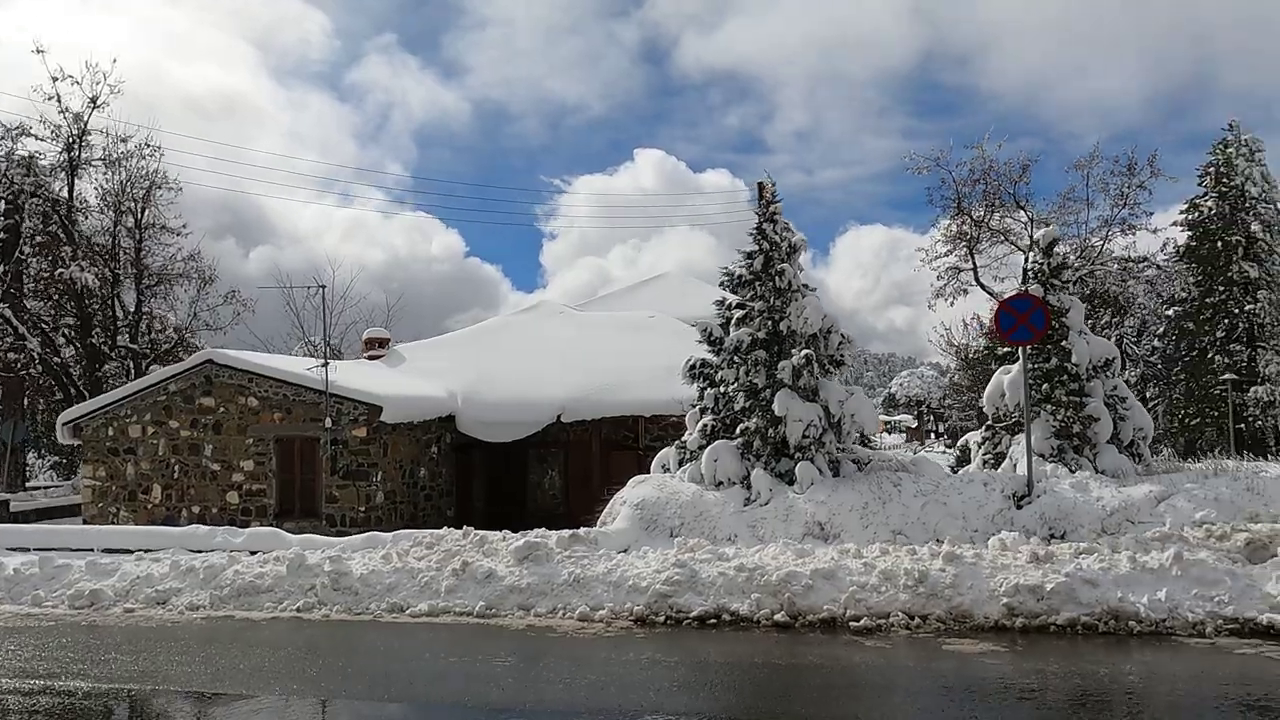 Troodos Mountains
Troodos becomes genuinely wintry in December.
Temperatures can be much lower than on the coast, and rain, fog, frost or snow may affect higher areas depending on current conditions. Snow is possible, particularly at greater elevation, but December does not guarantee a white mountain landscape.
Travelers sometimes imagine Troodos in December as a dependable snow destination. We would not plan the trip on that assumption.
Go instead for mountain villages, forested landscapes, seasonal atmosphere and the possibility of winter conditions rather than a promise of them. If poor weather affects mountain roads, current official road information should determine whether a particular route is sensible.
A coastal forecast should never be treated as a substitute for mountain conditions.
Is December Warm in Cyprus?
That depends on what you mean by warm.
A bright afternoon beside the Mediterranean can feel remarkably comfortable compared with northern Europe. You may sit outside for lunch, walk the coast without heavy clothing and spend several hours outdoors.
That is not the same as dependable summer warmth. Cloud, wind and rain can change the experience quickly, evenings cool substantially once the sun disappears, and Troodos may feel like a completely different season.
December works best when you stop asking whether Cyprus is “warm” and ask a more useful question: warm enough for what?
For archaeology, road trips, city walking and outdoor lunches on settled days, often yes.
For guaranteed beach weather, no.
Can You Swim in Cyprus in December?
Some people do, but we would never choose December primarily for swimming.
The Mediterranean cools gradually, and the sea may still feel manageable to travelers accustomed to cooler water. On a sunny, calm day, a swim can be a memorable bonus.
For many visitors, however, cooler air, wind and winter sea temperatures will make swimming less appealing than it was in October or November. Sea conditions also matter independently of temperature and should always be judged on the day.
Pack swimwear if you like the possibility, but do not build the holiday around it.
The Beaches in December
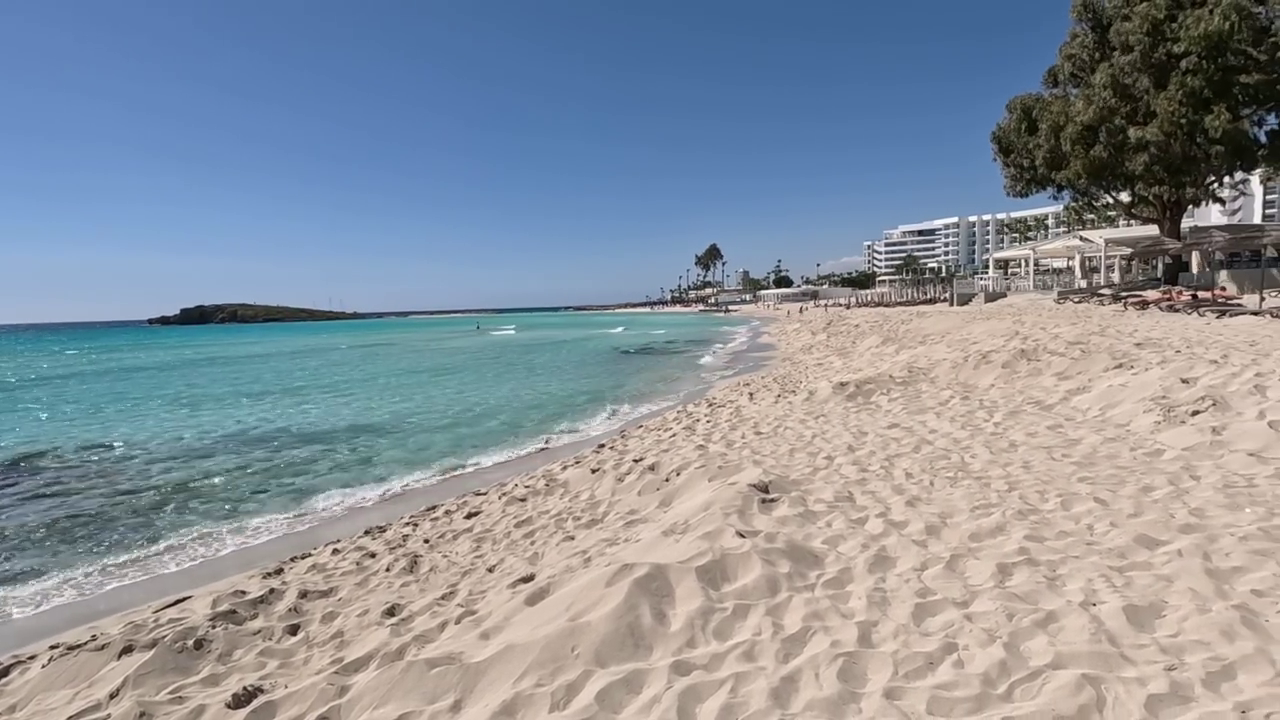 Nissi Beach, Ayia Napa
December changes the meaning of the beach.
You may walk for an hour beside the water without considering a swim. You may sit in winter sunshine with coffee rather than spend the afternoon on a sun lounger. A stretch of coast that felt recreational in August can become almost entirely visual.
That is not a diminished version of the Mediterranean. It is a different relationship with it.
Paphos, Limassol and Larnaca work particularly well because the coast is integrated into places that remain useful throughout winter. The southeast can also be beautiful, but we would approach it as an out-of-season coastal landscape rather than expect the full summer experience.
December is when the Mediterranean becomes background, companion and occasional opportunity rather than the reason every day exists.
December's Great Advantage: The Island Turns Inward
Summer Cyprus directs attention outward — toward beaches, pools, boats and open-air evenings.
December turns some of that attention inward. Cities matter more, museums become easier to justify, meals grow longer and villages stop competing with the beach.
The weather may send you into a café and leave you there long enough to notice the room rather than simply refuel before the next attraction.
This suits Cyprus unusually well because so much of the island’s identity sits away from the Mediterranean postcard.
December gives those layers more space. The month is not better simply because it is quieter or cooler; it is better for a certain kind of traveler because the hierarchy has changed.
Christmas And The Festive Period
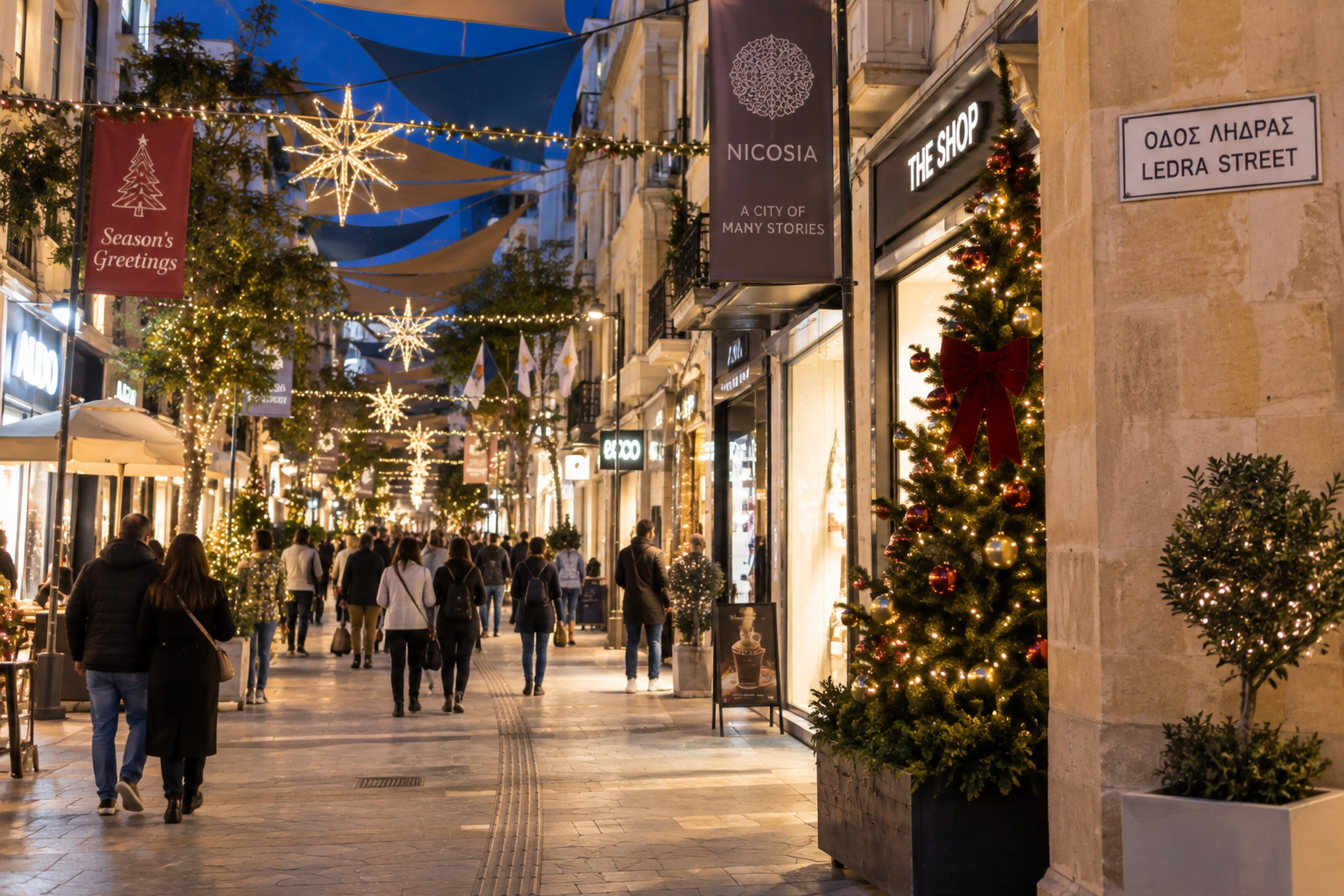
December brings a distinct social rhythm to Cyprus.
Town centers, neighborhoods, shops and some villages take on a festive atmosphere, while restaurants and family gatherings become increasingly important as Christmas approaches.
Seasonal events and village programs can add interest, but they vary by year and location. We would check current programs rather than assume that a particular market, festival or event operates every December.
Opening hours also deserve more attention around Christmas and New Year. Individual restaurants, attractions, wineries, shops and services may change their schedules, so if something matters enough to justify a journey, confirm directly before going.
The festive period can make December feel more animated than the phrase “low season” suggests, but it is local animation rather than summer resort energy.
Where We Would Stay in Cyprus in December
December rewards places that remain interesting in mixed weather.
Paphos is one of the strongest all-round choices. Archaeology, restaurants, coastline and western Cyprus provide enough variety for both clear and unsettled days.
Limassol suits travelers who want city life, restaurants and convenient access toward mountain and wine-country days.
Larnaca works well for straightforward logistics, a walkable seafront and relatively easy access toward Nicosia.
Nicosia becomes a serious option rather than simply a side trip. For culture-led travelers who care about museums, restaurants and contemporary city life more than the sea, December may suit the capital particularly well.
Troodos can justify one or more nights if mountain atmosphere is central to the trip, but accommodation, road access and weather should be considered with more care than they would be in summer.
Ayia Napa and Protaras make sense for travelers deliberately seeking the southeast outside its main season. We would verify the operation of any particular hotel, restaurant or activity that matters before choosing them as a December base.
For most first-time visitors, we would favor a flexible coastal city or Paphos, then add Nicosia or Troodos if the trip is long enough.
The Best Things To Do in Cyprus in December
December favors experiences that remain valuable regardless of whether the day looks summery.
Explore Archaeology Without Racing The Heat
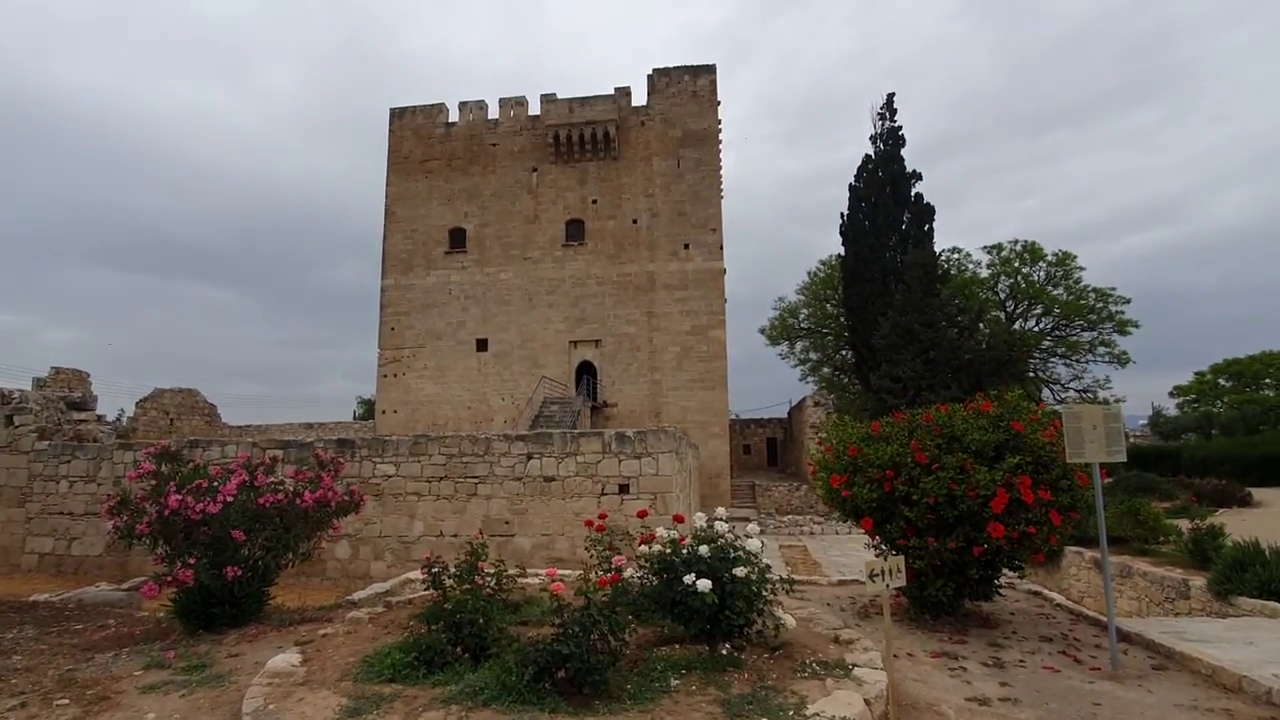 Kolossi Castle, Limassol
Kato Paphos Archaeological Park, Kourion and other outdoor sites can be particularly rewarding on clear winter days.
The advantage is time. You can walk more slowly, look properly and spend less of the visit searching for shade. Rain remains the obvious variable, so the forecast should help decide which day gets the outdoor archaeology.
Give Nicosia More Than A Few Hours
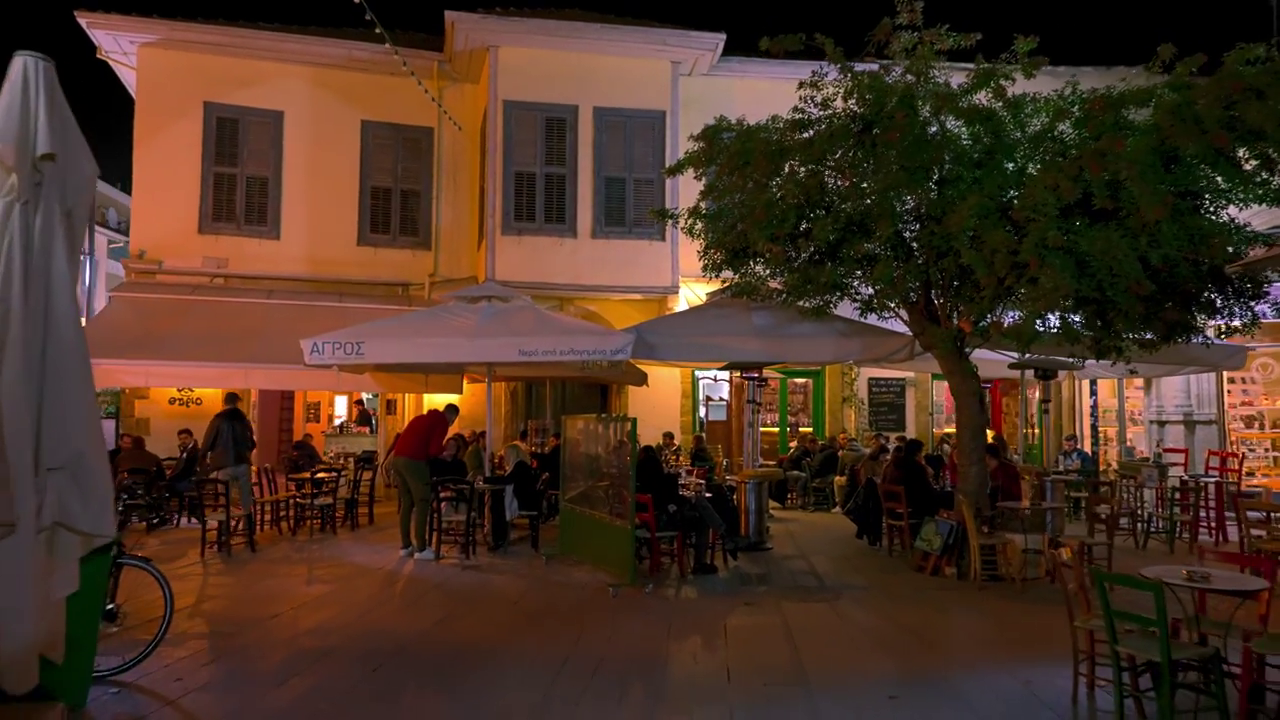 Nicosia
December is well suited to the capital.
Walk the old city, visit museums, stop for coffee, stay for lunch and allow the city to become a destination rather than an obligation.
The shorter winter day makes this even more important. A rushed morning trip followed by a drive somewhere else can waste the very quality that makes Nicosia valuable.
Spend A Day in The Villages
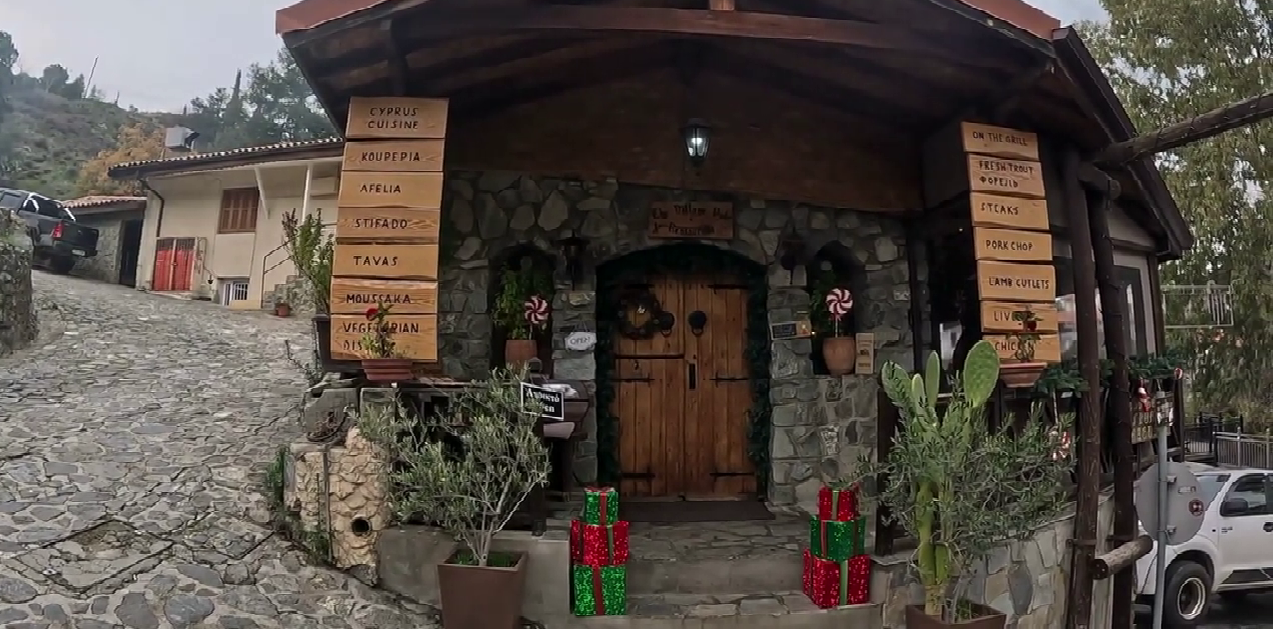 Kakopetria Village
Cooler weather gives village days a different appeal.
Lefkara, Omodos, Kakopetria and other established destinations can anchor a regional day, but we would resist collecting names.
Choose an area, walk, have lunch and stay long enough for the day to develop beyond arriving, photographing and leaving.
December suits depth better than speed.
Use Troodos When The Weather Allows
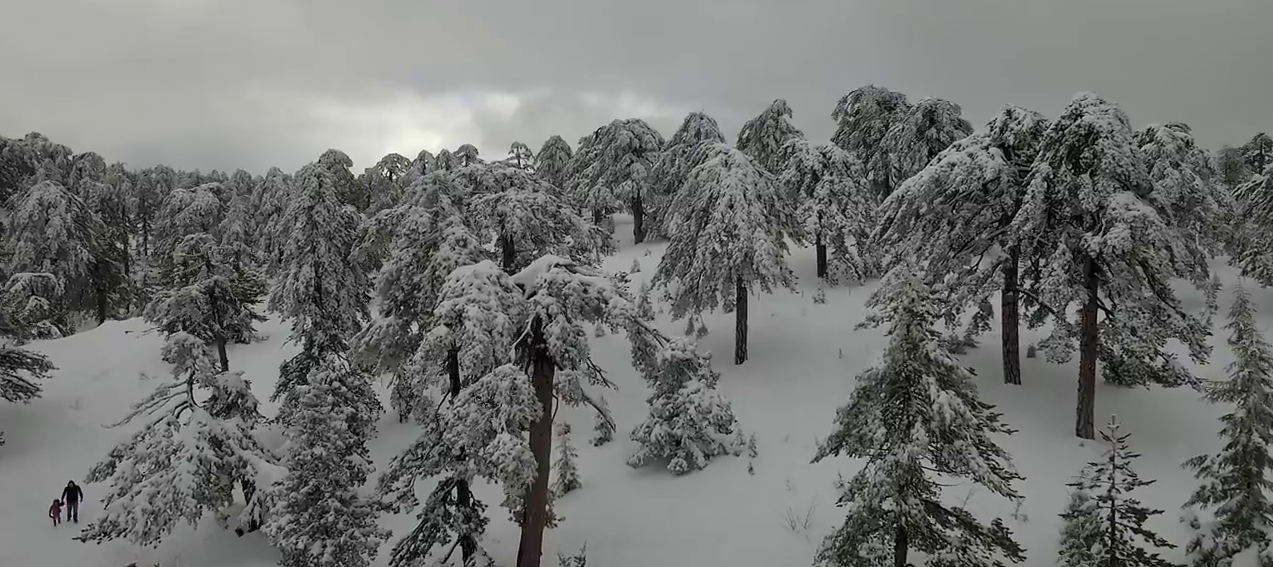 Troodos Mountains
A clear mountain day can become one of the strongest experiences of a December trip.
The landscape feels seasonal, villages have a different atmosphere from the coast and winter weather may add drama.
Troodos is also where flexibility matters most. Fog, rain, ice or snow can change plans, and current road conditions should take priority over a fixed itinerary.
Walk The Coast
December can be excellent for coastal walking.
The Mediterranean remains visually powerful even when swimming has lost importance, and cooler conditions can make long waterfront or coastal walks far more appealing than they were in August.
The sea has not disappeared from the trip. Its role has simply changed.
Hiking in Cyprus in December
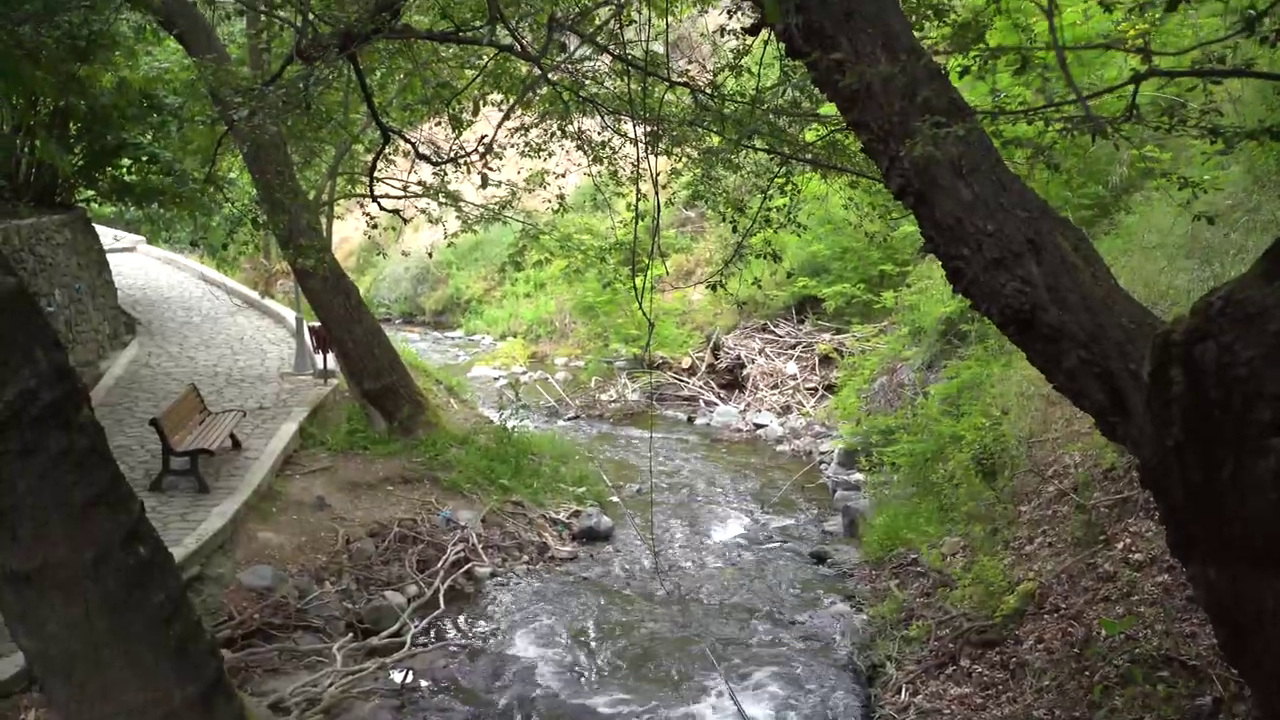 Nature Trail, Kalopanayiotis Village
December can be very good for hiking on appropriate routes during suitable weather, but winter conditions require more attention.
Lower-elevation areas can become much more comfortable than they were in summer. Troodos offers forested routes and genuine mountain atmosphere, although higher elevations may be affected by cold, rain, ice or snow.
Shorter daylight also matters. A route that leaves plenty of margin in May may require much more deliberate timing in December, while wet surfaces and changing mountain conditions can affect difficulty.
We would check current weather, access and route conditions, choose something appropriate to our experience and leave enough time to finish well before dark.
Winter gives walking opportunities back to Cyprus, but it also makes poor planning less forgiving.
What The Landscape Looks Like in December
December can be the month when the island’s return to green becomes much easier to see.
After autumn rain, grasses may begin spreading across areas that were almost completely dry at the end of summer. Fields respond, hills soften and the visual difference from August becomes increasingly obvious.
The timing varies by rainfall and location, so we would never promise a uniformly green island. But the seasonal direction is clear: Cyprus is growing again.
For travelers whose mental image of the island is dry yellow hills beneath a blue summer sky, December can be genuinely surprising.
The same landscape has changed its vocabulary.
Winter Citrus And The Agricultural Landscape
December also brings a different agricultural rhythm.
Citrus becomes particularly visible in parts of the island during the cooler season, while olive activity may continue in some areas depending on location, variety and year.
The point is not to turn the countryside into an agricultural checklist. It is to notice that rural Cyprus remains active after tourism’s summer narrative has quietened.
Oranges and mandarins in markets, worked groves, wet soil and winter fields belong to the island just as much as grapes in September or beach bars in August.
For travelers interested in food and place, December makes those connections easier to see.
Eating in Cyprus in December
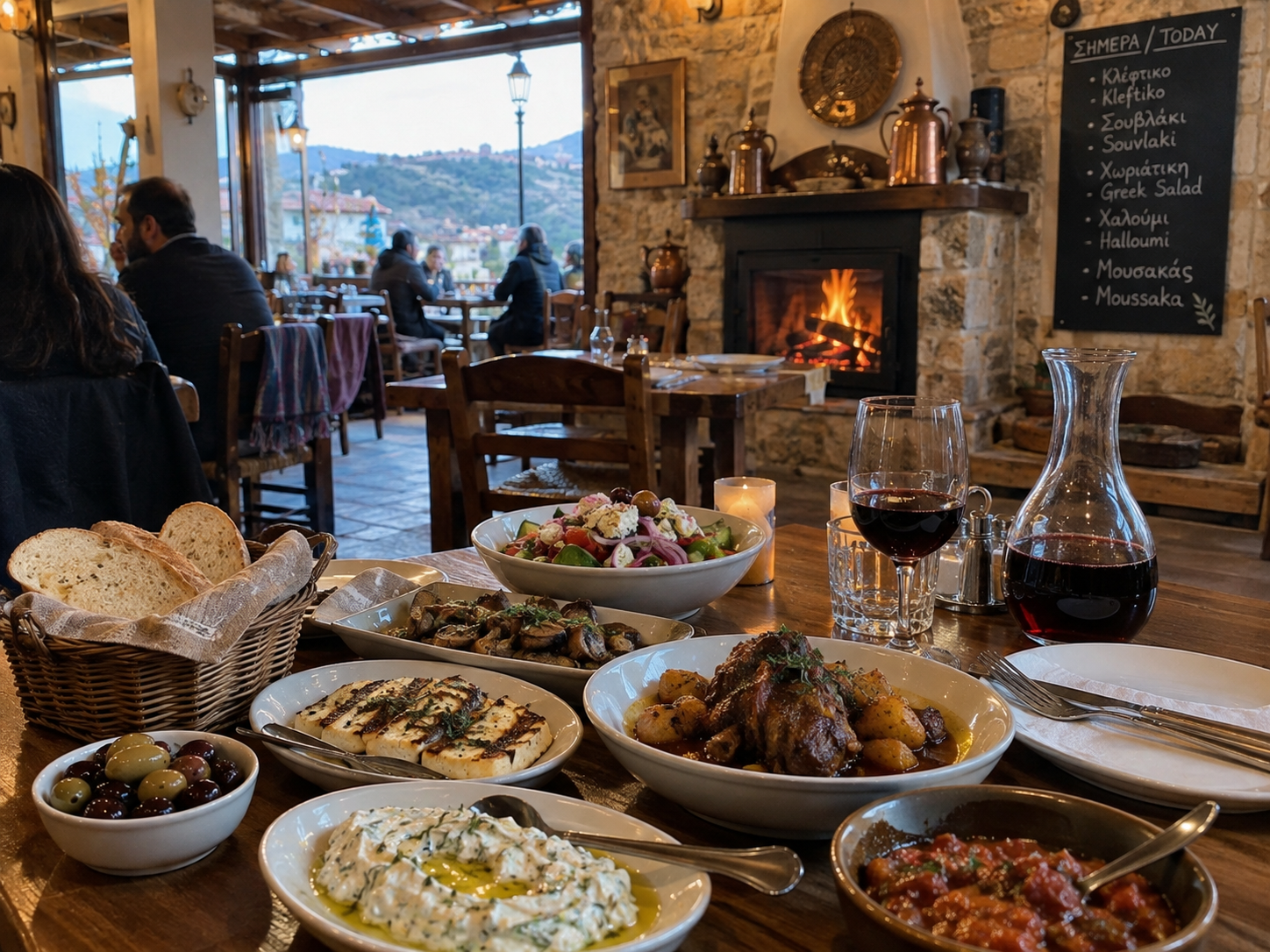
December is one of the months when we naturally spend longer at the table.
Village tavernas become more attractive, mountain meals make sense in cooler weather and Nicosia’s restaurants fit naturally into a full city day rather than competing with the beach.
Bakeries and homes also move into the festive season, with Christmas sweets such as melomakarona and kourabiedes becoming part of the December landscape.
We would not build a trip around a checklist of seasonal dishes, but food is one of the ways the month feels different from summer.
A sunny day may still call for lunch beside the sea. A cold mountain afternoon may produce an entirely different appetite.
Let the weather help choose the table.
Crowds And Value in December
December is generally quieter than the main summer and shoulder-season periods, but it is not uniformly quiet.
Popular towns, shopping areas, restaurants and mountain destinations can become more active during the festive period, while good weather can draw Cypriots outdoors on weekends.
The coast, however, usually feels far less pressured than it does from late spring through early fall.
Accommodation prices vary too widely for a universal claim that December is inexpensive. Christmas and New Year dates, particular properties and destination-specific demand can all influence rates.
We would choose December for the character of the trip rather than an assumed bargain. Its real value is space: more room at archaeological sites, more room on roads and more room to linger.
Who December Suits Best
December is particularly strong for culture-led travelers, couples, walkers, road-trippers, food-focused visitors and repeat travelers who want to see Cyprus outside its dominant summer identity.
It can also suit first-time visitors if they understand that the trip will be led by archaeology, cities, villages, food and road trips rather than guaranteed beach time.
Travelers escaping a much colder climate may find the coastal light and mild spells particularly appealing, provided they do not confuse “winter sun” with a promise of constant warmth.
December is weaker for beach-first families, travelers seeking full resort life, anyone who needs warm-water swimming and visitors whose ideal day depends on long hours of predictable sunshine.
It is also the wrong month to choose purely because you expect snow in Troodos.
December gives possibilities rather than guarantees.
Driving in Cyprus in December
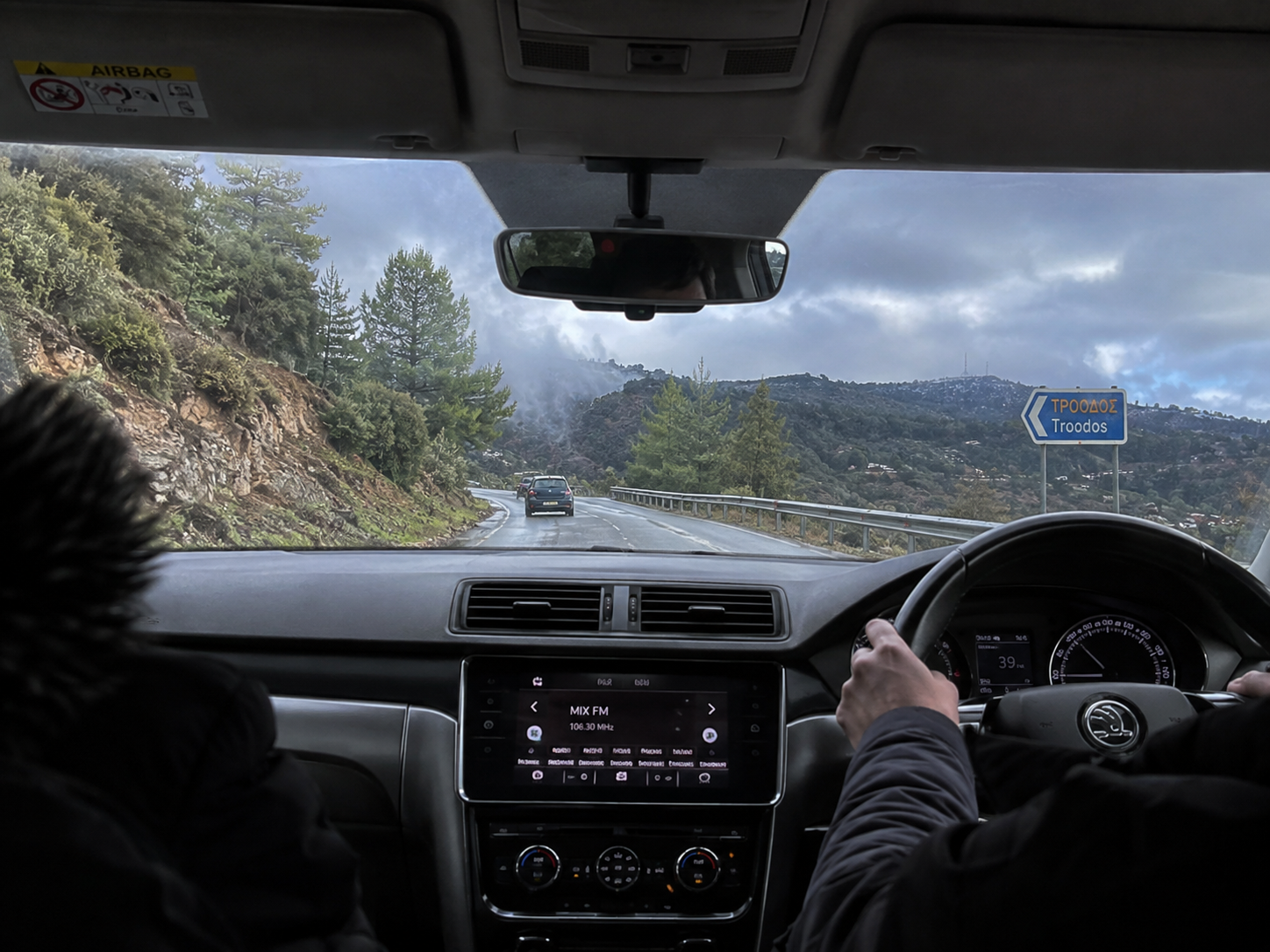
A car can be extremely useful in December because flexibility becomes more valuable.
You may want to move an archaeology day forward because rain is forecast later, head inland during a clear period or abandon a mountain route because conditions have changed.
Shorter daylight makes realistic distances more important. We would avoid designing long island-wide loops that depend on every stop taking exactly as long as expected.
Rain can reduce visibility and make roads more demanding, while mountain conditions can differ sharply from the coast. If winter weather affects Troodos, check current official road information before setting out.
Travelers unfamiliar with driving on the left should allow time to adjust, and narrow village or mountain roads require patience regardless of the season.
December driving should create freedom rather than pressure.
What To Pack For Cyprus in December
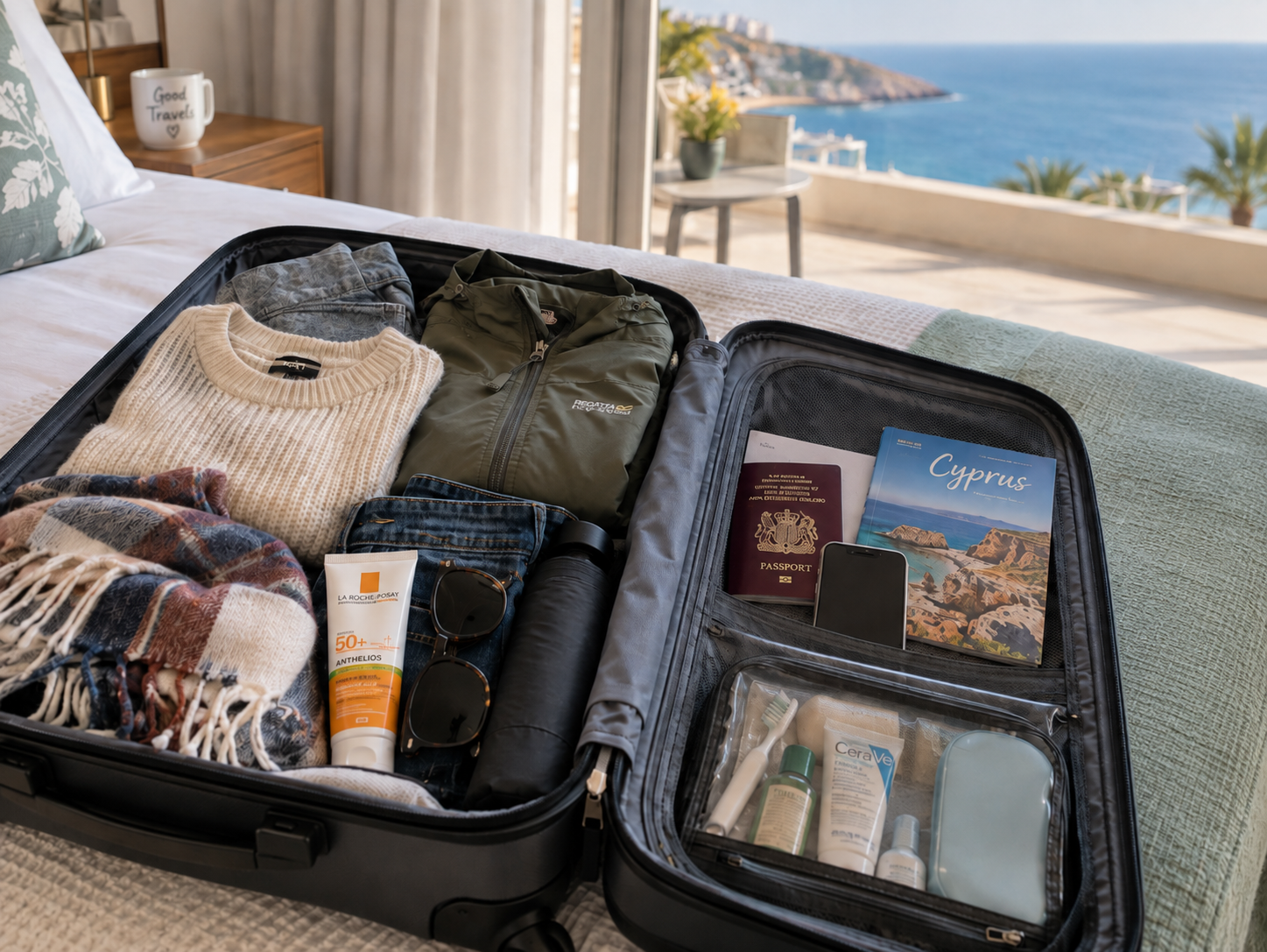
December requires layers rather than one fixed wardrobe.
Bring comfortable daytime clothing, proper walking shoes, sunglasses and sun protection. Clear winter days can still be bright enough for prolonged sun exposure to matter.
Add a warm layer, jacket and rain protection. Mountain visits may require substantially warmer clothing than the coast, especially after sunset or during unsettled weather.
If hiking is part of the trip, pack according to the route and forecast rather than assuming Cyprus means light clothing.
We would still bring swimwear because it takes little space and a calm sunny day might tempt you, but the suitcase should be built around winter flexibility rather than hope that December will imitate October.
December VS November or January
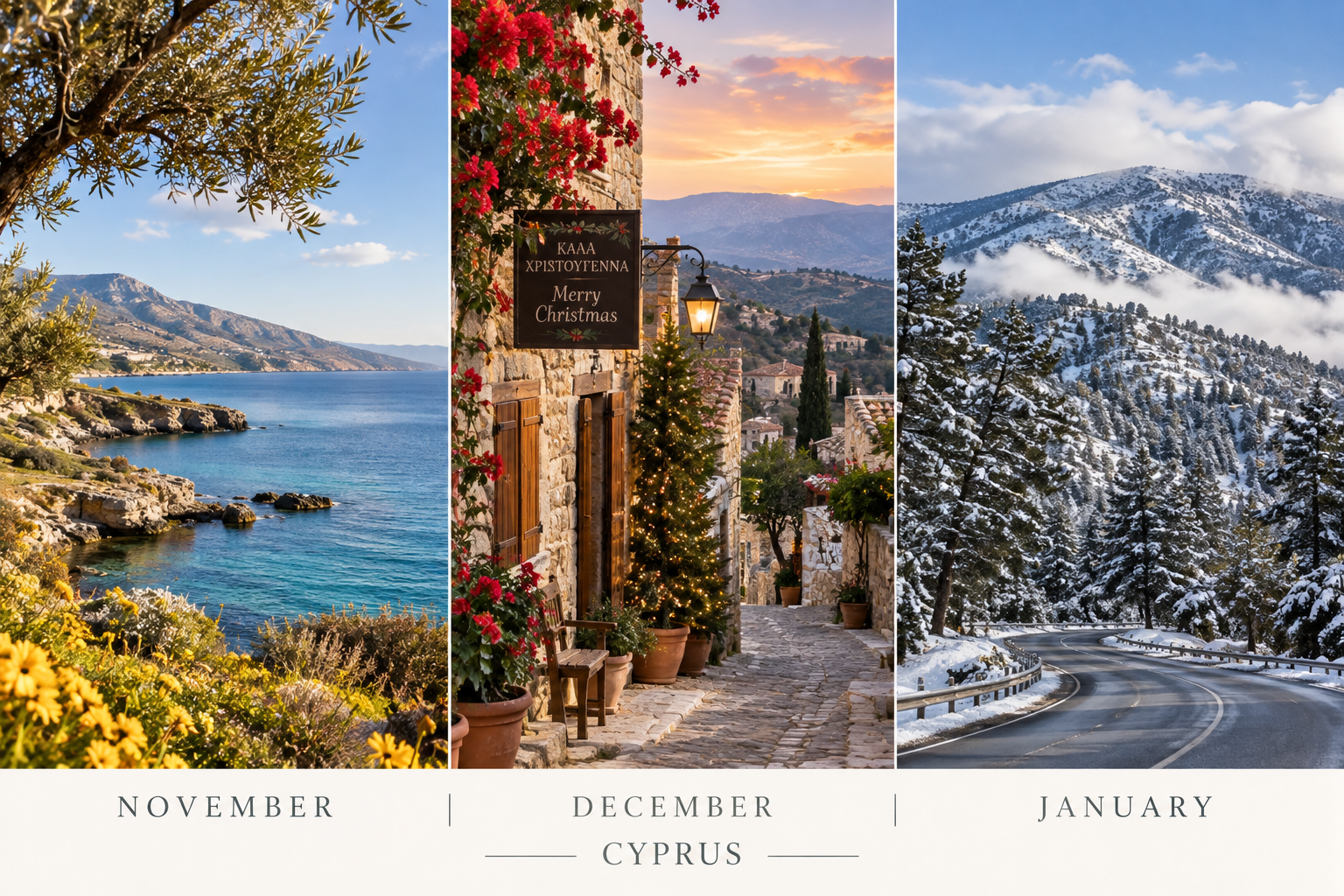
Choose November if you want a slightly stronger chance of mild coastal conditions and occasional swimming while still moving toward a quieter, exploration-led trip.
Choose December if you want winter Cyprus with the added dimension of the festive period, cities and villages feeling socially active, and the island moving visibly into its greener season.
Choose January if you want an even quieter post-holiday version of winter Cyprus and are comfortable moving further away from any expectation of conventional beach weather.
December’s distinction is not simply that it sits between November and January. The calendar itself changes the month.
Christmas, New Year, shorter days and the island’s winter social rhythm become part of the travel experience.
What We Would Not Do in Cyprus in December
We would not arrive expecting a beach holiday with cooler evenings, travel to Troodos assuming there will be snow or drive into winter mountain conditions without checking current road information.
We would not schedule every important outdoor activity on fixed days before seeing the forecast or assume restaurants, attractions and services will keep ordinary hours throughout the festive period.
Nor would we try to fill every hour simply because the winter day is shorter.
December rewards travelers who choose well rather than travelers who cover the most ground.
How We Would Approach A December Trip
We would start with a base that remains strong when the weather changes.
Paphos would be one of our first choices for archaeology, restaurants and western Cyprus. Limassol would work well for urban life, wine villages and access toward Troodos, while Larnaca would offer easy logistics and a straightforward connection with Nicosia.
For a culture-led trip, we would seriously consider giving Nicosia one or more nights rather than visiting only for the day.
Troodos would remain flexible. If the mountain forecast looked good, we would go. If winter conditions made the day less sensible, we would move the mountains rather than force the itinerary.
We would plan one substantial experience per day and leave room for lunch, weather and shorter daylight to shape the rest.
That does not make December less ambitious. It makes the trip more responsive to the island that is actually there.
So, Should You Visit Cyprus in December?
Come in December if you want to see what happens when Cyprus stops performing summer and starts living winter.
The Mediterranean remains on the horizon, but it no longer explains the whole day. Nicosia matters more, villages hold you longer, Troodos becomes properly seasonal, the landscape begins turning green, winter food feels appropriate and the festive calendar brings local life into the foreground.
You will not know exactly what every day will look like before you arrive, and that is part of the month.
December gives you less weather certainty than summer.
In exchange, it gives you a Cyprus that feels much more like a place than a season.