Newsletter "Beyond the Postcards" Subscribe
Plan Your Cyprus Trip: Hotels: Expedia, Villas & Apartments: Vrbo, Car Rentals: DiscoverCars, Tours: GetYourGuide, Airport Transfers: WelcomePickups
- Home
- Plan Your Cyprus Trip
- Best Time To Visit Cyprus
Best Time To Visit Cyprus: Choose The Right Month For Your Trip
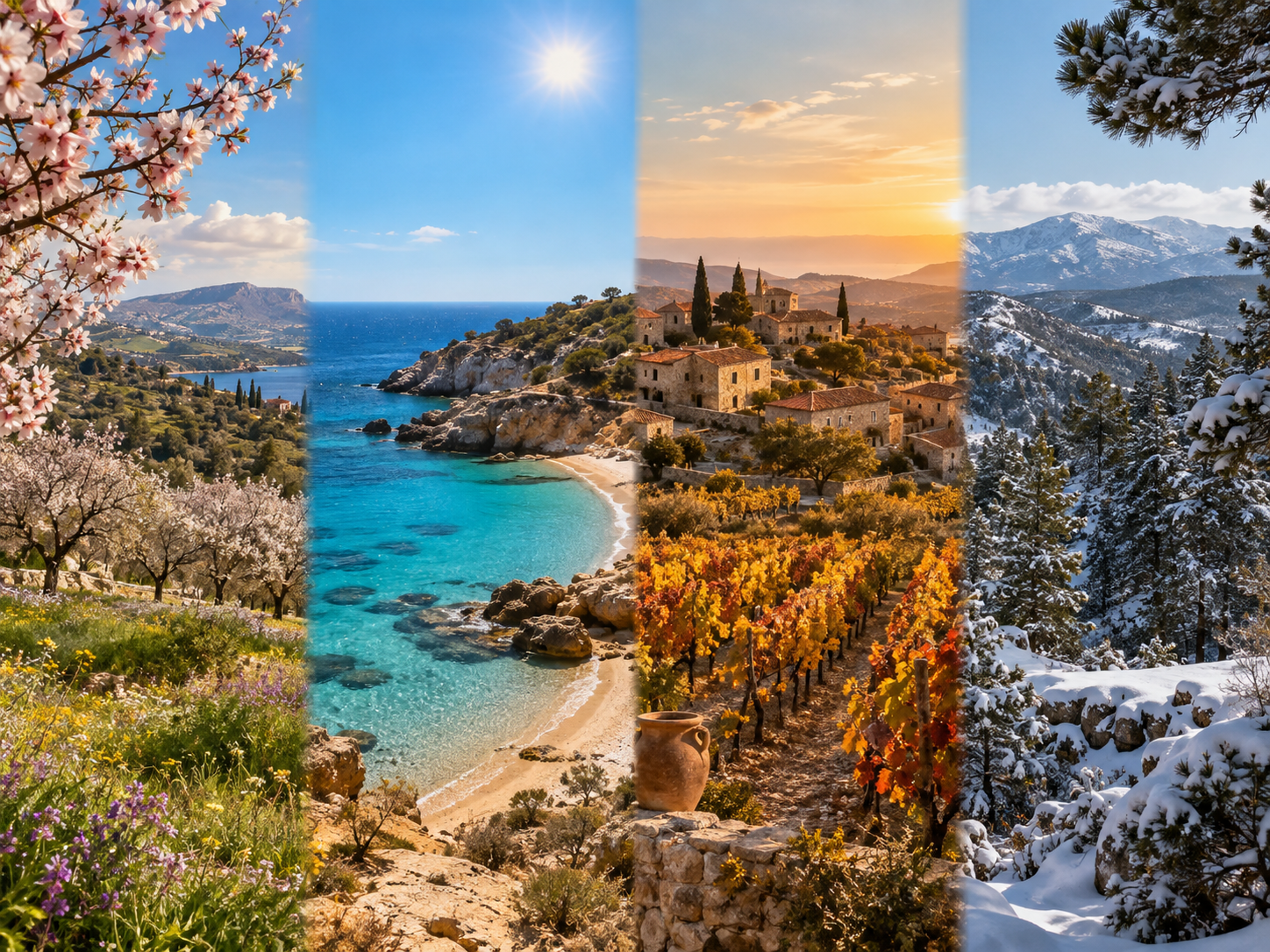
There is no single best time to visit Cyprus. There is a best time for the Cyprus you want.
That distinction matters more here than many first-time visitors expect. Come in July and the island is built around the sea: long, hot days, busy beaches, late dinners and evenings that stretch well beyond sunset. Come in March and the same country feels different: greener, quieter, cooler and far more suited to walking, driving through villages and spending hours outdoors without structuring the day around the heat.
Neither version is more authentic. They simply reward different travelers.
For most independent travelers looking for the best balance of warmth, sea, atmosphere and freedom to explore, we would begin with May, June, September and October. But even those four months are not interchangeable. May favors exploration. June feels unmistakably like summer. September gives beach travelers warm sea without quite the same midsummer intensity. October stretches the coastal season surprisingly far into autumn while bringing more comfortable conditions for seeing the island beyond the beach.
Choose the month according to the trip you actually want, not according to a generic definition of “good weather.”
The Quick Answer
If you want hot beach weather, look first at June, July, August and September.
If you want warm weather with a better balance between beaches and exploring, May, June, September and October are the strongest months.
If you want hiking, villages, archaeological sites and road trips without summer heat, consider March, April, May, October and November.
If you want the quietest version of coastal Cyprus, winter can work very well — provided you are coming for mild Mediterranean days, food, walking and a slower pace rather than expecting a conventional beach holiday.
The mistake is choosing Cyprus purely by temperature. The warmest month is not automatically the best month. Once the heat intensifies, the shape of the day changes. Midday exploration becomes less appealing, inland sightseeing requires more thought, and the coast naturally takes over.
The better question is not simply: How hot will Cyprus be?
It is: What do you want to be doing at eleven in the morning, four in the afternoon and eight in the evening?
That usually leads to the right month.
Our Favorite Times To Visit Cyprus
If we had to narrow the year to two broad periods for an independent traveler who wants more than a resort holiday, we would choose:
Late April to early June
and
Late September through October.
These are the periods when Cyprus gives you the greatest freedom.
You can spend a morning walking through an archaeological site, stop for lunch in a village, return to the coast later in the day and still have an evening outdoors. The temperature and daily rhythm are less likely to force the trip into a single pattern.
Summer is excellent if your priorities are the sea, resort life, boat trips and long warm nights. But if you also want vineyards, mountain roads, old towns, walking trails and archaeological sites, the edges of summer usually produce a more complete Cyprus trip.
High summer gives you maximum summer.
The shoulder seasons give you more Cyprus.
Spring in Cyprus: March To May
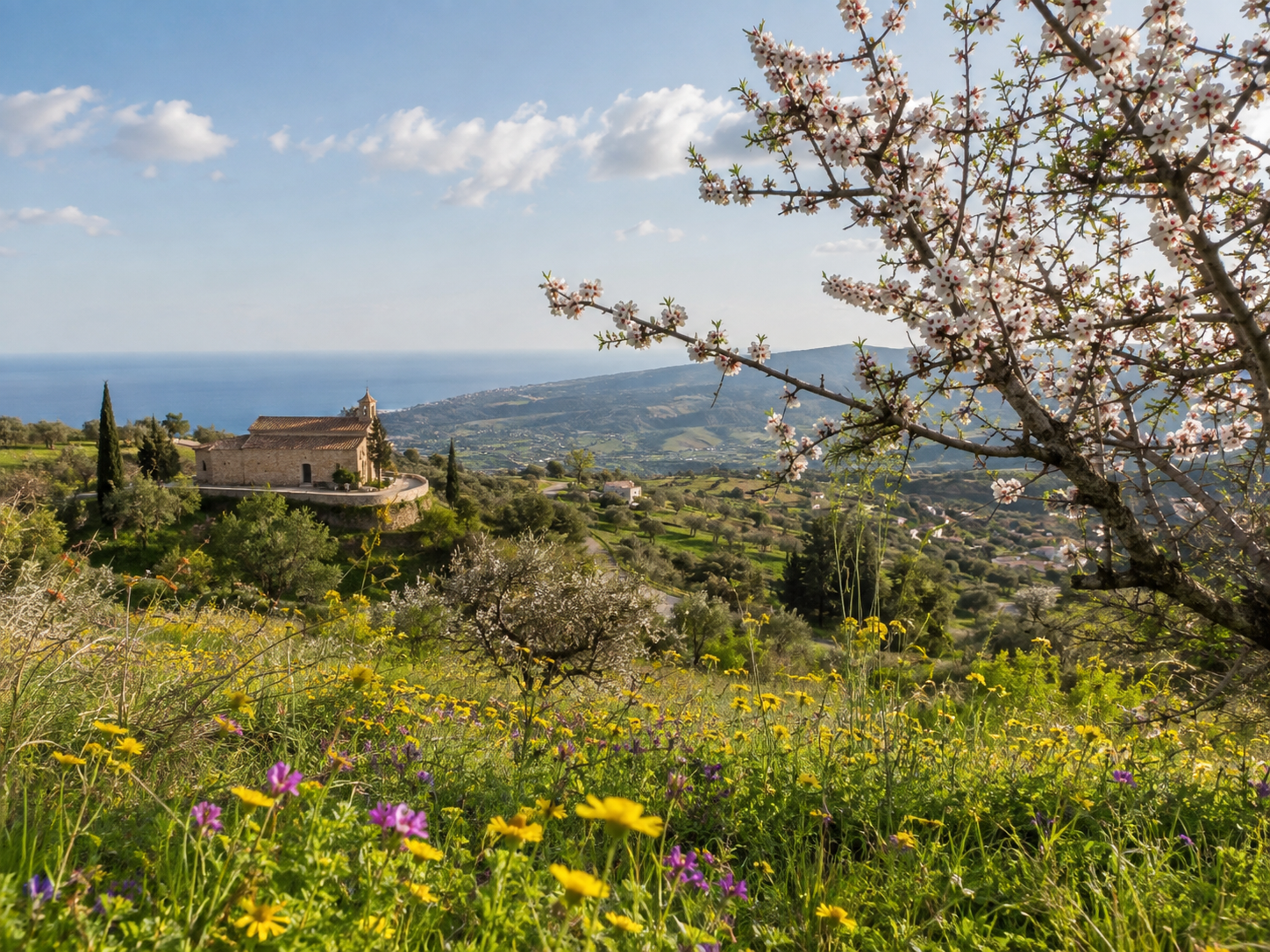
Spring is one of the easiest seasons to underestimate.
Travelers who know Cyprus only through photographs of dry summer landscapes can be surprised by how different the island looks earlier in the year. The countryside is greener, wildflowers appear across parts of the landscape, and the mountains and villages feel particularly rewarding.
March remains transitional. You can have bright, beautifully clear days, but it is not a month we would choose if swimming and dependable beach conditions are central to the trip. Weather can change, evenings can feel cool and higher elevations remain noticeably colder than the coast.
April is more convincing for a touring holiday. Days become warmer, there is more incentive to stay outdoors and the island has not yet settled into its summer rhythm. This is a particularly good period for archaeological sites, villages, countryside and walking.
May is where things change.
By May, Cyprus begins to feel properly Mediterranean again rather than simply mild. Beach days become much more realistic, outdoor dinners feel natural and the island is warm without yet demanding the compromises that come with midsummer heat.
For a first visit built around both coast and culture, May is one of our strongest choices of the year.
Its weakness is simple: travelers who want very warm sea and the full intensity of summer may still prefer June or September.
Summer in Cyprus: June To August
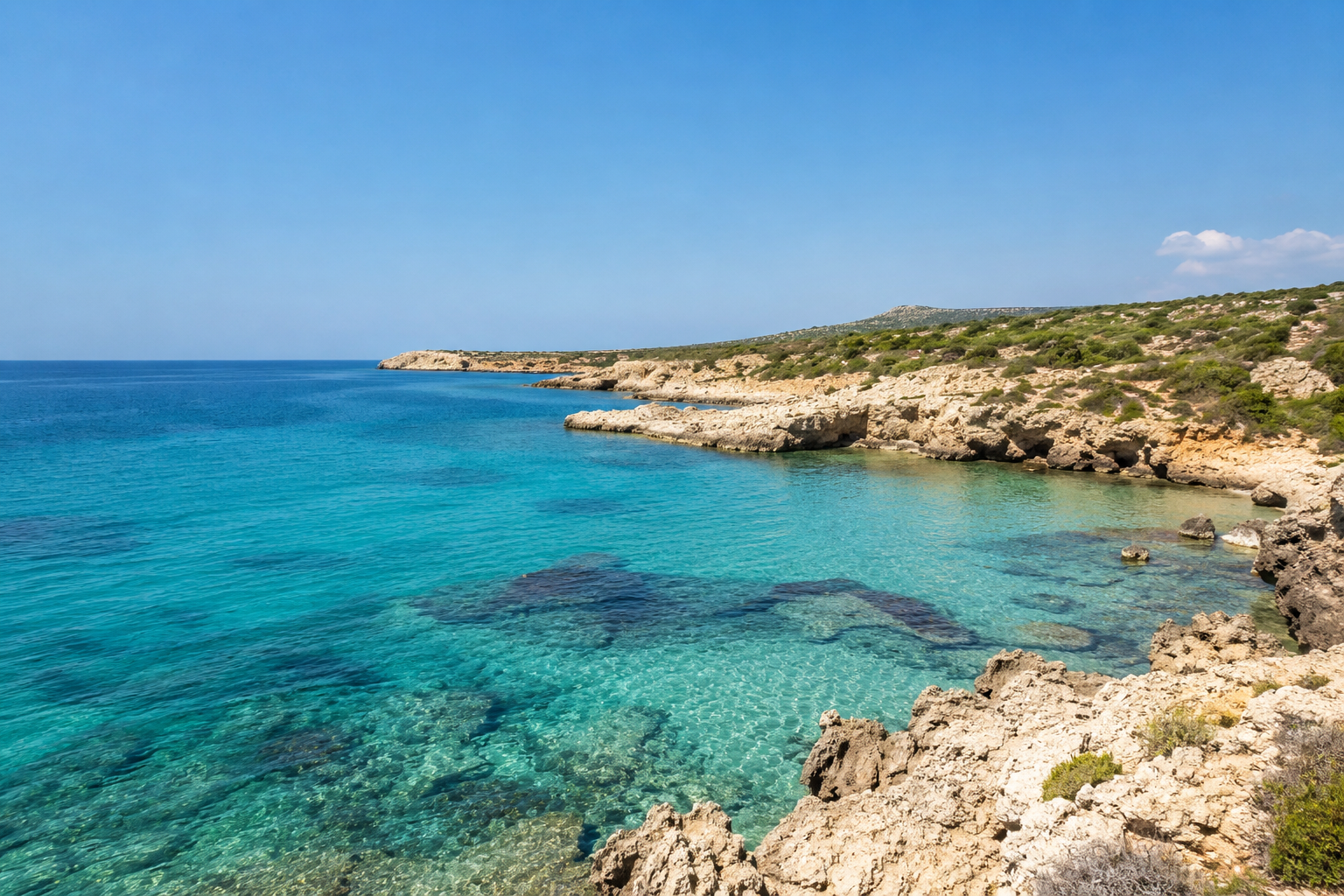
Cyprus does summer extremely well.
But you need to want summer.
By June, the coast has moved decisively into beach season. The sea becomes central to daily life, coastal restaurants stay busy later into the evening and the holiday atmosphere strengthens across the main resort areas.
June is our favorite of the three core summer months for travelers who want beach weather without automatically choosing the hottest part of the year.
July and August are different.
This is Cyprus at maximum summer intensity. Coastal resorts are lively, the days are hot, the sea is warm and evenings become part of the experience rather than simply the end of the day.
For a traveler whose ideal Cyprus trip means swimming in the morning, a long lunch, another swim later in the afternoon and dinner outdoors after dark, there is nothing wrong with choosing high summer.
But there is a trade-off.
If your itinerary is built around long hikes, exposed archaeological sites, urban walking or extended sightseeing during the middle of the day, July and August make the trip harder than it needs to be.
We would shift outdoor sightseeing earlier, protect the middle of the day and allow the evenings to become more important. The worst summer itinerary is usually the one designed as though it were April.
Autumn in Cyprus: September To November
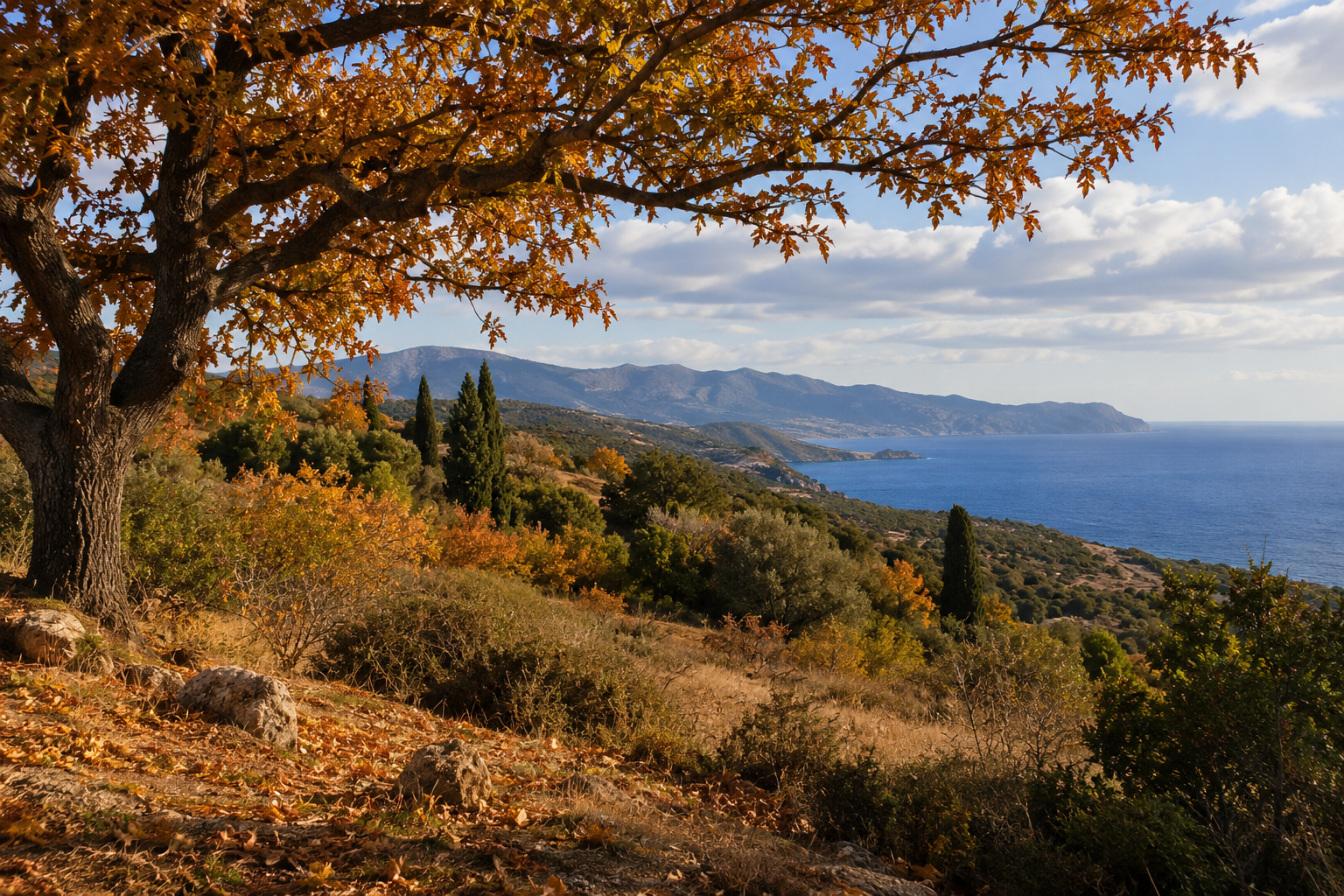
September is one of Cyprus’s strongest beach months.
The intense holiday period begins to soften, but the sea still carries the warmth of summer. For travelers who care deeply about swimming but do not feel compelled to visit in July or August, September is often the smarter choice.
It is still summer in character, particularly near the coast. Do not choose early September expecting cool autumn sightseeing weather.
October is the month we think more travelers should examine carefully.
The coast can retain a distinctly summery feel while days become easier for exploring. It is the point at which a beach holiday and an island road trip begin to coexist more comfortably.
For couples, independent travelers and anyone trying to combine swimming, food, villages and sightseeing, October is one of the most versatile months in Cyprus.
November is a more significant change.
The island becomes quieter. Weather is less predictable. Beach conditions are no longer something we would treat as automatic, and some tourism-dependent businesses reduce hours or seasonal operations.
But November has its own appeal. Nicosia becomes more interesting as a base or day trip. Mountain and village lunches make more sense. Driving becomes part of the pleasure rather than merely transportation between beaches.
If swimming is essential, choose earlier. If Cyprus itself is the priority, November remains worth considering.
Winter in Cyprus: December To February
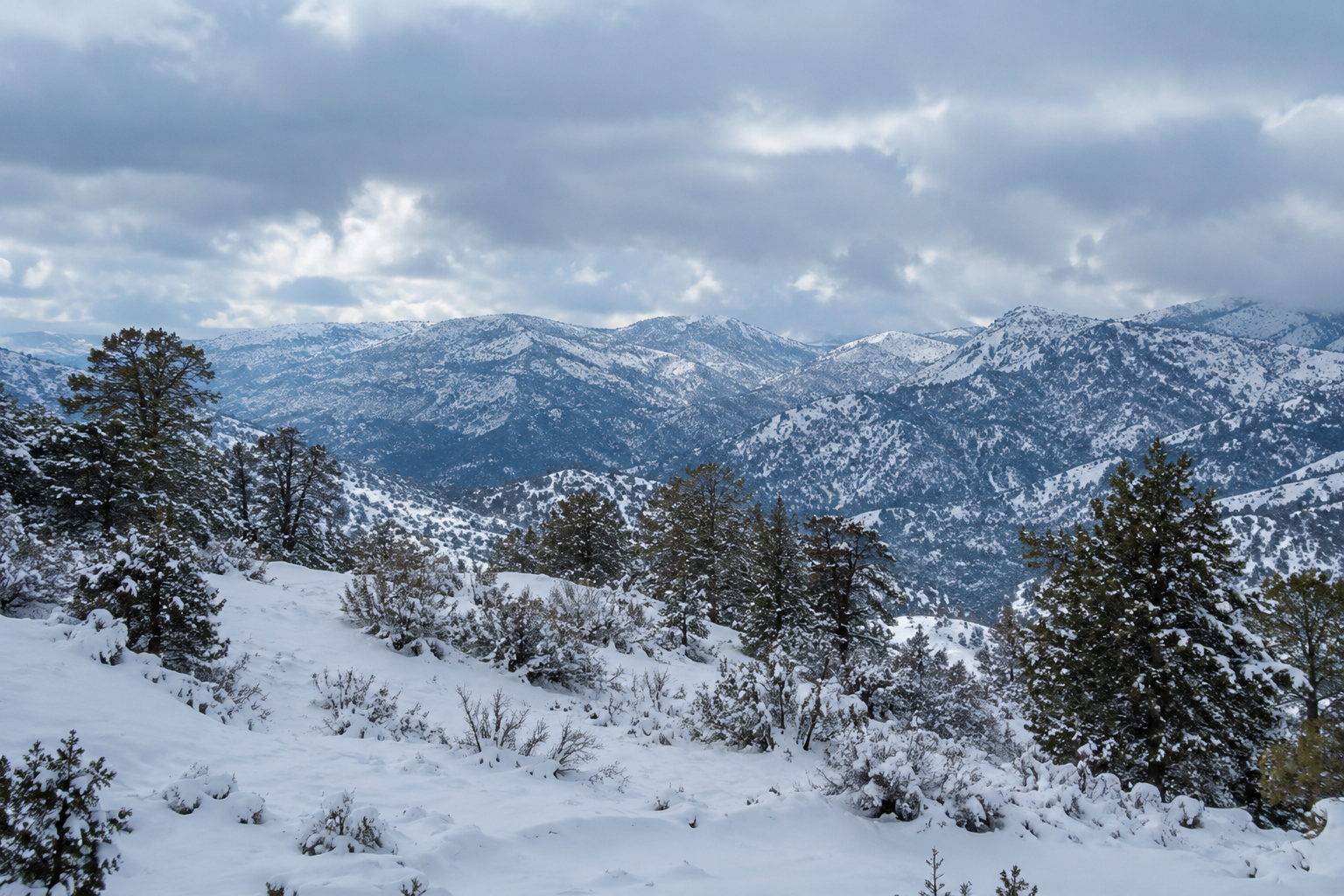
The most misleading description of Cyprus in winter is “winter sun.”
It is true that the coast can have wonderfully bright, mild days while much of Europe is deep in winter. But those three words can also create the wrong expectation.
Cyprus does not become summer simply because it is south.
December, January and February can bring sunshine, cloud, rain, wind and significant variation from one week to another. Nights are cooler. The mountains are colder again, and conditions at elevation can be completely different from what you experience beside the sea.
For the right traveler, that does not make winter a poor time to come. It makes it a different trip.
Winter works particularly well for people who want to walk along the coast, eat well, explore towns and villages, visit archaeological sites without summer heat and enjoy a quieter island. It can also suit longer stays when the objective is to escape harsher northern-European winter conditions rather than secure a guaranteed beach holiday.
What we would not do is sell January or February as reliable swimming months.
Some people swim. Some winter days are beautiful. Neither fact turns winter into summer.
Come with the right expectation and Cyprus can be deeply enjoyable during these months. Come expecting August with fewer people and you have chosen the wrong version of the island.
The Best Time For A Beach Holiday
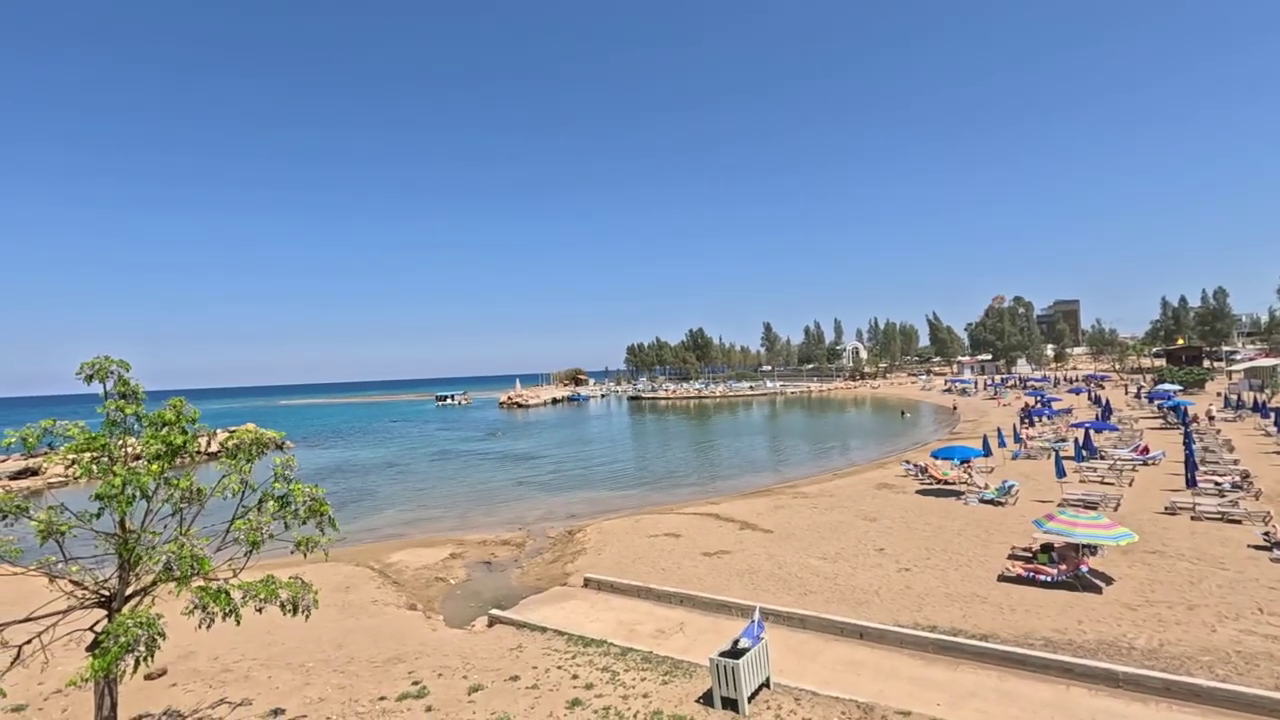
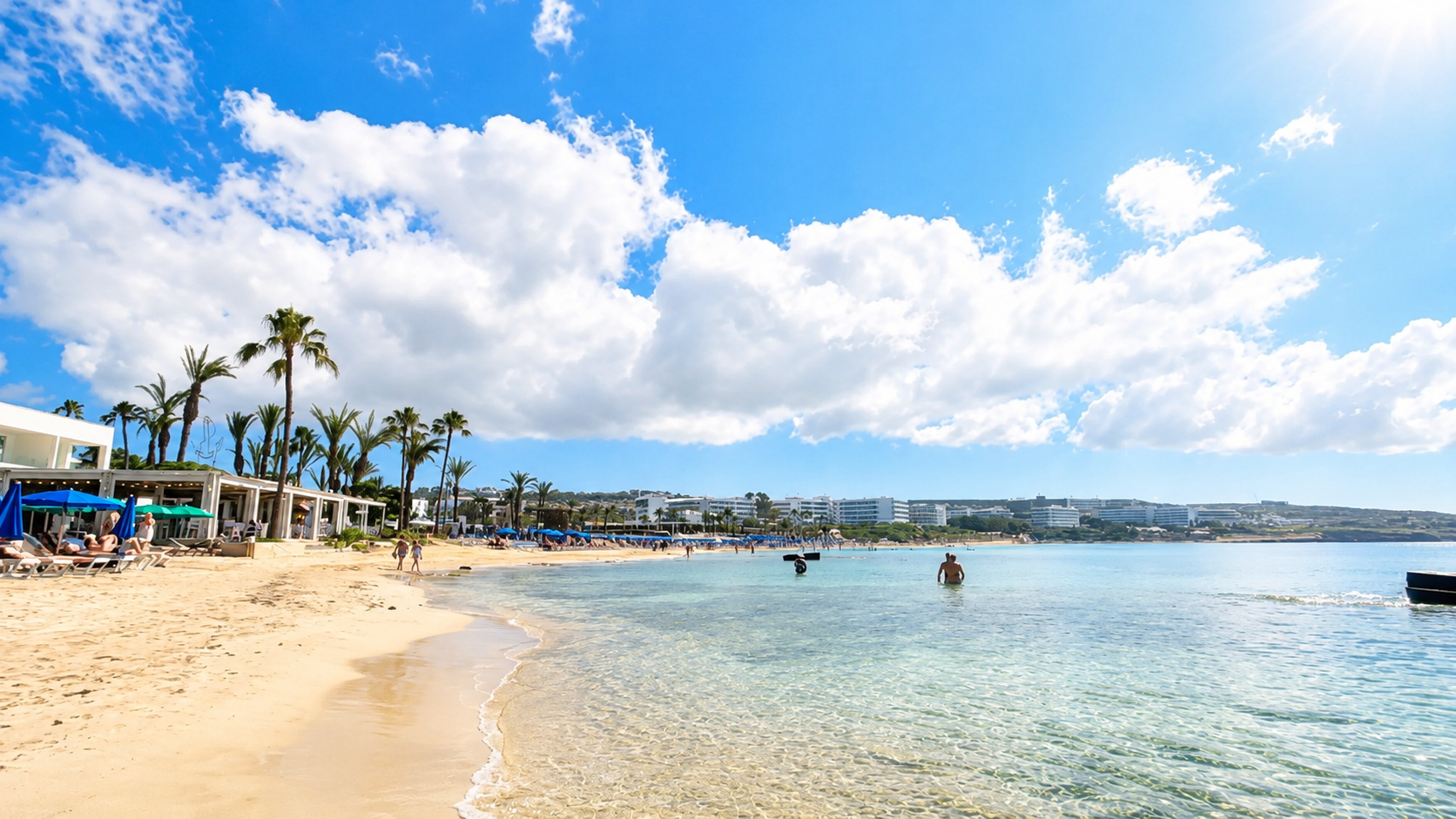 Pantachou Beach, Ayia Napa
For a straightforward beach holiday, June through September is the strongest period to build around.
July and August give you the fullest summer experience: heat, warm water and the strongest resort atmosphere.
June is slightly easier for travelers who want to leave the beach occasionally and explore.
September is the month we particularly like for adults and couples who still want a genuinely summery sea holiday but would rather travel after the peak of August.
October can also be excellent for the coast, particularly earlier in the month, but it carries more weather variability. We would choose it when the trip includes both beaches and exploration rather than when every day depends on ideal beach conditions.
The Best Time For Swimming
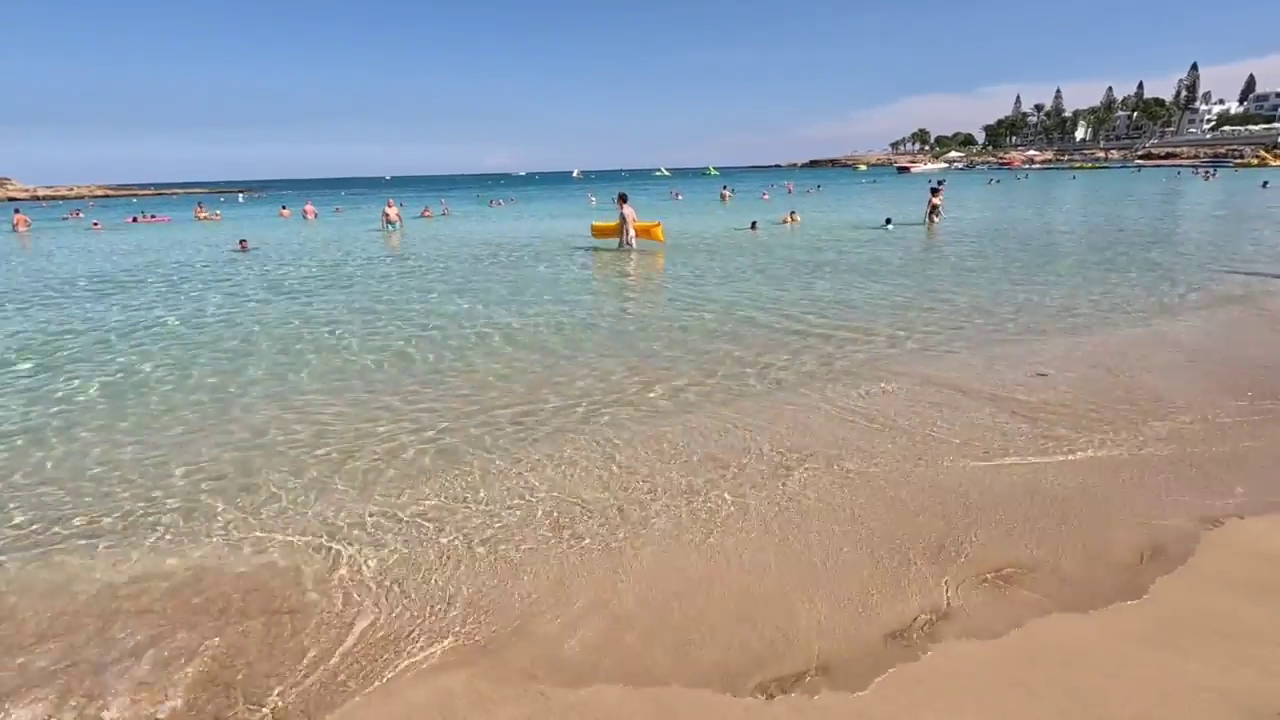 Fig Tree Bay, Protaras
If warm sea is one of your non-negotiables, do not rush Cyprus.
Spring sunshine and comfortable air temperatures can make the island look more summer-ready than the water feels.
For travelers who dislike cool water, summer and early autumn are stronger choices than early spring. July through September is the obvious period for reliably warm-feeling swimming, with June and October extending the practical season for many people.
One of Cyprus’s seasonal advantages appears in autumn: the sea gives summer back more slowly than the land does.
That is part of what makes September, and often October, so rewarding.
The Best Time For Hiking And Nature
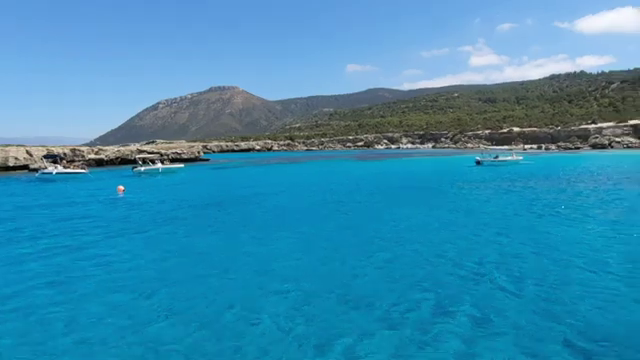
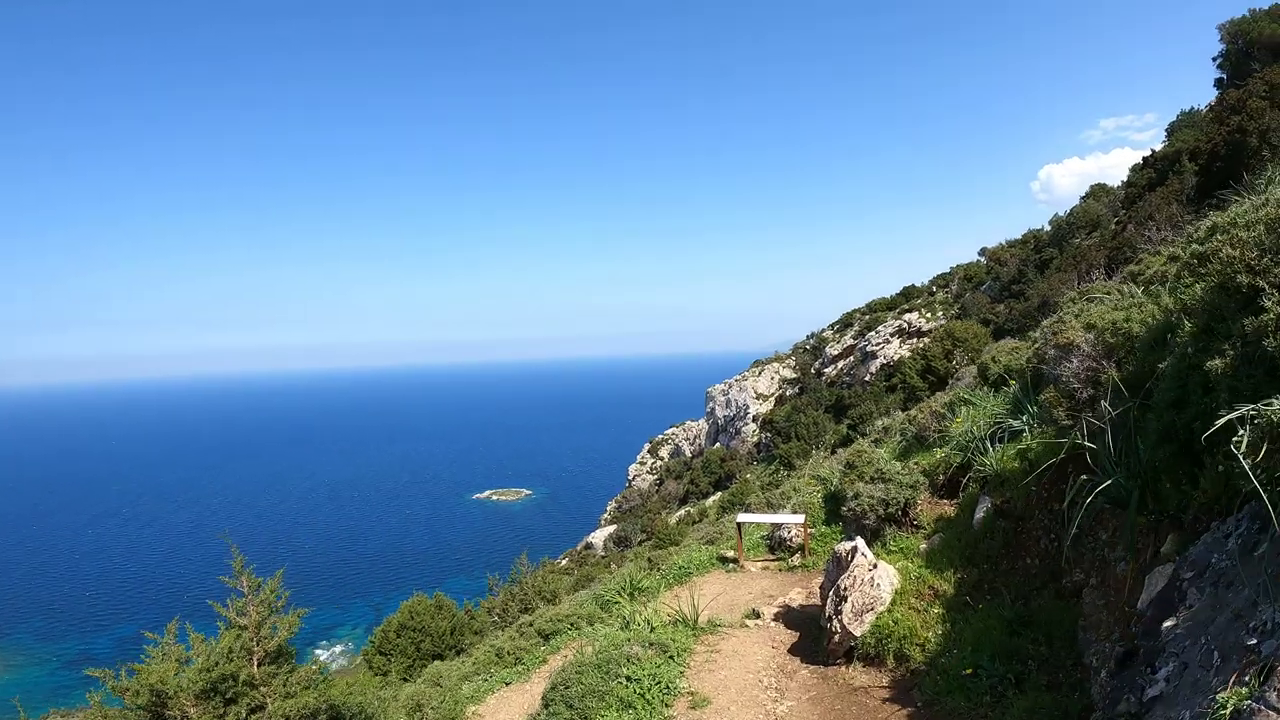 Akamas Peninsula
For serious walking, countryside exploration and nature-led trips, spring and autumn are usually better than high summer.
March, April and May can show a greener Cyprus that summer visitors never see. October and November bring relief from midsummer heat and make longer outdoor days practical again.
The Troodos Mountains require their own judgment because elevation changes conditions considerably. A day that feels warm beside the Mediterranean can be noticeably cooler higher in the mountains.
In July and August, walks require greater respect for heat, exposure and water requirements. Some routes may be enjoyable early in the day, but midsummer is not the season we would choose for a Cyprus trip dominated by hiking.
The Best Time For Culture, History And Archaeological Sites
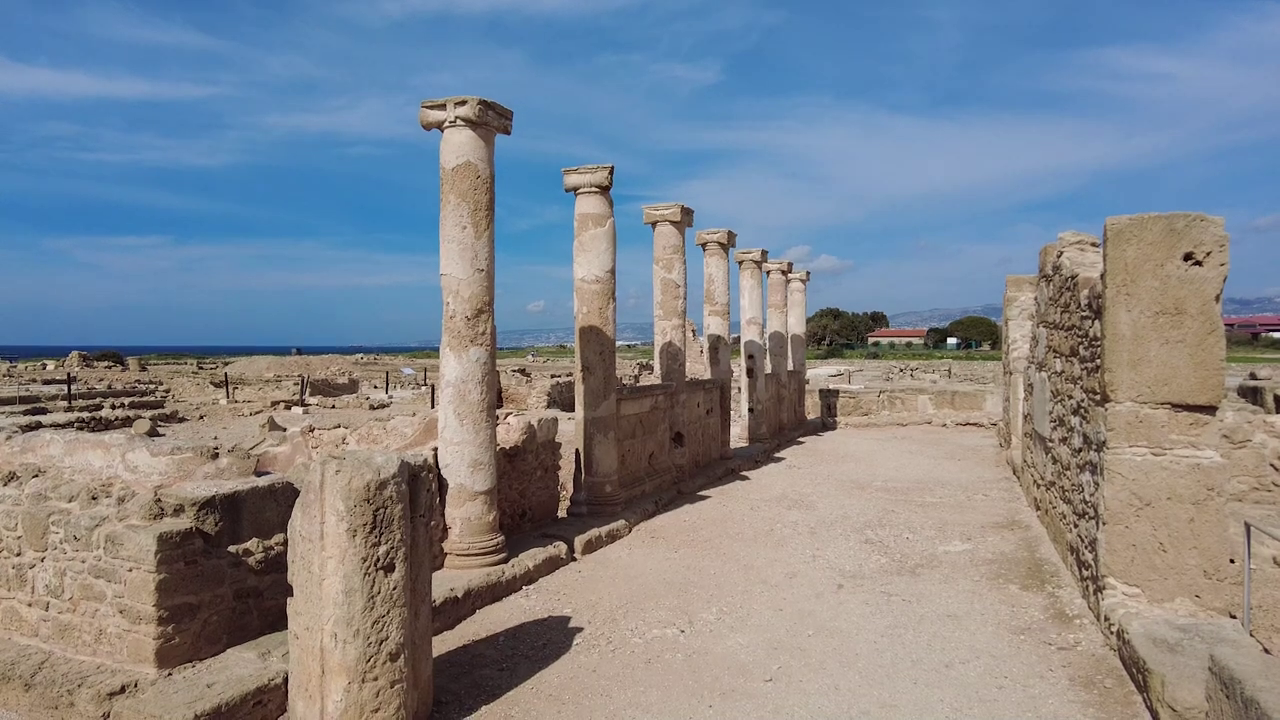
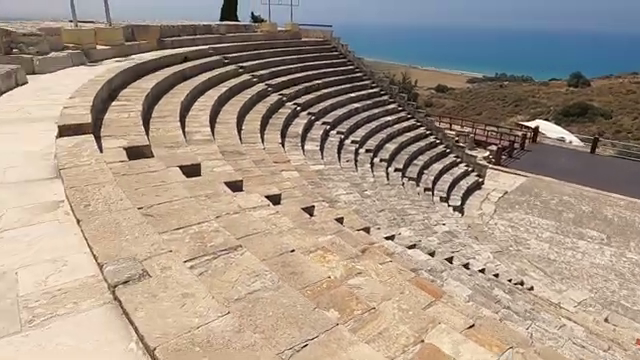 Kourion Archaeological Site
Cyprus rewards travelers who give its historic places time. That is harder when the main thought in your head is finding shade.
For archaeological sites, old towns, museums, monasteries and village exploration, we prefer spring, autumn and winter over the hottest part of summer.
April, May, October and November are especially useful because they allow you to combine substantial sightseeing with the pleasures of being outside.
Winter has another advantage: important historic places can feel dramatically calmer. The trade-off is shorter daylight, less reliable weather and fewer beach-oriented options afterward.
For someone visiting Cyprus primarily for archaeology and history, we would not automatically choose summer simply because summer is considered the conventional holiday season.
The Best Time For Villages And The Mountains
 Lofou Village
Mountain Cyprus has its own calendar.
In spring, the landscape has life and color. In summer, higher villages provide a change of temperature and pace from the coast. Autumn suits long lunches, winery country and slower road trips. Winter brings a completely different atmosphere again.
If villages and Troodos are central to the trip, April, May, October and November are particularly strong. Summer still works, especially as a contrast to the coast, but you will get more from the mountains when they are part of the reason for traveling rather than simply an afternoon escape from heat.
The Best Time For Couples

For most couples who want Cyprus to feel relaxed rather than crowded, we would look first at May, June, September and October.
These months make it easier to balance beaches with dinners outdoors, drives through villages, wineries, mountain stops and unhurried afternoons.
July and August can be excellent for couples whose idea of romance is entirely coastal: warm nights, swimming, beach clubs and resort energy.
They are weaker for couples looking for quiet roads, spontaneous exploration and a slower island.
The difference is not romance versus no romance. It is which rhythm you find romantic.
The Best Time For Families
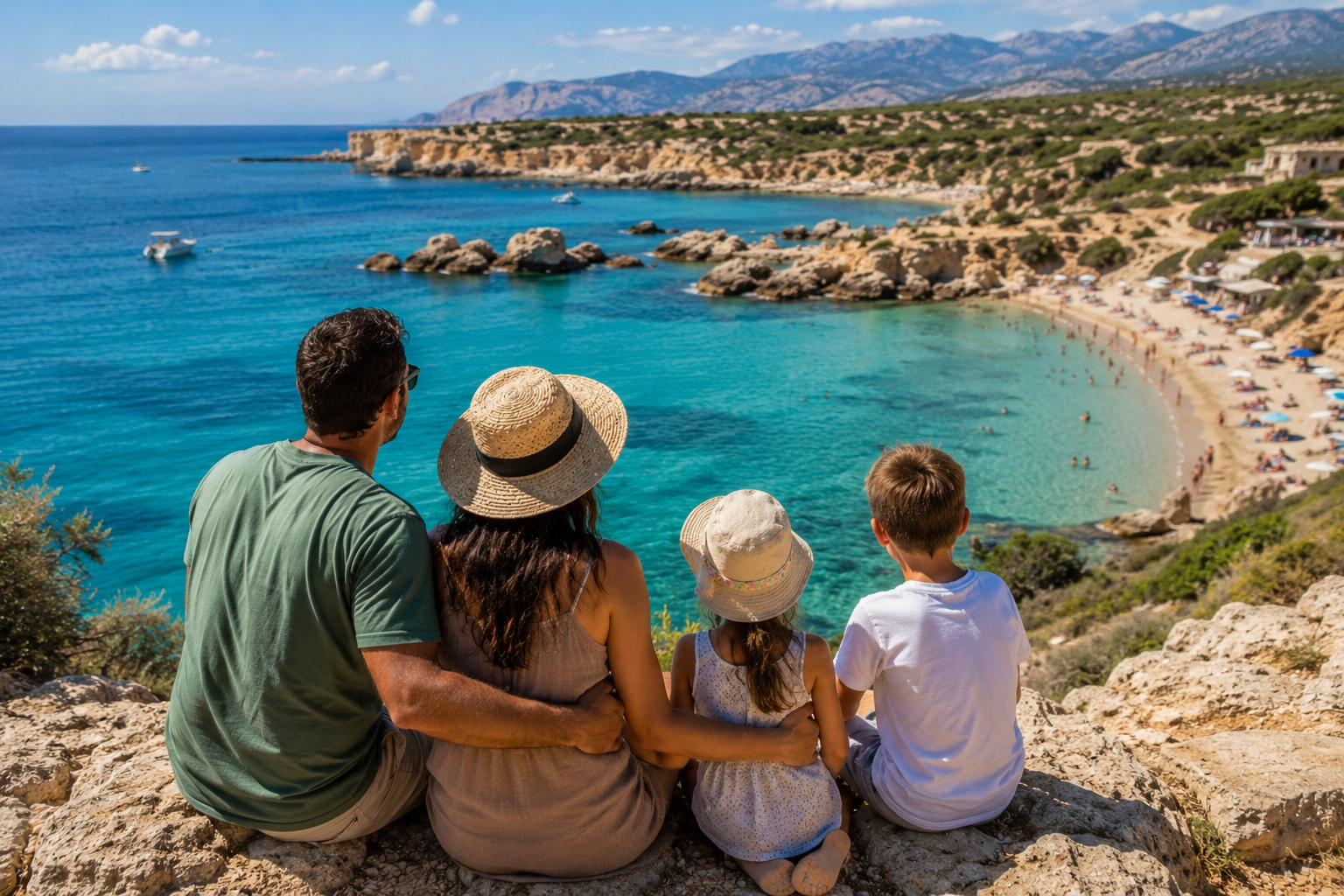
School calendars naturally push many families toward July and August, and Cyprus works well for a conventional summer family holiday.
The sea is warm, beach days are straightforward and resort areas are fully in their summer rhythm.
Families with younger children who have more flexibility should also look closely at May, June, September and October, particularly if intense heat makes long days outdoors difficult.
The better month depends on whether your family wants a resort-centered holiday or a broader trip that includes towns, villages and sightseeing.
The Best Time For Fewer Crowds
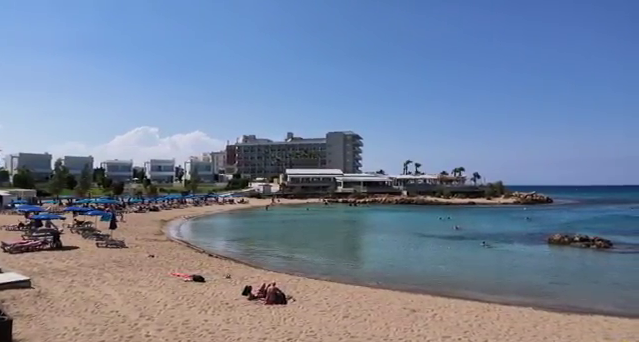 Pernera Beach, Paralimni
If your priority is a quieter island, move away from July and August.
April, May, October and November generally give independent travelers more breathing room while retaining enough warmth and daylight to make a varied trip worthwhile.
Winter is quieter again, but involves a more substantial seasonal compromise.
Do not confuse fewer visitors with a universally better experience. The energy of summer is part of the appeal in places such as Ayia Napa and Protaras. Visit too far outside their main season and you may avoid crowds while also avoiding the atmosphere you came to experience.
Quiet is only an advantage when the destination still feels alive enough for the trip you want.
The Best Time For Better Value
Accommodation pricing changes by property, destination, demand and specific dates, so we would never choose a month based on an assumption that it will automatically be cheap.
Broadly, moving outside peak summer can produce a more favorable relationship between price and experience.
The important distinction is value, not simply lower cost.
Saving money in January does not represent better value if the trip you really wanted involved swimming every day.
For many independent travelers, May, October and parts of spring or autumn offer a useful equation: good conditions, greater flexibility and less peak-season pressure.
Check current rates for the dates you are actually considering rather than relying on seasonal rules.
Cyprus Month By Month
The monthly guides go deeper into what changes across the year.
Cyprus in January
Quiet, cool by Cyprus standards and better suited to coastal walks, cities, food and archaeology than a conventional beach holiday.
Cyprus in February
Still winter, still variable, but increasingly interesting for travelers who value countryside, sightseeing and a slower island.
Cyprus in March
A transition month with greener landscapes and improving conditions for walking and touring, but too early to treat Cyprus as a dependable summer beach destination.
Cyprus in April
One of the strongest months for active exploration, with comfortable sightseeing conditions and an island that has not yet settled into midsummer heat.
Cyprus in May
One of our favorite all-around months: warm, increasingly beach-friendly and particularly well suited to travelers who want coast, villages and sightseeing in one trip.
Cyprus in June
The bridge into full summer and an excellent choice for travelers who want a genuine beach holiday without automatically choosing the hottest months.
Cyprus in July
Hot, coastal and unmistakably summery. Excellent when warm sea and beach life are the priority; more demanding for sightseeing-heavy itineraries.
Cyprus in August
Cyprus at its busiest summer rhythm, with warm sea, long evenings and strong resort energy. Choose it because you want peak summer.
Cyprus in September
One of the island’s strongest beach months, combining very summery sea conditions with the gradual easing of peak-season intensity.
Cyprus in October
A particularly versatile month when swimming, road trips, villages and sightseeing can coexist unusually well.
Cyprus in November
Quieter and more changeable, with greater appeal for food, culture, villages and road trips than for travelers dependent on daily beach weather.
Cyprus in December
Mediterranean winter rather than disguised summer: a month for atmosphere, walking, towns, mountain contrasts and a slower Cyprus.
The Month We Would Choose
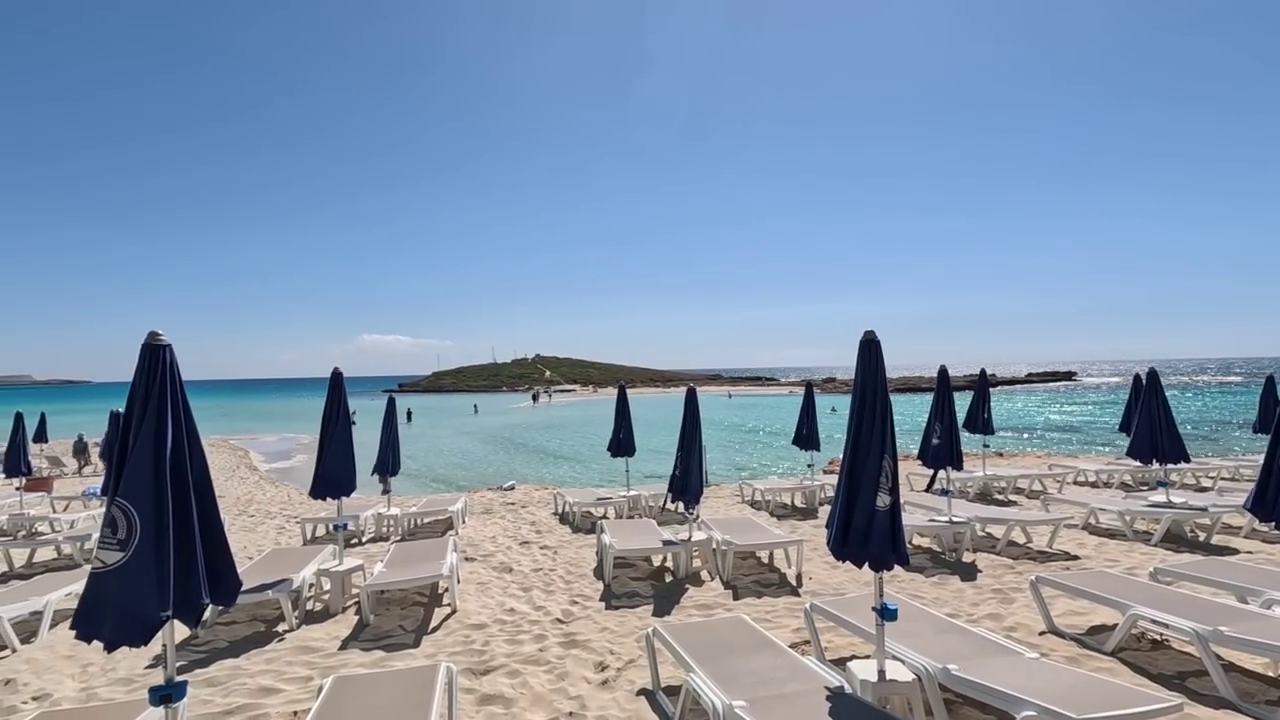
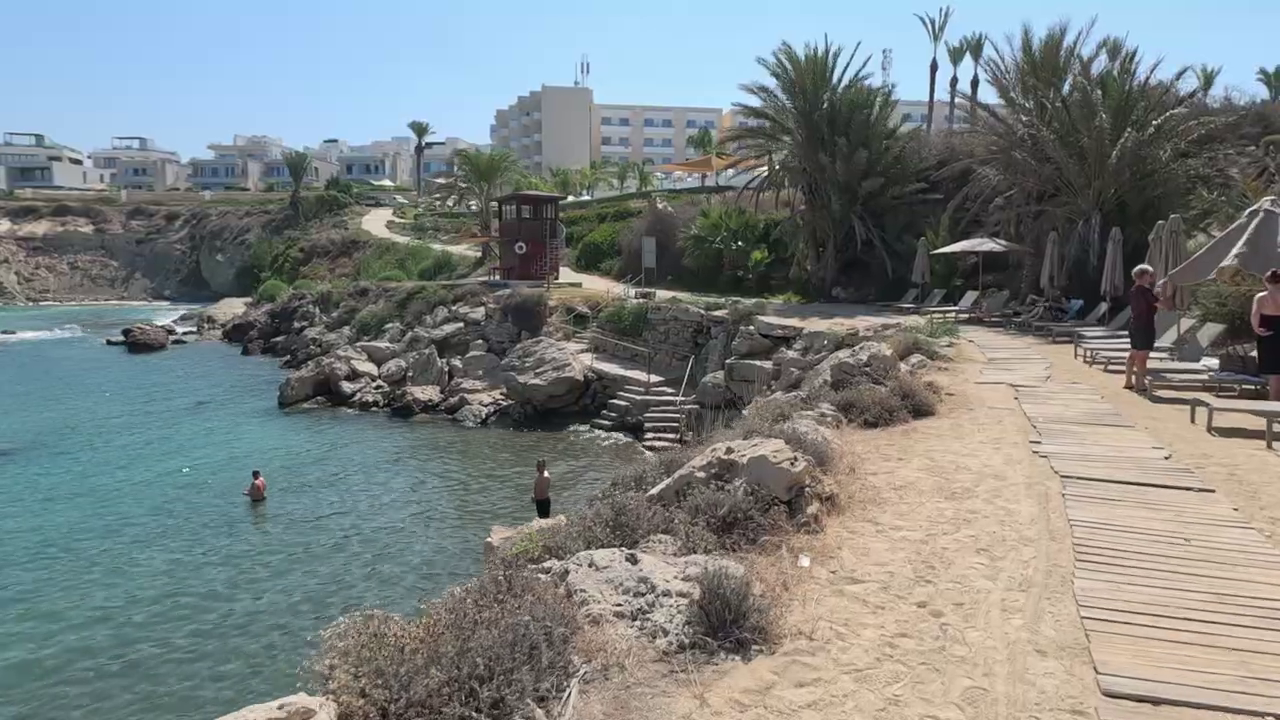

There is no intellectually honest answer without knowing the traveler.
But if you asked us to choose one month for someone visiting Cyprus for the first time and wanting to understand the island rather than simply lie beside its sea, we would choose May or October.
May has the advantage of spring landscape, increasing warmth and the sense of summer arriving.
October has the advantage of a sea that has spent months warming, softer conditions for exploring and a coastal season that often lasts longer than first-time visitors expect.
If swimming mattered more than countryside, we would move toward June or September.
If archaeology, hiking and villages mattered more than swimming, we would move toward April, May, October or November.
If the entire purpose were a classic hot Mediterranean beach holiday, we would stop overthinking it and choose June through September.
The best month appears only after you decide what you are asking Cyprus to give you.
What We Would Not Do
We would not choose July or August for a hiking-heavy itinerary simply because the forecast shows endless sun. We would not choose January because accommodation appears cheaper and then expect a summer beach holiday. We would not dismiss October because it is technically autumn. We would not assume April feels the same beside the sea as it does in Troodos.
And we would not build an ambitious sightseeing schedule around midday in high summer and then blame Cyprus for being hot.
Season is not a detail added after you choose your trip. Season changes the trip.
Weather in Cyprus Is Local As Well As Seasonal
One final distinction matters.
Cyprus is small, but its weather does not behave as though every part of the island is interchangeable.
The coast, inland cities and higher elevations can differ noticeably. Troodos can be considerably cooler than the coast. Wind, cloud and rain can affect one area differently from another. Sea conditions can also change independently of what the air temperature seems to promise.
That is why monthly averages are useful for planning but poor guarantees of what will happen on a particular day.
Before travel — and especially before hiking, boating, swimming or mountain driving — check current weather, sea and road conditions and any relevant information from operators or authorities. Seasonal business hours and services can also change, particularly outside the main summer period.
Plan around patterns. Make day-to-day decisions around actual conditions.
The Best Time To Visit Cyprus Depends on Which Cyprus You Want
Cyprus changes more through the year than the postcard version of the island admits.
Spring gives you green hillsides, comfortable exploration and the beginning of beach season. Summer moves life toward the coast and turns the sea into the center of the day. Autumn keeps the water warm while returning freedom to the traveler who wants to explore. Winter strips away much of the resort rhythm and reveals a quieter island of cities, villages, archaeological sites, mountain roads and ordinary life.
None of these is the complete Cyprus. That is precisely the point.
Do not begin by asking which month has the best weather. Begin with the trip.
Do you want to swim every day? Walk for hours? Eat lunch in mountain villages? Stay out late beside the sea? Explore archaeological sites without planning around the heat? Drive without an itinerary? Have the coast at its liveliest, or hear it when it has gone quiet?
Answer those questions first. Then choose the month. Because in Cyprus, timing does more than change the weather. It changes the island you meet.