Newsletter "Beyond the Postcards" Subscribe
Plan Your Cyprus Trip: Hotels: Expedia, Villas & Apartments: Vrbo, Car Rentals: DiscoverCars, Tours: GetYourGuide, Airport Transfers: WelcomePickups
- Home
- Plan Your Cyprus Trip
- Best Time To Visit Cyprus
- Cyprus in February
Cyprus in February: Weather, Things To Do & Who It Suits Best
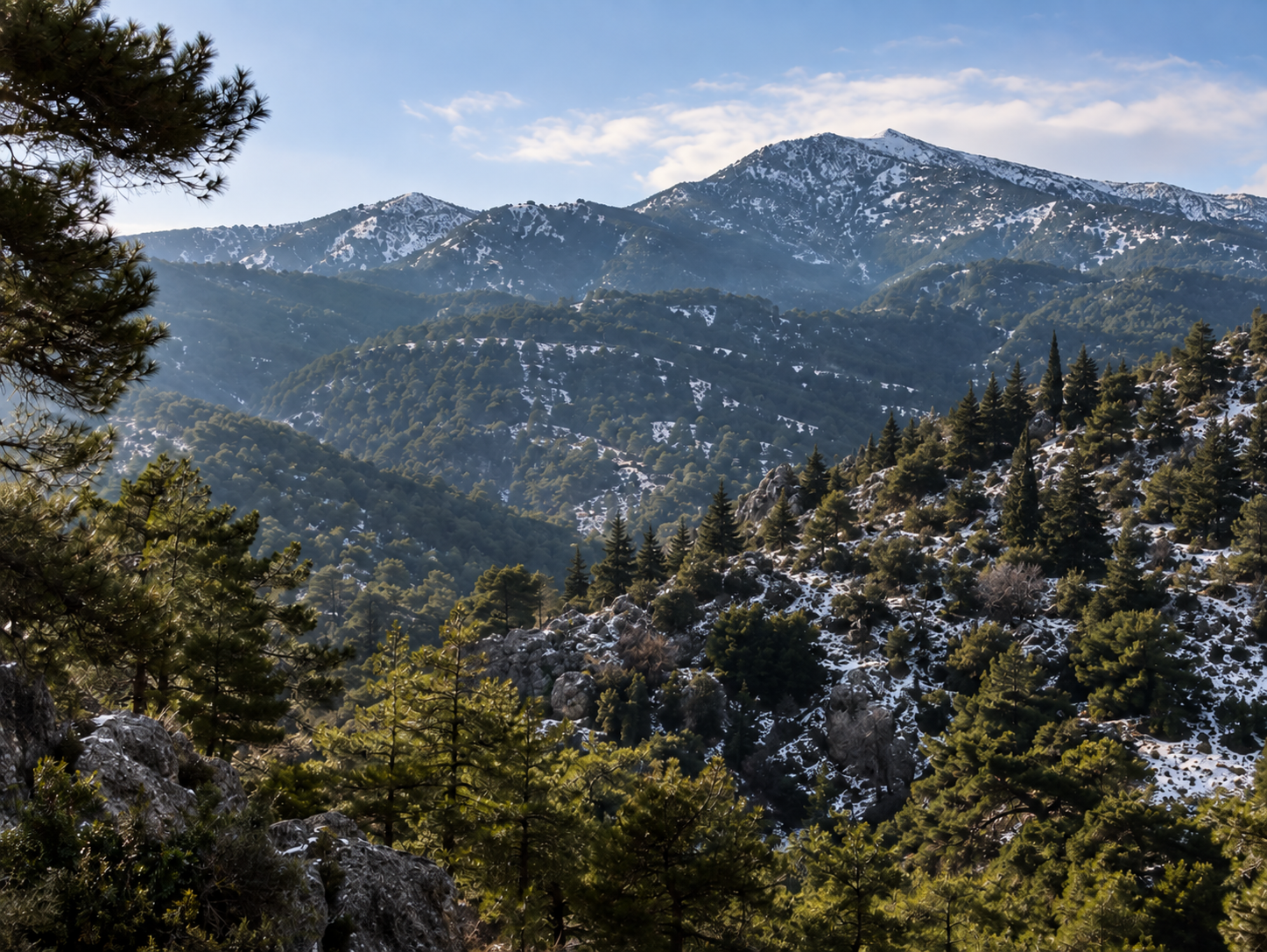
February is the month when Cyprus begins to change its mind about winter.
The sea is still cold. Rain and wind still belong to the season. Snow can remain part of the story in the Troodos Mountains, and evenings still require proper layers. But look beyond the coast and something else is happening.
The countryside begins to wake up. Almond blossom can appear across parts of the island. Hillsides remain green rather than the sun-bleached gold of summer. Days gradually lengthen, and on clear afternoons, the light starts to feel less wintry even when the temperature does not.
January feels unmistakably like winter. March begins leaning toward spring. February sits between them, and the tension between the two seasons gives the month its character.
If you want guaranteed beach weather, February is the wrong choice. If you want archaeology without heat, quiet roads, green countryside, village lunches, coastal walks and the possibility of seeing Mediterranean winter and the first signs of spring in the same trip, it deserves serious consideration.
The Quick Answer
Is February a good time to visit Cyprus?
Yes — if you understand what you are coming for.
February works particularly well for archaeological sites, cultural sightseeing, countryside drives, walking when conditions are suitable, Nicosia, villages, coastal walks, green landscapes and travelers who prefer exploring to resort life.
We would not choose February primarily for a conventional beach holiday, reliably warm swimming, outdoor pool days, guaranteed sunshine, guaranteed snow or full summer resort atmosphere.
February is still winter, but winter has started loosening its grip.
What Cyprus Feels Like in February
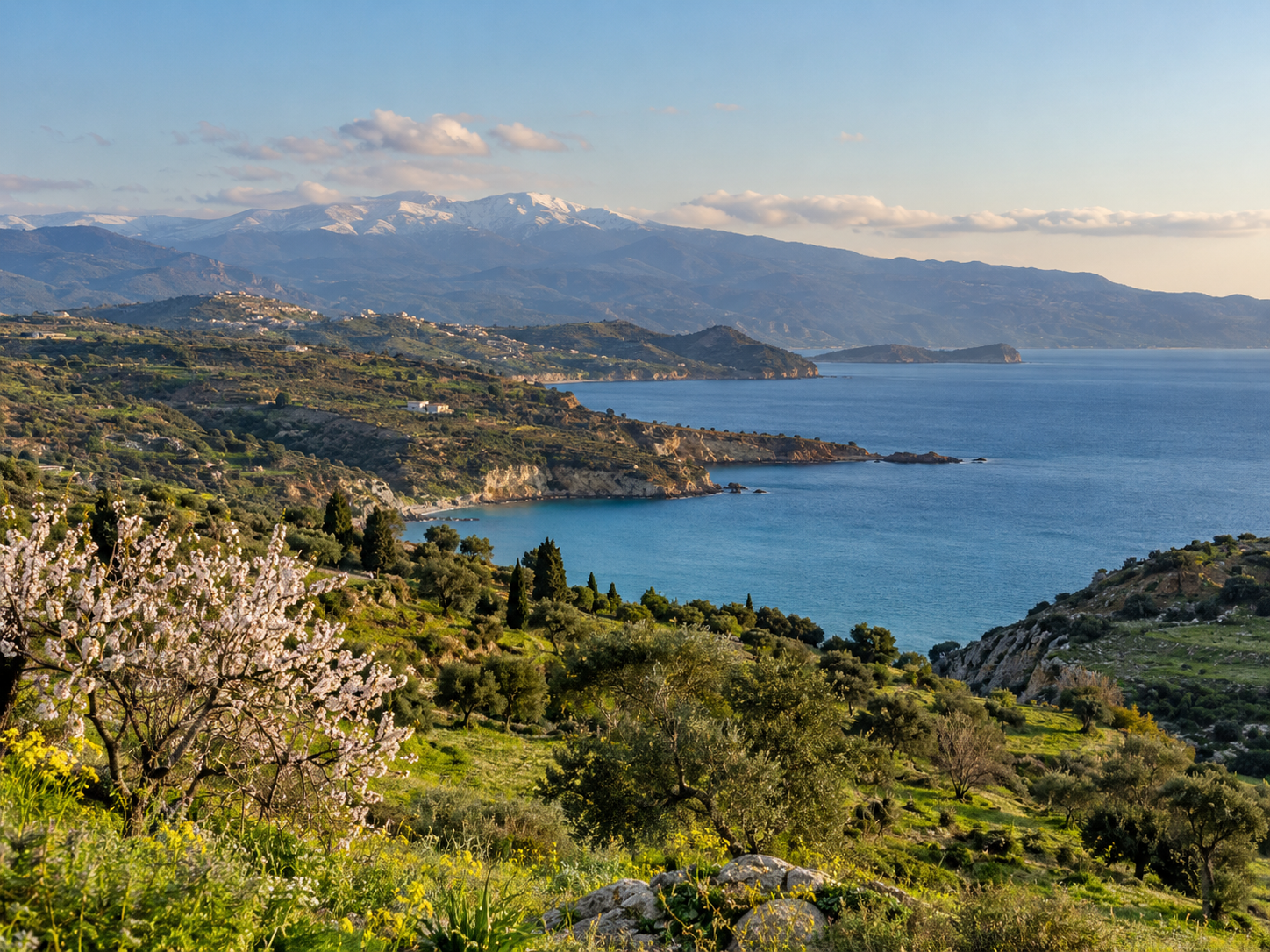
February can feel more optimistic than January without being dramatically warmer.
The days are gradually getting longer. The countryside can be intensely green. Almond trees may begin flowering in parts of the island, although timing varies with location, elevation and the conditions of that particular year. Other early wildflowers can begin appearing too.
For travelers accustomed to seeing Cyprus only in midsummer, the landscape can be disorienting. This is not the island of dry hillsides and scorched fields. February Cyprus can look soft, green and surprisingly fertile.
Yet the season remains changeable enough to resist easy promises. A beautiful sunny morning may become cool and windy later. Rain can alter plans, and mountain weather operates by its own rules.
The month suits travelers who are comfortable responding to conditions rather than trying to control every day in advance. Use the clearest days for countryside, archaeology, villages and the mountains. Keep cities, museums and long lunches available when the weather turns. In February, flexibility is not a compromise; it is part of traveling well.
February Weather in Cyprus
February remains one of the cooler months of the Cypriot year.
Along the coast, daytime temperatures often reach the mid-to-high teens Celsius, with warmer-feeling afternoons possible in sunshine and noticeably cooler periods when cloud, wind or rain arrive. Early mornings and evenings are colder, while conditions inland and at elevation can be significantly different.
Rain remains part of the seasonal pattern. The useful distinction is not whether February is “warm.” Compared with much of Europe, it can feel mild. Compared with Cyprus in May or September, it is winter. Both statements can be true.
The Coast
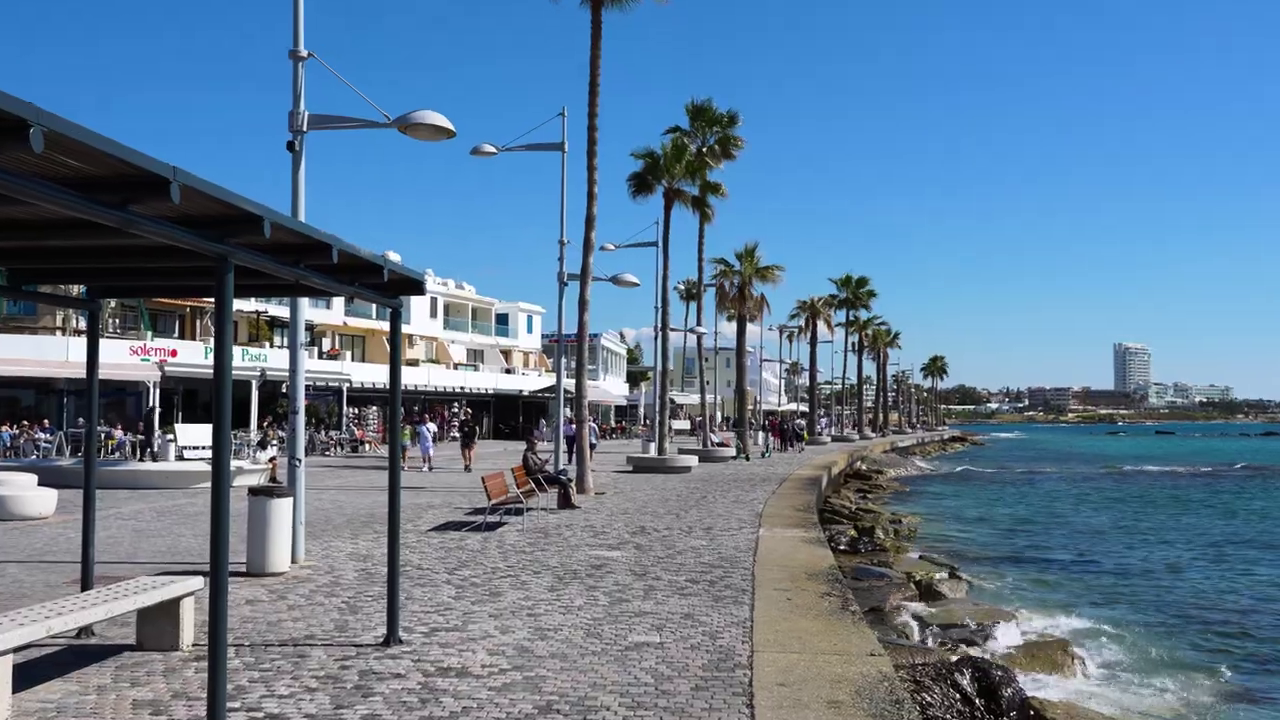 Paphos Promenade
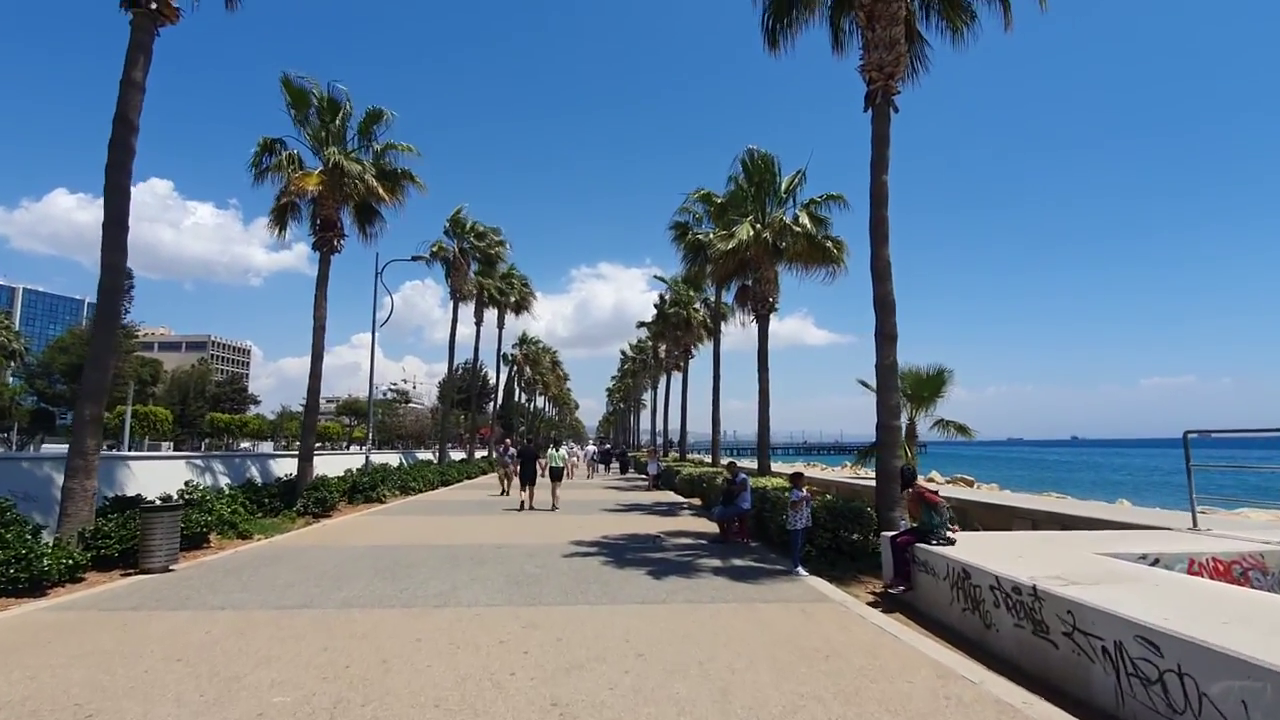 Limassol Promenade
Paphos, Limassol and Larnaca generally offer the easiest February conditions for travelers who want to spend substantial time outside.
On a clear day, lunch beside the sea can feel wonderfully civilized and a coastal walk can occupy an entire afternoon. When wind or rain arrives, the same waterfront can feel distinctly wintry. That variation belongs to the month.
Nicosia and the Interior
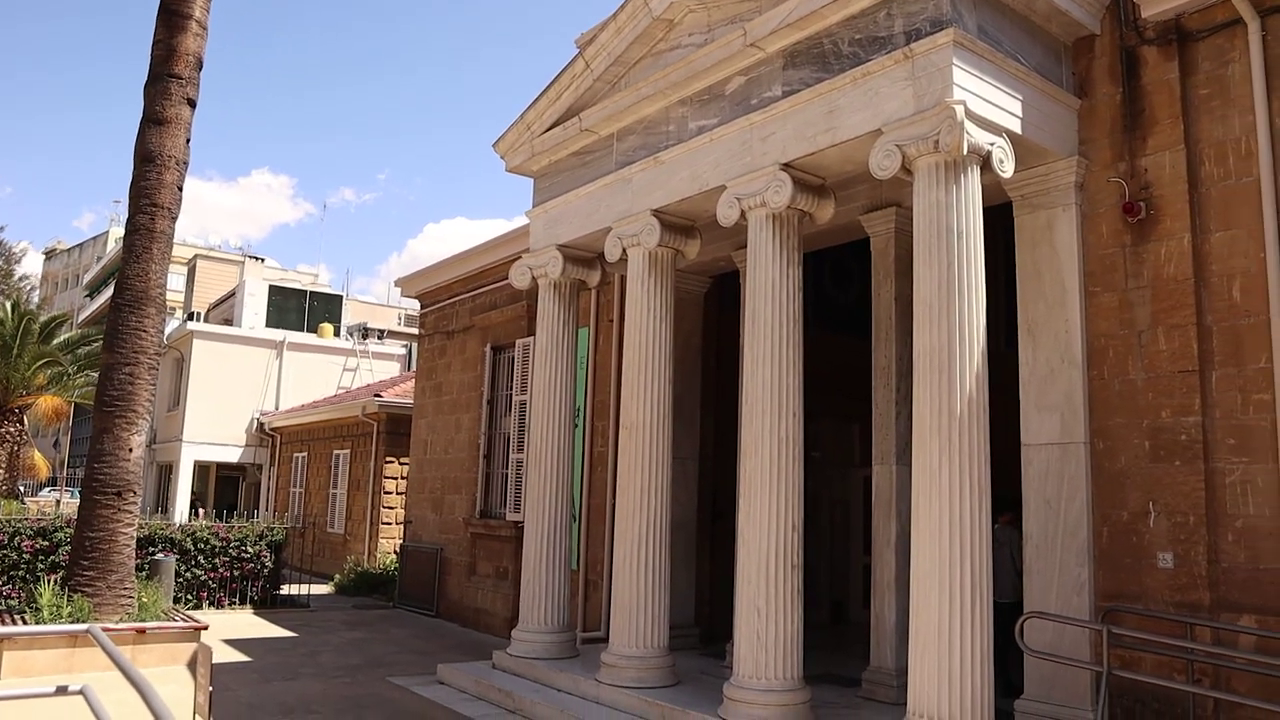 Cyprus Museum, Nicosia
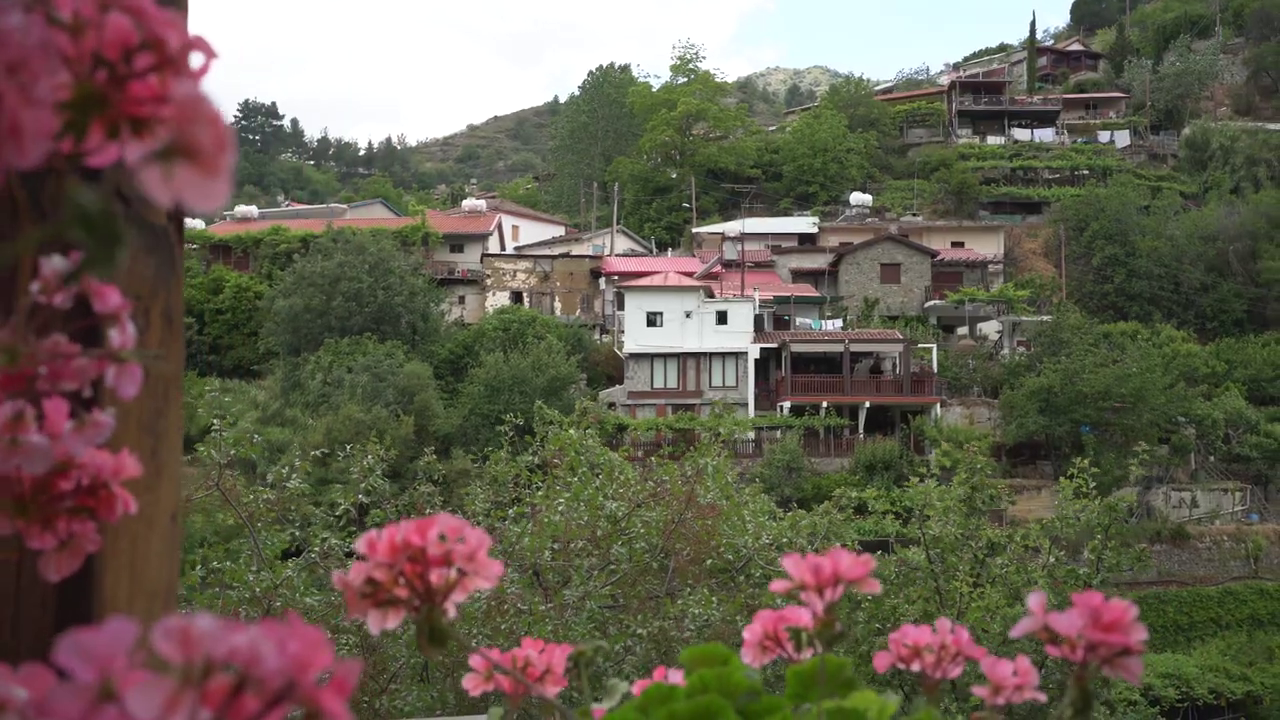 Kalopanayiotis Village
Nicosia often feels cooler in the morning and evening than the coast, but February suits the capital particularly well.
You can explore the old city, museums, cafés and restaurants without summer heat dictating the day. The capital also gives you access to inland landscapes that are beginning to show some of February’s earliest movement toward spring.
For travelers who have previously dismissed Nicosia on a summer itinerary, February is a good month to reconsider it.
Troodos
 Troodos Mountains
The mountains remain winter territory.
Snow can occur or remain on the ground at higher elevations, but its presence, depth and duration vary considerably. Fog, ice, rain and rapidly changing conditions can affect mountain roads and walking routes.
Do not infer anything about Troodos from what is happening at your coastal hotel. Check current mountain weather and road conditions before leaving and change the plan if conditions are unsuitable. Troodos is one of February’s great opportunities, but it should never become an obligation.
Is February Warmer Than January?
Usually, the seasonal direction is toward warmer and longer days, but travelers should not exaggerate the difference.
February does not suddenly transform Cyprus into spring. Some days can feel gloriously mild; others can feel as wintry as January because weather patterns do not respect the dividing line between two pages on a calendar.
The more meaningful difference is visual. There is more daylight than at the beginning of January. The countryside is moving toward spring. Blossom and new growth can become more noticeable, and the island begins changing before it becomes consistently warmer.
That is the real reason February is more interesting than a simple temperature comparison suggests.
Can You Swim in Cyprus in February?
Yes, but we would not plan the trip around it.
The Mediterranean remains cold by Cyprus standards, generally in the high teens Celsius. People accustomed to cold-water swimming may be perfectly comfortable going in. Most travelers expecting the warm, easy swimming associated with Cyprus in summer will not be.
If daily swimming is essential, February is the wrong month. If you want the Mediterranean as scenery rather than as the main activity, the equation changes completely. Quiet coastline, winter light and a long walk can be more rewarding than forcing yourself into the water because you have traveled to an island.
Hotel pools require the same reality check. Never assume that an outdoor pool will be heated or operating because photographs show it beside the hotel. Confirm winter facilities directly with the property if swimming matters to your stay.
The Beaches in February
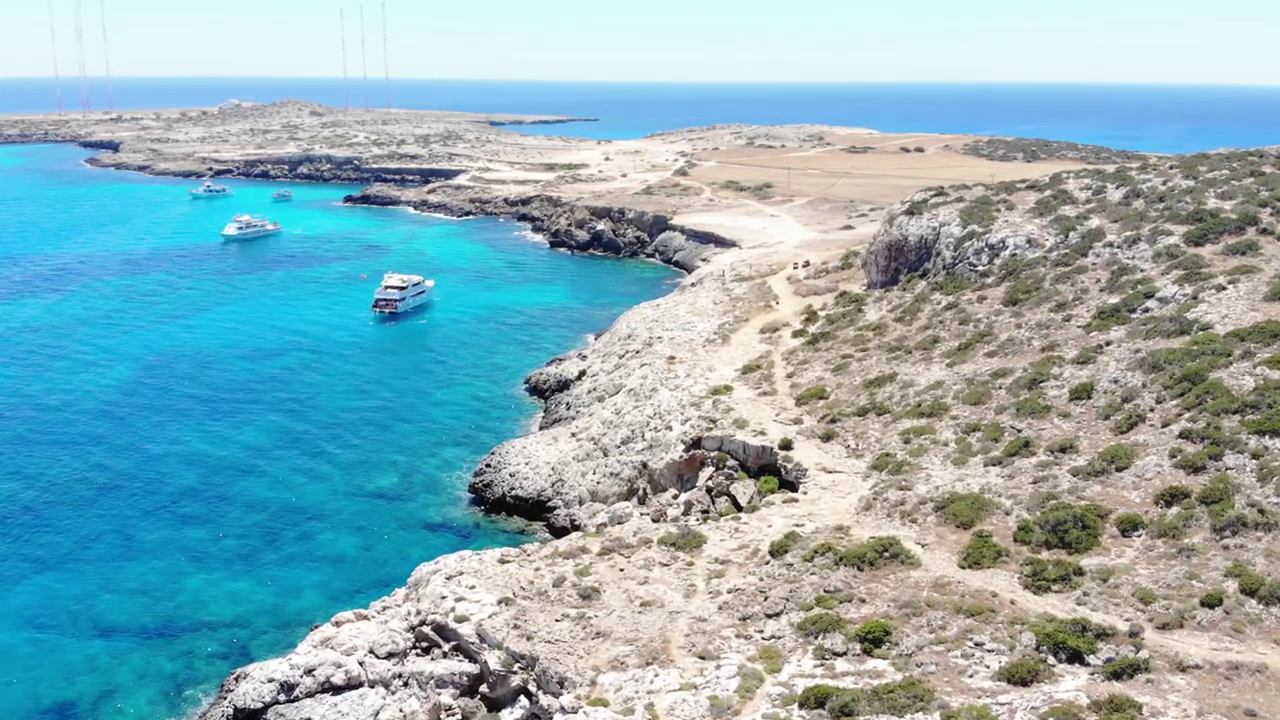 Cape Greco
February makes some of Cyprus’s familiar beaches feel unfamiliar.
There are fewer towels, umbrellas and people treating the coast as the center of the holiday. What remains is the landscape itself.
At Cape Greco and along stretches of the Paphos coastline, this can be an advantage. Cliffs, paths, winter sea and changing light become more important than whether the water is warm enough for a swim.
Walk. Stop for lunch. Find a viewpoint. Watch the weather move across the sea. Do not judge a February beach by summer criteria.
Winter wind, waves and currents can also differ significantly from calmer summer conditions. Assess the sea as it actually is on the day rather than assuming sunshine means swimming is sensible.
February's Great Advantage: The Countryside
This is where February begins to separate itself from January.
The countryside offers reasons to travel inland that have nothing to do with escaping summer heat. Green fields, fresh growth and early blossom can make village roads and foothill landscapes particularly attractive.
Almond trees are among the most visible signs of the change, although flowering times vary between areas and years. Do not treat blossom like a scheduled attraction; there is no reliable date when every almond tree on the island flowers for visitors.
Instead, treat it as part of the landscape when the season cooperates. For us, a clear February day divided between countryside, a village and a long lunch is one of the month’s strongest arguments.
Where We Would Stay in Cyprus in February
As in January, we favor places with year-round life.
February is still too early to assume that heavily seasonal resorts will operate as they do in summer.
Paphos remains one of the strongest all-around bases. Archaeology, coastal walks, restaurants and access to the surrounding countryside give you enough variety to adapt when conditions change.
Limassol works particularly well for travelers who want a more urban stay and easy access to wine villages and the southern foothills. Depending on the annual calendar, February can also overlap with Carnival season.
Larnaca is compact, lived-in and straightforward, with a waterfront that remains part of everyday city life rather than existing only for summer visitors.
Nicosia deserves consideration if museums, food, city culture and inland Cyprus matter more to you than waking beside the Mediterranean.
Ayia Napa and Protaras remain specialist choices. The coastline is beautiful, but businesses associated with the summer visitor economy may operate differently or remain closed. Choose the southeast for quiet coast, not full resort life.
Troodos can justify an overnight stay if winter mountains are one of your priorities, but most first-time visitors will find a year-round coastal base easier.
For a February trip, we would generally prefer one strong base with carefully chosen day trips to moving accommodation every couple of nights.
The Best Things To Do in Cyprus in February
February rewards the traveler who stops trying to recreate summer and notices what the season actually improves.
Explore Archaeological Sites Without The Heat
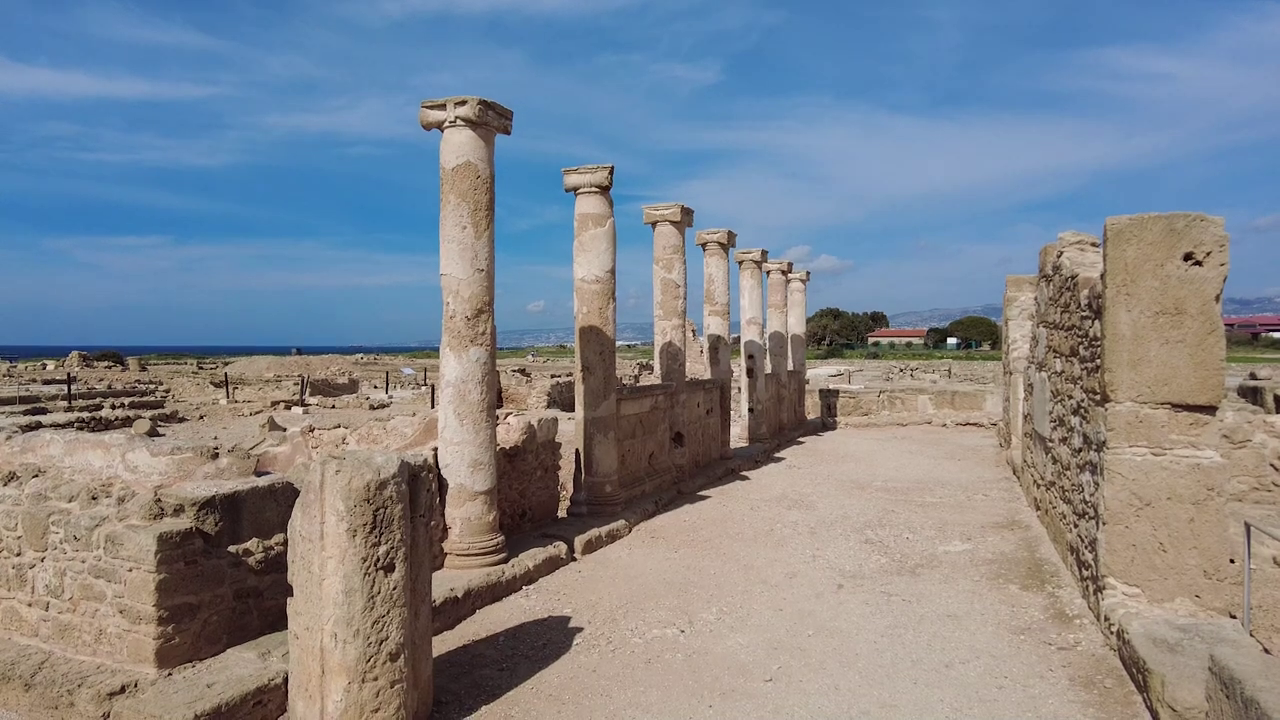
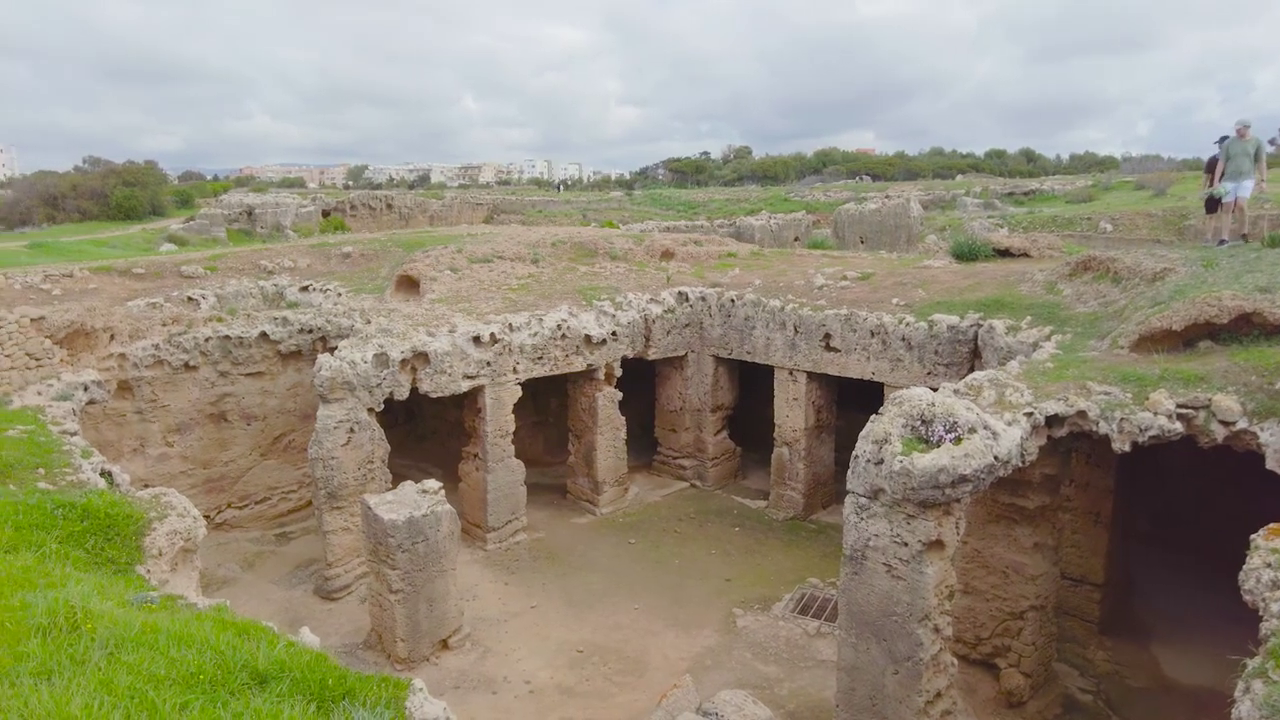
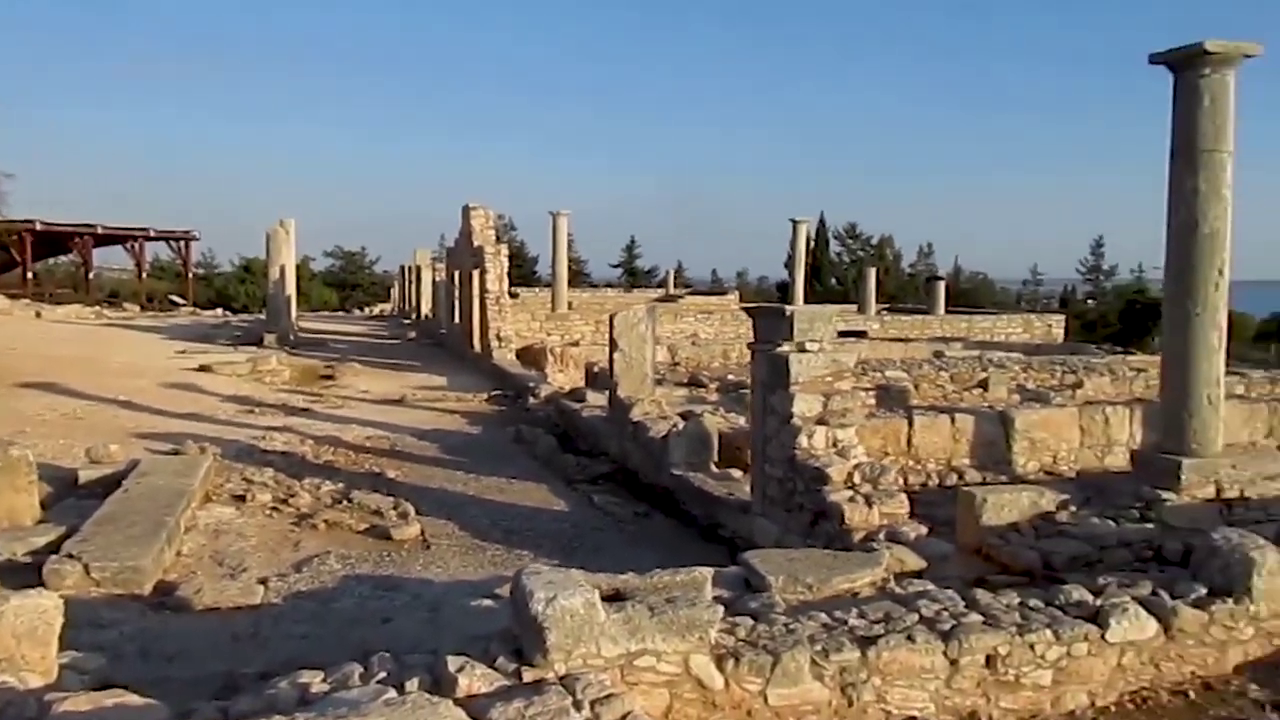
Kato Paphos Archaeological Park and other exposed historic sites benefit enormously from cooler conditions.
In summer, an archaeological visit can become a negotiation with temperature. In February, weather permitting, you can slow down, read and spend proper time outdoors.
For travelers interested in the layers of Cyprus rather than simply its coastline, that is a serious advantage.
Drive Through The Countryside
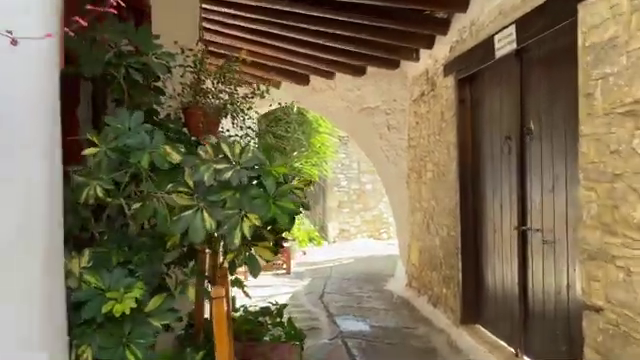 Omodos Village
 Lefkara Village
A February road trip does not need a dramatic destination.
Choose a coherent area, select one or two villages and allow time for the road between them. Omodos and Lefkara work well as recognizable anchors, but depending on where you are staying, wine villages, foothill communities and lesser-known rural areas may make more geographic sense.
The mistake is driving across half the island simply to collect famous village names. February rewards depth more than mileage.
Give Nicosia More Time
 Liberty Monument, Nicosia
February is excellent for correcting one of the most common mistakes in Cyprus travel: treating Nicosia as optional because it does not have a beach.
Walk the old streets. Spend time in museums. Have a proper lunch. Sit for coffee rather than rushing back toward the coast.
Cooler weather makes the capital comfortable to explore, while the absence of summer beach pressure allows it to compete for your attention on its own terms.
Walk The Coast
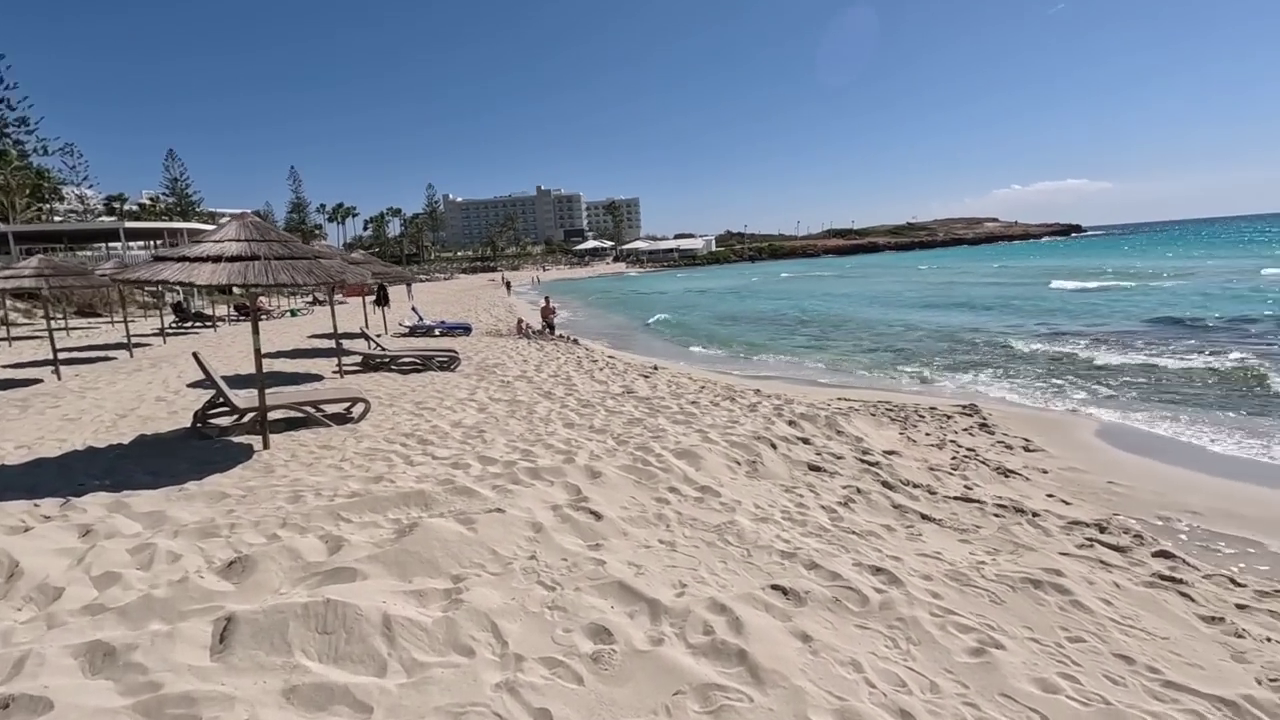 Nissi Beach, Ayia Napa
On a clear day, February can produce excellent walking conditions.
The Mediterranean remains central to the landscape even when you have no intention of swimming. Paphos, Larnaca and Cape Greco offer very different coastal experiences, and winter quiet can make familiar places feel larger.
Check wind and weather before committing to a long exposed route. There is no prize for fighting sideways rain because the itinerary says Tuesday is walking day.
Go Into Troodos When The Day Is Right
February can still deliver one of Cyprus’s strongest seasonal contrasts: mild coast below, winter mountains above.
If snow is present and roads are suitable, the change can feel remarkable. If there is no snow, Troodos can still be worthwhile for villages, mountain scenery and a complete change of atmosphere.
Check current weather and road conditions before traveling higher and keep the mountain day movable. The contrast is worth experiencing; forcing it is not.
Hiking in February
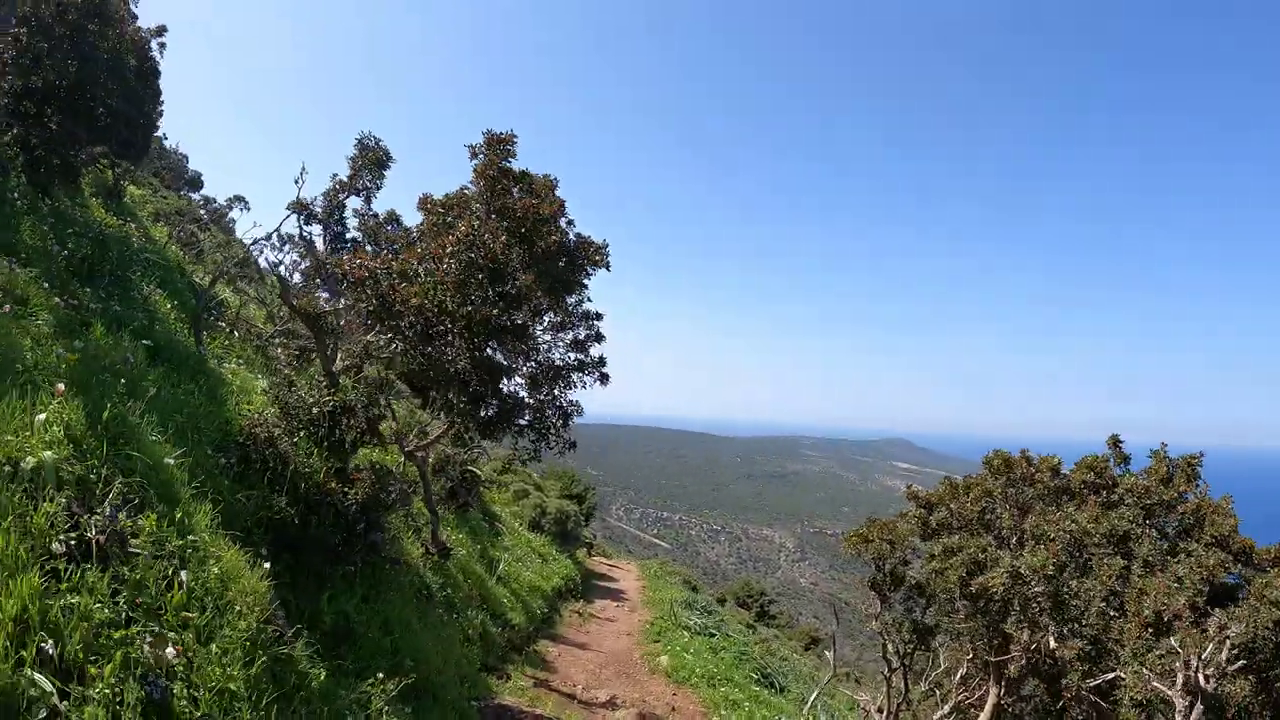 Hiking: Akamas Peninsula
For walkers, February can be excellent.
Temperatures are generally much more comfortable than in high summer, and the landscape can be greener and more alive. Winter walking, however, brings different complications.
Recent rain can leave trails muddy or slippery. Mountain conditions may involve cold, fog, ice or snow, and daylight remains more limited than later in spring.
Choose the route according to actual conditions, terrain and your own experience. Proper footwear matters, as does carrying water even when temperatures feel cool. Leave enough time to finish comfortably before dark.
For the right traveler, February hiking can be one of the month’s highlights. For the wrong conditions, the intelligent decision is to do something else.
Almond Blossom in Cyprus
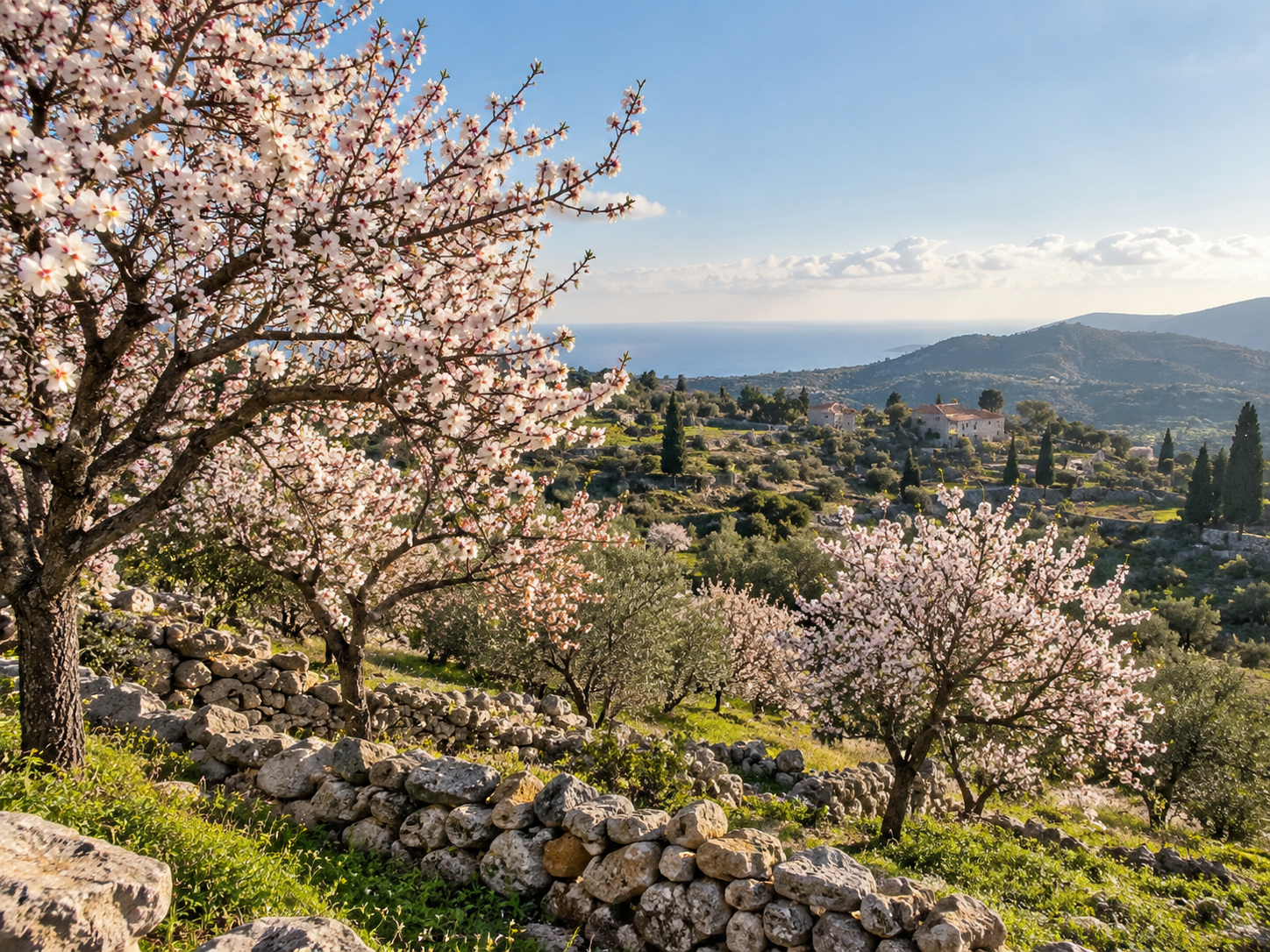
February and almond blossom are often mentioned together for good reason.
Across parts of Cyprus, almond trees can produce white and pale-pink blossom during winter, creating a striking contrast with the green countryside.
But this is a natural event, not an attraction with opening hours. Timing varies according to weather, elevation and location. Some trees may flower earlier, others later, and a particular February week cannot guarantee peak blossom across the island.
We would not travel to Cyprus solely because someone promised a precise blossom date. We would see almond blossom as one of the details that can make a February countryside day memorable when the season aligns.
What About Carnival?
February can coincide with one of Cyprus’s most distinctive periods of public celebration.
Carnival dates move because they are tied to the Orthodox Easter calendar, so the season does not fall neatly into February every year. In some years, significant Carnival events take place during the month; in others, the calendar shifts toward March.
Limassol is particularly associated with Carnival and can feel very different when celebrations are underway.
If Carnival matters to your trip, check the official dates and program for the year you are traveling rather than assuming a February visit automatically includes the main events.
Eating in Cyprus in February
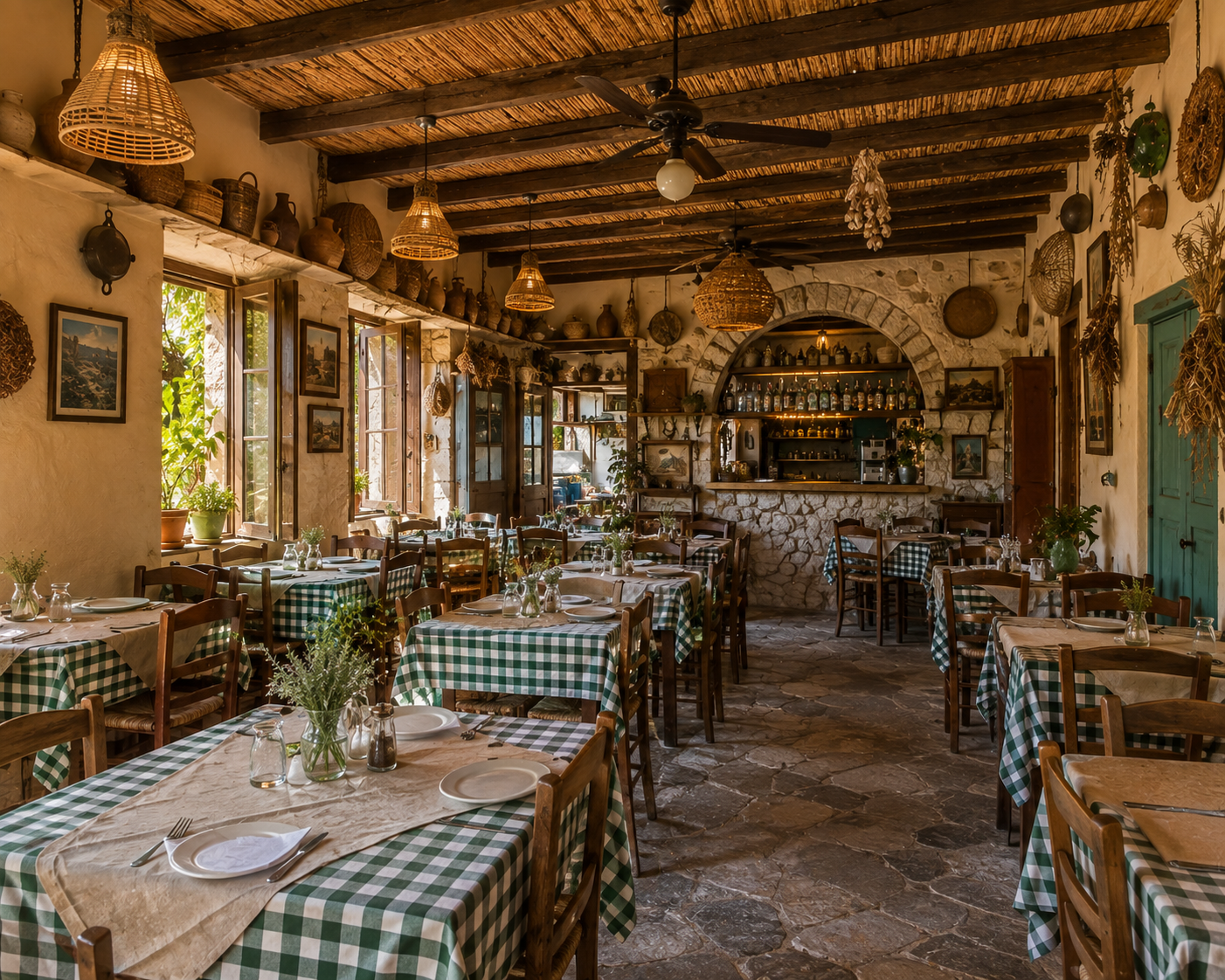
February remains an excellent month for eating inland.
Long taverna lunches, mountain villages and wine-country drives feel naturally aligned with the season. You are not racing back to the beach, and cooler weather makes substantial meals more appealing than they might in August.
This is a good month to stop treating lunch as something fitted between attractions. Choose somewhere worth staying for, eat slowly, then decide what the afternoon needs.
In tourism-dependent areas, opening schedules can differ from summer, particularly on quieter weekdays. Check before making a substantial detour for one specific restaurant or winery. The trip should survive even if one door is closed.
Crowds And Value in February
February remains firmly outside Cyprus’s main summer visitor period.
Archaeological sites, coastal walks and popular villages can feel considerably quieter than they do later in the year. For independent travelers, that extra space can be genuinely valuable.
But less tourism also means less tourism infrastructure. In year-round cities, this is rarely a major problem. In strongly seasonal resort areas, the difference can be obvious.
Accommodation can also offer attractive value, but there is no universal February discount. Prices depend on the property, destination and exact dates.
Choose February because the February version of Cyprus appeals to you. If lower prices come with it, take the benefit, but do not let the room rate choose the season.
Who February Suits Best
February suits travelers who like the idea of Cyprus between seasons.
It is particularly strong for couples, independent road-trippers, walkers, culture-led travelers and repeat visitors who already know the summer island and want another version of it.
It can also work for families who enjoy archaeology, countryside and cities and do not need pools or beaches to structure every day.
We would hesitate for travelers whose holiday depends on predictable sunshine, warm sea, outdoor pools, boat trips or full resort energy.
February offers more spring promise than January, but not spring certainty. Enjoy that ambiguity and the month can be excellent; fight it and you may spend too much of the trip wishing you had booked May.
Driving in Cyprus in February
February is well suited to road trips because the island can be explored without midsummer heat, but winter conditions still matter.
Rain can reduce visibility and make surfaces slippery. Mountain roads may encounter fog, ice or snow, and conditions at elevation can bear little resemblance to those beside the sea.
Check current weather and road information before heading into Troodos, follow any restrictions in force and be willing to reroute.
If you are new to driving on the left, give yourself time to adjust before combining unfamiliar road positioning with narrow village roads or difficult mountain weather.
A rental car can unlock February Cyprus, but it does not remove the need for judgment.
What To Pack For Cyprus in February

Pack for variation.
Layers remain the most useful strategy: clothing for mild sunny afternoons, warmer pieces for mornings and evenings, and a waterproof outer layer for rain.
Bring comfortable walking shoes if archaeological sites, villages or trails are part of the trip.
Mountain days require more preparation. Conditions in Troodos may demand substantially warmer clothing than you need on the coast.
Sunglasses and sun protection still belong in the bag. Several hours outdoors under winter Mediterranean sun can catch travelers who packed as though they were visiting northern Europe.
If your trip spans coast, interior and mountains, no single outfit will solve every day. The variety is part of February.
February VS January or March
The neighboring months make February easier to understand.
Choose January if you want Cyprus at its most distinctly wintry: quiet coast, deeper winter atmosphere and the possibility of stronger mountain conditions.
Choose February if you like the transition itself — winter still present, but with greener countryside, early blossom and the first visible movement toward spring.
Choose March if you want the balance to shift further toward spring and generally stronger prospects for longer outdoor days.
For a swimming-first trip, we would move considerably later. For countryside and culture, the January-to-March period has far more to offer than many visitors realize.
What We Would Not Do in Cyprus in February
We would not call February spring and allow you to assume reliable warmth.
We would not choose the month for guaranteed swimming, sunshine or snow, or build a countryside trip around a promise that almond blossom will peak on specific dates.
We would not assume Carnival falls during our stay without checking that year’s calendar.
We would not book a highly seasonal coastal resort without understanding what is operating, or attach the Troodos day permanently to Tuesday when Wednesday’s weather may be far better.
And we would not overfill the itinerary simply because Cyprus looks small on a map. February improves when you leave enough room to respond to it.
How We Would Approach A February Trip
We would choose a year-round base — most likely Paphos, Limassol or Larnaca for a first visit — and use a car when countryside exploration matters.
We would build the trip around archaeology, one or two coherent village areas, Nicosia, coastal walking and good meals rather than trying to cover the entire island.
We would keep Troodos movable, watch the landscape rather than chase blossom and make use of Carnival if the dates happened to align with the trip.
And when the forecast gave us one of those clear winter days that already hints at spring, we would not waste it indoors.
February is too transitional to control.
That is also what makes it interesting.
So, Should You Visit Cyprus in February?
Visit Cyprus in February if you want to catch the island in the act of changing seasons.
January’s winter has not gone. March’s spring has not fully arrived.
Between them, February gives you green countryside, the possibility of almond blossom, quiet archaeological sites, long village lunches, empty stretches of coast and mountains that may still be unmistakably wintry.
You sacrifice the certainty of summer. In return, you get contrast.
For some travelers, that trade is not worth making. They should come when the sea is warmer and the weather asks fewer questions.
For others, February reveals something more interesting: Cyprus before the heat simplifies it into a summer destination.
Look closely and the island is already changing.
The season just has not finished the job.