Newsletter "Beyond the Postcards" Subscribe
Plan Your Cyprus Trip: Hotels: Expedia, Villas & Apartments: Vrbo, Car Rentals: DiscoverCars, Tours: GetYourGuide, Airport Transfers: WelcomePickups
- Home
- Plan Your Cyprus Trip
- Best Time To Visit Cyprus
- Cyprus in January
Cyprus in January: Weather, Things To Do & Who It Suits Best
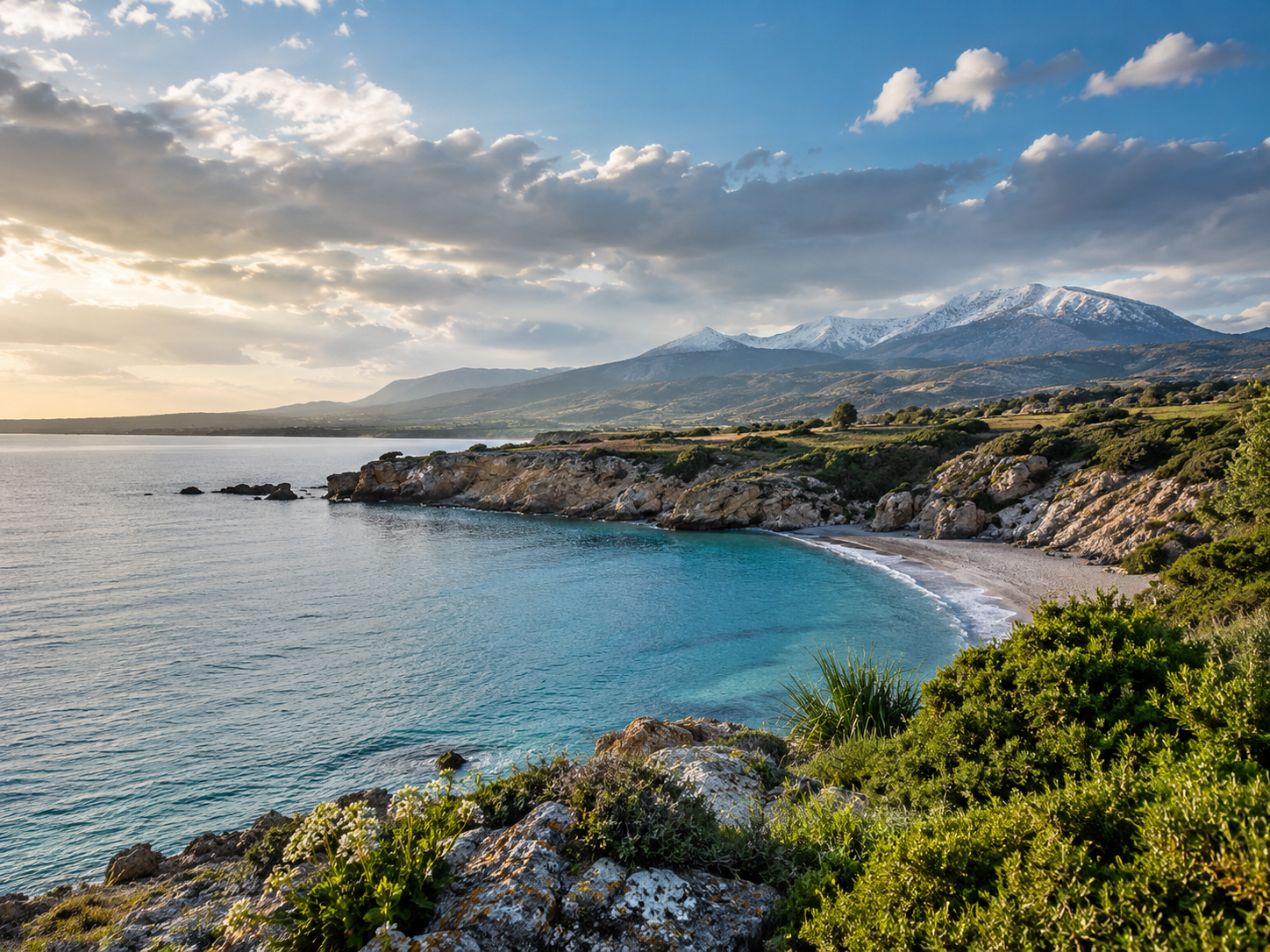
January is when Cyprus stops behaving like the Mediterranean island many visitors think they know.
The beach clubs are quiet. The sea is no longer the organizing principle of the day. Mountain villages matter more. Archaeological sites become easier to linger over. Nicosia suddenly makes more sense. Lunch can become the center of an afternoon rather than something squeezed between two swims.
And on the right day, the contrast can be extraordinary: mild sunshine beside the Mediterranean and unmistakably wintry conditions higher in the Troodos Mountains.
This is not Cyprus with summer removed. It is a different version of the island, with different strengths and different compromises.
If you want a conventional Mediterranean beach holiday, January is the wrong month. If you want quiet roads, comfortable sightseeing, long lunches, winter landscapes, coastal walks and the freedom to see Cyprus without organizing every day around heat, January can be far more rewarding than its low-season reputation suggests.
The Quick Answer
Is January a good time to visit Cyprus?
Yes — for the right trip.
January is particularly well suited to archaeological sites, cultural sightseeing, Nicosia, villages, road trips, coastal walks and travelers who prefer mild Mediterranean winter to midsummer heat. It can also produce one of Cyprus’s most interesting contrasts: relatively gentle conditions beside the sea and genuine winter in the mountains.
We would not choose January primarily for a classic beach holiday, reliably warm swimming, summer resort atmosphere, guaranteed sunshine or guaranteed snow.
The month rewards flexibility more than certainty. That is the trade-off.
What Cyprus Feel Like in January
January changes the scale of the island.
In summer, Cyprus often divides itself naturally into coast, shade and evening. The heat influences where you go and when. In January, the middle of the day opens up again. You can spend longer at an archaeological site, walk through a city without structuring the route around shade and drive into the countryside because you want to, not because you need relief from the coast.
The landscape changes too. Parts of the countryside can be noticeably greener than they are in summer, particularly after rain. Fields that appear bleached in August can look like another island entirely.
But January is not uniformly gentle. Bright sunshine at lunchtime can give way to a distinctly cool evening. Wind matters. Rain is part of the season. Higher elevations can be considerably colder.
Pack — and plan — for the whole day, not for the temperature you feel when you step outside at noon.
January Weather in Cyprus
January sits firmly inside the Cypriot winter.
Along the coast, daytime temperatures commonly fall somewhere in the mid-to-high teens Celsius, although individual days can be warmer or colder. Nights are considerably cooler, and rain, wind and cloud are all normal possibilities. The Mediterranean itself is cool by Cyprus standards, generally around the high teens Celsius rather than anything resembling summer swimming conditions.
Those figures are useful only as seasonal context. January weather varies from year to year and from one part of the island to another.
That last point matters because Cyprus does not have one January climate.
The Coast
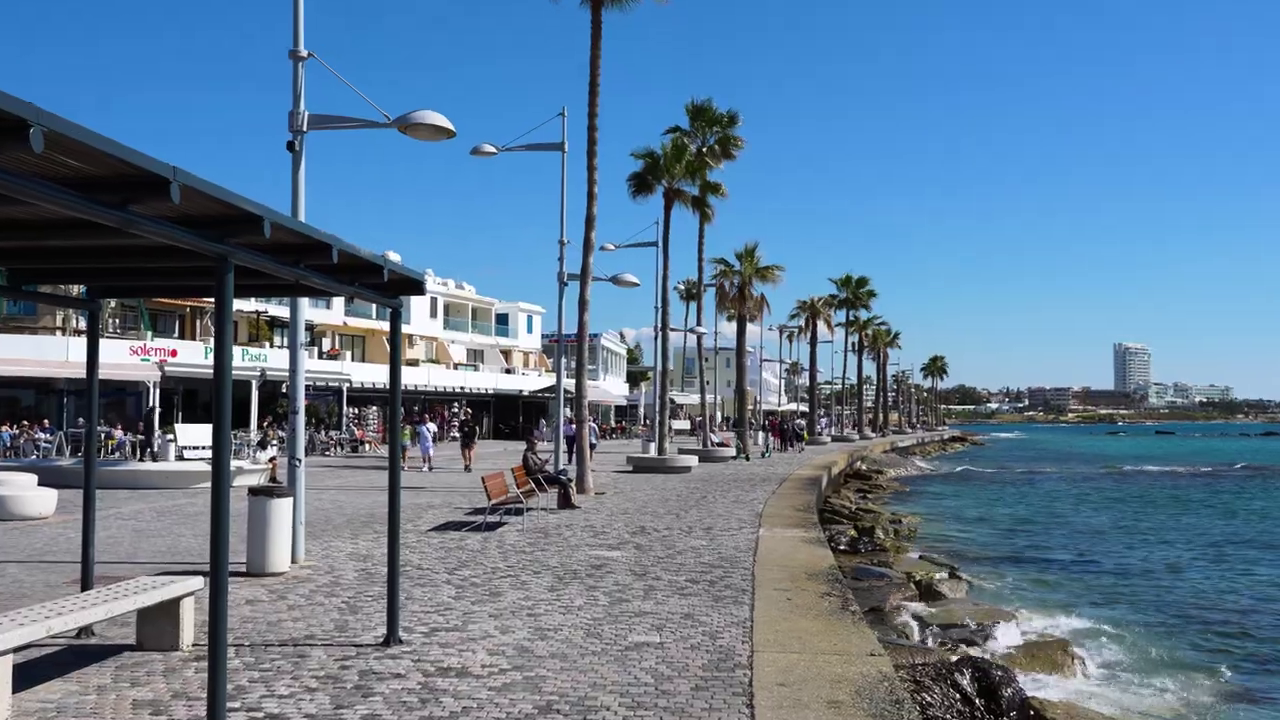
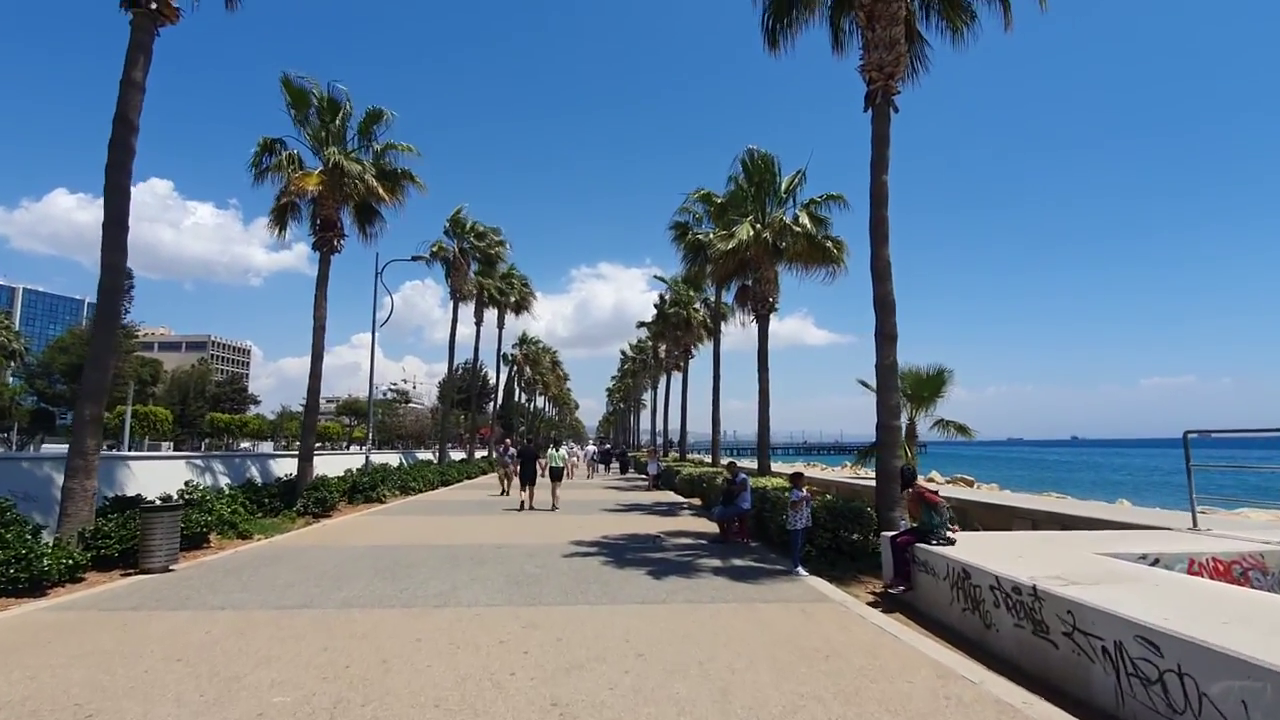
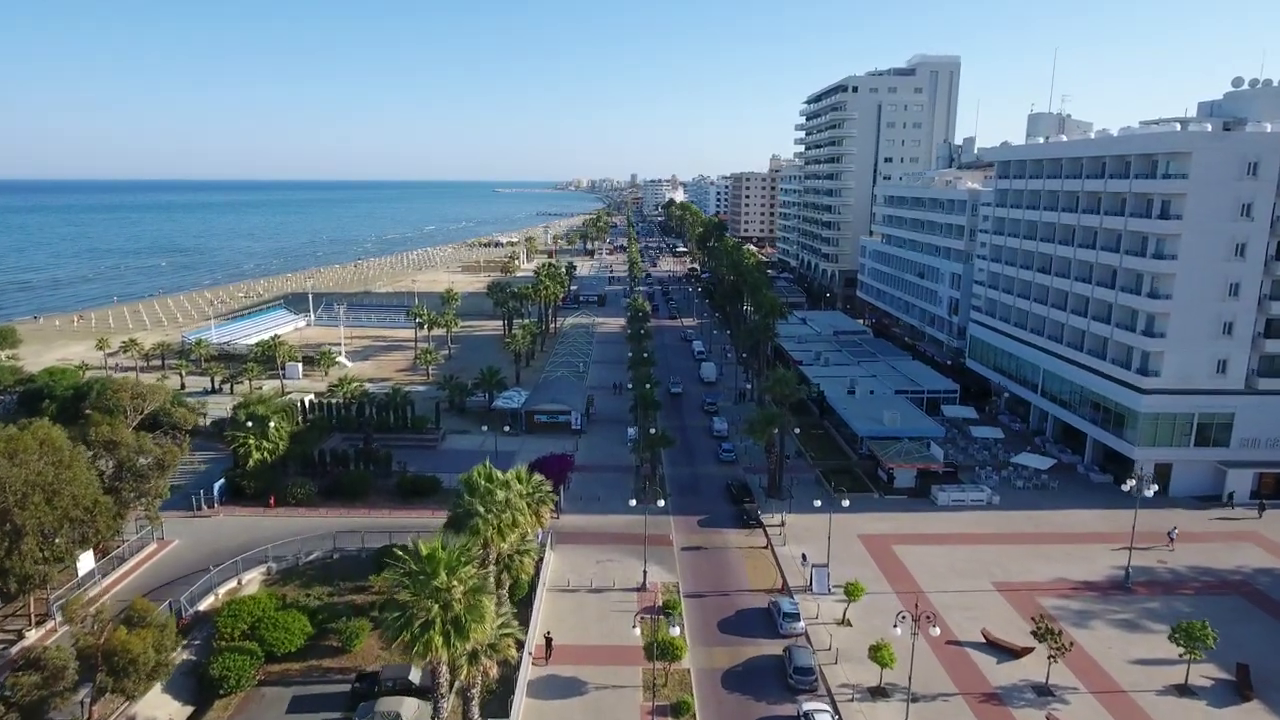
Paphos, Limassol and Larnaca generally offer the easiest winter conditions for travelers who want to spend substantial time outside. Sunny periods can make waterfront lunches and long walks very appealing; wind or rain can make the same promenade feel entirely different a few hours later.
For most first-time January visitors, the coast remains the most practical base.
Nicosia and the Interior
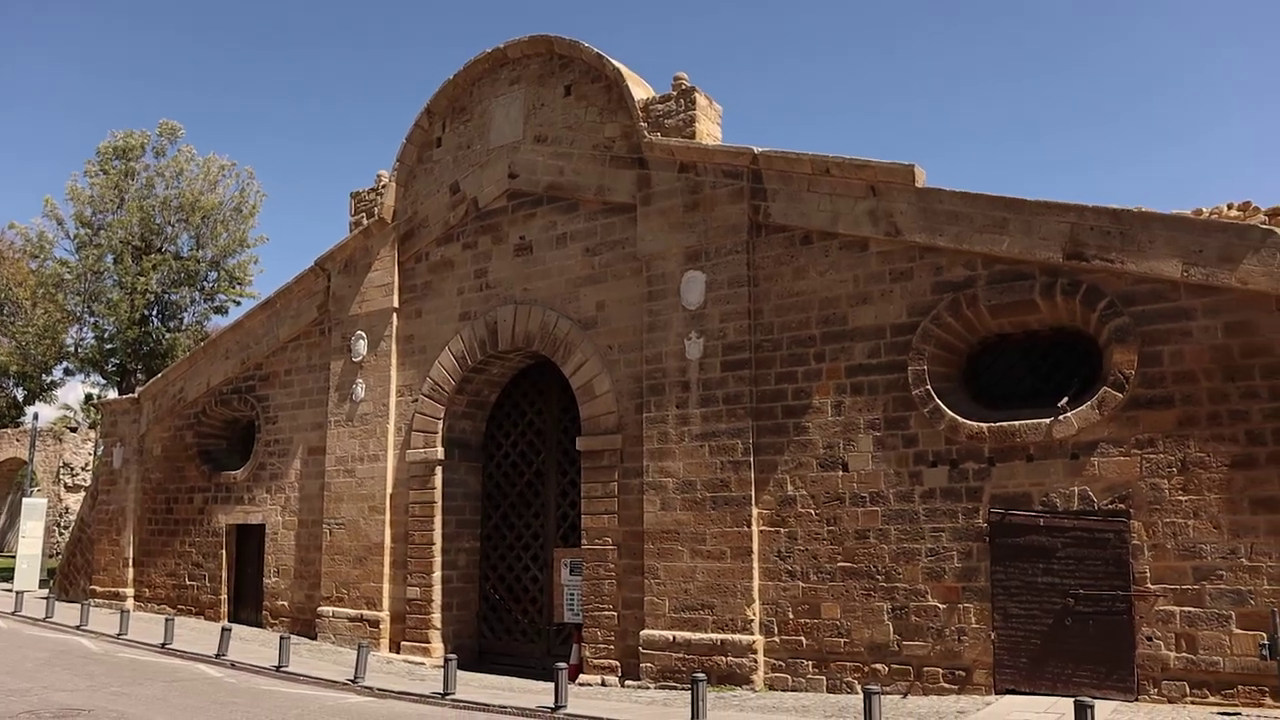
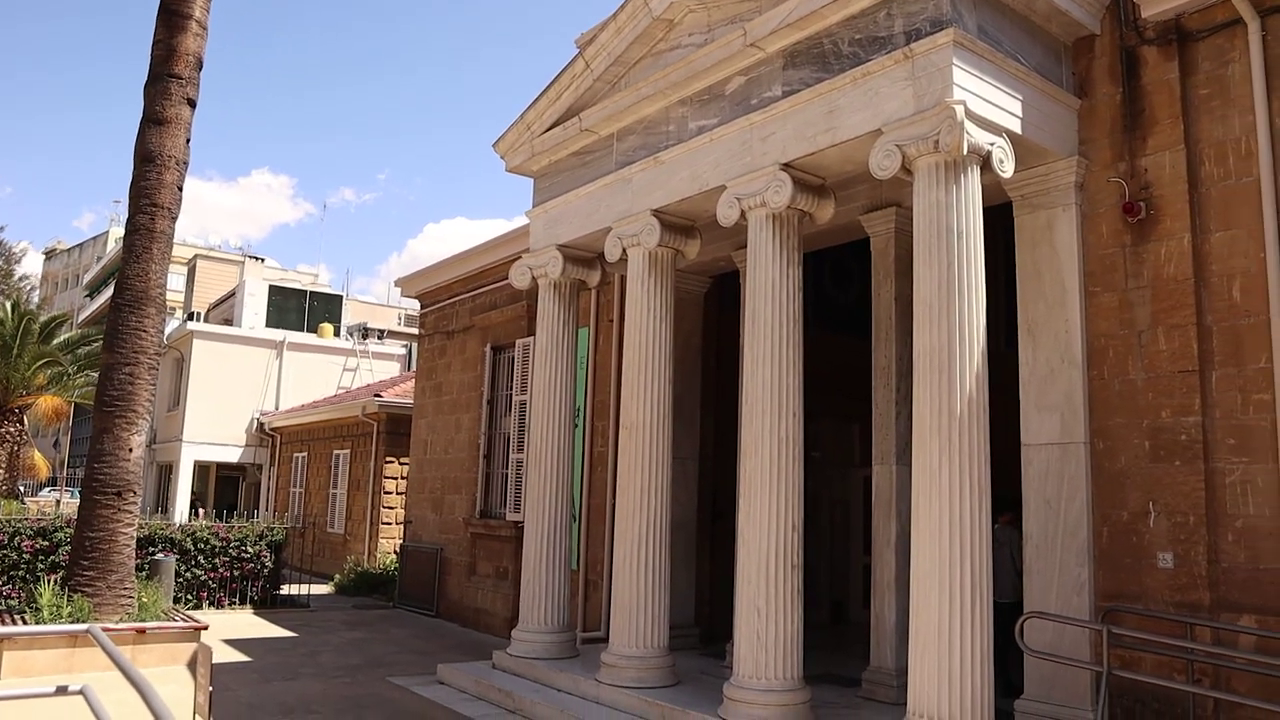

Nicosia is inland and does not benefit from the sea in quite the same way as the coastal cities. Mornings and evenings can feel cooler, but January is also one of the periods when the capital becomes particularly satisfying to explore.
You are visiting Nicosia as a city rather than wondering whether you should be at the beach instead.
That improves the experience.
Troodos
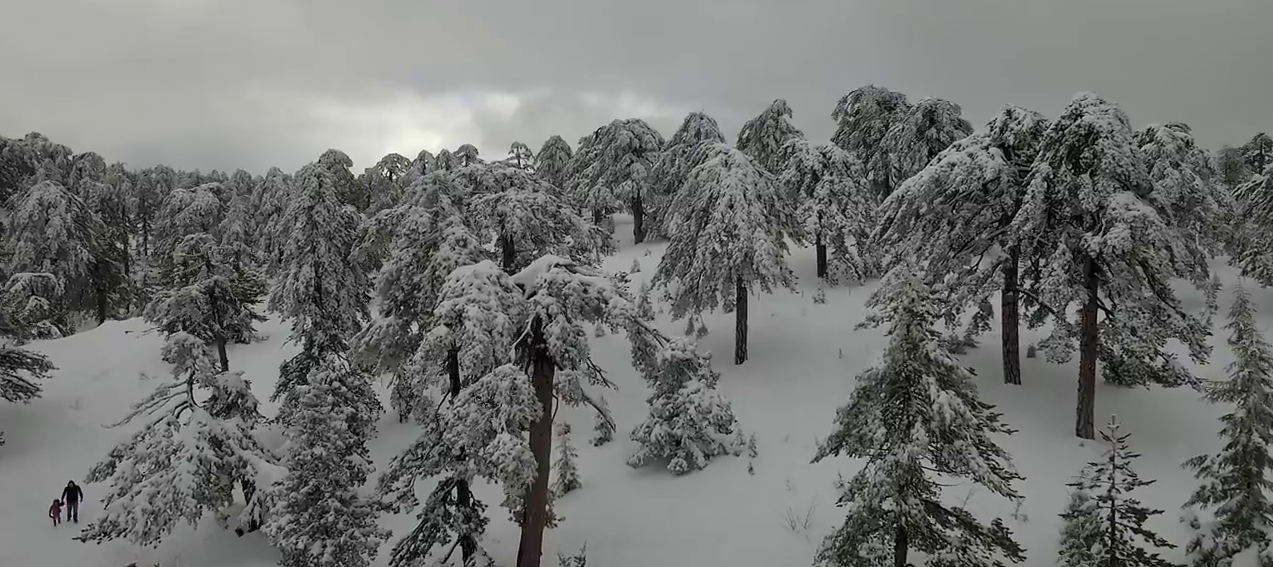 Troodos Mountains in Winter
Troodos is a separate calculation.
Higher elevations can be substantially colder than the coast, and winter weather may include snow, ice, fog and difficult road conditions. Snowfall varies considerably between winters and should never be treated as guaranteed.
Never use a sunny coastal forecast as evidence of conditions in the mountains. Check current weather and road information before heading higher and change the plan if conditions are unsuitable.
Can You Swim in Cyprus in January?
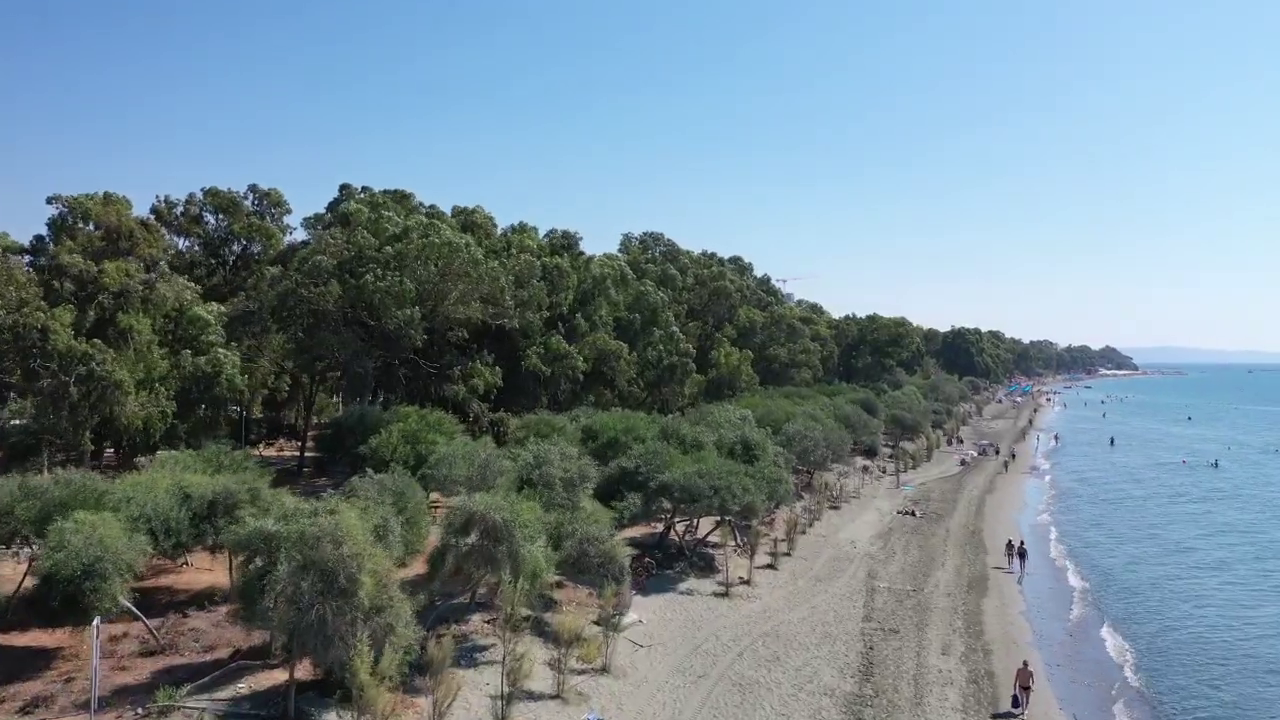 Dasoudi Beach, Germasogeia, Limassol
You can.
Whether you will want to is another matter.
Some people swim in Cyprus throughout winter, but January is not a conventional swimming month. For most visitors expecting the warm Mediterranean water associated with a Cyprus holiday, the sea will feel cold.
If daily sea swimming is central to your trip, choose another season. If you simply want to walk beside the Mediterranean, sit near the water on a sunny afternoon and perhaps swim because you personally enjoy cooler water, January can work perfectly well.
The same caution applies to hotel pools. An outdoor pool being present does not mean it will be heated, operating or comfortable in winter. Check directly with the property if swimming facilities matter to your booking.
What Happens To The Beaches?
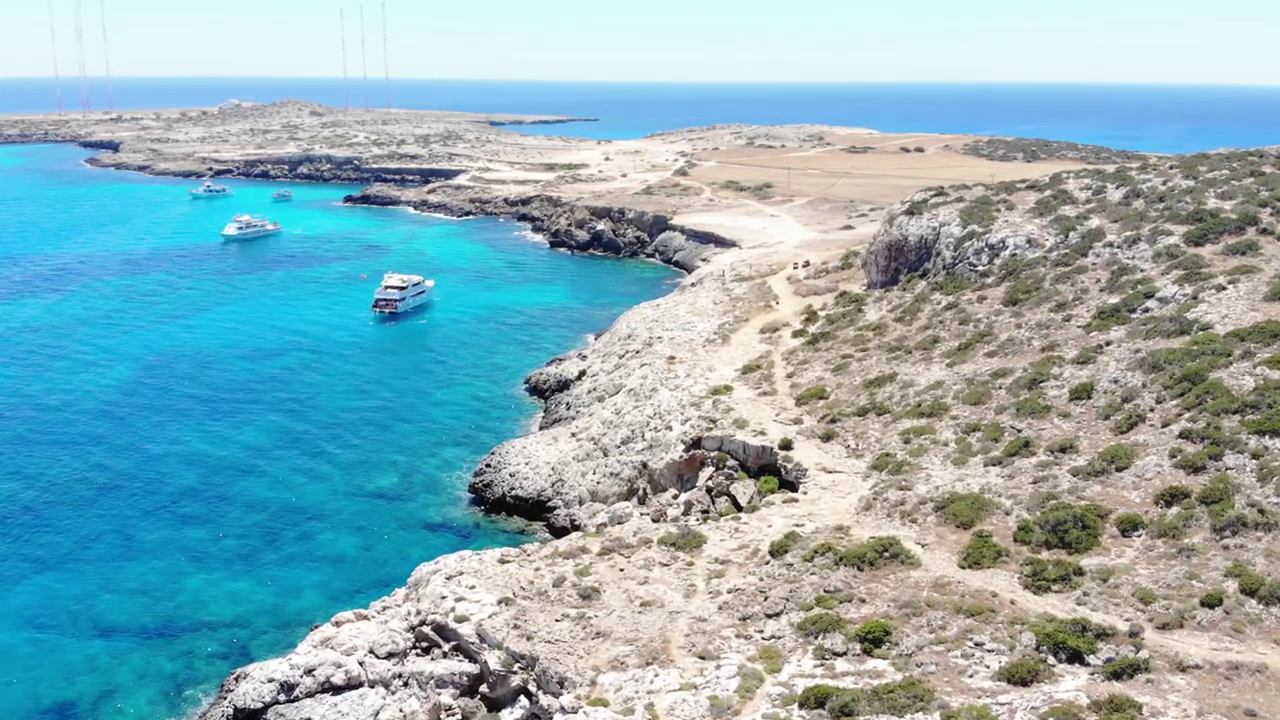 Cape Greco
The beaches do not disappear. Their purpose changes.
In July, a beach is somewhere you might spend half a day. In January, it can become the beginning of a walk.
That suits Cyprus surprisingly well. Coastlines that feel intensely social in summer become spacious in winter. You notice cliffs, changing light, the shape of the shore and the landscape behind the beach rather than simply the water in front of you.
Cape Greco, the Paphos coast and other coastal landscapes can be rewarding in suitable weather precisely because swimming is no longer the objective.
Winter seas deserve respect, however. Wind, waves and currents can differ significantly from summer conditions. Do not assume that a familiar-looking beach is safe for swimming simply because the sun is shining.
Where We Would Stay in Cyprus in January
January makes base selection more important than summer does.
In high season, a resort can justify itself through beaches, pools, boat trips and seasonal energy. In January, you need somewhere that still has a reason to exist when tourism quiets down.
That favors Cyprus’s year-round cities and larger communities.
Paphos is one of our strongest choices for a first January visit. You have archaeology, coastline, restaurants and useful road-trip options, while the cooler weather makes some of the area’s historic sites considerably easier to explore.
Limassol works well for travelers who prefer an urban base with year-round restaurants, city life and convenient access to villages and wine country.
Larnaca is compact, lived-in and easy to understand. We particularly like it for shorter winter stays and travelers who value walking, cafés and uncomplicated logistics.
Nicosia becomes much more compelling in January. Museums, old streets, cafés and restaurants reward time, and the city works especially well as part of a coast-and-capital trip.
Ayia Napa and Protaras require more caution. The coastline remains beautiful, but much of the visitor infrastructure is seasonal. Come for quiet scenery, not for a diluted version of the summer resort experience.
Troodos can be atmospheric, but choose it because you actively want a mountain stay and are comfortable adapting to winter conditions.
Our January Base Strategy
For a first visit, we would resist moving every night.
Winter daylight is shorter, weather can alter plans and January is better when the itinerary leaves room to breathe. For most travelers, one strong coastal base with carefully chosen day trips is more intelligent than an ambitious circuit.
Paphos or Limassol would be our first choices for a broadly varied January trip. Larnaca works particularly well when ease matters, while Nicosia becomes more attractive when culture and city life are major priorities.
Add a mountain stay only if Troodos itself is part of the reason for traveling.
January is a good month to leave space in the itinerary.
Use it.
The Best Things To Do in Cyprus in January
January is not the month to recreate a summer itinerary in a jacket.
Its best experiences are the ones that benefit from winter.
Take Archaeology Slowly
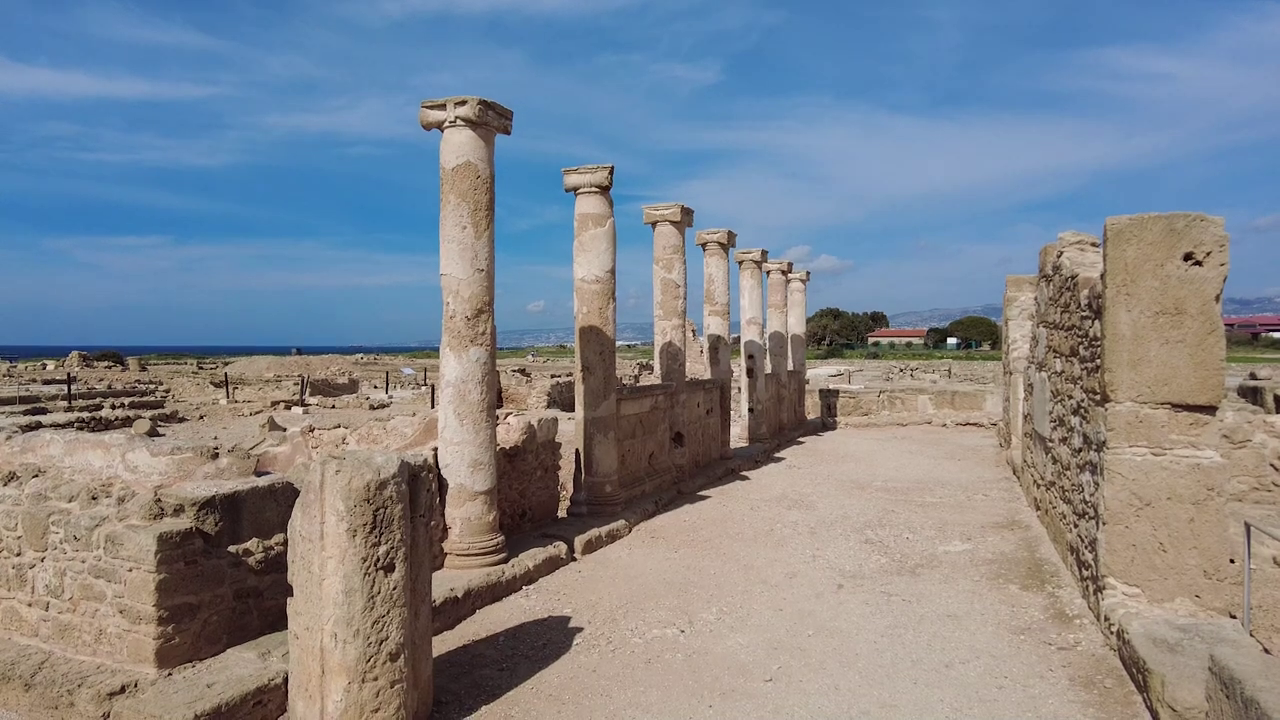
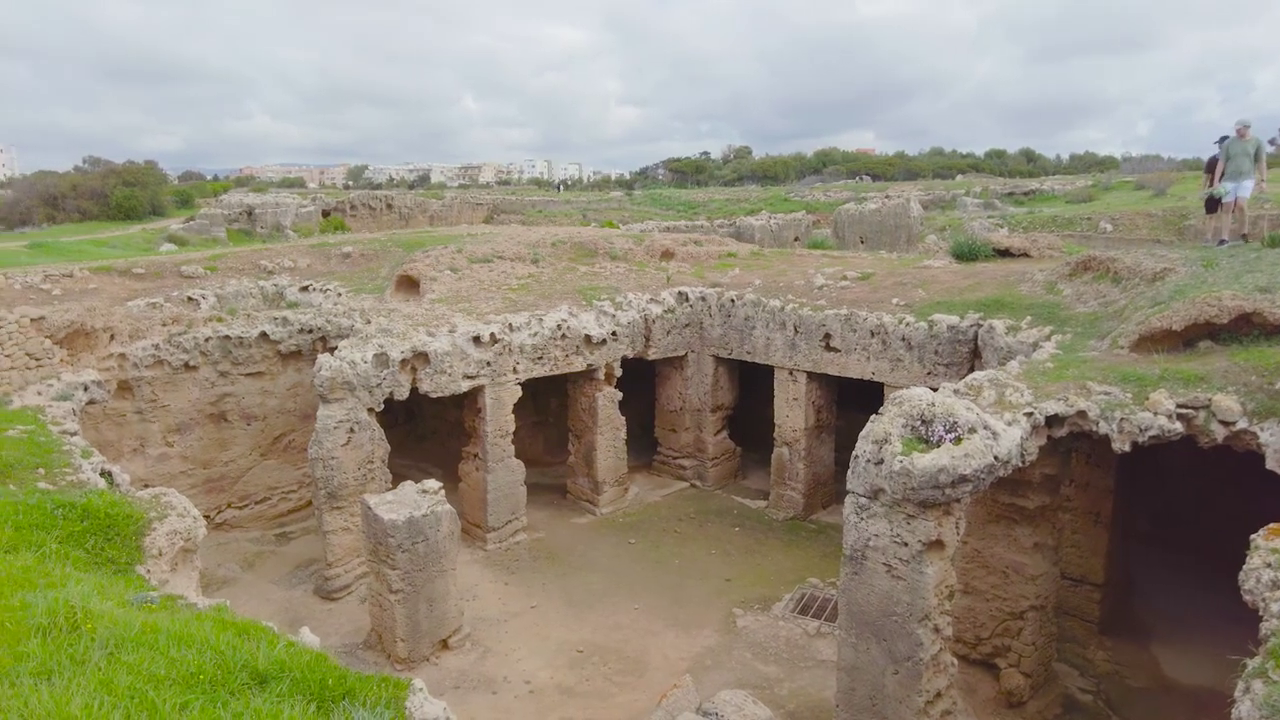
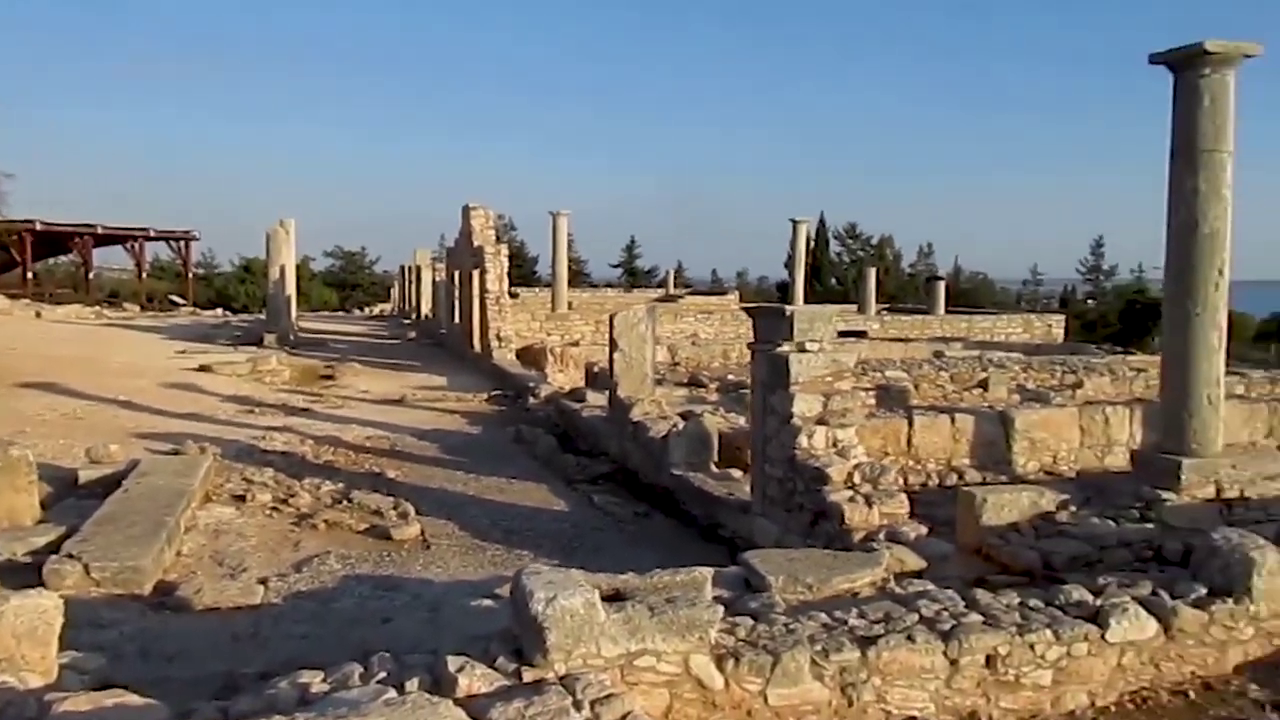
Kato Paphos Archaeological Park and other exposed historic sites can be much easier to appreciate when midsummer heat is absent.
In summer, an exposed archaeological site can become a negotiation with temperature. In January, weather permitting, you can stop, read and understand where you are.
For culture-led travelers, that matters more than it sounds.
Give Nicosia a Proper Day
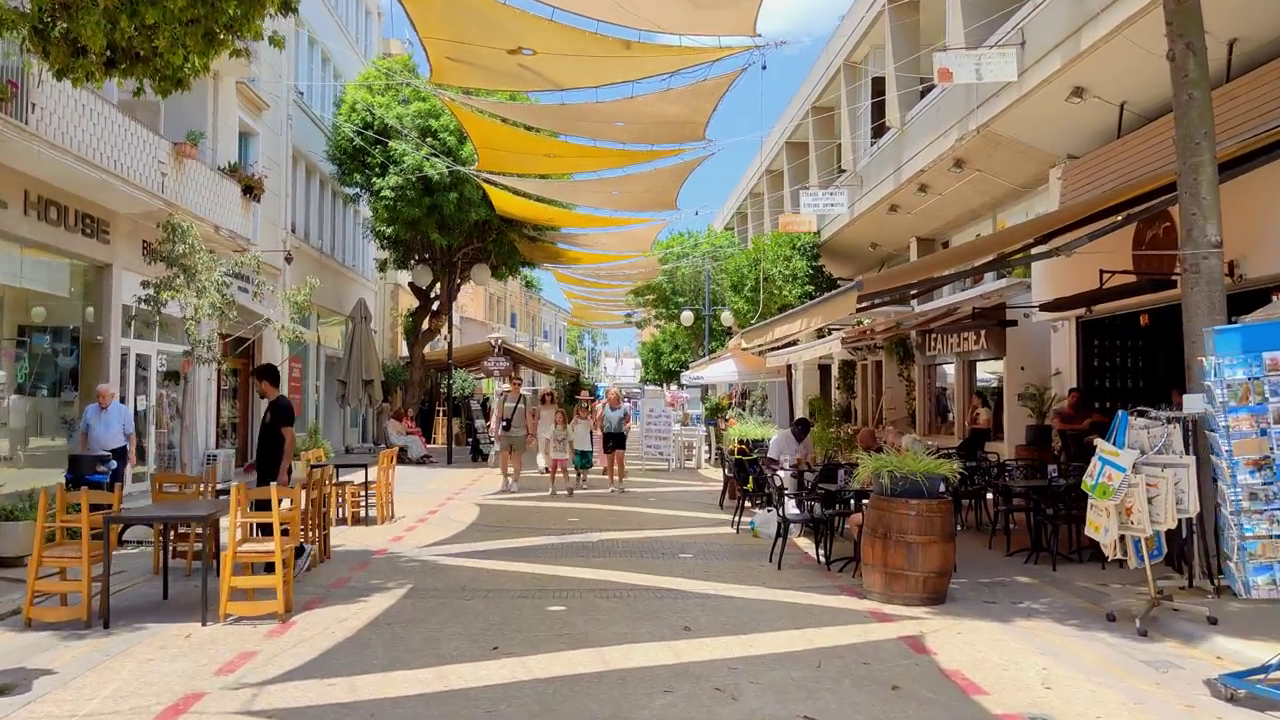 Ledra Street, Nicosia
January is one of the months when we are least tempted to rush Nicosia.
Walk it. Have lunch. Stay for coffee. Give the capital the hours it rarely receives on beach-centered itineraries.
Nicosia’s strength is not that it competes with Cyprus’s coast. It reveals a side of the country the coast can obscure.
Drive Into The Villages
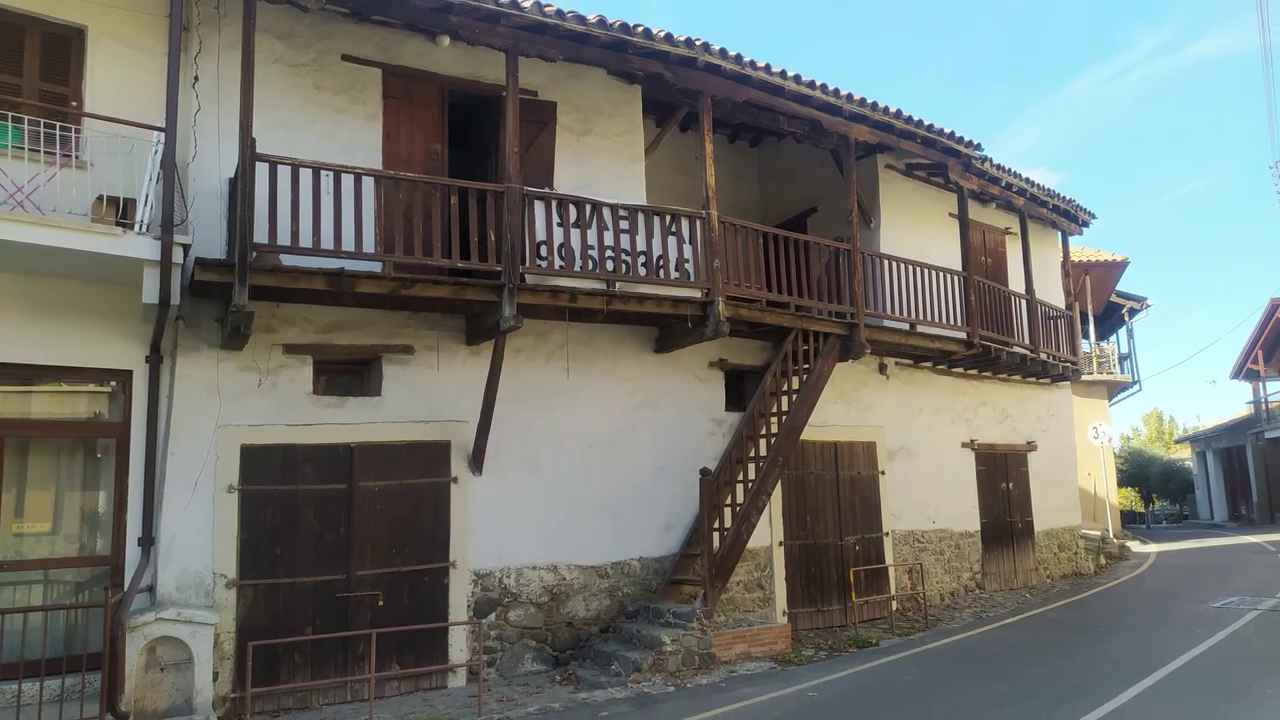 Galata Village
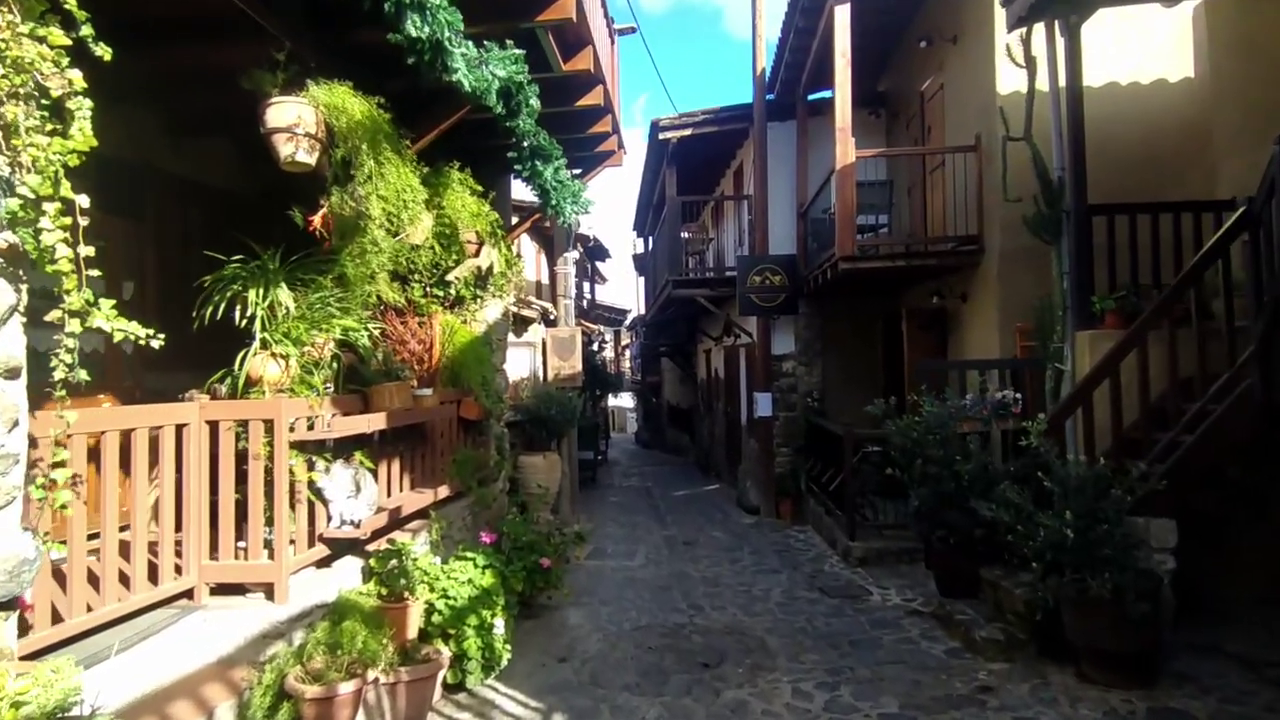 Old Kakopetria
A village lunch in January feels entirely natural.
Omodos, Lefkara, Kakopetria and other villages can provide a strong counterpoint to the coast, although opening hours and atmosphere vary outside the main visitor season.
Do not drive an hour purely for one restaurant, winery or small business without checking that it is operating. The village should be the destination, not merely the businesses inside it.
Walk The Coast
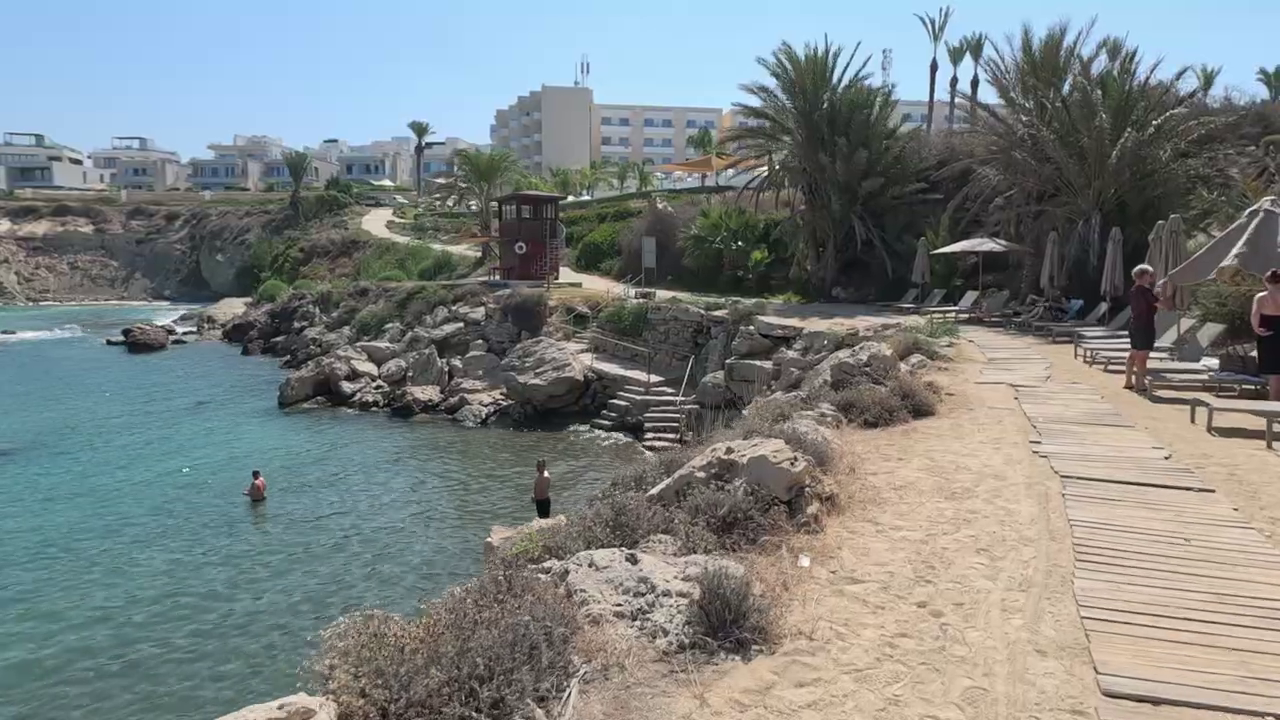 Kissonerga Coast Path, Paphos
The January sea may not be asking you to get into it, but it is still one of the island’s great assets.
On clear days, coastal walking can be one of the best uses of winter light. Choose the route according to the weather and wind, not according to what you decided before arrival.
Go To Troodos — When Conditions Make Sense
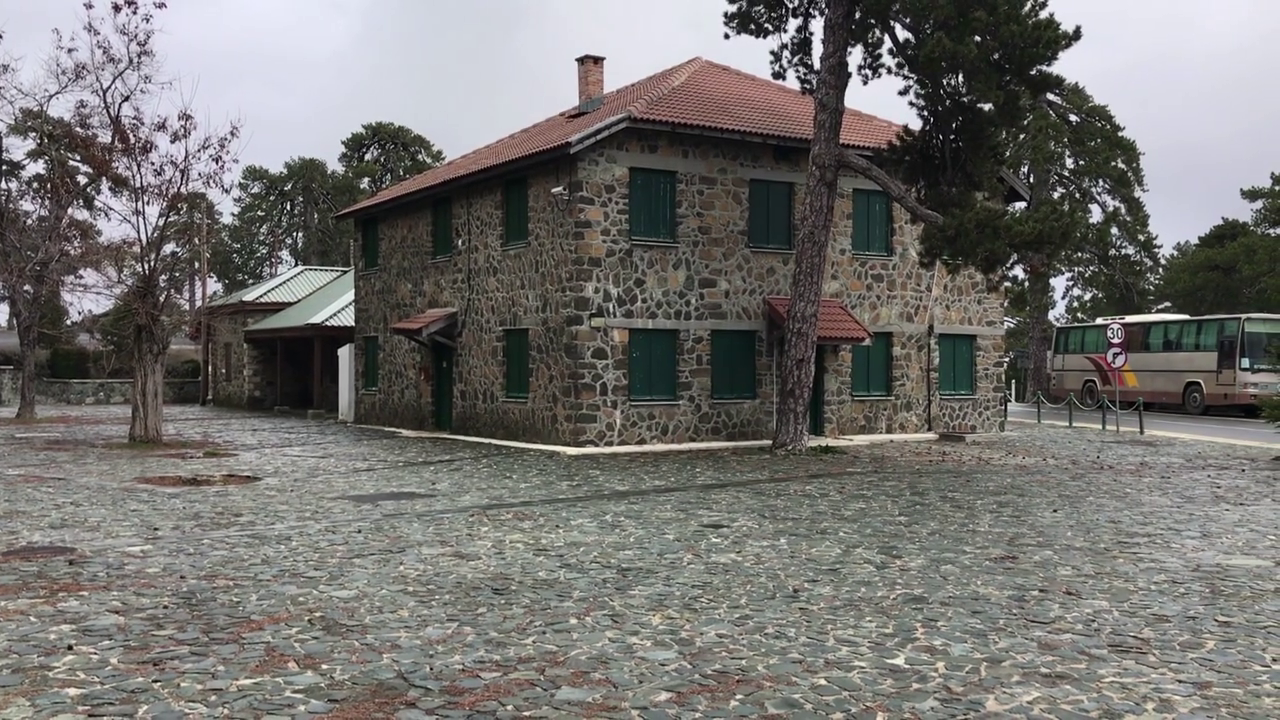 Troodos Square
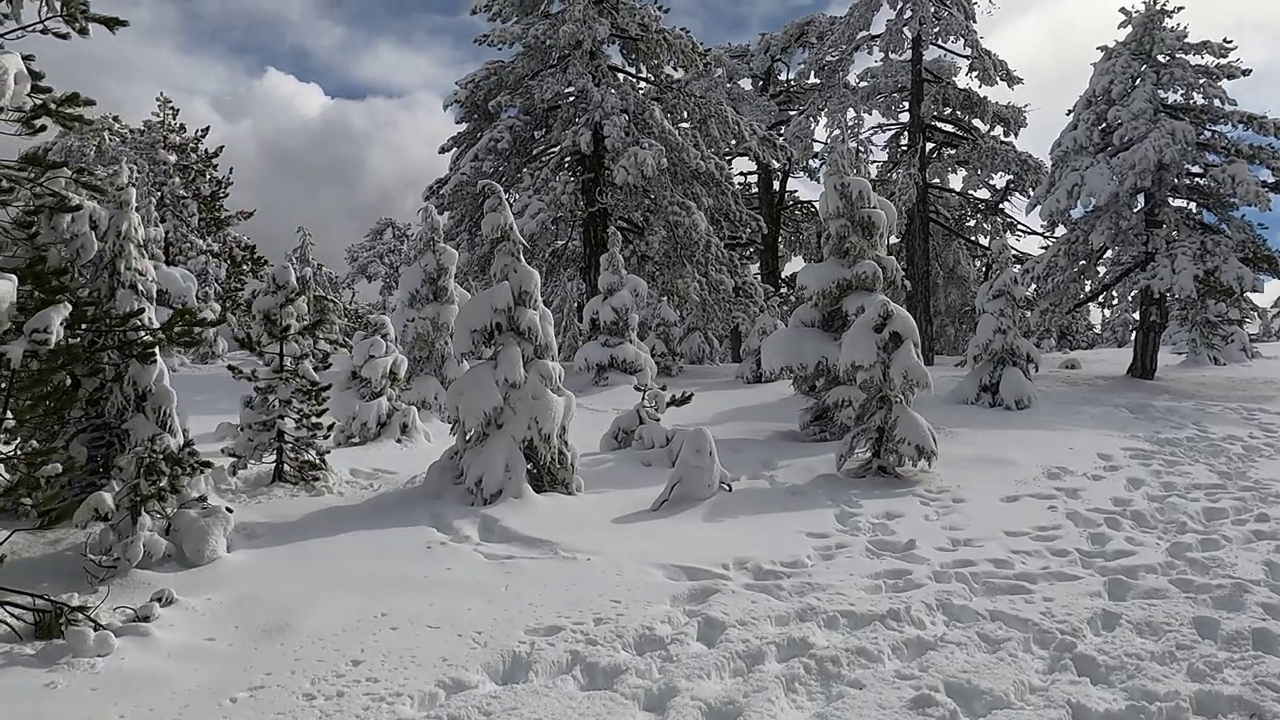 Troodos Mountains
A winter trip into Troodos can become the day you remember most.
It can also be the day you should postpone.
If conditions are good, the journey from coast to mountains demonstrates something January reveals better than almost any other month: Cyprus is not climatically uniform. A relatively short drive can feel like a change of season.
Check conditions before leaving. The contrast is worth experiencing; forcing it is not.
What About Hiking?
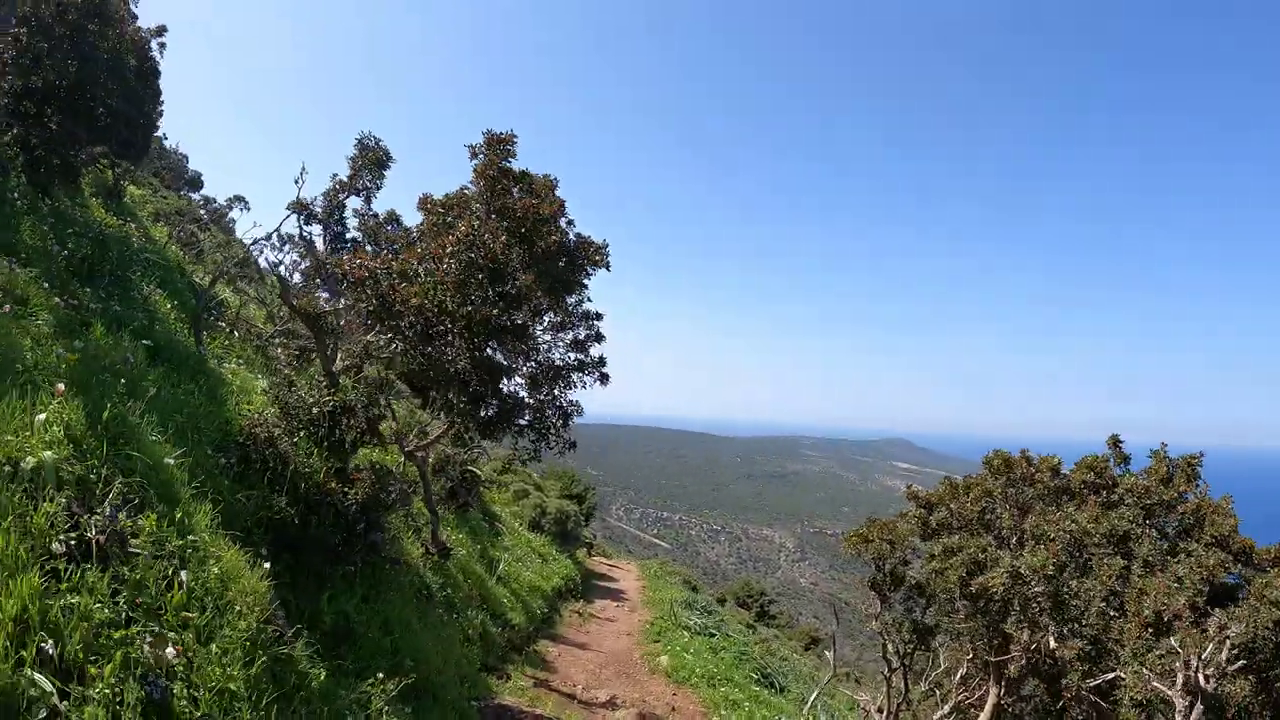 Hiking (Akamas Peninsula)
January can be excellent for walking, but cooler does not automatically mean better.
Rain can make trails wet, muddy or slippery. Mountain weather changes quickly, higher routes may encounter winter conditions and shorter daylight reduces the margin for late starts.
Choose walks according to the day’s weather, terrain and your own experience. Wear appropriate footwear, carry water and leave enough daylight to complete the route comfortably.
When conditions are right, winter walking can reveal a greener and quieter Cyprus that bears little resemblance to August.
January And The Troodos Snow Question
People hear “Troodos in January” and immediately think snow.
Sometimes that instinct is rewarded. Sometimes it is not.
Snowfall and accumulation vary considerably, and conditions can change quickly. A January trip should never depend on Troodos looking white when you arrive. The same applies to winter sports, which depend on actual snow and operating conditions.
Treat snow as a possible bonus, not something January Cyprus owes you.
Eating in Cyprus in January
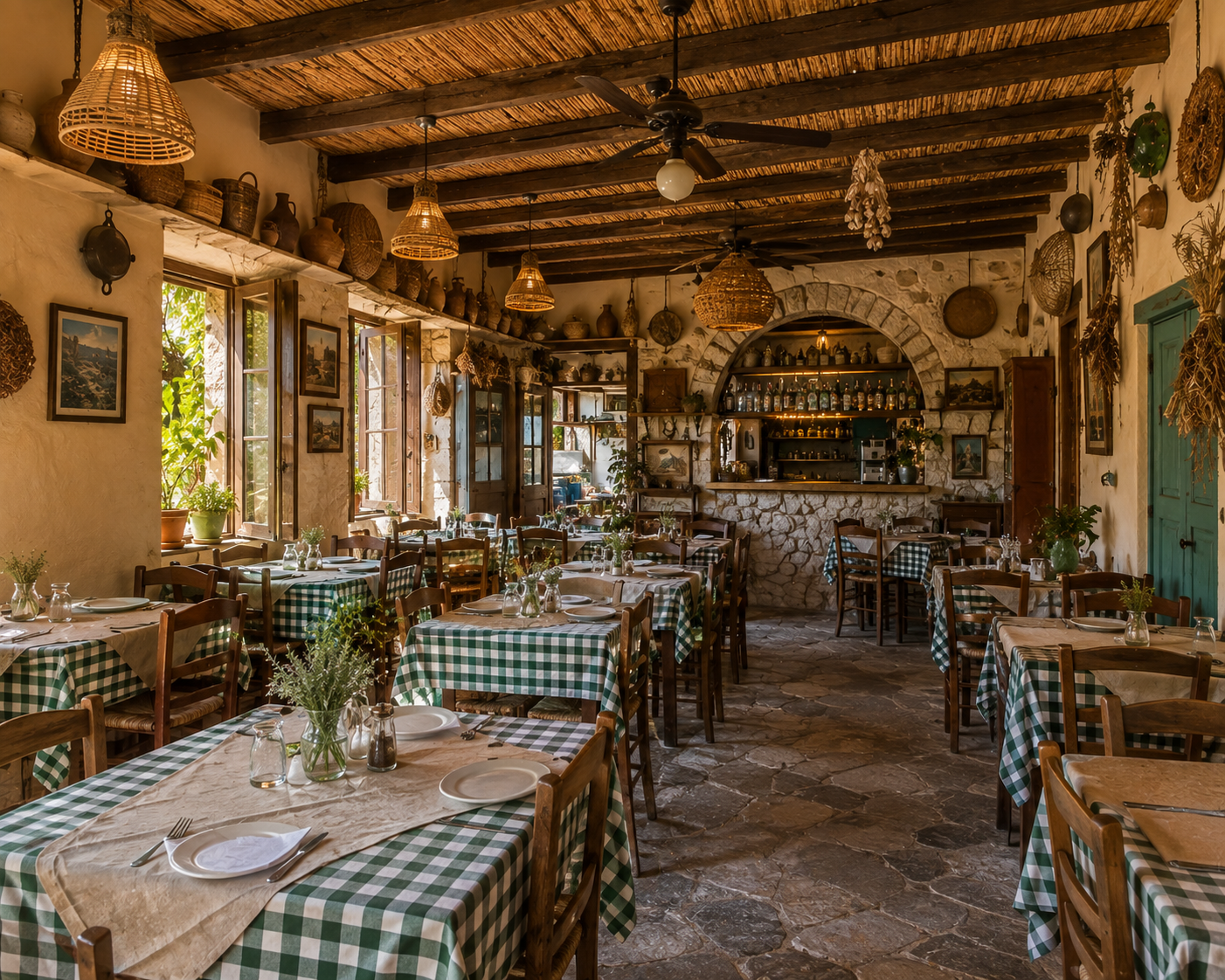
Winter changes appetite as much as itinerary.
This is the season when long village lunches feel particularly natural, when heartier dishes make more sense and when food becomes an experience rather than a pause between beach sessions.
January also encourages you to eat where people live year-round. In summer, tourist geography can pull travelers toward the coast. In winter, the distinction between a resort district and a functioning town becomes clearer, and restaurants and tavernas serving local communities become more important.
We would leave room for spontaneity but check opening hours before making a substantial detour, particularly in villages and tourism-dependent areas.
A place being excellent does not mean it follows the same schedule in January as it does in August.
Crowds And Value in January
Much of Cyprus is quieter in January than during the main visitor season.
That can be a genuine advantage at archaeological sites, on coastal walks and in popular villages. Parking may be easier, places feel less congested and you can move through the island with less seasonal pressure.
But “quiet” is not automatically better.
In Nicosia, Limassol and other year-round communities, ordinary life keeps the destination functioning. In heavily seasonal resort areas, quiet may also mean fewer restaurants, activities and services.
The same nuance applies to price. January can offer attractive accommodation value, but rates vary by property, destination and dates. We would never choose the month because we assume it will be cheap.
If you really want warm sea, beach clubs and full resort life, paying less to visit in January is not clever.
It is buying the wrong holiday at a discount.
Who January Suits Best
January works particularly well for couples and independent travelers who value food, road trips, culture, landscape and time over beach weather. Families who enjoy archaeology, nature and flexible sightseeing can also have a rewarding trip, particularly with older children.
We would recommend it most strongly to travelers who are comfortable adapting to weather, enjoy exploring independently and see quieter destinations as an advantage rather than a deficiency.
We would think twice if your non-negotiables are warm swimming, outdoor pools, boat trips, peak resort energy and dependable summer-style sunshine.
January will not fail you because it is January. The problem comes when you ask it to behave like August.
Driving in Cyprus in January
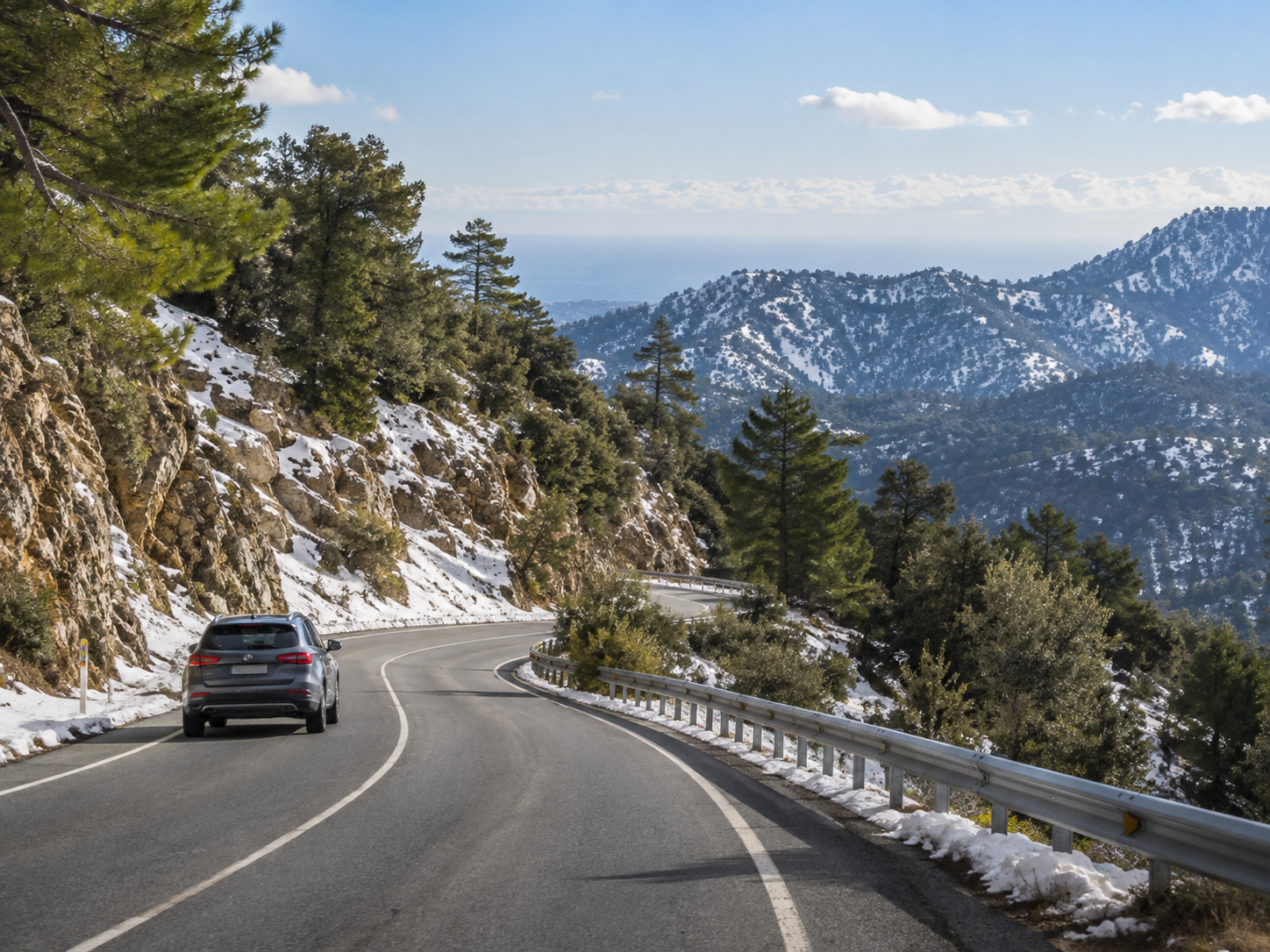
For much of the island, driving in January can be straightforward, but winter introduces variables that summer visitors rarely need to consider.
Rain can reduce visibility and affect road surfaces. Mountain conditions may include fog, ice or snow, and roads at higher elevations can become more demanding.
Do not rely on coastal weather when deciding whether to drive into Troodos. Check current road and weather information, follow any restrictions in force and change the plan when conditions warrant it.
If you are unfamiliar with driving on the left, there is no need to make your first day an ambitious winter mountain drive. Give yourself time to adjust.
What To Pack For Cyprus in January

January requires layers.
Bring clothing that works for mild sunshine, cooler evenings and rain rather than packing for one fixed temperature. A waterproof outer layer is useful, as are proper walking shoes if you intend to explore archaeological sites, villages or trails.
For Troodos, you may need substantially warmer clothing than you use on the coast.
Sunglasses and sun protection still belong in the bag. Winter sun remains relevant when you are outdoors for hours.
Most importantly, do not judge your entire wardrobe from the forecast at your coastal hotel.
January Cyprus is a vertical island. Elevation changes the rules.
Two January Dates To Remember
January begins with two public holidays: New Year’s Day on January 1 and Epiphany on January 6.
These dates are part of life in Cyprus, but travelers should not assume normal opening hours. Shops, attractions, restaurants and services may follow different schedules around public holidays.
Check anything important to your itinerary rather than building a critical day around assumed availability.
January VS February or March
Choose January if the winter atmosphere itself interests you: quiet coastlines, the possibility of winter conditions in Troodos, fewer visitors and a trip led by culture, food and exploration.
Move toward February if you want a similar winter framework as the year begins edging toward spring.
Move toward March if greener countryside and more spring-like touring conditions matter more than experiencing Cyprus in the depth of winter.
If beach weather is the priority, none of these months would be our first choice.
The useful question is not which is “best.” It is how far from summer you actually want to travel.
What We Would Not Do in Cyprus in January
We would not sell January as “winter sun” and quietly allow you to imagine June. We would not choose a highly seasonal resort without understanding what remains open. We would not build the trip around guaranteed snow in Troodos or drive into the mountains because the coast happens to look sunny. We would not plan every day around outdoor activities with no alternative for rain, or book a hotel because it has an outdoor pool without checking whether that pool is usable in winter.
And we would not judge January by whether we managed to swim.
January works best when you stop demanding summer from it.
How We Would Approach A January Trip
We would choose a strong year-round base, keep a rental car if exploring beyond the city matters and leave enough flexibility to abandon mountain plans when conditions are poor.
We would make archaeology, Nicosia, villages, food and coastal walking the backbone of the trip. Troodos would be an opportunity rather than an entitlement.
And we would allow one of January’s greatest luxuries to remain intact: the ability to spend half a day somewhere without wondering what else we should be doing.
So, Should You Visit Cyprus in January?
Visit Cyprus in January if you are interested in Cyprus when it is not performing summer.
That is the real proposition.
You will give up warm seas, full resort energy, long summer evenings and the near-certainty of dry midsummer weather.
In return, you can gain quieter archaeological sites, greener landscapes, easier daytime exploration, more meaningful time in cities and villages, and one of the island’s most striking contrasts: Mediterranean coast below, winter mountains above.
January will not give every traveler the Cyprus they imagined. For some, that is exactly why it is worth coming. The island becomes less obvious.
And when Cyprus becomes less obvious, you begin to notice more of it.