Newsletter "Beyond the Postcards" Subscribe
Plan Your Cyprus Trip: Hotels: Expedia, Villas & Apartments: Vrbo, Car Rentals: DiscoverCars, Tours: GetYourGuide, Airport Transfers: WelcomePickups
- Home
- Plan Your Cyprus Trip
- Best Time To Visit Cyprus
- Cyprus in July
Cyprus in July: Weather, Things To Do & Who It Suits Best
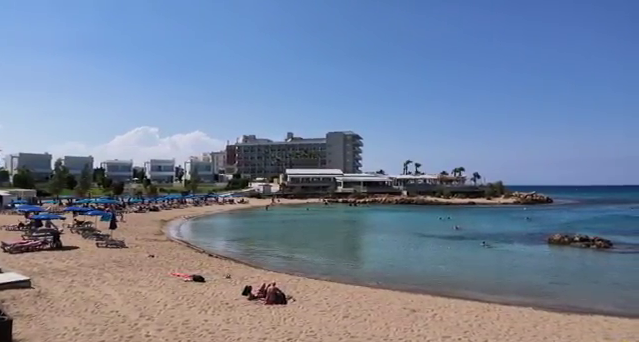 Pernera Beach, Paralimni
July is not the month to prove how much Cyprus you can see. It is the month to decide what deserves your energy.
By July, summer no longer negotiates with the itinerary. The sea is warm, beach weather is firmly established, rain is unusual and the countryside has taken on its dry-season colors. The hottest part of the day can also make an ambitious sightseeing plan feel far less intelligent than it looked on paper.
That does not make July a poor month for exploring Cyprus. It makes it a month that rewards selection. Choose the right base, protect the morning, let the sea take some of the afternoon and go higher when you want relief from the coast. Stop treating a long lunch as wasted sightseeing time, and leave enough energy for the evening, because that is when much of coastal Cyprus becomes enjoyable again.
The mistake is trying to experience Cyprus as though the weather were merely background. In July, summer becomes part of the itinerary.
The Quick Answer
Is July a good time to visit Cyprus?
Yes, if you want a genuine Mediterranean summer holiday.
July is particularly strong for swimming, beaches, resort life, boat days, long evenings outside and travelers who are happy to organize sightseeing around the heat rather than expect mild conditions throughout the day.
It can also work well for first-time visitors, provided they accept that they will probably experience Cyprus selectively rather than attempt to cover everything. We would choose another month if long exposed hikes, green landscapes, all-day archaeological exploration or extensive daytime city walking are central to the trip.
July gives you one of the strongest versions of summer Cyprus. The trade-off is that summer now sets more of the rules.
What Cyprus Feels Like in July
July feels settled. There is very little seasonal ambiguity left.
Coastal areas are operating in summer mode, the sea has become part of everyday life for visitors, outdoor tables fill later in the day and the landscape has moved decisively into its dry-season appearance.
The visual Cyprus of July is very different from spring Cyprus. Fields have faded, hillsides are pale and lower elevations can look almost austere under strong midday light. Olive trees, vineyards and stone villages stand out against a landscape stripped of spring softness.
The coast becomes increasingly important not only because it is beautiful but because it gives the day structure. You swim before breakfast or after it, return to the water after sightseeing, spend the hottest part of the afternoon somewhere shaded, indoors or beside the sea, and then watch the day open again as the light changes.
July teaches a different kind of travel discipline. The more you try to force the month into a conventional all-day sightseeing schedule, the less rewarding it becomes.
July Weather in Cyprus
July is typically hot, dry and very sunny across Cyprus.
Coastal areas commonly experience daytime temperatures around the low thirties Celsius, with hotter spells possible. Inland areas, particularly Nicosia and lower-elevation interior regions, can become hotter, while Troodos and higher mountain villages are generally cooler than the lowlands.
Rain is unusual, but no seasonal average guarantees specific conditions during a particular stay. Hot spells can intensify conditions quickly, so current forecasts matter more than monthly averages when deciding how to use a particular day.
The sun is often the more important practical factor. Several hours outside at an archaeological site, on a long walk or beside the sea can become demanding if exposure is underestimated. Shade, water, suitable clothing and timing all matter.
July is not a month when we would schedule every outdoor activity simply because daylight is available.
The Coast
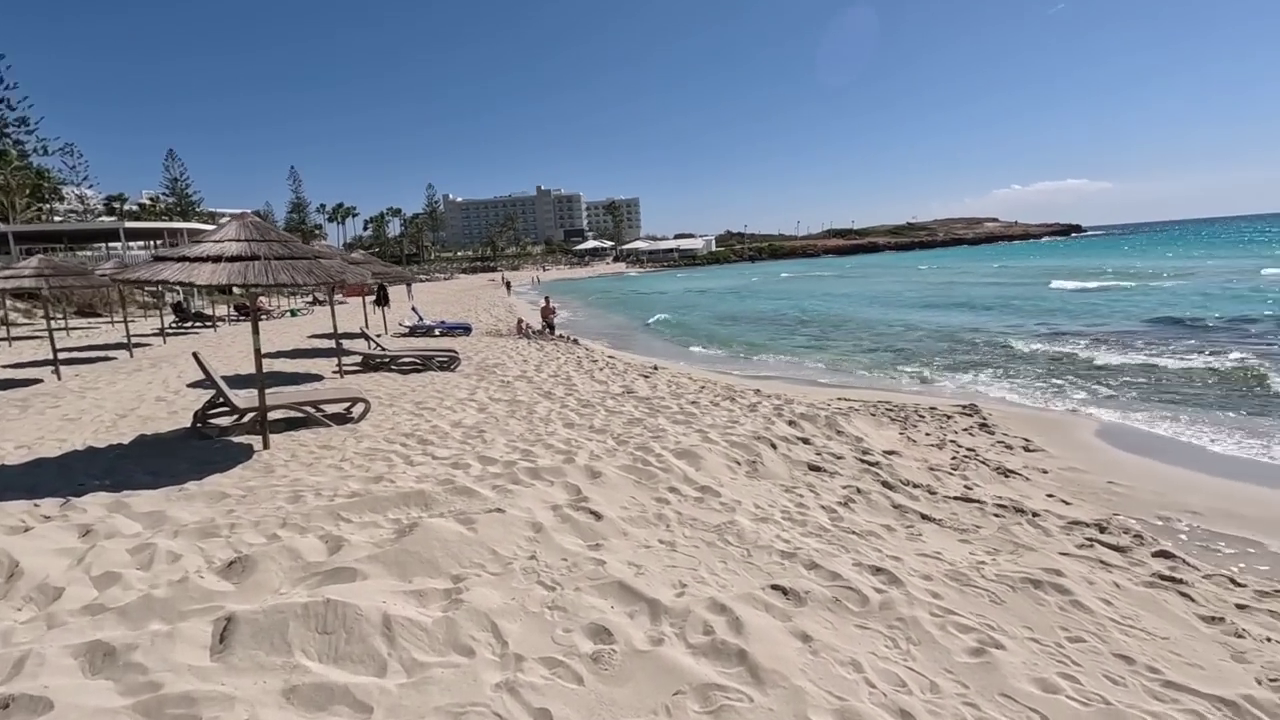 Nissi Beach, Ayia Napa
The coast is where July becomes easiest.
Paphos, Limassol, Larnaca, Ayia Napa and Protaras can all support a full summer holiday, but they offer very different versions of one.
Ayia Napa and Protaras make the strongest case for travelers who want swimming and beaches to dominate the trip. Paphos works better when archaeology and western Cyprus still matter substantially. Limassol suits travelers who want city energy alongside the sea, while Larnaca offers a simpler urban waterfront and useful regional access.
By July, choosing a coast is no longer mainly about finding good weather. The more useful question is what you want when you are not swimming.
Nicosia and the Interior
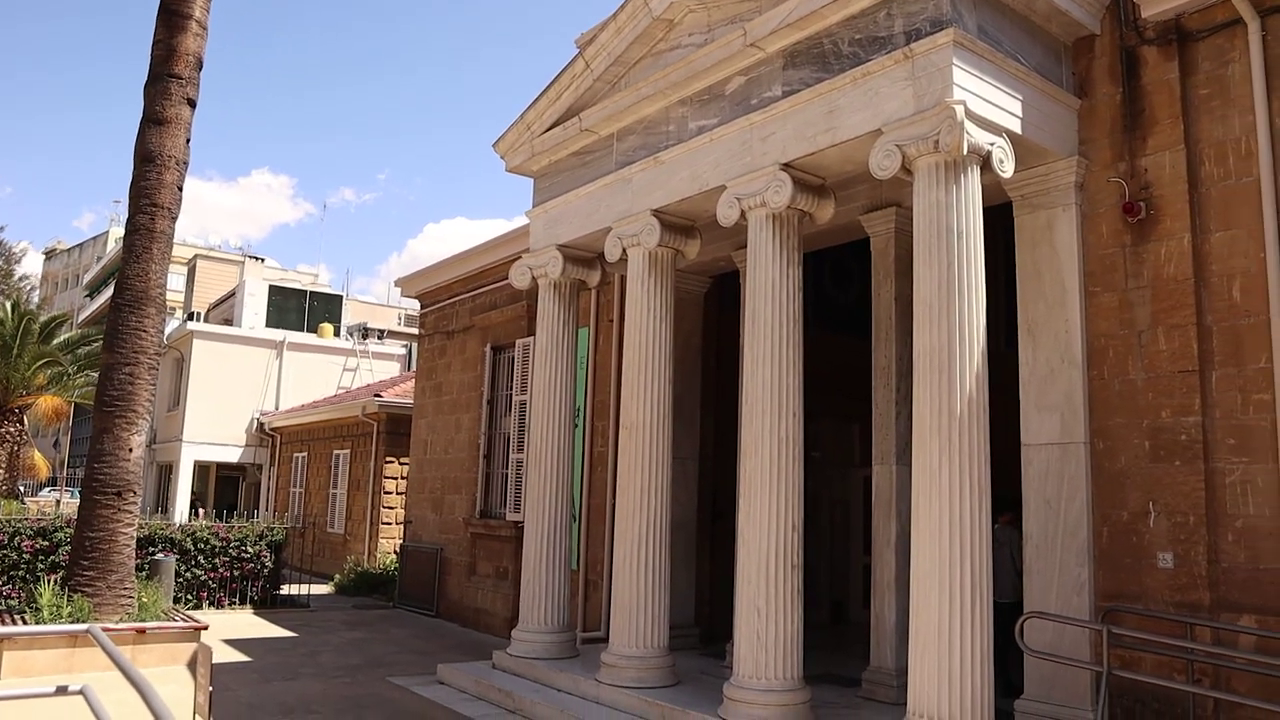 Cyprus Museum, Nicosia
Nicosia remains worth visiting in July, but it requires restraint.
We would explore early, use museums, cafés and lunch to break up the middle of the day, and return to the streets later rather than trying to walk continuously through the strongest heat.
The capital does not become less interesting in summer; it becomes less forgiving of poor timing. Travelers sometimes remove Nicosia entirely from a July itinerary when the better decision is simply to visit it differently.
Troodos
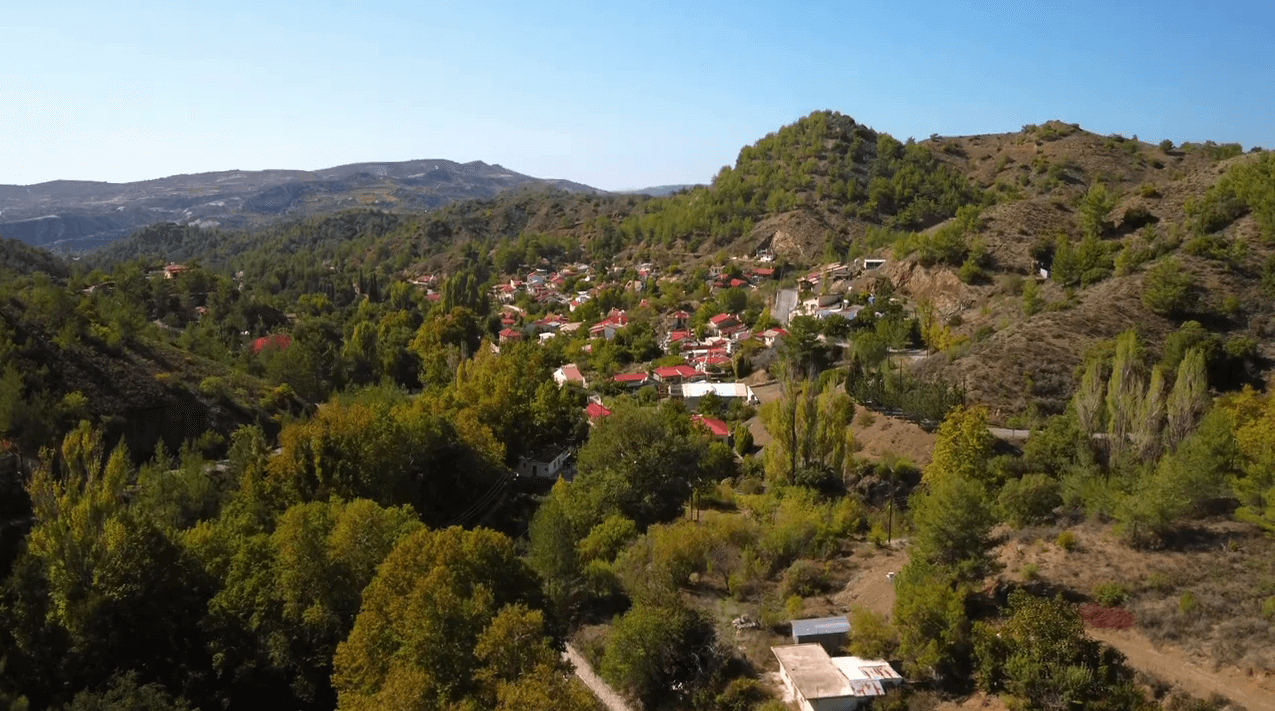 Troodos Mountains: Platres Village
Troodos becomes one of July’s most useful contrasts.
The mountains offer higher elevations, forested landscapes, villages and generally cooler conditions than the coast or interior lowlands. For travelers spending more than a few days in Cyprus, a mountain day can completely change the pace of the trip.
In spring, Troodos adds variety. In July, it can also add relief.
That makes the mountains more than a scenic diversion. They become part of the logic of traveling well during high summer.
How Hot Does July Feel?
There is no useful answer without asking what you plan to do.
Spend the day moving between the sea, shade, an air-conditioned room and dinner after sunset, and July can feel exactly like the summer holiday you wanted. Spend several hours walking exposed archaeological sites followed by a long city walk and an afternoon hike, and the same day can feel punishing.
Heat changes the cost of effort.
A short walk may feel trivial. Ninety minutes in direct sun may not. A village that was easy to explore in April may require a slower pace, while a road trip can remain comfortable because much of the movement happens inside the car.
July does not make exploration impossible. It makes indiscriminate exploration less sensible.
Can You Swim in Cyprus in July?
For most visitors, July is an excellent month for swimming.
The Mediterranean is warm, beach conditions are well established and swimming can become one of the easiest parts of the trip to enjoy spontaneously. Wind, local conditions and individual tolerance still matter, and travelers should always judge conditions at the beach rather than assume seasonal expectations guarantee safety.
In terms of comfort, however, July sits firmly within the part of the year when most visitors come expecting to swim regularly.
The important decision is no longer whether swimming will be realistic. It is how much of the holiday you want to give to it.
The Beaches in July
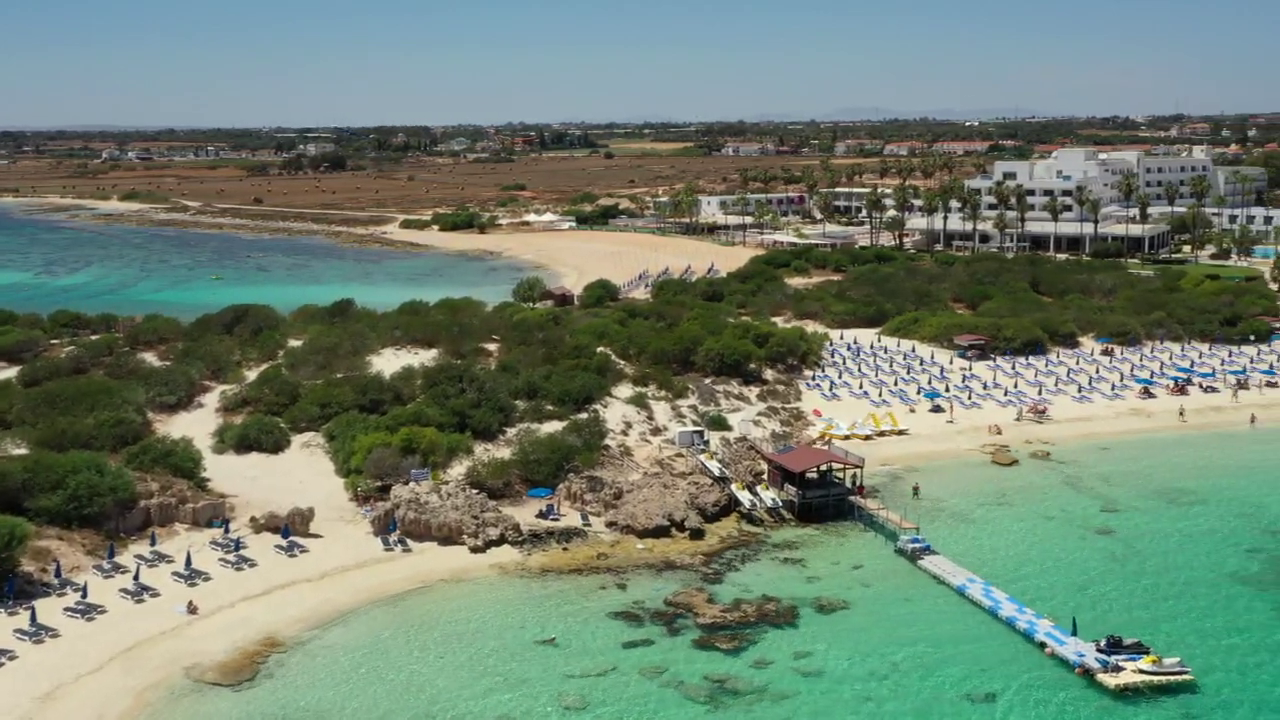
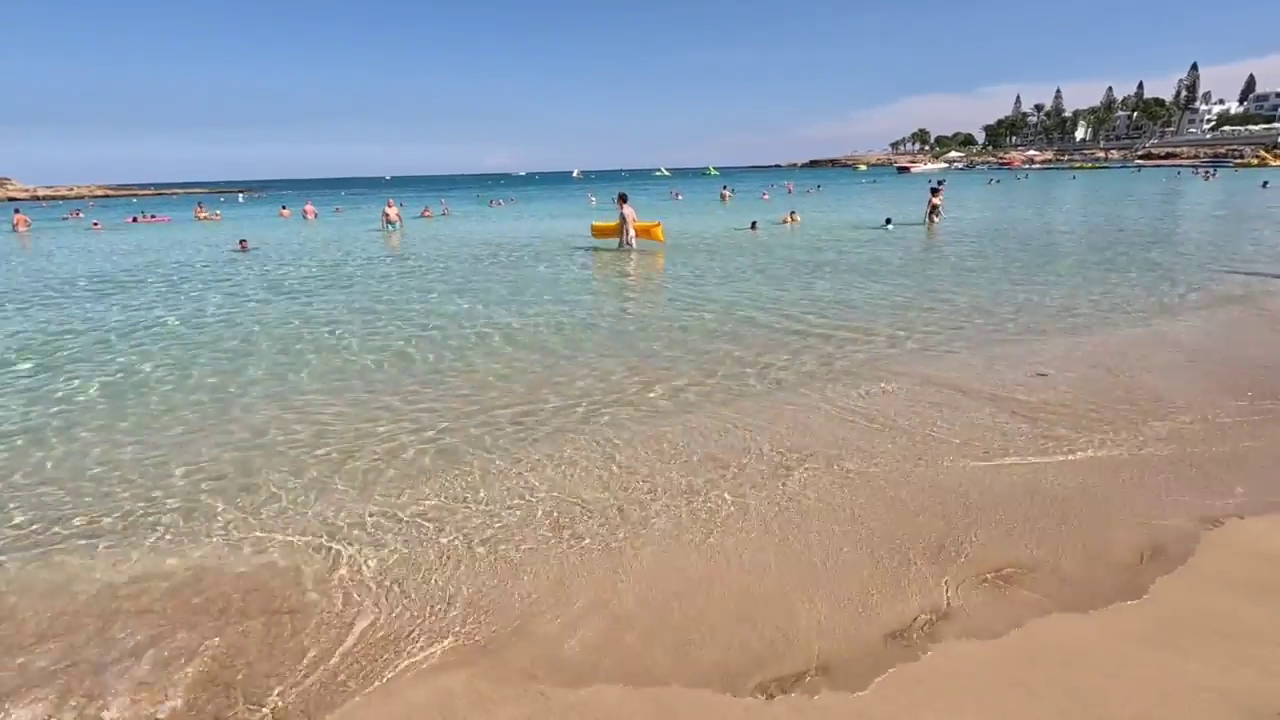
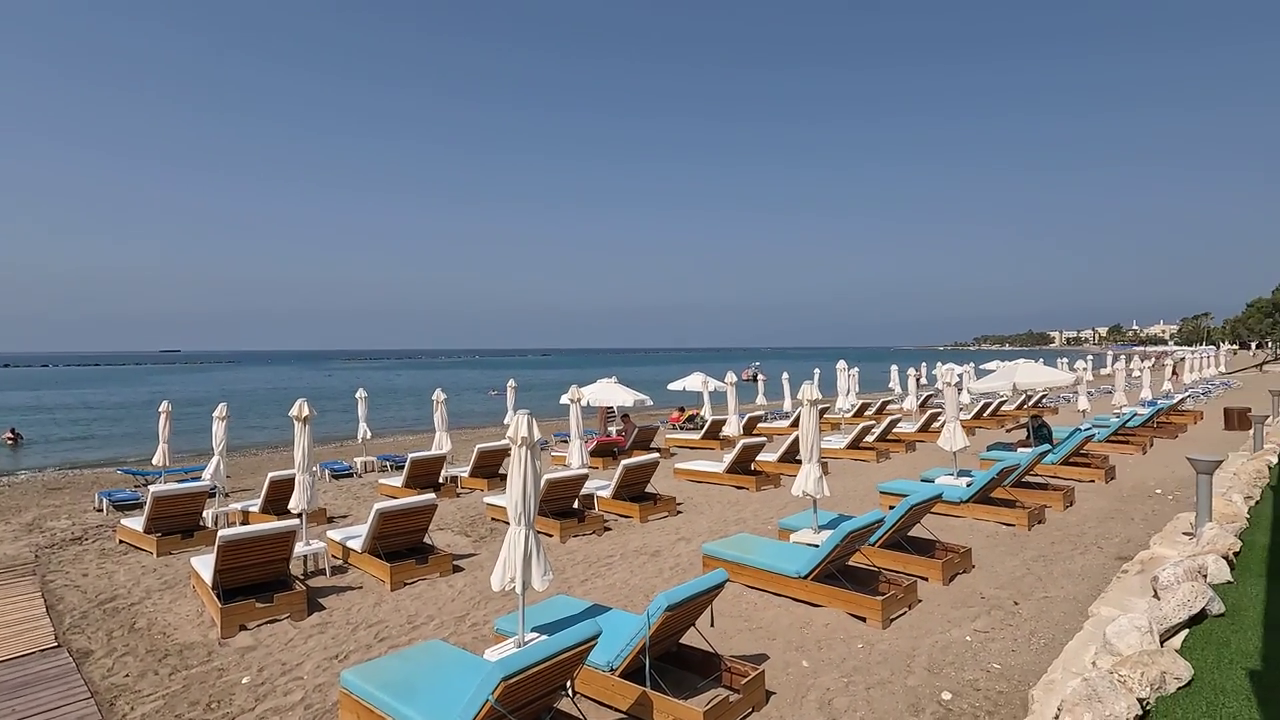
July is when Cyprus’s beach identity becomes most convincing — and most competitive for your attention.
Ayia Napa and Protaras are particularly strong for travelers whose trip revolves around sand, clear water and regular swimming. The southeast can deliver the classic summer Cyprus many visitors imagine before arrival.
Paphos offers a different proposition, combining coast and history rather than competing only on beach quality. Limassol gives you a more urban version of summer, while Larnaca works well for travelers who want the sea without living inside a resort environment.
Popular beaches can also be busy, particularly during the most obvious parts of the day. If quieter conditions matter, going earlier, choosing less obvious stretches of coast or simply accepting that famous beaches may feel lively rather than secluded will make the trip more realistic.
Do not choose July expecting empty summer beaches. Choose it because you want summer.
July's Great Advantage: The Sea Is No Longer The Question
Earlier in the year, travelers keep asking whether the water will be warm enough. By July, that uncertainty has largely disappeared.
The sea becomes dependable enough that you can build the rest of the trip around it rather than repeatedly planning for it. Visit an archaeological site in the morning knowing the water will still be waiting later. Spend half a day in Troodos and swim after returning to the coast. Have lunch somewhere inland without feeling that you have sacrificed the beach.
July’s strength is not simply warmer water. It is that the coast has become dependable enough for the question to move on.
How much Cyprus do you want around it?
The Most Important July Decision: Do Less, Better
July gives travelers long days, and that can create the wrong instinct.
More daylight does not mean you should schedule more. In fact, July is one of the months when we would plan less deliberately.
One meaningful morning activity is often enough. Add lunch, a swim, time to reset and an evening somewhere you actually want to be, and the day can feel complete.
This matters particularly for first-time visitors, who often arrive with a list designed around the island’s size rather than the reality of traveling through it.
Cyprus looks compact, but July makes rushed itineraries feel longer.
The best July days often contain fewer destinations than the days you imagined before arrival.
How We Would Use A July Day
A good July itinerary has a clear rhythm.
Morning
Use the morning for whatever requires attention and movement.
Visit Kato Paphos Archaeological Park, Kourion or another exposed archaeological site. Walk through Nicosia. Explore a village. Start an appropriate hike early. Do the thing that will become less enjoyable as the day warms.
The morning is your most valuable active time.
Midday And Early Afternoon
Slow down. Have lunch, swim, return to the hotel, visit a museum or use the hotter part of the day to move between regions.
We would not regard this as losing several hours of the trip. In July, refusing to slow down can cost you the evening.
Late Afternoon And Evening
This is when the island changes character.
Return to the beach, walk along the coast, explore a town or sit outside for dinner. Stay somewhere longer than you would in spring because the day no longer needs to end early.
A strong July trip recognizes that evening is not what remains after sightseeing. It is one of the main experiences.
Where We Would Stay in Cyprus in July
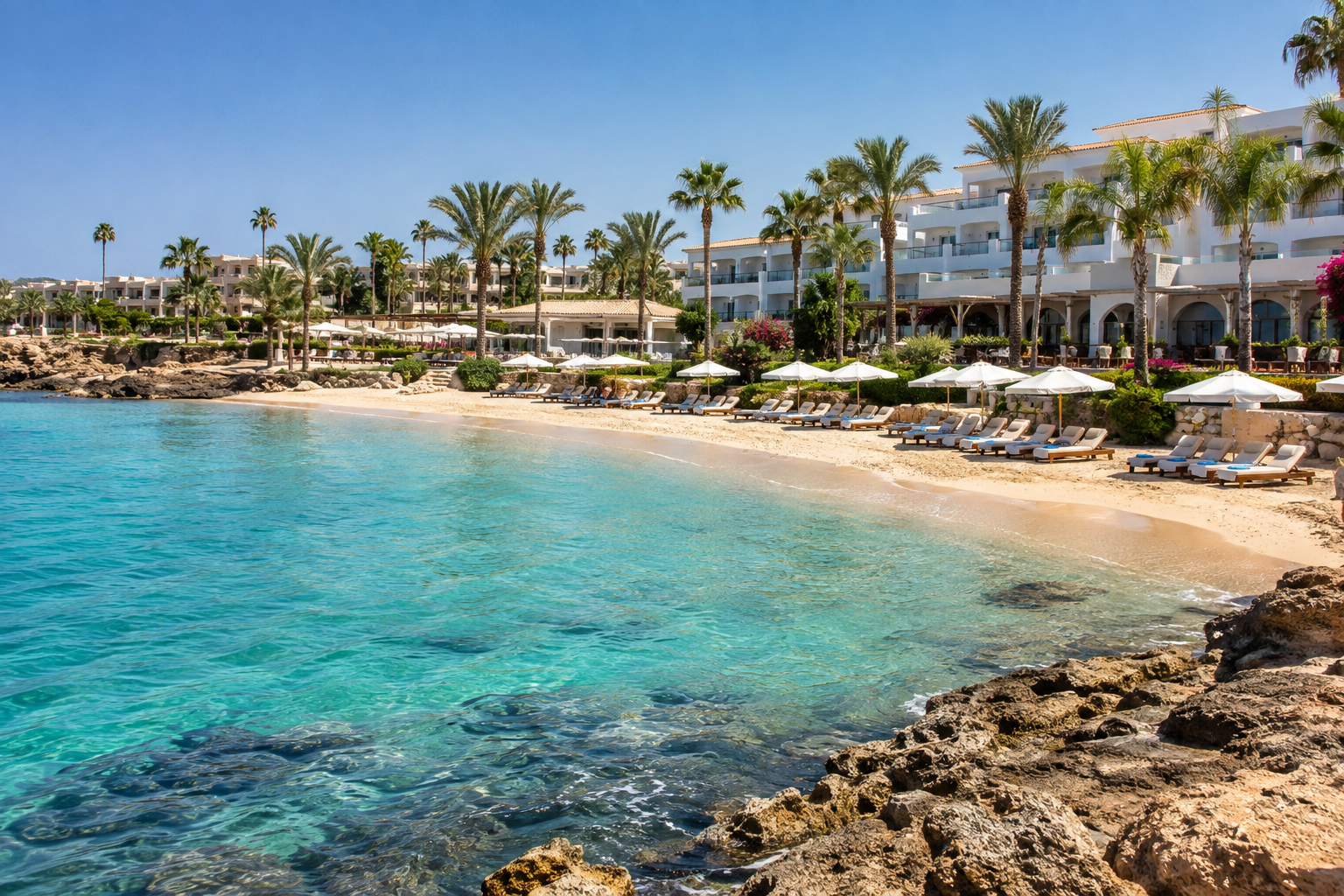
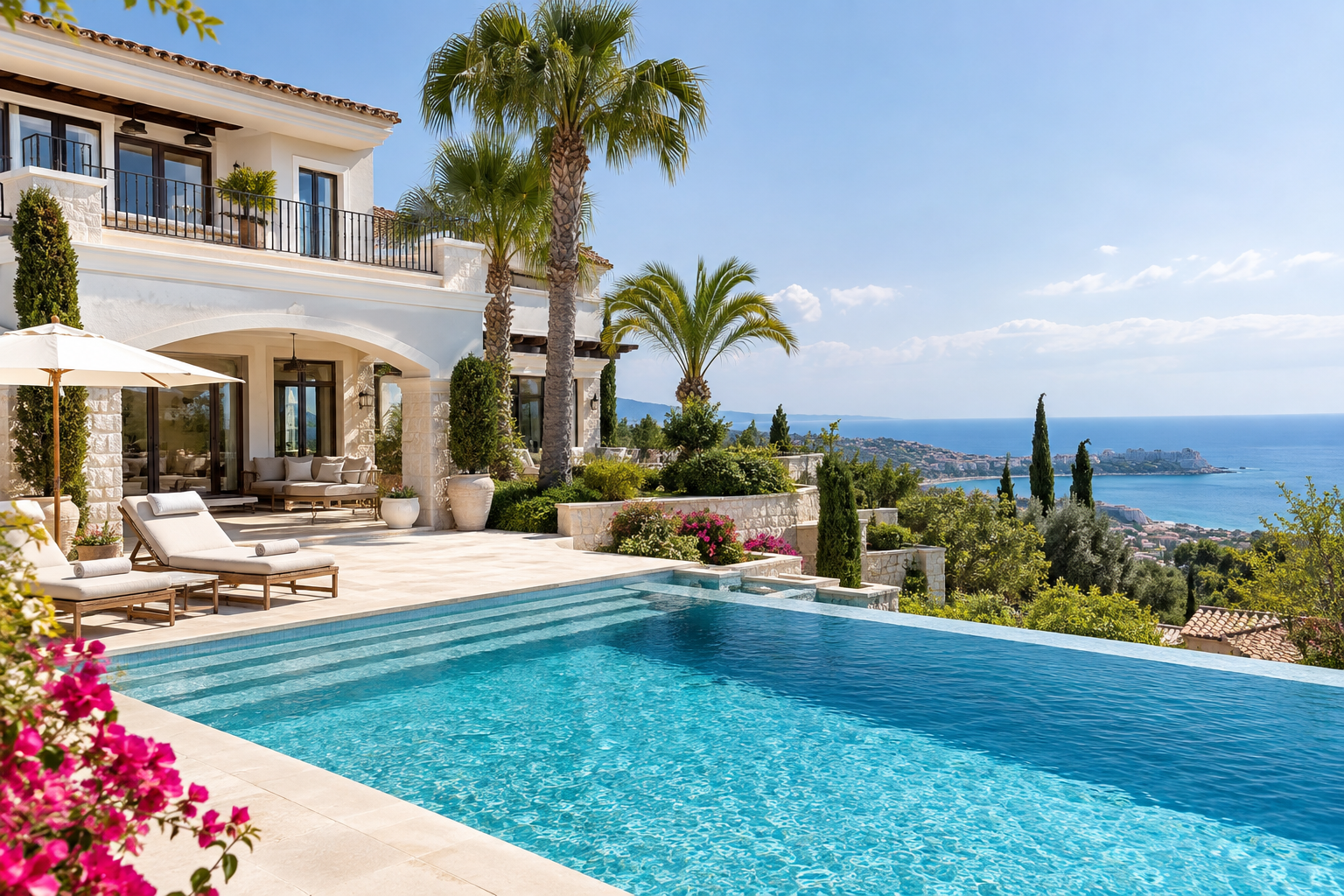
July makes the choice of base unusually important because accommodation and location influence how easily you can manage the day.
Paphos is one of the strongest options for first-time visitors who want substantial swimming but still care about archaeology and western Cyprus. It works particularly well when the trip needs to be more than a beach holiday.
Limassol suits travelers who want restaurants, urban energy and beach access, with Troodos and wine villages available when they want to leave the coast.
Larnaca works well for travelers who value straightforward logistics, a waterfront city and convenient positioning toward the southeast.
Ayia Napa and Protaras are particularly strong when beach quality, swimming and resort atmosphere sit at the center of the trip. If those are your priorities, July is one of the months when choosing the southeast becomes easiest to justify.
Nicosia can work as a deliberate city stay, but for most first-time July visitors we would include it within a wider itinerary rather than use it as the principal holiday base.
Troodos deserves serious consideration for one or more nights if mountains, cooler conditions and village atmosphere matter enough to become part of the trip rather than simply a day out.
In July, we would value easy access to the things we plan to use every day. A beautiful base becomes less appealing if every swim, meal or evening walk requires too much effort.
The Best Things To Do in Cyprus in July
The best July experiences are not necessarily different from those available in June. The hierarchy changes.
Make The Sea Part of Everyday Life
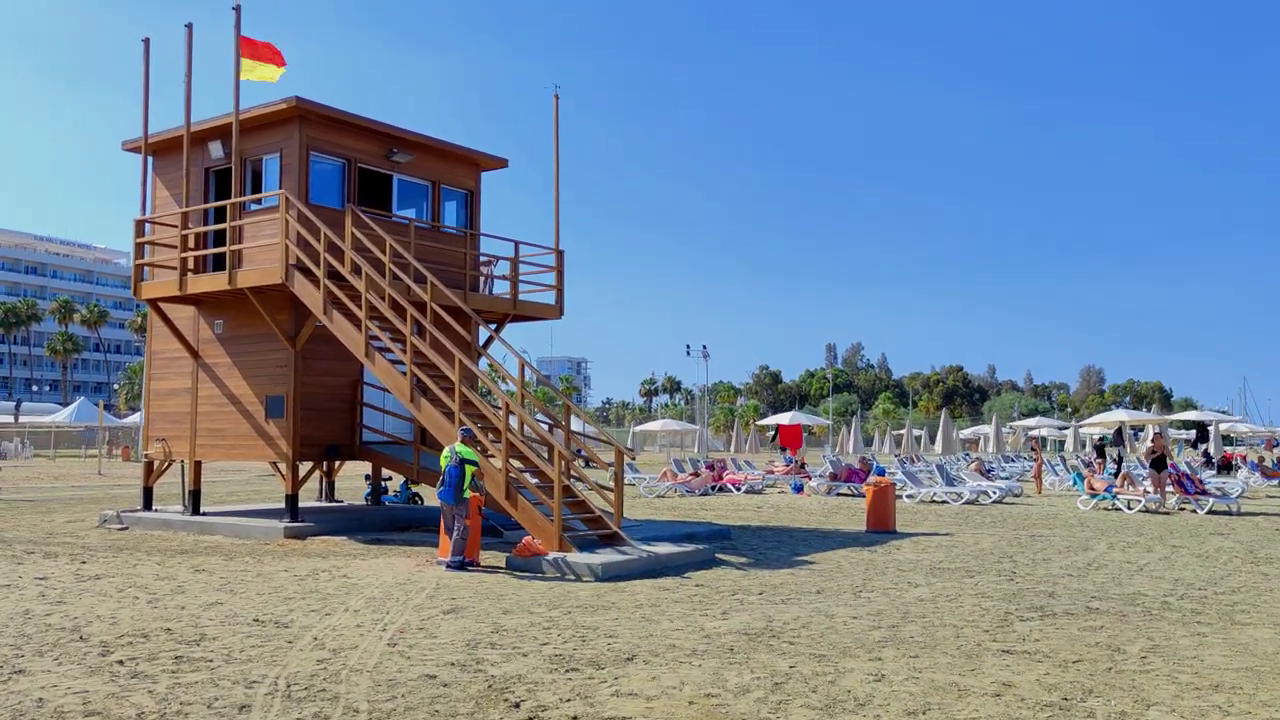 Finikoudes Beach, Larnaca
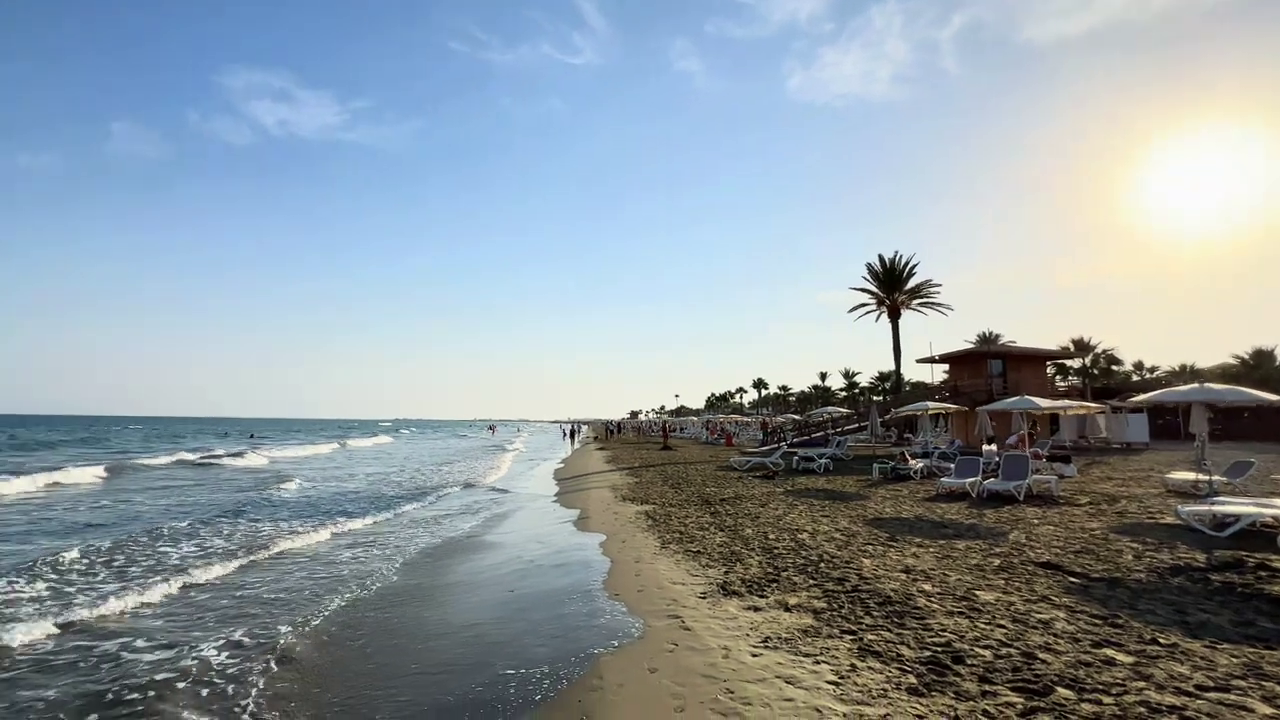 Mackenzie Beach, Larnaca
If you have chosen July, use the Mediterranean.
Swim in the morning, later in the afternoon or whenever it fits naturally rather than saving the sea for designated beach days. One of July’s luxuries is not having to negotiate constantly with water temperature.
Keep Archaeology — Change The Timing
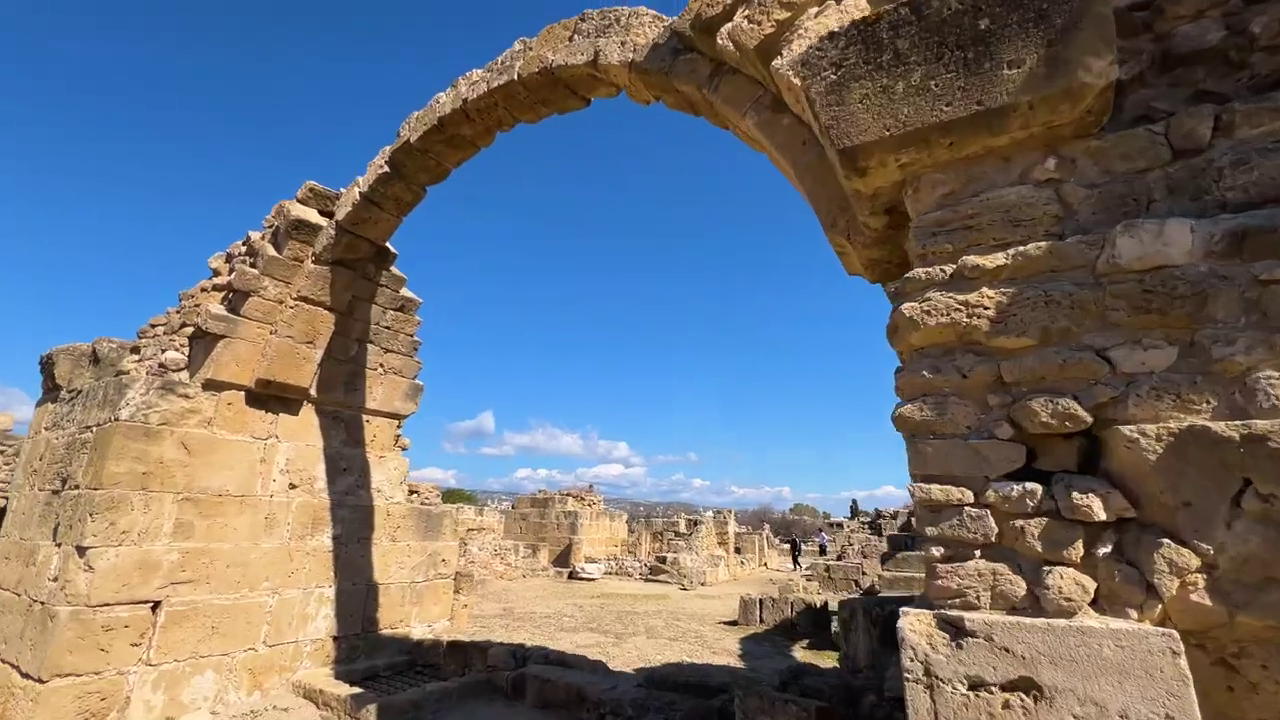 Kato Paphos Archaeological Park
We would not remove archaeology from a July trip.
Kato Paphos Archaeological Park, Kourion and other major sites remain fundamental to understanding Cyprus, but we would stop treating them as midday activities.
Visit early, take water, use appropriate sun protection and allow yourself to leave before heat turns interest into endurance.
Go Higher
 Pedoulas Village
Troodos becomes one of the most useful places to understand in July.
Drive into the mountains, spend time in villages, walk where conditions are appropriate and notice how elevation changes the day.
Cyprus may be geographically small, but July reveals how dramatically altitude can alter experience.
Use Villages Selectively
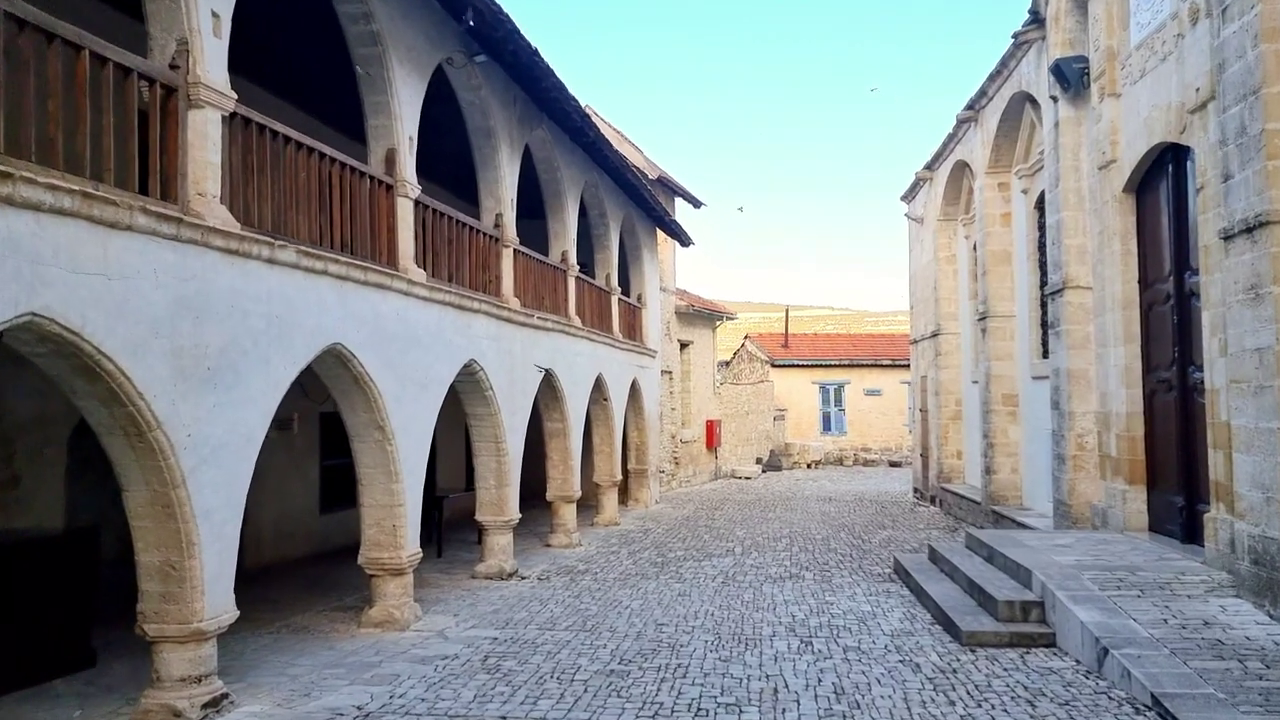 Holy Cross Monastery, Omodos Village
Village exploration still works, but this is not the month when we would spend eight hours hopping between five villages simply because the route is possible.
Choose one part of the island, stop properly and build lunch into the day. Omodos, Lefkara, Kakopetria and other well-known villages can all work, but the principle matters more than collecting famous names.
Take The Evening Seriously
July evenings deserve their own plans.
Walk waterfronts, eat later, spend time in old towns, return to the beach or simply stay outside after the heat has eased.
One of the easiest ways to travel badly in July is to exhaust yourself before the best part of the day arrives.
Hiking in Cyprus in July
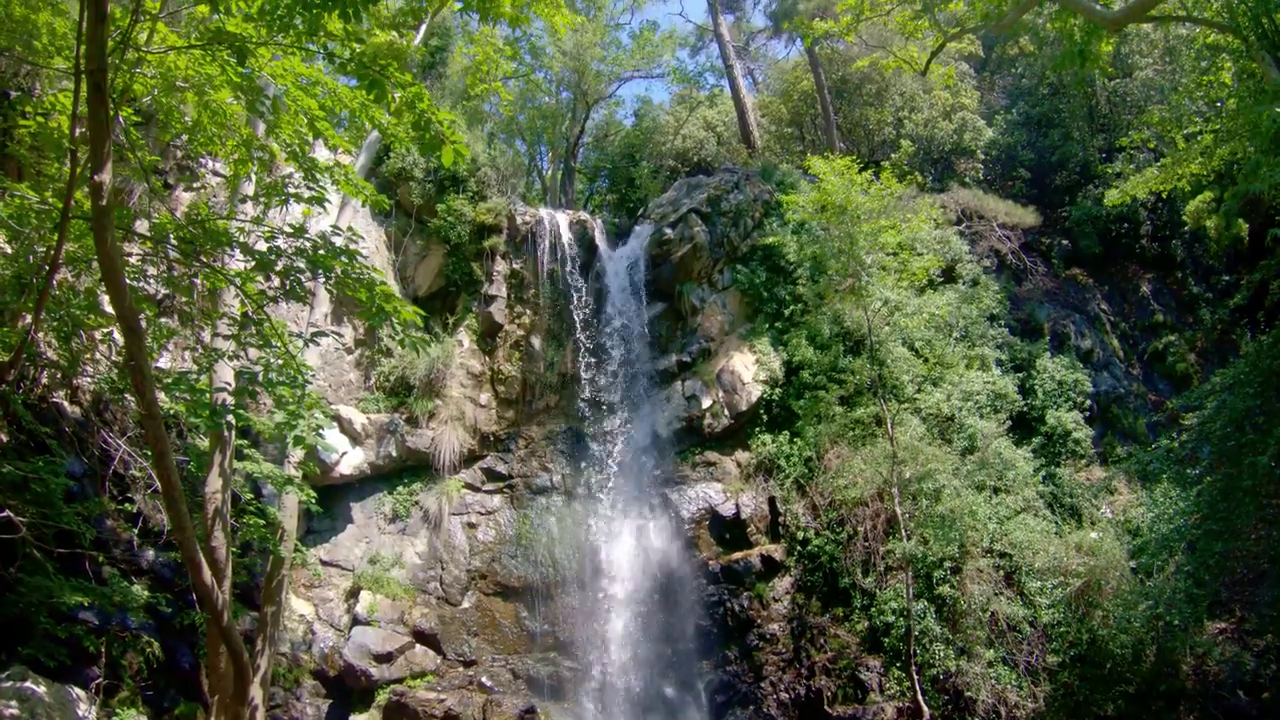 Caledonia Falls, Platres
July requires caution and selectivity for hiking.
We would generally favor higher-elevation routes in Troodos and early starts over exposed lowland walks. Heat, sun exposure, route difficulty, available shade, current access and personal fitness all matter.
Some routes that are excellent in March or April can become poor choices during hot summer conditions. Check current weather and access information before setting out, carry sufficient water and be prepared to change plans when conditions do not support the route you intended.
A trail does not become more worthwhile because you completed it in unsuitable heat.
The Landscape in July
July Cyprus is dry Cyprus.
The greens of early spring have largely disappeared from the lower landscape. Fields are pale, hillsides are sun-baked and much of the island has entered the long dry season.
Travelers seeking wildflowers, flowing seasonal streams and intensely green countryside should come earlier in the year. July offers something else: hard light, bleached grasses, vineyards, olive trees, dry hills and the sharp contrast between blue sea and pale land.
Higher areas can feel different, particularly around forested Troodos.
That contrast is useful because it reminds you that there is no single summer landscape in Cyprus.
Boat Days in July
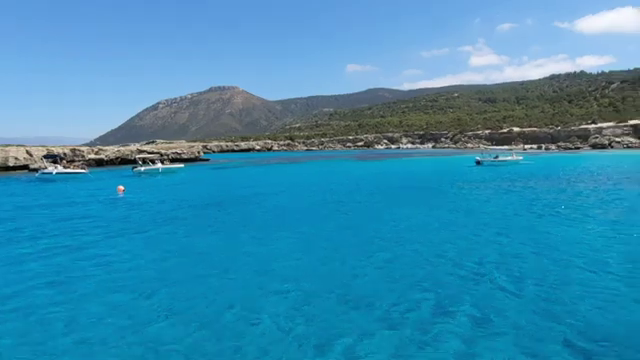 Blue Lagoon, Akamas, Paphos
July naturally suits time on the water.
Boat trips and coastal cruises can fit well into a summer itinerary, particularly for travelers who want a break from road-based sightseeing. Wind, sea state, departure points and operating schedules still affect the experience, so confirm current details directly with the operator rather than assuming July guarantees identical conditions every day.
We would also avoid treating a boat trip simply as another item to squeeze into an already overloaded schedule.
Give it the time it deserves. The point of being on the water is not to return quickly enough to fit in three more attractions.
Eating in Cyprus in July
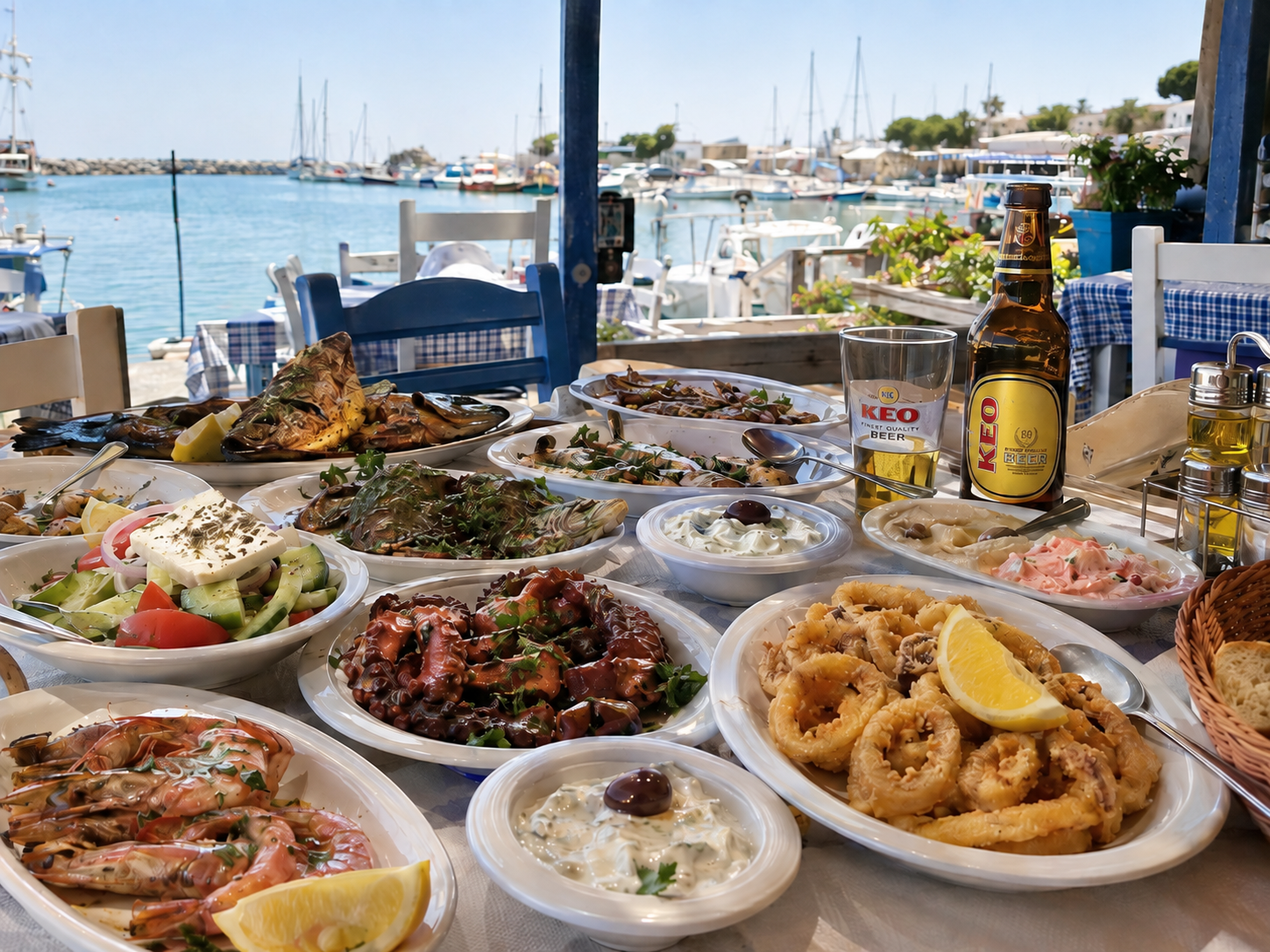
July pushes meals toward the natural pauses in the day.
Breakfast can come before an early outing, lunch becomes useful during the hottest hours, and dinner often moves later because the evening itself has become more valuable.
Mountain or village lunches work particularly well on inland days because they break the journey naturally and remove the pressure to keep moving through midday. Beside the sea, shaded lunches and later dinners tend to make more sense than sitting on an exposed terrace simply because the view is good.
If a specific restaurant, winery or taverna matters enough to shape the day, confirm current opening times and reservation requirements before making a substantial detour.
Crowds And Value in July
July is part of the main summer travel season, and popular areas can be busy.
That is especially true around well-known beaches, resort destinations and highly visited attractions, although the experience varies considerably by place and time of day. A famous beach at midday and a quieter stretch of coast early in the morning can feel like two different holidays.
Accommodation prices can also be higher than during quieter periods, but costs vary too much by destination, property and booking conditions to support a universal claim.
We would not choose July because we expected low prices. We would choose it because the summer experience itself justified the timing.
Who July Suits Best
July is strongest for travelers who want summer unapologetically.
It suits beach-first visitors, families who want warm sea and substantial pool or beach time, couples who enjoy long evenings outside, and first-time travelers willing to prioritize rather than attempt to see the whole island.
It can also suit travelers who want to divide the trip between the coast and Troodos, provided they are comfortable with summer heat.
July is weaker for travelers who want intensive hiking, extensive daytime city walking, green countryside or archaeological itineraries running continuously from morning into the afternoon. Those travelers will usually find May, October or another shoulder-season month easier.
The useful question is not whether July is good. It is whether high summer is the version of Cyprus you actually want.
Driving in Cyprus in July
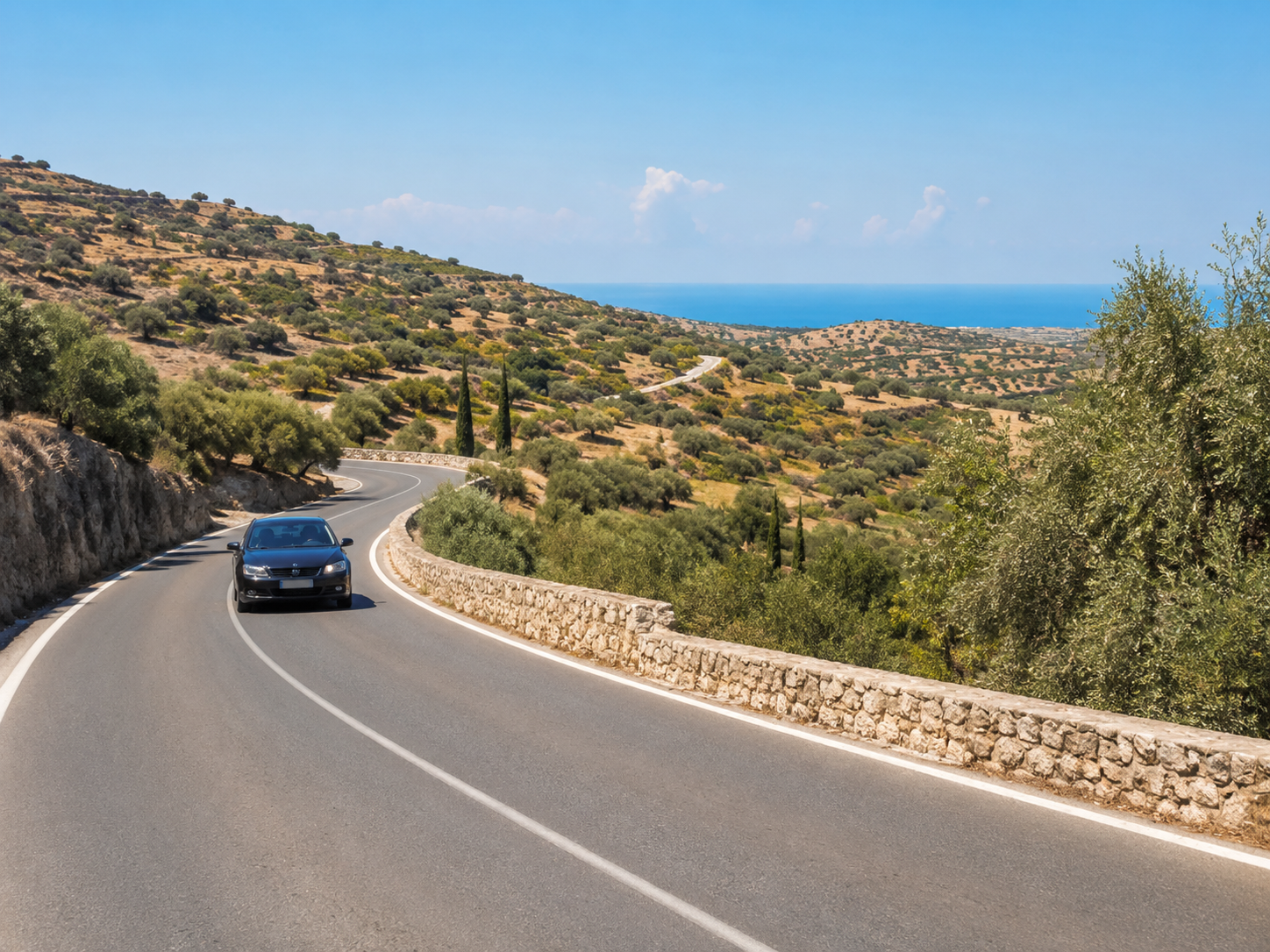
A car can make July significantly easier because it allows you to combine coastal accommodation with mountain, village and archaeological days without relying on long outdoor transfers.
Air conditioning can make road trips comfortable, but it should not encourage unrealistic distances. Long daylight and pleasant conditions inside the car can disguise how tiring repeated stops become once you step outside.
Plan coherent regional days rather than trying to cross the island repeatedly. Mountain roads and narrow village streets still require concentration, and travelers unfamiliar with driving on the left should allow time to adjust before taking on more demanding routes.
Never leave people who may be unable to exit a vehicle independently, or animals, inside a parked car. Conditions inside a stationary vehicle can become dangerous quickly in strong summer heat.
What To Pack For Cyprus in July
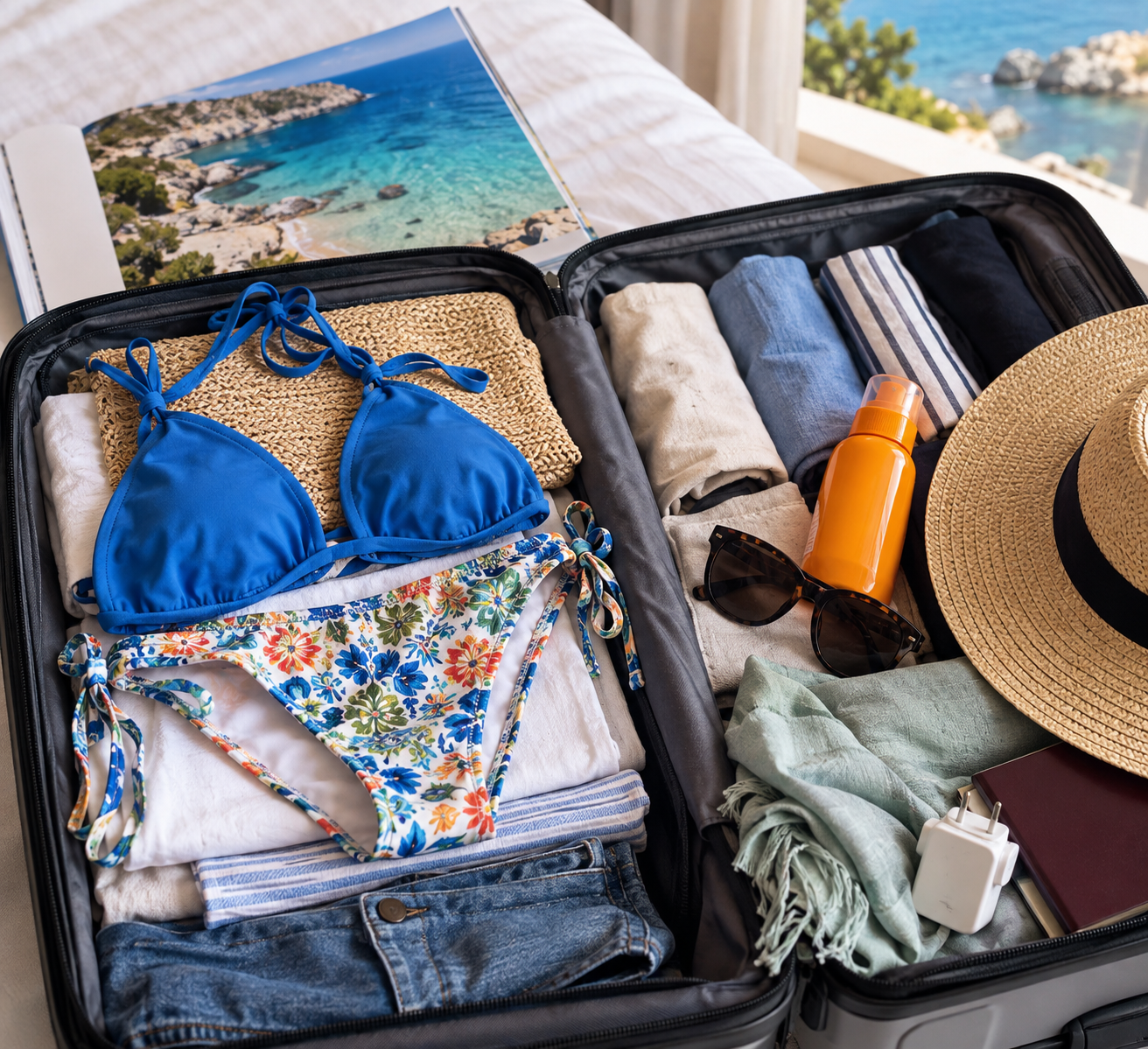
July requires straightforward summer packing.
Bring lightweight, breathable clothing, swimwear, comfortable footwear, a hat, sunglasses and suitable sun protection. Carry water when sightseeing or driving into areas where easy access to shops cannot be assumed.
Proper walking shoes still matter for archaeological sites, villages and mountain routes. Beach footwear is not a substitute for appropriate shoes on uneven ground.
A light layer can occasionally be useful in higher mountain areas or strongly air-conditioned interiors, but coastal evenings are generally warm.
If hiking is part of the itinerary, pack specifically for the route and conditions rather than treating it as an extension of a beach day.
July VS June or August
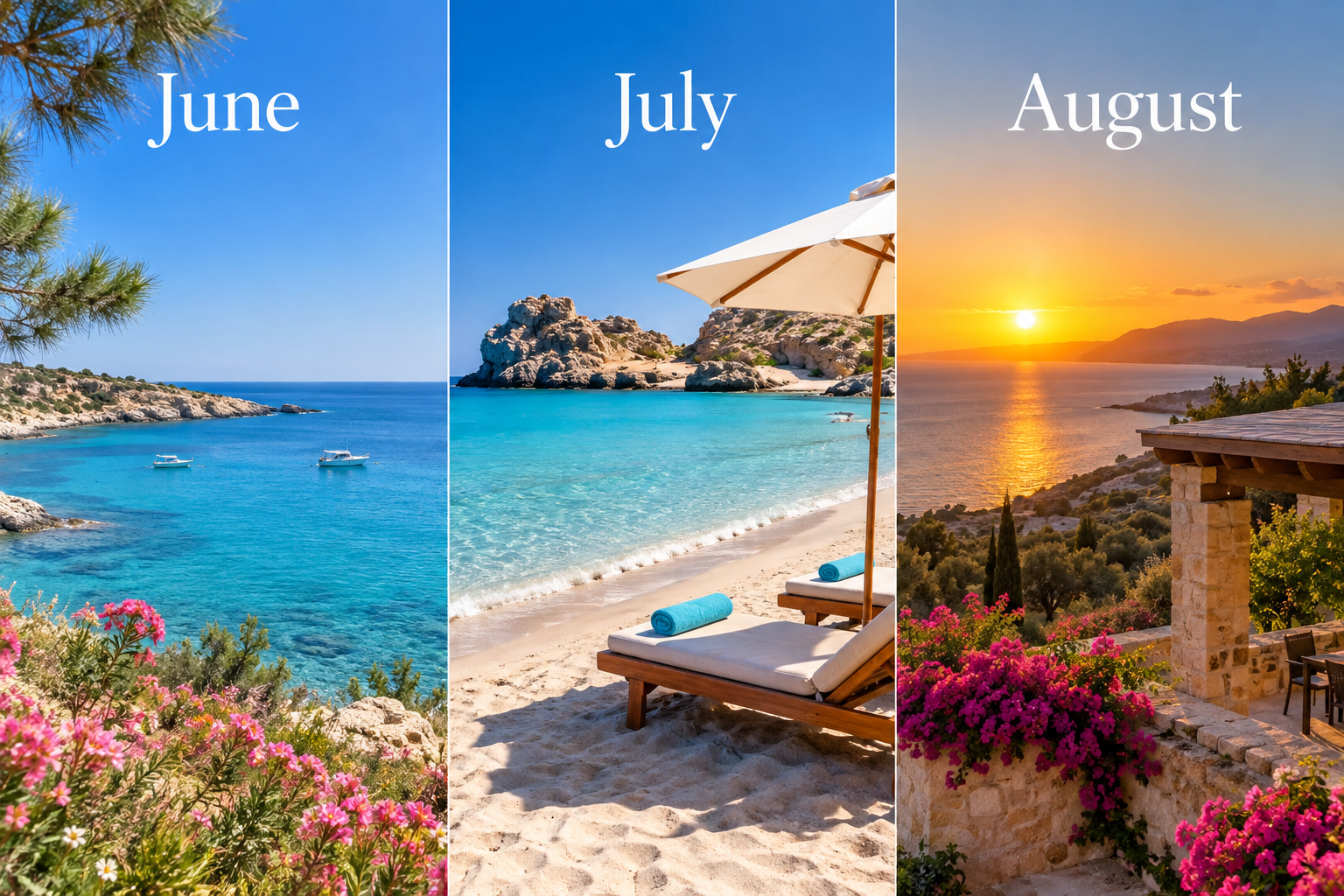
Choose June if you want strong summer conditions but slightly more flexibility for sightseeing, hiking and outdoor exploration.
Choose July if warm sea, dependable beach life and high-summer atmosphere matter more, while you are comfortable reducing midday activity.
Choose August if you actively want Cyprus at its fullest summer intensity and accept the heat, seasonal demand and busier atmosphere that can accompany it.
July is not simply a point on a temperature scale between June and August. By now, summer is established enough that the itinerary should be designed around what is worth doing well rather than how much can be fitted into the day.
What We Would Not Do in Cyprus in July
We would not build the trip around long midday walks or attempt several exposed archaeological sites in one day simply because they fit geographically. We would not plan low-elevation hiking without considering current heat and route conditions.
We would not spend the entire holiday at the hotel simply because the weather encourages swimming, unless that is genuinely the holiday we wanted. Nor would we remove Nicosia or inland Cyprus automatically. High summer changes how we visit them; it does not erase their value.
Most importantly, we would not confuse a packed itinerary with a successful one.
In July, subtraction is often the better planning tool.
How We Would Approach A July Trip
We would begin by deciding how much of the holiday we actually want to spend beside the sea.
If the answer is most of it, Ayia Napa or Protaras can make enormous sense. If we want beach time balanced with archaeology and western Cyprus, we would look closely at Paphos. For restaurants, urban life and access toward Troodos, Limassol becomes attractive. Larnaca remains useful when simple logistics and regional flexibility matter.
Then we would deliberately remove things from the itinerary.
One meaningful morning activity, a proper lunch, swimming or rest during the hottest part of the day, and an evening worth staying awake for can be enough. Every few days, we would change the landscape completely — perhaps Troodos, a mountain village or Nicosia — rather than repeating another variation of the same coastal day.
July becomes better when the itinerary stops competing with the season.
So, Should You Visit Cyprus in July?
Come in July if you want the island with summer fully switched on.
The Mediterranean is warm, beaches feel central, evenings run late and the dry landscape makes it unmistakable which season you have chosen.
You will give something up. You will probably walk less at midday, see fewer archaeological sites in a single day and occasionally decide that the place scheduled for two in the afternoon can wait until another trip.
That is not a lesser way to experience Cyprus. It may be the wiser one.
July does not reward the traveler who manages to see everything.
It rewards the traveler who knows what to leave out.