Newsletter "Beyond the Postcards" Subscribe
Plan Your Cyprus Trip: Hotels: Expedia, Villas & Apartments: Vrbo, Car Rentals: DiscoverCars, Tours: GetYourGuide, Airport Transfers: WelcomePickups
- Home
- Plan Your Cyprus Trip
- Best Time To Visit Cyprus
- Cyprus in March
Cyprus in March: Weather, Things To Do & Who It Suits Best
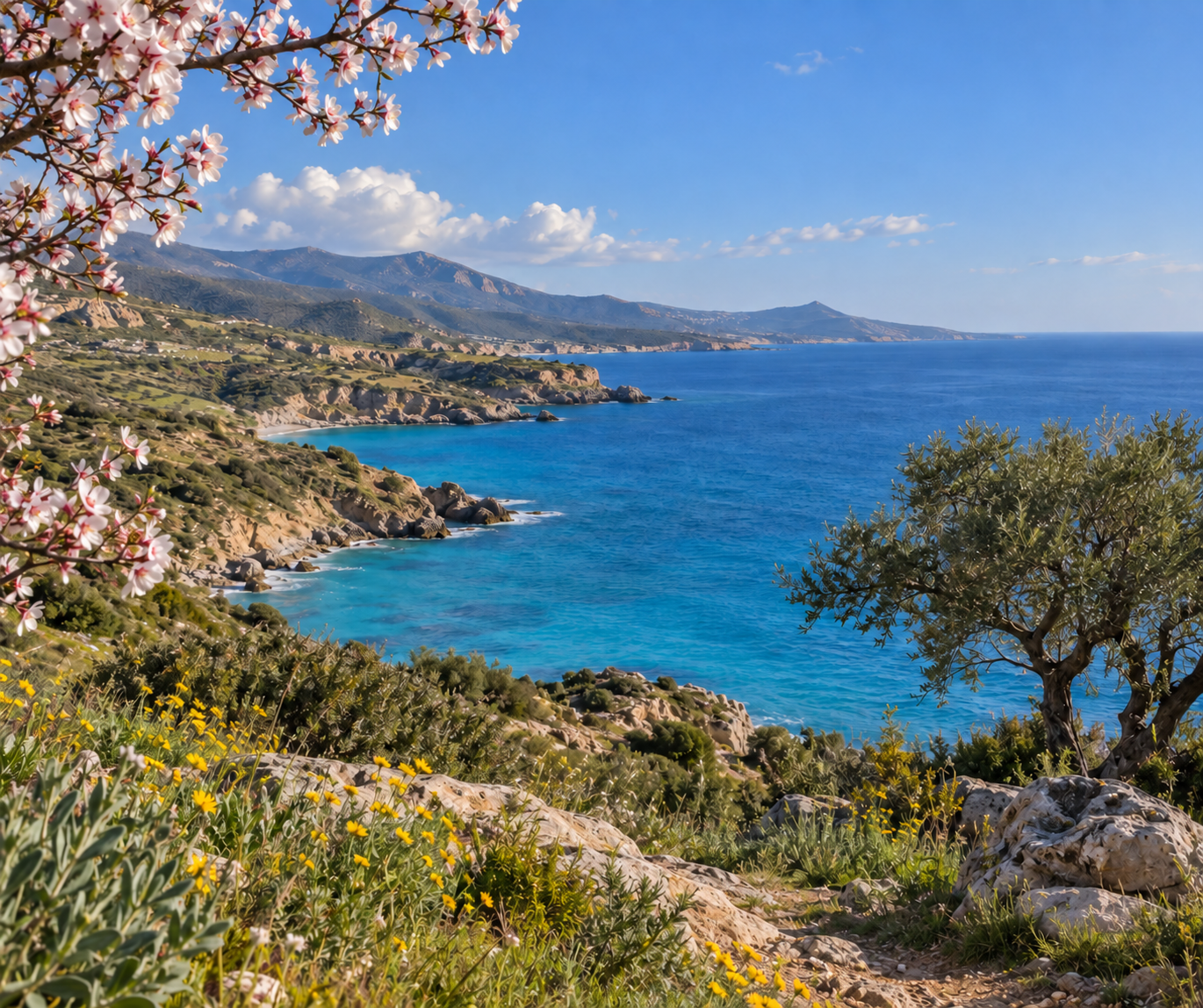
March is when Cyprus begins to look like spring before it fully feels like one.
The countryside is green. Wildflowers spread across fields and hillsides. Almond blossom may still linger in cooler areas while other trees and plants begin their own spring cycle. The days are longer than they were in January and February, and there are afternoons when sitting outside feels entirely natural.
Then the sun disappears, the wind picks up and you remember that March is still a transition month. The island is no longer properly winter, but it is not yet the reliably warm, sea-centered Cyprus of late spring and summer.
For travelers who understand that distinction, March can be one of the most rewarding months of the year.
This is a particularly good time for archaeological sites, hiking, countryside drives, villages, Nicosia, road trips and seeing Cyprus at its greenest. It is a weaker choice for anyone building the trip around warm swimming, resort life or guaranteed beach weather.
March gives you spring Cyprus. Just do not mistake that for summer Cyprus.
The Quick Answer
Is March a good time to visit Cyprus?
Yes — especially if exploring matters more to you than swimming.
March works particularly well for archaeological and historic sites, hiking, nature, green countryside, wildflowers, village road trips, Nicosia, Akamas and other natural landscapes when conditions are suitable, and travelers who want to combine coast, countryside and mountains without midsummer heat.
We would not choose March primarily for guaranteed beach weather, reliably warm sea swimming, outdoor pool days, a resort-centered holiday, guaranteed sunshine, guaranteed snow in Troodos or full summer nightlife.
March is the point at which Cyprus becomes increasingly easy to explore, and that is its real strength.
What Cyprus Feels Like in March
February feels caught between winter and spring. March begins to make a decision.
The countryside is one of the clearest signs. Areas that become dry and golden later in the year can still be green, while wildflowers bring color to roadsides, open land and walking routes. The light feels stronger, days stretch further into the afternoon and there is less sense that the useful part of the day is disappearing too quickly.
For independent travelers, this changes the way Cyprus works. You can spend a morning walking through an archaeological site, continue into the countryside for lunch and still have time for a coastal walk before evening. You do not need to protect the middle of the day from summer heat, and you are less constrained by the short winter daylight of January.
But March is not consistent enough to reward rigid planning. One day can feel convincingly springlike; another may bring rain, cloud, wind or cooler temperatures. Troodos can still operate on a different climatic calendar from the coast.
The best March itinerary has structure without being inflexible. Know what you want to do, then decide exactly when to do it once you can see the weather.
March Weather in Cyprus
March is a transition month, and the weather behaves accordingly.
Along the coast, daytime conditions often move into the upper teens and sometimes around the low twenties Celsius, while mornings and evenings remain cooler. Warm sunshine can make an afternoon feel more advanced into spring than the thermometer alone suggests.
Rain is still possible, and unsettled periods should not be treated as unusual. By later March, the overall direction is toward warmer and longer days, but there is no guarantee that a particular week will behave like the seasonal average.
The other mistake is treating Cyprus as though it has one March climate. It does not.
The Coast
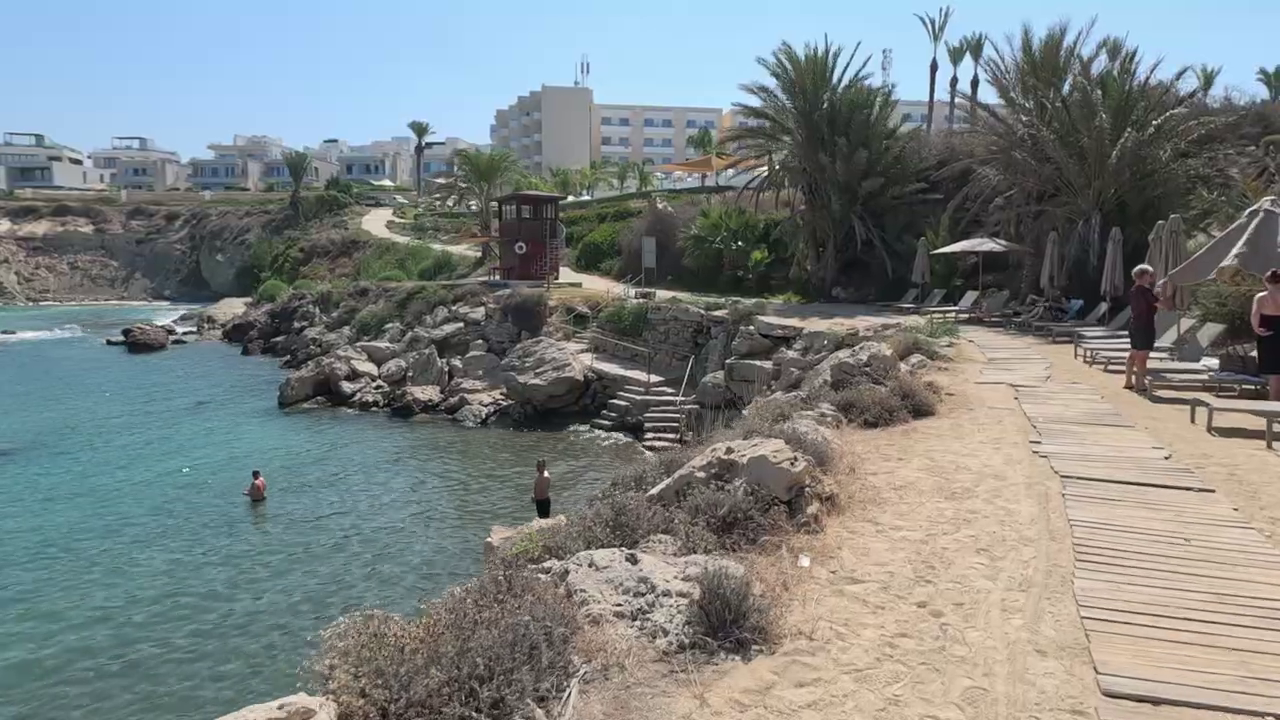
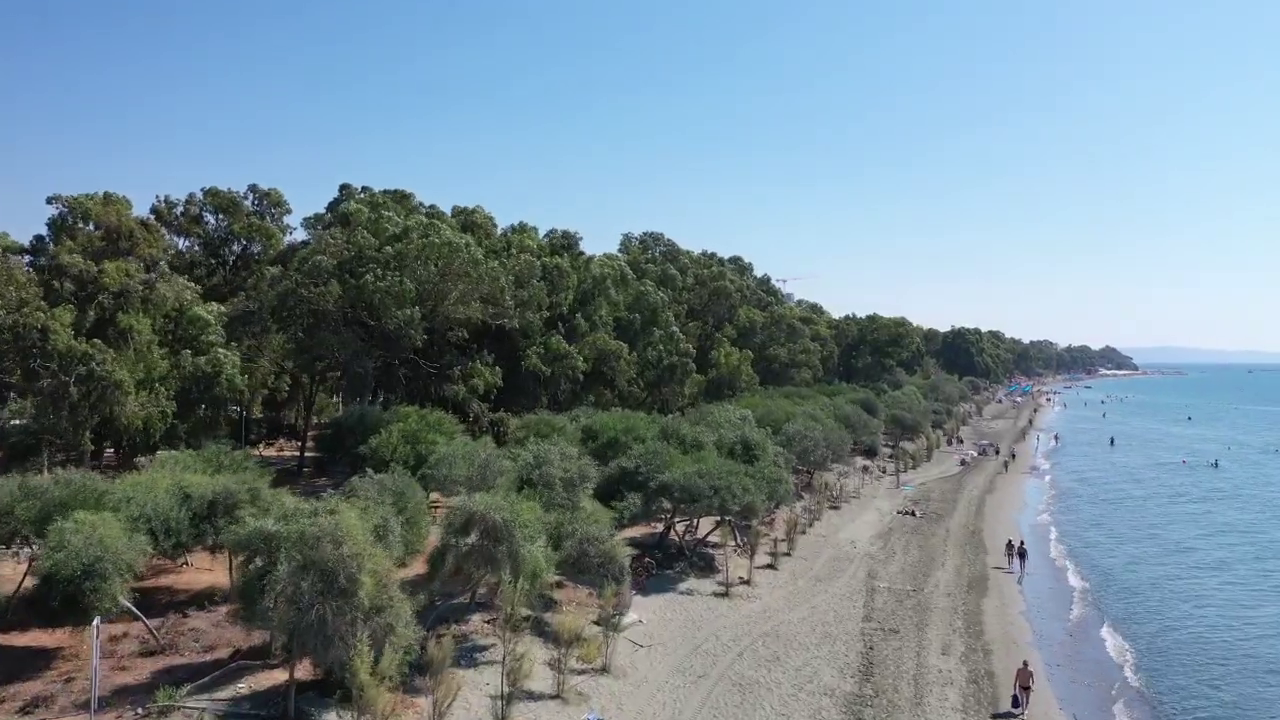
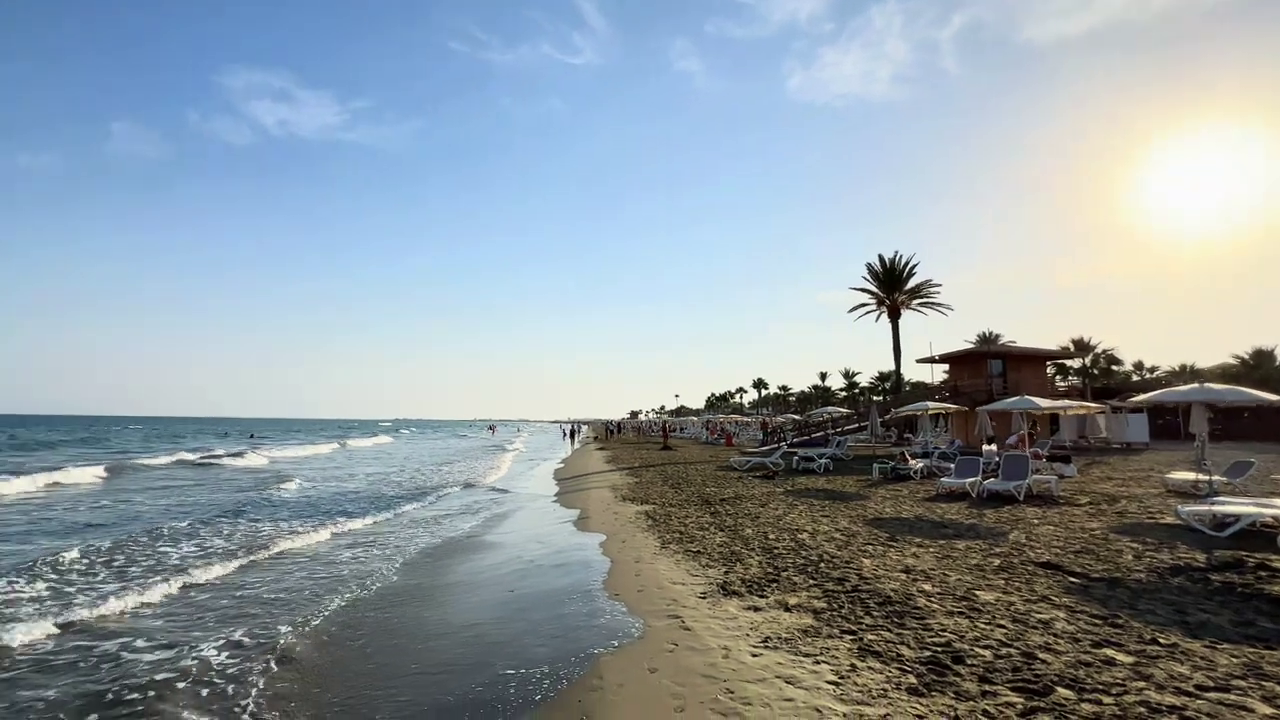
Paphos, Limassol and Larnaca generally provide the mildest framework for a March trip.
Sunny days can be excellent for walking, outdoor lunches, sightseeing and spending hours beside the Mediterranean without necessarily getting into it. Evenings still often require another layer, particularly when wind arrives.
March is when the coast begins feeling more active again, but the atmosphere remains very different from June or September. For many independent travelers, that is part of the appeal.
Nicosia and the Interior
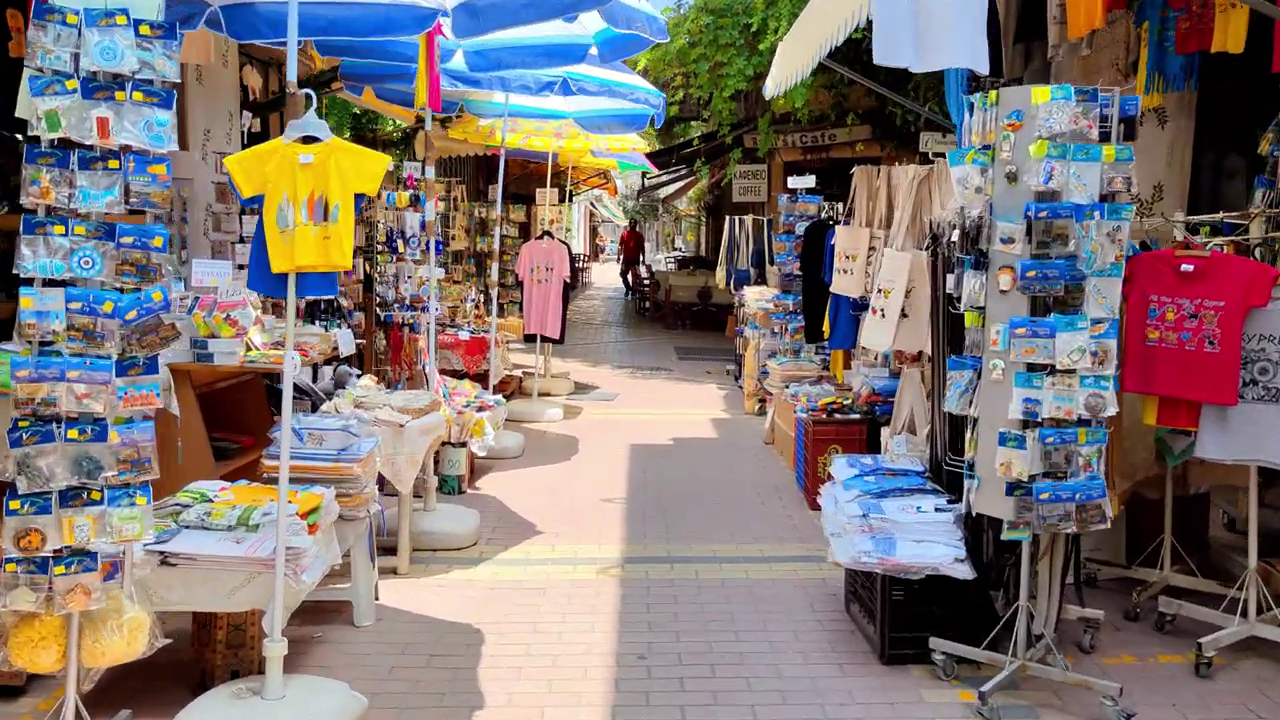 Laiki Yeitonia, Nicosia
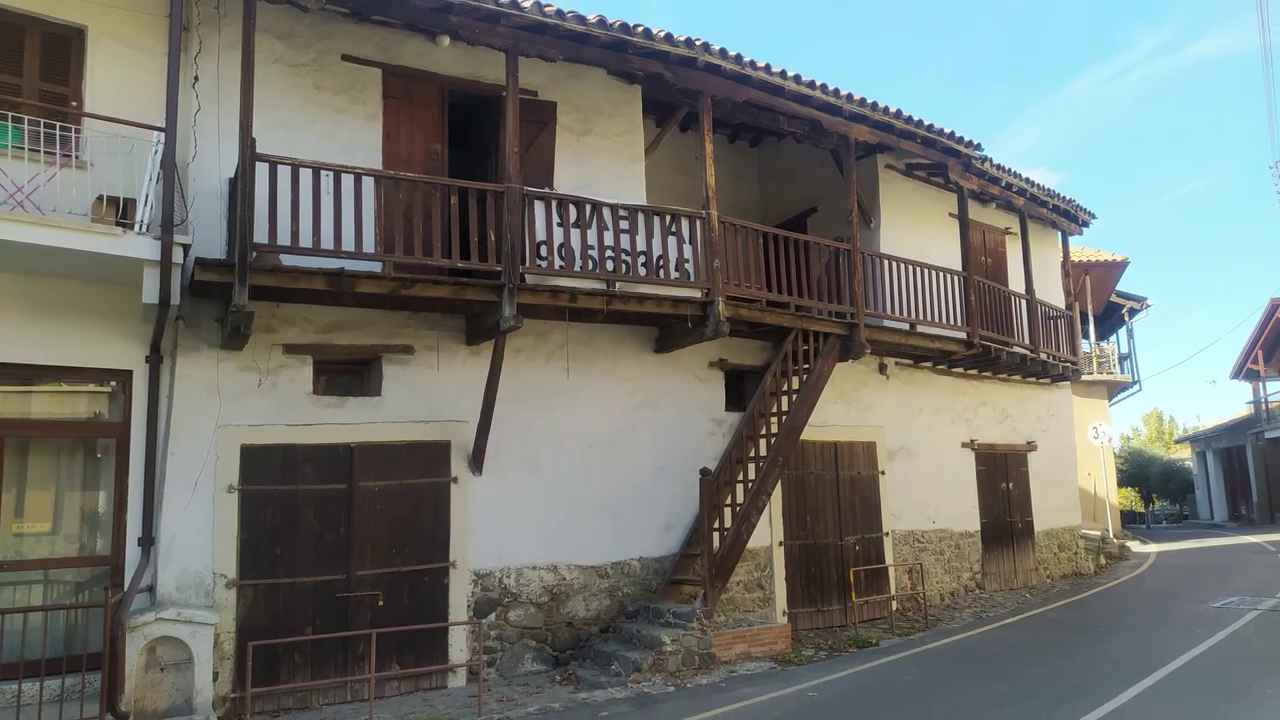 Galata Village, Nicosia
March suits Nicosia extremely well.
The capital is easier to explore before summer heat becomes a factor, while longer days make it more practical to combine the city with nearby countryside or an onward drive.
The interior can warm pleasantly during daylight but still feel cool after sunset. The contrast between a sunny afternoon and evening can surprise travelers who packed solely for “Mediterranean spring,” so layers still matter.
Troodos
 Troodos Mountains
Troodos remains the wildcard.
Early March can still bring distinctly wintry conditions at higher elevations, including the possibility of snow or ice. As the month progresses, conditions generally move toward spring, but altitude continues to matter.
A warm day on the coast tells you very little about what you will encounter higher in the mountains. Check current weather and road information before traveling into Troodos, particularly after unsettled weather, and keep mountain plans movable.
Is March Warmer Than February?
March is generally the more springlike month, but that does not mean every March day will be warmer than every February day.
Seasonal transitions are not that tidy.
What changes most noticeably is the combination of temperature, daylight and landscape. There are more opportunities for genuinely comfortable outdoor days, the countryside remains green and the island begins to feel as though winter is receding rather than merely weakening.
By late March, the difference can be particularly noticeable. But anyone booking March because they expect an early version of June is still making the wrong calculation.
March is better understood as an outdoor exploration month than as an early beach month.
Can You Swim in Cyprus in March?
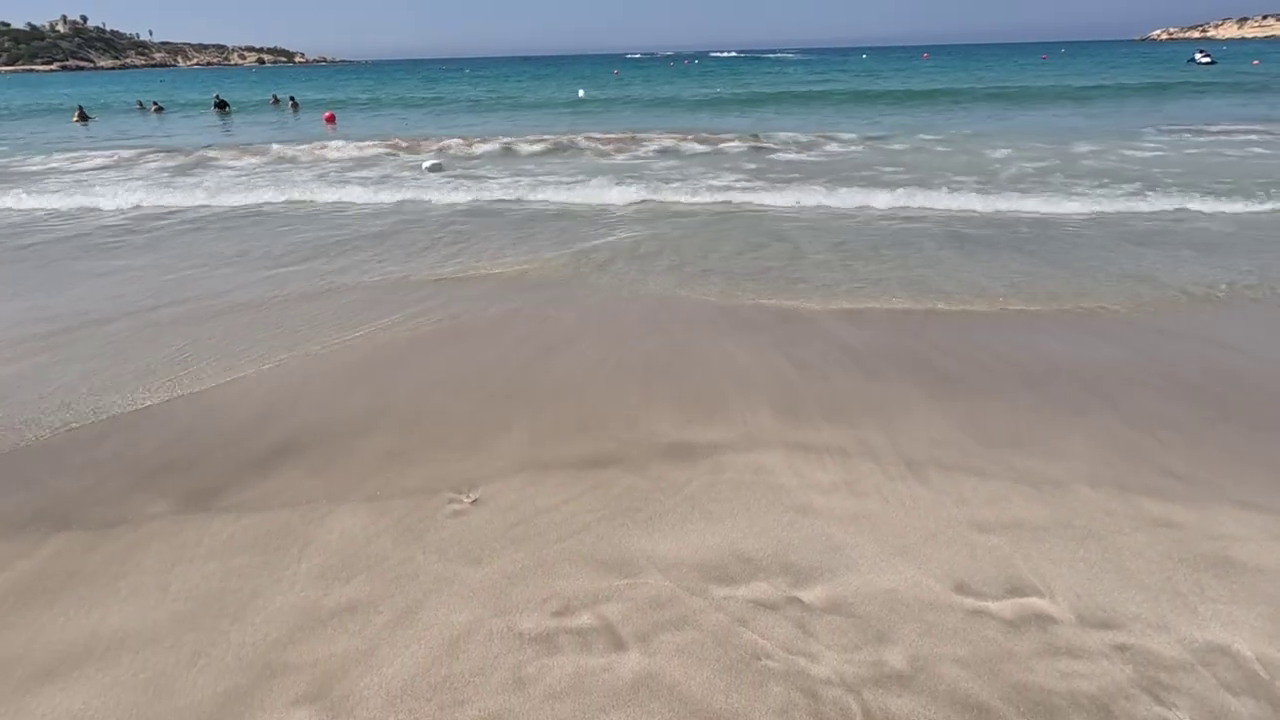 Coral Bay Beach, Paphos
You can, but March is still too early for us to recommend Cyprus primarily for warm sea swimming.
The Mediterranean retains much of its winter coolness. Some visitors will swim happily, particularly those accustomed to colder water, while others will take one step in and reconsider the idea entirely.
If swimming every day is essential to the success of your holiday, move later into the year. If the sea is something you want beside you rather than something you need to be inside, March becomes much more attractive.
The same applies to hotel pools. Some properties may offer heated pools or indoor alternatives, while others may have outdoor pools that are not yet comfortable or operating as they would in summer. If pool access matters, confirm the arrangements directly with the property for your dates.
The Beaches in March
March starts returning life to the coast without yet turning the beach into the center of the day.
You can walk along the Paphos coast, spend time around Cape Greco or sit beside the water in Larnaca without the intensity of peak season. On warm, calm days, some visitors will happily spend time on the sand.
But we would still approach March beaches as landscapes first and swimming destinations second. The sea may look inviting long before it feels inviting, and wind or sea conditions can change quickly.
If your image of a successful Cyprus holiday requires several hours on a sunbed followed by a warm swim, March is premature. If you want the Mediterranean without needing it to behave like August, the coast can be excellent.
March's Great Advantage: Cyprus is Green
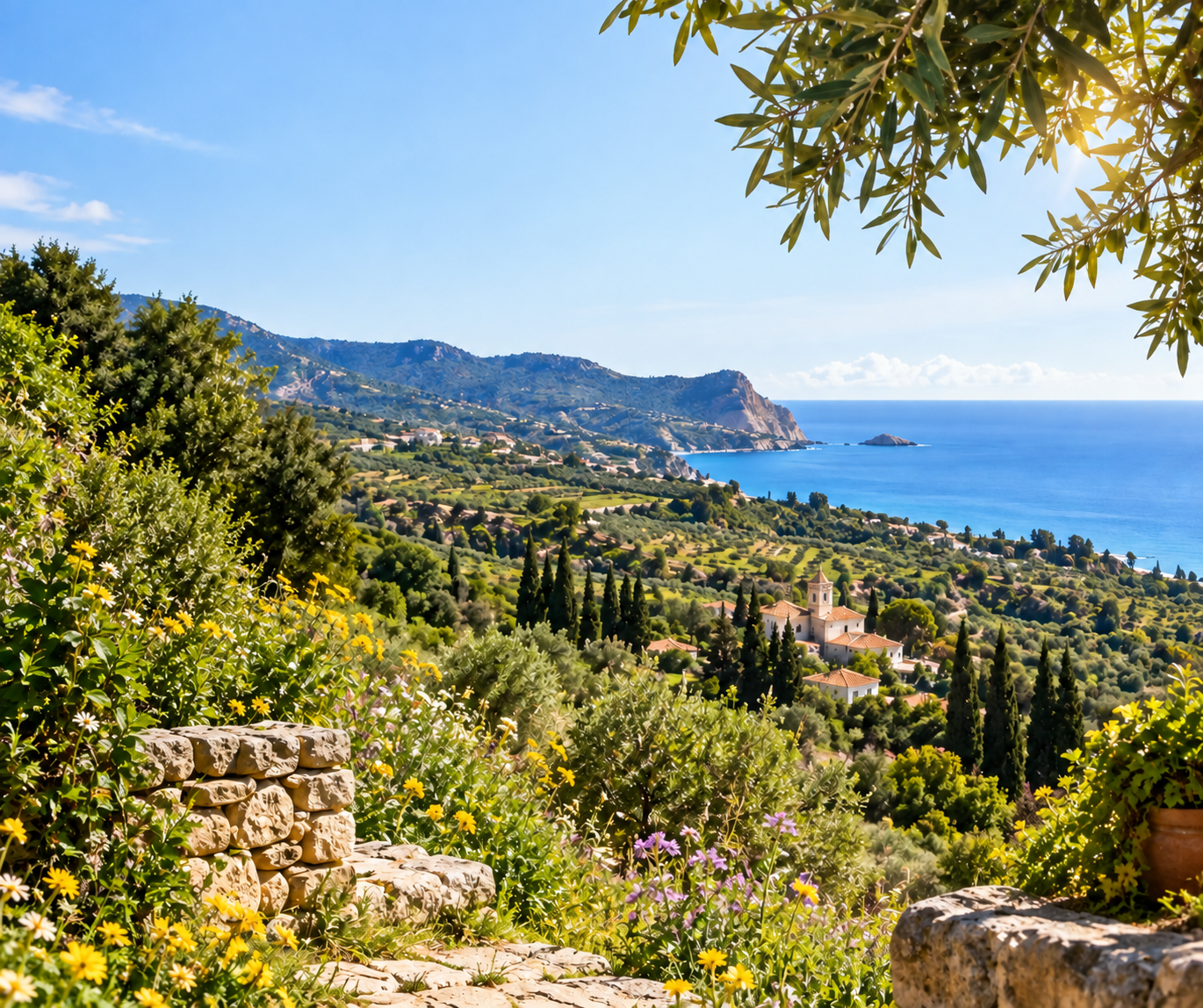
March is one of the months when the distance between the Cyprus of the postcard and the Cyprus on the ground becomes most obvious.
Summer photographs train visitors to expect dry hillsides, dusty tracks and a landscape dominated by ocher, stone and intense blue sky.
March can be almost the opposite.
Fields are green. Vegetation is active. Wildflowers appear across the countryside. Rural roads feel alive rather than scorched. In some parts of the island, the landscape can look completely different from the Cyprus many repeat summer visitors remember.
This changes the value of a road trip.
In August, the road is often the means of reaching the beach, village or mountains. In March, the road itself can become part of the experience.
That is why we would leave space for unplanned stops. The landscape is doing some of the work for you.
Where We Would Stay in Cyprus in March
March expands your choices compared with the deeper winter months, but we would still favor destinations with strong year-round life.
Paphos remains one of our best all-around choices. Archaeological sites, coastline, restaurants and access to the western countryside make it particularly well suited to a March trip built around variety.
Limassol works well for travelers who want a more urban base while remaining close to villages, wine country and the Troodos foothills.
Larnaca is compact and easy to use, particularly for shorter stays or travelers who value a walkable waterfront and straightforward access to other parts of the island.
Nicosia becomes increasingly attractive for culture-led trips and can justify a night or two if museums, food and city life matter to you.
Ayia Napa and Protaras begin moving toward their main visitor season, but March is still early. Some tourism-dependent businesses may remain closed or operate differently. Choose the southeast for coastline and landscape, not for full summer resort energy.
Troodos can work for a mountain stay if you are comfortable with variable early-spring conditions.
For most first-time visitors, we would still favor one strong base with day trips, or at most a simple two-base trip, rather than moving constantly.
The Best Things To Do in Cyprus in March
March is one of the months when Cyprus rewards curiosity more than routine.
Spend Proper Time At The Archaeological Sites
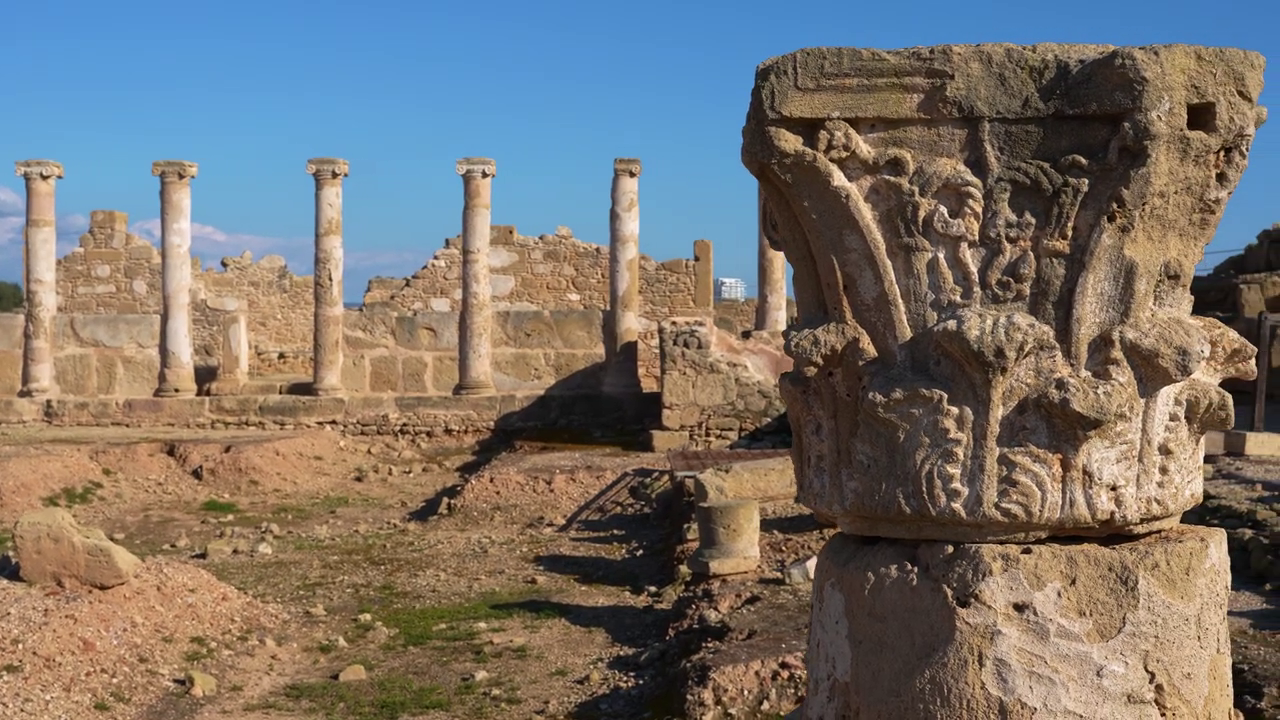
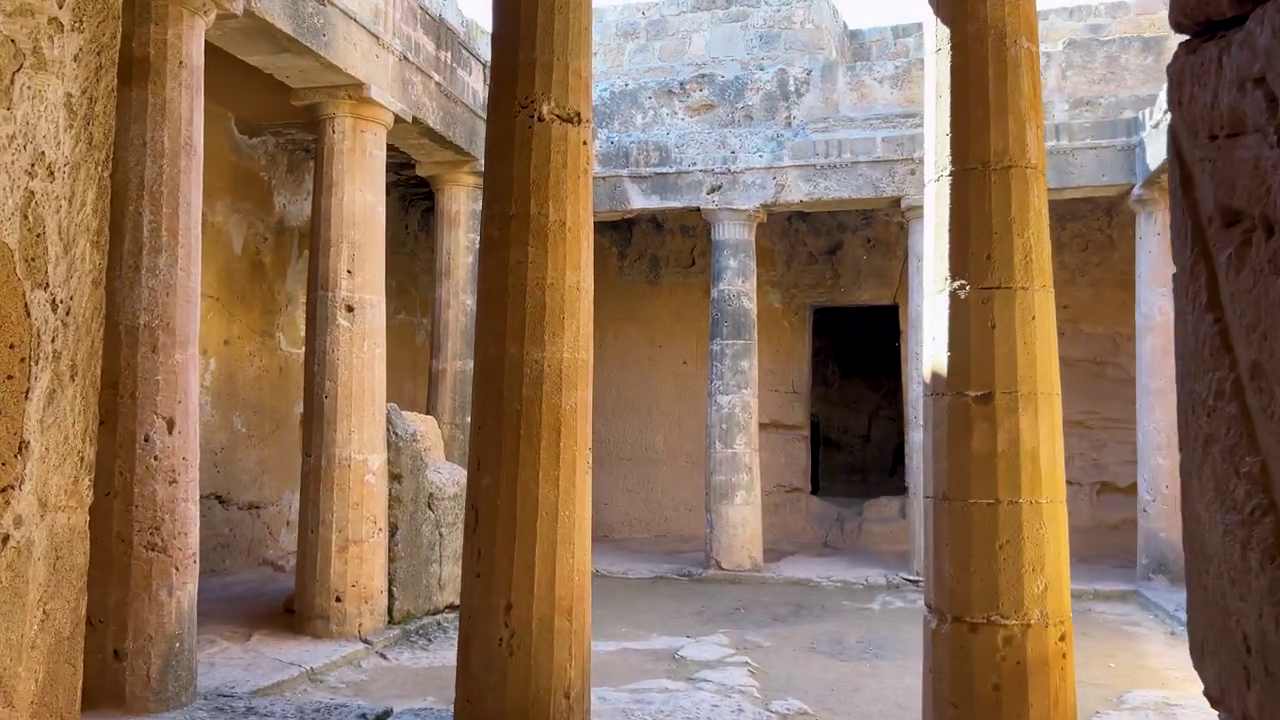
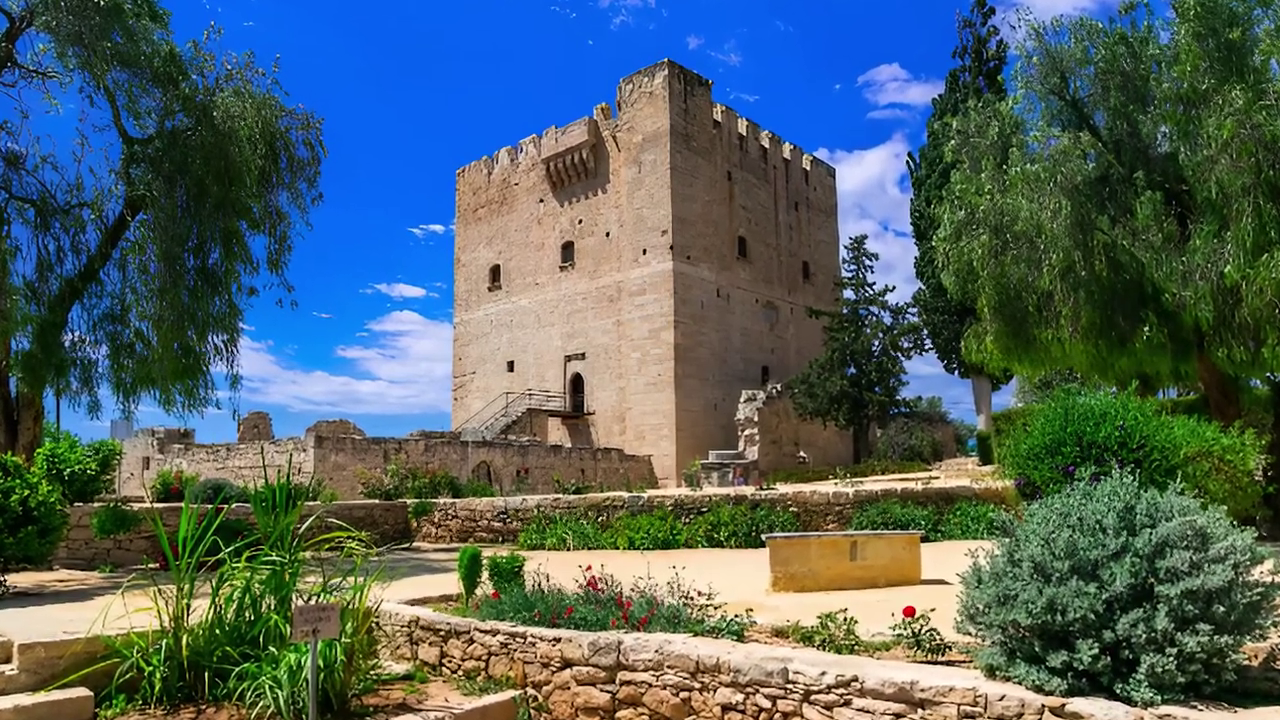
Kato Paphos Archaeological Park and other outdoor historic sites are far easier to explore when high summer heat is absent.
Take the extra hour. Read what you are looking at. Walk beyond the most obvious section.
Cyprus has archaeological landscapes that deserve more than a rushed circuit between patches of shade, and March gives you a much better chance of experiencing them properly.
Use The Countryside As Part of The Trip
Do not make every March drive destination-led.
A morning through foothills, wine country or rural areas can be worthwhile because of the season itself. Villages give the day structure, but the landscape between them is part of what you came to see.
Omodos, Lefkara, Kakopetria and other well-known villages can work as anchors, but proximity matters more than fame. Choose a coherent region instead of spending the day crossing Cyprus to collect village names.
You will see more by driving less.
Walk Through Nicosia
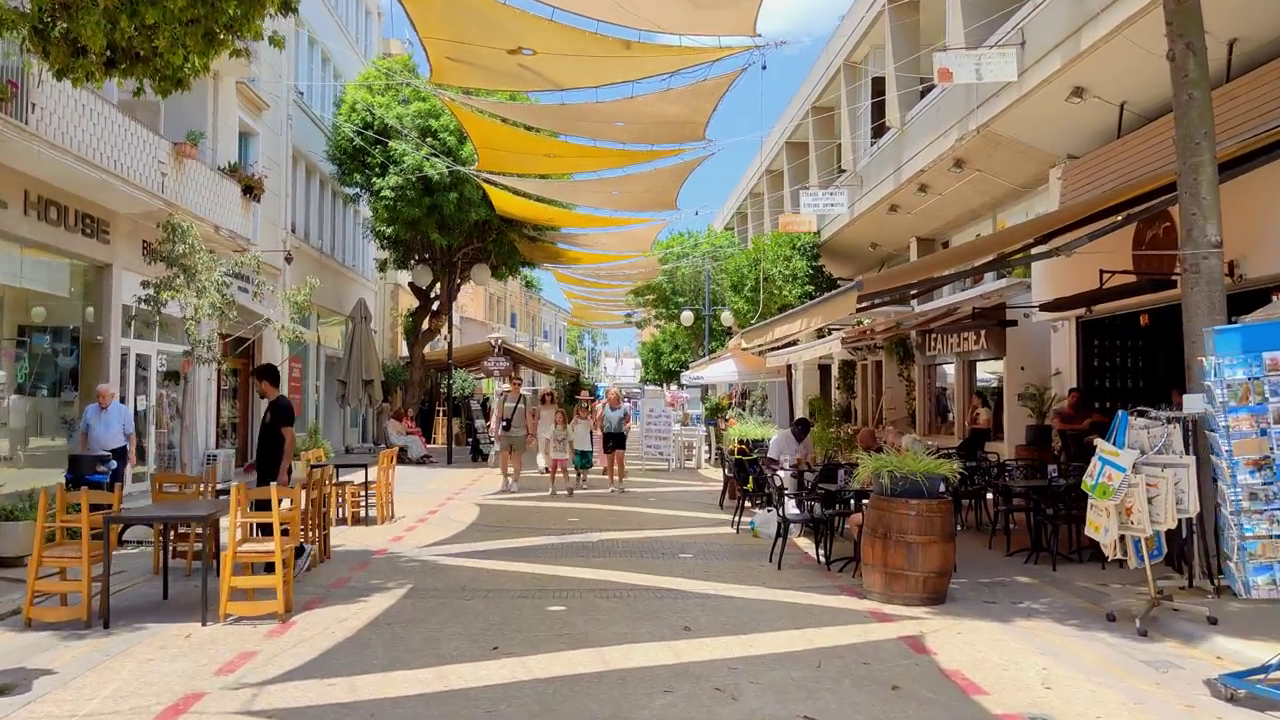 Ledra Street, Nicosia
March is an excellent month for the capital.
You can walk for hours without the heat that makes summer sightseeing more demanding. Museums remain useful if the weather changes, while cafés and restaurants give the day an easy rhythm.
Do not rush the city because the Mediterranean is an hour away. Nicosia is most rewarding when you stop treating the absence of a beach as something it needs to apologize for.
Explore Akamas And The Western Landscape Carefully
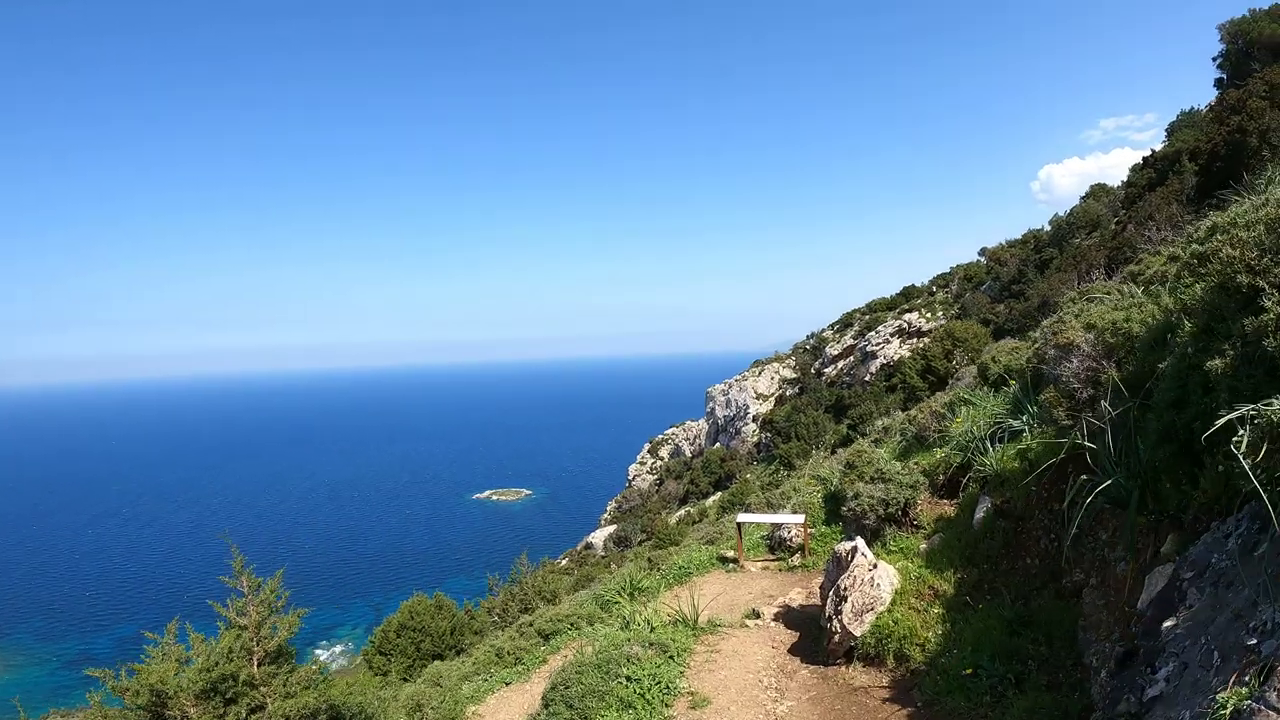 Hiking: Akamas Peninsula, Paphos
Spring is one of the most interesting periods for western Cyprus and the landscapes around Akamas.
Greenery and wildflowers can make the area particularly rewarding, while cooler conditions favor walking and outdoor exploration.
But access, road surfaces and trail conditions can be affected by recent rain or local restrictions. Some routes that look straightforward on a map may be unsuitable for an ordinary rental car.
Choose activities according to current conditions and your vehicle, and do not treat remote tracks casually simply because the island is small.
Walk The Coast
March offers a useful combination: longer days, comfortable temperatures and a coastline that has not yet reached peak-season intensity.
Cape Greco, the Paphos shoreline and stretches around Larnaca can all work particularly well when wind and weather cooperate.
A coastal walk followed by a long lunch is a better March plan than spending three hours trying to manufacture a beach day that the weather is not offering.
Hiking in Cyprus in March
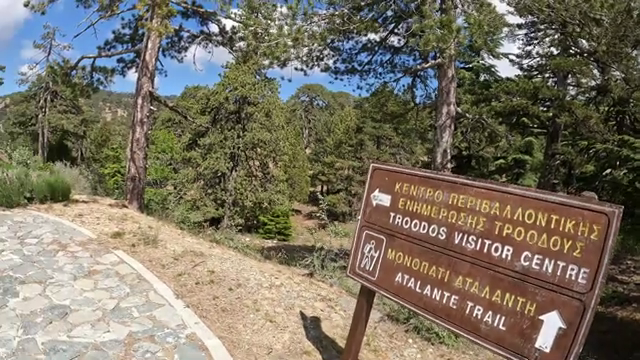 Atalanti Trail, Troodos Square
March is one of the strongest months for walking in Cyprus.
Temperatures are generally more forgiving than in summer, the countryside can be exceptionally green and the landscape is more visually varied than it will be after months of dry heat.
Spring conditions still deserve respect. Rain can leave paths muddy or slippery, water may be present where summer walkers encounter dry ground, and higher routes can remain cold. Troodos may still experience wintry conditions.
Choose the route according to current weather, terrain and your experience. Wear proper footwear, carry water and leave enough time to complete the walk before daylight fades.
March creates excellent hiking opportunities, but it does not eliminate mountain conditions.
Wildflowers in Cyprus in March
Wildflowers are one of the strongest reasons nature-led travelers should consider March.
The exact timing and intensity vary according to rainfall, temperature, elevation and the individual year, but spring vegetation can transform large parts of the island.
The western landscapes, Akamas, foothills and rural areas can be particularly rewarding, although you do not need to chase one famous location to enjoy the season.
Often the best encounters are incidental: a roadside field, a hillside above a village or a walking trail where the summer vegetation would be dry and subdued.
We would not promise a particular species in a particular place during a particular week. Go because March is one of the periods when Cyprus is alive with spring growth, and let the details be the surprise.
What About Green Monday And Easter?
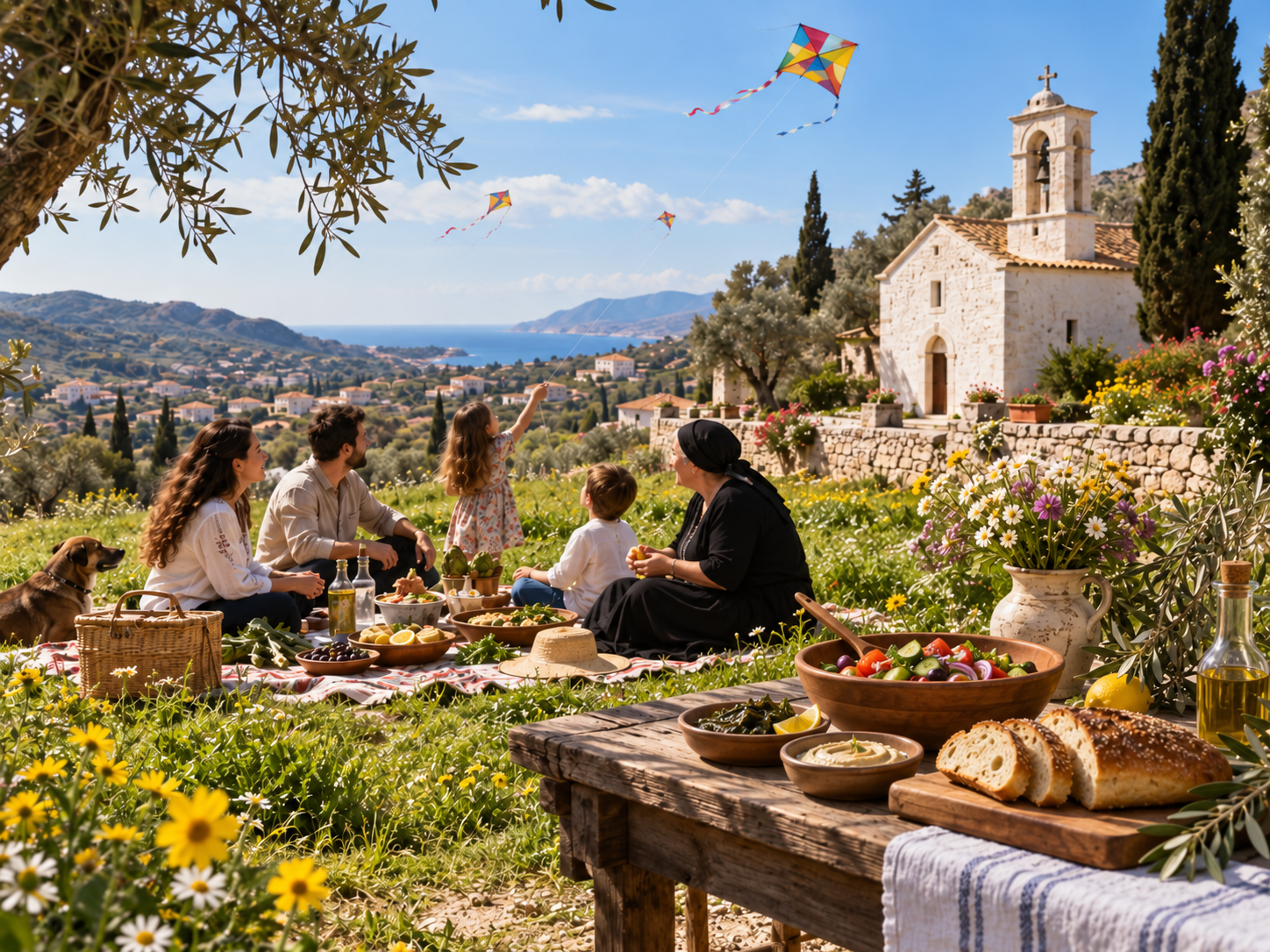
March can intersect with important dates in the Cypriot calendar, but the timing changes from year to year.
Green Monday, which marks the beginning of Lent in the Orthodox calendar, can fall in February or March. It is a public holiday in Cyprus and is traditionally associated with outdoor gatherings and Lenten food.
Orthodox Easter usually falls later in spring, so March may sit within the Lenten period depending on that year’s calendar.
Do not assume that a public holiday, festival or Easter-related event will occur during your particular stay. Check the calendar for the year you are traveling and verify opening hours where a public holiday affects something important to your plans.
Eating in Cyprus in March
March is an excellent month for long inland lunches.
The weather makes village and countryside dining feel natural, while spring begins shifting what appears in markets and kitchens.
This is the kind of month when a meal can shape the day rather than interrupt it. Drive somewhere interesting, walk before lunch, sit longer than you intended and take the slower road back.
If you are targeting one specific taverna, winery or restaurant outside a major town, confirm that it is operating before making a significant detour. Seasonal schedules and quieter weekdays can still matter in March.
A good road trip should not collapse because one dining room is closed.
Crowds And Value in March
March remains outside the main summer visitor season, so many parts of Cyprus can feel relatively quiet.
That is particularly useful at archaeological sites, on walking routes and in villages where summer crowds change the atmosphere.
At the same time, March begins moving away from the deeper winter trade-off of quiet versus limited tourism infrastructure. More places start preparing for spring and the approaching visitor season, although the pace varies considerably between destinations and businesses.
Accommodation can offer attractive value, but there is no universal rule that March will be inexpensive. Rates depend on destination, property, events and exact dates.
We would choose March because the conditions suit the trip. Any price advantage is secondary.
Who March Suits Best
March is one of the strongest months for travelers who believe Cyprus is more interesting than its beaches.
It suits hikers, culture-led travelers, couples, road-trippers, nature lovers and repeat visitors particularly well. It can also be excellent for first-time visitors who want archaeology, villages, cities and landscape and do not mind postponing serious swimming until another trip.
Families who enjoy active sightseeing can find March very manageable, especially compared with midsummer heat.
We would hesitate for anyone whose definition of Cyprus depends on warm water, full resort operation, pool days, beach clubs and consistently hot weather.
March offers more spring than February and far more freedom to explore than high summer. It still does not offer summer certainty, and that is the trade-off.
Driving in Cyprus in March

March is an excellent road-trip month.
You gain longer daylight, comfortable conditions and a countryside worth looking at rather than simply crossing.
Rain can still affect visibility and road surfaces, while higher mountain roads may encounter fog, cold or residual wintry conditions. Check current information before a Troodos journey if the weather has been unsettled.
If you are unfamiliar with driving on the left, give yourself time to become comfortable before turning the first day into an ambitious cross-island itinerary.
A car gives March Cyprus much of its freedom. Use that freedom to slow the trip down, not to make the itinerary bigger.
What To Pack For Cyprus in March

March rewards layers.
Bring clothing light enough for mild sunny afternoons but warm enough for cooler mornings and evenings. A waterproof outer layer remains useful, and comfortable walking shoes are essential if countryside, archaeological sites or hiking feature heavily.
For Troodos, pack more seriously. Mountain temperatures and conditions can differ substantially from the coast.
Sunglasses and sun protection belong in the bag even though it is spring. Several hours outdoors in Mediterranean sun can still matter, particularly for travelers arriving from a northern winter.
We would also pack something slightly warmer than the forecast seems to demand. March has a habit of making people feel overdressed at three in the afternoon and underdressed at eight in the evening.
March VS February or April
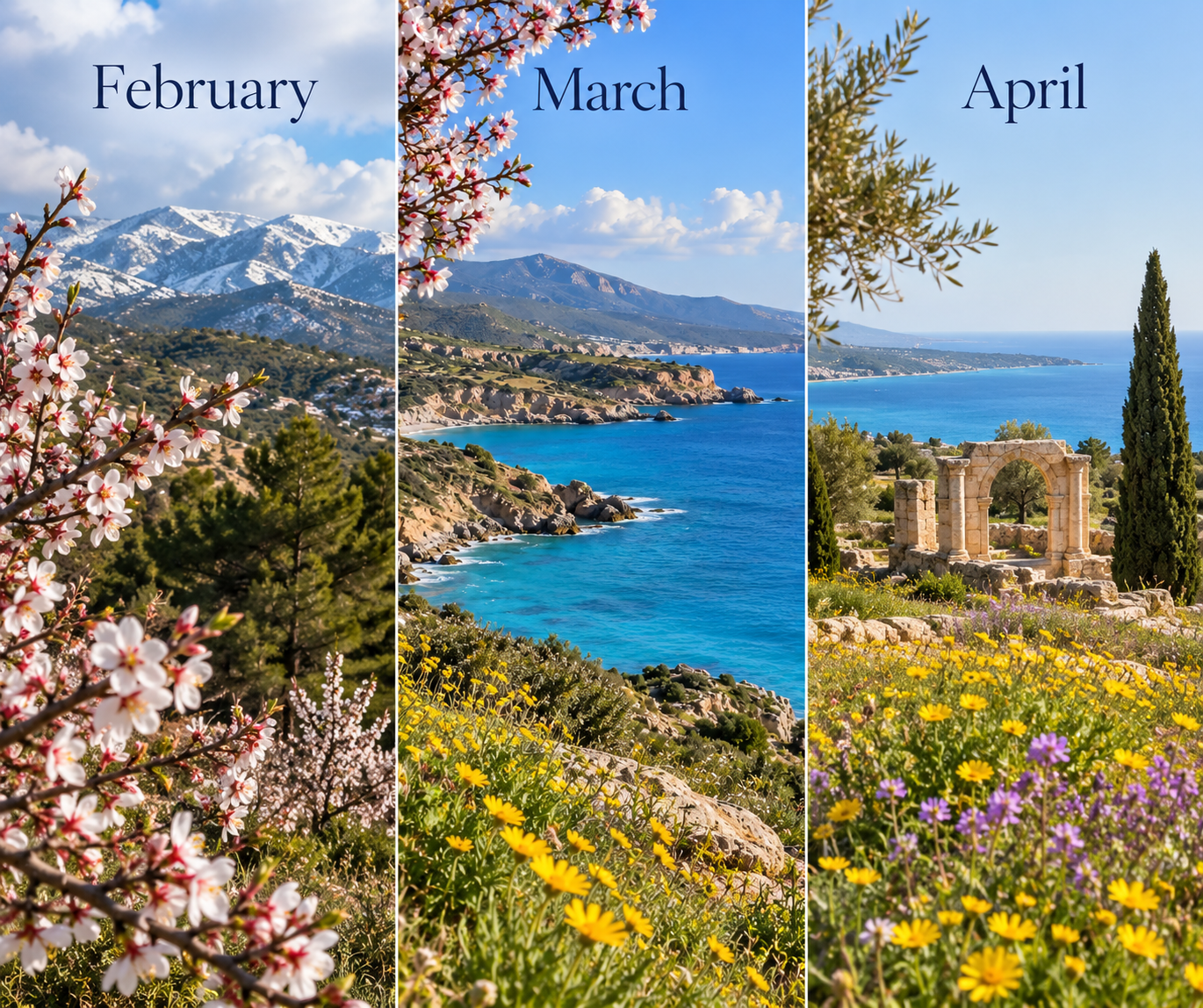
The easiest way to understand March is to compare it with the months on either side.
Choose February if you want the winter-to-spring transition at an earlier stage: quieter conditions, a greater sense of winter and the possibility of almond blossom playing a bigger role in the landscape.
Choose March if green countryside, wildflowers, hiking and longer outdoor days matter most, while you remain comfortable with variable weather and cool sea.
Choose April if you want spring to feel more established and beach days to become increasingly realistic, while accepting that visitor numbers and seasonal activity will also begin to rise.
For us, March is the stronger choice for a trip dominated by landscape and walking. April begins offering the more convincing compromise between spring exploration and the approaching coastal season.
What We Would Not Do in Cyprus in March
We would not call March a beach month because one afternoon happened to reach T-shirt temperatures.
We would not promise wildflowers, snow or sunshine on particular dates, or assume that every seasonal resort business has reopened.
We would not head into Troodos because Paphos looks warm, take an ordinary rental car onto an unsuitable track because the map shows a road, or organize an entire holiday around one festival without checking that year’s calendar.
And we would not waste March by spending every day beside the coast.
The island is too green for that.
How We Would Approach A March Trip
We would choose Paphos, Limassol or Larnaca as a practical first base, depending on which part of Cyprus we wanted to explore.
We would rent a car if countryside, villages and nature were important, but resist turning it into an excuse to cross the island every day.
The best-weather days would go to hiking, Akamas, villages or Troodos. Less settled days could belong to Nicosia, museums, archaeology where practical and long lunches.
We would walk more than we would in August, leave space for the countryside to interrupt the itinerary and not care very much whether we managed to swim.
That is not what March does best.
So, Should You Visit Cyprus in March?
Visit Cyprus in March if you want the island at the moment spring starts winning.
Winter has not disappeared completely. The sea remains cool. Rain can still rewrite a day, and Troodos may remind you that elevation has its own season.
But the countryside is green. Wildflowers are appearing. Days are longer. Archaeological sites are comfortable to explore, and walking becomes one of the pleasures of the trip rather than an endurance exercise.
March asks you to give up the certainty of a summer holiday. In return, it gives you mobility.
You can walk farther, drive without treating the road as a corridor between air-conditioned spaces, linger at ruins, eat lunch inland and notice a landscape that many summer visitors never see.
If the beach is the whole reason you are coming to Cyprus, wait.
If Cyprus is the reason you are coming, March becomes much harder to dismiss.
Summer shows the island at its most obvious.
March catches it while everything is growing.