Newsletter "Beyond the Postcards" Subscribe
Plan Your Cyprus Trip: Hotels: Expedia, Villas & Apartments: Vrbo, Car Rentals: DiscoverCars, Tours: GetYourGuide, Airport Transfers: WelcomePickups
- Home
- Plan Your Cyprus Trip
- Best Time To Visit Cyprus
- Cyprus in May
Cyprus in May: Weather, Things To Do & Who It Suits Best
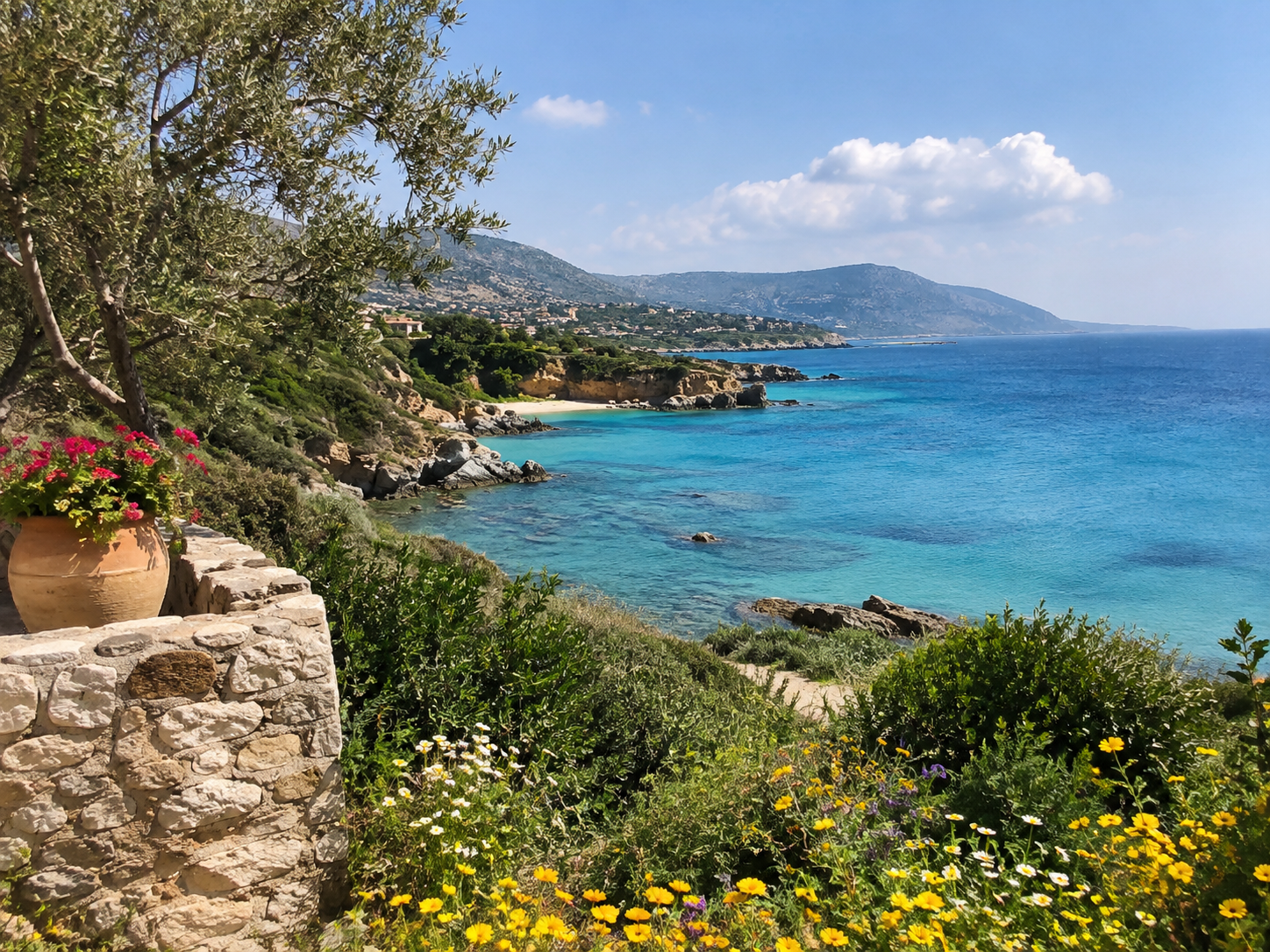
In May, Cyprus stops asking you to choose between seeing the island and being on holiday.
The coast has become genuinely persuasive. Swimming starts to make sense for far more visitors, beach days become easier to plan, seasonal coastal areas feel increasingly alive and evenings are usually mild enough for long dinners outside.
At the same time, the island has not completely surrendered to summer. The countryside may still hold some green, particularly earlier in the month and at higher elevations. Hiking remains realistic, archaeological sites are considerably easier to explore than they will be in high summer, and a day on the road can still be about the places you want to reach rather than the heat you are trying to avoid.
That combination is May’s real advantage.
The first unmistakable sign of the month is not simply a higher temperature. It is that one day can comfortably contain an archaeological site, a village lunch, a drive through the mountains and a swim before dinner without any part of the day feeling like a compromise.
For independent travelers who want Cyprus rather than only one version of it, May is difficult to beat.
The Quick Answer
Is May a good time to visit Cyprus?
Yes. For many travelers, May is one of the strongest months of the year.
It works particularly well if you want beaches and increasingly comfortable swimming but also care about archaeological sites, villages, road trips, hiking, Nicosia, Troodos and eating outdoors. It is especially strong for first-time visitors because very little has to be excluded from the itinerary simply because of the season.
We would look elsewhere if your priority is Cyprus at its greenest, its quietest or its hottest. Travelers who want peak wildflowers should generally come earlier. Those who want the warmest possible sea and full high-summer intensity should come later.
May is not the extreme version of Cyprus.
That is precisely why it works.
What Cyprus Feels Like in May
May changes the rhythm of a Cyprus trip.
Earlier in spring, the weather still has a vote in almost every plan. By May, you can usually begin with what you want to do and then adjust around the conditions rather than allowing the conditions to design the entire day.
The Mediterranean becomes a genuine part of the itinerary rather than something you admire from a promenade. Outdoor dining feels normal. Villages remain pleasant to explore, and the mountains become increasingly useful when the coast warms up.
The landscape is changing too. The intense greens of February and March begin fading, particularly in warmer and lower areas. Some spring flowers disappear, fields begin drying and the island starts moving toward the golds and browns that will dominate summer.
That transition matters because May is not simply warmer April. It has a different character.
Spring still influences the trip, but summer has started winning the argument.
May Weather in Cyprus
May usually brings warm, increasingly settled conditions across much of Cyprus.
Along the coast, daytime temperatures commonly move into the mid-twenties Celsius and can rise higher during warmer spells. Evenings are generally milder than they are in April, although a light layer can still be useful on breezier nights or in higher areas.
Rain becomes less frequent as the dry season approaches, but unsettled weather remains possible. Seasonal patterns are useful for understanding the month; they should never be treated as a guarantee for a particular week.
The strengthening sun is increasingly important. May can feel comfortable enough for long periods outdoors, which makes it easy to underestimate exposure during archaeological visits, hiking or several hours beside the sea.
By this point in the year, sun protection is not an optional summer precaution. It belongs in the normal rhythm of the day.
The Coast
 Coastal Pathway, Paphos
Paphos, Limassol, Larnaca, Ayia Napa and Protaras all become much easier choices for travelers who want substantial time beside the Mediterranean.
Sunny days can feel convincingly summery, particularly later in the month, while sea breezes may make the coast feel more comfortable than inland areas.
If swimming and beach time matter, May is also when staying near the sea becomes increasingly useful. You can use the coast spontaneously rather than treating every swim as an excursion that needs to be organized in advance.
Nicosia and the Interior

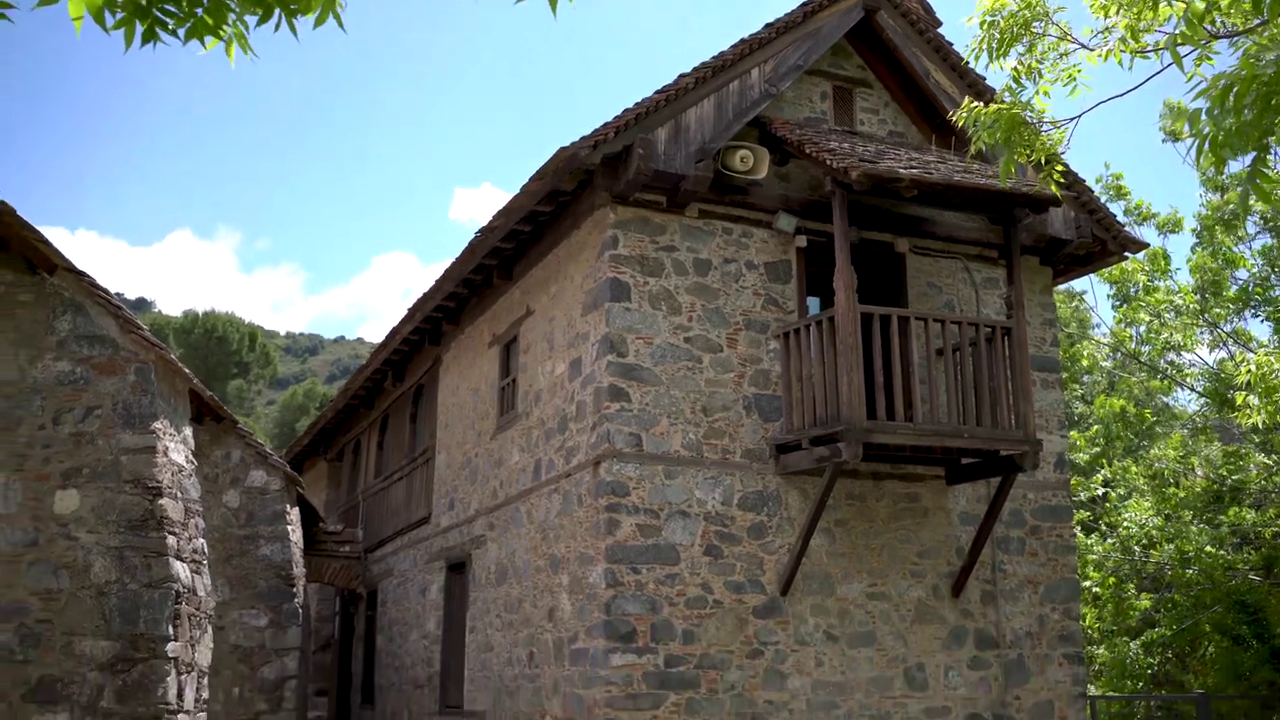

Nicosia remains very rewarding in May, but the city begins warming more seriously.
Sightseeing is still entirely realistic, particularly earlier and later in the day, while long exposed walks can become less appealing during hotter periods.
We would not exclude Nicosia because it is May. We would simply stop assuming that every hour of the day is equally comfortable outdoors.
The same principle applies across much of inland Cyprus.
Troodos
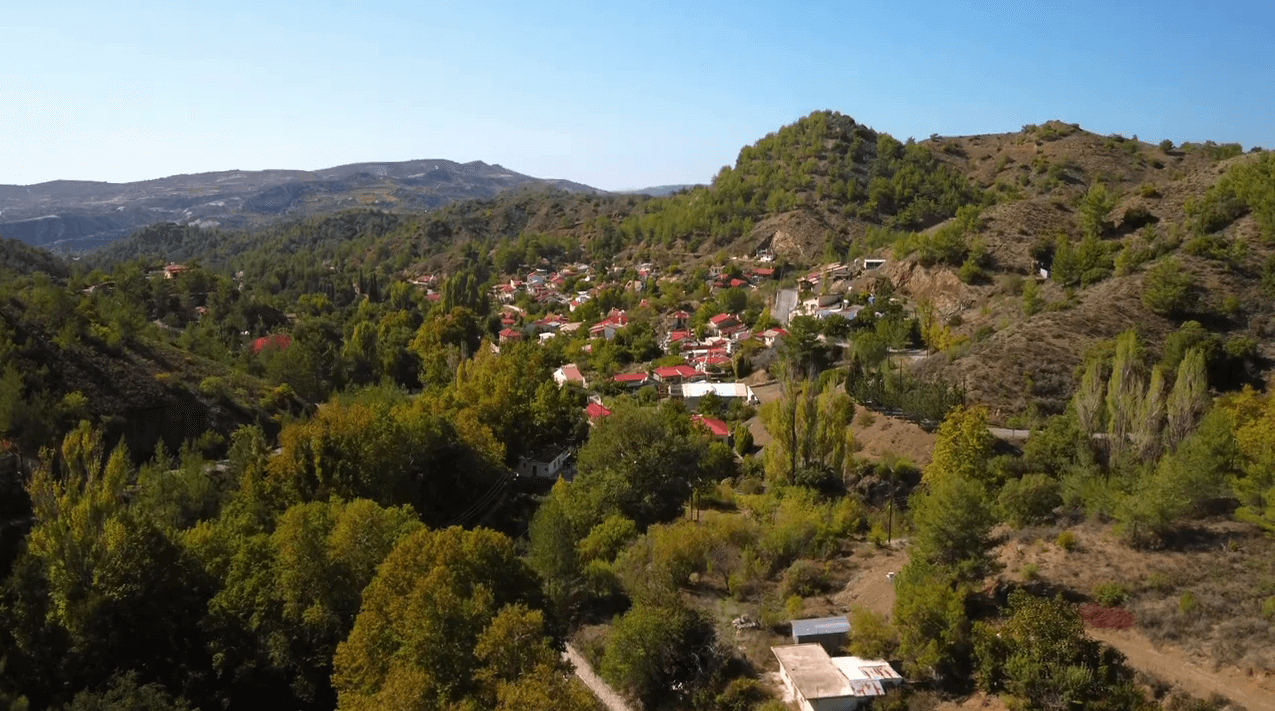 Troodos Mountains: Platres Village
Troodos becomes more valuable as the coast warms.
The mountains offer cooler air, villages, walking routes and a very different rhythm from the beach destinations below. Higher elevations can remain noticeably fresher, particularly in the morning and after sunset.
There is a subtle seasonal reversal here. In winter, travelers go up into Troodos expecting colder conditions. By late spring, they increasingly go up because the mountains offer relief from the warmth below.
That shift is one of the clearest signs that Cyprus is moving toward summer.
Is May Hot in Cyprus?
May is warm, and sometimes it can be hot, but we would still distinguish it from the dependable intensity of high summer.
There can be days when the coast feels unmistakably summery and afternoons when shade suddenly becomes valuable. Other days remain warm enough for swimming and outdoor dining without becoming demanding.
That range is part of the appeal.
You are much more likely to enjoy genuine beach weather than earlier in spring, while still being able to spend substantial time walking through archaeological sites, villages and city streets.
By late May, however, the direction of travel becomes obvious. Earlier in the month generally makes more sense for travelers who are sensitive to heat; later May may appeal more if warmer sea and beach time carry greater weight.
Can You Swim in Cyprus in May?
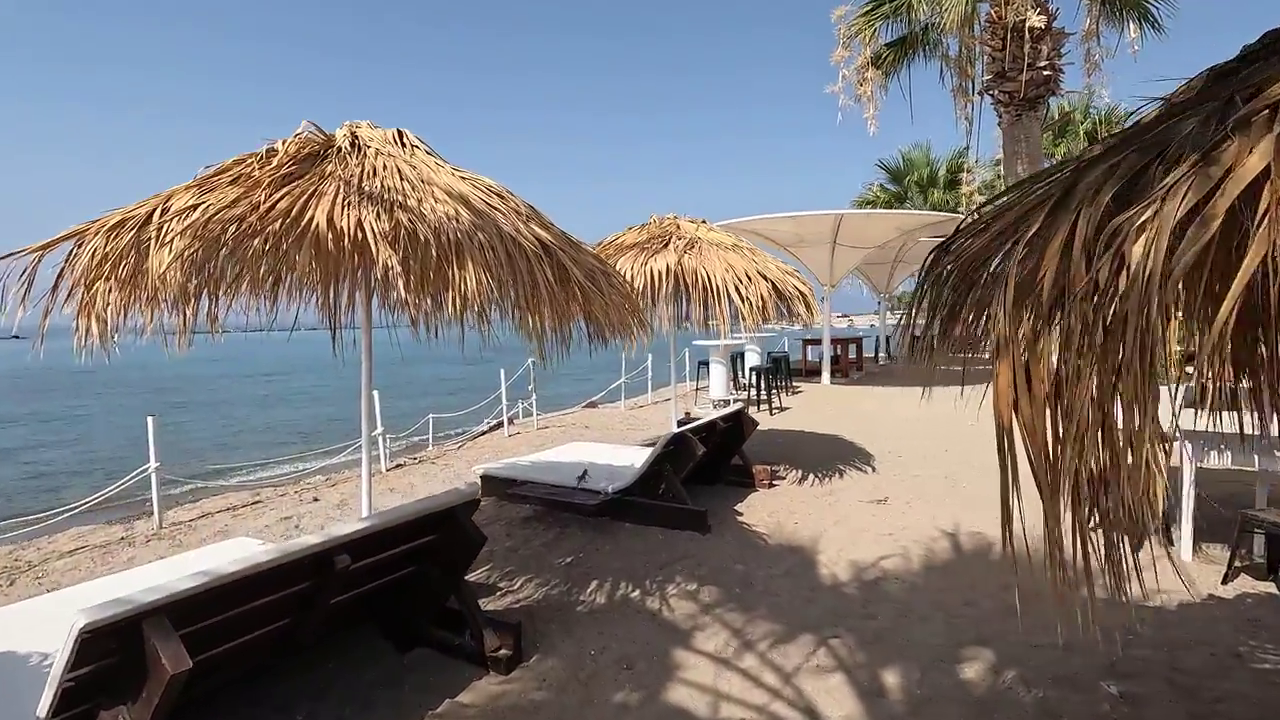
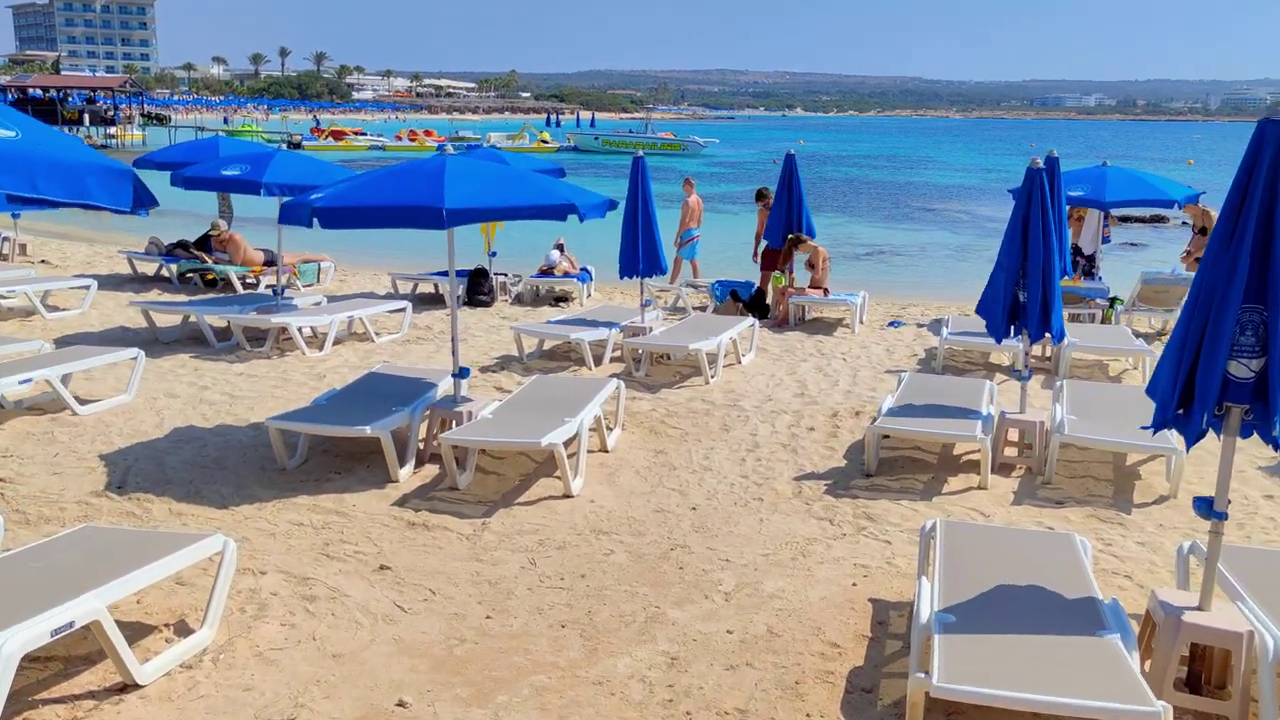
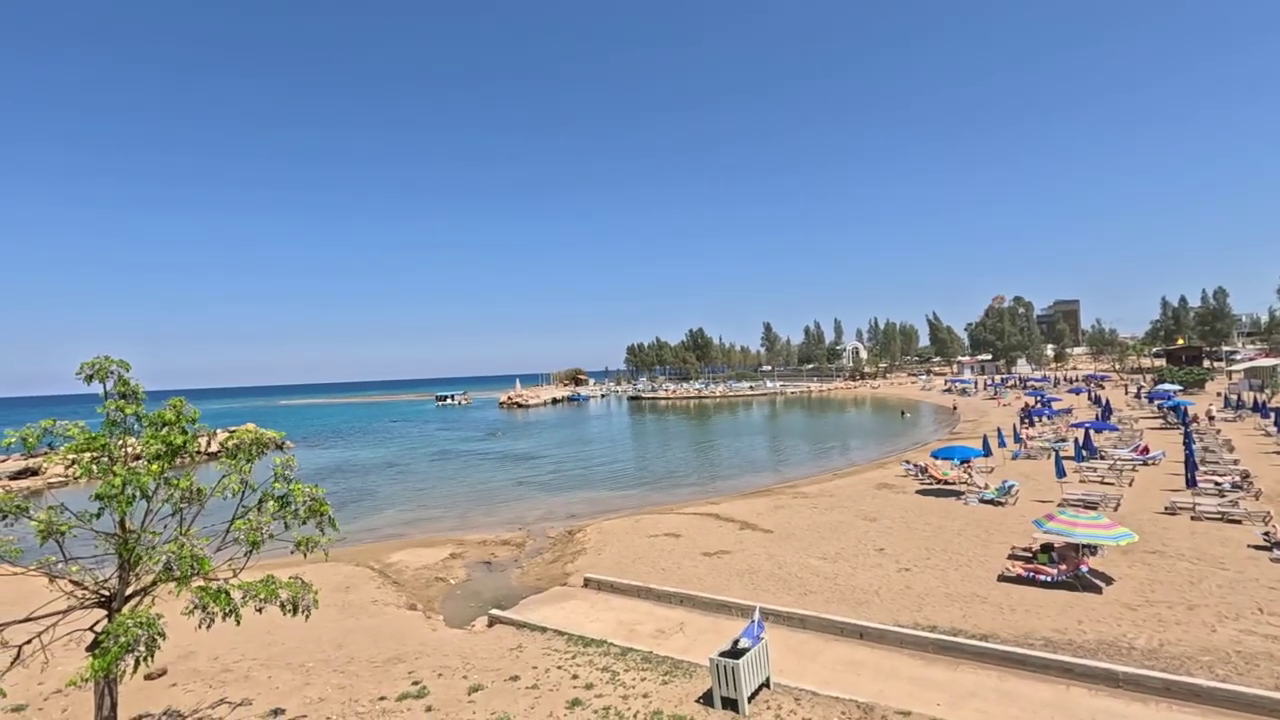
For many visitors, May is when swimming becomes a much easier proposition.
The Mediterranean has had several months to warm after winter, and conditions are considerably more inviting than they are in early spring. The likelihood of comfortable swimming generally improves as the month progresses.
There is still an important personal element. Travelers accustomed to very warm water may find early May fresh, while others will enter without hesitation. Wind, recent weather and individual location can also affect how the sea feels on a particular day.
We would not promise that every traveler will consider the water warm. We would say that May is one of the first months when regular swimming can realistically become part of the holiday rather than an act of determination.
If a hotel pool matters to the trip, confirm its operating status and heating arrangements directly with the property rather than assuming conditions from photographs or general descriptions.
The Beaches in May
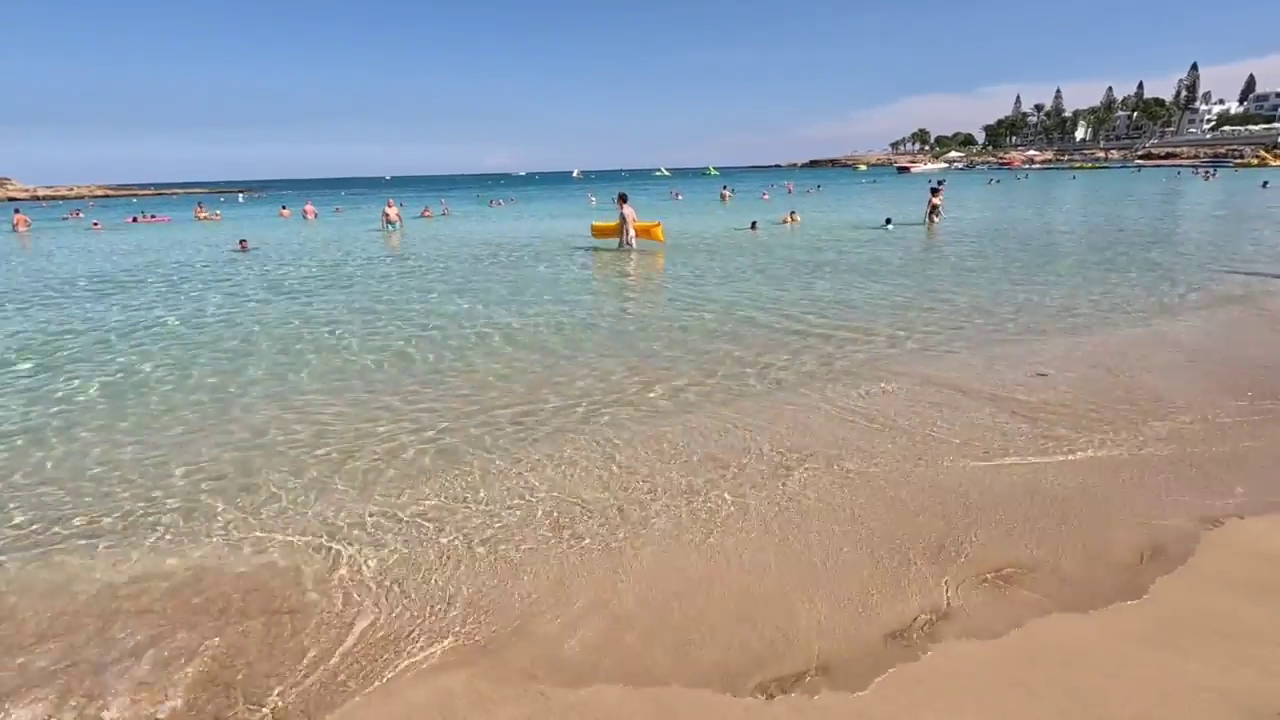 Fig Tree Bay, Protaras
May is when the beaches move much closer to the center of the holiday.
The southeast becomes particularly compelling. Ayia Napa and Protaras offer some of Cyprus’s most recognizable stretches of sand and clear water, and May can deliver much of the coastal appeal associated with summer before the busiest part of the season.
Paphos offers a different equation, combining swimming and coastline with archaeology and easy access to western Cyprus. Larnaca works well for travelers who want a lived-in waterfront and straightforward logistics, while Limassol combines an urban base with convenient access to the south coast.
What makes May particularly useful is that you still do not need to surrender the entire day to the beach. Swim after sightseeing, stay beside the water after lunch or spend only the warmest part of the afternoon there.
The coast has become reliable enough to compete for your time.
The rest of Cyprus is still comfortable enough to compete back.
May's Great Advantage: Beach And Exploration Finally Agree
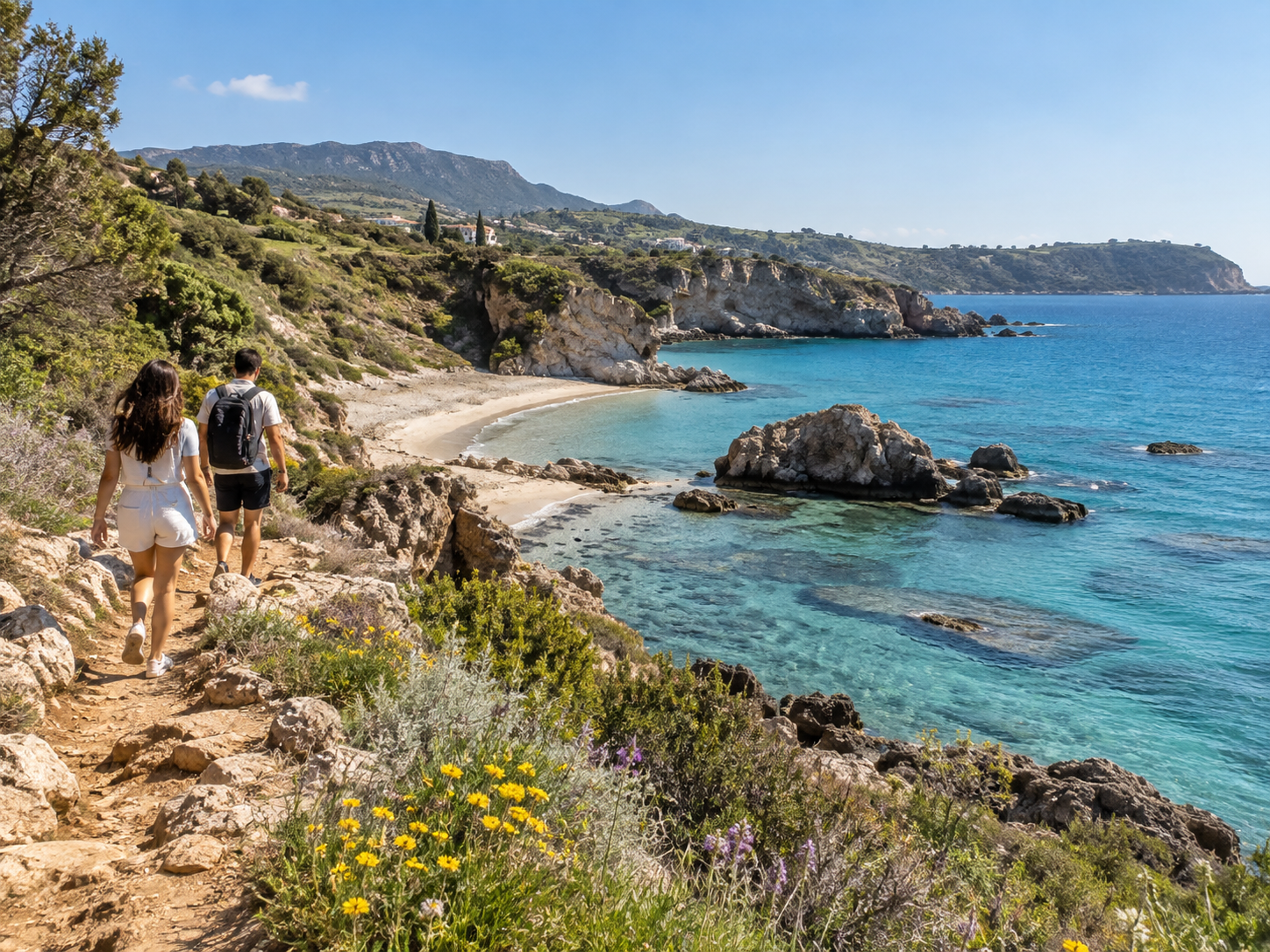
May’s strength is balance.
The beach is no longer theoretical. Swimming is increasingly realistic, seasonal coastal areas are much more active and evenings begin feeling properly Mediterranean.
At the same time, sightseeing has not yet become a negotiation with peak-summer heat.
That matters particularly on a first visit because Cyprus is easy to misunderstand when one season dominates the experience. A summer-first trip can make the island seem overwhelmingly coastal. A winter trip can make the beach feel almost irrelevant.
May allows both versions to coexist.
You can understand why Cyprus is famous for its coast without allowing the coast to explain the whole island.
For independent travelers who want to explore properly but still want the trip to feel like a holiday rather than a project, May offers one of the strongest compromises in the calendar.
Where We Would Stay in Cyprus in May
May gives you considerable freedom when choosing a base.
Paphos remains one of the strongest first-time choices because it combines archaeology, coastline, restaurants and access to western Cyprus. It is particularly effective when swimming and exploration deserve roughly equal weight.
Limassol suits travelers who want a more urban base with restaurants, beach access and convenient routes toward wine villages and Troodos.
Larnaca works well for travelers who value simplicity, a walkable waterfront and straightforward access to both inland Cyprus and the southeast.
Ayia Napa and Protaras become serious contenders in May. Choose them when beaches and swimming carry greater weight than archaeology or urban culture. The east coast is increasingly behaving like the summer destination many travelers imagine before arrival.
Nicosia remains worth including, but on a first May trip we would usually treat it as part of a broader itinerary rather than the main base unless city culture is central to the trip.
Troodos can justify an overnight stay when villages, walking and mountain atmosphere are important rather than incidental.
For many first-time visitors, one well-chosen coastal base with day trips remains the simplest approach. On longer stays, a two-base trip can add variety without turning the holiday into repeated packing and checking in.
The Best Things To Do in Cyprus in May
May works best when you allow different parts of the day to do different jobs.
Use The Morning For Archaeology
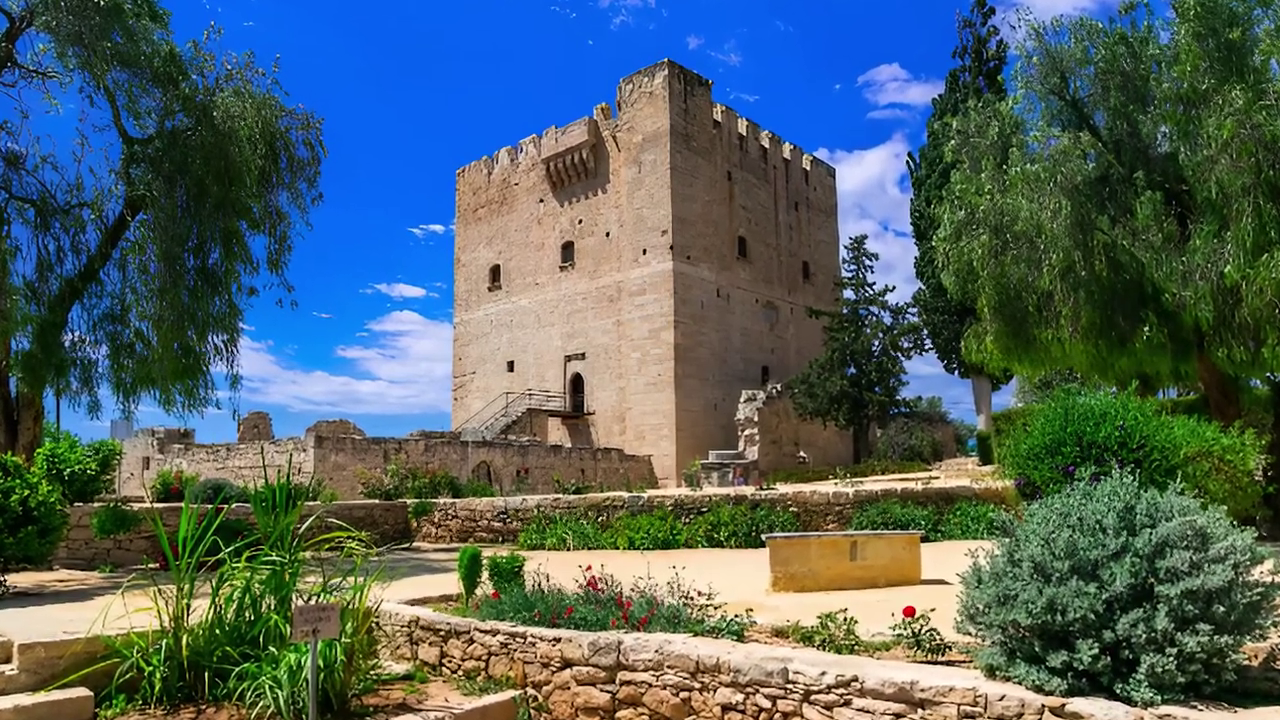 Kolossi Castle, Limassol
May remains very good for Cyprus’s outdoor archaeological sites, but timing starts to matter.
Kato Paphos Archaeological Park, Kourion and other exposed historic landscapes can become noticeably warmer during the middle of the day, particularly later in the month.
Earlier visits usually make more sense. You will have better conditions for walking and more patience to understand what you are looking at rather than moving quickly from one patch of shade to another.
Carry water and use sun protection. By May, the fact that the calendar still says spring should not influence how seriously you take the sun.
Give The Beach Part of The Day
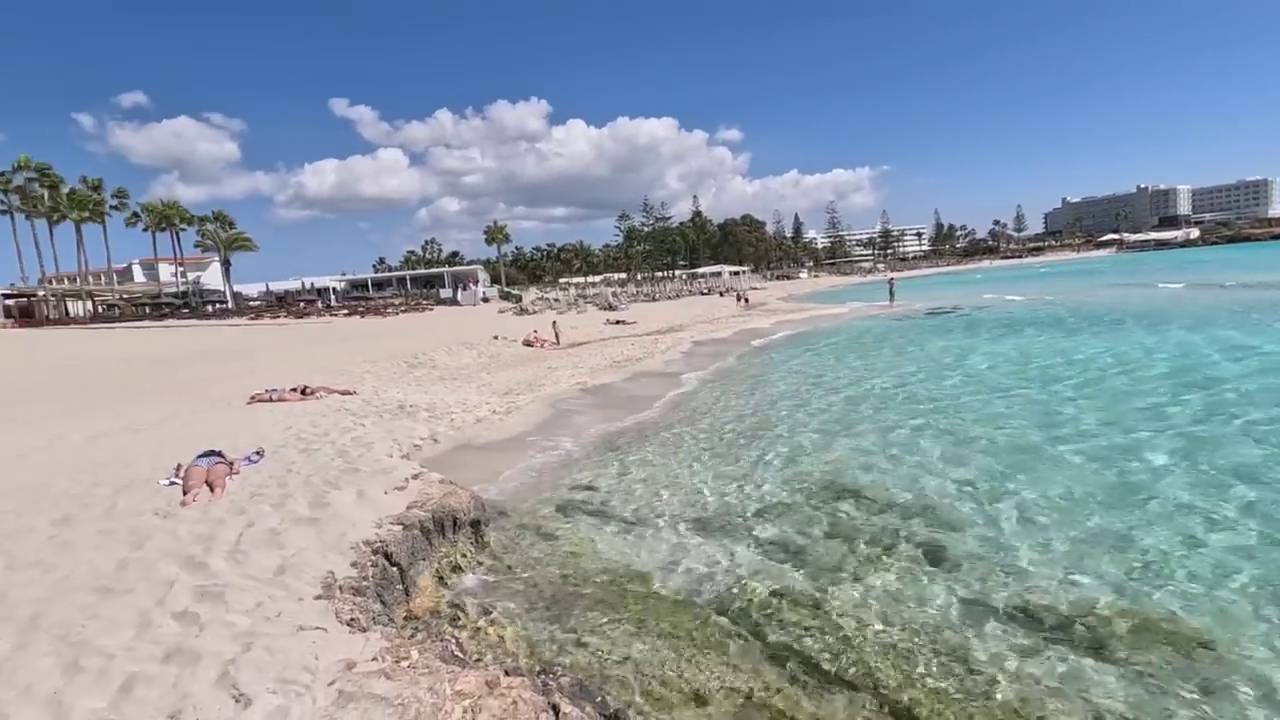 Nissi Beach, Ayia Napa
May is ideal for travelers who dislike choosing between sightseeing and the sea.
Spend the morning exploring, have lunch and swim later. Or start beside the water and leave when you have had enough rather than allowing the beach to consume the whole day.
This flexibility is especially useful when two people want different things from the trip. One day does not need to belong entirely to one person’s version of Cyprus.
Drive Into The Villages
 Lefkara Village
 Omodos Village
Village days remain rewarding in May.
Omodos, Lefkara, Kakopetria and other established destinations can anchor a day, while mountain and foothill areas may remain cooler and greener than the lower coast.
Choose an area that makes geographic sense from your base rather than collecting famous village names. One village explored slowly, with lunch and time to walk, often produces a better day than three visited primarily through a car window.
Spend Time in Troodos
 Troodos Square
Troodos becomes increasingly useful as a counterweight to the coast.
Walk, visit villages, stop for lunch and notice how quickly temperature, vegetation and atmosphere can change with elevation.
This is one of the months when Cyprus’s compact size can be misleading in a good way. A relatively short drive can move you from beach weather into a landscape that feels as though the season has shifted backwards.
Keep Nicosia in The Itinerary
 Nicosia
 Laiki Yeitonia, Nicosia
Do not remove Nicosia simply because the beach is now convincing.
May remains a strong month for the capital if you use the day intelligently. Explore earlier, spend warmer periods in museums, cafés or over lunch, and return to the streets later.
The capital gives the trip a layer the coast cannot provide. That difference is exactly why it is worth protecting.
Hiking in Cyprus in May
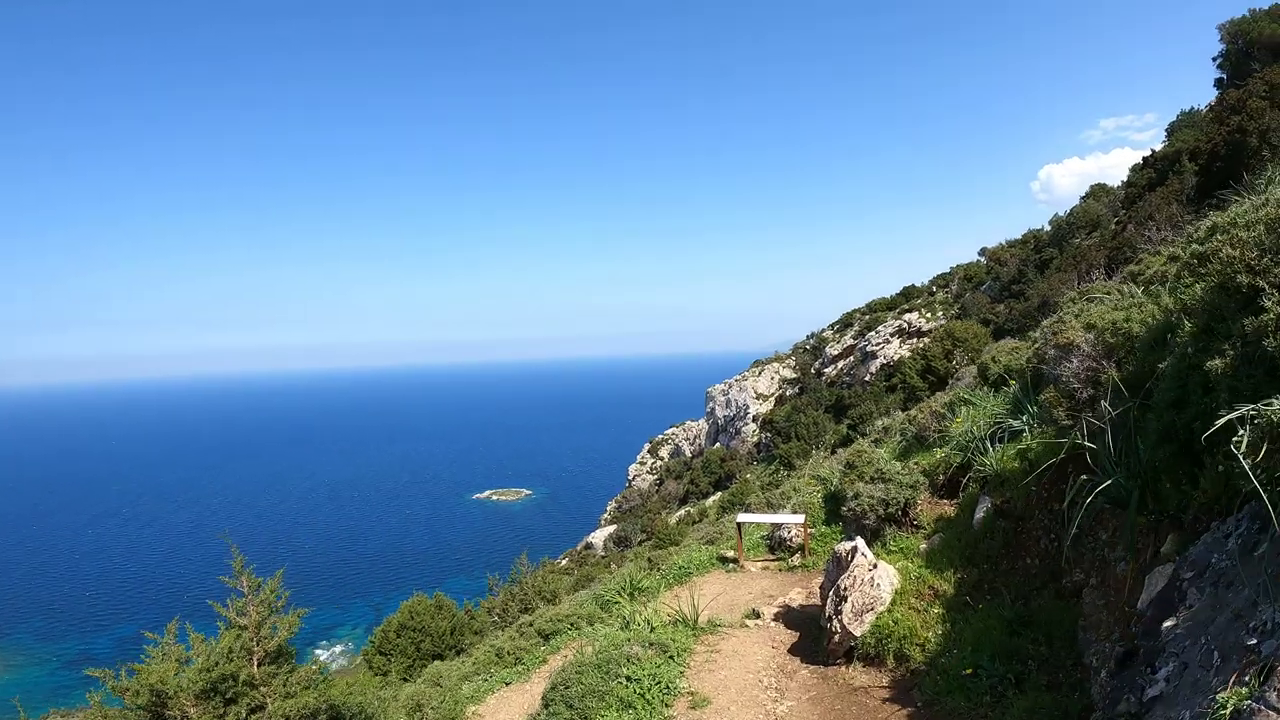 Hiking: Akamas Peninsula, Paphos
May can still be excellent for hiking, but the strategy begins changing.
Earlier starts become more important on exposed routes and at lower elevations. The sun is stronger, and walks that felt comfortable throughout the day in March may feel substantially different now.
Akamas can remain rewarding, while Troodos becomes increasingly attractive as the month progresses and temperatures rise elsewhere.
Carry enough water, use appropriate footwear and sun protection, and choose a route that matches the conditions and your experience. Current access and trail conditions should be checked where they materially affect the plan.
By late May, we would increasingly favor cooler parts of the day and higher elevations.
The season has not stopped being good for walking. The way you use it has changed.
What Happens To The Spring Landscape in May?
May is a month of visible transition.
Earlier in spring, green dominates. By May, particularly in lower and warmer areas, Cyprus begins moving toward the dry landscape associated with summer.
The exact timing changes from year to year and from one part of the island to another. Some wildflowers may remain in cooler or higher areas, while elsewhere fields begin fading and summer tones start appearing.
We would not choose May specifically for peak wildflowers.
We would choose it partly because you can watch the season changing.
Drive from the coast toward higher country and the island may appear to move backwards through spring as you gain elevation. Few months reveal that vertical difference quite as clearly.
Eating in Cyprus in May
 Fish Meze
May makes outdoor dining easy.
Lunch beside the sea feels increasingly natural, while village and mountain meals remain appealing enough to justify leaving the coast. Evenings become longer and more reliably comfortable outside, particularly in coastal areas.
This is a good month to allow meals to divide the day rather than interrupt it. Sightsee in the morning, stop properly for lunch and swim later, or spend a day in Troodos before returning to the coast for dinner.
If a particular restaurant, taverna or winery matters enough to justify a substantial detour, check its current operating hours beforehand. Otherwise, May gives you enough choice that one change of plan should not matter.
Crowds And Value in May
May sits in an increasingly popular part of the Cyprus calendar.
There is generally more visitor activity than in March or early April, particularly in beach destinations, while the island has not necessarily reached the intensity associated with its busiest summer periods.
That can make May attractive to travelers who want atmosphere without every popular beach, archaeological site or restaurant feeling as pressured as it may later in the season.
The exact picture varies by destination, weekday and date, and accommodation prices vary too widely for a useful universal statement that May is either inexpensive or expensive.
We would choose May for its conditions rather than because of an assumed bargain.
Its real value lies in how few parts of Cyprus you need to give up.
Who May Suits Best
May is particularly strong for first-time visitors because it removes many of the compromises that shape earlier or later trips.
Couples can combine beaches, restaurants, villages and cultural days without forcing the holiday into one category. Families who enjoy sightseeing as well as swimming may find it easier than the hottest part of summer. Hikers can still use the mountains and cooler parts of the day, while culture-led travelers can visit archaeological sites under less demanding conditions than they will encounter later.
It also suits independent travelers who want movement and variety without turning the holiday into constant activity.
May is weaker for travelers seeking an extreme. Come earlier for the greenest landscapes and stronger spring character. Come later for hotter weather, warmer water and a more unequivocal summer holiday.
May belongs to travelers who value range more than intensity.
Driving in Cyprus in May
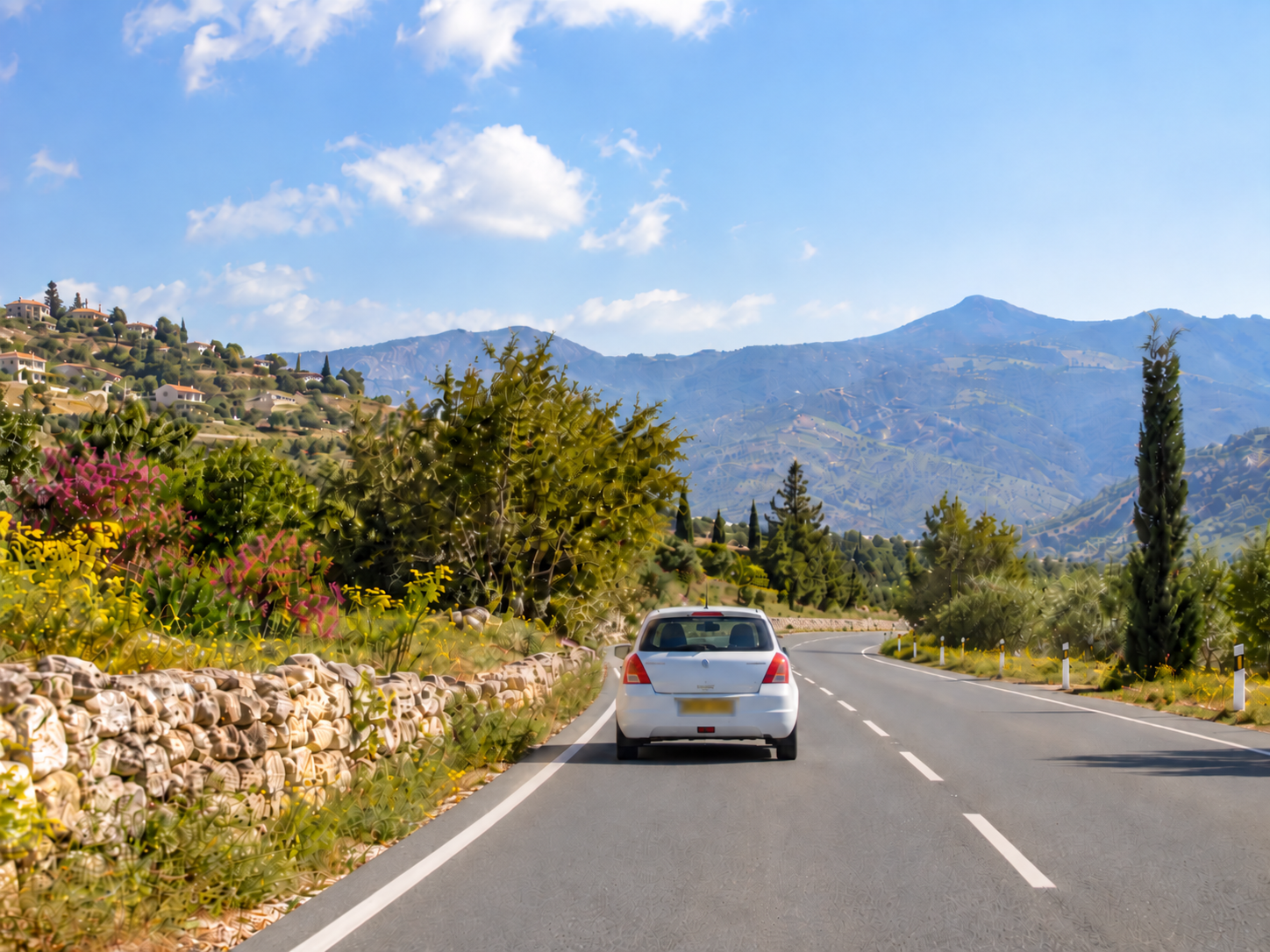
May is an excellent month for exploring Cyprus by car.
Long daylight gives you room to travel without rushing, mountain routes remain attractive and the landscape is still varied enough for the journey itself to add something to the day.
The temptation is to use that extra daylight to cover too much ground. We would resist it.
Cyprus looks compact on a map, but a day spent moving constantly between distant regions rarely becomes more rewarding simply because it was technically possible.
Use the car to explore coherent areas rather than collect destinations. Mountain roads and narrow village streets still require concentration, and travelers unfamiliar with driving on the left should allow time to adjust before taking on more complex rural routes.
May also gives a car one particularly useful role: it allows you to follow the temperature. When the coast feels hot, go higher. When the mountains feel cool, return to the sea.
What To Pack For Cyprus in May

May packing should lean decisively toward summer while retaining a small amount of flexibility.
Bring light, breathable clothing, comfortable walking shoes, swimwear and proper sun protection. A hat, sunglasses and sunscreen become increasingly important for archaeological sites, hiking and long periods beside the water.
A light layer remains useful for breezy coastal evenings or mountain visits, while higher elevations may feel cooler than conditions beside the sea.
If you are planning serious walking, pack for the route rather than for the hotel terrace.
May can make Cyprus feel easy enough to forget how much ground you may cover in a day.
May VS April or June
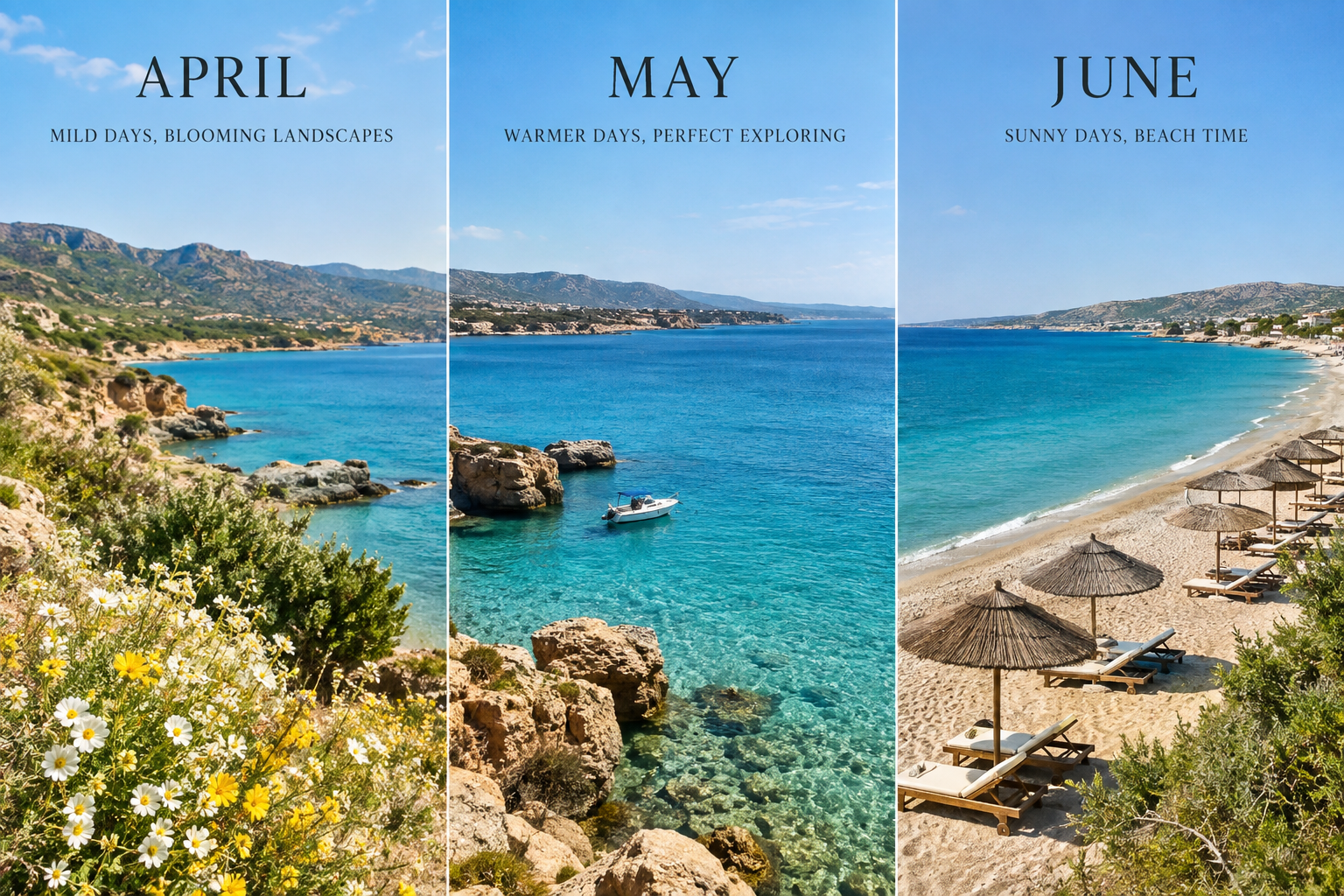
The neighboring months make the decision clearer.
Choose April if spring landscape, hiking and outdoor sightseeing matter more than dependable swimming and you are comfortable with greater weather variability.
Choose May if you want one of the strongest balances between beaches, swimming, sightseeing, road trips and comfortable outdoor exploration.
Choose June if warmer sea, stronger summer conditions and beach life matter more, while you are prepared for increasing heat and a landscape that has moved further into the dry season.
For many first-time independent travelers, May is the easiest of the three months to recommend because it asks for the fewest compromises.
What We Would Not Do in Cyprus in May
We would not assume that May is mild enough to ignore the sun or schedule a long exposed walk for the hottest part of a warm day simply because high summer has not arrived.
We would not promise that every traveler will find the sea warm, particularly early in the month, or guarantee that greenery and wildflowers will look the same everywhere.
We would not spend the entire trip on the beach when the mountains, villages, Nicosia and archaeological sites remain this accessible.
And we would not race across the island because the longer days make it possible.
More daylight should create more freedom, not a longer checklist.
How We Would Approach A May Trip
For a first visit, we would usually choose a coastal base.
Paphos works exceptionally well when archaeology and western Cyprus matter. Limassol suits travelers who want a stronger urban element and convenient access to villages and Troodos. Larnaca offers simplicity and positioning, while Ayia Napa or Protaras make more sense when beaches carry greater weight.
We would use mornings for archaeology, walking or city exploration and allow the coast to become more important later in the day as temperatures rise.
At least one day would go inland. On a longer trip, we would give Troodos proper time rather than treating the mountains as scenery on the horizon.
Most importantly, we would resist deciding in advance whether this was supposed to be a beach holiday or an exploration trip.
May is strongest when you stop separating the two.
So, Should You Visit Cyprus in May?
Visit Cyprus in May if you want freedom within the trip.
The Mediterranean is warm enough to become part of the day rather than merely the view. Beaches make sense. Evenings stretch out. Coastal destinations feel alive, and Cyprus begins settling into its summer rhythm.
Yet the island remains open in other directions.
You can spend a morning among ruins without planning the entire day around the heat. You can drive into the mountains, stop for lunch in a village, give Nicosia proper time and return to the coast while there is still daylight left.
That is what May does particularly well.
A good May day in Cyprus does not feel divided into sightseeing time and holiday time.
The distinction disappears.