Newsletter "Beyond the Postcards" Subscribe
Plan Your Cyprus Trip: Hotels: Expedia, Villas & Apartments: Vrbo, Car Rentals: DiscoverCars, Tours: GetYourGuide, Airport Transfers: WelcomePickups
- Home
- Plan Your Cyprus Trip
- Best Time To Visit Cyprus
- Cyprus in November
Cyprus in November: Weather, Things To Do & Who It Suits Best
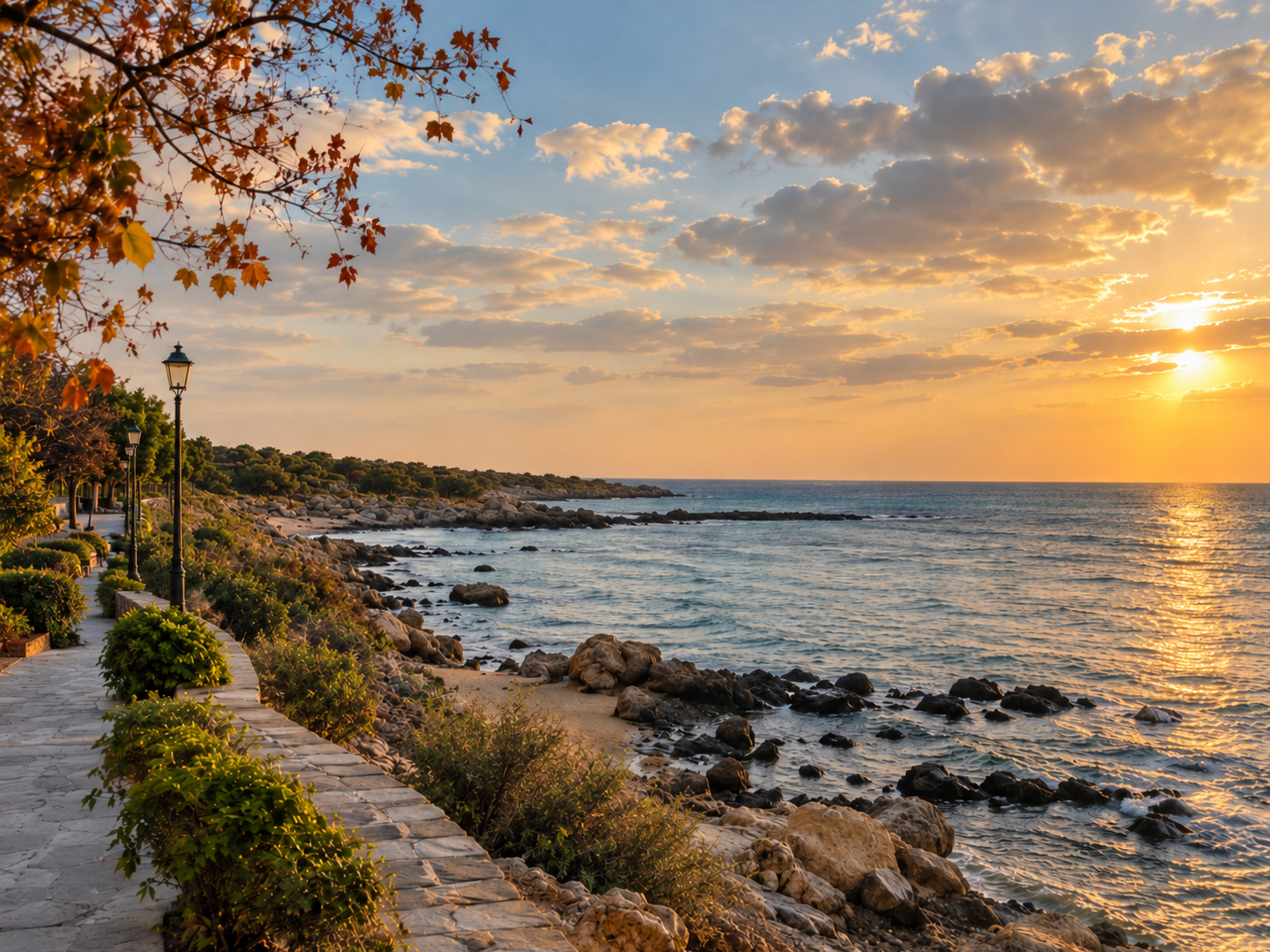
By November, Cyprus has stopped organizing itself around the beach.
The Mediterranean is still there, sometimes warm enough to tempt you in, and a bright coastal afternoon can feel remarkably gentle for late fall. But the hierarchy of the trip has changed. Archaeology becomes easier to explore, Nicosia deserves a full day, village lunches become more persuasive, Troodos starts feeling properly seasonal and the first sustained rains can begin putting color back into a landscape bleached by summer.
You no longer need to ask how to fit the rest of Cyprus around the sea. The coast becomes one option among several, and on many days it is no longer the most important one.
For independent travelers who care more about understanding the island than maintaining a beach routine, November can be one of the most interesting months in the calendar. You gain cooler walking conditions, quieter destinations, a stronger inland rhythm and an island beginning to change visibly after the dry season.
What you give up is certainty. Beach weather becomes less dependable, rainfall matters more, evenings are cooler and shorter days leave less margin for overambitious itineraries.
November is not late summer, and that is precisely why it deserves its own trip.
The Quick Answer
Is November a good time to visit Cyprus?
Yes, for the right traveler.
November works particularly well if you want archaeology, Nicosia, villages, Troodos, hiking, road trips, long lunches and a quieter version of the coast. It also suits travelers who dislike high-summer heat and are comfortable allowing the weather to influence the day.
It is weaker if your Cyprus holiday depends on guaranteed swimming, long beach days, full resort atmosphere or consistently warm evenings. Swimming can still be possible, particularly during settled periods and earlier in the month, but we would treat it as a bonus rather than the organizing principle of the trip.
The essential November decision is straightforward: come if you would still want Cyprus even when the beach is not the answer to the day.
What Cyprus Feels Like in November
November changes the balance of the island.
The coast is calmer, the interior becomes easier and roads feel more useful for exploration than for simply moving between beaches. Archaeological sites can be visited without arranging the entire day around the sun, and cities feel more naturally walkable.
The landscape begins changing too. After the long dry season, meaningful rain can start bringing the first greens back to lower areas. The transformation is neither immediate nor uniform, and one November may look noticeably different from another, but the direction of travel has changed.
That seasonal shift is easy to miss if your image of Cyprus is limited to blue water and dry hills. November reveals another version: darker earth, clearer air after rain, cooler villages, changing mountain vegetation and a coast that no longer dominates every decision.
For travelers who enjoy destinations between seasons, this is one of the more revealing times to be here.
November Weather in Cyprus
November is generally mild by northern European standards, but it is noticeably more variable than October.
Coastal days can still be comfortably warm during settled weather, while evenings become cooler and layers increasingly matter. Inland areas such as Nicosia may remain pleasant during the day but cool more noticeably after sunset. Troodos and higher mountain villages can feel distinctly colder than the coast.
Rain becomes a genuine part of the month rather than an occasional possibility. Some weeks may remain largely dry; others can include unsettled periods or heavier rainfall. Monthly averages cannot tell you which version you will encounter on your particular dates.
That variability should shape the trip rather than frighten you away from it. November works best for travelers who check the forecast, move outdoor activities when necessary and avoid designing the entire holiday around one weather-dependent plan.
The Coast
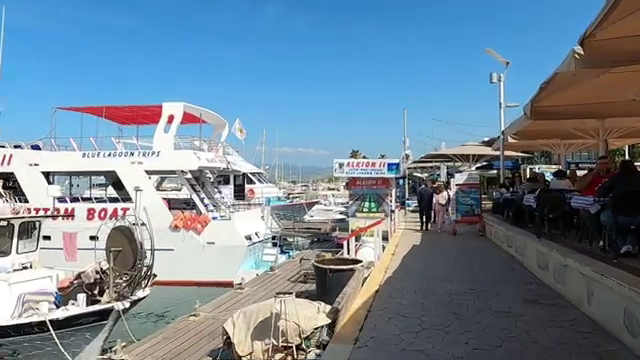 Latchi Harbor and Promenade
The coast remains very usable in November, but its role changes.
Paphos becomes particularly strong because archaeology, restaurants, coastal walks and western Cyprus remain worthwhile even when the weather is not suited to several hours on the beach.
Limassol works well for travelers combining city life with wine villages and Troodos. Larnaca continues to offer a walkable waterfront and useful positioning, while Ayia Napa and Protaras require a more deliberate decision.
The southeast can still be beautiful during settled November weather, but travelers should not expect the same resort rhythm they would find in summer. Individual seasonal businesses may reduce hours or close, so anything important to the trip should be confirmed directly.
For November, we generally favor coastal bases that remain interesting when the sea is not the main event.
Nicosia and the Interior
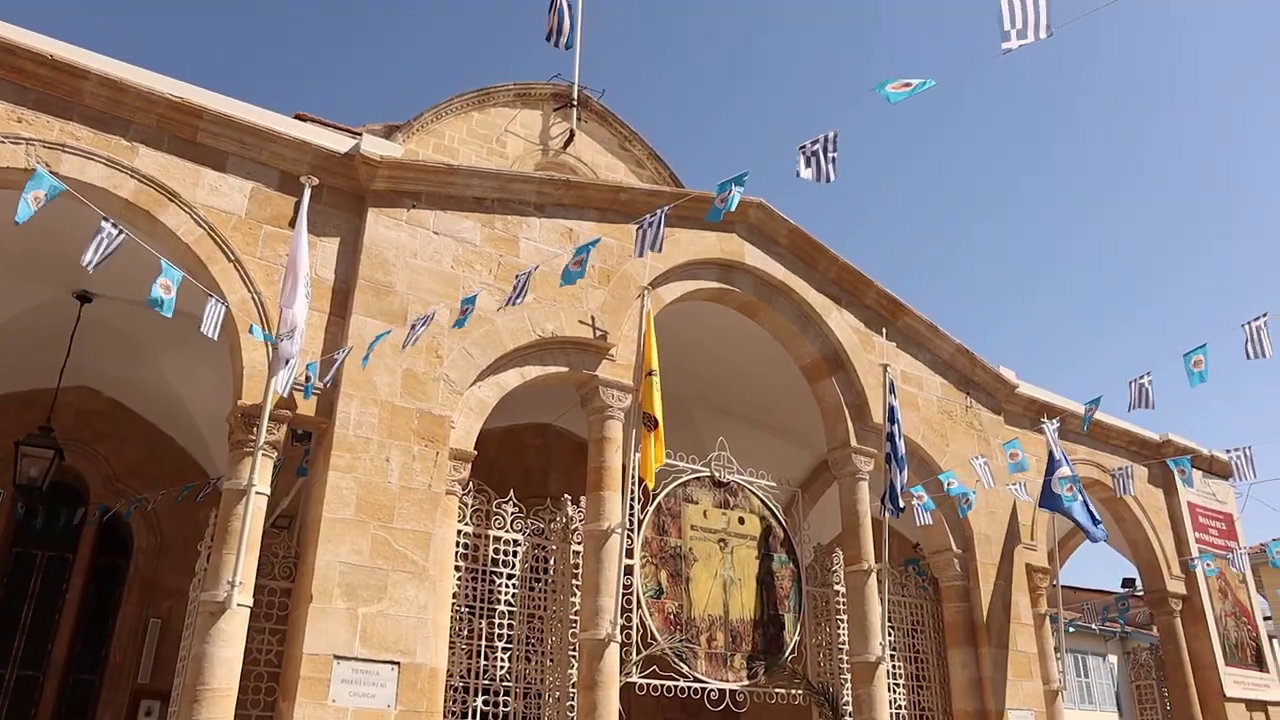
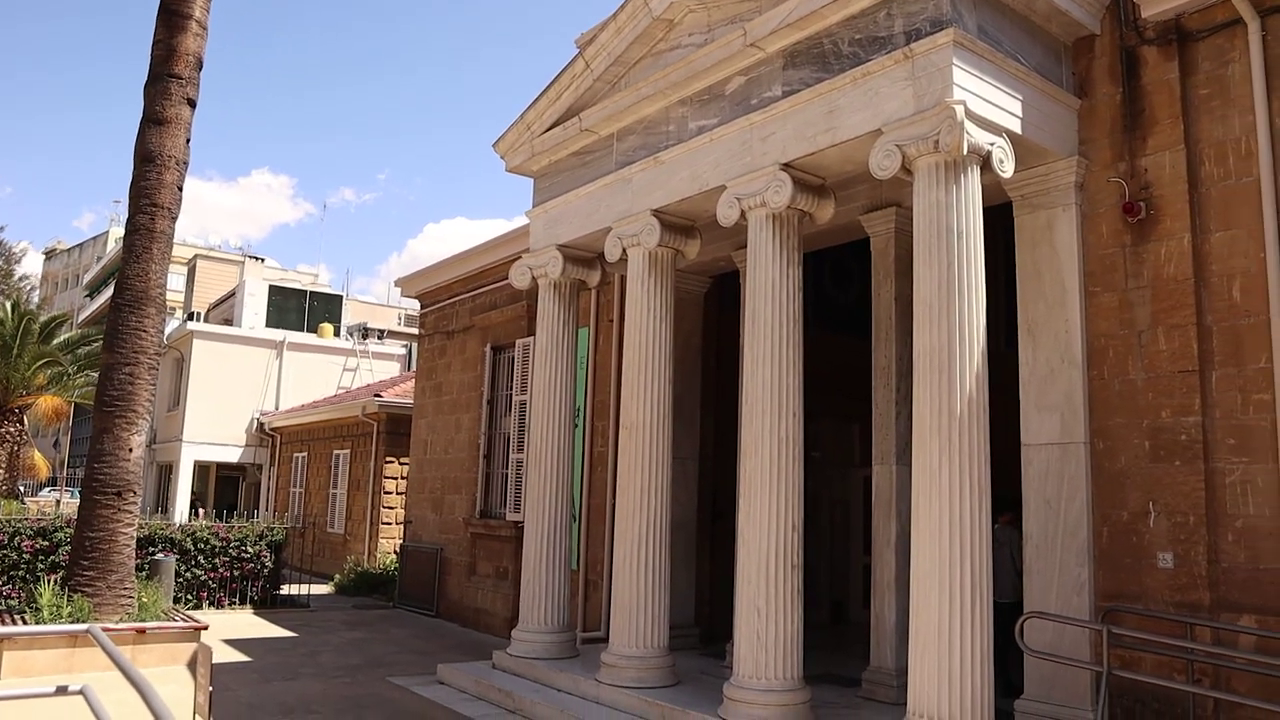
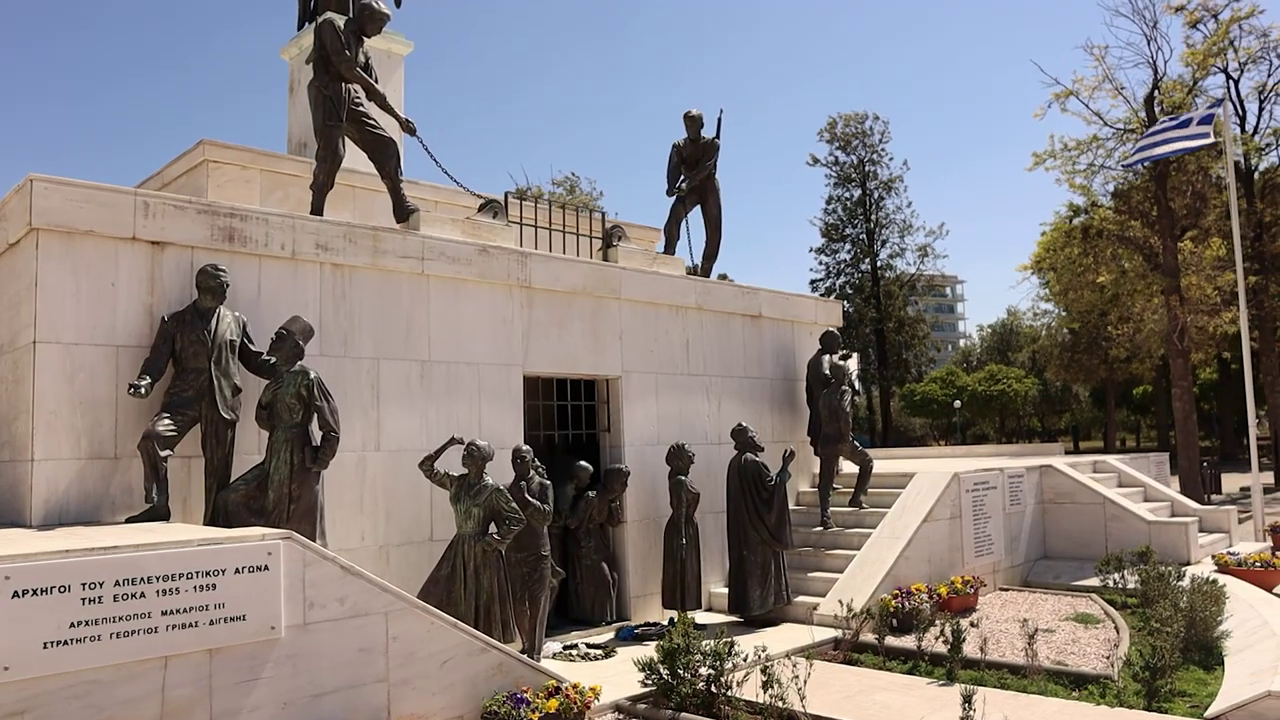
November suits Nicosia exceptionally well.
The temperatures that make prolonged summer walking tiring have usually retreated, allowing the capital to be experienced at a more natural pace. You can spend time in museums, old streets, cafés and restaurants without structuring the entire day around escaping the heat.
This is one of the months when we would actively include Nicosia on a first trip rather than treating it as something to add only if time allows.
The interior also begins feeling more seasonally distinct from the coast. Evenings can cool quickly, and that contrast becomes more noticeable as you move inland or upward.
Troodos
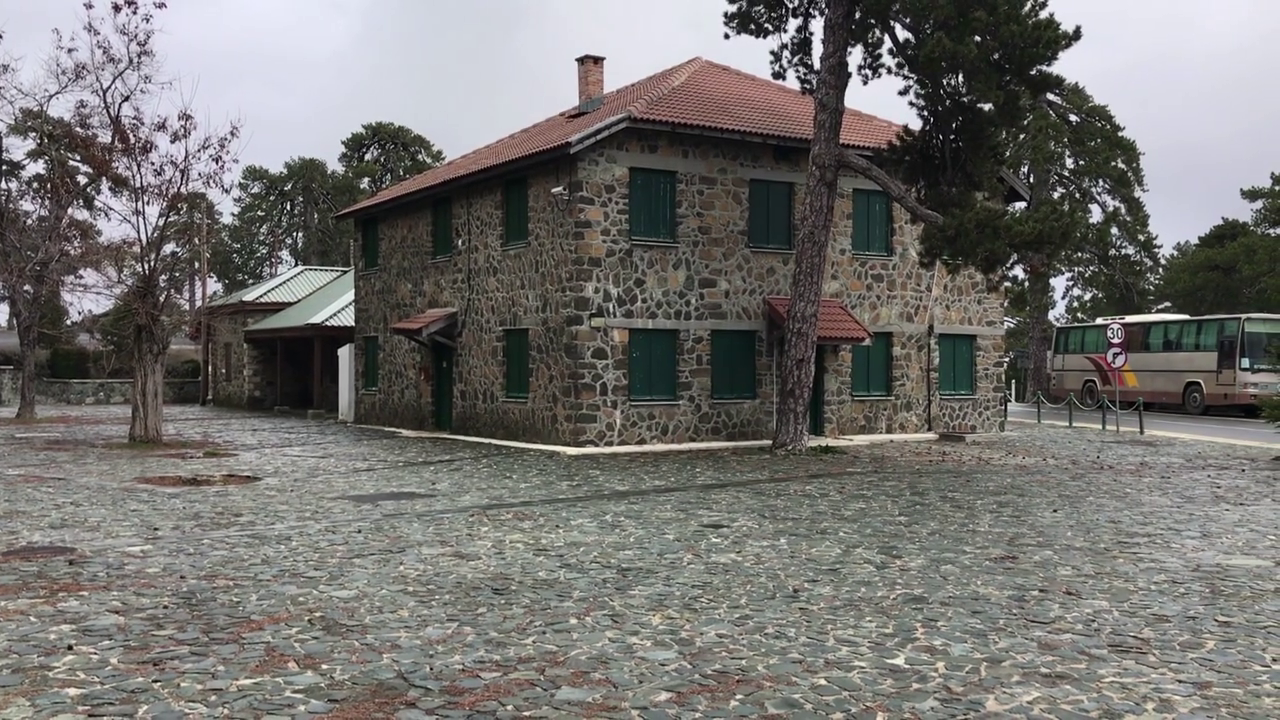 Troodos Square
Troodos becomes increasingly atmospheric in November.
Temperatures are cooler, mountain evenings can be cold and the landscape may show more obvious seasonal change than the coast. Forested areas, villages and walking routes take on a different character from the sun-dominated mountain days of summer.
This is not yet winter in the sense many travelers imagine, and snow should not be expected simply because the calendar says November. What you do get is a stronger sense of season.
Troodos begins to feel less like a cool alternative to the coast and more like a destination with its own November identity.
Is November Warm in Cyprus?
Sometimes surprisingly so, but not reliably enough to treat November as a summer month.
A sunny coastal afternoon can still feel very comfortable. You may eat outside, walk in light clothing and wonder why you packed so many layers. Then the sun drops, the wind changes or a weather system arrives, and the month reminds you that summer has ended.
November should not be sold through a single temperature number because the lived experience changes with location, wind, cloud cover, elevation and time of day.
The right packing strategy is flexibility, and the right itinerary does not depend on every day behaving the same way.
Can You Swim in Cyprus in November?
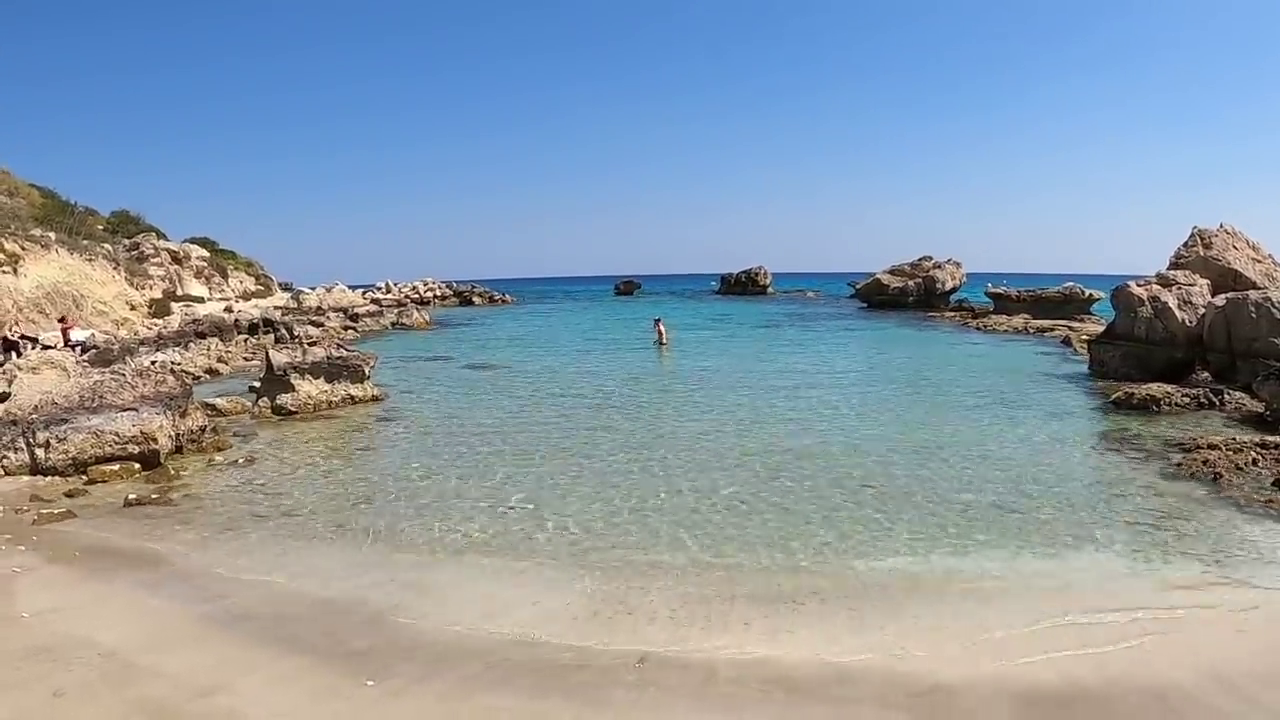 Konnos Beach
Some travelers do.
The Mediterranean cools gradually after summer, so the sea can remain relatively mild compared with the air, particularly earlier in November. On settled sunny days, swimming may still be realistic for people comfortable with cooler water.
Personal tolerance matters. A traveler from a colder climate and a traveler accustomed to tropical water may describe the same sea very differently. Wind, waves and weather can also change how inviting the coast feels.
We would therefore avoid describing November as a dependable swimming month. If you want to swim when conditions suit you, bring swimwear. If the holiday will feel unsuccessful unless you swim comfortably every day, choose an earlier month.
November's Great Advantage: The Coast Becomes Optional
This is what separates November from the months before it.
In September, the sea still carries much of the trip. In October, the day opens up and the beach becomes one option among several. By November, the coast can become genuinely optional.
That is good news for travelers interested in Cyprus beyond its shoreline. You can spend a full day in Nicosia without feeling that you sacrificed perfect beach weather. You can drive through wine villages, explore archaeological sites slowly, spend time in Troodos or sit over lunch without mentally counting the hours of sunshine you are “wasting.”
November removes some of summer’s certainty, but it also removes some of summer’s pressure. The result can be a more curious, less defensive way of traveling around the island.
Where We Would Stay in Cyprus in November

November rewards bases that remain useful in mixed weather.
Paphos is one of the strongest choices. Archaeology, restaurants, the harbor area, coastal walks and access to western Cyprus give you enough depth that the trip works even when swimming does not.
Limassol suits travelers who want restaurants, city life and convenient access toward Troodos and the wine villages.
Larnaca remains practical for travelers who value simple logistics, a walkable waterfront and relatively easy access toward Nicosia and other parts of the island.
Nicosia becomes a much stronger option for culture-led trips. If museums, food, architecture and urban life matter more than the sea, November can suit the capital extremely well.
Troodos deserves consideration for one or more nights if mountain villages, walking and seasonal atmosphere are important. Pack for noticeably cooler conditions than the coast.
Ayia Napa and Protaras can still appeal to travelers who specifically want the southeast outside the summer season, but we would not choose them expecting full resort activity. Confirm the current operation of any hotel, restaurant or activity that matters to the stay.
For most first-time November visitors, we favor Paphos, Limassol or Larnaca as flexible coastal bases, with Nicosia or Troodos added when the trip is long enough.
The Best Things To Do in Cyprus in November
November changes the hierarchy of activities.
Give Archaeology The Time It Deserves
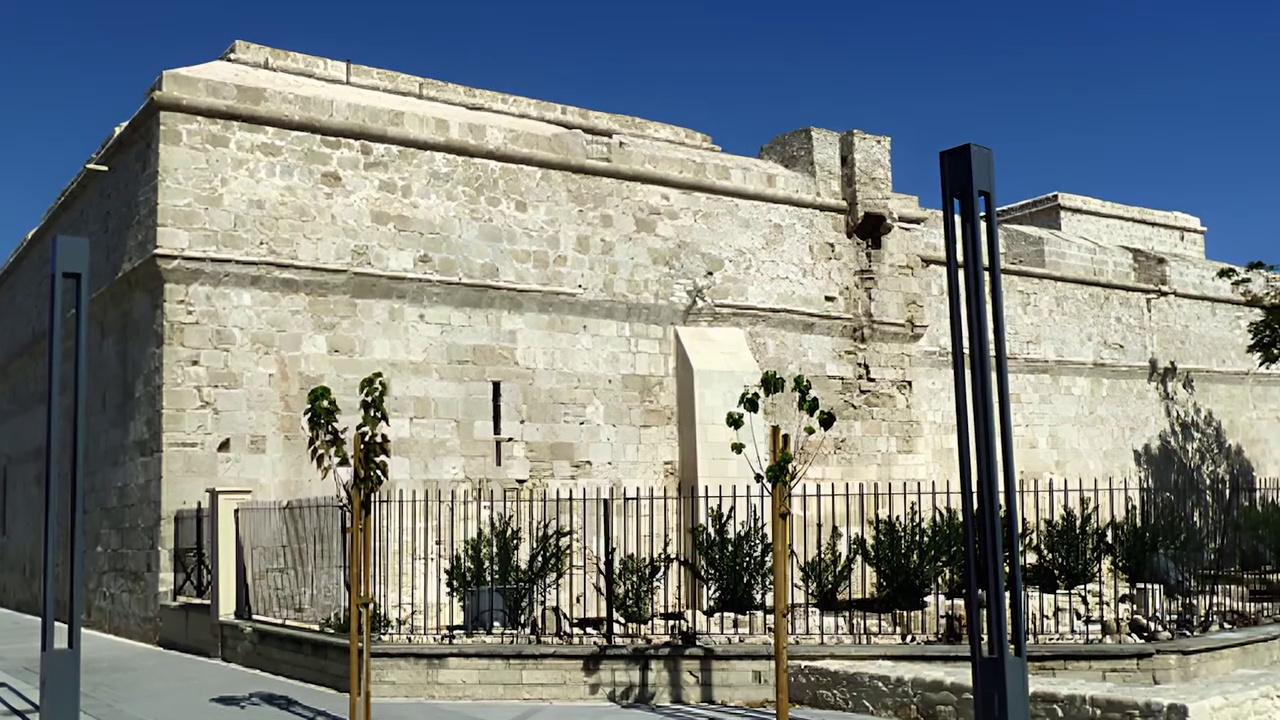 Limassol Castle
This is one of the strongest reasons to choose November.
Kato Paphos Archaeological Park, Kourion and other outdoor historic sites can be much more comfortable to explore than during high summer. You are less likely to spend the visit searching for shade and more likely to give the place the attention it deserves.
Rain can interrupt outdoor plans, so check the forecast, but on a dry November day archaeology becomes one of the island’s strongest experiences.
Spend A Proper Day in Nicosia
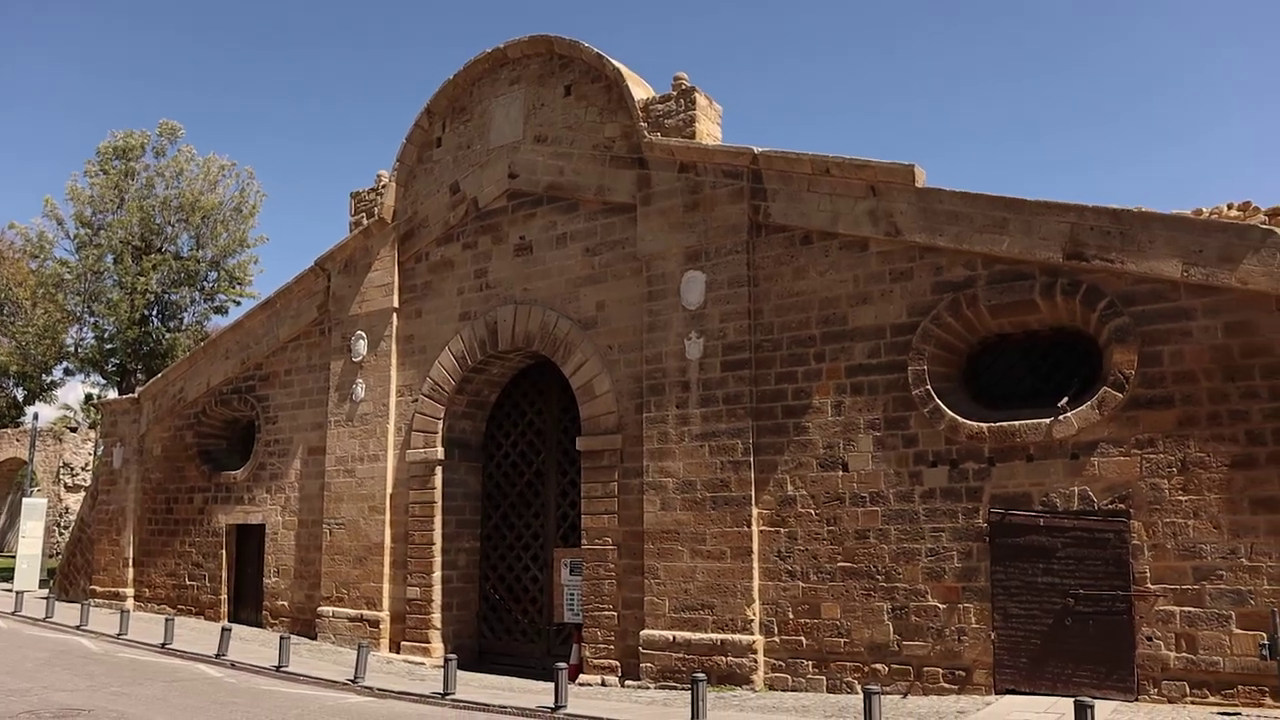 Famagusta Gate, Nicosia
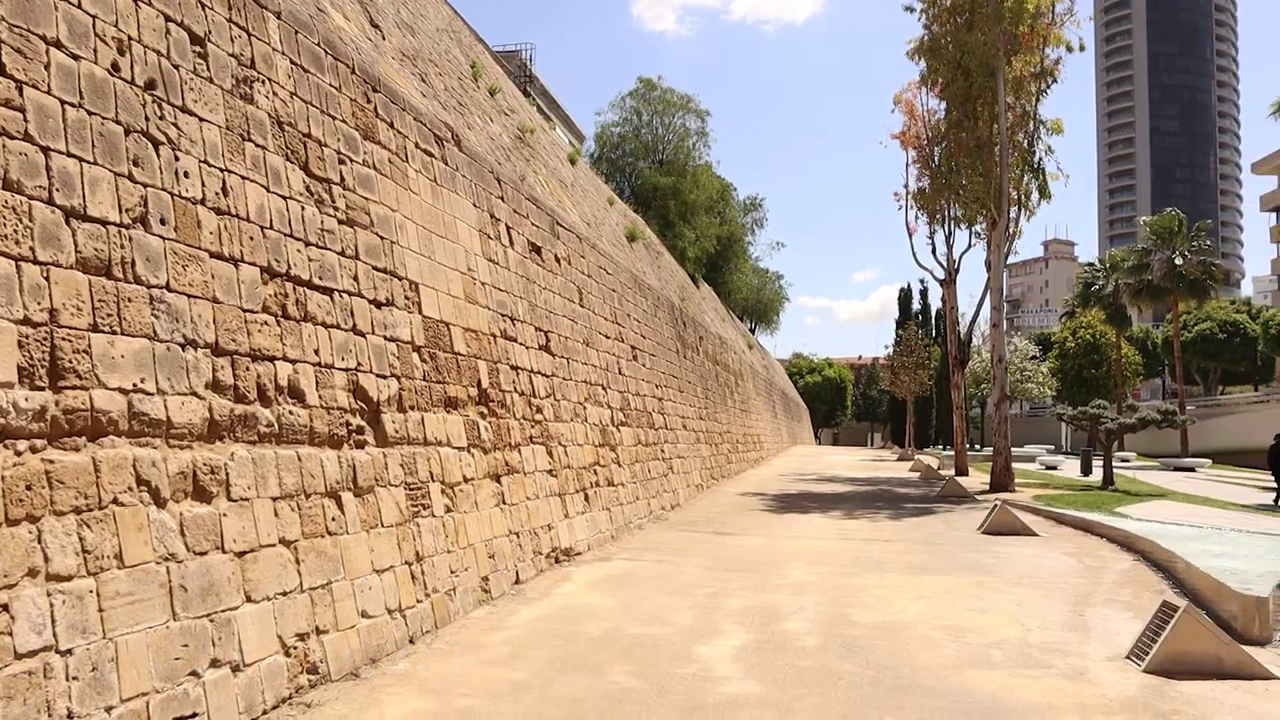 Venetian Walls, Nicosia
November suits the capital.
Walk rather than rush. Visit museums, stop for coffee, eat lunch somewhere worth staying and continue through the city without feeling obliged to return quickly to the coast.
Nicosia is often the destination most compromised by a summer-first Cyprus itinerary. November gives it room to work.
Walk in Troodos
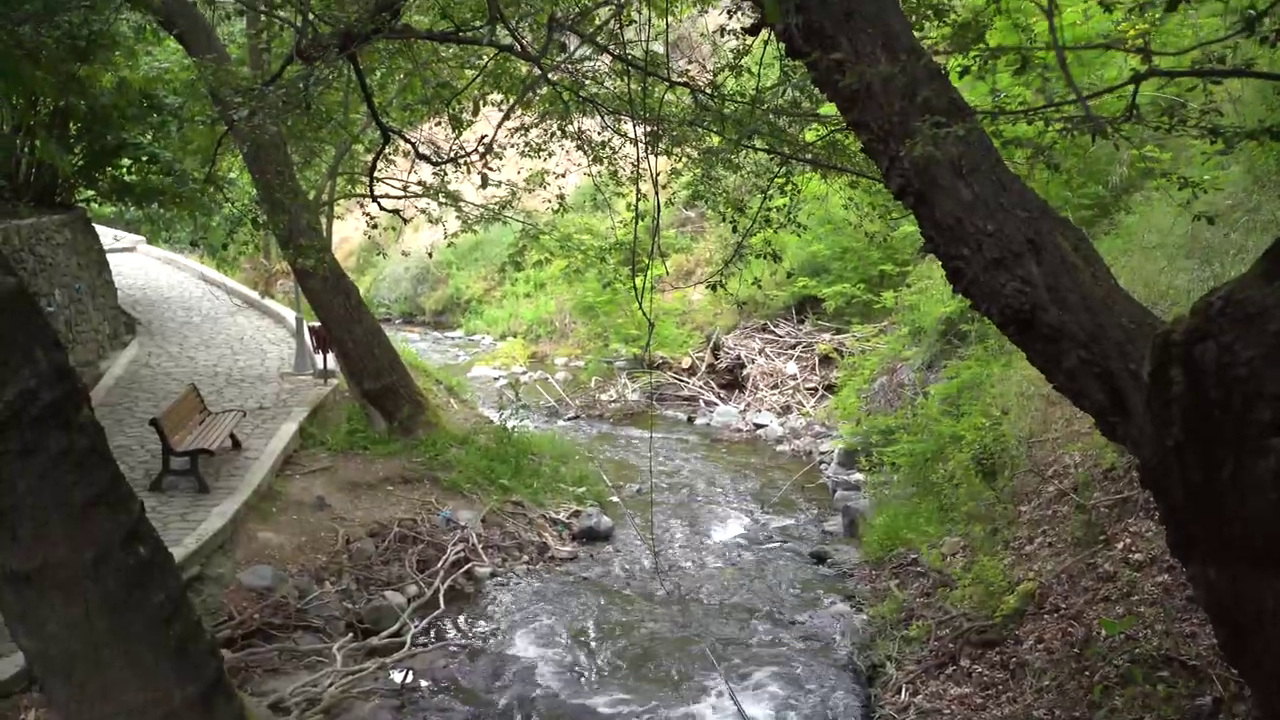 Nature Trail, Kalopanayiotis Village
Cooler temperatures make the mountains increasingly attractive for walking.
Choose routes according to current weather, daylight, terrain and trail conditions. Rain can make surfaces slippery, while mountain weather can differ considerably from conditions on the coast.
A November mountain day should be planned as a mountain day, not as a warm coastal outing transferred to higher elevation.
Drive Through The Villages
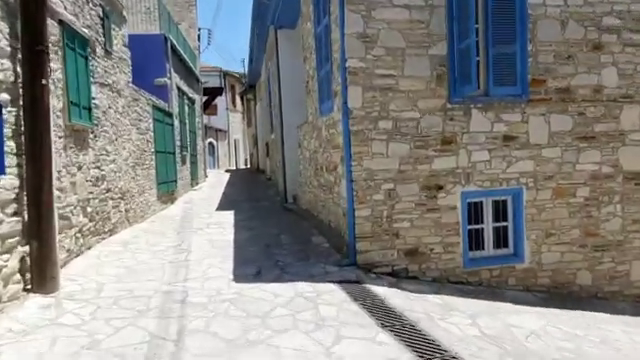 Kato Drys Village
November is excellent for slower village days.
Omodos, Lefkara, Kakopetria and other established villages can anchor a regional itinerary without the pressure to fit several more stops around them.
The point is not to collect village names. Walk, sit down, have lunch and allow the different pace to become part of the day.
Walk The Coast
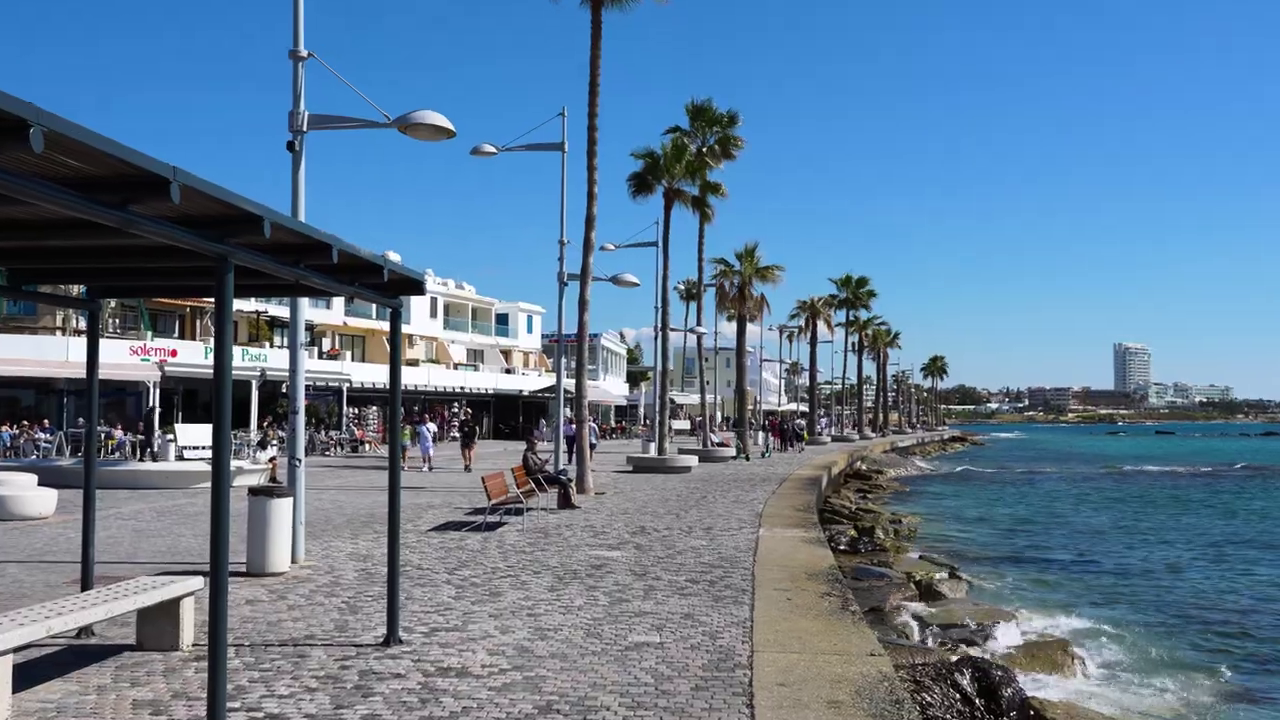 Paphos Promenade
The beach may be less dependable, but the coastline itself becomes more usable.
A cooler November day can be excellent for long coastal walks that would be far less appealing in July or August. Paphos, Larnaca, Limassol and other coastal areas allow you to experience the Mediterranean without requiring you to enter it.
This is one of November’s most useful seasonal shifts: the sea becomes landscape again, not only recreation.
Hiking in Cyprus in November
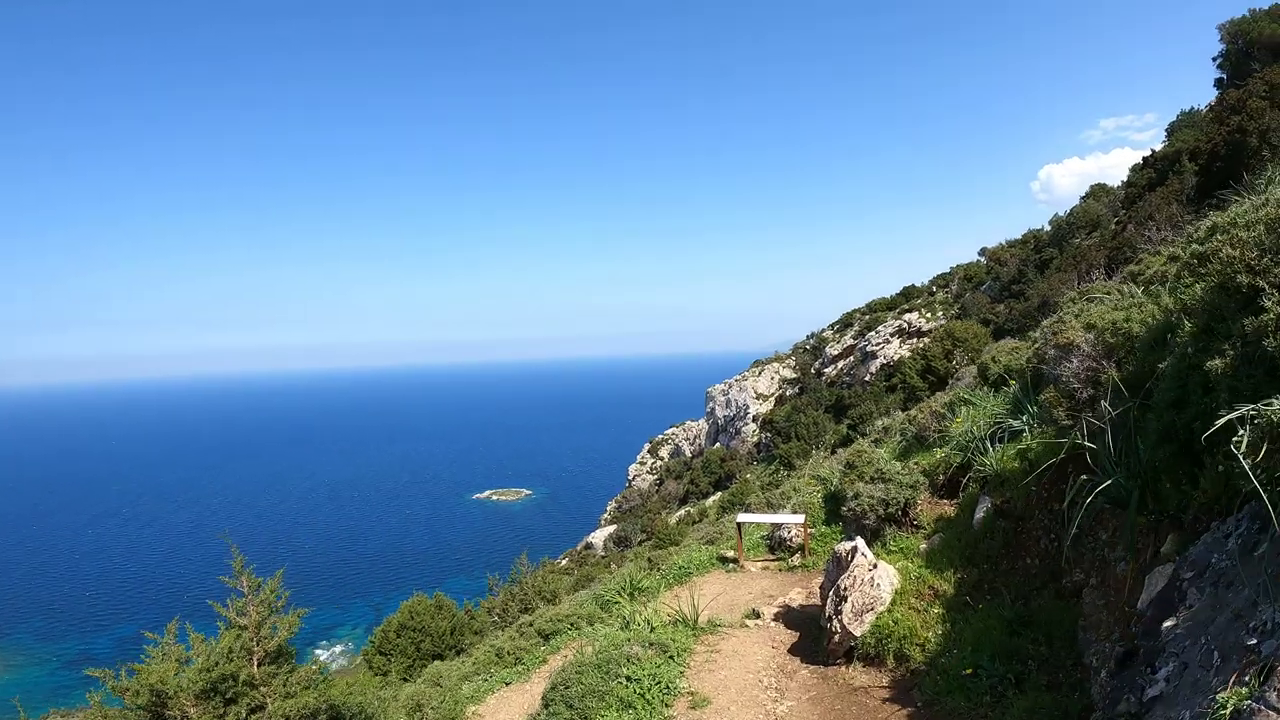 Hiking: Akamas Peninsula, Paphos
November can be a very good hiking month when the weather cooperates.
Troodos offers cooler conditions and forested routes, while lower-elevation areas such as Akamas can become considerably more comfortable than they were in summer.
The new variable is rain. Wet surfaces, mud, changing visibility, strong wind and local access conditions can affect route suitability, while shorter daylight matters more on longer walks.
We would check current weather and route information before setting out, choose a walk that matches our experience and leave enough time to finish comfortably before dark.
November gives hiking back to Cyprus, but it also asks you to pay attention.
What Happens To The Landscape in November?
This is one of the most interesting parts of the month.
Cyprus spends summer drying out. November can mark the point when rainfall begins reversing that process.
The effect is gradual. Lower hills do not turn bright green after one shower, and rainfall patterns vary considerably from year to year. But dust settles, grasses begin returning, fields respond and the smell of the countryside changes after rain.
For travelers accustomed only to summer Cyprus, the transition can be unexpectedly revealing.
November is the beginning of the island growing back.
The Olive Season
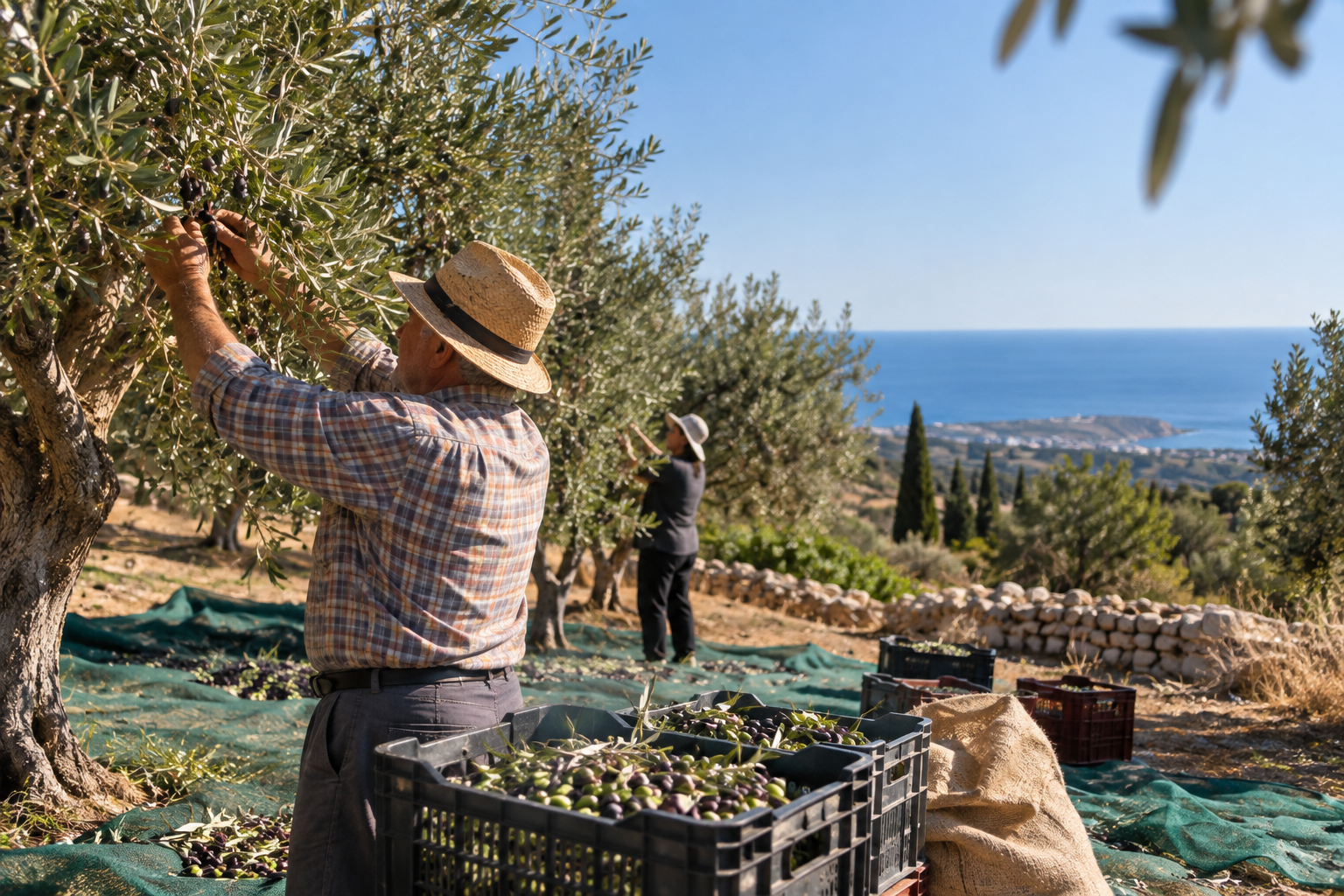
November can overlap with olive harvesting in Cyprus, although exact timing varies by location, variety, weather and individual producer.
That does not mean visitors should expect to encounter a harvest wherever they go, nor should an itinerary be built around an assumed date unless a specific experience has been confirmed.
But the season adds useful context to rural Cyprus. Olive groves stop being decorative scenery and become part of an active agricultural landscape. In villages and countryside areas, November can make the relationship between food, farming and place easier to understand.
We would treat that as something to notice rather than something to stage.
Eating in Cyprus in November
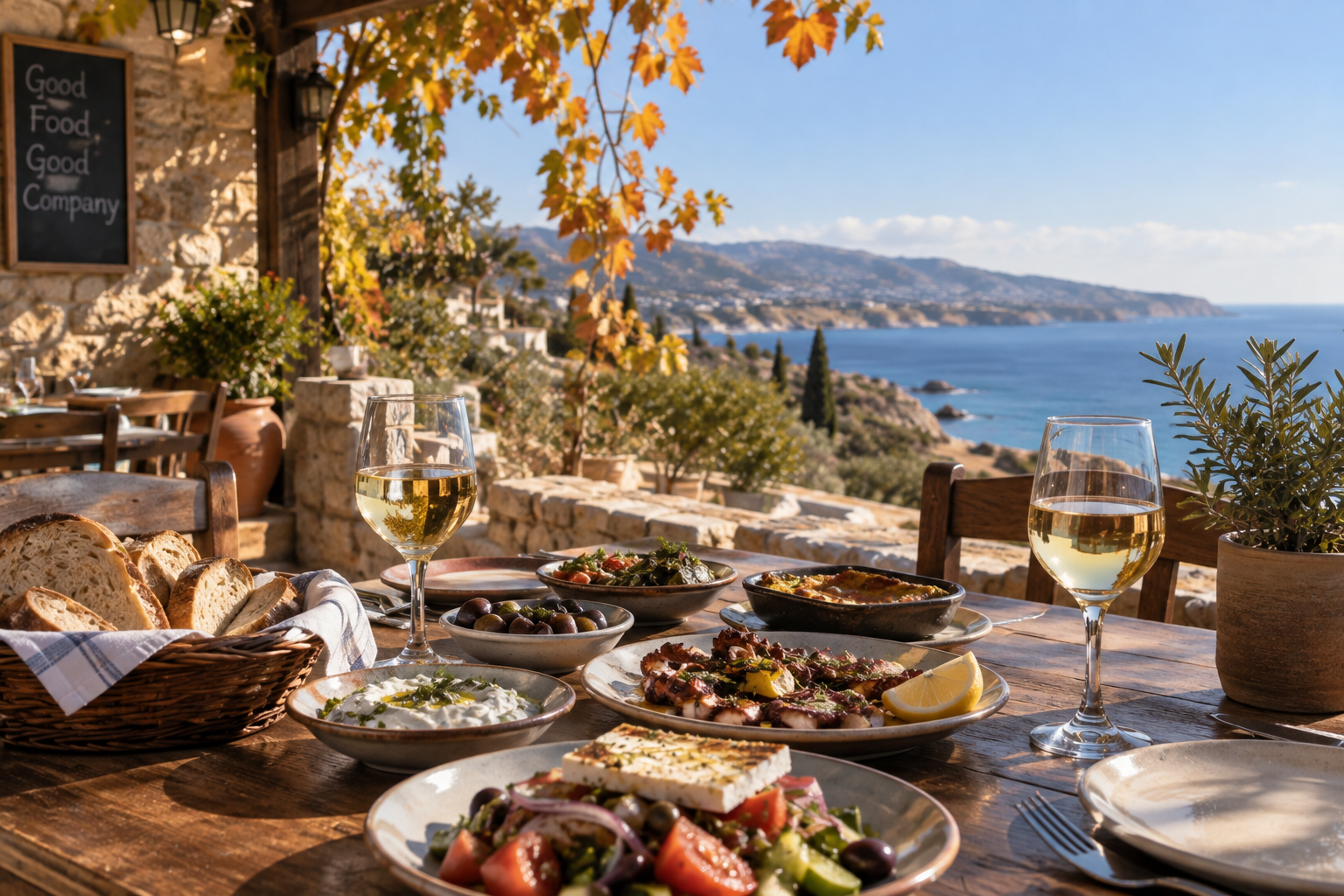
November pulls food further inland.
A sunny coastal lunch can still be excellent, but cooler weather strengthens the appeal of village tavernas, Nicosia restaurants and longer mountain meals. This is also when richer dishes and slower lunches begin making more sense than they did during the heat of August.
Weather can usefully decide the setting. A bright day may belong beside the sea; a cooler afternoon may make a village or mountain lunch more appealing.
Seasonal operating patterns become more relevant too. If a particular restaurant or taverna matters enough to justify a substantial detour, confirm its opening hours before going.
November is a good month to allow lunch to become part of the destination rather than something squeezed between two stops.
Crowds And Value in November
November is generally quieter than the main summer and shoulder-season months.
Archaeological sites, popular coastal areas and roads can feel less pressured, although weekends, events and good weather can still draw people toward particular destinations.
That quieter atmosphere is one of the month’s genuine advantages for travelers who dislike high-season intensity.
We would be more cautious about claiming universally lower prices. Accommodation costs depend on destination, property, room type, demand and booking conditions, and some seasonal properties may operate differently from summer.
November’s value is not simply financial. It lies in experiencing many places with less competition for space and attention.
Who November Suits Best
November is particularly strong for culture-led travelers, walkers, road-trippers, couples who enjoy slower days and repeat visitors who have already experienced summer Cyprus.
It can also work very well for first-time visitors who care more about archaeology, cities, villages and food than guaranteed beach time.
Travelers who dislike extreme heat may find November considerably easier than summer, while anyone interested in seeing Cyprus change season gets something high summer cannot provide.
It is weaker for beach-first families, travelers who need warm-water swimming every day, visitors expecting full resort activity or anyone whose image of Cyprus depends completely on sunshine and sea.
A useful test is simple: Would you still want to visit Cyprus if the beach disappeared from tomorrow’s plan?
If the answer is yes, November becomes much more interesting.
Driving in Cyprus in November

A car is particularly useful in November because many of the strongest experiences are spread across different parts of the island.
You may begin beside the sea, have lunch in a village, spend the afternoon inland and return after sunset. The ability to change plans with the weather becomes valuable.
Rain introduces conditions that summer drivers may not encounter. Wet roads, reduced visibility and mountain weather can alter a journey quickly, while shorter daylight means long regional itineraries need more realistic timing.
Travelers unfamiliar with driving on the left should allow time to adjust, and narrow village or mountain roads require patience in every season.
We would use the car for flexibility rather than mileage. November is better explored through coherent areas than ambitious island-wide loops.
What To Pack For Cyprus in November

November requires genuine transitional-season packing.
Bring comfortable clothing for mild daytime conditions, walking shoes, sunglasses and sun protection. Sunny days can still be bright enough for the sun to matter.
Layers are essential. A sweater, light-to-medium jacket and rain protection become much more useful than they were in October, particularly for evenings, Troodos and unsettled periods.
If hiking is part of the trip, pack appropriate footwear and clothing for current trail conditions rather than assuming the coast represents the mountains.
We would still pack swimwear because it takes almost no space and November occasionally rewards optimism. We simply would not pack as though the trip were guaranteed to behave like summer.
November VS October or December
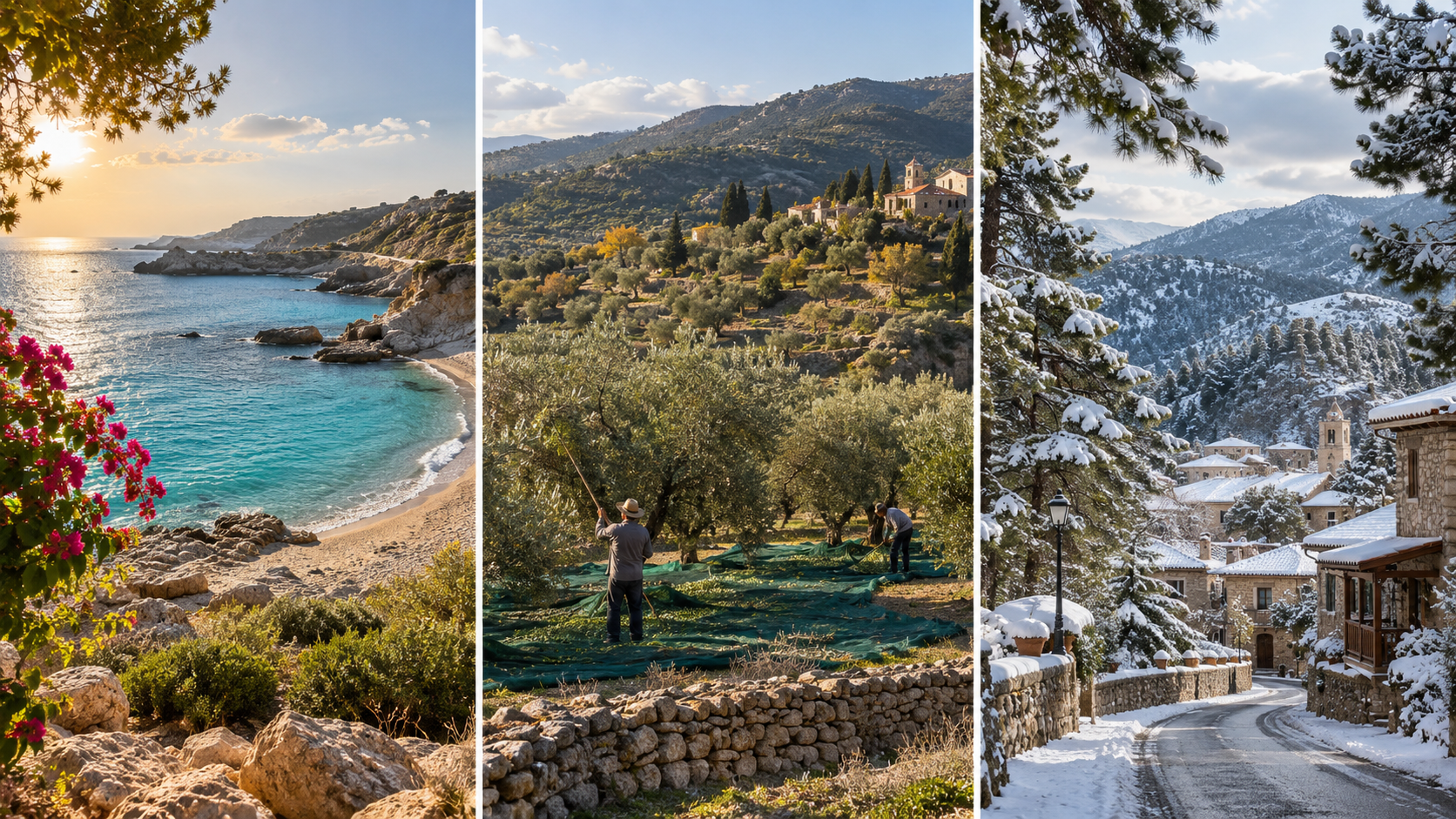
Choose October if swimming and beach time still matter significantly and you want greater odds of consistently warm coastal conditions.
Choose November if you want a quieter, more exploration-led trip but still appreciate the possibility of mild coastal days and occasional swimming.
Choose December if the beach has become secondary and you are comfortable moving further into Cyprus’s winter rhythm.
November occupies an interesting middle ground. It has left summer behind, but winter has not fully taken control.
That ambiguity is not a weakness. It is the month’s character.
What We Would Not Do in Cyprus in November
We would not build the trip around a promise of beach weather or leave every indoor activity as an emergency backup for rain.
Museums, Nicosia, villages and long meals deserve to be part of the itinerary from the beginning rather than substitutes for a failed beach day.
We would not assume that a sunny coast means identical conditions in Troodos, and we would not set out on a mountain walk without checking current weather and allowing for shorter daylight.
Nor would we dismiss November because the coastline looks less summery than it did in August. This month offers a different Cyprus, and it should be judged on that basis.
How We Would Approach A November Trip
We would begin with flexibility rather than a fixed daily script.
Paphos would be a strong first choice for travelers who want archaeology, restaurants and western Cyprus with the sea still present in the background. Limassol would suit a trip combining city life, wine villages and Troodos, while Larnaca would work well for straightforward logistics and access toward Nicosia.
We would give the capital proper time and keep at least one mountain or village day available for suitable weather. Outdoor archaeology and hiking would move around the forecast rather than being assigned permanently to Tuesday or Thursday before arrival.
Meals would matter more. Road trips would become shorter and more regional. The coast would remain part of the trip without being asked to justify every day.
And if a bright, calm afternoon happened to turn into a swim, we would take it.
November works best when the itinerary has enough structure to be good and enough freedom to change.
So, Should You Visit Cyprus in November?
Come in November if you are curious about Cyprus after the beach has stopped being the answer to every question.
The sea is still there, and sometimes it will surprise you. But the real rewards move elsewhere: archaeology that deserves your time, Nicosia without summer heat, villages worth staying in for lunch, Troodos entering a different season and countryside beginning to respond to rain.
November does not give you the Cyprus most people advertise.
It gives you the island after that version has started to leave.