Newsletter "Beyond the Postcards" Subscribe
Plan Your Cyprus Trip: Hotels: Expedia, Villas & Apartments: Vrbo, Car Rentals: DiscoverCars, Tours: GetYourGuide, Airport Transfers: WelcomePickups
- Home
- Plan Your Cyprus Trip
- Getting Around Cyprus
Getting Around Cyprus: When You Need A Car — And When You Don't
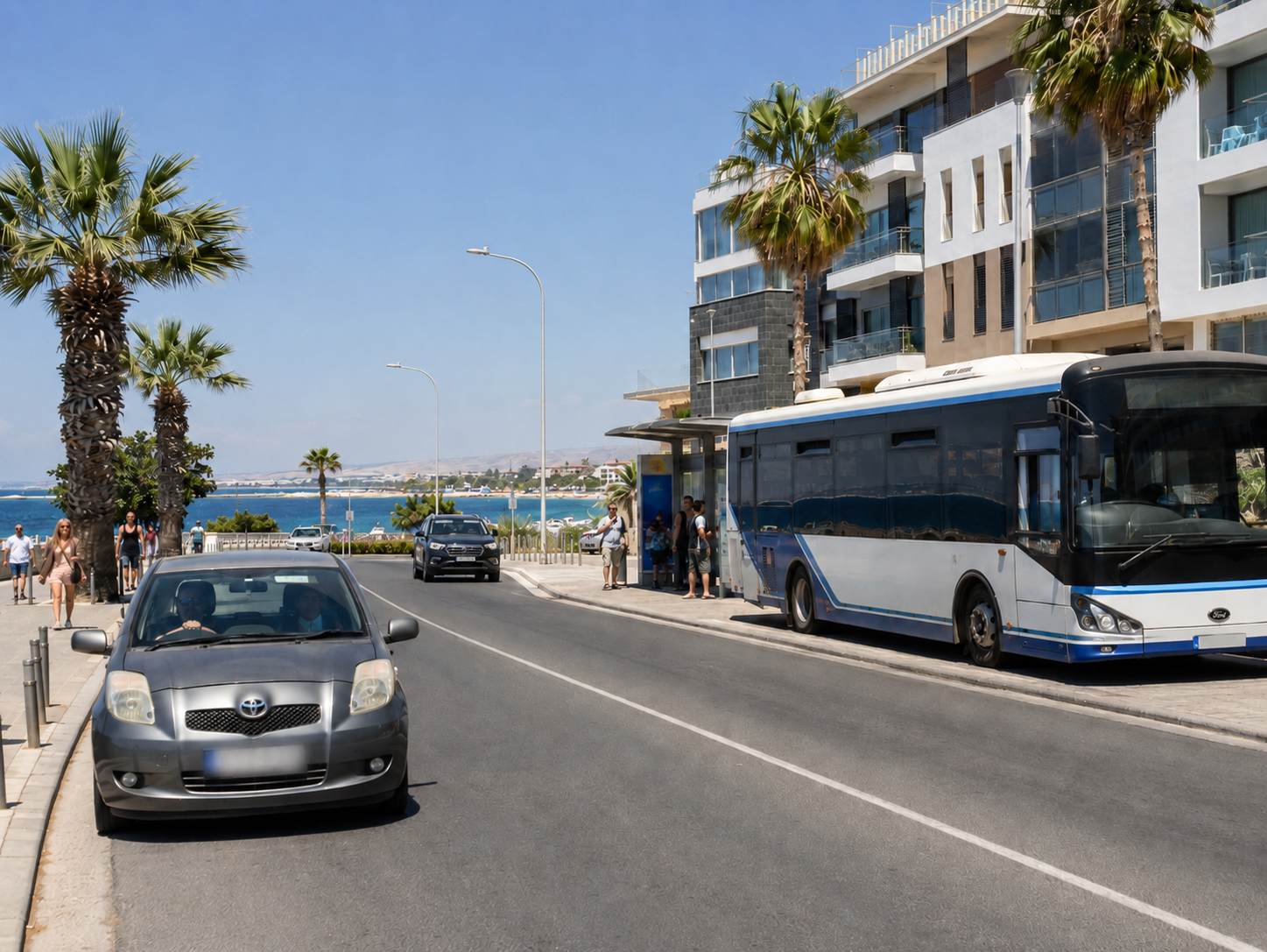
Cyprus is an island where the way you travel changes the trip almost as much as the places you choose.
Stay in central Larnaca and much of your day can happen on foot. Base yourself in a Troodos village and the car outside becomes part of the experience. Spend a week beside the beach in Protaras and you may barely need to move beyond the local area. Try to combine archaeological sites, mountain villages, wineries and quieter stretches of coast without independent transport, and the same island suddenly becomes harder to reach.
That is the useful way to think about transport here. The question is not simply whether Cyprus has buses, taxis or rental cars. It does. The question is: How much freedom do you want once you arrive?
For many independent travelers, a rental car is the easiest way to see Cyprus beyond a single resort or city. But renting one automatically is not always the smartest choice. Some trips work extremely well without a car. Others become unnecessarily restrictive without one. The right answer depends on where you stay, how often you intend to move and which version of Cyprus you came to experience.
The Quick Answer
If you plan to explore several regions, spend time in villages, visit the Troodos Mountains, follow the wine country, reach quieter beaches or change plans during the day, having a car usually gives you the greatest flexibility. If you are staying primarily in central Larnaca, Nicosia, Limassol, Paphos, Ayia Napa or Protaras, and your trip revolves around one relatively compact area, beaches, restaurants and occasional excursions, you may not need one every day.
Buses can work well for selected journeys between and within the main cities and resort areas. They become less useful when the trip depends on rural locations, scattered attractions or precise timing. Taxis and private transfers are convenient for airport arrivals, evenings out and occasional point-to-point journeys, but they make less sense as the default solution for repeated cross-island exploration.
The best answer is often not one form of transport for the entire holiday, but a combination.
First Decide What Kind of Cyprus You Want To Reach
The transport decision becomes much easier once the itinerary is clear. There is a version of Cyprus that sits comfortably along promenades, city streets and established resort corridors, and another that begins once you leave them.
The first includes beachfront neighborhoods, historic centers, marina districts and places where much of the day can be organized around walking, buses and occasional taxis. The second includes mountain roads, wine villages, rural tavernas, trailheads, monasteries, smaller archaeological sites, quieter coves and roads where the stop you remember most was not necessarily on the itinerary.
That Cyprus rewards independence. A timetable gets you somewhere; a car lets you change your mind. That distinction matters more than distance alone.
Do You Need A Car in Cyprus?
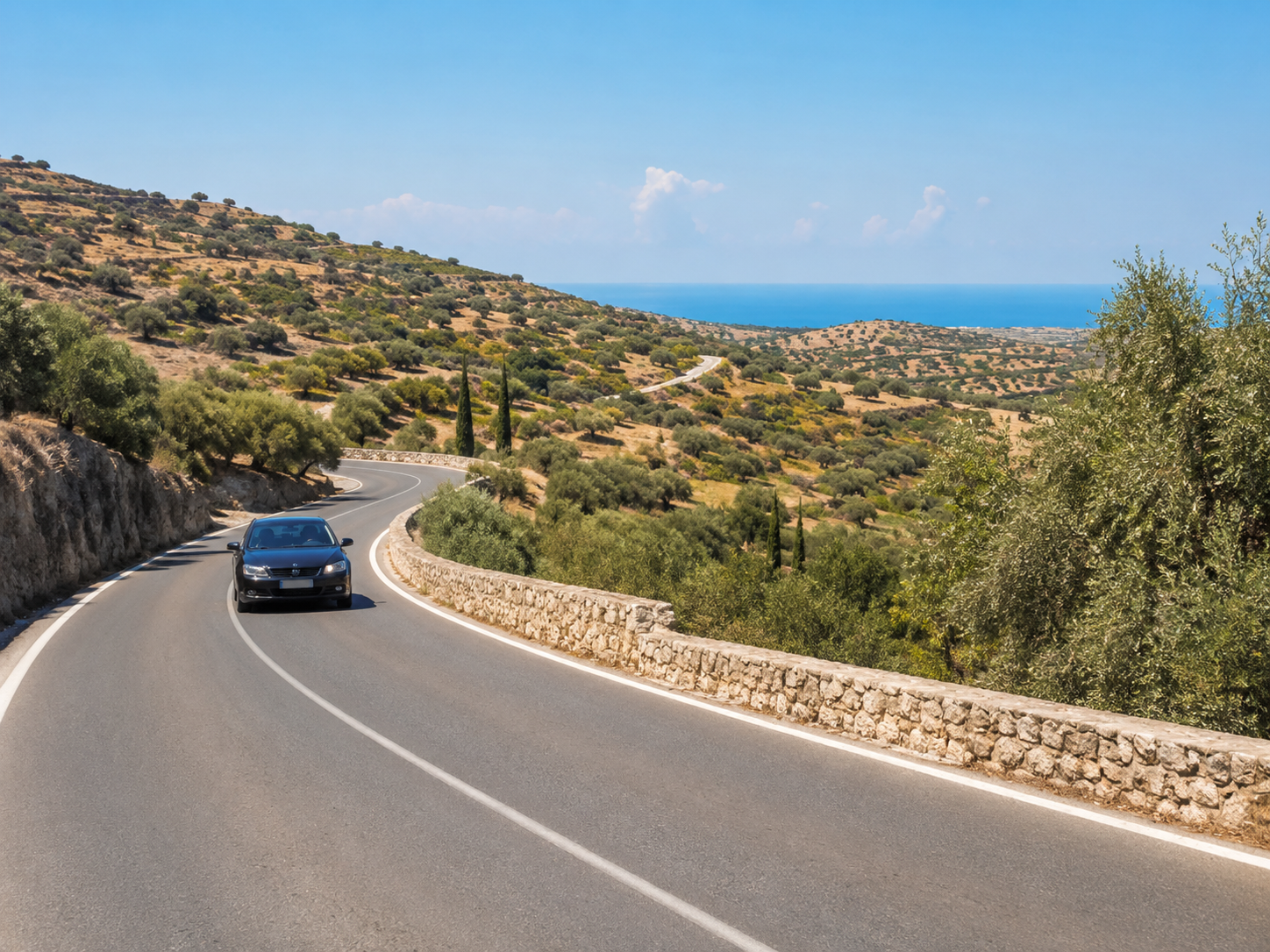
Not always, but for an exploratory trip, we would usually want one. Cyprus is relatively straightforward to cross by road, and the main cities and resort regions are connected by a developed road network. Traffic drives on the left.
The detailed practicalities of driving — rental cars, insurance, parking, road conditions, fuel, local rules and what to check before collecting a vehicle — belong in our Driving in Cyprus guide. Here, the more important question is whether driving improves your particular trip enough to justify the car.
A Car Makes Particular Sense If You Want To:
- combine several regions
- spend meaningful time in the Troodos Mountains
- explore wine villages
- seek out rural restaurants and tavernas
- reach walking routes away from the main towns
- visit beaches outside established resort areas
- explore the wider Akamas region
- stay in a rural villa or countryside property
- travel with substantial luggage or equipment
- keep your days deliberately unstructured
The real advantage is not simply speed; it is optionality. You leave somewhere earlier than expected, stay longer somewhere else or stop because you saw a village, viewpoint or bakery that was never part of the plan. That kind of flexibility matters in Cyprus because some of the island’s most rewarding places do not fit neatly into a transport timetable.
When We Would Not Automatically Rent A Car
A car can also become something you manage rather than something you benefit from. If you have booked a central hotel, intend to spend most of your time nearby and expect only one or two longer excursions, paying for a vehicle to sit parked for much of the week makes little sense.
This is particularly true for travelers who want a slower trip rather than an island-wide one. Imagine several nights in Larnaca centered around Finikoudes, the old town, Mackenzie, restaurants and the sea; a short stay in central Nicosia built around museums, neighborhoods and food; or a beach-focused holiday in Protaras where most of what you came for lies within a relatively small radius.
A car may broaden those trips, but it does not necessarily improve them. The mistake is assuming that independent travel always means driving; sometimes independence means choosing a base that allows you not to.
The Hybrid Option Is Often Better
One of the smartest ways to travel around Cyprus is to stop treating car rental as an all-or-nothing decision. You might spend the first part of the trip without a car, collect one for the exploratory days, then return it before the final night. You might stay somewhere walkable first, then rent a car when moving to a mountain, village or villa base.
You might also arrange a transfer after a late flight rather than collecting a vehicle when tired, then begin driving the following day. For some itineraries, this is better than having the same transport arrangement from arrival to departure: the transport changes when the trip changes, so you are not paying for mobility you do not use or giving up mobility on the days when it matters.
Getting Around Cyprus By Bus
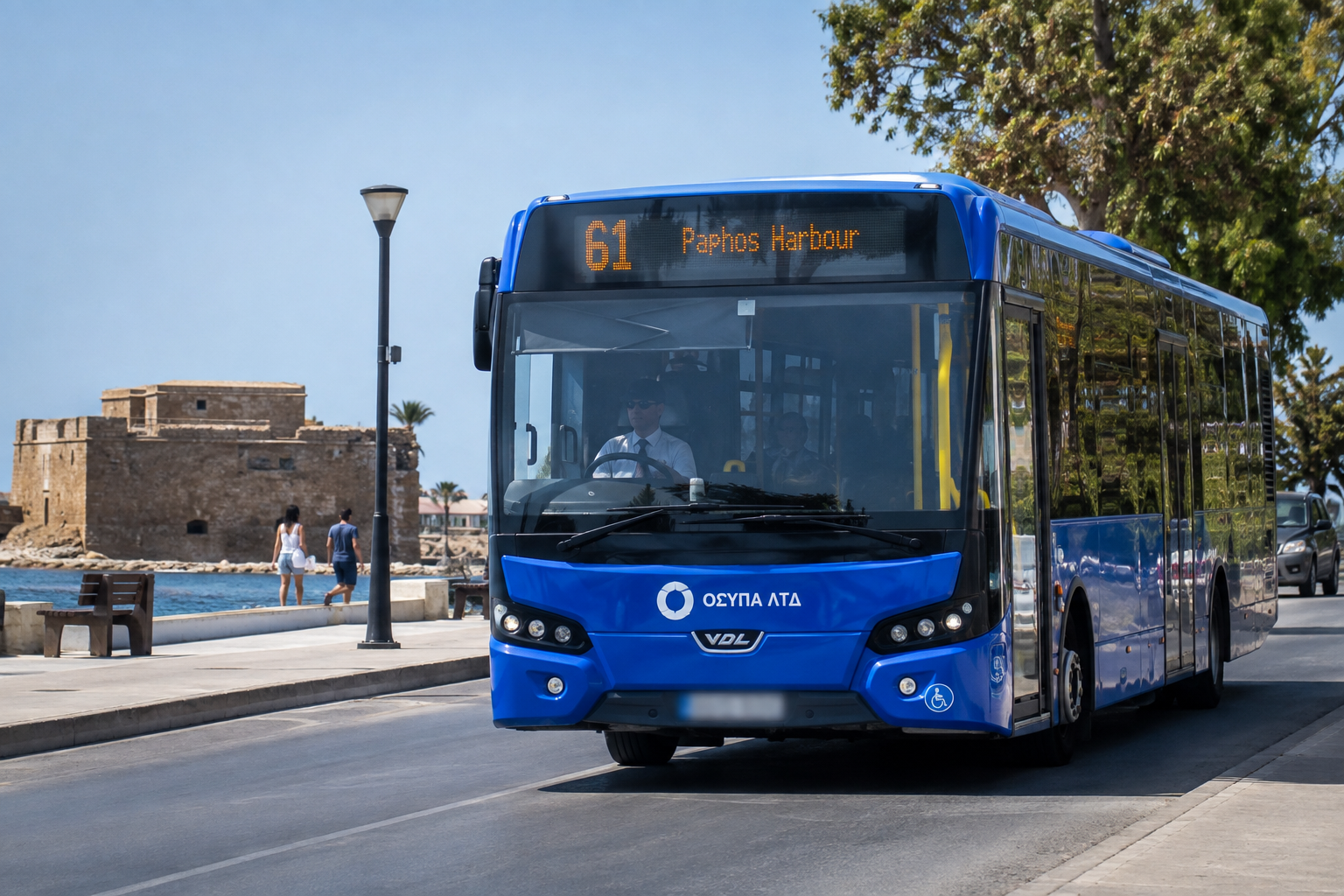
Cyprus has local and intercity bus services, and they can be very useful when the journey matches the network. Their greatest strength is straightforward travel between major population centers, established urban areas and resort corridors; their weakness is the opposite.
The farther your itinerary moves into rural Cyprus, mountain villages, scattered attractions or places where you want complete control over timing, the less natural a bus-based trip becomes. For a traveler moving between major cities or staying in one well-connected resort area, buses may remove the need for a car entirely. For a traveler trying to link a winery, monastery, village lunch and remote beach in the same day, they are usually the wrong tool.
The distinction is not whether public transport is “good” or “bad.” It is whether it matches the trip you are trying to make.
Think Door To Door
This matters especially with intercity journeys. A bus may connect two cities perfectly well, but your hotel may not be beside the stop, your restaurant that evening may sit elsewhere, and the beach or archaeological site you want the next morning may require another journey.
Do not judge a public-transport itinerary by whether two place names can be connected. Judge it by the complete journey: accommodation door to accommodation door. That is the test that matters.
Local Buses: Use Them Selectively
Local buses can extend the useful radius of a walkable base considerably. In coastal cities and resort areas, they can be particularly useful for reaching beaches, central districts and established visitor areas without needing to drive. They are less attractive when the day depends on several connections, remote destinations or returning at a precise time.
A traveler staying somewhere genuinely walkable can use buses as an extension of the trip; a traveler staying somewhere isolated may be forced to use them as the foundation of the trip. Those are very different experiences.
If you are planning a bus-dependent journey, verify the relevant route, timetable and stop directly before relying on it. Transport operations can change, particularly around weekends, public holidays, road works or seasonal adjustments.
Getting Around Paphos
 Kato Paphos Promenade
 Coral Bay Beach, Paphos
Paphos shows why the name of a destination does not tell you whether you need a car. Stay around Kato Paphos and you can reach restaurants, the harbor area and several important archaeological sites without driving, while local transport and occasional taxis can extend the range.
The wider district is another proposition. Coral Bay, Peyia, inland villages, Polis and the landscapes approaching Akamas make a car far more useful. For a holiday centered mainly on Kato Paphos, you can manage well without one; for deeper exploration of the region, independent transport changes what is practical.
Getting Around Limassol
 Dasoudi Beach, Germasogeia, Limassol
Limassol stretches along the coast rather than concentrating everything into one compact center, so a property described as being in Limassol may still sit some distance from the historic center, marina or restaurants you want to reach.
For an urban stay focused on the city and waterfront, a car can be optional. Once the itinerary moves toward the wine villages, mountain foothills or rural Limassol, its value rises quickly.
Getting Around Larnaca
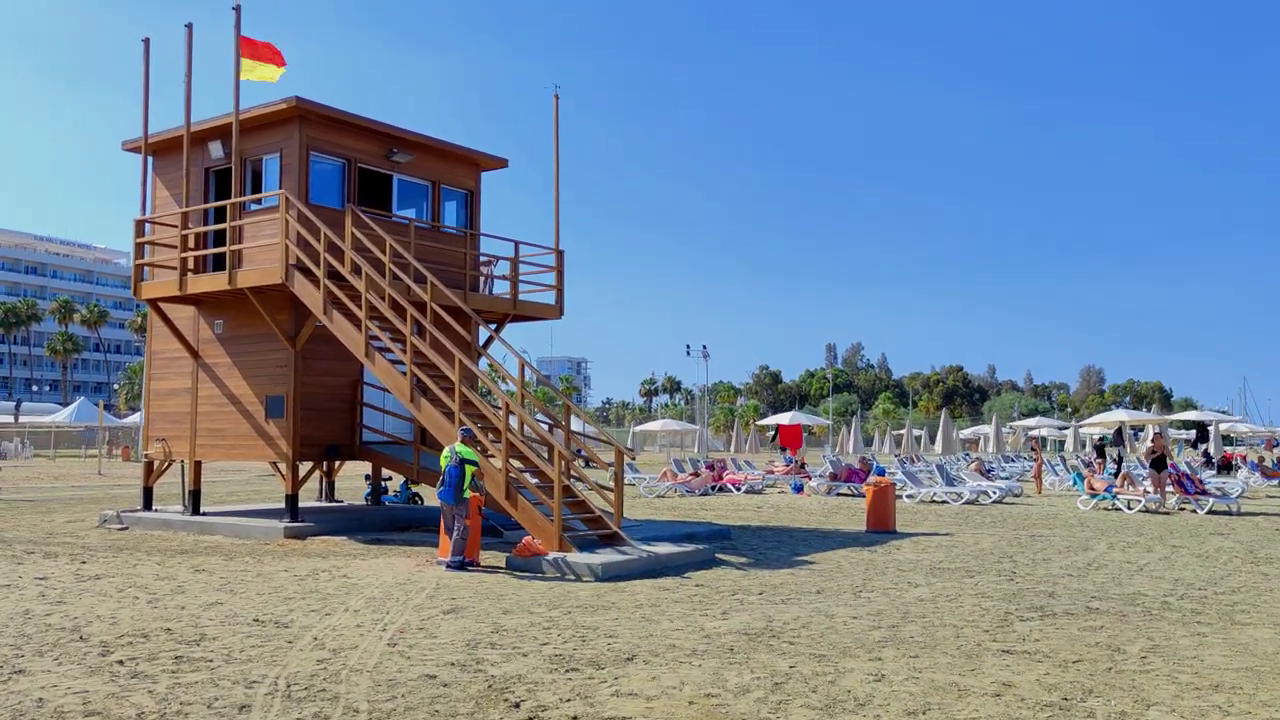 Finikoudes Beach, Larnaca
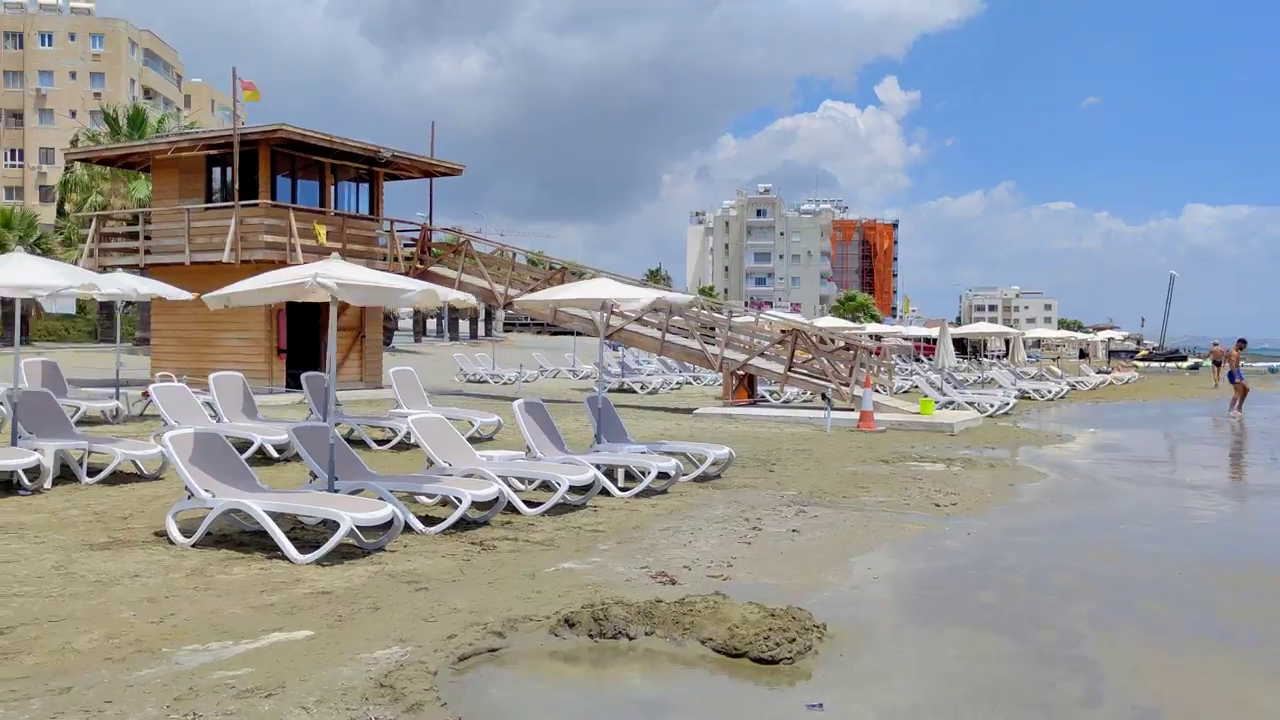 Mackenzie Beach, Larnaca
Larnaca is one of the easier major Cyprus bases for travelers who want to reduce their dependence on a car. Finikoudes, the old streets behind it and much of the central dining scene can be explored on foot, while Mackenzie sits farther away but remains within the wider urban area.
For a trip centered mainly on Larnaca itself, walking, buses and taxis can work very well. Add countryside, villages and repeated regional exploration, and the case for a car becomes stronger.
Getting Around Nicosia
 Cyprus Museum, Nicosia
 Eleftheria Square, Nicosia
Central Nicosia is best experienced partly on foot. Museums, shops, restaurants and different layers of the old city sit relatively close together, and the historic center reveals itself better at street level than through a windshield.
The wider capital spreads well beyond that core. For a short cultural stay centered on old Nicosia, we would not rent a car simply because we were in Cyprus; for outer districts, countryside or repeated day trips, we would reconsider.
Getting Around Ayia Napa And Protaras
 Makronissos Beach, Ayia Napa
 Fig Tree Bay, Protaras
Ayia Napa and Protaras can work extremely well without a car when the holiday is strongly beach-centered. Choose the accommodation carefully and much of the trip may happen within the resort area, supplemented by buses or occasional taxis.
A car becomes more compelling when you want to travel repeatedly outside that corridor, seek out quieter stretches of coast or use the southeast as a base for seeing more of Cyprus. There is little value in renting one merely to leave it outside the hotel, and equally little value in avoiding one if transport begins to dictate every day.
Troodos And Akamas: Where Independence Matters More
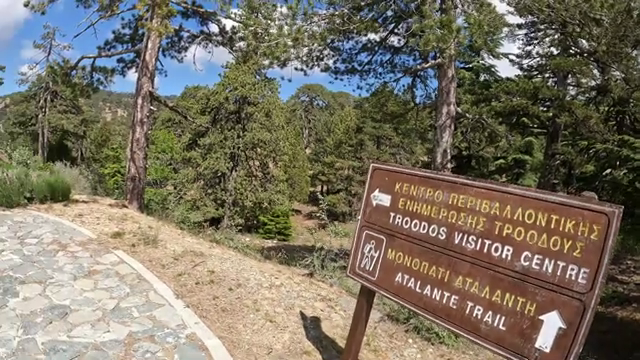 Atalanti Trail, Troodos Square
 Akamas Peninsula, Paphos
The argument for independent transport becomes considerably stronger once the trip moves into Troodos or the wider Akamas region. Villages are scattered, roads branch, and monasteries, wineries, restaurants, walking routes and viewpoints rarely sit along one convenient visitor corridor.
More importantly, these are places where flexibility improves the experience. Lunch runs late, a walk takes longer than expected, weather changes in the mountains or you stop in a village because it looks interesting. A tightly controlled timetable can make these regions feel smaller than they are.
Akamas presents an additional consideration: not every road or track is appropriate for every vehicle. Road surfaces and access conditions can vary, and rental agreements may restrict where vehicles can be driven. Never assume that because a route appears on a digital map it is suitable for your rental car; check road conditions, access requirements and your rental terms when leaving ordinary surfaced roads.
Taxis in Cyprus
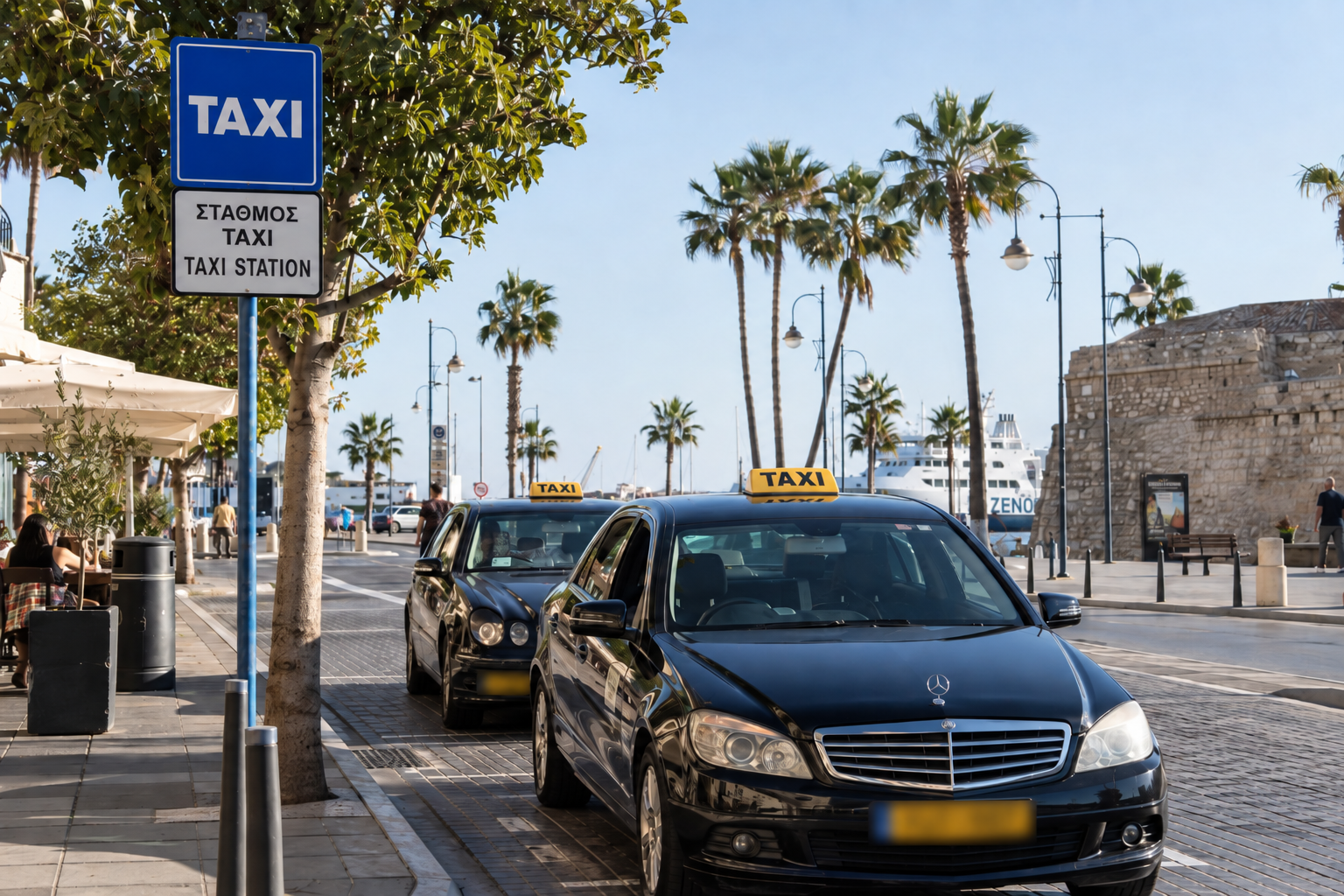
Taxis are most useful when convenience matters more than frequency: airport to accommodation, hotel to restaurant, dinner back to a villa, a journey where parking would be inconvenient or an evening when nobody wants to drive.
For occasional trips, that can be an excellent solution. For repeated long-distance exploration, it becomes less convincing. Four taxi rides during a holiday are transport; four taxi rides every day are an itinerary built around taxis. If you expect to rely heavily on them, compare that approach with the cost and convenience of renting a car.
Private Transfers

A prearranged private transfer can be one of the easiest ways to handle a specific journey. It is particularly useful after a late arrival, when traveling with substantial luggage, when staying away from the main urban centers or when you simply want the first journey organized before you land.
Transfers also work well for travelers who intend to rent a car later rather than immediately. The trade-off is straightforward: you gain door-to-door convenience for that journey, but not continuing mobility. For airport-specific planning, see Airports & Arriving in Cyprus.
Walking in Cyprus
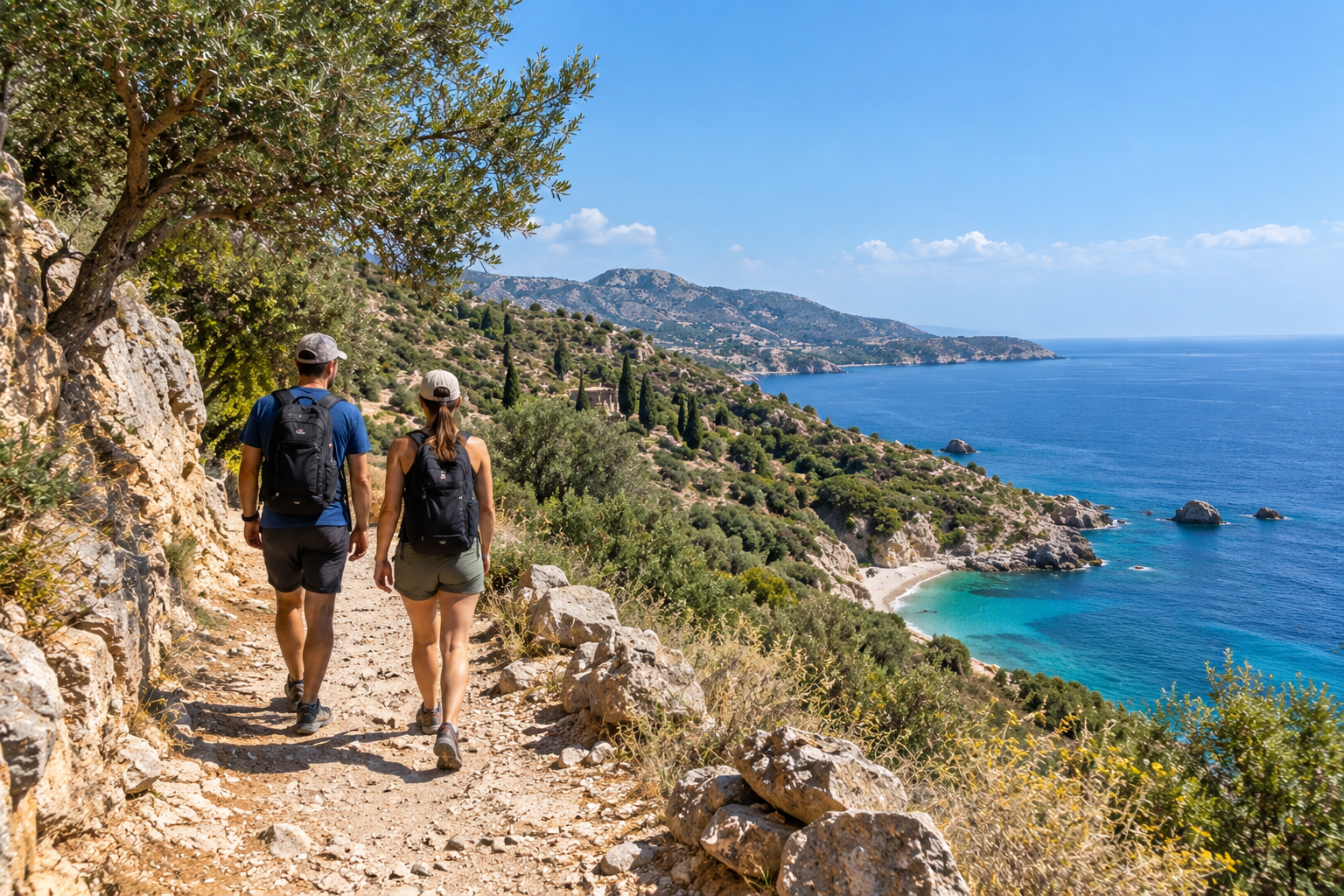
Walking works beautifully in parts of Cyprus, but it does not work as an island-wide transport strategy. Central Larnaca, old Nicosia, sections of Kato Paphos, central Limassol and the compact cores of many villages reward being explored on foot, while beach resorts can also be highly walkable if the accommodation has been chosen with that in mind.
Do not judge walkability from straight-line distance alone. Heat, hills, road design and the quality and continuity of pavements all matter, and a walk that feels effortless early in the morning can feel completely different in the middle of a hot summer day.
Accommodation location therefore matters disproportionately for travelers without a car. A few hundred meters in the right direction can improve a holiday more than saving a little on the room. For the accommodation decision, see Where to Stay in Cyprus Without a Car.
Cycling Is Not A Universal Substitute For A Car
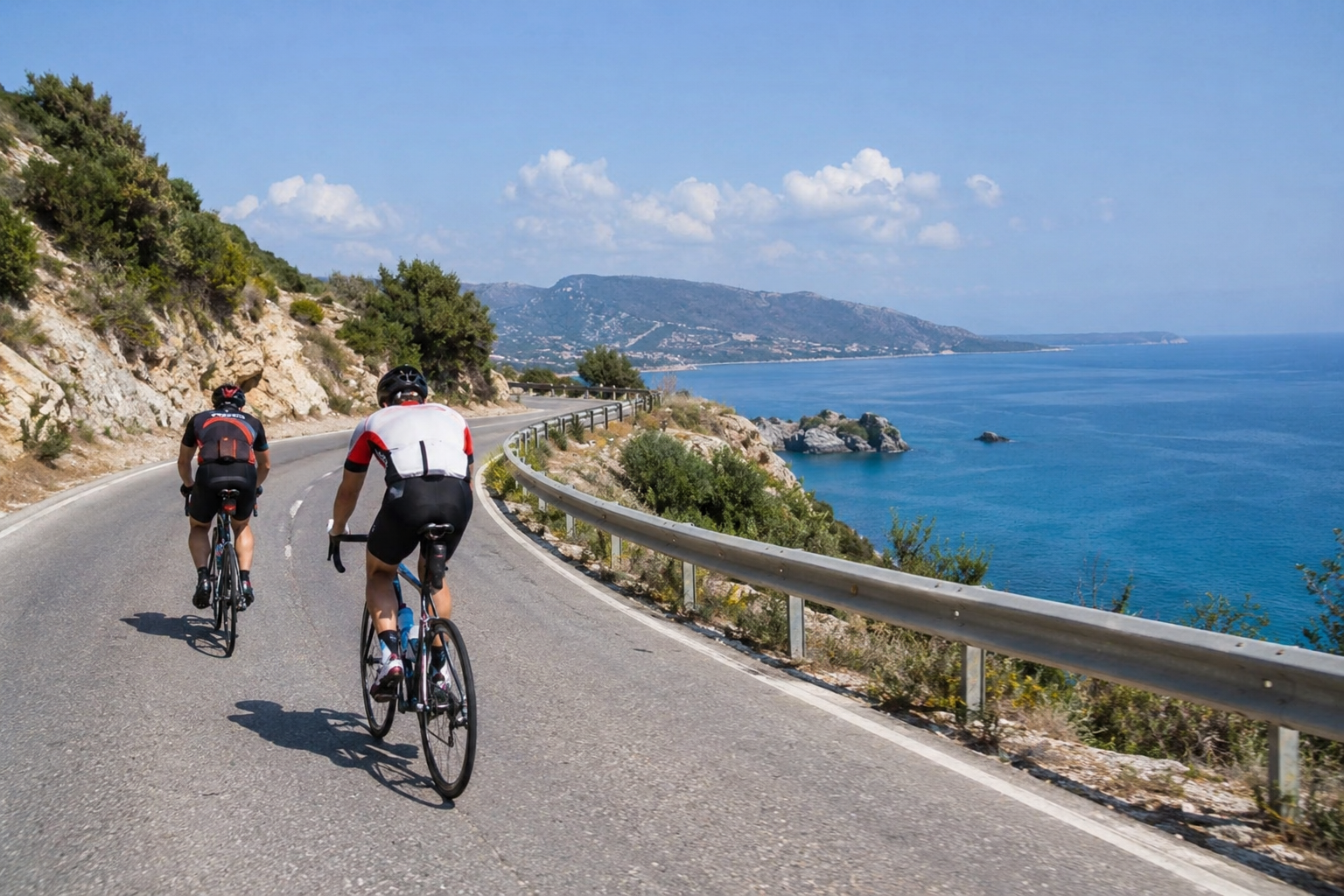
Cyprus has excellent reasons to cycle, but that does not make a bicycle the practical replacement for a car for most visitors. Heat, gradients, road choice, distances, luggage and traffic all matter.
Serious cyclists may deliberately build an entire trip around riding. Casual travelers should not assume that because two places look close on a map they will make an easy everyday cycle. Treat cycling as a deliberate part of the trip, not as the automatic solution to avoiding a rental car.
Organized Excursions Can Solve One Part of The Problem
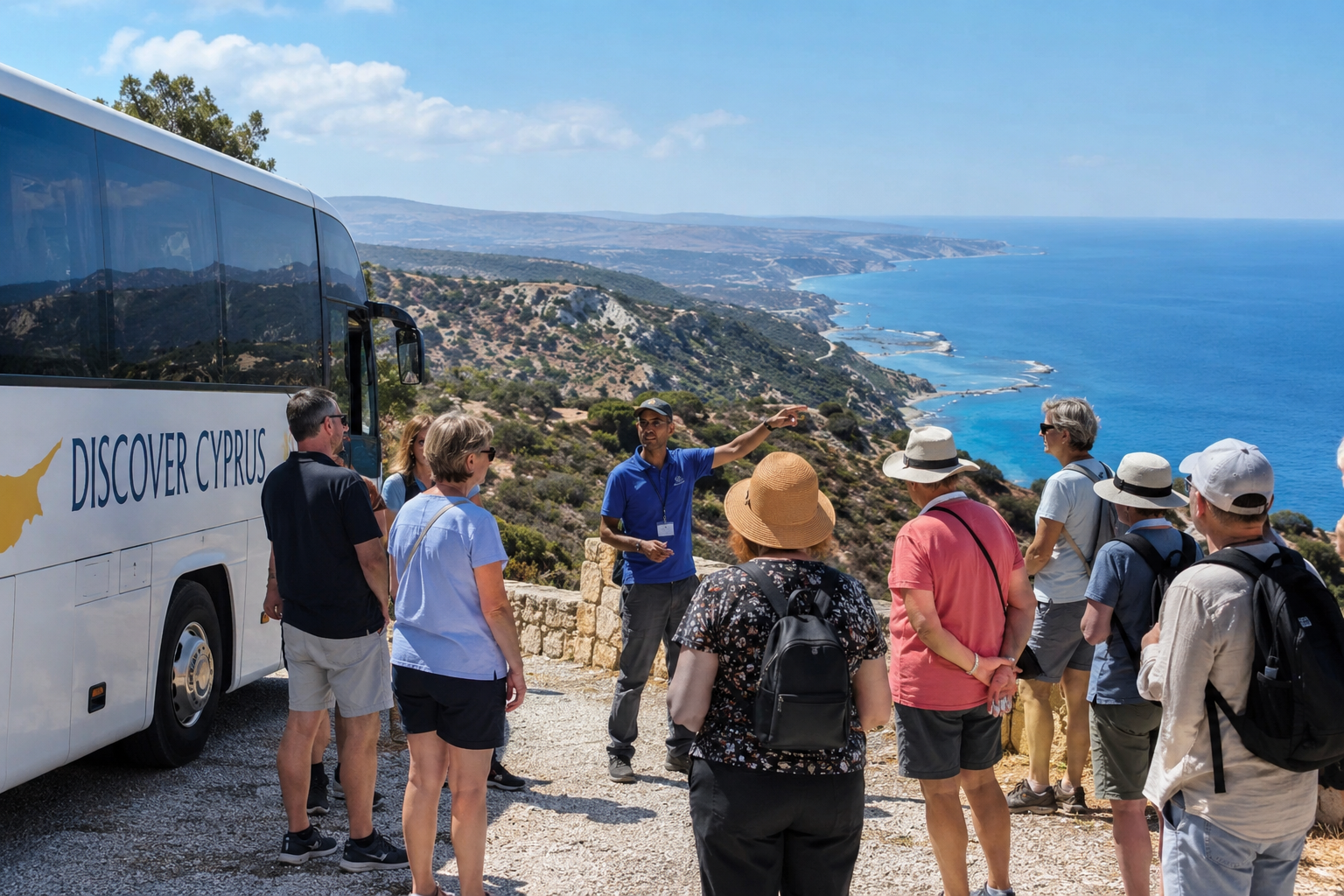
Independent travelers sometimes dismiss organized excursions because the words sound incompatible with traveling independently. They are not. A well-chosen excursion can remove the need to rent a car for one particular day, especially when you are based in a city or resort and want to visit places that would otherwise be awkward to combine without driving.
The question is not whether somebody else organized the transport. It is whether the structure of the day costs you more freedom than it gives you convenience. For one or two excursions, that trade can be excellent; for an entire holiday, it may begin to feel like someone else’s itinerary.
Choose The Base And The Transport Together
This is the part many travelers get backward: they book the accommodation first, then ask how they will get around. In Cyprus, those decisions should often happen together.
A beautiful villa several kilometers outside a village is not really a car-free accommodation. A central hotel beside restaurants and a promenade may remove the need for a vehicle almost entirely. A mountain property changes the calculation again, and so does a beach resort.
Transport therefore forms part of the real cost and convenience of the accommodation choice. A cheaper room that requires regular taxi journeys may not be cheaper in practice; a more expensive central hotel that allows you to walk may offer better value; and a rural villa combined with a rental car may create precisely the freedom you wanted from the trip.
Transport and accommodation are not separate planning categories in Cyprus. They shape each other.
Who Can Comfortably Visit Cyprus Without A Car?
We would be comfortable recommending a car-free trip to travelers who:
- choose accommodation specifically for walkability
- intend to spend most of the trip within one city or resort
- are happy using buses selectively
- prefer a slower itinerary
- are comfortable taking occasional taxis
- use excursions for harder-to-reach places
- do not need complete control over every day’s timing
We would be much less enthusiastic about a car-free itinerary when the priorities are:
- mountain villages
- wineries
- rural food
- hiking
- remote stretches of coast
- frequent day trips
- several regions
- spontaneous exploration
Neither approach is more sophisticated; they simply create different trips.
What We Would Not Do
We would not rent a car automatically because someone says, “You need a car in Cyprus.” That is too crude. We would not plan an ambitious rural itinerary around buses without checking whether the individual journeys actually work, and we would not book an isolated villa and only afterward investigate transport.
We would not use taxis as the default method for a week of cross-island exploration without first comparing the practical cost of renting a car. We would not choose accommodation described as “close to everything” without checking what everything means, assume that a road shown on a map is suitable for every rental vehicle, or build an important connection around transport information that we had not checked before traveling.
Good transport planning is rarely about finding the universally best option. It is about removing the friction that would interfere with your trip.
Check The Details Before You Rely On Them
Transport information changes. Routes, timetables, stops, fares and ticketing arrangements can be revised; roads may be affected by works, weather or temporary restrictions; taxi charges and operating arrangements can change; and rental companies set their own age requirements, deposits, insurance conditions, exclusions and rules on where vehicles may be driven.
For anything that could materially affect your journey, check the latest information directly with the relevant transport provider, rental company or appropriate authority before relying on it. Pay particular attention to airport journeys, first or final services of the day, weekend and public-holiday travel, rural connections, time-sensitive transfers, rental insurance and exclusions, and routes involving unsurfaced, mountain or remote roads.
A few minutes of checking before the journey is considerably better than discovering after arrival that the assumptions behind your itinerary were wrong.
The Cyprus By Locals View
There is no single best way to get around Cyprus; there is a best way to get around the Cyprus you have chosen. For a week of beaches, dinners and a well-located hotel, that may mean walking, buses and the occasional taxi. For a trip through Troodos, wine villages, archaeological sites and quieter stretches of coast, it will probably mean a car.
For many travelers, the best answer lies between the two: choose a walkable base, drive only when independence genuinely improves the day, and stop paying for mobility you do not need.
Transport is not background logistics here; it sets the radius of the trip, and in Cyprus, what lies just beyond that radius is often the reason you wanted to travel in the first place.