Newsletter "Beyond the Postcards" Subscribe
Plan Your Cyprus Trip: Hotels: Expedia, Villas & Apartments: Vrbo, Car Rentals: DiscoverCars, Tours: GetYourGuide, Airport Transfers: WelcomePickups
- Home
- Things To Do in Cyprus
- Hiking in Cyprus
Hiking in Cyprus: Forest Trails, Coastal Walks & Waterfalls
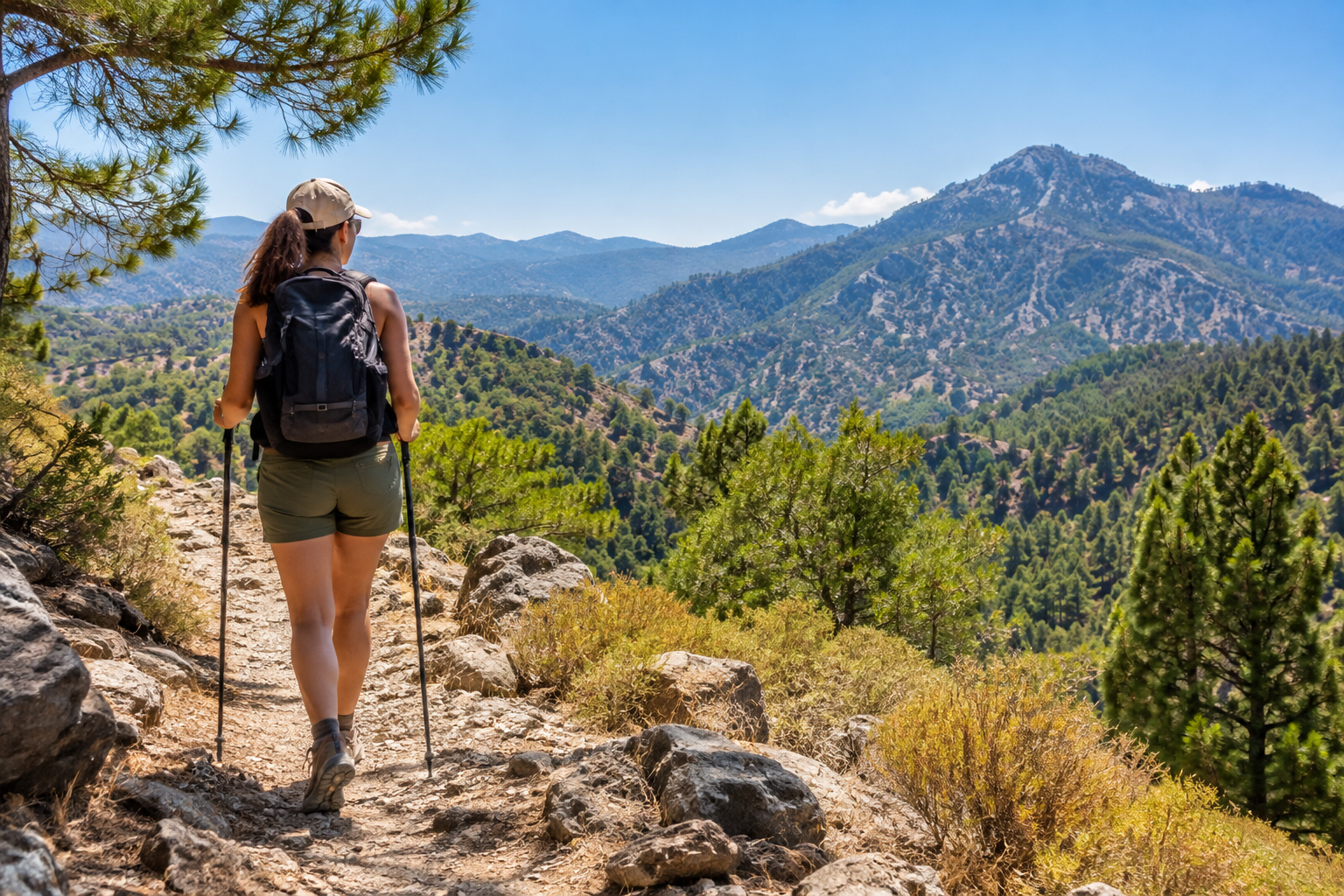
We have started walks in Cyprus that seemed straightforward, only to find that the uphill sections, uneven ground, and exposure to the sun demanded more effort than expected. The distance alone had not prepared us for the experience. It taught us something about choosing a trail: the scenery matters, but so does the journey required to enjoy it.
Cyprus offers remarkably different walking environments. Forest paths wind through the Troodos Mountains, rocky trails cross the hillsides of Akamas, and coastal routes reveal the Mediterranean from above. There are also waterfall walks and gentler nature trails for those who prefer spending a few relaxed hours outdoors.
For us, the right hike is not necessarily the most famous or the most demanding. It is the one that suits the kind of day you want to spend exploring Cyprus.
Why Go Hiking in Cyprus?
Cyprus has a remarkable variety of landscapes for an island of its size. Within a relatively short distance, the scenery changes from Mediterranean coastline to wooded valleys and mountain ridges. Hiking allows you to experience those differences more closely, particularly in places where the landscape cannot be fully appreciated from the road.
Walking also changes what you notice. Rather than passing through the scenery, you become more aware of the vegetation, the surrounding terrain, and the views appearing along the route. A mountain forest offers a different atmosphere from an exposed coastal path, even when both walks take approximately the same amount of time.
You do not need to be an experienced hiker to enjoy this side of Cyprus. Some nature trails fit comfortably into a day of sightseeing, while longer routes can become the main experience of the day. The choice depends on how much time and effort you want to devote to exploring the island on foot.
Choosing The Right Hiking Experience in Cyprus
The distance of a trail is a starting point, not a reliable measure of how demanding the walk will be. A shorter route over rocky terrain may require greater effort than a longer walk following a relatively gentle forest path. Elevation changes, exposure, and the time of year can also make a considerable difference.
We would choose Troodos for travelers who enjoy forest walking, mountain scenery, and the possibility of combining a hike with lunch in a nearby village. Akamas is a different proposition. Its exposed, rocky landscapes and elevated Mediterranean views are particularly rewarding for walkers who appreciate rugged terrain and are prepared for the physical effort involved.
Neither is inherently the better hiking destination. Someone who enjoys a shaded woodland walk may find a demanding climb in Akamas less appealing, while a traveler drawn to open coastal scenery might prefer the peninsula to the forested mountains.
The following seven guides explore the different hiking experiences available in Cyprus, helping you choose according to the landscapes you want to explore and the effort involved.
Best Hiking Trails in Cyprus
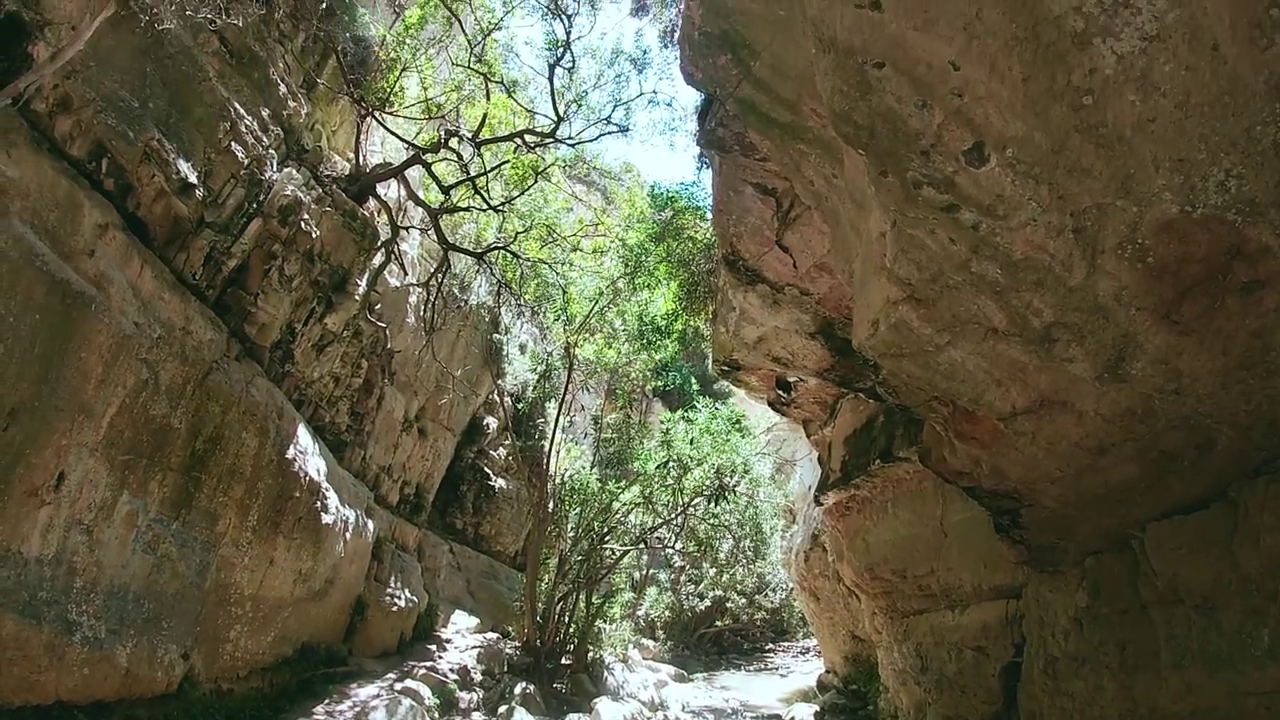 Avakas Gorge, Peyia, Paphos
Some hiking trails stand out because of their scenery, while others offer a particularly rewarding combination of landscape, atmosphere, and walking experience. The Artemis Trail in Troodos, the Aphrodite Trail in Akamas, and the coastal paths around Cape Greco illustrate just how varied hiking in Cyprus can be.
If you are choosing one hike rather than planning an entire walking vacation, Best Hiking Trails in Cyprus is a useful starting point. It brings together routes from different parts of the island, considering what makes each worthwhile and who is most likely to enjoy it.
Hiking in The Troodos Mountains
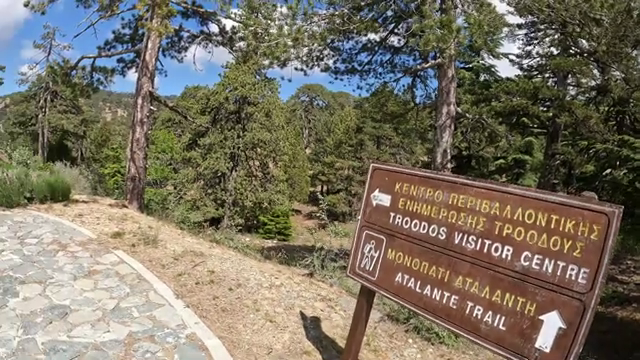 Atalanti Trail, Troodos Square
The Troodos Mountains offer some of the most enjoyable walking environments in Cyprus, particularly for travelers attracted to woodland scenery and mountain landscapes. Pine forests, shaded paths, and elevated viewpoints create an experience quite different from the open countryside and coastal resorts.
We particularly enjoy the changing atmosphere along the forest trails. Walking beneath the pine trees, we have found the shade and mountain air especially pleasant. Then, as the trees occasionally give way to more open ground, the surrounding mountains come into view. That transition from an enclosed woodland path to an expansive mountain landscape adds something special to the walk.
Troodos is a strong choice for travelers who want to combine hiking with exploring mountain villages and enjoying the quieter side of Cyprus. The higher elevations can offer relief from coastal summer heat, although exposed sections and changing mountain weather still require attention.
For a closer look at the area's nature trails, different walking environments, and the considerations involved in choosing a mountain route, explore Hiking in The Troodos Mountains.
Hiking in Akamas
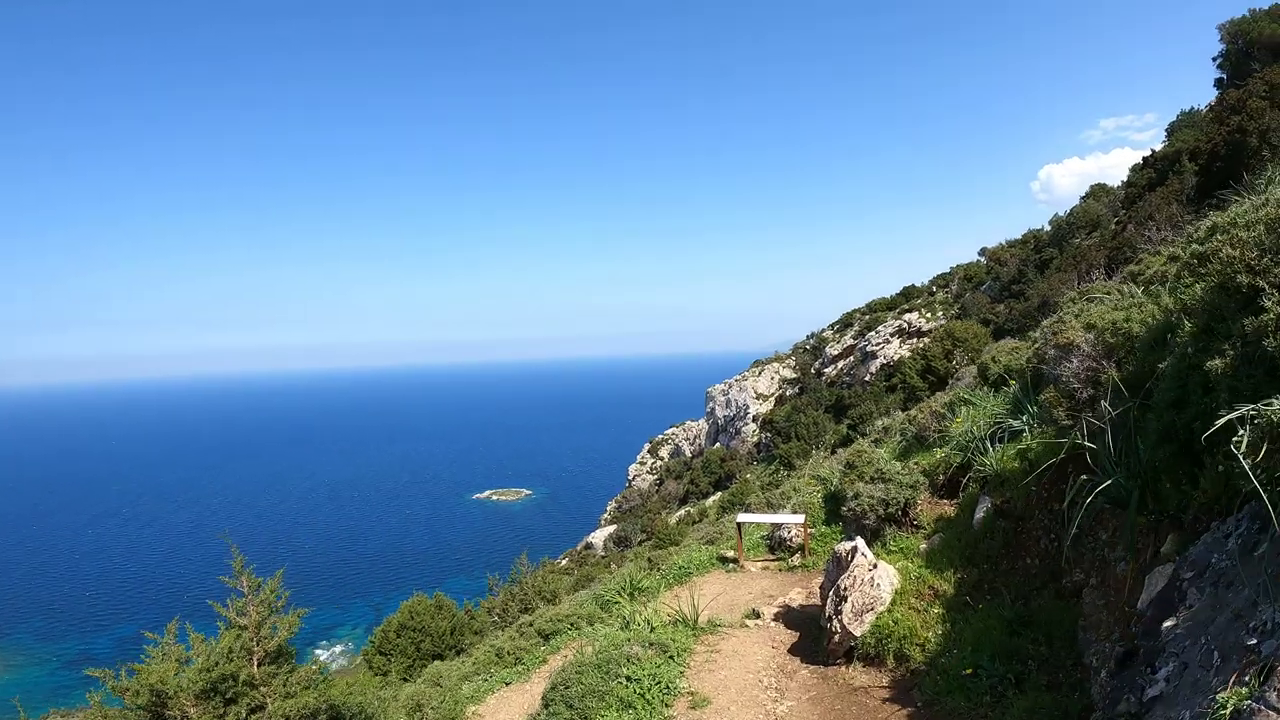 Hiking in Akamas, Paphos
Akamas offers a more rugged hiking experience. Its open hillsides, rocky paths, and elevated coastal views attract walkers who appreciate natural landscapes with fewer built-up surroundings. Compared with the forested paths of Troodos, parts of Akamas can feel considerably more exposed.
During our walks in Akamas, we have repeatedly found ourselves looking toward the coastline. From the higher sections of the trails, the Mediterranean stretches below, while the rugged landscape extends toward the sea. Those views are particularly rewarding after making your way uphill over uneven ground.
Yet the scenery should not distract from the effort involved. We have found that walking over rocky terrain under the sun requires concentration and stamina, even when the coastline is visible and the destination seems relatively close. Akamas deserves enough time to enjoy both the route and its surroundings, rather than being treated as a quick stop between other activities.
The peninsula's principal walking routes, including the well-known Aphrodite and Adonis trails, are examined in Hiking in Akamas, together with their differences and the practical considerations involved in exploring the area.
Waterfall Walks in Cyprus
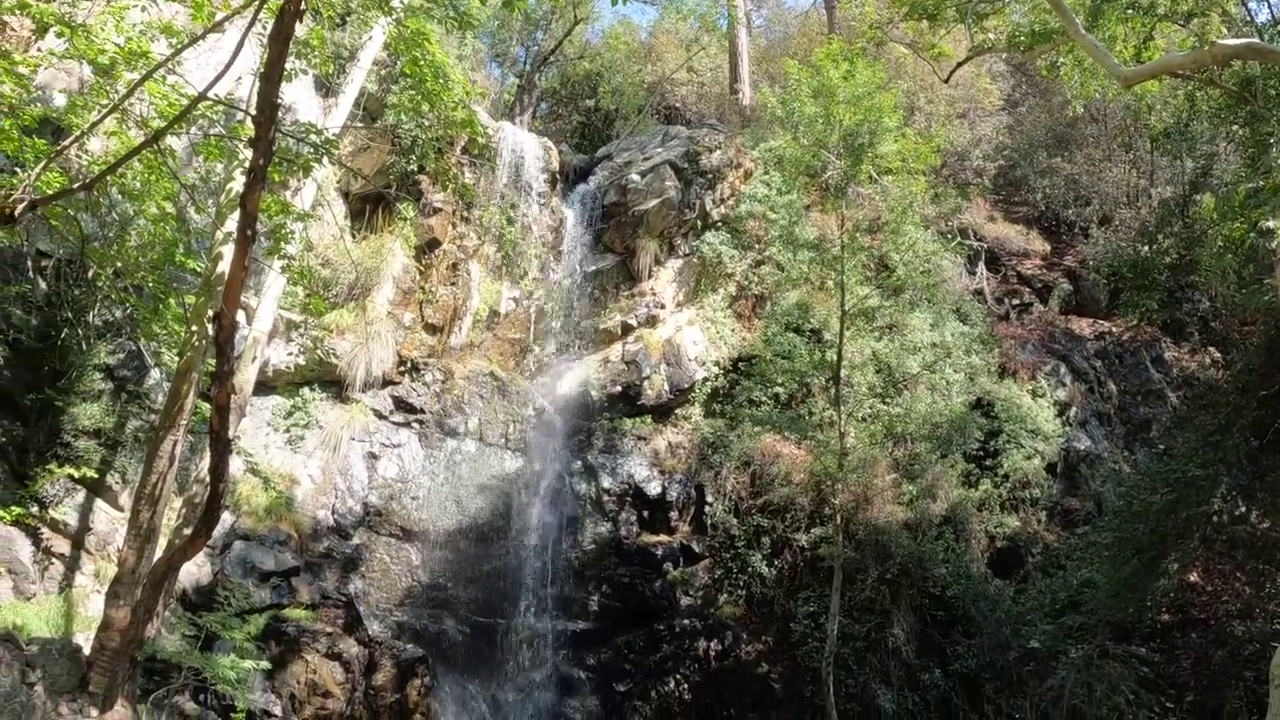 Caledonia Waterfall
Waterfall walks offer another side of the Troodos landscape. Instead of following exposed ridges and mountain viewpoints, you can explore wooded valleys where streams, vegetation, and rocky waterways become part of the experience.
We particularly enjoy the Caledonia Nature Trail near Platres. Along the route, the variety of plants and the surrounding greenery make the walk worthwhile even before reaching the waterfall. For us, arriving at Caledonia Waterfall is a wonderful reward, but the journey through the natural surroundings is equally enjoyable.
In summer, we prefer an early morning start, before the sun becomes intense. Carrying drinking water and wearing comfortable walking shoes with suitable grip are important, particularly where the ground is rocky or slippery. The waterfall can be reached as part of a shorter outing, but it lies along a longer linear trail, so the route and return arrangements should be considered beforehand.
Caledonia and Millomeris are among the best-known waterfall destinations in Cyprus, although their approaches and walking conditions differ. If a waterfall is your main reason for setting out, Waterfall Walks in Cyprus helps you consider the walk required to reach it, rather than choosing solely by the waterfall itself.
Coastal Walks in Cyprus
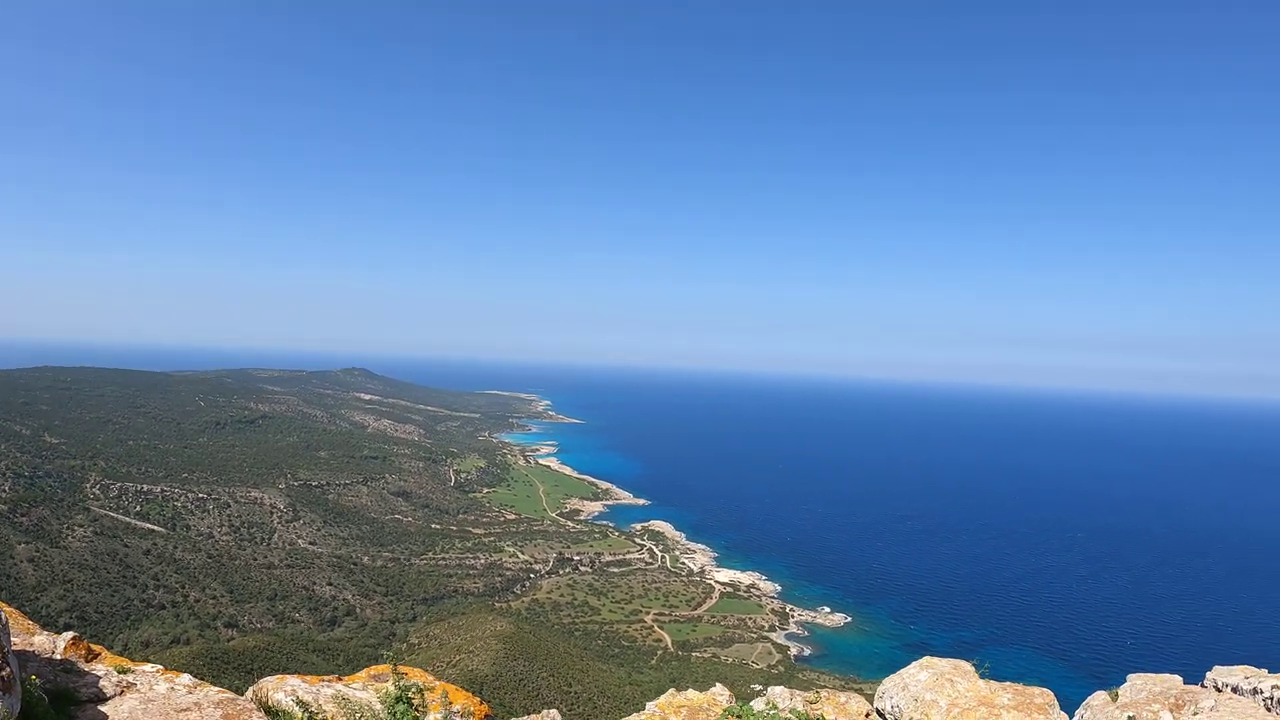 Akamas, Paphos
There is something particularly enjoyable about following a walking path above the Mediterranean. The sea is familiar to anyone spending time along the Cyprus coast, but the view changes when you look down from a hillside or rocky headland rather than out from a beach.
During our coastal walks, we have noticed how much more of the coastline becomes visible from an elevated position. The curves of the shore, rocky formations, and contrast between the land and the sea create a different perspective. We sometimes stop simply to admire the view, even where there is no marked lookout or particular attraction.
Cape Greco offers established coastal walking routes in southeastern Cyprus, while parts of Akamas provide more rugged alternatives. Both appeal to travelers who want to explore the coastline on foot, although the landscapes, levels of exposure, and physical demands differ.
For travelers drawn to the Mediterranean but undecided about where to walk, Coastal Walks in Cyprus explores the differences between relatively relaxed seaside paths and routes across more demanding coastal terrain.
Easy Walks in Cyprus
Not everyone visiting Cyprus wants to spend several hours hiking. A shorter nature walk can be an enjoyable addition to a day exploring mountain villages, archaeological sites, or the countryside, without becoming the main activity of the day.
For travelers who prefer a comfortable pace, we would prioritize a route that allows enough time to enjoy the surroundings without turning the outing into a physical challenge. This can be particularly appealing to families or visitors who want to combine walking with other activities, although the route must still suit everyone taking part.
The distinction matters because a short walk is not necessarily an easy one. In Easy Walks in Cyprus, we focus on routes where the physical effort is generally more manageable, while considering trail surfaces and individual abilities. An easy classification does not necessarily mean a path is accessible to everyone.
Challenging Hikes in Cyprus
For experienced hikers, Cyprus offers routes where the terrain and physical effort become substantial parts of the experience. Steep ascents, long descents, rocky ground, and extended distances can create a demanding day outdoors, particularly in warmer weather.
These hikes appeal to people who enjoy a physical challenge and are comfortable navigating more difficult terrain. However, reaching a viewpoint or completing an ascent is only part of the journey. The return can demand equal attention, particularly when fatigue begins to affect your footing and concentration.
The full route, rather than simply the climb or the viewpoint, is the focus of Challenging Hikes in Cyprus. This guide is intended for experienced walkers deciding which demanding trails are appropriate for their abilities and interests.
Where To Stay For Hiking in Cyprus
Choosing the right accommodation base can make hiking in Cyprus considerably more enjoyable, particularly if you plan to walk on several days. Although the island is relatively compact, mountain roads and journeys to remote trailheads can take longer than the distances on a map might suggest. For travelers planning several early starts, proximity to the trails may be more valuable than a coastal location.
For a vacation centered on mountain hiking, Troodos and the surrounding villages are appealing options. Staying in the mountains allows you to begin walks closer to the trails and combine your days outdoors with village restaurants and a quieter atmosphere. The main trade-off is being farther from the coastal resorts and their wider selection of facilities.
For Akamas, Polis and Latchi provide convenient bases, while parts of the Paphos region can also work well for travelers who want to include occasional hikes during a broader vacation. Protaras and Ayia Napa are useful choices for exploring the coastal paths around Cape Greco.
If hiking is only one part of your stay, changing accommodation may be unnecessary. A comfortable base that suits the rest of your vacation, combined with a carefully planned day trip, can be the more practical choice.
The Best Time To Go Hiking in Cyprus
Spring and autumn are generally appealing seasons for hiking, particularly in lower-elevation areas where summer temperatures can make walking uncomfortable. Spring brings greener landscapes and seasonal flowering, while autumn can provide pleasant opportunities to explore mountain and coastal routes when the weather is suitable.
Summer requires more careful planning. Although the Troodos Mountains are generally cooler than the coastal lowlands, exposed paths can still become very hot. An early start and a route appropriate for the conditions can make a considerable difference to the experience.
In winter, conditions vary between the coast and the mountains. Coastal paths may be enjoyable during periods of mild weather, while higher elevations can experience rain, snow, ice, and difficult walking conditions. Waterfall paths and trails beside streams may also become slippery after rainfall.
We would choose the season and walking area together, rather than assume that every hiking trail in Cyprus is suitable throughout the year. The same route can feel quite different depending on temperature, weather, and ground conditions.
What To Consider Before Hiking in Cyprus
Preparation matters even when a trail appears straightforward. Before setting out, check its length, difficulty, elevation changes, and whether it is circular or linear. For a linear trail, consider how you will return to your starting point and whether the full distance is appropriate for your abilities.
Suitable footwear, sufficient drinking water, and sun protection are important even on relatively short walks. For more remote routes, carry reliable navigation information and a charged phone, and allow enough daylight to complete the hike. Do not assume that drinking water, clear signage, or mobile reception will be available along the way.
Trail conditions, access restrictions, fire risks, and weather warnings can change. Consult current information from the Cyprus Department of Forests and other relevant authorities before setting out, follow posted signs, and avoid closed or unsafe routes. If conditions deteriorate or the terrain exceeds your abilities, turn back rather than continue toward a planned destination.
Hiking carries inherent risks, and no published route description can establish that a trail will be safe or accessible when you visit. In an emergency in Cyprus, call 112. For demanding or unfamiliar routes, walking with a suitably qualified local hiking guide may be preferable to attempting the route independently.
Is Hiking in Cyprus Worth Including in Your Trip?
We believe hiking deserves a place in a Cyprus vacation, even when beaches, restaurants, and cultural experiences are your main interests. A few hours spent walking through a mountain forest or along a coastal path can offer something quite different from the activities that usually fill a holiday itinerary.
We do not remember every distance we have walked. We remember the points where we stopped to look, the stretches that demanded more effort than expected, and the satisfaction of arriving somewhere on foot. A trail may have a marked destination, but some of its most memorable moments happen along the way.