Newsletter "Beyond the Postcards" Subscribe
Plan Your Cyprus Trip: Hotels: Expedia, Villas & Apartments: Vrbo, Car Rentals: DiscoverCars, Tours: GetYourGuide, Airport Transfers: WelcomePickups
- Home
- Things To Do in Cyprus
- Cultural & Historic Experiences in Cyprus
- Monasteries & Churches in Cyprus
Monasteries & Churches in Cyprus
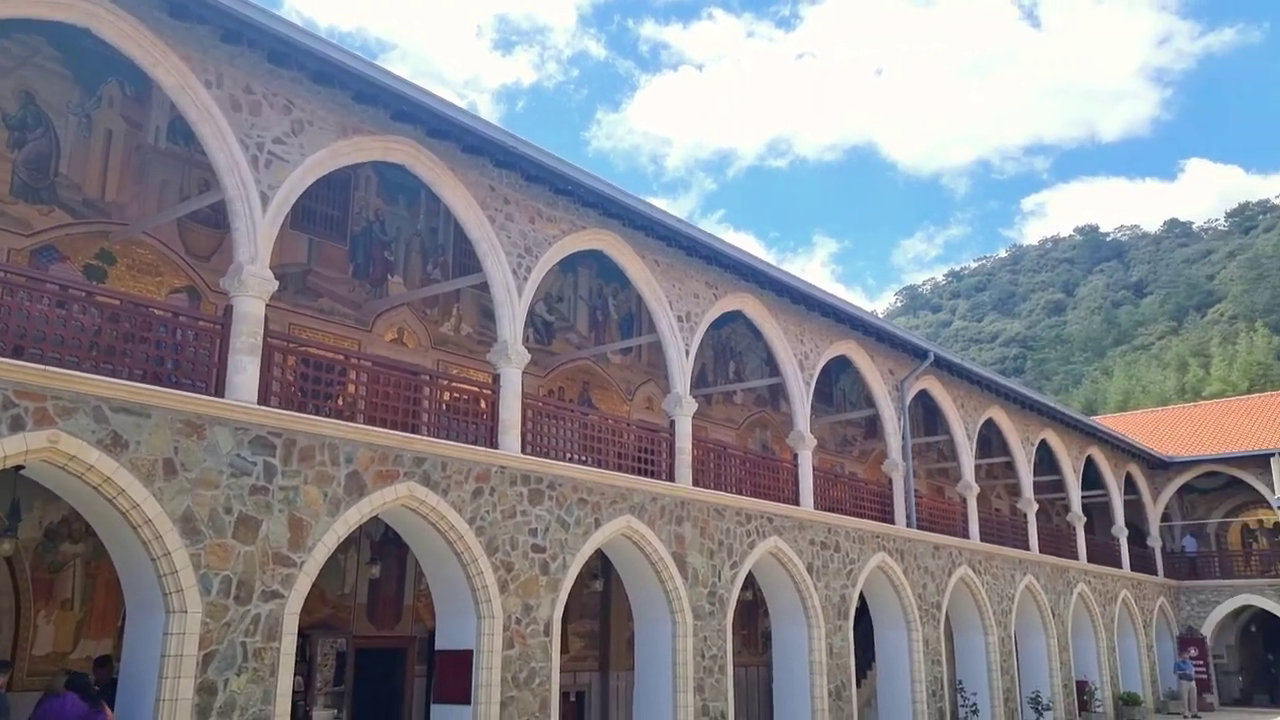
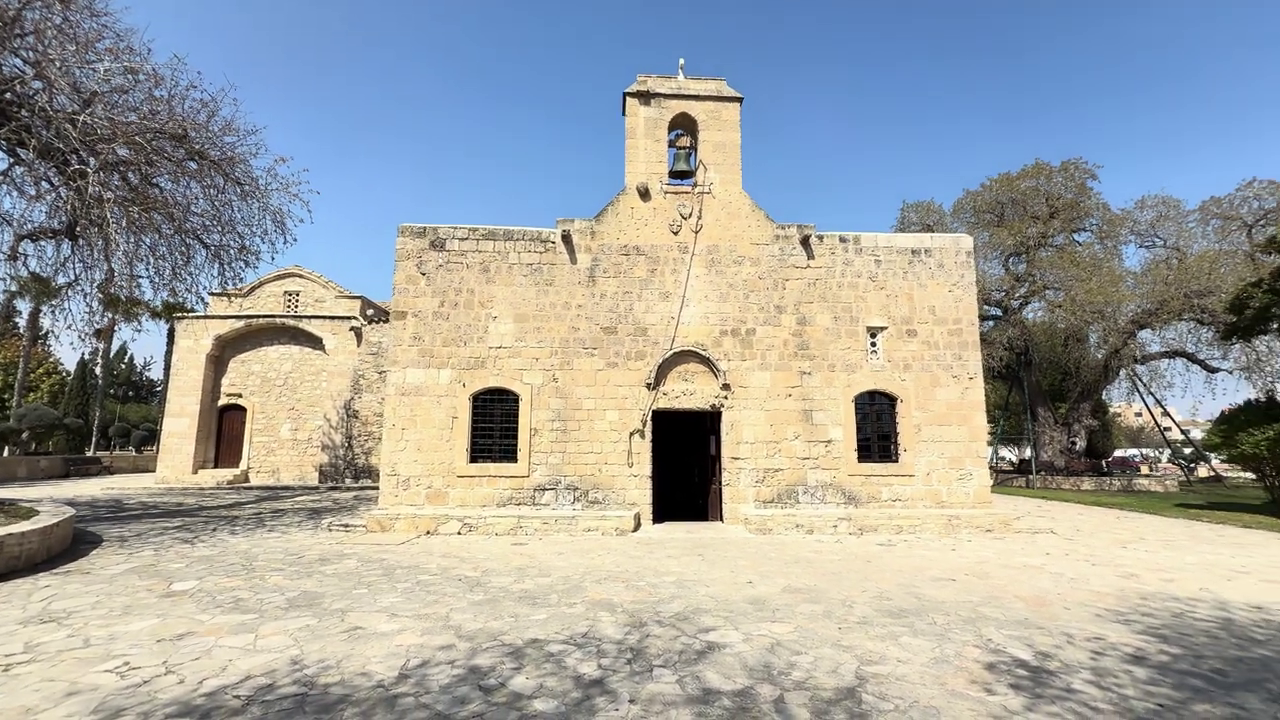
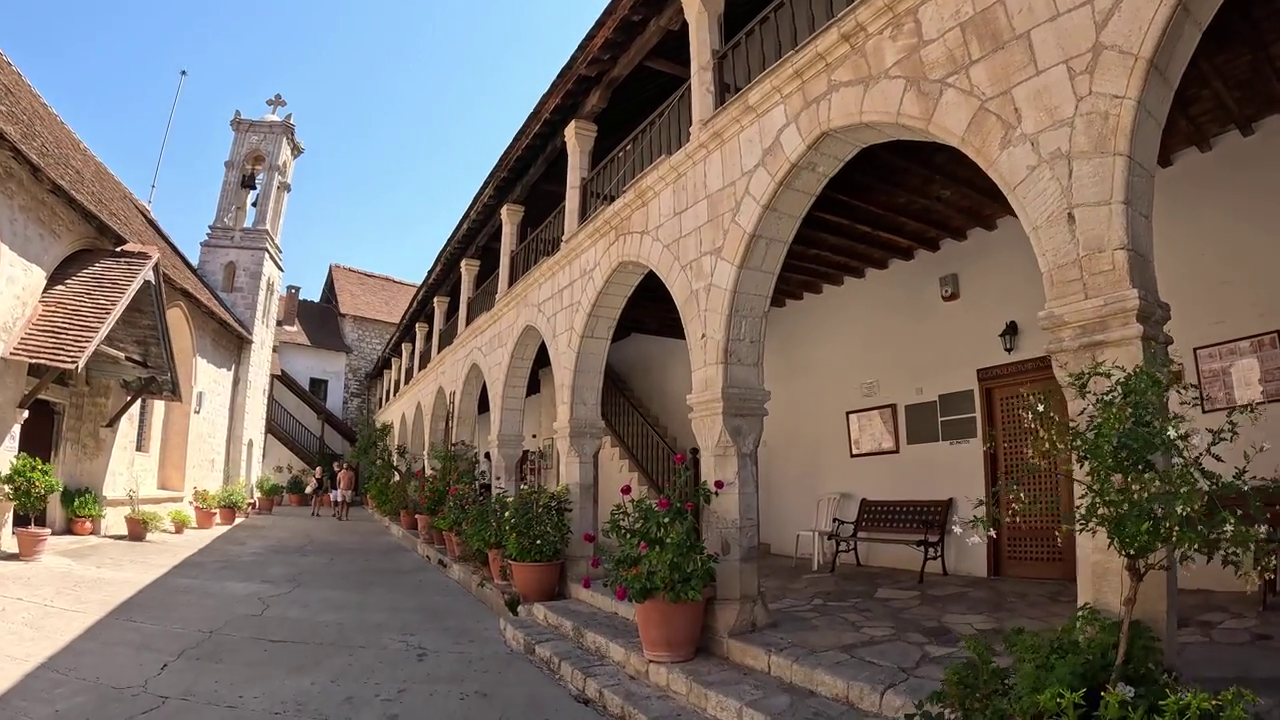
A monastery with richly decorated corridors, a hermit's retreat carved into a hillside and a Byzantine church in the center of a busy city offer three different encounters with Cyprus's religious heritage.
Across the island, some churches preserve exceptional religious artwork, others maintain centuries of Orthodox monastic traditions, and many continue to serve their communities as active places of worship. Their historical importance does not necessarily make them equally rewarding for every visitor.
Whether you are interested in architecture, religious painting, monastic life or an individual history determines which places deserve your time. We would choose a few meaningful visits rather than attempt to see every famous monastery on the island.
Kykkos
Monastery: The Grandeur of Cypriot Orthodox Heritage
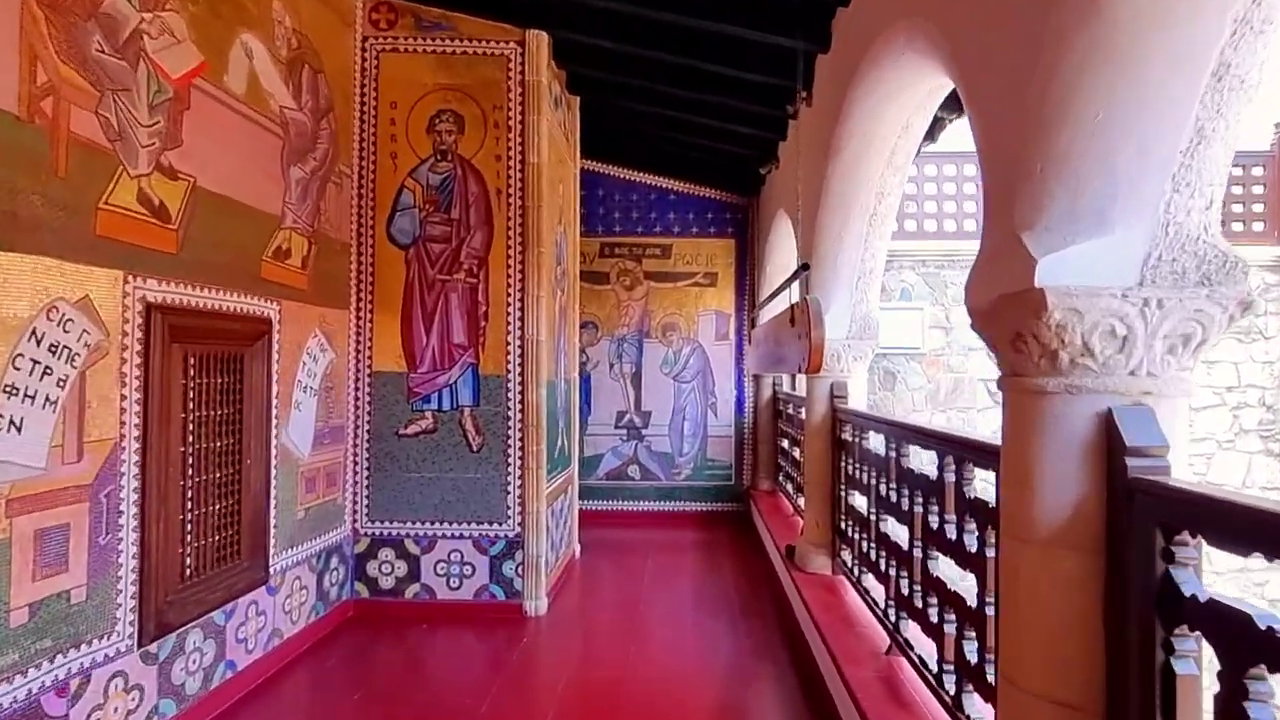 Kykkos Monastery
Located in the Marathasa region of the Troodos Mountains, Kykkos is among the most prominent monasteries in Cyprus. Founded during the Byzantine period and rebuilt several times, it is dedicated to the Virgin Mary and houses a revered icon traditionally attributed to the Apostle Luke.
Its richly decorated corridors, mosaics and painted religious images give the complex a distinctive character. The monastery's museum adds another dimension through its collection of icons, manuscripts and ecclesiastical objects.
For visitors who appreciate major Orthodox monasteries, religious artwork and mountain scenery, Kykkos is a compelling choice. We would allow time for the complex and its surroundings rather than combine it with too many distant attractions. Despite its importance, Kykkos is not one of the ten UNESCO-listed Painted Churches of the Troodos Region.
Trooditissa Monastery: A Place of Prayer in the Mountains
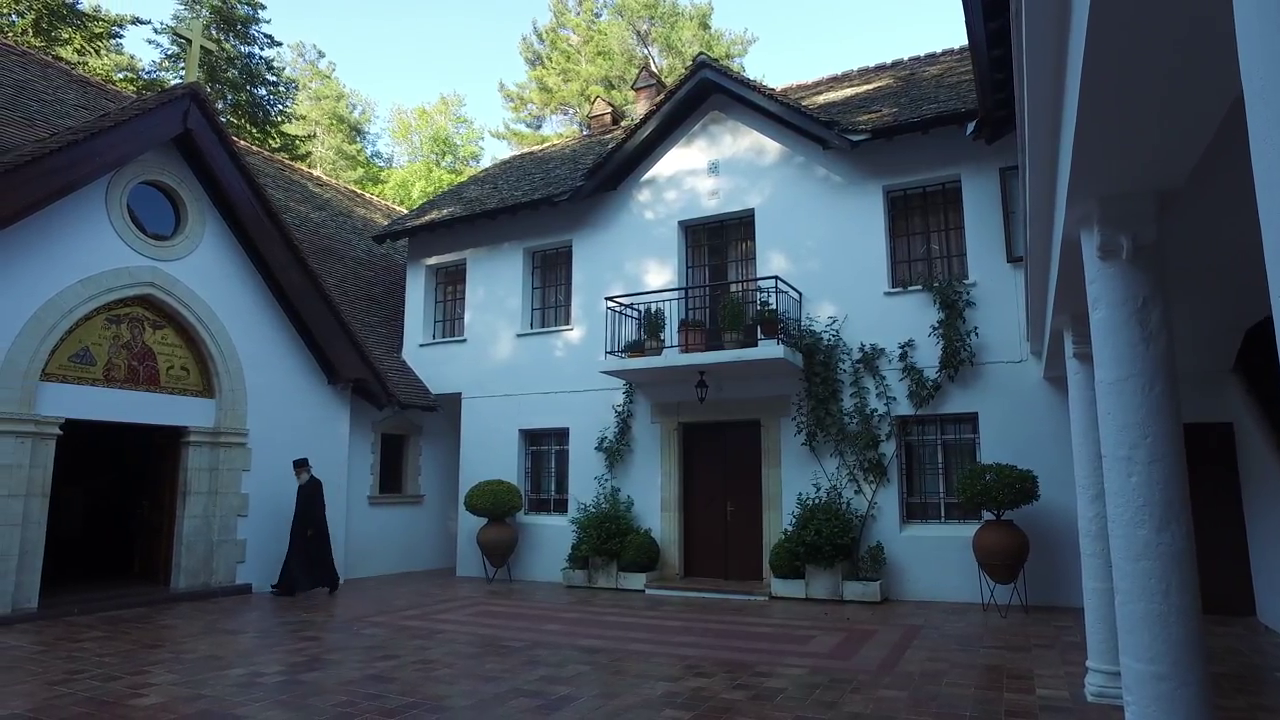 Trooditissa Monastery
Situated between Platres and Prodromos, Trooditissa Monastery occupies a forested setting on the southern slopes of the Troodos Mountains. Its religious traditions are closely associated with the Virgin Mary and a revered icon that has attracted pilgrims for generations.
The monastery's precise foundation date is uncertain, although its origins are traditionally connected with the period following Byzantine Iconoclasm. The present church dates from the 18th century, and the complex has undergone changes over time.
Trooditissa remains principally a place of prayer. Its monastic buildings are closed to general visitors, although the church can be visited during designated hours.
Trooditissa is worth considering for those drawn to Orthodox pilgrimage traditions, particularly when already visiting the Platres and Prodromos area. It is less suitable for anyone planning a lengthy journey in anticipation of an extensive monastery tour, since access to the complex is restricted.
Machairas Monastery: Finding Serenity in the Mountains
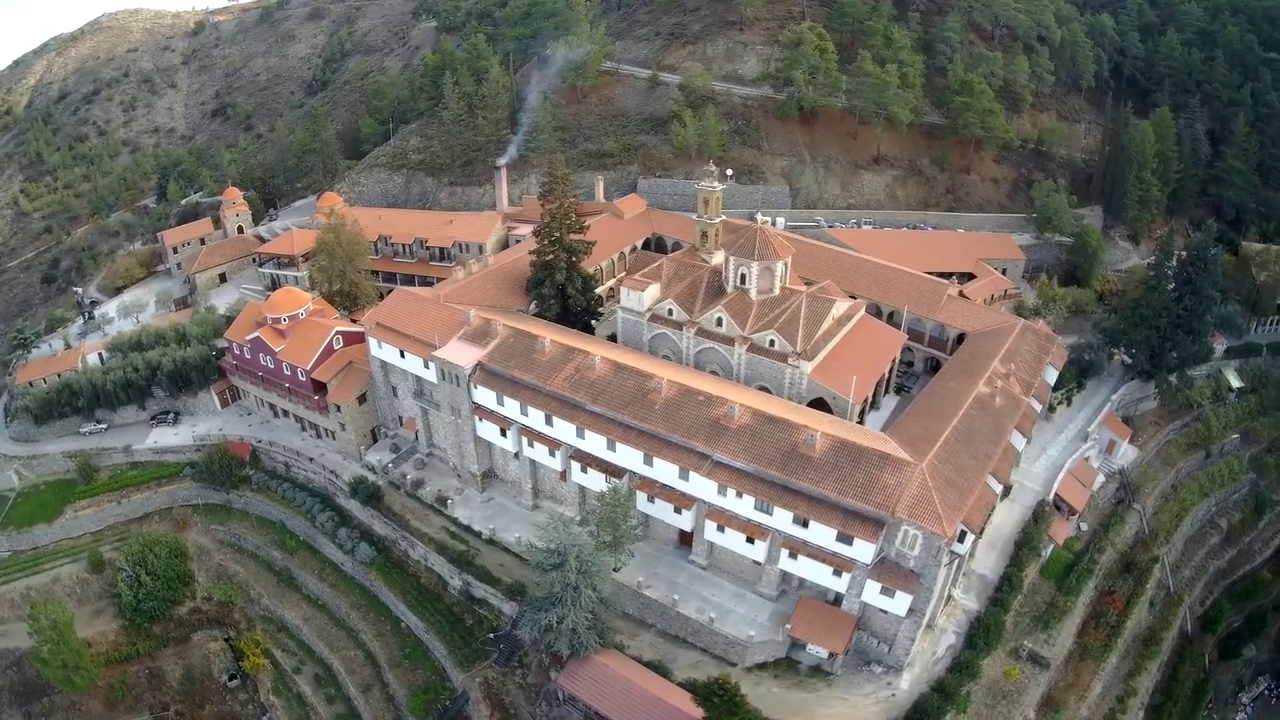 Machairas Monastery
 stands in the mountains southeast of Nicosia, surrounded by forested slopes. Dedicated to the Virgin Mary, it is associated with an important religious icon and a monastic community whose traditions remain central to the institution.
We have visited Machairas many times, but on our most recent visit, we decided to pay more attention to the journey itself. Knowing what awaited us at the monastery, we drove through the forest with the curiosity of someone experiencing the route for the first time.
The green mountain scenery made the drive exceptionally rewarding. When we arrived and stepped out of the car, the sight of the monastery reminded us why we keep returning. Every visit has left us with a sense of awe.
Machairas has a different character from Kykkos. Its church contains religious paintings, but visitors should not expect the elaborate mosaics associated with Kykkos. What we particularly appreciate is the serenity of the monastery and the welcome we have experienced from the monks.
For us, Machairas is also a place where prayer feels natural. Its peaceful atmosphere and forested surroundings contribute to an experience that goes beyond appreciating historical architecture.
Come to Machairas for its Orthodox monastic traditions and spiritual atmosphere, and give the forested mountain journey its own place in the outing. Dress appropriately and respect the monastery's restrictions, including its prohibition on photography and video recording.
Agios
Neophytos Monastery: A Hermit's Life Preserved in Stone
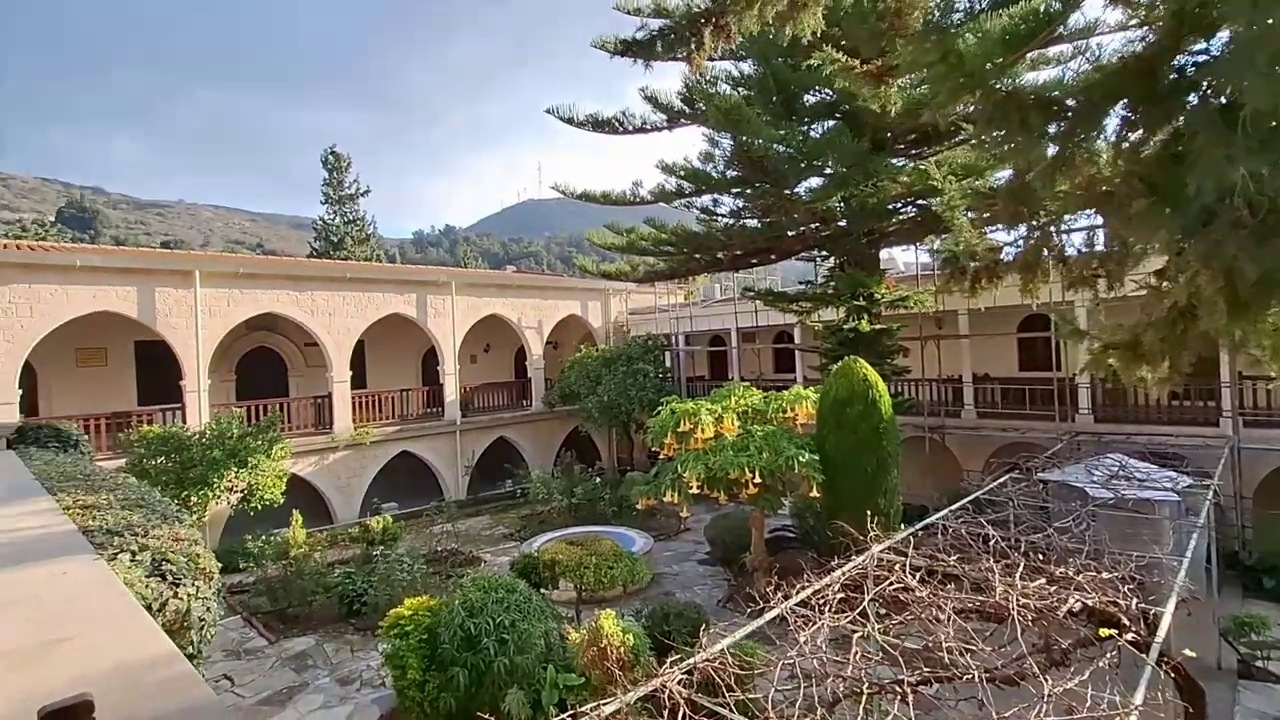 Agios Neophytos Monastery
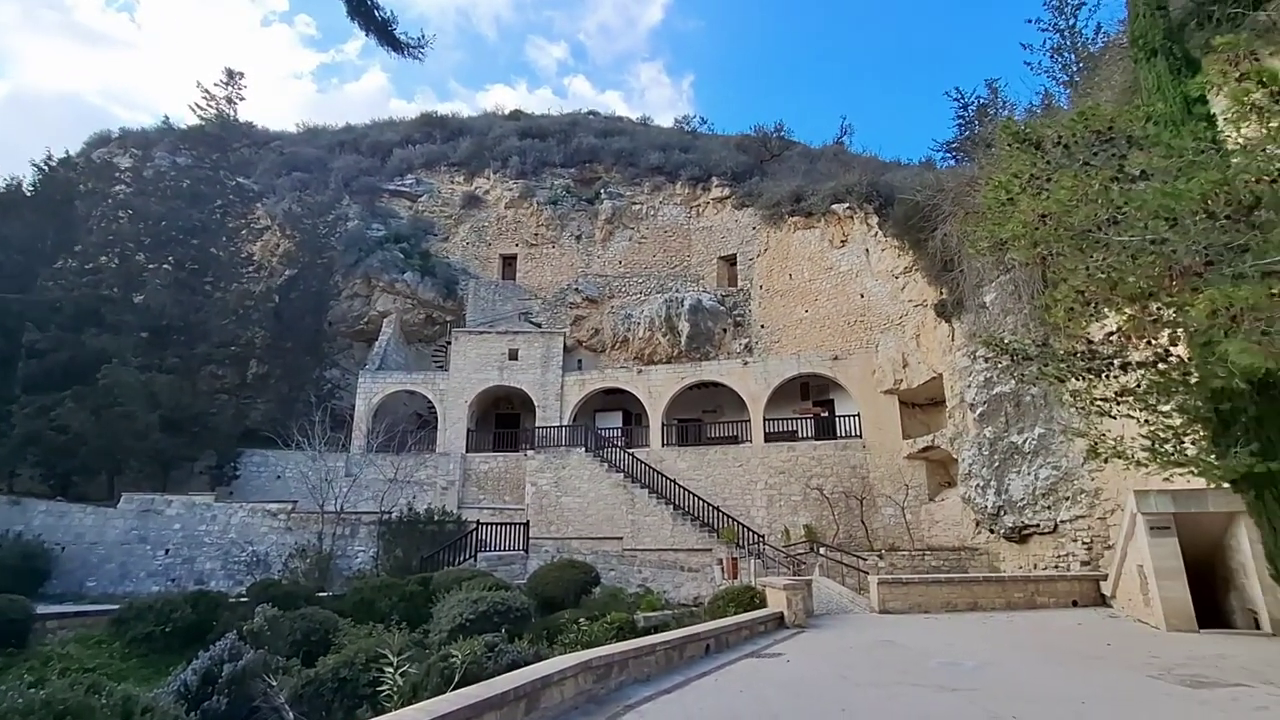 Agios Neophytos Monastery
Near Tala village, above Paphos, Agios Neophytos offers an intimate encounter with medieval religious history. The monastery was established by Neophytos, a Cypriot hermit and religious writer, during the 12th century. Its most distinctive feature is the Enkleistra, a retreat carved into the rock where important Byzantine wall paintings survive.
When we visit Paphos, we frequently include Agios Neophytos in our plans. Unlike the forested mountain journey to Machairas, the drive toward Tala has a different character, but our anticipation of returning makes it equally enjoyable.
We particularly appreciate the monastery's connection with its founder. The knowledge that a Cypriot hermit established this religious community gives the place a personal historical dimension, and we always make time to visit the Enkleistra. Its rock-cut chambers continue to fascinate us.
During our visits, we have encountered both Cypriots and travelers from elsewhere. Some come to pray, while others are interested in the history and architecture. We enjoy the monastery's peaceful atmosphere and invariably leave with a smile.
Agios Neophytos may not have the same international recognition as Kykkos, but it deserves serious consideration during a stay in Paphos. Its distinctive history, religious significance and proximity to Tala make it a rewarding cultural outing. Visitors should dress modestly, respect religious activities and confirm access arrangements for the Enkleistra and ecclesiastical museum.
Chrysorrogiatissa
Monastery: Religious Art and Winemaking Heritage
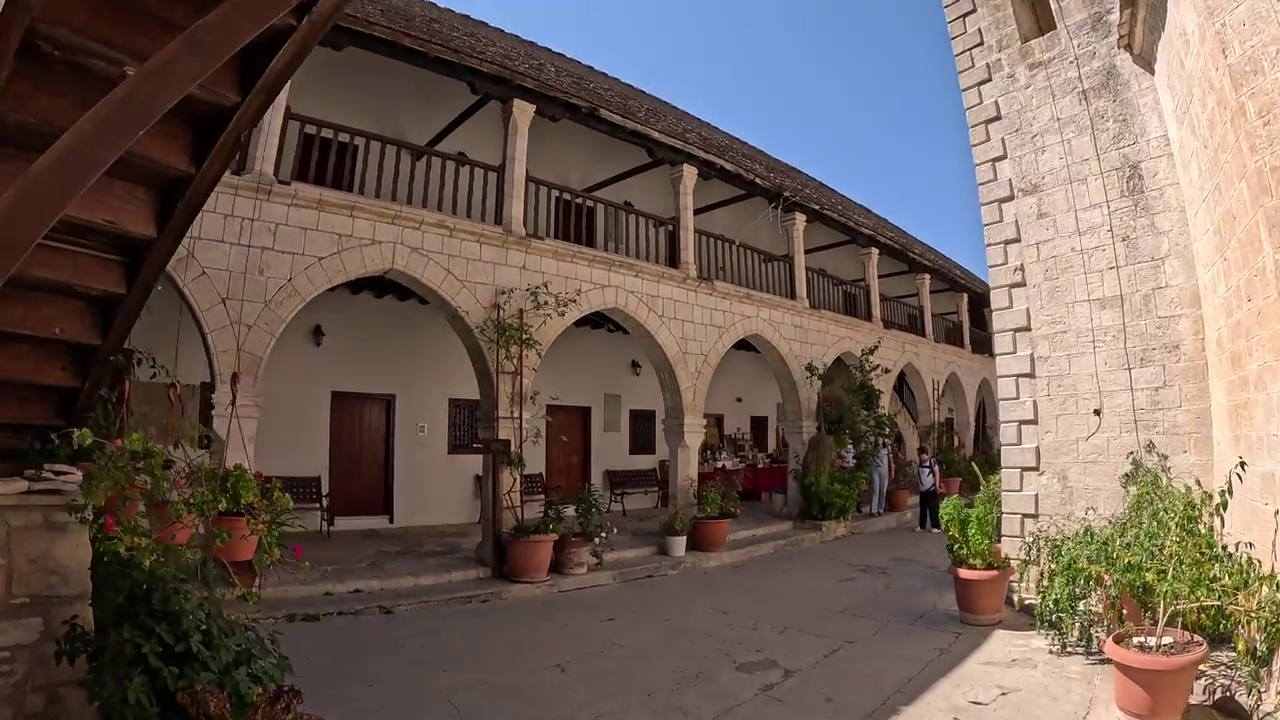 Chrysorrogiatissa Monastery
Near Panagia village in the Paphos District, Chrysorrogiatissa Monastery combines Orthodox religious heritage with a longstanding association with winemaking.
According to tradition, the monastery was founded in 1152 by the monk Ignatios following the finding of an icon of the Virgin Mary. The present church dates from the 18th century, while its religious treasures include important icons and ecclesiastical objects.
The monastery's historical connection with wine production adds another dimension to its identity. It reflects the relationship between monastic communities and the agricultural traditions of the surrounding countryside.
Chrysorrogiatissa makes a worthwhile addition to a visit around Panagia village, particularly for those who appreciate religious history, traditional architecture and rural Cyprus. A dedicated cross-island journey may be less rewarding, especially as access to its religious treasury requires special arrangements.
Stavrovouni
Monastery: Religious Tradition With Strict Visitor Rules
 Stavrovouni Monastery
Stavrovouni occupies a prominent hilltop position in the Larnaca District. According to Christian tradition, it was founded in the fourth century by Saint Helena, mother of Emperor Constantine the Great, who left a relic of the Holy Cross at the monastery.
Its location and longstanding religious traditions make Stavrovouni historically significant. The monastery continues to observe strict rules associated with Orthodox monastic life, and its primary function remains religious rather than touristic.
Women are not permitted to enter the monastery, and photography and video recording are prohibited. Men must also comply with the monastery's dress and conduct requirements. These restrictions are essential considerations when deciding whether to visit.
Stavrovouni's appeal is necessarily selective. Eligible male visitors with a particular interest in Orthodox monastic traditions may find the experience rewarding, while couples and mixed groups wishing to enter a religious institution together may prefer another monastery. Agia Varvara, situated at the foot of Stavrovouni, is accessible to all visitors and is associated with traditional icon painting.
The
Church of Saint Lazarus: Byzantine History in Larnaca
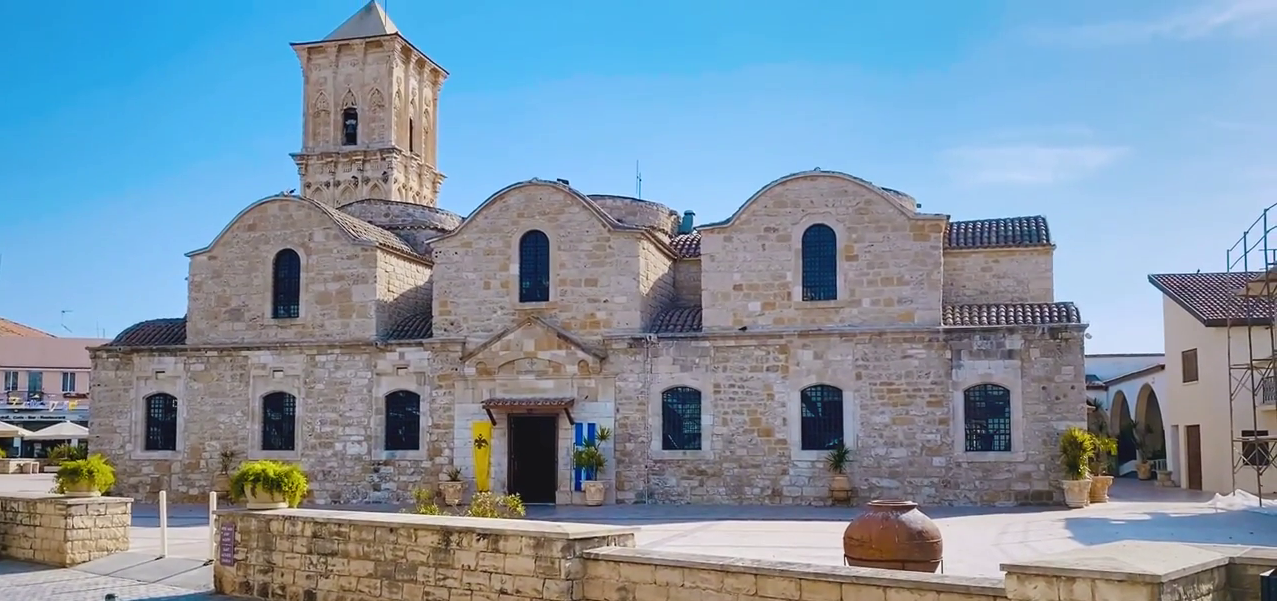 Saint Lazarus Church
In the historic center of Larnaca, the Church of Saint Lazarus demonstrates how a centuries-old religious monument can remain part of everyday city life.
The church dates to the ninth century and is traditionally associated with Lazarus, who, according to Christian tradition, became Bishop of Kition. Its stone architecture and elaborate wooden iconostasis are among its most notable features, while the tomb traditionally associated with Saint Lazarus lies beneath the church.
Unlike the monasteries of Troodos, Saint Lazarus stands among the streets and businesses of a working city. Its location makes it easy to incorporate into a walk through historic Larnaca, particularly for visitors interested in Byzantine architecture who do not want to dedicate a separate day to religious sightseeing.
Panagia
Angeloktisti: Early Christian Art in Kiti
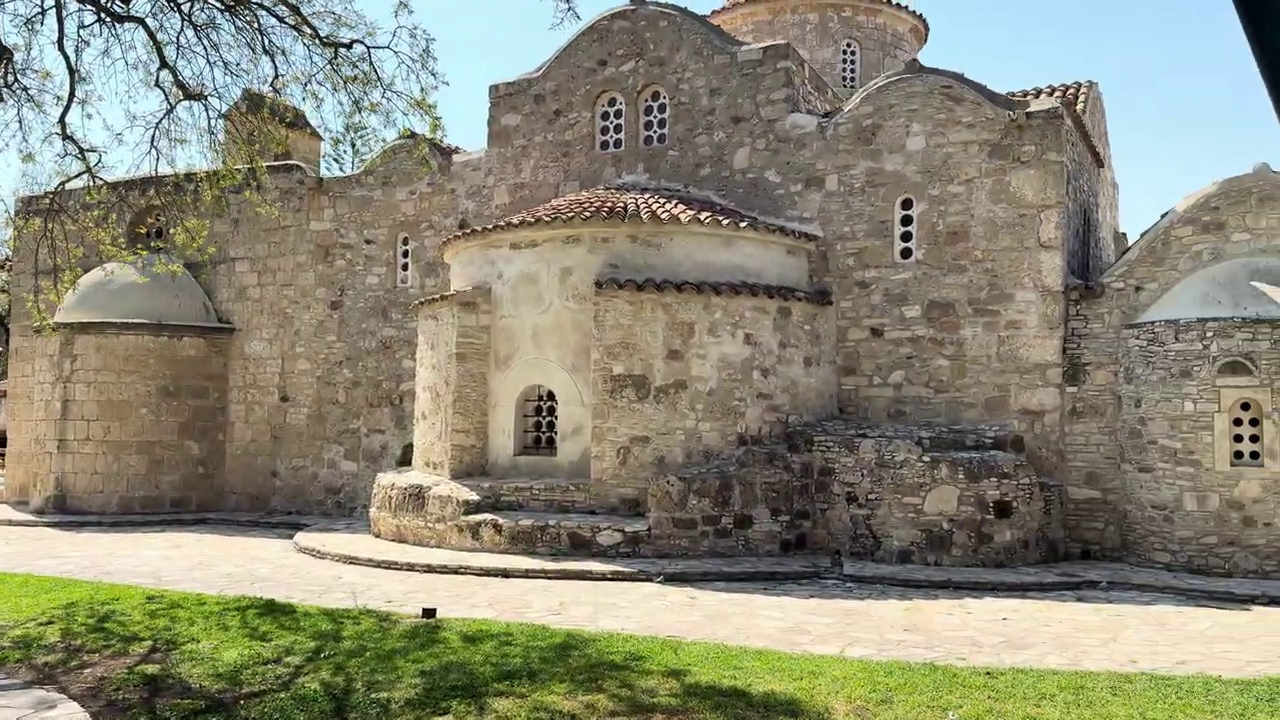 Panagia Angeloktisti Church
In Kiti village, near Larnaca, the Church of Panagia Angeloktisti preserves one of Cyprus's most significant surviving examples of early Christian religious art.
The present church incorporates elements of an earlier Christian basilica. Its outstanding feature is a sixth-century apse mosaic depicting the Virgin Mary holding the infant Christ, accompanied by the archangels Michael and Gabriel.
This mosaic is the principal reason to visit. It offers an opportunity to appreciate religious artwork from a much earlier period than many of the island's painted churches. Combined with Saint Lazarus, Panagia Angeloktisti provides a contrasting religious experience in the Larnaca region, subject to their visiting arrangements.
The
Painted Churches of the Troodos Mountains
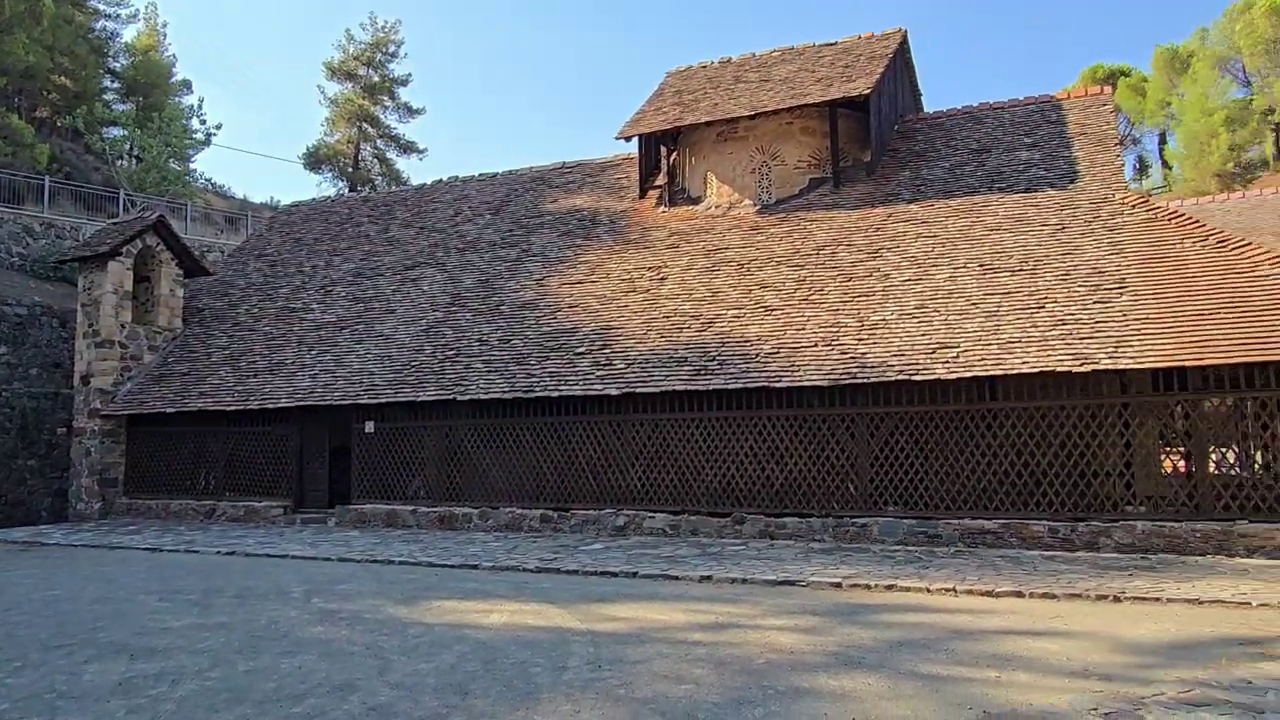 Panayia tou Araka Church (UNESCO)
Some of Cyprus's most significant religious paintings are preserved inside small mountain churches whose modest exteriors reveal little about the artistic richness within. Ten of these monuments belong to the UNESCO World Heritage inscription known as the Painted Churches in the Troodos Region. Among them are Panagia Asinou, Panagia tou Araka, Agios Nikolaos tis Stegis, Agios Ioannis Lampadistis and Panagia Podithou.
Panagia Podithou, near Galata village, is particularly interesting for its early-16th-century paintings, which reflect both Byzantine and Italian Renaissance artistic influences. It illustrates how religious art in Cyprus developed during the period of Venetian rule.
For those primarily interested in Byzantine and post-Byzantine painting, these churches may be more rewarding than the larger monasteries. Their individual histories, architectural distinctions and World Heritage significance are a separate subject within UNESCO World Heritage Sites in Cyprus.
Planning
Your Visit
Geography matters when visiting religious sites in Cyprus. Several important monasteries lie in the Troodos Mountains, where winding roads can make journeys considerably longer than distances suggest.
Kykkos and the religious monuments of Marathasa are best approached as part of a mountain outing. Trooditissa is more convenient from the Platres and Prodromos area, while Machairas can form part of a cultural day in the mountains southeast of Nicosia.
In the Paphos District, Agios Neophytos is relatively convenient from the city, whereas Chrysorrogiatissa is better suited to a countryside outing around Panagia village. Saint Lazarus and Panagia Angeloktisti provide two contrasting religious visits within the Larnaca region.
Concentrating on one area usually makes for a more satisfying day than attempting to cover several distant monasteries. Mountain weather and road conditions should also be considered, especially during colder months.
Many churches and monasteries remain active places of worship. Visitors should dress modestly, respect religious services and comply with restrictions on photography and access to areas reserved for clergy or monastic communities.
Opening hours, admission arrangements and access to particular interiors can change. Confirm details with the relevant religious authorities or monument management before traveling, especially when a particular artwork, museum or religious ceremony is the principal reason for your visit.
Which
Monastery or Church Should You Choose?
What makes a religious site historically important is not always what a visitor can enter or examine. At Trooditissa and Stavrovouni, access restrictions shape the experience as much as the history itself. At Panagia Angeloktisti, a single remarkable mosaic can justify the visit without the need for a substantial monastery complex.
That distinction deserves consideration before choosing where to go. A smaller church whose artwork you can appreciate closely may offer more than a famous monastery where the areas that interest you are not open to visitors.
The important decision is not how many monasteries and churches you can include in your itinerary, but what you genuinely want to experience at each one. Choosing accordingly gives these places the attention their individual histories and traditions deserve.