Newsletter "Beyond the Postcards" Subscribe
Plan Your Cyprus Trip: Hotels: Expedia, Villas & Apartments: Vrbo, Car Rentals: DiscoverCars, Tours: GetYourGuide, Airport Transfers: WelcomePickups
- Home
- Things To Do in Cyprus
- Best Boat Trips in Cyprus
- Sailing Trips in Cyprus
Sailing Trips in Cyprus
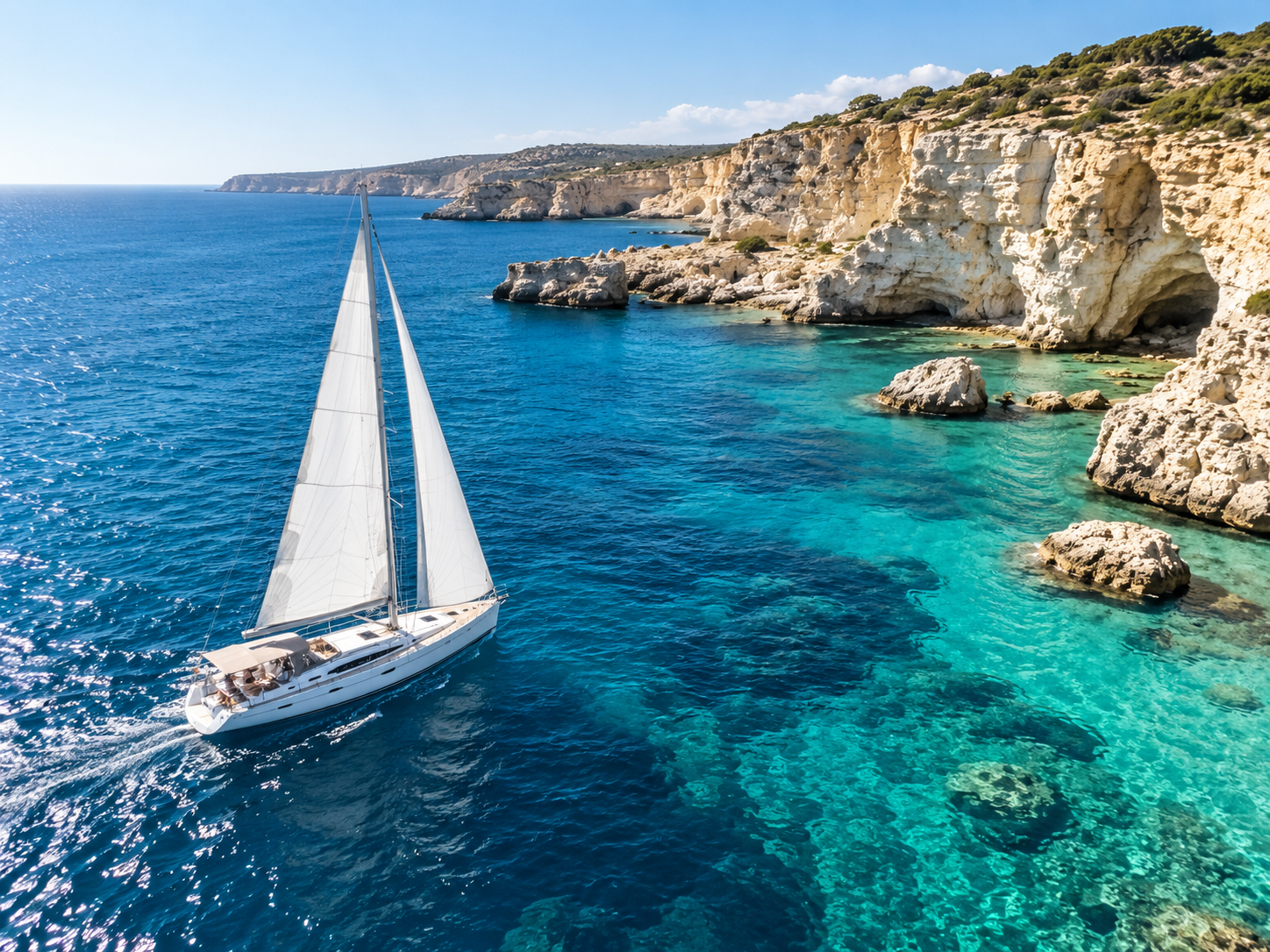
When the engine of a traditional sailing yacht is switched off and the sails take over, the change is immediately noticeable. Instead of hearing the engine, you begin listening to the wind moving through the sails and the water alongside the hull. The yacht continues its journey, but the atmosphere on board feels different. You become more aware of the sea around you and the way the vessel moves through it.
Cyprus offers sailing experiences along different parts of its coastline, from the waters surrounding the Akamas Peninsula to the more developed southern and southeastern coasts. Depending on the vessel and the trip, you might spend a few hours under sail, stop for swimming or arrange a private day at sea with a skipper.
There is, however, an important distinction worth understanding before booking. Not every boat advertised as a sailing trip will spend much time actually sailing. Some excursions use motor-powered vessels, while others operate sailing yachts that may rely on their engines when wind conditions or itineraries require it.
If sailing itself is what interests you, the type of boat and the way the trip is organized matter more than the number of places included in the itinerary.
What Makes Sailing Different From Other Boat Trips?
On a conventional sightseeing cruise, the itinerary usually determines the experience. The boat follows a planned route, stops at particular locations and returns according to a relatively fixed schedule.
Sailing introduces another element. The wind influences how the yacht moves, how quickly it travels and, occasionally, which parts of the route are practical. When conditions allow the sails to do the work, the journey has a character that is difficult to reproduce aboard a conventional motorboat.
Watching the skipper handle a traditional sailing yacht is part of what makes the experience interesting. The skipper pays attention to the wind, adjusts the sails and changes direction when necessary. Even relatively small adjustments can influence how the yacht moves. You begin to appreciate that sailing involves a continuous series of decisions rather than simply steering toward a destination.
Sailing does not always involve traveling directly toward the intended destination. When the wind comes from the direction in which the yacht needs to travel, the skipper may follow a zigzag course, changing direction through a maneuver known as tacking. The yacht may lean in the opposite direction after each maneuver, revealing how closely its movement is connected to the wind.
These characteristics distinguish genuine sailing from an excursion in which the boat serves primarily as transportation between attractions. They do not necessarily make sailing the better choice for everyone, however. Travelers who want to reach several swimming locations within a limited time may prefer a motorboat, particularly when the itinerary matters more than the journey.
Sailing Yachts and Sailing Catamarans: Which Should You Choose?
Two options worth considering are traditional sailing yachts and sailing catamarans. Both can travel using wind power, but they offer different experiences.
Traditional Sailing Yachts
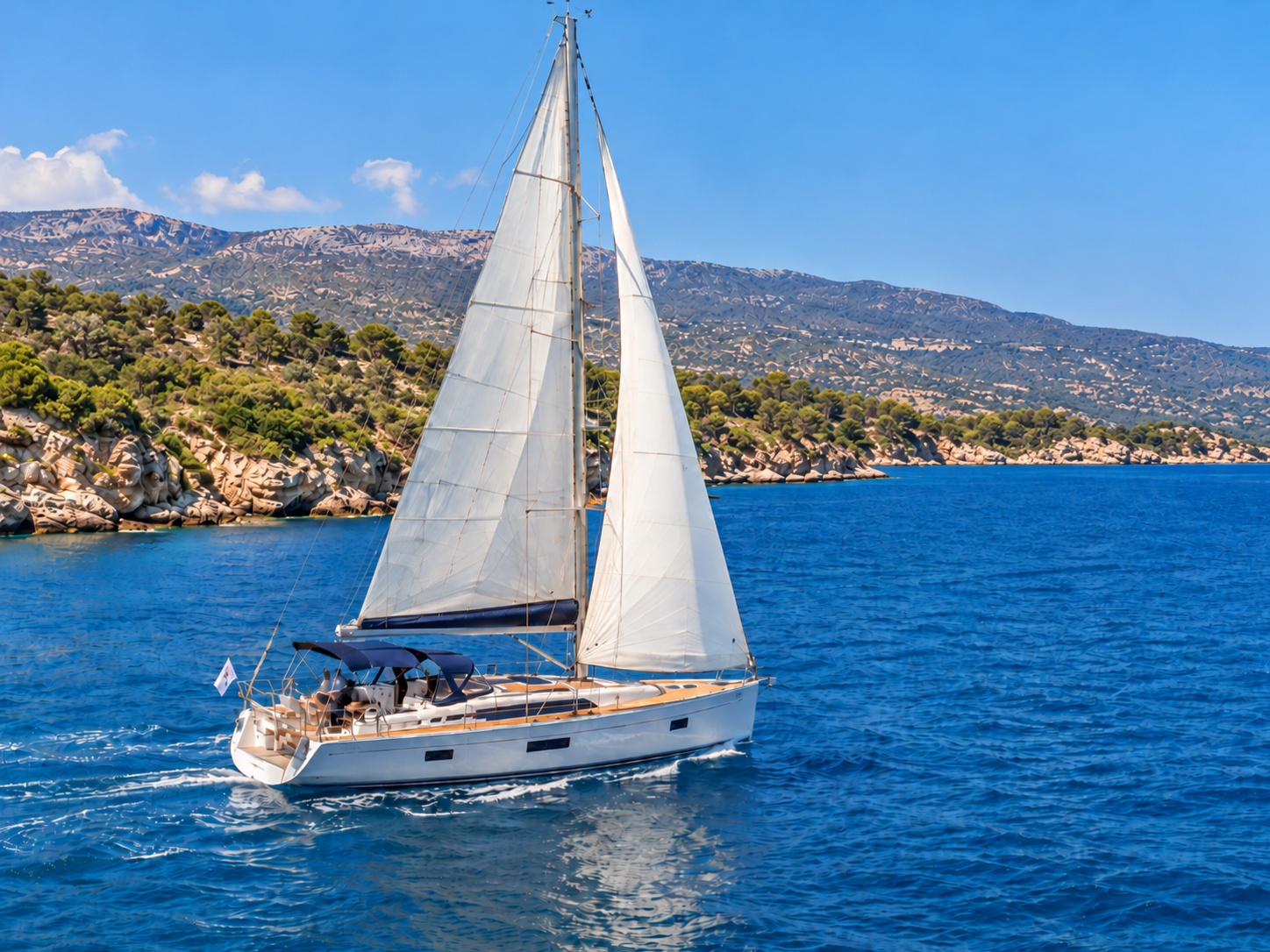
A traditional sailing yacht, usually with a single hull, is a particularly appealing choice if you want to experience sailing rather than simply spend time aboard a comfortable boat.
As the sails catch the wind, the yacht may lean to one side, an entirely normal characteristic known as heeling. At first, particularly if you are unfamiliar with sailing, the sensation can feel unusual. As you become accustomed to it, you begin to appreciate how the yacht responds to the wind. You are not simply sitting on a boat being transported along the coastline. You are experiencing the movement of a vessel using the wind to travel.
A private skippered sailing yacht works particularly well for couples or small groups who appreciate a quieter atmosphere and want the opportunity to learn something about sailing. Depending on the operator and conditions, the skipper may explain how the sails work or allow guests to participate in simple tasks under supervision.
The trade-off is space and movement. A smaller sailing yacht may offer less open deck space than a large catamaran, and its motion can feel more pronounced.
Sailing Catamarans
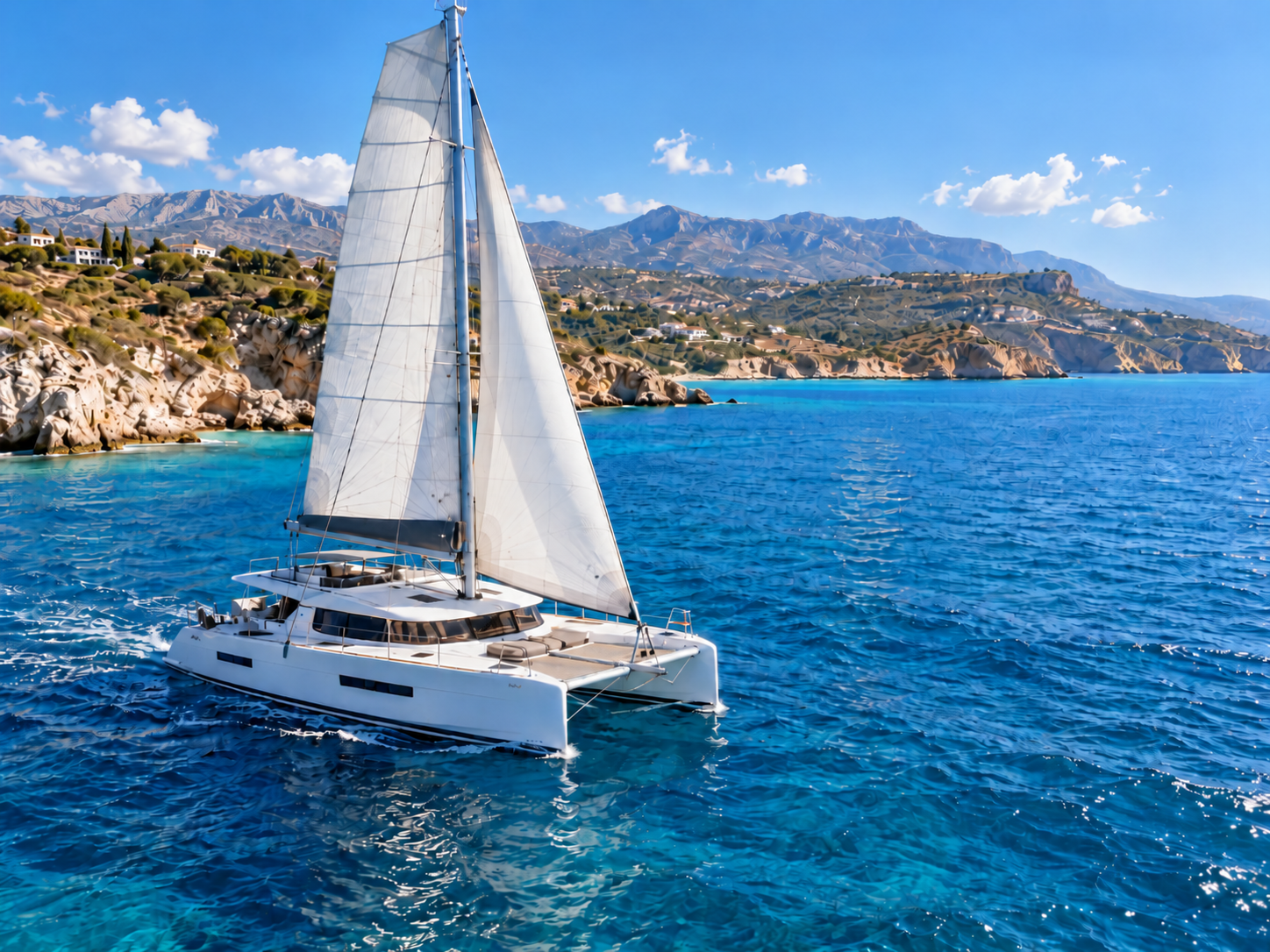
Sailing catamarans have two hulls, generally providing wider deck areas and a more level sailing experience than traditional monohull yachts.
They can be attractive for families, groups of friends and travelers who want to combine sailing with sunbathing, swimming and time together on board. Some operate as shared excursions, while others are available for private charter.
The distinction between a sailing catamaran and a motor catamaran is important. A catamaran is defined by its two-hull design, not by the presence of sails. Some catamarans in Cyprus operate entirely under engine power, even when their excursions are described using the word "sailing."
If traveling under sail is important to you, confirm that the catamaran has sails and establish how frequently they are used during the excursion.
Where to Enjoy Sailing in Cyprus
The coastline you choose will influence the scenery, atmosphere and kind of sailing day you can expect. The most recognizable sailing destinations are not necessarily the most suitable for every traveler.
Latchi and the Akamas Peninsula
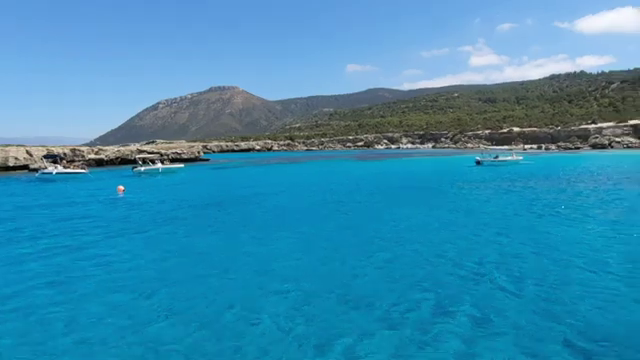 Blue Lagoon, Akamas
Latchi, near Polis on the northwestern coast, is an appealing departure point for sailing trips along the Akamas Peninsula.
The coastline here has a different character from Cyprus's larger resort areas. Rocky stretches, natural bays and relatively undeveloped coastal scenery give the journey a stronger connection with the landscape.
Some skippered sailing yachts departing from Latchi combine time under sail with swimming opportunities, potentially including the Blue Lagoon when conditions and the vessel permit.
For travelers who want to experience both sailing and the Akamas coastline, this combination can work particularly well. It is important, however, to understand that a sailing yacht may not be able to enter or anchor in exactly the same shallow locations as smaller motorboats.
The Blue Lagoon can also attract other excursion boats and private vessels. Booking a private sailing yacht does not mean having the swimming area to yourself.
Our preference would be to choose Latchi when the experience of sailing along the Akamas coast is at least as important as reaching the Blue Lagoon itself.
Larnaca and Limassol
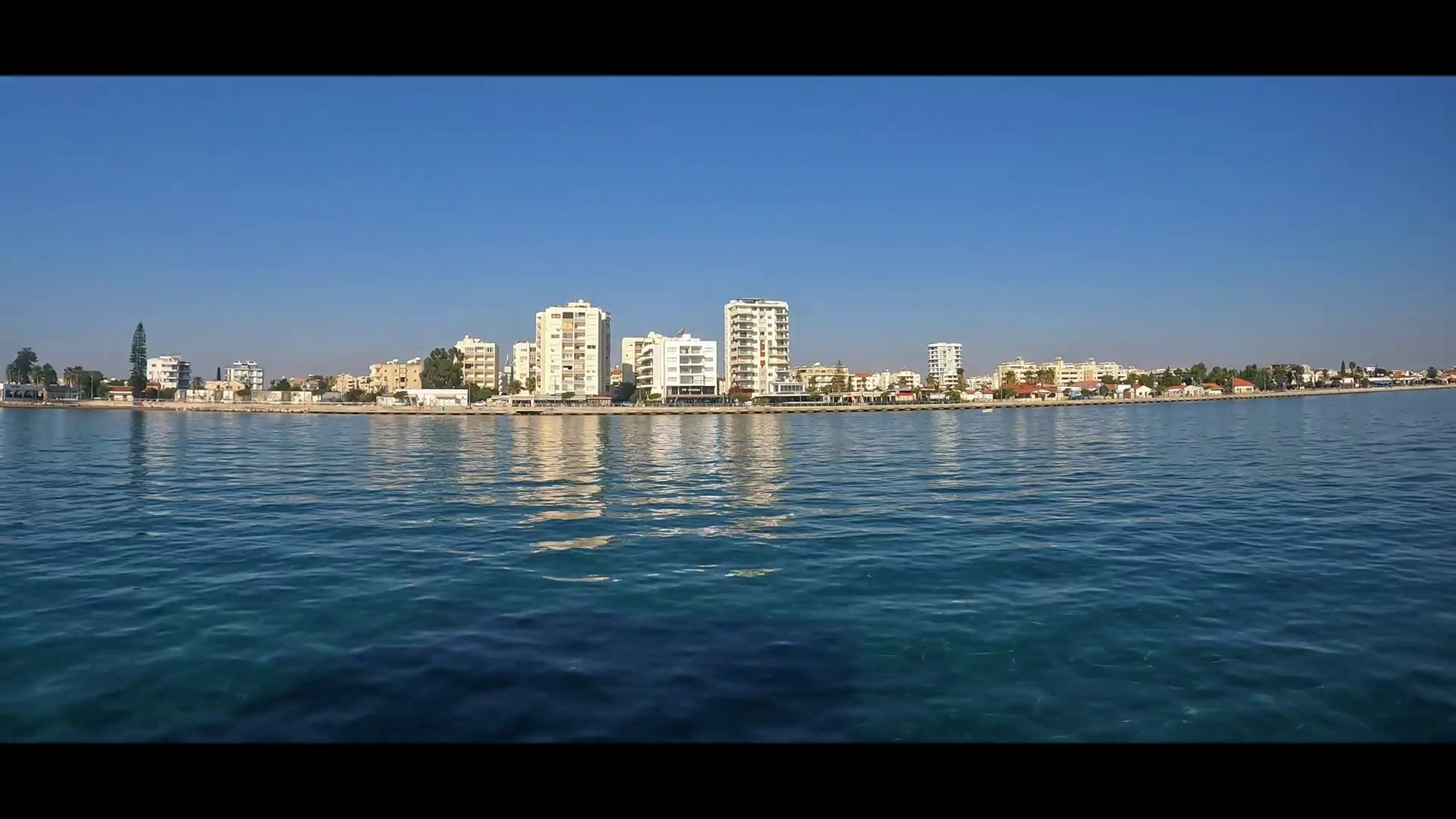 Larnaca
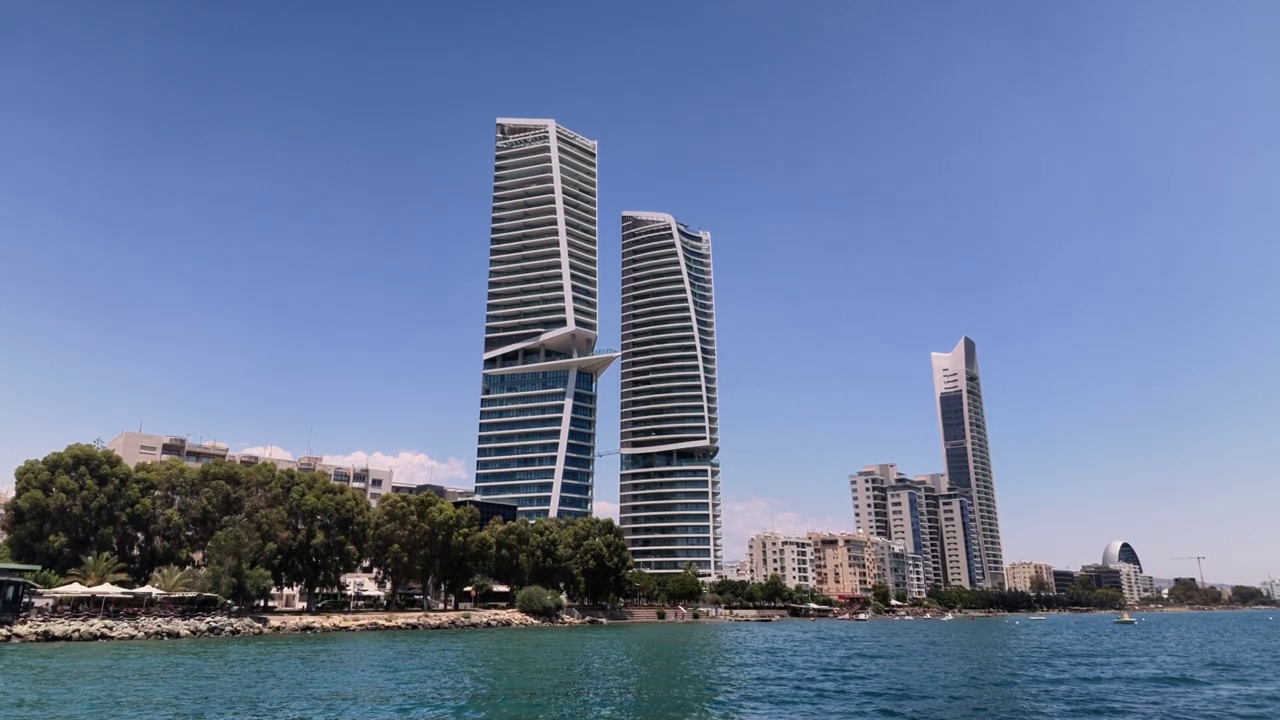 Limassol
Sailing from Cyprus's southern coastal cities offers a different perspective. Instead of concentrating on a relatively undeveloped peninsula, the experience can combine time at sea with views of the urban coastline.
Private sailing yacht excursions can be arranged from Larnaca, where the marina provides access to coastal routes with potential swimming stops. This can be particularly convenient for travelers already staying in the city who do not want to devote much of their day to reaching a distant departure point.
Limassol has an established marina and yacht-charter market, although travelers should check whether a particular offering uses a sailing vessel or a motor yacht. Its urban setting makes it a different proposition from Latchi, especially for those who enjoy combining a day at sea with restaurants and city life.
For a city-based vacation, proximity can be a genuine advantage. We would nevertheless choose the individual yacht, skipper and proposed route over a marina's reputation.
Ayia Napa and Protaras
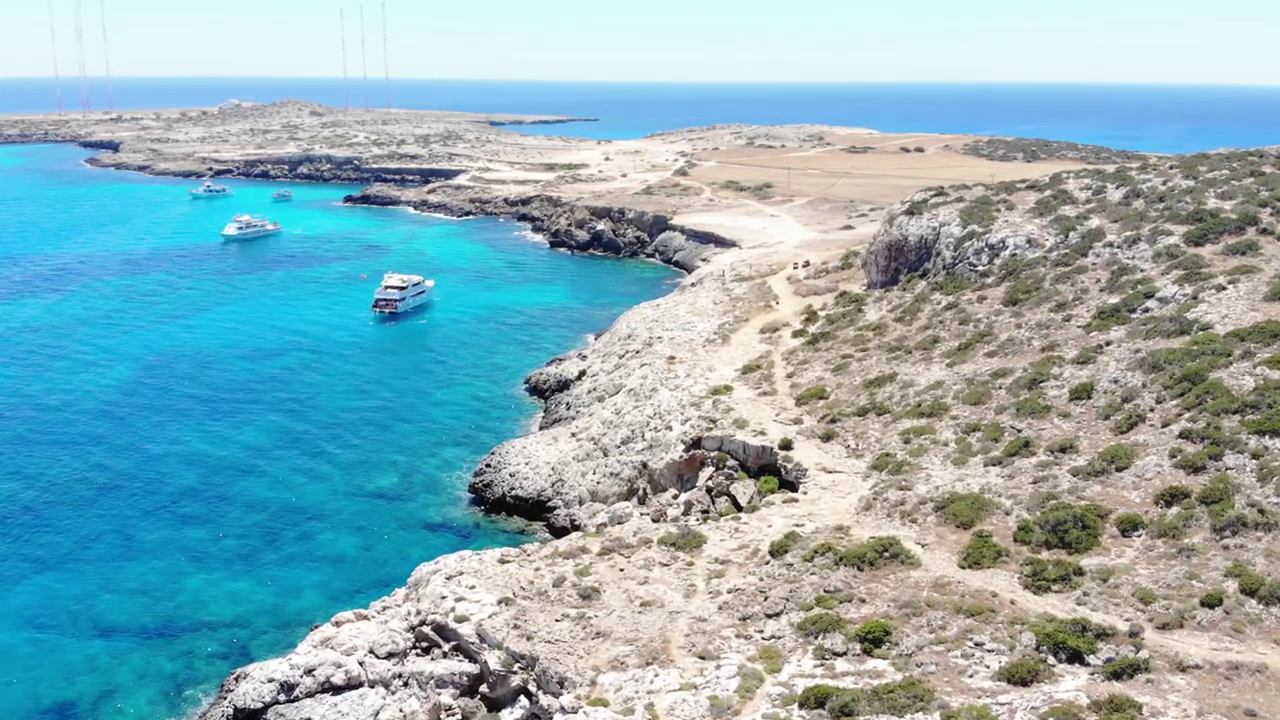 Cape Greco
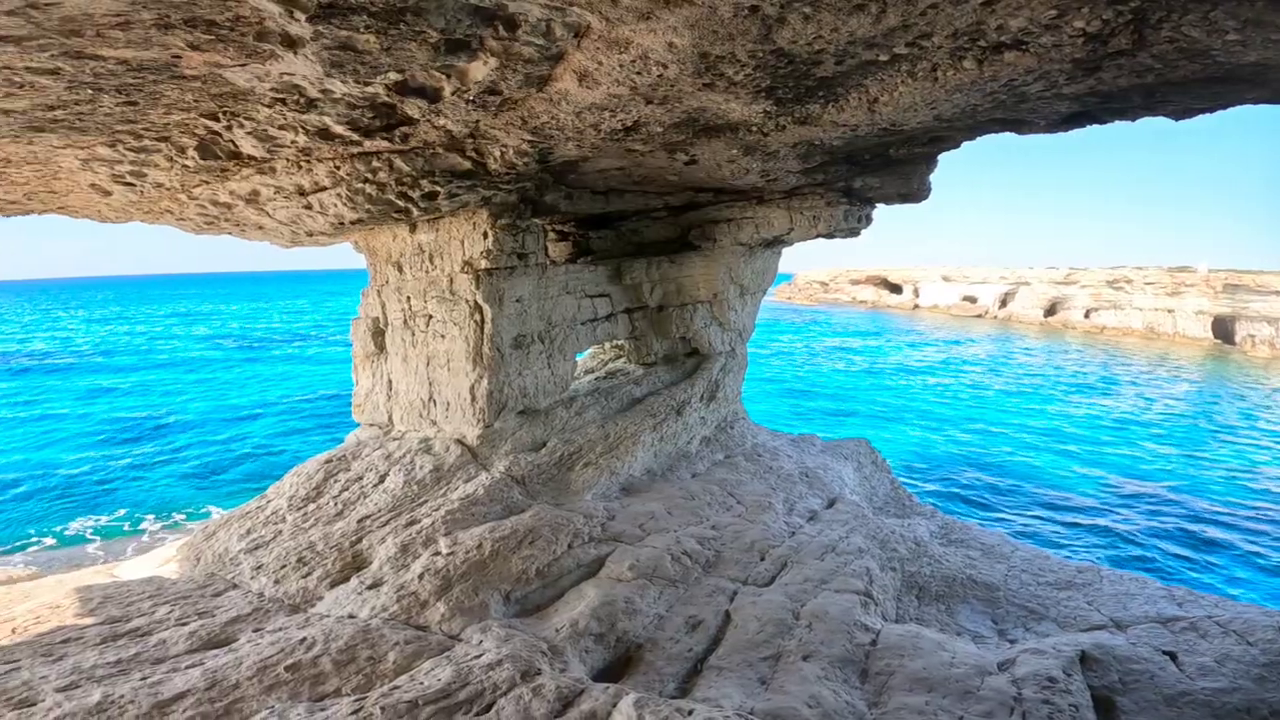 Sea Caves, Ayia Napa
The southeastern coast is known for clear water, swimming opportunities and coastal scenery around Cape Greco and the Sea Caves.
Catamaran excursions operate in this region, including shared and private options, but the experience can vary considerably between operators and vessels. Some are centered on swimming, refreshments and relaxing on deck rather than traditional sailing.
The southeast can be an attractive choice for travelers seeking swimming and a sociable atmosphere. For visitors interested mainly in seeing Cape Greco and the Sea Caves, however, a conventional coastal cruise may be the more straightforward choice. Those hoping to sail should first establish what type of vessel is being offered.
Private Sailing Trips or Shared Sailing Cruises?
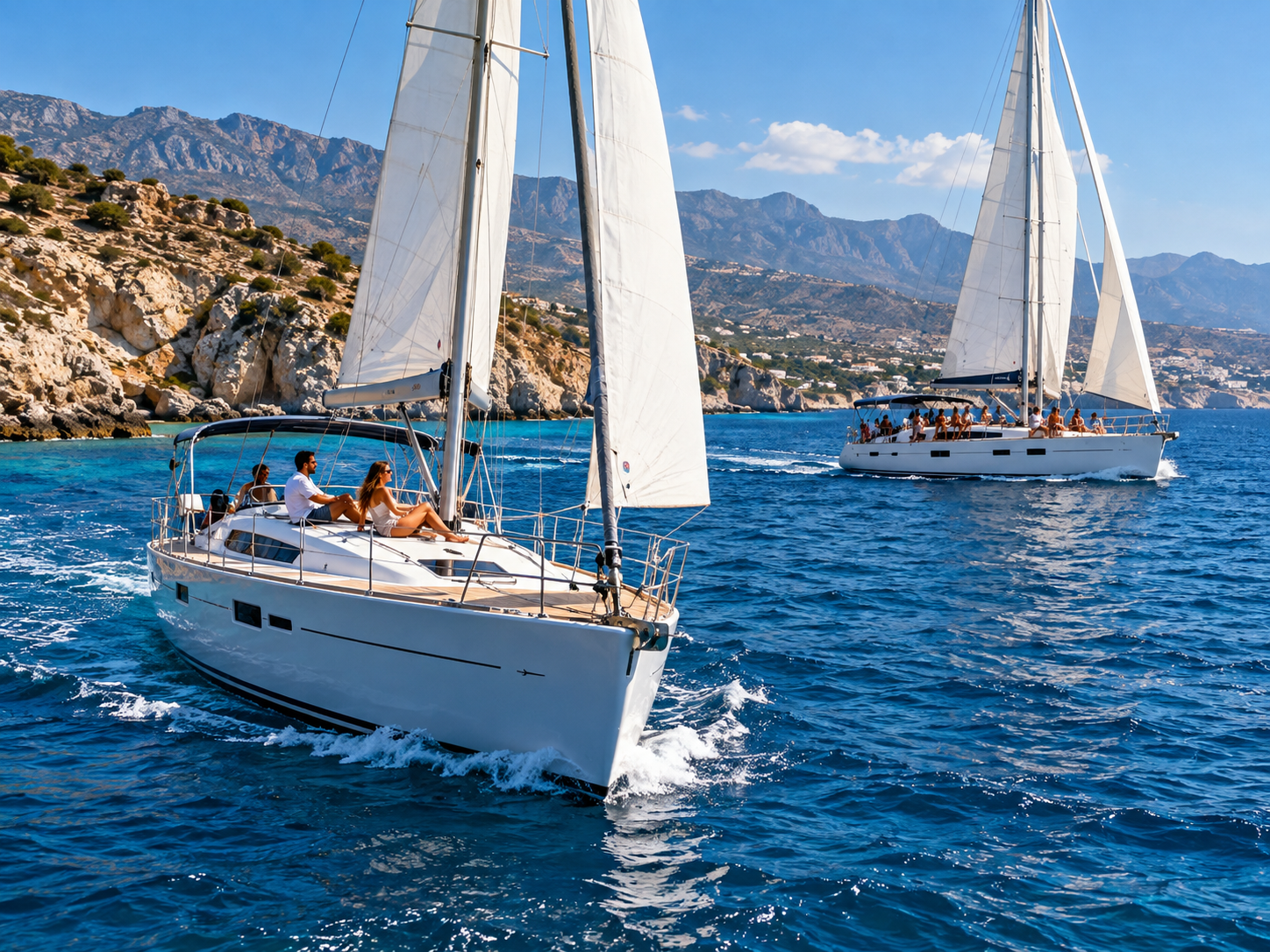
The choice between a private and shared trip is not simply a question of price. It influences the pace, atmosphere and amount of flexibility you may have.
A private skippered sailing trip gives you the boat for your own party, within the vessel's permitted passenger capacity. It can be particularly appealing for couples, families or a small group of friends who want to spend time together without joining a larger excursion.
Depending on the charter arrangement, you may have some flexibility over departure times, swimming stops and the balance between sailing and relaxing. Nevertheless, the skipper remains responsible for navigation and safety, and changes must remain subject to weather conditions, operating restrictions and the vessel's capabilities.
Shared sailing excursions have a different attraction. They allow travelers to enjoy the sea without paying for an entire yacht, and some offer generous deck space, refreshments and a pleasant social atmosphere.
The compromise is that you follow the organized itinerary and share the vessel with other passengers. The number of guests, seating arrangements and style of onboard entertainment can make a considerable difference to the experience.
For a couple seeking quiet time together, a private sailing yacht may justify the additional expense. For travelers who enjoy company and want a relaxed half-day at sea, a well-run shared catamaran excursion may be enough, provided the vessel and style of trip match their expectations.
How Much Time Should You Spend Sailing?
A few hours can be sufficient to enjoy a sailing trip, particularly if the objective is to experience the boat, appreciate the coastline and perhaps include a swimming stop.
A half-day excursion offers a reasonable balance for many first-time passengers. It provides time away from the harbor without committing an entire day to an unfamiliar activity.
A longer charter becomes more attractive when sailing is one of the main reasons for your visit. With additional time, there may be greater flexibility to combine sailing with swimming, refreshments and relaxation, always depending on the route and conditions.
Longer does not automatically mean better, however. If a full-day itinerary focuses more on reaching distant stops than enjoying the yacht, a shorter sailing-focused trip may be the more satisfying choice.
When Is the Best Time for Sailing in Cyprus?
Cyprus's Mediterranean climate makes sailing an attractive activity during much of the warmer part of the year, although comfortable weather on land does not always mean comfortable conditions at sea.
Wind direction and strength can vary with the season, location and time of day. A light breeze may create pleasant conditions for relaxed sailing, while stronger winds can produce a more demanding experience, particularly aboard smaller vessels.
Morning excursions may sometimes offer calmer conditions, but lighter winds can also mean more reliance on the engine. Afternoon winds may provide better opportunities for sailing in some circumstances, although they can make the sea less comfortable.
For first-time passengers, it is worth discussing whether the skipper expects a gentle outing or a more active sailing experience. Favorable wind cannot be guaranteed, and conditions may change after departure.
During summer, protection from the sun deserves attention. A shaded cockpit can make a considerable difference over several hours, and not all boats provide the same amount of shade. Outside the main summer period, sailing can still be enjoyable on suitable days, but conditions are less predictable and some excursions operate on reduced schedules.
The most suitable sailing conditions are those that match your comfort and experience, rather than necessarily those offering the strongest wind.
Sailing and Swimming: Finding the Right Balance
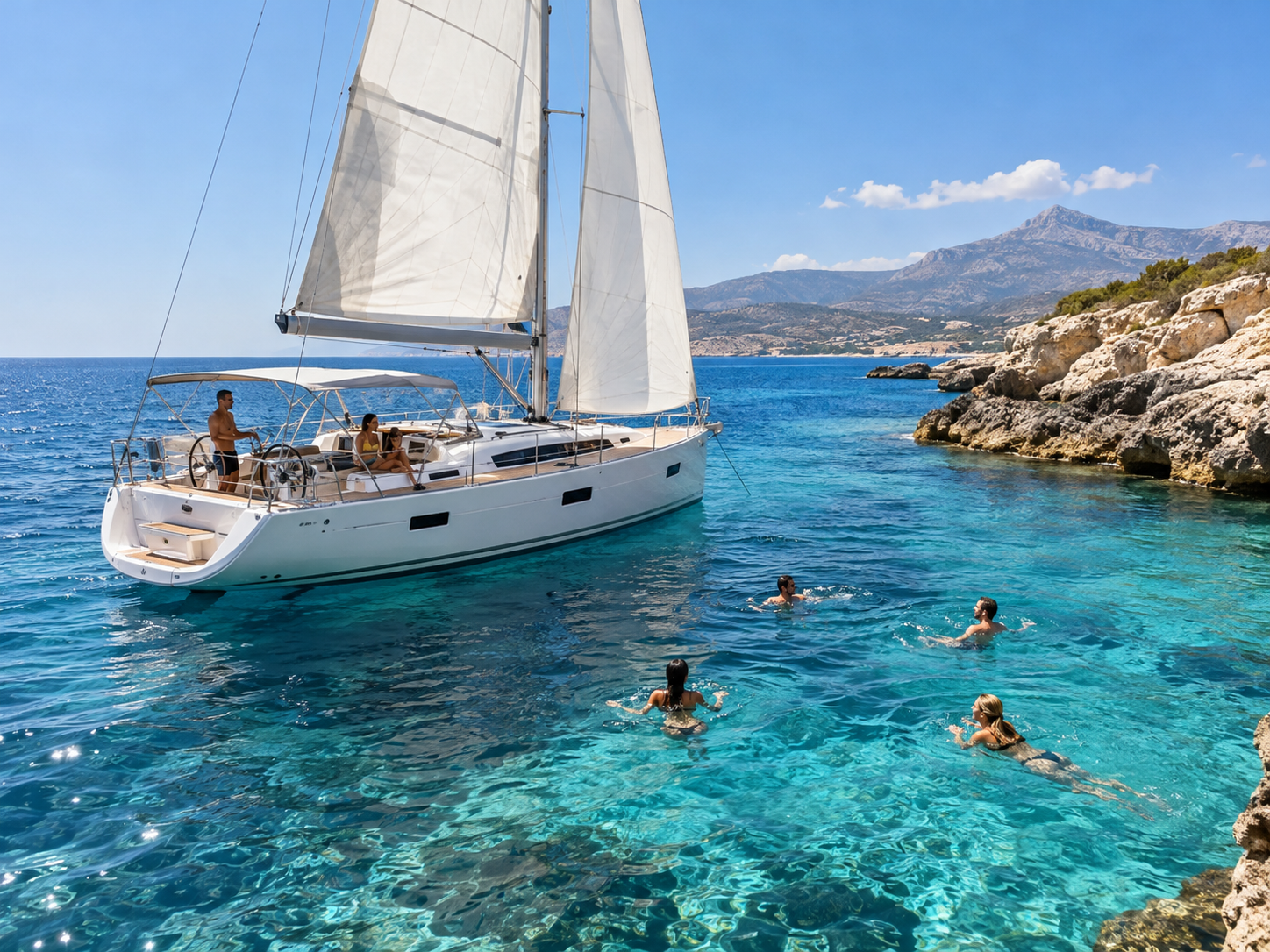
For many visitors, swimming is an important part of spending time on a boat in Cyprus. A sailing trip can include both activities, although combining them requires a little thought.
A swimming stop can be one of the pleasures of an excursion on a warm summer day, but it also changes how time is spent aboard. The question is how much of the trip you want to devote to swimming and how much to sailing.
If you imagine spending most of the afternoon swimming in sheltered water, a boat excursion designed around swimming stops may be more suitable than a dedicated sailing charter. If you want to learn how a sailing yacht moves and enjoy time under sail, choose an itinerary that leaves sufficient time for that experience.
Access to the water also varies between vessels. Boarding ladders, deck arrangements and the depth at which a yacht can anchor may influence where swimming is practical.
Understanding these limitations before booking will help you avoid expecting a particular swimming stop that the vessel cannot safely provide.
What to Check Before Booking a Sailing Trip
The most useful question to ask an operator is surprisingly simple: How much of the excursion is normally spent under sail rather than using the engine? Wind conditions cannot be guaranteed, but the answer should help you establish whether sailing is central to the experience or simply an occasional part of a conventional boat excursion.
Confirm whether you are booking a monohull sailing yacht, a sailing catamaran or a motor-powered boat. Photographs should match the actual vessel being offered, rather than merely illustrate the type of experience.
For private charters, establish whether the advertised price includes a qualified skipper, crew where necessary, fuel, refreshments, taxes and any additional charges. Check the maximum permitted passenger capacity and whether the price covers the entire boat or individual guests.
You should also establish the departure point, expected duration, proposed route and circumstances under which the skipper may change the itinerary. Ask for the cancellation, deposit and weather-related refund or rescheduling terms in writing before making payment.
Finally, confirm that the operator and vessel hold the certifications, permissions and insurance applicable to the service being offered. Safety equipment, life jackets, passenger briefings and the operator's arrangements for adverse conditions are essential considerations, not optional extras.
A professionally organized sailing trip should leave you with a clear understanding of what you have booked, what is included and what may change.
Comfort and Practical Considerations on Board
A sailing yacht is not quite the same environment as a large excursion boat. Decks can be narrower, access may involve steps, and the vessel can move or lean as the sails respond to the wind.
Travelers prone to seasickness should take this into account before booking, particularly if they are considering a smaller monohull. A catamaran may feel more stable in some conditions, but no vessel can eliminate motion at sea.
Wear comfortable clothing and shoes suitable for the boat's deck. Bring sun protection, drinking water if it is not provided and a light extra layer for cooler conditions. If swimming is part of the itinerary, wear your swimsuit or bring one, together with a towel and dry clothes.
For families with children, confirm the operator's age requirements, appropriate life jackets, shaded space and onboard facilities. Travelers with reduced mobility should discuss boarding arrangements, seating and toilet access directly with the operator, since these vary significantly between vessels.
Comfort is not necessarily determined by the size or price of the yacht. The suitability of its layout, available shade, number of passengers and expected sea conditions can be far more important.
Is a Sailing Trip in Cyprus Worth It?
For travelers who genuinely enjoy being on the water, sailing can be one of the more rewarding ways to spend part of a Cyprus vacation. It offers a different relationship with the sea from a sightseeing cruise, particularly when conditions allow the vessel to travel under sail.
We would give serious consideration to a private sailing yacht from Latchi for a couple or small group interested in the Akamas coastline. A sailing catamaran may be preferable for travelers who place greater value on deck space and a more sociable experience, while a sailing charter from Larnaca can offer a convenient alternative for visitors staying on the southern coast.
We would be more cautious about recommending a dedicated sailing trip to someone whose main priorities are several guaranteed swimming stops, a tightly timed sightseeing route or the most stable possible onboard experience. In those circumstances, a conventional boat excursion may be the more sensible choice.
The strongest reason to book a sailing trip is not that it visits more places or offers greater comfort than every other boat. It is that you want to experience the journey itself, including the movement of the yacht, the decisions of the skipper and the influence of the wind.
When a change of course feels like part of the pleasure rather than an inconvenience, you have chosen the right kind of boat trip.