Newsletter "Beyond the Postcards" Subscribe
Plan Your Cyprus Trip: Hotels: Expedia, Villas & Apartments: Vrbo, Car Rentals: DiscoverCars, Tours: GetYourGuide, Airport Transfers: WelcomePickups
- Home
- Plan Your Cyprus Trip
- What To Pack For Cyprus
- What To Pack For Cyprus in Spring & Autumn
What To Pack For Cyprus in Spring & Autumn
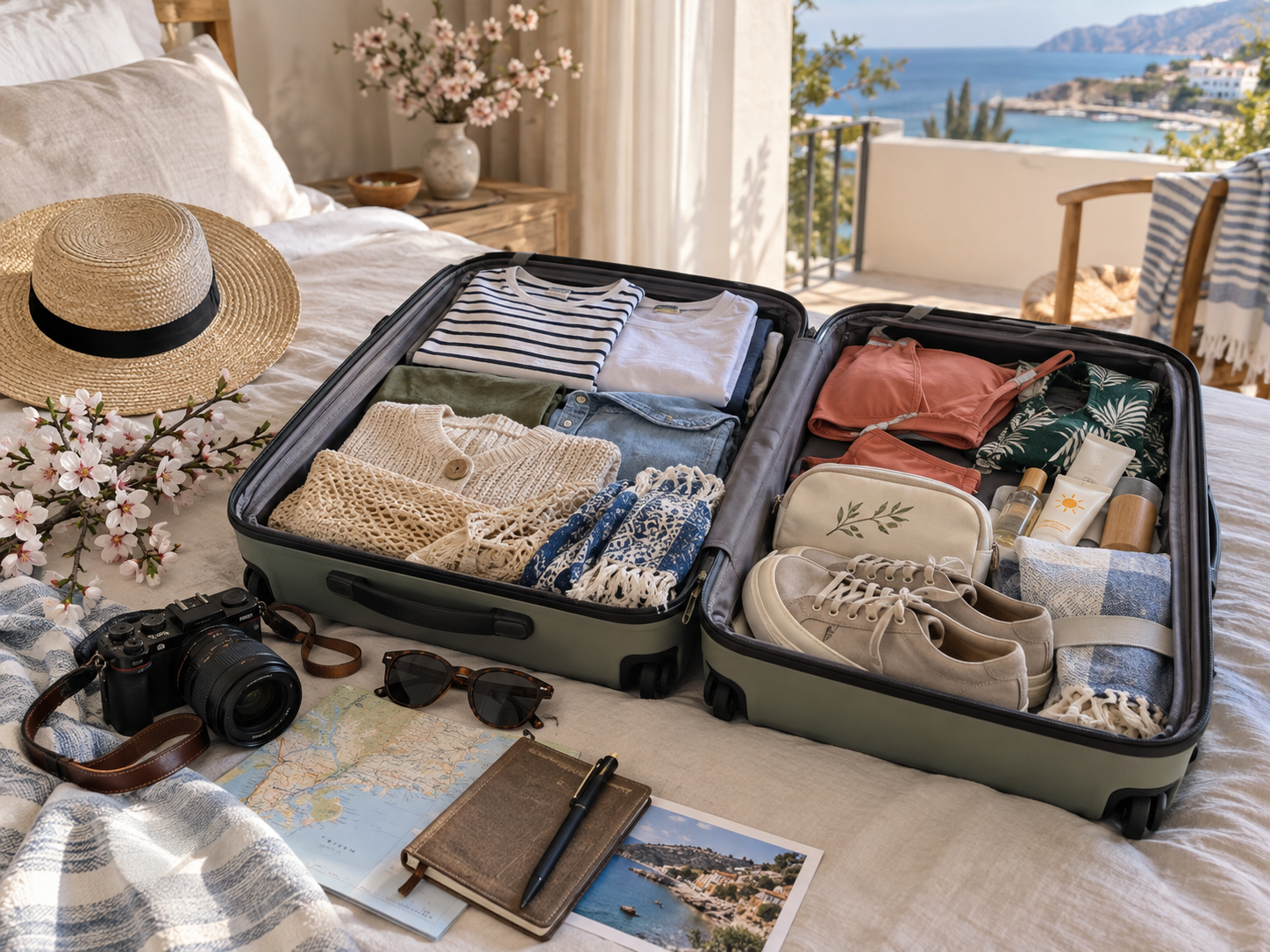
Spring and autumn are the seasons in Cyprus when a suitcase can look completely wrong at breakfast and completely right by dinner. A warm afternoon may justify short sleeves, while a shaded old-town street, coastal breeze, evening outdoors or drive into the mountains can make the extra layer you nearly left at home suddenly useful.
This is why shoulder-season packing is not simply a compromise between summer and winter. The mistake is trying to pack half of each. The better approach is to bring clothes that can change roles as quickly as the day does.
For most travelers, that means light clothing, dependable walking shoes and a small number of layers that work together. The suitcase should be able to move toward summer or toward cooler conditions without becoming either one.
The Spring & Autumn Packing List
For most trips to Cyprus during spring or autumn, start with:
- Lightweight T-shirts, shirts, blouses or tops
- Lightweight trousers, jeans, skirts or dresses
- Shorts if the forecast and itinerary make them useful
- One or two warmer mid-layers, such as a sweater, cardigan or overshirt
- A light jacket
- A compact waterproof or water-resistant outer layer when appropriate
- Comfortable closed walking shoes
- Sandals or lighter footwear if conditions and plans justify them
- Swimwear if the coast, pool or spa is genuinely part of the trip
- A light beach cover-up if you expect beach time
- One restrained smart-casual outfit for dinners or more polished hotels
- Clothing suitable for religious sites
- Sunglasses
- Sun protection appropriate to your needs
- Small day bag
- Reusable water bottle
- Compact umbrella if you prefer carrying one
- Chargers and necessary electronics
- A suitable plug adapter if your devices require one
- Personal medication and essential toiletries
The list is deliberately flexible. Spring and autumn are not seasons for packing a different outfit for every possible condition; they are seasons for making the same clothes work in different combinations.
Spring And Autumn Are Not The Same Season
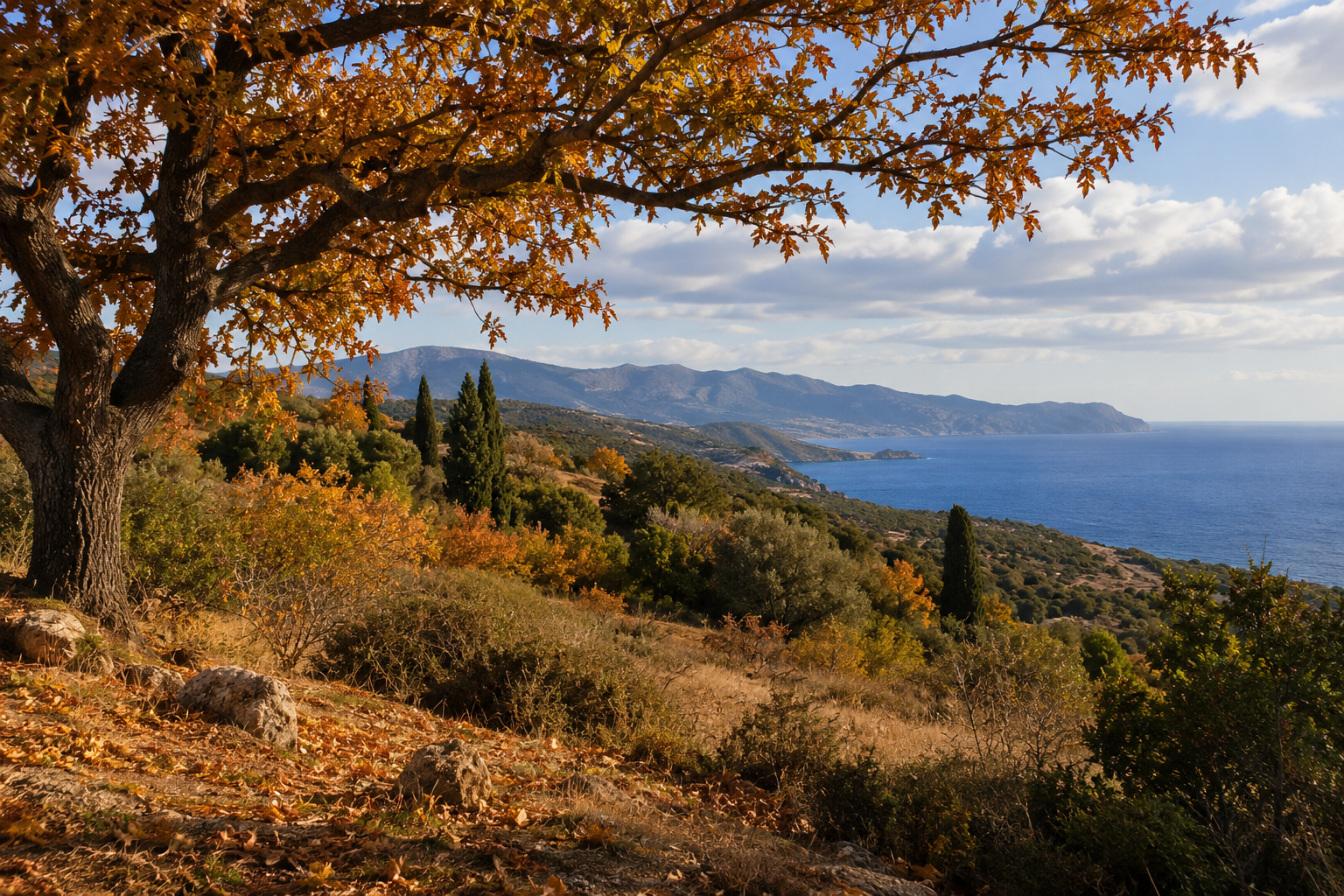
It is tempting to treat spring and autumn as interchangeable because both sit between Cyprus's hotter summer and cooler winter. From a packing perspective, they share much of the same wardrobe, but they do not always feel like mirror images of one another.
Spring is a transition toward warmer conditions. Autumn moves away from summer, and coastal warmth can remain part of the trip even as evenings and inland conditions begin to feel different. That distinction matters most at the edges of each season. An early-spring trip may need noticeably more warmth than one closer to summer, while early autumn on the coast can still behave much more like a summer holiday than the word “autumn” suggests.
The month alone should therefore never make the final packing decision. Your dates, destinations, elevation, itinerary and current forecast matter more than the seasonal label on the calendar.
The Best Layer Is The One You Can Stop Wearing
Shoulder-season travelers often understand that they need layers and then bring too many of them. The useful approach is simpler: start with clothes comfortable in mild or warm conditions, then add one mid-layer and one practical outer layer capable of extending that wardrobe when the day cools.
A lightweight sweater, cardigan or overshirt can solve a surprising number of situations. It works on a cooler morning, disappears into a day bag during a warm afternoon and returns for dinner outside. That is more useful than several heavier pieces that each solve only one narrow problem.
The point of layering in Cyprus is not to keep adding clothes. It is to be able to remove them without the rest of the outfit becoming impractical.
What To Pack For Cyprus in Spring
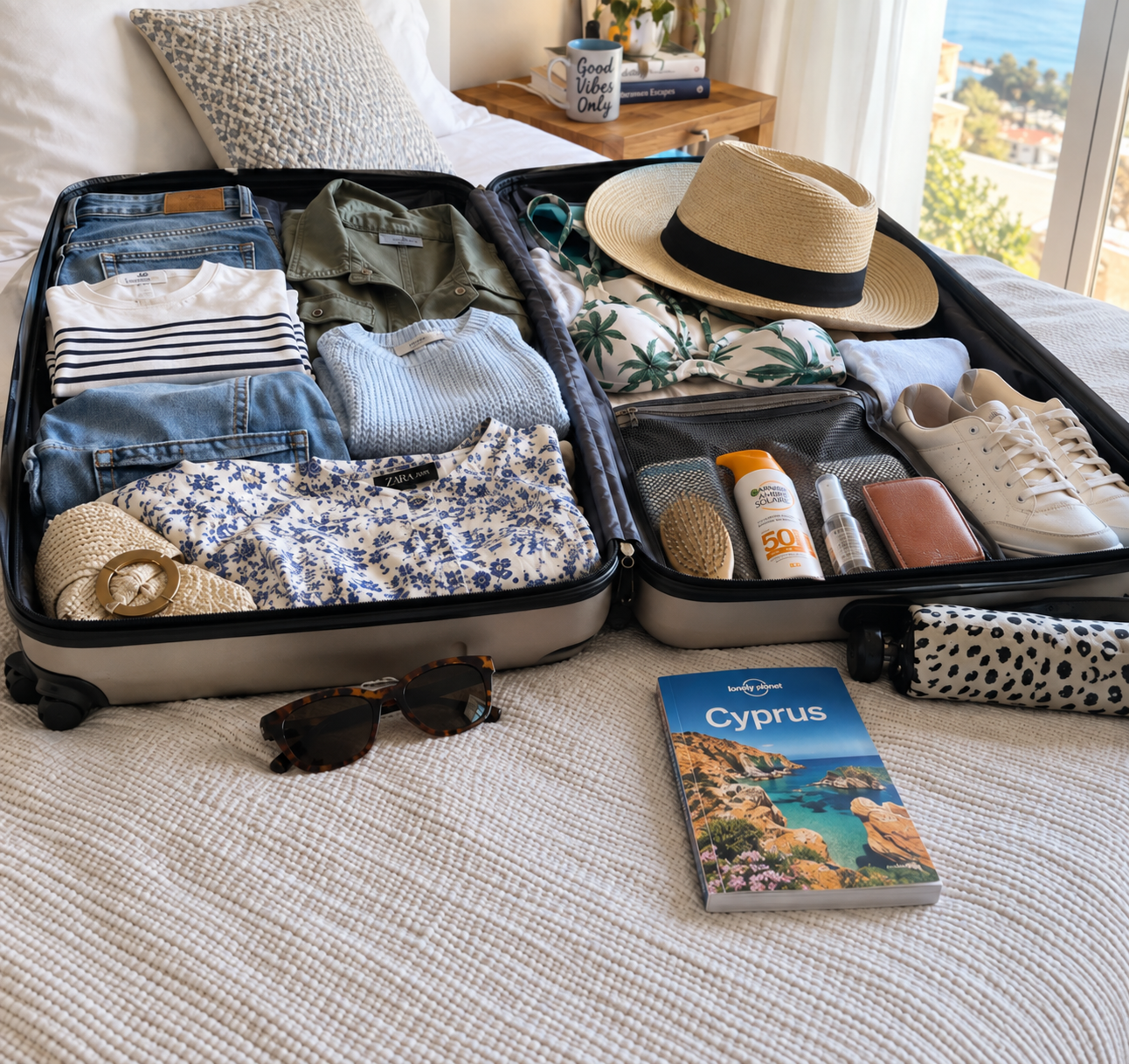
Spring rewards travelers who resist packing for one imagined temperature. Warm sunny periods can make lightweight clothing entirely appropriate, particularly later in the season and along the coast, while cooler mornings, breezy days, unsettled weather and higher ground can still make another layer worthwhile.
Build the suitcase from lighter pieces upward rather than heavy pieces downward. A T-shirt or shirt, lightweight trousers and a sweater or jacket create more useful combinations than a wardrobe dominated by cold-weather clothing.
If your spring itinerary includes long days outside, do not let milder temperatures distract from sun exposure. Sunglasses, a hat when useful and sun protection may still deserve space during sightseeing, walking and outdoor lunches.
Swimwear should be decided by the trip rather than the word “spring.” If your hotel has facilities you intend to use, you expect realistic beach time or spa facilities matter to you, pack it. Otherwise, it does not need to come simply because you are traveling to Cyprus.
What To Pack For Cyprus in Autumn
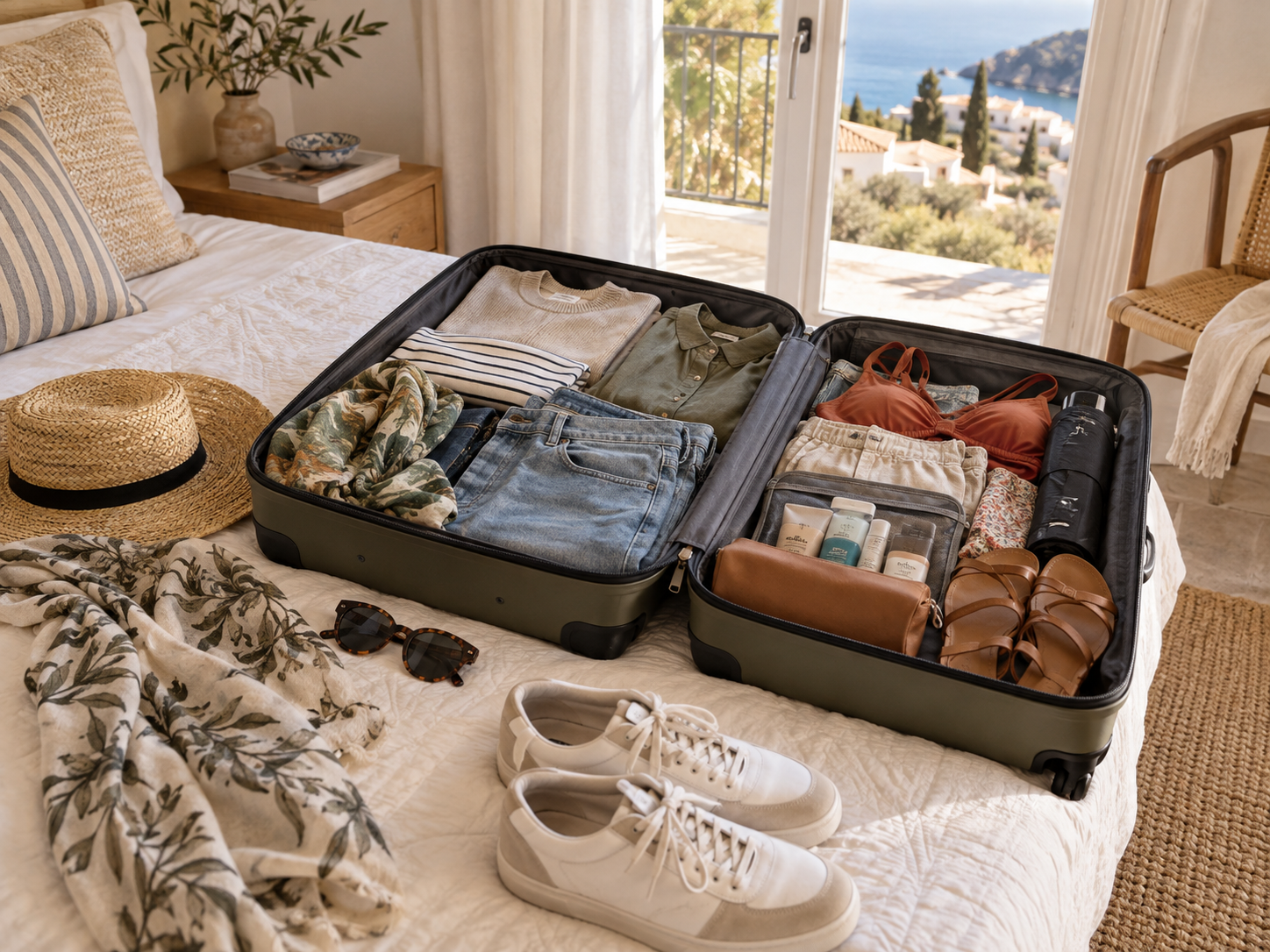
Autumn is where the calendar can be particularly misleading. The beginning of the season can still support a very light wardrobe, especially on a coast-focused trip, while later autumn can make evenings, weather changes and trips inland increasingly important to the packing decision.
This can produce an odd-looking but entirely sensible suitcase: swimwear beside a sweater, sandals beside closed walking shoes. For the right itinerary, that is exactly the point.
Do not assume that because the trip happens after summer, every day will behave like conventional cool-weather travel. Equally, do not expect summer conditions simply because the sea and afternoon sun still look inviting. Pack for the warmest realistic part of the trip and the coolest conditions you genuinely expect, then choose pieces that overlap between the two.
Shoes Matter More Than The Temperature
 Hiking: Akamas Peninsula, Paphos
Footwear is one of the easiest ways to misread spring or autumn. A warm forecast may encourage travelers to rely entirely on sandals, but archaeological sites, old neighborhoods, village streets and long sightseeing days do not become smoother because the weather is pleasant. At the other extreme, heavy footwear can feel unnecessary on a mostly coastal itinerary.
For many trips, one comfortable pair of closed walking shoes and one lighter pair are enough. Closed shoes become more useful when rain is possible, sightseeing is extensive or the itinerary reaches villages and higher ground, while sandals can still justify their place when coastal days remain central.
If proper hiking forms part of your plans, ordinary sightseeing shoes should not automatically be treated as trail footwear. Use What To Pack For Hiking & The Troodos Mountains for the more specific equipment decision.
Keep The Swimwear Decision Honest
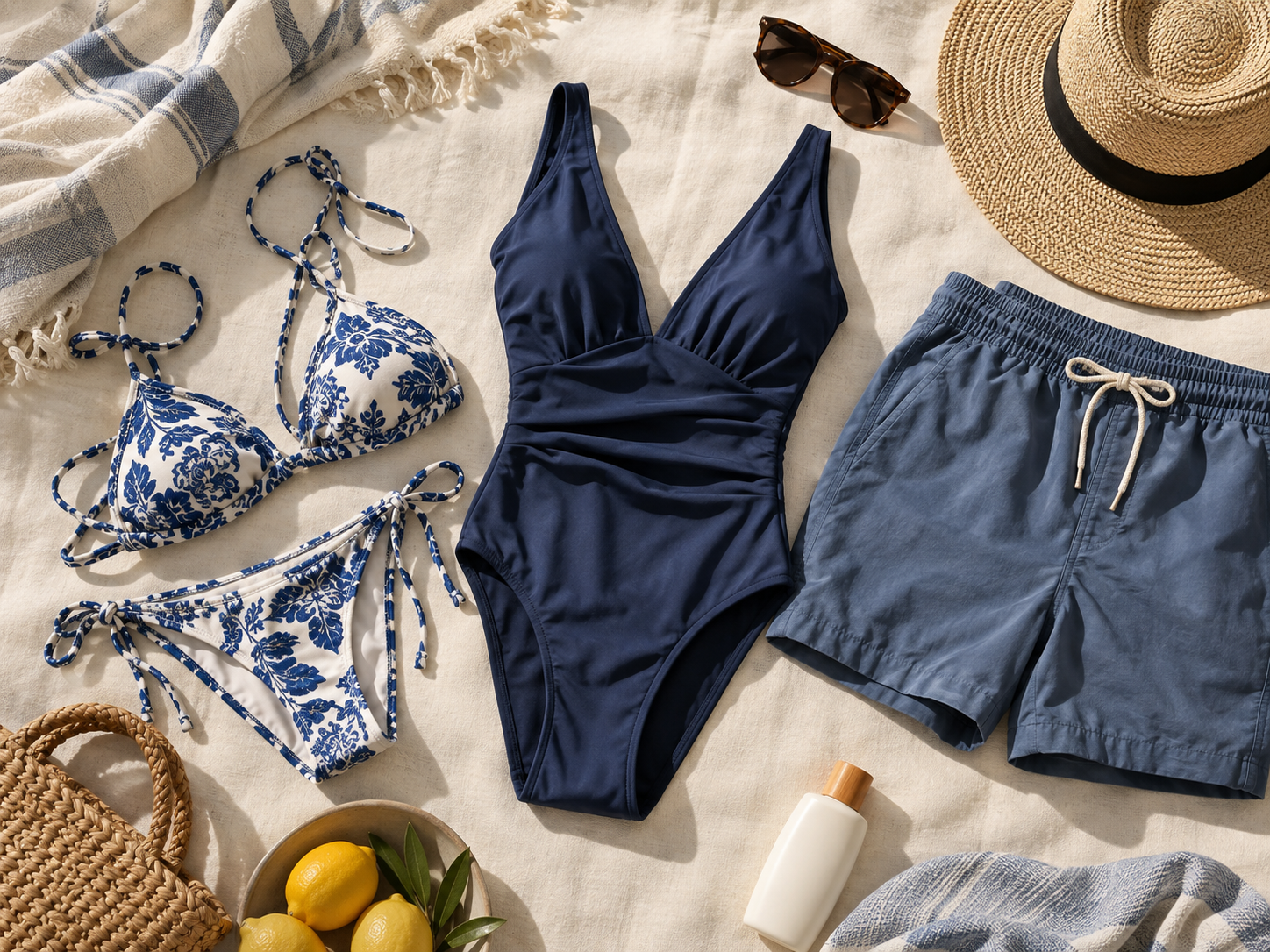
Spring and autumn are the seasons when travelers often pack beach equipment for a holiday they are not actually taking.
One swimsuit occupies almost no space, so bringing it makes sense when there is a realistic chance you will use it. The more important distinction is between possibility and intention. A coast-based autumn stay, a hotel with facilities you value or a spring trip partly built around the sea can justify swimwear easily. A city-and-villages itinerary with no pool or beach plans may not.
The same restraint should apply to towels, multiple swimsuits, several pairs of sandals and bulky beach accessories. Do not allow one possible afternoon beside the sea to dictate half the suitcase.
Sightseeing Is Where Shoulder-Season Packing Works Best
Spring and autumn can make mixed sightseeing days easier because clothing does not have to revolve around either intense summer heat or the cooler end of winter. A comfortable base layer, practical shoes and something warmer in the day bag will cover a large number of itineraries.
That combination can work for archaeology in Paphos, walking in Nicosia, village stops and long lunches that continue into cooler parts of the afternoon. The advantage is adaptability: you can dress lightly enough to enjoy a warm day without committing the entire suitcase to warm weather.
Religious sites still deserve appropriate clothing. A light overshirt, cardigan or similar layer can provide additional coverage while earning its place elsewhere in the trip.
The best shoulder-season sightseeing clothes rarely look specialized. They simply continue working as the day changes.
The Coast Can Fool You About Troodos
A pleasant morning beside the sea is not a useful forecast for a day higher in the mountains.
If your itinerary includes Troodos, mountain villages or longer walks at elevation, carry an additional layer and choose footwear according to the activity rather than the conditions at your hotel. A village lunch, a short walk and a longer trail are three different packing problems, even though all three may take place in the mountains.
Cyprus is compact enough for travelers to move between different environments in the same day, but the short driving distance does not make those environments identical. Check the current forecast for the actual destination and, where relevant, conditions affecting the route or activity before setting out.
Wind Can Matter As Much As Temperature
Travelers often concentrate on the temperature in a forecast and overlook how exposed a particular day may be. In spring and autumn, a mild reading can feel quite different on an open coastline, at a viewpoint or during a long meal outdoors when there is a noticeable breeze.
The same temperature in a sheltered street and beside the sea can therefore lead to different clothing decisions. This is another reason a lightweight outer layer earns its place: it does not need heavy insulation to make an exposed day more comfortable.
The lesson is not to prepare for bad weather. It is simply to remember that temperature is only one part of how a day outside feels.
Rain Should Not Dominate The Suitcase
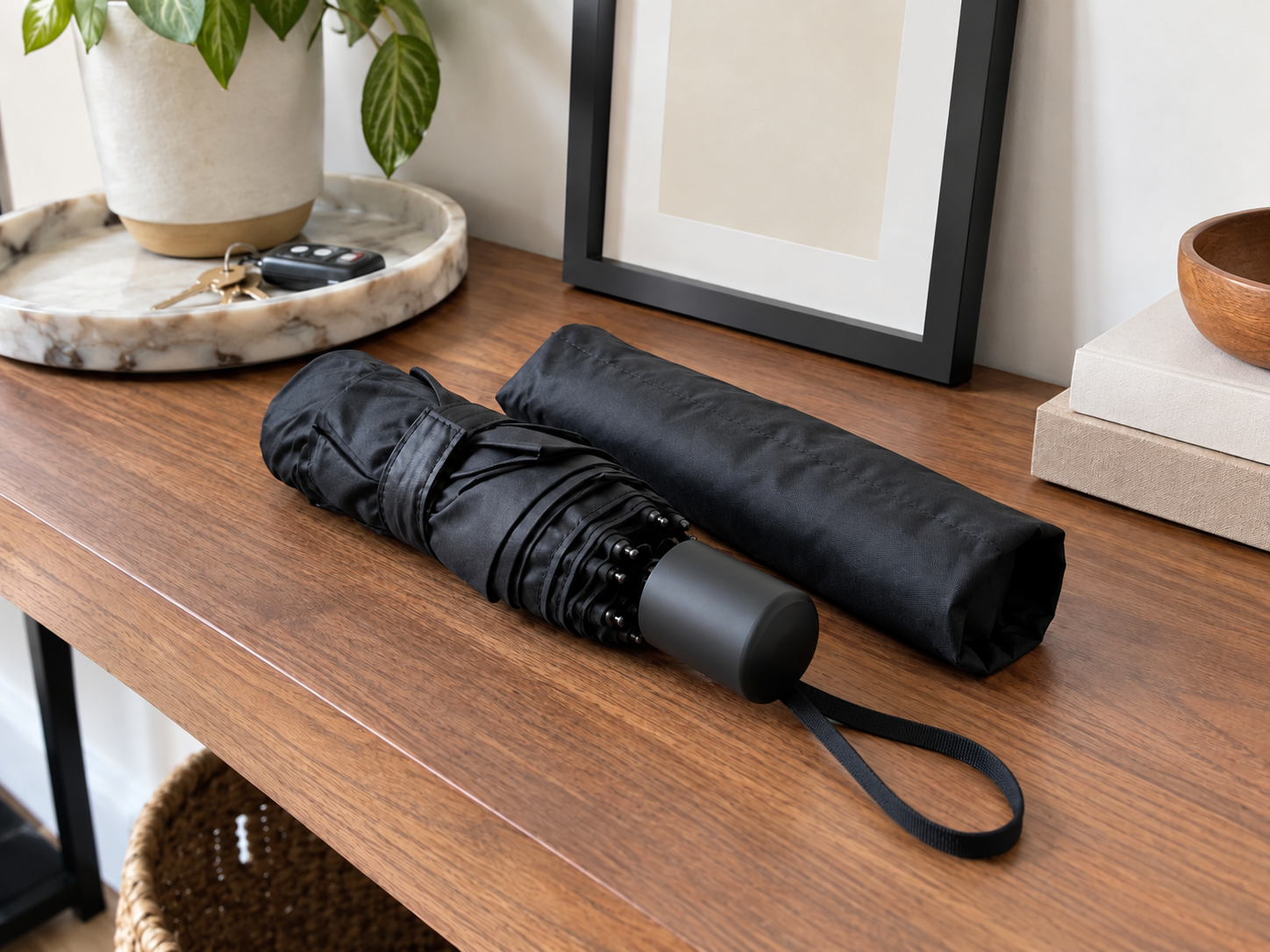
The possibility of unsettled weather can push shoulder-season travelers toward excessive waterproof equipment. For most ordinary itineraries, a compact umbrella if you like using one, a practical light outer layer and shoes you are comfortable wearing on wet streets will cover many everyday situations.
If the forecast turns unfavorable, reorganizing the day may be more useful than dressing as though every outdoor activity must happen regardless of conditions.
Hiking, boat trips and other weather-sensitive activities require more specific judgment. Check current conditions and information from the relevant operator or authority rather than relying on a general packing guide.
A suitcase should help you respond to the weather. It cannot make the weather irrelevant.
Evenings Create The Packing Test
A shoulder-season suitcase can look perfectly judged at two in the afternoon and slightly foolish several hours later because travelers naturally pack for the warmest part of the day.
If you expect long dinners outside, evening walks or time in mountain villages, make sure one combination still works once the day cools. A shirt or top with a sweater, cardigan or light jacket will often cover ordinary evenings, depending on the time of year and location.
There is no need for a separate nighttime wardrobe. The most useful evening pieces should already be working elsewhere during the trip.
One good layer that moves from a morning departure to dinner is more valuable than an outfit designed for an evening that may never require it.
Dinner Clothes Can Remain Uncomplicated
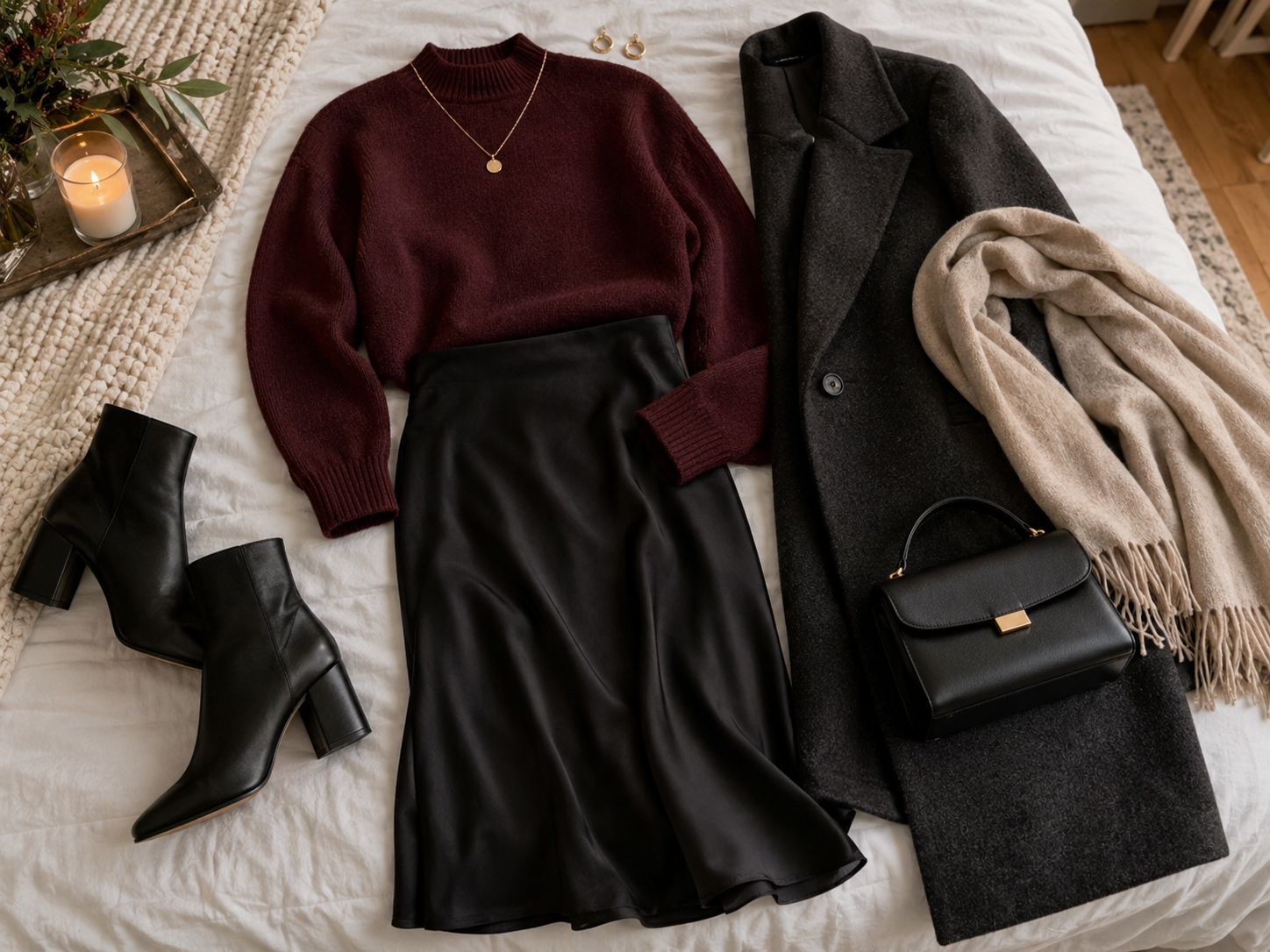
Spring and autumn do not usually require formal dressing simply because evenings are cooler. For most independent travelers, restrained smart-casual clothing is more useful than formalwear: a good shirt, blouse, sweater, dress or trousers combined with shoes you can comfortably walk in.
The best pieces bridge sightseeing and dinner rather than dividing the day into separate wardrobes. This matters particularly on road trips or multi-base itineraries, where clothes that work in only one setting quickly become dead weight.
If a hotel, restaurant or event has a specific dress requirement, check directly before traveling rather than packing formal clothing on speculation.
A Road Trip Makes The Seasonal Contrast More Obvious

Spring and autumn road trips make changing conditions particularly visible. You might leave the coast in light clothing, stop inland, continue into the mountains and return after dark, so keeping one useful layer accessible in the car is far more practical than discovering it underneath the rest of your luggage when you need it.
A small day bag works well for water, sun protection, personal items, chargers and a layer you are not currently wearing. Important documents, medication and valuables should remain with you rather than being treated as permanent contents of a parked vehicle.
If driving forms a major part of the holiday, What To Pack For A Cyprus Road Trip covers the wider luggage and driving-day decisions.
What Not To Pack For Cyprus in Spring & Autumn
The easiest way to overpack for these seasons is to prepare fully for both summer and winter.
You generally do not need a complete hot-weather wardrobe plus a complete cold-weather wardrobe, several jackets, multiple pairs of heavy shoes and enough beach equipment for every possible coastal day.
Instead, look for overlap. Lightweight trousers can work on warm and cooler days. A shirt can be worn alone or underneath another layer. Closed shoes can cover sightseeing, dinner and ordinary village stops. One light jacket can solve several different conditions.
Items that only work at one extreme deserve more scrutiny. Shoulder-season packing succeeds when a relatively small wardrobe can stretch in both directions.
Before You Close The Suitcase
Spring and autumn require one final check because the name of the season tells you less than the itinerary does. Look at your dates and route. Are you spending most of the trip on the coast? Are you sleeping in Troodos? Will you hike? Is swimming genuinely part of the plan? Will you be outside after dark? Are you moving between several bases or staying in one place?
Then look at the current forecast close to departure. Check what your accommodation provides, review requirements for any specialist activities, and use current official information for medication or other items subject to travel restrictions.
The best spring or autumn suitcase for Cyprus does not need to decide whether the trip is a summer holiday or a winter one. It only needs to be ready for the kind of day Cyprus actually gives you—and to have an answer either way.