Newsletter "Beyond the Postcards" Subscribe
Plan Your Cyprus Trip: Hotels: Expedia, Villas & Apartments: Vrbo, Car Rentals: DiscoverCars, Tours: GetYourGuide, Airport Transfers: WelcomePickups
- Home
- Plan Your Cyprus Trip
- What To Pack For Cyprus
- What To Pack For Cyprus in Summer
What To Pack For Cyprus in Summer: Clothes, Shoes & Essentials
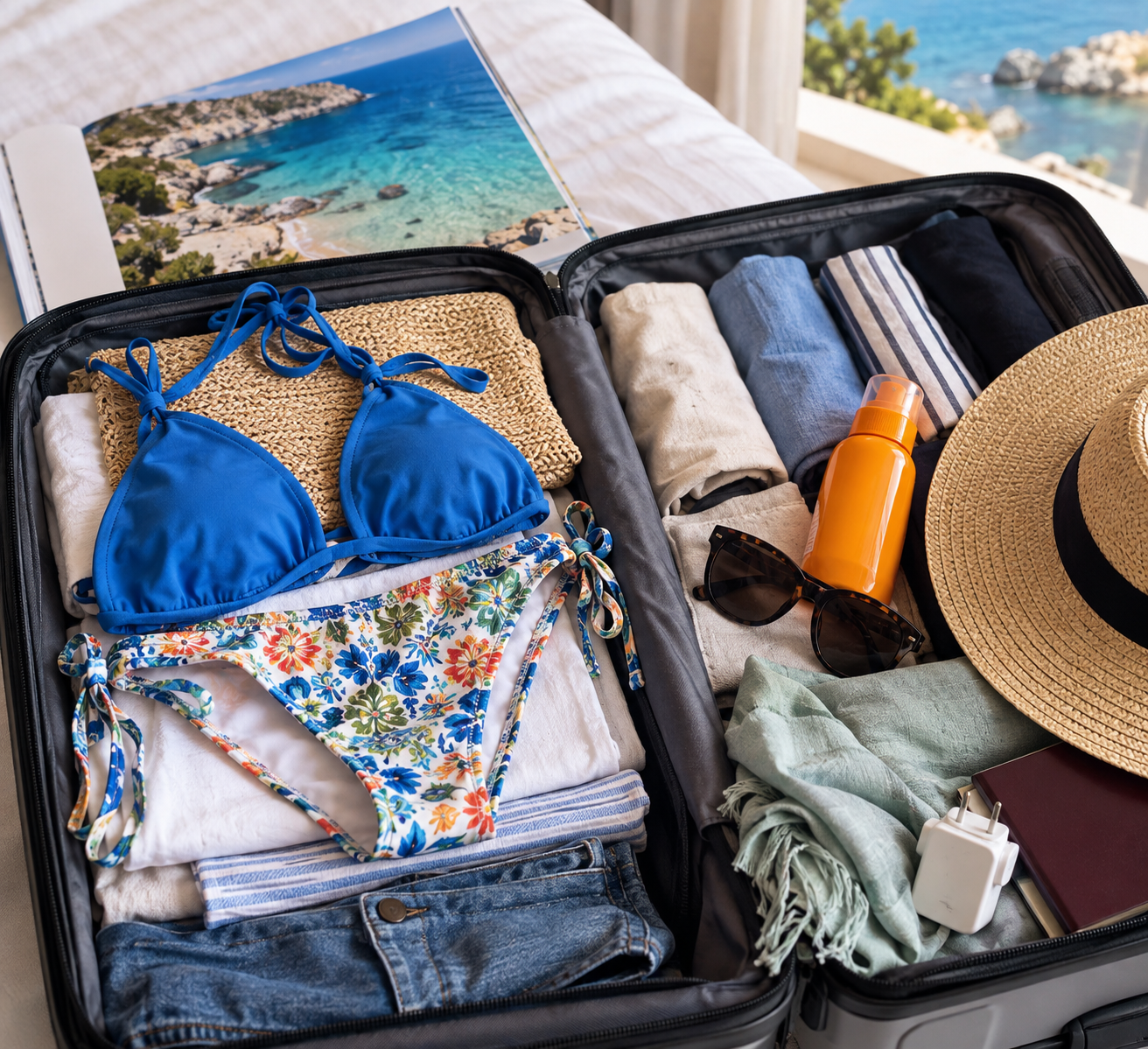
Packing for Cyprus in summer should be easy. In practice, travelers often make it harder than it needs to be by bringing too many clothes for situations that never happen, then overlooking the small things that make long, hot days more comfortable: shoes that can handle several hours of walking, something light for strongly air-conditioned interiors, a useful day bag and enough swimwear for the way the trip actually works.
Cyprus summer rewards simplicity. Lightweight clothes, sensible footwear and good protection from the sun will cover a large part of most trips. The rest depends on whether your summer means five days beside the sea, archaeological sites and restaurants, a road trip across the island, or mornings in Troodos followed by evenings back on the coast.
Pack for those days, not for every possible version of a summer holiday.
The Summer Packing List
For most summer trips to Cyprus, start with a compact core:
- Lightweight T-shirts, shirts, blouses or tops
- Shorts, skirts or lightweight trousers
- Breathable dresses if you wear them
- Two or more swimsuits if swimming will be a regular part of the trip
- A light beach cover-up
- Comfortable walking shoes
- Sandals or other light footwear
- One restrained smart-casual outfit for dinners or more polished hotels
- Lightweight clothing that can cover shoulders and knees when appropriate
- A very light layer for air-conditioned interiors or cooler mountain stops
- Sun hat
- Sunglasses
- Sun protection appropriate to your needs
- Reusable water bottle
- Small day bag
- Beach bag if the trip is beach-heavy
- Chargers, cables and necessary electronics
- Type G plug adapter if your plugs are not compatible
- Personal medication and essential toiletries
That is the foundation. Everything else should have to justify the space it takes.
Lightweight Clothes Do Most of The Work
Summer is not the time to build a complicated Cyprus wardrobe. Breathable fabrics are more useful than heavy materials, particularly if you expect to spend hours outside rather than moving directly between an air-conditioned car, hotel and restaurant. Linen, cotton and lightweight technical clothing can all work; the important point is comfort in heat rather than following a particular summer aesthetic.
Loose-fitting clothes tend to earn their place because they can move between different parts of the day. A shirt that works over swimwear, with shorts during the afternoon and with trousers in the evening is more useful than three pieces designed for three separate occasions.
This is where overpacking usually begins. Travelers imagine beaches, lunches, sightseeing and dinner as requiring separate wardrobes when the same few well-chosen pieces can often move between all of them. If something in the suitcase works with only one other item, it deserves a second look before you close the bag.
Do Not Pack Only For The Beach
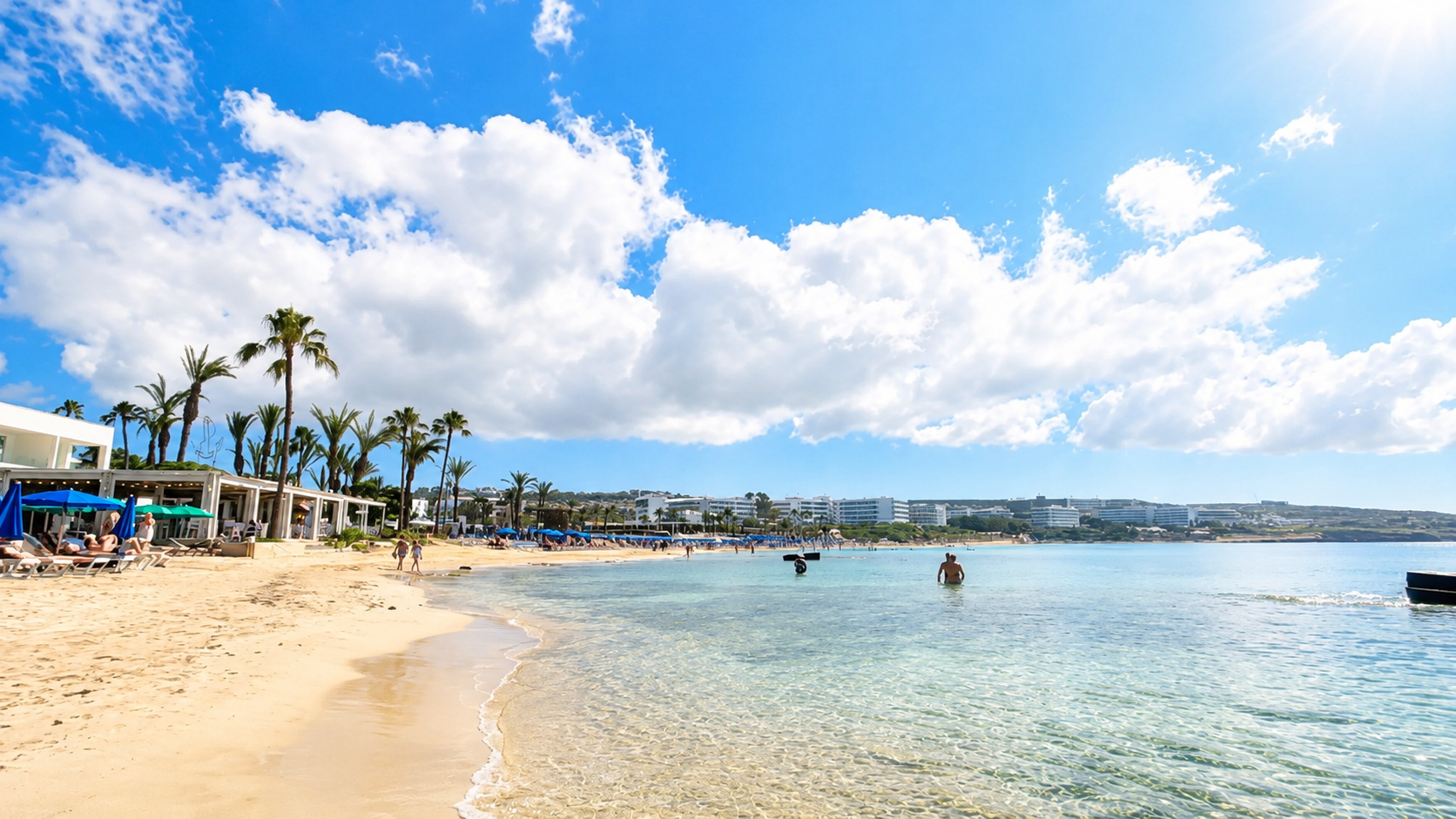
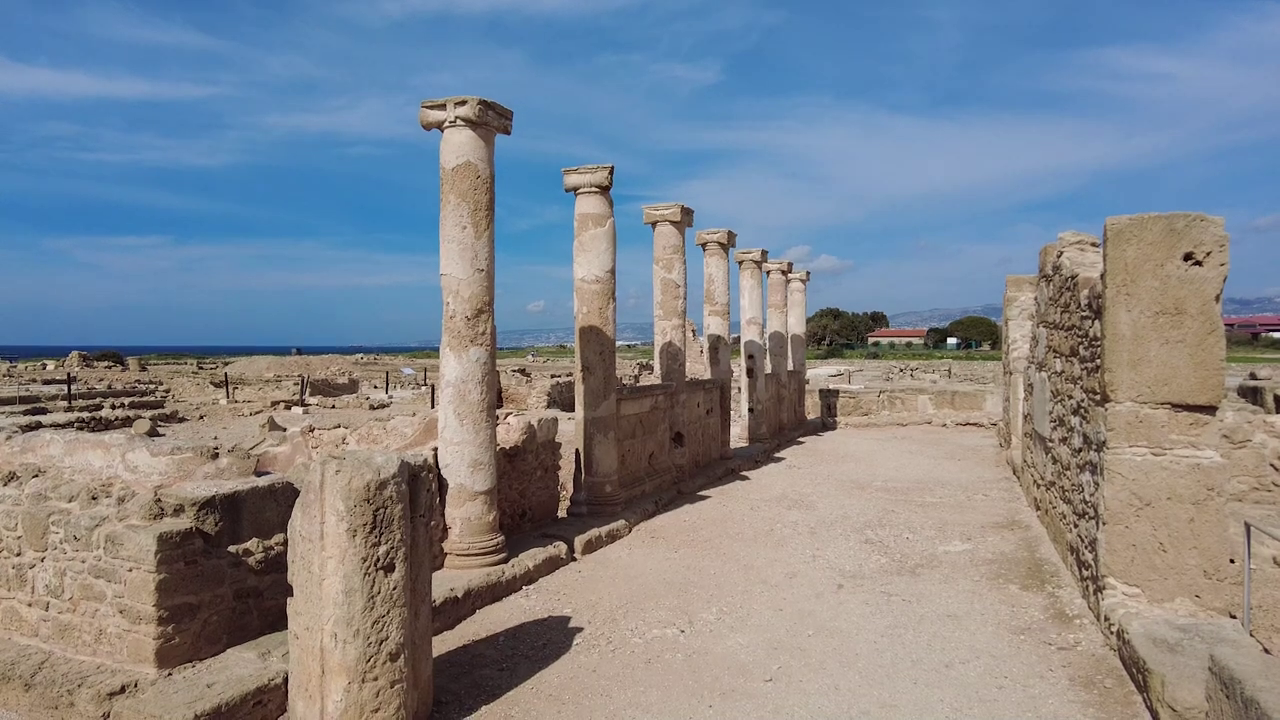

Summer photographs can make Cyprus appear as though every day begins and ends beside the water, but many good trips do not. You may spend the morning at an archaeological site, drive inland for lunch, walk through a village in the afternoon and return to the coast for dinner. Even beach-first travelers usually leave the resort eventually.
That makes proper daytime clothes and comfortable footwear more useful than another pair of swim shorts or another beach dress. It also means carrying something that provides more coverage. Churches and monasteries are not beach spaces, and respectful clothing matters when visiting religious sites. A lightweight shirt, loose trousers, longer skirt or similar option can solve that without adding much weight.
Packing for Cyprus in summer works best when beach clothes are treated as one part of the wardrobe rather than the entire wardrobe.
Two Swimsuits Can Be More Useful Than Ten Outfits
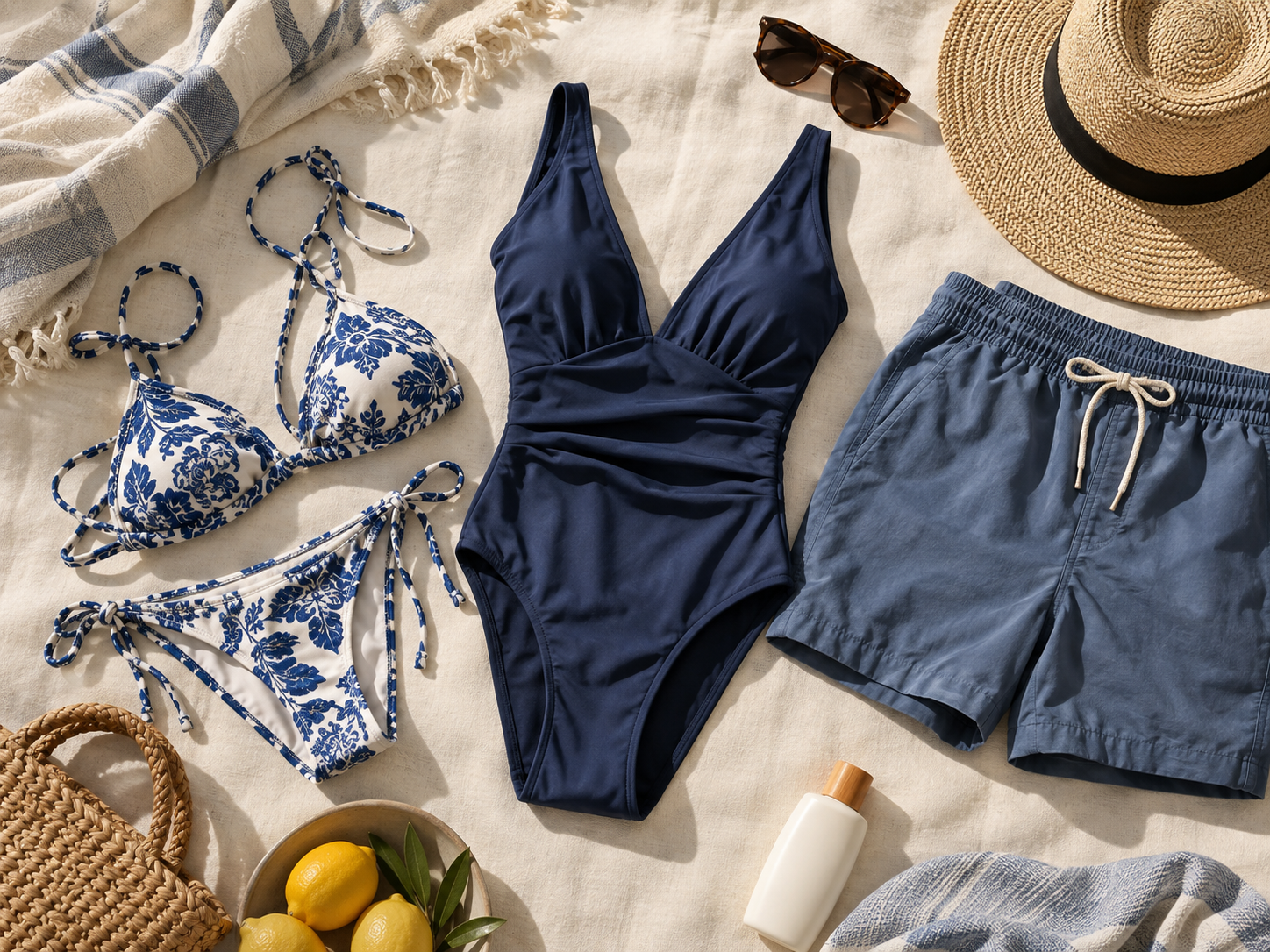
If swimming forms a major part of the trip, taking more than one swimsuit is one of the few small duplications that makes practical sense. One can dry while the other is being used, particularly when beach and pool time happen on consecutive days.
What adds less value is excessive beach equipment. Before bringing towels, robes, large beach accessories or bulky pool items, check what your accommodation provides. There is little point carrying something across Europe if the hotel, villa or apartment already supplies it.
The same principle applies to beach bags. One lightweight bag that works for the pool, beach and casual daytime use is normally more useful than several bags designed for slightly different versions of the same day.
Footwear Is Where Summer Packing Often Goes Wrong
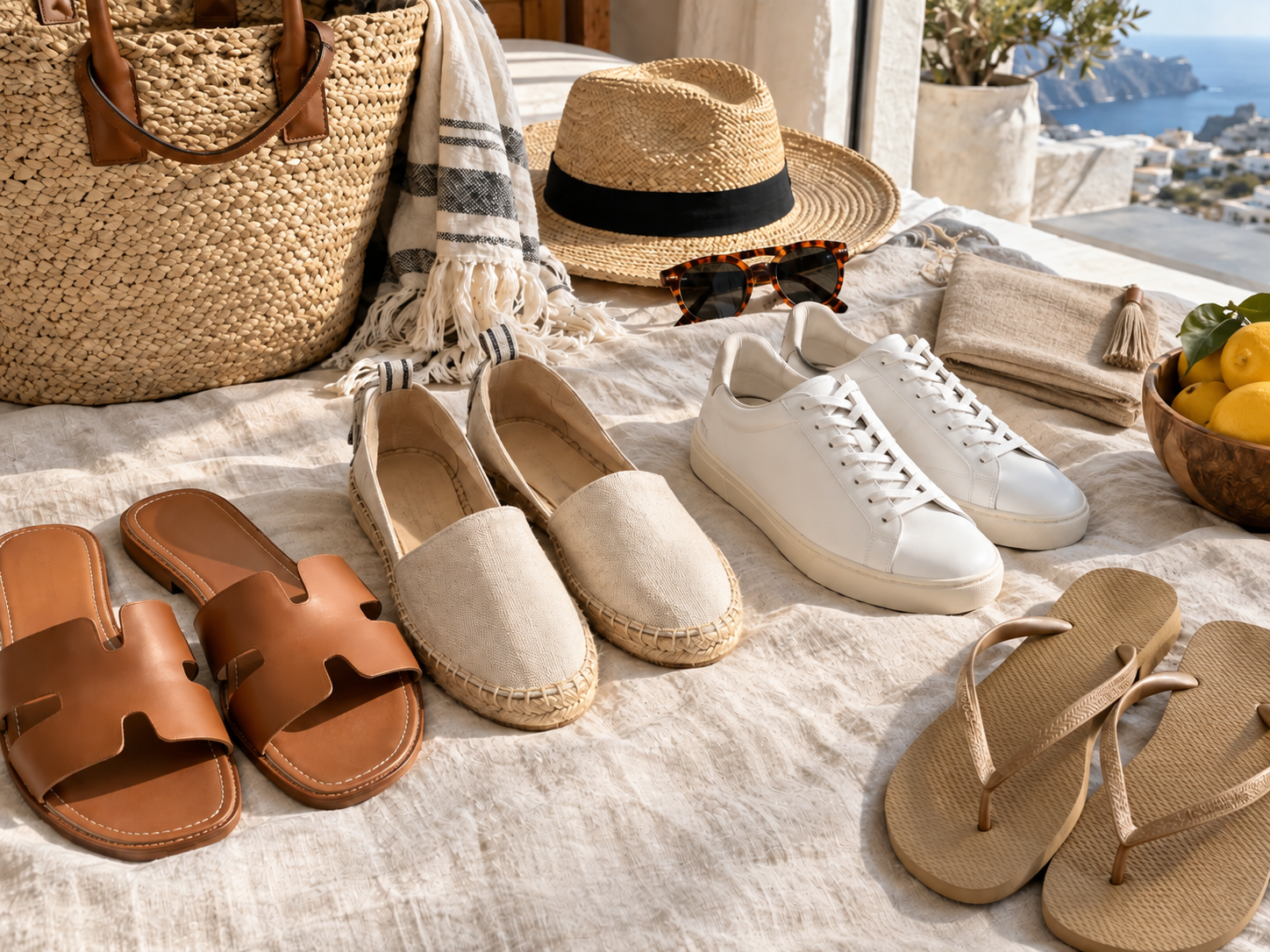
Sandals make sense in Cyprus. Sandals alone do not.
Old towns, archaeological sites, village streets and longer sightseeing days can involve uneven surfaces and more walking than expected. If your itinerary includes those places, bring footwear that remains comfortable after several hours rather than something chosen entirely because it looks right with summer clothes.
For many trips, one genuinely comfortable walking pair and one lighter pair of sandals are enough. Beach footwear can be useful depending on where you plan to swim, but it should respond to an actual itinerary rather than the possibility of encountering every imaginable type of coastline.
If hiking is a meaningful part of the holiday, the calculation changes. That belongs in What To Pack For Hiking & The Troodos Mountains, where footwear should be matched to the route and conditions rather than treated as a summer-fashion decision.
Pack For The Sun Beyond The Beach
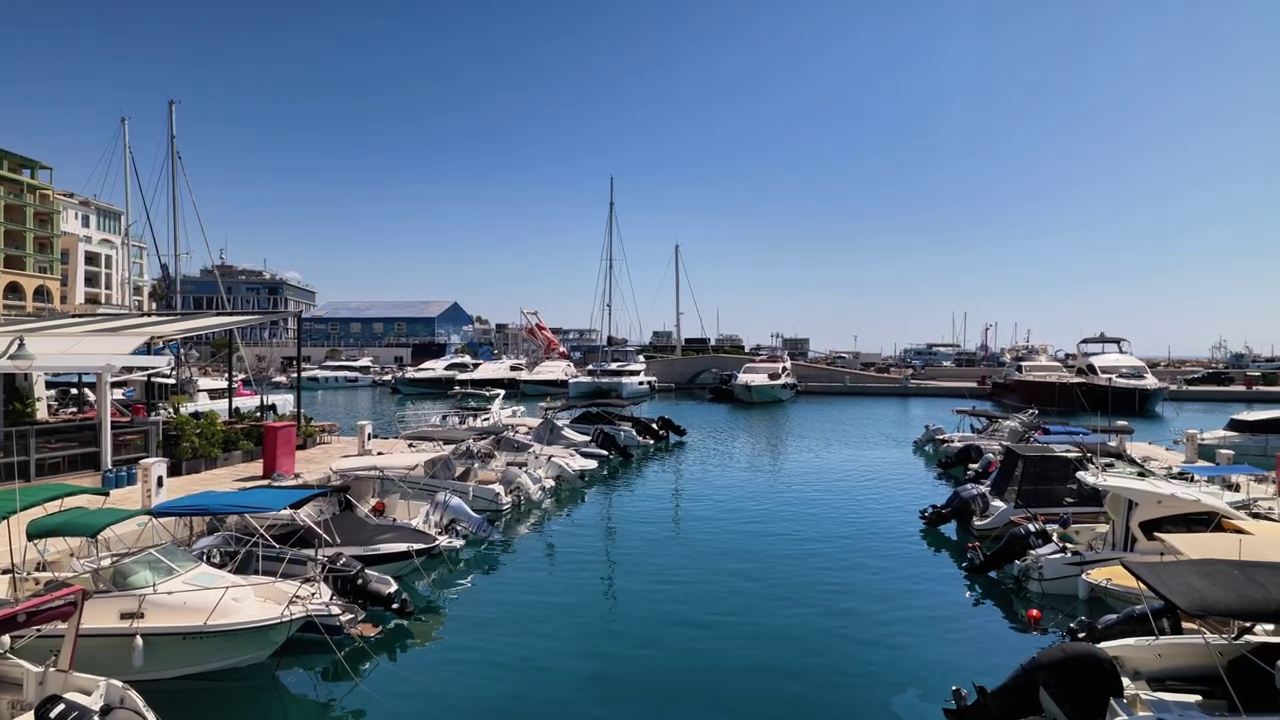 Limassol Marina
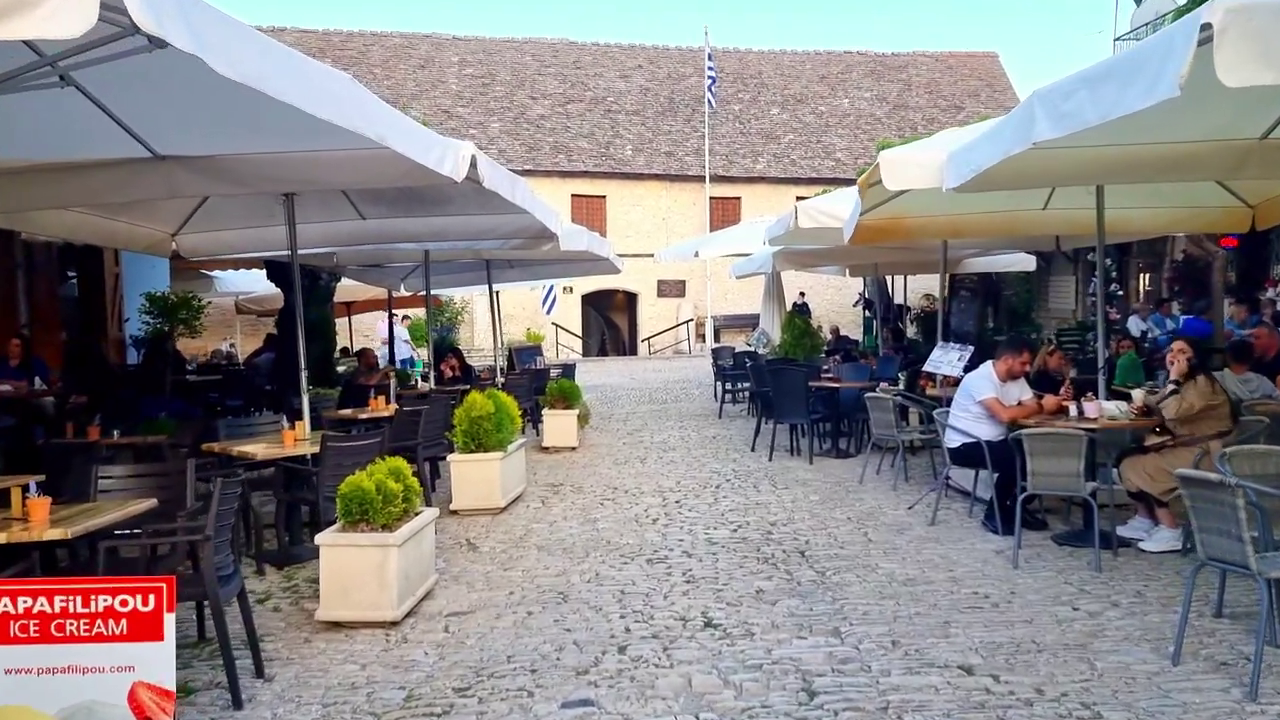 Omodos Square
Sun protection belongs in the day bag as much as it belongs in the beach bag. A traveler may spend several exposed hours walking around an archaeological site, marina, old town or village without ever putting on swimwear, while outdoor lunches and boat trips can extend that time outside further.
A hat, sunglasses, suitable sun protection and easy access to water therefore matter on exploration days as well as beside the sea. This is also why a small day bag works so well in summer: it needs to hold very little beyond water, sun protection, a light layer and the few personal items you genuinely need.
A large bag often becomes another thing to carry in the heat rather than something that improves the day.
The Light Layer That Looks Unnecessary Until It Isn't
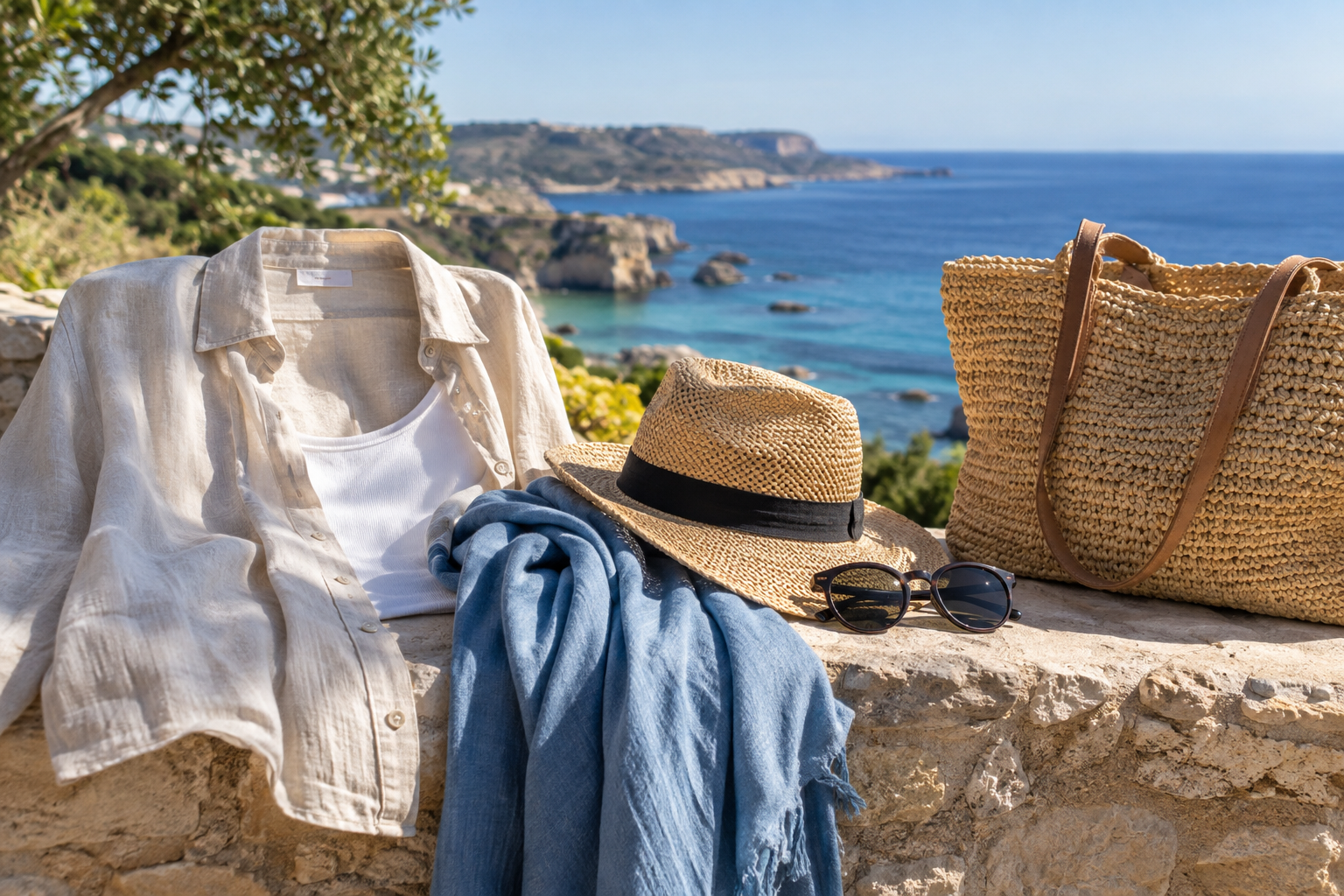
One of the stranger summer contrasts in Cyprus happens indoors. You can spend an hour outside in serious heat and then walk into a hotel, restaurant, shop or car where the temperature feels dramatically different. Travelers who packed exclusively for outdoor conditions can find themselves wishing for the one item that seemed ridiculous while packing for July or August.
That does not mean bringing heavy knitwear. One thin layer is usually the useful compromise: a lightweight shirt, cardigan, overshirt, wrap or similar piece that folds easily into a day bag.
The same item can become useful on an early start, a late outdoor dinner or a mountain day. That is exactly the sort of object worth carrying in a summer suitcase: small, versatile and capable of solving several different problems.
Dinner Does Not Require A Second Wardrobe
Cyprus evenings can range from casual coastal restaurants to more polished hotel dining rooms, but most independent travelers do not need an elaborate formal wardrobe. Smart-casual clothing covers a great deal.
A good shirt, lightweight trousers, an easy dress, refined sandals or similarly restrained pieces can move between different restaurants without feeling either underdressed or unnecessarily formal. If a particular hotel, restaurant or event has a dress requirement, check it directly before traveling rather than packing formalwear on speculation.
Shoes create the same problem. A pair brought for one imagined dinner often returns home almost untouched. Unless you already know you have a genuinely formal occasion, evening clothes should work more than once.
Packing For Sightseeing in Summer
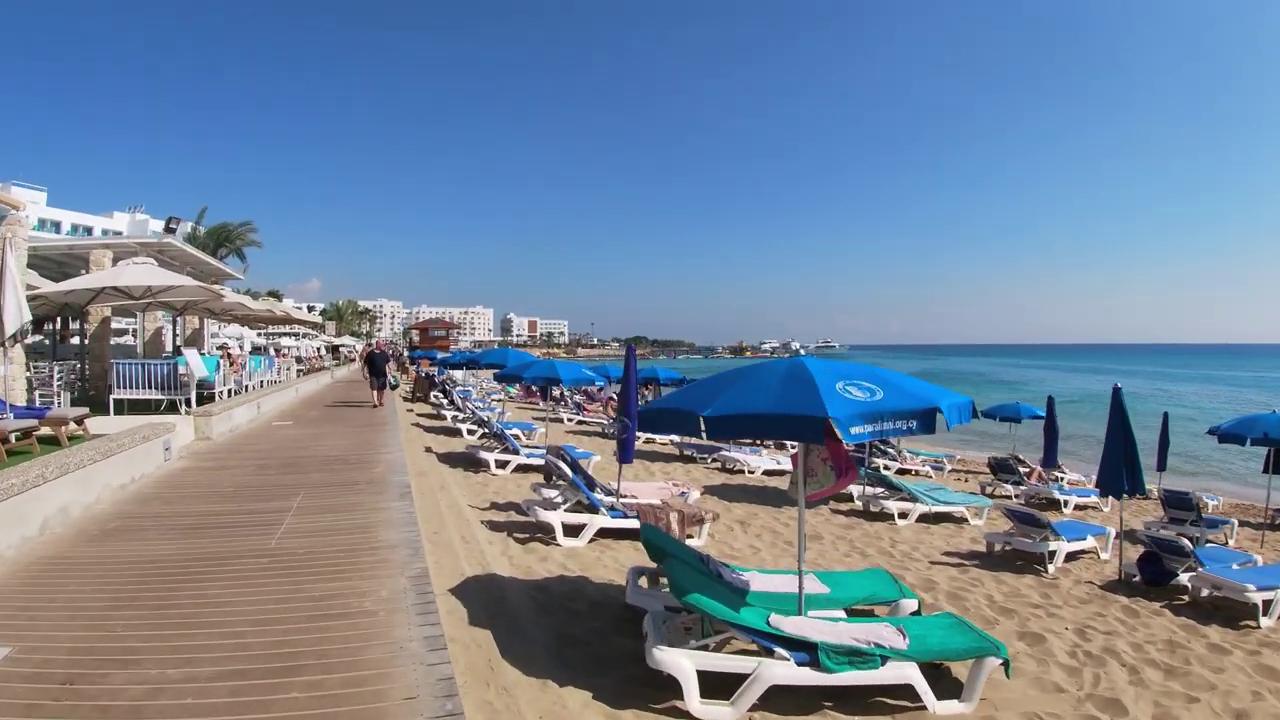 Protaras Coastal Promenade
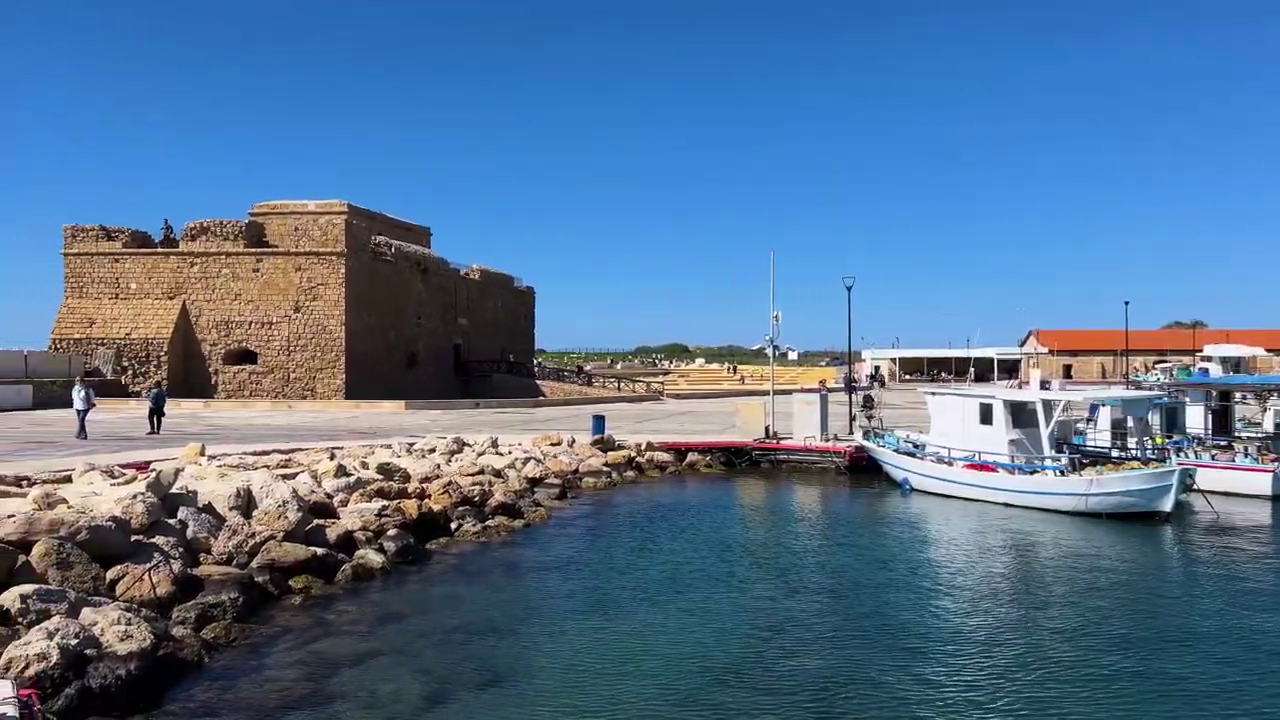 Paphos Castle and The Harbor
The most useful sightseeing clothes are often the least complicated ones: something that remains comfortable after several hours outside, shoes that cope with walking, a hat you will actually wear and a bag light enough that you stop noticing it.
There is also value in planning the day rather than trying to solve everything through clothing. Hot summer conditions can make exposed sightseeing less comfortable, particularly during the hotter part of the day. Packing cannot compensate for an itinerary that ignores conditions.
This is where traveler fit matters. Someone spending a week mostly around a resort in Protaras will pack differently from someone using Paphos as a base for archaeology, villages and road trips. Both are visiting Cyprus in summer, but only one of those suitcases needs to work through long exploration days.
If You Are Going Into The Mountains
 Atalanti Trail, Troodos Square
What works beside the sea will not always work everywhere on the island. Troodos can feel distinctly different from the coast, particularly earlier or later in the day and when conditions change.
If your summer itinerary includes mountain villages, hiking or extended time at higher elevations, take one additional light layer and footwear appropriate to what you intend to do. That does not mean packing for winter because you are having lunch in Platres. It means recognizing that a relatively short drive can take you into a different environment.
The aim is not the smallest possible suitcase. It is the smallest suitcase that still works when the trip changes character. For walking and mountain-specific equipment, continue to What To Pack For Hiking & The Troodos Mountains.
Packing For A Summer Road Trip

A car makes summer packing more forgiving, but it can also encourage unnecessary luggage. The useful road-trip items are the things that make repeated stops easier: a small day bag, water, sun protection, comfortable shoes, a light layer and the charging equipment you actually need.
Many Cyprus road-trip days involve several short stops rather than one destination. A viewpoint may become a village, then lunch, then a beach and finally an evening walk. Keeping the things you use during the day accessible is far more useful than filling the car with additional clothes.
Important personal items, medication, travel documents and valuables should remain with you rather than being treated as permanent contents of a parked car. For a trip built primarily around driving, What To Pack For A Cyprus Road Trip deals with the subject in greater depth.
Toiletries: Pack The Things That Matter To You

Toiletries can consume more luggage space than expected, particularly when full-size bottles are packed automatically rather than deliberately.
Bring products you genuinely depend on, especially anything specific to your skin, hair or personal routine that you would prefer not to replace during the trip. For ordinary everyday items, first check what your accommodation provides.
Sun protection is worth treating separately because preferences and needs vary. Bring products that suit you rather than assuming every product will be equally easy to replace during the trip.
If you travel with prescription or restricted medication, check current airline requirements and applicable official rules before departure. Those requirements can change and should not be taken from a general packing guide.
What Not To Pack For Cyprus in Summer
The summer suitcase becomes noticeably better when you remove things. Heavy clothing you dislike wearing in heat, several evening outfits, too many shoes, bulky beach equipment and “just in case” outerwear are common candidates. So are electronics brought out of habit rather than because they have a real role in the trip.
The hardest things to remove are usually not absurd items. They are perfectly good clothes that simply duplicate something else already in the suitcase. Three lightweight shirts that serve different purposes can be useful; six similar shirts because the trip lasts six days usually are not.
Laundry can change the equation further. If your hotel, villa or apartment makes washing clothes easy, packing one complete outfit for every day becomes even harder to justify.
Carry-On or Checked Bag?
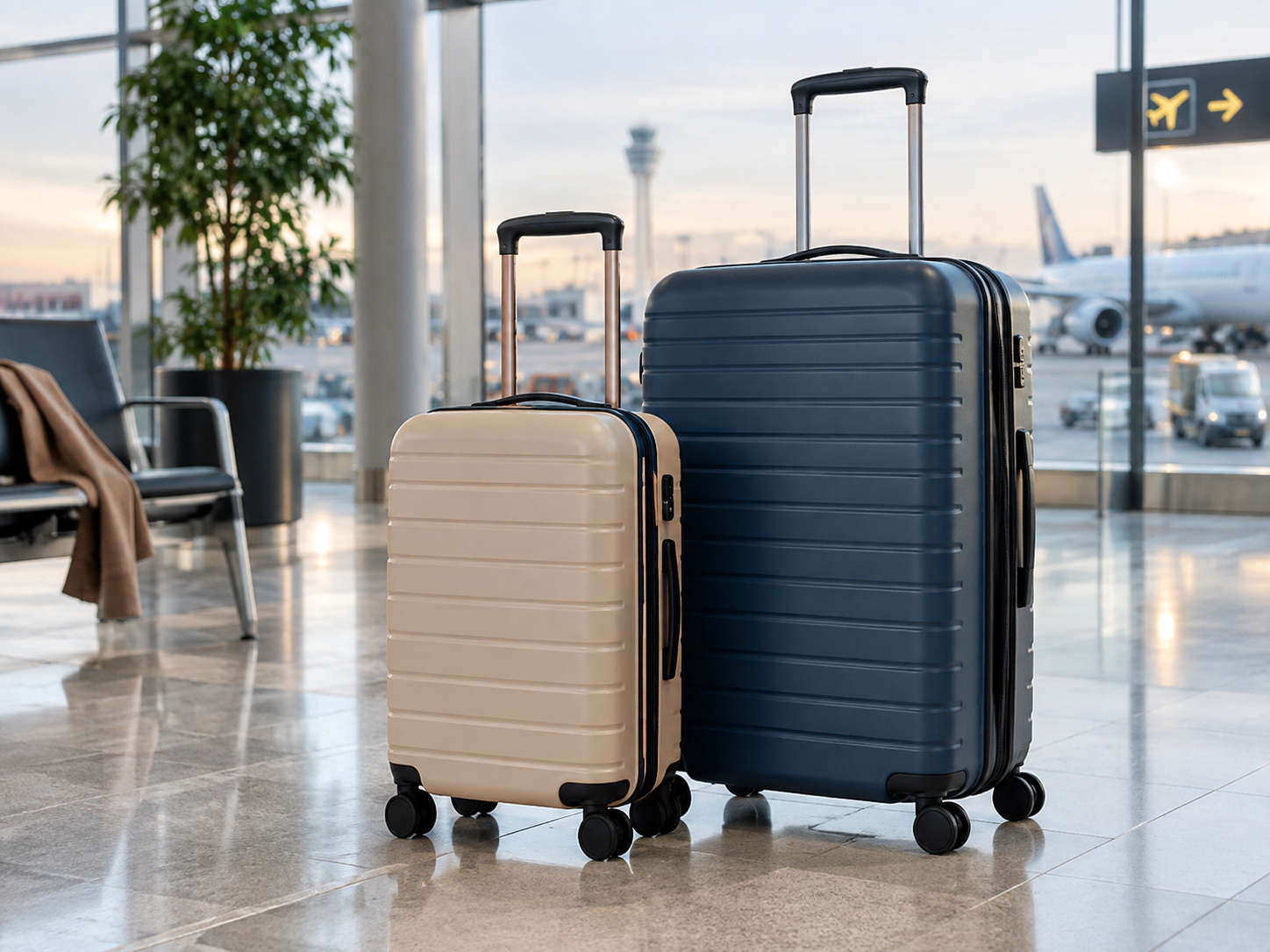
A Cyprus summer trip lends itself particularly well to lighter luggage because summer clothing is rarely bulky. For a shorter trip, a disciplined carry-on can be realistic; for longer stays, families or itineraries involving specialist equipment, checked luggage may simply be easier.
Neither approach is inherently better. What matters is avoiding the strange middle ground in which a traveler checks a large suitcase and then fills it simply because the space exists.
If you do check luggage, keep travel documents, medication, valuables and important electronics with you, together with the essentials you would want available if checked baggage were delayed. The suitcase should serve the trip rather than turning the trip into a logistics exercise built around the suitcase.
The Last Five-Minute Edit
Before closing the bag, look through it once more and give every item a job. It should belong to the beach, a long walking day, dinner, Troodos, a religious-site visit, the journey itself or another real part of your itinerary. If you cannot identify the situation in which you expect to use it, it may not need to come.
Then check the things a general guide cannot decide for you: the current forecast for the places you will actually visit, what your accommodation provides, any dress requirements relevant to your plans, and the requirements of specific activities or operators. Individual needs and conditions vary, particularly when a trip includes mountains, prolonged outdoor activity or specialist equipment.
Cyprus in summer rarely requires an impressive packing list. It requires a well-edited one: clothes you will actually wear, shoes capable of handling the days you have planned, protection from the sun, one useful extra layer and very little carried purely for imaginary situations.
A good summer suitcase should feel almost too simple when you close it. Once you arrive, that is usually the point.