Newsletter "Beyond the Postcards" Subscribe
Plan Your Cyprus Trip: Hotels: Expedia, Villas & Apartments: Vrbo, Car Rentals: DiscoverCars, Tours: GetYourGuide, Airport Transfers: WelcomePickups
- Home
- Plan Your Cyprus Trip
- What To Pack For Cyprus
- What To Pack For Cyprus in Winter
What To Pack For Cyprus in Winter: Clothes, Layers & Essentials
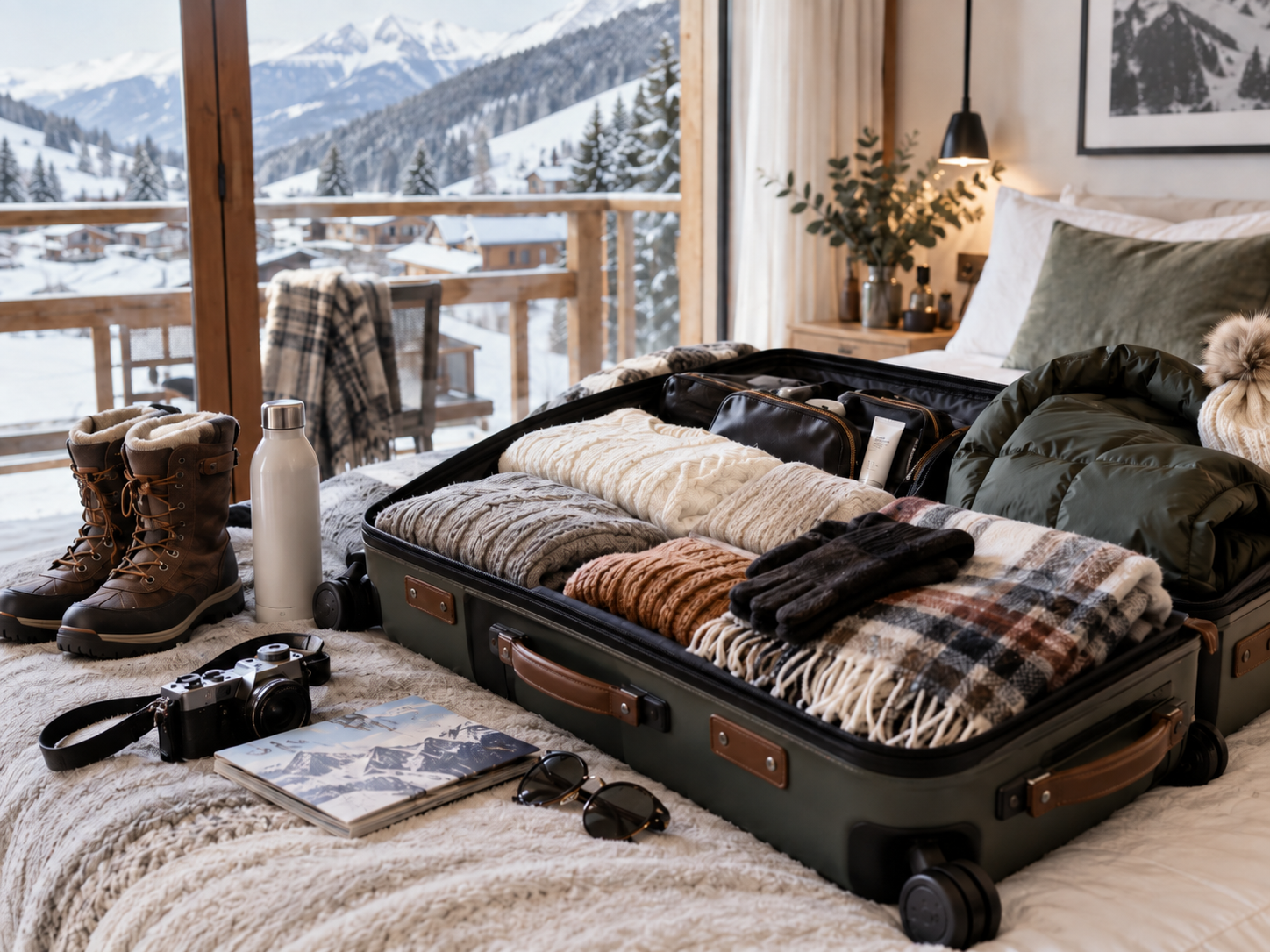
The hardest item to pack for Cyprus in winter is often the first one. A heavy coat can feel excessive when you picture palm trees and the Mediterranean, while a suitcase built around T-shirts can feel equally optimistic once the sun disappears, the wind picks up or the day moves from the coast into the mountains.
That tension explains winter packing better than any long checklist. Cyprus in winter is not one set of conditions. A coastal afternoon, a city evening and a day in Troodos can ask quite different things from the same suitcase.
The answer is not to pack for every possibility. It is to build a wardrobe that can change with the day.
The Winter Packing List
For most winter trips to Cyprus, a practical starting point is:
- T-shirts, shirts or other comfortable base layers
- Lightweight sweaters, knitwear or similar mid-layers
- A warm jacket suited to your itinerary
- A light waterproof or water-resistant outer layer
- Comfortable closed walking shoes
- Warmer footwear if your plans include mountain conditions
- Lightweight trousers or jeans
- One smarter outfit for dinners or more polished hotels
- Sleepwear appropriate to the accommodation and season
- Sunglasses
- Sun protection appropriate to your needs
- Compact umbrella if you prefer carrying one
- Small day bag
- Reusable water bottle
- Chargers and necessary electronics
- A suitable plug adapter if your devices require one
- Personal medication and essential toiletries
- Swimwear if your hotel, spa or other plans make it useful
The important word is layers. Winter is less about finding one perfect coat than having combinations that work when conditions, elevation and the time of day change.
Pack Layers, Not A Single Winter Uniform
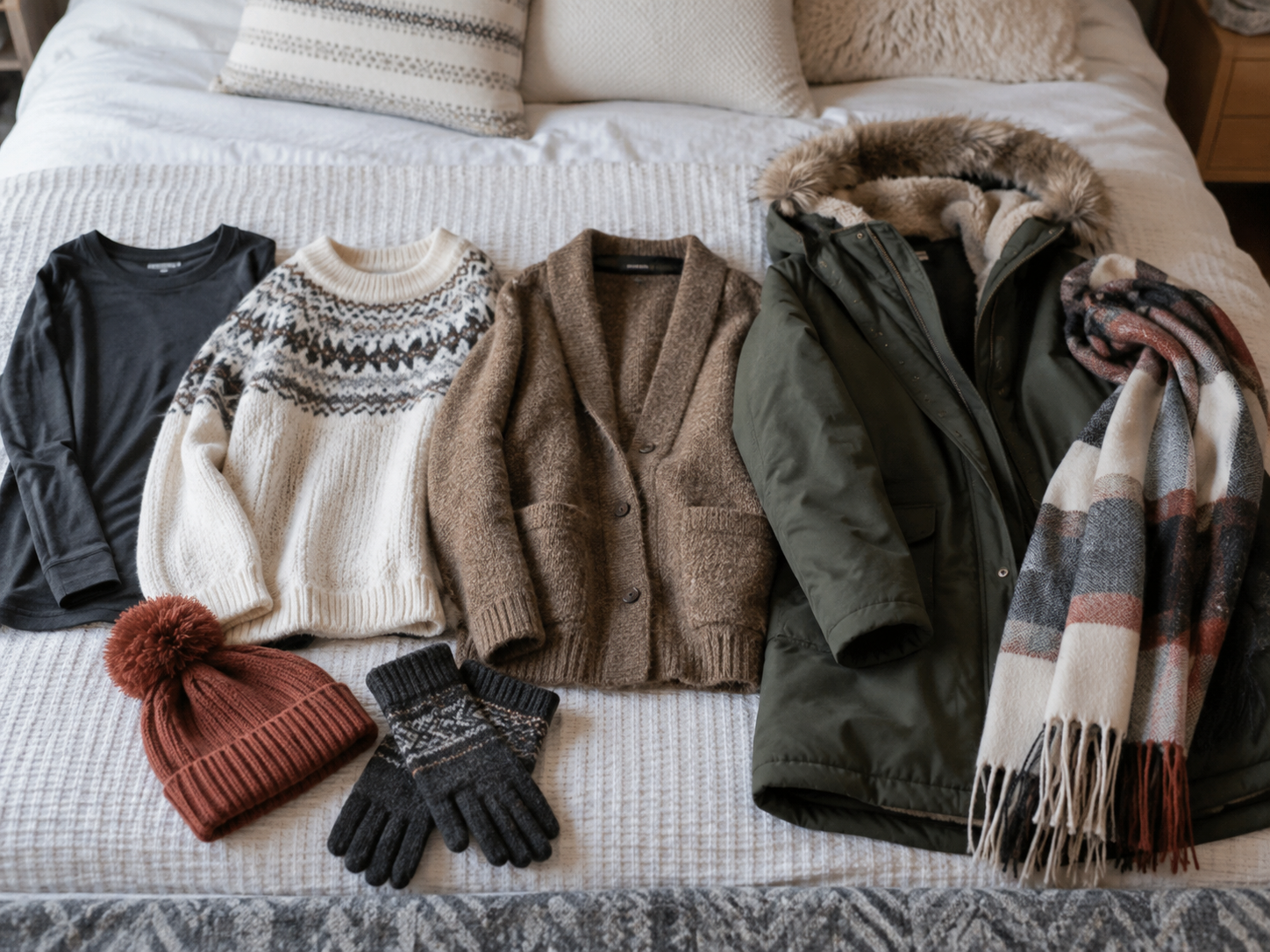
Winter trips become easier when the suitcase contains several levels of warmth rather than one heavy solution. A base layer may be enough during a mild part of the day; add a sweater when it cools, then an outer layer when wind or weather makes it useful.
The mistake is treating “Cyprus in winter” as one fixed temperature. You may leave a hotel dressed for a cool morning, remove a layer while walking in the sun, put it back on later and want something warmer again after dark. Travelers moving between the coast and higher ground can experience an even greater contrast.
A flexible suitcase deals with those changes without requiring a separate outfit for every part of the day.
Coastal Cyprus And Mountain Cyprus Are Different Packing Problems
 Coastal Cyprus
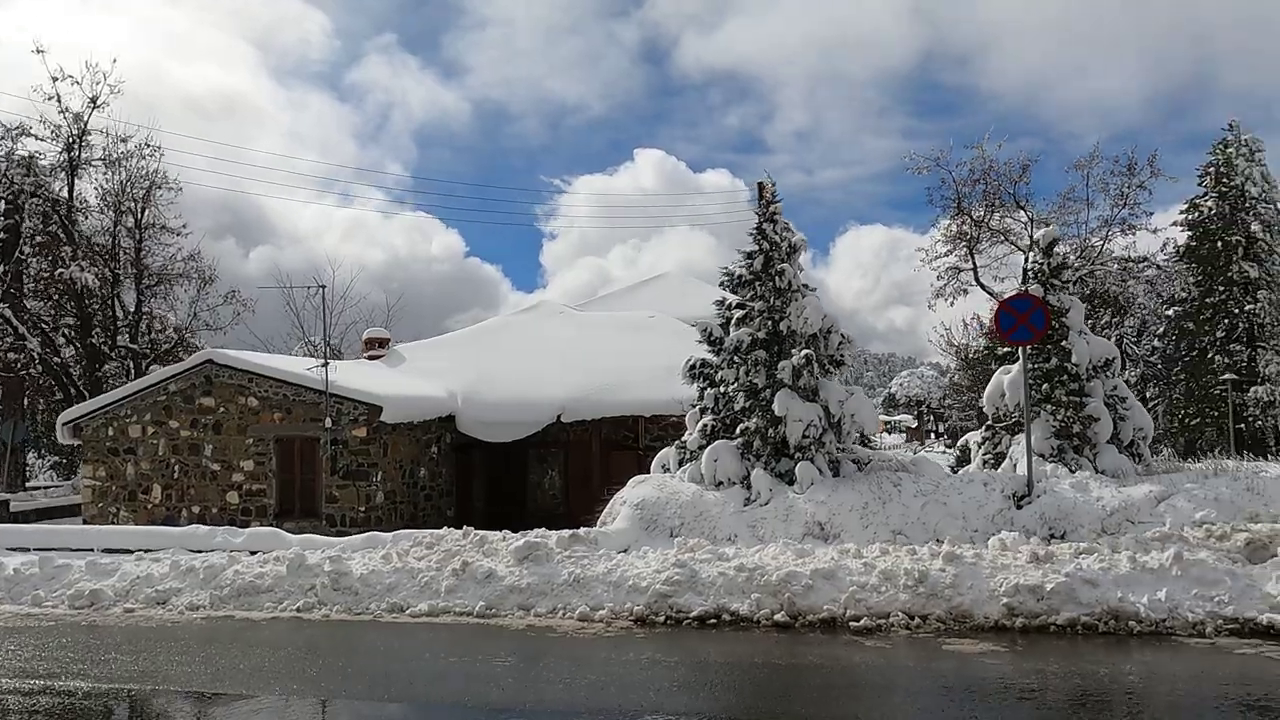 Mountain Cyprus
The most important winter distinction is not always between December, January and February. It is often between where you will spend your time.
A winter stay based largely in Paphos, Limassol or Larnaca will not necessarily demand the same clothing as several nights in Troodos. The coast and the mountains should not be averaged into one imaginary version of winter Cyprus.
If your itinerary remains mostly coastal, moderate layers, a practical jacket and closed shoes may do most of the work. If you are spending meaningful time at higher elevations, warmer clothing, more substantial footwear and an outer layer suited to expected conditions become more important.
This matters particularly on trips combining both. A jacket that seems unnecessary during a bright coastal afternoon can become the item you are most pleased to have brought later in the journey.
Before a mountain day, check the current forecast and any relevant road or route information rather than assuming conditions will resemble those at the coast.
The Winter Sun Can Be Misleading
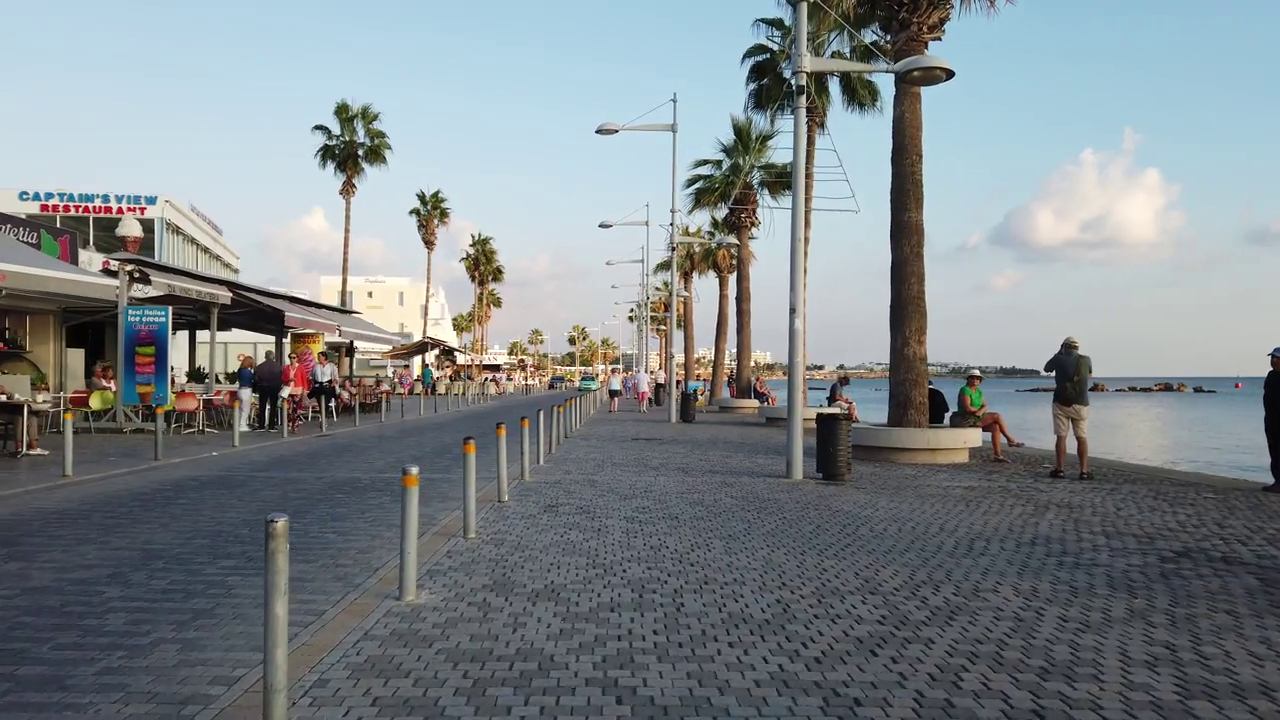 Kato Paphos Promenade
One of the small peculiarities of winter in Cyprus is how different the same day can feel depending on whether you are standing in the sun or the shade. A bright afternoon can tempt you to remove layers quickly; move into a shaded street, exposed viewpoint or breezy section of coastline and the calculation can change.
Clothing that is easy to remove and carry is therefore more useful than a winter outfit that only works as one unit. A sweater that fits into a day bag or a jacket that can comfortably stay over your arm gives you more flexibility than something cumbersome once the day warms.
Sunglasses can still earn their place, and travelers spending substantial time outdoors should think about sun protection according to their own needs rather than assuming winter makes it irrelevant.
The useful winter suitcase accepts that sunshine and warmth are related but not identical.
Closed Shoes Are Worth The Space
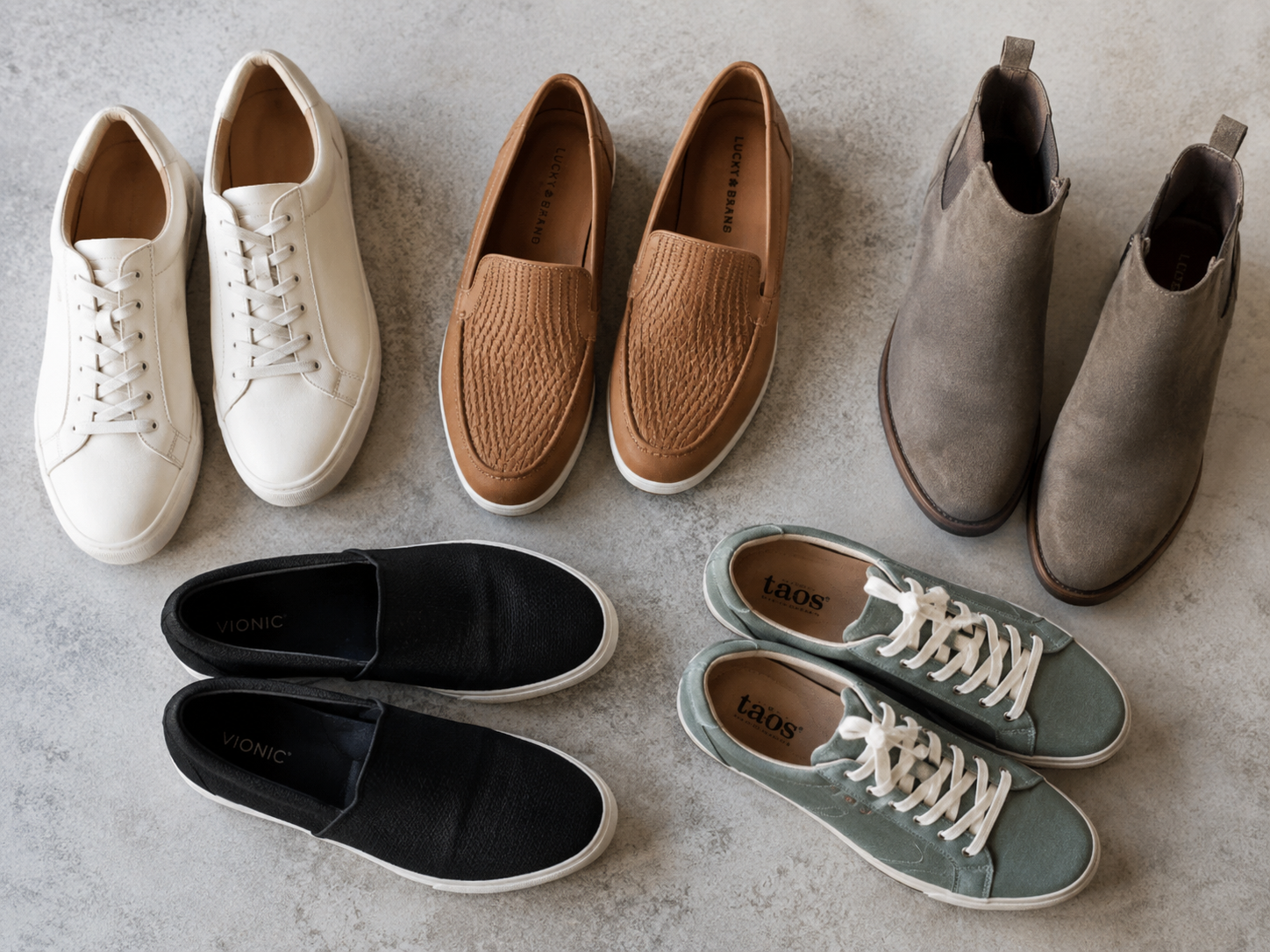
Footwear becomes more important in winter because the trip often shifts away from purely beach-based routines. Old towns, archaeological sites, villages, promenades and countryside stops can involve long periods on foot, while wet surfaces and uneven ground make shoes chosen only for appearance less useful.
For many itineraries, one comfortable pair of closed walking shoes will do far more work than several specialized pairs.
If your plans extend into Troodos, longer walks or conditions where more grip or warmth may be useful, choose footwear according to the actual activity. A casual village visit and a mountain hike should not be treated as the same thing simply because both happen in Troodos.
For more active itineraries, What To Pack For Hiking & The Troodos Mountains should be the more detailed reference.
Rain Changes The Day More Than The Suitcase
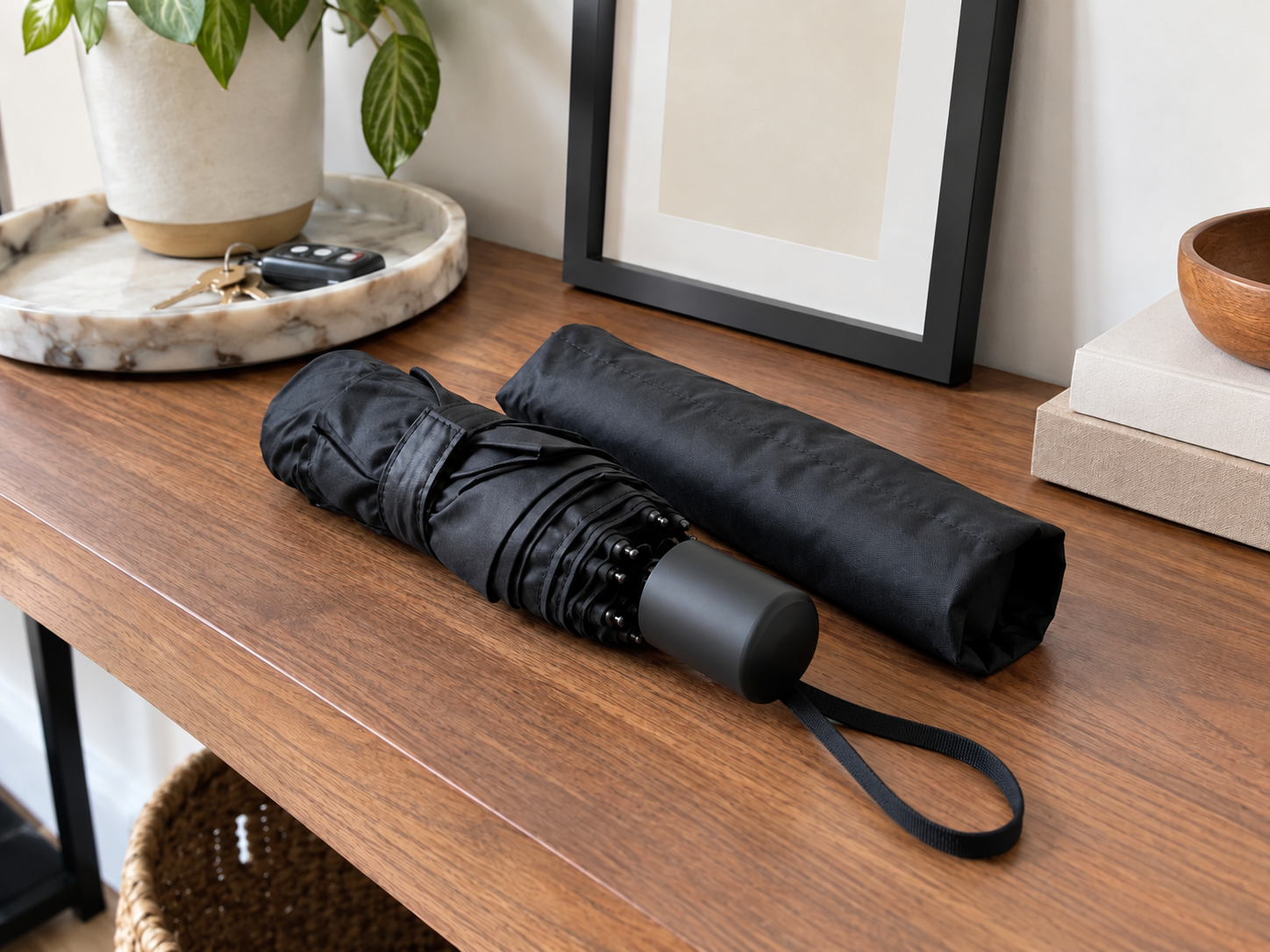
Winter uncertainty can encourage travelers to pack far too much outerwear, but you rarely need several jackets to solve the possibility of rain. One practical outer layer that works with what you are wearing underneath, plus a compact umbrella if you prefer using one, is usually more useful. Footwear you are comfortable wearing on wet streets may matter more than another bulky coat.
Packing can only solve part of the problem. If poor weather affects a particular activity, changing the timing or structure of the day may be more sensible than dressing as though the itinerary cannot move.
For hiking, boat trips and other weather-sensitive plans, check current conditions and any information provided by the relevant operator before setting out.
What To Wear For Winter Sightseeing
Winter can suit travelers whose days involve walking, archaeology, cities and villages because clothing does not need to revolve around intense summer heat.
That does not mean sightseeing clothes should become complicated. Comfortable trousers, a base layer, something warmer over it and practical walking shoes cover a large range of ordinary days. A light scarf can be useful if you wear one, while a jacket with pockets may reduce the need for a larger bag.
Religious sites deserve the same consideration in winter as in summer. Appropriate coverage is usually easy to build into a winter wardrobe because you are likely to be carrying layers anyway.
The aim is not to look equipped for an expedition. It is to spend several hours outside without thinking constantly about what you are wearing.
Evenings Deserve More Attention Than Midday
Travelers often pack for the part of a winter day they imagine most clearly: a sunny lunch beside the sea, a walk along a promenade or coffee in a village square. Evenings expose the weakness in that approach.
Once daylight disappears, outdoor dining, a walk back from a restaurant or time in a mountain village can make warmer layers considerably more useful. If you like sitting outside whenever conditions allow, your evening clothing deserves particular thought.
This does not require a second winter wardrobe. One combination that works when the day cools—a shirt or top, sweater and jacket, for example—is usually more useful than clothes chosen only for the mildest hours of the afternoon.
Good winter packing remembers the parts of the day that holiday photographs tend not to show.
Do Not Forget Indoor Comfort
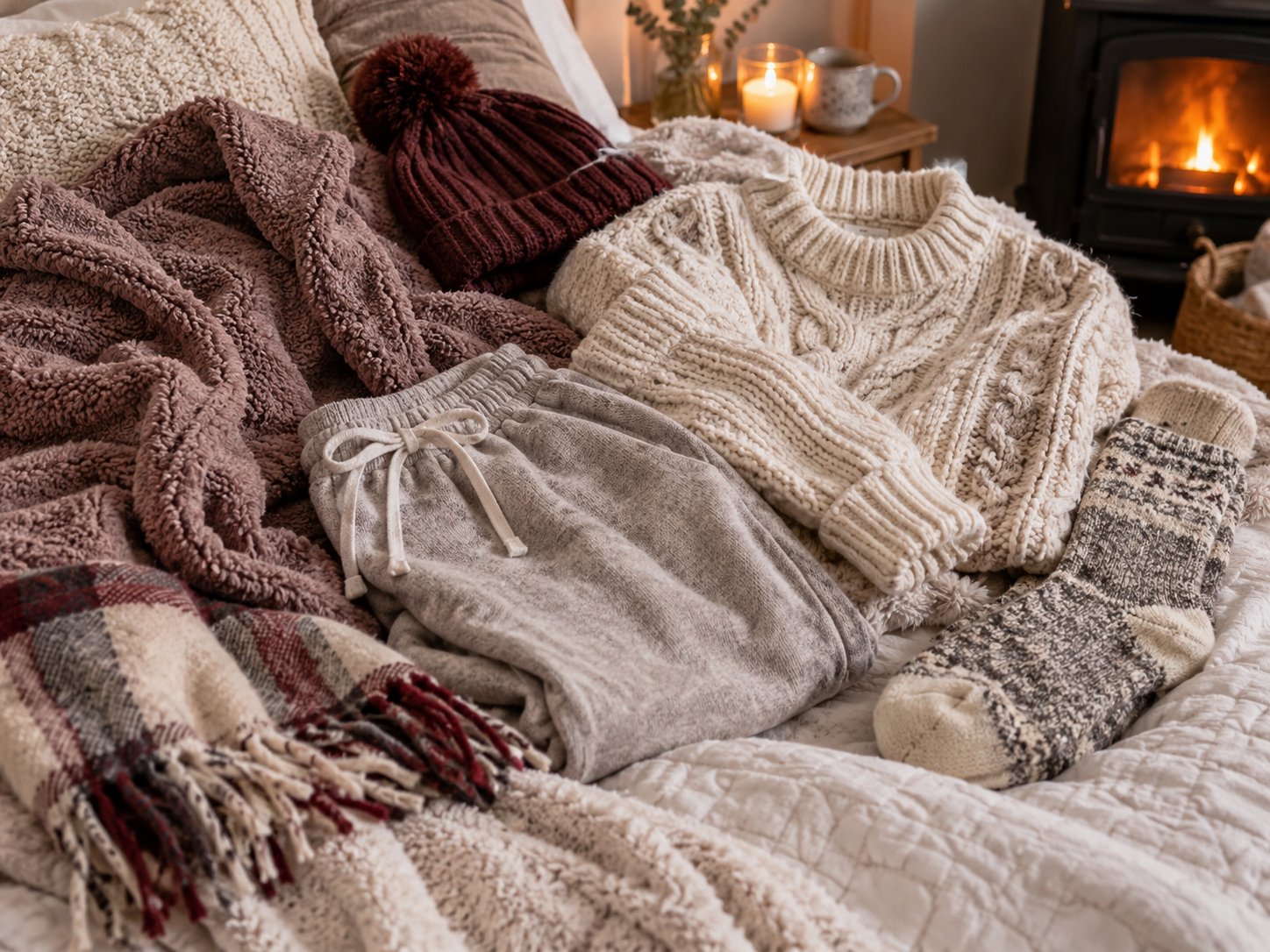
Winter packing is usually discussed as though travelers spend the entire trip outside. Accommodation can change what you need, particularly in the mountains or in properties where you expect slower evenings indoors.
If you tend to feel cold easily, comfortable indoor clothing or appropriate sleepwear may earn more space than another sightseeing outfit. Check what your accommodation actually provides rather than assuming every property offers the same heating, robes, slippers, laundry facilities or other amenities.
Hotels, villas, apartments and village properties vary. Your packing should follow the accommodation you have booked rather than a generic idea of what a Cyprus stay looks like.
Winter Does Not Automatically Mean Leaving Swimwear At Home
Swimwear can look out of place beside sweaters and a winter jacket, but there are trips where it still earns its space. If your hotel has facilities you intend to use, your plans include spa time or you already know swimming will form part of the trip, one swimsuit takes very little room.
If none of those things applies, leave it behind.
This is a useful example of the wider winter principle: do not pack for the stereotype of Cyprus, but do not pack against it either. Pack for confirmed plans.
Dinner Clothes Can Stay Simple
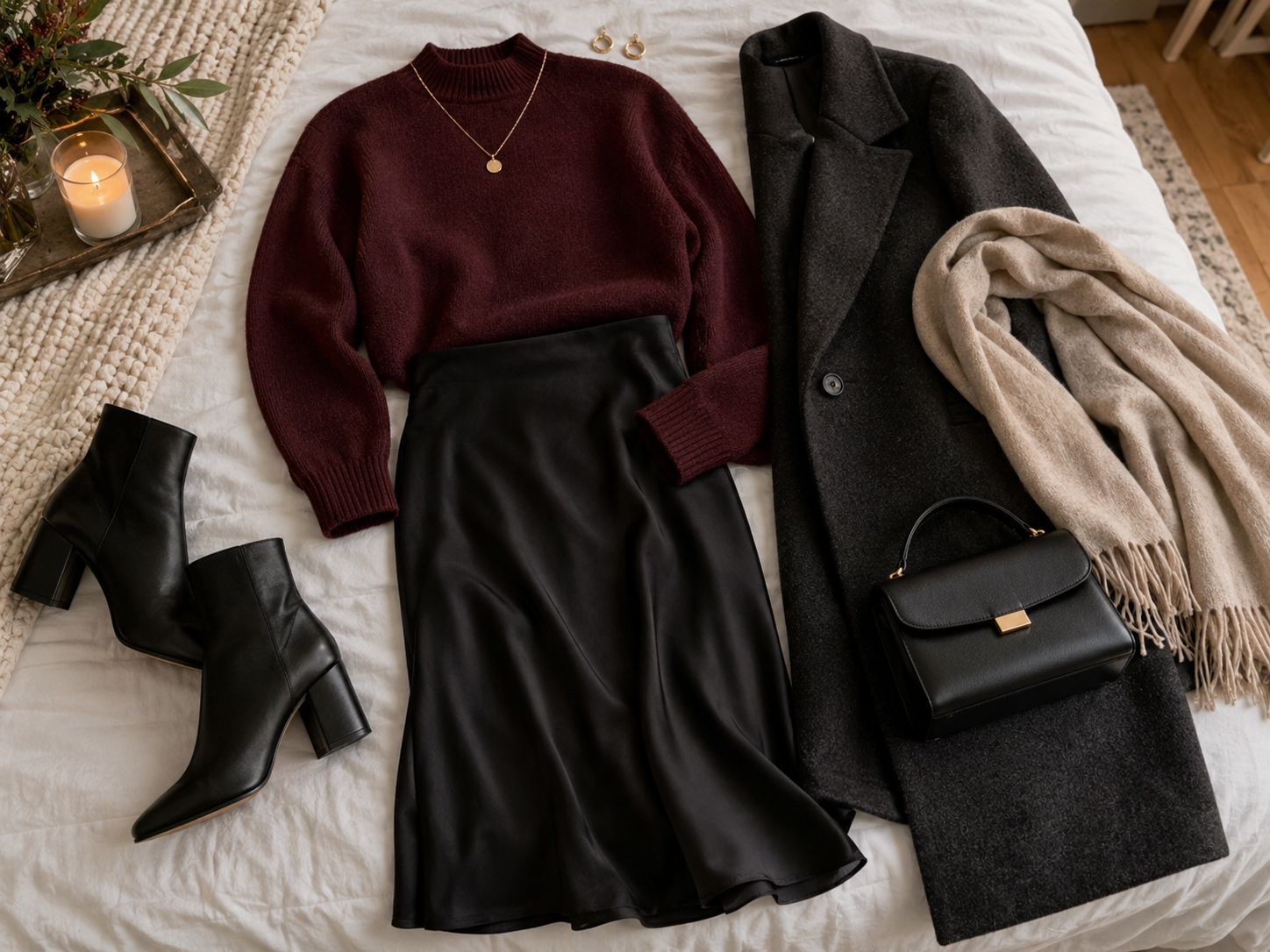
Winter evenings may feel more dressed than a day on the coast, but most travelers still do not need a formal wardrobe unless a particular venue or occasion requires one.
A restrained smart-casual combination is generally more useful: trousers or another polished lower layer, a good shirt, blouse or sweater, and footwear that works for the walk to and from dinner as well as the dining room.
The best evening pieces overlap with daytime clothing. A sweater that works while exploring Nicosia and again over dinner is carrying its weight; an outfit packed for one theoretical special occasion probably is not.
For a particular restaurant, hotel or event with its own dress requirements, check directly before traveling.
Packing For A Winter Road Trip
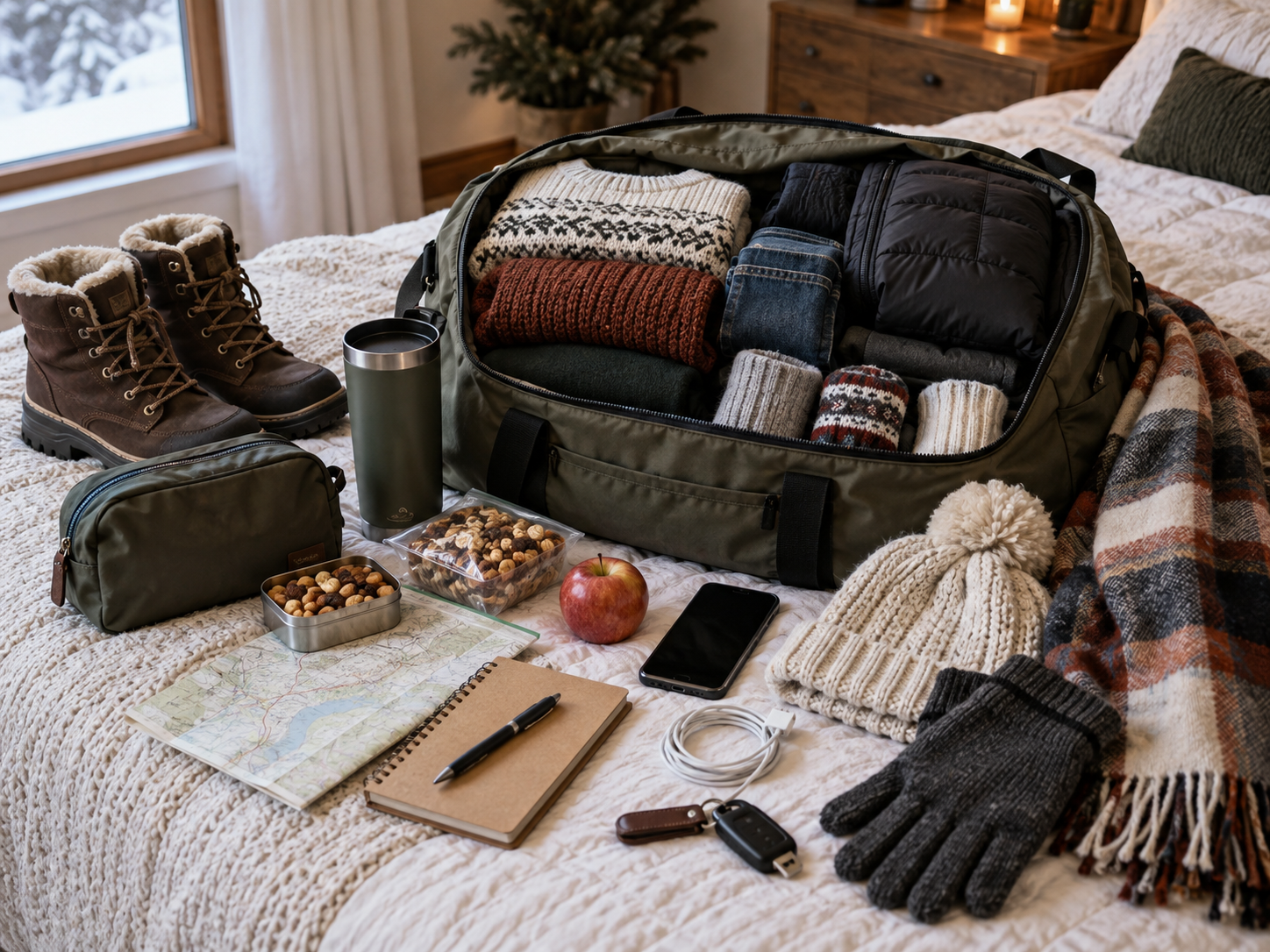
A winter road trip is where the value of layers becomes most obvious. You may leave the coast, stop in a village, continue upward and return to a different environment later in the day, so keeping a warmer layer and practical outer layer accessible inside the car makes more sense than burying them at the bottom of a suitcase.
A small day bag is useful for personal items, water, chargers and anything else needed during repeated stops. Keep medication, travel documents and valuables with you rather than treating a parked vehicle as long-term storage.
If you are driving toward higher elevations, current conditions matter more than what the weather was like when you left the coast. Check forecasts and relevant road information before departure.
For trips built primarily around driving, What To Pack For A Cyprus Road Trip covers the wider luggage and road-trip logic.
What Not To Pack For Cyprus in Winter
The most common winter packing error is preparing for an imagined extreme rather than the actual itinerary.
For many trips, a suitcase dominated by very heavy coats, bulky sweaters and multiple pairs of winter boots is difficult to justify. At the other extreme, bringing nothing but light clothing because “Cyprus is warm” removes the flexibility winter requires.
The useful middle ground is smaller than it first appears: several base layers, a couple of warmer pieces, one practical outer layer, comfortable closed shoes and anything more specialized that your plans genuinely require.
Duplicated jackets are particularly expensive in luggage space, as are bulky pieces that cannot be layered easily. Winter is not the season to pack the most. It is the season to pack the most adaptable pieces.
Carry-On or Checked Luggage?
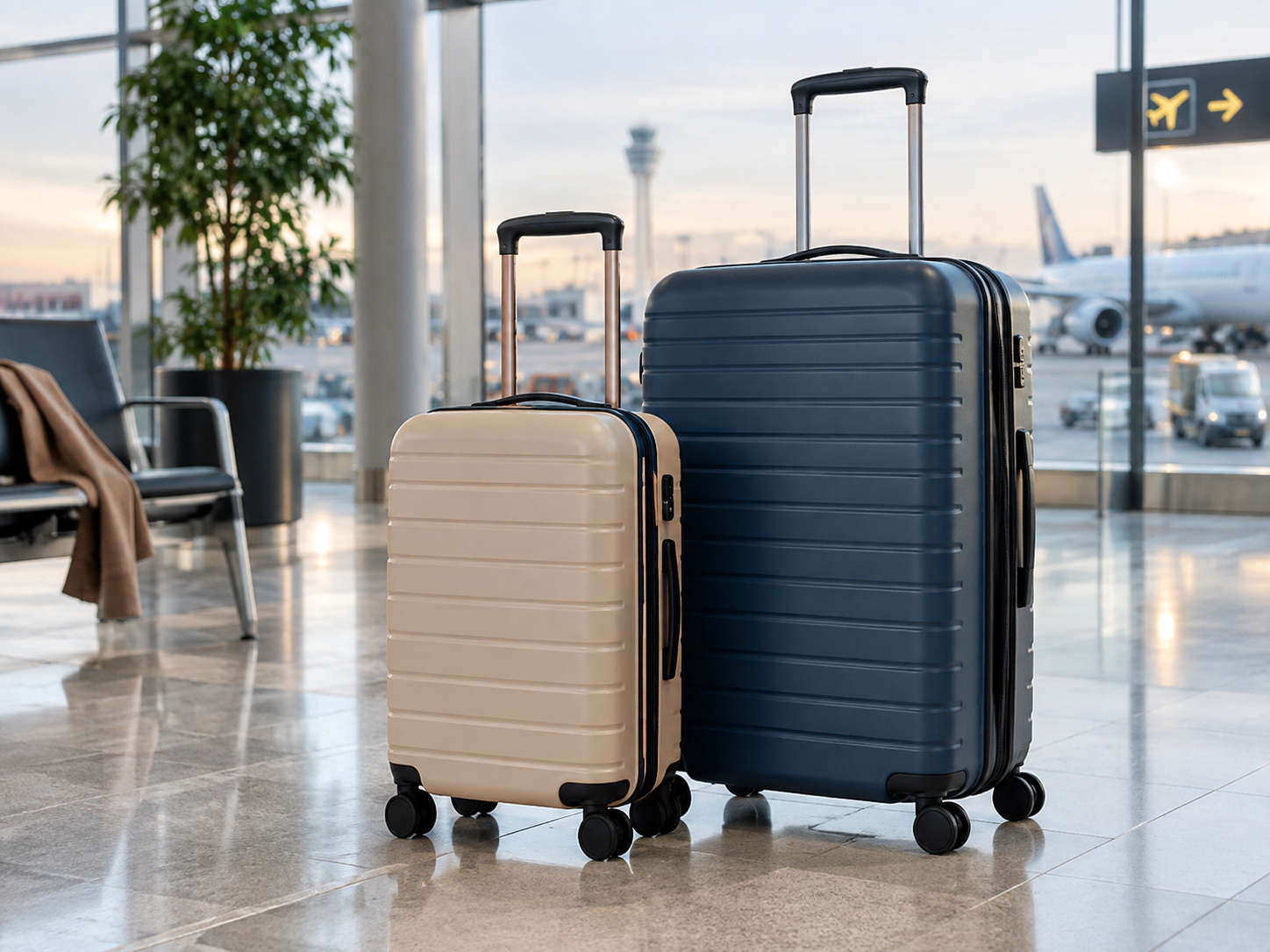
Winter clothing takes more room than summer clothing, but that does not automatically make a large checked suitcase necessary. A shorter coastal trip can still work with a well-planned carry-on, while longer stays, mountain itineraries, families or trips requiring specialist footwear may make checked luggage easier.
Whichever approach you take, keep travel documents, medication, valuables and important electronics with you. If you check a bag, carry enough essentials to manage an unexpected delay rather than placing everything important in one suitcase.
The useful question is not how much luggage your allowance permits. It is how much luggage your trip actually needs.
Before You Close The Suitcase
Winter is the season when the final packing check matters most because generalizations become less reliable. Look at the itinerary rather than the destination name alone. How many days are coastal? Are you sleeping in Troodos or merely visiting for lunch? Will you be walking for hours? Do you expect to eat outside? Is the trip built around cities, villages, hiking or driving?
Then check the current forecast close to departure and again when conditions matter to a particular activity. Confirm what your accommodation provides, review requirements for planned activities, and check current official information if you are carrying medication or other items subject to travel restrictions.
A well-packed winter suitcase for Cyprus should not look as though you are preparing for either a beach holiday or an Alpine expedition. It should look slightly undecided.
That is its strength. The layers are there because the day may change, the jacket because the evening may feel different from the afternoon, and the warmer pieces because the mountains do not have to behave like the coast.
In winter, the best suitcase is not the one that predicts Cyprus perfectly. It is the one that gives you room to be wrong.