Newsletter "Beyond the Postcards" Subscribe
Plan Your Cyprus Trip: Hotels: Expedia, Villas & Apartments: Vrbo, Car Rentals: DiscoverCars, Tours: GetYourGuide, Airport Transfers: WelcomePickups
- Home
- Things To Do in Cyprus
- Diving in Cyprus
- Wreck Diving in Cyprus
Wreck Diving in Cyprus
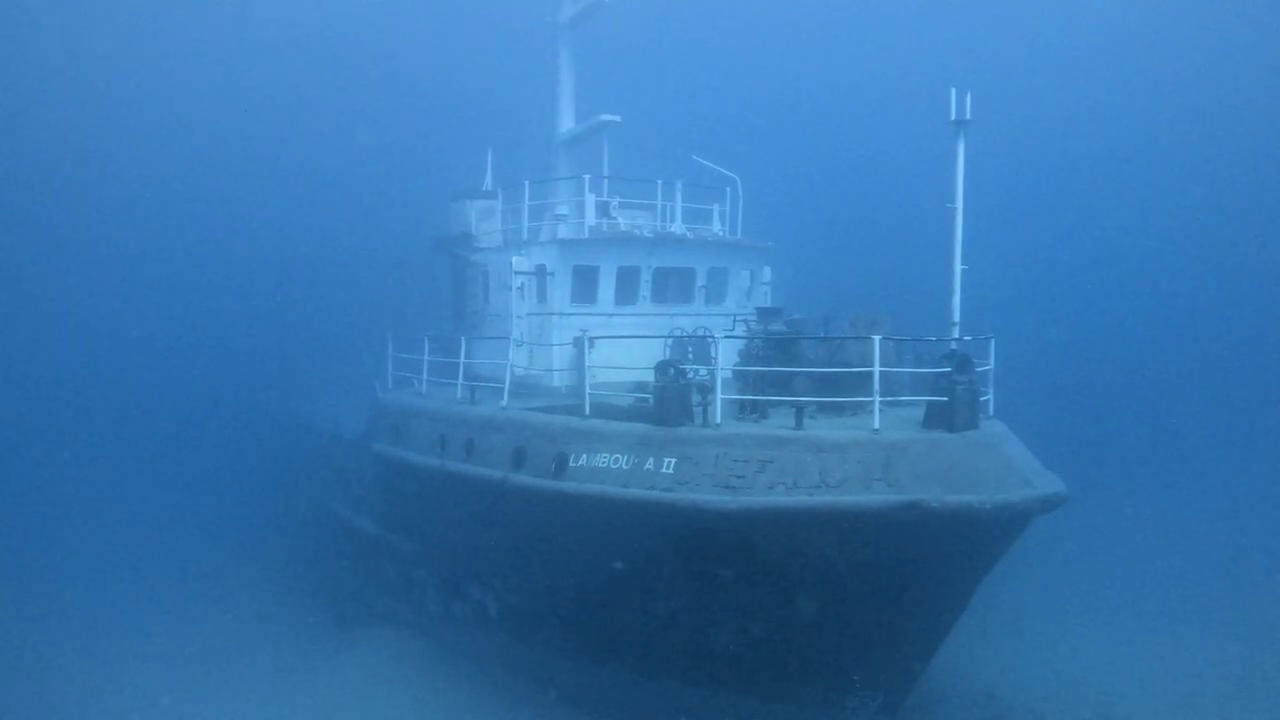
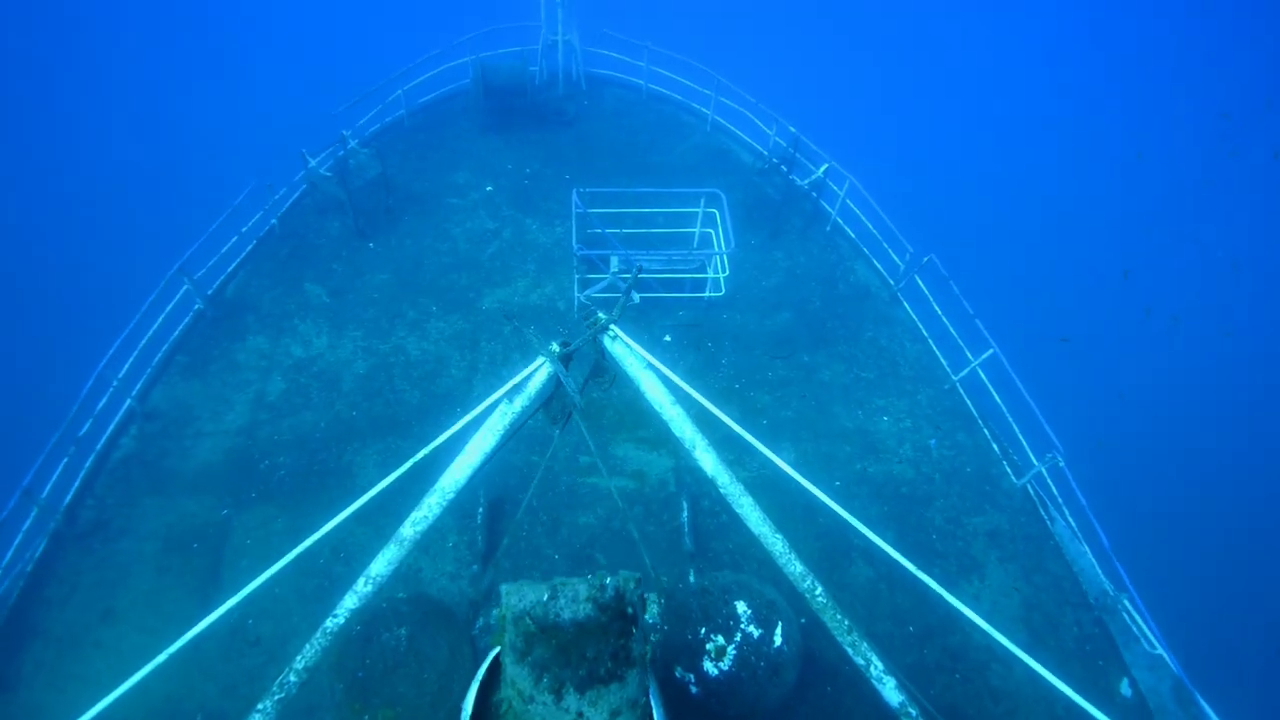
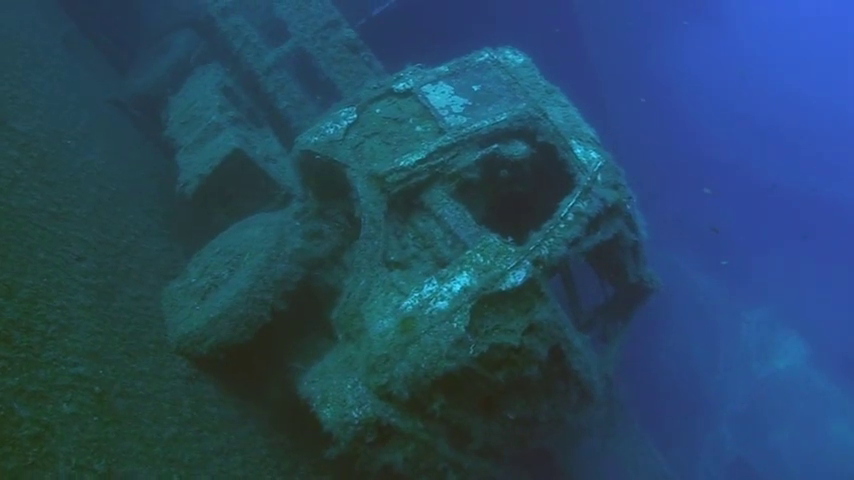
Near Paphos, the remains of a freighter lie in separate sections after a history that ended with the vessel being deliberately destroyed. Off Protaras, two ships rest upright on the seabed because they were placed there to create artificial reefs. Near Larnaca, an enormous ferry lies on its side, preserving the scale of a vessel that was never intended to become a diving attraction.
All are described as wreck dives, but they offer different experiences. Some are compelling because of their maritime history, others because of the marine life gathering around them. A few provide opportunities to examine a vessel's exterior at relatively manageable depths, while others demand greater experience or specialist preparation.
Cyprus has developed a substantial collection of purpose-sunk wrecks alongside vessels lost or abandoned under very different circumstances. This gives divers a choice that extends well beyond the island's most famous shipwreck, the Zenobia.
We have not personally dived these wrecks. Our comparisons are based on documented site characteristics, official information and established diving safety guidance. Our purpose is to explain what distinguishes the sites and which deserve consideration, rather than to determine whether an individual dive is safe or suitable.
The Difference Between A Shipwreck And An Artificial Reef
 The Underwater World, Cyprus
The story of how a vessel reached the seabed helps explain what a diver will find there.
A ship lost unexpectedly may have settled at an unusual angle, suffered structural damage or broken apart over time. Its condition becomes part of the experience, alongside the circumstances surrounding its loss. Such wrecks often interest divers who enjoy maritime history as much as the physical structure.
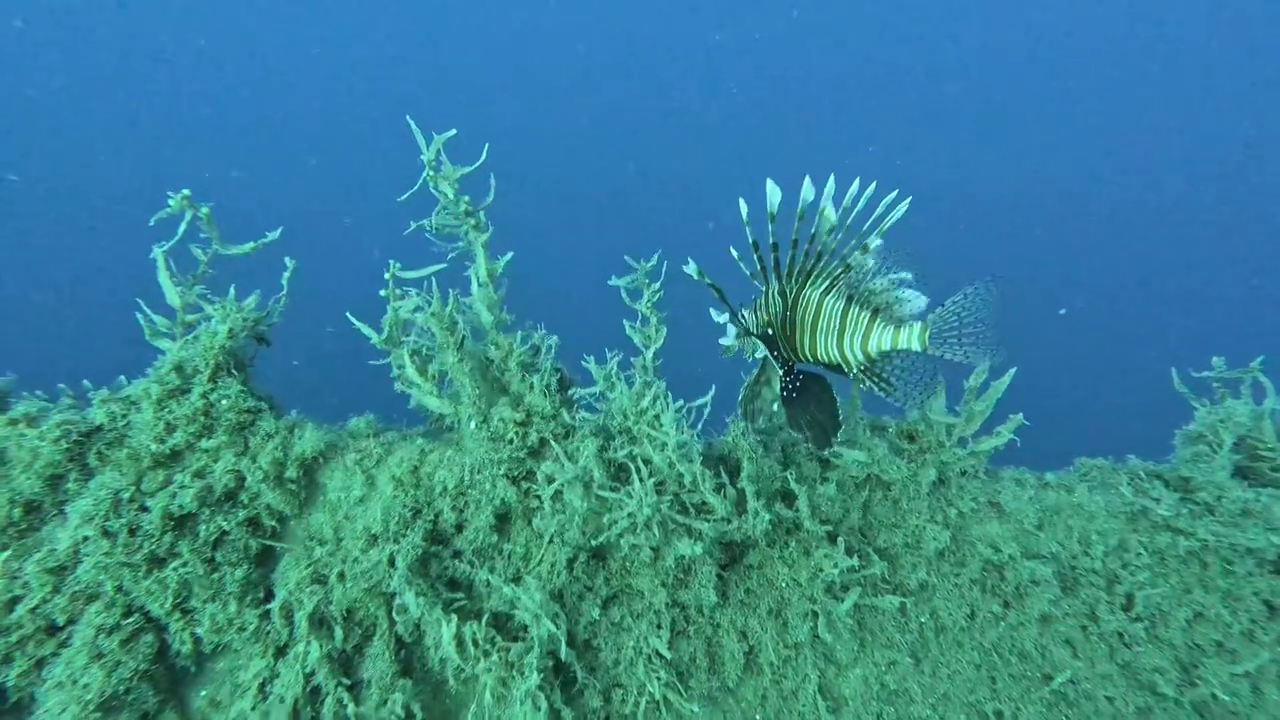
Purpose-sunk wrecks begin with a different intention. Vessels are prepared and submerged at designated locations to create artificial habitats, provide diving opportunities and support marine conservation objectives. Cyprus has established several marine protected areas around these structures.
The distinction is particularly visible when comparing the Zenobia with the vessels off Protaras and Limassol. Zenobia's history is inseparable from the circumstances of its sinking in 1980. Liberty, Nemesis III, Lady Thetis and Costandis, by contrast, became diving sites through planned artificial reef projects.
Neither category is automatically more rewarding. A diver interested in the structure of a large ship may prefer an intact hull, while someone drawn to marine life may spend more time observing fish and other organisms around a smaller wreck.
The vessel's origins, however, do not determine the difficulty of the dive. The intended route, depth, environmental conditions and diver's qualifications must all be assessed independently.
Larnaca: Elpida, LEF1 And The Alternatives To Zenobia
Larnaca has the strongest claim to being Cyprus's principal wreck-diving base. The Zenobia established its international reputation, but the artificial reef development off Oroklini has added other reasons to spend time beneath this coastline.
Elpida: A substantial cargo vessel without Zenobia's unusual orientation
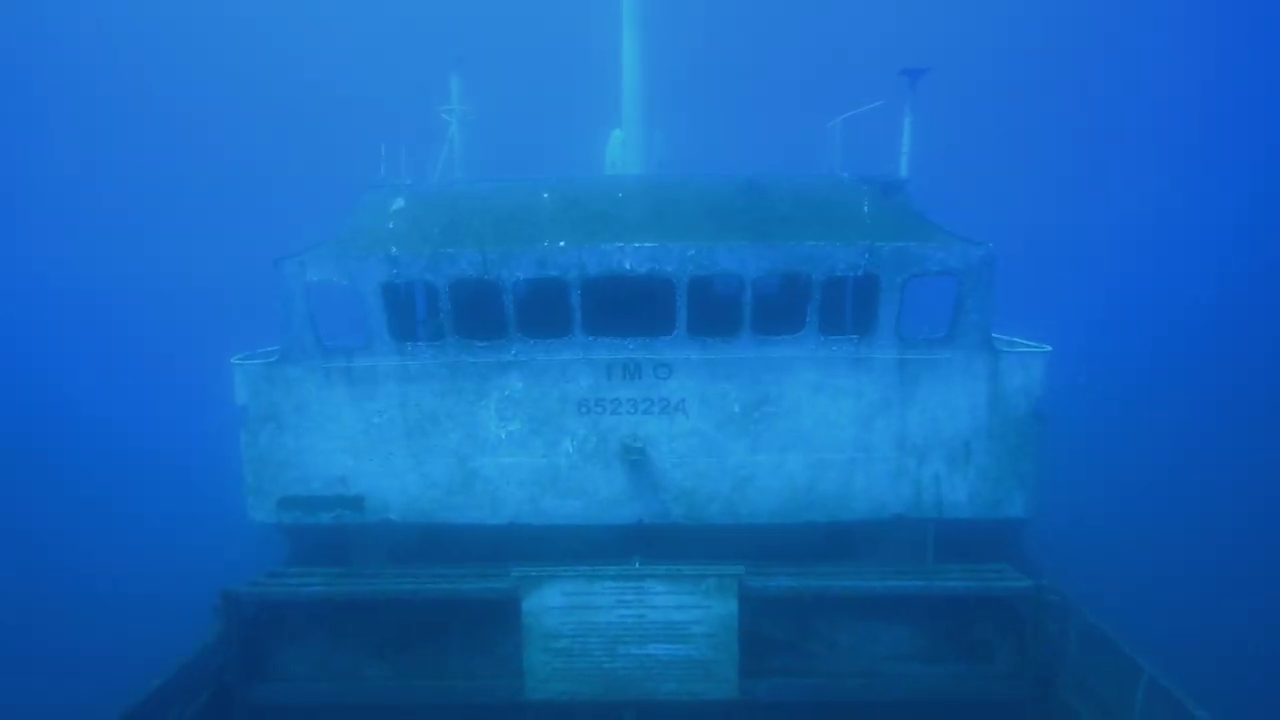 Elpida, Larnaca
The MV Elpida was deliberately sunk in 2019 within the Larnaca Marine Protected Area. Built in Germany in 1965, the former cargo vessel measures approximately 63 meters and rests at a published site depth of around 30 meters.
Its attraction lies partly in its recognizable structure. The bridge, decks and cargo-related features provide the visual interest of a substantial working ship, while marine life has begun to establish itself around the wreck.
For divers seeking a sizable cargo vessel without the extraordinary dimensions and sideways orientation of the Zenobia, Elpida deserves consideration. It offers a different perspective on ship construction, particularly for those interested in exterior wreck photography.
Its depth is an important limitation, however. This is a site to discuss with an operator in relation to the intended dive profile and the participant's actual qualifications and experience, rather than choosing it simply because it is smaller than Zenobia.
LEF1: A smaller wreck with a different purpose
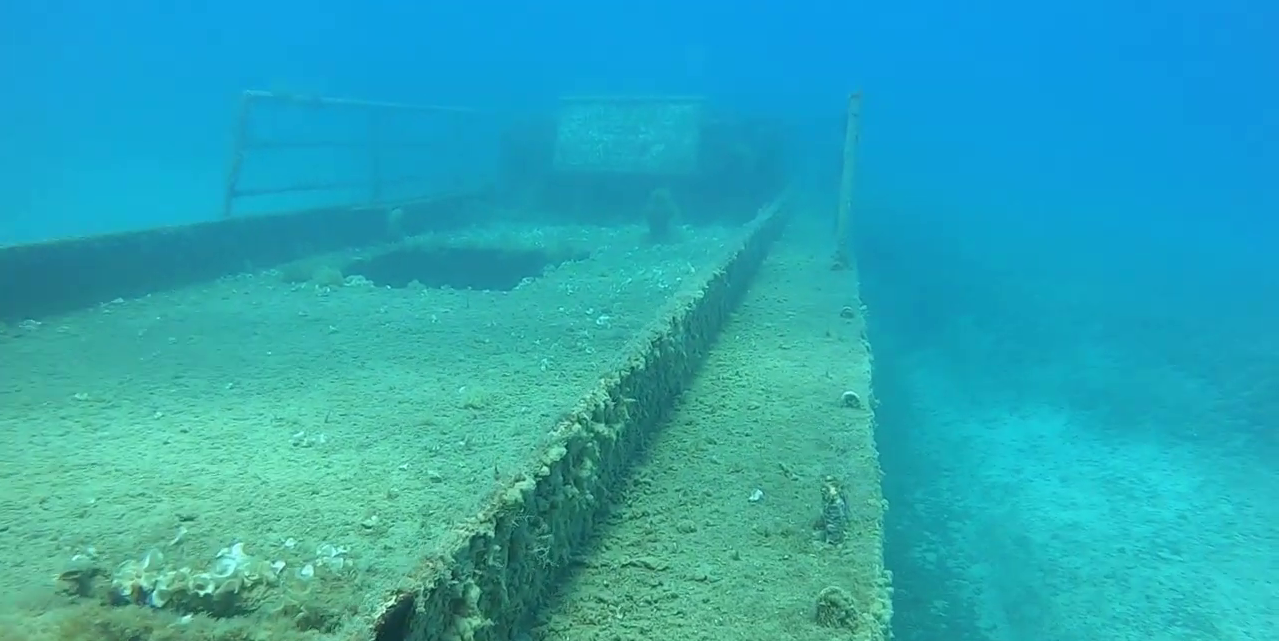 LEF1, Larnaca
LEF1 was submerged in the same protected area in 2019, but its character is very different.
At approximately 15.5 meters long, the vessel lies in relatively shallow water, around 13–14 meters according to regional tourism information and an official account of the artificial reef project. It is associated with recreational diving and snorkeling, making it a useful contrast with the larger cargo wreck nearby.
Its compact structure, developing marine habitat and adjacent rocky reef can interest divers who prefer observing fish and underwater details to navigating the exterior of a much larger vessel.
For someone curious about wrecks but not seeking a deep or extensive excursion, LEF1 is worth investigating. Snorkeling above the site and scuba diving around it are separate activities, each requiring suitable conditions and an appropriate assessment.
The Larnaca Marine Protected Area gained another vessel when Lambousa II, a former tugboat approximately 23 meters long, was sunk in February 2025 at a depth of around 20 meters.
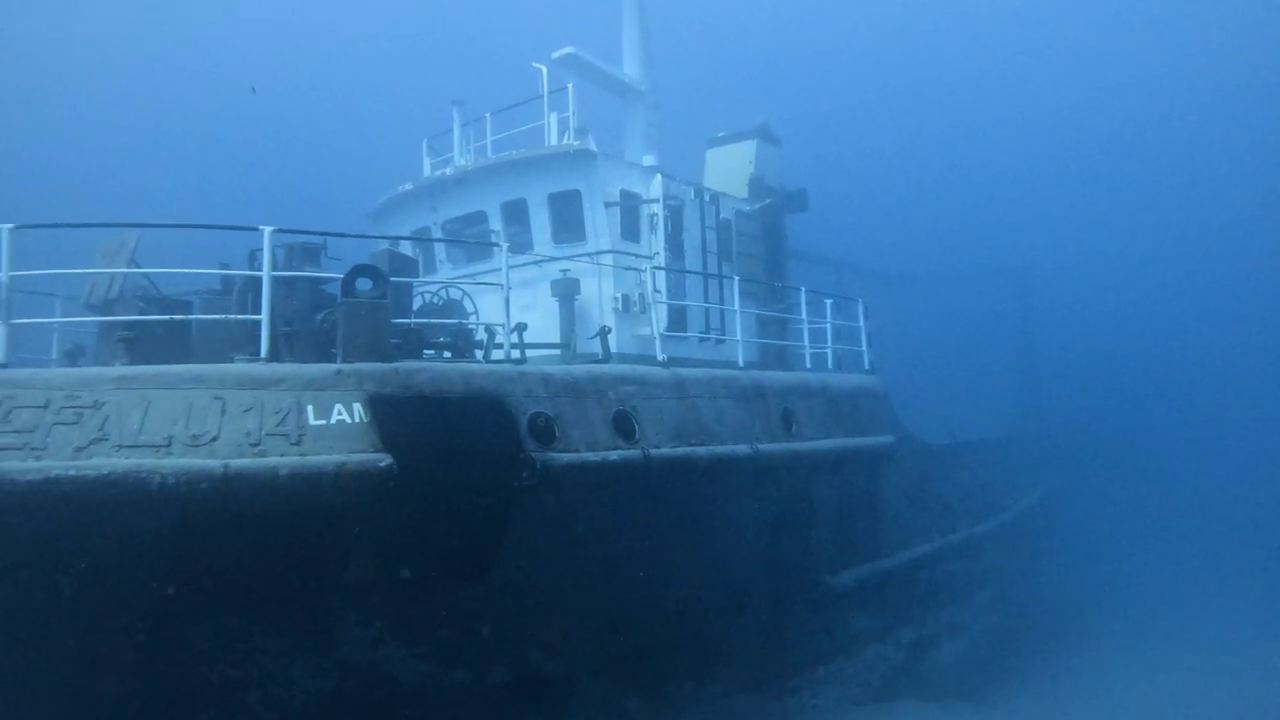 Lambousa II, Larnaca
Positioned between Elpida and LEF1, Lambousa II adds an intermediate-sized vessel to the area's collection. Together, the three wrecks offer a particularly useful comparison of how differently sized working boats can be adapted for artificial reef projects.
This is what makes Oroklini interesting beyond any individual ship. It is possible to consider the relationship between vessel size, placement, depth and the marine habitats developing around them, rather than treating every wreck as an isolated attraction.
HMS Cricket: A different chapter of Larnaca's maritime history
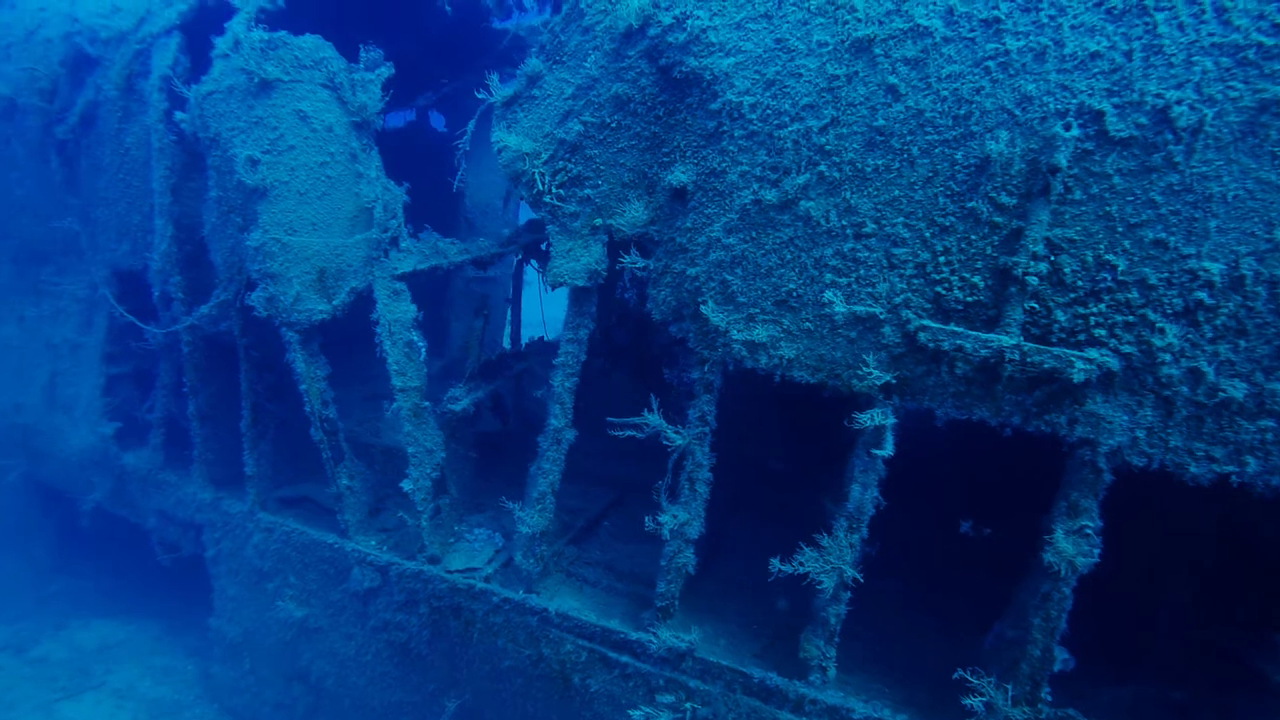 HMS Cricket, Larnaca
HMS Cricket offers something the artificial reef vessels cannot reproduce.
Originally a British river gunboat built in 1915, the vessel served through both world wars. Declared a loss in 1942, it was stripped of usable equipment and brought to Cyprus, where its hull was used for Royal Air Force target practice before sinking during bad weather in 1947.
It now lies upside down in Larnaca Bay at a published depth of approximately 32 meters.
The vessel's naval background and unusual orientation give the site a very different identity from the upright artificial reefs. Understanding its history makes the surviving structure more meaningful, even though the wreck no longer resembles a vessel prepared for ordinary service.
HMS Cricket is therefore a specialist historical interest rather than an obvious substitute for a less demanding recreational excursion. Its depth, inverted hull and any proposed internal route require particular scrutiny.
Where Zenobia fits into the Larnaca choice
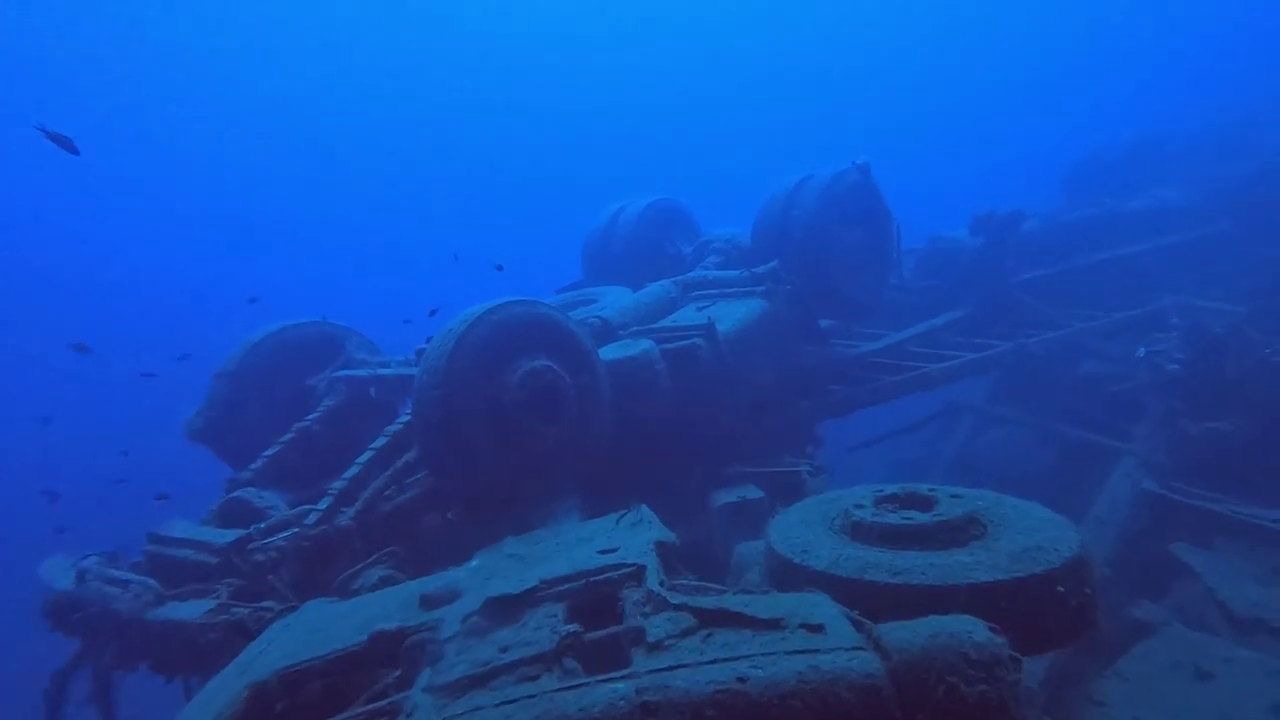 Zenobia, Larnaca
The Zenobia remains in a category of its own.
At approximately 172 meters long, the Swedish ferry offers a scale that the island's smaller wrecks cannot match. Resting on its port side off Larnaca, it creates very different possibilities depending on whether a diver remains outside the vessel or undertakes more demanding routes.
Its size and complexity justify separate treatment. Our dedicated Zenobia Wreck Diving guide examines the vessel, its orientation, exterior diving, qualification considerations and the additional demands of specialized routes.
For the wider comparison, Zenobia is the strongest choice when the history and physical scale of a major ferry wreck are central to the experience. Elpida, LEF1, Lambousa II and HMS Cricket each serve a different interest, from artificial reef environments to naval history.
Protaras: Liberty and Nemesis III
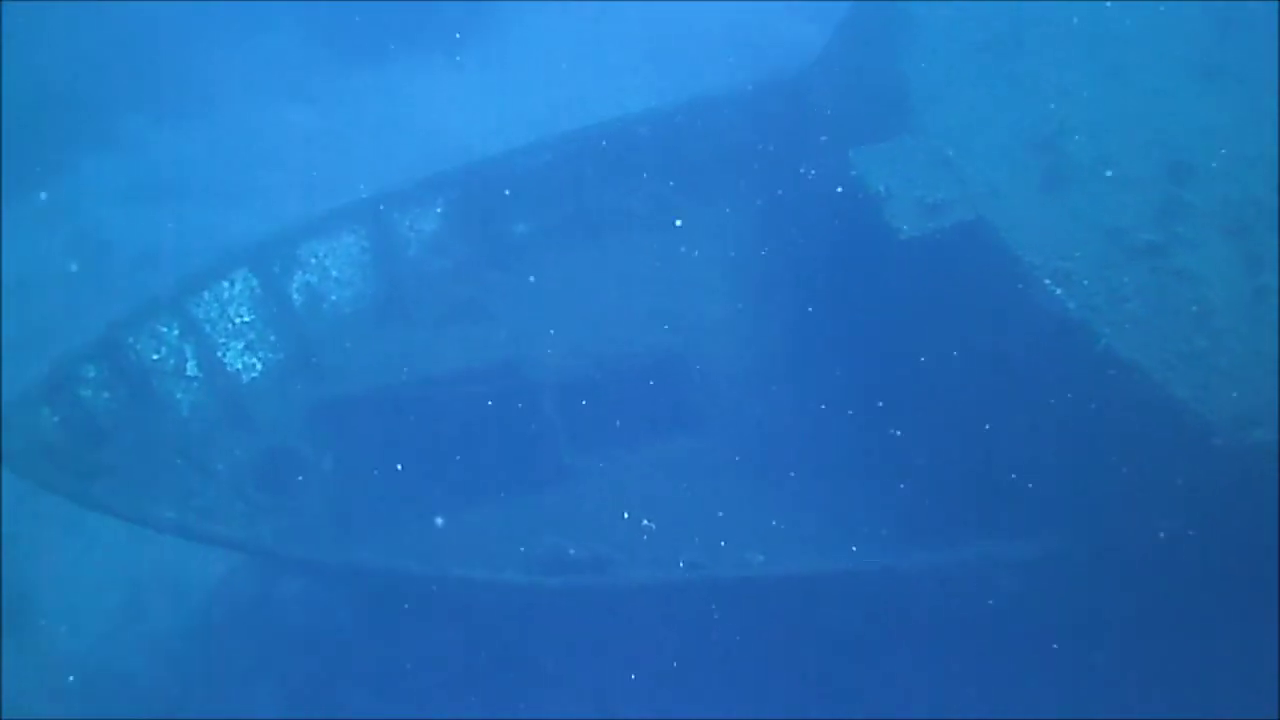 Liberty, Protaras
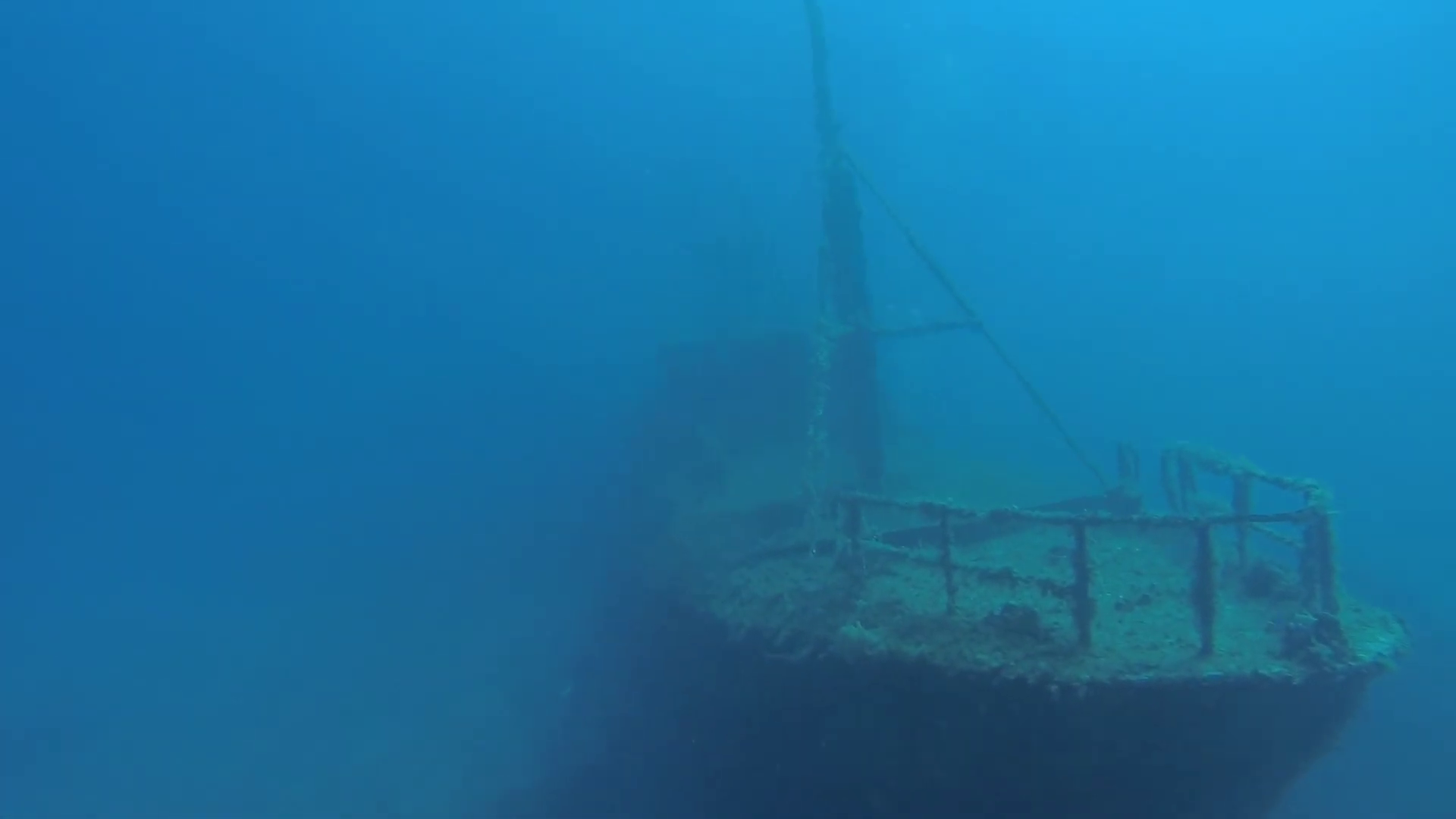 Nemesis III, Protaras
Off Protaras, Liberty and Nemesis III provide an opportunity to understand how deliberately submerged vessels become part of a developing marine environment.
Liberty, a former cargo vessel, was sunk in 2009. Nemesis III, previously a fishing vessel, followed in 2013. Both lie upright within the Paralimni Marine Protected Area, approximately 90 meters apart.
Their published site depths are around 27 and 26 meters respectively, placing them beyond the usual depth limits of basic Open Water certification.
Unlike the vast Zenobia, these are relatively compact structures. Their scale allows divers to appreciate the recognizable shape and features of each vessel without the same overwhelming sense of size. The surrounding artificial reef habitat also contributes to their appeal.
Liberty retains the character of a small cargo ship, while Nemesis III reflects its former working life as a fishing vessel. That difference provides more interest than a comparison based solely on depth or proximity.
For divers drawn to artificial reefs, underwater photography and marine life, the pair offers a worthwhile experience. Some operators arrange excursions involving both wrecks, although their proximity should not be mistaken for a guarantee that a combined dive will suit every participant.
We would favor this area for appropriately qualified divers staying in Protaras or Ayia Napa who want wreck diving to accompany a broader southeastern Cyprus holiday.
It is less compelling as a reason to relocate from another coastal base for a single excursion unless these particular vessels are an important part of the trip.
Limassol: Lady Thetis and Costandis
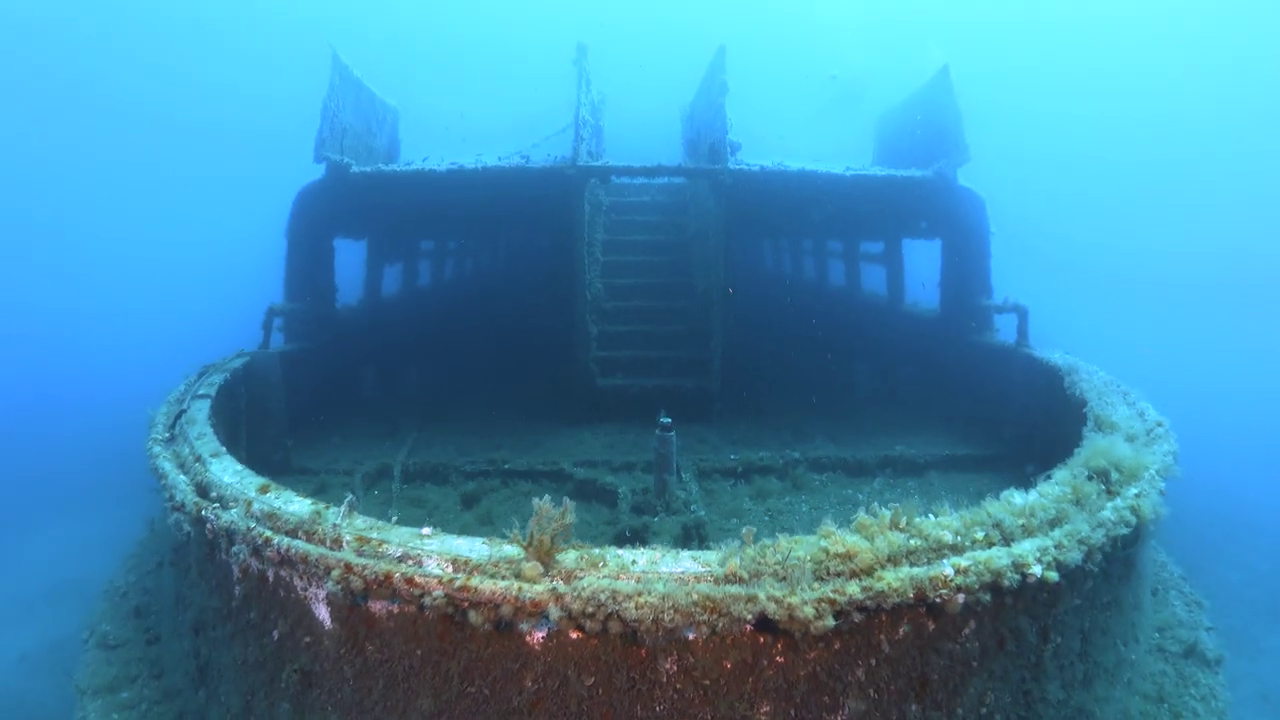 Lady Thetis, Limassol
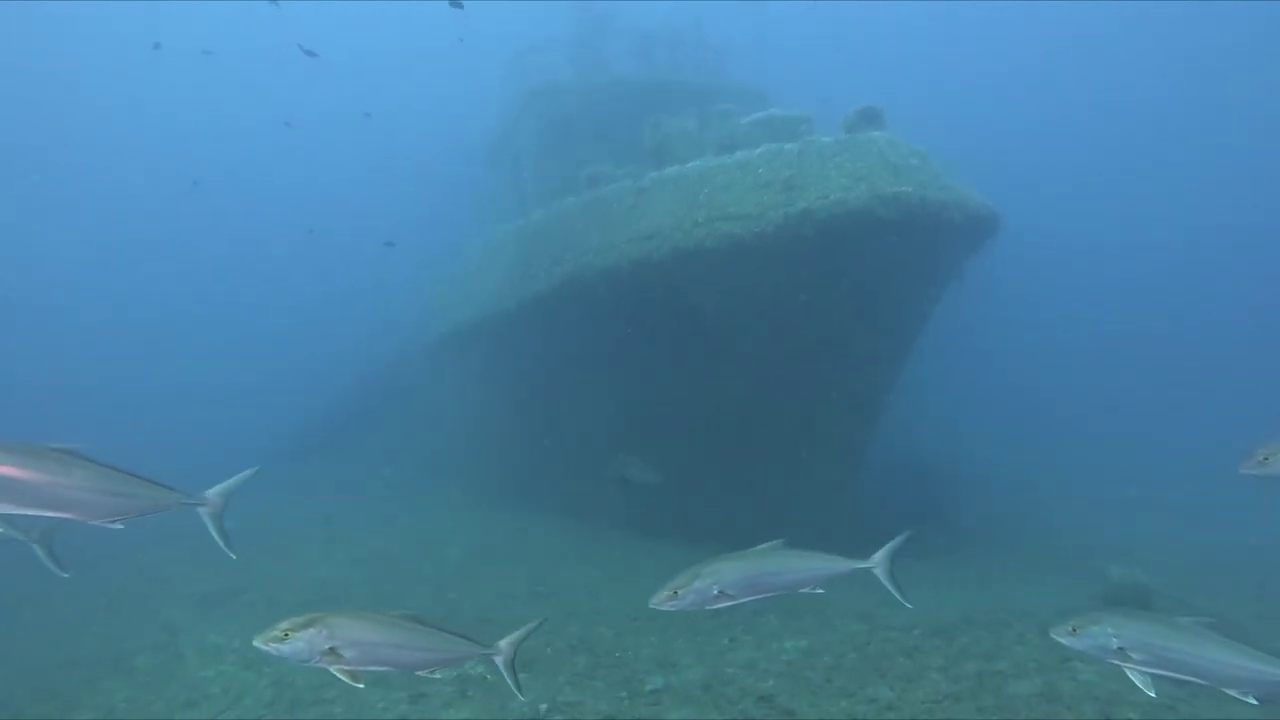 Costandis, Limassol
The wrecks off Limassol tell a different story because their transformation into artificial reefs is central to their present identity.
Lady Thetis and Costandis were deliberately sunk in 2014 within the Dasoudi Marine Protected Area. Additional artificial reef structures were introduced afterward, contributing to an underwater environment in which vessels and marine habitats form part of the same experience.
Lady Thetis was formerly a passenger vessel. At a published site depth of approximately 19 meters, it retains features associated with its former use, including deck areas and remnants of passenger facilities.
These details make it possible to recognize something of the ship's previous function beneath the marine growth. Its character differs substantially from that of a fishing vessel or cargo freighter.
Costandis, formerly a bottom trawler named Zolotets, lies approximately 200 meters away at a published depth of 24 meters. Its working-vessel structure, including the pilothouse and hold, provides a contrast with the passenger ship.
The difference gives the two sites their editorial value. They are not simply neighboring wrecks to be visited during the same holiday; they represent different types of vessels placed within a shared marine conservation project.
For divers principally interested in marine habitats, we would consider Dasoudi particularly relevant. The attraction extends beyond the ships themselves to the surrounding artificial structures and the organisms establishing themselves across the site.
The area also contains the shallower Agia Trias barge, situated at approximately 12 meters and used as a diving training feature. It adds another vessel of a different form and purpose to the protected area's underwater landscape.
Although Lady Thetis and Costandis are marketed for recreational wreck diving, descriptions of accessible passages or swim-throughs do not establish that those routes are appropriate for every diver.
For travelers already staying in Limassol, these wrecks offer a strong reason to investigate local diving opportunities before automatically traveling east toward Larnaca.
Paphos: Wrecks That Do Not Look Like The Classic Shipwreck
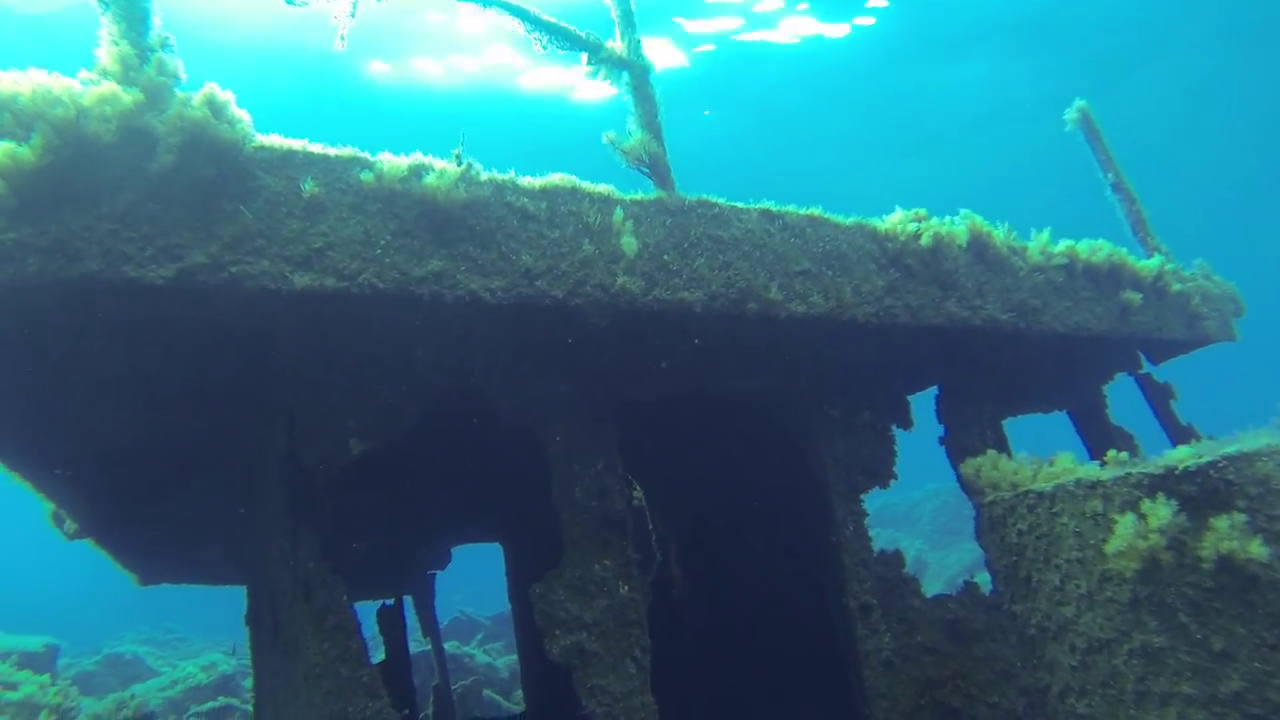
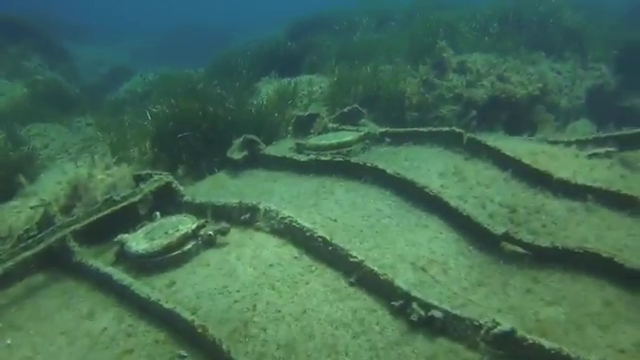
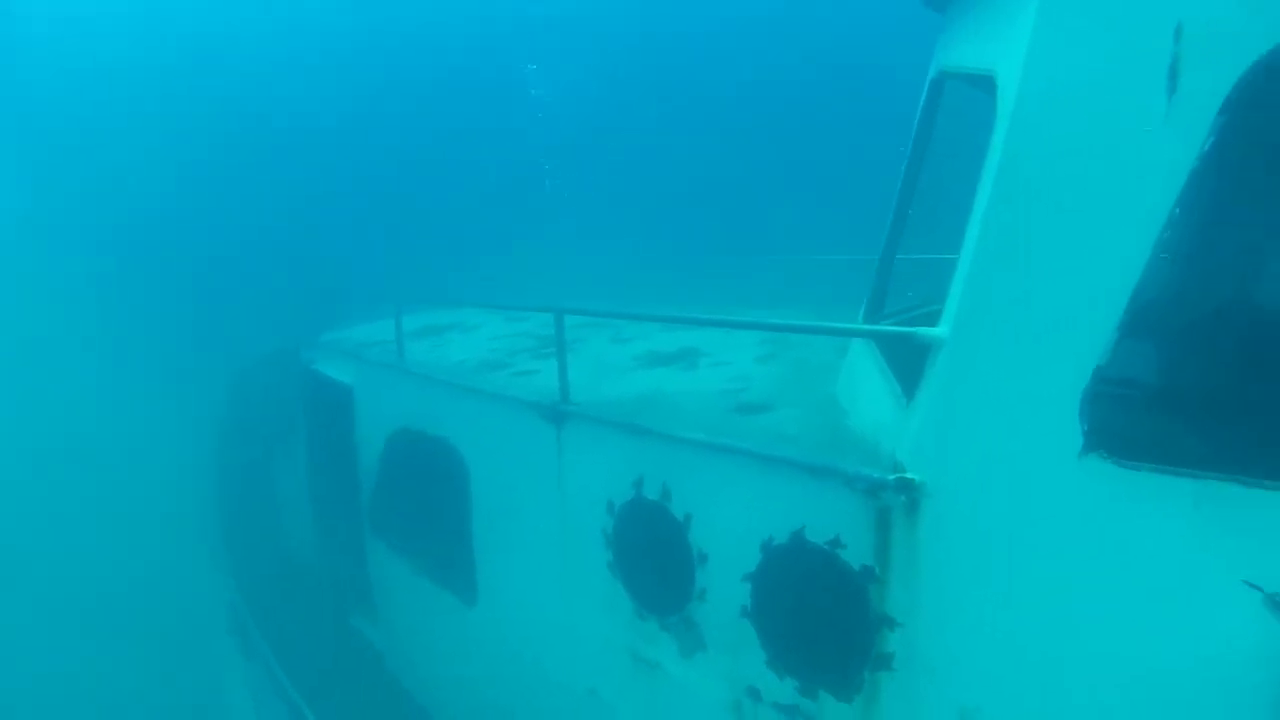
Wreck diving around Paphos becomes especially interesting when the diver is willing to look beyond the image of an intact vessel resting neatly on the seabed.
The Vera K illustrates this distinction.
The Lebanese freighter ran aground in 1972 and was subsequently used for military target practice. Declared a navigational hazard, it was blown up in 1974 and now lies in four principal sections near Paphos Harbor, at a published depth of approximately 11 meters.
The vessel's fragmented condition is central to its character. Rather than presenting a complete ship, Vera K offers an encounter with the consequences of grounding, military activity and deliberate destruction.
Parts of the bridge remain recognizable, while other sections form an underwater landscape of separated structural remains. Its relatively shallow setting should not be used to judge the suitability of narrow passages or enclosed sections.
The White Star provides another variation.
Originally a Russian fishing vessel, it later operated in Cyprus under a different name and sank while being towed toward Limassol for scrapping. The remains lie on a rocky seabed at approximately 14–18 meters and are reached by boat.
Its background is less dramatic than that of the Vera K, but the surviving structure and surrounding marine life create a different reason to visit. Together, the two wrecks illustrate how vessels from different working lives can end up forming very different underwater sites.
Paphos also has a purpose-sunk alternative: the Laboe, a former cruise vessel placed off Geroskipou in 2014 as part of an artificial reef project.
At a published depth of approximately 27 meters, Laboe presents a more substantial planned wreck experience than the shallower historic remains nearby. Its passenger-vessel origins also distinguish it from the fishing and cargo ships elsewhere along the coast.
We would choose Paphos wreck diving for travelers who appreciate the circumstances behind a vessel's loss, varied underwater structures and the possibility of combining diving with the region's other activities.
For someone whose principal ambition is to experience a vast, largely recognizable ship, however, the Zenobia remains the stronger reason to organize a dedicated excursion elsewhere.
Which Wreck Diving Experience Should You Choose?
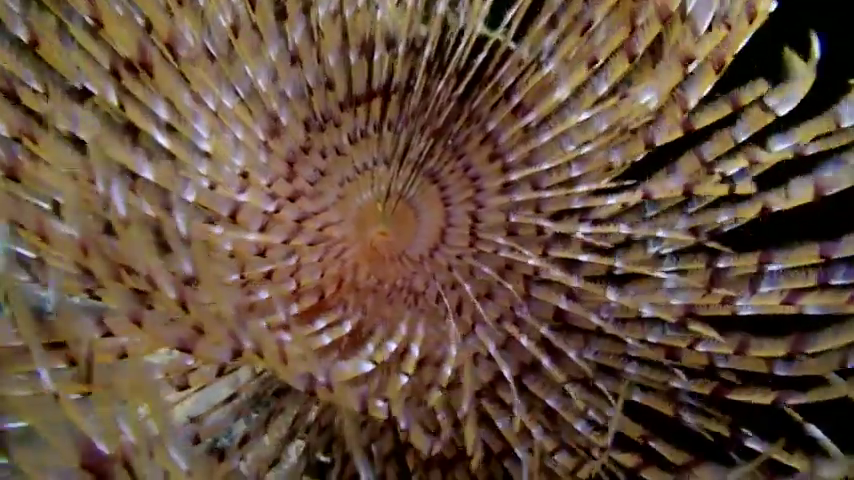 The Underwater World, Cyprus
The most useful starting point is the kind of underwater encounter that interests you, followed by an assessment of which routes your qualifications and experience allow.
For a recently certified diver curious about wrecks, a smaller vessel may offer greater satisfaction than a deeper, more celebrated site. LEF1 is worth discussing with a qualified operator because of its relatively shallow setting and compact structure.
Divers comfortable with more substantial recreational wreck excursions may be drawn to Elpida, Liberty, Nemesis III, Lady Thetis or Costandis. Their appeal differs according to vessel type, orientation, size and the surrounding marine environment. Similar published depths do not necessarily mean similar diving demands.
Those primarily interested in maritime history have a different choice. Zenobia, HMS Cricket, Vera K and White Star offer stories of sinking, wartime service, damage or abandonment that give the structures a context beyond their present underwater appearance.
For underwater photography, the distinction is equally practical. An intact cargo vessel, a compact fishing boat and a fragmented freighter offer different subjects and compositions. Visibility, lighting, marine activity and the permitted route will influence the results.
An exterior dive should not be considered an incomplete wreck experience. The route is worth choosing for what it reveals, not merely because it passes through the hull.
What To Establish Before Booking A Wreck Dive
A wreck's advertised depth is useful background information, but it does not describe the entire dive.
Large structures can extend through several depth levels, while individual routes may differ considerably in duration and complexity. Current, swell, visibility, boat access, surface support and the condition of the wreck also influence whether an excursion can proceed appropriately.
Before booking, ask the operator to explain the specific dive being offered. Establish its intended depth range, whether the route remains outside the vessel, what qualifications and recent experience are expected, and how participants are assessed.
Exterior wreck diving and wreck penetration require different preparation. Entering enclosed spaces can introduce restricted exits, disorientation, entanglement, unstable structures, falling debris and sudden loss of visibility. A direct ascent may no longer be possible.
Such diving requires relevant specialist training, suitable equipment, practical experience and appropriate planning. Neither ordinary recreational certification nor the presence of a guide establishes that someone is qualified to enter overhead environments.
Operator selection matters just as much as the wreck itself. A responsible provider should be able to explain its professional qualifications, supervision arrangements, equipment standards, emergency oxygen provision, communications and procedures for responding to a diving incident.
For travelers who value individual attention, private guiding or a smaller group may justify a higher price, provided the arrangement offers genuinely appropriate supervision and planning. The cost of an excursion should never be used as a substitute for examining professional standards.
Participants must also meet the applicable medical screening requirements and obtain medical clearance where necessary. Insurance should explicitly cover the intended diving activity, including any relevant depth, specialist training or technical-diving restrictions.
Travel planning requires attention to decompression risk. Appropriate surface intervals must be observed before flying or traveling to higher elevations, including the Troodos Mountains. The required interval depends on the dive profiles, number of dives and individual circumstances and should be established using qualified diving and medical guidance.
Several of Cyprus's wrecks lie within marine protected areas. Divers must observe applicable access and environmental restrictions, avoid damaging marine habitats and leave submerged objects undisturbed. Historic material must not be removed, and any site-specific heritage rules must be respected.
Descriptions of wrecks, published depths and general suitability categories are not assessments of conditions on the day. Current information, access permissions and the suitability of a proposed dive must be checked with qualified local professionals before the activity takes place. A responsible operator must be prepared to modify or cancel an excursion when circumstances require it.
Should You Plan Your Holiday Around Wreck Diving?
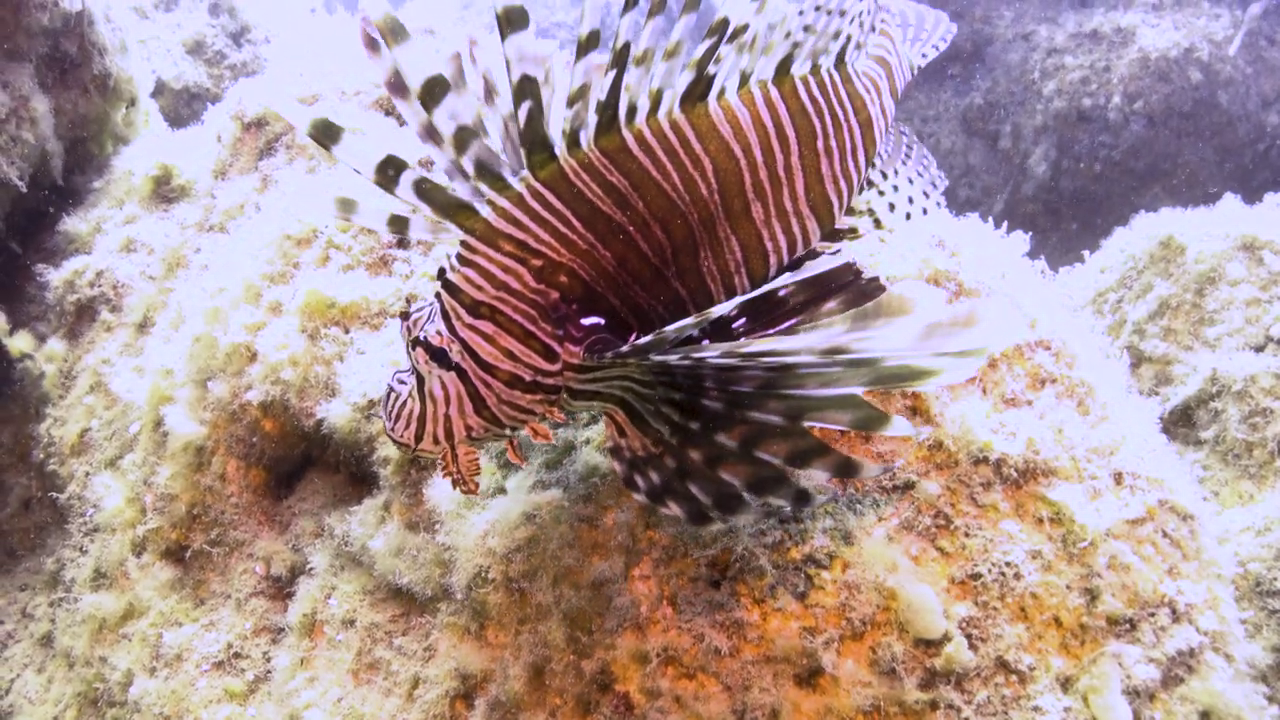 The Underwater World, Cyprus
That depends on how much of your time in Cyprus you intend to spend underwater.
Larnaca makes the strongest base for a holiday centered on substantial wreck diving, particularly when the Zenobia is a priority alongside the other vessels in the area. Staying nearby reduces travel between accommodation, dive operators and departure points, which becomes valuable across several diving days.
Protaras and Ayia Napa are practical alternatives for travelers interested in the southeastern coastline and its artificial reefs. Limassol suits visitors who want the Dasoudi wrecks alongside the city's restaurants, hotels and wider coastal life.
Paphos offers a different balance. Its varied wrecks can sit alongside archaeological sites, coastal excursions and the slower pace of western Cyprus, without requiring diving to determine the entire itinerary.
However, one planned wreck dive rarely justifies moving accommodation. For a traveler spending a week on the island, a suitable excursion arranged from an established base may be more sensible than reorganizing several nights around a single site.
A dedicated diving holiday presents a different calculation. Multiple wrecks, early departures and specialist plans can make proximity valuable, although flexibility remains essential. Sea conditions and professional assessments may require changes even when an excursion has been arranged well in advance.
Our Verdict On Wreck Diving in Cyprus
Some ships earned their place underwater through accident and loss. Others were lowered there deliberately, so that marine life could inhabit them and divers could visit. Cyprus has both, and that is the source of its wreck-diving variety.
The mistake would be treating every smaller wreck as preparation for the Zenobia. HMS Cricket is not a smaller Zenobia; nor are Vera K's fragments or the artificial reefs of Protaras and Limassol. Each rewards a different curiosity, and each needs a dive plan that suits the person undertaking it.
For a trip shaped primarily by wreck diving, we would begin with Larnaca. For one considered excursion during a wider holiday, we would choose the vessel that genuinely interests us without automatically traveling across the island for a better-known name.
The strongest wreck dive is not necessarily the one that takes you deepest or furthest into a ship. It is the one you had a good reason to choose.