Newsletter "Beyond the Postcards" Subscribe
Plan Your Cyprus Trip: Hotels: Expedia, Villas & Apartments: Vrbo, Car Rentals: DiscoverCars, Tours: GetYourGuide, Airport Transfers: WelcomePickups
- Home
- Things To Do in Cyprus
- Best Beaches in Cyprus
- Best Wild & Unspoiled Beaches in Cyprus
Best Wild & Unspoiled Beaches in Cyprus
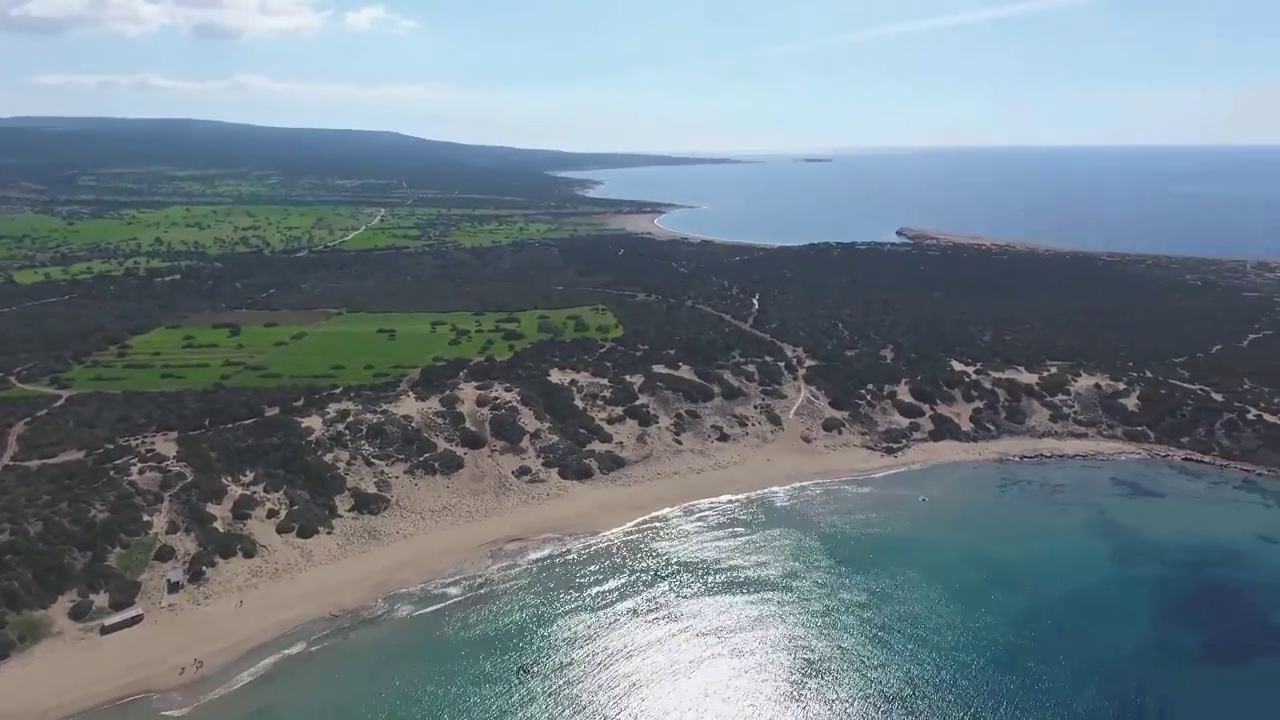
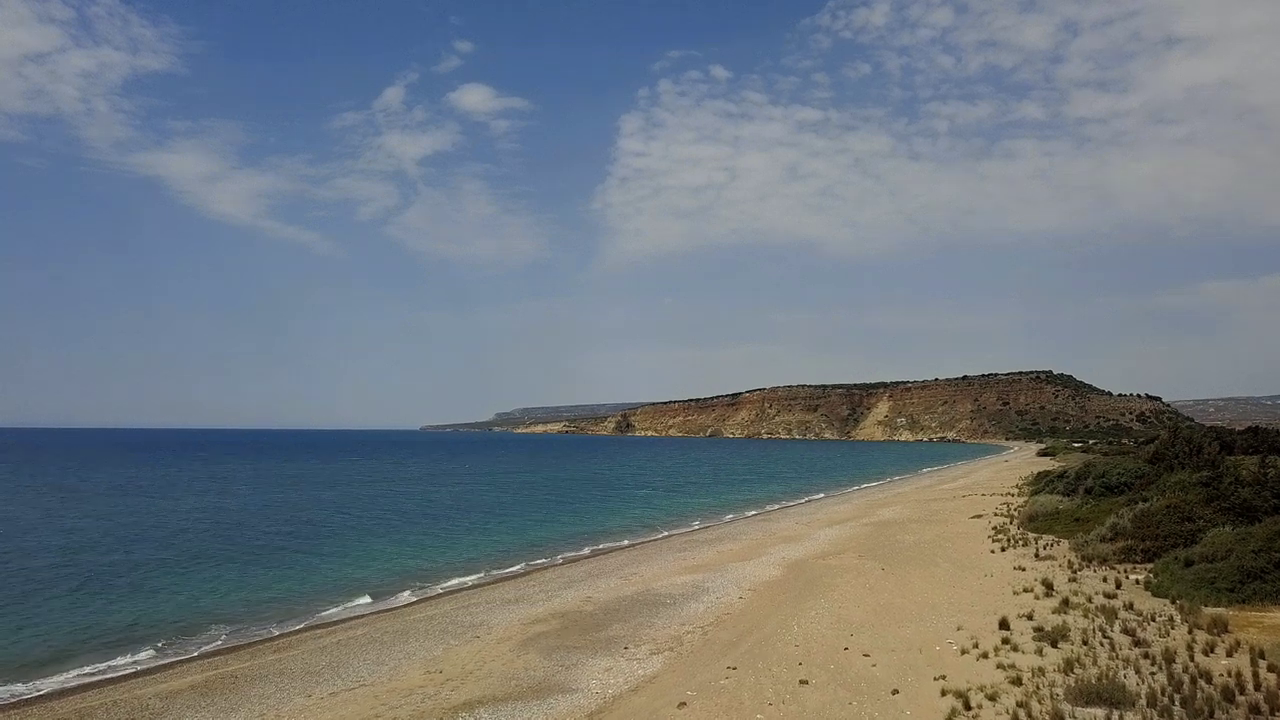
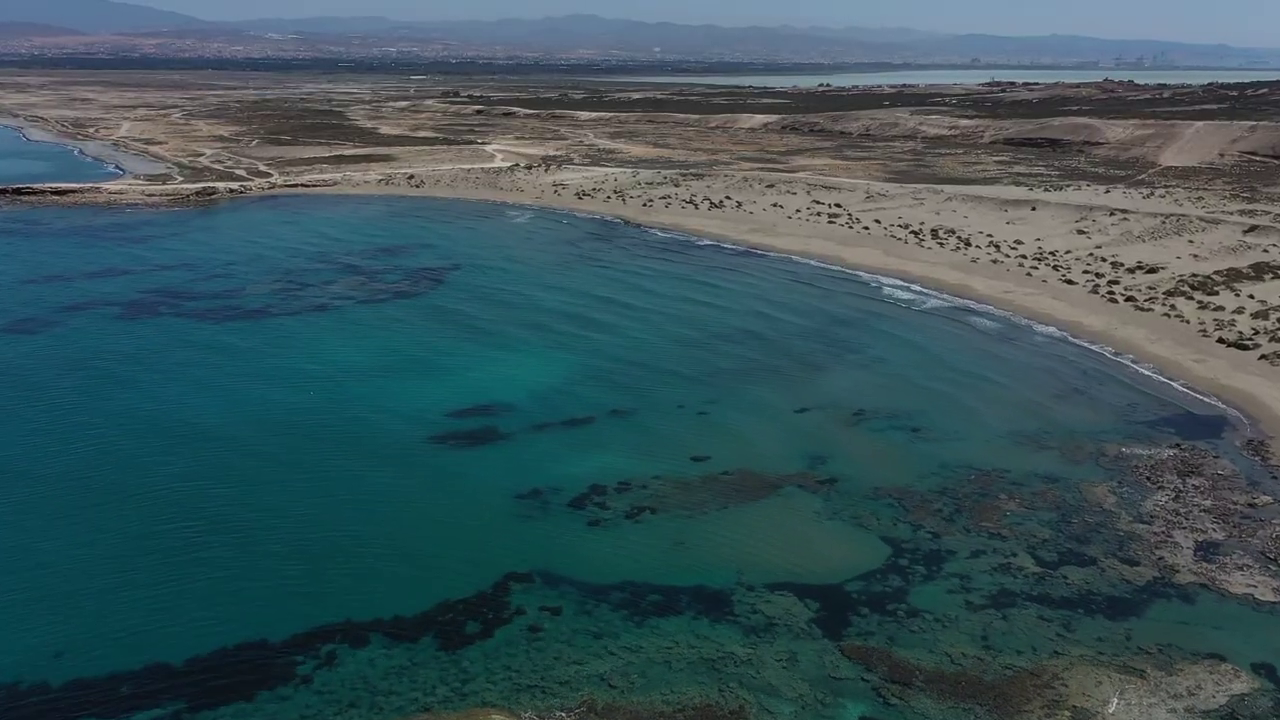
A beach can be empty and still not be wild. Empty may simply mean that you arrived early, came outside August or found the quiet end of an otherwise developed coastline. Wildness is different.
On a genuinely wild beach, the coast has not been arranged primarily around you. There may be no promenade behind the sand, no line of hotels and no expectation of a shower afterward or a café ten steps from your towel. Access can require more thought, shade may be something you bring yourself, and the sea does not become suitable for swimming simply because you have made the journey.
That is precisely the attraction, but it is also the trade-off. The best wild beaches in Cyprus change your relationship with the sea. Instead of choosing a beach because it makes the day effortless, you choose it because the landscape still feels larger than the infrastructure around it. For independent travelers who value nature, space and a stronger sense of place, that can be worth giving something up for.
Wild Is Not The Same As Quiet
This distinction matters because Cyprus has plenty of beaches that can feel quiet without being wild. A small organized beach can be peaceful at 9 a.m., while a protected natural beach can have plenty of visitors on a summer weekend and still remain fundamentally undeveloped.
Quietness is often about when you go. Wildness is about what remains when you get there.
We look for coastline where the natural landscape still dominates the experience: limited development immediately behind the shore, little or no resort infrastructure, and stretches of coast that have retained much of their original character. In the strongest cases, formal environmental protection has also prevented development from becoming the defining feature.
That does not automatically make a beach better. It makes it better for a particular kind of traveler and a particular kind of day.
If you want easy swimming, dependable facilities and a beach you can reach without thinking much about the road, our Best Beaches in Cyprus for Swimming or Best Beaches in Cyprus for Families guides will probably suit you better. If what you want is to feel the resort infrastructure retreat and the coastline take over, this is the category that matters.
The Wild Beach Trade-Off
The mistake is romanticizing inconvenience. A rough road is not more meaningful because it is rough, a beach without shade is not superior because you carried your own umbrella, and an exposed sea does not become a good swimming beach because the landscape photographs well.
Wild beaches ask more from the traveler. Facilities may be minimal or absent, mobile reception may be less reliable, and the nearest food or drinking water can be some distance away. Lifeguard cover should never be assumed, and road conditions can change after weather, maintenance work or conservation measures.
This is particularly important around Akamas. Access arrangements have changed over time and can continue to change, so old directions found online should never be treated as permanent instructions. Check current road signs, official restrictions and the terms of your vehicle or rental agreement before committing to an unpaved approach.
The same principle applies at the water's edge. If conditions look different from what you expected, trust what is in front of you rather than what a photograph, review or previous visit led you to expect. Wild coastline rewards flexibility more than determination.
1. Lara Beach, Akamas
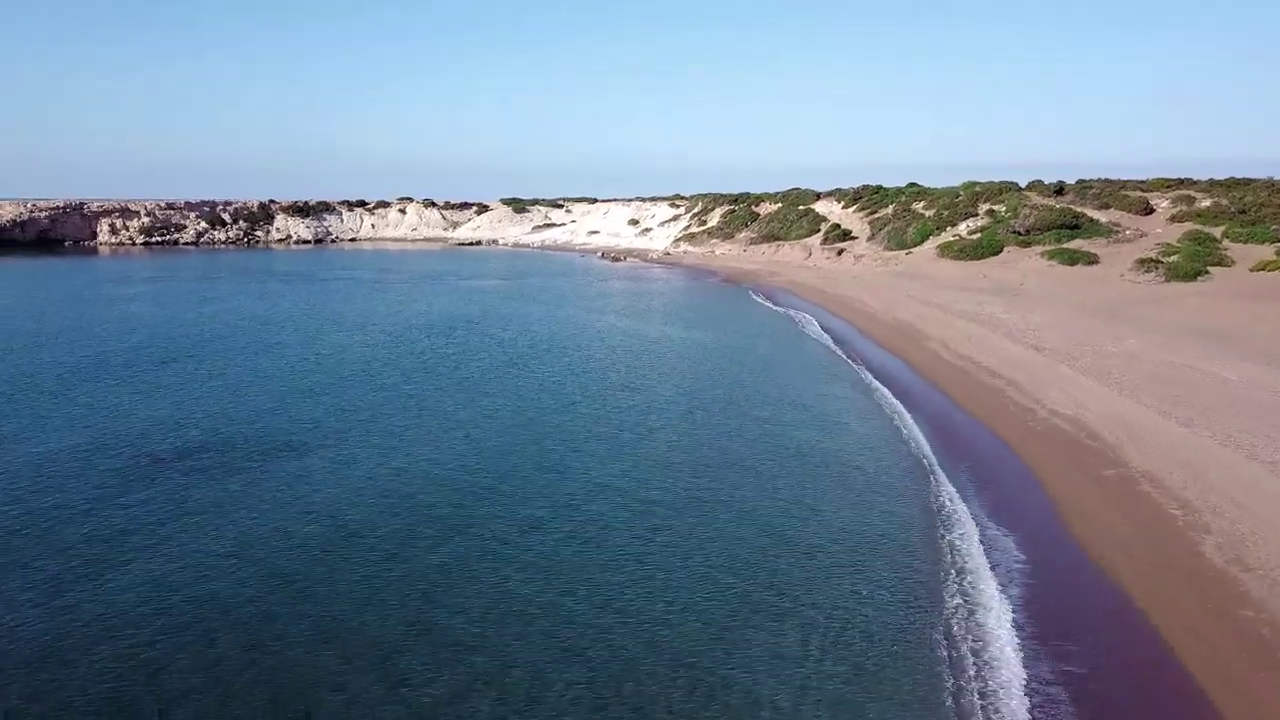 Lara Beach, Akamas
If one Cyprus beach explains the difference between a resort coast and a wild coast particularly clearly, it is Lara.
This is not because Lara is unknown. It is one of the most recognizable natural beaches in western Cyprus, and describing it as a secret would be nonsense. Its importance comes from something more substantial: Lara forms part of the protected Lara–Toxeftra coastal reserve and is an important nesting area for Green and Loggerhead turtles.
That protection changes the character of the visit. This is not a beach where additional infrastructure would necessarily improve the experience, because the absence of that infrastructure is connected to the reason the coast remains valuable in the first place.
The reserve has restrictions designed to protect the nesting environment. Visitors should follow current signs and instructions around vehicles, umbrellas, tents, nighttime access, boats and nesting areas rather than treating conservation measures as optional beach etiquette.
What Lara Actually Feels Like
Summer is the period when Lara is most likely to remind you that even a wild beach in Cyprus is not necessarily an empty one. When locals take their summer vacations, you can find other people there, particularly during the busiest weeks. Even then, however, Lara usually does not feel crowded in the way an organized resort beach can.
Outside summer, the experience changes considerably. There are days when it can feel as though it is simply you and the beach.
That absence changes what you notice. Without rows of sunbeds, music or the constant movement around a beach bar, your attention moves naturally toward the coastline itself. You become more aware of the open land behind you, the shape of the bay and the fact that the beach does not need much from you beyond leaving it as you found it.
That is the Lara experience we value most.
Who Lara Is For
Lara makes most sense for nature-first travelers, repeat visitors looking beyond Cyprus's organized beaches and independent travelers prepared to give the journey enough time. It also suits people for whom the surrounding landscape matters as much as swimming itself.
It is a weaker choice for anyone who wants a frictionless beach day. Families who depend on facilities, travelers with limited mobility, visitors uncomfortable with rough approaches and people who have only a couple of hours available should think carefully before making Lara the day's plan.
If you intend to stay for several hours, bring bottles of water, preferably in a cool bag, and something to eat. Do not make the mistake of arriving as though you were going to an organized resort beach and expecting to improvise once you get there.
The trade-off is straightforward: the things that protect Lara from becoming another conventional beach destination are also the things that make visiting it less convenient.
2. Toxeftra Beach, Akamas
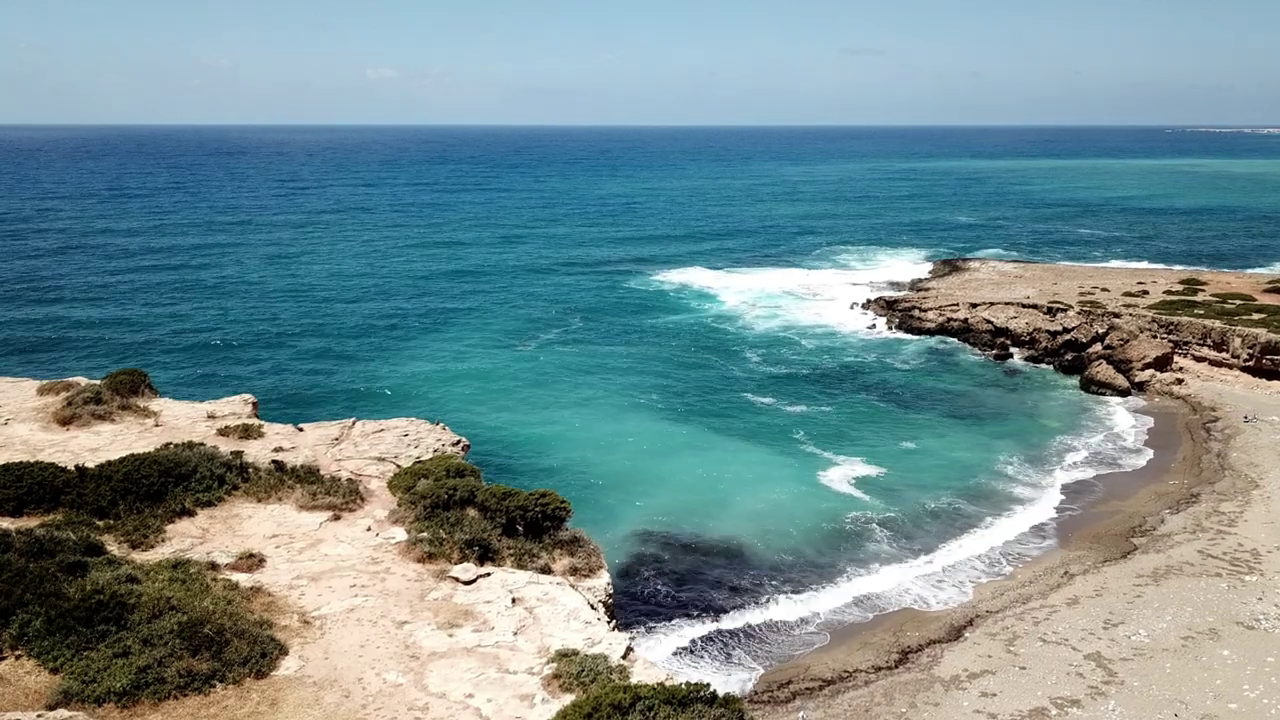 Toxeftra Beach, Akamas
Toxeftra shares Lara's protected landscape but does not carry quite the same name recognition. That makes the decision between them interesting.
Both belong to the same wider protected coastal environment, and both are important nesting areas for sea turtles. Where Lara can become the destination people deliberately set out to find, Toxeftra makes more sense for travelers interested in the coastline itself rather than in visiting a famous named beach.
What stays with us at Toxeftra is the openness of the coast. The landscape feels broad and exposed, with the sea in front of you and very little competing for attention. It is one of those places where the scenery becomes more important than whatever you planned to do once you arrived.
The practical side matters just as much. Bring water and something to eat, particularly if you intend to stay for several hours. Depending on current access and where you leave your vehicle, reaching the beach may also involve some walking, so this is not a place to add casually to an itinerary without thinking about the approach first.
Who Toxeftra Is For
Choose Toxeftra when you are comfortable with a beach that asks more of you than it provides. It suits travelers who value open coastal scenery, environmental context and the feeling of being well outside Cyprus's organized resort rhythm.
Do not choose it simply because you dislike crowds. There are easier quiet beaches in Cyprus, and our Best Quiet Beaches in Cyprus guide is a better starting point for that decision.
Access should also form part of the decision. If walking to the beach would be difficult for you, or if you are traveling with people for whom a longer approach would become uncomfortable, Toxeftra may not be the right choice that day. That does not diminish the beach; it simply means the beauty of the coastline should not obscure the practical reality of reaching it.
Lara or Toxeftra?
Lara is the more obvious first encounter with wild Akamas coastline. Toxeftra is the more interesting alternative for travelers who already understand what they are coming for and are comfortable making a little more effort for the setting.
Neither earns its place here because it is inconvenient. They earn it because convenience has not yet become the organizing principle of the landscape.
3. Paramali Beach
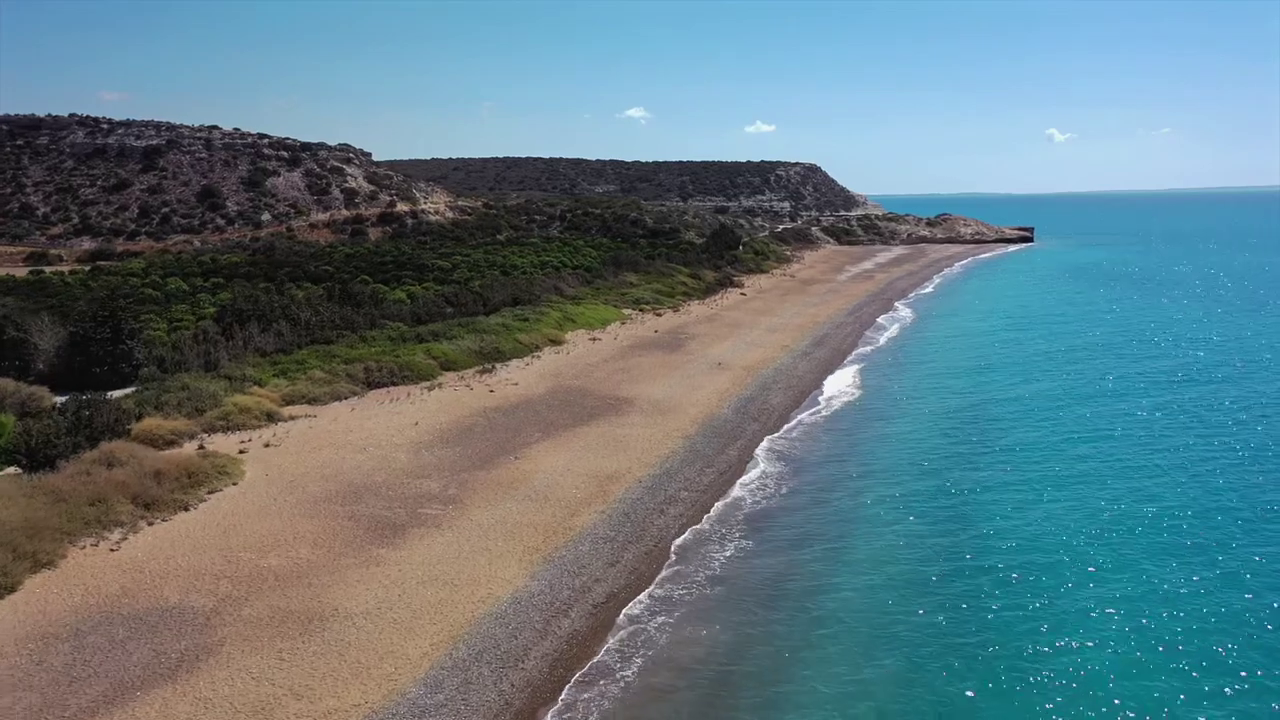 Paramali Beach
Paramali gives this guide something Akamas cannot: a convincingly wild beach experience on the southern side of the island.
The beach lies west of Limassol and remains notably undeveloped compared with the city's resort coastline. Parts of the coast are associated with turtle nesting, while the area's exposure can also bring stronger wind and conditions attractive to kiteboarders.
But the strongest reason to come to Paramali is simpler: tranquility.
There is space here for the day to remain uncomplicated. If you enjoy sunbathing beneath the warm Cyprus sun, you may not feel the need for an umbrella at all. If you prefer shade, bring your own rather than assuming you will find it waiting for you.
Water matters more. Take enough with you, especially during the warmer months, and bring snacks if you plan to stay. On a wild beach, small practical decisions made before leaving the car can determine whether the absence of facilities feels freeing or simply inconvenient.
Who Paramali Is For
Paramali suits road-trippers moving between Limassol and western Cyprus, nature-oriented couples and travelers willing to exchange services for space, tranquility and coastal character. It can also work particularly well for returning visitors who have already experienced the obvious resort beaches and want to see how different the island's coastline can feel.
Travelers expecting reliable shade, cafés, showers and lifeguard reassurance should choose elsewhere. The same applies when strong wind or an unsettled sea makes the conditions inappropriate for the kind of beach day you had imagined.
Turtle nesting adds another responsibility. Marked nests and protected areas should be given generous space, and nothing about visiting a nesting beach entitles anyone to approach turtles, nests or hatchlings.
Why Paramali Earns Inclusion
Paramali does not have Akamas's drama, and that is a strength rather than a weakness. Its wildness is quieter: a long coast, open sky, space around you and relatively little interruption between landscape and sea.
The tranquility is part of the experience. You are not coming because there is something constantly happening around you; you are coming partly because there isn't.
For travelers staying in Limassol, that makes Paramali one of the clearest tests of whether they genuinely want a wild beach or merely a quieter organized one.
4. Avdimou Beach
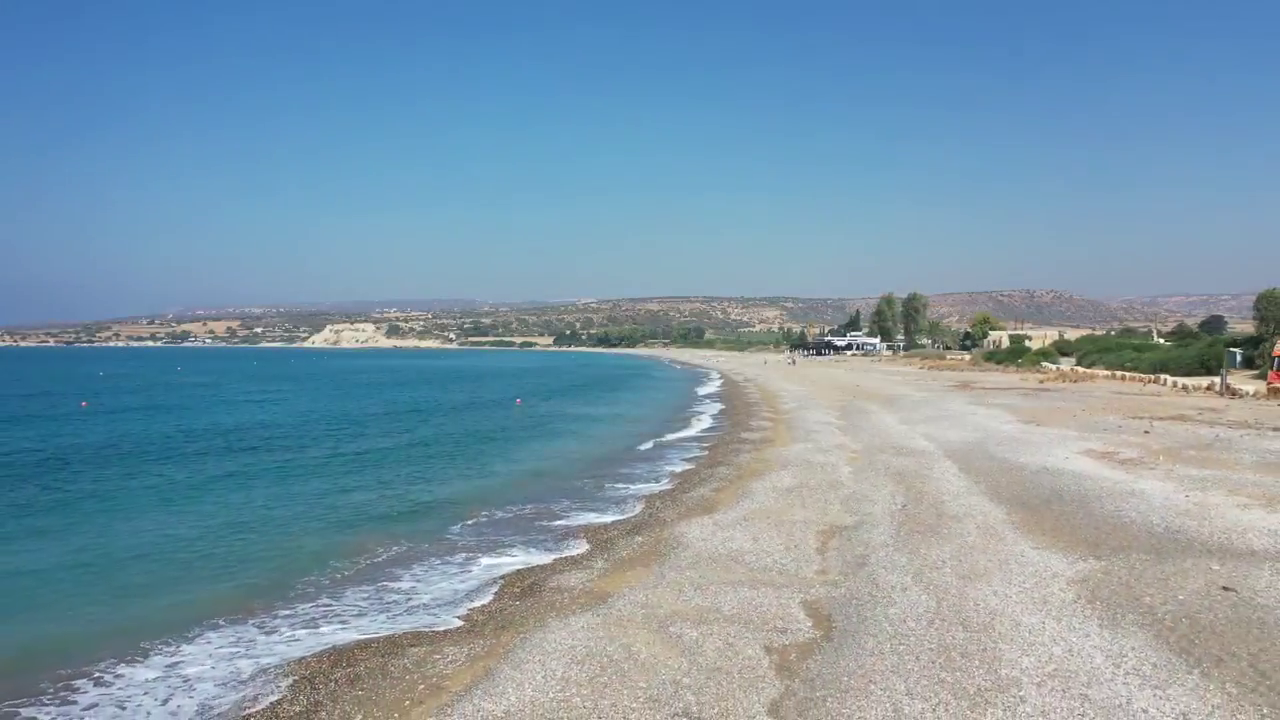 Avdimou Beach
Avdimou needs a more precise description because calling it completely untouched would be false.
This long bay west of Limassol retains extensive stretches of natural coastline and a markedly less developed atmosphere than the city's resort beaches, but some facilities and hospitality exist along parts of it. That is exactly why it belongs in this guide.
Not every traveler who wants natural coastline wants the full logistical commitment of Lara or Toxeftra. Avdimou offers a middle position: enough open coastline for the landscape to dominate, but enough civilization nearby to make the day more forgiving.
That makes it editorially useful rather than ideologically pure.
Who Avdimou Is For
Avdimou works for independent travelers who want a less engineered beach day without turning access and preparation into the main event. It is particularly useful for someone based in Limassol who wants more space and landscape than the urban coast provides but does not want to devote a full day to reaching Akamas.
Travelers looking for an almost complete absence of development should choose Lara, Toxeftra or Paramali instead. Avdimou's strength is precisely that it does not demand such an extreme trade.
Wind also matters here. The same open character that gives the bay space can produce conditions that appeal to kitesurfers, so swimming should always be judged against the sea on the day rather than assumed from the map.
The Useful Compromise
There is a tendency in travel publishing to reward extremes: the most remote, the most isolated, the hardest to reach. That can produce bad recommendations because difficulty itself becomes confused with quality.
For many independent travelers, the better decision is not the wildest possible beach. It is the beach that gives enough wildness to change the atmosphere of the day without demanding more inconvenience than the traveler actually wants. Avdimou earns its place because it offers that compromise.
5. Button Beach and the Southern Akrotiri Coast
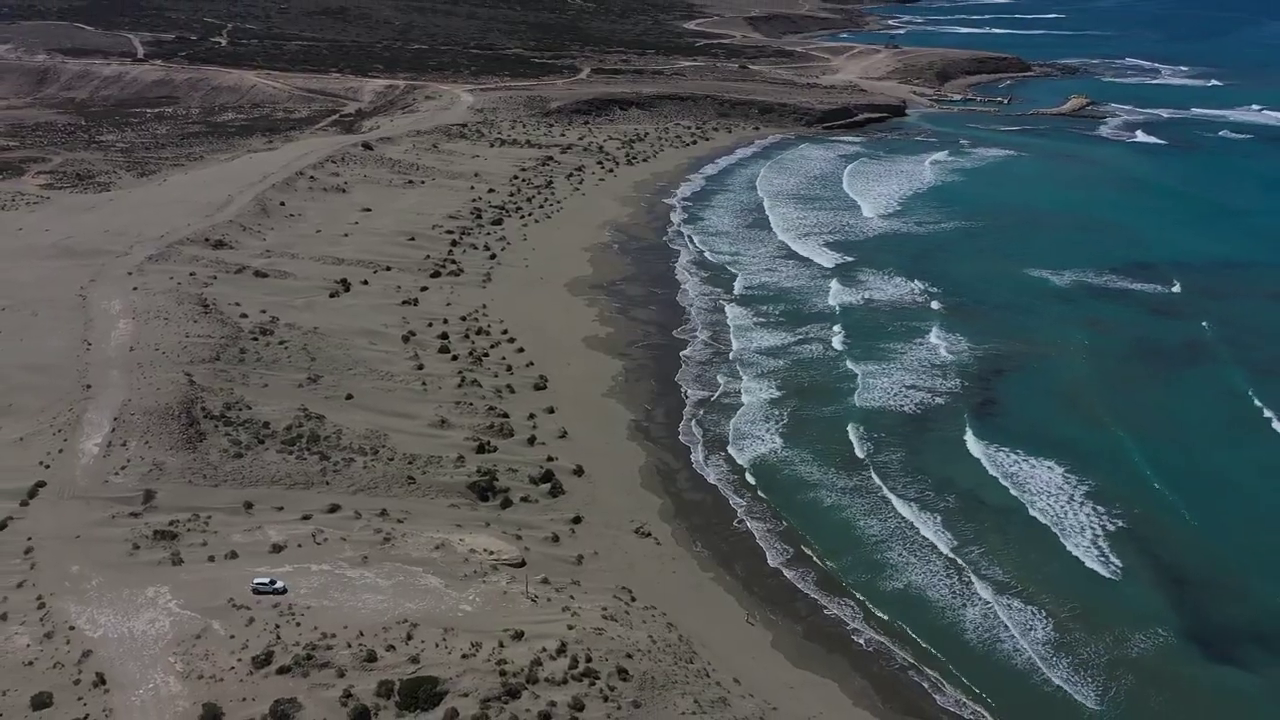 Akrotiri Bay
Lady's Mile is often described as unspoiled, but much of the experience today includes restaurants, facilities, sunbeds and organized sections. That makes the more interesting conversation the coastline beyond its busier parts.
Farther south, around Button Beach and the southern Akrotiri coast, small dunes and open coastal landscapes change the character of the area. The wider setting near Akrotiri Salt Lake also means the beach sits within a much larger environmental landscape rather than existing as an isolated strip of sand.
This is not where we would send a first-time visitor who simply wants Cyprus's prettiest or easiest swimming beach. It earns consideration for a different reason: it demonstrates how quickly the character of a coastline can change once the infrastructure thins out.
That makes this part of Akrotiri more compelling as a landscape experience than as a conventional beach product.
Who It Is For
It suits curious travelers already spending time around Limassol or Akrotiri and people interested in coast, dunes, wetlands and open landscapes rather than beach services. It also works better for travelers happy to explore than for people who need a guaranteed setup waiting for them.
Anyone requiring accessible facilities or predictable supervision should stay with established bathing beaches. Protected and ecologically sensitive areas also demand restraint: use established access, obey local restrictions and leave dunes, vegetation and wildlife alone.
The point is not to conquer an undeveloped coastline. It is to experience it without making it less undeveloped for the person who comes next.
A Wild Beach We Would Approach Differently: Zapalo
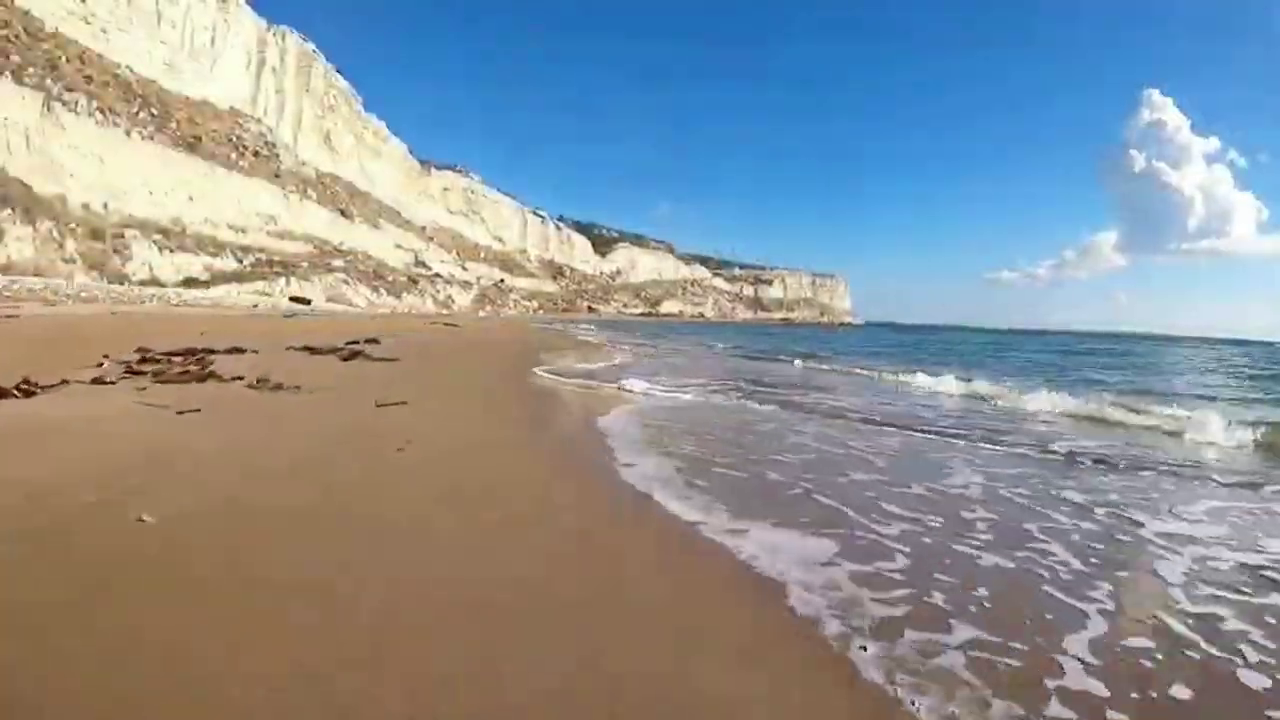 Zapalo Beach (Tripiti)
Zapalo, or Tripiti, beneath the cliffs near the Sanctuary of Apollo Hylates, looks exactly like the kind of place an article with this title is expected to recommend enthusiastically.
We would be much more cautious.
The coastline is unquestionably dramatic, but access is difficult and the descent is uneven. That changes the recommendation. A beautiful coastline does not automatically become a responsible general recommendation simply because some people are capable of reaching it.
For many travelers, the better experience may be appreciating Zapalo's setting rather than treating reaching the sand as an objective that needs to be completed. This is an important distinction: wildness should reduce the urge to collect every place, not intensify it.
What We Have Deliberately Left Out
Some excellent Cyprus beaches do not belong on this page.
Pissouri Bay has impressive natural surroundings but enough facilities and resort infrastructure that we consider it a better fit for other beach decisions. Agia Thekla retains a natural character and sits within a protected coastal environment, but it is an organized beach with sunbeds, watersports and nearby services.
Lady's Mile is another borderline case. The coastline itself retains substantial natural character, but its restaurants, organized sections and services make calling the entire beach wild misleading.
White River Beach near Peyia is visually dramatic and clearly belongs in the wider conversation about rugged western Cyprus. We would still want current field verification of access, visitor impact and the overall beach experience before elevating it into the core shortlist.
That exclusion is deliberate. A serious guide becomes more useful when it is willing to leave plausible candidates out rather than expanding a list simply because another beach could technically fit the title.
When a Wild Beach Is the Right Decision
Choose one when the landscape itself is part of what you want from the day.
That may mean walking farther, carrying your own water or accepting that lunch will happen somewhere else. It may mean looking at the sea and deciding not to swim because conditions are wrong. It can also mean abandoning a planned beach entirely because access has changed.
For some travelers, that sounds like unnecessary friction. They are right—for them. There is no virtue in choosing a difficult beach when what you really want is an easy swim, shade and lunch nearby.
For others, removing the usual infrastructure changes the relationship with the coast. You notice the terrain behind you, the exposure of the bay, the wind, the distance to the next developed area and the fact that very little has been designed to keep you there.
That is a different Cyprus beach experience from Nissi Beach, Fig Tree Bay or Coral Bay. Neither version invalidates the other.
What to Bring — and What Not to Assume
Preparation should increase as infrastructure decreases. Water deserves priority, particularly in the warmer months, while snacks make sense if you plan to remain for several hours. Shade is another individual decision: some travelers are happy sunbathing, while others will be far more comfortable bringing an umbrella or another suitable form of sun protection.
Suitable footwear can matter too, particularly where reaching the beach involves walking over uneven or unpaved ground. A charged phone is sensible, but none of these preparations compensates for entering water you are unsure about or driving a road unsuitable for your vehicle.
Do not assume a rental vehicle is covered on an unpaved road merely because it is physically capable of driving there. Rental agreements differ, so check your own written terms rather than relying on general assumptions about what a vehicle can handle.
Likewise, do not assume there will be a lifeguard simply because other people are swimming, and do not assume yesterday's access remains today's access. Protected areas can be subject to conservation measures, road works and temporary restrictions.
Most importantly, do not treat turtle protection as part of the scenery. Lara and Toxeftra have retained much of their present character precisely because their nesting environment has been protected. Respecting that protection is part of visiting the beach responsibly.
Which Wild Beach Should You Choose?
If your priority is the strongest combination of protected landscape and undeveloped coast, Lara is the clearest starting point. If open coastal scenery matters just as much and you are comfortable with the possibility of walking farther to reach the beach, Toxeftra deserves equal attention.
For a tranquil wild beach on the southern coast, Paramali is the stronger fit. If you want natural space without giving up every practical convenience, Avdimou is the more intelligent compromise, while Button Beach and southern Akrotiri work better for travelers interested in the coastline as landscape rather than simply somewhere to place a towel.
Zapalo belongs in a different category. Its visual drama is undeniable, but access prevents us from treating it as an uncomplicated recommendation.
None of these choices is automatically better than an organized beach. The decision depends on what you actually want from the day.
The Cyprus By Locals View
The value of Cyprus's wild beaches is not that nobody has discovered them. Lara has been photographed thousands of times, and calling any accessible Mediterranean beach untouched in an absolute sense would be lazy travel writing.
Their value is that parts of the Cypriot coast still require the traveler to adjust to the landscape rather than expecting the landscape to adjust to the traveler.
Lara illustrates that particularly well. In summer, especially when Cypriots are taking their own vacations, you may share the beach with other people without it necessarily feeling crowded. Come outside the summer season, however, and the balance can change completely. On the right day, it may feel as though the beach has been left almost entirely to you.
Toxeftra expresses the same idea differently. Its open coastal scenery is part of the reward, but reaching it may ask something from you first. Paramali does not demand the same dramatic approach, yet the tranquility there creates its own version of wild Cyprus: sun, space and very little need for anything else once you have brought what you need.
That is when the absence of infrastructure stops feeling like something missing. You brought the water and the food; perhaps you brought an umbrella, perhaps you did not need one. There is no need to search for the next beach bar or decide which row of sunbeds to choose. The coast becomes the day rather than the backdrop to it.
An organized beach makes the sea easy to consume. A wild beach can make you pay more attention to it, and for the right traveler that is not a compromise. It is the reason for going.