Newsletter "Beyond the Postcards" Subscribe
Plan Your Cyprus Trip: Hotels: Expedia, Villas & Apartments: Vrbo, Car Rentals: DiscoverCars, Tours: GetYourGuide, Airport Transfers: WelcomePickups
- Home
- Things To Do in Cyprus
- Outdoor & Nature Experiences in Cyprus
- Best Natural Attractions in Cyprus
Best Natural Attractions in Cyprus
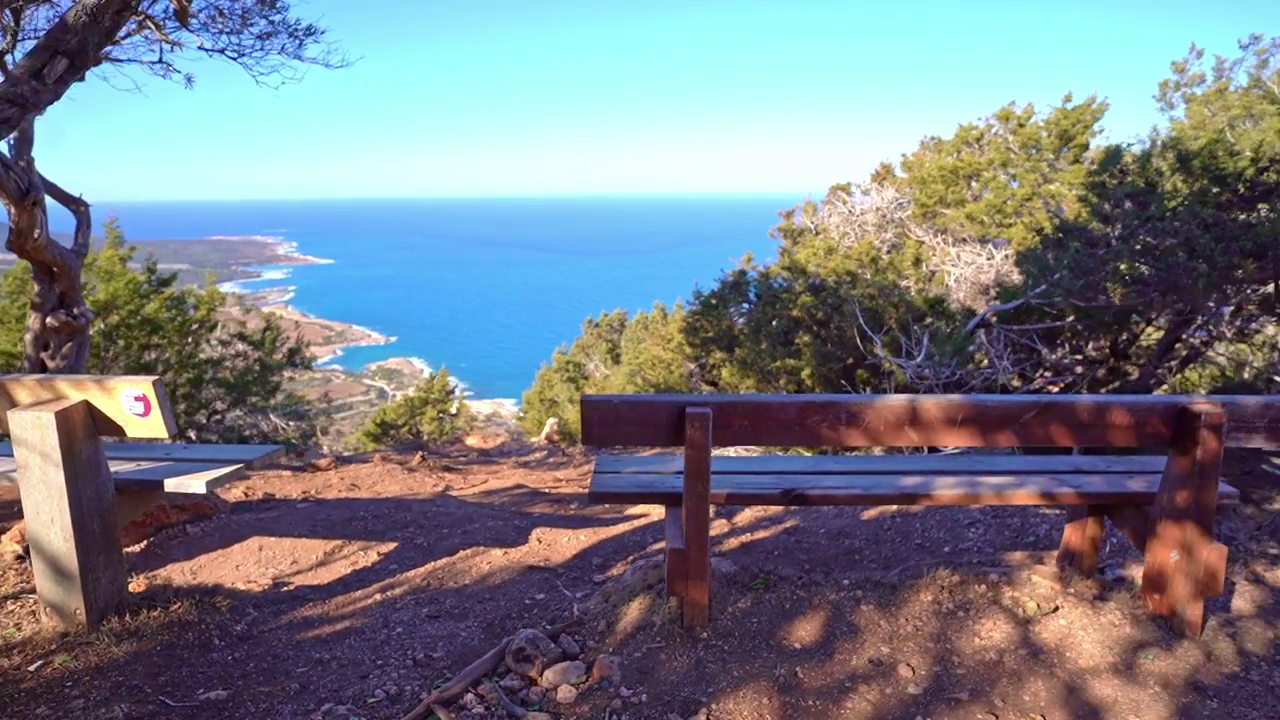
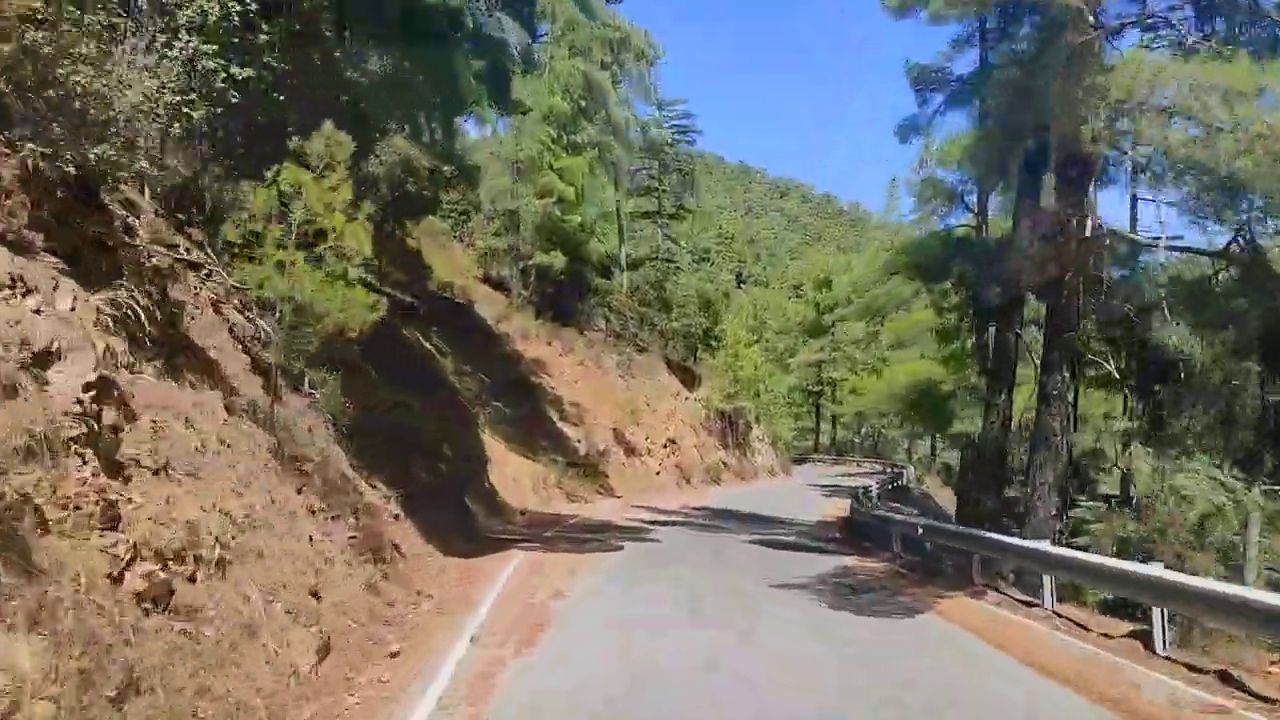
The Baths of Aphrodite has a name that suggests something monumental. In reality, it is a small grotto shaded by greenery, with a story much larger than the place itself. Elsewhere in Cyprus, Cedar Valley offers almost the opposite experience: no single landmark dominates the visit, because the forest is what you have come to see.
These differences matter when deciding where to spend your time. Some of Cyprus's natural attractions are worth making a journey for, while others are most rewarding as stops along a route you were already planning. A famous name, an impressive photograph or a prominent position on a map does not necessarily tell you which is which.
Our selection considers the character of each landscape, what visitors can reasonably expect, the effort involved in reaching it and how well it fits into a wider trip. The aim is to help you choose natural places that add something meaningful to your experience of Cyprus, without turning your holiday into a succession of sightseeing stops.
Which Natural Attractions Are Worth Your Time?
Cyprus has several distinct natural landscapes within a relatively small island. Limestone cliffs dominate parts of the southeastern coast, seasonal wetlands shape the surroundings of Larnaca, and the Troodos Mountains offer forests and higher-altitude scenery that feel far removed from the resorts below.
The western part of the island adds another dimension, from the mythology associated with the Baths of Aphrodite to the rugged Akamas Peninsula and the more remote forests of the Paphos district. These places do not demand the same amount of time, physical effort or preparation.
For travelers who want a worthwhile introduction to the island's natural character without organizing a demanding outdoor activity, we would prioritize six places. Each earns its inclusion for a different reason, and each comes with limitations worth understanding before you set out.
Cape Greco National Forest Park — The Southeastern Coast
 Cape Greco
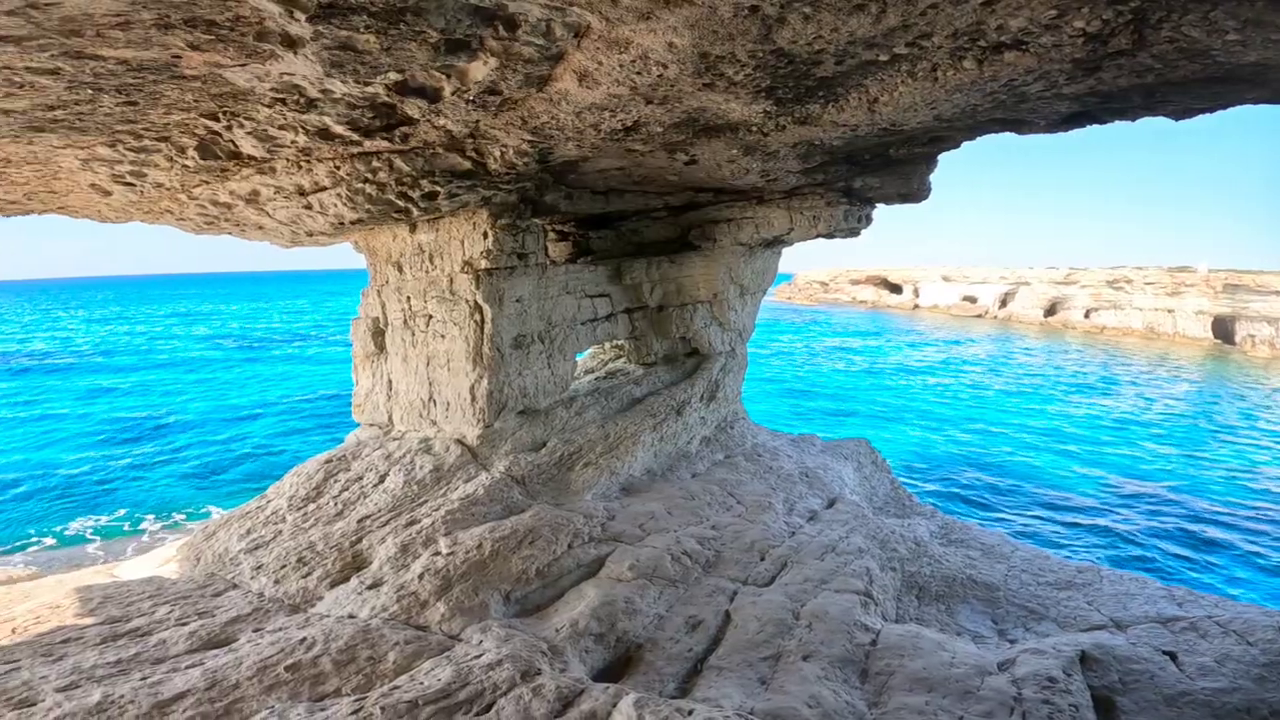 Sea Caves
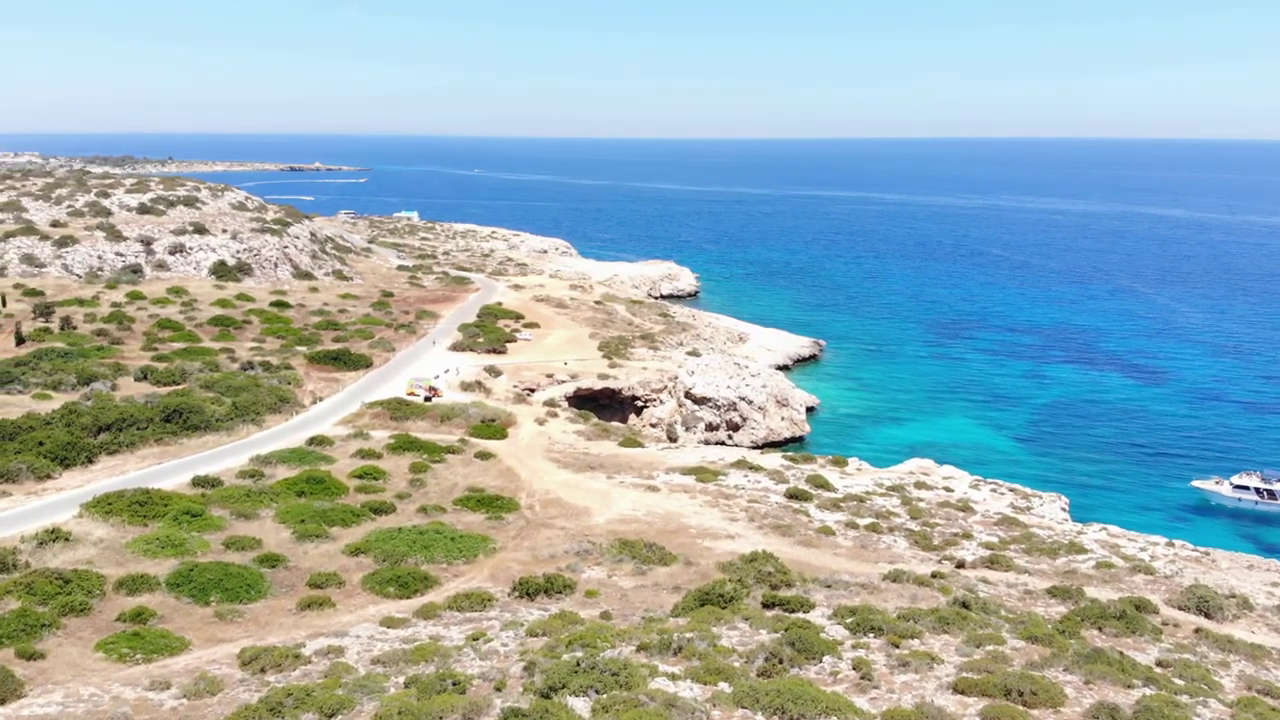
Between Ayia Napa and Protaras, Cape Greco brings together limestone cliffs, rocky coves, sea caves and low Mediterranean vegetation. It is one of the strongest choices for travelers who want to appreciate the natural character of southeastern Cyprus without committing to a long hike or boat excursion.
The landscape is noticeably different from the sandy beaches nearby. Instead of broad stretches of sand, the coastline is broken by rock formations, openings in the cliffs and viewpoints overlooking the Mediterranean. Around Agioi Anargyroi and the wider national forest park, visitors can appreciate this geography from designated areas and established paths.
Cape Greco is particularly rewarding when given more attention than a quick photograph. Choosing a manageable section of the park, allowing time to appreciate the formations and stopping at a suitable viewpoint will generally produce a more satisfying outing than attempting to visit every recognizable feature in rapid succession.
There is, however, an important distinction between looking at a dramatic coastline and trying to reach every part of it. Some cliffs, caves and rock formations are exposed, unstable or subject to restricted access. Visitors should stay behind barriers, respect warning signs and never treat photographs of cliff jumping as evidence that an activity is safe or permitted.
For travelers based in Ayia Napa or Protaras, Cape Greco deserves a dedicated outing, particularly when coastal scenery and photography are priorities. A lengthy cross-island journey is harder to justify for someone who wants only a short stop, especially during the hottest part of a summer day.
For a closer examination of the formations themselves, continue to Sea Caves & Coastal Landscapes in Cyprus.
Larnaca Salt Lake — A Landscape Defined By The Season
 Larnaca Salt Lake, Flamingos and Hala Sultan Tekke
Larnaca Salt Lake is one of the clearest examples of why the timing of a natural attraction matters as much as its location. Its appearance changes considerably through the year, from a water-filled wetland during wetter periods to an exposed, pale salt basin in the dry season.
The lake is internationally recognized for its ecological importance and is particularly associated with flamingos and other migratory birds. During suitable winter conditions, observing birds across the wetland can be a rewarding experience, although their presence, numbers and proximity are never guaranteed.
The most satisfying way to appreciate the lake is from permitted viewing areas, allowing the landscape and its wildlife to be observed without disturbance. Binoculars are useful for birdwatching, especially when birds are feeding far from the shore. The wetland is a protected habitat, not a place to cross on foot simply because parts of its surface appear dry.
The surrounding area adds another reason to visit. Hala Sultan Tekke stands beside the lake, bringing a historical and religious dimension to the setting. Travelers interested in both nature and culture can combine the two, provided they respect the monument's visiting arrangements and the protected status of the wetland.
We would distinguish sharply between a winter visit motivated by birdwatching and a summer visit motivated by scenery. The latter can still be worthwhile for someone interested in the lake's unusual seasonal character, but it should not be planned around an expectation of flamingos or a water-filled basin.
Our recommendation: Prioritize Larnaca Salt Lake during the cooler months if you are staying in or passing through Larnaca and have an interest in wetlands or birdlife. In the dry season, we would generally incorporate it into another nearby outing rather than organize a long journey across the island specifically to visit the lake.
For the conservation significance of the lake and other sensitive habitats, see Nature Reserves & Protected Areas in Cyprus.
Troodos National Forest Park — The Mountain Landscape
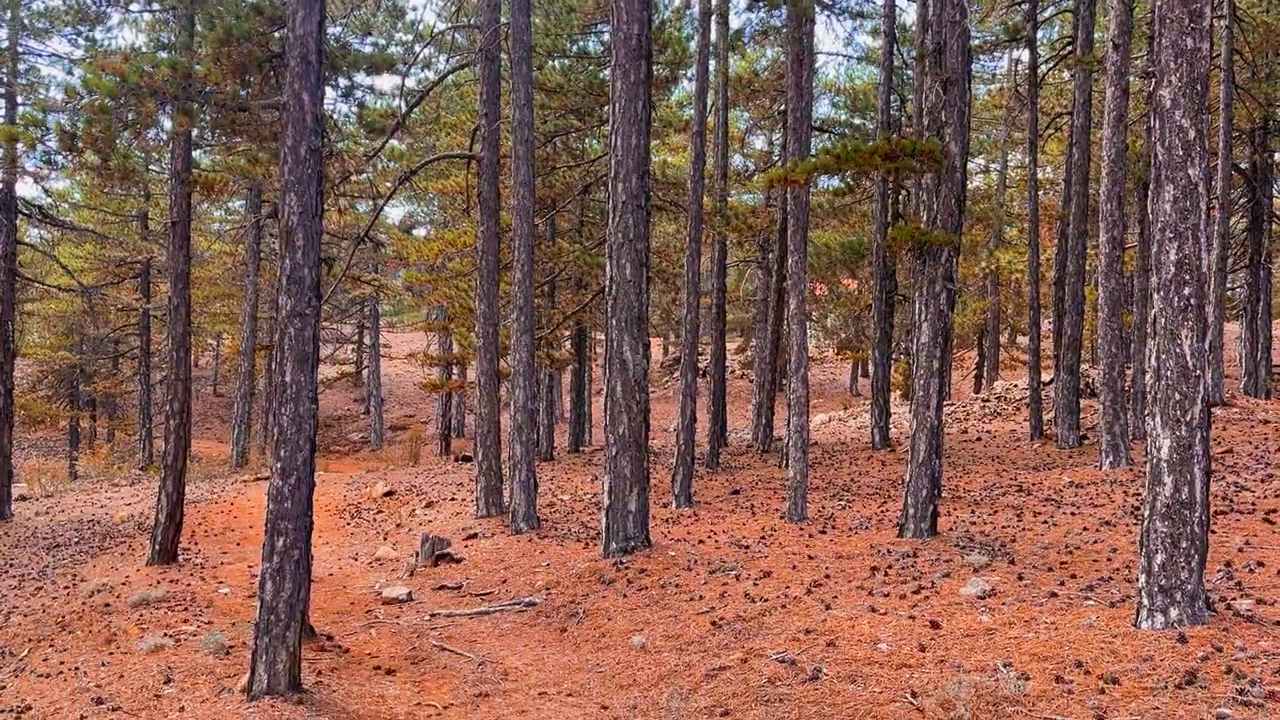 Livadi Trail
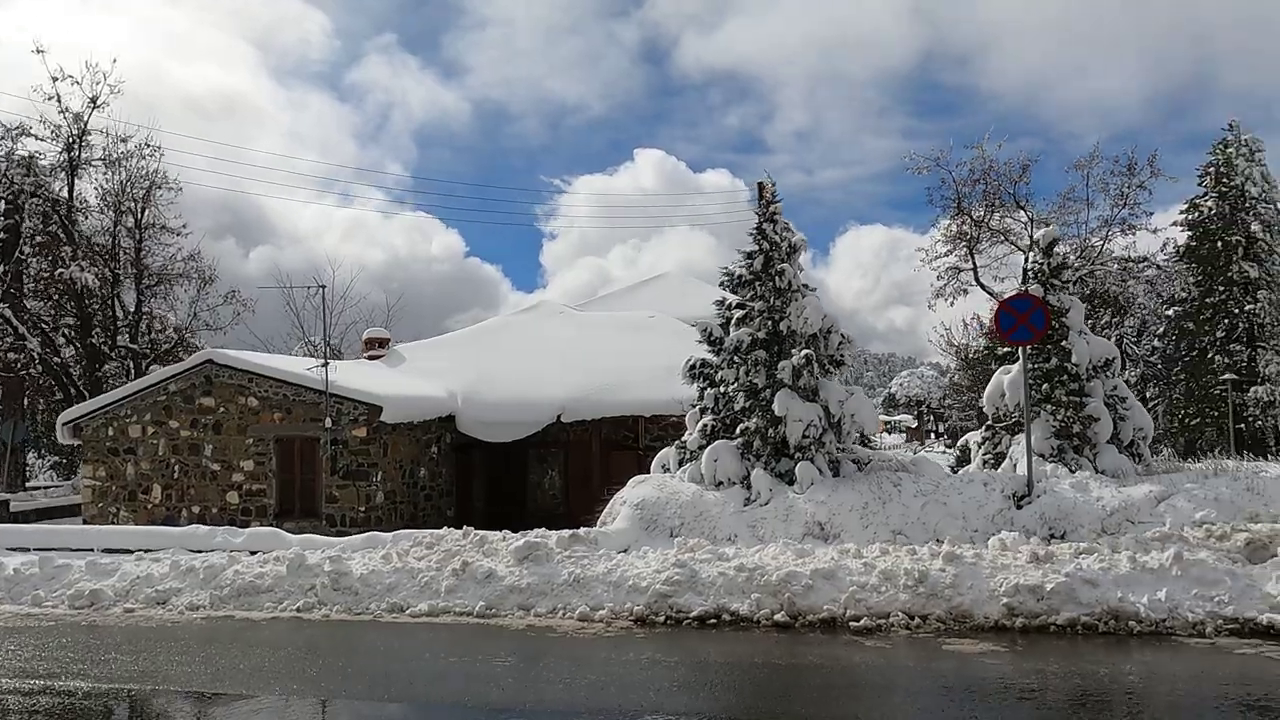 Troodos Mountains in Winter
The Troodos Mountains offer one of Cyprus's most substantial changes of scenery. The open coastal landscape gives way to wooded slopes, black pine forests, mountain valleys and, at higher elevations, a markedly different environment from the towns and beaches below.
Troodos National Forest Park is especially rewarding because appreciating its natural surroundings does not necessarily require a strenuous hike. The area around Troodos Square provides a convenient starting point, while managed forest sites and viewpoints allow visitors to experience the mountain setting according to their available time and mobility.
The Livadi area, for example, offers an established short nature route through black pine and juniper woodland, with a viewpoint toward the Solea Valley. It illustrates how visitors can encounter the character of the higher forests without undertaking one of the mountain's longer trails. Anyone considering the route should still confirm its current condition and suitability for their needs.
The appeal of Troodos is not confined to panoramic views. Forest cover, changing vegetation and the contrast with the warmer coastal districts give the mountains a character of their own. During summer, the higher elevations can provide a welcome alternative to exposed coastal sightseeing, although sunshine, uneven ground and changing weather still require consideration.
Winter brings another experience altogether. Cold weather, fog, snow or ice can alter access and visibility, and a mountain journey should not be planned on the assumption that conditions will resemble those at sea level.
We would give Troodos a dedicated day, particularly on a trip lasting several days, when the intention is to experience a genuinely different side of Cyprus. It is a stronger choice than another coastal stop for travelers drawn to mountain scenery, provided road conditions and available time allow the journey to be enjoyed without rushing.
If walking is the main attraction, Hiking in the Troodos Mountains and Easy Walks in Cyprus offer more appropriate route-specific guidance.
Cedar Valley — The Forest Worth Making An Effort For
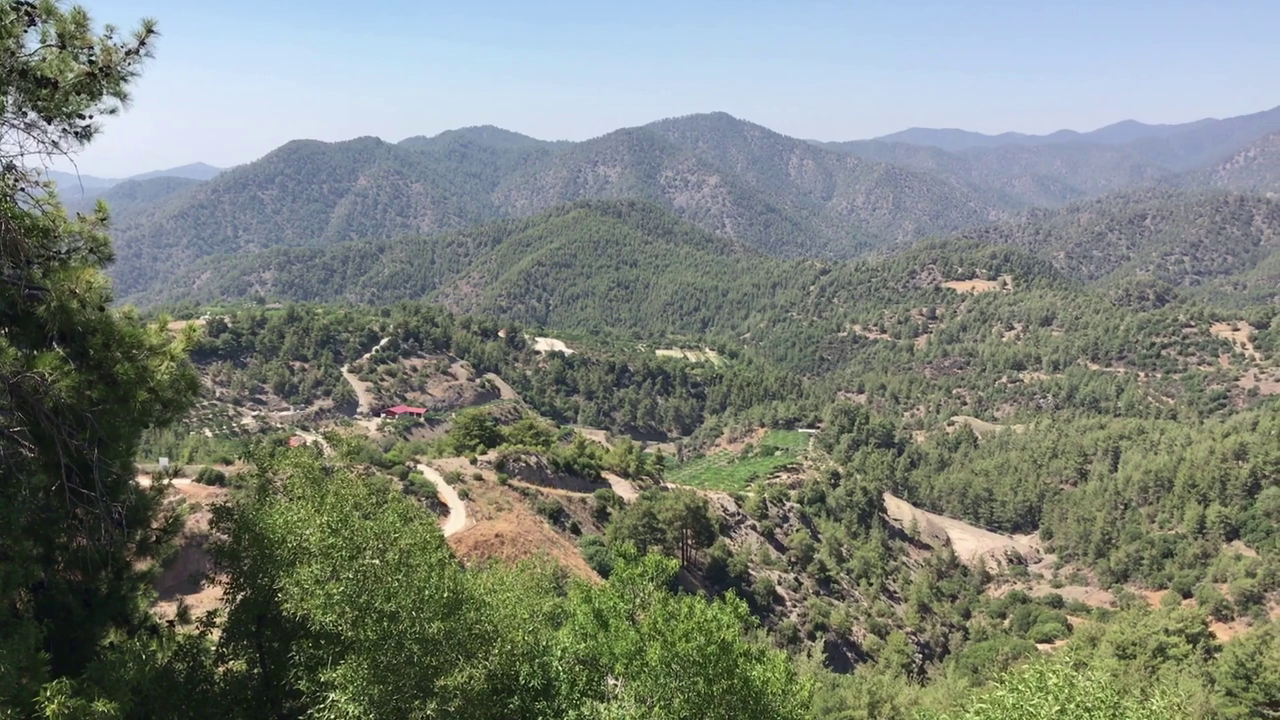 Cedar Valley
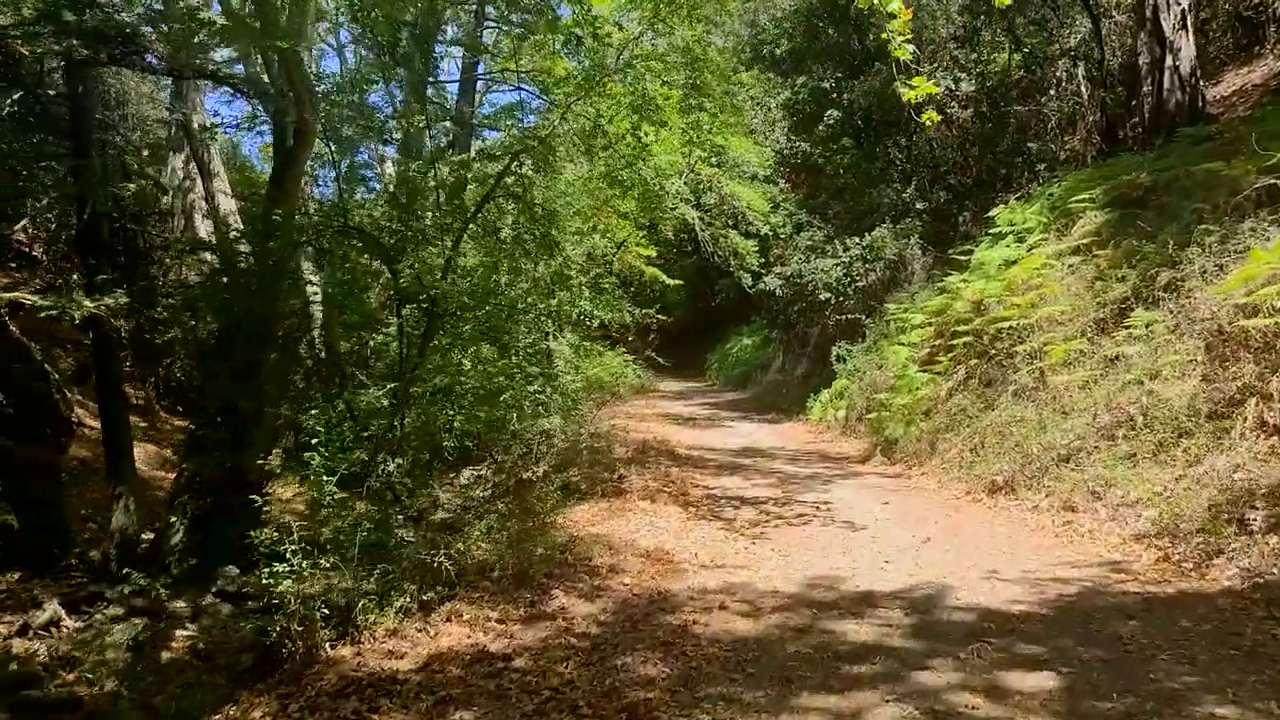 Cedar Valley
, within Paphos Forest, is a more specialized recommendation. Its importance lies in the presence of Cyprus cedar, Cedrus brevifolia, a tree species endemic to the island. The concentration of these trees gives the area a distinctive identity within Cyprus's mountain landscapes.
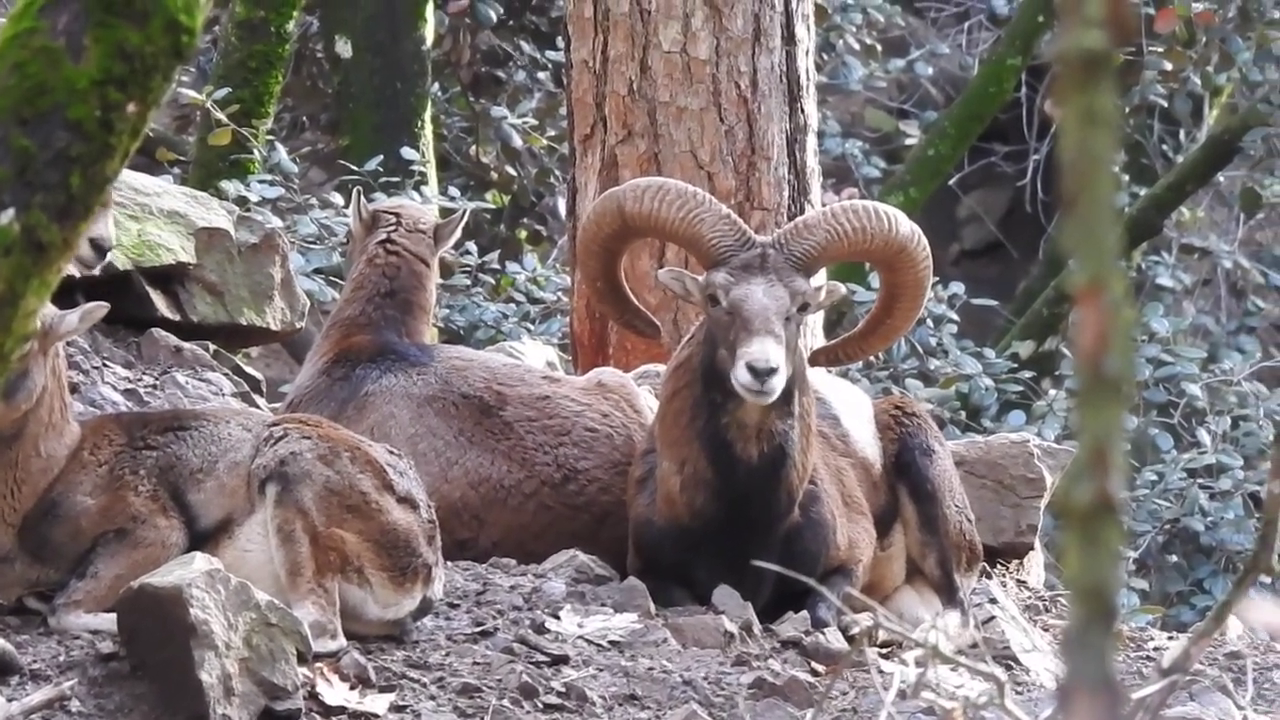
We have known this part of Cyprus since childhood. Our parents used to take us to Kykkos Monastery, and from there we would continue through Cedar Valley, stopping along the way to admire the scenery. We would visit Stavros tis Psokas, where we could see the Cyprus mouflons, before continuing toward Polis Chrysochous and eventually reaching Latchi for a meal at one of its tavernas.
That was never a short excursion. The winding forest roads, the stops for the views and the visit to Stavros tis Psokas meant spending a substantial part of the day traveling through the mountains. But the journey itself was part of the experience, rather than simply the distance we had to cover before reaching Latchi.
We still return to Cedar Valley, although our outings are now organized differently. When traveling from Nicosia, we drive to Kykkos Monastery for a relatively brief visit, having been there countless times over the years, before continuing toward the valley. We always stop to spend some time among the cedars, appreciate the atmosphere and enjoy the surrounding views.
Stavros tis Psokas can add another dimension to a wider forest journey. The area has a forestry station and a designated enclosure associated with the conservation of the Cyprus mouflon, an endemic wild sheep. However, visitor access to the enclosure may be restricted, and anyone wishing to include it should check the current arrangements with the Cyprus Department of Forests rather than assume it will be open.
Our experience also illustrates an important limitation. The journey from Kykkos through Cedar Valley and Stavros tis Psokas toward Polis and Latchi is long, particularly when allowing time for stops. The forest roads require concentration and patience, while facilities and opportunities to refuel may be limited. Travelers should check their intended route, road conditions and any restrictions before departure.
Our recommendation: Make Cedar Valley a dedicated outing if you enjoy mountain driving, endemic woodland and the less developed forest landscapes of Cyprus. If winding roads or lengthy drives make a journey less enjoyable for you, a more accessible forest setting in Troodos would be the better choice.
Baths of Aphrodite — A Small Landmark With A Larger Story
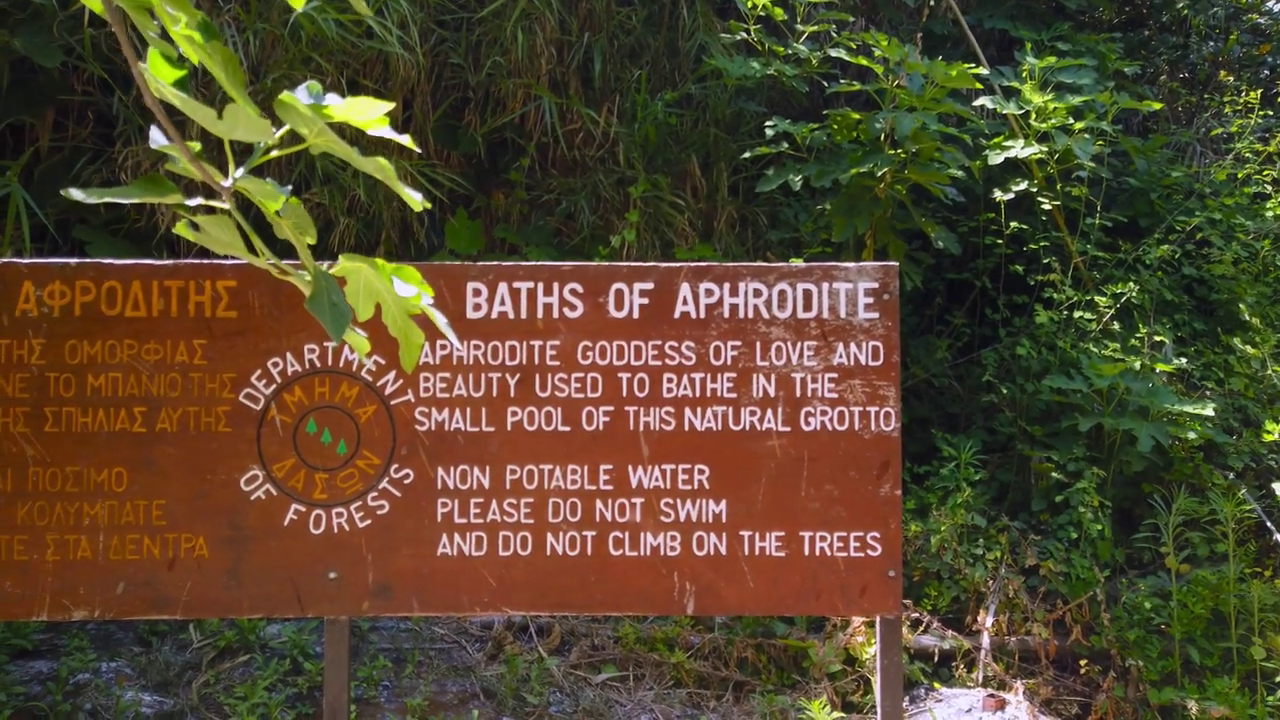 Baths of Aphrodite
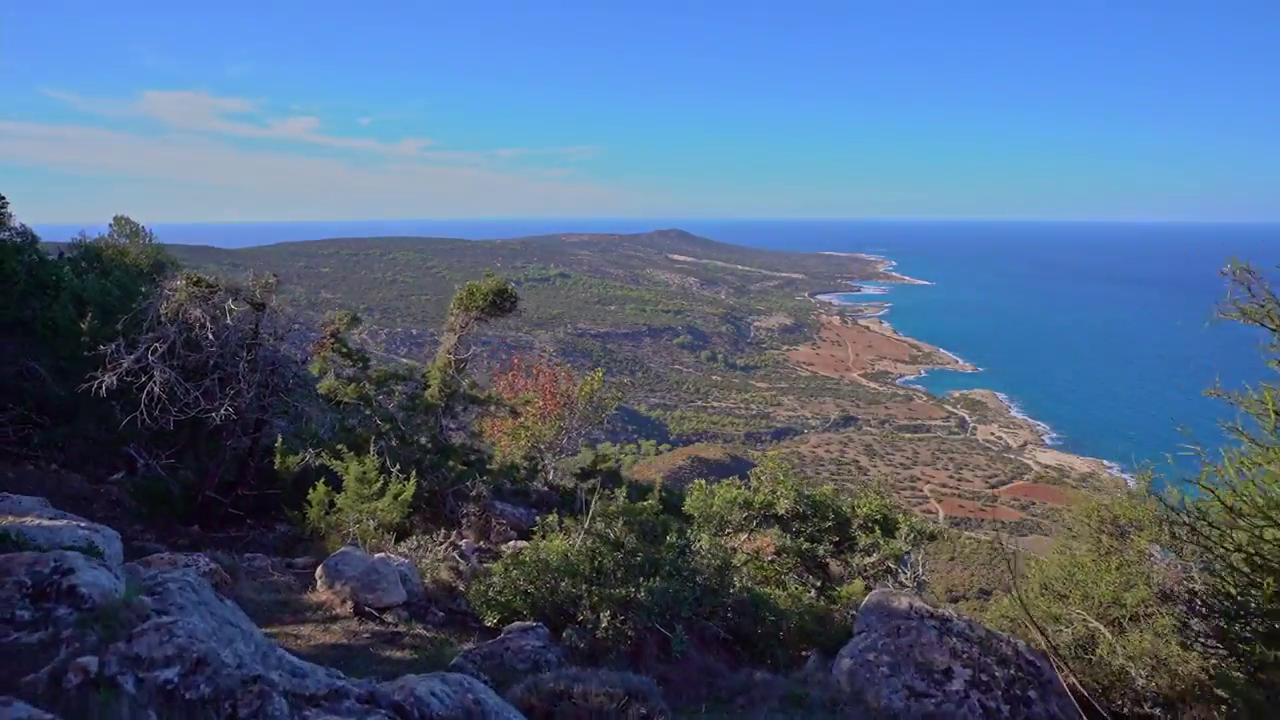 Akamas Coastline
Near Latchi, at the northeastern edge of the Akamas Peninsula, the Baths of Aphrodite is one of Cyprus's best-known natural landmarks. According to Greek mythology, Aphrodite bathed here and met Adonis, giving the small grotto a significance that extends far beyond its physical size.
The setting is shaded by greenery and an old fig tree, with water associated with the legendary bathing place. Visitors should understand that this is a modest natural feature, not a large pool, swimming attraction or elaborate archaeological monument.
That modest scale is not necessarily a weakness. For someone interested in mythology and the landscapes connected with it, the grotto provides a recognizable point of connection between the island's natural environment and its ancient stories. The nearby botanical garden adds another dimension to a short visit.
The surrounding Akamas landscape is what makes the location especially useful within a wider day. Several established nature trails begin in the area, including the Aphrodite and Adonis trails, although these are substantially more demanding than simply visiting the grotto. Visitors should not assume that an easy stop can be extended into a casual hike without appropriate planning.
The Baths therefore serves two very different kinds of traveler. One may be content with the grotto, its surroundings and a leisurely outing around Latchi. Another may use the location as the beginning of a more substantial day on foot.
The Baths of Aphrodite makes the most sense within a day spent around Polis, Latchi or Akamas. Its relationship with the surrounding landscape gives it greater value than its modest size might suggest, but we would not generally recommend making it the sole purpose of a lengthy journey from another part of Cyprus.
Travelers considering the longer trails should use Hiking in Akamas to understand their difficulty, preparation requirements and potential access restrictions.
Petra Tou Romiou — The Coastal Stop That Earns Its Place
 Petra tou Romiou (Aphrodite's Rock)
Petra tou Romiou, commonly known as Aphrodite's Rock, stands along the coast between Limassol and Paphos. Large rock formations rise from the sea beside a pebbly shoreline, creating one of the island's most recognizable coastal landscapes.
The location is also associated with the mythological birth of Aphrodite, who, according to Greek mythology, emerged from the sea. Yet the coastline holds considerable appeal independently of that story. The contrast between the rock formations, the surrounding shore and the open Mediterranean is enough to justify stopping.
What makes Petra tou Romiou especially useful is its position along a major travel corridor. For visitors driving between Limassol and Paphos, it offers an opportunity to exchange a portion of a straightforward highway journey for time beside the coast.
The visit does not require a complicated itinerary, but the shoreline should be approached realistically. Pebbles and uneven footing can make walking uncomfortable, while waves, currents and changing sea conditions mean the beach should not automatically be treated as a suitable swimming location.
We consider Petra tou Romiou stronger as a scenic stop than as a full-day destination. Travelers seeking facilities, comfortable swimming and a long beach stay will generally find more suitable choices elsewhere.
Our recommendation: On a journey between Limassol and Paphos, make time for Petra tou Romiou if coastal photography or places associated with Cyprus's mythology interest you. The location can also justify a deliberate detour when you are nearby, although it rarely warrants an entire excursion of its own.
For other places where the landscape is best understood from an outlook, continue to Best Viewpoints in Cyprus.
What About The Gorges, Waterfalls and Wilder Parts of Akamas?
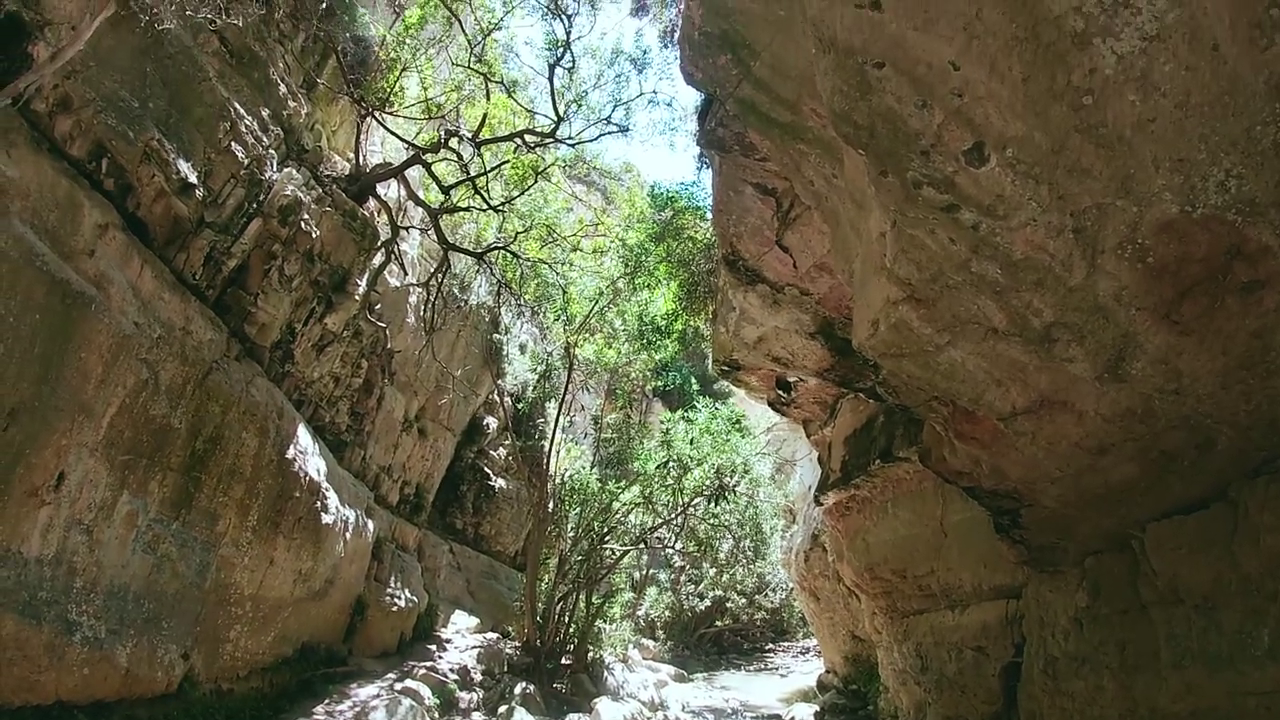 Avakas Gorge
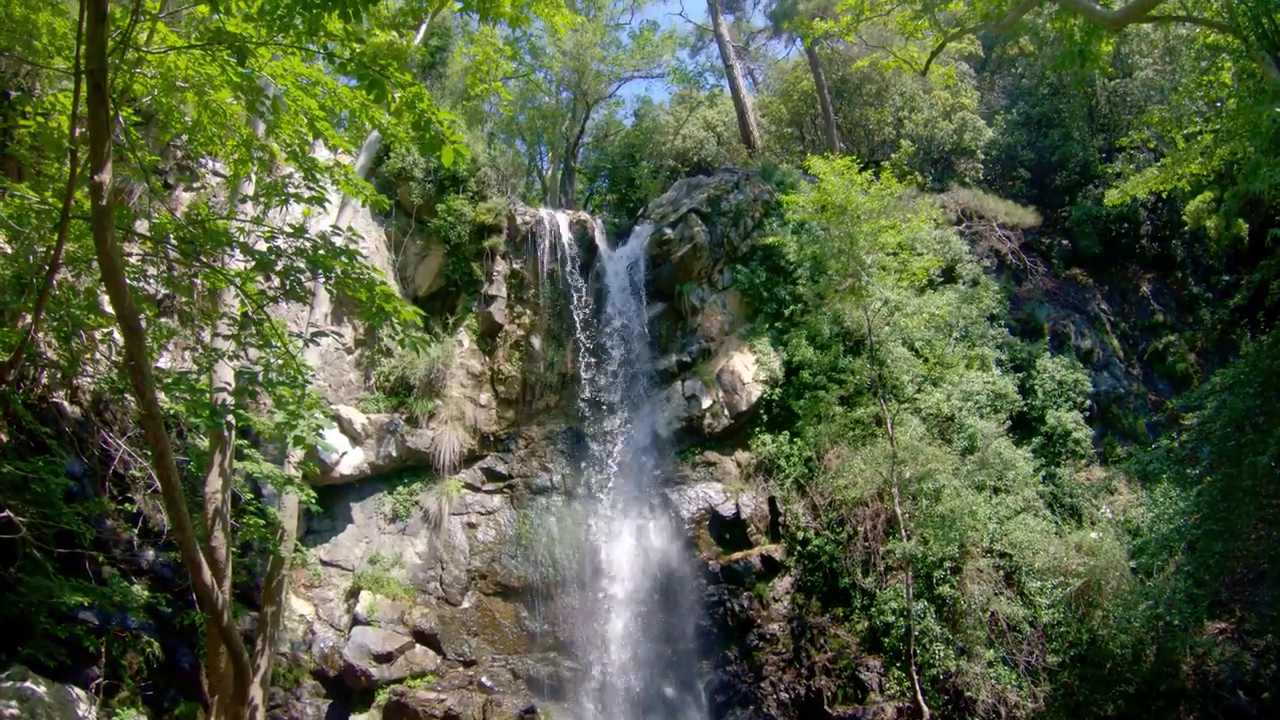 Caledonia Falls, Platres
Some of Cyprus's most impressive natural features demand more than ordinary sightseeing. Avakas Gorge, the waterfalls of Troodos and the less accessible parts of Akamas are important examples, but they should not be presented as interchangeable alternatives to a roadside viewpoint or managed forest site.
Avakas Gorge is particularly distinctive because of its enclosing limestone walls and narrow interior. Appreciating that environment involves entering terrain where loose or falling rock, water, slippery surfaces and official access restrictions can create serious hazards. It belongs in a more specialized decision than choosing a straightforward natural stop.
Waterfalls present a different consideration. Their settings can be rewarding, but the amount of water varies, and the approaches may involve river crossings, steep sections or slippery stones. A waterfall should not automatically be described as an effortless attraction because it appears close to a road on a map.
The more remote coastal parts of Akamas require similar care. A protected shoreline may have conservation restrictions, limited facilities and difficult vehicle access. It should never be approached on the assumption that every beach, track or coastal section is open for unrestricted recreation.
For travelers specifically interested in these landscapes, Gorges in Cyprus, Waterfalls in Cyprus and Nature Reserves & Protected Areas in Cyprus provide the more appropriate starting points. The distinction is intentional: appreciating a natural place and undertaking an activity within it are not necessarily the same decision.
How To Choose The Right Natural Attraction For Your Trip
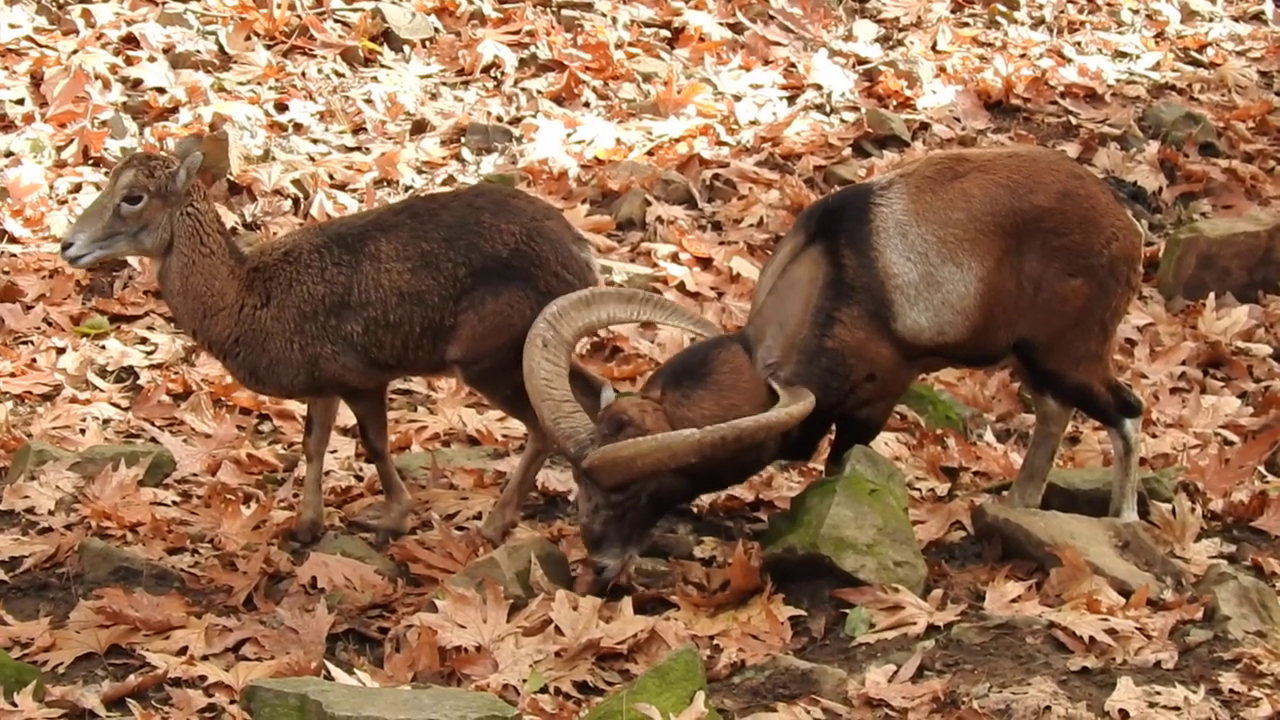 Stavros tis Psokas: Cyprus Mouflons
The most efficient approach is to begin with where you are staying, then consider how much of your day you genuinely want to devote to nature.
For a stay in Ayia Napa or Protaras, Cape Greco is an obvious priority because its coastline is close enough to appreciate without sacrificing most of the day to travel. From Larnaca, the Salt Lake is a logical choice when its seasonal conditions support the experience you want.
Travelers staying around Paphos, Polis or Latchi are better positioned for the Baths of Aphrodite and the Akamas region. Petra tou Romiou is particularly convenient when the journey already takes you along the southern approach to Paphos.
Troodos is different because it can justify being the principal destination of the day. Cedar Valley calls for a more deliberate driving itinerary, particularly when combined with Kykkos, Stavros tis Psokas and the onward journey toward Polis. These are better approached as a substantial outing than a series of brief stops fitted around other commitments.
For travelers with only a few days in Cyprus, we would rather choose one coastal landscape and one mountain setting than attempt to visit every famous natural landmark. That gives each experience sufficient time and allows the differences between them to become meaningful.
If you are traveling without a rental car, be more selective. Public transportation does not reliably serve every natural attraction, and reaching a remote location without a practical return arrangement can turn a worthwhile outing into an unnecessarily complicated day.
When Is The Best Time To Visit Cyprus's Natural Attractions?
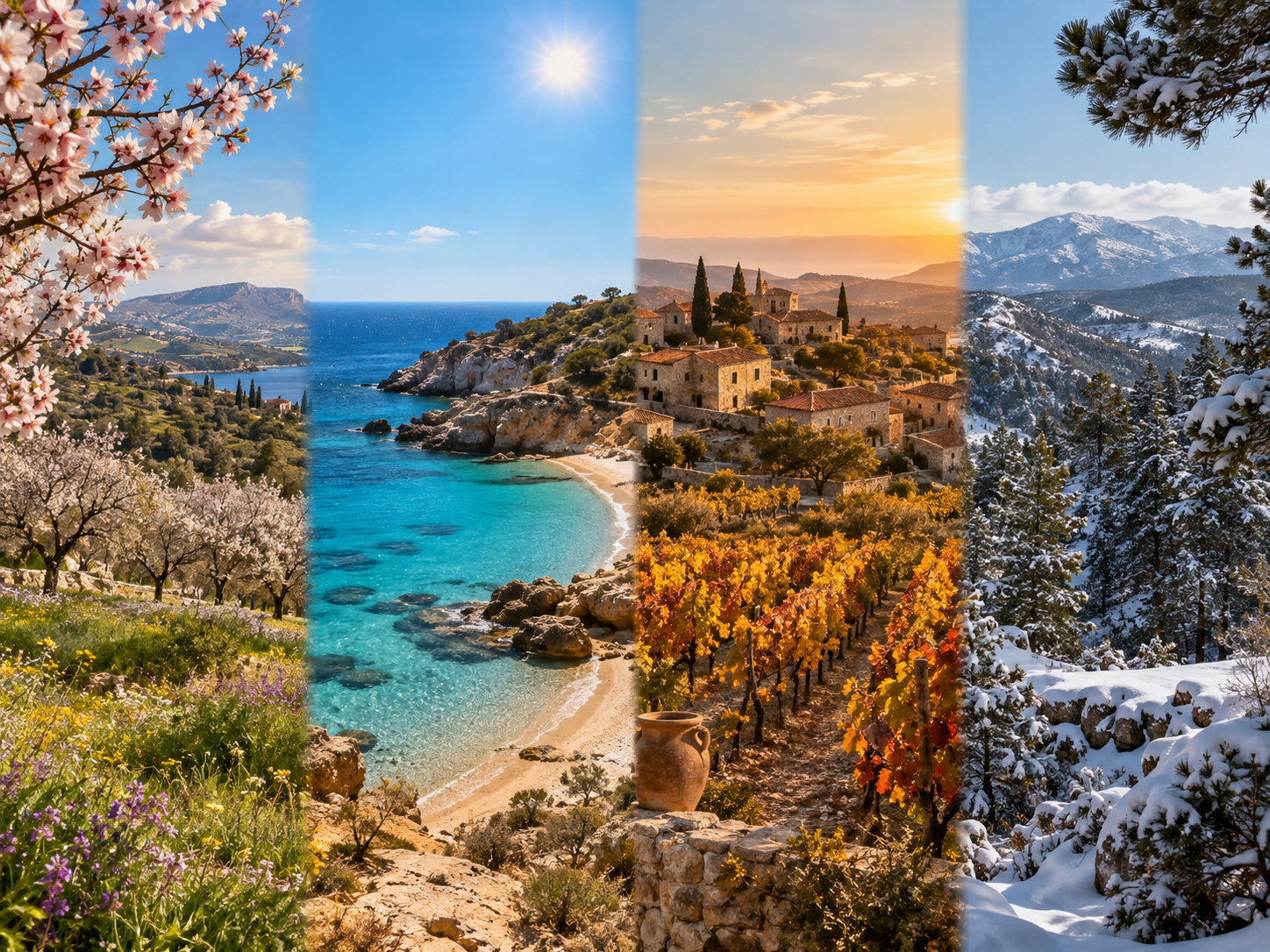
Spring offers favorable conditions for many countryside outings, with seasonal flowers and generally more comfortable temperatures for walking. It is a particularly appealing time for coastal landscapes and mountain areas, although recent rainfall can affect paths, riverbeds and road conditions.
Summer favors early or later visits to exposed coastal locations, when the sun is less intense. Higher parts of Troodos can offer comparatively cooler conditions, but mountain outings still require drinking water, sun protection and realistic expectations about time outdoors.
Autumn can be rewarding for both inland and coastal sightseeing, particularly when temperatures become more comfortable. Rain, wind and shorter daylight hours may nevertheless influence plans, especially in forests and areas reached by narrow roads.
Winter gives Larnaca Salt Lake much of its seasonal appeal through wetland conditions and visiting birds. In the mountains, however, snow, ice, fog and road restrictions may affect what can reasonably be visited.
There is no single season that makes every natural attraction equally worthwhile. The best period depends on the particular landscape, the experience you want and the conditions on the day.
Practical Considerations Before Visiting
Natural attractions do not always have managed entrances, reliable facilities or conditions that remain unchanged throughout the year. A location marked on a map may involve a longer approach than expected, and a publicly accessible landscape does not mean every part of it is safe or legally open to visitors.
Before setting out, check relevant announcements from the Cyprus Department of Forests and other responsible authorities. Follow posted restrictions, use designated access routes, and avoid entering closed trails, unstable cliff areas, protected wildlife habitats or prohibited coastal sections.
For remote mountain destinations, establish your driving route, available fuel, expected road conditions and return arrangements in advance. Carry sufficient water, wear footwear appropriate to the terrain and allow extra time where the roads are winding or the route is unfamiliar.
Weather and environmental conditions should determine whether an outing proceeds. Strong winds, heavy rainfall, reduced visibility, extreme heat and dangerous sea conditions are valid reasons to change a plan, regardless of how attractive the destination appears in photographs.
Travelers with mobility requirements should also assess each location individually. The presence of a car park, visitor center or designated trail does not guarantee that every viewpoint or natural feature can be reached without steps, uneven ground or changes in elevation.
The Final Decision: What Deserves A Place in Your Day?
Before making a special journey to a natural attraction, consider whether the experience will justify the effort even if you spend only a short time at its most recognizable feature. A forest journey, for example, can remain rewarding because the landscape accompanies you for much of the day. A small grotto or coastal rock formation may offer a memorable encounter without requiring that same investment of time.
This distinction can prevent one of the more disappointing ways to experience Cyprus: spending hours traveling between famous names while giving little attention to the surroundings that make them significant. Choose one substantial landscape when the journey is part of the pleasure, and allow shorter attractions to complement days that already have a clear purpose.
At Cedar Valley, the road is part of what you came for; at the Baths of Aphrodite, the meaning is larger than the grotto. Knowing the difference is what makes each visit worthwhile.