Newsletter "Beyond the Postcards" Subscribe
Plan Your Cyprus Trip: Hotels: Expedia, Villas & Apartments: Vrbo, Car Rentals: DiscoverCars, Tours: GetYourGuide, Airport Transfers: WelcomePickups
- Home
- Things To Do in Cyprus
- Outdoor & Nature Experiences in Cyprus
- Best Viewpoints in Cyprus
Best Viewpoints in Cyprus
Cyprus has two nature trails named after Aphrodite. At Cape Greco, one leads through a low coastal landscape and can be completed in roughly an hour. On the Akamas Peninsula, the other climbs toward a ridge overlooking the western coastline and demands several hours of walking on difficult terrain. Both reward visitors with sea views, but choosing between them changes the nature of the entire outing.
That distinction matters more than a viewpoint's reputation. Across Cyprus, some rewarding outlooks are reached with a short detour from a main road; others are the destination at the end of a forest walk or a substantial hike. The scenery may look equally appealing in photographs, but the effort, accessibility and experience are far from equal.
Our selection favors viewpoints that reveal something distinctive about the island's geography. The strongest choices give you more than a wide horizon: they show how the mountains, valleys and coastline fit together, while making sense within the journey you have planned.
Petra Tou Romiou — The Coastal View Worth Leaving The Highway For
 Petra tou Romiou (Aphrodite's Rock)
On the southwest coast between Limassol and Paphos, Petra tou Romiou, also known as Aphrodite's Rock, is one of the most recognizable natural landmarks in Cyprus. Its large rock formations stand just offshore, with a pebbly beach below and an open stretch of coastline extending in either direction.
According to Greek mythology, Aphrodite, the goddess of love and beauty, emerged from the sea here. The association gives the location cultural significance, but the landscape is compelling without the legend. From the elevated coastal viewpoints, the rocks become part of a longer shoreline rather than isolated formations rising from the water.
We have made this detour many times while traveling to Paphos. Instead of remaining on the highway, we take the designated exit toward Petra tou Romiou and follow the coastal road. The scenery is part of the pleasure, and we often stop to appreciate the views before spending some time on the beach and continuing our journey.
What we particularly value is how naturally this stop fits into a day already being spent traveling between Limassol and Paphos. There is no need to organize a separate excursion around it. You can enjoy the coastal perspective, walk down to the shoreline if conditions and mobility permit, and continue west with relatively little disruption.
There is an important distinction between the elevated viewpoint and the beach itself. The higher perspective is better for understanding the shape of the coastline, while the beach brings you closer to the formations and the sound of the waves. The shoreline is pebbly, and the sea can be exposed to strong waves and currents; neither the appearance of the water nor the presence of other visitors should be taken as evidence that swimming is safe. Use the designated parking areas and pedestrian access rather than attempting to cross the coastal road unsafely.
Our recommendation: Petra tou Romiou earns its place most easily on a drive between Limassol and Paphos, particularly for travelers who enjoy coastal scenery without committing to a long walk. We would not cross the island solely for this short stop unless it formed part of a wider Paphos itinerary.
Cape Greco — For An Open View of The Southeastern Coast
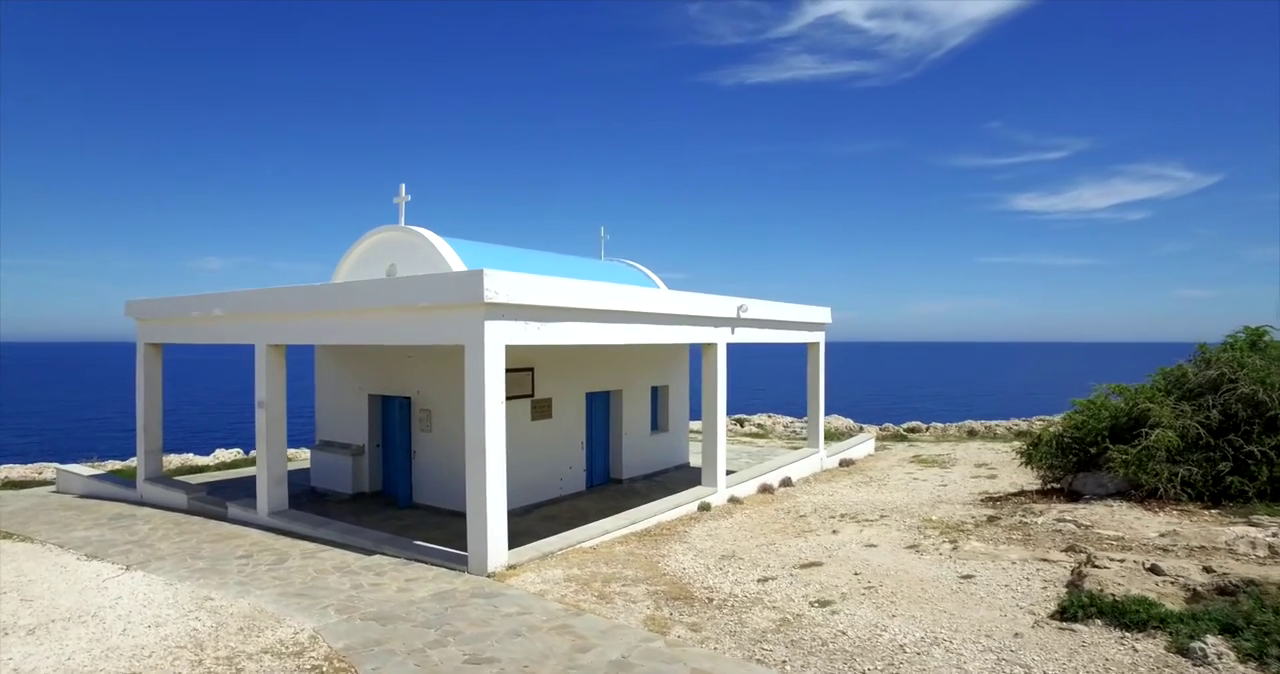 Agioi Anargyroi Chapel, Cape Greco
Cape Greco offers a different coastal perspective. Between Ayia Napa and Protaras, the coastline is shaped by pale limestone, low vegetation, rocky headlands and the sea extending beyond them. The interest here lies less in one landmark than in seeing the relationship between the landforms and the Mediterranean.
For a defined walking route with a panoramic reward, consider the Aphrodite Nature Trail within Cape Greco National Forest Park. Starting near the park's visitor center, this approximately 2-kilometer route takes around one hour under suitable conditions. It offers views toward the tip of the peninsula and passes through a landscape that is markedly different from the beaches and developed resort areas nearby.
The route is officially classified as easy, but that should not be mistaken for a paved promenade. The rocky ground, limited shade and exposure to wind or strong sun still matter. Visitors looking for a longer coastal walk with views across Konnos Bay can instead consider the Konnoi–Agioi Anargyroi Nature Trail, which is approximately 4.8 kilometers and requires more time.
Cape Greco is particularly rewarding for travelers staying in Protaras or Ayia Napa who want to spend part of a morning away from the beach. A coastal walk can fit comfortably into a slower day, with time afterward for coffee, lunch or a return to the sea. There is little reason to hurry between several neighboring landmarks when the landscape itself deserves attention.
The headland does require restraint. Limestone formations and cliffs can be unstable, and a marked viewpoint does not imply that nearby ledges, arches or paths toward the water are safe. Remain on permitted routes and observe any barriers or official restrictions, even when other visitors choose to ignore them.
For an eastern-base trip, Cape Greco is our choice for an open coastal panorama with a relatively modest walking commitment. Travelers primarily interested in limestone arches and caves rather than a wider outlook will find a better match in Sea Caves & Coastal Landscapes in Cyprus.
Throni — Mountain Panoramas Above Kykkos
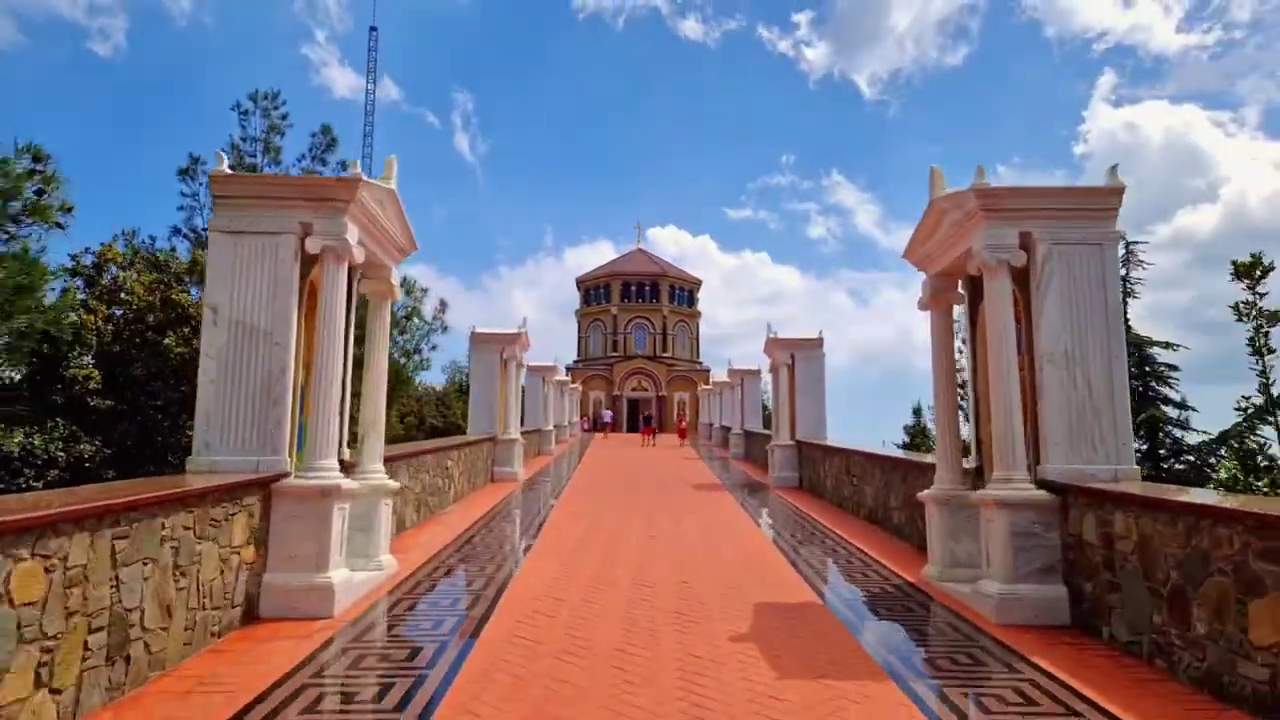
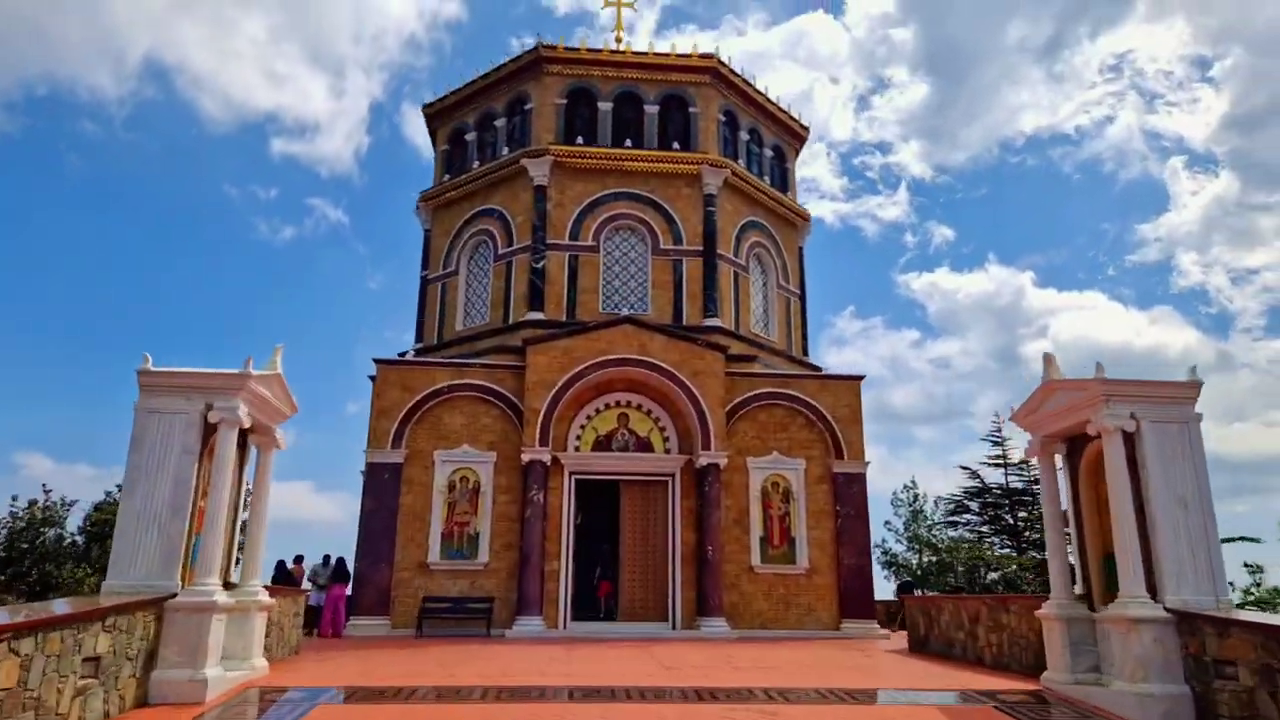 Throni
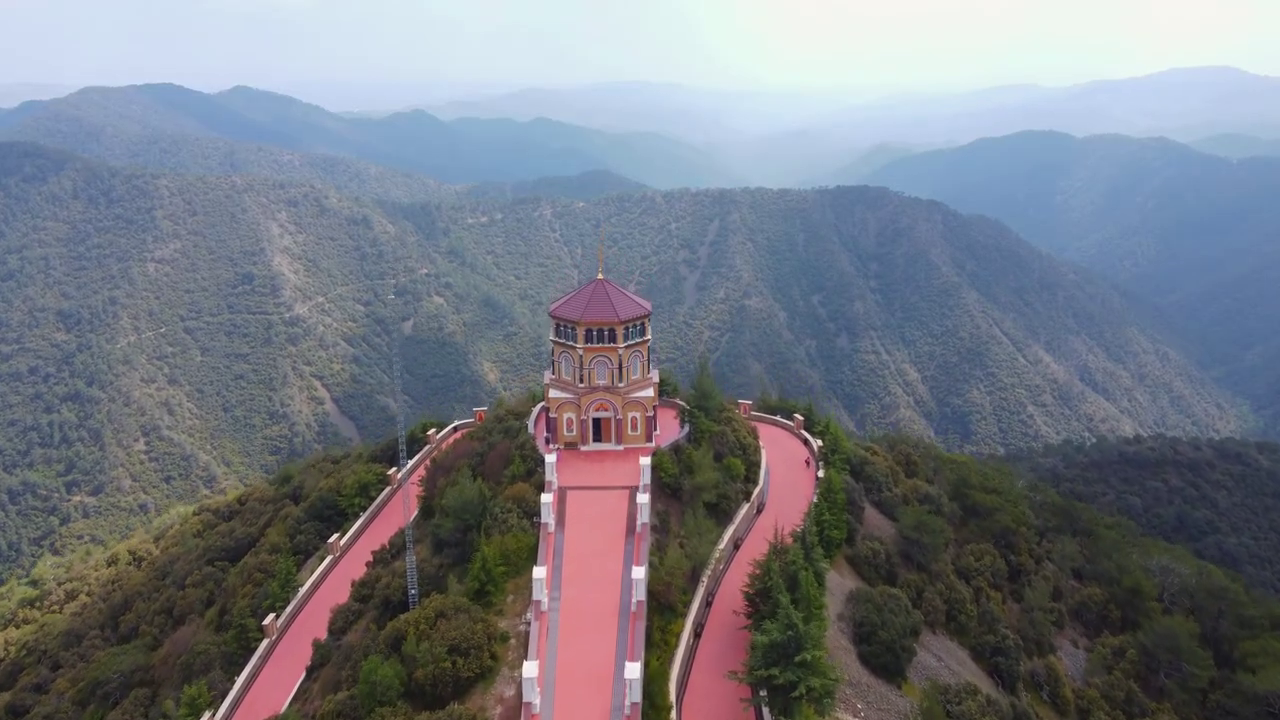 Throni
The Troodos Mountains are often approached through their forests, villages and monasteries. From an elevated viewpoint, however, the wider geography becomes more apparent: forested slopes descend into valleys, ridgelines overlap and mountain roads trace their way through the terrain.
Throni, approximately 3 kilometers west of Kykkos Monastery, offers one of the most rewarding ways to appreciate this mountain setting without committing to a lengthy nature trail. It is also the burial place of Archbishop Makarios III, the first President of the Republic of Cyprus, whose connection with Kykkos Monastery gives the location considerable historical significance.
Whenever we visit Kykkos Monastery, we also visit Throni. The drive takes only a few minutes, and for us the two places belong together. After parking the car, we walk toward the burial place of Archbishop Makarios III, where the surrounding mountains already provide an impressive panorama. As we continue toward the higher ground and the monument at Throni, the views become even more expansive.
What makes this visit particularly enjoyable is the combination of scenery, architecture and atmosphere. The monument and its surroundings deserve time for photographs, but we also enjoy simply standing there, breathing the fresh mountain air and looking across the forested slopes. The landscape has a scale that is difficult to appreciate from the winding roads below.
We never feel the need to rush this part of the day. Kykkos Monastery rewards attention to its religious architecture and cultural significance, while Throni places that experience within the surrounding mountain landscape. Together, they offer a richer encounter with this part of Troodos than either would as a hurried stop.
Throni is also a place of remembrance and religious significance, not merely a scenic overlook. Visitors should respect the burial site, monuments and other visitors, follow designated pedestrian routes and observe any restrictions on access or photography. The walk from the parking area involves an uphill approach, which may not suit everyone with limited mobility.
The principal compromise is the journey through Troodos. The roads are winding, and distances that appear modest on a map can take longer to cover than expected. Cloud or haze may also obscure the views. Travelers seeking only a quick photograph from a distant coastal resort may find that the drive demands more time than the viewpoint alone justifies.
If Kykkos Monastery is on your itinerary, give Throni serious consideration. The few additional minutes on the road, followed by the walk, offer a rewarding combination of mountain scenery, architecture and historical significance. Allow time for both places; this is one pairing we would not reduce to a brief stop for photographs.
Makria Kontarka — A Forest Walk With A View Toward Limassol
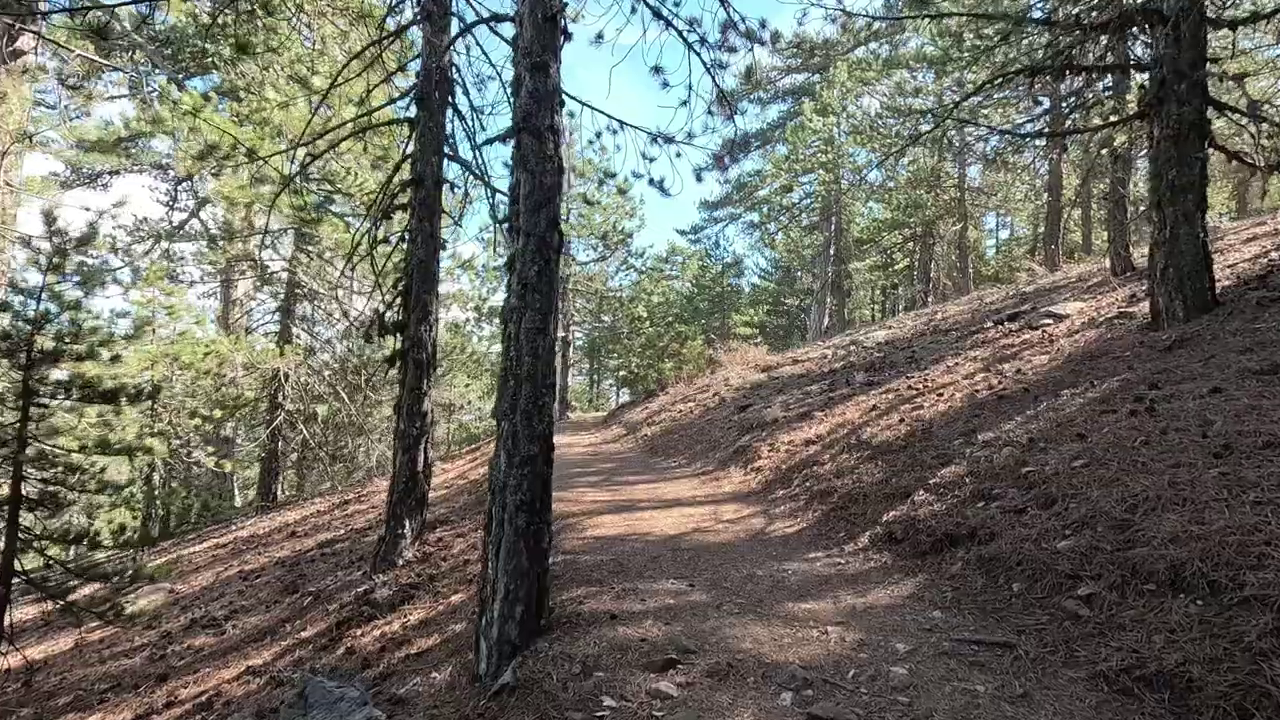
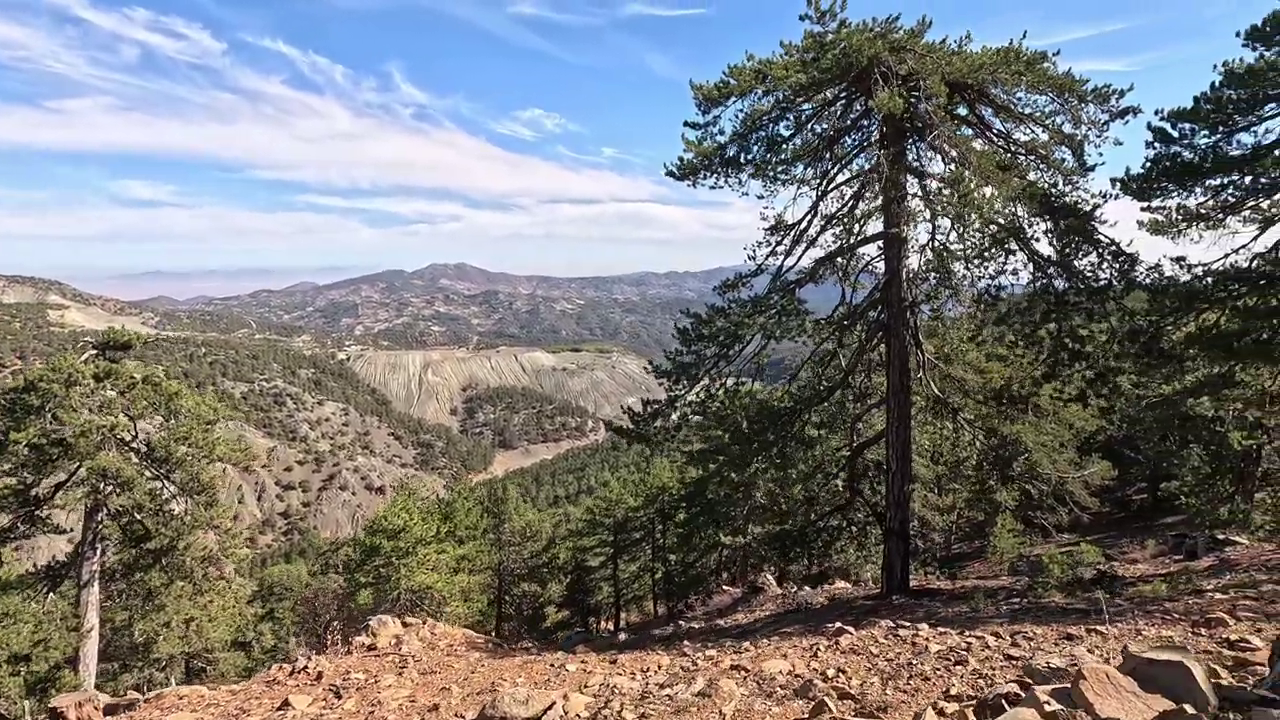 Persephone Nature Trail, Troodos
Not every mountain panorama requires climbing toward the highest available ridge. The Persephone Nature Trail, beginning near Troodos Square, takes walkers through black pine forest before reaching the viewpoint at Makria Kontarka.
From this elevated position, the landscape opens toward the Limassol district, where hillsides, villages and vineyards become part of a wider geographical picture. In favorable visibility, the view extends toward the southern coastline. The perspective is particularly interesting after time spent among the mountain villages, bringing their setting within the broader southern slopes into focus.
The official route is approximately 3 kilometers to Makria Kontarka, although published walking-time estimates differ. Allow additional time for your return, whether retracing the trail or following an officially indicated alternative route.
Much of the walk passes through forest, making the change from enclosed woodland to open outlook part of its appeal. Its official easy classification refers to the route's technical difficulty, not to the total time on your feet or a guarantee of suitability for every visitor. Proper footwear, water and appropriate clothing remain necessary.
For travelers comparing Troodos walks, Persephone provides a more defined viewpoint destination than the longer, approximately 7-kilometer Artemis Trail, which circles the slopes of Mount Olympus and offers changing views as the walk progresses. Artemis is a more substantial forest and mountain outing; Persephone is the better choice when the objective is a specific overlook reached through a comparatively shorter route.
The pleasure of Makria Kontarka lies partly in the sequence: black pines first, a wide view afterward. It best suits travelers based around Troodos or Platres who enjoy walking and can comfortably manage the return distance. Anyone unable to do so should favor a more accessible designated lookout rather than relying on the trail's easy classification.
Moutti Tis Sotiras — The Akamas View That Requires Commitment
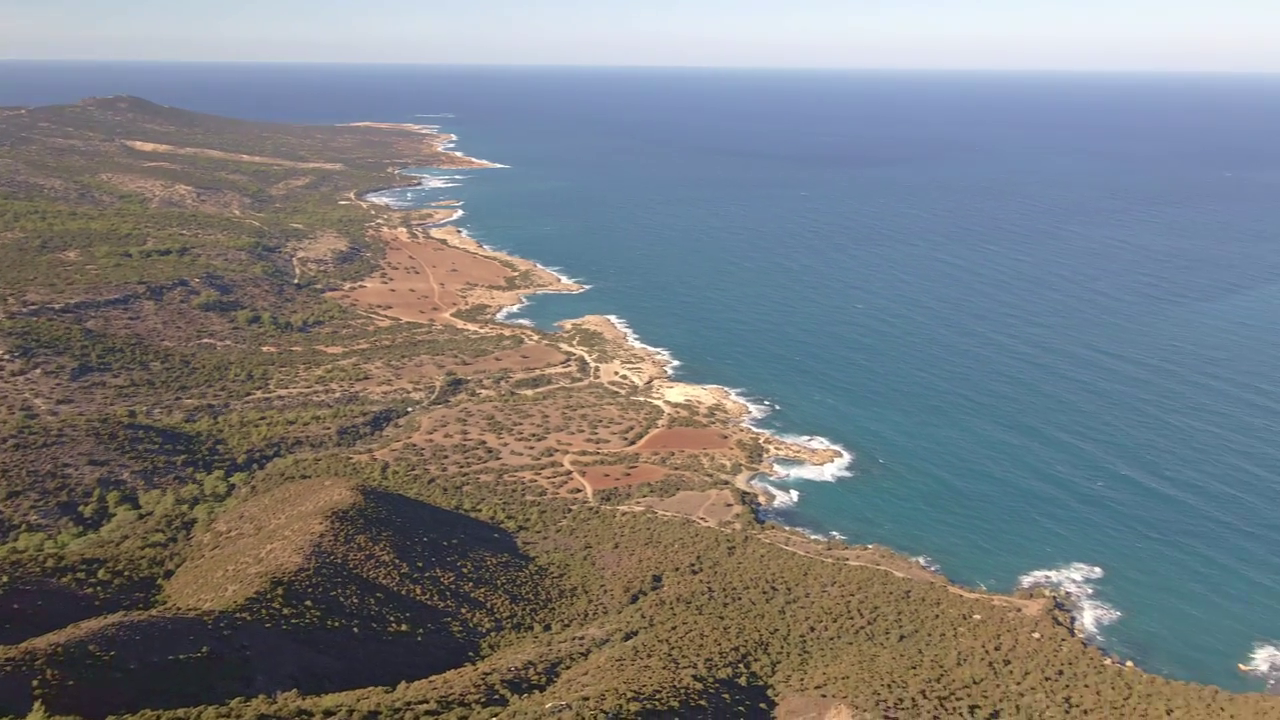
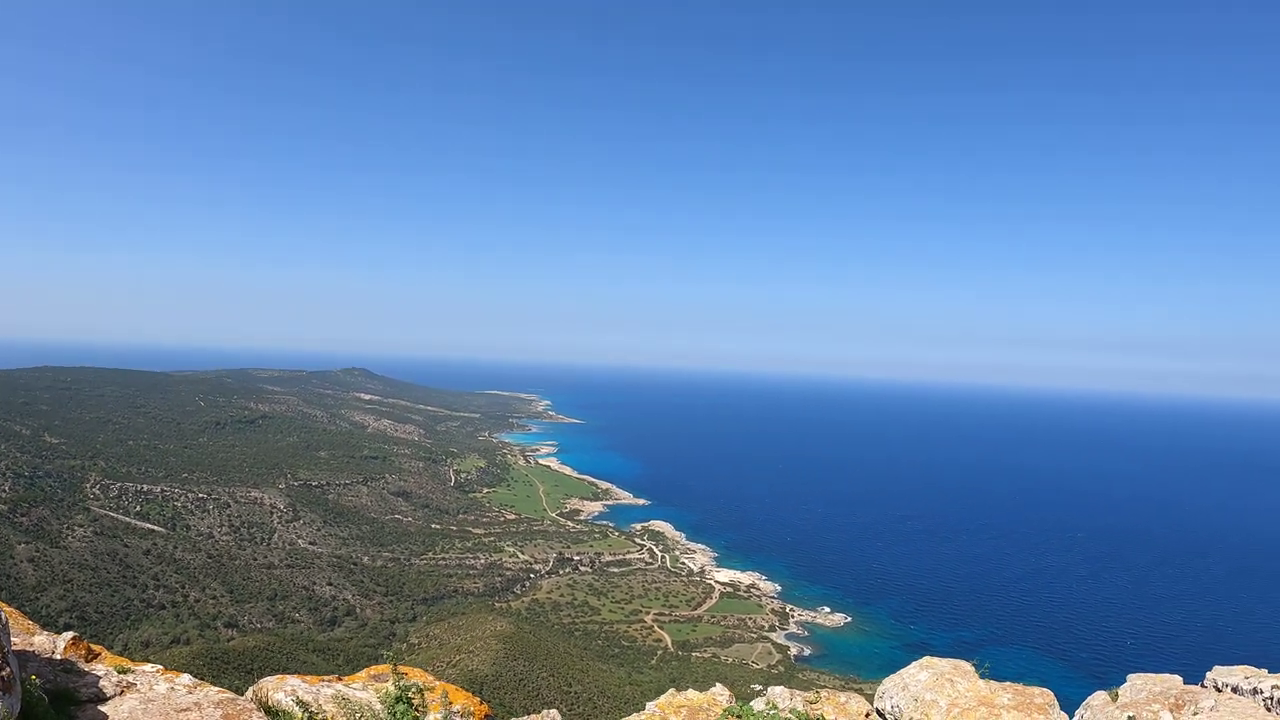 Aphrodite Nature Trail, Akamas
The Akamas Peninsula is difficult to appreciate fully from its coastal roads. Around the Baths of Aphrodite and the shoreline near Latchi, the sea commands attention. Higher inland, the view changes: the folds of the peninsula, the surrounding hills and the relationship between the coast and the Paphos Forest become much easier to understand.
Moutti tis Sotiras, reached on the Aphrodite Nature Trail, offers that elevated perspective. From the ridge, views extend across the Akamas landscape and toward Chrysochou Bay, with the peninsula's coastline unfolding below.
Reaching it is not comparable to stopping at Petra tou Romiou or taking a short walk within Cape Greco. The Aphrodite Trail begins at the Baths of Aphrodite and forms a circuit of approximately 7.5 kilometers, usually requiring three to four hours. Officially graded difficult, it includes significant changes in elevation, uneven ground and exposed sections where summer heat can make the walking substantially more demanding.
For travelers who actively enjoy hiking, the ridge provides a compelling reward. From this height, the peninsula is no longer experienced as a series of individual bays but as an extensive natural landscape. That perspective comes with a genuine physical commitment, and it should not be presented as ordinary sightseeing for someone who simply wants a photograph.
There are alternatives for those who want an Akamas panorama without taking on the full Aphrodite Trail. Pissouromoutti, beginning near the Smigies picnic area, is a shorter circular trail of approximately 3 kilometers, with elevated views over parts of the peninsula. It still involves climbing, descending and uneven terrain, so shorter does not mean effortless.
The Akamas route network and access arrangements require particular attention. Check current information from the Cyprus Department of Forests before setting out, follow permitted trails and do not assume that a route shown on an older map remains accessible. Avoid exposed hiking in unsuitable heat, wind or weather conditions.
Moutti tis Sotiras belongs on a capable hiker's itinerary, not a casual sightseeing circuit. If you want a coastal panorama without several hours on rough ground, Petra tou Romiou or a suitable Cape Greco viewpoint is the more straightforward choice. See Hiking in Akamas before deciding whether the ridge route matches your experience and fitness.
Which Viewpoint Deserves A Place in Your Itinerary?
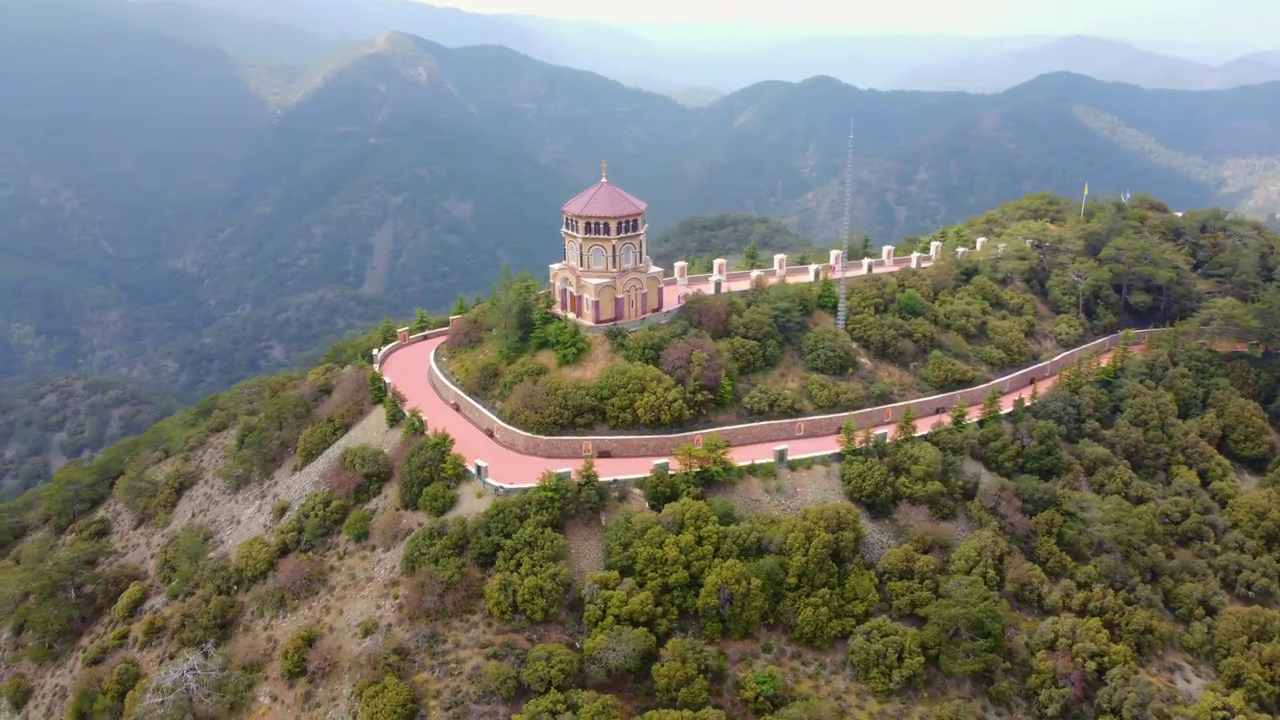 Throni
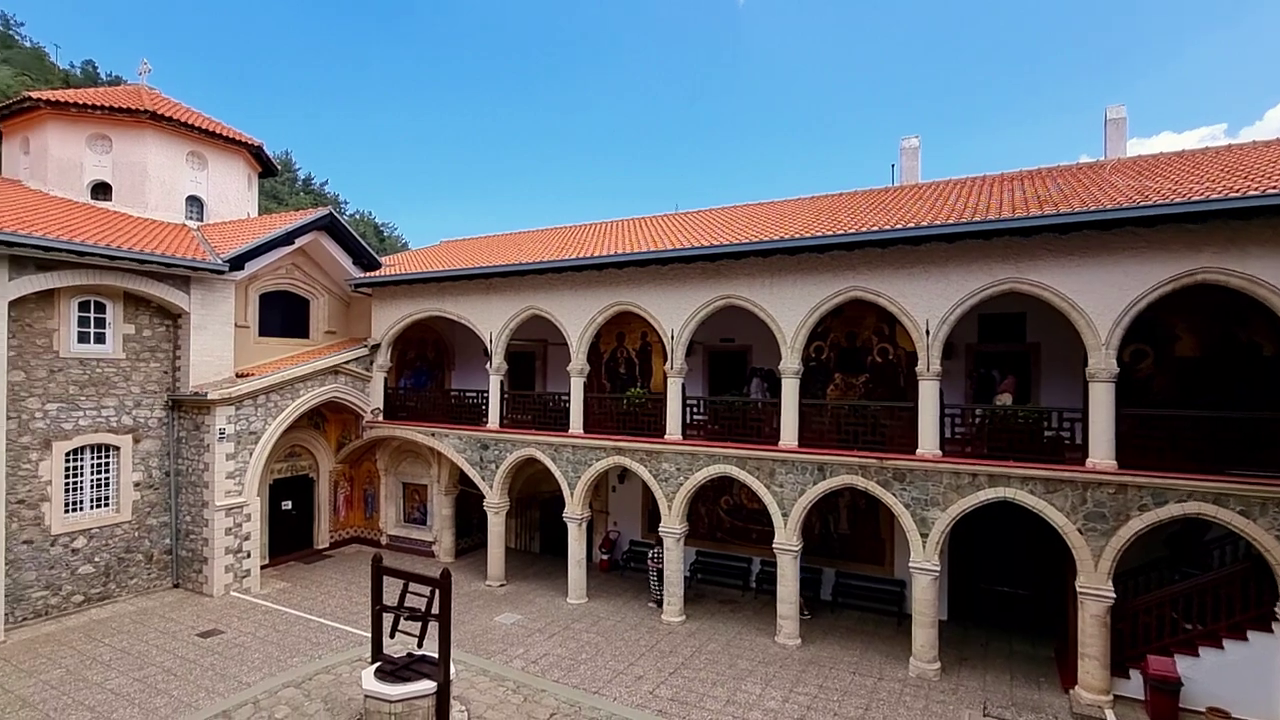 Kykkos Monastery
The choice becomes easier when you consider where you are staying and how much of the day you want to give to the experience.
For travelers moving between Limassol and Paphos, Petra tou Romiou offers the strongest combination of scenery and convenience. On the southeastern coast, Cape Greco is the natural choice, especially when staying around Protaras or Ayia Napa. Both can fit into a day without requiring a separate excursion.
In Troodos, the distinction is between a destination reached mainly by road and one reached on foot. Throni works well alongside Kykkos Monastery, while Makria Kontarka is more rewarding for travelers who want to walk through forest before reaching an overlook. Akamas belongs in a separate category: its higher viewpoints justify the effort for hikers, but should not be included casually in an otherwise relaxed sightseeing itinerary.
If you are traveling without a rental car, consider the return journey before choosing any of these locations. Public transportation does not reliably serve every trailhead or rural lookout, and a taxi drop-off without an arranged return can create unnecessary difficulty. A suitable guided excursion or a viewpoint closer to your accommodation may be the more sensible option.
The View Depends on The Conditions
A clear day can make an ordinary viewpoint exceptional, while cloud, haze or poor visibility can reduce a celebrated panorama to very little. High mountain viewpoints are particularly vulnerable to changing weather, and an otherwise sunny day on the coast does not guarantee clear conditions in Troodos.
The time of day also changes what a landscape reveals. Strong overhead sunlight may flatten distant ridges and make exposed walks uncomfortable, while lower light can bring greater definition to rock formations and valleys. Yet early morning and late afternoon are not universally better: the direction you face, the weather and the safe amount of daylight available for your return should determine the timing.
Do not use a viewpoint recommendation as permission to approach cliff edges, enter restricted land, cross unsafe roads or depart from marked trails. Mountain routes may be affected by fog, ice or adverse weather; coastal outlooks may involve loose rock, strong winds and unprotected drops. Conditions, permitted access and suitability must be assessed on the day, using official notices from the Cyprus Department of Forests and other relevant authorities where applicable.
Seeing How Cyprus Fits Together
The journey away from a viewpoint can be where its value becomes clearest. After Throni, the winding roads through Troodos belong to a mountain landscape you have seen from above. After Petra tou Romiou, the road toward Paphos follows a coastline whose shape you have stopped to appreciate. The scenery has not changed, but your understanding of it has.
A photograph records where you stood. A worthwhile viewpoint changes how you see the places you travel through afterward.