Newsletter "Beyond the Postcards" Subscribe
Plan Your Cyprus Trip: Hotels: Expedia, Villas & Apartments: Vrbo, Car Rentals: DiscoverCars, Tours: GetYourGuide, Airport Transfers: WelcomePickups
- Home
- Things To Do in Cyprus
- Outdoor & Nature Experiences in Cyprus
- Sea Caves & Coastal Landscapes in Cyprus
Sea Caves & Coastal Landscapes in Cyprus

Along the coast near Ayia Napa, the limestone does not form one continuous cliff. It is interrupted by openings, arches and deep recesses where the Mediterranean has gradually worn away the rock. Seen from a suitable distance, the formations reveal something that photographs often miss: the relationship between the solid cliff above and the hollow spaces beneath it.
Travel west, and the coastline changes. The sea caves around Peyia have a different arrangement of rocky ledges, isolated formations and exposed shoreline. Farther into Akamas, the landscape becomes less about individual caves and more about the scale of the peninsula, its undeveloped stretches and the relationship between the hills and the sea.
These differences matter when deciding where to spend your time. Cyprus has several remarkable coastal landscapes, but they do not offer the same experience, require the same effort or reward the same kind of visit.
Where The Coastline Is Most Interesting
For travelers particularly interested in sea caves, the southeastern coast around Ayia Napa and Cape Greco is the strongest starting point. Its limestone formations are relatively concentrated, and the surrounding area offers opportunities to appreciate them from permitted viewpoints without organizing an extended outdoor expedition.
Peyia provides a worthwhile western alternative, particularly for visitors staying in the Paphos district. Akamas demands a different approach: the attraction lies in the wider coastal landscape, and reaching suitable viewpoints can require more planning. Along the southern coast, the white rock formations around Governor's Beach offer a gentler introduction to Cyprus's geological variety.
We would not recommend traveling across the island simply to collect photographs of all these places. One well-chosen coastal outing, appreciated without rushing, is usually more rewarding than a series of stops that reveal little beyond the view from the parking area.
Ayia Napa Sea Caves: Limestone Carved By The Mediterranean
 Ayia Napa Sea Caves
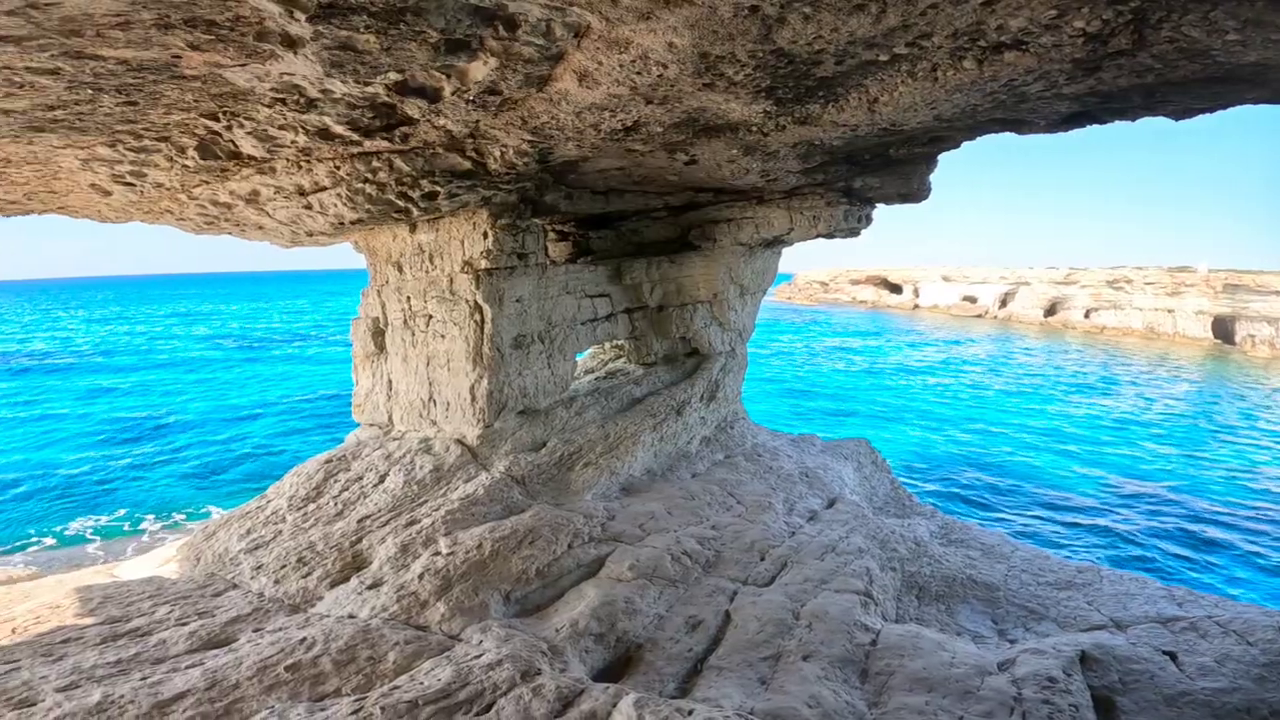
The Ayia Napa Sea Caves, also known as Palatia or the Palaces, are among the most recognizable coastal formations in Cyprus. Along this stretch between Ayia Napa and Cape Greco, the sea has eroded the limestone into openings of different shapes and depths, leaving projecting shelves and substantial sections of exposed rock.
Their appeal comes partly from repetition. Rather than one isolated opening, the coastline presents a succession of caves and recesses, with light and shadow emphasizing the different surfaces. When the sea is relatively calm, the contrast between the pale stone and the water below can be particularly striking.
We have visited the Ayia Napa Sea Caves quite a few times, and our enjoyment of nature has often been reason enough to return. On one particularly beautiful day, we decided to visit the Palaces again, simply because we wanted to spend time outdoors. The formations were as impressive as we remembered, with exceptionally clear Mediterranean water beneath them and a cloudless sky overhead.
Other visitors seemed unable to stop taking photographs, and neither could we. There was something particularly satisfying about photographing a place we already knew well and still finding it so impressive. Familiarity had not diminished the experience; it had given us another opportunity to appreciate the coastline.
This is our strongest recommendation for visitors whose main interest is seeing prominent sea-cave formations without committing to a difficult coastal expedition. It also makes sense for photographers who want to concentrate on the structure of the rock rather than a conventional beach scene.
There is, however, an important limitation. The sea caves have attracted dangerous cliff-jumping activity, and sections of the site have been restricted because of serious safety concerns, including unstable rock. A visit should be planned around permitted viewing areas, never around reaching the cliff edge, descending into the caves or jumping into the water.
The formations are worth appreciating without attempting to enter them. Their geological character, rather than the opportunity for risky activity, is what makes this section of coastline significant.
Cape Greco: Natural Arches And A Wider Coastal Landscape
 Love Bridge
 Kamara tou Koraka
Cape Greco National Forest Park, between Ayia Napa and Protaras, offers more than a single collection of caves. Limestone cliffs, low coastal vegetation, natural arches and open views of the Mediterranean create a landscape that can be appreciated through a carefully chosen stop or a longer walk.
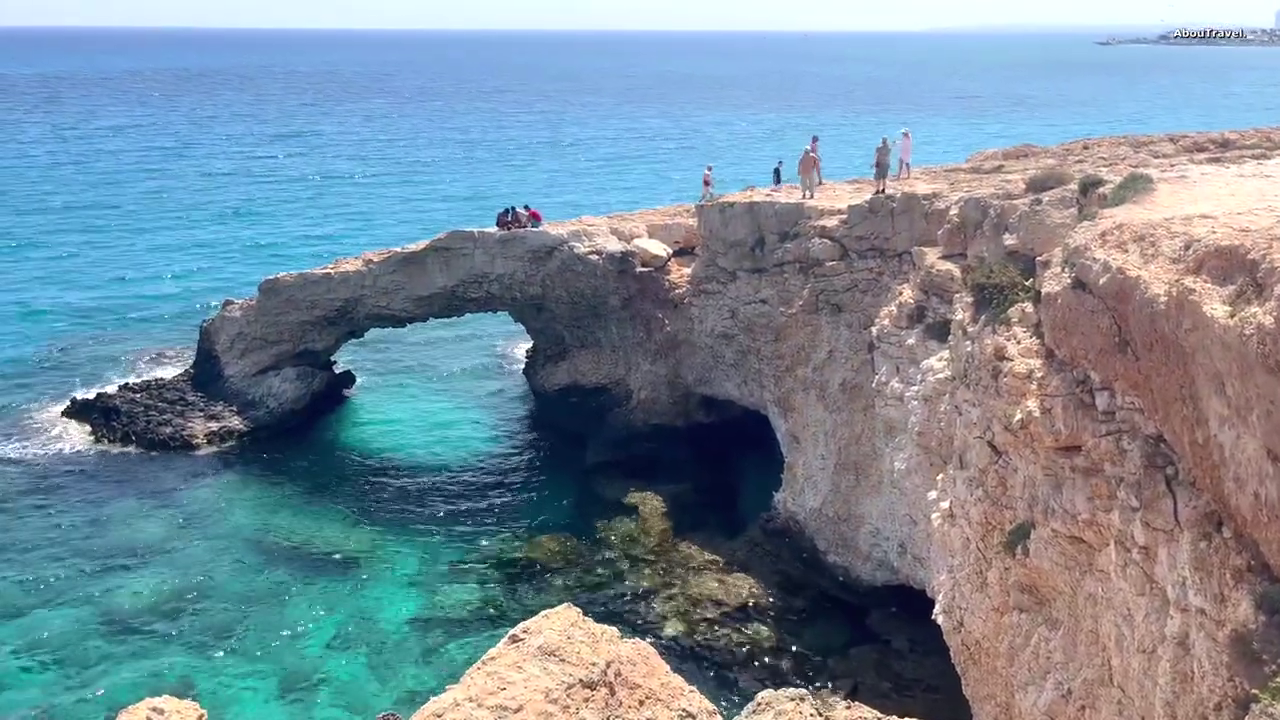
Two formations deserve particular attention, although they should not be confused with one another. Love Bridge, near the eastern side of Ayia Napa, is a natural rock arch extending from the coast toward the sea. Its distinctive shape has made it a popular place for photography, particularly among couples. It is an appealing addition to an Ayia Napa outing, although its popularity can make the immediate surroundings busier than visitors expecting a secluded location might anticipate.
Farther along the Cape Greco coastline, Kamara tou Koraka is another natural limestone bridge. Its setting within the national forest park gives it a different character, with the surrounding rocky terrain and coastal vegetation contributing to the experience. The arch is fragile and should be admired only from permitted viewing positions, without attempting to cross or climb onto it.
The nearby Agioi Anargyroi Chapel adds another dimension to this part of the coast. Standing above a sea cave, the small whitewashed church introduces a human and religious association into an otherwise predominantly natural setting.
We have visited the natural arches on several occasions, and one of our favorite outings combined Love Bridge and Kamara tou Koraka with time to admire the surrounding Mediterranean coastline. The weather was gorgeous, with clear blue skies, beautiful beaches and the sea stretching beyond the limestone formations. It was the kind of day we wanted to enjoy without rushing.
After our coastal sightseeing, we drove to Protaras for coffee before continuing to Ayia Napa for lunch at one of our favorite restaurants. We had spent time among sea caves and natural bridges, enjoyed the coastal scenery and still had room in the day for two familiar places we love visiting. Nothing felt hurried, which is precisely how we prefer to travel.
For visitors who enjoy walking, the officially designated Sea Caves–Agioi Anargyroi Nature Trail connects several of these coastal features. It is listed as a four-kilometer linear route, meaning that the return journey or transportation from the endpoint must be considered. Its official low difficulty grade does not eliminate uneven rocky sections, heat exposure or the need to follow any access restrictions.
The advantage of Cape Greco is the choice it offers. You can concentrate on one permitted viewpoint, appreciate several formations as part of a shorter coastal outing, or make the surrounding landscape a more substantial walking experience.
We favor the broader coastal setting for travelers who want to understand how the caves, arches and exposed limestone relate to one another. Someone interested only in a quick photograph may find Love Bridge sufficient, while a dedicated walker will gain more from the surrounding national forest park.
Peyia Sea Caves: A Different Western Coastline
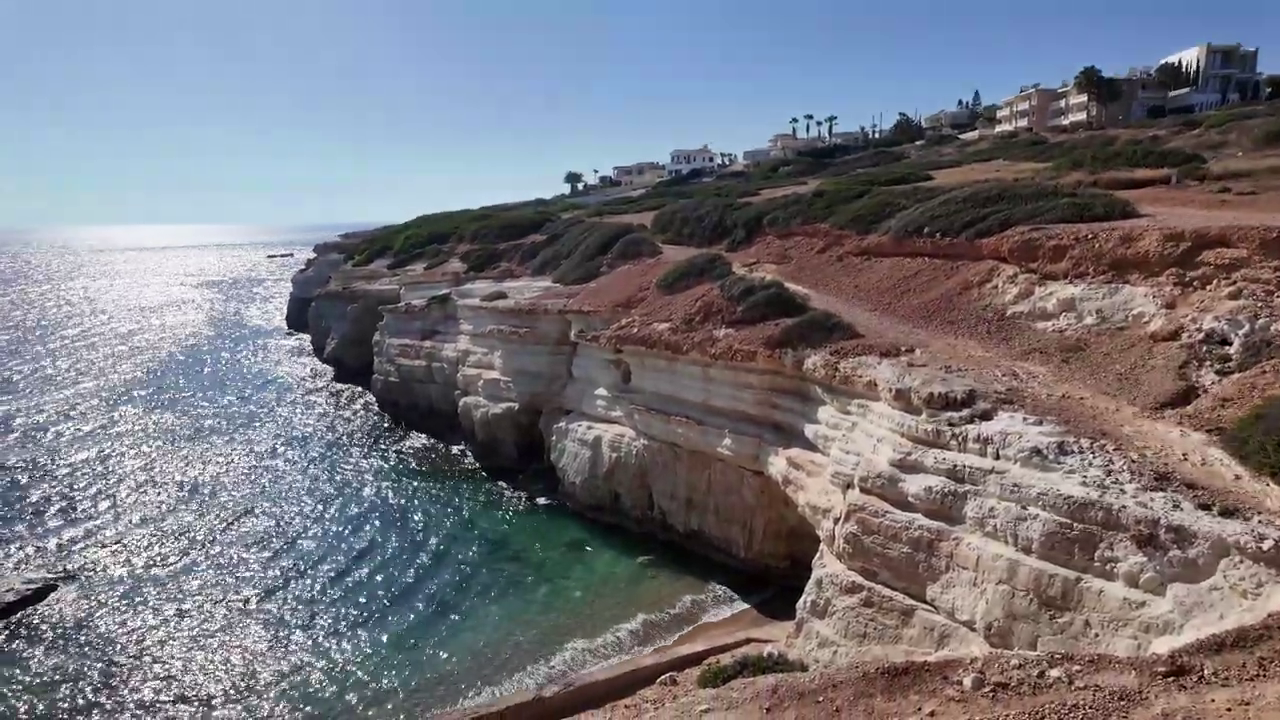 Peyia Sea Caves
 EDRO III Shipwreck
The sea caves of Peyia, northwest of Coral Bay in the Paphos district, provide a contrasting experience. Here, marine erosion has produced a series of cavities, arches, rock platforms and isolated formations along an irregular limestone shoreline.
The appeal is less about one instantly recognizable landmark and more about the varied shapes of the coastal rock. Some formations project into the sea, while others appear separated from the main cliff, creating a landscape that changes considerably according to the viewing angle.
Nearby stands the Edro III shipwreck, a cargo vessel that ran aground along this coast. Its presence has become closely associated with photographs of the area, but we would make a distinction between visiting the shipwreck and appreciating the sea caves themselves.
The wreck adds a dramatic man-made element to the scene. The caves, however, are the more enduring geographical feature, and they justify attention independently of the stranded vessel.
There is also a conservation consideration that makes Peyia different from an ordinary sightseeing location. Its sea caves form part of a protected marine environment associated with the Mediterranean monk seal, one of the region's most vulnerable marine mammals.
That protection is not incidental to the experience. These caves are important habitats, and visitors should not attempt to enter them, approach wildlife or interfere with restricted areas. Sightings of monk seals should never be expected or pursued.
For travelers staying around Paphos, Coral Bay or Peyia, we consider this coastline a worthwhile addition to a wider outing. It is less persuasive as a standalone excursion from the opposite end of the island, especially if the main objective is simply to see a few natural formations.
The recommended experience is a considered visit from permitted land-based viewpoints, where the different rock shapes can be appreciated without approaching the shoreline below. Attractive photographs should never be interpreted as evidence of safe access to the water, rock shelves or cave interiors.
Akamas: A Coastline Best Understood As A Landscape
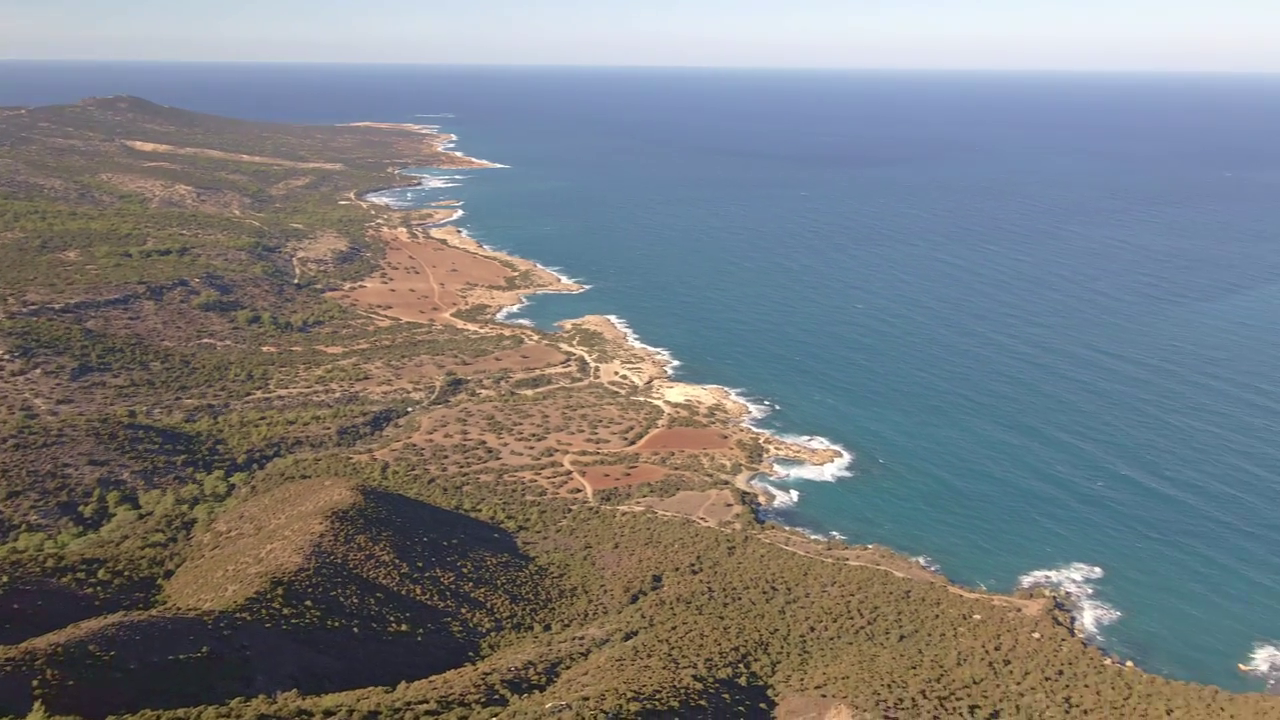 Akamas Coastline
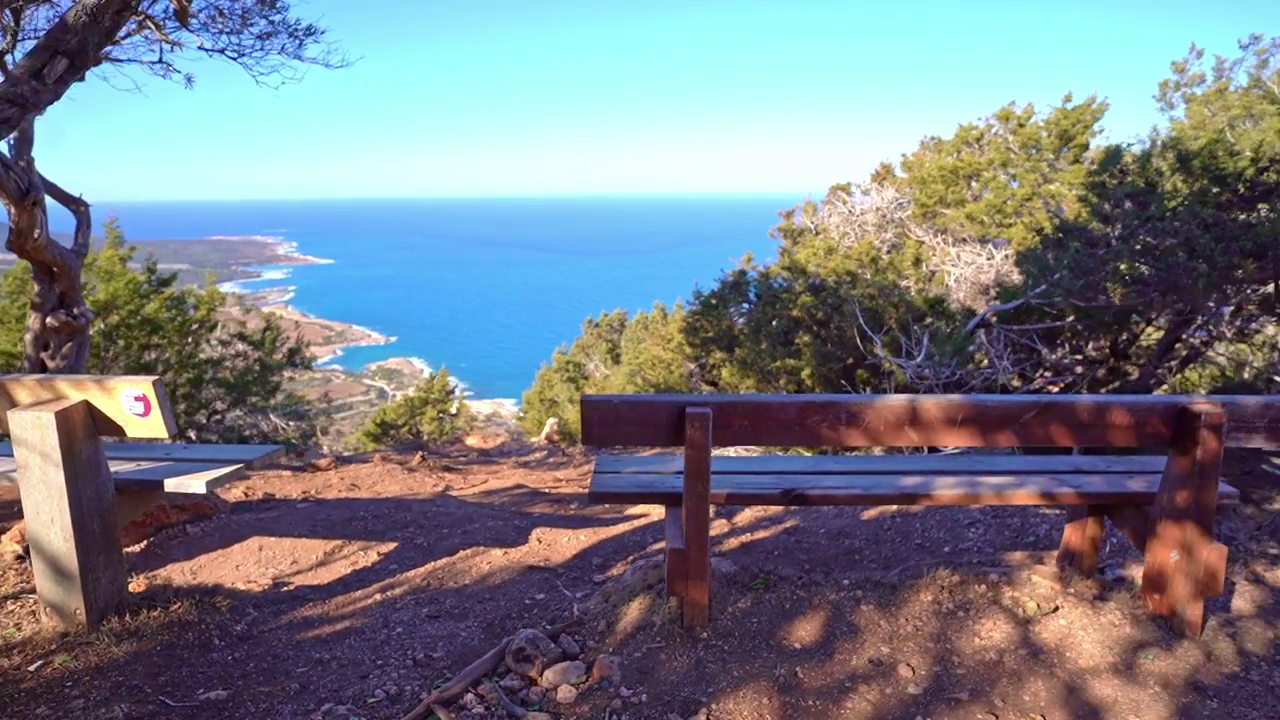 Akamas
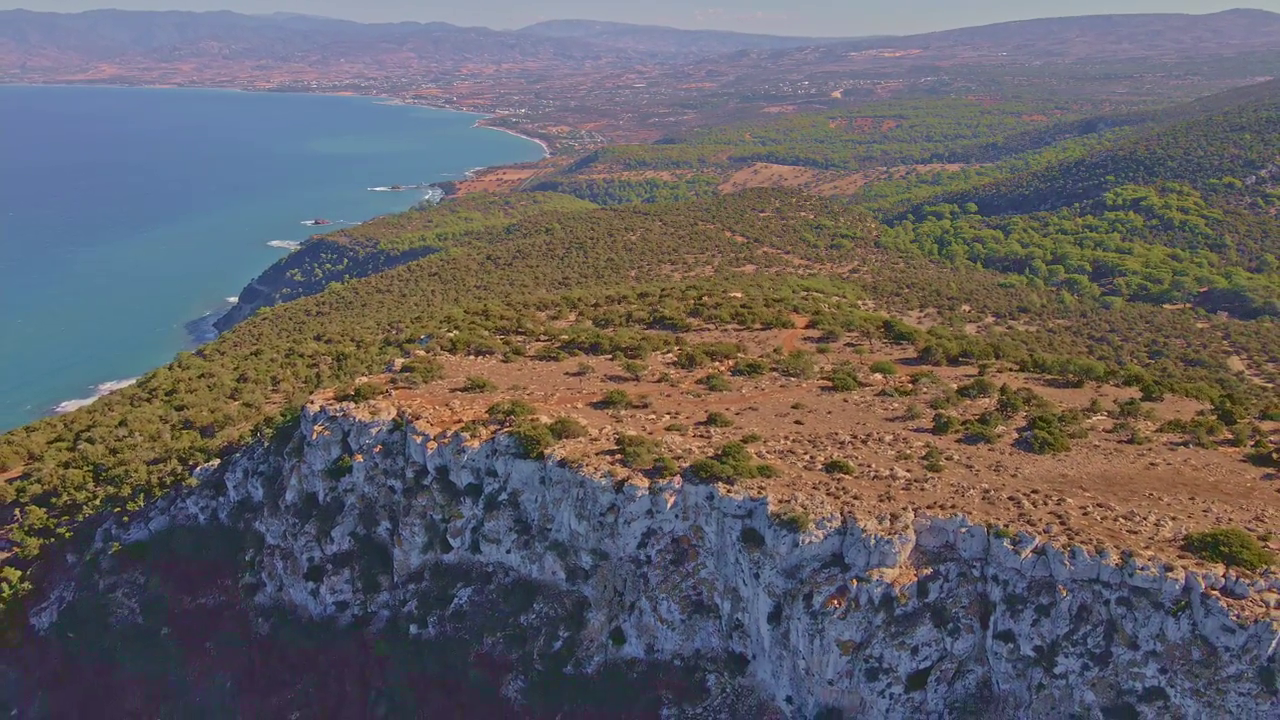
, in the northwest of Cyprus, is different from the coastal settings around Ayia Napa and Peyia. Although sea caves and rocky formations occur around the peninsula, its greatest attraction is the larger landscape: hills descending toward the Mediterranean, irregular coastal contours, exposed headlands and stretches of shoreline with comparatively little development.
The western and northern sides of the peninsula reveal different aspects of that character. Around Lara and Toxeftra, the coastline includes beaches of major conservation importance, while farther north the relationship between the hills, rocky shores and the sea becomes particularly evident from elevated viewpoints.
This is not an area we would recommend approaching with the expectation of driving conveniently from one cave to another. Access across Akamas varies considerably, and some routes involve rough, unpaved roads, protected habitats or substantial walking.
For travelers who enjoy the natural landscape, the more rewarding approach is often to choose a suitable, permitted viewpoint that reveals the shape of the coastline. Official trails around the wider peninsula, including the Smigies area, offer elevated perspectives, although the particular route, conditions and physical demands should be checked before setting out.
The Lara–Toxeftra coastal area deserves special respect. It is protected for the nesting of green and loggerhead sea turtles, and visitors must observe restrictions affecting beach use, vehicles, equipment, access and marine activities.
The significance of Akamas is not that every part of its coastline is available for recreation. Its natural character depends partly on areas being protected from disturbance.
We recommend Akamas for travelers prepared to give the landscape more time and accept that some coastal places are best appreciated from a distance. Those seeking easily reached limestone caves, convenient parking and a short sightseeing stop will generally be better served by the eastern coast or the permitted viewpoints around Peyia.
Governor's Beach: The White Rocks of The Southern Coast
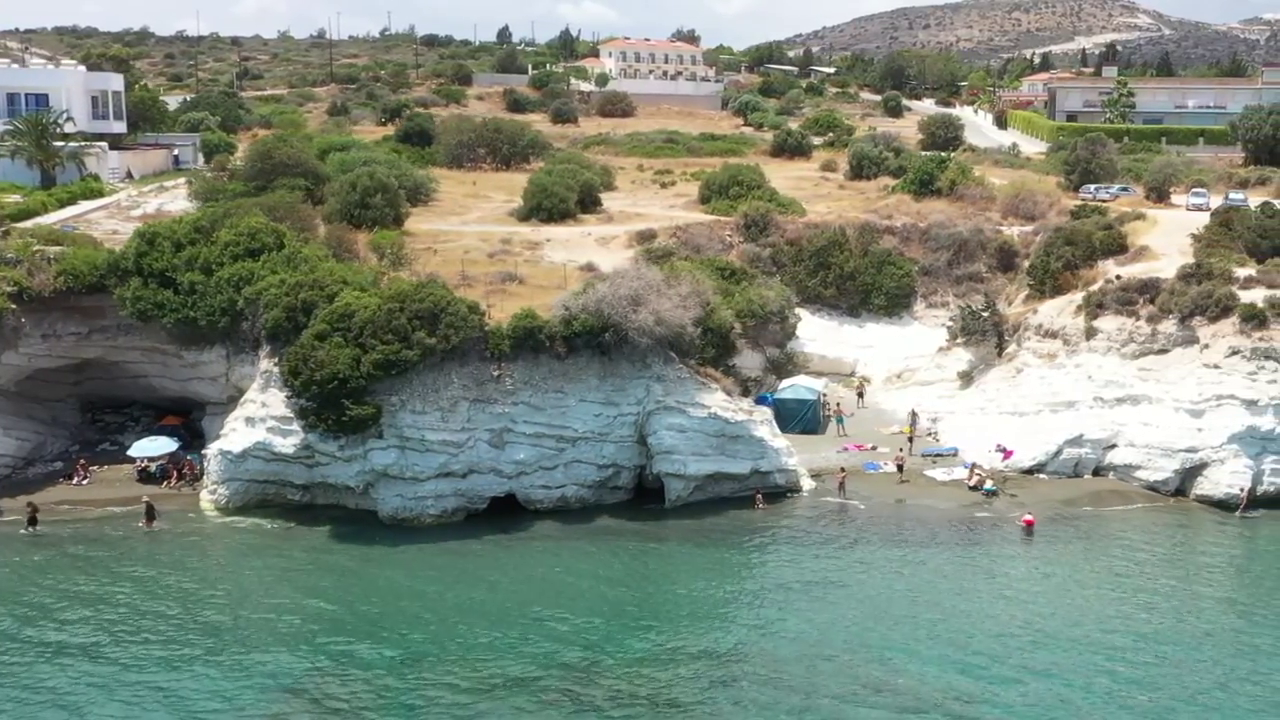 Governor's Beach
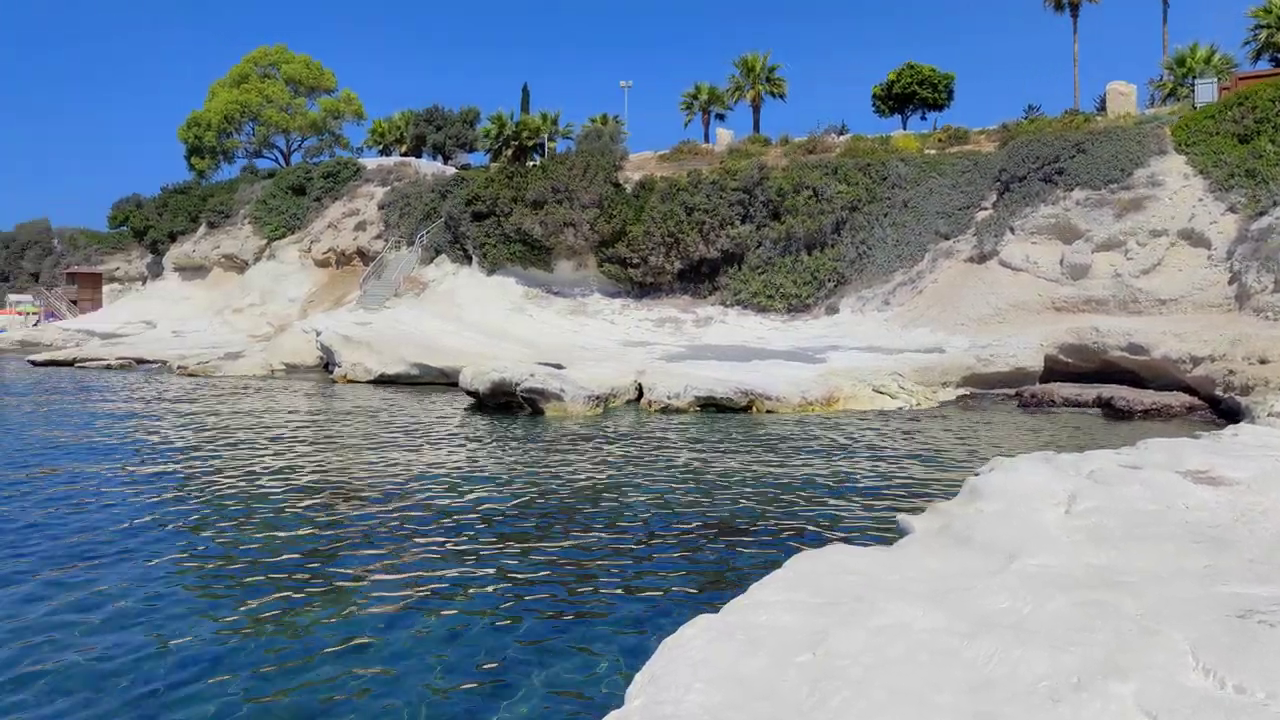 Governor's Beach
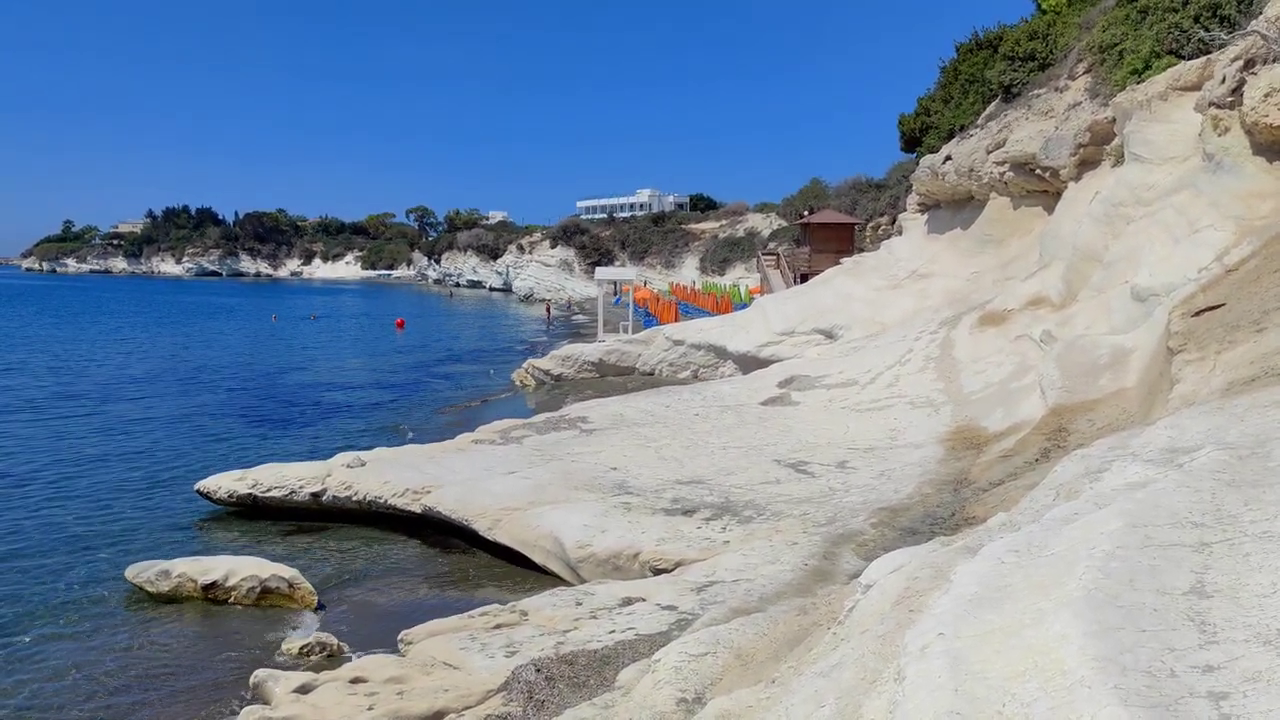
Not every worthwhile coastal landscape in Cyprus requires a journey toward the eastern or western ends of the island. Around Governor's Beach, east of Limassol near Pentakomo, pale rock formations create a distinctive contrast with the darker shoreline and the Mediterranean.
The low, white coastal formations have a different appearance from the larger cave systems around Ayia Napa. Here, the interest lies in the shape of the rock, its relationship with the small bays and the way the coastline creates separate pockets of beach.
This is a more relaxed proposition than an Akamas excursion. Travelers can appreciate the formations as part of a coastal stop, with nearby beach facilities and dining options providing a convenient way to extend the outing.
It is particularly suitable for visitors based in Limassol who want to see an unusual coastal landscape without dedicating most of the day to reaching it. Families may also appreciate the opportunity to combine scenery with a managed beach area, provided they choose an appropriate location and observe the conditions.
We would not present Governor's Beach as an alternative of equal geological drama to the Ayia Napa Sea Caves. Its value lies in being different: an accessible stretch of sculpted white coastline that can be appreciated without turning the experience into an expedition.
Should You See The Coastline From Land or Sea?
The perspective changes substantially depending on where you stand. From land, it is easier to appreciate the wider relationship between the rock formations and their surroundings. Coastal paths and designated viewpoints allow visitors to see the vegetation, the height and continuity of the cliffs, and the arrangement of arches or caves within the landscape.
From a boat, the openings beneath the cliffs become more visible. In some places, formations that appear relatively modest from above reveal greater depth or complexity when viewed from offshore. Neither perspective is automatically better.
Land-based viewing is the more straightforward choice for travelers interested in geology, photography and a flexible sightseeing schedule. It avoids the need to organize a marine excursion, although it still requires sensible route selection and respect for exposed terrain.
A properly operated boat excursion can offer an alternative angle, particularly along the Cape Greco coastline or the northern Akamas coast. However, sea conditions, legally protected areas and the captain's operational decisions determine how closely any formation may be approached. A boat trip should never be treated as a way to bypass restrictions that apply to the shoreline or marine habitats.
For readers primarily interested in comparing cruise experiences, departures and swimming stops, our Best Boat Trips in Cyprus guide addresses those decisions separately. The purpose here is to understand the coastal formations themselves and choose an appropriate way to appreciate them.
How To Fit These Landscapes Into Your Cyprus Trip
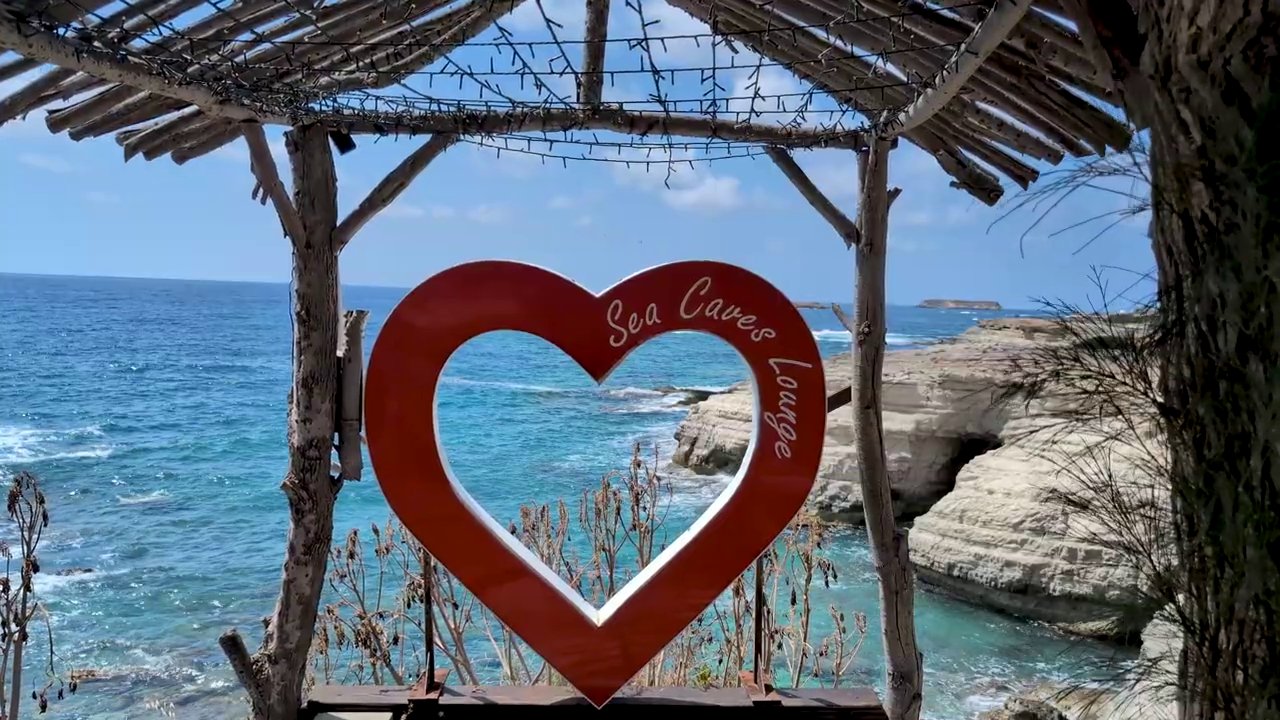 Peyia Sea Caves Lounge
The most useful starting point is where you are staying. From Ayia Napa or Protaras, the sea caves and Cape Greco are logical choices for a morning or late-afternoon outing. Depending on your interests and the areas legally accessible, you could concentrate on one main formation or include other nearby coastal viewpoints without attempting to cover every trail.
From Paphos, Peyia is generally the more convenient choice for a short coastal visit. A longer excursion toward Akamas can be worthwhile, but it should be planned as a distinct outing rather than treated as an effortless extension of a stop at the sea caves.
From Polis or Latchi, the northern Akamas landscape is more naturally incorporated into the day. The choice between a permitted land-based viewpoint and a suitable boat excursion should depend on the kind of experience you want and the conditions.
For visitors staying in Limassol, the white rock formations around Governor's Beach offer a simpler option. They work particularly well when coastal scenery is intended to complement a relaxed lunch or a day that already includes other nearby stops.
Time of day also matters. The exposed limestone coast can become intensely hot in summer, particularly where shade is limited. Earlier visits are generally more comfortable for walking, while late-afternoon light may emphasize the different surfaces and contours of the rocks.
Outside the hottest months, coastal sightseeing can be more comfortable on foot, although wind, rain and rough seas may change the character of the visit. A bright sky should never be taken as proof that exposed cliffs or waters are safe.
Safety, Access And Coastal Conservation
Sea caves and coastal cliffs involve hazards that are not always apparent from a viewpoint or photograph. Erosion can weaken rock formations, cliff edges may be unstable, and exposed surfaces can become slippery or difficult to navigate.
Visitors should remain on permitted paths and viewing areas, respect barriers and warning signs, and avoid approaching unsupported edges, crossing natural arches or climbing down toward cave entrances.
Cliff jumping is particularly dangerous. Water that appears deep from above may conceal submerged rocks, while waves, currents and underwater conditions can make entering or leaving the sea hazardous. We do not recommend jumping from coastal cliffs or attempting to swim into sea caves.
Several coastal areas also have legal conservation protections, including parts of Cape Greco, the Ayia Napa Sea Caves, Peyia and the Lara–Toxeftra reserve. The applicable rules differ between locations and may restrict access, boating, anchoring, fishing, wildlife disturbance or other activities.
Visitors should follow notices from the Cyprus Department of Forests, the Department of Fisheries and Marine Research, and other relevant authorities. Access arrangements, route conditions and permitted activities should be verified before visiting, especially when planning to enter remote or protected areas.
Where children are accompanying adults, particular attention is needed near open cliffs and uneven rock. Travelers with reduced mobility should also assess the specific approach rather than assume that a viewpoint is accessible simply because a road or parking area appears nearby.
No published description can guarantee safe access or suitable conditions on the day of a visit. When the route, weather or permitted access is uncertain, choosing another viewpoint or changing the plan is the sensible decision.
Which Coastal Landscape Deserves Your Time?
At Ayia Napa and Cape Greco, the limestone openings and natural arches are the main attraction. Around Peyia, the irregular shoreline offers another interpretation of the same geological processes. Akamas is better appreciated on a larger scale, while Governor's Beach shows how relatively modest formations can give an ordinary coastal outing a distinctive character.
These landscapes also reveal something about the Mediterranean's influence on Cyprus. The sea has shaped the cliffs, hollowed out the caves and gradually separated some rock formations from the surrounding coast. What visitors see today is not a finished monument but part of an ongoing natural process.
That is worth remembering when standing before a natural arch or looking across a coastline interrupted by caves. The formations do not need to be entered, climbed or approached closely to be appreciated. Sometimes the most revealing view is the one that allows you to see the entire landscape—and understand how the sea has shaped it.