Newsletter "Beyond the Postcards" Subscribe
Plan Your Cyprus Trip: Hotels: Expedia, Villas & Apartments: Vrbo, Car Rentals: DiscoverCars, Tours: GetYourGuide, Airport Transfers: WelcomePickups
- Home
- Things To Do in Cyprus
- Cultural & Historic Experiences in Cyprus
- Castles & Forts in Cyprus
Castles & Forts in Cyprus
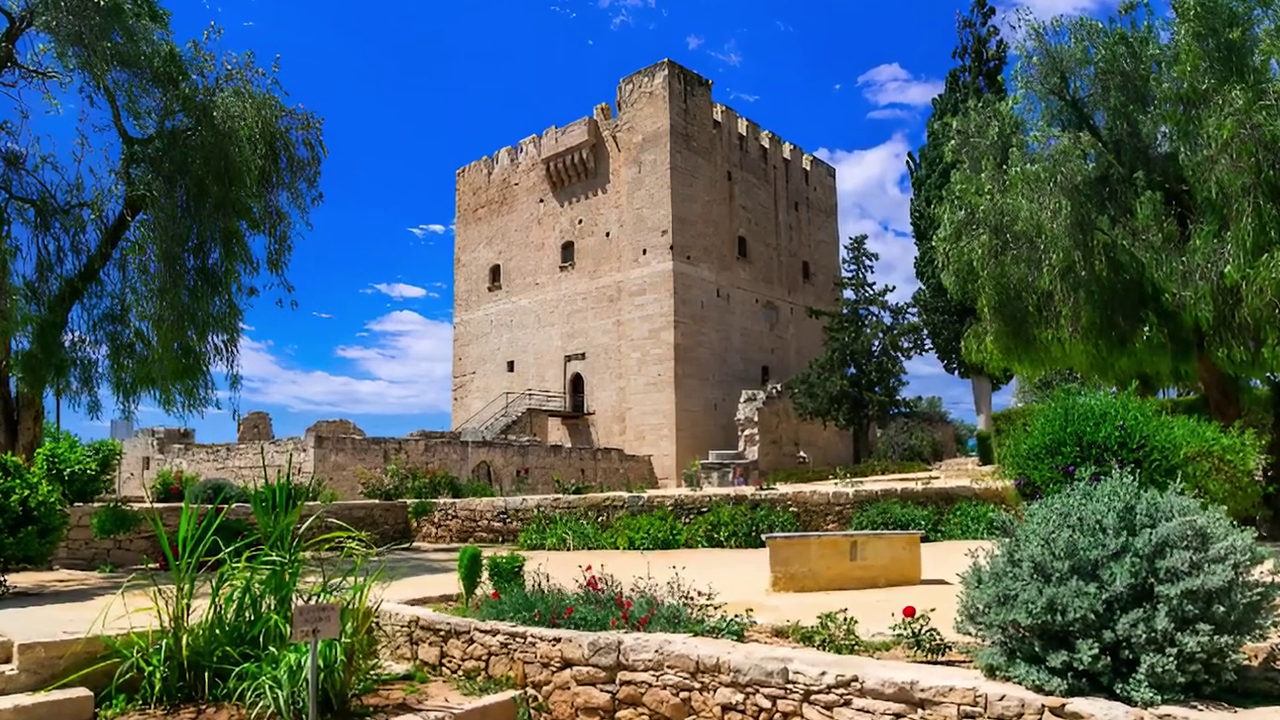
The medieval commanders at Kolossi had more to concern themselves with than defending a stone tower. Wine, sugar and the management of valuable agricultural land were also part of their responsibilities. The surviving remains of a sugar mill beside the castle reveal a connection between military authority and economic power that might otherwise be overlooked.
Elsewhere in Cyprus, fortifications served different purposes. Coastal strongholds protected important harbors, while the defensive walls of Nicosia were designed to secure an entire city. Their architecture reflects the priorities of the authorities who built, occupied and modified them over successive centuries.
Some castles are rewarding for their surviving architecture. Others contain museums that explain medieval life, warfare and the societies responsible for building them. A ruined fortress can be equally interesting, provided you understand what its surviving foundations represent.
For travelers deciding where to spend their time, the question is not simply which castle is most impressive. It is what you want to understand about Cyprus's history, and whether the monument itself provides enough interest to justify a dedicated visit.
Kolossi Medieval Castle: More Than A Military Stronghold
 Kolossi Castle
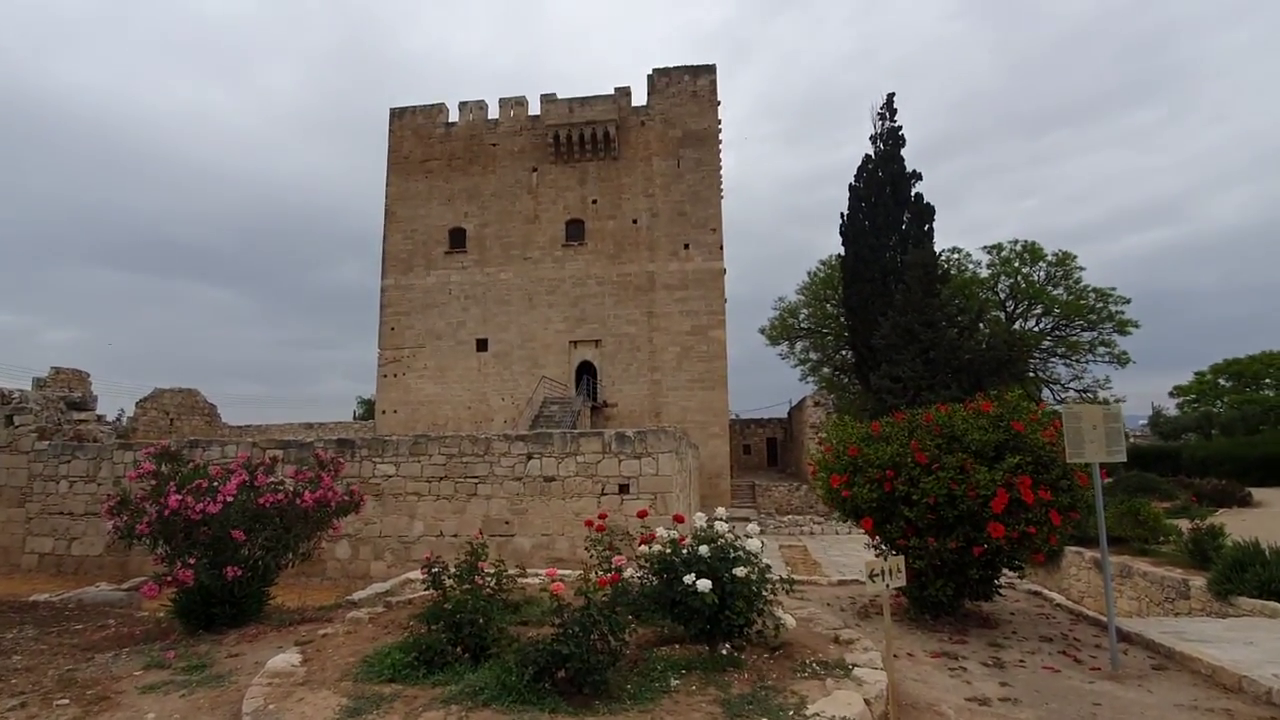
A short distance west of Limassol, Kolossi Medieval Castle stands as one of the island's important surviving examples of Frankish military architecture. Its substantial square tower is immediately recognizable, but the history associated with the building extends well beyond its defensive purpose.
The original castle dates to the 13th century, while the structure visitors see today largely belongs to a 15th-century rebuilding. Kolossi was closely associated with the Knights of the Order of St. John of Jerusalem and, during another period of its history, the Knights Templar.
The castle's association with these military orders gives it considerable historical interest. Their responsibilities, however, extended beyond military affairs to the administration of estates and the management of valuable agricultural resources.
The medieval commandery associated with Kolossi controlled agricultural production in the surrounding area. The traditional Cypriot sweet wine Commandaria takes its name from this system, connecting a product still made in Cyprus with the island's medieval economy.
Beside the castle stand the remains of a medieval sugar mill. These ruins reveal an important aspect of the estate's economic activities, including the production and processing of agricultural commodities for trade.
The castle itself is relatively compact. Visitors interested in architecture can examine the fortified structure, its interior spaces and the arrangement of its substantial stone walls without needing to allocate an entire morning. Where permitted, access to the upper levels and roof provides another perspective on the surrounding landscape.
We consider Kolossi a strong choice for travelers who want to understand the Frankish period rather than simply photograph a medieval building. Its scale makes it manageable, while its wider history provides enough substance to justify including it deliberately in a cultural itinerary.
For those staying in the Limassol region, Kolossi can also be combined with Kourion Archaeological Site. The two monuments represent very different periods, and visiting them together offers an opportunity to consider how the area's importance developed across centuries.
The principal trade-off is that Kolossi is not a large castle complex with extensive furnished interiors. Travelers expecting a palace-like experience may find the building austere. Those interested in military orders, Commandaria and the economic history of Cyprus have much more reason to visit.
Limassol Medieval Castle: A Castle That Also Explains Medieval Life
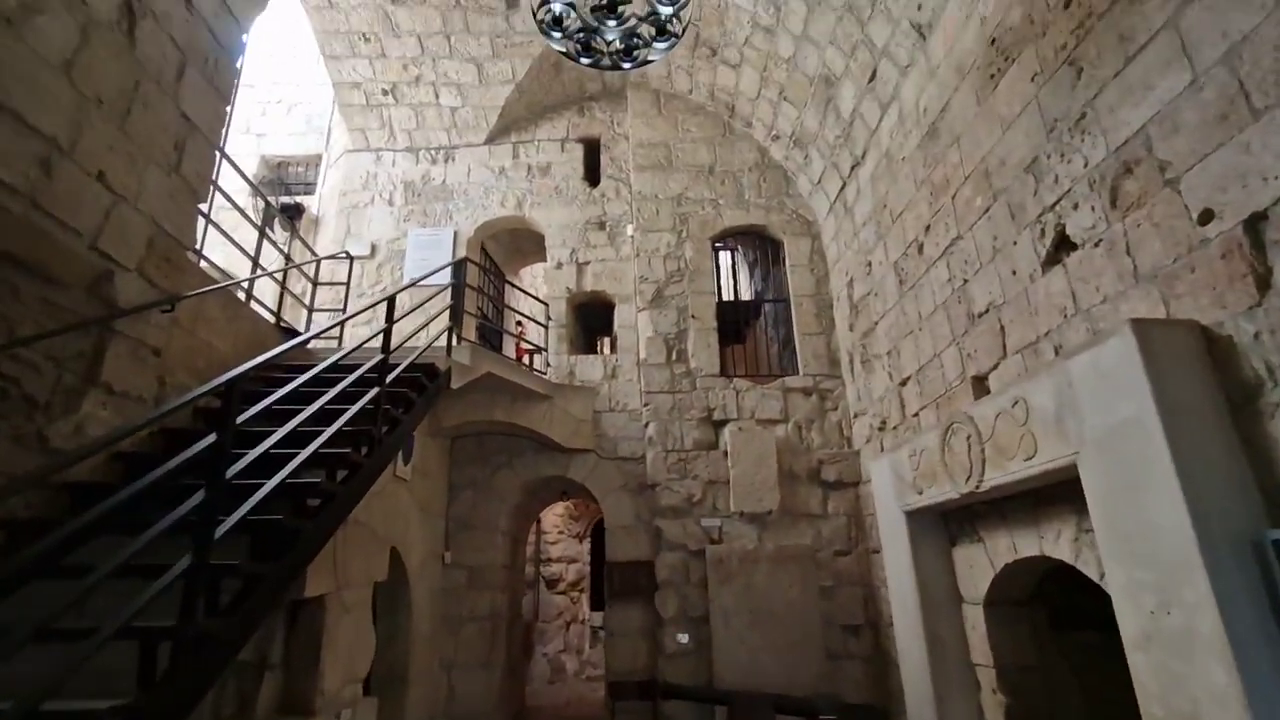 Limassol Castle
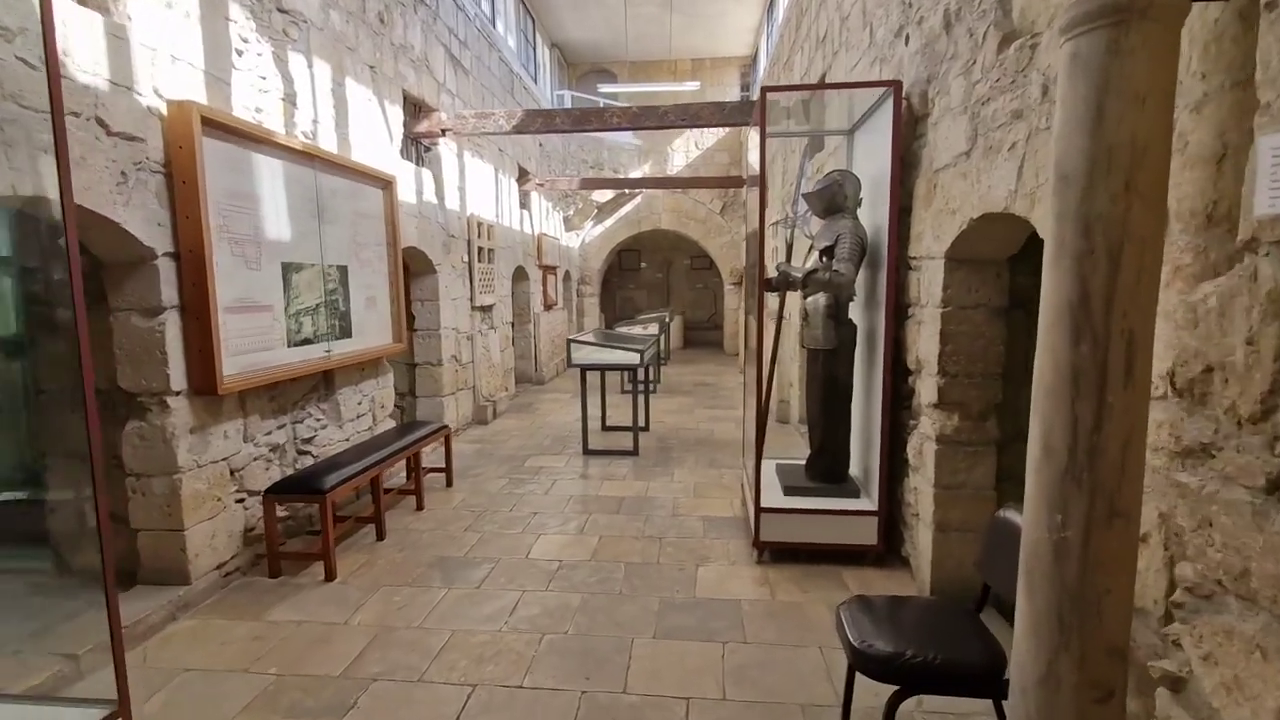
Limassol Medieval Castle offers a different experience from Kolossi. Located in the old town, close to the old harbor, it combines historic architecture with the collections of the Cyprus Medieval Museum.
The distinction matters. At Kolossi, the building and the remains surrounding it carry much of the historical interest. At Limassol Castle, the objects displayed inside help visitors understand aspects of Cypriot life across the Byzantine, Frankish, Venetian and Ottoman periods.
The museum's collections include pottery, weapons, coins, religious objects, stone carvings and other material associated with the island's medieval history. Together, they provide a broader picture of the societies that inhabited and governed Cyprus.
The castle has undergone substantial changes over the centuries. Its surviving form reflects Ottoman rebuilding, incorporating elements of earlier structures. It should not be understood as an entirely preserved Frankish fortress.
A well-known tradition associates the site with the marriage of Richard the Lionheart and Berengaria of Navarre during the English king's visit to Cyprus. The marriage itself is part of the island's medieval history, but the association with this particular castle should be treated as tradition rather than proof that the surviving building hosted the ceremony.
Limassol Castle deserves priority when your interest extends beyond fortifications to medieval artifacts and the island's changing political and cultural life. The museum gives the visit a particular advantage: historical objects can supply the detail that bare walls sometimes lack.
Someone interested in how people lived, what they used and what they valued during the medieval period may find this experience more satisfying than examining military architecture alone. The collections encourage closer attention to aspects of medieval society that cannot be understood from a castle's defensive features.
There is also a geographical advantage. The castle stands within Limassol's historic urban center, making it easy to combine with a walk through the old town, time around the old harbor or a relaxed lunch nearby.
However, visitors primarily interested in the physical character of a fortified medieval tower may find more satisfaction at Kolossi. Visiting both is most worthwhile when the differences between their architecture and historical interpretation genuinely appeal to you.
Paphos Castle: The Fortress At The Harbor
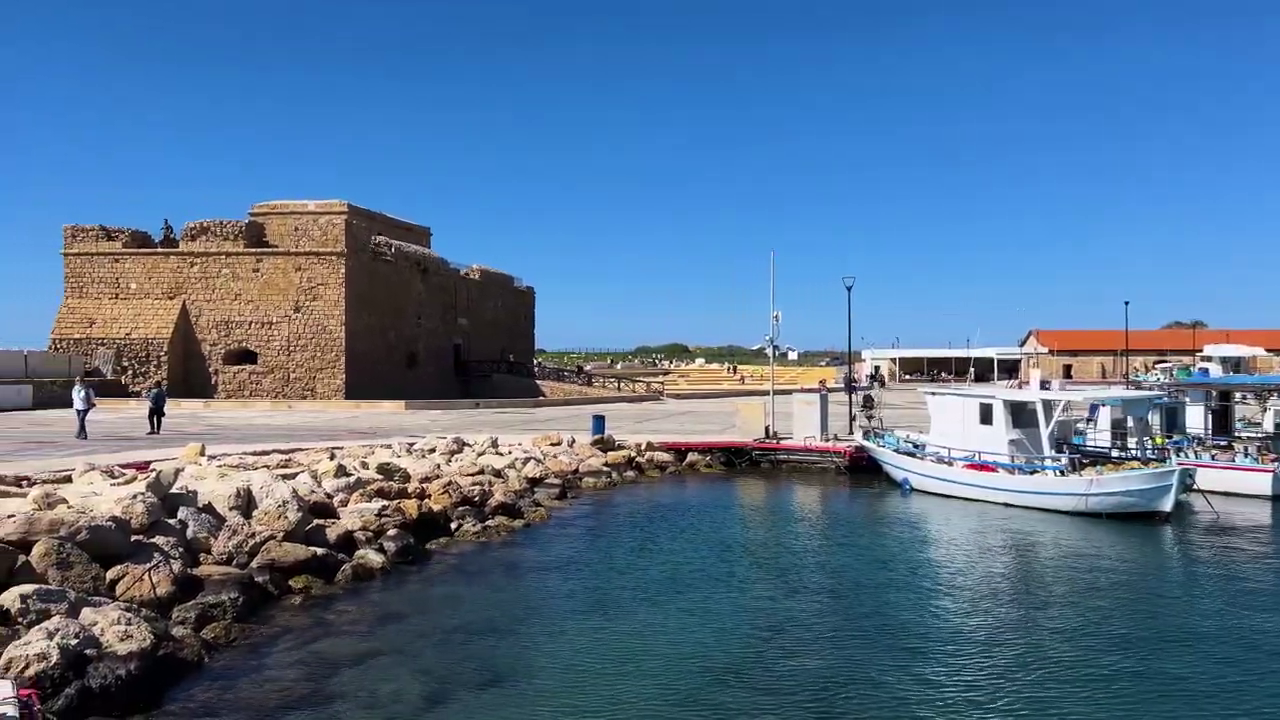 Paphos Castle
 occupies one of the island's most recognizable waterfront positions. Standing at the western end of Kato Paphos harbor, it forms part of a setting where the relationship between a town and the Mediterranean is immediately apparent.
Its origins are associated with Byzantine harbor defenses. The fortress was subsequently rebuilt under the Lusignans, dismantled by the Venetians and reconstructed during Ottoman rule. The surviving structure largely reflects the Ottoman restoration of an earlier Frankish tower.
Its history did not end with its defensive function. The building served as a prison during Ottoman rule and was later used for salt storage under British administration.
These changes are part of what makes the castle interesting. Although the building appears relatively simple, its successive uses reflect the changing priorities of the authorities who controlled the harbor.
The interior is not extensive. Visitors can examine the castle's enclosed spaces and, where access permits, its upper level. The elevated position offers an opportunity to appreciate the relationship between the fortification, the harbor and the surrounding coastline.
We visited Paphos Castle after spending a considerable amount of time exploring the nearby Archaeological Park of Kato Paphos. We had already walked extensively among the archaeological remains, including Saranta Kolones Castle and the famous mosaics. Entering the harbor fortress was initially a decision made out of curiosity rather than an essential part of our plans.
Once we reached the top, however, we were particularly impressed by the views. From that elevated position, we could see the coastline of Kato Paphos, the harbor with its fishing boats and the shops and buildings along the waterfront. It was an excellent vantage point for appreciating the harbor as a whole, and we ended up taking considerably more photographs than we had expected.
What made the visit especially enjoyable was the way the castle fitted into the rest of our day. After leaving the fortress, we walked to the nearby harbor tavernas and settled down for coffee, followed later by lunch overlooking the Mediterranean. The combination of the archaeological park, the castle and a leisurely meal beside the water made for a particularly satisfying outing.
We had covered a substantial distance on foot that day, but the experience was well worth the effort. Looking back, the castle was not the longest or most historically demanding part of our itinerary. Its contribution was different: it offered a memorable perspective on the harbor and a natural transition from archaeological sightseeing to time spent enjoying the waterfront.
Our experience also illustrates why Paphos Castle works particularly well as a shorter cultural stop rather than the principal purpose of a day's sightseeing. Its compact dimensions allow visitors to appreciate the monument without allocating the time required for a major archaeological complex.
There is no need to enter the castle simply to appreciate its exterior and waterfront position. For some visitors, a closer look from the harbor will be sufficient. Others, particularly those interested in the views from the upper level or the fortress's successive historical uses, will find the interior visit worthwhile.
Paphos Castle earns its place in a cultural itinerary through this combination of history, accessible scale and waterfront setting. Its value is not measured by how long visitors remain inside, but by what the monument contributes to their understanding and enjoyment of Kato Paphos.
Larnaca Medieval Castle: A Fortress At The End of Finikoudes
 Larnaca Castle
At the southern end of Larnaca's Finikoudes promenade, the medieval castle marks the transition between the established waterfront and the older coastal neighborhoods beyond.
Like Paphos Castle, it was associated with the defense of a harbor. Its history, however, has particular complexities.
The castle is generally understood to have medieval origins, although the precise circumstances and date of its original construction remain disputed. The structure took much of its present form during Ottoman rule and subsequently served as a prison under British administration.
Today, it houses the Larnaca Medieval Museum. The collection includes objects from different historical periods, among them pottery, weapons, religious material and other artifacts associated with life in Cyprus.
The museum gives visitors a reason to enter beyond seeing the fortification itself. Its collections are relatively modest, however, and should not be confused with the more extensive historical presentation available at the Cyprus Medieval Museum in Limassol.
The castle's courtyard and surviving defensive features help explain its former function. Their relationship with the waterfront is particularly relevant: the fortification occupied a position from which the approaches to Larnaca's historic harbor could be protected.
Its location also gives the visit an urban dimension. The promenade, the castle and the older streets beyond it belong to different stages in Larnaca's development, allowing visitors to encounter a historic military building within the everyday surroundings of a contemporary coastal city.
For anyone staying in Larnaca, the castle works particularly well as part of a walk that includes Finikoudes and the older seafront toward the Skala area. It introduces a historical element without requiring a major change to the day's plans.
We would not ordinarily recommend a journey across the island solely to visit Larnaca Castle. Its appeal comes from the combination of an accessible historic monument, a small museum and a waterfront setting.
Set beside Paphos Castle, Larnaca offers a somewhat different emphasis. Both are compact harbor fortifications, but Larnaca provides additional context through its museum collection, while Paphos is especially closely identified with the character of its harbor.
If your itinerary includes only one of these cities, there is little reason to travel to the other simply to see a second small fortress. The value of each visit is strengthened by its surroundings.
The Venetian Walls of Nicosia: When An Entire City Was Fortified
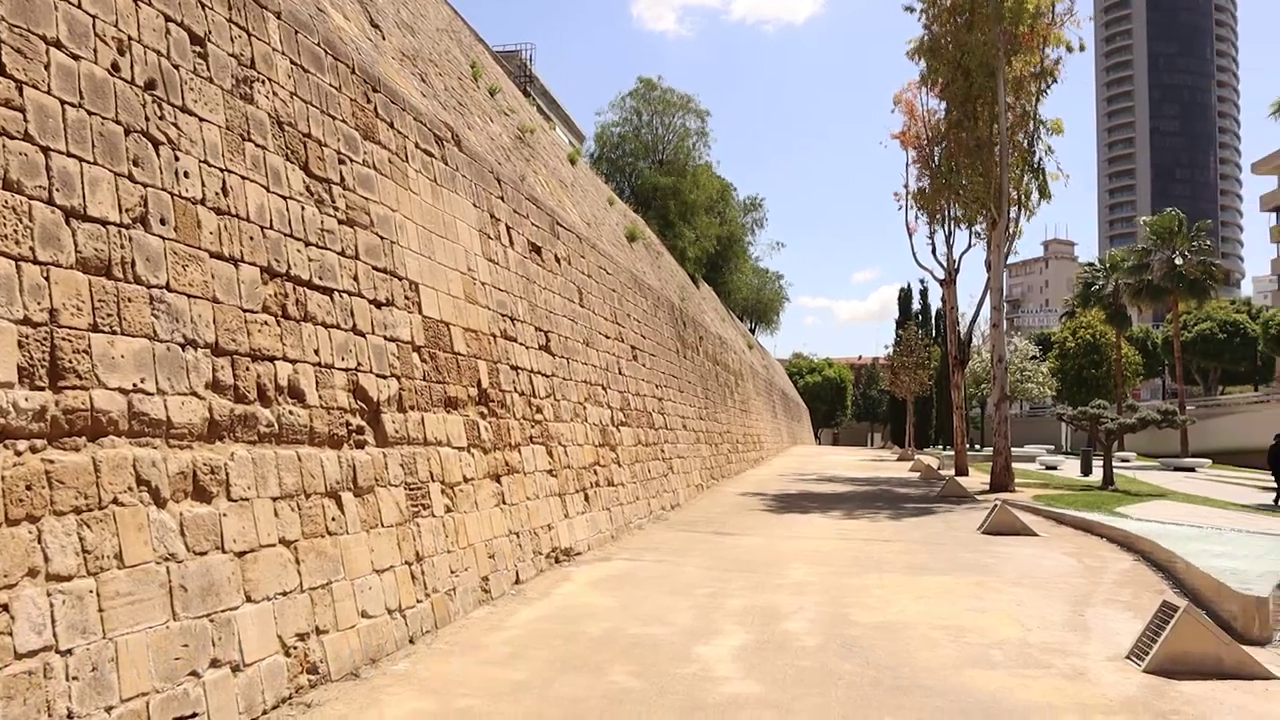 Venetian Walls, Nicosia
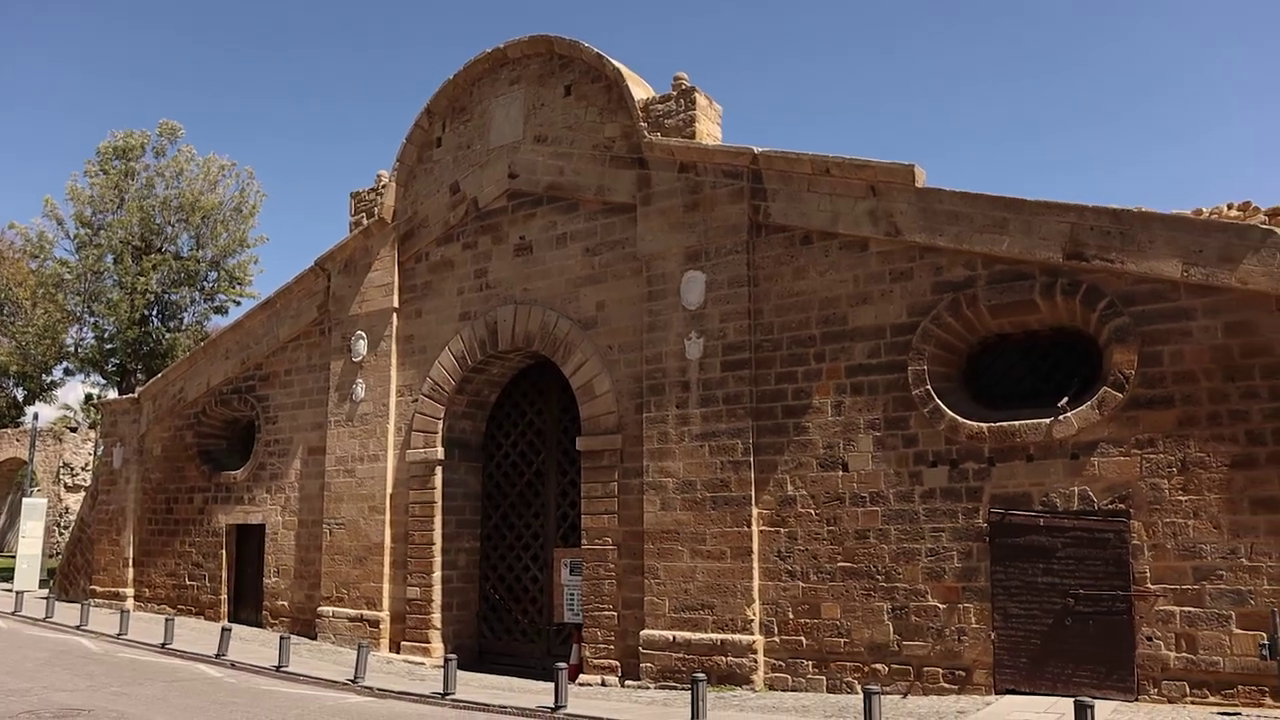 Famagusta Gate, Nicosia
Nicosia offers the most substantial change of scale in this selection. Instead of a single fortified building, the historic center is surrounded by a system of defensive walls constructed during Venetian rule.
The fortifications were designed to respond to the military requirements of their period, particularly the increasing importance of artillery. Earlier Frankish defenses were replaced by a more compact system featuring eleven bastions and a broad moat.
From a historical perspective, this represents an important development. Medieval defenses had to adapt to weapons capable of damaging the high walls of older castles. The Venetian fortifications reflect that change in military engineering.
The original defensive system also shaped the geography of the city. The walls established a defined perimeter, with fortified entrances controlling movement into and out of Nicosia.
Today, the former moat has acquired different functions in different sections, including public spaces, gardens and recreational facilities. The relationship between the historic defenses and the modern city is part of what makes this location distinctive.
Famagusta Gate is among the most recognizable surviving entrances. Its monumental vaulted passage and architectural details offer an opportunity to examine part of the Venetian defensive system at closer range.
The most interesting aspect of Nicosia's fortifications is not necessarily any single bastion or gateway. It is the way the defensive system shaped the historic city as a whole. The walls established boundaries, directed movement and influenced the development of streets and urban spaces that remain part of Nicosia today.
This gives the experience an unusual character. You are examining military architecture within a functioning capital, where historic defenses coexist with ordinary city life rather than standing apart as an isolated monument.
Unlike a self-contained castle, however, the Venetian Walls should not be approached as one continuous monument that can necessarily be walked in its entirety. The surviving defenses extend around different parts of the historic city, and access to individual sections and structures varies.
A walk incorporating accessible sections of the walls and Famagusta Gate can be combined with time in Nicosia's historic neighborhoods and museums. This approach is particularly rewarding for visitors who enjoy connecting architecture with the history of urban development.
The trade-off is that the experience requires more interpretation. You will not find a single castle interior containing everything you need to understand the fortifications. Instead, you must look at the relationship between bastions, gates, the former moat and the streets within the walls.
Visitors expecting a conventional castle experience will probably find Kolossi or one of the harbor fortresses more satisfying. Nicosia better serves those who want to understand how an entire city was designed to resist attack.
Saranta Kolones Castle: Understanding A Fortress Through Its Ruins
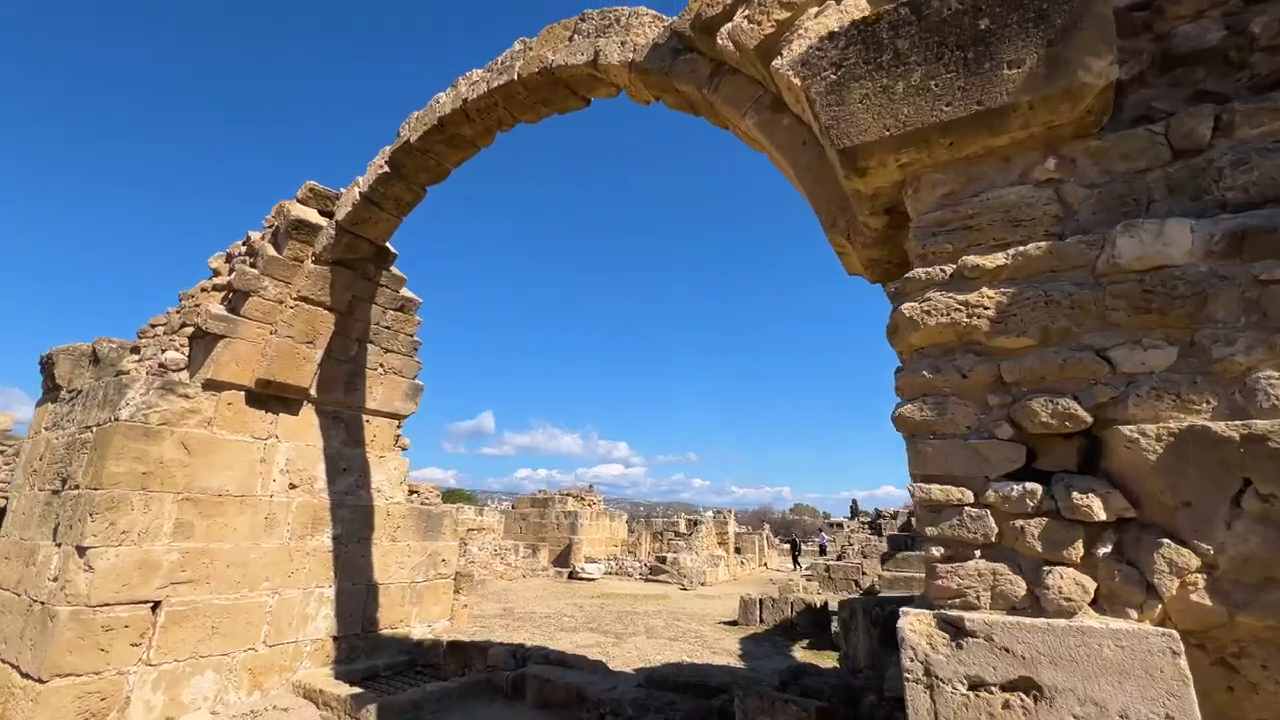 Saranta Kolones (Forty Columns) Castle
Saranta Kolones, also known as Forty Columns Castle, introduces an important distinction. Unlike the standing fortifications discussed above, this Byzantine fortress survives primarily as archaeological remains.
Located within the Archaeological Park of Kato Paphos, the castle is believed to have originated in the late seventh century as part of the defenses protecting the city and harbor against maritime attacks.
The fortress was later modified during the Lusignan period. Its defensive arrangement included substantial walls, towers and a moat, reflecting the importance attached to protecting this part of the island. An earthquake in the 13th century caused extensive destruction, after which the castle was abandoned.
What visitors encounter today is therefore different from the experience of entering Paphos Castle at the harbor. At Saranta Kolones, the surviving architectural remains require you to interpret the footprint of a fortress rather than walk through an intact structure.
One of its particularly interesting architectural features is the horseshoe-shaped tower that formed part of the castle's eastern entrance. Its unusual design adds interest to the surviving remains and helps visitors appreciate the complexity of the original defensive arrangement.
When we visited Saranta Kolones, this horseshoe-shaped tower was the feature that particularly caught our attention. We enjoyed examining its surviving form and considering how it belonged to the larger fortified complex. Although much of the castle has disappeared, this distinctive architectural detail gave us something specific to concentrate on among the ruins.
Our visit formed part of our exploration of the Archaeological Park of Kato Paphos. We had spent time examining the mosaics and other remains, but the ruined castle brought another historical period into the experience. The contrast between the surviving decorative achievements of ancient Paphos and the military architecture of Saranta Kolones was particularly interesting.
The park contains enough archaeological material to reward an unhurried visit. Saranta Kolones is therefore best appreciated as one part of that larger historical landscape, rather than as an attraction requiring a separate journey.
There is also an important historical connection between Saranta Kolones and the later harbor fortress. The defensive arrangements protecting Paphos changed over time, and these two sites provide evidence of different stages in that development.
The archaeological character of Saranta Kolones will appeal most to visitors who enjoy examining architectural remains and considering how a vanished building once functioned. The horseshoe-shaped entrance tower provides a particularly useful feature on which to focus that interest.
Travelers expecting standing towers, furnished rooms or extensive interiors should choose another castle. Saranta Kolones offers a more demanding form of historical engagement, but one that can be highly rewarding for those interested in Byzantine architecture, medieval fortifications and the interpretation of ruins.
Which Castles And Forts Deserve Your Time?
 Paphos Castle
The six places in this guide do not offer equivalent experiences, and we would not recommend treating them as a checklist.
For a castle visit centered on medieval military architecture and the economic history of the military orders, Kolossi is our preferred choice, particularly for travelers staying in or around Limassol. Its relatively modest size makes it approachable without diminishing its historical importance.
Visitors drawn to artifacts, historical interpretation and the daily life of medieval Cyprus should give Limassol Castle particular consideration because it houses the Cyprus Medieval Museum.
Paphos Castle and Larnaca Castle are better suited to travelers who want to include a fortification within a wider waterfront outing. Both are worthwhile historic monuments, but neither requires the same commitment as a substantial archaeological site or an extensive museum.
The Venetian Walls of Nicosia deserve priority when your interest lies in urban defense and military engineering. Saranta Kolones is more specialized, particularly appealing to visitors who enjoy interpreting archaeological remains.
There is also a question of opportunity cost. A traveler with limited time in Paphos may gain more from a substantial visit to the archaeological park than from entering every nearby historic building. Equally, someone already spending a day among the ruins of Kourion may welcome the more compact experience offered by Kolossi.
The strongest choice is therefore not necessarily the most prominent monument. It is the one that adds a worthwhile historical perspective to the places you already intend to visit.
Planning Castle Visits Around Cyprus
The geographical distribution of Cyprus's castles makes regional planning more sensible than attempting to visit several unrelated fortifications in one day.
The Limassol region offers the greatest flexibility for combining different medieval experiences. Kolossi can be incorporated into an outing west of the city, especially alongside Kourion, while Limassol Castle is better placed within a day spent in the historic center.
In Paphos, visitors should distinguish between the time required for the extensive archaeological park and the comparatively brief visit to the harbor fortress. Their proximity makes combining them practical, but the amount of historical material at each is very different.
Larnaca Castle is particularly convenient for travelers already exploring the seafront on foot. In Nicosia, the Venetian Walls work best as part of a wider cultural walk, with attention given to particular accessible sections rather than an attempt to cover the entire perimeter.
Seasonal conditions also influence the experience. Fortified interiors can contain confined spaces and steep staircases, while exposed courtyards, rooftops and archaeological remains offer limited protection from strong summer sunshine.
An earlier visit during the warmer months can make outdoor sightseeing more comfortable. During cooler periods, castle visits can also fit naturally into longer walks through historic neighborhoods without the same degree of heat exposure.
We would generally favor combining one carefully chosen castle with another complementary experience rather than moving between several fortifications simply because they share a historical category. For other ways to build a cultural itinerary, return to Cultural & Historic Experiences in Cyprus, or continue to Best Archaeological Sites in Cyprus and Best Museums in Cyprus.
Practical Considerations Before Visiting
Not all castles and fortifications in Cyprus offer the same visitor facilities. Some have substantial staircases, narrow passages, uneven stone surfaces and elevated areas that may be unsuitable for visitors with certain mobility requirements.
Rooftop access, interior rooms and individual sections of historic monuments may also be restricted for conservation, maintenance or visitor safety reasons. Access should never be assumed solely because a particular part of a building appears in photographs.
Families visiting with children should take particular care around staircases, parapets, historic stonework and archaeological remains. Visitors should remain within designated areas, respect barriers and follow instructions displayed at each monument.
Opening hours, admission charges, guided access and temporary closures can change. Before making a special journey, check the relevant information published by the Cyprus Department of Antiquities or, where appropriate, the municipal authority responsible for the site.
The same applies to photography. Restrictions may be introduced in museum spaces, during conservation work or for other site-specific reasons, and visitors should follow the rules communicated at the monument.
Comfortable footwear is useful, especially when visiting sites with stone steps or uneven surfaces. For outdoor visits in summer, carry drinking water and consider how much time you expect to spend in direct sunshine.
These precautions are particularly relevant when combining castles with archaeological sites, where the physical demands may be greater than those of visiting a single fortified building.
What Cyprus's Fortifications Reveal
The castles and forts of Cyprus are evidence of how different authorities attempted to control and protect the island. Their surviving architecture reflects changing threats, military technology and the importance of Cyprus within wider Mediterranean political and commercial networks.
What makes these places particularly revealing is that their purpose did not always end when their military importance declined. Some were rebuilt for new rulers, others acquired different uses, and some were abandoned, leaving only architectural remains through which their original function can be understood.
These changes are part of Cyprus's historical identity. The fortifications represent not only periods of conflict and military control, but also the ways successive societies adapted, reused or left behind the buildings they inherited.
For travelers genuinely interested in the island's past, this is why the differences between the monuments matter. A castle does not need the largest tower, the most elaborate interior or the most recognizable photograph to justify a visit. Its value lies in what its surviving architecture and history allow us to understand about the people who built it, the authorities who occupied it and the changing circumstances of Cyprus itself.