Newsletter "Beyond the Postcards" Subscribe
Plan Your Cyprus Trip: Hotels: Expedia, Villas & Apartments: Vrbo, Car Rentals: DiscoverCars, Tours: GetYourGuide, Airport Transfers: WelcomePickups
- Home
- Plan Your Cyprus Trip
- Driving in Cyprus
- Parking in Cyprus
Parking in Cyprus: Why The Closest Space Is Often Not The Best One
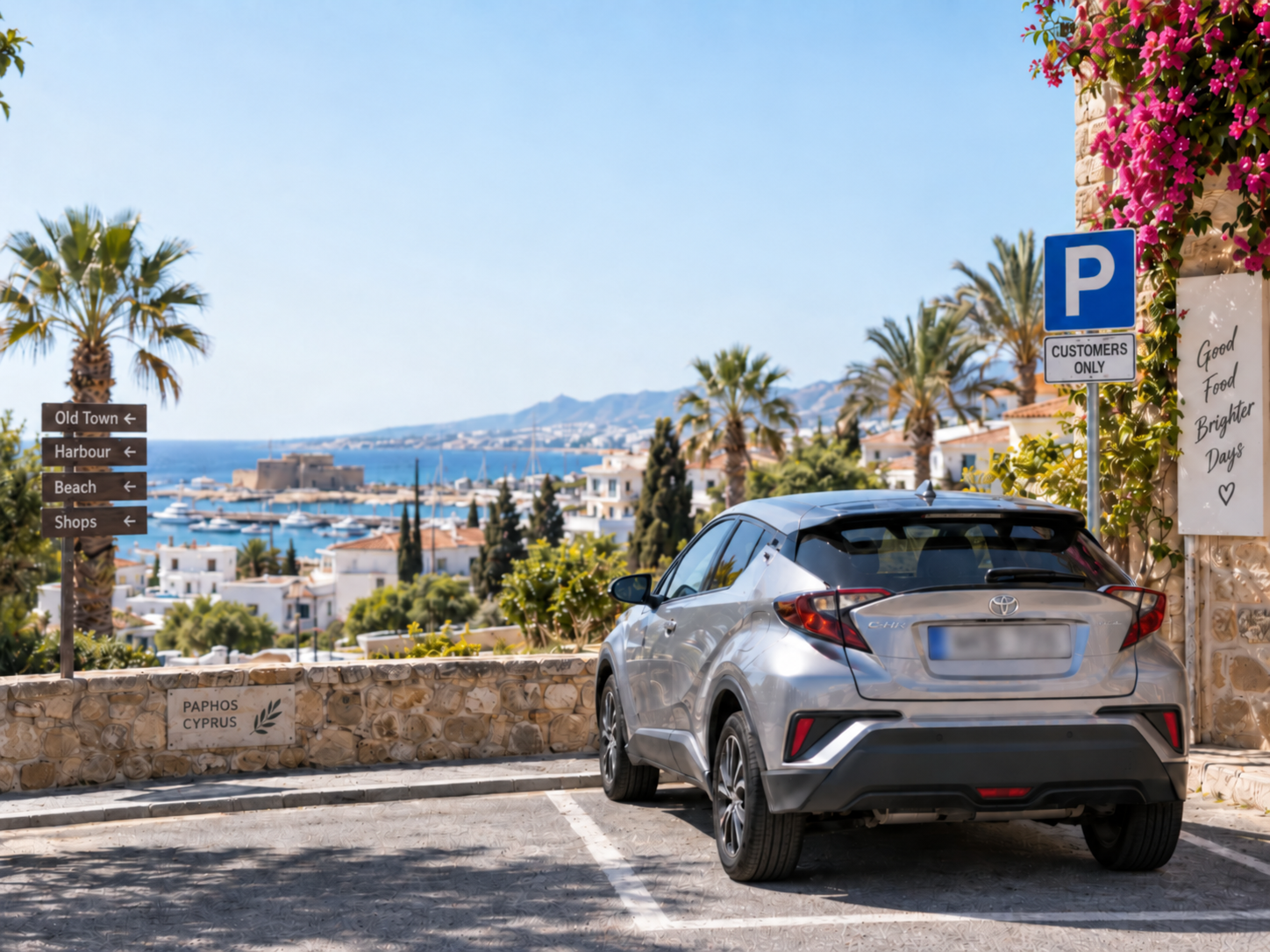
Parking in Cyprus is rarely the reason a trip succeeds, but it can become the reason a perfectly good driving day starts to feel unnecessarily complicated.
The island is generally easier to navigate by car than many larger European destinations, yet the experience changes quickly with location. A hotel with private parking on the edge of Paphos is one thing; a restaurant in central Limassol, a Saturday morning in Nicosia, a popular beach in August or a narrow Troodos village is another.
The mistake is assuming that because Cyprus is relatively car-oriented, a convenient space will always appear exactly where you want it. Sometimes it will. At other times, the better decision is to stop looking for the perfect space, park legally a little farther away and walk.
That is the approach we would take throughout Cyprus.
Quick Answer: Is Parking in Cyprus Difficult?
Usually, no—but location matters far more than any island-wide answer.
Parking tends to be easiest when your accommodation provides its own space, when you are outside the busiest city centers and when you arrive before the most popular beaches, restaurants or attractions become crowded.
It can require more patience in:
- central Limassol
- central Nicosia
- parts of Paphos and Larnaca
- busy beachfront areas
- Ayia Napa and Protaras during peak periods
- historic centers and older neighborhoods
- popular villages
- major events and festival periods
The practical rule is simple: do not make the final twenty meters of the journey more important than the destination itself.
If legal parking is available a short walk away, take it.
If you have not yet decided whether a rental car makes sense for your trip, start with Driving in Cyprus. For vehicle choice and booking considerations, see Renting a Car in Cyprus.
Parking Should Be Part of The Accommodation Decision
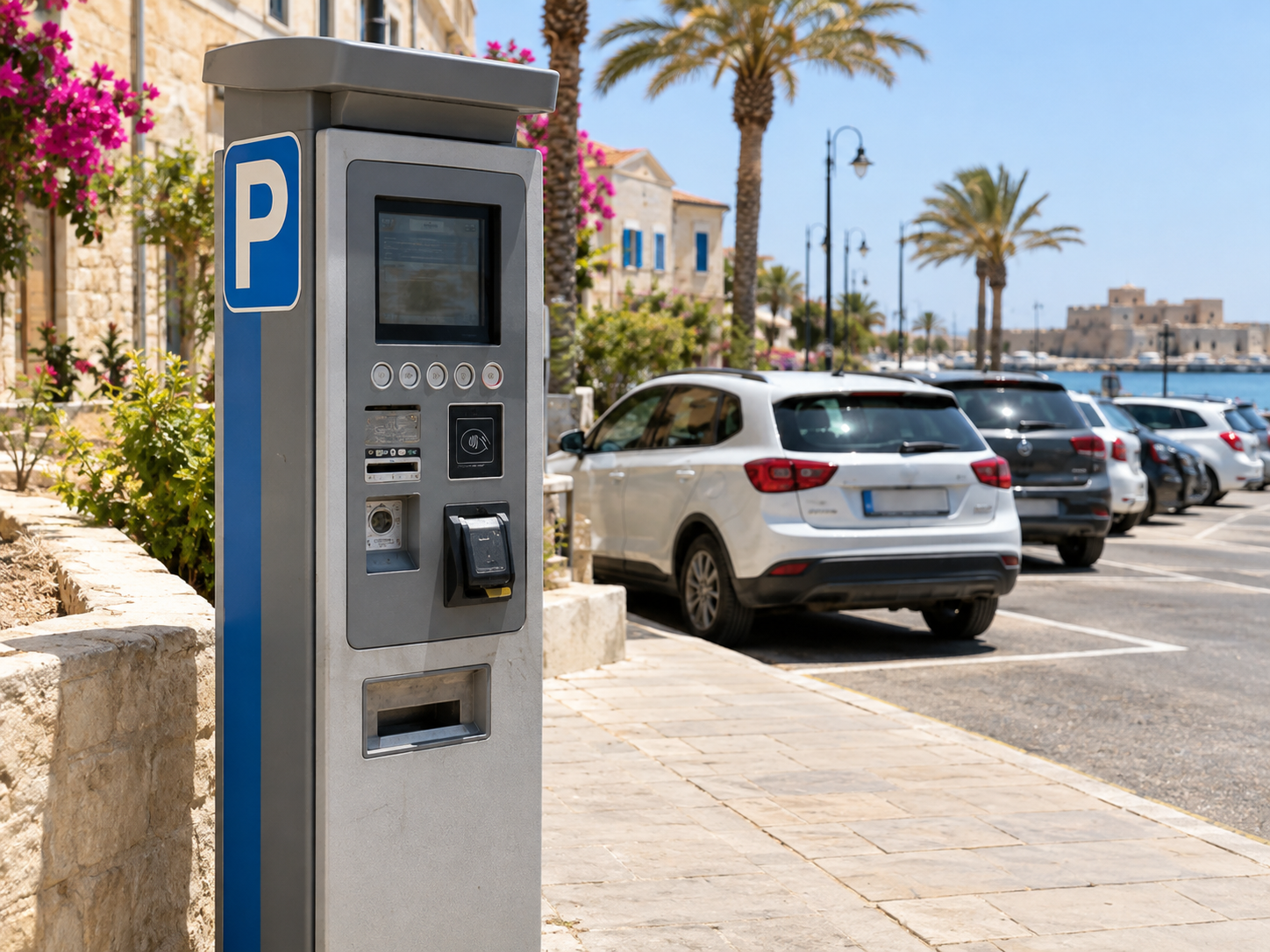
Travelers often check the room, pool, beach access and restaurant before booking accommodation. Drivers should also check where the car goes.
This matters particularly if you are staying in a central neighborhood, historic area, apartment building or property where parking is described vaguely rather than explicitly.
“Parking nearby” is not the same thing as a reserved space. “Public parking available” is not the same thing as parking outside the door. And “free parking” does not necessarily tell you whether spaces are limited, shared or straightforward to access with a larger vehicle.
If convenient parking materially affects the trip, establish the arrangement before booking rather than assuming the issue will resolve itself after arrival.
For a villa or rural property, we would also want to know whether the parking area is genuinely easy to enter and leave, particularly with a larger rental car. A steep driveway, narrow gate or awkward turning space can matter more in daily use than it appears in photographs.
Private parking can also be worth more than it looks on a booking page. After several days of returning from dinner without circling the neighborhood, reading unfamiliar signs or wondering whether a street restriction changes overnight, the value becomes obvious.
We would not choose an inferior hotel solely because it had a parking lot, but when two properties are otherwise close, straightforward parking can be a meaningful advantage.
The car spends more time parked than moving. Accommodation planning should reflect that.
Street Parking: Read What Is Actually in Front of You
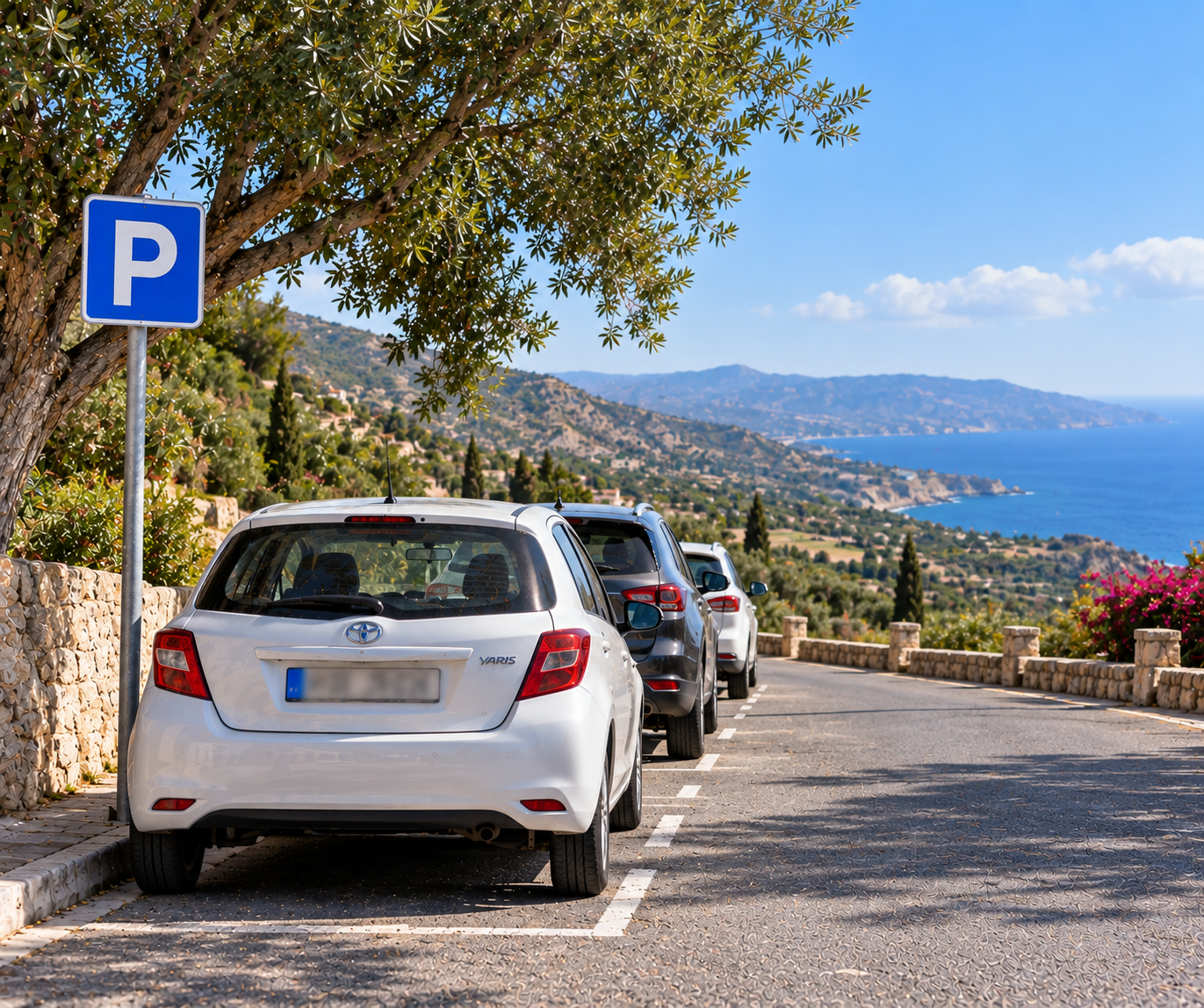
Parking rules in Cyprus can depend on the road, municipality, markings, signs, time restrictions and the particular space.
That means there is no useful island-wide shortcut we would encourage travelers to rely on without checking the actual location.
Read the sign, look at the road markings and check whether the space belongs to a controlled parking area, loading zone, taxi area, residents' arrangement, accessible space or another restricted category. If payment is required, follow the system indicated at that location.
Do not assume that because other vehicles are parked somewhere, your car can legally join them. Local drivers can be wrong too.
The same principle applies throughout the Driving Rules in Cyprus guide: the restriction in front of you matters more than a rule of thumb remembered from somewhere else.
Public Car Parks Are Often The Better Option
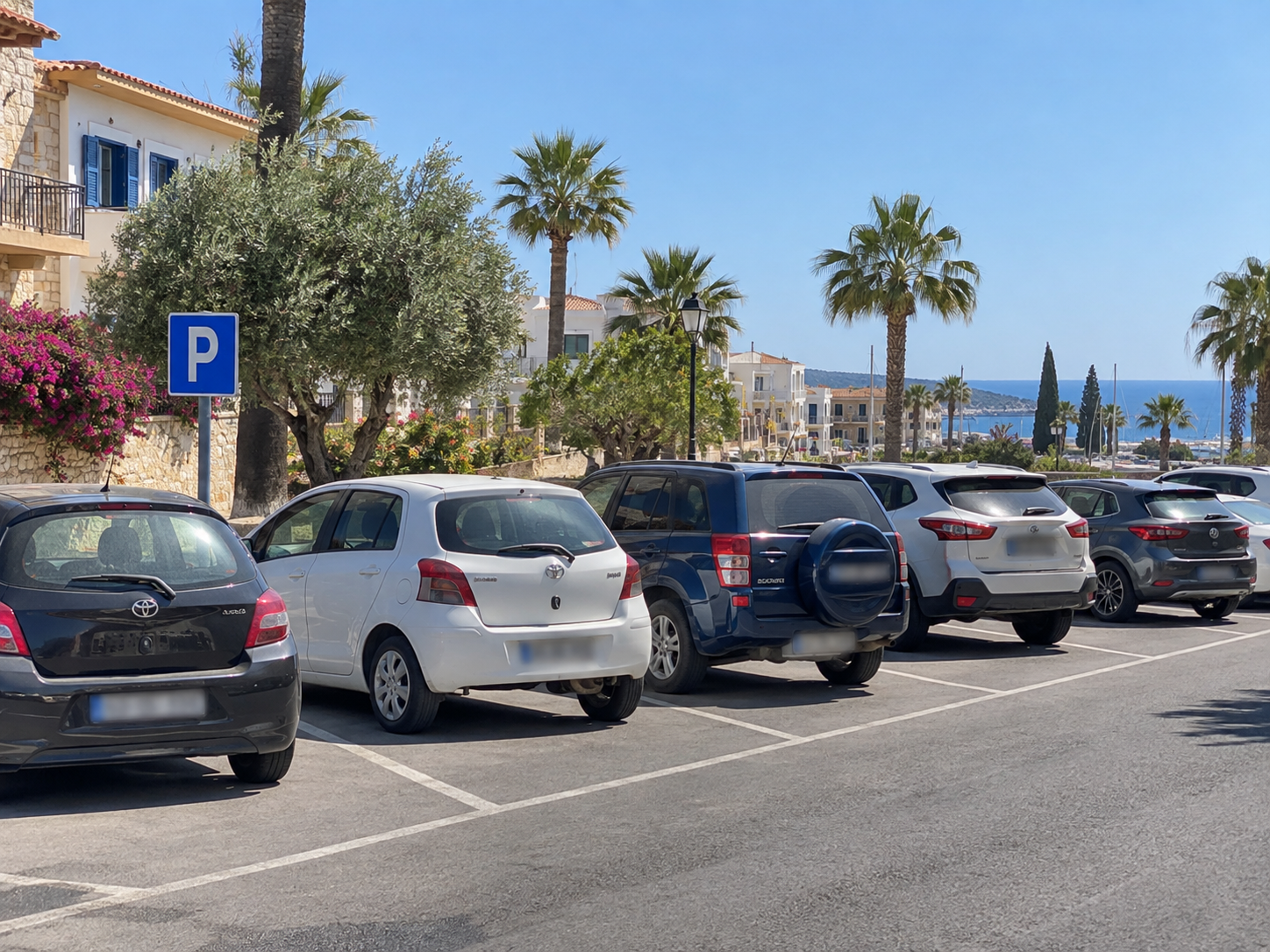
In busy urban areas, a public or municipal car park can be considerably more convenient than searching street by street.
This is particularly true when the destination is somewhere you intend to stay for a while: an old town, shopping area, museum district, restaurant neighborhood or city center.
The instinct to park directly outside the destination is often counterproductive. You circle once, then twice, then begin considering spaces you would never have regarded as sensible ten minutes earlier.
A designated car park solves the real problem. You know where the vehicle is, you are less likely to misunderstand a street restriction and the walk from the car can often be shorter than the time otherwise spent searching.
Parking garages can be equally useful, but pay attention to posted height limits, access widths, ramps, directional signs and the actual dimensions of the vehicle. This becomes more relevant if you accepted an upgrade and are driving something substantially larger than expected.
Payment arrangements can also vary by location. Some facilities may use machines, applications, staffed systems or other methods. Read the instructions where you park rather than assuming the system used somewhere else applies here.
Before relying on any particular car park, check current opening arrangements, restrictions and payment information locally. Those details can change and are better confirmed on the day.
Limassol, Nicosia, Larnaca And Paphos: Park Once When You Can
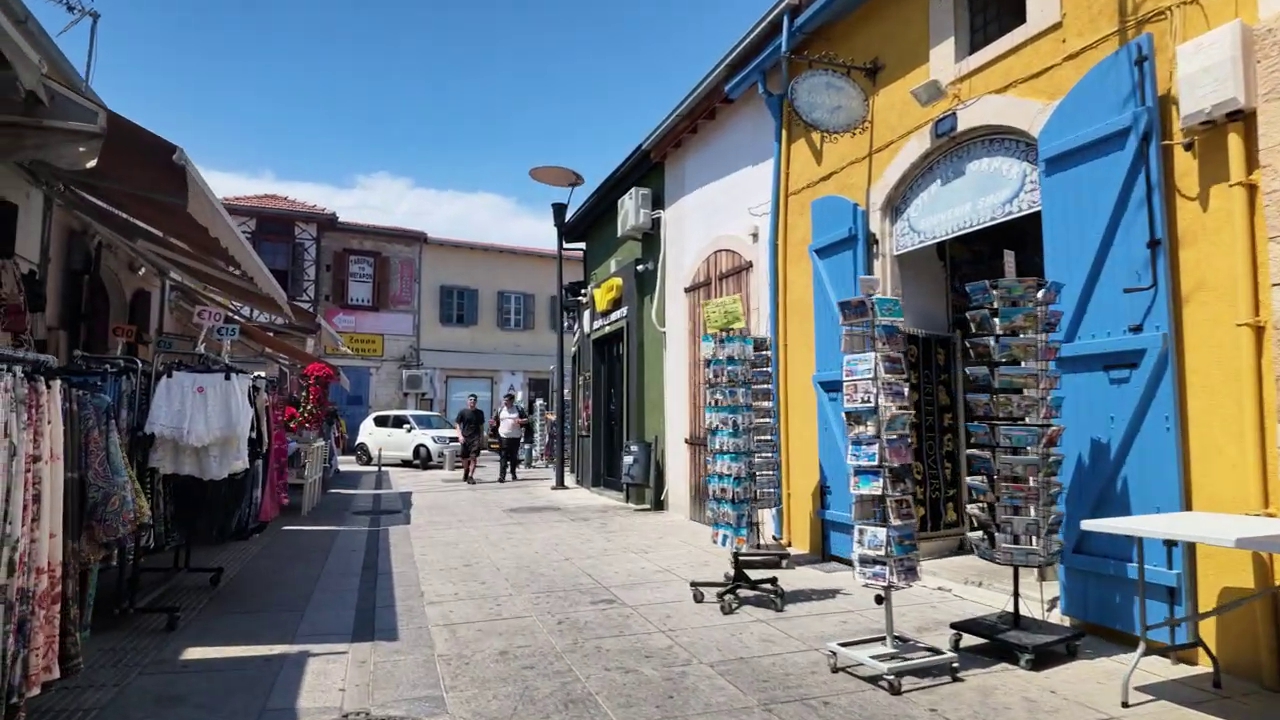
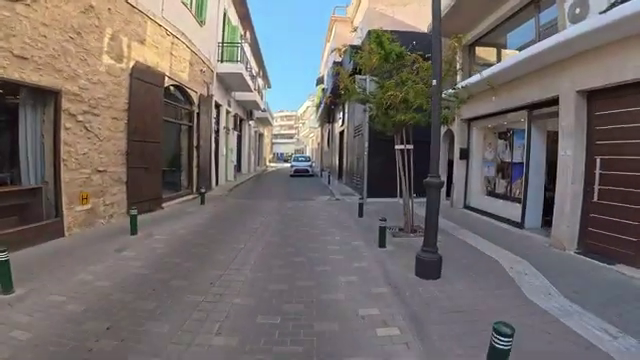

The major cities do not need four separate parking strategies, but they do have different rhythms.
In Limassol, we would think about parking before driving into the densest central areas. Around the historic center, marina, seafront and popular restaurant districts, identifying a sensible parking area and accepting a short walk is often easier than repeatedly repositioning the car.
In Nicosia, central exploration generally rewards the same approach. The older street network, commercial center and concentration of attractions mean that parking once and walking can be more sensible than turning every stop into another driving destination.
In Larnaca, the central seafront is compact enough that moving the car between nearby restaurants, the promenade and the beach can be unnecessary. Mackenzie and other popular coastal areas can become busier at particular times, so timing helps.
In Paphos, parking varies considerably by neighborhood and attraction. Around the harbor and central visitor areas, if you have found a sensible legal space and several stops are within walking distance, leave the vehicle there.
The broader lesson is more useful than memorizing city-specific rules: once several destinations become walkable from the same parking point, stop treating the car as part of every individual stop.
Ayia Napa And Protaras: The Season Matters
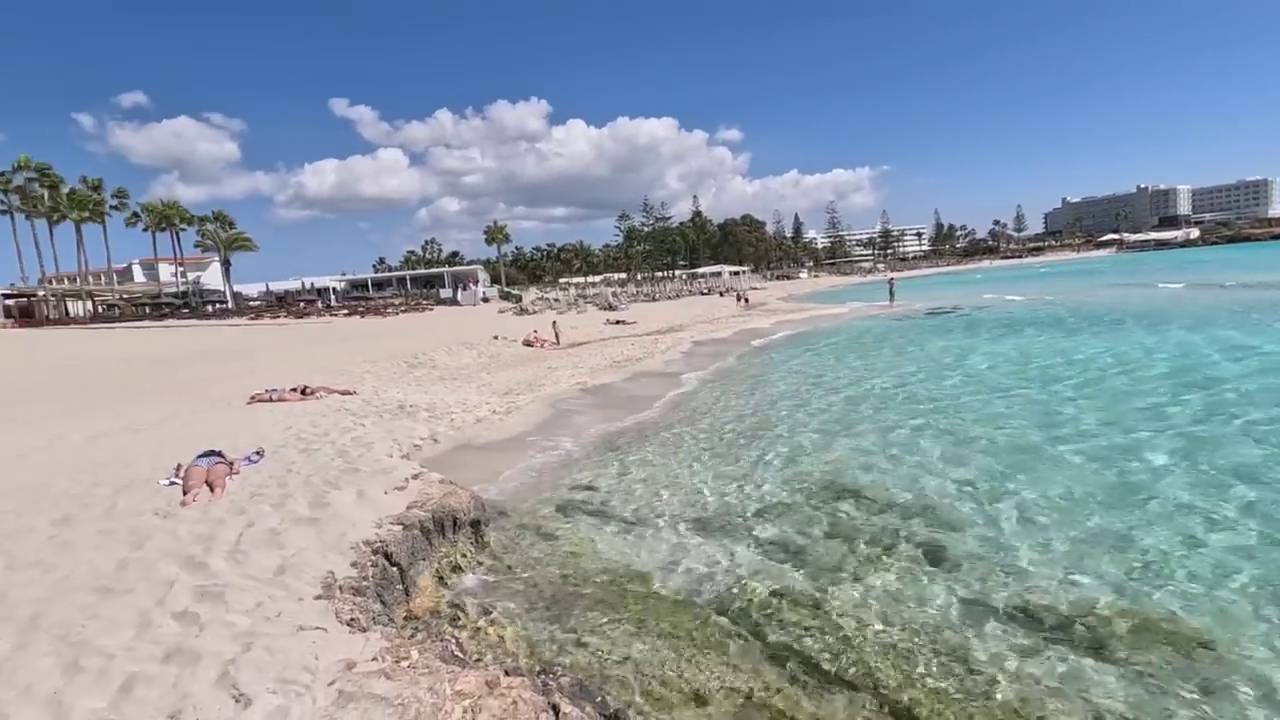
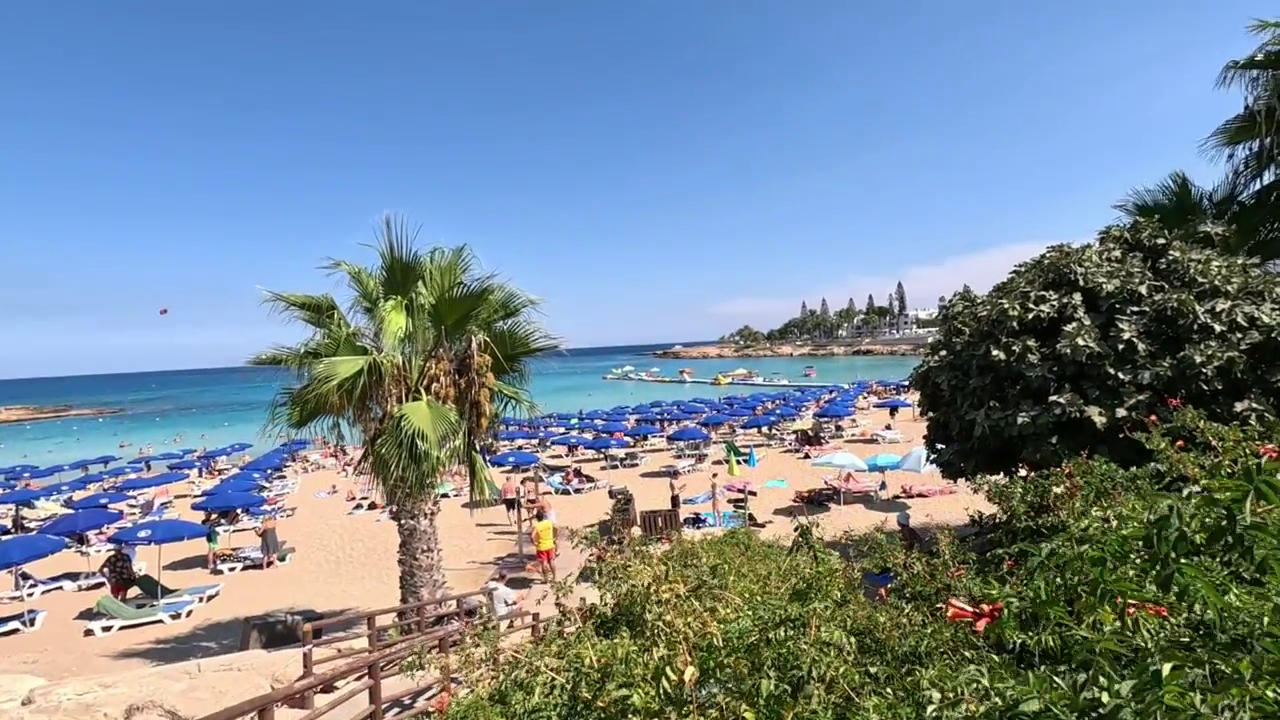
Parking around the eastern resorts can feel very different according to when you visit.
Outside the busiest periods, many journeys are straightforward. During high summer, popular beaches, restaurant areas and nightlife districts attract far more vehicles.
This is particularly important for beach days. Arriving early can solve a parking problem before it exists; arriving at one of the most popular beaches at the busiest point of the day and expecting the closest space to be waiting is a poor strategy.
If you are staying within walking distance of the beach and evening life, consider whether you need to move the car at all for local journeys.
A rental car is most useful when it expands the trip, not when it is driven a few hundred meters because nobody wants to walk.
Beach Parking: The Closest Space Is Not Always The Best Space
Cyprus beach days create their own parking habits.
People arrive carrying towels, bags, children's equipment and everything else they would rather not carry farther than necessary. That naturally creates pressure around the closest spaces.
We would resist it.
If there is an obvious legal and appropriate parking area slightly farther away, use it rather than improvising on a road edge, blocking access or leaving the car somewhere that only looks acceptable because other people have done the same.
Be especially careful not to obstruct:
- entrances and driveways
- access roads
- emergency access
- pedestrian routes
- narrow roads
- other parked vehicles
A few extra minutes on foot is usually a better vacation decision than spending the afternoon wondering whether the car should have been left where it is.
Old Villages: Park Before The Street Makes The Decision For You
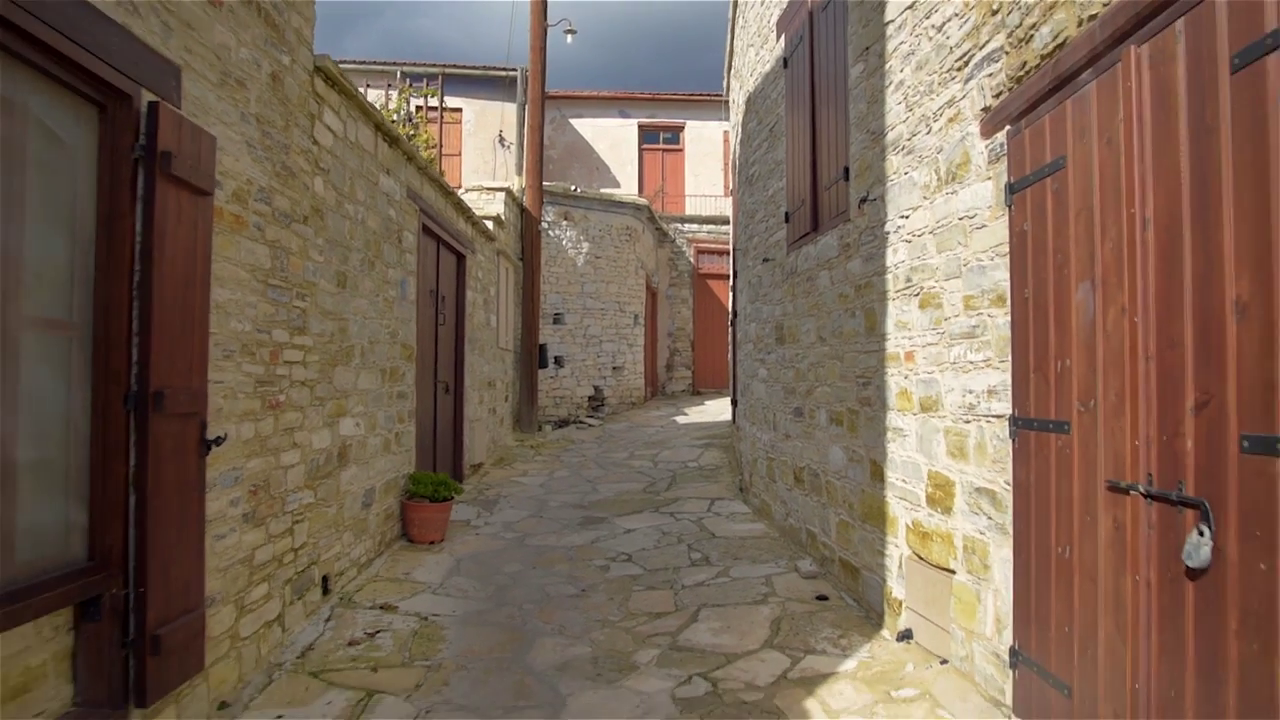 Kato Drys Village
Cyprus villages are where parking and driving become the same problem.
You follow the navigation toward the center. The road narrows. Stone buildings close in. One car is parked where you did not expect it, and another appears from the opposite direction.
At that point, finding parking is no longer the only issue. You also need enough room to maneuver and eventually leave.
This is why we often prefer to park legally before reaching the tightest part of an old village and walk the final section.
The walk is usually short, the village is generally better experienced on foot and you avoid turning an atmospheric arrival into a low-speed geometry exercise between stone walls.
If there is an obvious designated parking area on the approach, do not ignore it because the navigation promises another two minutes by car. Sometimes that parking area is telling you exactly what you need to know.
Troodos: Parking Changes With The Village, Season And Conditions
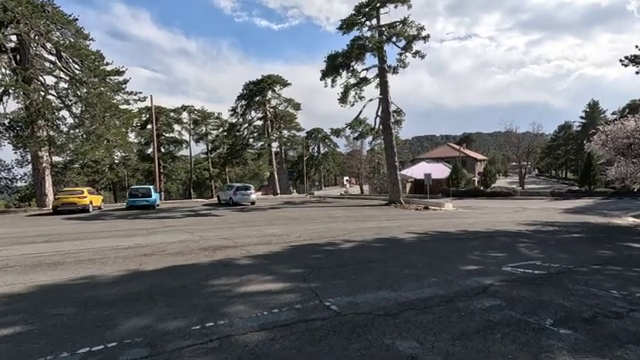
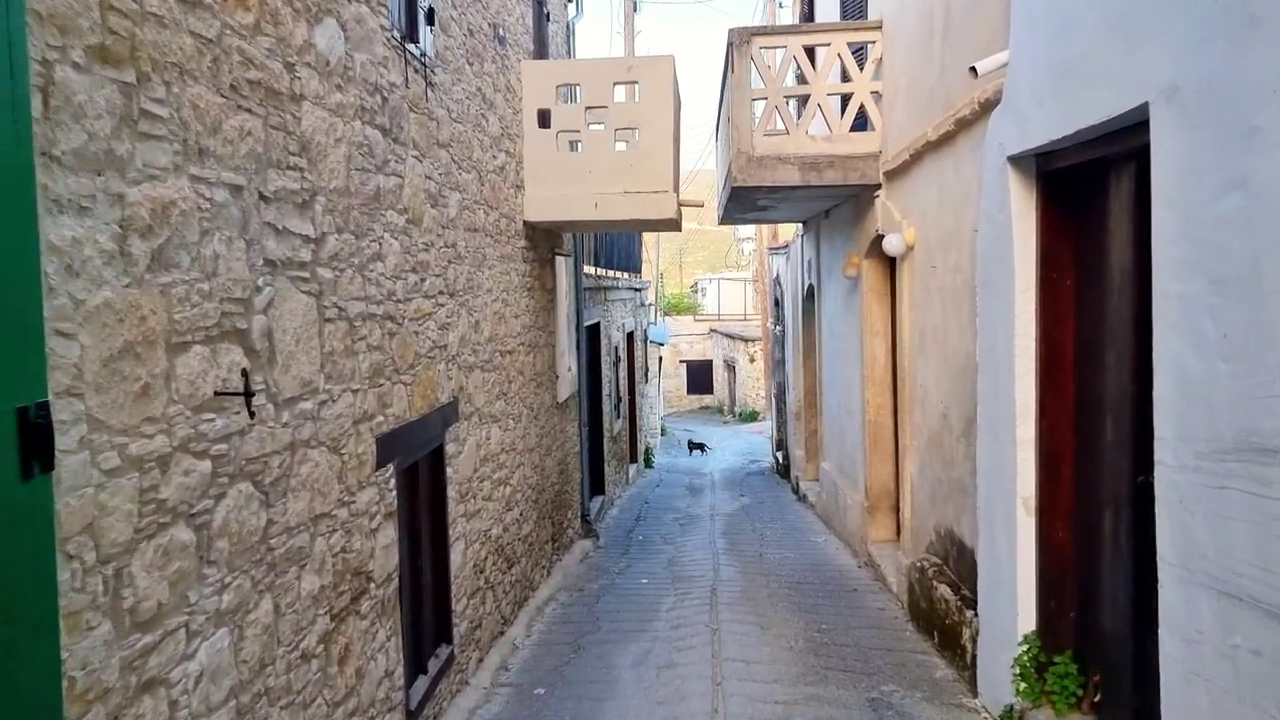
There is no single Troodos parking experience.
A larger village on a quiet weekday can be straightforward. A popular mountain destination during a weekend, holiday period or winter weather can be very different.
Road width matters, and so does gradient. Before leaving a vehicle on a slope, make sure you are comfortable with the position and that the car is secured correctly. Do not create an obstruction simply because available road space is limited.
Winter adds another consideration: the place where you can park comfortably in dry conditions may not be appropriate when snow, ice, temporary restrictions or unusually heavy traffic affects the area.
Follow current road and parking restrictions rather than relying on what somebody did on a previous visit.
For the wider mountain-driving question, see Driving in the Troodos Mountains.
A Smaller Rental Car Earns Its Keep When Parking
There are many reasons not to over-rent a vehicle in Cyprus.
Parking is one of the best.
A large SUV may feel luxurious on the motorway. It can feel considerably less luxurious when the only available urban space leaves you calculating centimeters on both sides.
For one or two travelers, a compact car often makes city parking, village streets and hotel garages easier. That does not mean everyone should rent the smallest available vehicle; luggage, passengers and comfort still matter.
The point is that size has a cost as well as a benefit.
Choose enough car for the trip, not the largest car the rental desk can persuade you to take.
Our Renting a Car in Cyprus guide deals with that decision in detail.
Accessible Parking Is Not Spare Parking
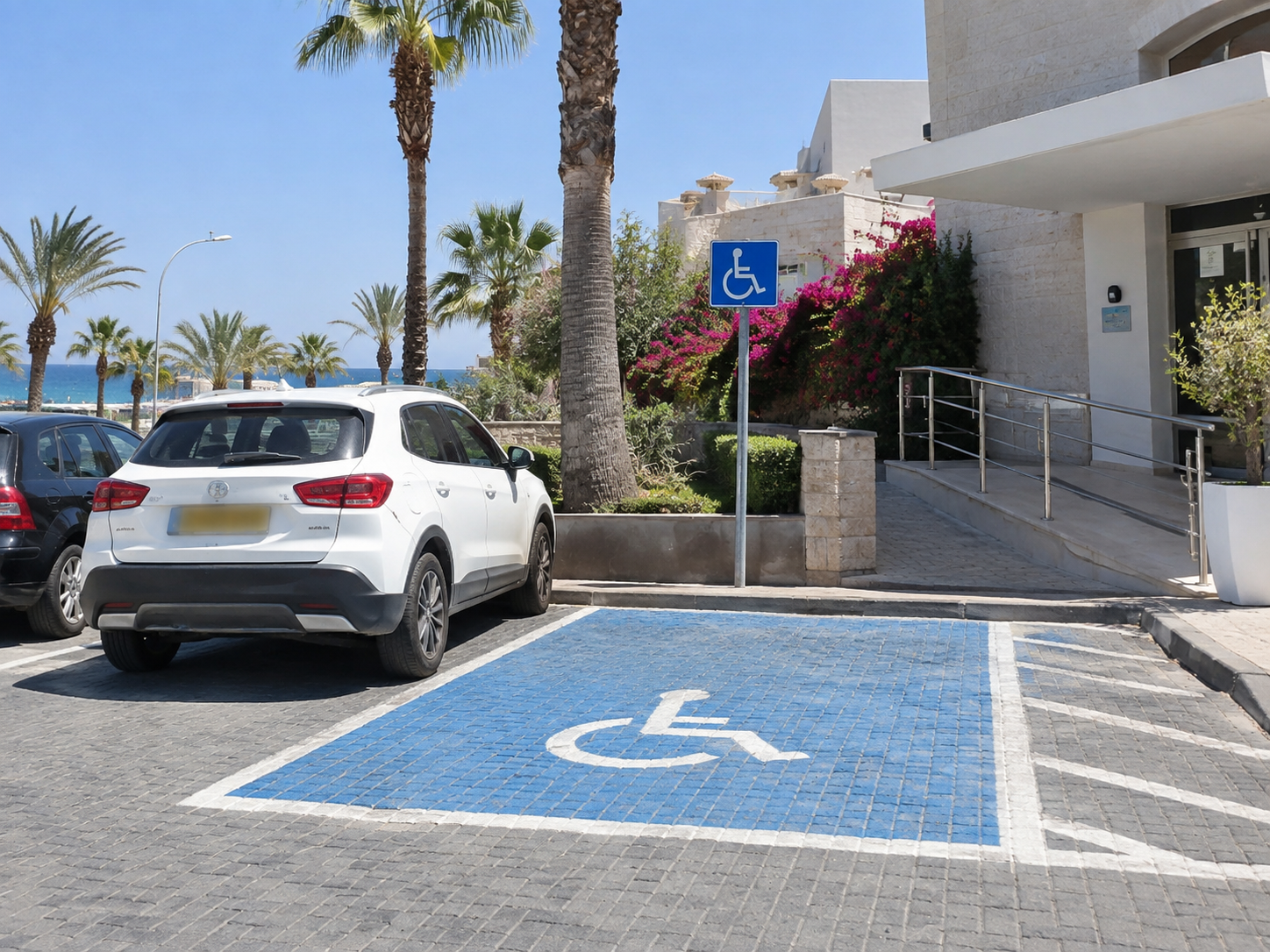
Designated accessible parking spaces should be left for people who are legally entitled to use them.
Do not use one because every ordinary space is occupied, because you intend to stop for only two minutes or because somebody else appears to be doing the same.
Visitors who hold an accessibility parking permit should check the current rules concerning recognition and use of their particular permit in Cyprus rather than assuming the arrangements are identical to those at home.
This is an area where individual eligibility matters, and general travel writing should not attempt to interpret a person's entitlement.
Do Not Block The Road Because "Everyone Else Does"
You will occasionally see cars positioned in ways you would not choose yourself.
Do not use them as precedent.
A row of cars does not rewrite a restriction. A vehicle partly blocking a route does not prove yours belongs there. Somebody else's willingness to obstruct a narrow road does not make the road wider.
If you are unsure whether the space is lawful or sensible, find another one.
That may mean walking farther, but it is still usually better than turning a convenient parking decision into a problem.
Leave Enough Room To Get Out Again
A space can be easy to enter and awkward to leave.
This matters particularly in village streets, informal-looking parking areas, busy beaches and places where more cars may arrive after you.
Before switching off the engine, consider what happens if another vehicle parks beside or behind you. Can you still turn? Can another car pass? Are you blocking an entrance? Will the road become considerably busier before you return?
You cannot predict everything, but a few seconds of thought can prevent the familiar vacation experience of returning to the car and discovering that the geometry of the entire area has changed.
Take Your Time With An Unfamiliar Rental Car
Parking is often where the dimensions of a rental car feel least familiar.
You may have been driving comfortably for an hour and still not have an instinctive sense of where the bumper ends.
Use the mirrors and any parking sensors or cameras the vehicle provides, while remembering that they do not replace looking around the car. If a passenger can safely help from outside in an awkward space, calm guidance can be useful.
There is no reason to hurry because another driver is waiting. If the space is clearly too tight, abandon it and find another one.
A parking space is not a test of character.
When Left-Side Driving Is New, Pulling Out Deserves Attention
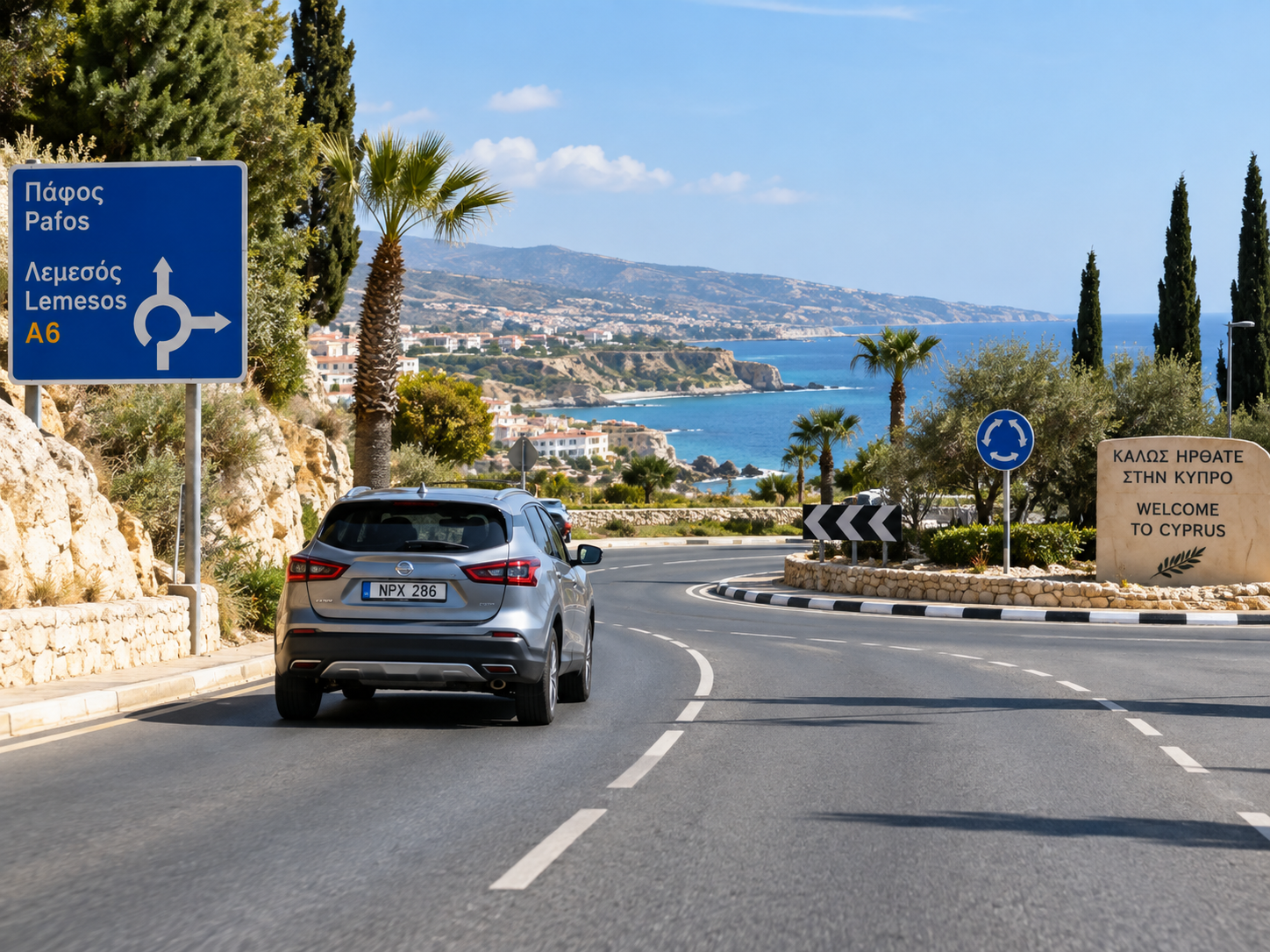
For visitors accustomed to right-side traffic, leaving a parking space can be one of the moments when old habits return.
You may have parked correctly, spent several hours at the beach or restaurant and then restarted the car with your attention focused on reversing rather than which side of the road you need to join.
Before moving into traffic, reset yourself: check the traffic direction, signs and road layout, set the navigation before leaving and then join the road deliberately.
Our Driving on the Left in Cyprus guide explains why these transition moments can matter more than the long stretches of driving in between.
Use The Car To Reach The Area, Then Walk
A little preparation is particularly useful in city centers and popular dining areas.
Before leaving your accommodation, look at the general parking situation around the destination. You do not need to identify the exact bay where the car will sit, but knowing whether you are heading toward street parking, a designated car park or accommodation parking removes uncertainty.
This also helps when several destinations are close together.
If dinner, the promenade and an evening drink are all within walking distance of one sensible parking point, there is little reason to move the car three times.
Use the car to reach the area. Then let your feet do the smaller journeys.
Parking Is Not The Real Issue On A Wine-Tasting Day
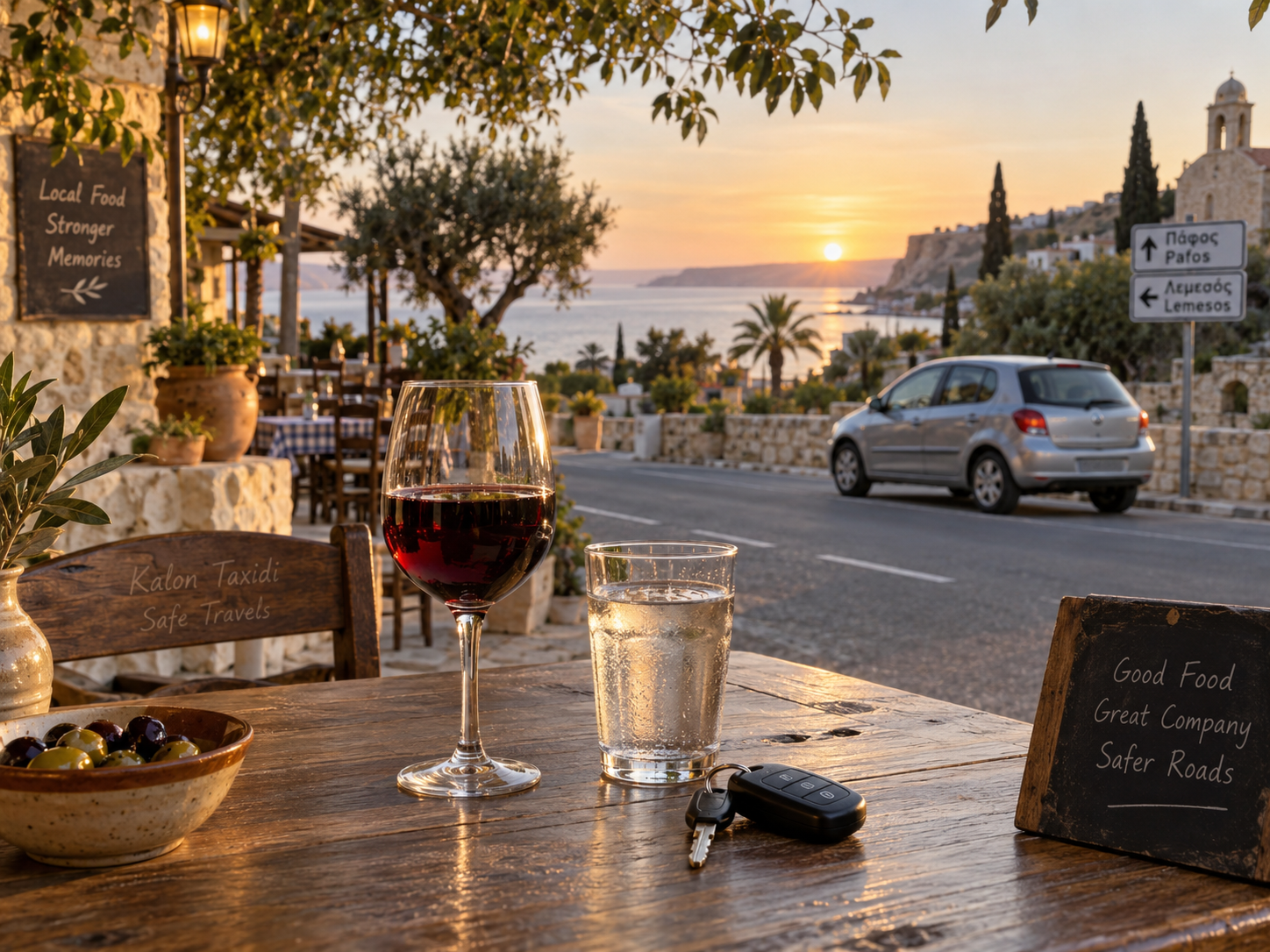
Parking is not the real transportation problem on a winery day; the driver is.
If everyone in the car intends to participate in wine tasting, arranging parking perfectly does not make driving afterward a sensible plan.
Choose a designated non-drinking driver or use an appropriate alternative such as a private transfer, taxi or organized experience.
For the broader legal framework concerning alcohol and driving, see Driving Rules in Cyprus.
Keep The Car Boring When You Leave It
A rental car is transportation, not storage.
We would avoid leaving passports, electronics, expensive bags, large amounts of cash or other important belongings visible inside any parked vehicle.
If luggage must remain in the car temporarily during a travel day, think about that before choosing where and when to stop rather than assuming every parking arrangement offers the same conditions.
The point is not to create anxiety. It is simply good travel discipline: take essential valuables with you and do not advertise what is inside the car.
If You Receive A Parking Notice or Penalty
Do not ignore it.
The correct response can depend on who issued it, the type of notice, the vehicle and whether you are driving a rental car.
Follow the instructions on the notice and, where relevant, contact the issuing authority or rental company for the procedure that applies. A rental company may also have contractual terms concerning fines, notices or associated administration, so check the agreement rather than assuming the matter disappears when you return the car.
We would not publish a fixed catalog of parking fines because amounts, procedures and local arrangements can change.
The notice you actually receive matters more than a number remembered from a travel guide.
What We Would Do
If we were staying at a resort hotel with private parking and using the car mostly for day trips, we would give parking very little thought.
If we were staying in central Limassol, Nicosia, Larnaca or another dense area, we would establish the accommodation parking situation before booking.
For city visits, we would favor a sensible public or municipal car park over repeatedly circling for the closest possible street space. At a beach, we would rather arrive earlier or walk farther than improvise somewhere questionable. In an old village, we would park before the road became unnecessarily tight.
And if we had rented a large vehicle for no good reason, we would probably spend several days wishing we had not.
The recurring principle is straightforward: parking should remove friction from the trip, not become a destination in itself.
What We Would Not Do
We would not assume that a space is legal because another car is using one beside it.
We would not block a driveway, access road or narrow village street because we planned to be away for only a few minutes.
We would not use a designated accessible space without the required entitlement, chase the closest space for twenty minutes when a legitimate one was available a short walk away or leave the car somewhere we did not understand and hope that the absence of an obvious barrier meant everything was permitted.
And we would not move the car repeatedly within a walkable city center merely because we had rented it.
Having a car gives you flexibility. It does not mean every journey should happen inside it.
Before You Leave The Car
Before walking away, we would check:
- that parking is permitted at that location and time
- that any required payment or registration has been completed correctly
- that the car is fully within the intended space
- that it is not obstructing traffic, pedestrians, access or another vehicle
- that any applicable time restriction is understood
- that the vehicle is properly secured
- that important valuables are not being left visibly inside
- that we know where the car actually is
That last point sounds ridiculous until you park in an unfamiliar multistory car park after a long day.
Save the location if necessary or photograph the level or section. There are better ways to spend a vacation than walking through three floors of identical rental cars pressing the remote.
Check The Rules Where You Actually Park
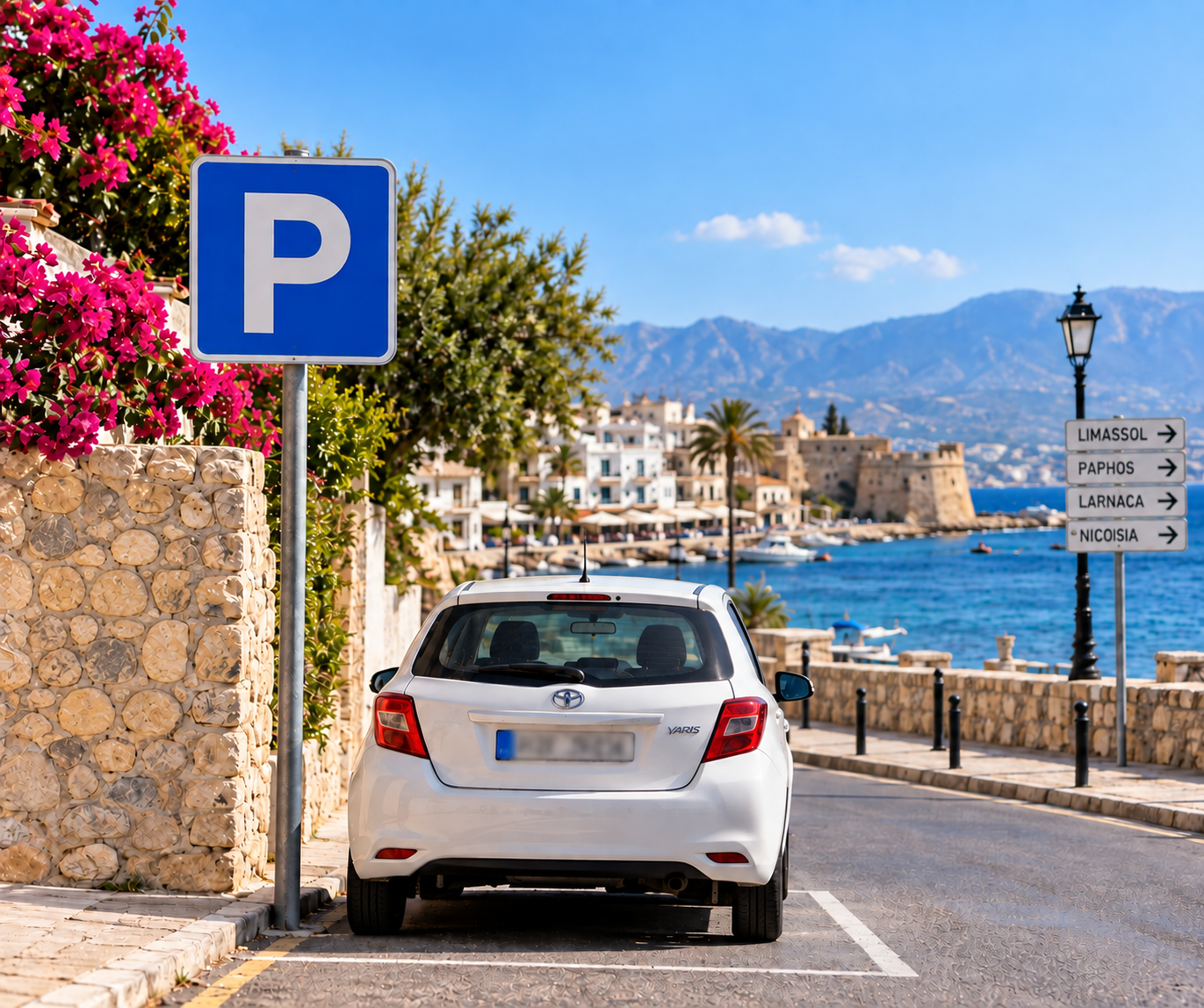
Parking arrangements can change according to municipality, location, season, time of day, roadworks, events and temporary restrictions.
That is why this guide deliberately avoids presenting a supposedly universal list of parking charges, payment methods, street-color rules or enforcement penalties for the whole of Cyprus.
The information displayed at the location matters.
Read current signs and markings, follow any applicable payment instructions and comply with directions from the relevant authorities. If a restriction is unclear and the parking decision matters, verify it locally rather than guessing.
For general road law and driving requirements, see Driving Rules in Cyprus.
Important: What This Guide Does And Does Not Do
This guide concerns ordinary visitor parking in the Republic of Cyprus.
It provides general practical travel information rather than legal guidance or a definitive interpretation of parking law, municipal regulations, accessibility entitlement, fines or individual rental-company terms.
Parking restrictions, charges, controlled zones, enforcement arrangements and temporary measures can change and may differ between municipalities and individual streets or facilities.
Drivers remain responsible for checking the signs, markings and conditions applying to the place where they leave the vehicle.
Where current law, local restrictions, instructions from an authority or the terms of a rental agreement differ from general information on this page, those requirements take precedence.
The Best Parking Space Is Often Not The Closest One
The temptation to park directly outside everything is understandable. You rented the car for convenience. Why walk farther than necessary? Because sometimes the extra five minutes on foot is the more convenient choice.
It can mean avoiding a narrow street, an awkward maneuver, a questionable space or another circuit of the block. It can give you a better approach to a village, a calmer arrival at dinner and one less small piece of friction in the day.
Cyprus is a place worth walking the final few minutes of.
Park legally, lock the car and then stop thinking about it.