Newsletter "Beyond the Postcards" Subscribe
Plan Your Cyprus Trip: Hotels: Expedia, Villas & Apartments: Vrbo, Car Rentals: DiscoverCars, Tours: GetYourGuide, Airport Transfers: WelcomePickups
- Home
- Things To Do in Cyprus
- Outdoor & Nature Experiences in Cyprus
- Waterfalls in Cyprus
Waterfalls in Cyprus
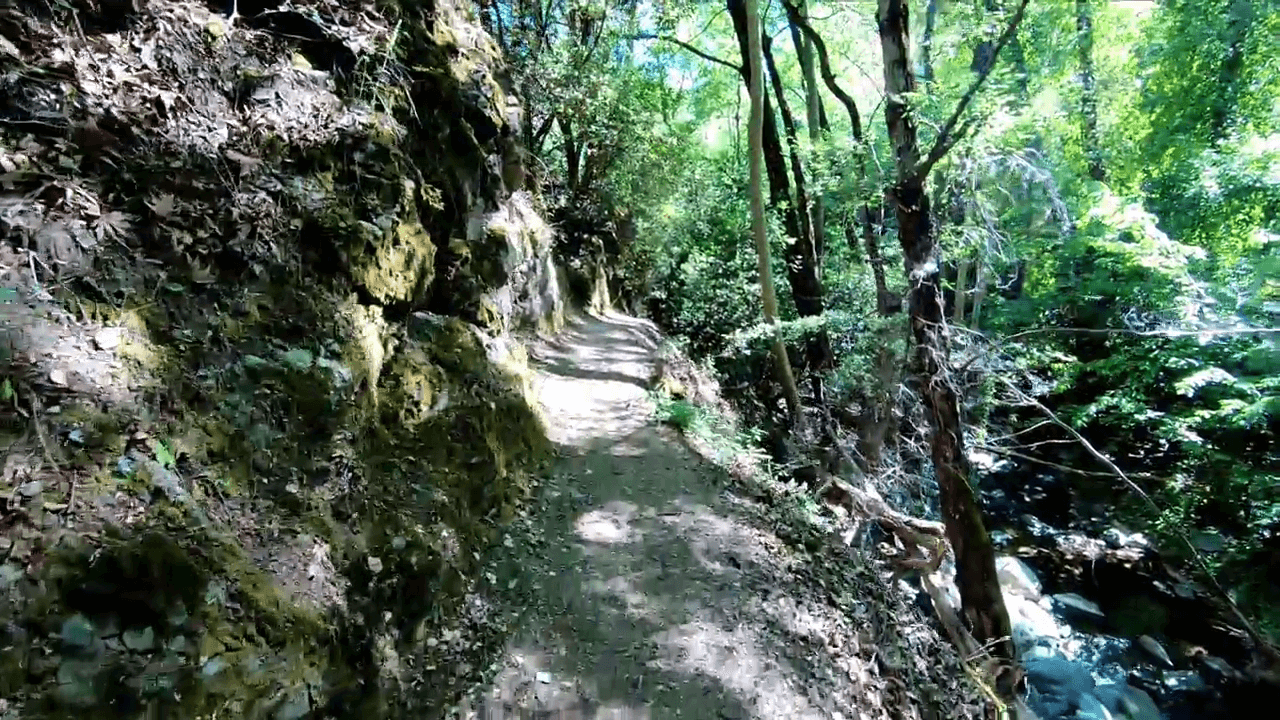
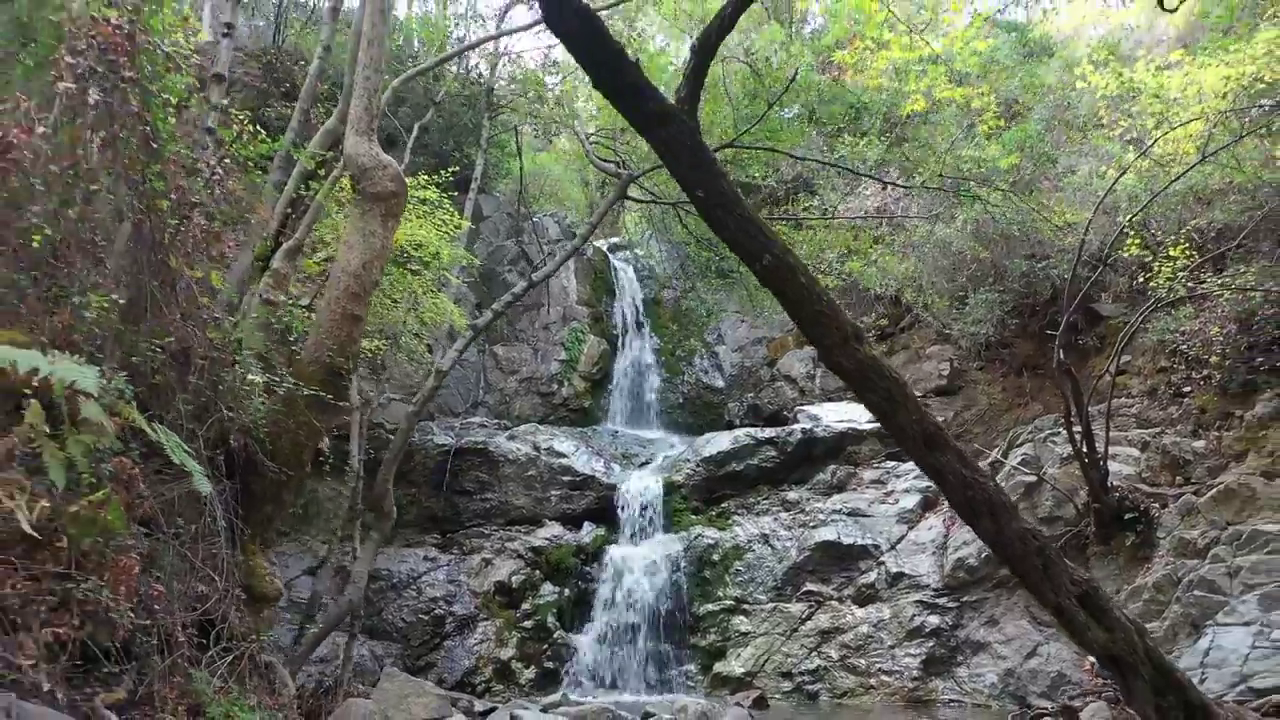
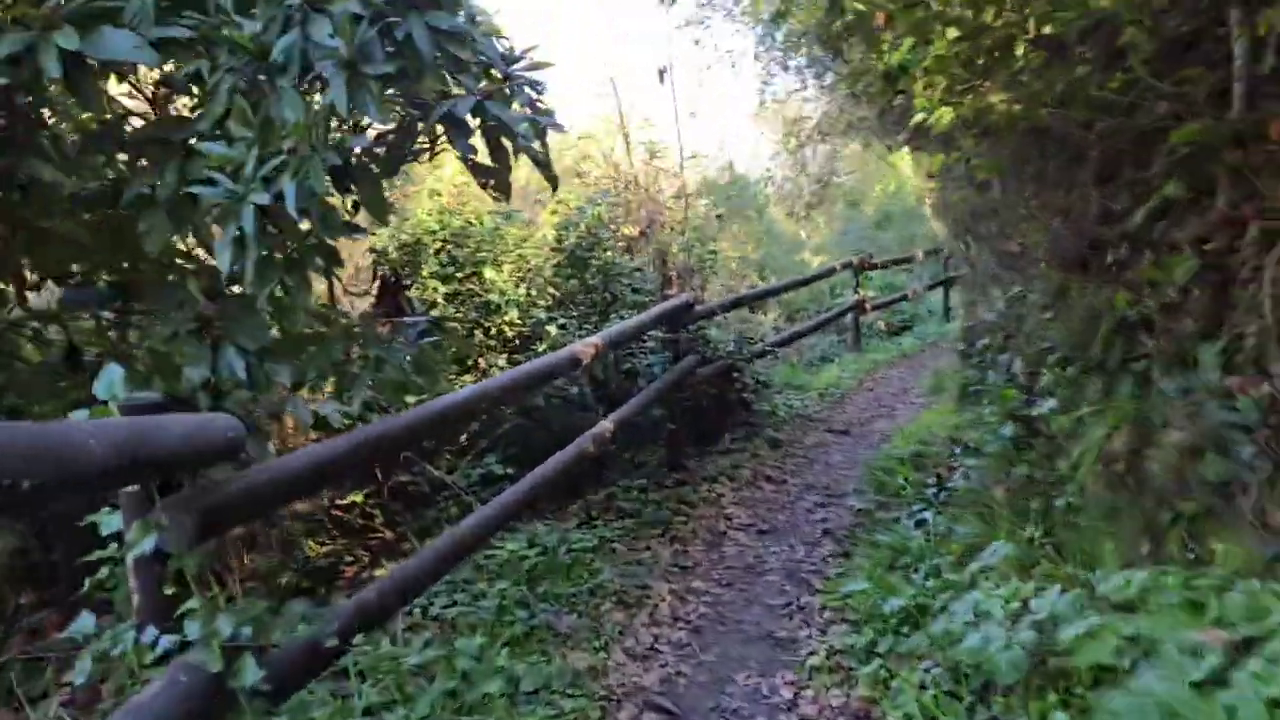
Two of Cyprus's best-known waterfalls belong to the same mountain stream, yet visiting them can be two entirely different experiences. Near Platres, Millomeris can be approached as a relatively short sightseeing stop, while Caledonia rewards those prepared to follow a forest trail alongside running water. The distinction is important, particularly for travelers who want to enjoy the mountains without committing to a substantial walk.
Cyprus is not a country of enormous waterfalls. What makes its better cascades appealing is often their setting: shaded ravines, wooded valleys, volcanic rock and streams that feel surprisingly distant from the island's sun-exposed coastline. Some are worth organizing a mountain morning around; others make more sense as part of a day spent among nearby villages and forests.
The amount of water also changes with rainfall and the season. A waterfall seen after a wet period may look quite different following weeks of dry weather, while the conditions that produce a stronger flow can make reaching it more hazardous. Choosing well means looking beyond photographs to the location, the approach and what else the visit offers.
Which Waterfalls in Cyprus Are Worth Visiting?
We would concentrate on five waterfalls, each offering a different reason to visit. Four are in the Troodos region, while Kremiotis, near Kritou Terra in the Paphos district, provides an alternative for travelers based in the west.
The important question is not simply which waterfall is the tallest or most photographed. It is whether you want a walk through woodland, a relatively short stop beside a cascade, a quiet mountain outing or an unusual natural formation that involves more demanding access.
1. Caledonia Waterfall — For The Forest Experience
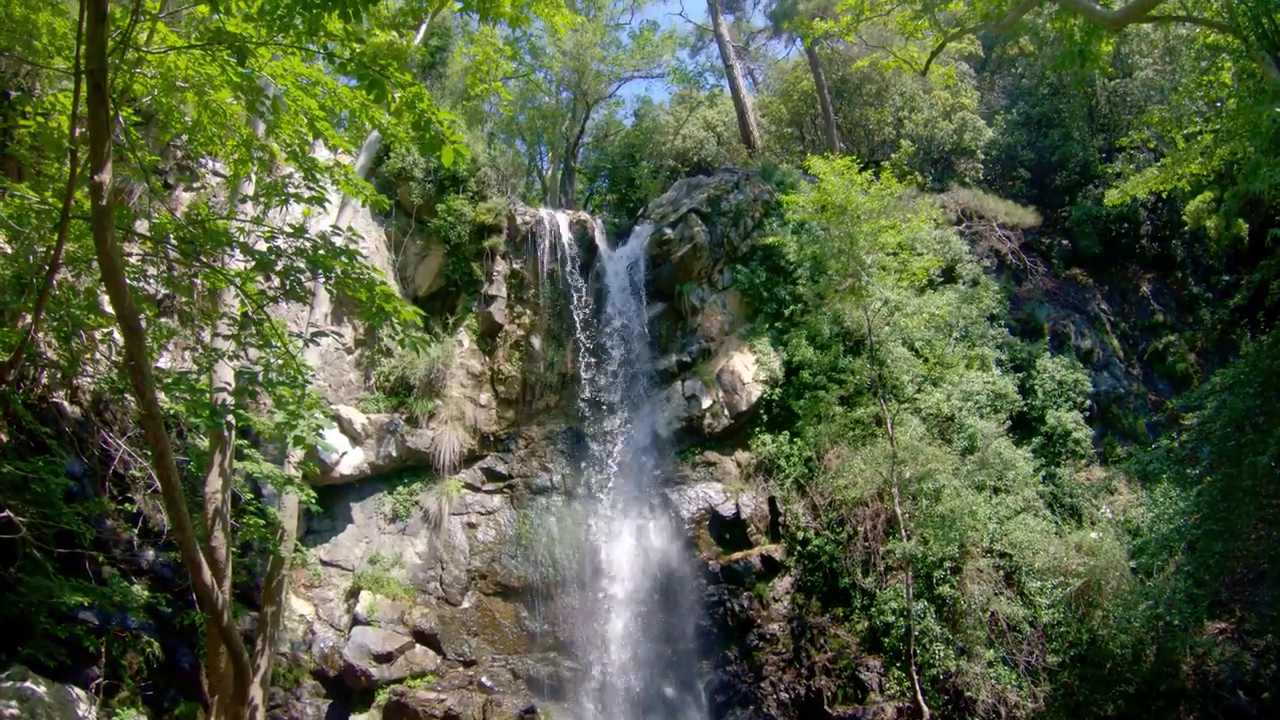 Caledonia Waterfall
 Caledonia Trail
Caledonia Waterfall, also called Kalidonia, lies on the Kryos Potamos stream above Pano Platres in the Troodos Mountains. Reaching it involves following a nature trail through a wooded ravine, where the stream and surrounding vegetation are important parts of the setting.
This is the waterfall we would prioritize for travelers who genuinely enjoy walking. The forest, changing terrain and proximity to running water give the outing a sense of progression that a brief roadside stop cannot offer. The waterfall becomes the focal point of a wider encounter with the Troodos landscape rather than an attraction viewed in isolation.
There is a significant practical distinction, however. The Caledonia Nature Trail includes uneven ground, slopes and stream crossings, and conditions can become slippery. It should not be treated as an effortless walk merely because the waterfall is a well-known attraction.
For active couples, confident walkers and travelers spending time in Platres, Caledonia can justify dedicating a substantial part of the morning to the outing. Visitors with limited mobility, very young children or little interest in walking would be better served by considering another waterfall.
Our recommendation: Choose Caledonia when the forest journey appeals as much as the waterfall itself. If your main objective is simply to see falling water without undertaking a longer nature walk, Millomeris is the more logical starting point.
2. Millomeris Waterfall — For A Shorter Waterfall Visit
 Millomeris Trail
Millomeris is also located near Pano Platres, farther downstream on Kryos Potamos. Unlike Caledonia, it can be approached either by a nature trail from the village or by using a road that brings visitors closer to the waterfall.
That choice changes the character of the outing. Millomeris is particularly appealing when you want to include a waterfall in a wider day in the mountains without making the walk itself your principal activity.
Water falls into a rocky, enclosed setting surrounded by vegetation. The contrast between the rock face and the descending water gives the place much of its visual appeal, especially when the stream is carrying a good flow.
Shorter access does not necessarily mean easy access for everyone. Depending on the approach, visitors may encounter steps, slopes, uneven surfaces and wet rocks near the waterfall. Road conditions and the suitability of the final approach should be assessed on the day.
Millomeris is a strong choice for travelers staying in Platres or passing through the area who want a focused natural attraction alongside lunch, village time or other mountain sightseeing. It is less suitable for anyone expecting a fully accessible, level route directly to the water.
Our recommendation: For a waterfall-first visit around Platres, start with Millomeris. The ability to approach it without completing the longer Caledonia outing makes it a more flexible addition to a mountain day.
3. Chantara Waterfall — For A Quieter Mountain Setting
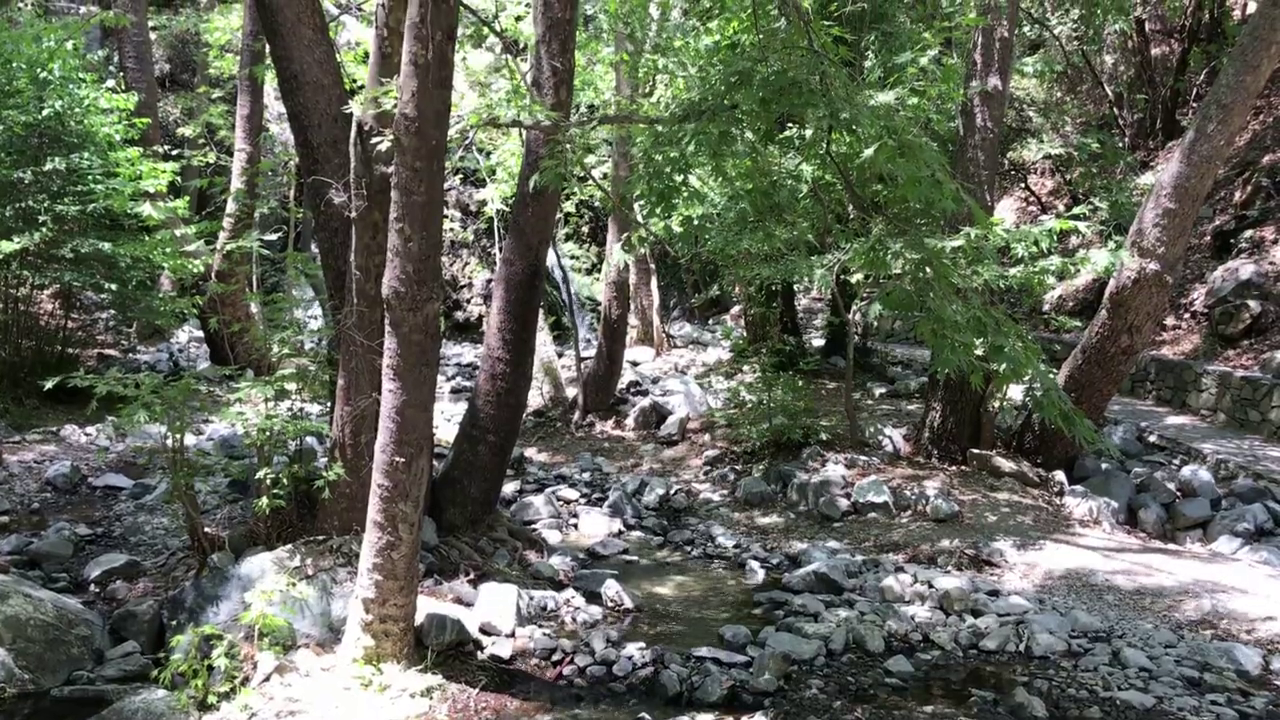 Chantara Trail
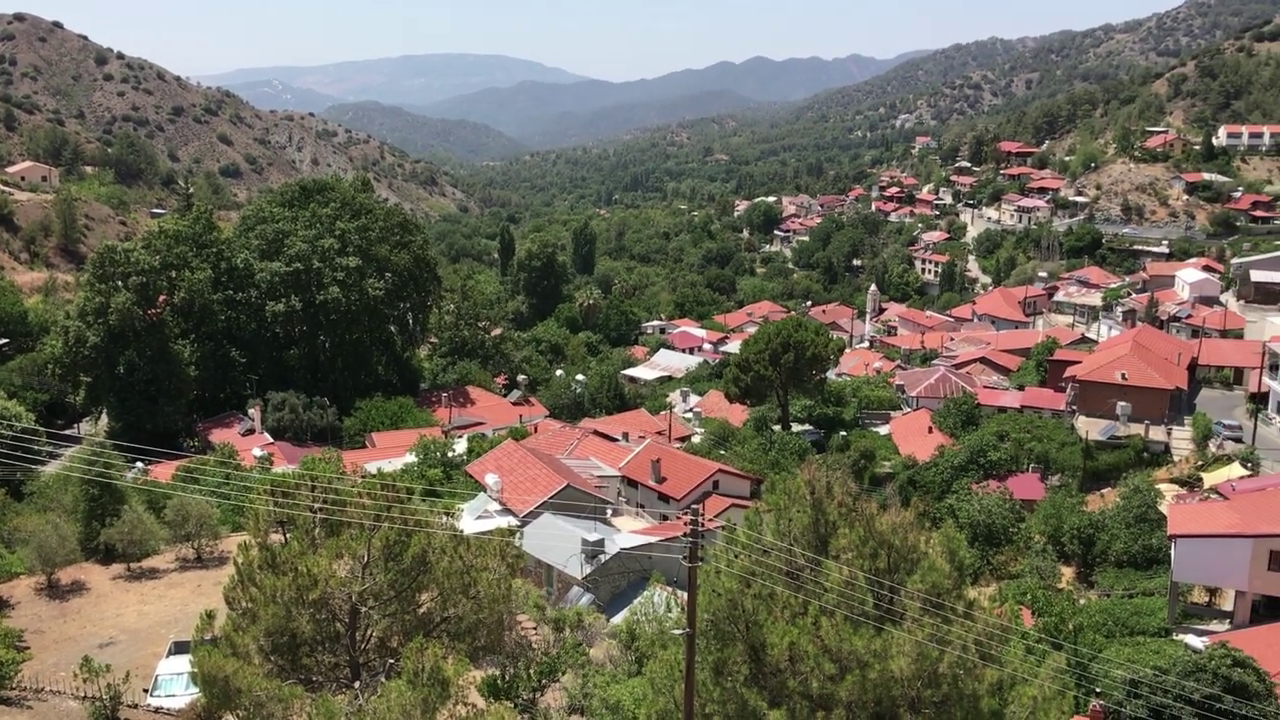 Foini Village
Chantara Waterfall, also known as Hantara or Xantara, lies north of Foini village in the Troodos region. Here, water descends over a dark, rocky face in a wooded setting, creating an experience quite different from the more enclosed drop at Millomeris. The surrounding forest, streams and nearby villages give this part of the mountains a distinctly rural character.
We combined our visit to Chantara Waterfall with Foini village during summer, when temperatures can be quite high. We visited the waterfall first, stopping several times during our walk to appreciate the forest and mountain scenery. Those pauses were part of the pleasure, and reaching Chantara brought a genuine sense of satisfaction. We had enjoyed both the journey and the destination.
After the walk, we continued to Foini, where we had a meal and spent time exploring the village on foot. It was a satisfying way to spend the day, moving from an active morning in the mountains to a more relaxed encounter with village life. We thoroughly enjoyed the combination and would recommend it to travelers who appreciate both nature and traditional Cypriot villages.
For anyone choosing to walk to Chantara, comfortable walking shoes and drinking water are important, particularly in summer. We would also bring a camera, as there is plenty to appreciate along the way. Starting early can make the experience more comfortable, provided weather and trail conditions are suitable.
Chantara can also be approached by road, while the official Trooditissa–Foini Nature Trail passes through the waterfall area. These are different ways of reaching the site, and visitors should not assume that they involve the same distance or difficulty. Forest-road conditions can vary, especially after rain, while those walking should confirm their chosen route and return arrangements.
The waterfall itself is relatively modest in scale, which may disappoint visitors expecting a large, dramatic cascade. Its appeal is stronger for those who appreciate the surrounding woodland and the opportunity to experience another side of the Troodos Mountains.
Our recommendation: Choose Chantara when you want to combine a waterfall outing with time in Foini. If you enjoy walking, allow enough time for the forest approach and the village afterward; if you prefer a shorter visit, consider the road approach when conditions permit.
4. Mesa Potamos Waterfall — For A Forest-Centered Day
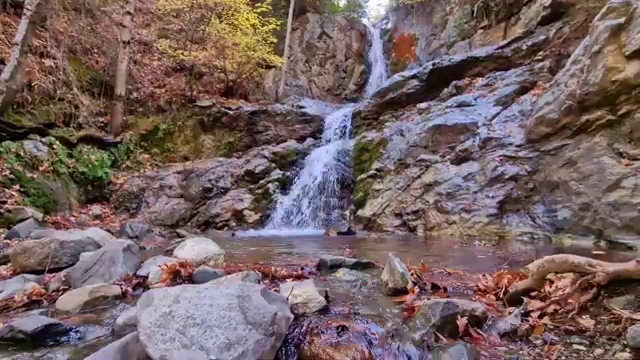 Mesa Potamos Waterfall
 lies in the Troodos forest near the Timios Prodromos Monastery, northwest of Moniatis. It is a smaller cascade, but its setting among trees and mountain streams makes it an appealing choice for visitors interested in the forest rather than the size of the waterfall.
The nearby Arkolachania picnic area provides another reason to consider this part of the mountains. For travelers who enjoy spending time outdoors without turning the day into a demanding hike, the combination of a wooded setting, a stream and a short waterfall outing can be more satisfying than visiting a larger fall and immediately leaving.
There is an important complication: reaching the area can involve forest roads, and a short approach to the waterfall should not be mistaken for level or unrestricted access. The path from the picnic area includes a descent, which must also be climbed on the return. Vehicle suitability, road conditions and the condition of the footpath matter.
Mesa Potamos therefore suits travelers who are comfortable with a more rural mountain journey and who value time in the forest. It is a weaker choice for visitors trying to make a quick stop between tightly scheduled activities or those who require consistently smooth road and walking surfaces.
The nearby monastery can add a cultural dimension to the outing, provided visitors respect its religious character and any visiting arrangements. There is no need to turn the day into a sequence of stops; the surrounding forest is a sufficient reason to spend time here.
Our recommendation: Give Mesa Potamos priority when you want a relaxed forest outing rather than a waterfall spectacle. Its value lies in the wider mountain setting, and the approach is worth checking carefully before setting out.
5. Kremiotis Waterfall — For An Unusual Natural Formation
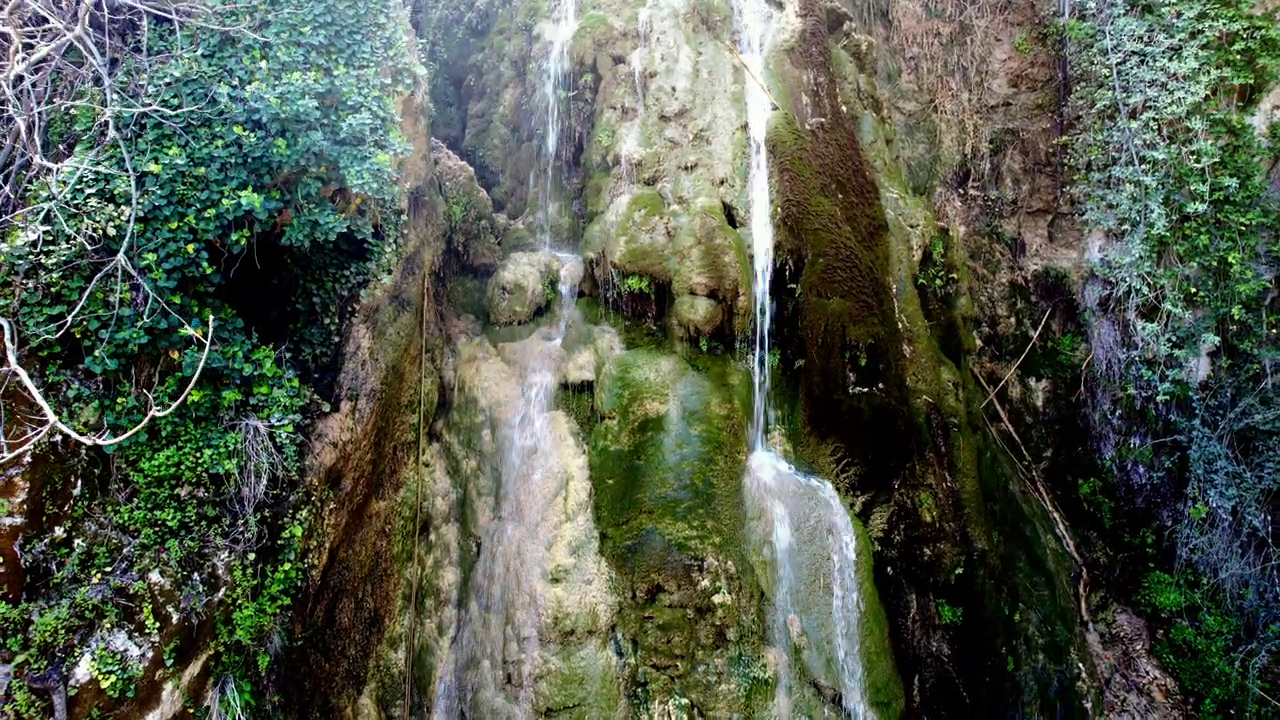 Kremiotis Waterfall
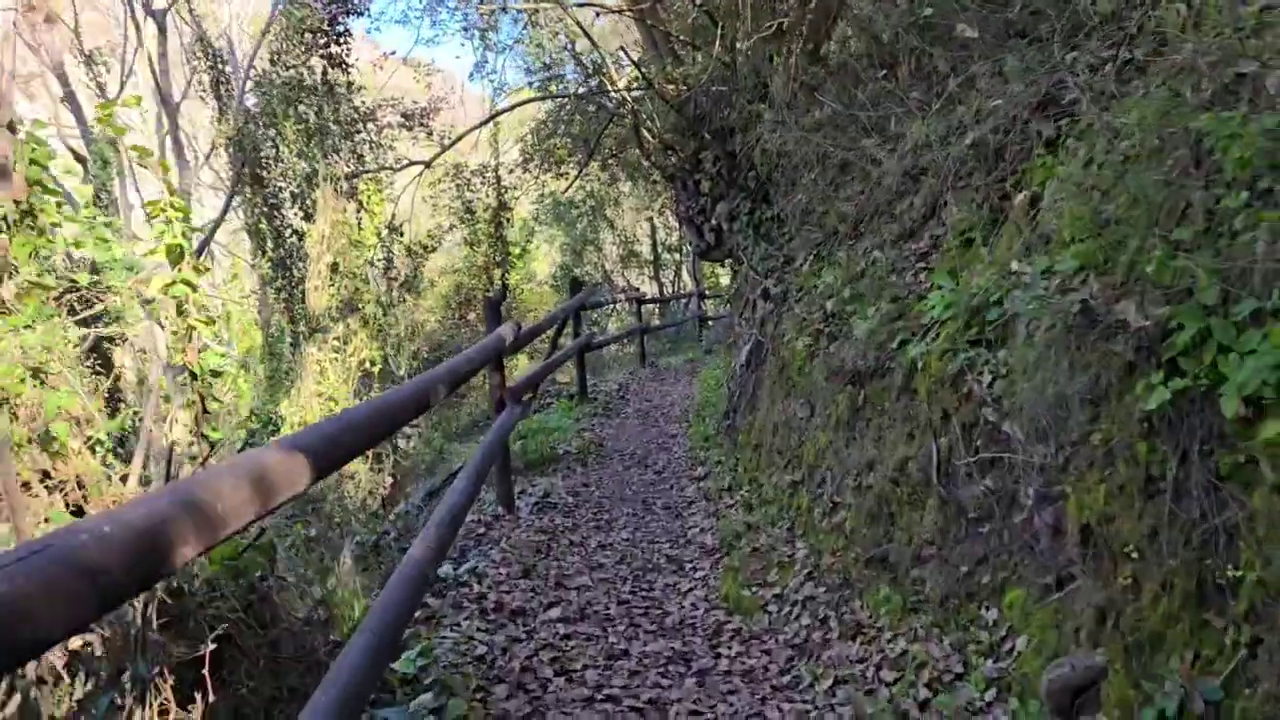 Kremiotis Trail
Kremiotis Waterfall, near Kritou Terra in the Paphos district, offers something substantially different from the Troodos waterfalls. Instead of the familiar image of water dropping down an exposed rock face, this site is associated with an enclosed, cave-like formation and a second section connected through a narrow natural passage.
The surrounding landscape and the arrangement of rock and water make Kremiotis distinctive. It appeals particularly to travelers interested in unusual natural formations rather than those whose only measure of a waterfall is its height or volume.
Its location also changes the geographical decision. Travelers staying around Polis, Latchi or elsewhere in the western Paphos countryside may find it more sensible to consider Kremiotis than to drive into Troodos solely to visit a waterfall.
Access deserves careful consideration. The approach involves natural terrain, and the confined passage associated with the formation should never be assumed safe or suitable for entry. Visitors should not enter narrow rock openings, climb wet formations or attempt to reach enclosed sections without appropriate authorization and reliable information about conditions.
For families with small children, travelers uncomfortable in confined spaces or anyone with mobility limitations, Kremiotis may not be an appropriate choice. Its unusual character does not remove the risks associated with wet rock, enclosed spaces and changing water conditions.
Our recommendation: Kremiotis is worth considering when you are already spending time in the Polis or Kritou Terra area and want a waterfall with a different geological character. Appreciate the accessible surroundings without treating entry into a narrow passage as an essential part of the visit.
How To Choose Between Them
The clearest choice is between the experience of reaching the waterfall and the experience of standing beside it. If you enjoy woodland trails and are prepared for uneven ground, Caledonia offers the strongest combination of waterfall and forest walking in this selection. If you prefer to devote less time to the approach, Millomeris deserves consideration first.
Chantara and Mesa Potamos present a different choice. The former works particularly well when you want to pair a forest outing with a village meal, while the latter is better suited to spending time in the woodland setting itself.
Kremiotis is geographically and visually distinct. Its western location makes it relevant to a different group of travelers, while its rock formations offer a character that the Troodos waterfalls do not reproduce.
We would not recommend trying to visit all five in one day. That would turn what should be an enjoyable encounter with Cyprus's mountain landscapes into a driving exercise, with much of the time spent moving between locations.
When Is The Best Time To See Waterfalls in Cyprus?
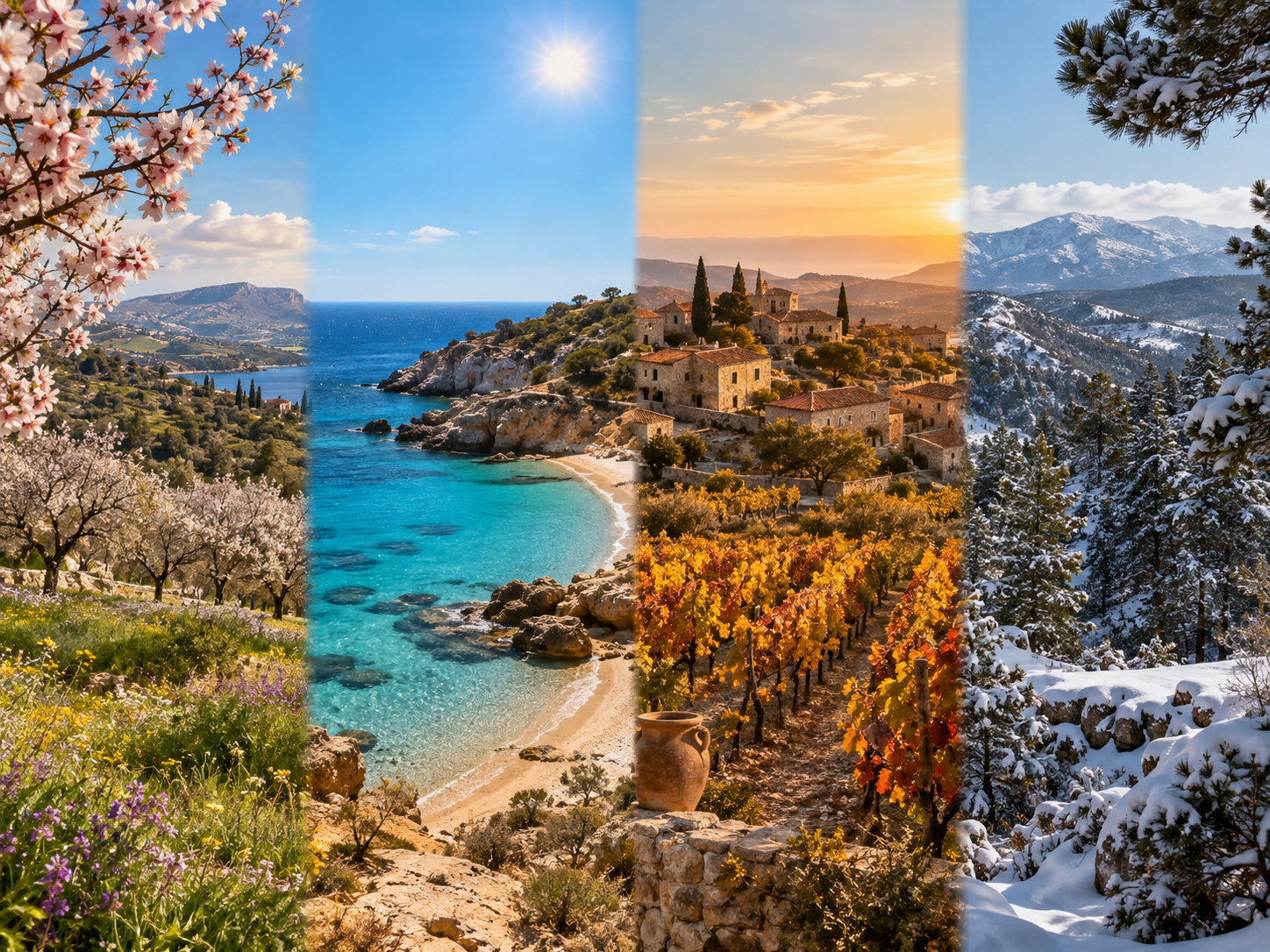
Waterfalls in Cyprus are influenced by seasonal rainfall, recent weather and the water available in their streams. Winter and spring can bring stronger flows, particularly following wet periods, but a particular waterfall's appearance cannot be guaranteed at any time of year.
Spring is often an appealing compromise between water flow and the opportunity to spend time outdoors. Forest vegetation and running streams can add considerably to the experience, although recent rainfall may leave paths muddy or slippery.
Summer brings a different proposition. The shade of the Troodos forests and the cooler mountain environment can be welcome alternatives to the coast, but some waterfalls may carry less water following extended dry weather. On hot days, an early start is usually preferable for any visit involving a significant walk.
Autumn conditions depend partly on when rainfall returns, while winter visits require particular caution because of wet ground, cold weather and possible mountain access difficulties. A sunny day on the coast is not reliable evidence of suitable conditions in a shaded ravine at higher altitude.
A stronger cascade is not necessarily worth a riskier approach. Following heavy rain, rising streams, slippery rocks and deteriorating paths can make a visit inappropriate. It is better to change the plan than to pursue a particular photograph.
Plan Your Waterfall Visit Around Where You Are Staying
For travelers staying in Platres or nearby Troodos accommodation, Caledonia and Millomeris are the natural first choices. They are close enough geographically to be considered within the same mountain stay, although their approaches are different and should be planned separately.
From Limassol, a day in the mountains can reasonably include one waterfall alongside a village lunch or another carefully chosen stop. Chantara and Mesa Potamos become more attractive when the wider route already takes you through their respective areas, rather than requiring separate drives.
For those based in Polis or Latchi, Kremiotis offers a western alternative. Travelers staying in Paphos may also consider it as part of a countryside outing, although the journey and access arrangements should be assessed before deciding whether the diversion is worthwhile.
From Ayia Napa, Protaras or Larnaca, a waterfall outing generally involves a more substantial journey inland. We would make that trip for a broader experience of the Troodos Mountains, not simply for a few minutes beside a cascade.
A rental car provides greater flexibility, but it does not make every forest road suitable for every vehicle. Visitors without a car should confirm transportation in both directions rather than assume that public transportation or a taxi will be readily available at a waterfall approach.
What To Know Before Visiting
Waterfalls are natural environments, not managed swimming attractions. Rocks around cascades can be extremely slippery, water depth and current can change, and falling rocks or branches may create hazards. The presence of a pool beneath a waterfall does not establish that swimming, jumping or climbing is permitted or safe.
Wear shoes appropriate for uneven or wet ground, carry drinking water and allow enough daylight to return comfortably. Children require close supervision, particularly near streams, drops and rock formations. Visitors should remain on permitted routes and respect barriers, warning signs and instructions from the responsible authorities.
Before traveling, check notices from the Cyprus Department of Forests where forest trails or roads are involved, along with any information issued by the relevant local authority. Access arrangements, road conditions and restrictions can change, and a published description cannot establish whether a particular route is suitable on the day of your visit.
Travelers requiring step-free access should not assume that a waterfall described as accessible by car is accessible by wheelchair or without stairs and uneven ground. Where accessibility is essential, confirm the specific final approach with the responsible authority before making the journey.
For detailed trail descriptions, walking difficulty and route planning, see Waterfall Walks in Cyprus, within our Hiking in Cyprus collection.
The Waterfall Should Fit The Day
A waterfall is never entirely separate from the landscape that feeds it. The streams flowing through the Troodos forests, the wooded slopes above Foini and the unusual rock formations around Kritou Terra reveal different aspects of Cyprus's natural geography. Their waterfalls offer a reason to pay attention to places that might otherwise be passed on the way to somewhere else.
The scale of the cascade is only one measure of what you have come to see. A modest flow may reveal the shape of the surrounding rock, the course of a mountain stream or the character of a sheltered valley just as clearly as a more powerful waterfall. What remains after the visit is not necessarily the image of falling water, but a better understanding of the landscape through which it travels.