Newsletter "Beyond the Postcards" Subscribe
Plan Your Cyprus Trip: Hotels: Expedia, Villas & Apartments: Vrbo, Car Rentals: DiscoverCars, Tours: GetYourGuide, Airport Transfers: WelcomePickups
- Home
- Plan Your Cyprus Trip
- Driving in Cyprus
- Driving in The Troodos Mountains
Driving in The Troodos Mountains: Why The Road Is Part of The Journey
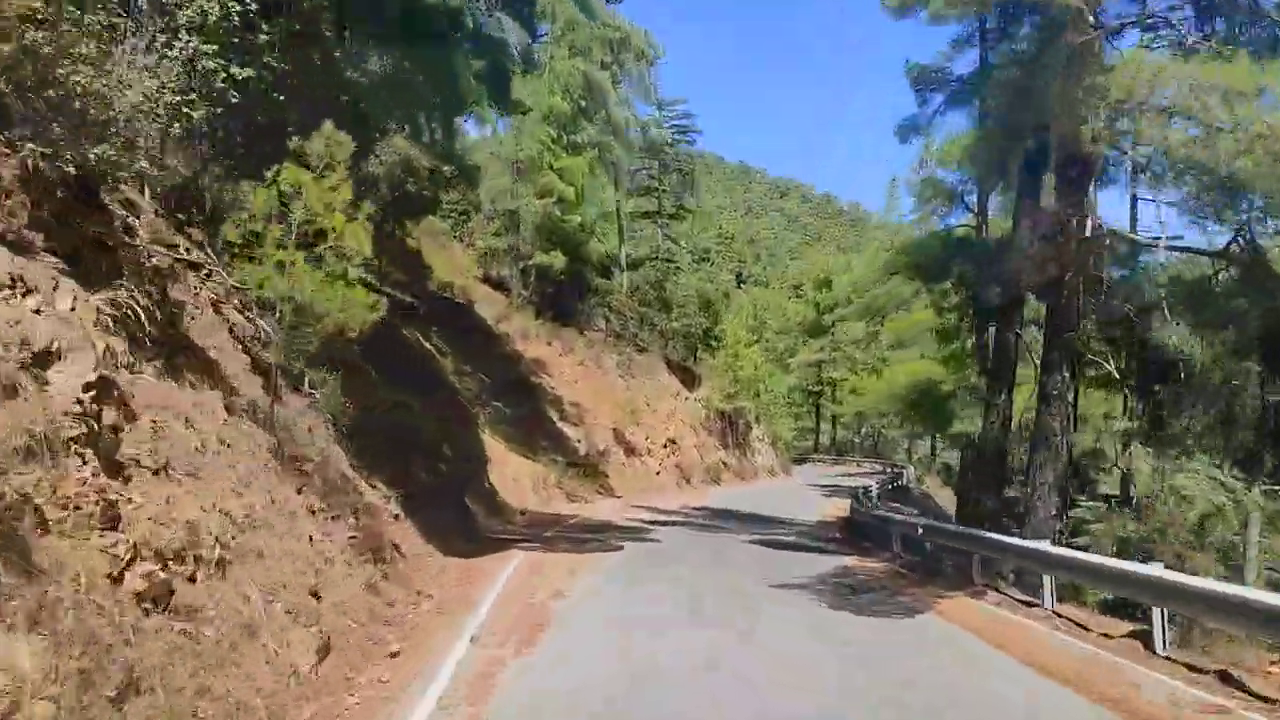 Cedar Valley
Driving into the Troodos Mountains changes the scale of Cyprus.
On the coast, distance often feels straightforward. Roads are broad, towns connect quickly and the map encourages you to think in kilometers. In Troodos, the same map becomes less useful as a measure of effort. Roads climb, bend through valleys, narrow inside villages and occasionally make a modest distance feel like a proper journey.
That is part of the appeal. A car gives you the freedom to move between mountain villages, monasteries, forests, viewpoints and places where public transportation would make the same day far more complicated. It also lets you stop when somewhere looks worth stopping, rather than treating Troodos as a sequence of scheduled attractions.
But mountain driving works best when you stop trying to drive it like the coast.
The road needs more time. The itinerary needs more margin. And the driver needs to accept that the journey itself is part of the day.
Quick Answer: Is Driving in The Troodos Mountains Difficult?
For a confident driver in suitable conditions, usually not.
You do not automatically need a four-wheel-drive vehicle or specialist mountain-driving experience simply because you are visiting Troodos. Many of the principal routes and villages are reached on ordinary paved roads.
What changes is the driving environment. Expect more bends and gradients, narrower roads in and around some villages, longer journey times than distance alone may suggest, changing visibility and weather, and fewer opportunities to pass slow traffic safely.
Winter can make the mountains feel very different from the coast, while drivers who normally use right-side traffic are combining mountain roads with Cyprus' left-side traffic system. Both are manageable, but they are good reasons not to make your first day behind the wheel your most ambitious mountain day.
For the general driving framework, see Driving in Cyprus. If left-side traffic is unfamiliar, read Driving on the Left in Cyprus before heading into the mountains.
Troodos Is Not One Road
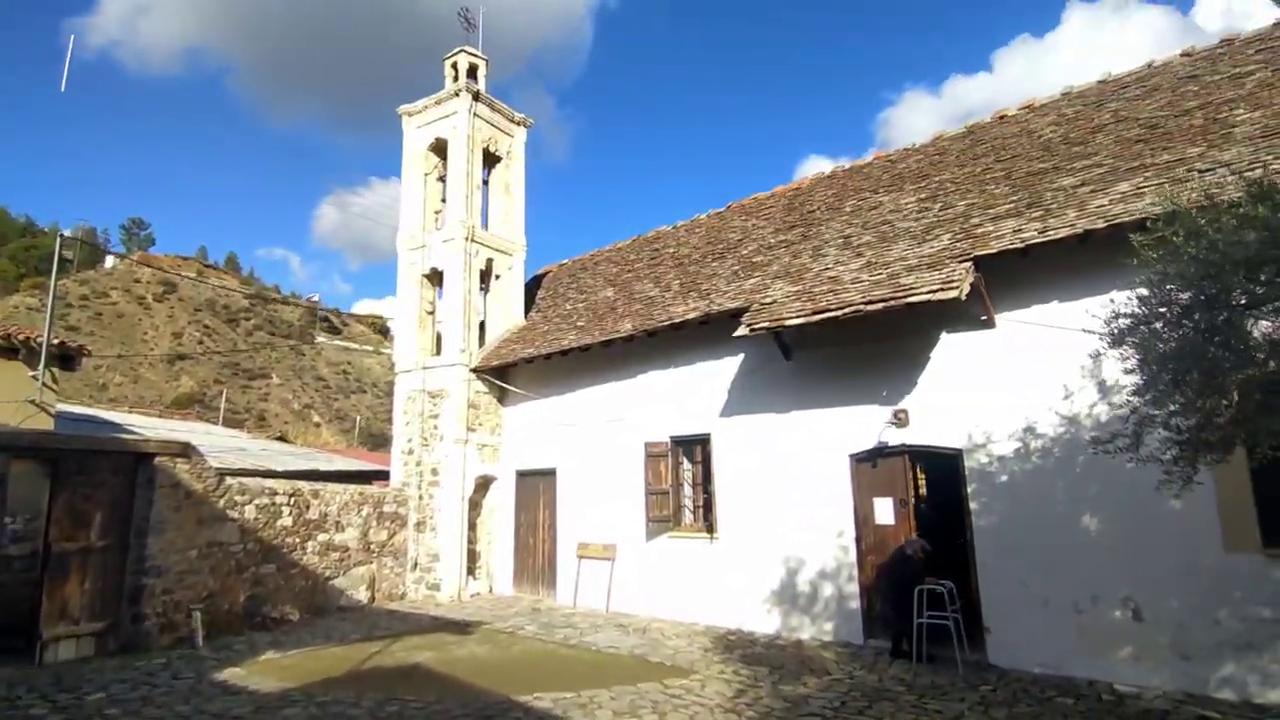
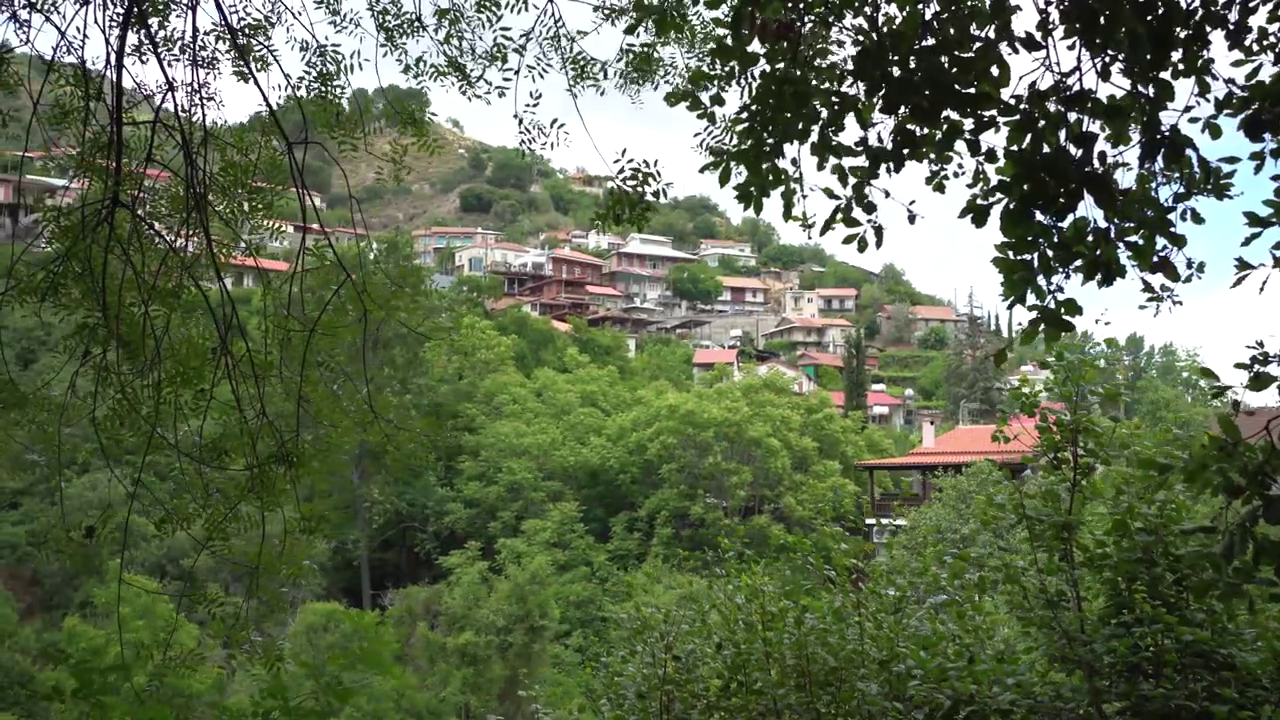
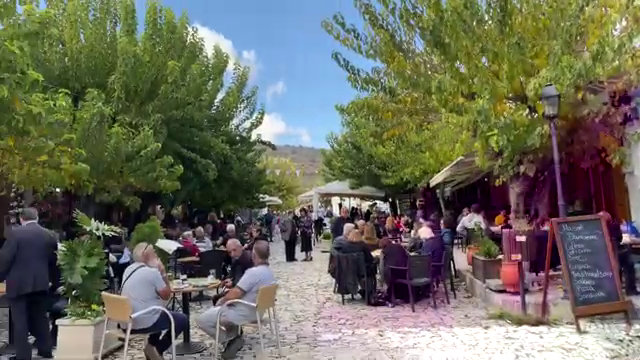
It is easy to think of “driving to Troodos” as if the mountains were a single destination.
They are not.
Troodos is a network of villages, forested routes, climbing roads and connections between different valleys and elevations. The experience of driving toward Platres is not identical to approaching Kakopetria, Kalopanayiotis, Omodos or a smaller village reached through narrower roads.
That matters when planning a day.
A route that touches several places may look compact on a map, yet the road can repeatedly climb, descend and bend between them. What appears to be a short hop can involve far more actual driving than the straight-line distance suggests.
The mountains reward selective itineraries. Choose a few places that belong naturally together rather than treating the region as something to complete.
Distance Is A Poor Measure of Mountain Time
One of the easiest planning mistakes in Troodos is believing the kilometer count.
A road can be perfectly good and still be slow. You may encounter bends, gradients, villages, agricultural vehicles, buses, cyclists or another driver moving at a pace appropriate for the road. You may stop at a viewpoint or decide to stay longer in a village than expected.
None of those things is a problem unless the itinerary has been built without room for them.
We would never plan a mountain day by taking estimated driving times and packing attractions tightly around them. If navigation says a journey should take a certain amount of time, use that as a planning reference rather than a promise.
The mountains are not improved by arriving everywhere exactly on schedule.
The Road Often Tells You What Pace It Wants
Mountain driving becomes easier once you stop asking how quickly you can cover the route and start responding to the road in front of you.
A broad section with good visibility feels different from a sequence of tight bends. A forest road is different from a village street. A dry surface in clear daylight is different from the same road in rain, fog or winter conditions.
Drive according to what you can actually see and safely handle.
Itinerary pressure can make travelers behave strangely. Lunch is booked. Another monastery is still on the list. Sunset is approaching. The estimated arrival time keeps moving later.
None of those things changes the road.
The correct pace is the one appropriate for the conditions, not the one required to rescue an overambitious itinerary.
Bends And Gradients Require Patience
Troodos roads can be winding for long stretches, and the main adjustment for drivers accustomed to flatter regions is not sophisticated mountain technique. It is accepting that bends and gradients naturally reduce average speed.
Do not cut corners because a road appears empty, and do not assume there will be nothing coming the other way. Visibility changes constantly, especially around bends and crests.
Climbs and descents also change how an ordinary rental car feels. A small vehicle with several passengers may work harder uphill, while speed can build more easily on a descent.
That does not mean you need a powerful car. It means you should become familiar with the vehicle before taking it into the mountains.
If you are unsure how a particular transmission mode should be used on longer climbs or descents, establish that before the mountain journey rather than experimenting halfway down a slope. The rental company's instructions and the vehicle manufacturer's guidance matter more than a generic travel article.
You Do Not Automatically Need An SUV
Troodos has a remarkable ability to make rental-car upgrades sound rational.
You are heading into the mountains, so surely you need something large and imposing.
Usually, that is the wrong starting point.
For ordinary travel on suitable paved roads, the more useful characteristics are a vehicle you can position confidently, park easily and handle comfortably on bends and through villages.
A large SUV can offer space and comfort, but it also occupies more road and parking space. That becomes noticeable once you enter an older mountain village.
Choose the vehicle according to the routes, passengers, luggage and conditions you genuinely expect to encounter. Do not interpret “mountains” as an automatic requirement for four-wheel drive, and do not interpret “SUV” as permission to use roads your rental contract does not permit.
For the wider vehicle decision, see Renting a Car in Cyprus.
Rental Terms Matter More On Unusual Roads
A route can physically exist and still be inappropriate for your rental car.
This is particularly important when navigation apps display forest roads, unsurfaced routes or minor roads that appear to offer a shortcut.
Do not assume that because the car can drive on a surface, the rental agreement allows it.
Check any restrictions concerning unsurfaced roads, forest roads, geographical use, vehicle categories and anything else relevant to the booking.
If a particular remote road is important to your day, establish whether the vehicle may be used there before you build the itinerary around it.
Ground clearance is not contractual permission.
Village Roads Can Be The Most Demanding Part
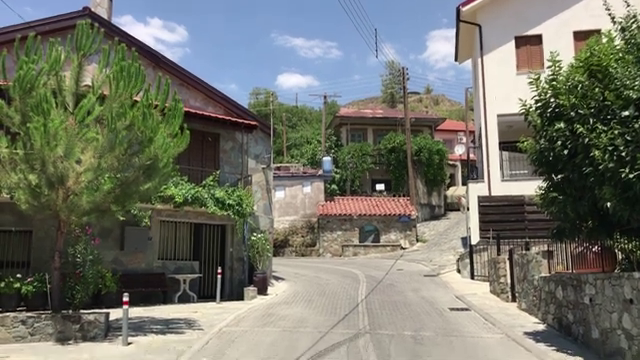 Platres Village
The approach to a Troodos village can feel completely straightforward until the final few hundred meters.
Then the street narrows. Buildings move closer to the road, parked cars reduce the available width and the navigation points toward the historic center because technically the road continues through it.
That does not mean you need to follow.
If there is sensible legal parking before the street becomes awkward, use it and walk. This is particularly useful in older mountain villages where driving deeper into the center adds very little to the visit and can make parking considerably more difficult.
The best parking place is often the one that lets you stop thinking about the car.
For the broader parking question, see Parking in Cyprus.
Do Not Let Navigation Turn A Shortcut Into The Day's Worst Decision
Digital navigation is extremely useful in Troodos.
It is not infallible.
The fastest or shortest route on a screen may involve a minor road you would not have chosen yourself. The app may correctly know that two roads connect without understanding that you would prefer a wider, more straightforward route in an unfamiliar rental car.
If a road looks inappropriate for your vehicle, confidence or conditions, reconsider it. Do not keep driving because navigation says the road saves seven minutes.
A longer route on a more suitable road can be the better route.
Let navigation help with direction. Let the actual road determine whether the route still makes sense.
Narrow Roads And Slower Traffic: Stay Predictable
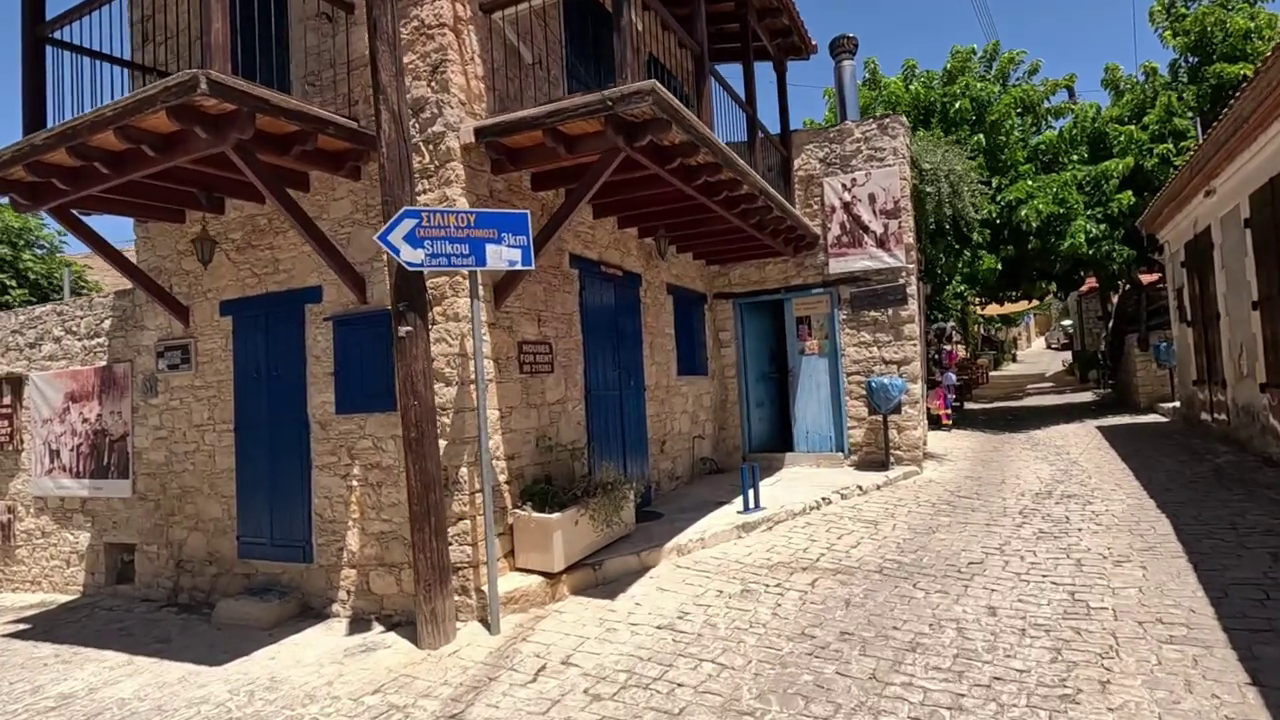 Lofou Village
Some mountain roads and village approaches can feel considerably narrower when another vehicle appears.
If there is not enough room to pass comfortably, slow down and assess the space rather than forcing both vehicles through simultaneously. One driver may need to wait or use a wider point. That is normal mountain-road behavior.
The same principle applies when a bus, delivery vehicle or other larger vehicle needs more room.
You may also find yourself behind slower traffic for longer than you would choose. That could be a bus, agricultural vehicle, cautious visitor or simply another driver traveling at a different pace.
Do not allow frustration to turn into an overtaking decision that the road does not support. Visibility, road markings, bends, gradients and oncoming traffic all matter. If the opportunity is not clearly appropriate and permitted, wait.
The reverse situation can happen too. If you are driving more cautiously than somebody behind you would prefer, do not allow that pressure to force you into a pace you are not comfortable with. Drive according to the rules, the conditions and your ability to control the car safely.
If there is a lawful and sensible opportunity to let faster traffic continue, doing so can make the journey easier for everyone.
The goal is not to win the road.
It is to remain predictable.
Winter Changes The Mountains
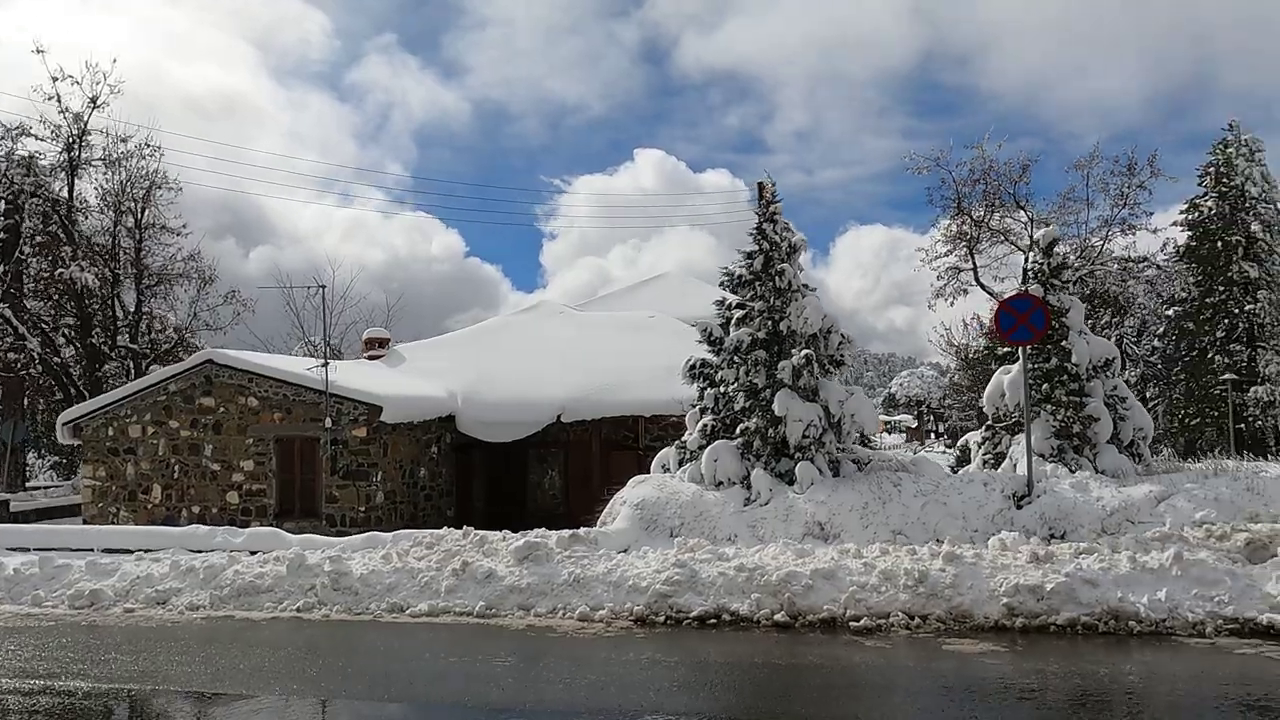 Troodos Mountains
A sunny winter morning beside the sea can create a dangerous assumption: that conditions in Troodos must be similar.
They may not be.
Elevation changes temperature, precipitation, visibility and road conditions. In winter, the mountains can experience rain, fog, ice, snow and temporary restrictions even when the coast feels mild.
That is why winter mountain driving should never be planned solely from the weather outside your hotel.
Check current mountain weather and road conditions before leaving. If restrictions are in place, follow them. If a road is closed, do not attempt to invent a route around it using smaller roads.
Snow can also bring heavier traffic, reduced parking and different road conditions. If current conditions require particular equipment or vehicle arrangements, follow the requirements and instructions applying on the day rather than relying on an article written months earlier.
A larger vehicle does not make winter conditions irrelevant. Four driven wheels do not repeal physics.
Fog and rain deserve the same restraint. Visibility can deteriorate quickly at elevation, while wet roads alter braking and the way bends feel. Reduce speed according to conditions, leave more margin and change the plan if you are no longer comfortable continuing.
The itinerary is optional. The conditions are not.
Road Closures End The Discussion
A road closure is not an invitation to see whether navigation can find a more adventurous route.
If the authorities close or restrict a mountain road, follow the restriction.
Navigation technology encourages optimism: the main route is unavailable, so the screen immediately draws another line. That alternate route may be unsuitable, restricted or affected by the same conditions.
Current official road information and instructions from the authorities take precedence over the itinerary and over anything your navigation app proposes.
If the route no longer works, change the day.
Troodos will still be there.
Summer Is Easier, But Not Empty
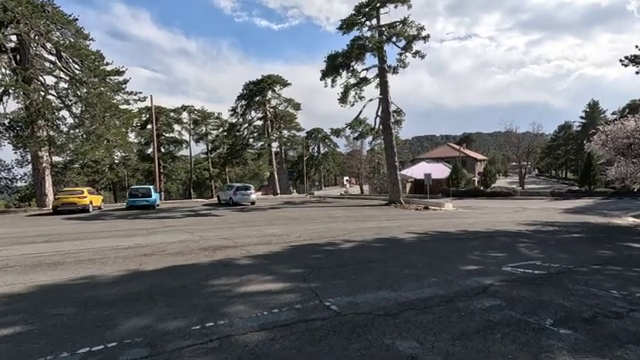 Troodos Square
Summer removes most winter-weather concerns, but it creates a different mountain rhythm.
Troodos is popular precisely because it offers a change from the heat of the coast. Villages, viewpoints, restaurants and recreation areas can become busier, particularly around weekends and holiday periods.
Parking may require more patience, and popular roads can carry more traffic than a photograph of an empty pine forest might suggest.
The practical response is simple: start reasonably early if the day includes popular stops, avoid packing too many destinations together and accept that lunch can take longer when everybody else had the same idea.
Summer makes the roads more predictable.
It does not make the mountains private.
Night Driving Is A Different Experience
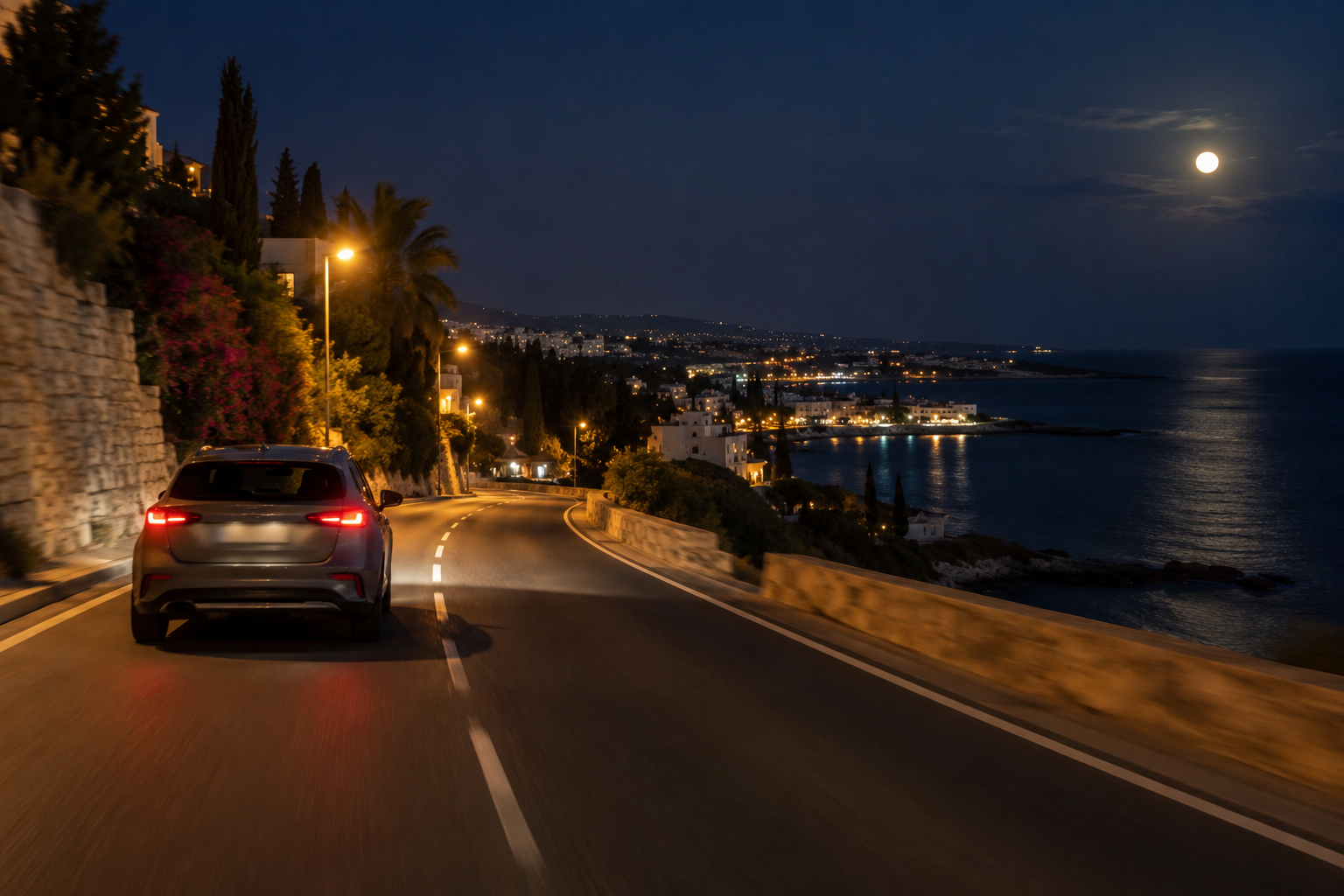
A mountain road that feels completely comfortable in daylight can feel much more demanding after dark.
You lose distant visual references, bends appear later and village approaches can be less obvious. Rural stretches may also be considerably darker than drivers accustomed to urban environments expect.
That does not make night driving inherently problematic, but it is worth considering when designing the day.
If you are unfamiliar with the route and would prefer to descend in daylight, plan backward from that preference rather than discovering it after sunset.
This matters particularly in winter, when daylight is shorter, and after long days when the driver is already tired.
The Driver Should Not Be The Only Person Enjoying The View
Troodos roads can be beautiful, which creates one obvious problem: the person driving may want to look at them.
Do not divide your attention between the landscape and the lane.
If there is a legitimate, safe place to stop and parking is permitted, stop and look properly. A viewpoint experienced for five minutes outside the car is considerably better than a mountain view half-seen while negotiating a bend.
The same applies to spontaneous photography. A valley opens below you, the forest clears or a village appears against the slope, but that does not turn the road edge into a parking space.
Use designated or clearly appropriate legal stopping places. Do not block traffic, reduce visibility around a bend or create an obstacle because the photograph feels urgent.
Troodos is generous with views.
There will be another one.
Before You Head Into The Mountains
You do not need to prepare for an expedition, but a mountain day is easier when small practical problems have been solved before the road starts climbing.
We would not leave the coast with the fuel gauge already making us think about fuel. Services are naturally less concentrated than in the larger cities, so begin with enough practical margin for the route.
We would also carry water, keep the phone charged and understand the broad route rather than relying blindly on turn-by-turn navigation. If your navigation service supports offline maps, downloading the relevant area can be useful.
The objective is not to reject technology.
It is to avoid becoming helpless without it.
Wine Villages Require A Transportation Decision
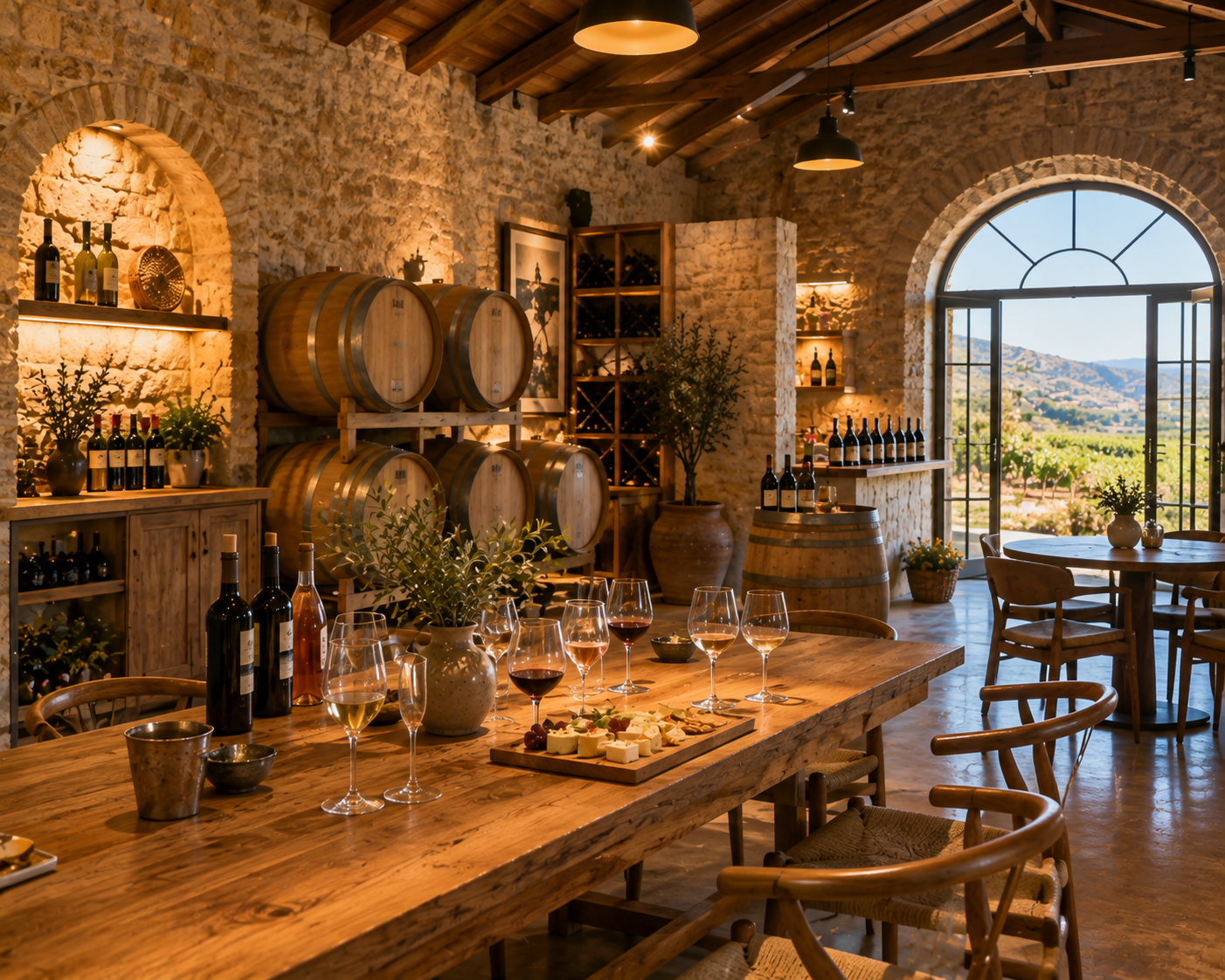
Some of Cyprus' most appealing wine villages sit in or around the mountain foothills.
A car makes reaching them easy.
Wine tasting can make leaving them a different matter.
If the day includes wineries or serious wine tasting, decide transportation before the first glass arrives. Use a designated non-drinking driver or an appropriate alternative if everyone wants to participate.
Do not build the day around calculating how much the driver can drink while remaining within a legal threshold.
For the wider alcohol and driving framework, see Driving Rules in Cyprus.
Do Not Build A Troodos Day Like A Checklist
This may be the most important itinerary point.
A mountain day can easily become village, monastery, waterfall, winery, viewpoint, another village and dinner.
Every item is individually reasonable.
Together, they can turn the day into a sequence of arrivals and departures with the road constantly sitting between you and the next target.
We would rather choose fewer places and leave room for the one that surprises us.
A long lunch in a village can be worth more than two additional stops. A walk that takes longer than expected does not need to be compensated for by rushing the drive afterward.
The freedom of having a car should make the day looser, not denser.
What We Would Do
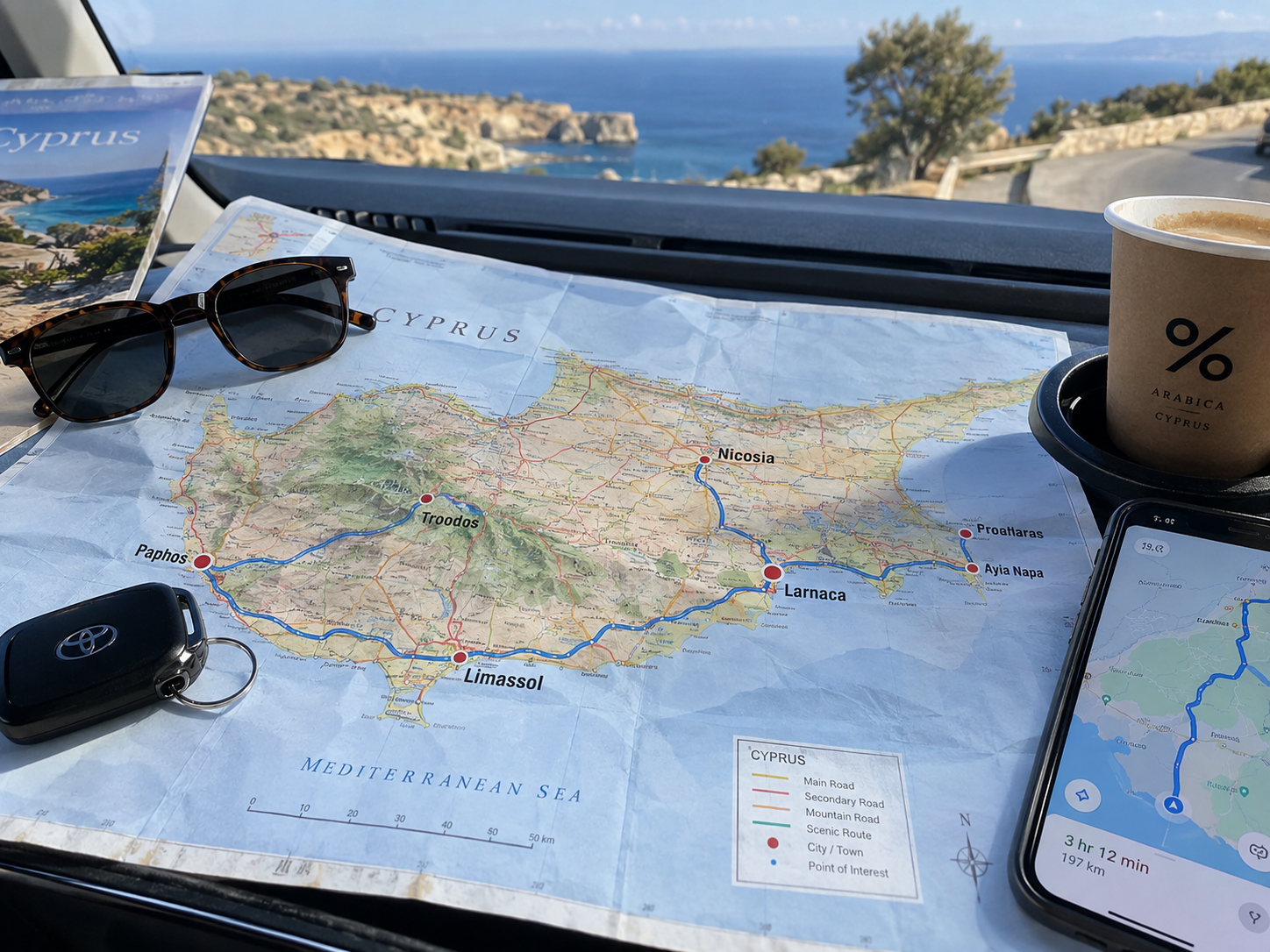
We would start with a route that makes geographical sense rather than assembling a list of places simply because each one looks appealing.
We would choose a car that is easy to handle rather than automatically upgrading because the word “mountains” appeared in the itinerary.
We would check current conditions before a winter mountain day and reconsider the route if weather or road restrictions made it inappropriate.
We would allow more time than the distance suggested, park before an old village became awkward and accept slower traffic without treating it as a personal inconvenience.
If we wanted to enjoy wine, we would decide who was not drinking before arriving.
And if the route had become so full that every stop required us to recover time on the next road, we would remove something.
Troodos is better when you leave space for it.
What We Would Not Do
We would not assume a large SUV makes every mountain road appropriate.
We would not follow a navigation app onto an unsuitable road merely because the route was shorter.
We would not squeeze through a village center when sensible parking was available before the narrow streets began.
We would not overtake simply because we had been behind the same slow vehicle for ten minutes, drive around a closure, ignore a weather restriction or continue into conditions we were not equipped or comfortable to handle.
We would not allow another driver's impatience to dictate our pace.
And we would not spend the entire day driving simply because the mountains made more places accessible.
The car should open the region.
It should not consume it.
Before You Drive Into Troodos
Before a mountain day, we would check:
- whether the driver is comfortable with the vehicle
- whether the planned roads are appropriate for the rental and permitted by its terms
- current weather and road conditions where relevant
- any closures or temporary restrictions affecting the route
- whether winter conditions require additional preparation
- the broad route rather than relying only on turn-by-turn navigation
- enough fuel for the planned journey without creating unnecessary concern
- where parking is likely to make sense at the principal stops
- whether the itinerary leaves enough time for slower roads and unplanned stops
- whether any wine tasting has been separated properly from driving
Then we would stop trying to optimize every minute.
The mountains rarely reward that.
Check Current Conditions Before You Go
Road conditions in the Troodos Mountains can change with weather, roadworks, seasonal conditions, temporary closures and other local factors.
This guide therefore avoids prescribing specific winter equipment, fixed route conditions or permanent assumptions about whether an individual road will be open or suitable on a particular day.
Before setting out, check current official road and weather information where conditions may affect the journey. Follow signs, closures, temporary restrictions and instructions from the relevant Republic of Cyprus authorities.
If current information conflicts with a travel article, navigation application or itinerary, current official information takes precedence.
Important: What This Guide Does And Does Not Do
This guide concerns ordinary visitor driving in the Troodos Mountains in the Republic of Cyprus.
It provides general practical travel information rather than legal guidance, professional driving instruction or a real-time assessment of road, weather or vehicle conditions.
Individual roads, rental restrictions, weather, traffic, driver experience and vehicle suitability vary. Cyprus by Locals cannot determine whether a particular driver, vehicle or route is appropriate for conditions encountered on a specific day.
Drivers remain responsible for following current law, road signs, temporary restrictions, instructions from the authorities, the applicable rental agreement and the conditions in front of them.
If a road or condition is beyond your experience or comfort level, change the route or the day rather than forcing the itinerary to work.
The Road Is Part of Troodos
There is a temptation to think of mountain driving as the inconvenience between the places you came to see.
That misses something.
The road is where the coast disappears behind you, where vineyards give way to forest, where the air changes and where villages begin appearing against slopes instead of along the sea.
Troodos does not reveal itself all at once.
It arrives bend by bend.
Give the road enough time to let that happen.