Newsletter "Beyond the Postcards" Subscribe
Plan Your Cyprus Trip: Hotels: Expedia, Villas & Apartments: Vrbo, Car Rentals: DiscoverCars, Tours: GetYourGuide, Airport Transfers: WelcomePickups
- Home
- Plan Your Cyprus Trip
- What To Pack For Cyprus
- What To Pack For Hiking & The Troodos Mountains
What To Pack For Hiking & The Troodos Mountains
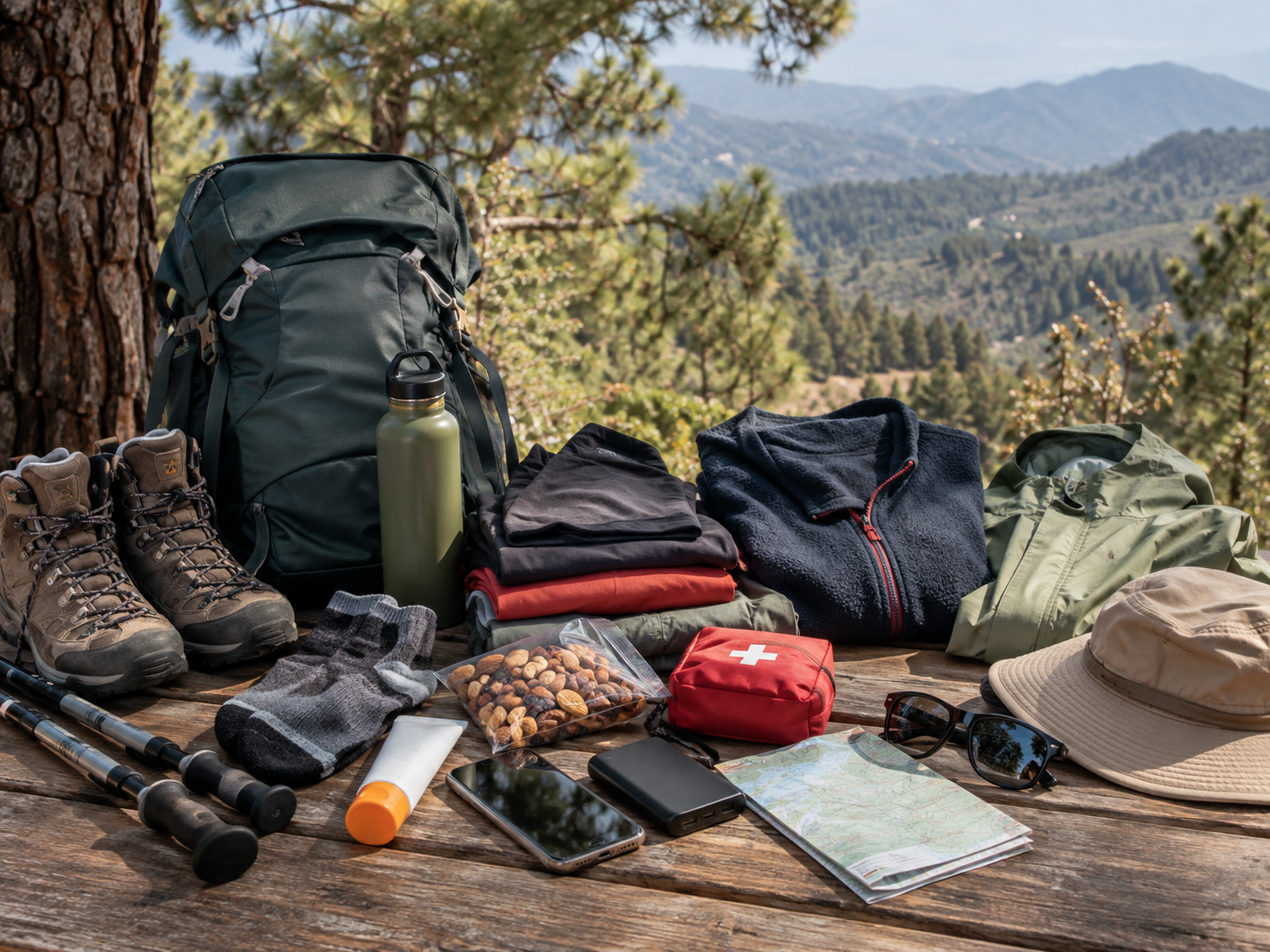
Packing for the Troodos Mountains becomes much easier once you stop treating every mountain day as a hike. A village lunch in Platres, a short woodland walk and several hours on a mountain trail may all take place in the same part of Cyprus, but they do not require the same clothing, footwear or equipment.
The mistake is allowing the word Troodos to turn an ordinary excursion into an expedition—or allowing the word Cyprus to persuade you that beach clothes and casual shoes will cover everything. The route should decide what goes into the bag.
For travelers who simply want to explore mountain villages, comfortable walking shoes and an extra layer may be enough. Once longer walks, rougher ground, changing conditions or more remote routes enter the itinerary, footwear, water, sun protection and preparation deserve considerably more attention.
The Hiking & Troodos Packing List
For a typical walking or mountain day, consider:
- Comfortable footwear appropriate to the route and terrain
- Walking socks that work with your chosen footwear
- Lightweight, comfortable clothing suited to the season
- An additional layer for cooler conditions or higher elevations
- A light waterproof or water-resistant outer layer when conditions justify it
- Sun hat
- Sunglasses
- Sun protection appropriate to your needs
- Enough water for the activity you have planned
- Small daypack
- Food or snacks appropriate to the length of the outing
- Phone
- Portable power bank if useful for a longer day
- Navigation information appropriate to the route
- Any personal medication you may need
- Simple personal first-aid items you normally carry when walking
- A waterproof pouch or similar protection for items that need to stay dry
This is a starting point, not a universal hiking checklist. A straightforward walk close to a village and a longer mountain route should never be packed for in exactly the same way simply because both appear under the heading “hiking.”
Start With The Route, Not The Mountains
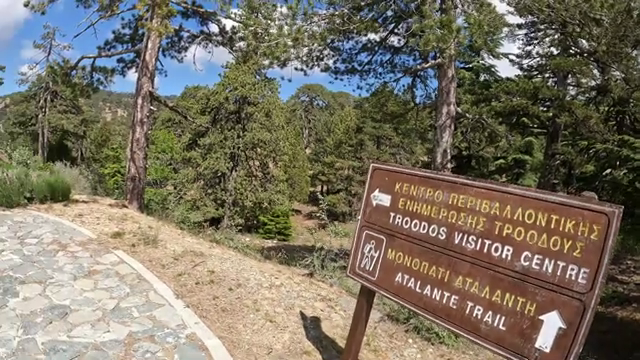 Atalanti Trail, Troodos Square
The phrase “hiking in Troodos” hides too much variation for one equipment list to make sense. Some travelers will spend an hour walking before lunch. Others will build most of the day around a trail. Some routes may involve straightforward surfaces, while others demand more from footwear, balance and endurance. Season and recent weather add further variables.
The useful question before packing is therefore not “What do I need for Troodos?” but “What am I actually doing there?”
Know the route or type of walk you intend to attempt. Consider its length, terrain and elevation changes, how long you expect to be outside, and whether the outing remains close to facilities or takes you farther away from them. Then pack for that activity rather than for the mountain range as a whole.
If you have not yet chosen the walk, resist buying or carrying specialized equipment simply because Troodos appears on the itinerary.
Footwear Should Follow The Ground
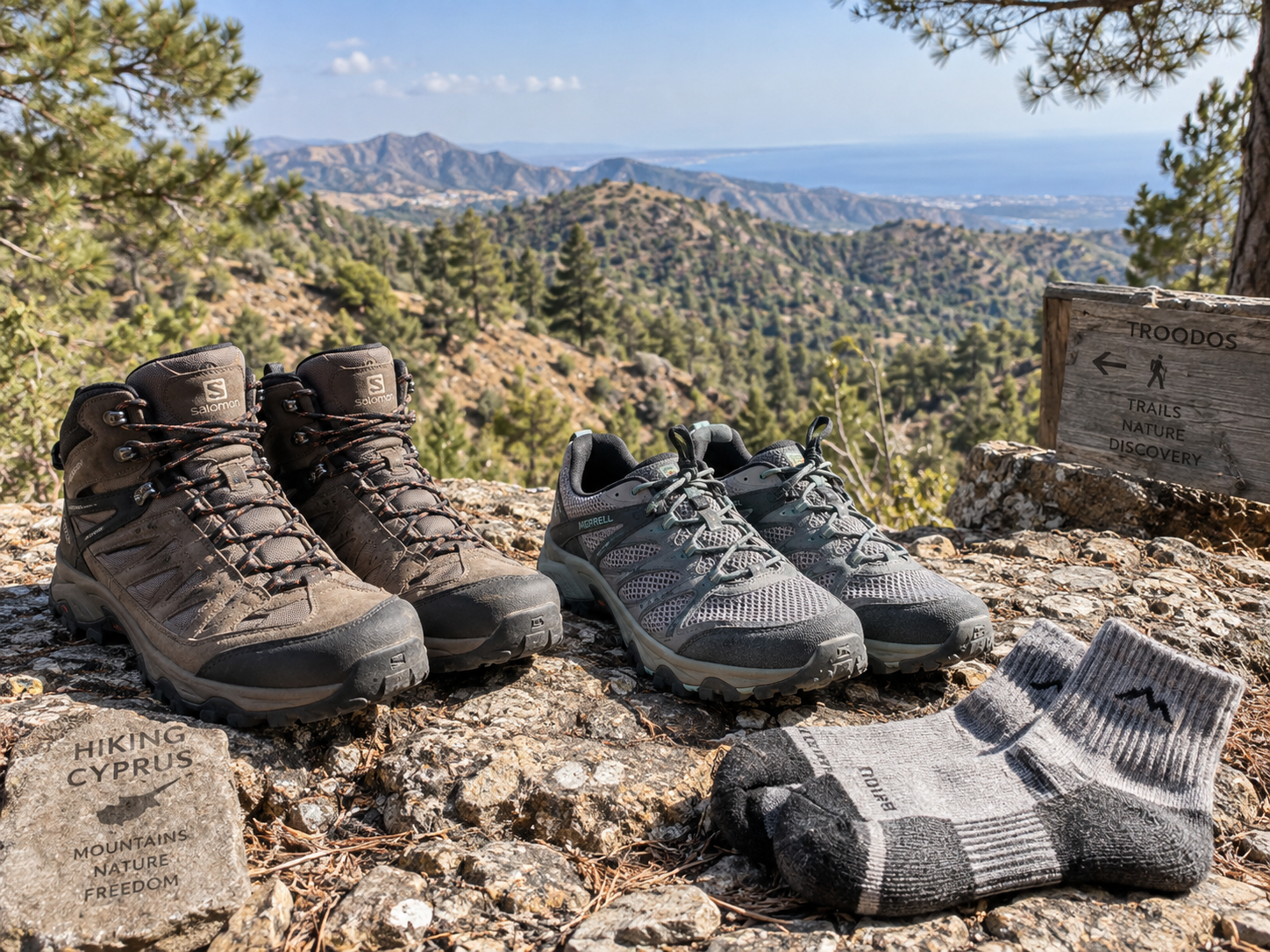
Footwear is the item most likely to affect whether a walking day feels comfortable or unnecessarily difficult. Everyday walking shoes may be perfectly adequate for an easy village outing or straightforward path, but that does not make the same pair appropriate for every trail.
Longer distances, uneven ground or wetter conditions may justify footwear with more grip, support or protection. At the opposite extreme, heavy hiking boots make little sense for an itinerary consisting mainly of village streets, viewpoints and short casual walks.
Specialist footwear earns its weight only when the activity needs it.
Whatever you choose, wear shoes you already know rather than making a long mountain walk their first test. Socks matter too: choose something comfortable with the footwear you are actually wearing rather than treating them as an afterthought.
Troodos Is Not The Coast At A Higher Address
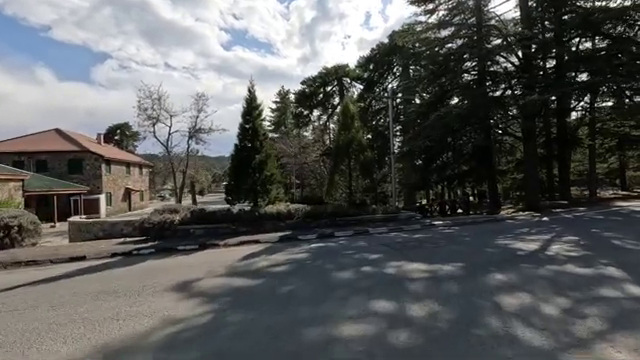 Troodos Square
One of the easiest packing mistakes in Cyprus happens before the traveler reaches the mountains. The day begins beside the sea, conditions feel warm, and the extra layer stays in the hotel because carrying it seems unnecessary.
Conditions at higher elevations can feel different from those at the coast, particularly earlier or later in the day. That does not mean Troodos is always cold. It means conditions outside a coastal hotel should not automatically make the clothing decision for a mountain outing.
Carry a layer that is easy to put on and equally easy to remove. Depending on the season and forecast, that might be a lightweight overshirt, sweater, fleece or practical outer layer.
The best mountain layer is rarely the heaviest one you own. It is the one you can carry without resenting it when you do not need it.
Summer Hiking Is Not Beachwear With Better Shoes
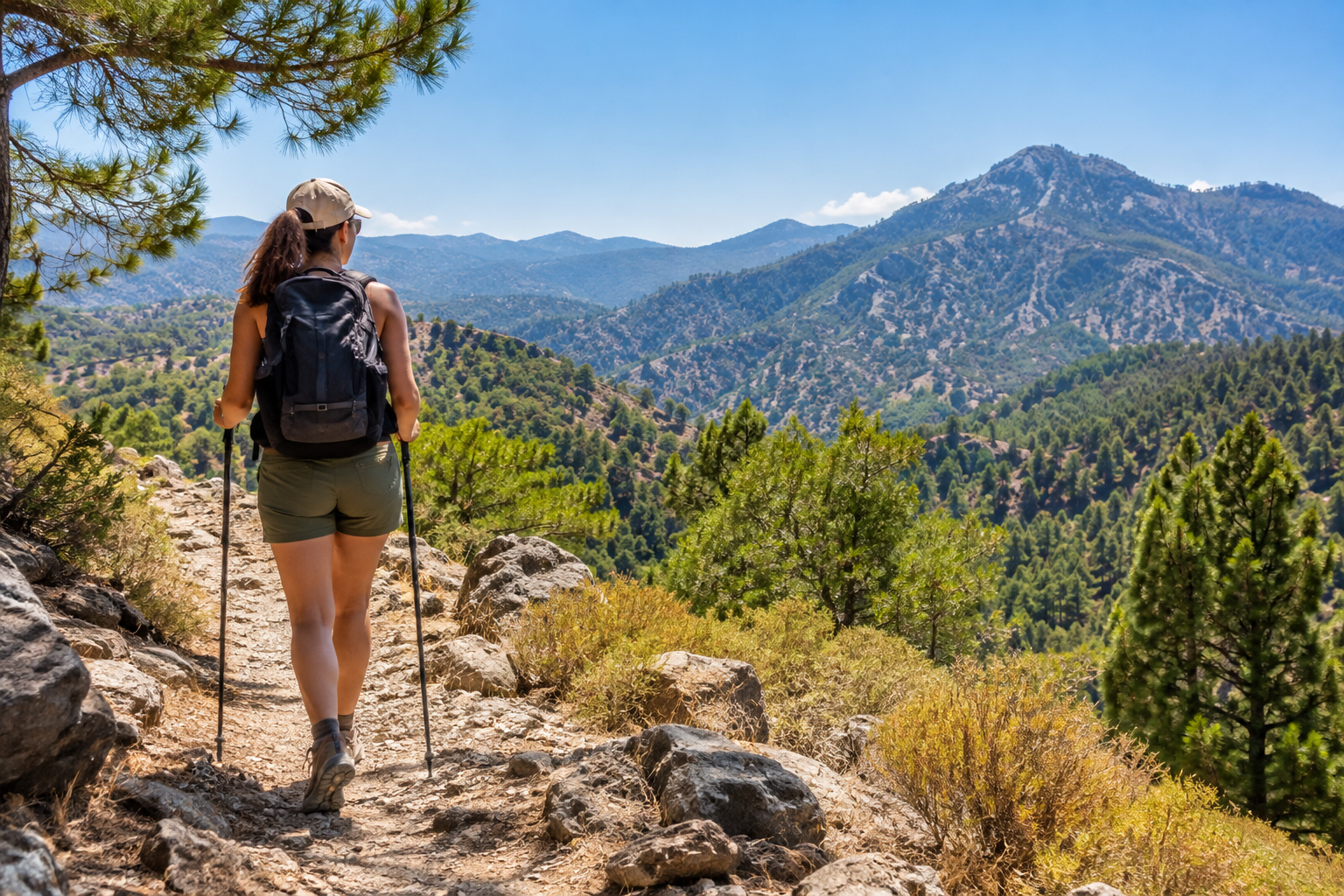
Warm-weather hiking presents its own packing trap. Because the trip takes place in Cyprus and the morning may begin in summer heat, it is easy to dress as though a mountain walk is simply an extension of the beach holiday.
Clothing should instead be comfortable for sustained movement. Lightweight, breathable pieces often make sense, but so does thinking about sun exposure, terrain and how long you will be outside.
A hat, sunglasses, suitable sun protection and sufficient water deserve more attention on a walking day than another change of clothes. A light layer may still justify its place if the route reaches higher ground or the day extends beyond the warmest hours.
Timing matters too. Clothing and equipment cannot compensate for every set of conditions, so check the current forecast and adjust the plan when necessary rather than assuming the contents of a daypack can solve everything.
For the broader hot-weather wardrobe, see What To Pack For Cyprus in Summer.
Cooler Months Require Range, Not Bulk
Outside summer, mountain packing becomes more dependent on layering. A cool start may turn into comfortable walking conditions once you are moving, while exposed sections, wind or a later finish can make another layer useful again.
A base layer, warmer mid-layer and suitable outer layer allow more flexibility than one very heavy piece. The precise combination should follow the season, forecast and activity rather than a fixed Cyprus winter formula.
Closed footwear becomes more important when conditions are cooler or wetter, particularly when the route extends beyond paved surfaces. If the day involves only villages and short stops, however, there is no reason to dress for a serious trail.
For broader seasonal packing, continue with What To Pack For Cyprus in Winter or What To Pack For Cyprus in Spring & Autumn.
Water Is Part of The Route Plan
Water should be decided before the walk, not once you become thirsty. How much you carry depends on the length of the outing, weather, effort involved and whether reliable opportunities to refill are part of the route.
A short walk near a village is not the same as several hours away from easy facilities. Carrying too little creates an obvious problem; carrying far more than the activity requires adds unnecessary weight.
Start with the route and current conditions, then decide what is appropriate for you. Do not assume that spring, autumn or higher elevation removes the need to think about hydration.
Keep The Daypack Small And Useful
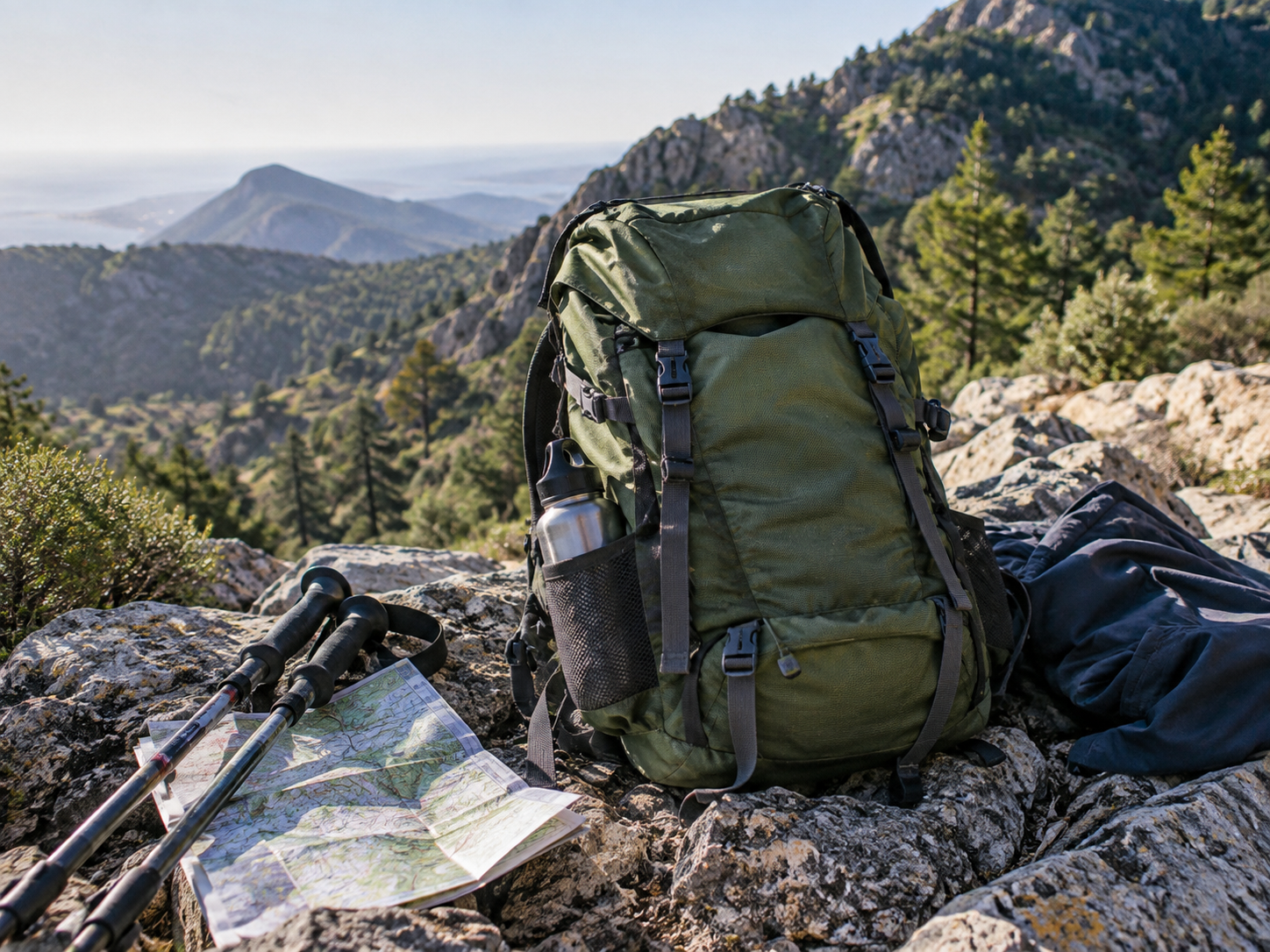
A mountain day becomes less enjoyable when the backpack contains half the suitcase. For many ordinary walks, a compact daypack is enough for water, a layer, sun protection, personal items, food when needed, a phone and anything genuinely specific to the route.
Longer or more demanding outings may require more, but volume should follow necessity rather than anxiety. Accessibility matters inside the bag too: water, a layer and the things you expect to use should not be buried underneath everything else.
A waterproof pouch or other simple protection for electronics and sensitive belongings can be useful when conditions are uncertain. It adds very little weight and solves a more realistic problem than many specialized hiking accessories.
Do Not Let Technology Become The Plan
Phones have made walking much easier to organize, but they are not a substitute for preparation. If you rely on a phone for navigation or route information, make sure the information you need will remain available in the circumstances you expect and that the battery is adequate for the day. A portable power bank may be worthwhile on longer outings when the phone is also being used for photographs.
There is an important difference between having a map on a phone and understanding where you are going. Before setting out, know enough about the route that the day does not depend entirely on improvising at each junction.
Use current route information from appropriate sources and pay attention to signs, closures or local instructions encountered on the day rather than assuming connectivity will solve every uncertainty.
A Village Day Is Not A Hiking Day
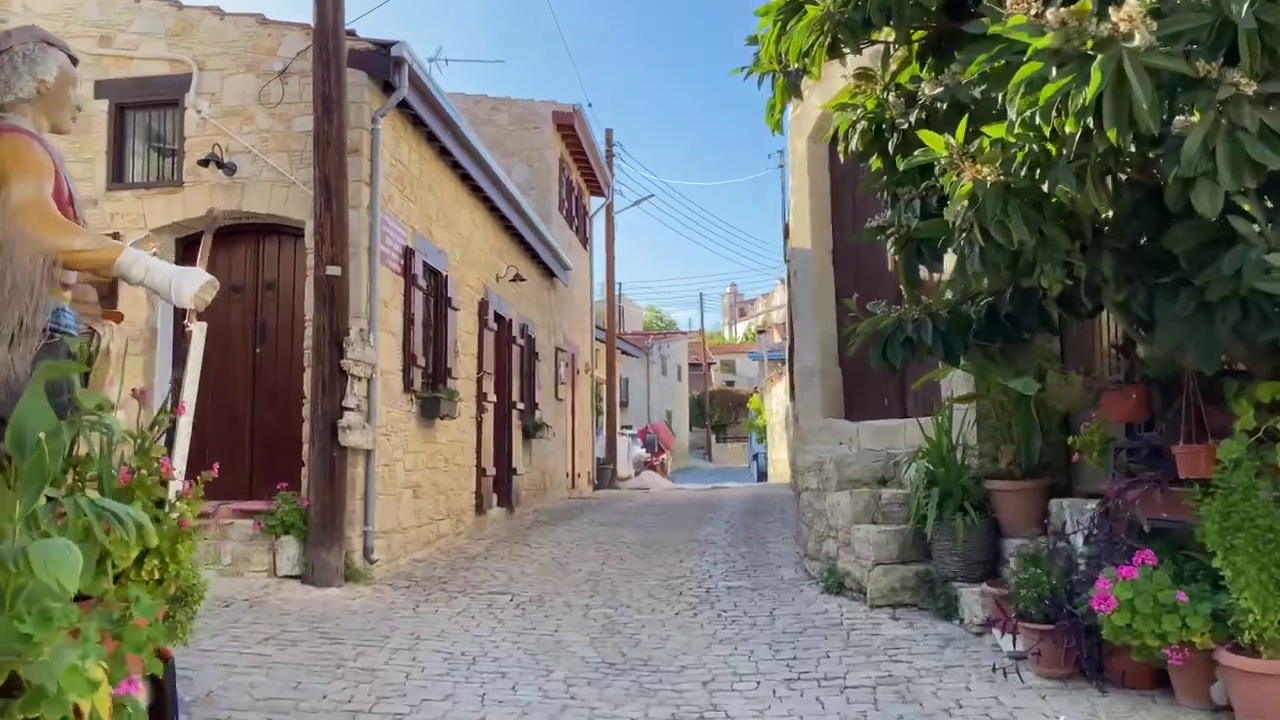 Lofou Village
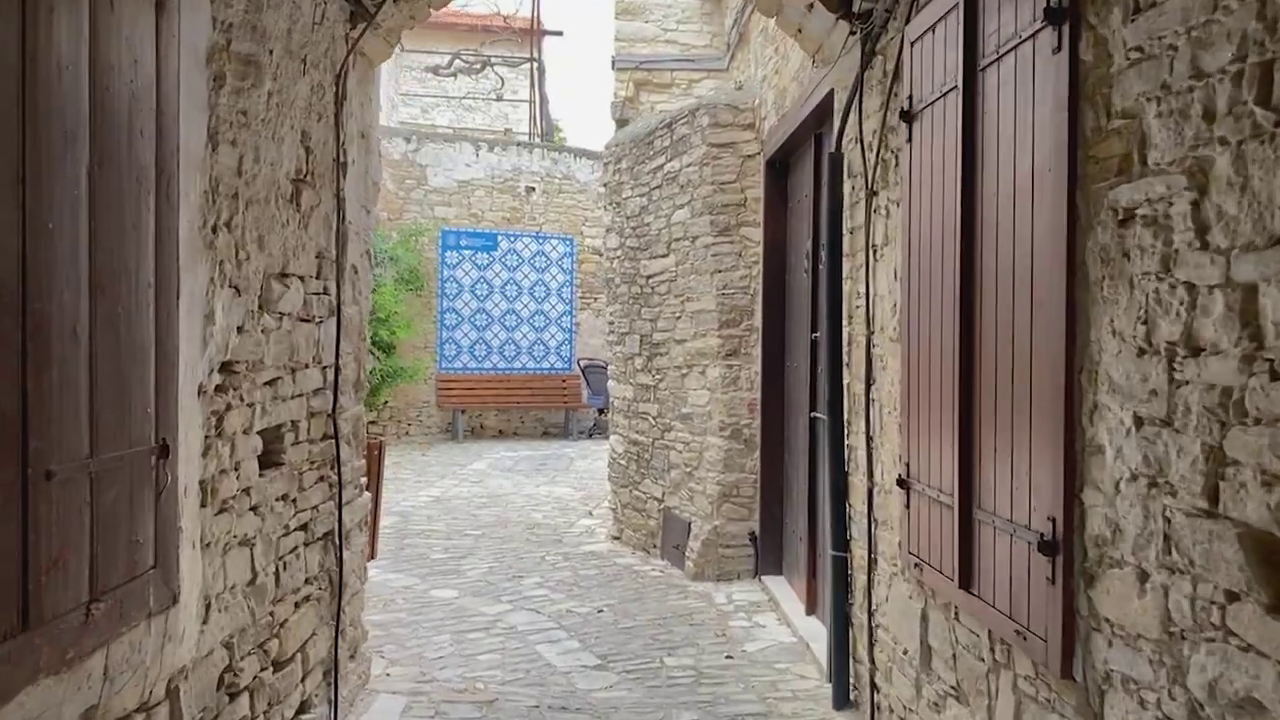 Lefkara Village
Many travelers visit Troodos for mountain scenery, villages, monasteries, food and cooler surroundings rather than for a substantial walk. If that describes your plans, pack for them honestly.
Comfortable shoes, ordinary seasonal clothing, a useful extra layer and a small day bag may be entirely sufficient. There is no reason to carry hiking boots, technical clothing and specialist equipment simply to have lunch in a village and take a short walk afterward.
Equipment should follow the activity, not the scenery.
If The Hike Is The Purpose of The Day, Treat It That Way
The reverse also matters. If the walk itself is the reason you are going to Troodos, do not treat it as something casually squeezed between lunch and a scenic drive.
Choose footwear for the terrain, carry what the route and conditions reasonably require, and leave enough time for the activity you planned. A regular hiker and someone who rarely walks longer trails may also view the same route very differently; experience, fitness, conditions and confidence all affect suitability.
A packing guide cannot make that judgment for you, and better equipment does not turn an unsuitable route into a suitable one. Choose the activity according to your own circumstances and use current route information before setting out.
Rain Changes The Terrain, Not Just The Clothing
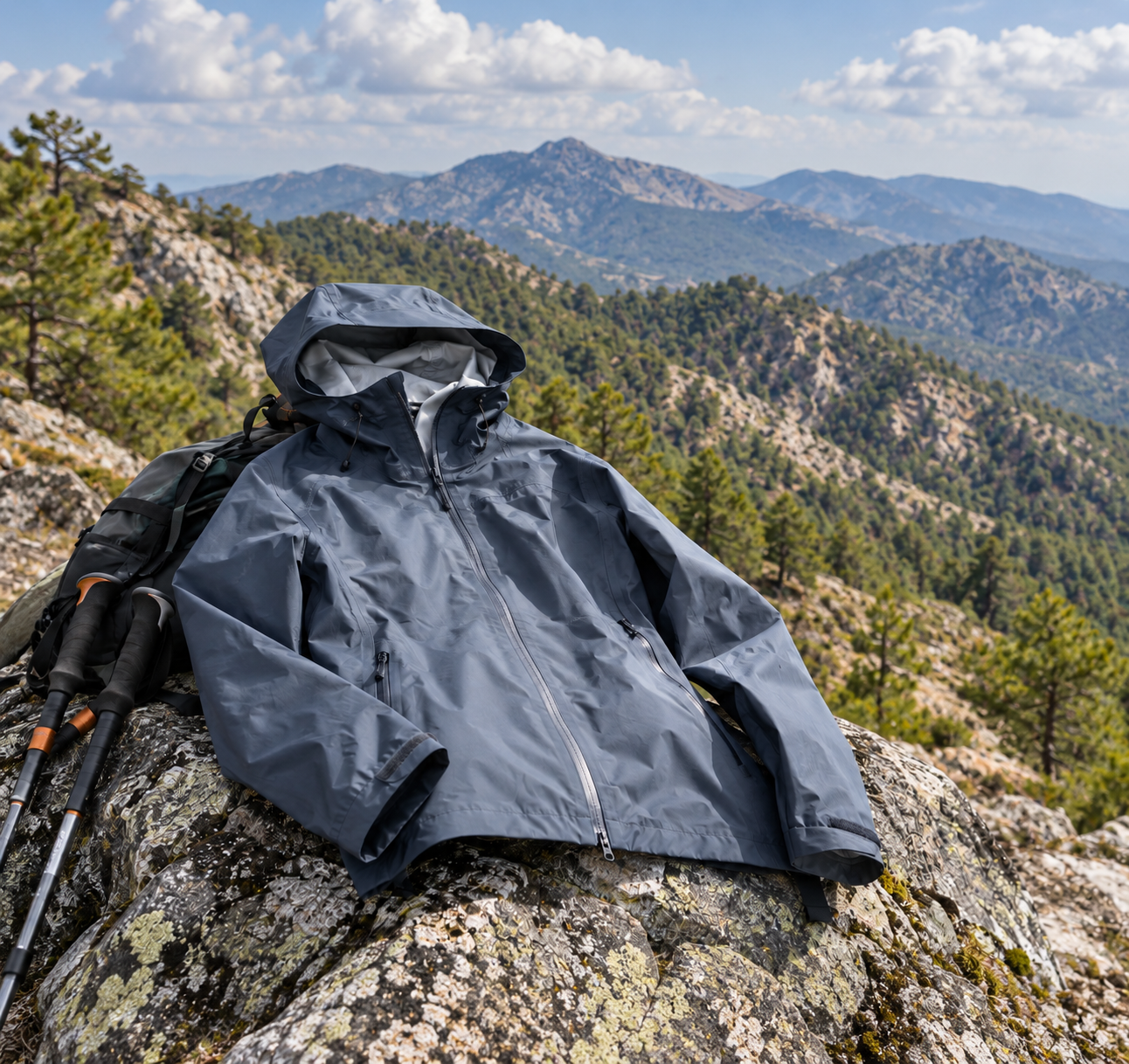
A waterproof layer is the obvious response to possible rain, but what happens underfoot may matter more. Surfaces that seem straightforward when dry can behave differently when wet, so a route affected by poor weather should not automatically be approached as the same walk with an extra jacket.
Footwear, route choice and current conditions therefore belong to the same decision. If weather is unfavorable, changing the walk, shortening it or doing something else may be more sensible than treating the original plan as fixed.
No packing list removes the need for judgment on the day.
What To Pack For A Troodos Road Trip With Some Walking
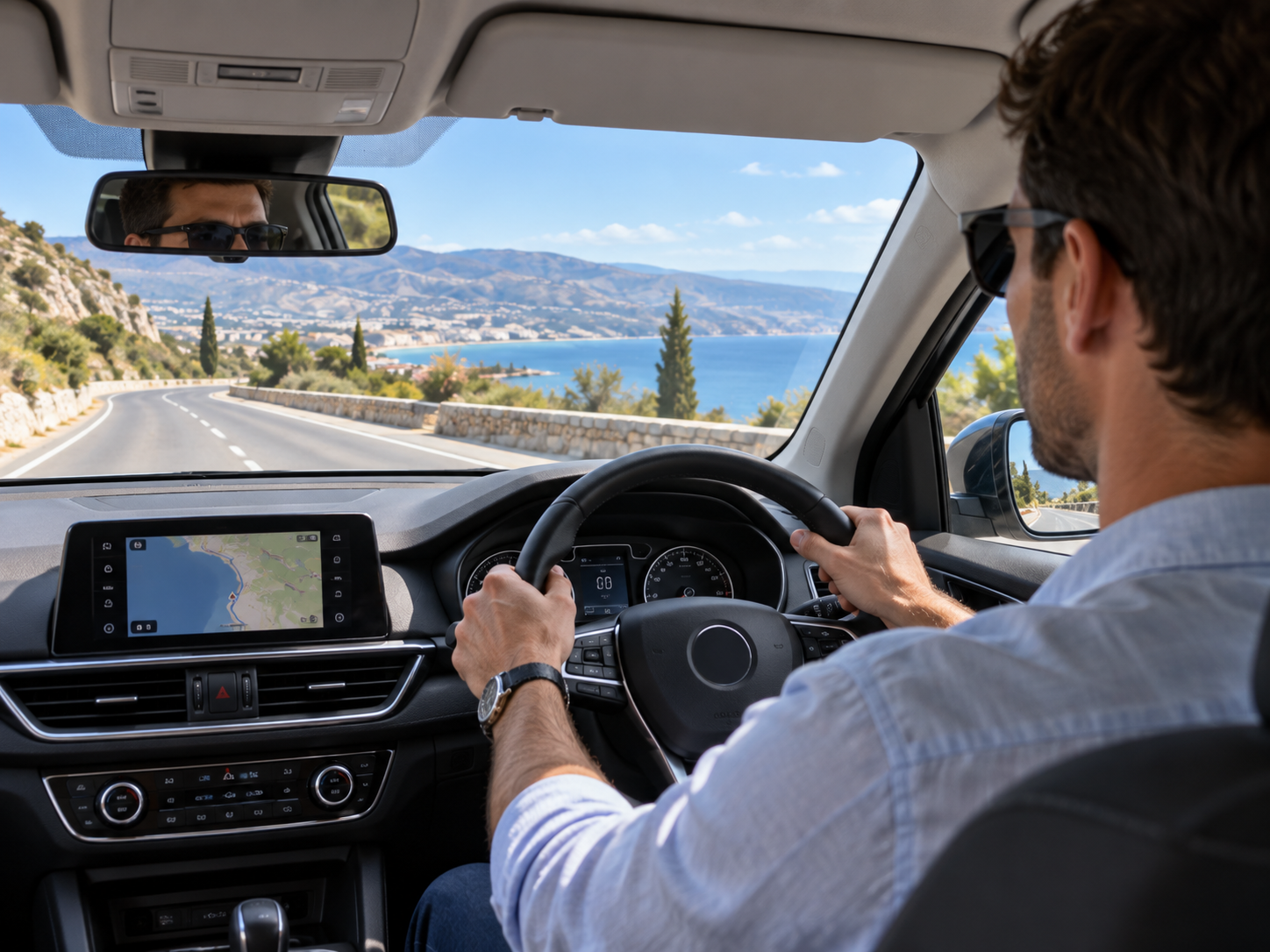
Many travelers experience Troodos as a road trip rather than a dedicated hiking day: drive through the mountains, stop in several villages, walk a little, have lunch and perhaps add one short trail or nature stop.
That kind of itinerary benefits from keeping walking equipment restrained and accessible. Comfortable shoes, an extra layer, water, sun protection and a small daypack may cover most of the day, with specialized equipment added only when a particular walk genuinely requires it.
Keep frequently used items accessible rather than underneath the rest of the luggage. Important personal items, medication, travel documents and valuables should remain with you rather than being treated as permanent contents of a parked vehicle.
If driving itself is a major part of the trip, What To Pack For A Cyprus Road Trip covers the broader luggage decisions.
What Not To Pack For Hiking & Troodos
The easiest way to overpack for the mountains is to prepare for the most demanding outdoor day you can imagine rather than the one you have planned.
Heavy boots for casual village walking, large backpacks for short routes, multiple technical layers in mild conditions and equipment for activities you are not undertaking all consume space without improving the trip. The same applies to an entirely separate mountain wardrobe when pieces from the rest of the holiday already work perfectly well for walking.
The useful question is not whether an item belongs in hiking equipment generally. It is whether it belongs on your route, in your conditions, on your day.
Specialized gear should earn its place.
Before You Leave For The Mountains
Do the final check on the day, not only when packing at home. Confirm the current forecast for the area you are actually visiting rather than relying on conditions at the coast, and check current route information, accessibility, closures or other relevant instructions from appropriate official or local sources. If you are joining an organized activity, follow the operator's equipment and participation requirements.
Look at your own plans just as critically. Is this a village visit with a short walk, a straightforward trail or a longer hike? Does your footwear match the terrain? Do you have the water and layers appropriate to what you intend to do? Are you relying on equipment to compensate for a route that may not suit you?
Troodos does not require every traveler to arrive looking like a mountaineer, but hiking does not become casual simply because the day began beside the Mediterranean.
The best-packed mountain day is the one in which the equipment almost disappears from your attention because it matches what you are actually doing.