Newsletter "Beyond the Postcards" Subscribe
Plan Your Cyprus Trip: Hotels: Expedia, Villas & Apartments: Vrbo, Car Rentals: DiscoverCars, Tours: GetYourGuide, Airport Transfers: WelcomePickups
- Home
- Things To Do in Cyprus
- Outdoor & Nature Experiences in Cyprus
- Nature Reserves & Protected Areas in Cyprus
Nature Reserves & Protected Areas in Cyprus
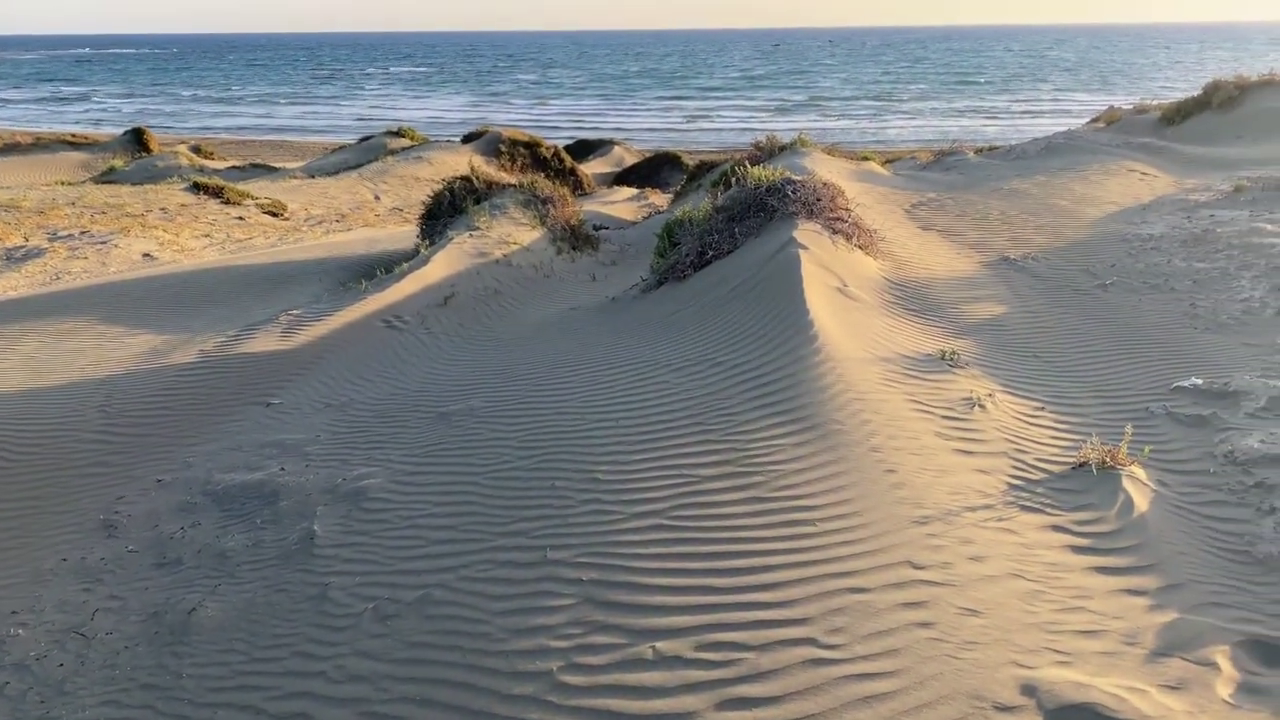
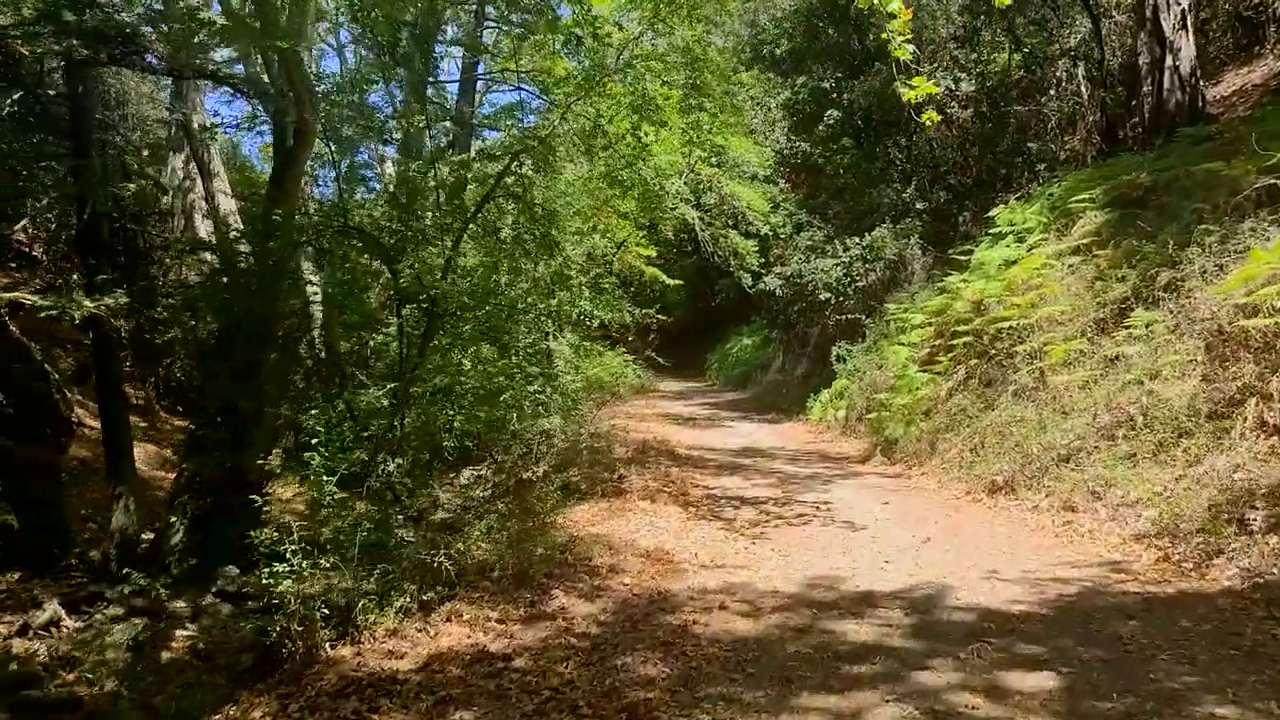
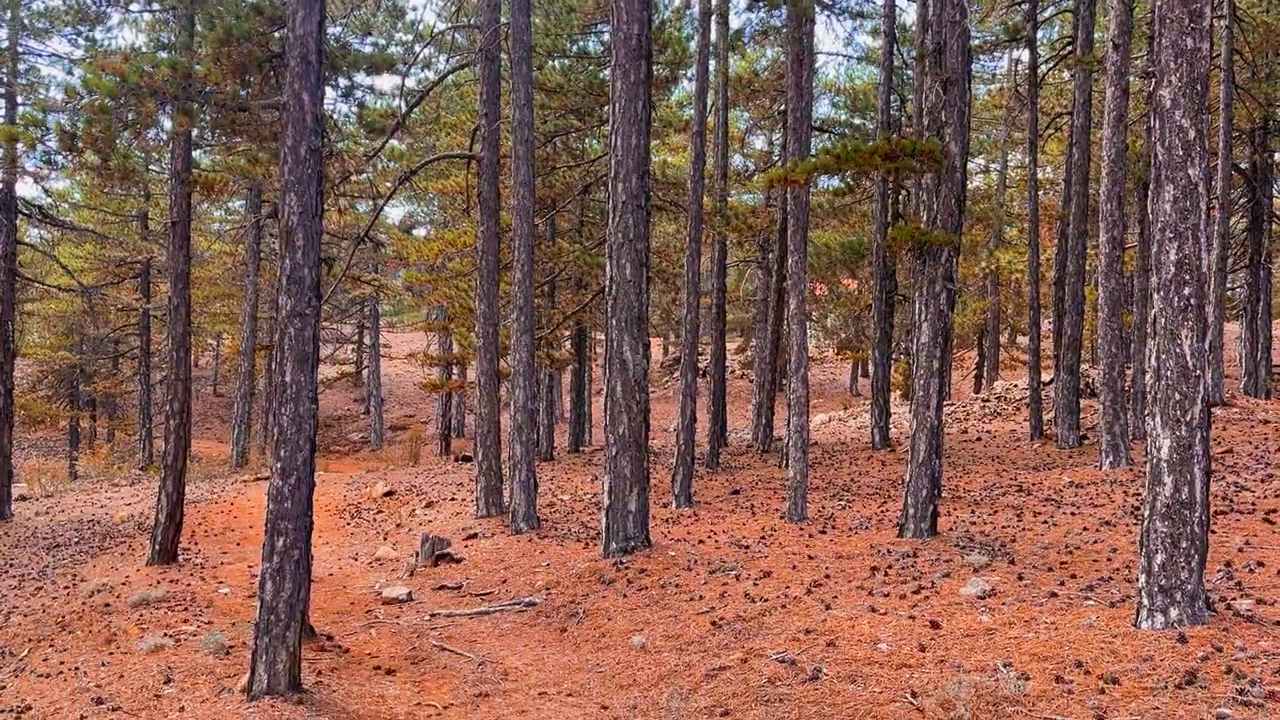
A beach without umbrellas or sunbeds might seem unfinished to someone accustomed to Cyprus's organized resorts. Along the Lara–Toxeftra coast, however, that absence serves a purpose. These beaches are protected because sea turtles nest in their sand, and the needs of the wildlife take precedence over the conveniences visitors might normally expect.
The principle extends well beyond the coastline. Cyprus protects seasonal wetlands, mountain forests, rare plant communities and habitats that support migrating birds. Some are equipped with walking trails and visitor facilities; others demand greater restraint, including restrictions on where people can go and what they can do.
For travelers interested in nature, the important question is not simply which protected area looks most impressive. It is which landscape offers a worthwhile experience without compromising the reasons it is protected.
What Does Protected Actually Mean in Cyprus?
Not all protected landscapes have the same designation or purpose. Cyprus has National Forest Parks, nature reserves, Natura 2000 sites and wetlands recognized under the international Ramsar Convention. These protections can overlap, but they are not interchangeable.
A National Forest Park may provide marked walking trails, designated recreational spaces and facilities for visitors. A nature reserve may place greater emphasis on conserving sensitive habitats or species, while Natura 2000 designations identify areas important to European biodiversity conservation.
Nor does a protected designation automatically prohibit every human activity. What matters is the management of the particular area, including which activities are allowed, where they may take place and whether additional restrictions apply.
We have selected six landscapes that illustrate these differences. They offer very different experiences, from convenient birdwatching near Larnaca to the more demanding forest environment of western Cyprus.
Larnaca Salt Lake — A Wetland That Changes With The Seasons
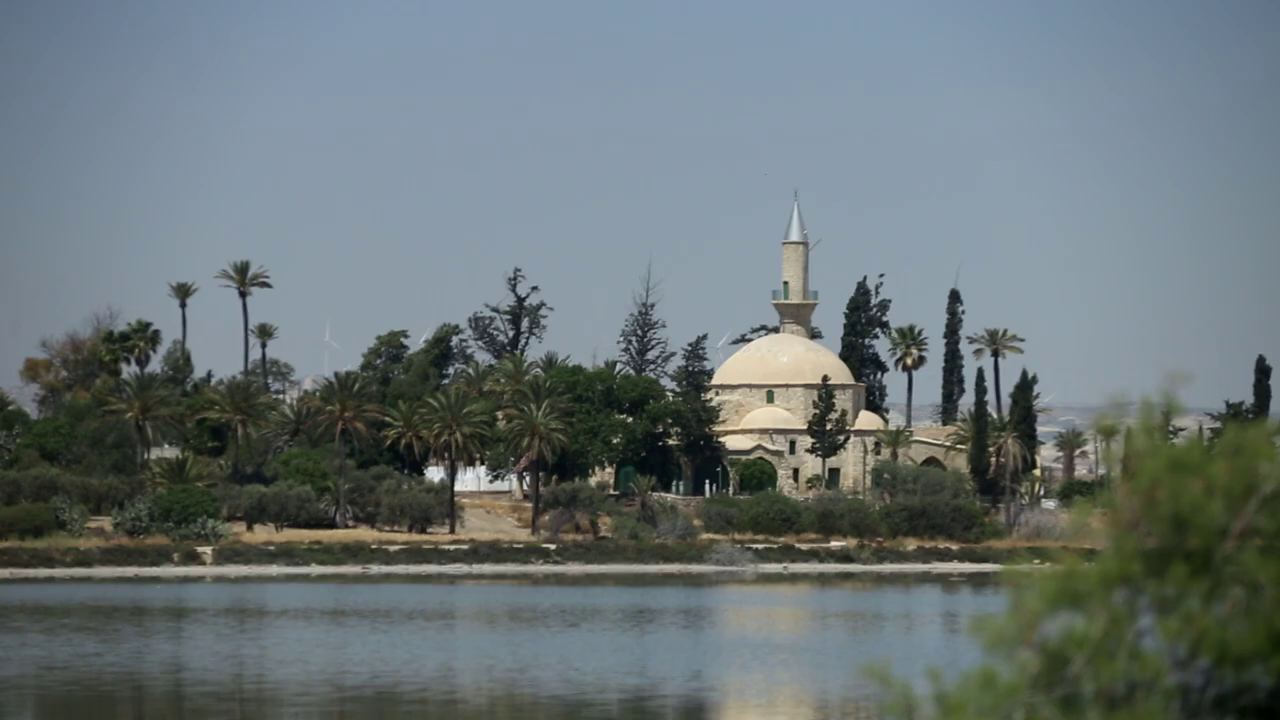 Larnaca Salt Lake & The Hala Sultan Tekke
Larnaca Salt Lake is one of the most accessible protected natural environments in Cyprus, yet its ecological significance is easily overlooked because it lies so close to the city and its airport.
The protected wetland comprises several interconnected salt lakes and is recognized under both the Ramsar Convention and the Natura 2000 network. Its seasonal water cycle supports an ecosystem important to migrating and wintering birds, including greater flamingos.
The difference between a winter and summer visit is substantial. Rainfall generally replenishes the lake during the cooler months, creating feeding conditions for waterbirds. As temperatures rise and water evaporates, the landscape can become an extensive salt-covered basin. A dry lake is not necessarily a disappointing version of the wet one; it is part of the natural cycle that gives the habitat its character.
We have visited Larnaca Salt Lake many times, throughout the year, and our winter outings with children have been particularly enjoyable when flamingos and other migrating birds are present. But we would not organize an entire day around a guaranteed sighting. Bird numbers, water levels and viewing distances are variable, and observing wildlife should never mean approaching birds across the lakebed or entering sensitive wetland areas.
Another reason we value this part of Larnaca is its relationship with the surroundings. Hala Sultan Tekke, an important Islamic place of worship and pilgrimage, stands beside the lake, while Mackenzie Beach is a convenient addition to a wider outing. These places bring together natural history, religious heritage and contemporary coastal life without requiring a long drive between destinations.
Our recommendation: Larnaca Salt Lake is especially well suited to travelers based in Larnaca, families interested in seasonal wildlife and visitors who appreciate combining nature with cultural experiences. It is less suitable for someone expecting a secluded wilderness or close encounters with flamingos. Use designated observation areas, respect the wetland boundaries and check visiting arrangements and dress requirements before entering Hala Sultan Tekke.
Akamas Peninsula & Lara-Toxeftra — When The Coast Belongs To Wildlife
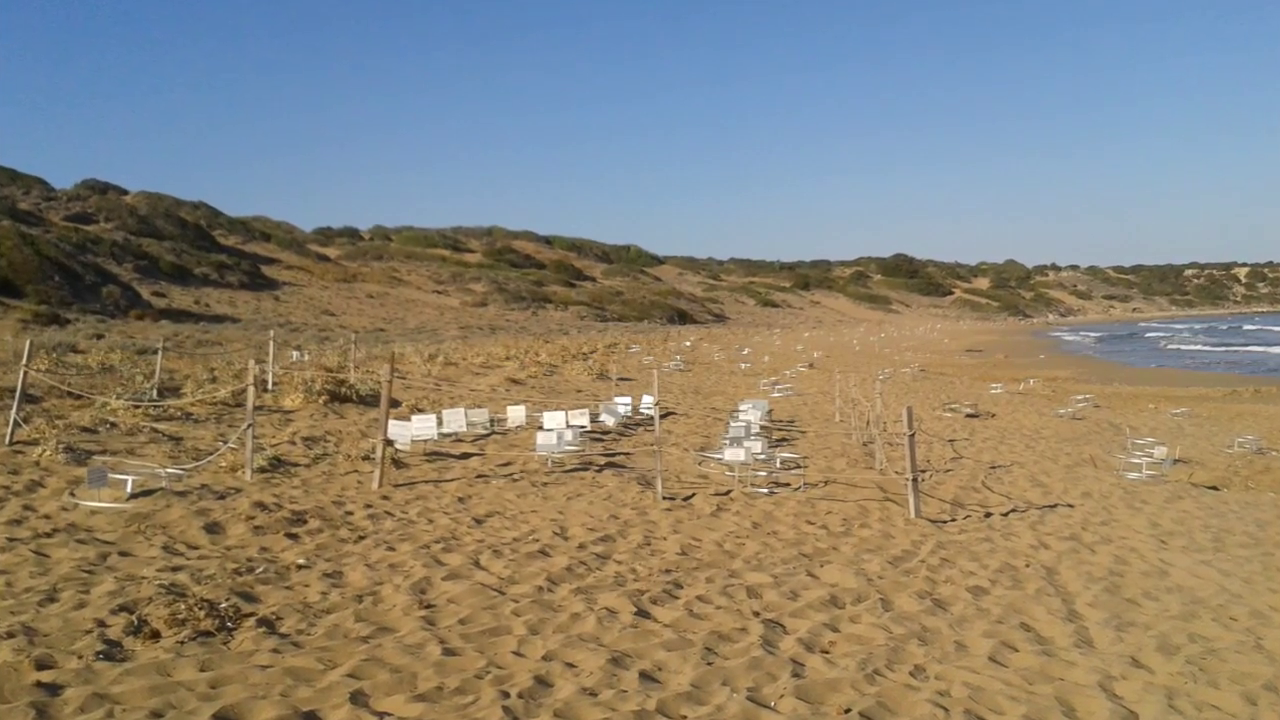 Lara Beach, Akamas: Turtle Nests
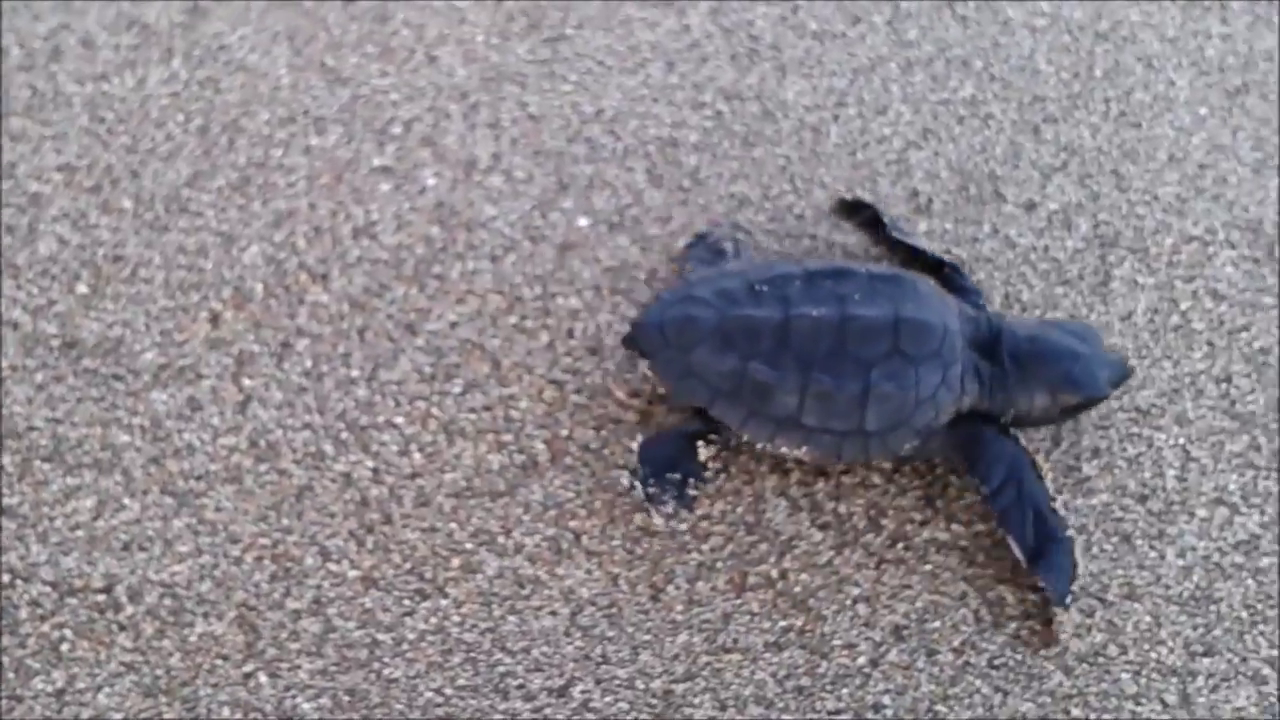 Lara Beach, Akamas: Baby Turtle
Akamas, in western Cyprus, is one of the island's most ecologically important landscapes. Its protected environments include scrubland, forests, coastal habitats and marine areas, with overlapping conservation designations and different management requirements.
Within this wider landscape, the Lara–Toxeftra protected area has a particularly important purpose: safeguarding nesting grounds for green and loggerhead sea turtles.
This is where visitors need to make a clear distinction between a natural beach and a beach intended for recreation. The area is subject to special conservation regulations restricting activities such as camping, placing umbrellas or sunbeds, entering beaches with vehicles, remaining in protected coastal areas at night and unauthorized boating. Visitors must follow the rules applicable to the particular location, including any additional notices or seasonal controls.
A turtle-nesting beach is not a place to search for nests, approach hatchlings or attempt nighttime wildlife encounters. Nesting activity is sensitive to disturbance, and a visitor's interest in seeing turtles does not justify interfering with their natural behavior.
There are practical considerations, too. Parts of Akamas are reached by rough roads and tracks, and the landscape is more remote than photographs often suggest. A conventional rental car should not be assumed suitable for these routes, and visitors need to consider road conditions, rental restrictions, heat and the journey back.
For travelers wanting to appreciate Akamas without entering its most sensitive coastal environments, designated trails and appropriate viewing points elsewhere on the peninsula can provide a more suitable introduction. Hiking in Akamas examines the peninsula's walking routes, their different demands and the practical considerations involved in choosing a suitable hike.
Our recommendation: Choose Akamas for its wider ecological character and the opportunity to understand why conservation matters along this coast. It is a poor choice for travelers wanting beach facilities, unrestricted driving or spontaneous access to isolated shorelines. The protected turtle beaches should be approached as conservation sites, not ordinary additions to a beach itinerary.
Cape Greco National Forest Park — Protected Nature With Managed Visitor Access
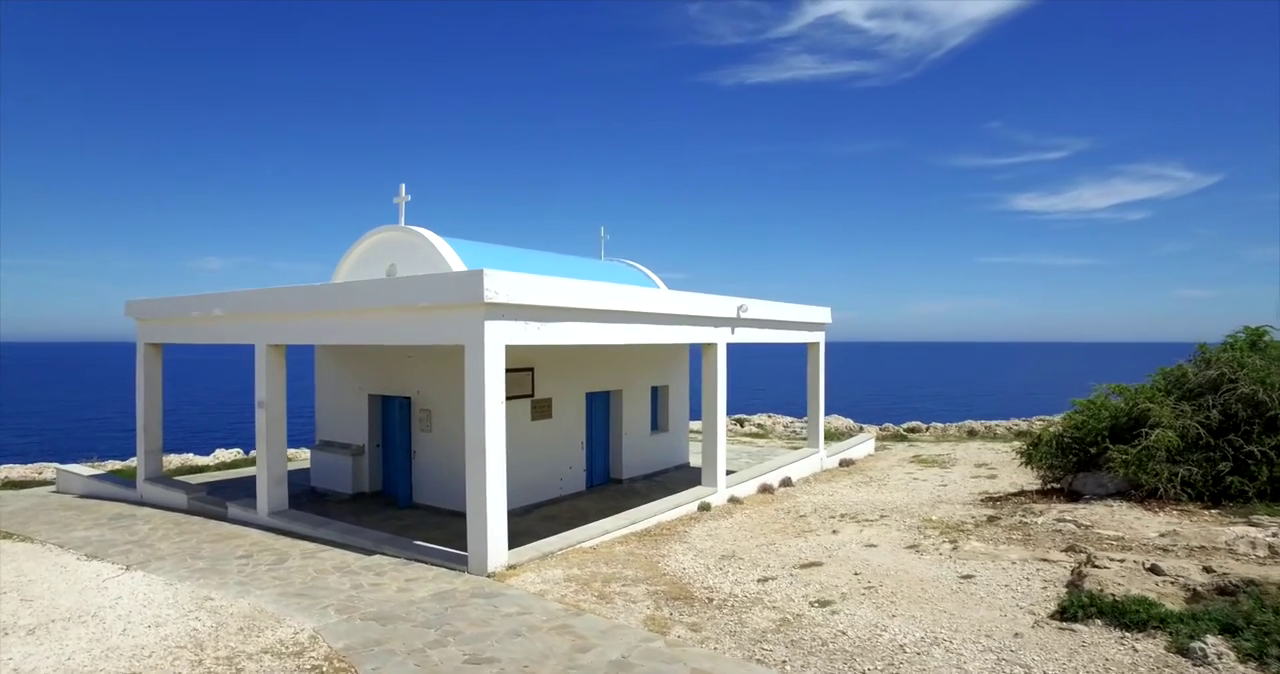 Agioi Anargyroi Chapel
Cape Greco offers a notably different proposition. Between Ayia Napa and Protaras, this National Forest Park combines protected Mediterranean vegetation with designated trails and opportunities to appreciate the southeastern coastline.
Its Natura 2000 designation reflects the importance of the area's habitats and species. Phoenician juniper, native shrubs and seasonal flowering plants are part of an environment that deserves attention beyond the limestone formations for which the cape is widely photographed.
One of our favorite places in Cape Greco is the Chapel of Agioi Anargyroi, situated above a sea cave overlooking the Mediterranean. We have visited many times and make a point of returning whenever we are in Ayia Napa or Protaras. The blue sea stretching beyond the rocky coastline is particularly appealing, and occasionally a yacht adds another detail to the view. But the pleasure of being here has little to do with what happens offshore.
We enjoy walking around the chapel, visiting its interior when open and seeing the sea cave below when access and conditions permit. Stone steps lead toward the cave, although uneven or slippery surfaces require care. The water can look remarkably inviting from above, but we do not recommend jumping from the rocks or assuming the cave is a suitable or permitted swimming location.
After walking around, we usually sit on the bench near the chapel and look out across the Mediterranean. It is a relatively short stop, but taking a little time simply to appreciate the surroundings is one of the reasons we keep returning.
Beyond the chapel, Cape Greco's established network of routes allows visitors to choose between a short walk, a designated viewpoint or a longer outing. The terrain, however, includes exposed limestone, uneven surfaces and steep cliffs. Visitors should remain on permitted routes, keep well back from unstable edges and respect conservation restrictions rather than taking shortcuts across fragile vegetation.
For travelers staying in Protaras or Ayia Napa, Cape Greco can fit comfortably into a morning or afternoon without a lengthy journey. Its exposed setting means that summer heat and strong wind can substantially affect the experience.
Our recommendation: Cape Greco is one of the more convenient choices for independent travelers wanting to appreciate protected Mediterranean nature without committing to a remote expedition. Those seeking extensive forest cover, cooler mountain conditions or a less developed setting will find a better match in Troodos or Paphos Forest. For the geological formations and coastal features themselves, see Sea Caves & Coastal Landscapes in Cyprus.
Troodos National Forest Park — Conserving The Mountain Environment
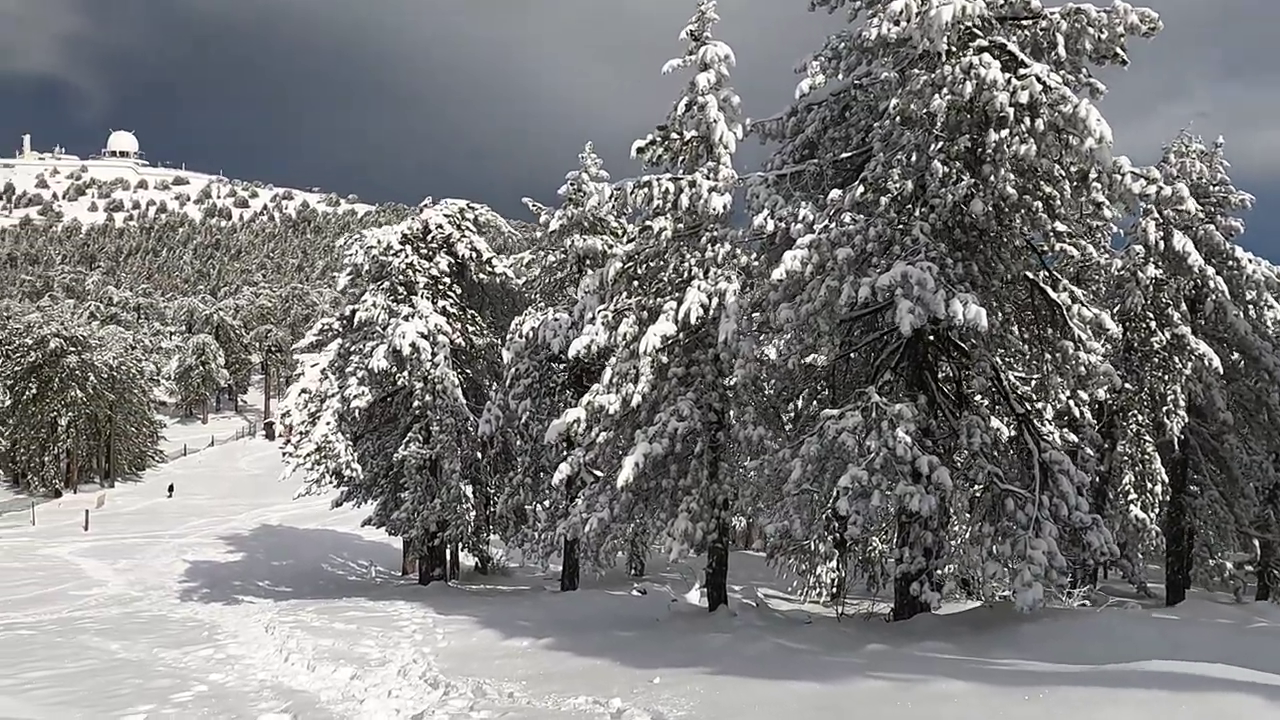 Troodos Mountains in Winter
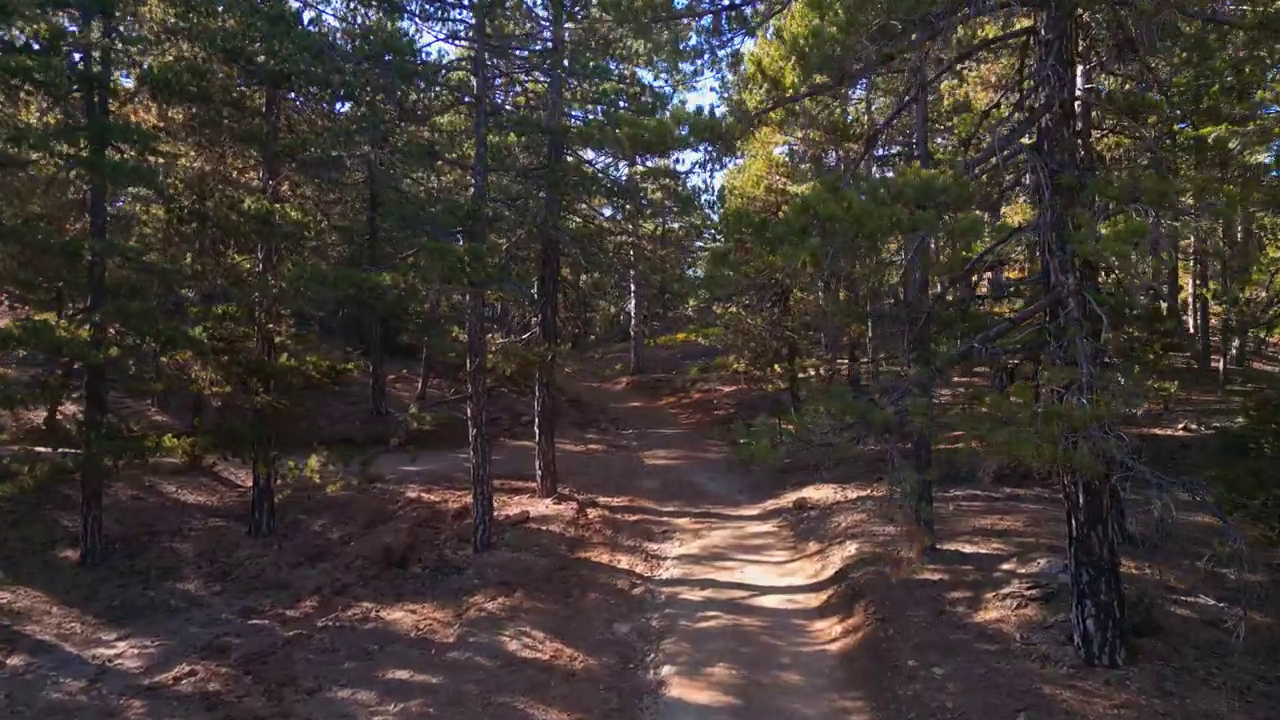 Livadi Nature Trail
The high Troodos landscape offers something fundamentally different from the protected coast. Here, altitude, geology and climate support mountain forests and plant communities that are absent from much of lowland Cyprus.
Troodos National Forest Park is part of the Natura 2000 network and contains habitats with important native and endemic species. Black pine, juniper and the endemic golden oak contribute to the mountain's ecological character.
The park also illustrates how conservation and carefully managed recreation can coexist. Established nature trails allow visitors to experience forest environments without having to enter sensitive areas independently.
One particularly useful example is the Livadi Nature Trail near Kampos tou Livadiou. The official route is approximately 1.5 kilometers, is classified as easy and is designated as wheelchair accessible. It passes through black pine and juniper woodland and offers an alternative to longer mountain hikes, although visitors with specific mobility requirements should verify current conditions before traveling.
Other routes demand considerably more effort. The fact that they fall within the same protected park does not make them equally suitable for families, occasional walkers or travelers with limited mobility.
Troodos also requires seasonal judgment. Summer generally offers relief from the heat of the coast, particularly at higher elevations, but winter can bring snow, ice, low visibility and difficult driving conditions. Mountain weather should not be assessed using a coastal forecast.
Our recommendation: Troodos National Forest Park is an excellent choice for travelers who appreciate woodland, mountain ecology and the possibility of choosing an outing that matches their abilities. It is less suitable for those who dislike winding mountain roads or expect the same walking conditions throughout the year. The park's conservation value deserves attention in its own right, even if the visit involves only a short designated trail. For detailed walking routes and difficulty comparisons, see Hiking in Cyprus and Hiking in the Troodos Mountains.
Paphos Forest & Tripylos Nature Reserve — The More Remote Side of Conservation
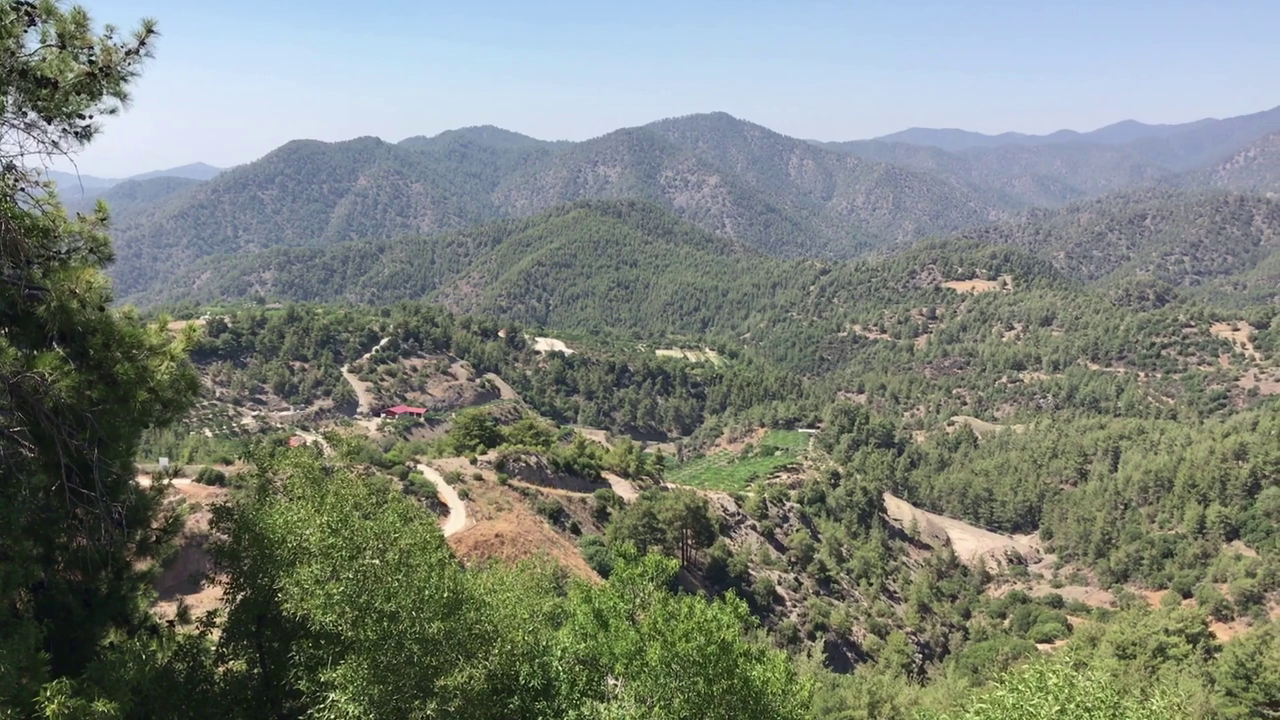 Cedar Valley
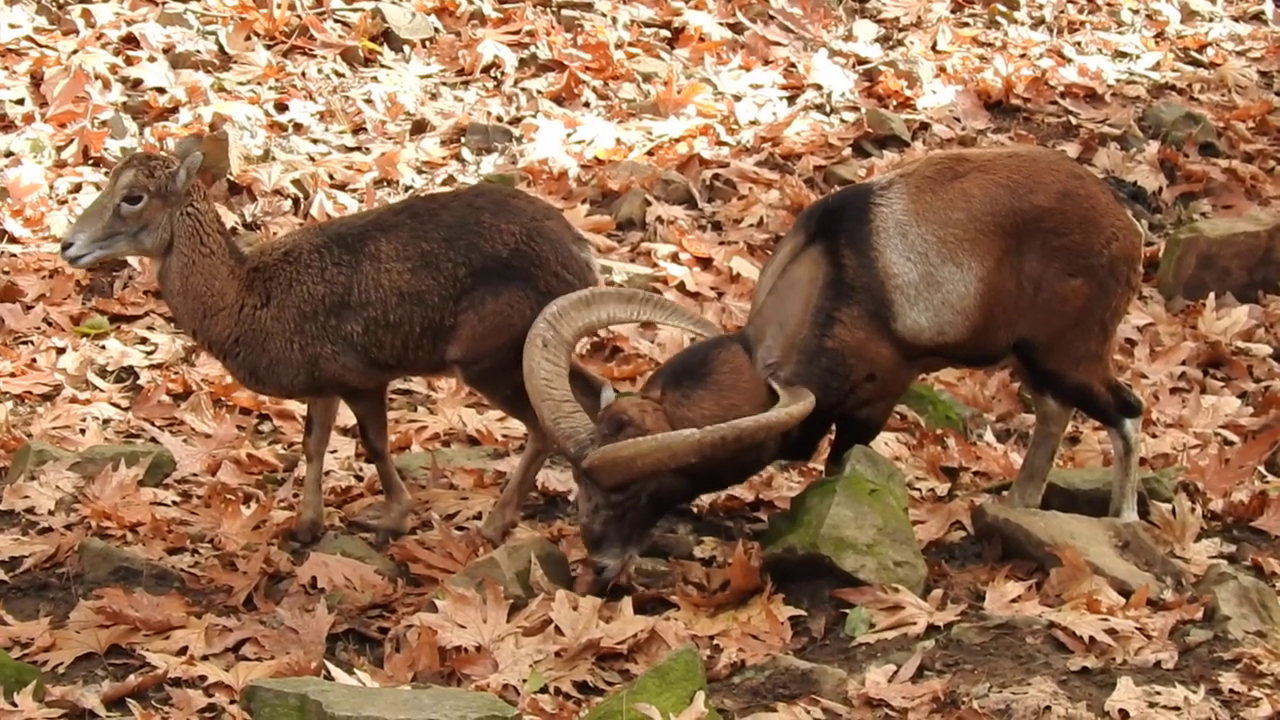 Stavros tis Psokas: Cyprus Mouflon
Paphos Forest occupies a substantial area of western Cyprus and provides an important habitat for native wildlife. Its natural ecosystems include pine forests, river valleys and the endemic Cyprus cedar, Cedrus brevifolia.
Within this wider forest, Tripylos and the Cedar Valley area have been designated as a nature reserve to protect their flora and fauna. This is an important distinction: Paphos Forest is a broad forest landscape, while particular areas within it receive more specific protection.
The Cyprus cedar gives this setting much of its ecological significance. Its natural forest is restricted to a small part of the island, making the trees far more than an attractive feature of a mountain drive.
Paphos Forest is also closely associated with the Cyprus mouflon, the island's endemic wild sheep. The animal is protected and generally elusive, and a visit should never be judged solely by whether one appears. Wildlife observation requires distance and patience; feeding, chasing or approaching animals is inappropriate.
From a travel perspective, Paphos Forest demands more preparation than Troodos National Forest Park's easier visitor routes. The roads can be winding, distances between suitable stops are substantial and some sections have limited facilities. Forest roads and protected reserve boundaries must be assessed individually rather than treated as an invitation to drive or walk wherever a track appears on a map.
Cedar Valley provides an opportunity to appreciate part of this forest environment from permitted access points. Travelers interested in the wider landscape can also consider the Stavros tis Psokas area, subject to current access arrangements. Neither should be approached as a casual detour without allowing enough time for the journey.
Our recommendation: Paphos Forest is strongest for travelers willing to devote substantial time to a quieter, less developed mountain environment. It rewards an interest in native species and forest conservation rather than a search for multiple attractions. Those wanting an easier woodland outing, straightforward navigation or a shorter commitment should prioritize Troodos instead.
Akrotiri Peninsula — For Travelers Serious About Birdlife
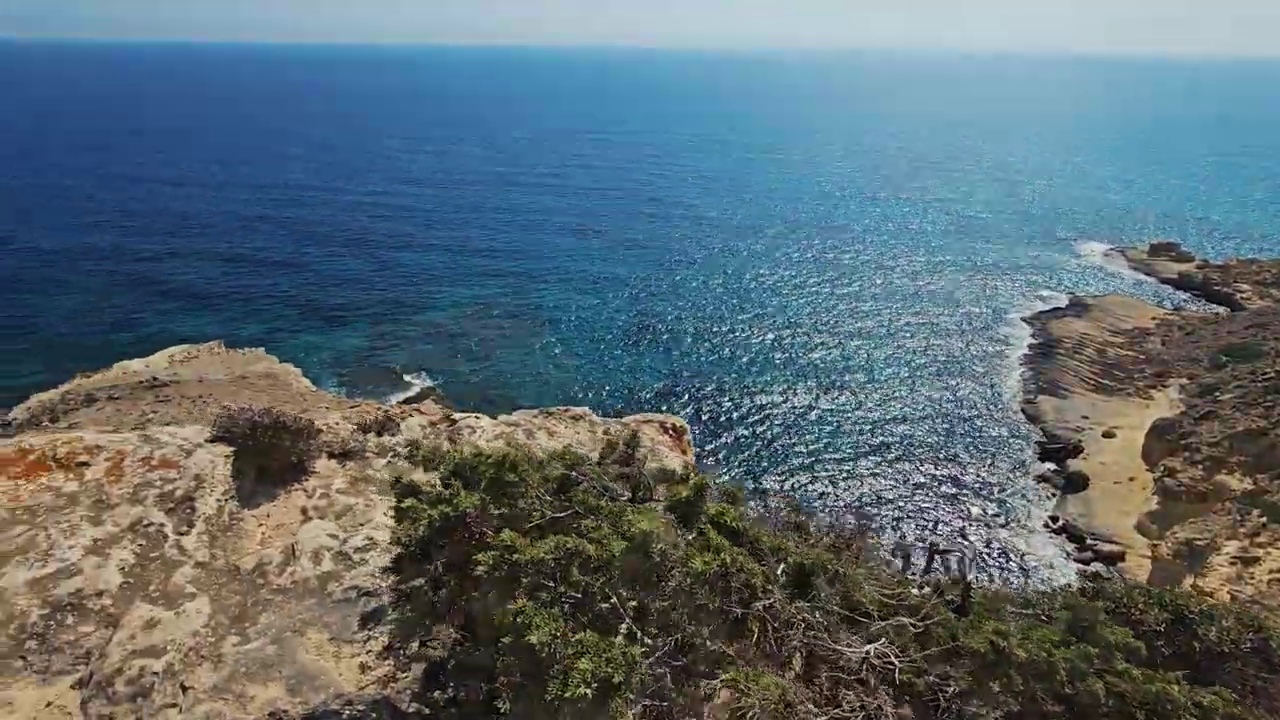 Akrotiri Peninsula
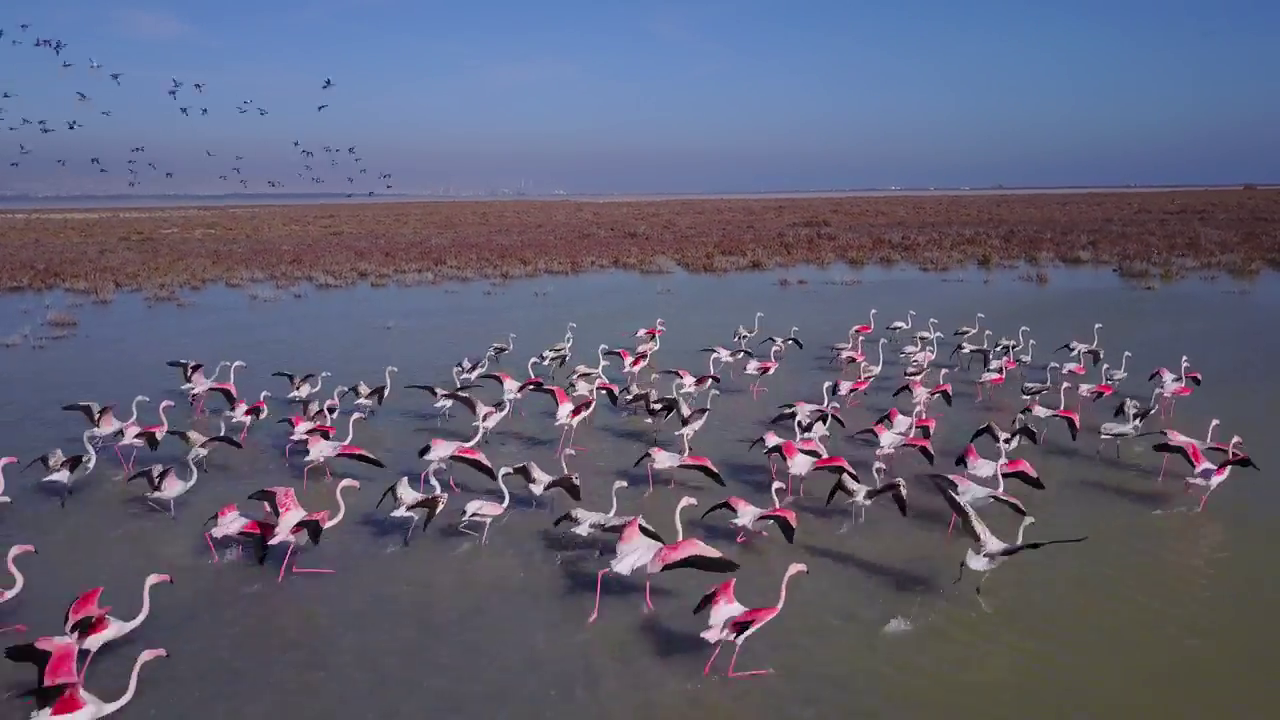 Akrotiri Salt Lake: Flamingos
Southwest of Limassol, the Akrotiri Peninsula contains one of Cyprus's most important wetland environments. Its salt lake, marshes, reed beds, coastal dunes and other habitats support resident and migrating birds.
Akrotiri Salt Lake is a Ramsar Wetland of International Importance, while other conservation designations recognize the peninsula's ecological value. It should not, however, be treated as a conventional recreational lake with unrestricted shoreline access.
The birdwatching experience here differs from Larnaca Salt Lake. At Akrotiri, visitors interested in birds can consider several distinct habitats rather than concentrating on a single lakeside viewpoint. The Akrotiri Marsh, Zakaki Marsh and designated observation areas around the salt lake offer different opportunities, depending on season, water levels and species present.
Spring and autumn migration can be particularly interesting, while winter may bring flamingos and other waterbirds to suitable wetland areas. No species or sighting can be guaranteed, and sensitive breeding habitats must not be disturbed.
For travelers unfamiliar with the peninsula, the Akrotiri Environmental Education Centre is a sensible starting point. Its exhibitions and observation facilities help explain the area's habitats before visitors decide where to go.
There is also a jurisdictional consideration. Much of the peninsula lies within the British Sovereign Base Areas, and military restrictions apply to certain locations. Visitors must respect fenced boundaries, access signs and any rules concerning photography or the use of optical equipment near restricted installations. Being a protected natural area does not confer permission to enter military or otherwise restricted land.
Our recommendation: Akrotiri is especially rewarding for birdwatchers and travelers with a genuine interest in wetland ecology. For a casual outing focused on seasonal flamingos and nearby cultural attractions, Larnaca Salt Lake is generally the simpler choice. Akrotiri deserves more time when the different habitats, rather than one anticipated photograph, are the reason for visiting.
Which Protected Area Deserves Your Time?
The six landscapes serve different interests, and there is little value in treating them as places to complete on a single trip.
For travelers staying in Larnaca, the Salt Lake is the natural first choice, particularly during the wetter months when birdlife may be present. Those based around Ayia Napa or Protaras will generally find Cape Greco more convenient, with accessible visitor routes and a distinctive coastal ecosystem.
From Limassol, Akrotiri is the stronger option for dedicated birdwatching, while the higher Troodos forest is worth considering when cooler conditions and woodland are the priority. Paphos Forest calls for a more substantial commitment, particularly if the objective is to appreciate its endemic trees and less developed mountain character.
Akamas is a different decision. Travelers interested in its habitats can experience appropriate parts of the peninsula, but should not treat the turtle-nesting shoreline as unrestricted recreational space.
The time of year matters just as much as the location. Migratory birds, flowering plants, mountain conditions and turtle-nesting activity follow different seasonal patterns. A landscape can remain ecologically important throughout the year without offering visitors the same experience in every season. For those primarily interested in scenery rather than conservation, Best Natural Attractions in Cyprus offers a broader selection of landscapes and shorter sightseeing possibilities.
Visiting Protected Areas Responsibly
Conservation designations carry obligations, and visitors should not assume that activities permitted in one protected area are allowed in another.
Before traveling, consult the relevant official information, including guidance from the Cyprus Department of Forests, the Department of Environment and the Department of Fisheries and Marine Research. At Akrotiri, follow the requirements of the Sovereign Base Areas authorities. Rules governing access, vehicles, walking routes, wildlife observation, boating and other activities may differ by location.
Remain on permitted paths and within designated visitor areas. Do not disturb animals, nests or vegetation, remove natural materials, feed wildlife, operate drones without the necessary permissions or light fires. Beach equipment, camping and nighttime visits may be prohibited in sensitive coastal locations.
Practical preparation is equally important. Carry sufficient drinking water, wear footwear appropriate to the terrain and allow for variable road and weather conditions. In remote forests or coastal areas, make sure the route is suitable for your vehicle and abilities, and that you have a realistic return plan. A location shown on a map is not proof that access is permitted or safe.
Those traveling with children should be particularly selective about exposed cliffs, forest tracks and wildlife-sensitive areas. Visitors with mobility requirements should confirm the actual accessibility of facilities and routes rather than relying on a general description of a park.
Most importantly, wildlife sightings and access conditions cannot be guaranteed. Official restrictions, on-site signs and instructions from authorized personnel take precedence over any published travel description.
What Remains After We Leave
A protected landscape can be easy to underestimate when nothing spectacular happens. A salt lake may be nearly dry, a forest may reveal no mouflon, and a nesting beach may show no visible sign of the animals it shelters. None of these things diminishes its ecological importance.
Ordinary sightseeing encourages us to judge a place by what we take away from it. Protected areas deserve another measure: what they are able to sustain after we leave.
If migrating birds can continue to depend on the wetlands, sea turtles can return to their nesting beaches and native cedars remain part of the mountain forests, these landscapes are fulfilling purposes far more important than providing a memorable afternoon.
Their greatest value is not necessarily what we get to experience, but what Cyprus stands to lose if they are not protected.