Newsletter "Beyond the Postcards" Subscribe
Plan Your Cyprus Trip: Hotels: Expedia, Villas & Apartments: Vrbo, Car Rentals: DiscoverCars, Tours: GetYourGuide, Airport Transfers: WelcomePickups
- Home
- Plan Your Cyprus Trip
- Cyprus Itineraries
Cyprus Itineraries: How To Spend 3 Days To 2 Weeks On The Island
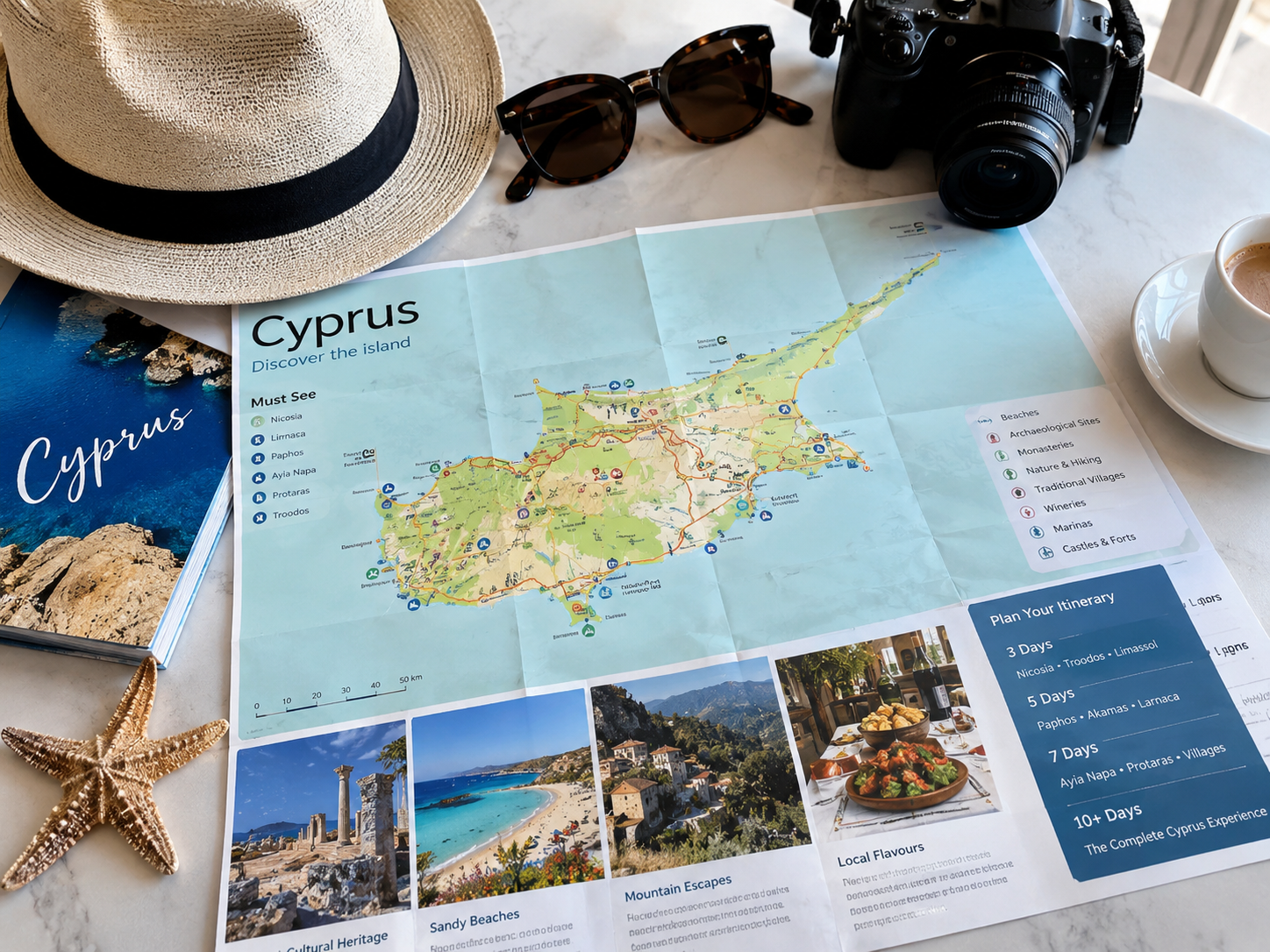
Cyprus looks easy to plan, which is partly why so many trips to the island are planned badly. The distances between its main regions are manageable enough to make overambition seem reasonable. Paphos, the Akamas Peninsula, the Troodos Mountains, Limassol, Nicosia, Larnaca, Ayia Napa and Protaras can all appear on the same map without looking particularly far apart, so it is tempting to start joining the dots.
The result can be a technically possible itinerary and a poor holiday.
Cyprus is at its best when there is time between the places: time for lunch to run longer than expected, to stop in a village without immediately calculating the drive to the next one, or to spend an afternoon by the sea without leaving because another attraction has been allocated a slot.
A good Cyprus itinerary therefore begins with subtraction. Decide what deserves your time, decide what does not, then build the trip around the Cyprus you actually want to experience.
The Quick Answer: Which Cyprus Itinerary Should You Choose?
Your trip length matters, but it is not the only thing that matters. How you travel, where you arrive, how frequently you are willing to change accommodation and whether you want a road trip or a slower stay can alter the shape of the journey completely.
As a starting point:
- 3 Days in Cyprus — choose one region and experience it properly.
- 5 Days in Cyprus — build around one strong base or a carefully chosen two-base combination.
- 7 Days in Cyprus — enough time for a balanced first trip without needing to race around the island.
- 10 Days in Cyprus — combine coast, mountains, villages and perhaps a city with noticeably more depth.
- 14 Days in Cyprus — slow the pace and allow different versions of Cyprus to emerge rather than simply adding more stops.
- Cyprus Road Trip Itinerary — make movement part of the experience and build the trip around carefully chosen bases.
- Cyprus Without a Car Itinerary — organize the journey around walkability, transfers and realistic transport connections rather than trying to imitate a driving itinerary.
The important part is choosing the right itinerary rather than assuming that the longest or most geographically ambitious route is automatically better.
First, Decide What Kind Of Cyprus You Want

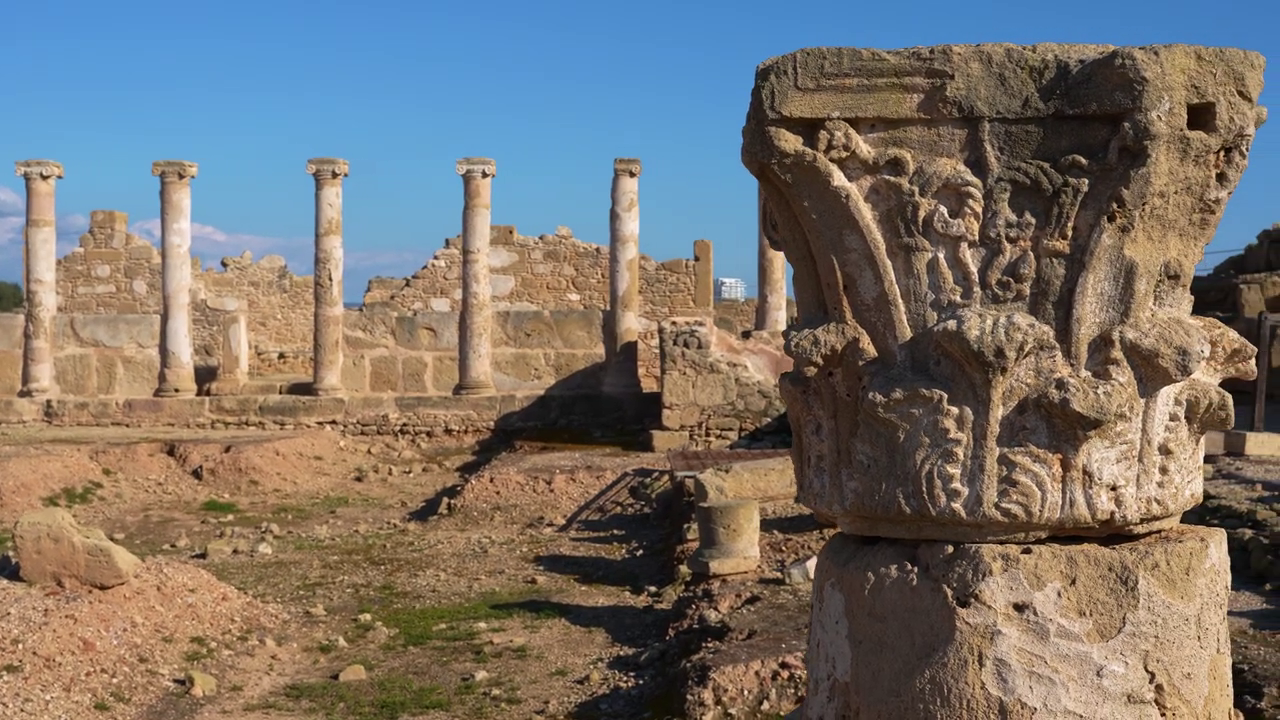

There is no single definitive Cyprus itinerary because there is no single Cyprus experience.
A traveler interested primarily in archaeology and history should allocate time differently from someone who wants long coastal days. A couple interested in wine villages, mountain scenery and long dinners needs a different rhythm from a family staying near an easy beach. Someone returning to Cyprus for the fourth time should not necessarily follow the classic first-trip route at all.
Before deciding where to sleep each night, decide what you want the trip to feel like. Do you want the sea to be the constant, or do you want mountain villages to interrupt the coast? Do you want one excellent hotel, villa or apartment to become part of the experience, rather than changing accommodation repeatedly? Do you enjoy driving, or does every additional hour behind the wheel reduce the quality of the holiday?
These questions matter more than trying to identify an imaginary list of places everyone is required to see. The itinerary should fit the traveler, not the other way around.
3 Days in Cyprus: Choose, Don't Chase
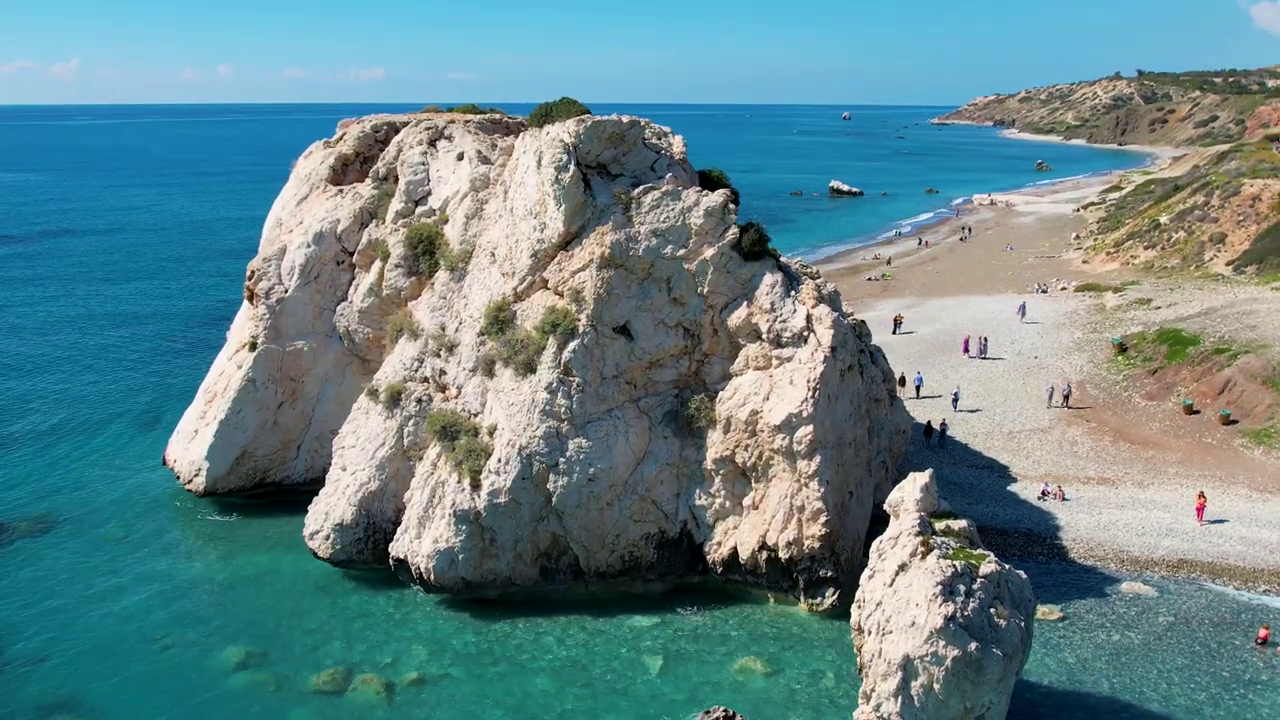 Aphrodite's Rock (Petra tou Romiou), Paphos
Three days is enough to have a very good short break in Cyprus. It is not enough to understand the whole island, and pretending otherwise usually creates a ridiculous schedule.
For 3 Days in Cyprus, we would normally build the trip around one part of the island and accept that most of Cyprus will remain for another visit. That might mean Paphos and its surrounding countryside, Larnaca combined with the southeastern coast, or Limassol with a carefully chosen excursion inland. The right answer depends heavily on where you arrive, what you want from the trip and whether you have a car.
What we would not do is spend three days changing hotels, crossing the island repeatedly and treating every meal as something that has to fit between sightseeing stops. On a short trip, every transfer costs disproportionately more. Packing, checking out, driving, parking, finding the next accommodation and settling in again can consume a surprising amount of the little time you have.
Choose a base intelligently and let the trip become deeper rather than wider.
Our 3 Days in Cyprus guide develops the different ways we would approach a short visit.
5 Days in Cyprus: Enough Time To Add Contrast
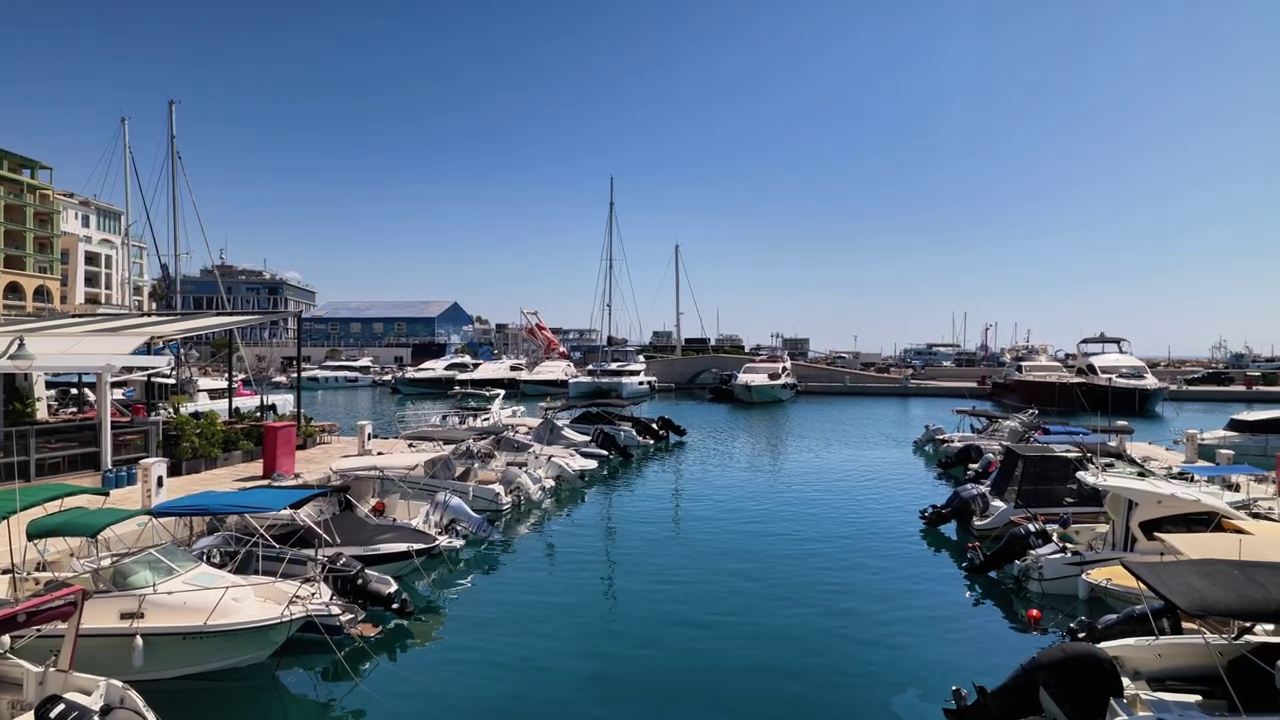 Limassol Marina
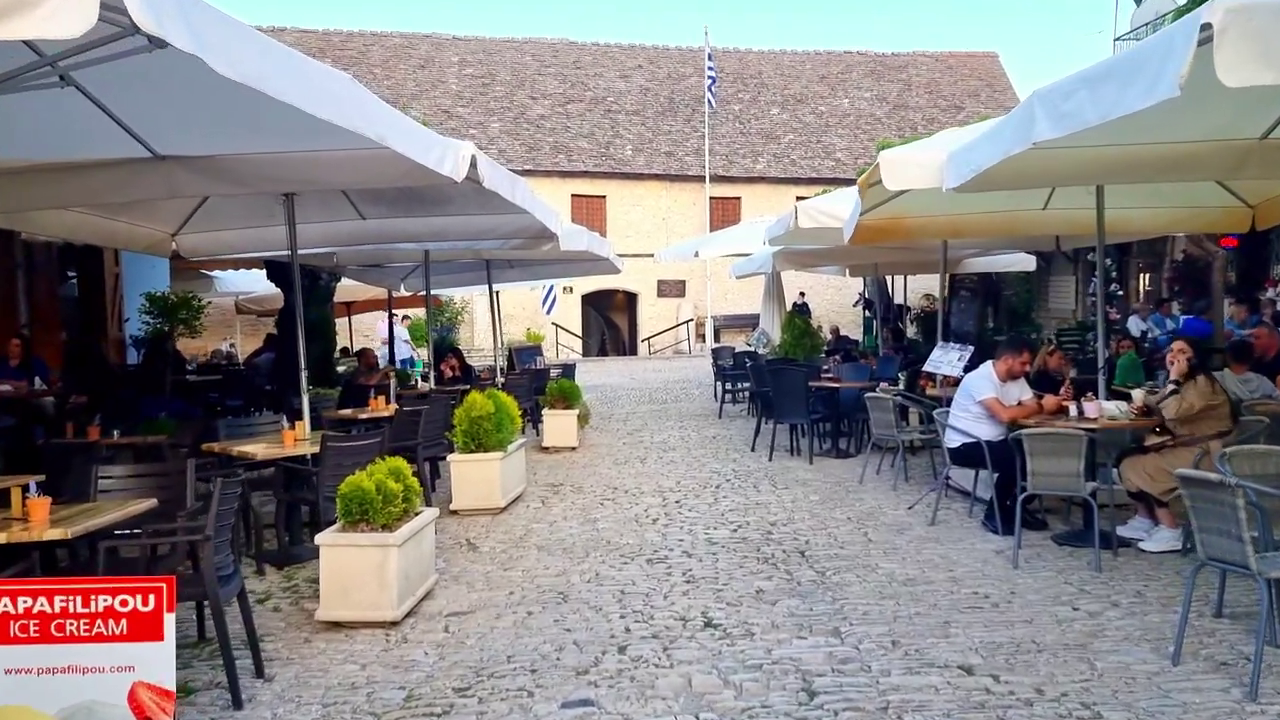 Omodos Square
Five days gives you enough time to introduce a second landscape or atmosphere without turning the trip into constant movement.
A coastal base can be paired with mountain or village time. A few days around Paphos can be balanced with an inland stay. Limassol becomes more than a city-and-beach break when the surrounding wine country and Troodos foothills enter the journey, while Larnaca can work as a practical base for exploring more of the southeast.
The important decision is whether one base or two would genuinely improve the trip. Two bases make sense when each creates a different experience and reduces unnecessary backtracking. They make less sense when the second hotel exists simply because somebody wanted another pin on the map.
For some travelers, five nights in one excellent location with well-chosen days out will beat a more elaborate route. Others will value the contrast created by splitting the trip.
Our 5 Days in Cyprus itinerary explains where that dividing line sits.
7 Days in Cyprus: The Sweet Spot For Many First Trips


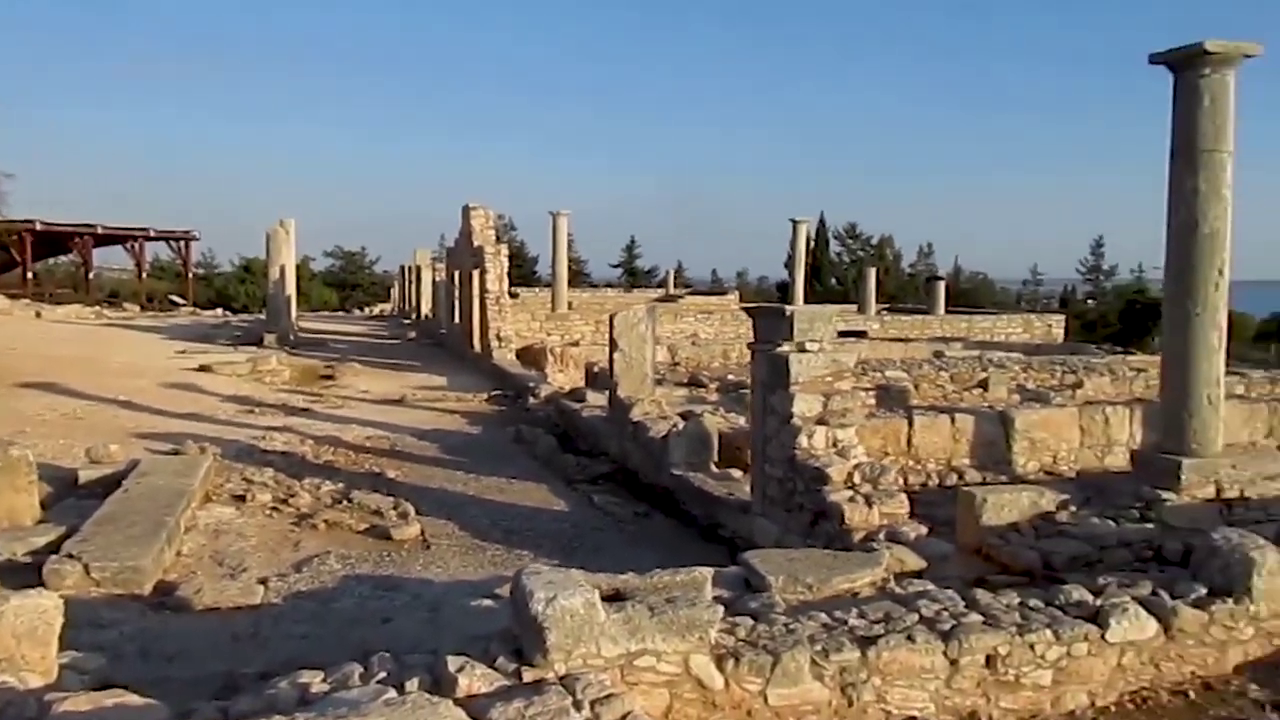
A week is where Cyprus begins to open up without demanding that the holiday become a road expedition.
For many first-time visitors, 7 Days in Cyprus is the easiest length for achieving genuine contrast: coast and mountains, resort life and villages, history and a day when very little needs to be planned.
One base can still work beautifully if the purpose of the holiday is rest with selective exploration. Two bases, however, can give a first trip considerably more range without creating the feeling of constantly moving.
Paphos and Troodos create one kind of week. Limassol and the mountains create another. A trip centered farther east produces a different relationship with Larnaca and the southeastern coast. Nicosia can be added when its cultural and urban character genuinely interests you; it should not be included merely because it is the capital.
We would also protect some empty space. Seven days containing seven major sightseeing days is not our idea of a well-designed Cyprus holiday. A free morning, an afternoon left open after lunch or a day with only one commitment can be more valuable than another carefully optimized sequence of attractions.
Our 7 Days in Cyprus guide is designed around that balance.
10 Days in Cyprus: Add Depth Before You Add Distance


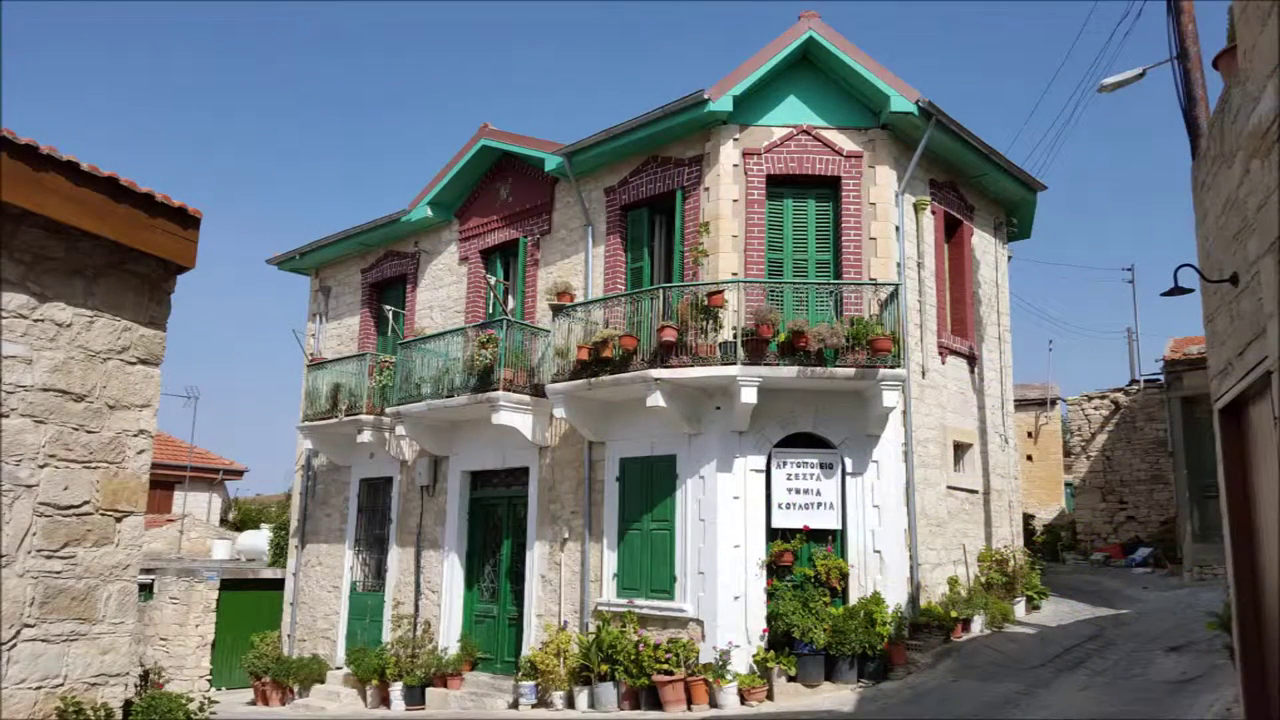
Ten days gives you something more valuable than permission to visit additional places: it gives you time to experience them properly.
You can spend several nights on the coast without feeling that you have sacrificed the mountains. You can stay in a village rather than merely drive through one, devote meaningful time to western Cyprus while still experiencing another region, and have a deliberately slow day without wondering whether you have wasted part of the holiday.
The mistake is to treat the extra days after a one-week trip as three more destinations. We would rather use at least some of them to increase depth: return to somewhere you liked, allow a mountain day to unfold without watching the clock, or spend a second afternoon by the sea.
Ten days also makes a two-base itinerary particularly comfortable and can make a carefully planned third base worthwhile. More than that should have a strong reason behind it.
Our 10 Days in Cyprus guide is for travelers who want broader coverage without turning the island into a project.
14 Days in Cyprus: Let The Pace Change
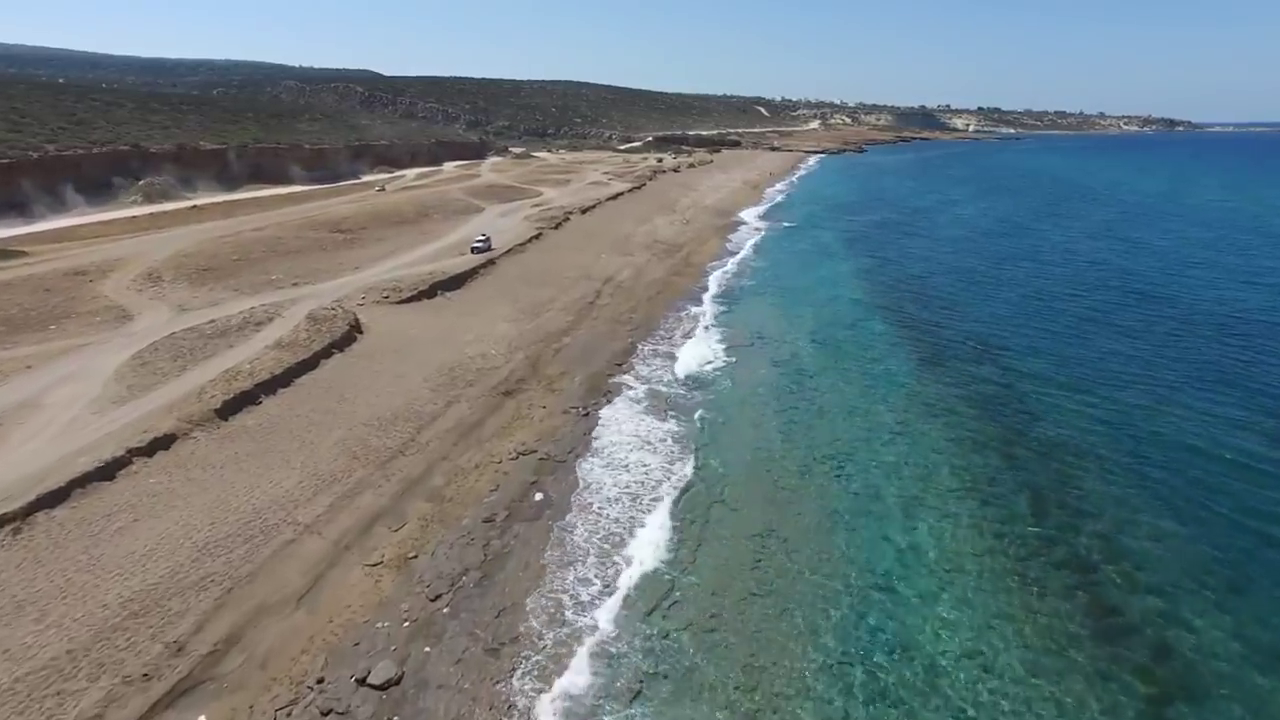

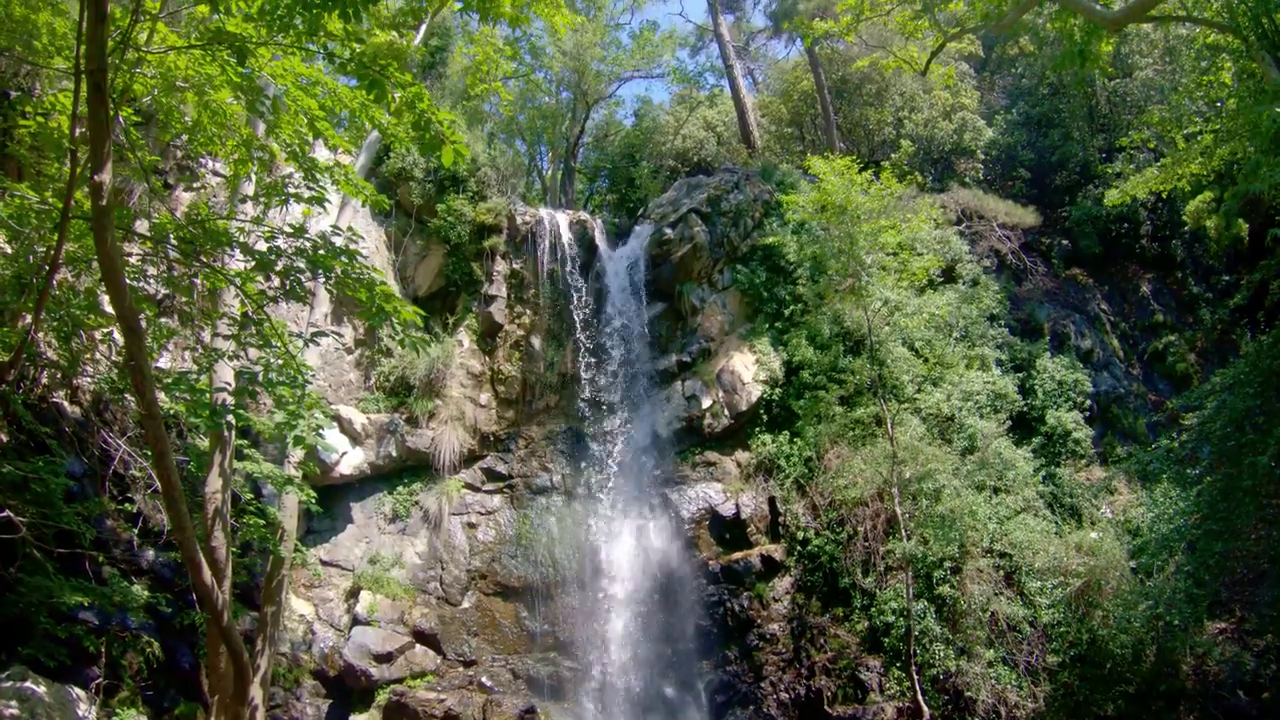
Two weeks should not feel like a seven-day itinerary performed twice.
With 14 Days in Cyprus, the island begins to feel less like a destination being toured and more like somewhere you are temporarily living. A two-week journey can combine the coast with Troodos, give villages more than a passing appearance and allow several regions without making every relocation feel compulsory.
It also creates room for weather, tiredness and changing preferences. Perhaps you discover that you like the mountains more than expected and stay longer over lunch. Perhaps a coastal day is too good to abandon. Perhaps one planned excursion no longer seems worth the drive.
For travelers who dislike repeatedly packing and unpacking, fourteen days does not require four or five hotels. Two or three thoughtfully selected bases can often produce a more sophisticated journey than a continuous circuit of the island.
Our 14 Days in Cyprus guide is built around that slower logic.
Cyprus Road Trip Itinerary: When Movement Is Part Of The Trip

Cyprus can work extremely well as a road-trip destination, but only if you actually enjoy driving.
A car gives independent travelers access to combinations that are difficult to achieve otherwise: mountain villages, wineries, rural landscapes, trailheads, quieter stretches of coast and places where public transport may be limited or inconvenient.
But possessing a rental car is not the same thing as designing a good road trip.
A strong Cyprus Road Trip Itinerary minimizes pointless backtracking, uses overnight bases strategically and recognizes that a mountain journey deserves more time than a simple calculation of distance might imply. Repeatedly crossing the island because the accommodation was chosen badly is not freedom.
We would also resist turning the road trip into a continuous sequence of one-night stays. Part of the pleasure comes from movement, but part comes from arriving somewhere and staying long enough for it to become more than tonight's bed.
Anyone planning to drive should also read our Driving in Cyprus guides before fixing the route, particularly if driving on the left is unfamiliar. Rental conditions, parking, local driving rules and mountain driving all deserve consideration before the journey begins.
Our dedicated Cyprus Road Trip Itinerary brings those decisions together into a route designed around the road rather than merely using a car to connect attractions.
Cyprus Without A Car Itinerary: Don't Copy The Driving Version
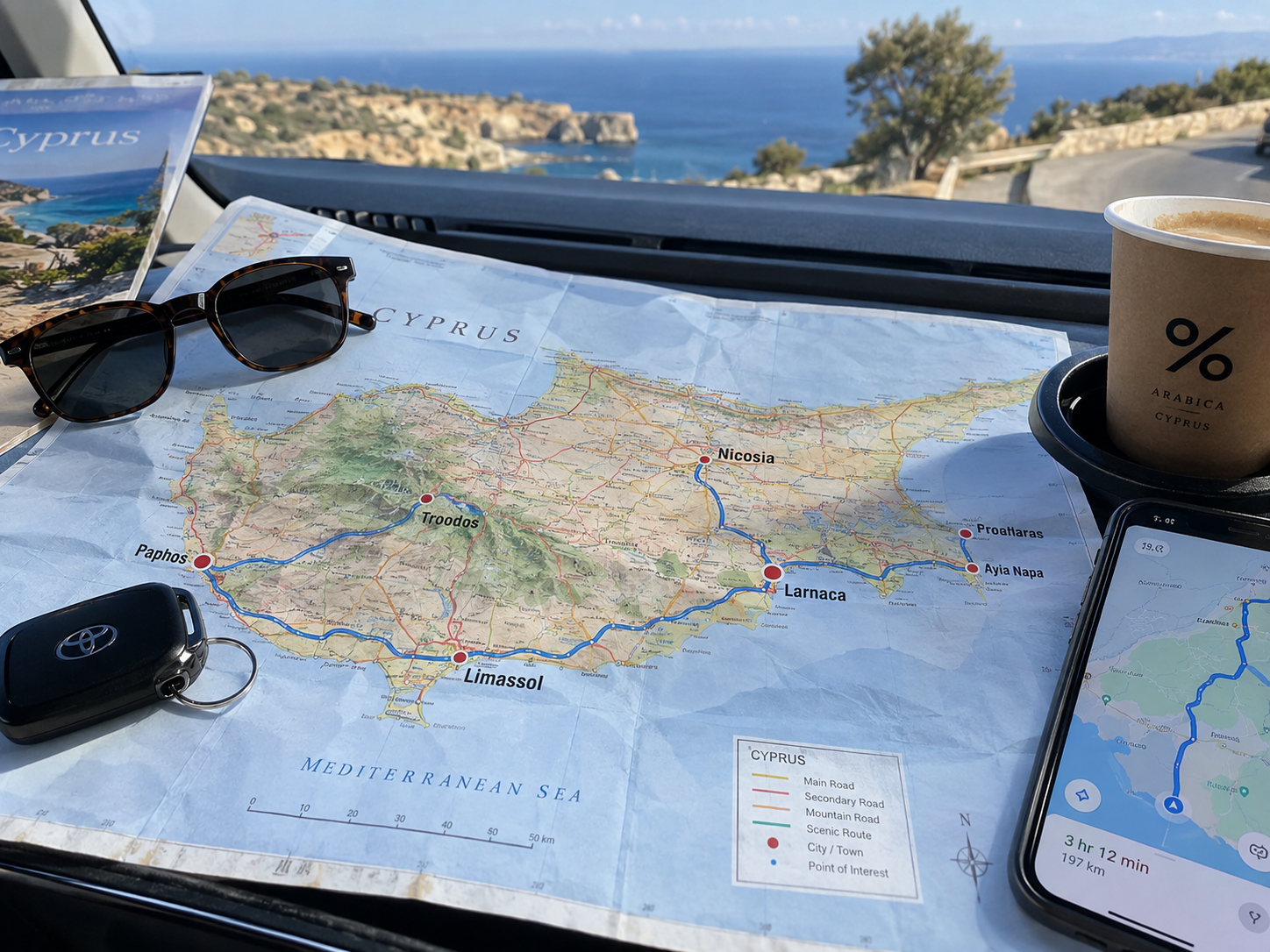
Cyprus without a car can be a very good trip. It simply needs to be designed as one from the beginning.
The mistake is taking a road-trip itinerary, removing the car and trying to replace every journey with a bus, taxi or transfer. That usually produces too much friction.
Without a car, the quality of your bases becomes more important. Walkability matters more. Being close to restaurants, beaches and evening activity can matter more. Moving between accommodation needs to earn its place in the itinerary because every transfer requires more organization.
Urban and established coastal areas generally offer more practical options for travelers who do not want to drive, while rural exploration requires greater selectivity and, in some cases, prearranged transport or organized experiences.
That is not necessarily a disadvantage. A car-free trip can remove the pressure to cover ground and encourage longer stays, fewer accommodation changes and a more concentrated relationship with one or two areas.
Before deciding, read Getting Around Cyprus and Where to Stay in Cyprus Without a Car, then use our Cyprus Without a Car Itinerary to build the journey around realistic movement rather than theoretical possibilities.
One Base or Two?
This is one of the most important Cyprus itinerary decisions, and one of the easiest to overcomplicate.
One base gives you continuity. You unpack once, become familiar with your surroundings and make evenings easier. The hotel, villa or apartment can become part of the holiday rather than simply somewhere between journeys.
The cost is distance. Some excursions become longer, and parts of the island may no longer be sensible day trips.
Two bases create range. They can allow the coast and mountains to coexist naturally or give you meaningful time in two parts of Cyprus without repeatedly driving back to the same place.
The cost is interruption. Changing accommodation always takes more time and energy than it appears to on an itinerary spreadsheet.
Three bases begin to make more sense on longer trips or genuine road trips. On shorter visits, they need a very good reason. The correct decision is not the one that covers the most geography; it is the one that improves the experience enough to justify the movement.
Our Best Areas to Stay in Cyprus guides and two-base comparisons go into this question in greater detail.
Let Your Arrival Point Shape The Route
Travelers often design the perfect itinerary and only afterwards notice where their flight lands.
Reverse that.
Whether you arrive through Larnaca or Paphos should influence the first and final part of the journey, particularly on shorter trips. There is little merit in beginning a holiday with unnecessary cross-island travel simply because an itinerary copied from somewhere else starts in a particular place.
Arrival time matters too. A day on which your flight lands, luggage is collected, a rental car is arranged or a transfer is taken and accommodation is reached is not automatically a full sightseeing day. The same is true at the other end of the journey.
Treat arrival and departure as real parts of the itinerary rather than administrative blanks around it. Our Airports & Arriving in Cyprus guides can help you make those decisions before committing to a route.
Season Changes The Itinerary

The island does not ask to be traveled in exactly the same way throughout the year.
In hotter periods, a schedule built around long exposed walks and relentless midday sightseeing can quickly lose its appeal. Mountain time, early starts, slower lunches and later afternoons may become more attractive.
During cooler months, daylight, sea conditions, mountain weather and seasonal operating patterns can influence what makes sense on a particular day.
That does not mean you need an entirely different Cyprus every month. It means the same itinerary should breathe differently according to when you travel.
Before fixing the route, use Best Time to Visit Cyprus to understand the character of the period you are considering, then adjust the pace rather than merely changing the packing list.
Plan The Anchors, Not Every Hour
We plan Cyprus trips around anchors: something important enough to shape a day, such as an archaeological site, a mountain hike, a winery visit, a boat trip, a special lunch, a beach you genuinely want to spend time on or a transfer between bases.
Once the anchor is fixed, resist the urge to decorate every remaining hour with another activity. This is especially important in villages and rural areas, where the value of the day is often the movement between things rather than the number of formal attractions completed.
It also gives the itinerary resilience. Weather changes. People get tired. Lunch takes longer. A beach is better than expected. A road invites an unplanned stop. Something that sounded essential during research becomes irrelevant once you are actually there.
An itinerary with space can absorb those changes. A packed one starts to collapse as soon as reality appears.
Build The Trip in The Right Order
Many travelers start with attractions. We would start somewhere else.
First decide how many usable days you actually have. Then consider the arrival and departure airports, whether you will drive and what kind of Cyprus matters most to you.
Only then choose the bases.
Once the bases make geographic sense, identify the handful of experiences that genuinely matter. Add reservations where they are necessary, check whether the route is sensible for the season, and leave room around it.
This sequence also prevents one of the most common itinerary problems: accommodation being booked first because a hotel looked appealing, followed by months of trying to make every planned excursion work from the wrong part of the island.
Where you stay and how you move are not separate from the itinerary. They are part of its structure.
What We Would Not Do
We would not try to visit every major region on a short first trip. We would not change accommodation simply to make the map look more impressive. We would not drive from one side of Cyprus to the other for a single famous attraction unless that experience genuinely mattered to us. We would not schedule mountains, archaeological sites, beaches, villages, wineries and cities as though they were interchangeable blocks of sightseeing. We would not assume that every day needs a headline attraction, or book a beautiful resort and then design an itinerary that ensures we are never there.
And we would not judge a Cyprus trip by how much of the island remains unseen.
Leaving somewhere out is not a planning failure. Often, it is the decision that makes the rest of the trip work.
A Practical Note Before You Travel
Any itinerary should be treated as a planning framework rather than a guarantee that every journey, attraction or experience will operate exactly as expected.
Road conditions and access can change. Transport schedules and operating days can change. Weather can affect mountain routes, hikes, boat trips and other outdoor plans. Businesses and attractions may alter opening arrangements, and individual rental or transport providers set their own terms.
Check relevant current information shortly before travel and again when conditions could materially affect the day. Allow sensible margins around airport journeys, booked experiences and important connections.
Good planning reduces unnecessary uncertainty. It does not eliminate the need to respond to conditions on the ground.
The Best Cyprus Itinerary Leaves Something Out
There is an odd moment in trip planning when an itinerary finally starts to improve. It usually happens when you delete something: one less hotel, one less cross-island drive, one less morning that begins with a checkout, one less attraction included because somebody else's itinerary called it essential.
Suddenly there is room.
That room is where Cyprus often becomes memorable: the afternoon when nobody wants to leave the beach yet, the mountain road you take slowly because there is nowhere urgent to be, the village where coffee becomes lunch, or the restaurant you return to because the first evening was too good to treat as a box already ticked.
Three days cannot show you all of Cyprus. Neither can five, seven, ten or fourteen. That is not the weakness of the itinerary. It is the point.
Plan enough to choose Cyprus well, then leave enough space to discover it.