Newsletter "Beyond the Postcards" Subscribe
Plan Your Cyprus Trip: Hotels: Expedia, Villas & Apartments: Vrbo, Car Rentals: DiscoverCars, Tours: GetYourGuide, Airport Transfers: WelcomePickups
- Home
- Plan Your Cyprus Trip
- Cyprus Itineraries
- 7 Days in Cyprus
7 Days in Cyprus: A Week in Two Meaningful Chapters
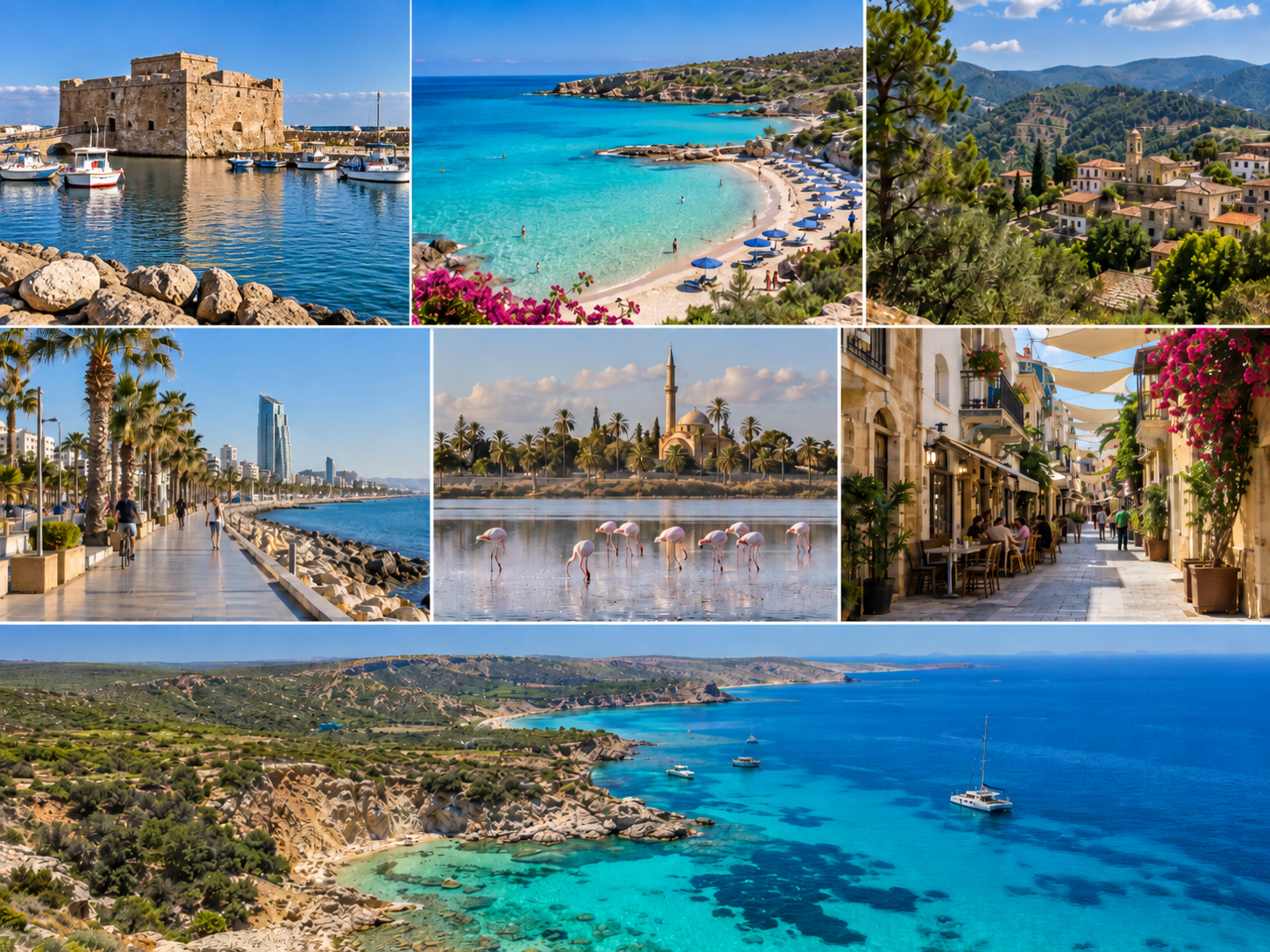
Seven days is where planning Cyprus becomes more interesting.
With three days, the problem is scarcity. With five, the trip begins to loosen. A full week gives you enough time to create a journey with two distinct chapters: coast and mountains, west and central Cyprus, or beaches followed by city and countryside.
It also gives you enough time to make a bigger mistake.
A week looks generous on a map. Paphos, Limassol, Troodos, Nicosia, Larnaca, Ayia Napa and Protaras all begin to look possible. Technically, they are. The more useful question is whether connecting them creates a better trip; usually, it does not.
For most independent travelers with seven usable days, we would choose one strong base and explore deeply, or use two bases with only one accommodation change. Three bases can work in particular circumstances, but we would need a convincing reason.
Seven days is not the point at which you can finally see all of Cyprus. It is the point at which you can create a journey rather than a collection of excursions.
The Quick Answer: How Should You Spend 7 Days in Cyprus?
For a balanced first trip, there are three structures we would seriously consider:
- Paphos + Limassol and Troodos — our preferred all-round route for travelers who want archaeology, coast, countryside, mountains and two contrasting bases without crossing the island repeatedly.
- Larnaca + the southeast + inland Cyprus — stronger for travelers arriving through Larnaca who place beaches first but still want villages, Nicosia or Troodos to change the rhythm.
- One-region week — stronger than it sounds for travelers who value depth over coverage and would rather understand western Cyprus, the southeast or Limassol and the mountains properly than spend the week relocating.
Our preferred first-time itinerary is four days in western Cyprus followed by three days around Limassol and the Troodos Mountains.
It works particularly naturally when you arrive through Paphos. If your flights favor Larnaca, reverse or redesign the geography rather than following the route mechanically.
The decision is not which seven places deserve seven days.
It is what you want the week to be about.
Why Seven Days Is Different
A seven-day trip has something shorter itineraries rarely have: a genuine second half.
The first few days can establish a region. You learn the roads, begin recognizing the part of the coast you prefer and discover what deserves more time. Then the trip can change once—geographically, atmospherically or both.
That one change can make the week feel much broader without making it restless.
The problem begins when the additional days are interpreted as permission to keep moving. If every second morning involves packing, checking out and learning another area, the week gains destinations but loses continuity.
For us, the strongest seven-day itinerary has a clear first chapter, one transition that earns its disruption and a second chapter that feels meaningfully different.
That is the framework behind the route below.
The 7-Day Cyprus Itinerary We Would Choose
For a balanced first visit, we would begin in Paphos, spend four days exploring western Cyprus, then move once to Limassol for the final three days, using the city as the base for the Troodos Mountains and a slower finish.
This route suits travelers interested in archaeology, landscape, villages, food and regional contrast. It does not attempt the beaches of Protaras and Ayia Napa, and it does not include Nicosia by default.
That exclusion is deliberate.
Travelers who care most about the southeast should build the week from Larnaca instead. Travelers who want museums and urban Cyprus to play a central role should give Nicosia a full day and remove something else.
A good seven-day itinerary does not accommodate every priority. It identifies yours.
Day 1 — Arrive in Paphos And Stay There
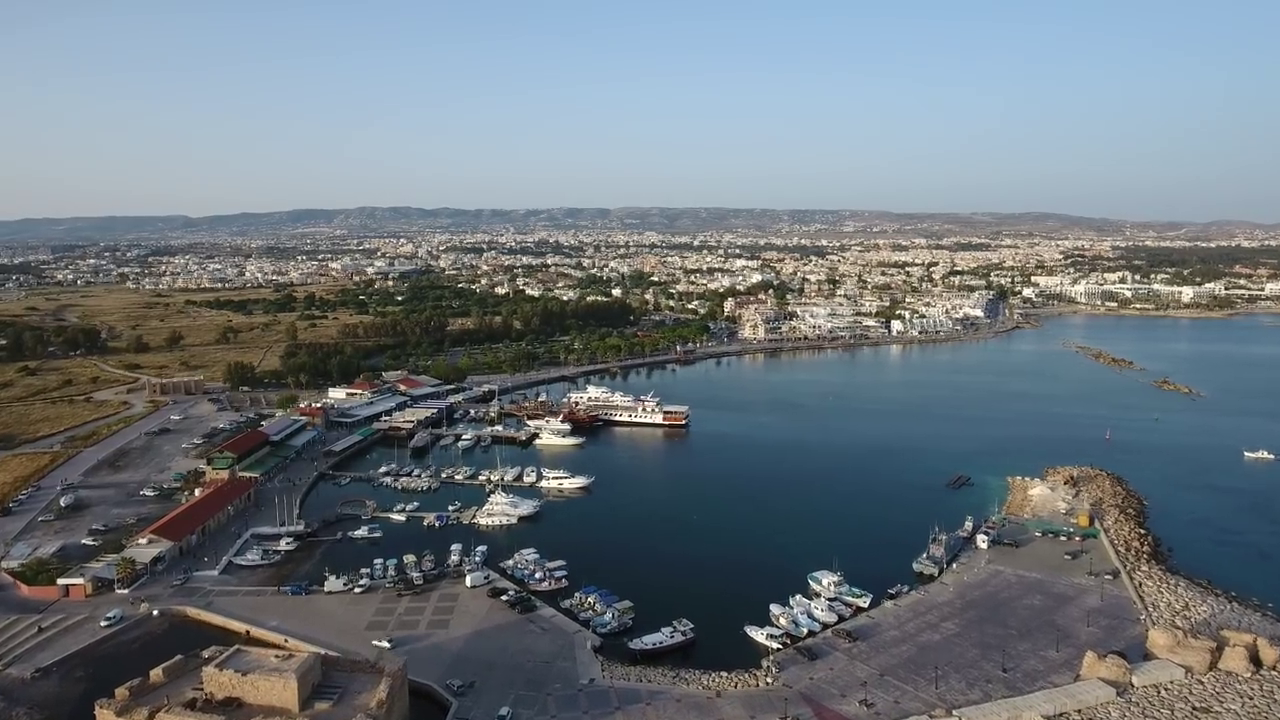 Kato Paphos
Begin with Paphos itself rather than using arrival as permission to start driving around the island.
If you arrive early enough, Kato Paphos gives you an easy introduction. The archaeological landscape, waterfront and harbor can share the same day without requiring a complicated route, and the pace can be adjusted according to how much energy you have after traveling.
Travelers strongly interested in archaeology may want to give the historical sites substantial time. Others may prefer a shorter introduction followed by the waterfront, lunch and an unstructured afternoon.
Do not expect the first day to perform like the days that follow. Airport formalities, luggage, rental-car collection, reaching the accommodation and learning a new place all use attention as well as time.
A calm first day is not a concession. It is what allows Day 2 to begin properly.
Day 2 — Give Paphos A Full Day
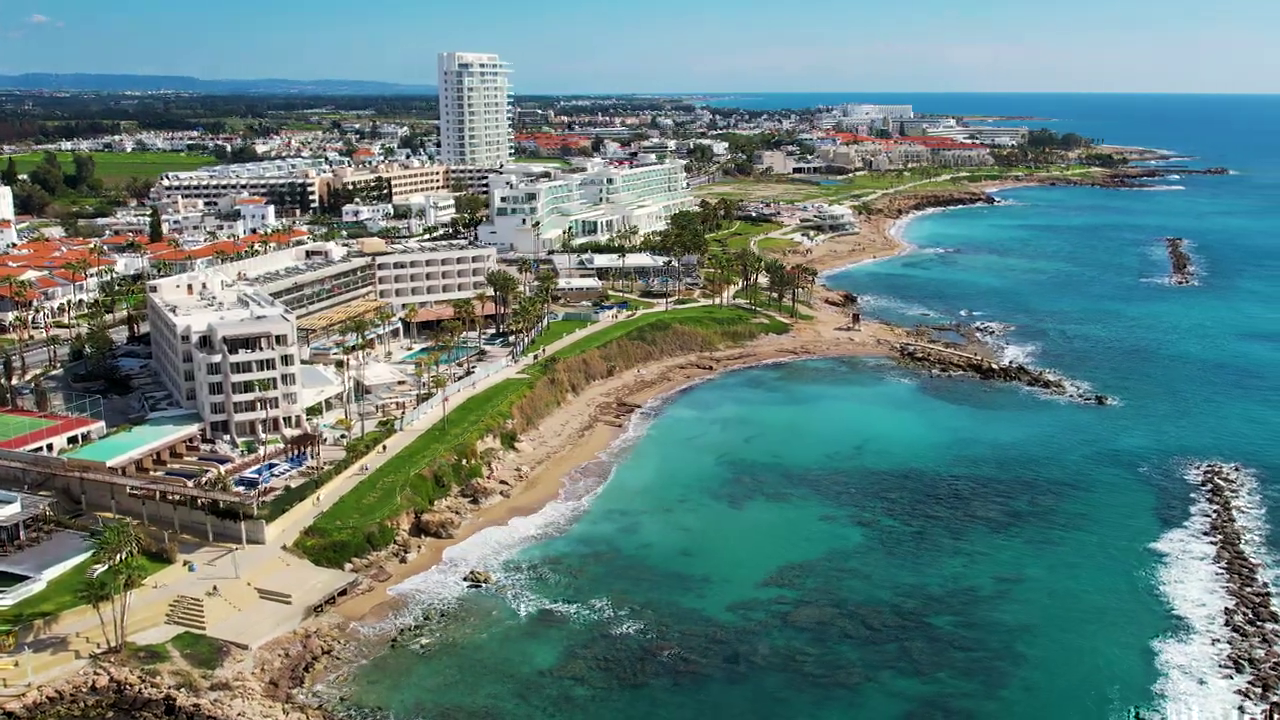 Paphos
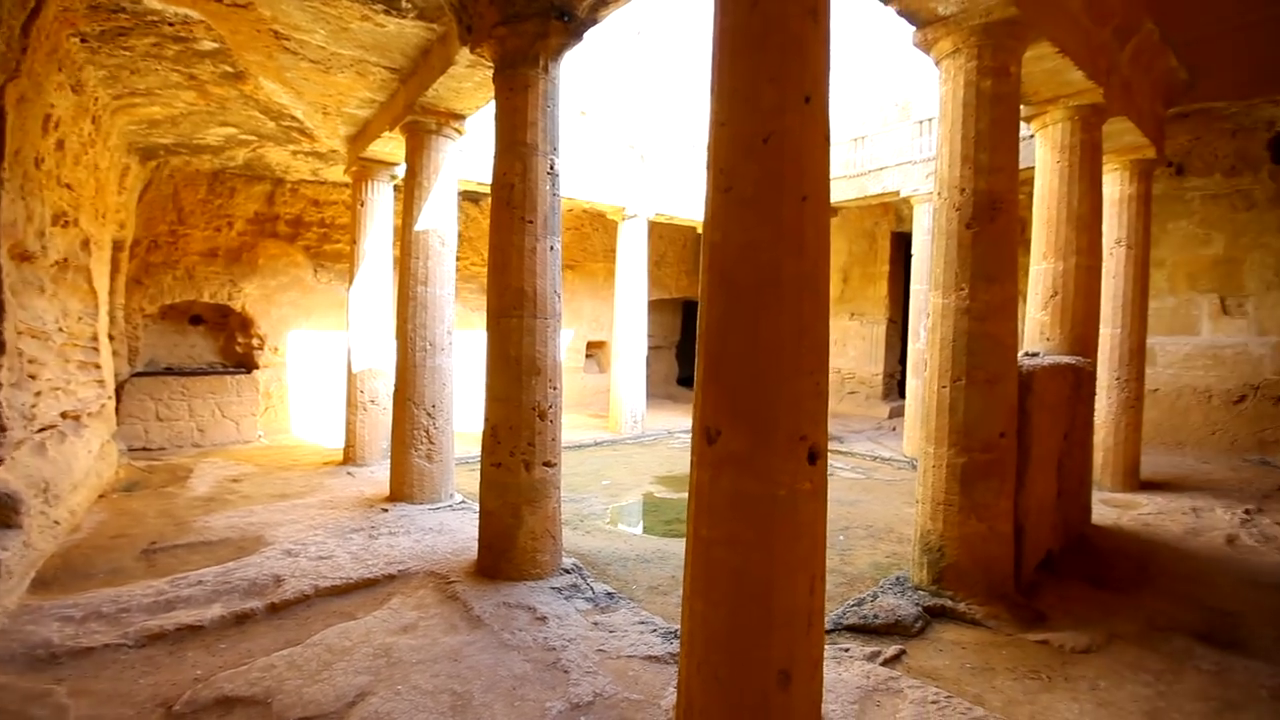 Tombs of the Kings, Paphos
A week in Cyprus does not mean Paphos should be reduced to an arrival afternoon.
Use the second day to go deeper into whatever interested you on Day 1. For some travelers, archaeology will remain central. For others, another part of Paphos, the coast or a slower combination of historical sites and lunch will make more sense.
The important thing is not to leave immediately simply because the itinerary now contains enough time to go somewhere else.
There is value in spending a second morning in the same place. You begin the day without reorienting yourself. You know roughly where you are going. You can walk for part of the day if you are based around Kato Paphos and save the more driving-dependent exploration for later.
That familiarity makes the trip feel established before the geography widens.
Day 3 — Polis, Latchi And The Akamas Side of Cyprus
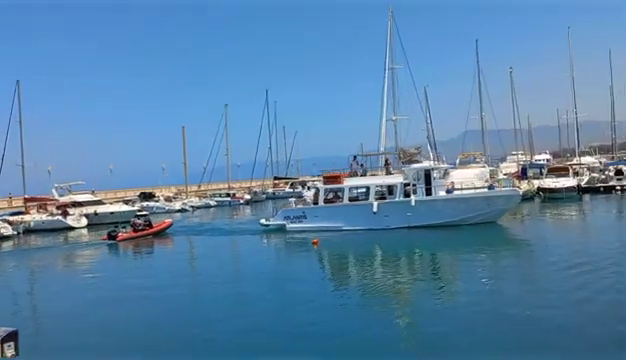 Latchi Harbor
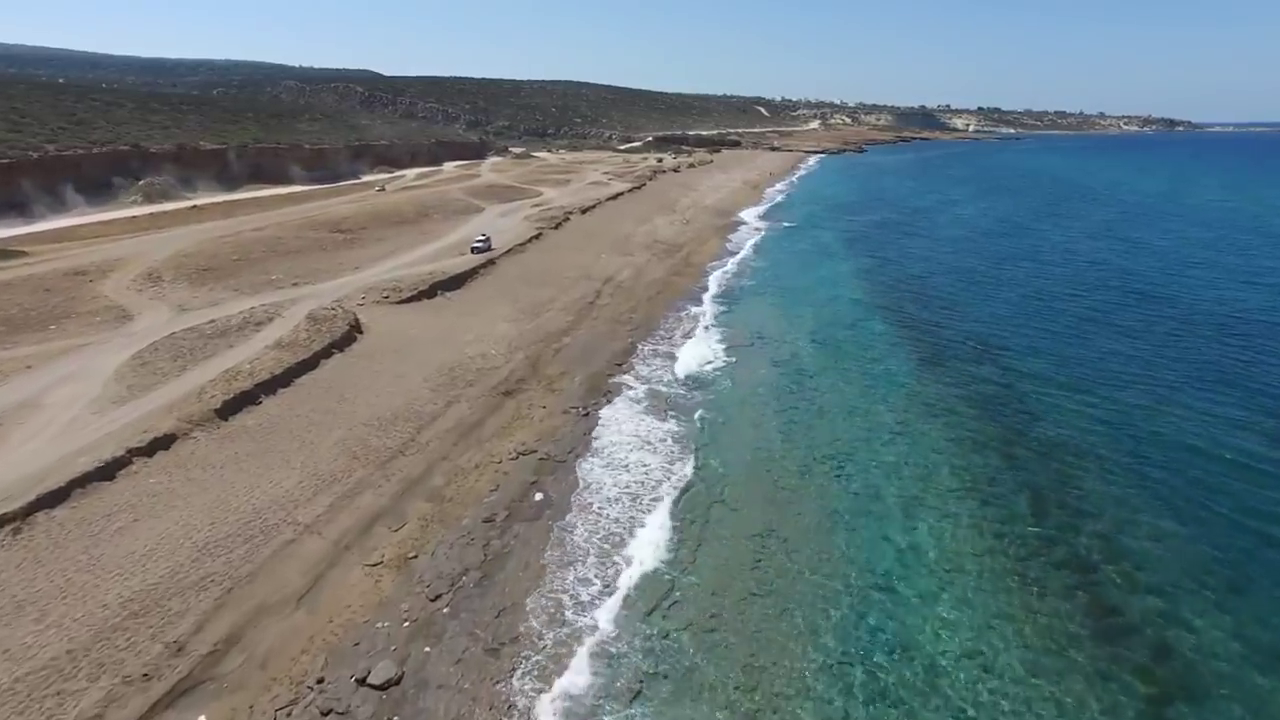 Akamas Coast
Day 3 is when western Cyprus should open out.
Head toward Polis and Latchi, treating the northwest as part of the experience rather than simply the approach road to Akamas. Give yourself enough time for the coast, lunch and the change of atmosphere before deciding how much farther you want to explore.
Travelers drawn strongly to nature may want the wider Akamas landscape to become the principal part of the day. Others may prefer to keep more time around Polis and Latchi or include time on the water when suitable boat operations are available and sea conditions allow.
The distinction matters because Akamas is not something you improve by attempting to cover more of it.
Road and track conditions vary, and some routes may not be suitable for ordinary rental vehicles. Rental agreements can also restrict where a vehicle may be driven. Check current access conditions and the terms that apply to your car rather than assuming every mapped route is appropriate.
A good day here should feel expansive rather than complicated. Return toward Paphos without adding another major destination simply because the daylight allows it.
Day 4 — Countryside, Villages And A Different Pace
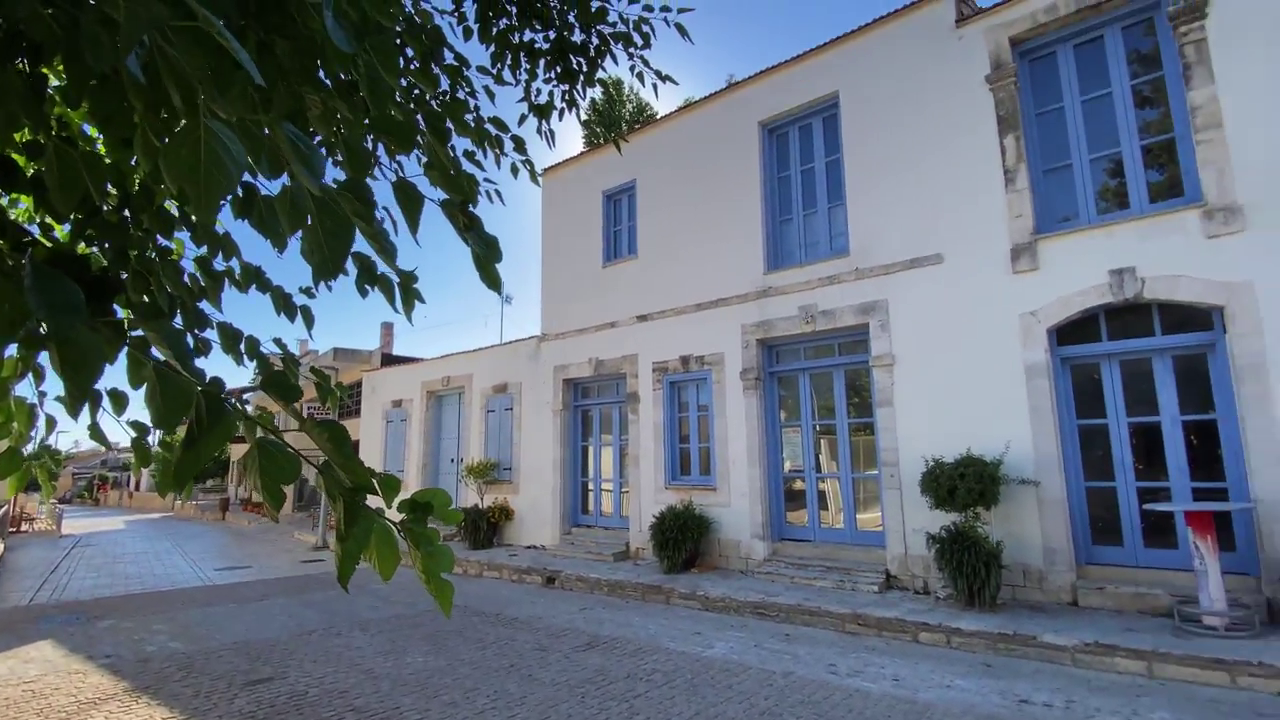 Kathikas Village
 Drouseia (Droushia) Village
The fourth day is deliberately inland.
A village such as Kathikas can give the day a useful anchor, particularly when combined with the surrounding countryside rather than treated as another brief stop between attractions.
By now you have experienced Paphos and the northwest. Moving inland lets you see how quickly the rhythm changes once the coast stops organizing the day. Roads become smaller, lunch can occupy more of the afternoon and modest distances can produce a surprisingly different atmosphere.
If wine interests you, this is a natural day to include a winery. Build the driving around that choice responsibly; if you intend to drink, arrange appropriate transport or ensure the driver remains alcohol-free.
Do not use the final western day to visit every village you have heard about. One or two places that fit naturally together are enough.
By the end of Day 4, western Cyprus should feel familiar. That is precisely why moving on Day 5 can now add something rather than simply interrupt the trip.
Day 5 — Move Once, And Make The Move Worth It
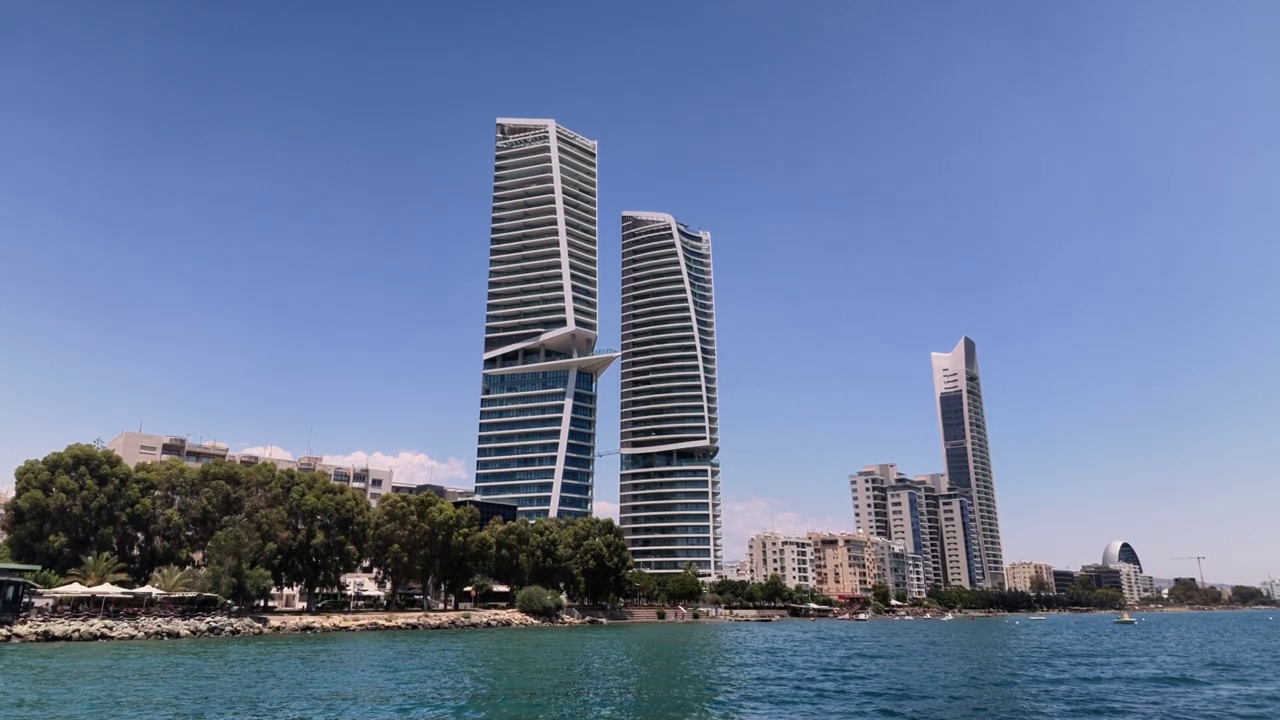 Limassol
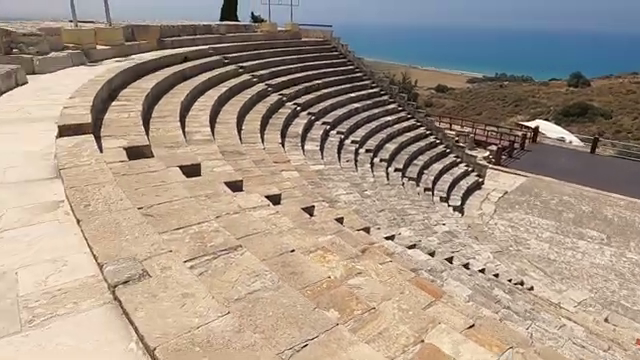 Kourion Archaeological Site, Limassol
Day 5 is the hinge of the itinerary.
Check out of your Paphos accommodation and move toward Limassol, but do not treat the transfer as dead time between two hotels.
If archaeology interests you, Kourion can give the journey a natural purpose before you settle into Limassol. If not, keep the transfer straightforward and give the city more of the afternoon.
The relocation should earn itself.
You are not moving because four nights in one hotel feels insufficiently ambitious. You are moving because Limassol changes the second half of the week. The evening atmosphere becomes more urban. Troodos becomes easier to reach. Restaurants, streets and the daily rhythm change.
This is the difference between a productive relocation and movement for its own sake.
After checking in, keep the rest of the day simple. Walk, have dinner and allow Limassol to introduce itself rather than immediately departing on another excursion.
Day 6 — Troodos Without Trying To Complete Troodos

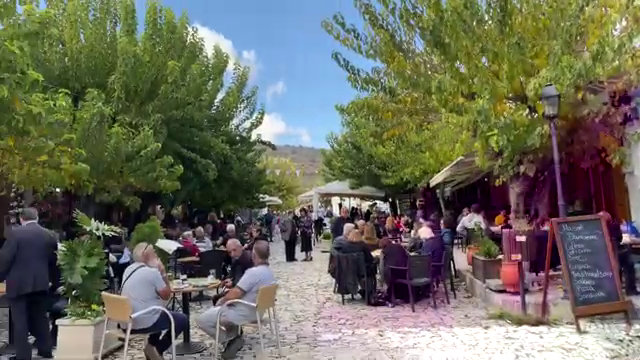

The sixth day belongs to the mountains.
From Limassol, head inland toward the Troodos Mountains, building the day around one coherent route rather than an ambitious sequence of villages, viewpoints and walks.
Omodos is a natural anchor for travelers interested in wine-village character. Platres and the surrounding mountain landscape offer a different experience higher up. Which deserves more of the day depends on what you actually want.
If villages, lunch and wine-country atmosphere matter most, keep the route lower and slower. If mountain scenery, walking and cooler air are the priority, give the higher landscape more time.
Trying to do both comprehensively is where the day begins to deteriorate.
Mountain driving also has its own rhythm. Roads can be slower, bends and elevation change the journey, and weather may differ from the coast. Check current conditions when they could affect your route, particularly during cooler periods.
You do not need to return to Limassol having reached the maximum number of mountain locations. The day has succeeded if the mountains genuinely change the week.
Day 7 — Let The Week End Where It Is
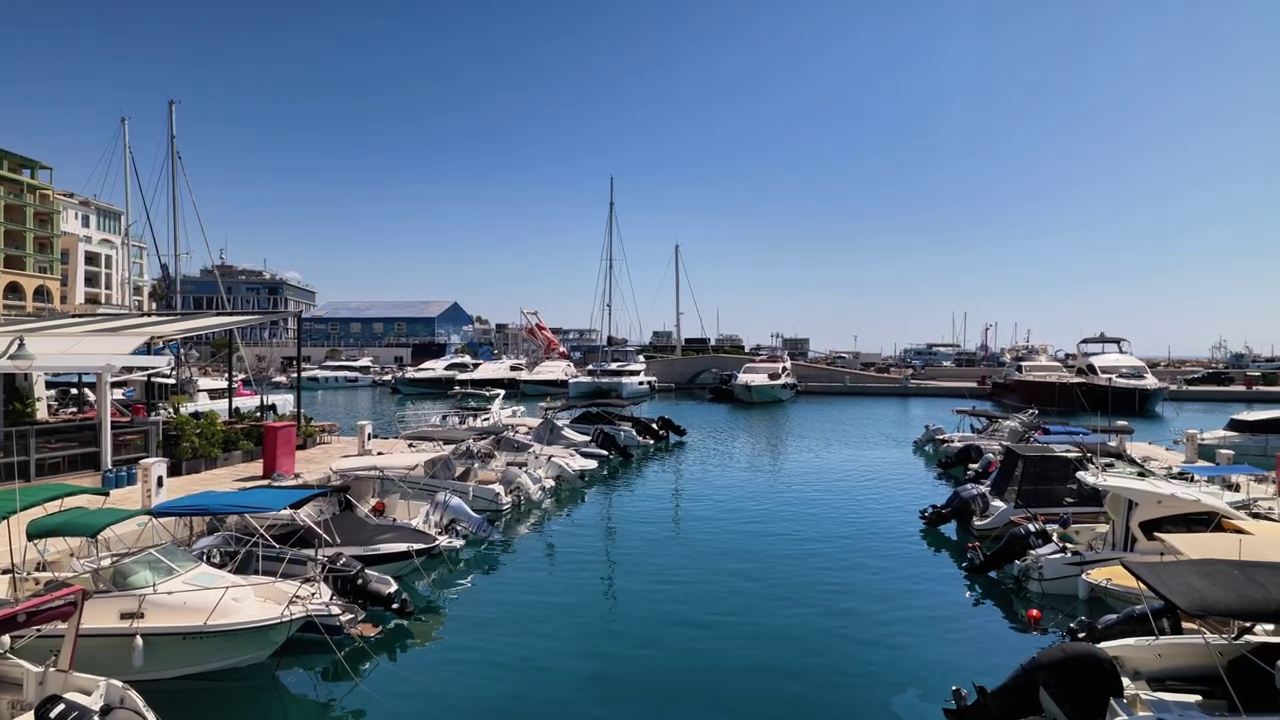 Limassol Marina
 Old Limassol (Lemesos)
By the final day, the temptation is to ask what major part of Cyprus remains missing.
Nicosia may be missing. The southeast may be missing. Larnaca may be missing.
That is fine.
Unless your flight logistics or personal interests make another journey genuinely worthwhile, we would keep the last day around Limassol. Give the city time it did not receive on Day 5. Walk the center and seafront, have a proper lunch, return somewhere from the previous evening or spend some of the remaining hours near the coast.
A final day does not need to be geographically impressive.
In fact, one of the clearest signs that a seven-day itinerary has worked is that the last day no longer needs another destination to justify itself.
If your departure requires an earlier journey toward the airport, reduce the day accordingly rather than turning the final hours into a competition between sightseeing and check-in.
The week has already done its work.
Why This Route Works
The itinerary has a clear shape.
The first four days allow western Cyprus to become more than a set of highlights. Paphos provides the historical and coastal beginning, the northwest opens the landscape and the countryside changes the rhythm without forcing an accommodation change.
Day 5 then creates one meaningful transition.
Limassol is not simply another destination added because a week allows it. It changes the evening atmosphere, gives the trip a second urban context and makes Troodos a natural part of the final chapter.
Most importantly, the route leaves substantial parts of Cyprus out.
Trying to add Nicosia, Larnaca, Ayia Napa and Protaras to the same seven days would create a more complete map and, in our view, a weaker trip.
If You Arrive Through Larnaca: Build The Week Differently
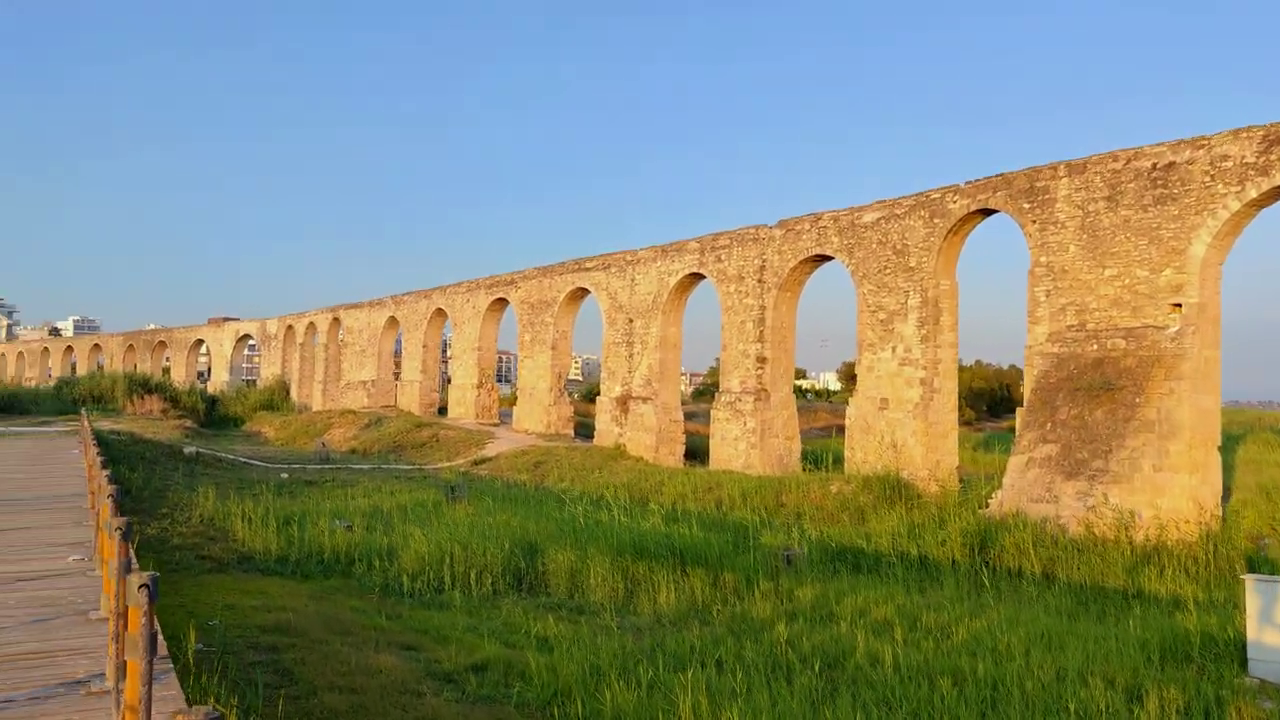 Kamares Aqueduct, Larnaca
 Lefkara Village
Travelers arriving through Larnaca do not need to cross Cyprus immediately just to reproduce the itinerary above.
If your priorities lean toward beaches, coastal landscapes and a mixture of eastern and inland Cyprus, build the week from the east.
Spend the first part around Larnaca and the southeast, giving Cape Greco, Protaras or Ayia Napa enough time to become actual experiences rather than brief appearances. Include at least one day where the beach is allowed to occupy most of the day instead of being fitted between sightseeing.
Then introduce a different Cyprus.
Lefkara can change the scale without requiring a long relocation, while Nicosia makes sense when museums, history and contemporary urban Cyprus genuinely interest you. Troodos can provide the larger landscape shift, either as a day trip from a suitable base or as the reason for one carefully considered move.
The principle is the same as the western route: establish one part of Cyprus before changing the week.
Larnaca's geographic convenience should reduce friction, not encourage seven unrelated day trips in seven different directions.
If Beaches Are The Main Reason You Are Coming
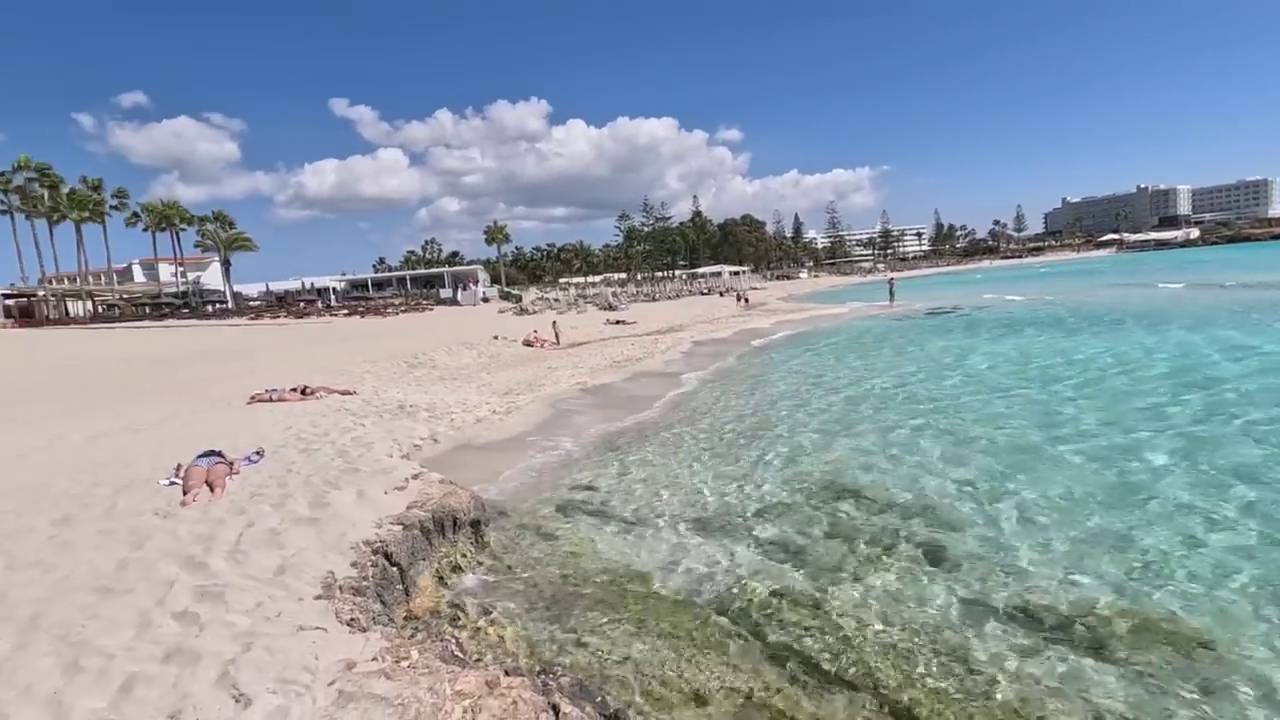 Nissi Beach, Ayia Napa
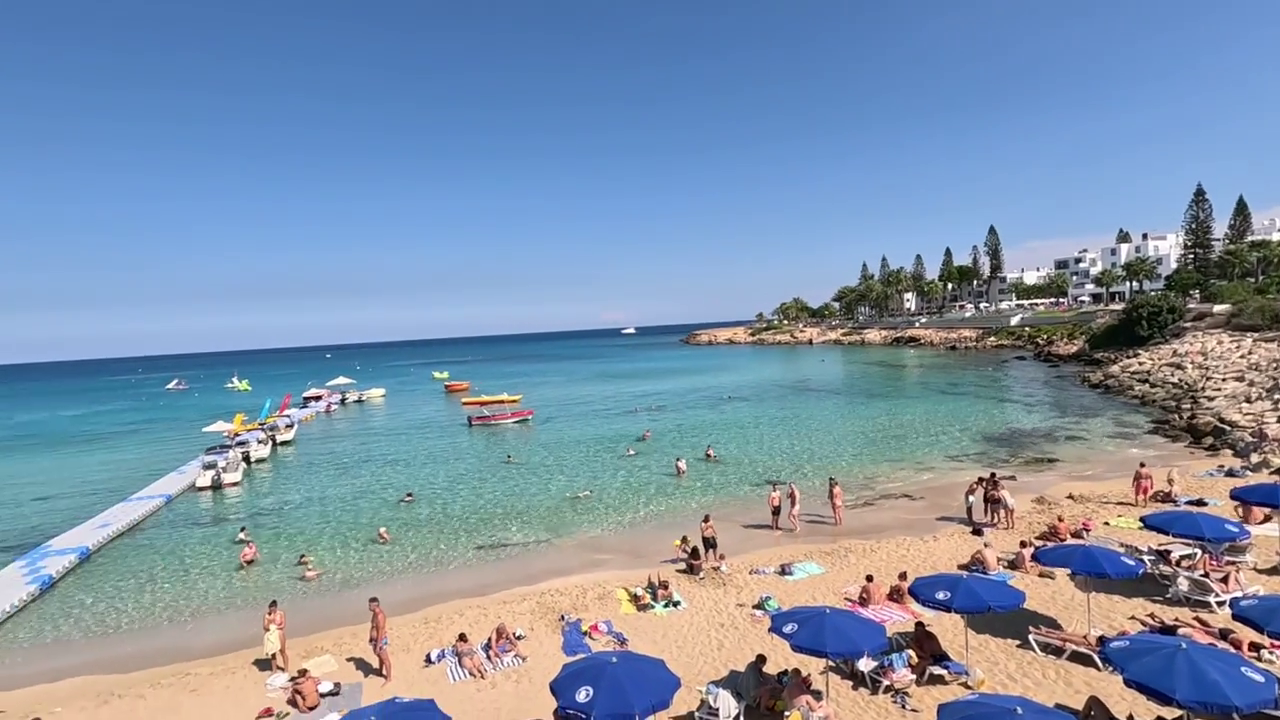 Fig Tree Bay, Protaras
Do not allow a supposedly balanced itinerary to move you away from what you actually want.
For a beach-first week, we would give the southeast considerably more time. Protaras and Ayia Napa provide different settings, while Cape Greco gives the coast another dimension.
Choose your base according to the beach experience and evening atmosphere you want rather than according to which location appears most frequently in general Cyprus itineraries.
Then use inland days selectively.
Lefkara can provide village contrast. Nicosia can provide a city day when that genuinely interests you. Troodos can provide the larger change in landscape.
What we would not do is reduce beaches to one day because archaeology, mountains and villages look more productive on paper.
If swimming and the coast are why you chose Cyprus, beach time is not the space between more important experiences. It is part of the reason the itinerary exists.
If Nicosia Matters To You
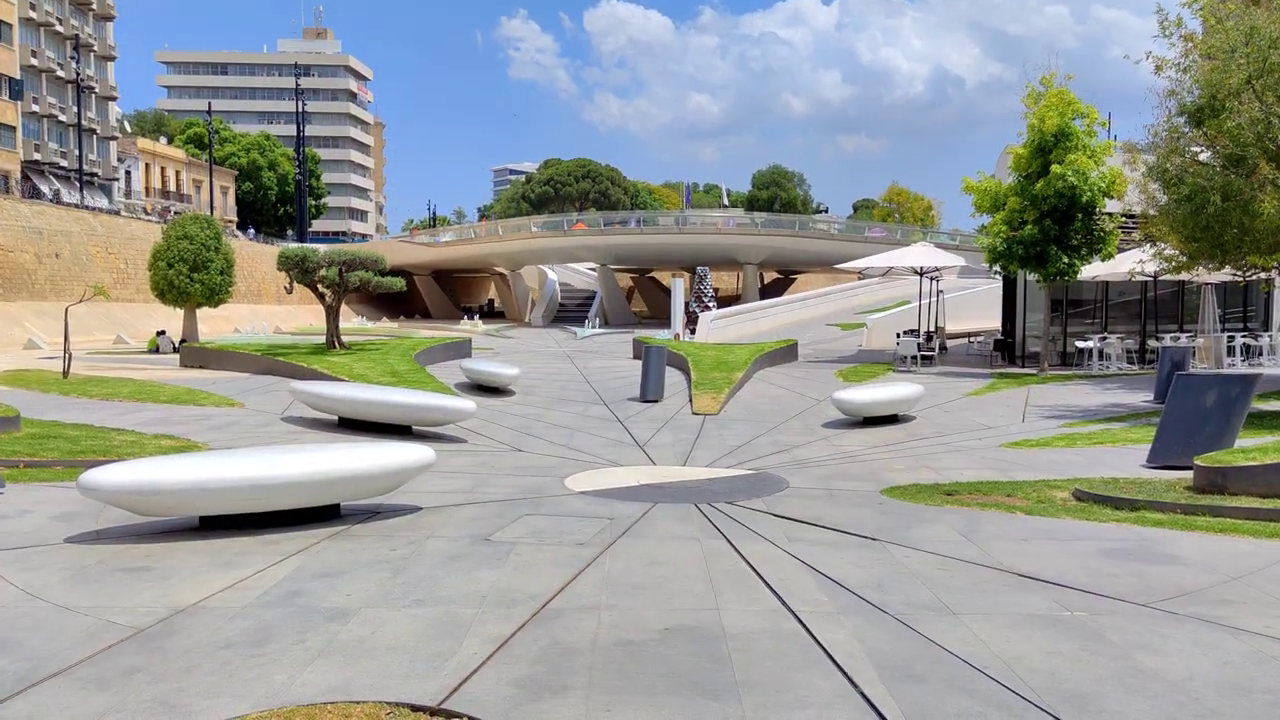
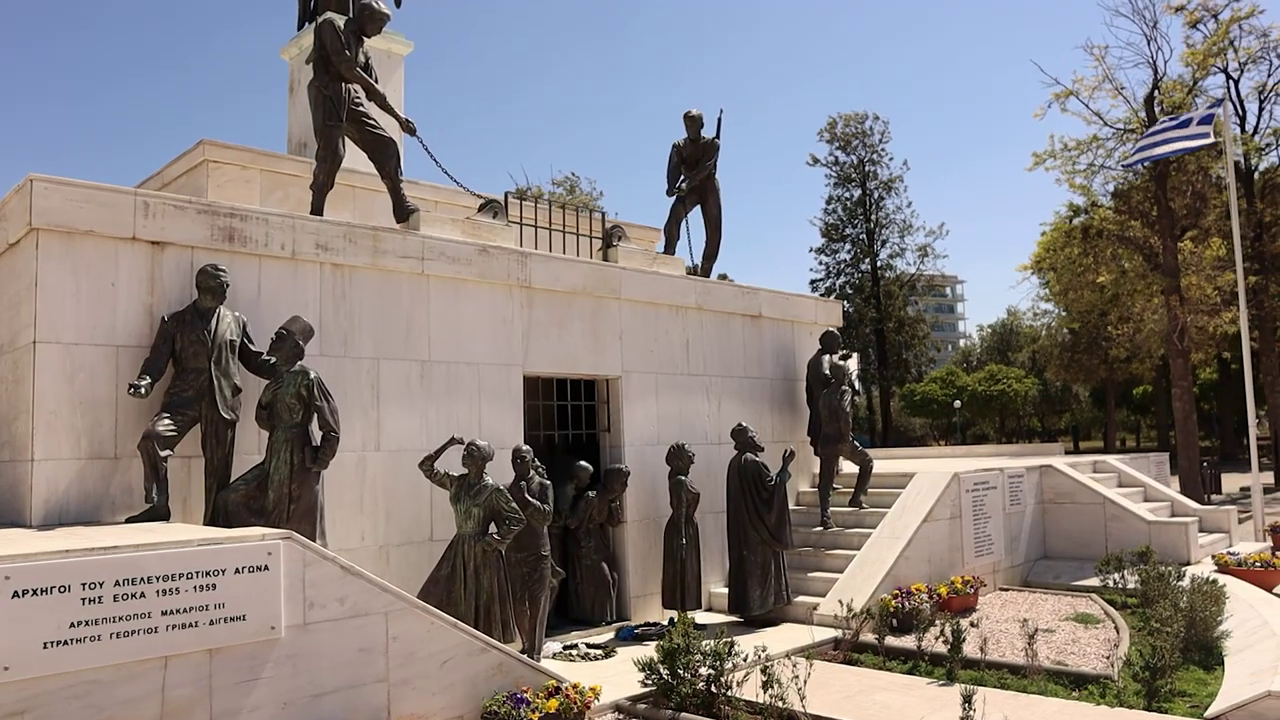
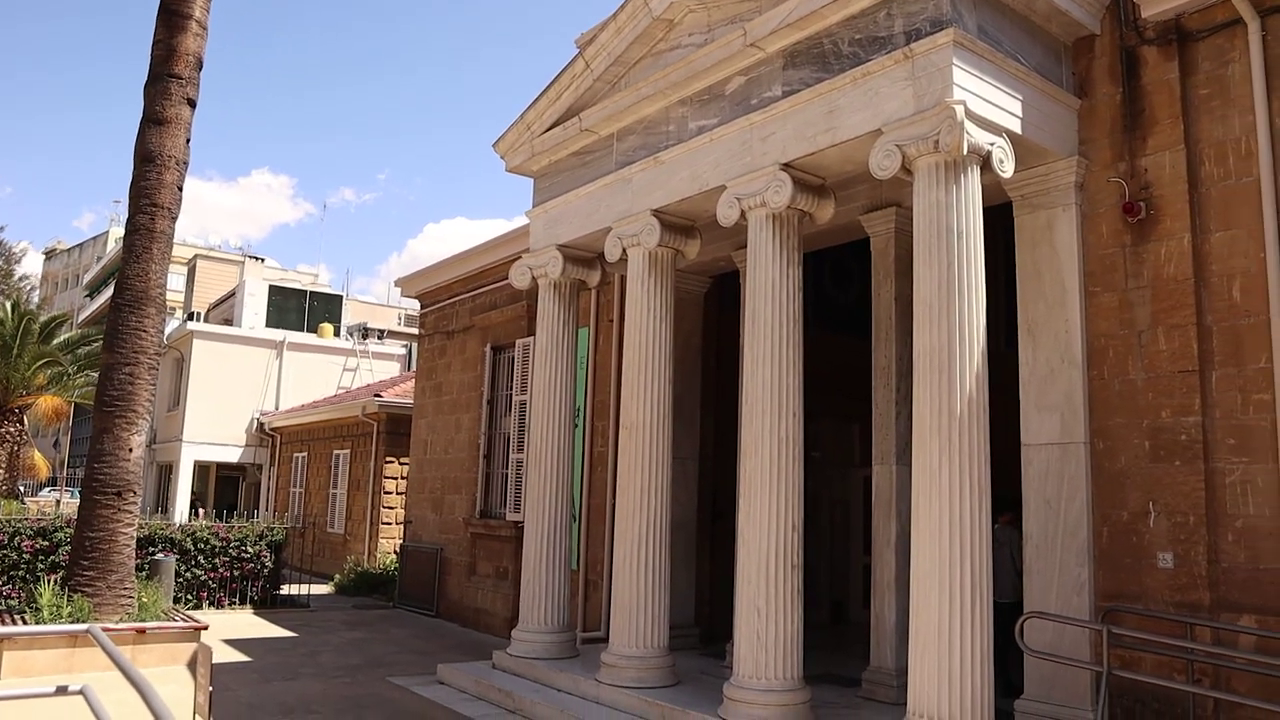
Nicosia deserves more than inclusion by obligation.
For travelers interested in museums, history, neighborhoods, restaurants and contemporary urban Cyprus, we would give the capital a full day and remove something else.
That exchange is important. Do not add Nicosia to a week that is already full.
If following the western route, the city could replace the final Limassol day or one of the western excursions, although the geography becomes less elegant. If building the week from Larnaca, Nicosia fits much more naturally.
The capital can give the trip something neither coast nor mountains provides, but that does not make it mandatory.
Seven days is long enough for Nicosia when Nicosia belongs to your interests. It is not long enough for every destination that deserves time.
Should You Use One Base or Two?
Seven days is the first trip length where we often think two bases can genuinely improve the itinerary.
One base still works very well when the location and your priorities align. A week around Paphos can contain archaeology, coast, northwest, countryside, villages and slower days without feeling repetitive. Limassol can support city life, Kourion, wine villages and Troodos. Larnaca can support the city, southeast, Lefkara and Nicosia.
The reason to introduce a second base is not simply that seven nights seem long enough to change hotels.
The second base should alter the experience.
It might move you from western Cyprus to a more urban setting, from coast to mountains or from a beach-focused first half to an inland second half. Ideally, it should give you mornings and evenings that a day trip would not.
If the only advantage is shortening one drive, we would usually stay where we are.
For detailed decisions about specific combinations, our Where to Stay in Cyprus and two-base guides deal with those choices separately. The itinerary's job is to shape the week, not turn accommodation changes into the purpose of it.
Should You Rent A Car For 7 Days in Cyprus?

For an itinerary involving the Paphos countryside, Akamas approaches, villages and Troodos, a rental car provides considerably more flexibility.
It allows the week to respond to weather, appetite, energy and the places you discover after arriving rather than relying entirely on fixed excursion structures.
That does not mean every seven-day Cyprus trip requires one. Travelers choosing a more urban-and-coastal itinerary can build the week around airport transfers, taxis, organized excursions and available public transport, but the geography needs to reflect that decision from the beginning.
A car-free itinerary should not be a driving itinerary with the car removed.
If you intend to drive, remember that Cyprus drives on the left. Our Renting a Car in Cyprus, Driving Rules in Cyprus, Driving on the Left in Cyprus, Parking in Cyprus and Driving in the Troodos Mountains guides cover those practical decisions separately.
Travelers planning the week without a rental car should use our Cyprus Without a Car Itinerary and Getting Around Cyprus guides before choosing bases.
How Season Should Change The Week
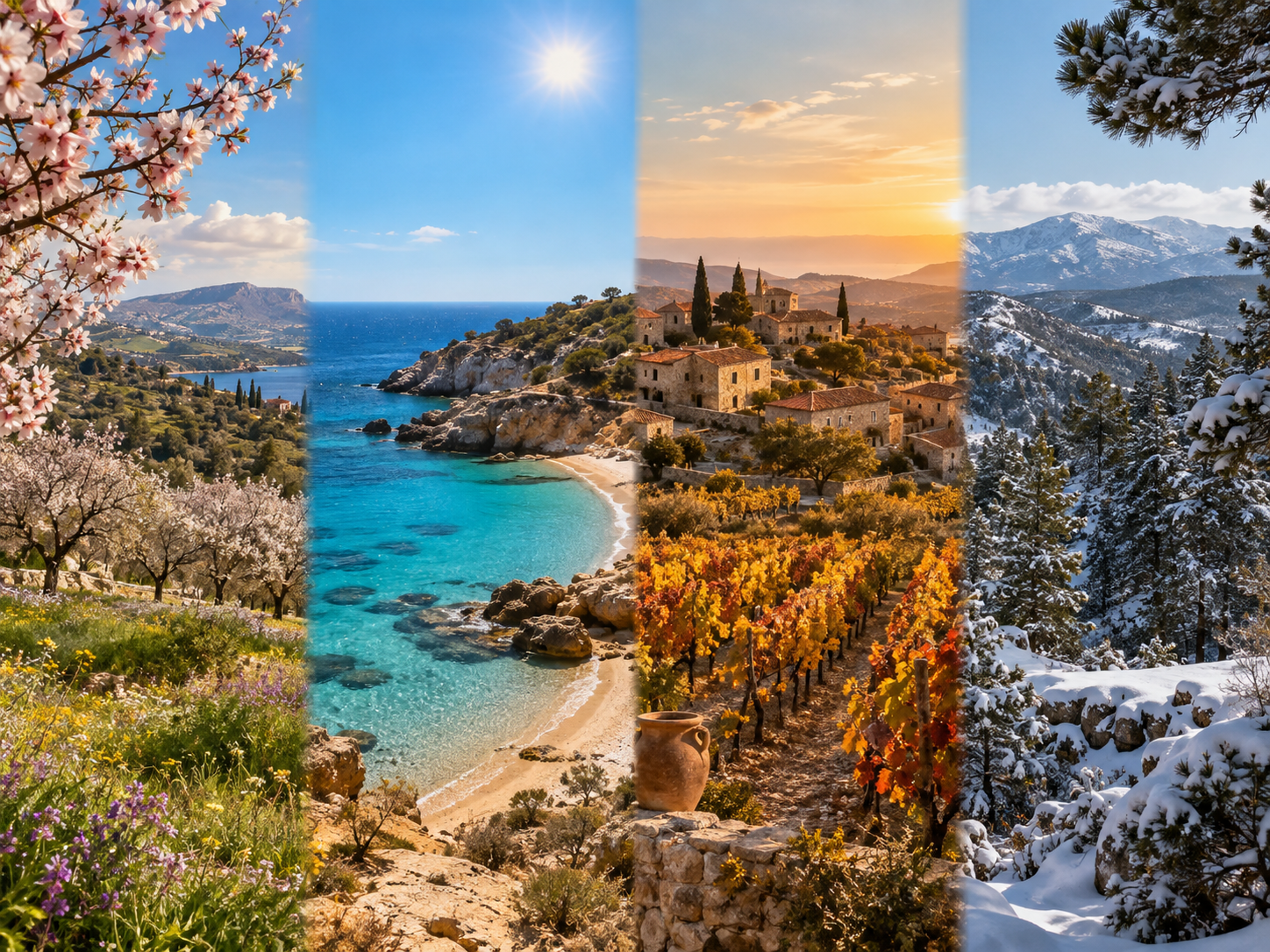
A seven-day itinerary should be flexible enough to respond to the season without needing to be rebuilt.
During hotter periods, exposed archaeological sites, village walking and longer inland days deserve more careful timing around heat and sun. Earlier starts, longer midday breaks and later coastal hours may change the shape of the day substantially.
The mountains can also provide a different rhythm from the coast, although conditions should always be checked for the period you are traveling.
In cooler months, swimming may occupy less of the week, while archaeology, walking, villages, cities and food become easier to emphasize. Mountain weather and road conditions deserve greater attention, and shorter daylight can reduce how much you comfortably combine.
The advantage of seven days is that you can move the pieces. If the planned mountain day has poor conditions, use a city or coastal day instead and return to Troodos later. If sea conditions affect a boat plan, one cancellation should not destabilize the wider itinerary.
A week should have structure without becoming brittle.
Our Best Time to Visit Cyprus and month-by-month Cyprus guides can help you adapt the route to the period you are visiting.
Where Extra Spending Can Actually Improve A Seven-Day Trip
A larger travel budget does not improve the week simply by adding more bookings.
We would spend where money removes friction or materially improves the experience.
Accommodation location is an obvious example. Paying more to stay somewhere that lets you walk to dinner, reduces repeated driving or gives you the atmosphere you actually want each morning can matter more over seven nights than an impressive property in an inconvenient location.
A private transfer can be worthwhile when it simplifies an arrival or departure. A private or small-group experience can make sense when it improves access or removes driving from a day involving wine. A particularly good hotel can justify spending more time at the property rather than leaving every morning.
The distinction is between spending that improves the week and spending that fills it.
Seven days does not need to feel busy to feel valuable.
What We Would Not Do With 7 Days in Cyprus
We would not attempt to visit every major region simply because a full week appears to make it possible.
We would not use three or four hotels unless the structure of the trip genuinely required them. We would not combine Paphos, Akamas, Troodos, Nicosia, Larnaca, Ayia Napa and Protaras as seven consecutive assignments.
We would not drive through mountain villages without giving one enough time to matter, reduce the southeast to a quick photograph at a famous beach or include Nicosia solely for the sake of completeness.
And we would not make every day equally full.
A week needs variation in intensity. A long driving day works better beside an easier one. A full mountain day gains something from a slower evening. A beach afternoon can restore the trip rather than interrupt it.
The itinerary should have rhythm, not merely coverage.
If Your Trip Is Slightly Shorter or Longer
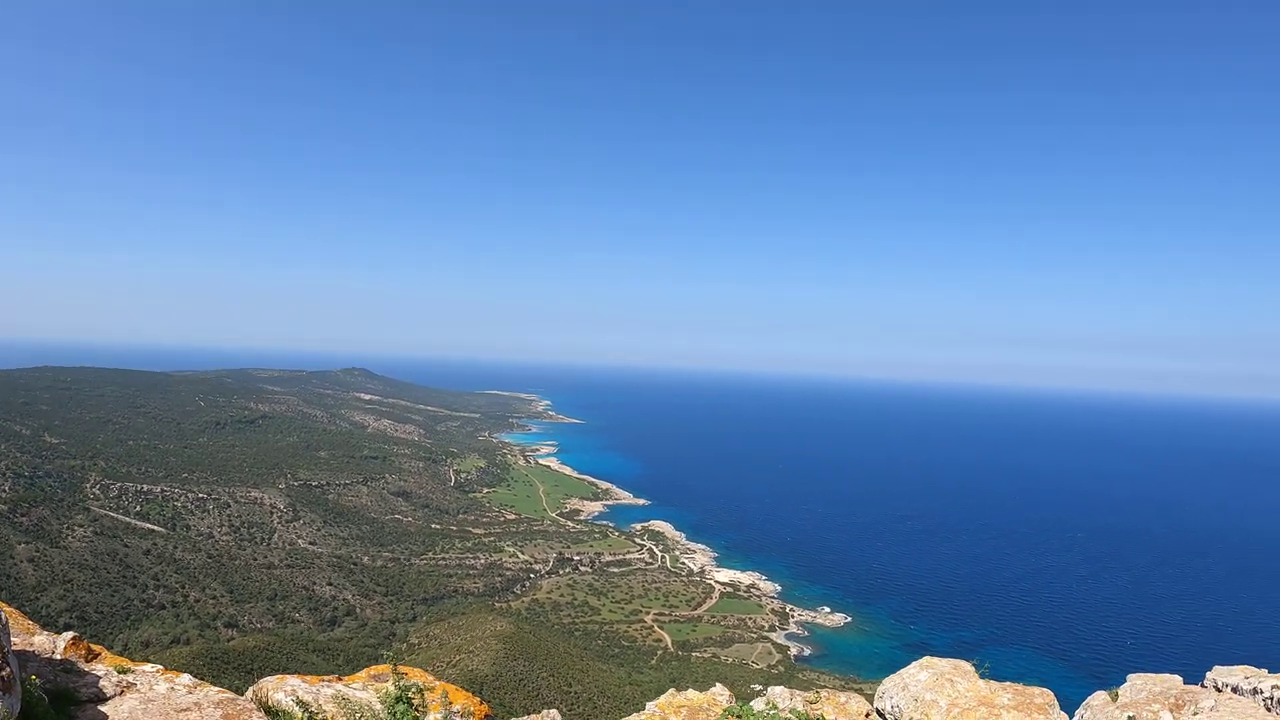 Akamas Peninsula, Paphos
 Laiki Yeitonia, Nicosia
If you have only six and a half usable days, remove something rather than compress the entire itinerary.
On the western route, protect Paphos, the northwest and the transition to Limassol, then decide whether the countryside or full mountain day matters more. On an eastern route, protect the coast first if beaches are your priority, then choose between Nicosia, Lefkara and a mountain day instead of shortening all three.
If you gain an eighth day, deepen the route before adding another base. Give Akamas more room, leave a genuine coastal day, spend longer in the mountains or include Nicosia if the city fits your interests.
Once the trip reaches ten days, the structure changes more substantially. Our 10 Days in Cyprus itinerary is designed for a journey where additional regions can be introduced without making every transition a compromise.
A Practical Note Before You Set Out
Treat this itinerary as an editorial framework rather than a fixed schedule.
Opening days and hours can change. Road access can change. Weather can affect walking, mountain routes and boat plans. Rental companies may restrict where particular vehicles may be driven, while transport schedules and seasonal operations can vary.
Check current information for anything on which the day's plan genuinely depends, particularly weather, road access, booked experiences, operating times and airport journeys. Allow sensible margins for anything you would be genuinely disappointed to miss.
When circumstances change, do not try to rescue every original plan. Move the day, replace the experience or leave it out.
A good seven-day itinerary has enough structure to guide decisions and enough space to survive reality.
A Week Should Have Two Chapters
There is a particular moment that separates a good week from an overloaded one.
You arrive at the second base—or simply begin the second half from the same one—and the trip feels different without feeling interrupted. The roads change. Dinner happens somewhere new. The landscape has shifted. Yet you are not starting Cyprus again from zero.
The first part of the week has given the second part context.
That is what seven days can do unusually well: enough time to develop familiarity and still experience meaningful contrast, enough time to return somewhere and still move once, enough time for coast, countryside and mountains to belong to the same journey without asking them all to compete for the same afternoon.
Do not use the week to prove how much of Cyprus you managed to cover.
Give it a first chapter.
Give it a second.
And make the move between them worth making.